-
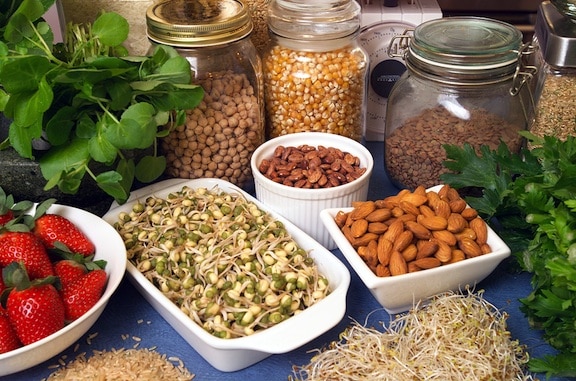
Creating a Plant-Based Pantry
-
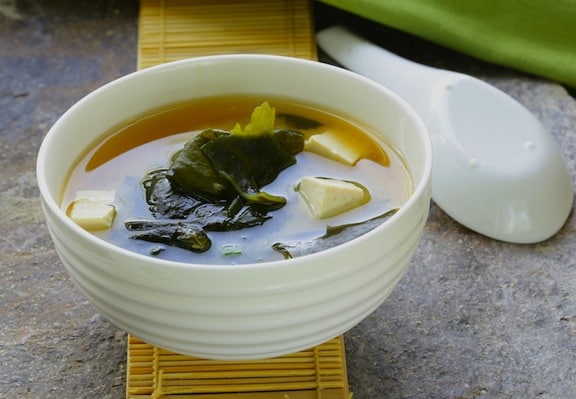
Miso: What It Is and How to Use It
-
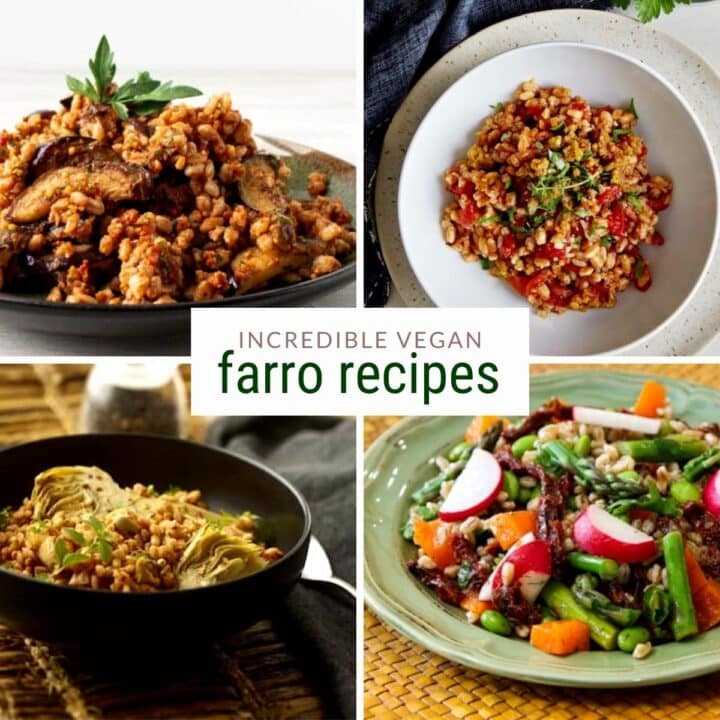
12+ Tasty, Healthy Vegan Farro Recipes
-
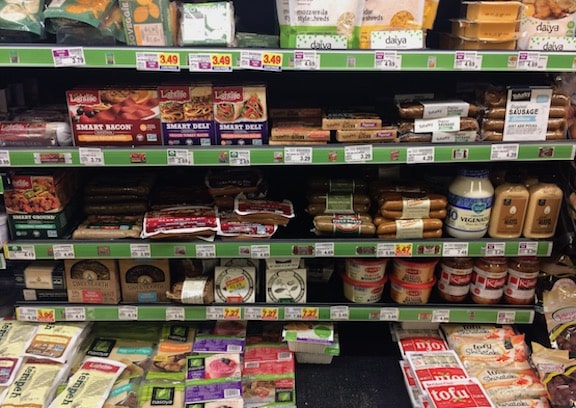
Vegan Substitutions Guide
-
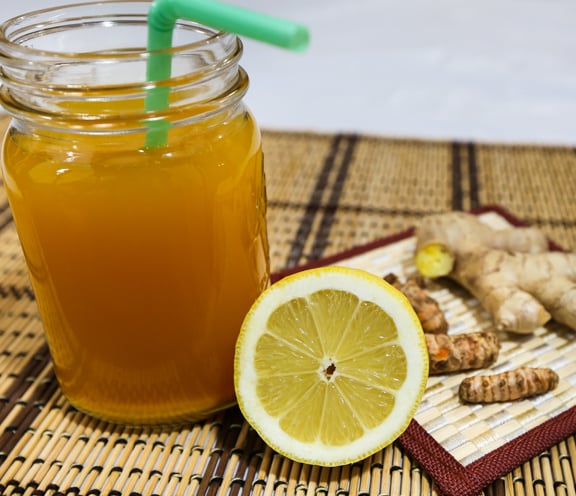
The One Tonic: Turmeric, Ginger, Lemon, Rooibos Tea & ACV
-
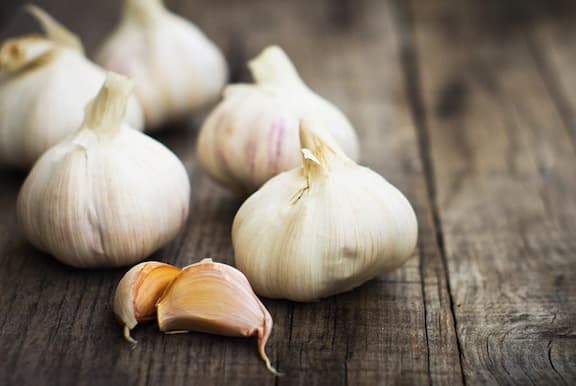
Preserving Garlic
-
Best Vegan Halloween Candy Brands (and they're easy to find!)
-
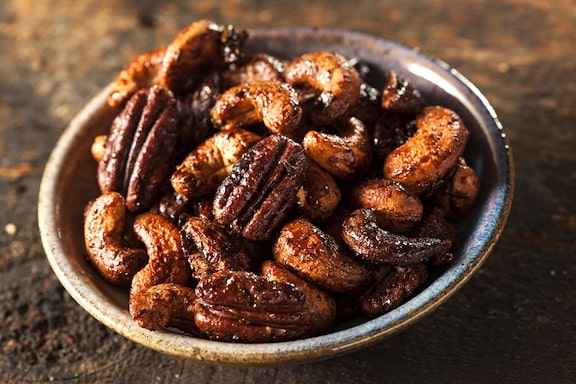
Let's Go Nuts for Good Health
-
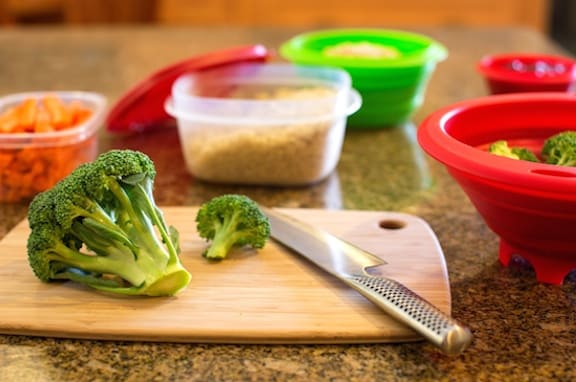
16 Meal Prep Tips for Healthier Eating Every Day
-
Can The Apple Cider Vinegar Diet Help You Lose Weight?
-
34 Best Plant-Based High-Fiber Foods
-
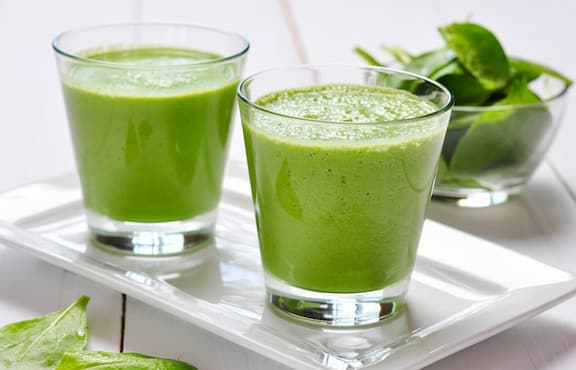
Top 10 Benefits of Green Smoothies
-
6 Basic Guidelines for the Nutritarian Diet
-
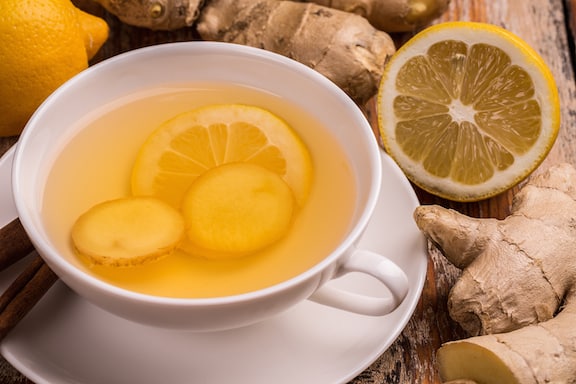
Lemon Ginger Tea: 5 Reasons Why You Should Drink It
-
5 Best Vegetables for Acid Reflux and Heartburn — and a Smoothie
-
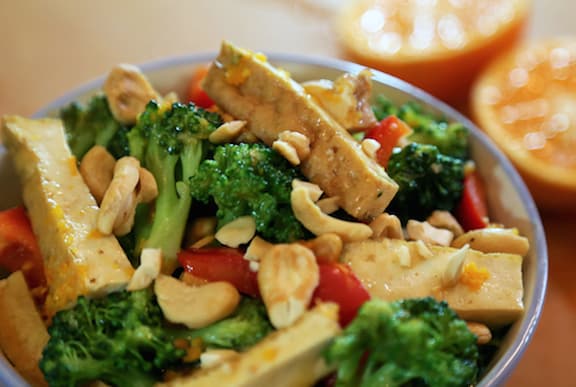
5 Simple Ways to Use Baked Tofu
-
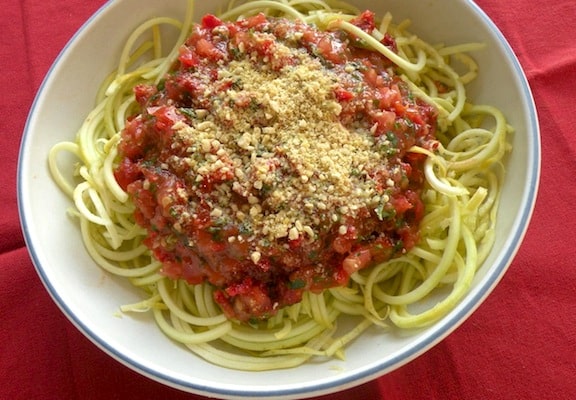
Raw Vegan Parmesan-Style "Cheese"
-
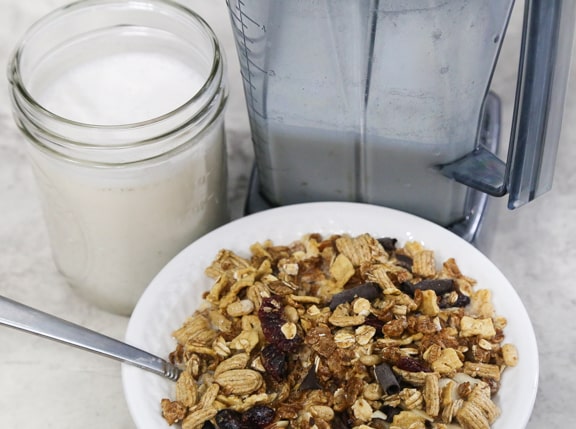
How to Make Homemade Hemp Milk
-
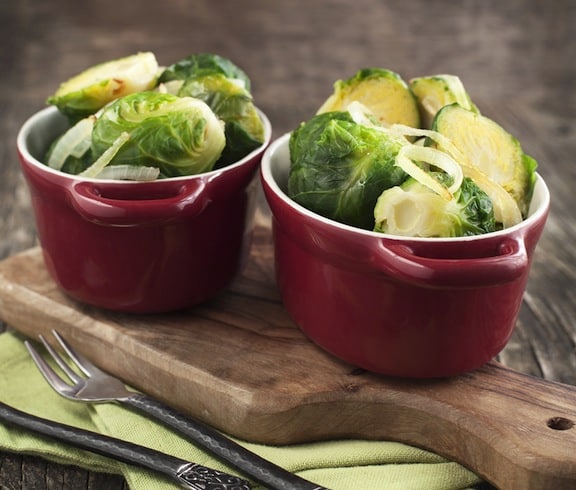
6 Offbeat Veggies That are Worth a Try
-
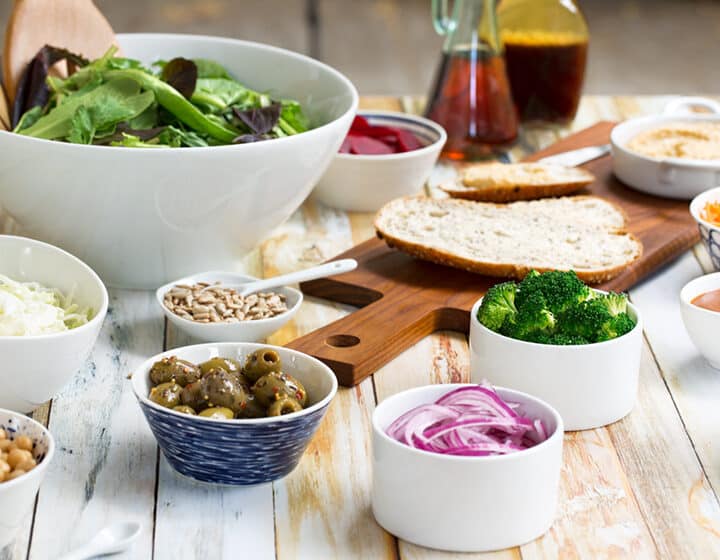
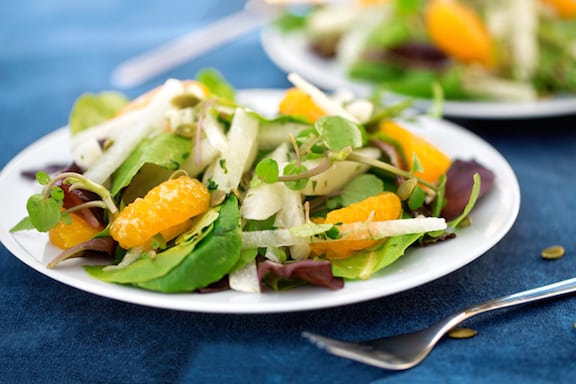
Delicious and Easy Salad Bar at Home
-
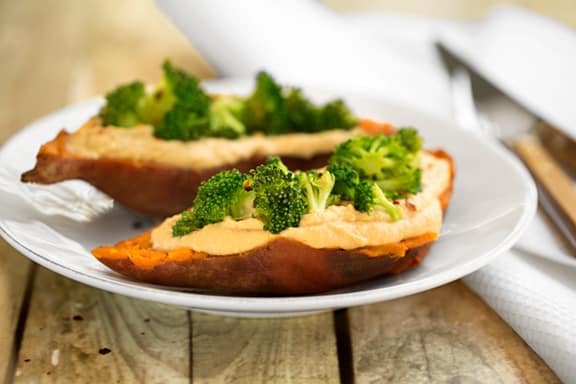
5 Great Ways to Use Hummus
-
How to Make Fresh Ginger-Lemon Tea
-
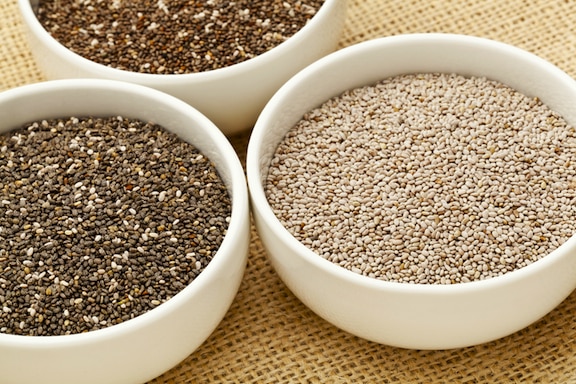
Health Benefits of Chia, Flax, and Hemp Seeds
-
Chia Seeds: Frequently Asked Questions
-
What is Kañiwa? Introducing a Relative of Quinoa
-
5 Vegan Egg Substitutes That Are Already In Your Kitchen
-
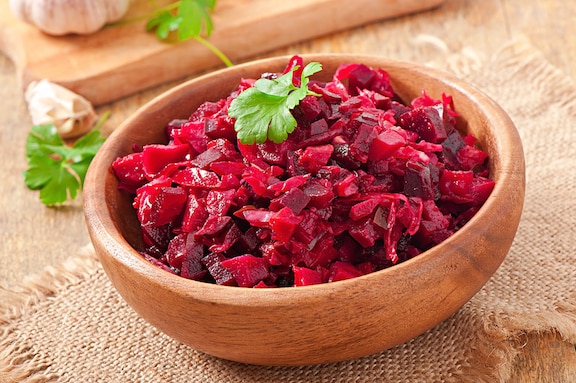
How to Cook Beets (or use them raw)
-
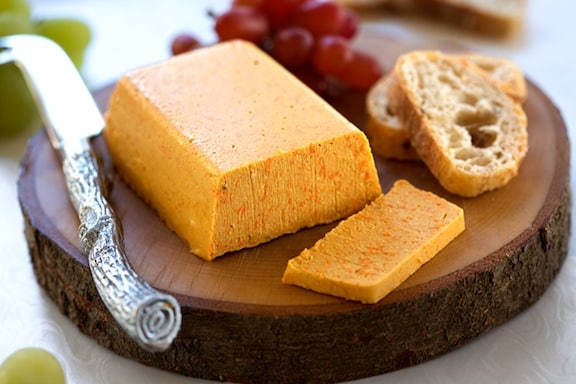
8 Amazing Vegan Cheese Recipes
-
10 Easy Jícama Recipes You'll Love
-
25 Vegan Celebrities: The Most Famous Vegan Celebrities on the Planet
-
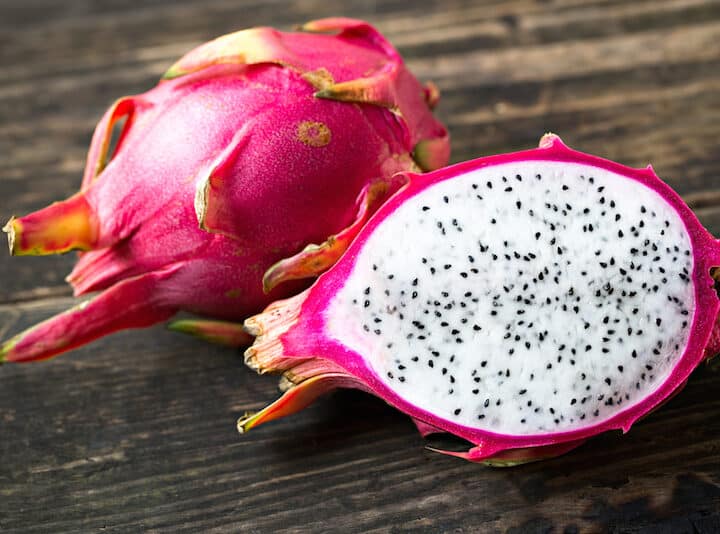
How to Eat Dragon Fruit
-
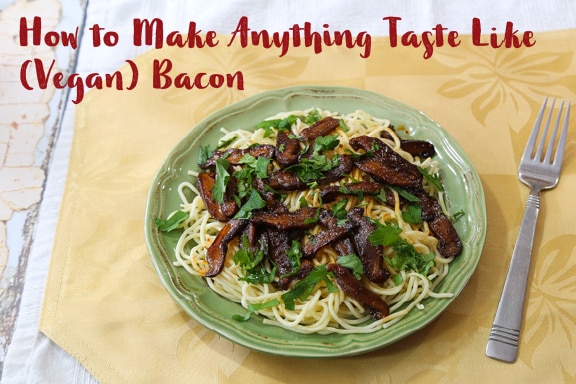
How to Make Anything Taste Like (Vegan) Bacon
-
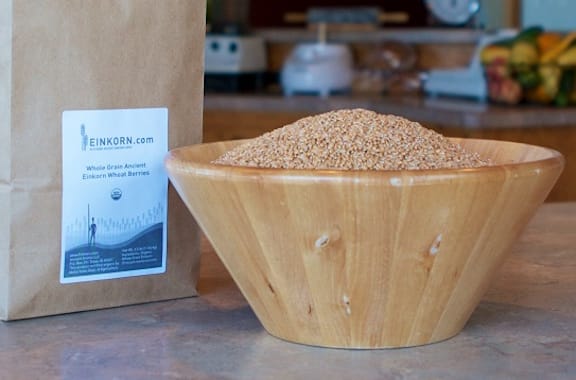
How to Cook and Use Einkorn Wheat
-
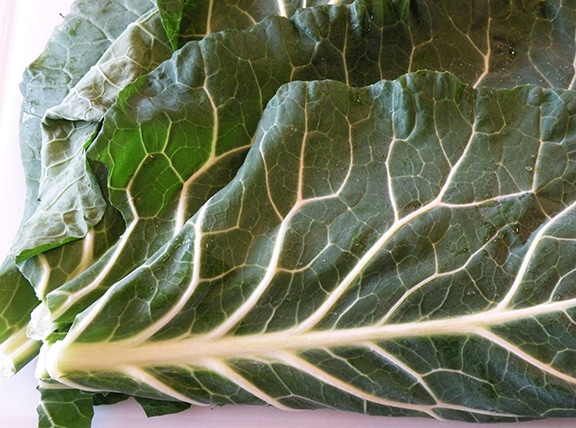
How to Prepare Collard Greens Easily and Quickly
-
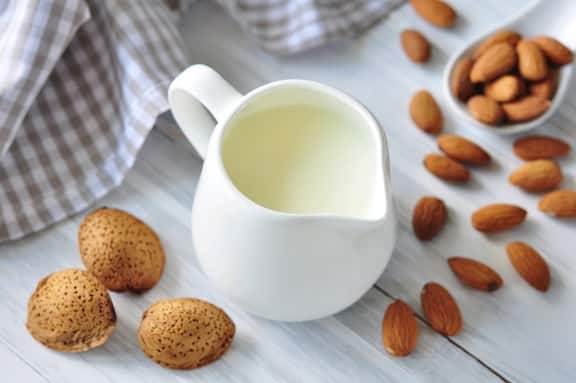
The Best Non-Dairy Vegan Milk Alternatives
-
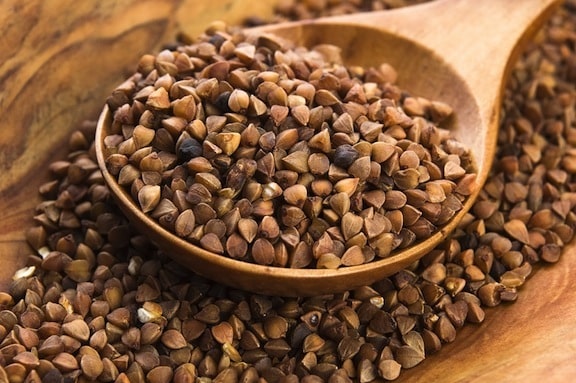
Buckwheat Groats (Kasha): How to Cook and Use
-
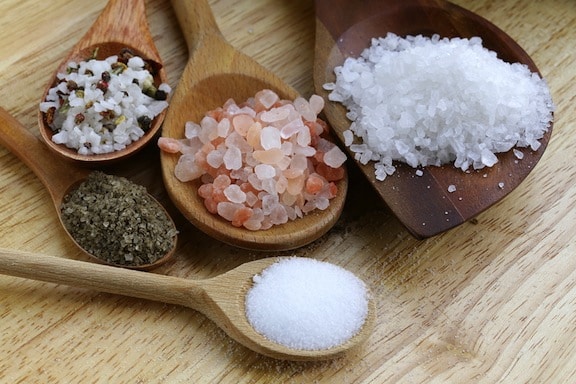
A Guide to Salt Varieties
-
How to Eat Dragon Fruit? There Are More Ways Than You Might Imagine
-
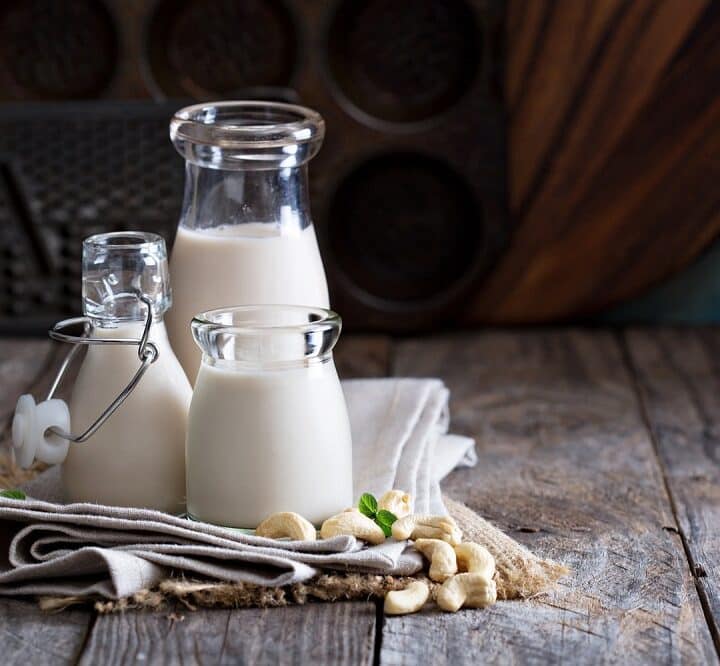
How to Make Cashew Milk in Just a Few Easy Steps
-
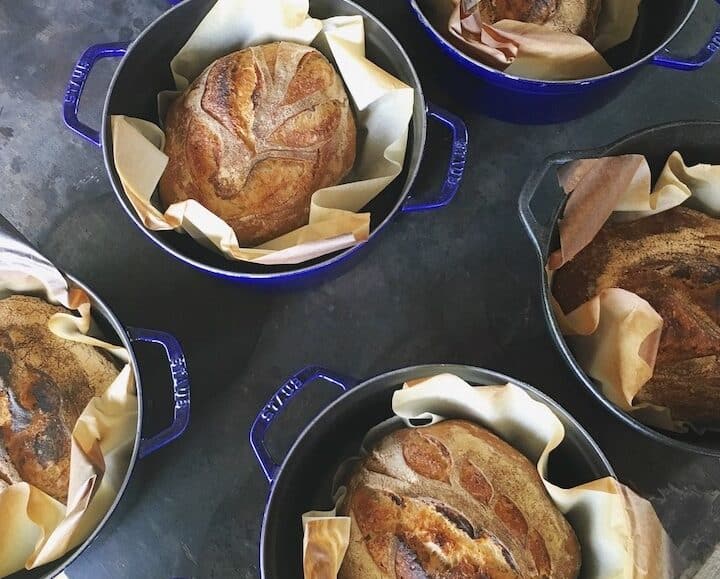
How To Make Sourdough Starter
Everything you need to live your best vegan life - from plant-based recipes and kitchen tips to everyday lifestyle inspiration. Whether you're just getting started or have been vegan for years, there's a little something for everyone.