
Natural Foods Guides
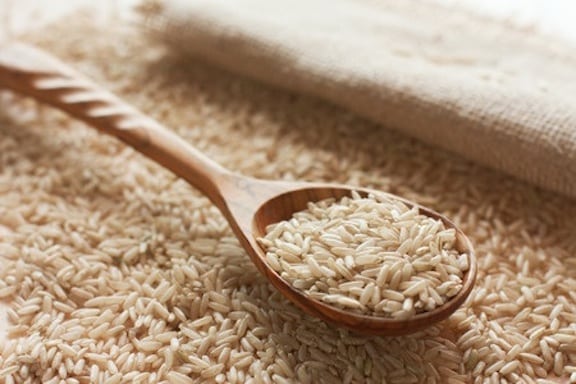
Here’s a quick guide on how to cook brown rice as well and how to use some of its varieties. For a wide range of delicious and easy brown rice recipes, visit our Brown Rice Recipes page. With its nutty taste and chewy texture, brown rice doesn’t fade into the background of dishes as does white rice. But once you switch to brown rice, there’s no going back! Nutritionally, brown rice is far superior to white, which has had its valuable hull and germ removed. Learn more by going to Top 10 Health Benefits of Brown Rice. Read More→
Print This Post
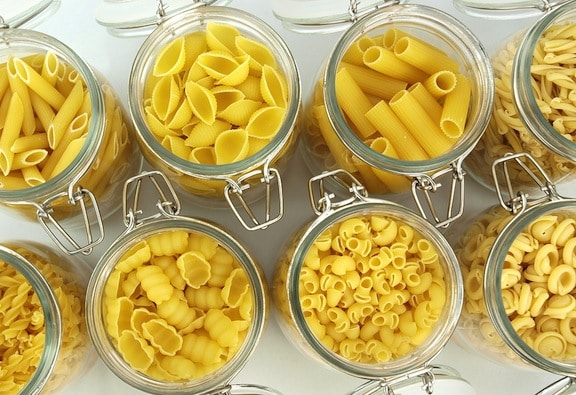
If you’re looking for vegan pasta recipes as well as tips on making the most of this versatile food in all of its varieties (alternative flours, gluten-free, etc), you’ve come to the right place! Easy and quick to cook, easy to digest, low in fat, rich in nutrients, and of course, versatile and tasty, pasta and noodles should be perfectly at home in every busy, health-conscious cook’s pantry. Read More→
Print This Post
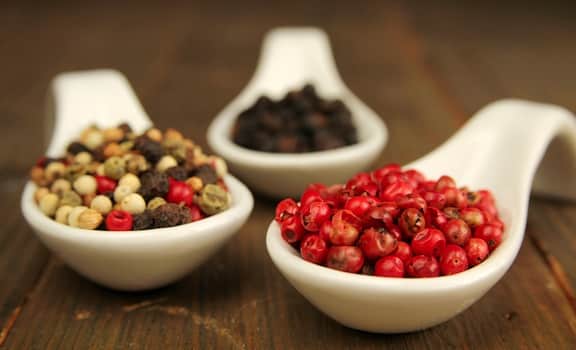
Excerpted from Healing Spices by Bharat B. Aggarwal, PhD, Sterling Publishing, 2011. Like grapes, black pepper grows on perennial vines. But pepper vines soar to a height of 30 feet or more—you can see them trellising swaying palm trees in the state of Kerala on India’s Malabar coast, where black pepper is big business and pepper vines are everywhere.
Print This Post
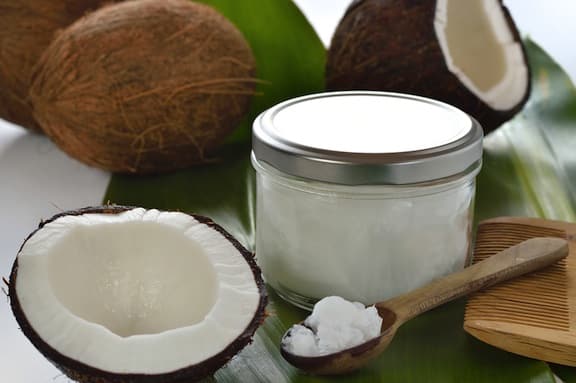
Much of the research on the relationship of saturated fats and heart disease points to the possibility that saturated fats and cholesterol in animal products may play more of a role in causing health problems than saturated fats in plant foods. However, as researchers uncover more information on the role of nutrition in health, it often becomes less clear why various foods cause or prevent disease. Heredity plays a key role in shaping our biology and to what degree each of us is susceptible to certain health problems. Although the consumption of cholesterol and saturated animal fat can lead to high cholesterol levels and heart disease, there are scores of people whose cholesterol levels are not adversely affected this way.
Print This Post
Until the 1960s, the only type of soy sauce available in this country was the mass-produced, commercial variety. In the mid-1960s, George Ohsawa, father of the macrobiotic diet, introduced the natural, Japanese product to North America. This is what is commonly found in natural foods stores, inaccurately labeled tamari. What we buy as tamari (or in some instances labeled shoyu-tamari) is actually what is known in Japan as shoyu. Tamari in Japan is a by-product of miso and is a thicker, stronger tasting sauce. True tamari is rare in this country, so when you buy a product labeled tamari, chances are very good that you are really buying shoyu, or natural soy sauce. Read More→
Print This Post
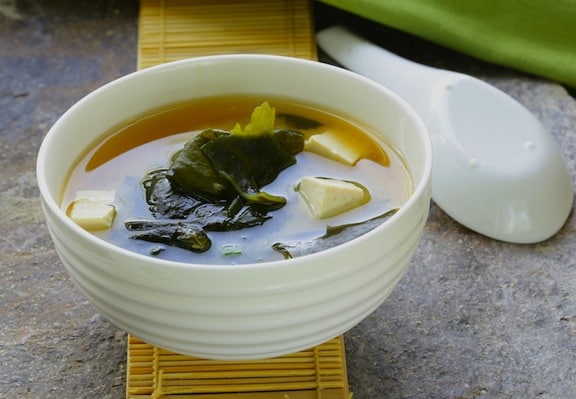
A ubiquitous staple in Japanese and Chinese cookery, miso, or fermented soybean paste, is a powerhouse of concentrated flavor and nutrition. Three types of miso are commonly available in the Western natural-food market: soybean miso, rice miso, and barley miso (rice and barley misos actually combine soybeans with the grain). Within each category of miso exists a range of earthy hues and subtle flavor variations, all more or less in the realm of a pungent saltiness. The texture resembles that of peanut butter. Miso is best known as the base for simple, broth-type soups, although it is equally useful as a basis for sauces, dressings, and dips. Read More→
Print This Post
As the popularity of healthy, ethnic cooking home grows, our spice rack should expand to accommodate the seasonings give vegan dishes their unique characters.Volumes can be written on the healing aspect of herbs (in fact see our review of the terrific book, Healing Spices), the focus here is culinary. This section will give a brief overview of those seasonings most commonly used to flavor global whole food recipes. Read More→
Print This Post