

Made creamy with tofu or white beans, this ancient grains soup is filled with tasty leeks and mushrooms. It's truly a bowl of comfort! If you'd like to explore the various ancient grains on the market, you can make this with whole farro, spelt, or einkorn berries. Or go "new school" with ordinary pearl or pot barley. Whichever grain you use, you'll enjoy this nourishing soup on a chilly or rainy day. Photos by Evan Atlas. [Read more...]
Search Results for: grains
Top Vegan Protein Sources (that you'll actually want to eat!)
Getting enough vegan protein is a lot easier than most people expect, and it doesn't have to mean living on steamed tofu or chugging protein shakes every day. Here are 18 of the top vegan protein sources, with real numbers for how much protein each one delivers, easy ways to cook with it, and our favorite recipes to get you started.
Every food below lists its protein per 100 grams, so you can compare them fairly, plus the amount in a realistic serving. Unless I note a product label, the figures come from USDA FoodData Central, the USDA's free nutrition database. Where a packaged version is handy to have in the pantry, I've linked an example on Amazon (those are affiliate links, and they don't cost you anything extra).
[feast_advanced_jump_to]How Much Vegan Protein Do You Need?
This is the big question, right? And frankly, it may not be quite as much as you would believe based on all the fitness world's obsession with protein loading! 😉
The standard recommendation for adults is 0.8 grams of protein per kilogram of body weight per day, according to Harvard's Nutrition Source. That works out to a little over 7 grams for every 20 pounds you weigh, so a 150-pound person needs roughly 52 grams a day. Some people need more, including athletes and anyone who's pregnant or nursing, so a registered dietitian can help you find your own number. (And of course, if you have any specific health concerns, you should discuss with a proper doctor!)
The good news for anyone eating a plant-based diet is that the Academy of Nutrition and Dietetics has concluded that well-planned vegetarian and vegan diets are nutritionally adequate for every stage of life, including for athletes. Protein is rarely the hard part.
You may have heard that plant proteins are "incomplete," and it's partly true: many plant foods run low in one or more of the nine essential amino acids. Soy foods, quinoa, and chia are complete on their own, and for everything else, Harvard Health simply recommends eating a variety of plant proteins across the day. You don't need to match foods at every meal. A bowl of oatmeal in the morning, lentil soup at lunch, and a tofu stir-fry at dinner takes care of it just fine.
Vegan Protein Sources at a Glance
Here's the quick comparison of popular protein sources. While many sources simply show the amount of protein per 100g of a food, I don't find that particularly helpful. Do you know how much 100g of tofu is? I sure don't. Likewise, I am probably not going to eat 100g of pumpkin seeds in one sitting! 😉
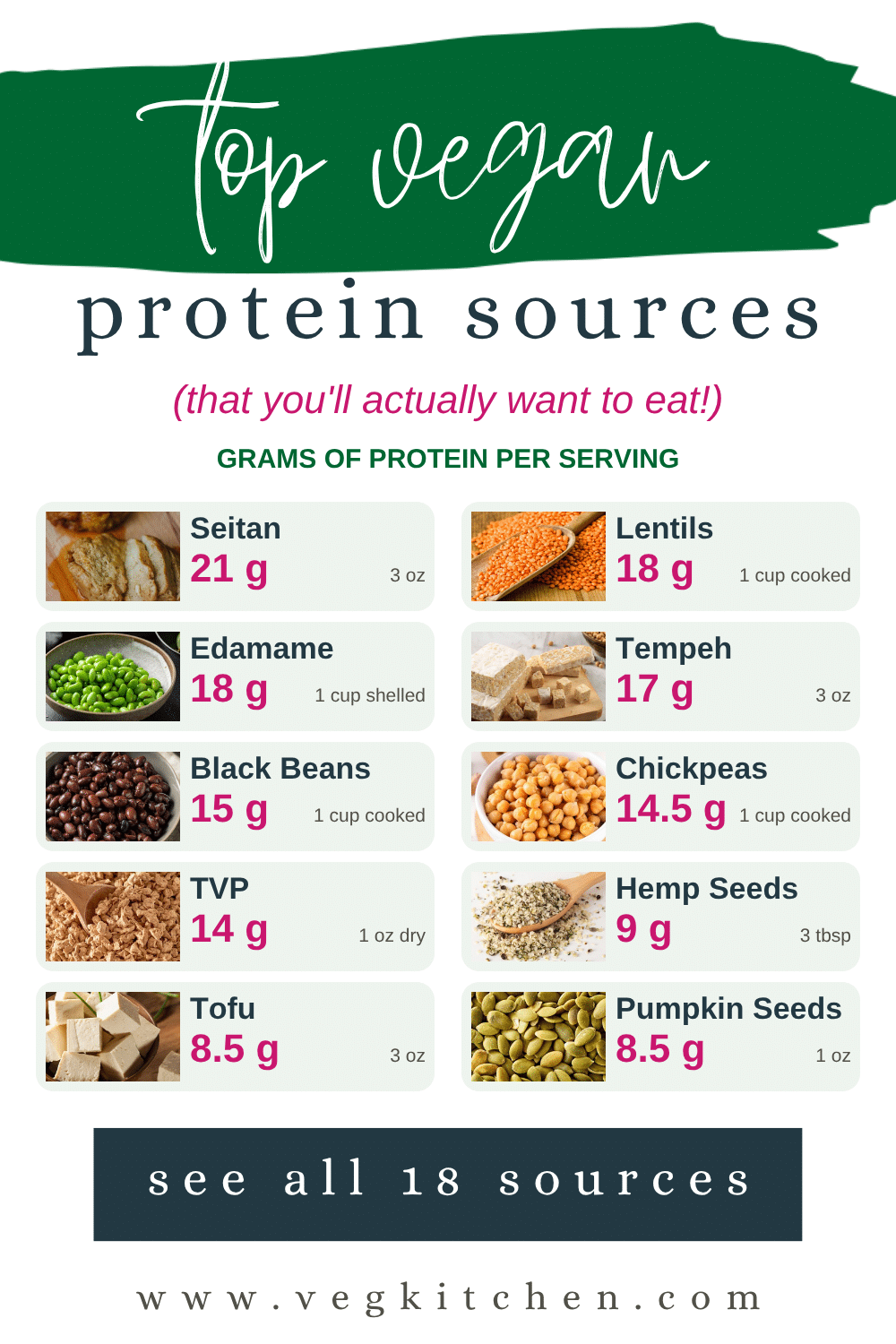
So in the table below, I'm giving you the typical protein per 100 grams measurement, but also including the protein per typical serving. Much more useful, huh?
| Food | Protein per 100 g | Typical serving | Protein per serving |
|---|---|---|---|
| Tempeh | 20 g | 3 oz (85 g) | 17 g |
| Seitan (prepared) | about 25 g* | 3 oz (85 g) | about 21 g |
| Tofu, extra-firm | about 10 g* | 3 oz (85 g) | about 8.5 g |
| TVP (dry) | about 50 g | 1 oz (28 g) | about 14 g |
| Edamame | 12 g | 1 cup shelled (155 g) | about 18 g |
| Lentils | 9 g | 1 cup (198 g) | 18 g |
| Chickpeas | 9 g | 1 cup (164 g) | 14.5 g |
| Black beans | 9 g | 1 cup (172 g) | 15 g |
| Green peas | 5.4 g | 1 cup (160 g) | 8.6 g |
| Quinoa | 4.4 g | 1 cup (185 g) | 8 g |
| Rolled oats (dry) | 13 g | ½ cup (40 g) | 5 g |
| Hemp seeds | about 30 g | 3 tablespoon (30 g) | 9 to 10 g |
| Pumpkin seeds | 30 g | 1 oz (28 g) | 8.5 g |
| Chia seeds | 16.5 g | 1 oz (28 g) | 4.7 g |
| Peanut butter | about 22 g | 2 tablespoon (32 g) | 7 g |
| Almonds | 21 g | 1 oz (28 g) | 6 g |
| Nutritional yeast | about 50 g** | ¼ cup (15 g) | 8 g |
| Pea-based protein powder | varies by brand | 1 serving | about 21 g** |
Note: Beans, lentils, peas, quinoa, tempeh, and edamame are cooked or prepared; nuts, seeds, oats, TVP, and nutritional yeast are measured dry.
*Seitan and tofu vary a lot by brand and recipe, so treat these as ballpark figures and check your label.
**From a major manufacturer's nutrition label rather than USDA data.
Soy and Wheat Proteins: The Meaty Ones
These are the foods that do the heavy lifting when you want a dish to feel hearty and satisfying, and they're some of the most concentrated high protein vegan foods you can buy.
Tofu
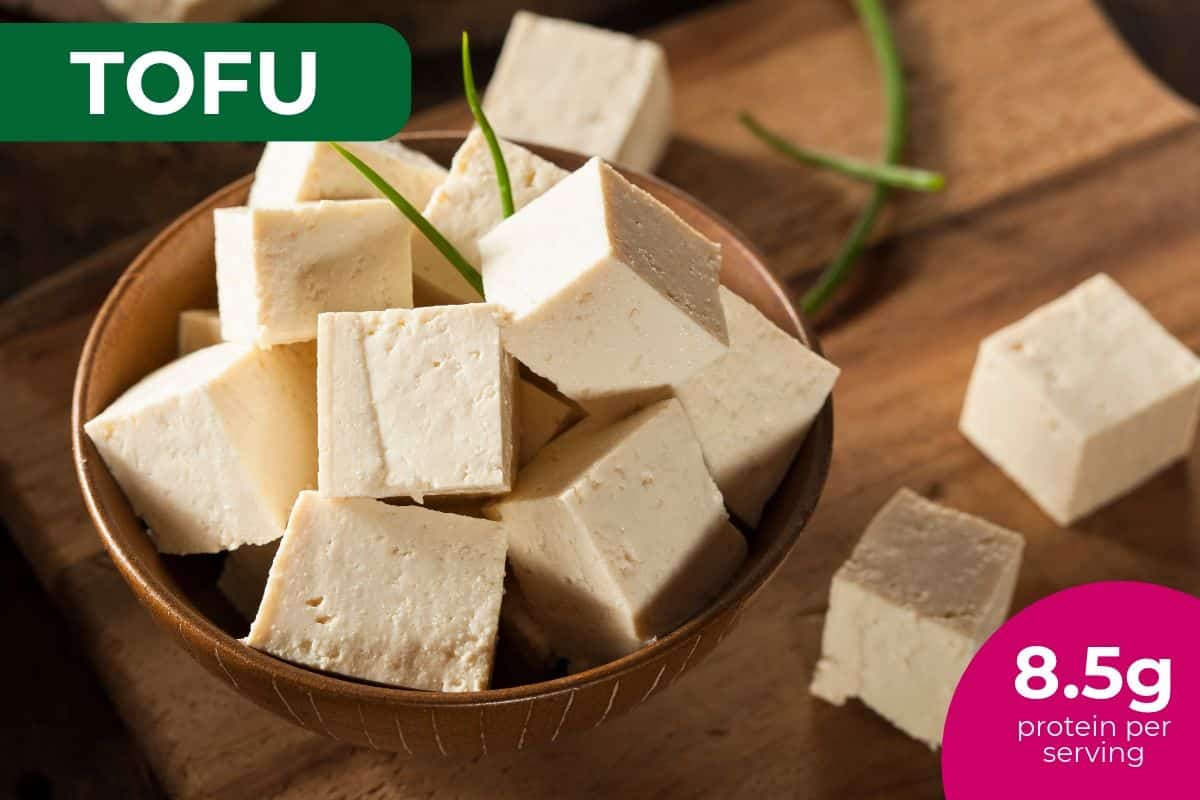
Tofu is the blank canvas of vegan cooking and still one of the most useful proteins to keep in the fridge. Firm and extra-firm blocks are the workhorses, while silken tofu is best for blending into creamy sauces, dressings, and desserts. And despite its reputation as a "weird food", it's actually quite easy to turn it into a family-friendly meal.
Protein: USDA lists a wide range for tofu, from about 8 g per 100 g up to 17 g for very firm, calcium-set varieties, so the label really matters. A typical extra-firm block lands near 10 g per 100 g, or roughly 8 to 9 g in a 3-ounce serving. Shelf-stable silken extra-firm tofu runs closer to 7 g per 100 g.
How to use it: Press extra-firm tofu, cube it, and bake or pan-fry it until golden, or crumble it into a scramble or a ricotta-style filling. Marinate it first, because tofu soaks up flavor like a sponge. If you like to keep backups in the pantry, Mori-Nu extra-firm silken tofu doesn't need refrigeration until you open it, which makes it great for smoothies, pies, and creamy soups.
Recipes to try: Summer Tofu Skillet with Tomatoes and Bell Peppers, Barbecue-Flavored Tofu and Onion Skillet, Vegan Curried Tofu Burgers, 23 Family-Friendly Tofu Recipes Kids Will Actually Eat.
Tempeh
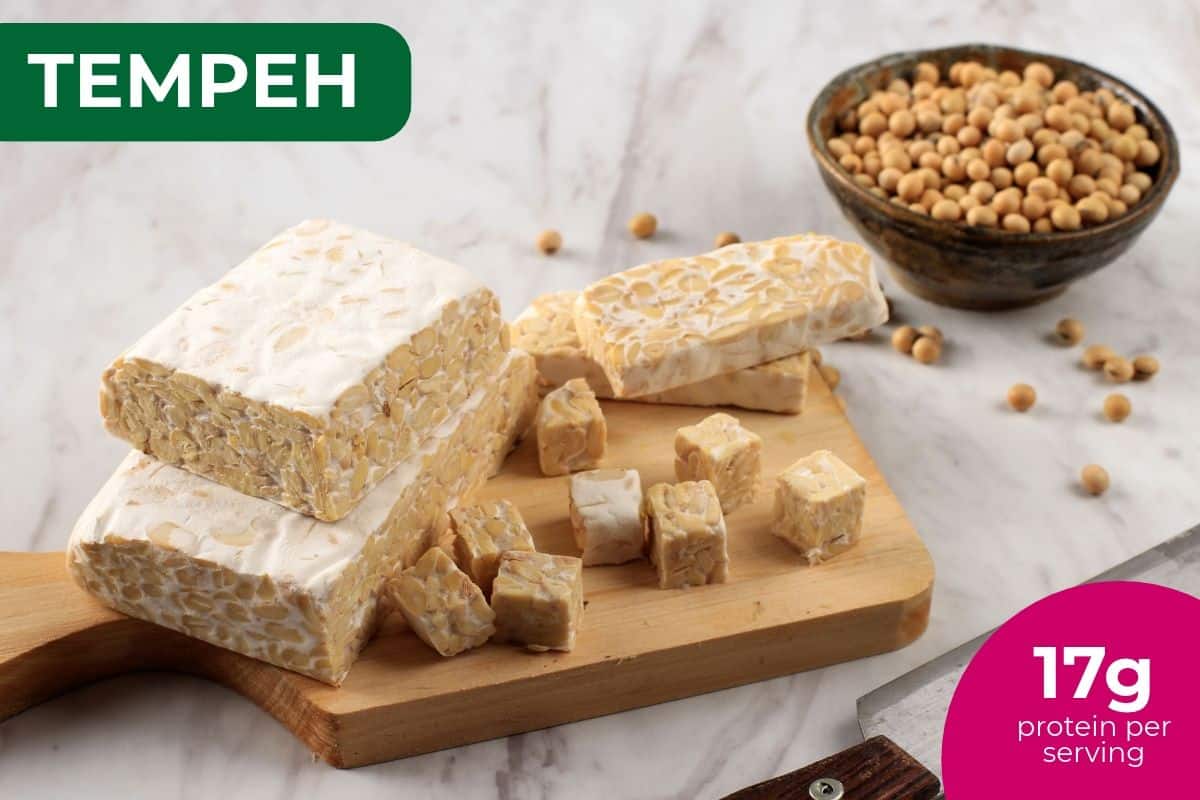
Tempeh is made from fermented soybeans pressed into a firm cake, and it has a nutty, slightly earthy flavor and a chewy bite that tofu can't match. It's also one of the most protein-dense whole foods in the vegan kitchen.
Protein: About 20 g per 100 g (USDA), or roughly 17 g in a 3-ounce serving.
How to use it: Steam or simmer the block for about 10 minutes first to mellow any bitterness, then crumble it into tacos and sloppy joes, slice it thin and pan-fry it for smoky "bacon," or cube it for stir-fries and grain bowls. I'm a big fan of simply smothering it with my favorite BBQ sauce and baking it in the oven. You'll find tempeh in the refrigerated or natural foods section of most grocery stores.
Recipes to try: Southwestern Tempeh Stir-Fry, Vegan Hoppin' John (Rice and Black-Eyed Peas), Ginger Tempeh Veggie Stir Fry.
Edamame
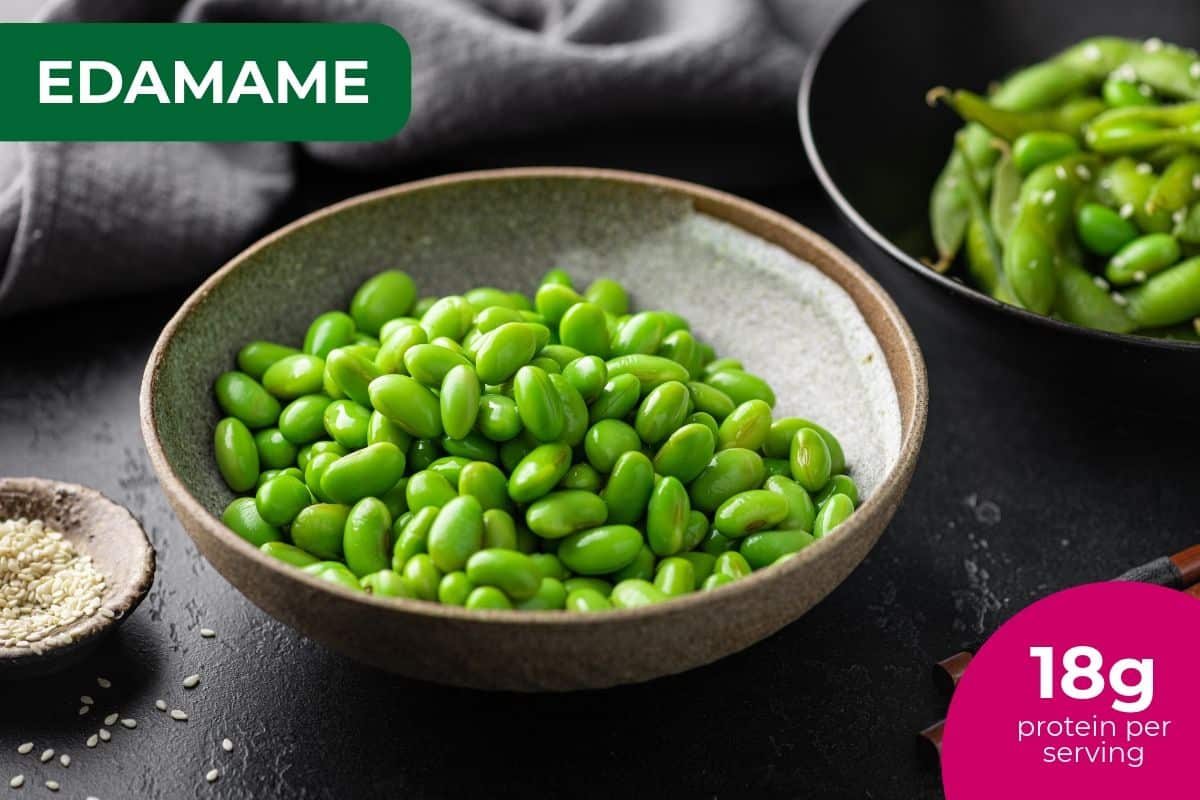
Edamame are young green soybeans, sweet and buttery, and one of the easiest ways to add protein because there's almost no cooking involved.
Protein: About 12 g per 100 g for frozen, prepared edamame (USDA), which comes to around 18 g in a cup of shelled beans.
How to use it: Steam them in the pod with a sprinkle of sea salt for a snack, or toss the shelled beans into salads, grain bowls, fried rice, and pasta. They blend beautifully into dips, too. Keep a bag of the shelled kind in the freezer and you always have a quick protein boost on hand.
Recipes to try: Seasoned Edamame Appetizer, Spicy Avocado Edamame Dip, Enlightened Miso Power Bowl.
Textured Vegetable Protein (TVP)
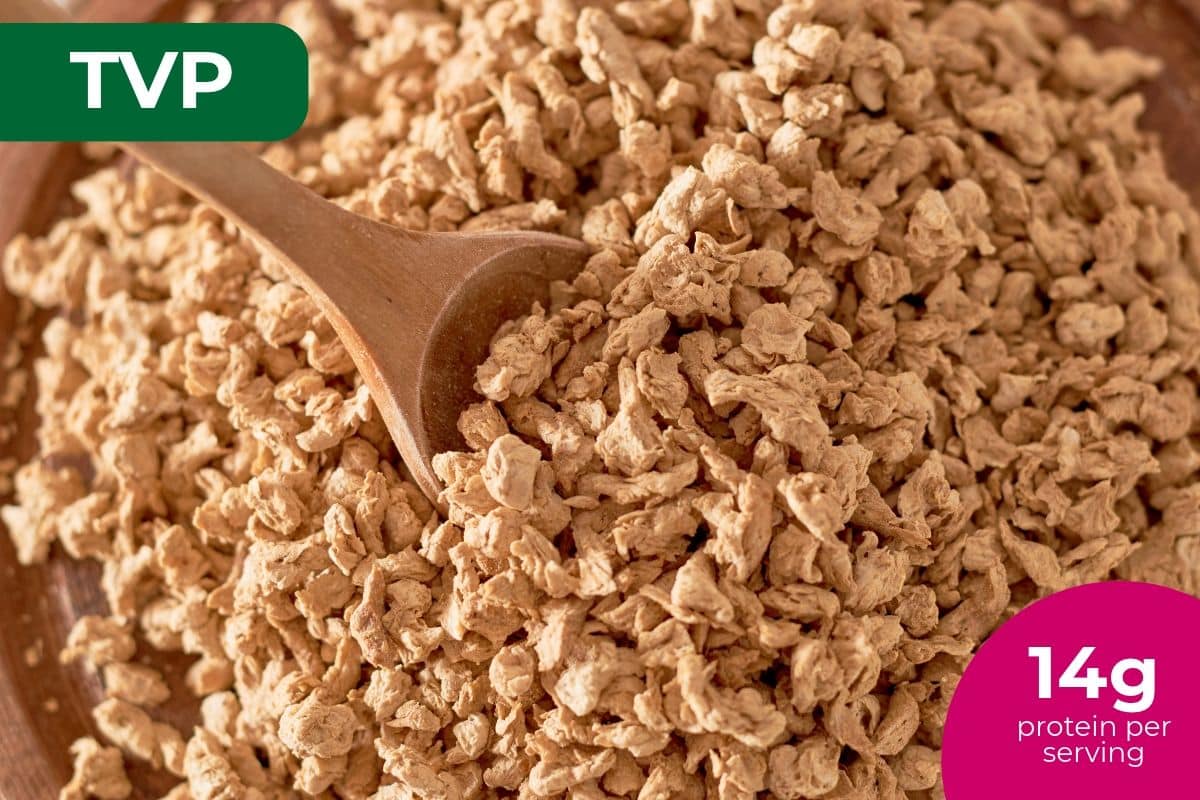
TVP, sometimes labeled textured soy protein, is defatted soy flour that's been cooked and dried into crumbles or chunks. It's inexpensive, keeps for ages in the pantry, and turns into a convincingly hearty "ground meat" once you rehydrate it.
Protein: About 50 g per 100 g dry (USDA lists roughly 51 g), or around 14 g per ounce of dry TVP. Once it's rehydrated the protein per cup is lower, because the crumbles soak up water.
How to use it: Rehydrate it in hot broth or water following the package directions (it takes about 10 minutes), then simmer it into chili, Bolognese, taco filling, or sloppy joes. Adding it to veggie burgers boosts the protein and improves the texture. Bob's Red Mill TVP is easy to find and works in any of those.
Recipes to try: Vegan Bolognese Sauce, Vegan Zucchini Noodles with Vegan Bolognese.
Seitan
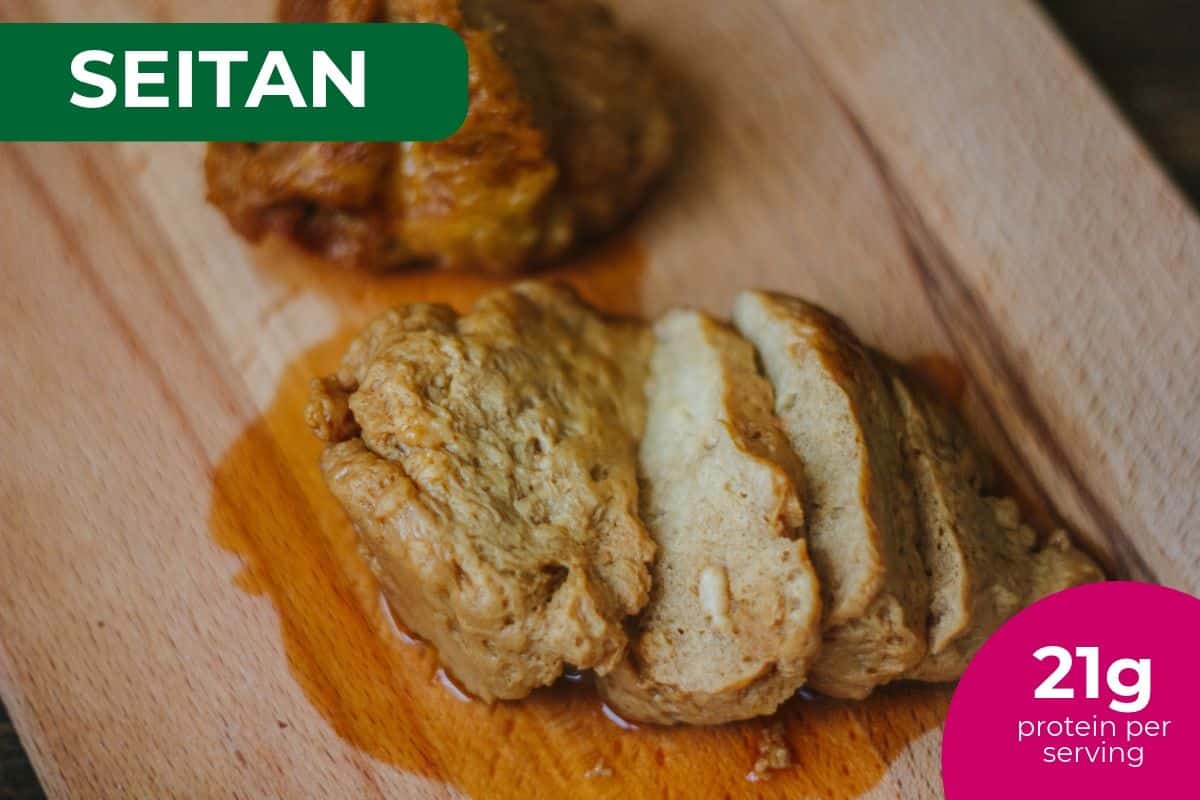
Seitan is made from wheat gluten, and its dense, chewy, almost meaty texture makes it the go-to for vegan "steaks," roasts, and fajita strips. It's not a fit for anyone with celiac disease or a gluten sensitivity.
Protein: Prepared seitan usually falls somewhere between 20 and 30 g per 100 g depending on the recipe, so call it about 25 g, or roughly 21 g per 3 ounces. The dry vital wheat gluten it's made from is far more concentrated at about 75 g per 100 g (USDA), which is why seitan packs so much protein.
How to use it: You can buy it ready-made, or make your own by mixing vital wheat gluten with broth and seasonings, kneading it briefly, and simmering or baking it. Slice it for stir-fries and sandwiches, or cut it into chunks for stews.
Recipes to try: Easy Seitan Fajitas, Vegan Cholent, Vegan Carne Asada Fries.
Beans, Lentils, and Peas: The Pantry Heroes
Legumes are the backbone of most high protein vegan meals. They're cheap, filling, packed with fiber, and endlessly adaptable. Canned beans are perfectly fine (rinse them to cut the sodium), and dried ones are even more economical if you have the time to cook them.
Lentils
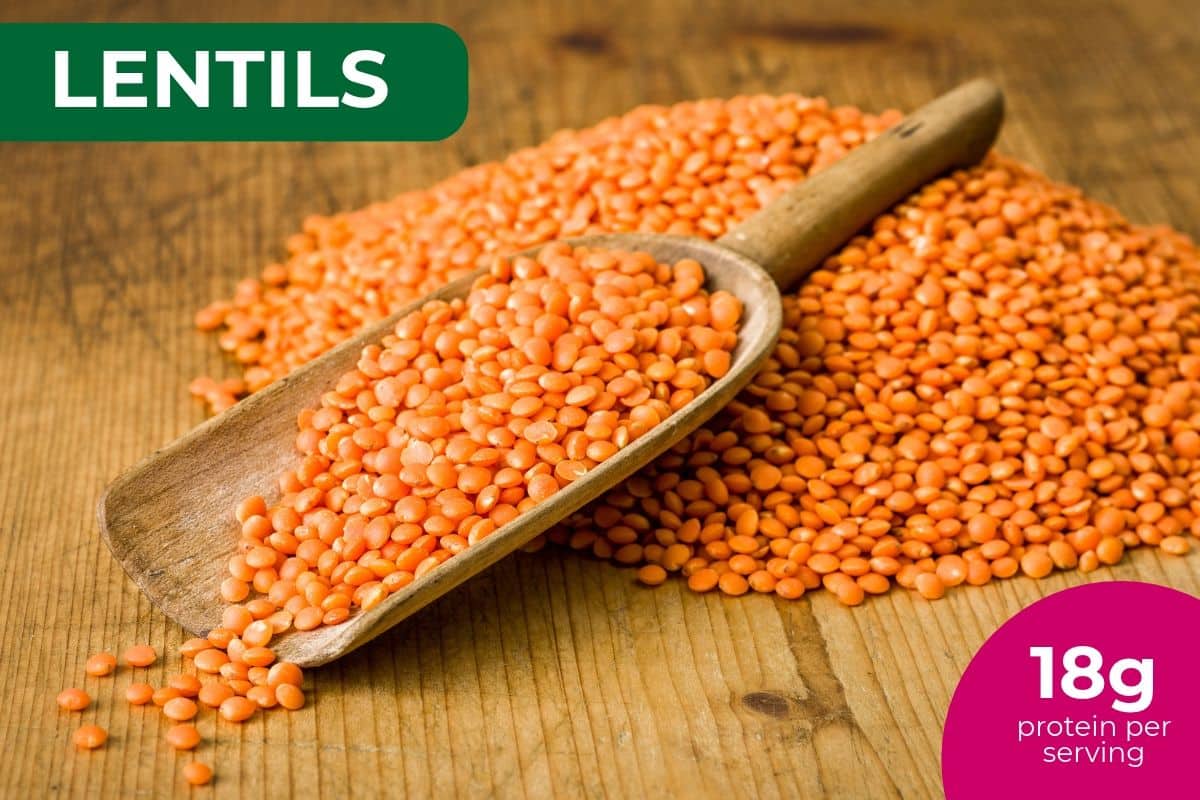
Lentils cook quickly with no soaking, and they're one of the best values in the whole plant-based kitchen. Green and brown lentils hold their shape, while red lentils melt into a creamy, soft texture.
Protein: About 9 g per 100 g cooked (USDA), or roughly 18 g in a cup.
How to use it: Simmer them into soups, stews, and dals, mash them into burgers and loaves, or toss cooled lentils into salads. Firm varieties such as French green lentils (lentilles du Puy) are especially good for salads and side dishes.
Recipes to try: 30-Minute Madras Lentils (Vegan), Protein-Packed Plant-Based Lentil Stew, Vegan Lentil Meatloaf with Tomato Glaze, Vegan Tomato Lentil Soup.
Chickpeas
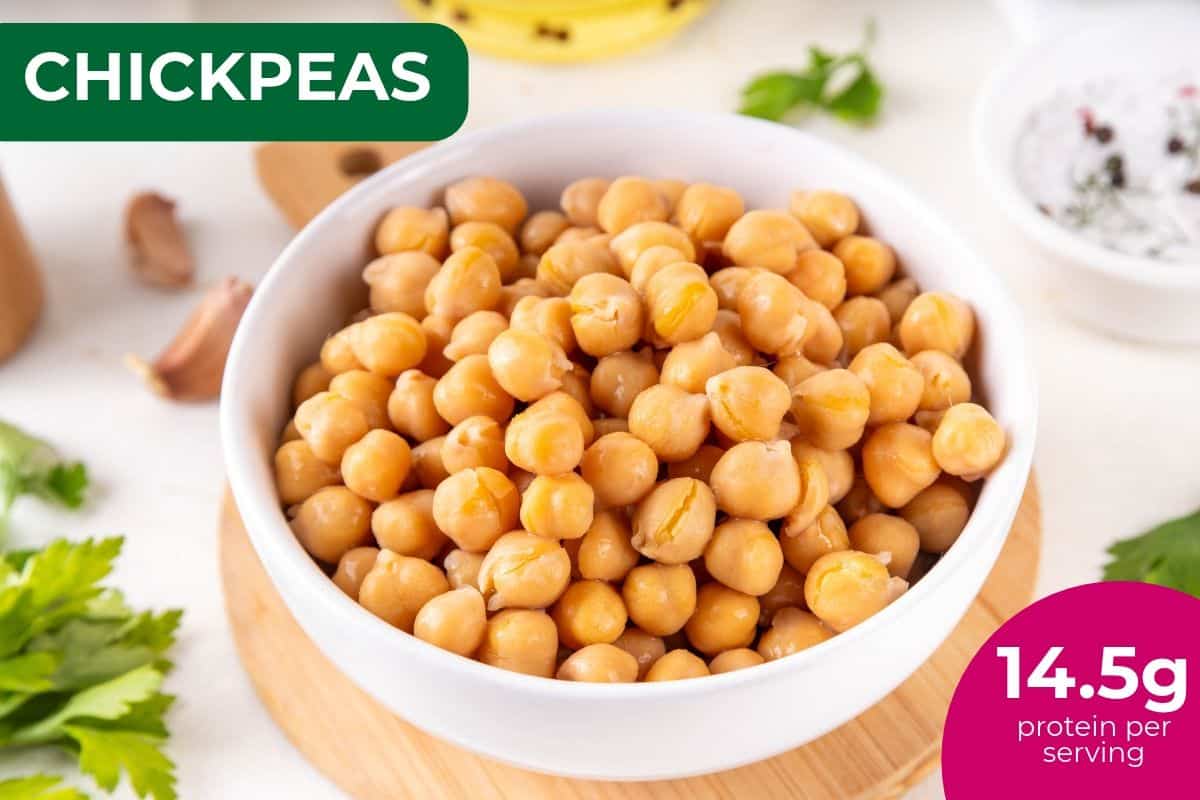
Chickpeas (garbanzo beans) are creamy on the inside, firm on the outside, and happy in everything from curries to desserts.
Protein: About 9 g per 100 g cooked (USDA), or 14.5 g per cup.
How to use it: Mash them into hummus and patties, roast them until crunchy for a snack, simmer them into curry, or fold them into salads and wraps. Chickpea flour is another handy pantry item, and Bob's Red Mill chickpea flour makes savory pancakes, flatbreads, and batters for frying.
Recipes to try: 30-Minute Vegan Chana Masala, Vegan Chickpea Patties, Grilled Red Pepper Hummus.
Black Beans and Other Beans
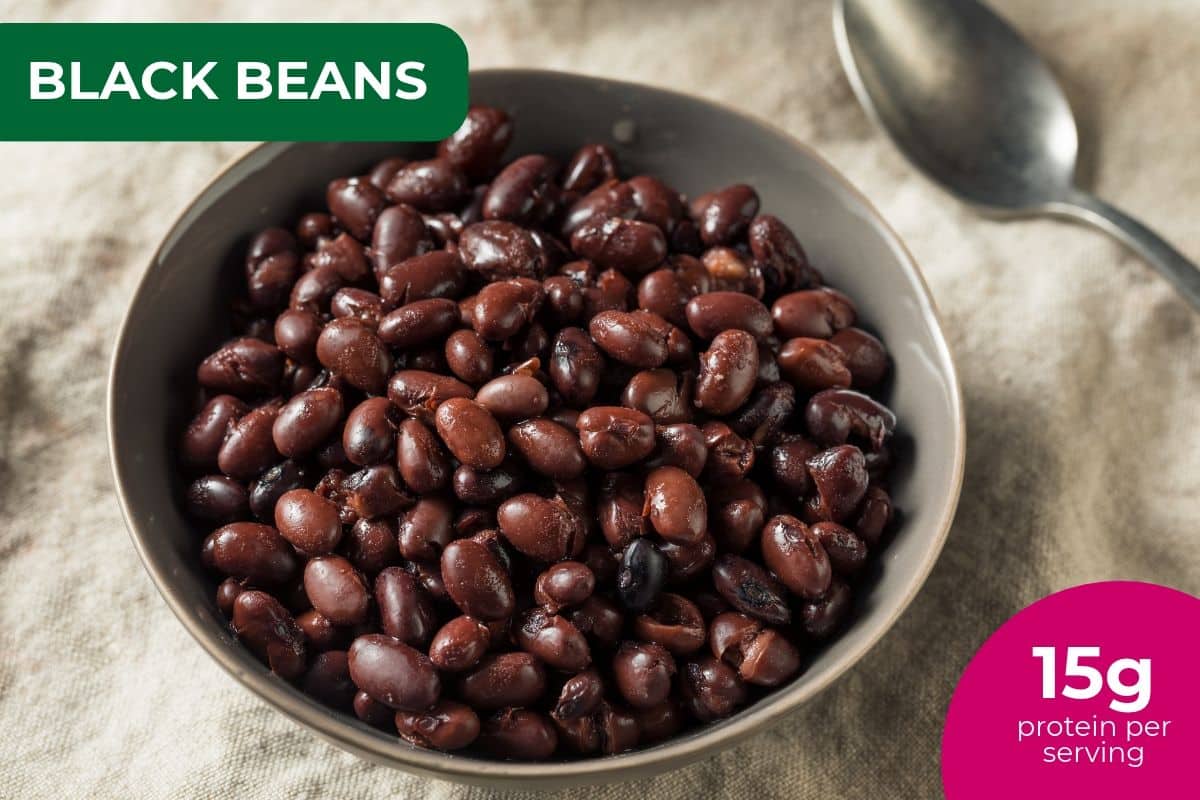
Black beans are creamy, mild, and the natural partner for chili spices, corn, and rice. The rest of the bean family (kidney, pinto, cannellini, navy) delivers a similar deal: lots of protein and lots of fiber for very little money.
Protein: About 9 g per 100 g cooked for black beans (USDA), or roughly 15 g per cup. Kidney beans come in at about 8.7 g per 100 g, and most cooked beans fall somewhere between 7 and 10 g.
How to use it: Stir them into chili and soups, stuff them in burritos and quesadillas, mash them into burgers, or serve them over rice. Canned beans are the shortcut, and a no-salt-added option like Eden Organic black beans gives you control over the sodium.
Recipes to try: Vegan Chipotle Black Bean Burgers, Sweet Potato Black Bean Chili, Vegan Sephardic Stewed White Beans, Brown Rice Pilaf with White Beans, Shiitakes, and Spinach.
Green Peas and Split Peas
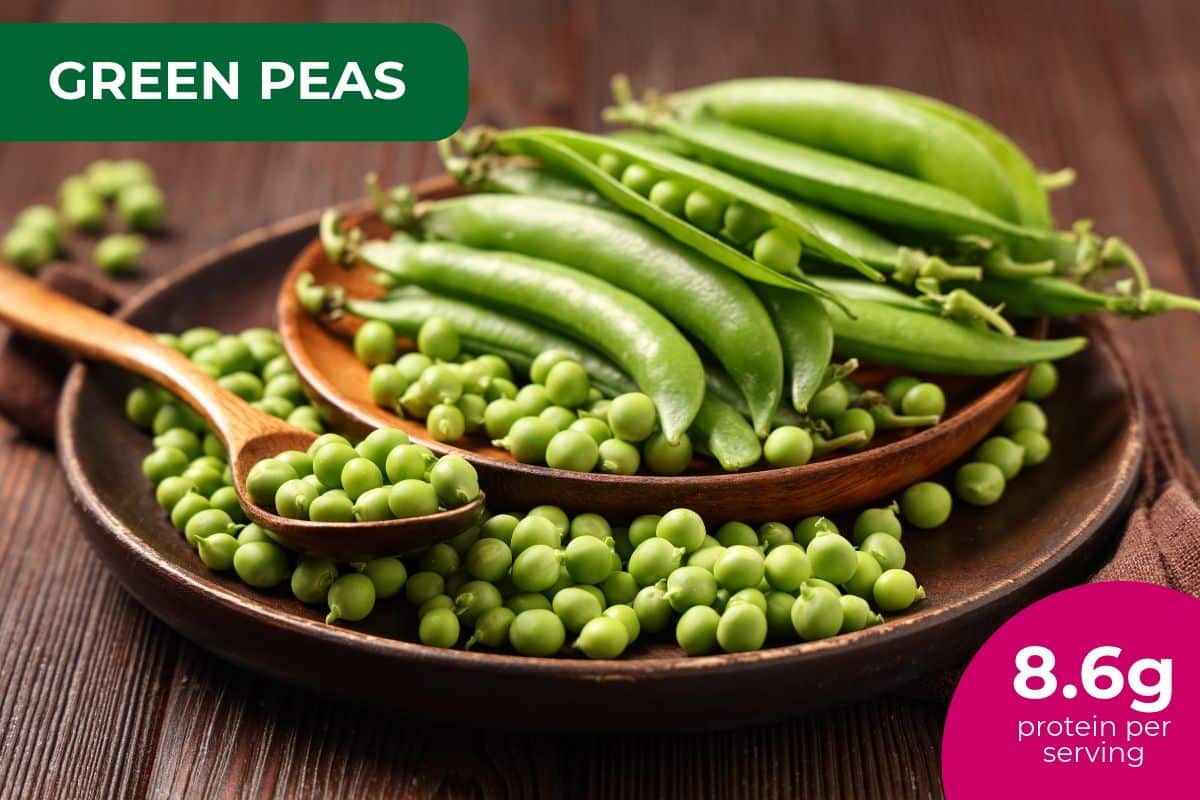
Peas are a bit of a sleeper on this list. Fresh or frozen green peas are sweet and easy to add to almost anything, and dried split peas are the classic soup-maker.
Protein: Green peas have about 5.4 g per 100 g cooked (USDA), or 8.6 g per cup. Dried split peas are more concentrated, and Bob's Red Mill lists 13 g of protein per ¼ cup dry on its package.
How to use it: Stir frozen peas into pasta, rice dishes, and curries, or blend them into a bright green soup. For dried peas, green split peas need no soaking and turn creamy in about 30 minutes.
Recipes to try: Vegan Split Pea Soup, Vegan Pasta Alfredo with Peas & Asparagus.
Whole Grains That Bring Protein to the Table
Grains aren't going to win any protein contests against tempeh, but they show up at nearly every meal, so the grams add up quickly.
Quinoa
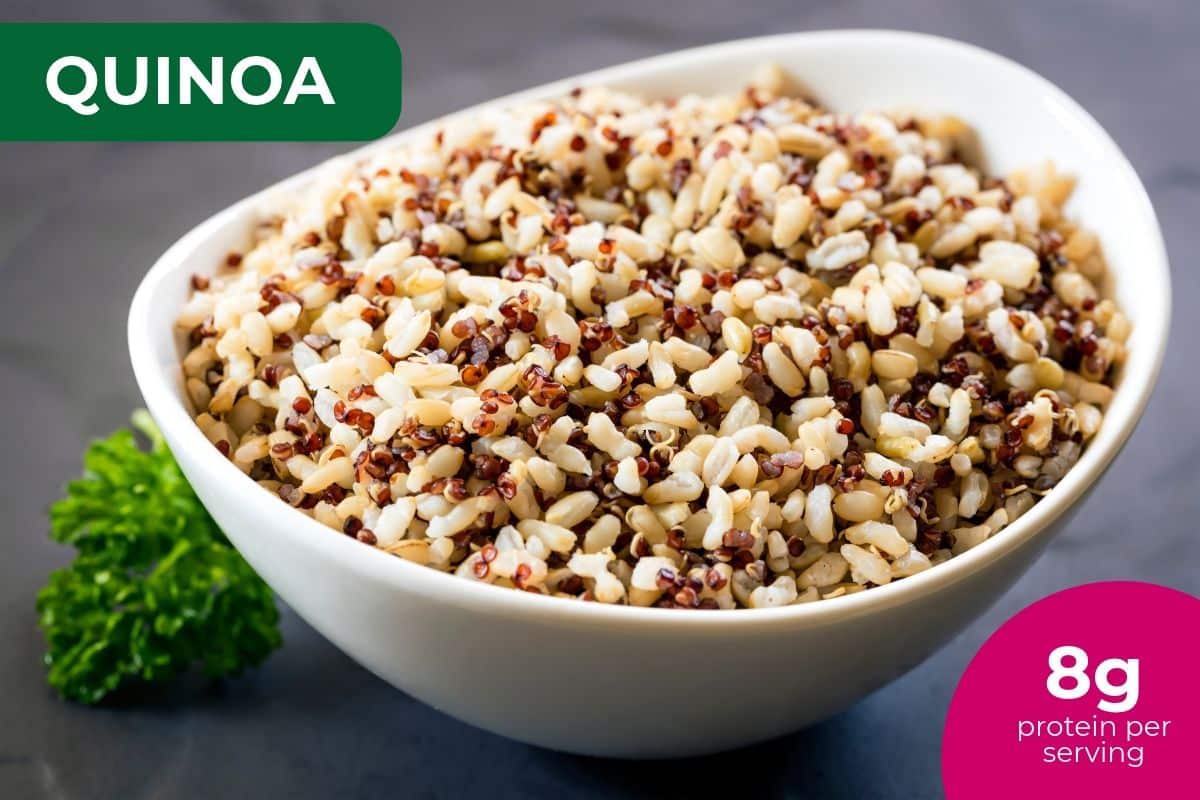
Quinoa is technically a seed, but it cooks like a grain and has a light, fluffy texture with a mild nutty flavor. It's also one of the few plant foods that's a complete protein, per Harvard.
Protein: About 4.4 g per 100 g cooked (USDA), or 8 g per cup.
How to use it: Give it a quick rinse, simmer it for about 15 minutes, and use it as a base for grain bowls, stuffed peppers, salads, and burgers. It makes a good breakfast porridge, too. Ancient Harvest organic tri-color quinoa is a pretty, easy-to-find option.
Recipes to try: Hummus and Quinoa Wrap, Vegan Quinoa Mushroom Burger, Tabbouleh Salad (with Quinoa, Bulgur, or Couscous), Vegan Sloppy Joes with Pinto Beans and Quinoa.
Rolled Oats
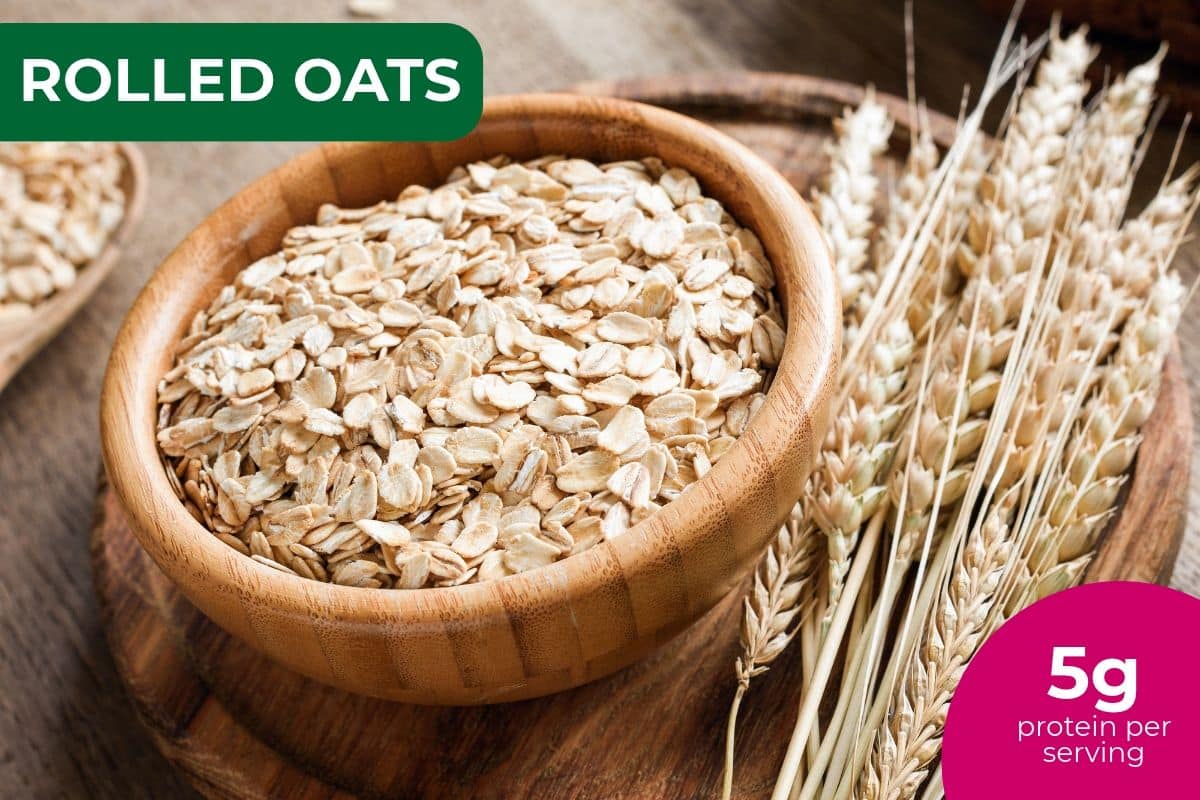
Oats are a breakfast staple that's quietly one of the better grain sources of protein, and they're just as useful in baking, burgers, and no-bake snacks as they are in a bowl.
Protein: About 13 g per 100 g dry (USDA), or 5 g in a ½ cup (40 g) dry serving.
How to use it: Cook them into oatmeal, soak them overnight, blitz them into oat flour for pancakes and quick breads, or use them as a binder in veggie burgers. If you need to avoid gluten, look for oats that are labeled gluten-free, such as Bob's Red Mill gluten-free old-fashioned rolled oats.
Recipes to try: Vegan Banana Oat Pancakes, Apple Pie Oatmeal, Vegan No-Bake Chocolate Cookies.
Nuts and Seeds: Small but Mighty
Nuts and seeds are calorie-dense, so the servings are small, but they pack in protein along with healthy fats, and they're easy to sprinkle onto just about anything. Think of them as the boosters that turn an okay meal into a high protein vegan one.
Hemp Seeds
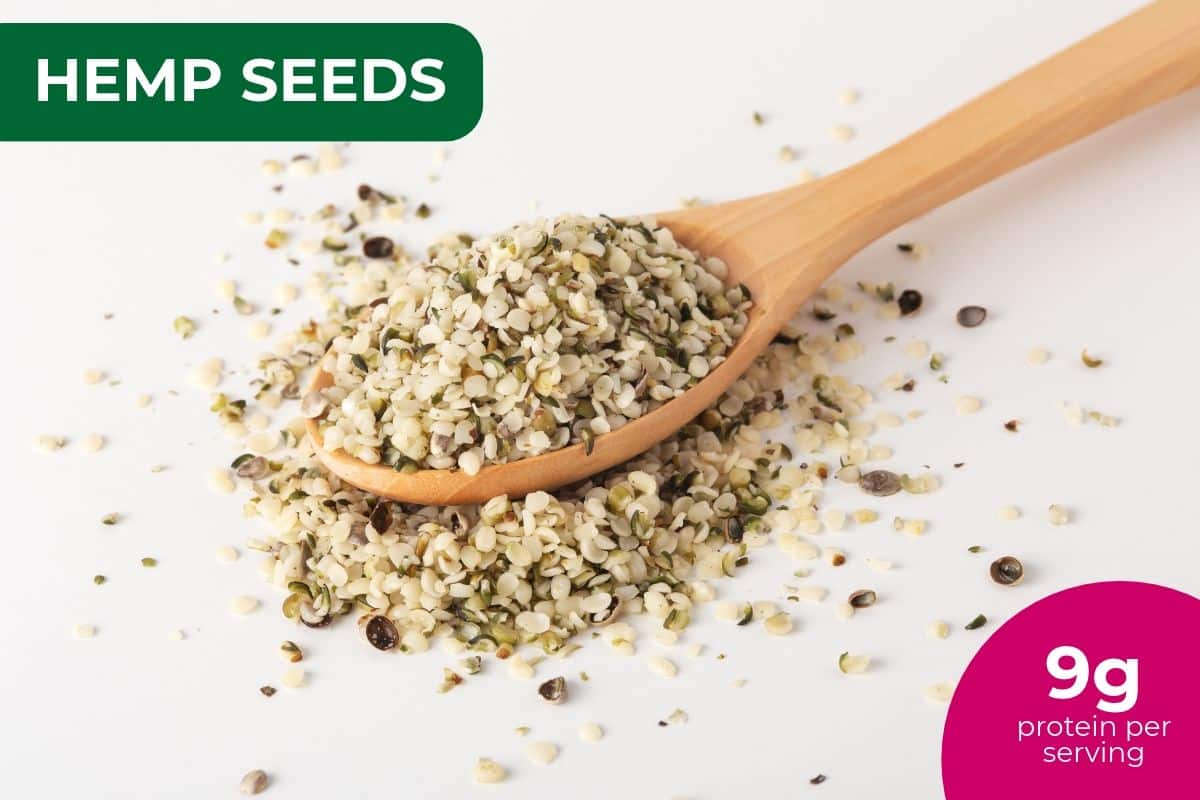
Hemp seeds (also sold as hemp hearts) are soft, mild, and slightly nutty, and unlike flax or chia they don't need grinding or soaking. They're among the most protein-rich seeds you can buy.
Protein: Roughly 30 g per 100 g, which is about 9 to 10 g in 3 tablespoons. The label on Manitoba Harvest hemp hearts lists 10 g per 30 g serving.
How to use it: Sprinkle them over avocado toast, salads, yogurt, and soups, blend them into smoothies, or stir them into oatmeal. They also work in homemade dressings, pesto, and energy balls.
Recipes to try: Power Smoothie (Romaine and Superfood Seeds), Green Smoothie Bowl, Nut-and-Seed Energy Balls, Health Benefits of Chia, Flax, and Hemp Seeds.
Pumpkin Seeds (Pepitas)
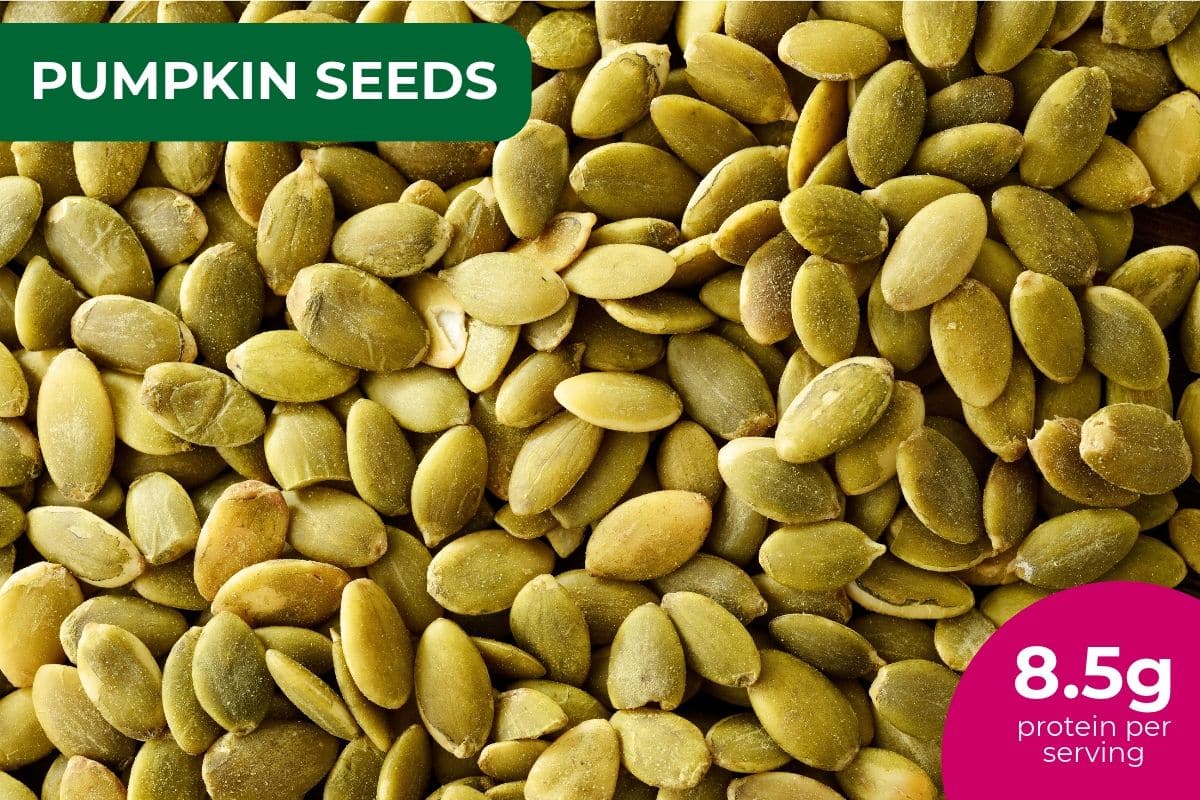
Shelled pumpkin seeds, called pepitas, are green, chewy, and lightly sweet, and their protein per ounce is among the highest of any common nut or seed.
Protein: About 30 g per 100 g (USDA), or roughly 8.5 g per ounce.
How to use it: Toast them in a dry skillet until they puff and pop, then scatter them over salads, soups, and roasted vegetables. They're also good in granola and trail mix, or ground into a nut-free butter. Raw, unsalted organic pepitas are the most flexible kind to buy.
Recipes to try: Pumpkin Seed Butter, Vegan Jícama Salad with Oranges and Watercress.
Chia Seeds
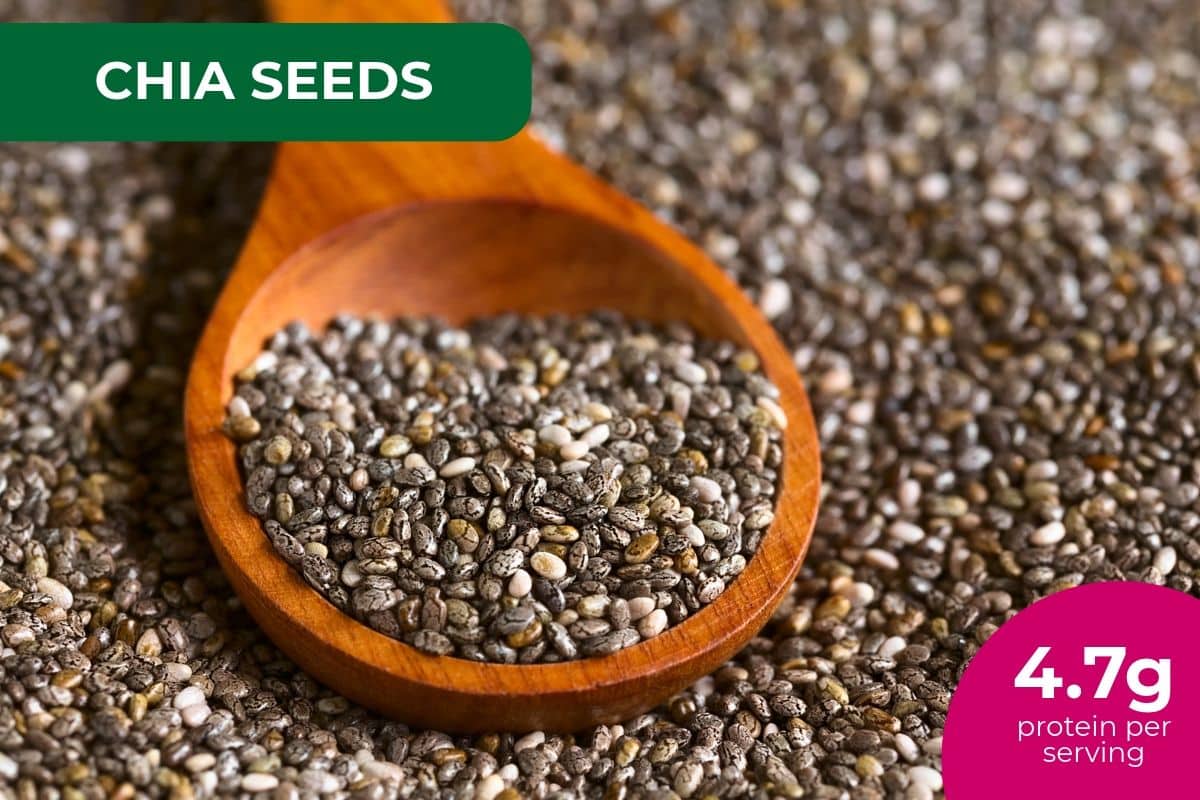
Chia seeds swell into a gel when they're soaked, which makes them perfect for puddings and jams, and Harvard counts them among the plant foods that provide a complete protein.
Protein: About 16.5 g per 100 g (USDA), or roughly 4.7 g per ounce, which is a bit more than 2 tablespoons.
How to use it: Stir them into oatmeal or smoothies, soak them in plant milk overnight for chia pudding, or use them to thicken fruit into a quick jam. Nutiva organic chia seeds are a widely available choice.
Recipes to try: Raw Vegan Strawberry Jam, Dragon Fruit Smoothie, Almond Butter Protein Balls.
Peanut Butter
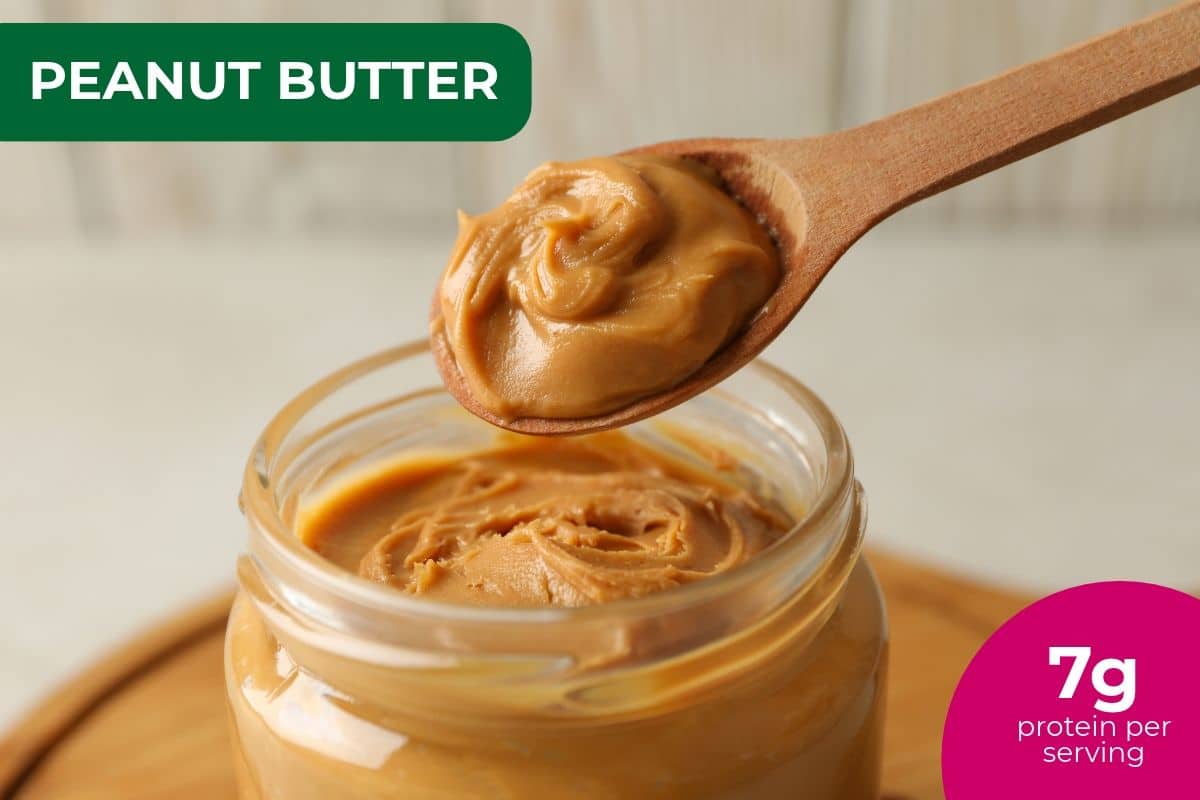
Peanuts are technically legumes, and peanut butter is the easiest protein there is. Choose a natural jar with just peanuts (and maybe salt) so you get all of the protein without added sugar and oils.
Protein: About 22 g per 100 g (USDA), or roughly 7 g in 2 tablespoons.
How to use it: Spread it on toast, swirl it into oatmeal and smoothies, whisk it into peanut sauce for noodles, or bake it into cookies and bars. Keep the portion in mind, since it's also high in calories. Crazy Richard's creamy peanut butter is made from nothing but peanuts.
Recipes to try: Vegan No-Bake Chocolate Cookies, Vegan Granola Bars.
Almonds
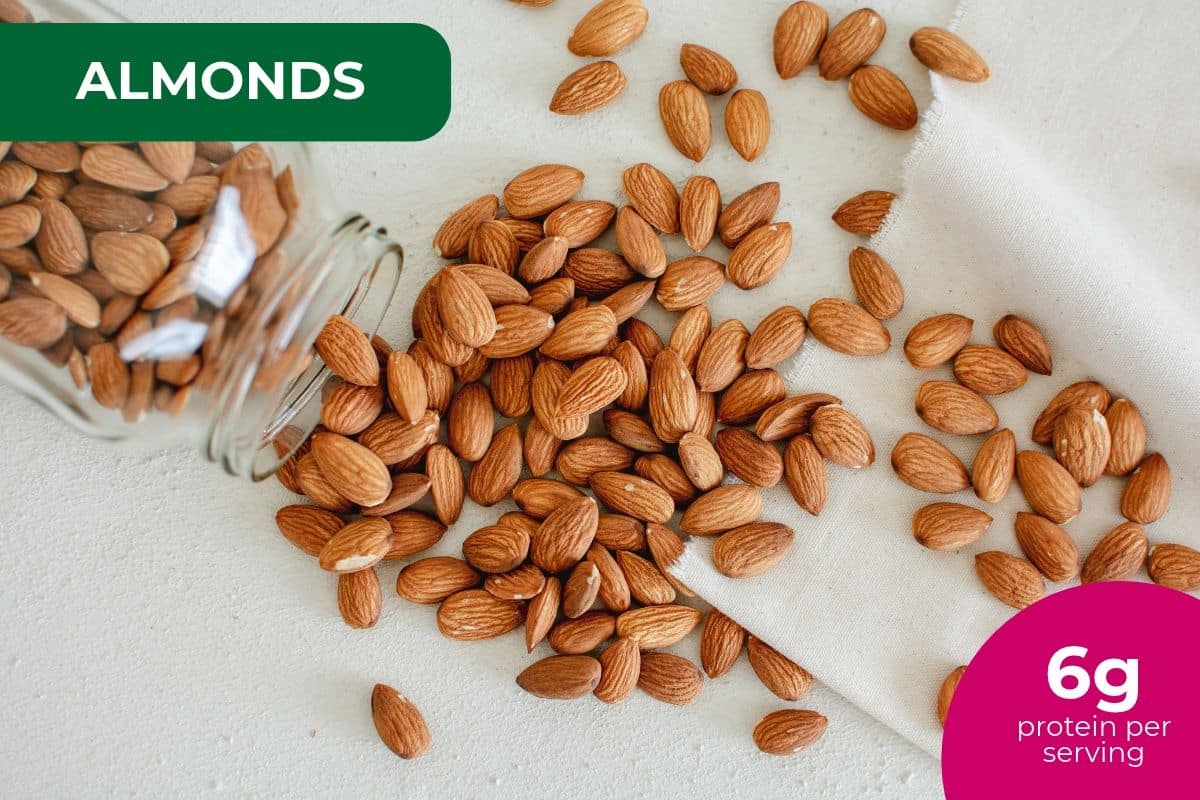
Almonds are the most versatile tree nut, crunchy on their own and just as good ground into flour, butter, or milk.
Protein: About 21 g per 100 g (USDA), or roughly 6 g per ounce, which is around 23 almonds.
How to use it: Snack on a handful, chop them into pilafs and salads, or blend them into almond butter. Keep in mind that store-bought almond milk has far less protein than whole almonds, since it's mostly water. Blue Diamond raw whole almonds are a pantry staple.
Recipes to try: Date and Almond Energy Bites, Almond Butter Protein Balls, Vegan Wild Rice Pilaf with Spinach and Almonds, Vegan Gluten-Free Pancakes (made with almond flour!).
Flavor Boosters and Helpers
These two aren't the main event on the plate, but they make it easy to top up your protein without changing what you cook.
Nutritional Yeast
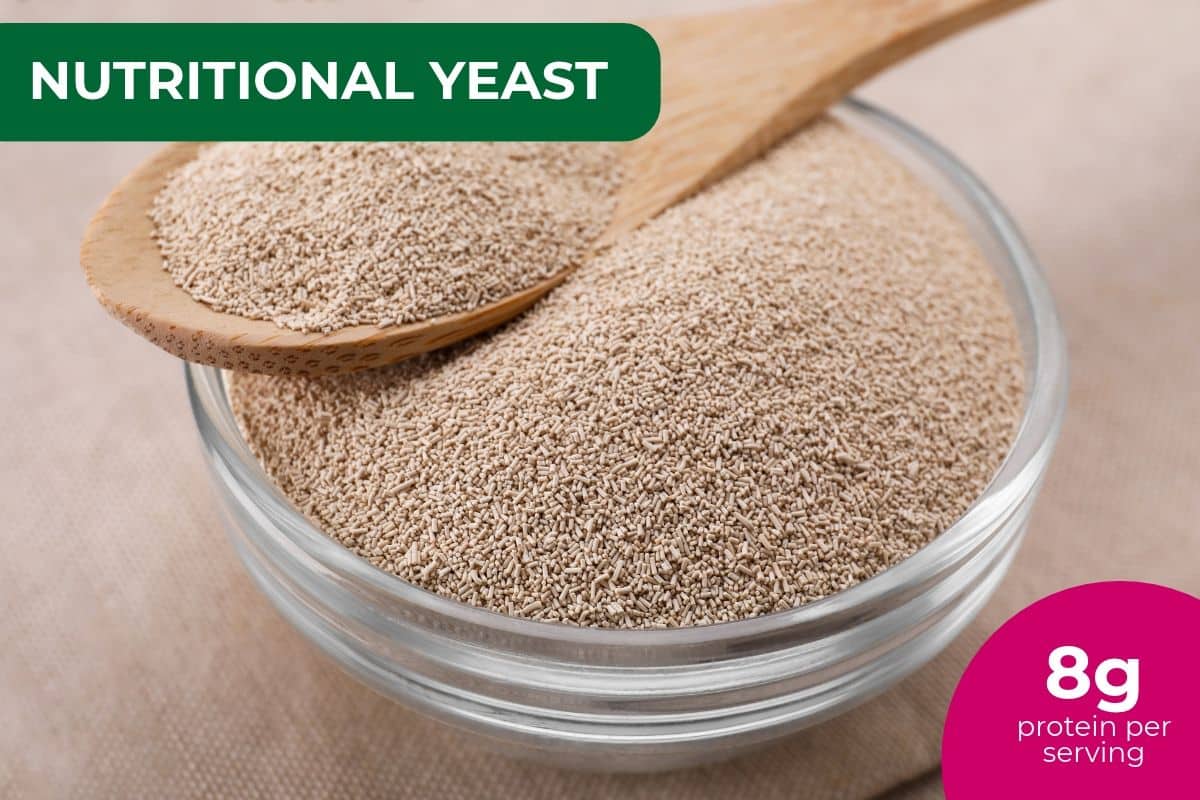
Nutritional yeast is a deactivated yeast sold as golden flakes, and it tastes savory, nutty, and cheesy. Many brands are fortified with vitamin B12, so check the label if that matters to you.
Protein: The label on Bob's Red Mill large flake nutritional yeast lists 8 g of protein per ¼ cup (15 g), which works out to around 50 g per 100 g. Brands vary, so check yours.
How to use it: Sprinkle it on popcorn and pasta, stir it into scrambles, or blend it into cheesy sauces and vegan Parmesan. A couple of tablespoons here and there adds up. If your store doesn't carry it, Bragg nutritional yeast is easy to order.
Recipes to try: Vegan Cheese Sauce (No Nuts!), How to Make Vegan Parmesan Cheese - Easiest Ever!, Vegan Baked Mac And Cheese.
Plant-Based Protein Powder
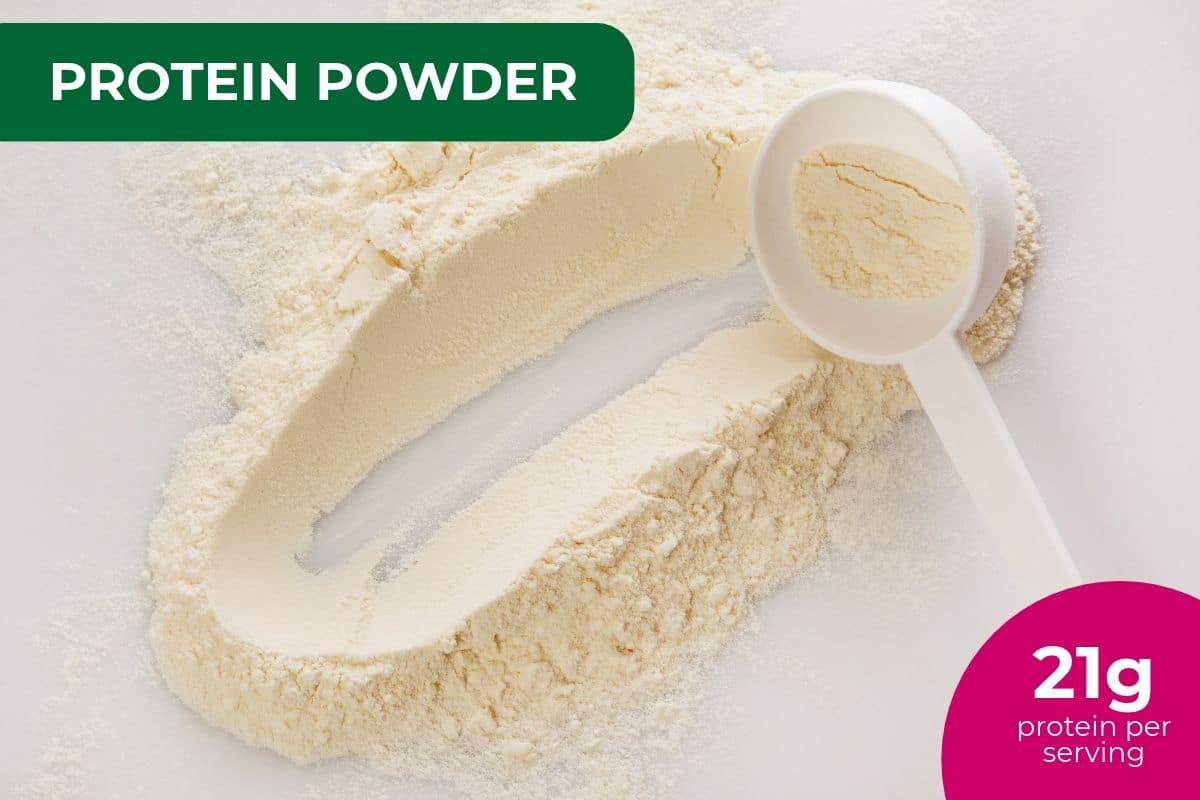
Protein powder isn't a whole food, and you don't need it, but it's a practical option for busy mornings, post-workout smoothies, and anyone who struggles to eat enough. Pea protein is the most common base, often blended with brown rice or seeds.
Protein: It varies by brand, so read the label. Orgain organic vegan protein powder lists 21 g per serving.
How to use it: Blend it into smoothies, stir it into oatmeal or pancake batter, or add a scoop to energy balls and smoothie bowls. Start with less than the full serving if the texture is new to you, since some powders can be chalky.
Recipes to try: Protein Chocolate Smoothie Bowl & Cookie Dough Bites, Vegan Chocolate Raspberry Smoothie Bowl.
How to Get More Protein in Your Vegan Meals
Build each meal around one big protein. Instead of counting every gram, start with a solid anchor at each meal: a cup of lentils, a few ounces of tempeh, a block of tofu, or a big scoop of beans. Then let the grains, vegetables, and seeds fill in the rest. A day of oatmeal with hemp seeds and a spoonful of peanut butter, a cup of lentil soup, a dinner of tempeh with quinoa, and an ounce of almonds adds up to a little over 65 grams.
Mix your sources across the day. As Harvard Health notes, variety is what covers all of your essential amino acids. Rotating between soy, legumes, grains, and seeds keeps your meals interesting, too.
Keep protein-rich snacks within reach. Roasted chickpeas, a handful of almonds, edamame, and pumpkin seeds are easy to grab, and they keep you from reaching for something with far less staying power. For more ideas, browse our 30+ Homemade High Protein Vegan Snacks.
Use the little boosters. Three tablespoons of hemp seeds add about 10 grams, an ounce of pumpkin seeds adds about 8, and a quarter cup of nutritional yeast adds another 8. None of them changes the character of a dish, but a few of them together make a real difference.
Ramp up fiber slowly and drink water. Beans, lentils, and whole grains are packed with fiber, which is great, but a sudden jump can be hard on your stomach. Add them gradually, drink plenty of water, and rinse canned beans to cut down on sodium. Our list of the 34 Best Plant-Based High-Fiber Foods has more on that.
Vegan Protein FAQs
What is the highest protein vegan food?
Gram for gram, dry foods lead the pack: vital wheat gluten (about 75 g per 100 g), TVP and nutritional yeast (around 50 g), and seeds such as pumpkin and hemp (about 30 g). Among the foods you'll eat in a typical serving, tempeh, seitan, edamame, and lentils are the top performers. The best choice is the one you'll happily eat regularly.
Do I need to combine proteins at every meal?
No. You don't have to pair beans and rice, or any other combination, at the same sitting. Eating a variety of plant proteins across the day gives your body what it needs, and soy foods, quinoa, and chia are complete proteins all by themselves.
Can you build muscle on a vegan diet?
Yes. The Academy of Nutrition and Dietetics considers appropriately planned vegan diets suitable for athletes. The keys are eating enough total protein and calories and spreading protein-rich foods through the day. If you're training hard, a dietitian who works with athletes can help you fine-tune the numbers.
More High Protein Vegan Ideas
If you want to put these vegan protein sources to work, here are a few more places to start:
- 20 High Protein Vegan Meals
- 30+ Homemade High Protein Vegan Snacks
- 23 Family-Friendly Tofu Recipes Kids Will Actually Eat
- 34 Best Plant-Based High-Fiber Foods
Sources: nutrition figures are from USDA FoodData Central unless noted as a product label. Protein guidance is from Harvard's Nutrition Source and Harvard Health, and the position paper of the Academy of Nutrition and Dietetics on vegetarian diets. Nutrition values vary by brand and preparation, so check your own labels.
Vegan Fried Rice with Tofu {gluten-free}
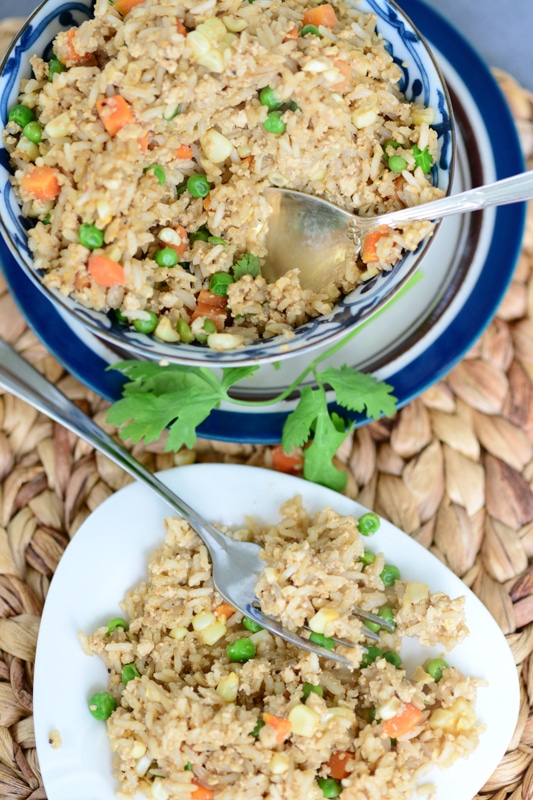
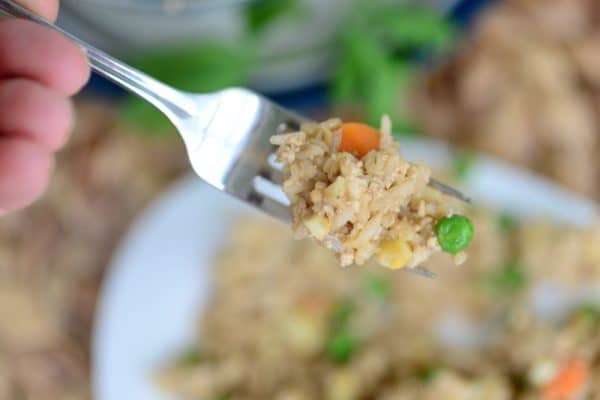
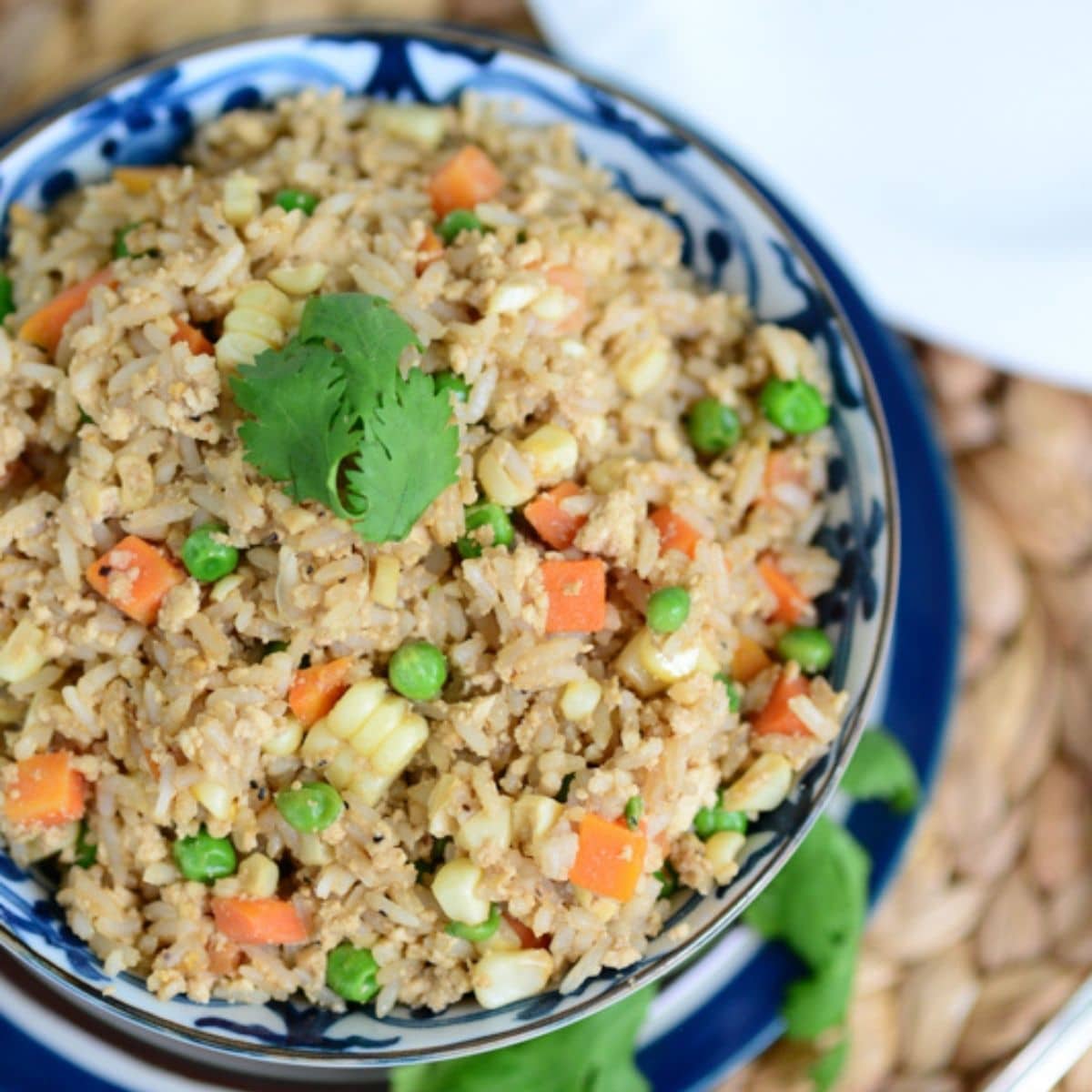
This vegan fried rice is a quick, satisfying weeknight dinner: fluffy basmati rice stir-fried with garlic, peas, carrots and sweet corn, plus a savory tofu "egg" scramble, all tossed in a spicy sriracha-tamari sauce. It's naturally gluten-free, and it tastes better than most takeout versions.
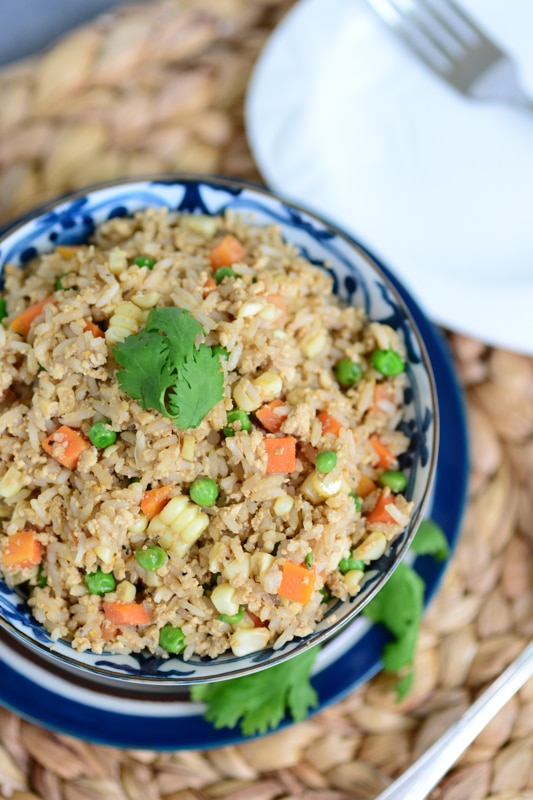
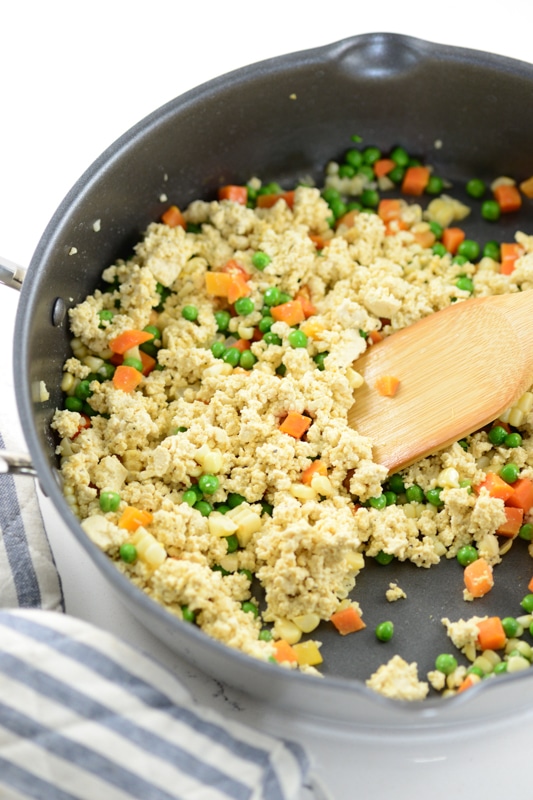
Restaurant fried rice is usually made with scrambled egg, and many places cook it with oyster sauce or in the same wok as meat dishes, so a truly vegan order can be hard to find. This homemade veggie fried rice solves that. Crumbled firm tofu seasoned with nutritional yeast and black pepper stands in for the egg, giving you the same soft, savory bites plus a good boost of plant protein.
Key Ingredients & Substitutions
- Basmati rice. Any medium- or long-grain rice works, but basmati cooks up fluffy and separate, which is exactly what you want for frying. White basmati is quickest; brown basmati adds a nuttier flavor and more fiber but takes about twice as long to cook. If you have about 6 cups of leftover cooked rice in the fridge, use that and skip cooking the rice altogether.
- Firm tofu. Firm or extra-firm tofu crumbles into egg-like pieces. Silken tofu is too soft and will turn mushy. If you're not a tofu fan, leave it out (the rice is still delicious) or stir in a cup of shelled edamame instead.
- Nutritional yeast. This gives the tofu its savory, slightly cheesy, eggy flavor and its golden color. We like Bragg nutritional yeast. A pinch of turmeric can stand in for the color if you run out.
- Peas, carrots and corn. The classic fried rice trio. Fresh corn cut from the cob is especially sweet and crisp, but frozen corn, peas and diced carrots work perfectly well, so a bag of frozen mixed vegetables is a handy shortcut.
- Tamari. Tamari is a Japanese-style soy sauce that is usually brewed without wheat, which keeps this dish gluten-free. San-J tamari is labeled gluten-free. Regular soy sauce works if gluten isn't a concern, and a reduced-sodium version is a good idea if you're watching salt.
- Sriracha. Just enough heat to wake up the sauce. Huy Fong sriracha is the classic; use less for a mild version, or swap in chili garlic sauce.
- Olive oil and garlic. Olive oil is what we use, but any neutral oil, peanut oil, or a mix with a little toasted sesame oil for flavor is great here.
How to Make Vegan Fried Rice
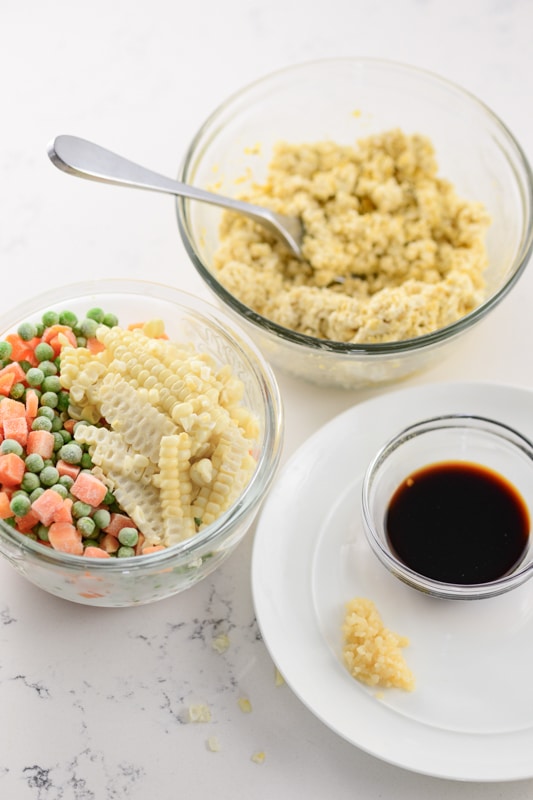
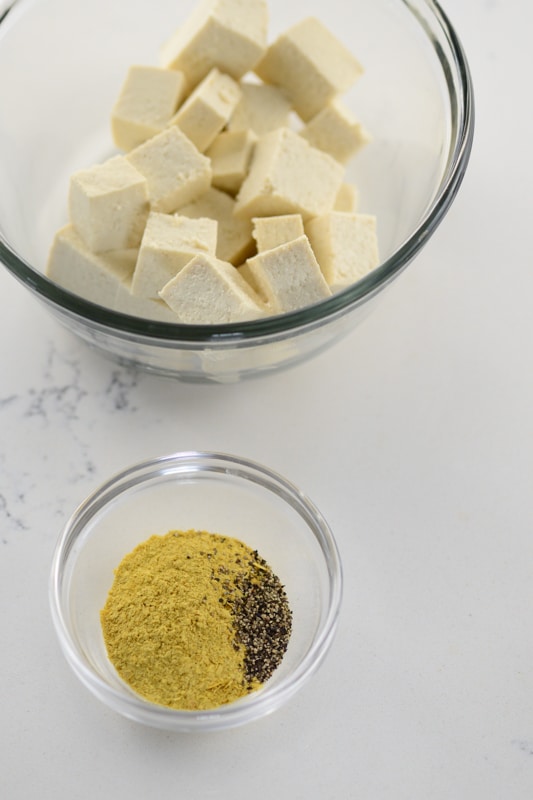
Start by cooking the rice, since everything else comes together while it simmers. Rinse it well, cook it, then spread it out on a baking sheet so the steam escapes and the grains dry a little. While the rice cooks, pat the tofu dry and crumble or mash it with the nutritional yeast and black pepper until it looks like scrambled egg. Stir the tamari and sriracha together in a small bowl.
Heat the oil in a large wok or skillet, cook the garlic briefly, then add the vegetables and cook until they're just tender. Stir in the tofu and let it heat through and pick up a little color. Finally add the rice, toss everything together, pour in the sauce, and let it sit undisturbed for a few minutes so the bottom gets lightly crisp. The full measurements and steps are in the recipe card below.
Helpful Tips
Use cold or well-dried rice. Freshly cooked, steamy rice clumps and turns gummy in the pan. Day-old rice from the fridge is ideal. If you're cooking it fresh, spread it on a sheet pan for 10 to 15 minutes, or chill it for 20 minutes, so the surface dries out before frying.
Choose a big pan. Six cups of rice plus vegetables needs room to move, or it steams instead of fries. A wide wok is ideal; we like the T-fal 14-inch nonstick wok, which keeps the rice and tofu from sticking. A 12-inch nonstick skillet works too, or cook in two batches.
Dry the tofu well. Pat it firmly with paper towels, or press it for 10 minutes under a heavy pan. Drier tofu absorbs the nutritional yeast and browns slightly instead of releasing water into the rice.
Don't stir constantly. Once the sauce goes in, spread the rice out and leave it alone for a few minutes over medium-low heat. Those lightly crisp, toasty bits on the bottom are the best part of good fried rice.
Taste before adding more sauce. Tamari brands vary a lot in saltiness. Start with most of the sauce, toss, taste, then add the rest if you want it saltier or spicier.
Variations
- Pineapple fried rice. Add a cup of diced pineapple with the vegetables and finish with cashews, or try our Vegan Thai Pineapple Stir-Fried Rice.
- Extra veggies. Diced red bell pepper, chopped broccoli, shredded cabbage, sliced mushrooms or baby spinach all fit right in. Add firm vegetables with the carrots and tender greens at the very end.
- Lower-carb version. Swap half or all of the rice for riced cauliflower, as in our Cauliflower Fried Rice with Mushrooms & Chickpeas.
- Sesame-ginger. Cook a tablespoon of grated fresh ginger with the garlic, and finish with a drizzle of toasted sesame oil and sesame seeds.
- Green onion finish. Stir in a handful of sliced scallions and chopped cilantro right before serving for freshness and color.
Serving Ideas
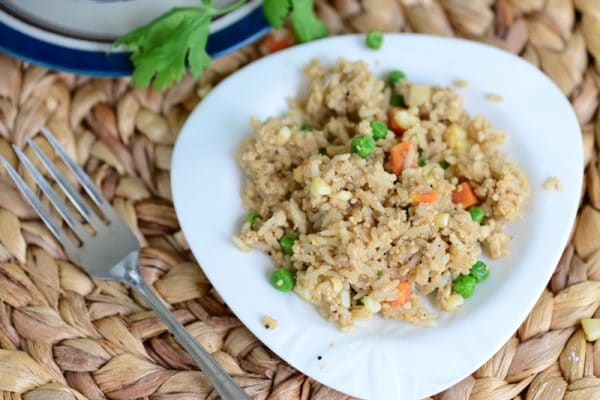
With tofu and plenty of vegetables, this vegan fried rice is a full meal on its own. Serve it in bowls with extra sriracha and tamari on the table so everyone can season their own.
For a takeout-style spread, pair it with Tofu Spring Rolls and a little bowl of Easy Vegan Duck Sauce for dipping, or start the meal with a warm bowl of Vegan Wonton Soup. A smaller portion also makes a great side dish next to Vegan Teriyaki Eggplant or a simple vegetable stir-fry.
Storing & Freezing
Let leftovers cool, then refrigerate them in an airtight container for up to 4 days. Cooked rice shouldn't sit at room temperature for long, so get it into the fridge within an hour or two of cooking. Reheat in a hot skillet with a splash of water or oil until steaming, or in the microwave, covered, stirring halfway through. This makes it a handy meal-prep lunch.
Fried rice freezes well. Pack cooled portions into freezer bags, press out the air and freeze flat for up to 3 months. Reheat straight from frozen in a skillet over medium heat with a tablespoon of water, breaking it up as it thaws, or thaw overnight in the fridge first. The tofu gets slightly chewier after freezing, but the texture is still very good.
More Vegan Asian-Inspired Recipes
If you loved this recipe, here are a few more you might enjoy:
- Vegetable Chow Mein
- Vegan Orange Tofu & Broccoli
- Chinese Vegetable Stir Fry (Buddha's Delight)
- 125+ Vegan Stir Fry Recipes
Recipe
Vegan Fried Rice with Tofu
Easy vegan fried rice with fluffy basmati rice, peas, carrots, corn and a savory tofu scramble, tossed in a spicy sriracha-tamari sauce. Naturally gluten-free and full of plant protein.
Print
Pin
Save
Servings: servings
Ingredients
- 1 cup firm tofu about half of a 14-ounce block, patted dry
- 2 tablespoons nutritional yeast
- 1 teaspoon black pepper
- 2 cups basmati rice white or brown, uncooked (or 6 cups cooked, chilled rice)
- 3 cups water for cooking the rice (4 cups for brown basmati)
- 2 tablespoons olive oil
- 1 tablespoon garlic minced (about 3 cloves)
- 1 cup peas frozen
- 1 cup carrots peeled and diced
- 1 cup corn kernels fresh (cut from about 2 ears) or frozen
- ½ cup tamari gluten-free; or soy sauce if gluten isn't a concern
- 2 tablespoons Sriracha or to taste
Instructions
- Cook the rice: rinse the rice in a fine-mesh strainer until the water runs mostly clear. Add it to a medium saucepan with the water and bring to a boil over high heat. Cover, reduce the heat to low and simmer for 15 minutes (40 to 45 minutes for brown basmati), until the water is absorbed. Remove from the heat and let stand, covered, for 5 minutes. Fluff with a fork and spread the rice on a large baking sheet to cool and dry for at least 10 minutes. (Skip this step if you're using leftover cooked rice.)
- While the rice cooks, pat the tofu dry with paper towels. In a medium bowl, crumble the tofu and mash it with the nutritional yeast and black pepper, using a fork, until it looks like scrambled eggs. Set aside.
- In a small bowl, stir together the tamari and sriracha. Set aside.
- Heat the olive oil in a large wok or 12-inch skillet over medium heat. Add the garlic and cook, stirring, for 1 to 2 minutes, until fragrant but not browned. Add the peas, carrots and corn and cook, stirring often, for 5 to 7 minutes, until the carrots are just tender.
- Add the tofu mixture and cook, stirring, for 2 to 3 minutes, until heated through and lightly golden.
- Add the cooked rice and toss well, breaking up any clumps. Pour the sriracha-tamari sauce over the top and toss until the rice is evenly coated.
- Spread the rice out in the pan, reduce the heat to medium-low and cook undisturbed for 4 to 5 minutes, until the bottom is lightly crisp. Stir, taste and add more sriracha or tamari if you like, then serve hot.
Notes
Leftover rice: Day-old rice fries best. If you have about 6 cups of cooked, chilled rice, skip step 1 and leave out the water.
Brown basmati: Use 4 cups of water and simmer for 40 to 45 minutes, which adds about 25 minutes to the total time.
Gluten-free: Use tamari labeled gluten-free and check the labels on your sriracha and nutritional yeast.
Salt: Half a cup of tamari gives a bold, savory flavor. For a milder dish, use reduced-sodium tamari or start with ⅓ cup and add more to taste.
Storage: Refrigerate leftovers in an airtight container for up to 4 days, or freeze for up to 3 months. Reheat in a skillet with a splash of water.
Nutrition (Estimate per Serving)
Calories: 558kcalCarbohydrates: 94gProtein: 20gFat: 11gSaturated Fat: 2gPolyunsaturated Fat: 3gMonounsaturated Fat: 6gSodium: 1916mgPotassium: 512mgFiber: 7gSugar: 6gVitamin A: 5655IUVitamin C: 23mgCalcium: 142mgIron: 3mg
Vegan-ize any recipe!Grab our free vegan cheat sheet, packed with my favorite easy substitutions to make any recipe vegan.
Edamame Vegetable Soup
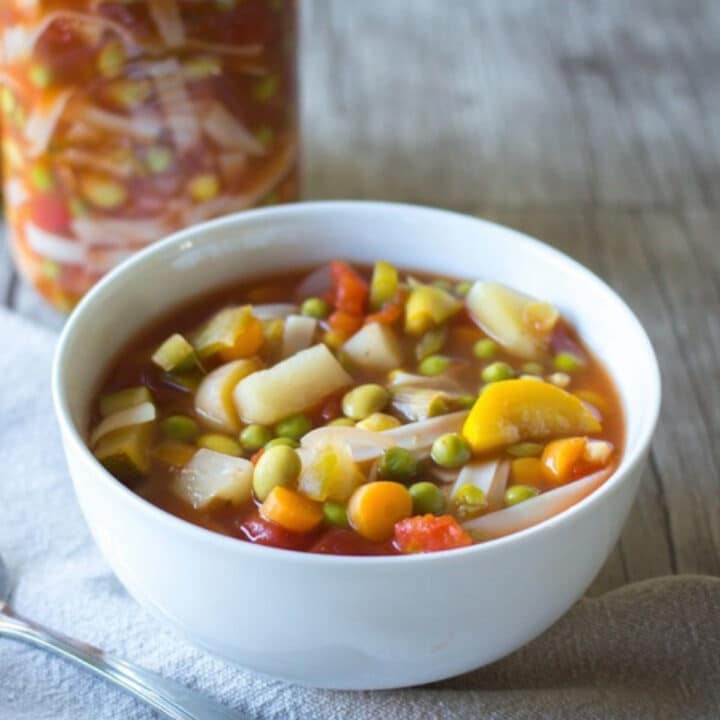
This Edamame Vegetable Soup is a hearty, one-pot bowl of zucchini, yellow squash, carrots, and potatoes simmered in a basil-scented tomato broth, with plenty of edamame for protein and a handful of small pasta to make it a full meal. It's colorful, filling, and completely vegan, and it's just as welcome on a cold winter night as it is at the end of summer when the garden is overflowing with squash.
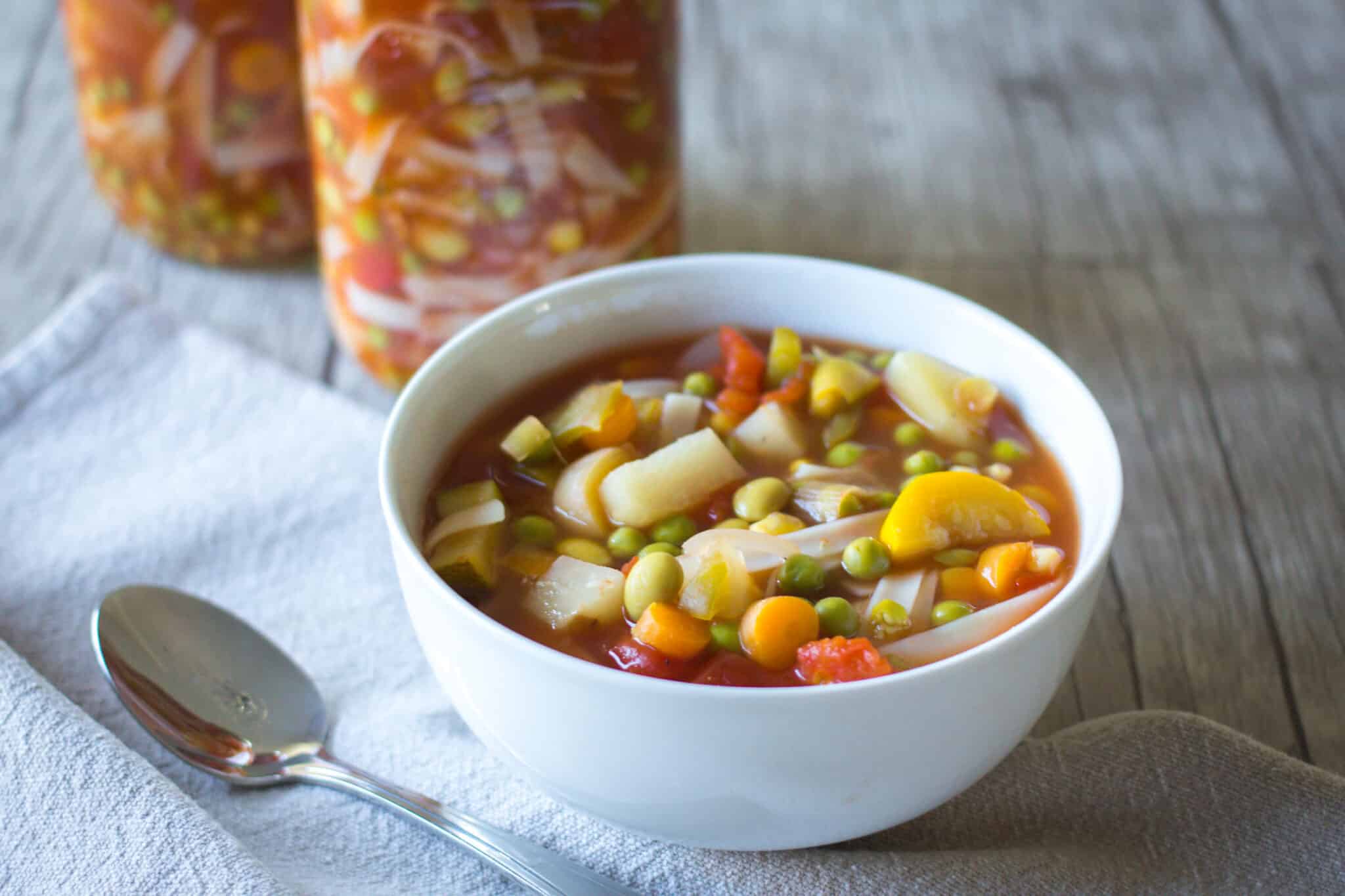
I love making this soup with whatever seasonal vegetables are on hand, but the edamame is what sets it apart. Those bright green soybeans add a buttery bite and a real boost of plant protein, so a single bowl keeps you satisfied well past lunchtime.
Key Ingredients & Substitutions
- Edamame. Frozen shelled edamame is the easiest option, and it goes straight into the pot without thawing. It brings about 8 grams of protein per half cup. If you can't find it, frozen lima beans or a can of drained cannellini or chickpeas work in the same amount.
- Zucchini and yellow squash. These cook quickly and soak up the tomato broth. Cut them a little larger than the carrots and potatoes so they stay tender rather than mushy. Any summer squash will do, or use two zucchini if that's what you have.
- Carrots and potatoes. They give the soup body and a gentle sweetness. Yukon Gold potatoes hold their shape best; russets will break down more and thicken the broth, which some people prefer. Sweet potato is a nice swap in the fall.
- Diced tomatoes. One can of Del Monte diced tomatoes is all you need for a light tomato broth. Fire-roasted tomatoes add a subtle smoky note, and 2 cups of chopped fresh tomatoes are lovely in late summer.
- Vegetable broth. A low-sodium broth lets you control the salt. Homemade is great here, but any good boxed broth works.
- Small pasta. Tiny shapes like Barilla ditalini, small shells, or broken vermicelli fit on a spoon with the vegetables. For a gluten-free soup, use gluten-free pasta or swap in rice.
- Basil and bay leaf. Fresh basil goes in twice, once to flavor the broth and again at the end for brightness. A single dried bay leaf, such as McCormick Culinary whole bay leaves, adds a quiet savory depth. If you don't have fresh basil, use 1 teaspoon dried basil with the broth.
Helpful Tips
Cut the vegetables to match their cooking times. Carrots and potatoes take the longest, so dice them into ½-inch pieces. Zucchini and yellow squash soften fast, so cut them closer to ¾ inch. Everything then finishes at the same moment instead of the squash turning to mush while the potatoes are still firm.
Use a heavy pot. A large soup pot or a Lodge cast iron Dutch oven holds steady, even heat, so the onions soften without scorching and the soup simmers gently once covered. You'll need at least a 6-quart pot for the full batch.
Add the edamame and pasta at the end. Both go in only for the last 8 to 10 minutes. Edamame stays bright and slightly firm, and the pasta cooks right in the broth without getting bloated. Check your pasta package; thin vermicelli may need only 5 or 6 minutes.
Season in stages. Add a teaspoon of salt with the vegetables, then taste again at the very end. How much more you need depends on your broth, and potatoes and pasta both absorb salt as they cook.
Keep the peas for last. Frozen peas need only a couple of minutes to warm through. Stirring them in just before serving keeps them sweet and vividly green.
Variations
- Greens. Stir in 2 to 3 handfuls of baby spinach or chopped kale with the peas and let them wilt.
- Extra beans. Add a can of drained white beans or chickpeas along with the edamame for an even heartier bowl.
- Grain instead of pasta. Use ½ cup of rice, farro, or pearl barley. Add it with the broth, since grains need longer to cook than small pasta.
- Italian-style. Add a teaspoon of dried oregano and finish each bowl with a spoonful of vegan pesto. If you love that direction, try our Vegan Minestrone Soup too.
- A little heat. A pinch of crushed red pepper flakes with the garlic gives the broth a gentle warmth.
- Creamy squash twist. Blend a cup or two of the finished soup and stir it back in for a thicker texture, or see our velvety Yellow Squash Soup for a fully puréed option.
Serving Ideas
With vegetables, protein, and pasta all in one pot, this soup is a complete meal on its own. Still, a piece of good bread for dipping is hard to beat. Warm slices of homemade Focaccia Bread are perfect for soaking up the tomato broth, and a square of Easy Vegan Cornbread makes it feel extra cozy on a cold night.
For a lighter lunch, serve a smaller bowl alongside a crisp green salad tossed with our 5-Minute Vinaigrette Dressing. A sprinkle of fresh basil, a drizzle of good olive oil, or a spoonful of vegan parmesan on top of each bowl makes it feel a little special.
Storing & Freezing
Let the soup cool, then refrigerate it in an airtight container for up to 4 days. The pasta keeps drinking up broth as it sits, so the soup will be thicker the next day. Add a splash of vegetable broth or water when you reheat it on the stove over medium-low heat or in the microwave.
This soup freezes well for up to 3 months. For the best texture, freeze it before adding the pasta: make the soup through the edamame and peas, cool it completely, and freeze it in portions. When you're ready to eat, thaw it overnight in the fridge, bring it to a simmer, and cook the pasta right in the pot. Potatoes can turn slightly softer after freezing, but the flavor holds up nicely.
It's also a great make-ahead recipe for busy weeks. Chop all the vegetables a day ahead and keep them in the fridge, or cook a full batch on the weekend and portion it into containers for easy lunches.
More Hearty Vegan Soups
If you loved this recipe, here are a few more you might enjoy:
- Vegan Split Pea Soup
- Old-Fashioned Vegan Stew
- Roasted Vegetable Pumpkin Soup
- Cozy Vegan Soups for Fall and Winter
Recipe

Edamame Vegetable Soup
A hearty, protein-packed vegan soup loaded with edamame, zucchini, yellow squash, carrots, and potatoes in a basil-scented tomato broth, with a little pasta to make it a meal. It comes together in one pot in about an hour and freezes well.
Print
Pin
Save
Servings: servings
Ingredients
- 2 tablespoons olive oil
- 1 onion medium, chopped
- 2 cloves garlic minced
- 1 can diced tomatoes 14.5 ounces, with their juices
- 2 carrots peeled and diced
- 2 potatoes medium Yukon Gold, peeled and cut into ½-inch cubes
- 1 zucchini large, diced (about 2 cups)
- 1 yellow squash diced
- ¼ cup fresh basil leaves chopped, divided
- 1 bay leaf
- 7 cups vegetable broth low-sodium recommended
- ¾ cup pasta small soup pasta such as ditalini, or broken vermicelli (about 3 ½ ounces)
- 1 ½ cups edamame frozen shelled (no need to thaw)
- ½ cup frozen peas
- salt and pepper to taste
Instructions
- Prep the vegetables: chop the onion, mince the garlic, and peel and dice the carrots and potatoes into ½-inch pieces. Dice the zucchini and yellow squash into slightly larger pieces (about ¾ inch) so they hold their shape.
- Heat the olive oil in a large soup pot or Dutch oven over medium heat. Add the onion and cook, stirring often, until soft and translucent, about 5 minutes. Add the garlic and cook for 30 seconds more, until fragrant.
- Stir in the diced tomatoes with their juices and simmer for 5 minutes, until they start to break down.
- Add the carrots, potatoes, zucchini, and yellow squash, then half of the chopped basil, the bay leaf, 1 teaspoon salt, and ¼ teaspoon black pepper. Stir to coat the vegetables.
- Pour in the vegetable broth and bring the soup to a boil over high heat. Reduce the heat to low, cover, and simmer for 20 minutes, until the carrots and potatoes are just tender when pierced with a fork.
- Stir in the pasta and the frozen edamame. Simmer uncovered, stirring now and then, until the pasta is al dente, 8 to 10 minutes (check your package time).
- Stir in the frozen peas and the rest of the basil and cook for 2 minutes, just until the peas are bright green and warmed through.
- Remove the bay leaf. Taste and adjust the salt and pepper, then ladle into bowls and serve hot.
Notes
Make it gluten-free: use a gluten-free small pasta or swap the pasta for ½ cup rice (add the rice with the broth).
Storage: Refrigerate leftovers in an airtight container for up to 4 days. The pasta keeps absorbing broth, so add a splash of broth or water when reheating. To freeze, cool completely and freeze for up to 3 months; for the best texture, freeze the soup before adding the pasta and cook fresh pasta when you reheat.
Nutrition (Estimate per Serving)
Calories: 279kcalCarbohydrates: 45gProtein: 11gFat: 7gSaturated Fat: 1gPolyunsaturated Fat: 2gMonounsaturated Fat: 4gSodium: 1214mgPotassium: 1005mgFiber: 8gSugar: 11gVitamin A: 4407IUVitamin C: 42mgCalcium: 88mgIron: 3mg
Vegan-ize any recipe!Grab our free vegan cheat sheet, packed with my favorite easy substitutions to make any recipe vegan.
Za'atar Pumpkin Quinoa Pilaf
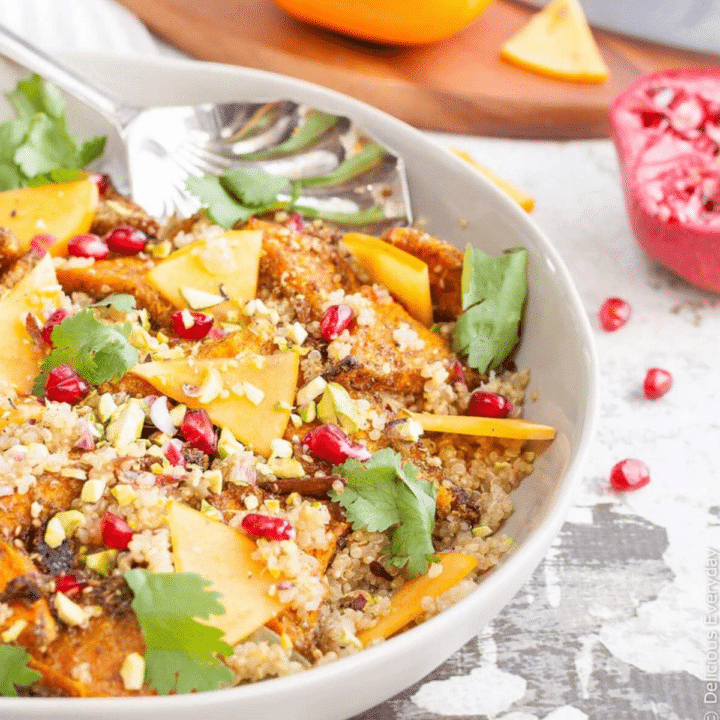
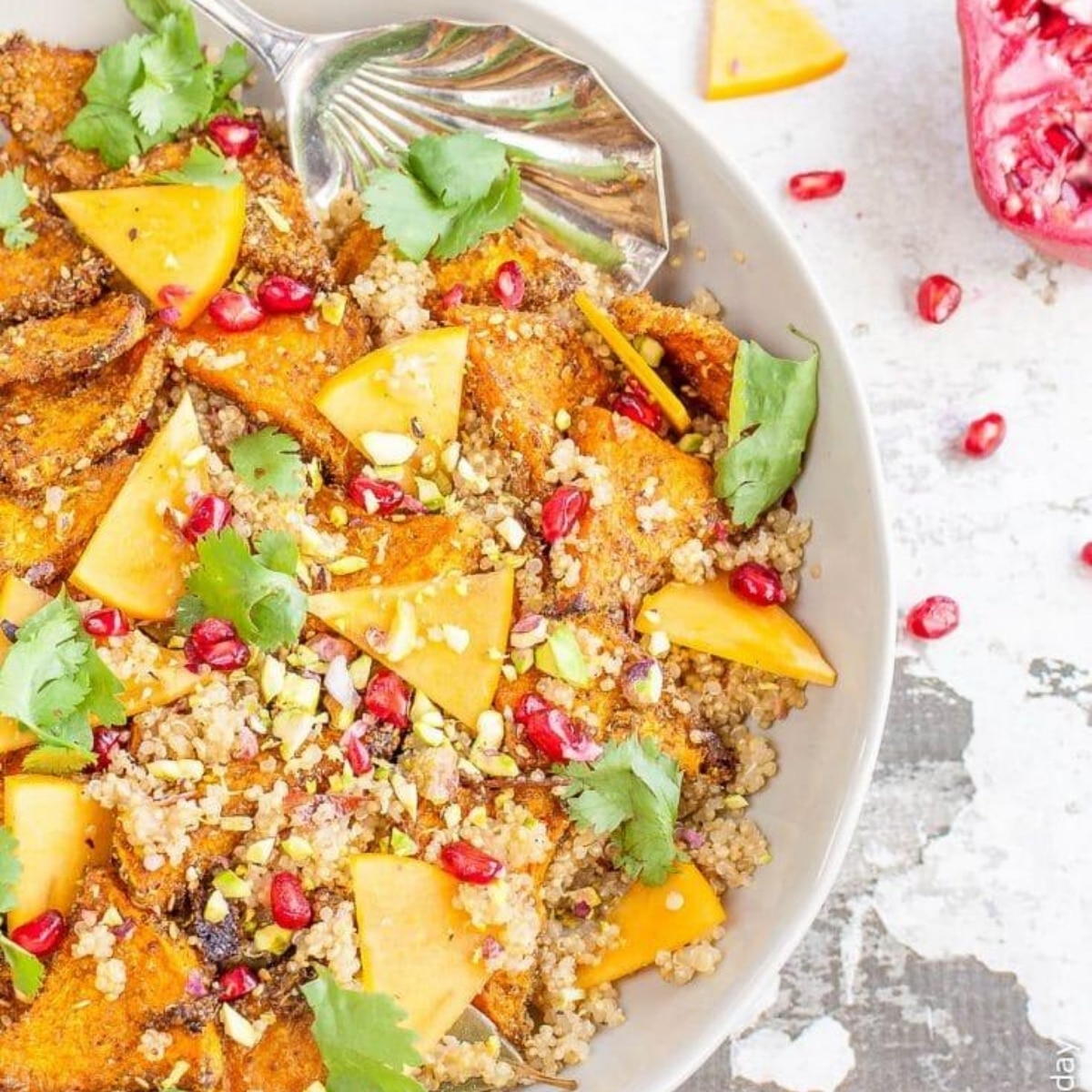
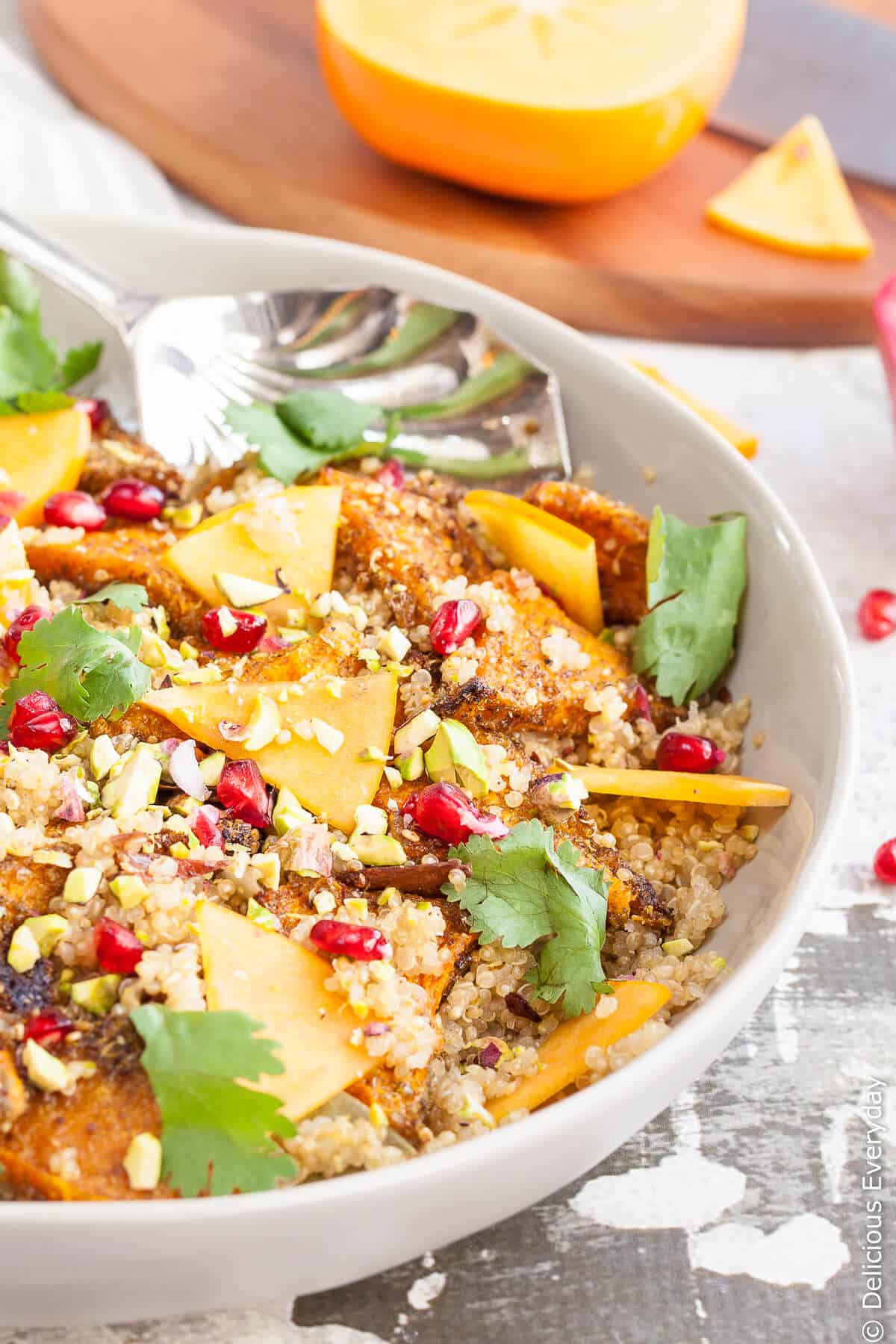
This za'atar pumpkin quinoa pilaf is a jewel-toned fall side dish: fluffy quinoa scented with cinnamon, cardamom and bay, topped with za'atar-roasted squash, sweet persimmon, pomegranate seeds, pistachios and fresh cilantro. It's vegan, naturally gluten-free, and pretty enough for a holiday table.
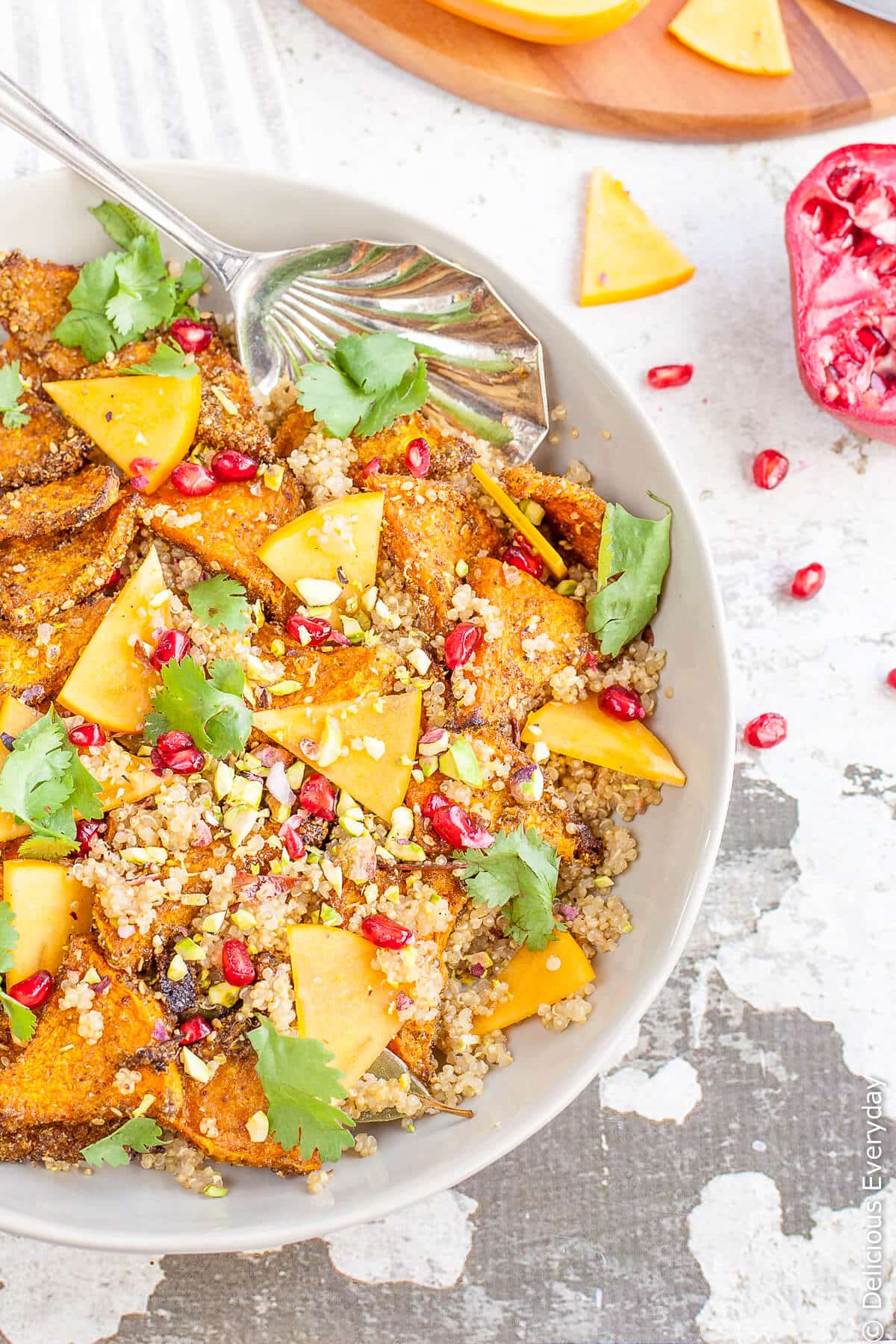
The magic is in the layers of flavor. Tossing the pumpkin in za'atar, a Middle Eastern blend of thyme, tangy sumac and toasted sesame seeds, before roasting gives it caramelized, herby edges. The quinoa simmers with whole spices so every bite is subtly fragrant, and the fruit, nuts and herbs on top add juicy, crunchy, fresh contrast. Serve it as a side, or as a light main with a scoop of hummus.
Key Ingredients & Substitutions
- Butternut squash. Also called butternut pumpkin, it roasts up sweet and tender. Kabocha, red kuri, sugar pumpkin or even sweet potato all work the same way.
- Za'atar. This tangy, herby spice blend is what makes the dish special. Look for za'atar in the spice aisle or at Middle Eastern grocers. In a pinch, mix dried thyme, a little sumac or lemon zest, and toasted sesame seeds.
- Quinoa. White quinoa cooks up light and fluffy for a pilaf. Red or tricolor quinoa add a nuttier bite and hold their shape a little more. Always rinse it first to remove the bitter coating.
- Whole spices. A cinnamon stick, a few lightly crushed cardamom pods and bay leaves perfume the quinoa as it cooks. If you only have ground spices, use a pinch of cinnamon and ¼ teaspoon of ground cardamom instead.
- Shallot. Sautéed until golden, it gives the pilaf a gentle sweetness. Half a small onion works too.
- Persimmon. Crisp Fuyu persimmons taste like a cross between an apple and a peach, with a hint of spice. They're optional. Swap in sliced pear, apple or dried apricots if you can't find them.
- Pomegranate, pistachios and cilantro. The finishing trio adds juicy pops, crunch and freshness. Toasted almonds or pepitas can replace the pistachios, and parsley or mint can stand in for cilantro.
How to Make Za'atar Pumpkin Quinoa Pilaf
Start by tossing wedges of peeled squash with olive oil, za'atar and a pinch of salt, then roast them on a lined baking sheet until tender and caramelized around the edges.
While the squash roasts, rinse the quinoa well. Sauté the shallot with the cinnamon stick, cardamom pods and bay leaves in a little oil until golden and fragrant, then stir in the quinoa and toast it for a couple of minutes. Add the vegetable stock, bring it to a simmer, cover and cook on low until the quinoa is tender and the liquid is absorbed.
Fluff the quinoa with a fork, remove the whole spices, and stir in the lemon zest. Spoon it onto a platter, then top with the roasted squash, persimmon, pomegranate seeds, pistachios and cilantro.
Helpful Tips
Rinse the quinoa. Quinoa has a natural coating called saponin that can taste soapy or bitter. A good rinse in a fine-mesh strainer takes care of it.
Give the squash space. Spread the pieces in a single layer with a little room between them so they roast and caramelize instead of steaming. Use two trays if needed.
Toast the quinoa. Stirring the rinsed quinoa in the pan with the shallot and spices for a few minutes before adding the stock gives it a nuttier flavor and helps the grains stay separate and fluffy.
Let it rest. Once the liquid is absorbed, turn off the heat and leave the pot covered for 5 minutes. The quinoa finishes steaming and fluffs up beautifully.
Add the toppings just before serving. Scatter the fruit, nuts and herbs on at the last minute so the pistachios stay crunchy and the cilantro stays bright.
Variations
- Add chickpeas. Roast a can of drained chickpeas with the squash for extra protein and turn the pilaf into a hearty main.
- Greens. Stir a couple of handfuls of baby spinach or chopped kale into the hot quinoa so it wilts.
- Different grain. Make it with bulgur, farro, couscous or brown rice, adjusting the liquid and cooking time as needed.
- Sweeter. Add a handful of dried cranberries, golden raisins or chopped dates to the quinoa.
- Tahini drizzle. Whisk tahini with lemon juice, water and a pinch of salt and drizzle it over the top.
- Spicier. Sprinkle the squash with a pinch of Aleppo pepper or chili flakes along with the za'atar.
Serving Ideas
This pilaf is a stunning side for Thanksgiving or any fall dinner. Serve it alongside rice and pecan-stuffed squash, a big green salad, or a bowl of roasted vegetable pumpkin soup.
To make it a main dish, add chickpeas or crispy baked tofu, and serve it with hummus, warm pita and a drizzle of tahini. It's also great packed into lunch containers, since it tastes good warm, at room temperature or even cold.
Storing & Freezing
Store the pilaf and roasted squash in an airtight container in the refrigerator for up to 4 days. For the best texture, keep the pistachios, pomegranate and cilantro separate and add them just before serving. Reheat in the microwave or a covered skillet with a splash of water, or enjoy it cold as a salad.
The quinoa and roasted squash can be frozen (without the fresh toppings) for up to 3 months. Thaw overnight in the fridge and reheat gently, then add fresh fruit, nuts and herbs. Persimmon and pomegranate don't freeze well, so always add them fresh.
More Vegan Grain Dishes
If you loved this recipe, here are a few more you might enjoy:
- Vegan Wild Rice Pilaf with Spinach and Almonds
- Tabbouleh Salad (with Quinoa, Bulgur, or Couscous)
- 25 Vegan Butternut Squash Recipes
- 34 Vegan Mediterranean Diet Recipes
Recipe
Za'atar Pumpkin Quinoa Pilaf
Fluffy quinoa pilaf scented with cinnamon, cardamom and bay, topped with za'atar-roasted squash, persimmon, pomegranate, pistachios and cilantro. A vegan, gluten-free fall side dish.
Print
Pin
Save
Servings: side servings
Equipment
- Medium saucepan with lid
Ingredients
- 1 lb butternut squash peeled, seeded and cut into wedges (about 3 cups)
- 1½ tablespoon za'atar
- 1½ tablespoon olive oil divided
- 1 shallot diced
- 1 cup quinoa rinsed and drained
- 1 cinnamon stick
- 4 cardamom pods lightly crushed
- 3 bay leaves
- 1¼ cups vegetable stock
- zest of ½ lemon
- ½ Fuyu persimmon sliced (optional)
- ¼ cup pomegranate seeds
- ¼ cup pistachios toasted and roughly chopped
- ½ cup fresh cilantro roughly chopped
- salt and pepper to taste
Instructions
- Preheat the oven to 350°F (180°C) and line a baking sheet with parchment paper.
- Toss the squash with half the olive oil, the za'atar and a couple of pinches of salt. Spread in a single layer and roast for 25 to 30 minutes, until tender and lightly caramelized.
- Meanwhile, heat the remaining oil in a medium saucepan over medium-low heat. Add the shallot, cinnamon stick, cardamom pods and bay leaves and cook, stirring, until the shallot is golden, about 5 minutes.
- Add the rinsed quinoa and stir for 2 minutes to toast. Pour in the vegetable stock with a pinch of salt and bring to a simmer.
- Cover, reduce the heat to low and cook for 15 minutes, until the quinoa is tender and the liquid is absorbed. Remove from the heat and let stand, covered, for 5 minutes.
- Remove the whole spices, fluff the quinoa with a fork and stir in the lemon zest. Season with salt and pepper to taste.
- Spoon the pilaf onto a platter and top with the roasted squash, persimmon, pomegranate seeds, pistachios and cilantro. Serve warm or at room temperature.
Notes
Serves 6 as a side or 3 to 4 as a main (add a can of chickpeas to make it heartier).
If you can't find persimmon, leave it out or use sliced pear or apple.
Inspired by Za'atar Roasted Chicken with Pilaf from May 2016 Gourmet Traveller.
Nutrition (Estimate per Serving)
Serving: 1servingCalories: 198kcalCarbohydrates: 34gProtein: 5gFat: 6gSaturated Fat: 1gPolyunsaturated Fat: 1gMonounsaturated Fat: 3gSodium: 202mgPotassium: 506mgFiber: 5gSugar: 5gVitamin A: 8495IUVitamin C: 19mgCalcium: 69mgIron: 2mg
Vegan-ize any recipe!Grab our free vegan cheat sheet, packed with my favorite easy substitutions to make any recipe vegan.
34 Vegan Mediterranean Diet Recipes
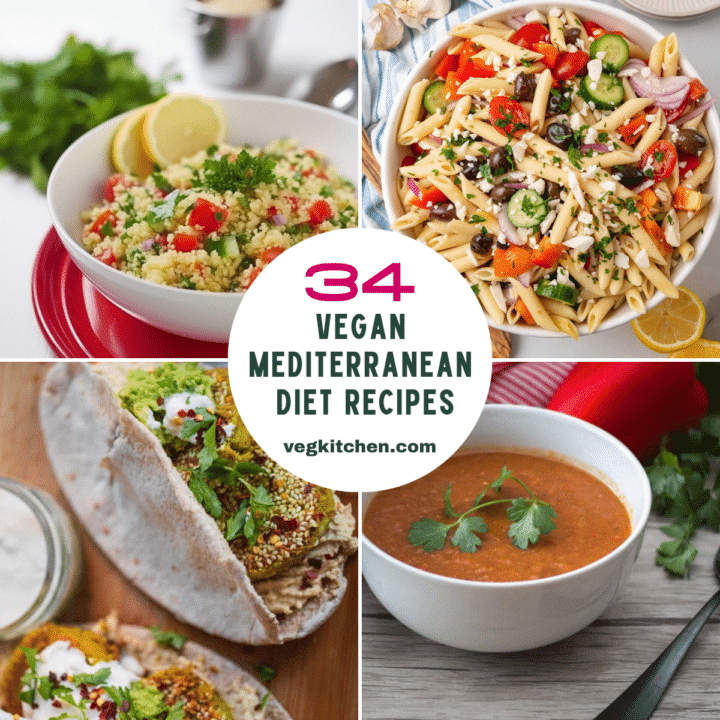
The Mediterranean diet isn't a strict set of rules so much as a way of eating inspired by the traditional foods of countries around the Mediterranean Sea, like Greece, Italy, Spain, and Morocco. It centers on vegetables, fruits, whole grains, beans and lentils, nuts, seeds, and plenty of olive oil, with fish, dairy, and poultry playing a supporting role and red meat showing up only rarely.
The good news for plant-based cooks is that most of that pattern is already vegan. Chickpeas, lentils, white beans, tahini, nuts, and olives cover the protein and healthy fats, and easy swaps like marinated tofu "feta" take care of the rest. Below are 34 vegan Mediterranean diet recipes from VegKitchen and our sister site Oh My Veggies, from herby salads and dips to hearty soups, stews, and pasta.
Whether you're following the Mediterranean diet closely or just want more olive oil, beans, and vegetables on your table, there's plenty here to keep dinner interesting.
34 Vegan Mediterranean Diet Recipes
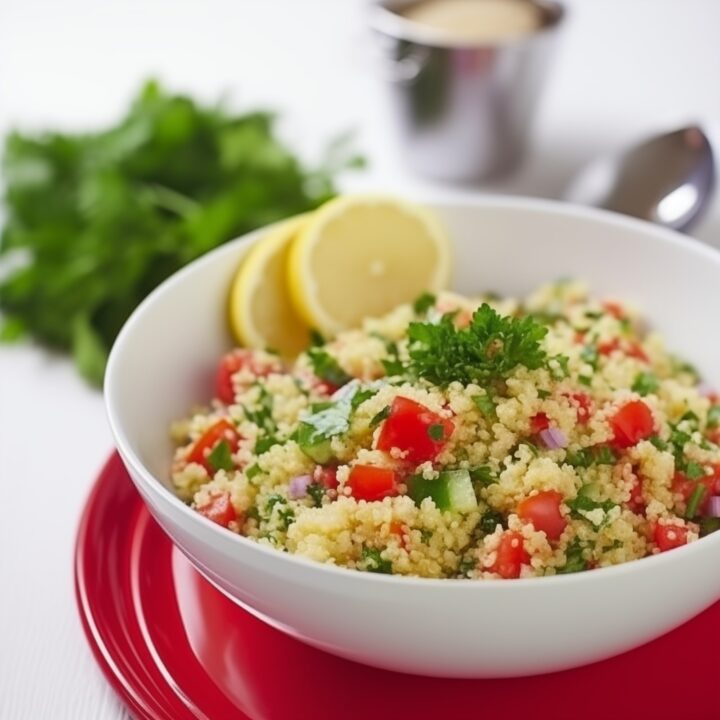
Bright, herby, and lemony, this classic salad is the Mediterranean table in a bowl. Bulgur is the traditional base, but quinoa makes it gluten-free and couscous makes it even faster. Loads of fresh parsley, mint, and ripe tomatoes do the heavy lifting.
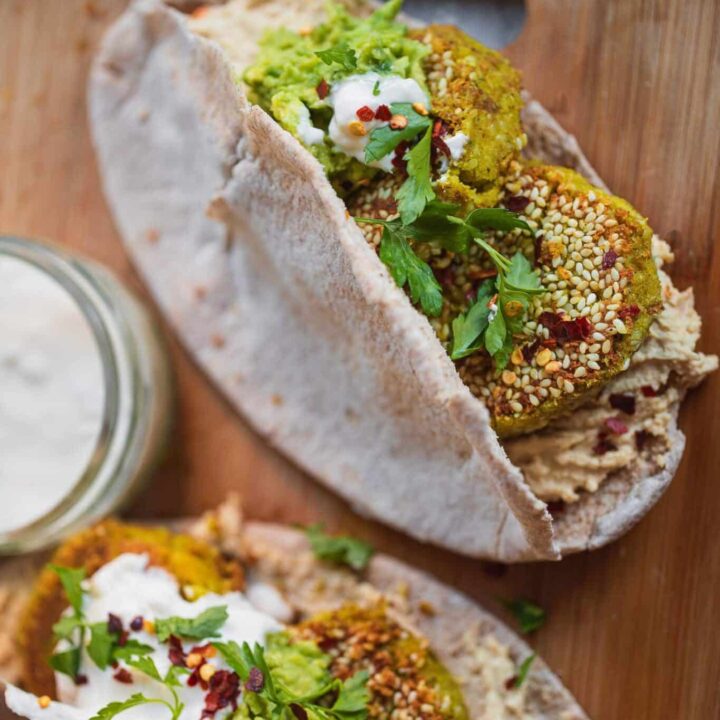
Crunchy on the outside with a sesame seed crust and fluffy on the inside, these falafel start with dried chickpeas and simple spices. Bake them for a lighter version or fry them for extra crunch, and enjoy them gluten-free thanks to buckwheat and rice flour. Tuck them into pita or pile them over greens.
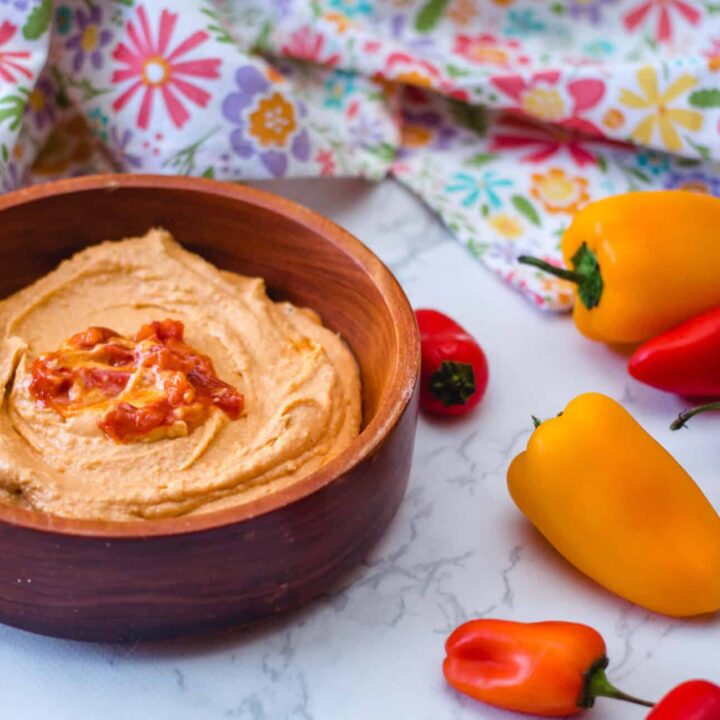
Roasted red peppers turn classic hummus into a smoky, slightly sweet dip that comes together in about 10 minutes. Chickpeas, tahini, lemon, and garlic keep it firmly in Mediterranean territory. Scoop it up with pita, crackers, or a platter of raw veggies.
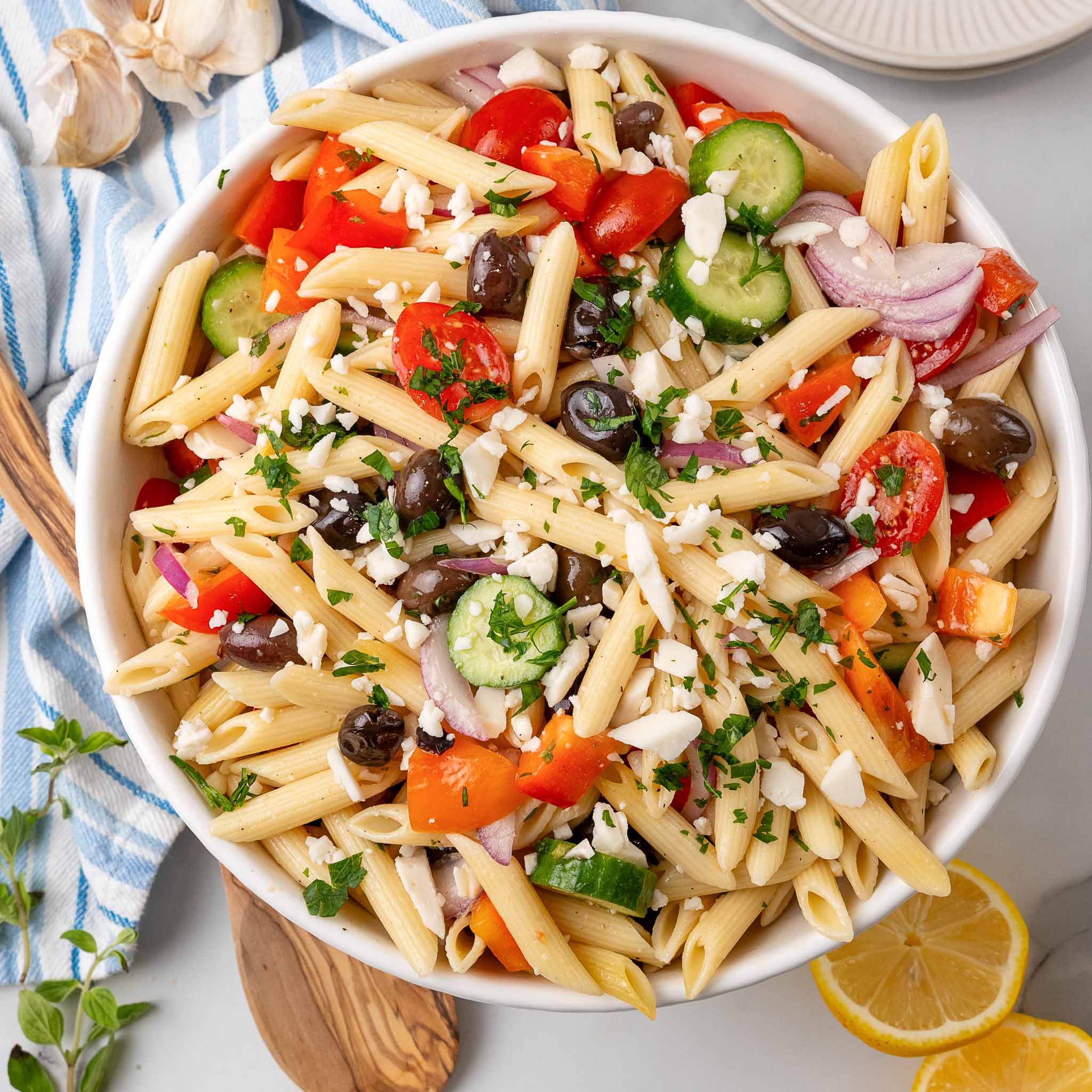
Crisp cucumbers, juicy grape tomatoes, and tangy olives get tossed with pasta and a homemade red wine and oregano dressing. Vegan feta adds the salty, creamy finish you expect from a Greek salad. It's a great pick for potlucks and make-ahead lunches.
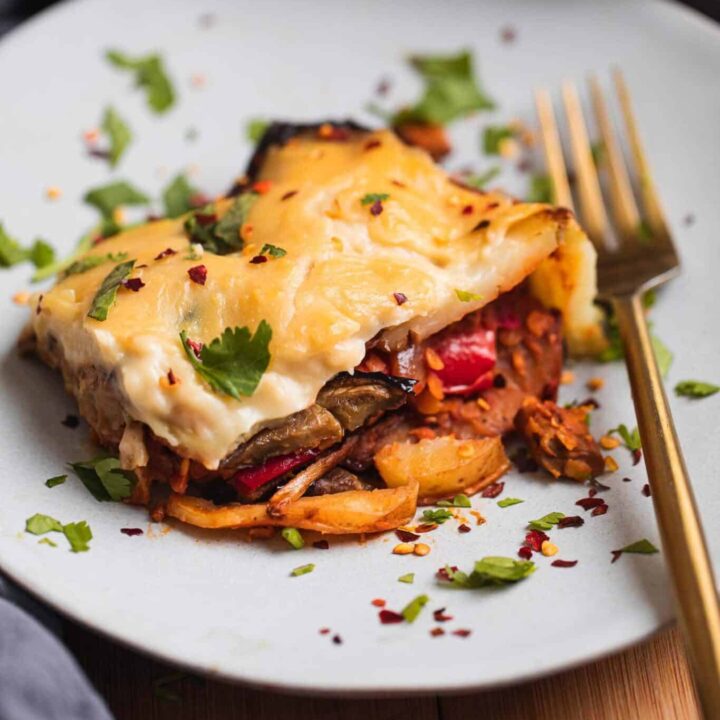
This Greek-inspired comfort food swaps the traditional meat for a hearty red lentil filling layered with roasted potatoes and eggplant. A creamy, dairy-free bechamel goes on top, and oregano and lemon keep the flavors bright. It also freezes well for busy weeks.
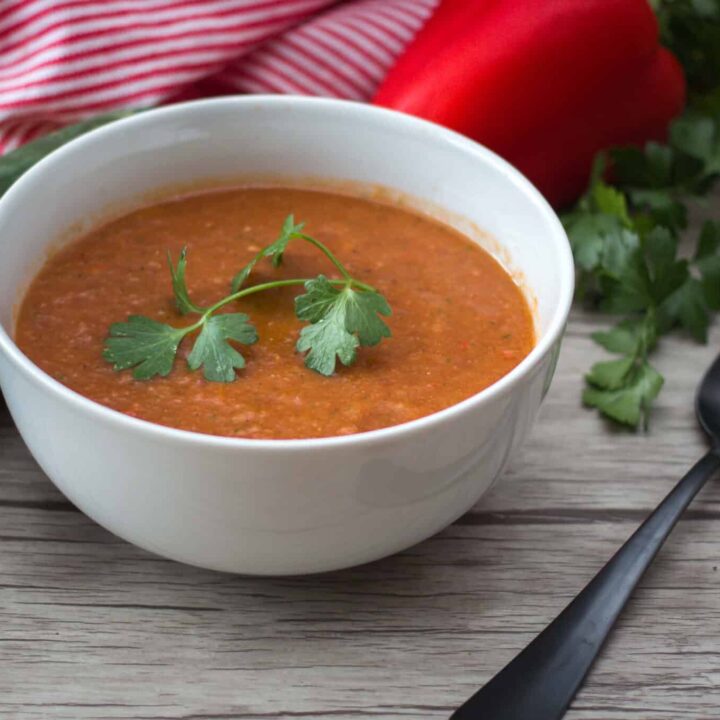
This chilled Spanish soup blends ripe tomatoes, cucumbers, and peppers with garlic, olive oil, and a splash of red wine vinegar. It's cool, refreshing, and perfect for hot summer days when you don't want to cook. Serve it in small bowls or glasses as a starter.
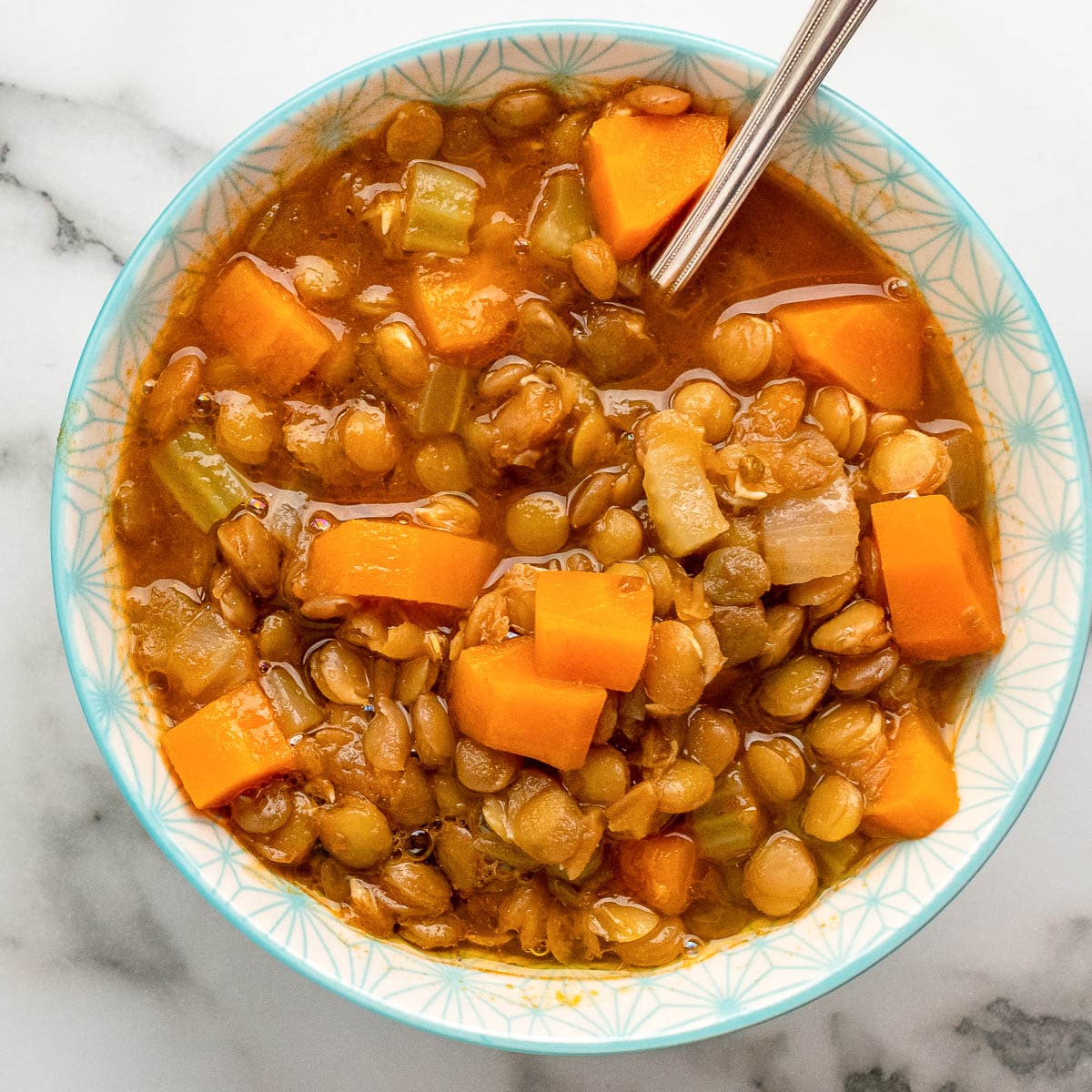
A cozy, budget-friendly bowl of lentils simmered with carrots, celery, onion, tomato paste, and oregano. It's thick, satisfying, and gets even better after a day in the fridge. Finish it with a drizzle of good olive oil.
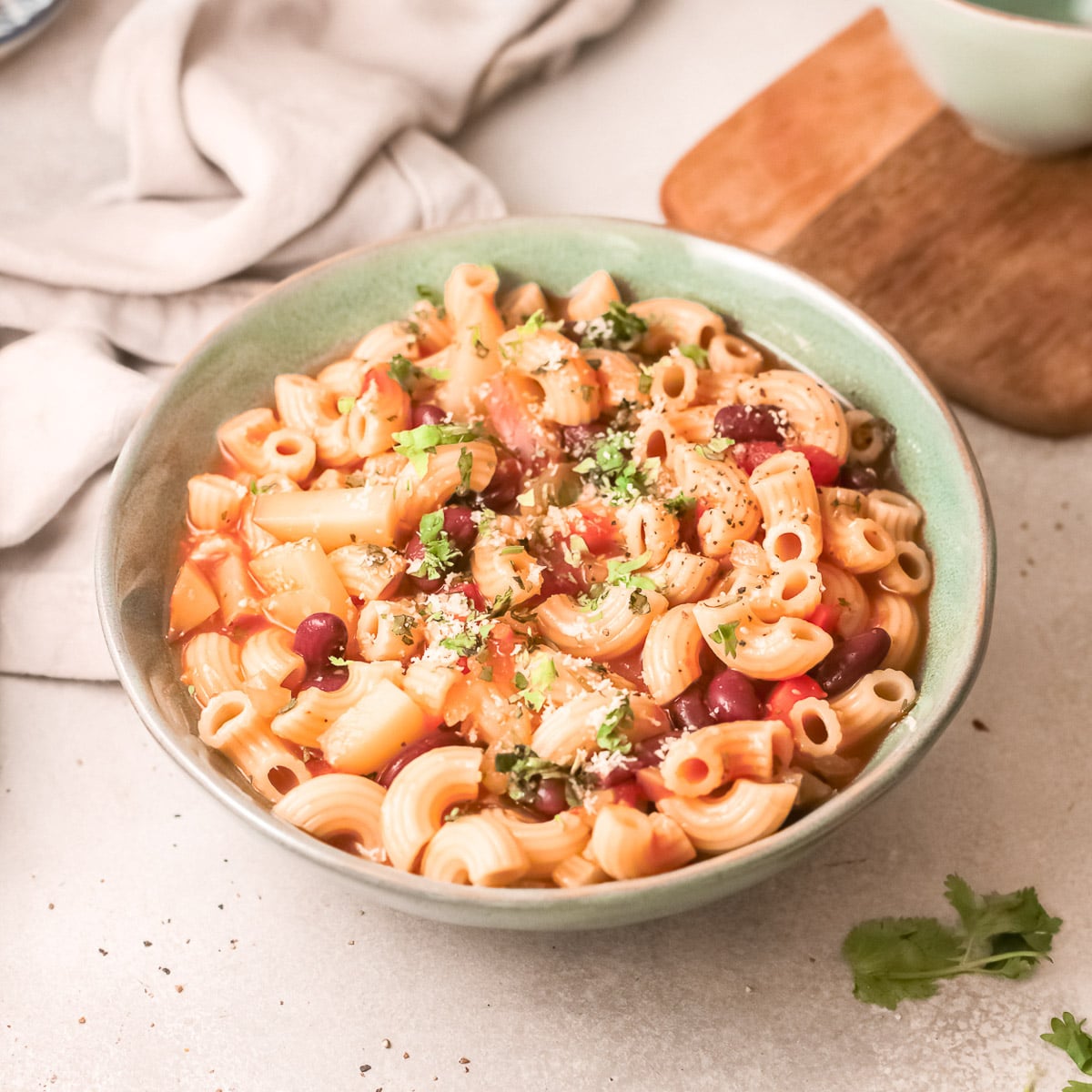
A one-pot Italian-style classic loaded with kidney beans, fire-roasted tomatoes, potatoes, and pasta in a flavorful broth. It comes together in about 30 minutes and makes plenty for leftovers. Serve with crusty bread for a full meal.
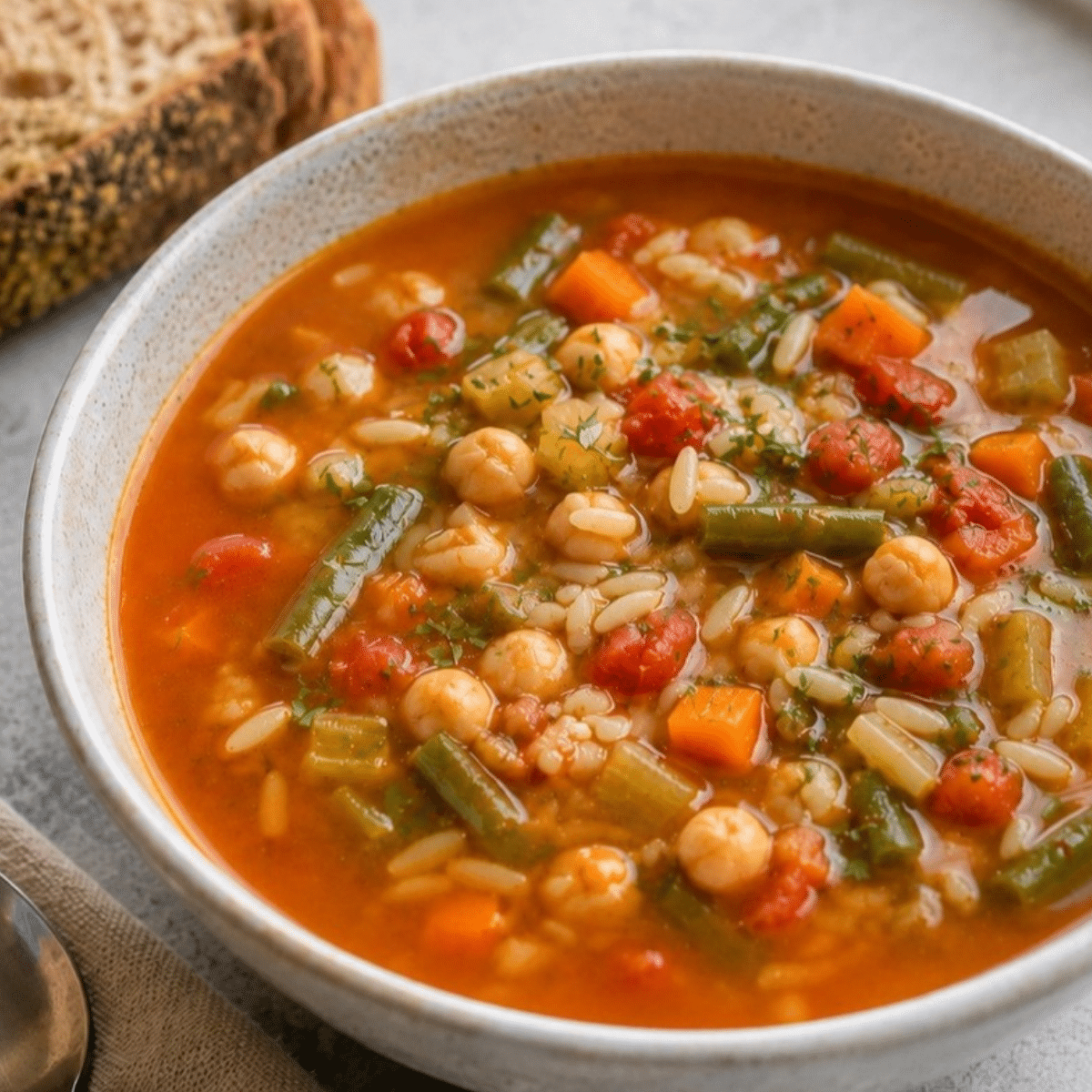
Carrots, celery, green beans, tomatoes, and chickpeas simmer with tiny orzo pasta and a little red wine in this hearty vegetable soup. Every spoonful gets tender vegetables plus a bit of pasta. It's filling enough to serve as dinner alongside a slice of whole-grain bread.
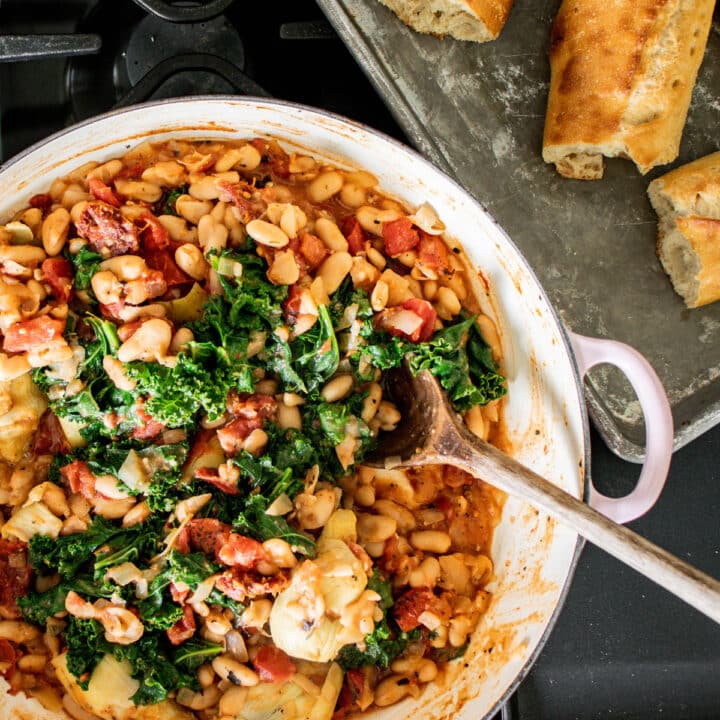
Creamy cannellini beans, kale, artichoke hearts, and sun-dried tomatoes come together in one skillet in under 20 minutes. White wine, fire-roasted tomatoes, and Italian herbs give it a rustic, savory flavor. Mop up the juices with crusty bread.
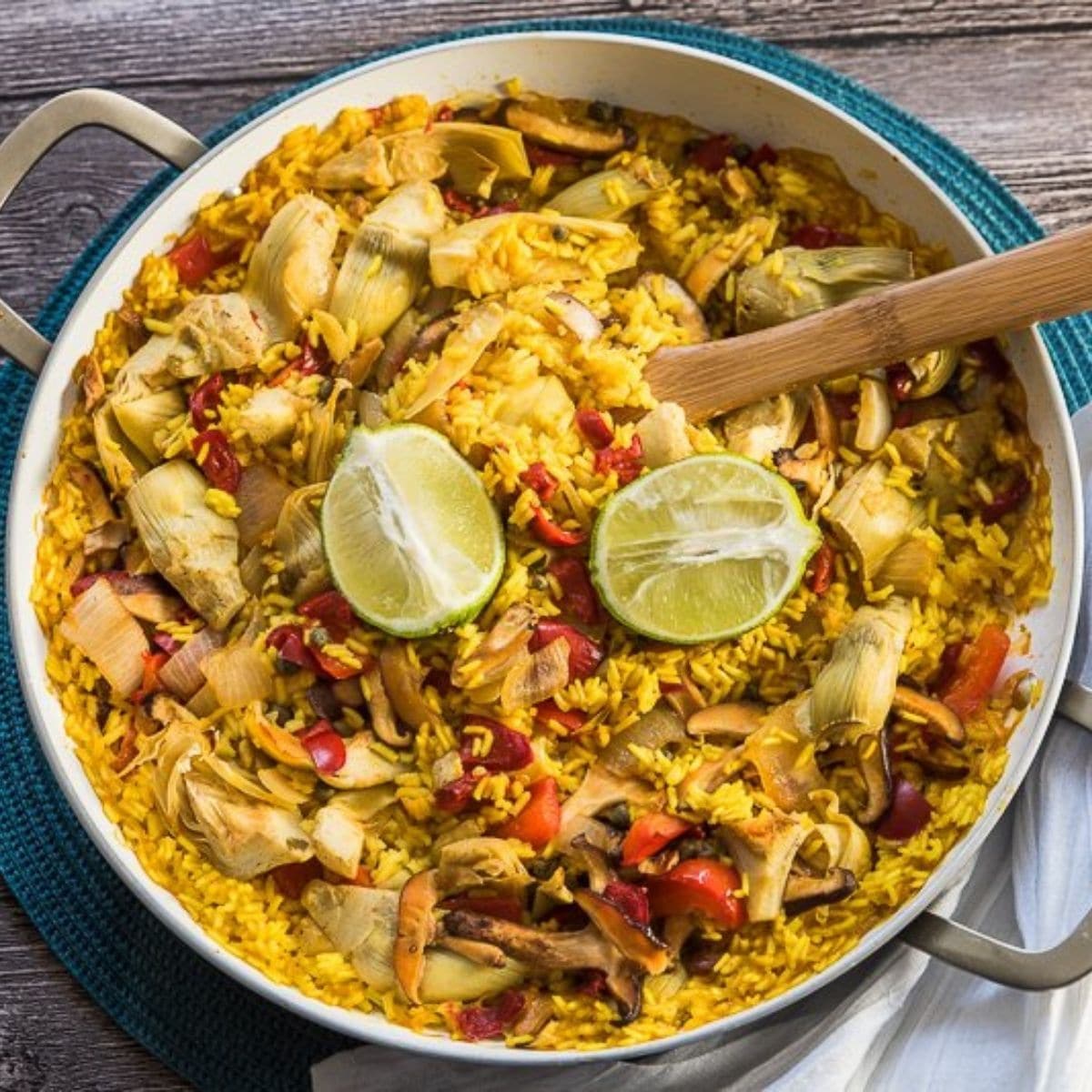
Spanish rice simmers in vegetable stock and white wine with saffron, smoked paprika, and a little cayenne. Artichoke hearts, piquillo peppers, shiitake mushrooms, and capers fill in for the seafood and sausage. It's a showstopper for a dinner party.
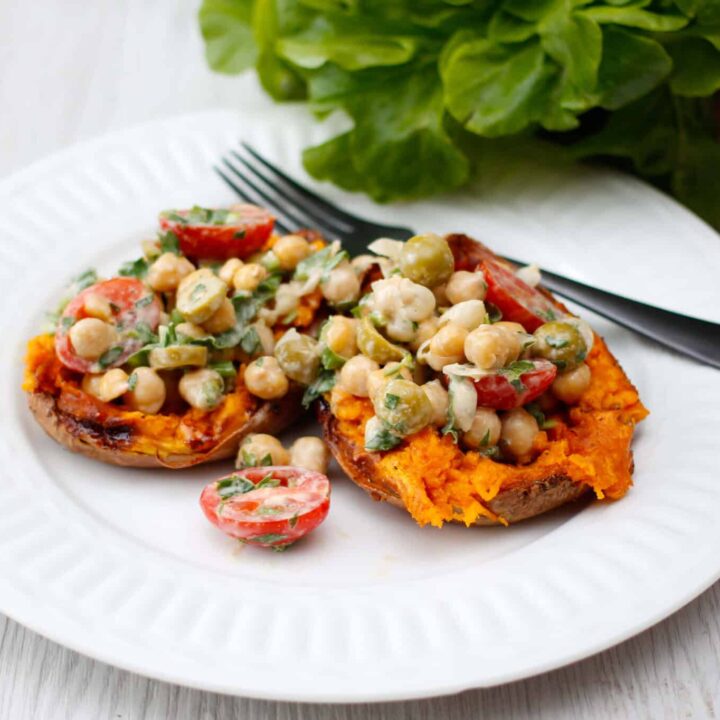
Roasted sweet potatoes are piled high with spiced chickpeas and cherry tomatoes, then finished with a lemony tahini sauce. Cumin, coriander, turmeric, and paprika bring plenty of warmth. It's a complete, comforting meal in one dish.
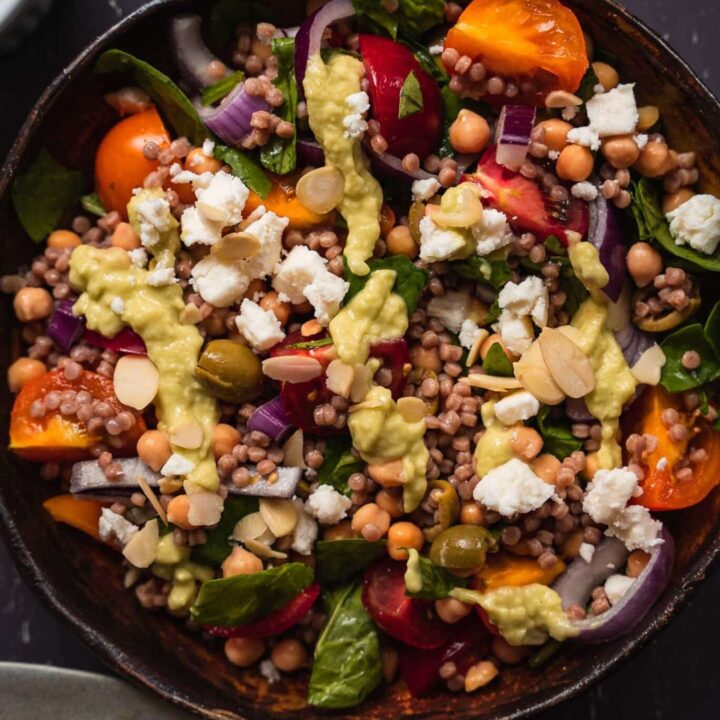
Giant couscous is tossed with chickpeas, tomatoes, green olives, spinach, and vegan feta, then coated in a creamy avocado and lemon dressing. It's ready in under 20 minutes and works as a main or a side. Leftovers hold up nicely for lunch.
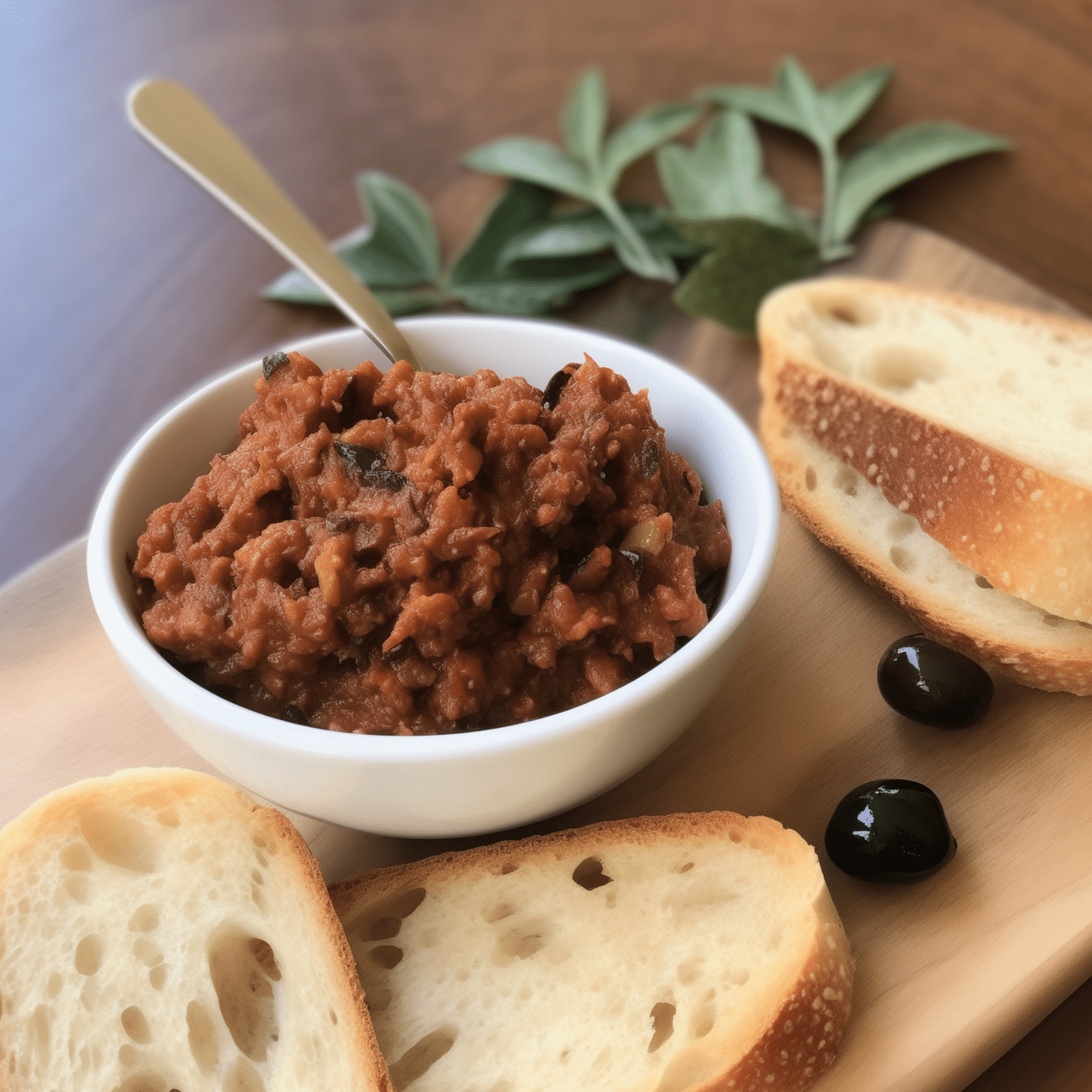
Kalamata olives, sun-dried tomatoes, parsley, and walnuts are blended into a bold, briny spread with a squeeze of lemon. It's ready in minutes and instantly upgrades crostini, pasta, or sandwiches. Set out a bowl with a baguette for easy entertaining.
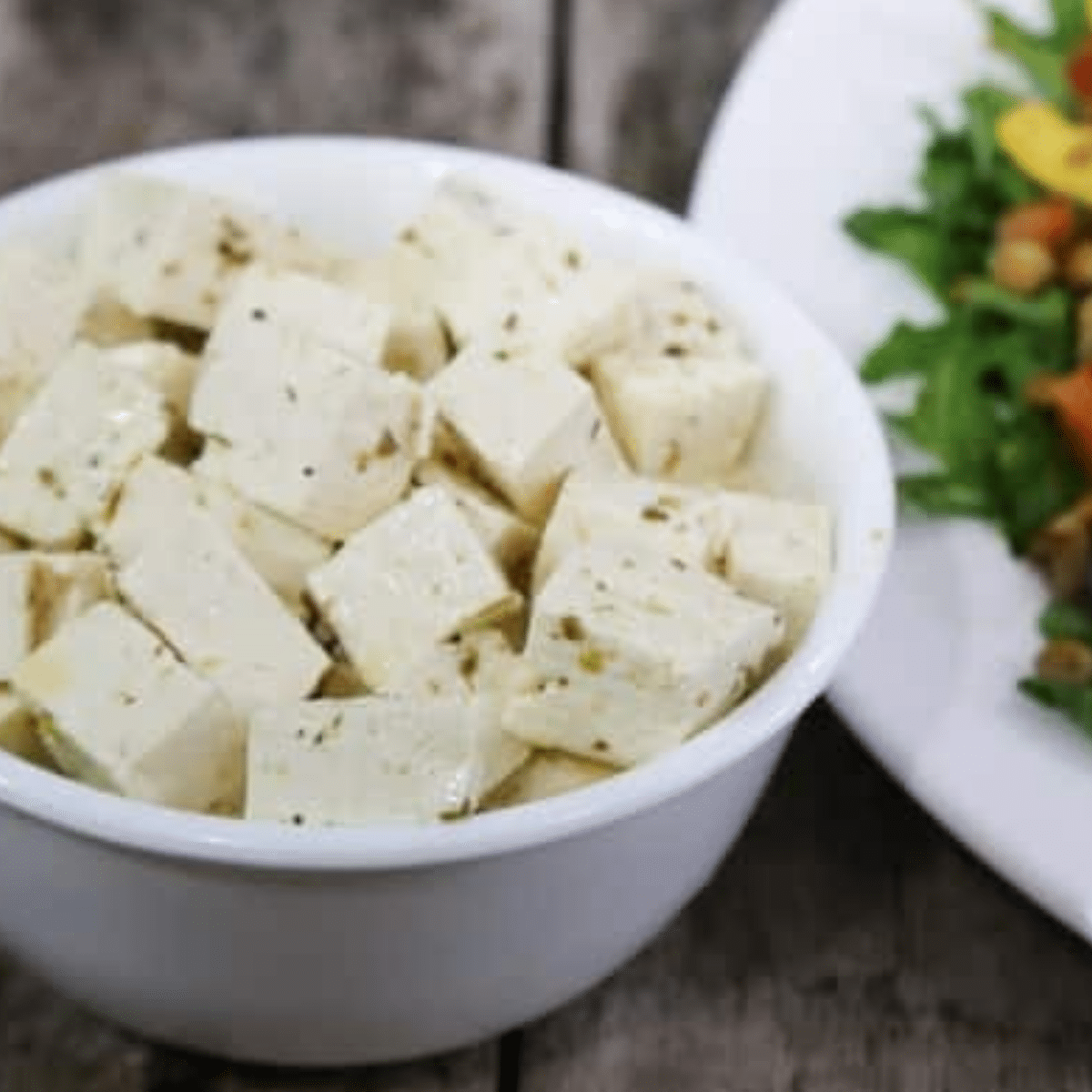
Cubes of extra-firm tofu soak up a simple marinade of lemon juice, olive oil, and oregano to become a tangy stand-in for feta. It takes just five ingredients and no cooking. Toss it into a Greek salad, grain bowls, or pasta.
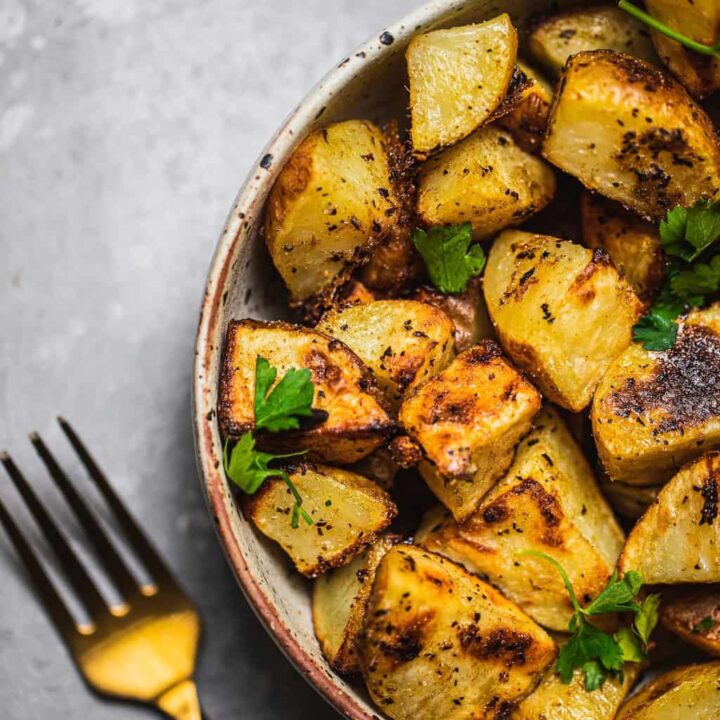
These Greek-inspired roasted potatoes have a golden, crunchy exterior and a fluffy center, seasoned with lemon, oregano, cumin, and olive oil. A little cornstarch is the secret to the crispy crust. Serve them alongside just about any Mediterranean main.
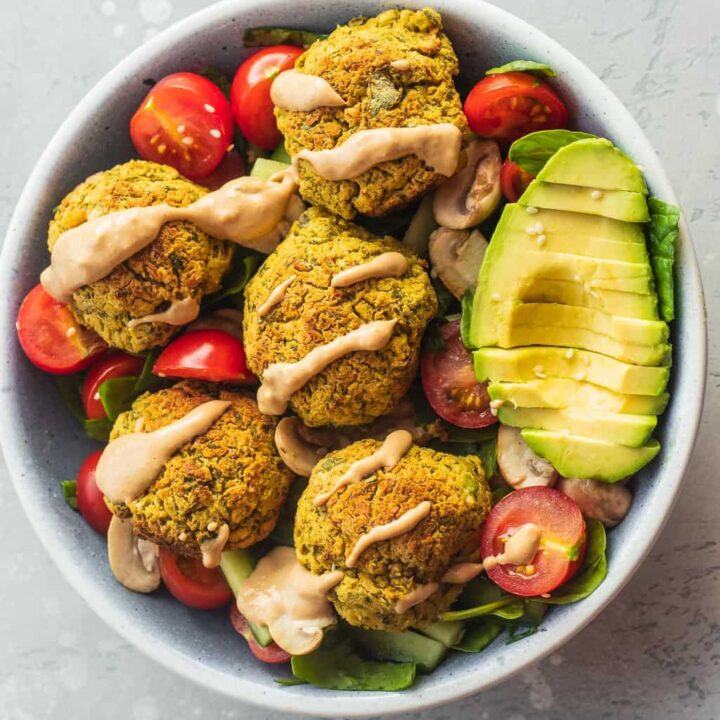
Chickpea falafel bites top a big salad of spinach, cherry tomatoes, cucumber, and avocado, all drizzled with a lemony tahini dressing. It's gluten-free and oil-free, and it's a great option for meal prep.
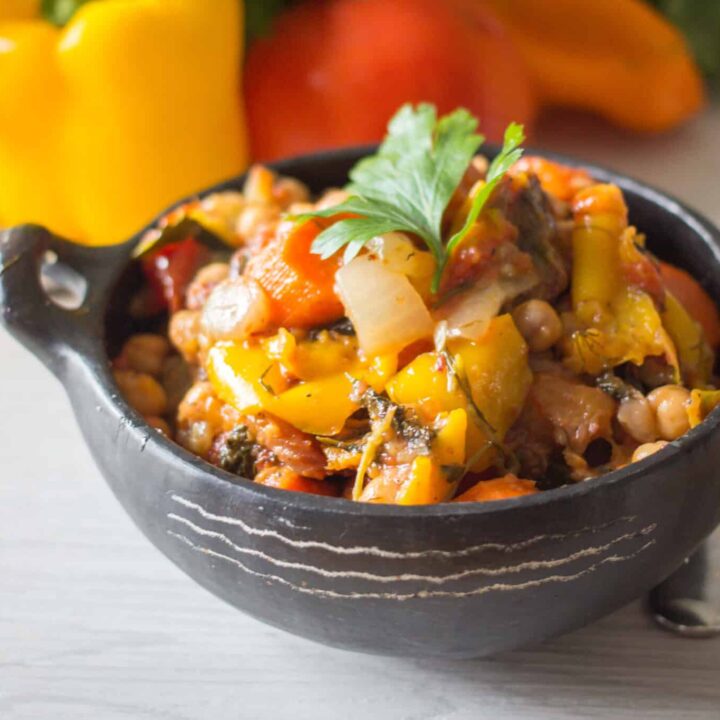
This North African-style stew simmers potatoes, carrots, peppers, spinach, and chickpeas in a fragrant broth seasoned with paprika, coriander, and turmeric. It's a flexible way to use up the vegetables you have on hand. Serve it with warm bread for scooping.
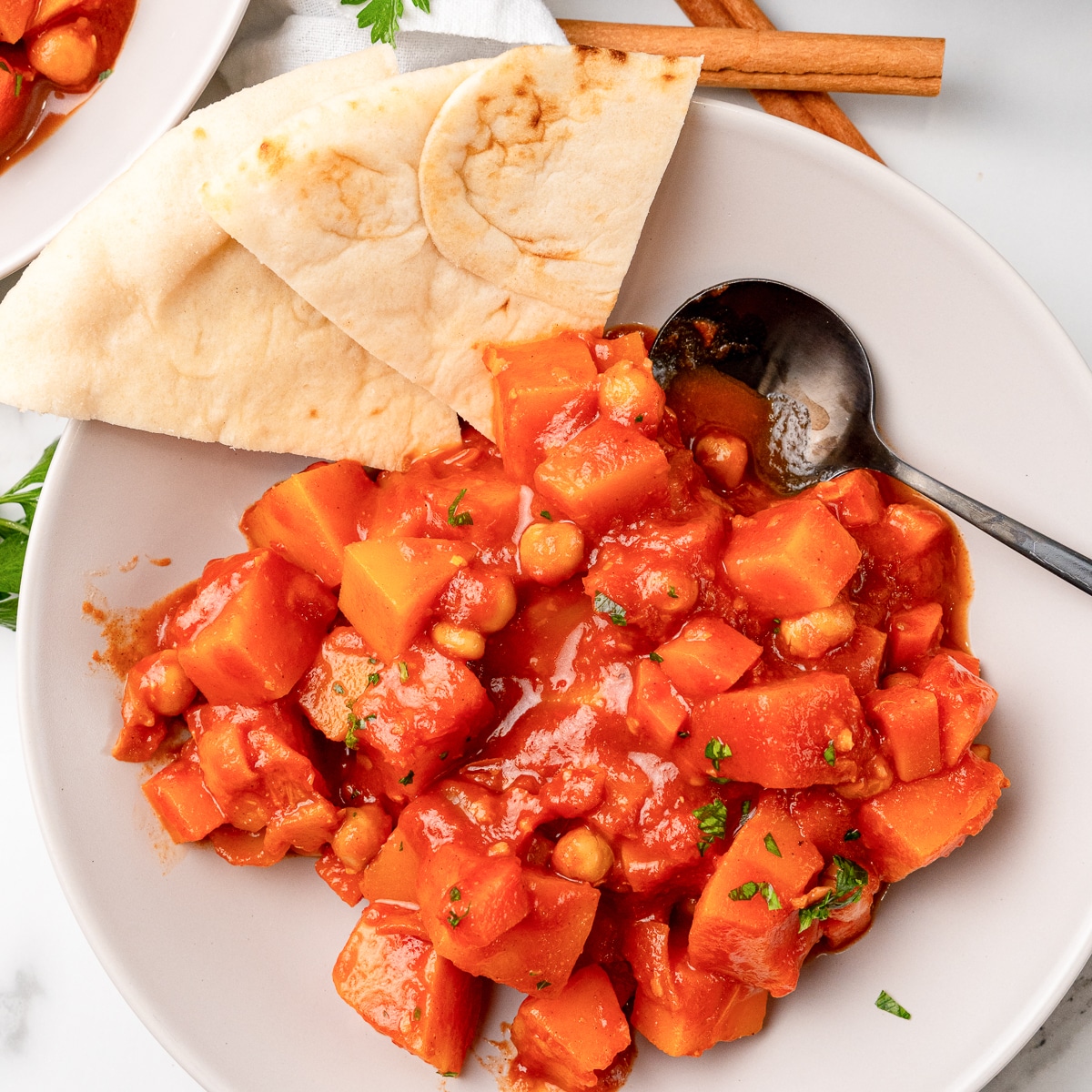
Tender butternut squash and chickpeas simmer with cinnamon, cumin, coriander, and crushed tomatoes for a stew that's a little savory and a little sweet. Carrots and a pinch of red pepper flakes round out the flavor. Ladle it over couscous or rice.
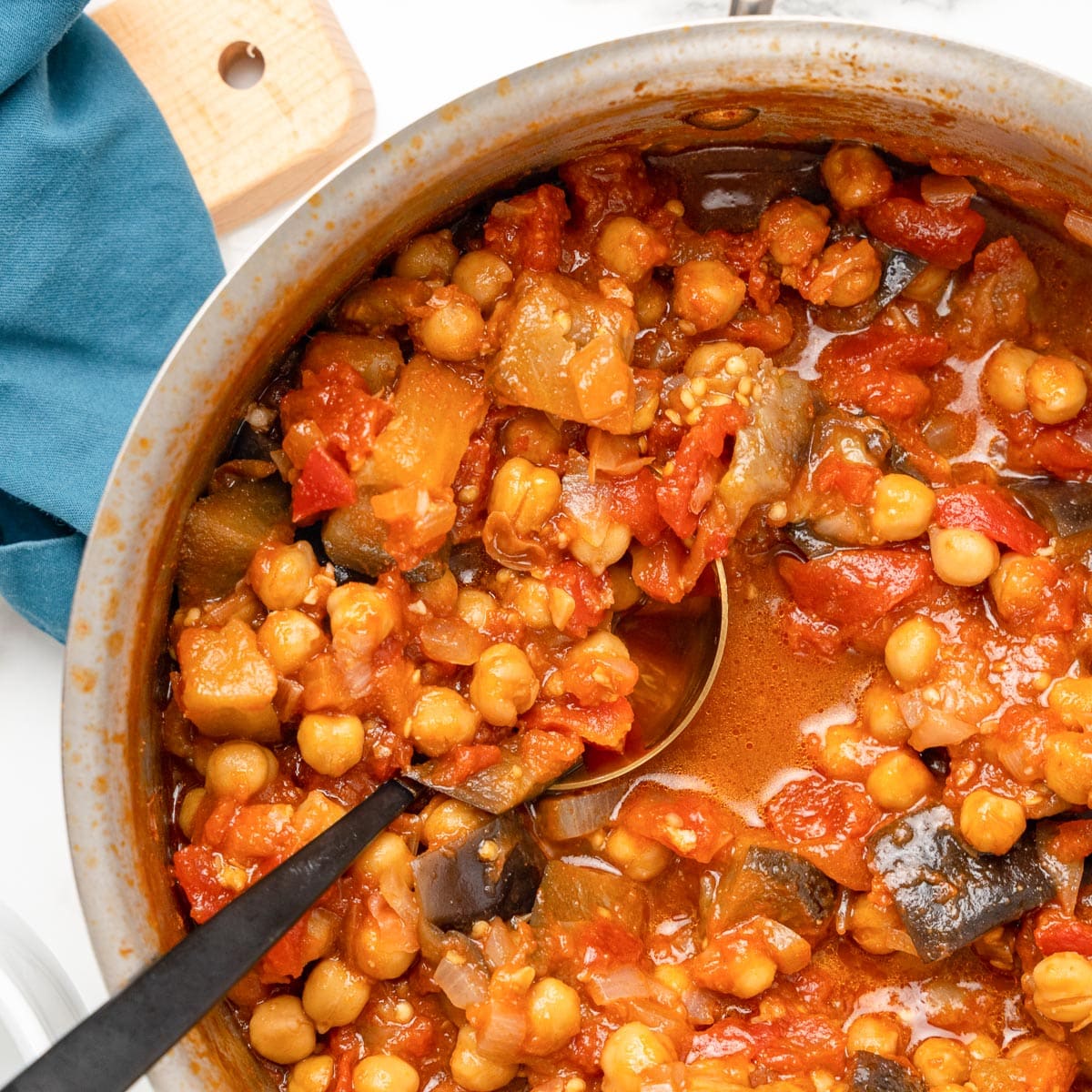
Eggplant and chickpeas stew in a tomato broth seasoned with cumin, smoked paprika, and a pinch of red pepper flakes. It's thick, hearty, and reheats beautifully. Spoon it over rice or serve with crusty bread.
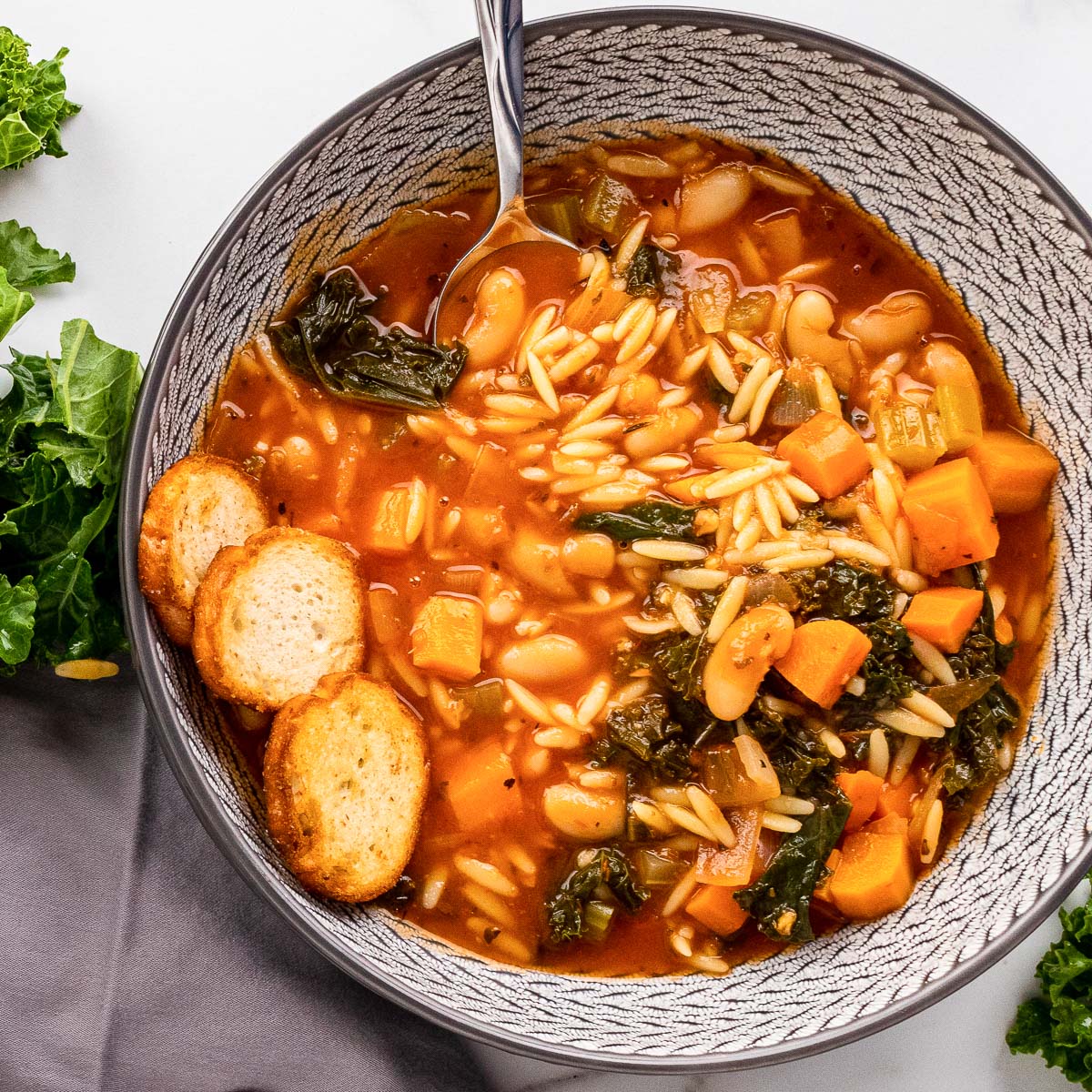
Kale, white kidney beans, carrots, and celery simmer in a savory tomato broth with Italian seasoning and tender orzo. It's a nourishing, comforting soup that works for lunch or dinner. A drizzle of olive oil on top is all it needs.
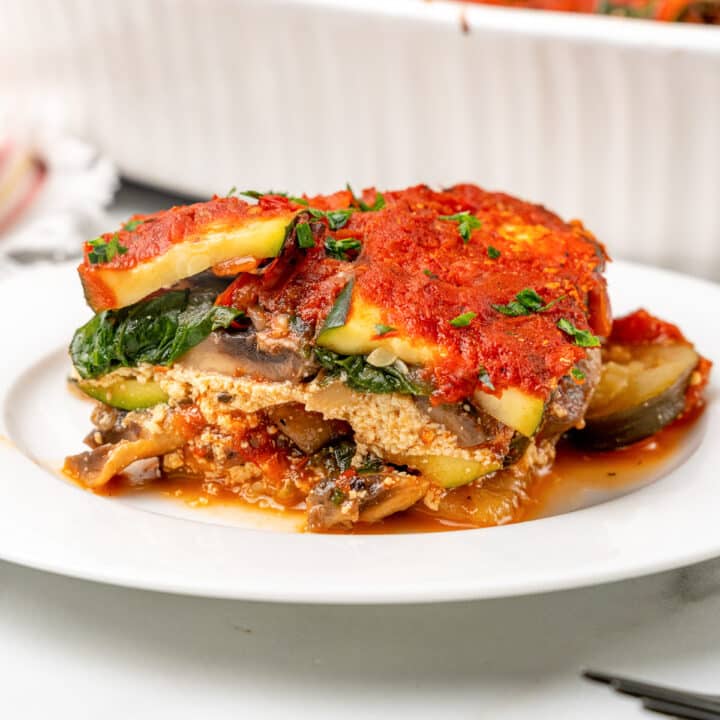
Thin zucchini slices replace the noodles in this lighter lasagna, layered with tangy marinara and a creamy tofu-based ricotta. Mushrooms, bell peppers, and baby spinach add extra vegetables to every bite. It's a healthy take on an Italian favorite.
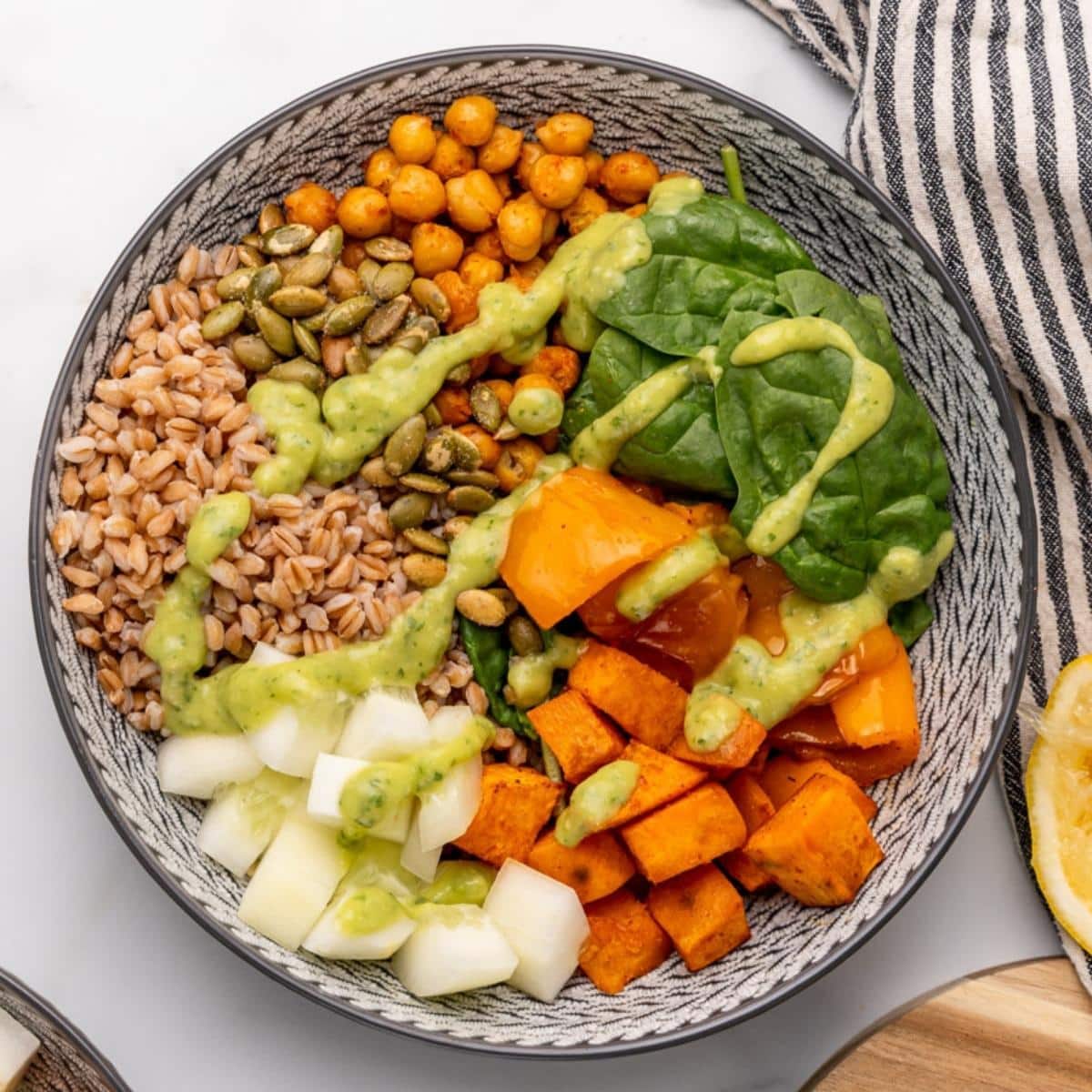
Chewy farro is topped with roasted sweet potatoes, chickpeas, peppery arugula, and crisp cucumber, then finished with crunchy pepitas and a homemade dressing. It's hearty, filling, and easy to make ahead. Swap in whatever roasted vegetables you have.
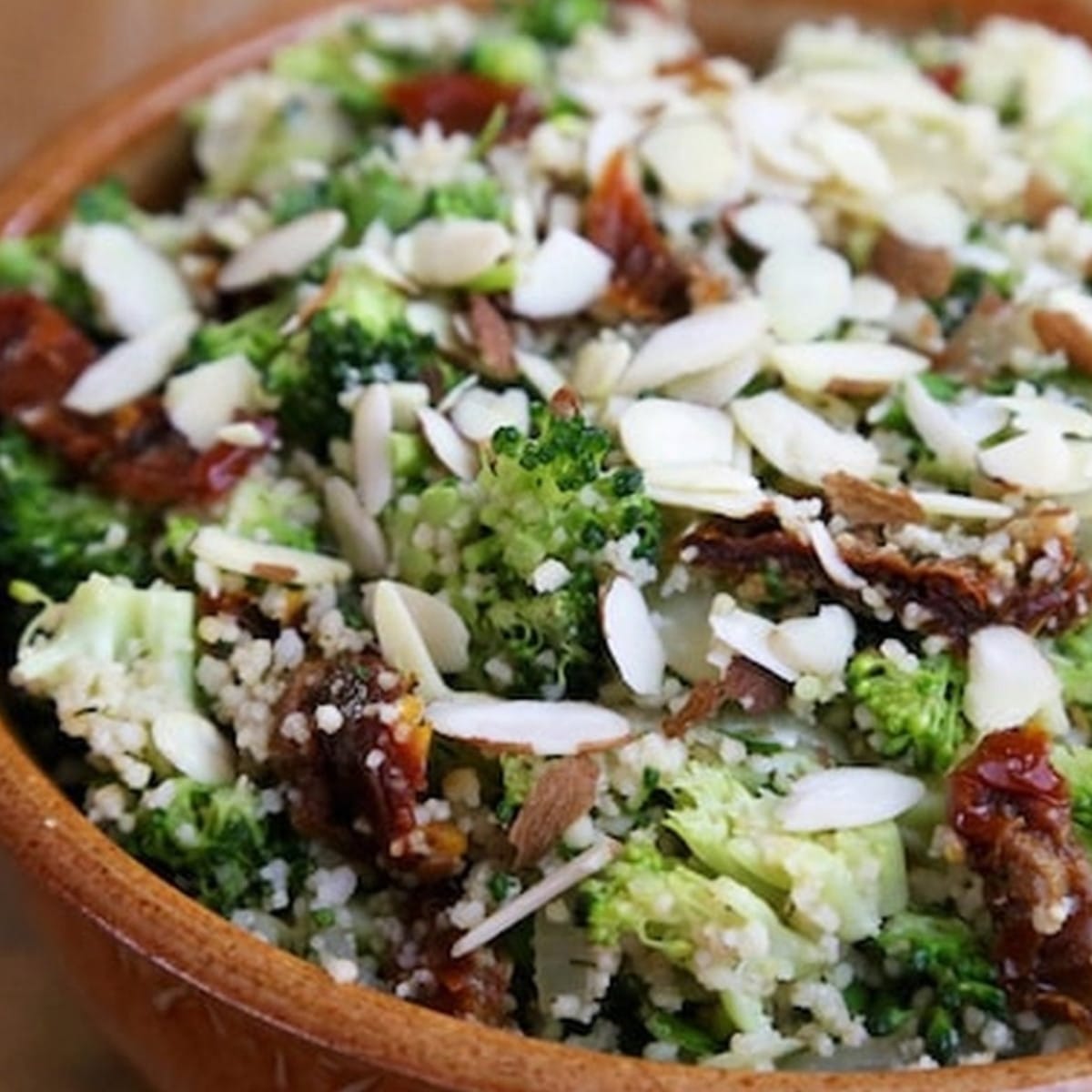
Fluffy couscous meets tender broccoli, fresh parsley and dill, and plenty of lemon. Sun-dried tomatoes or chopped olives add a salty, savory note. It's a quick side that pairs well with bean dishes and main-dish salads.
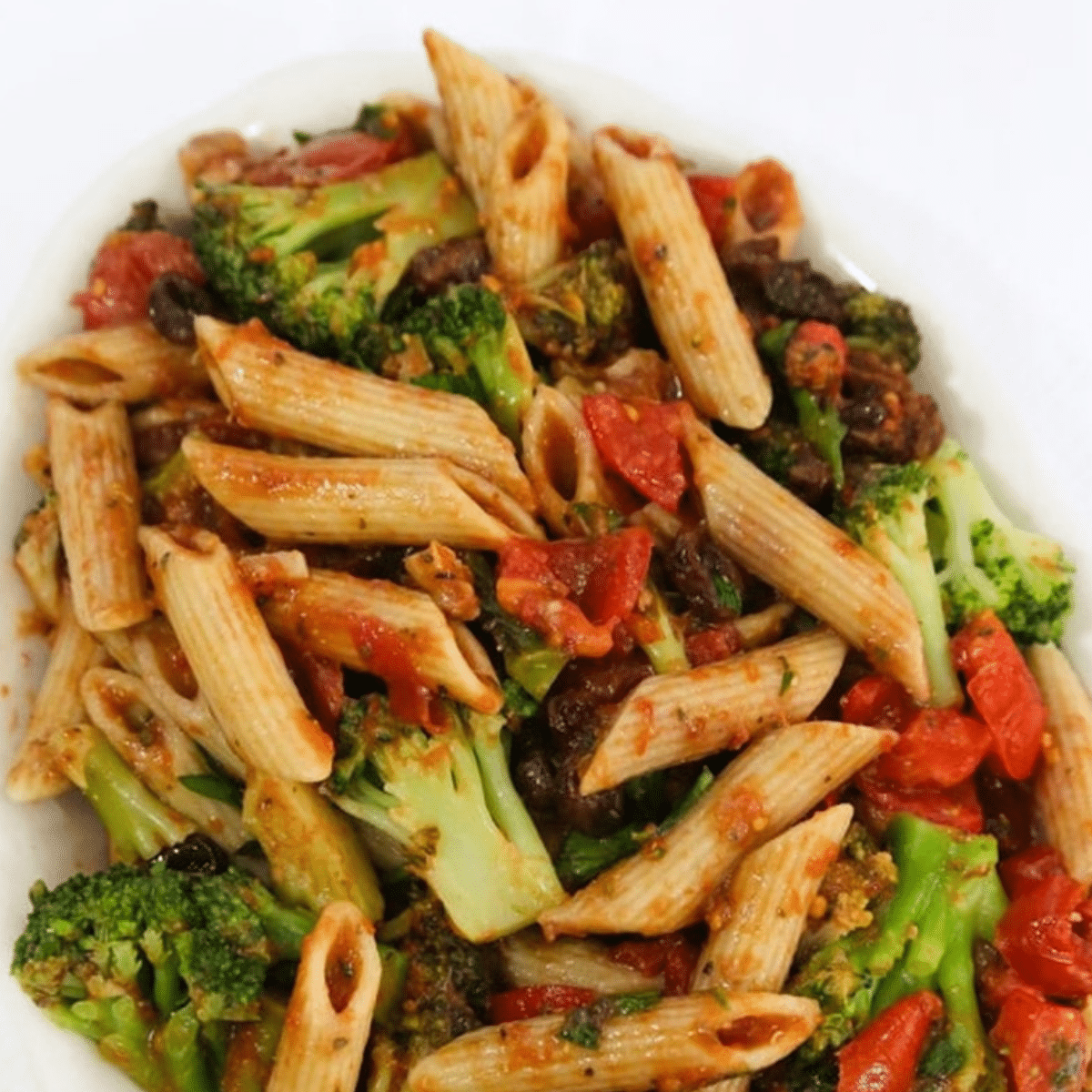
Whole grain penne is tossed with tender broccoli, juicy tomatoes, toasted walnuts, and sweet raisins for a mix of contrasting flavors and textures. Garlic, parsley, and fresh basil tie it all together. It's an easy weeknight pasta.
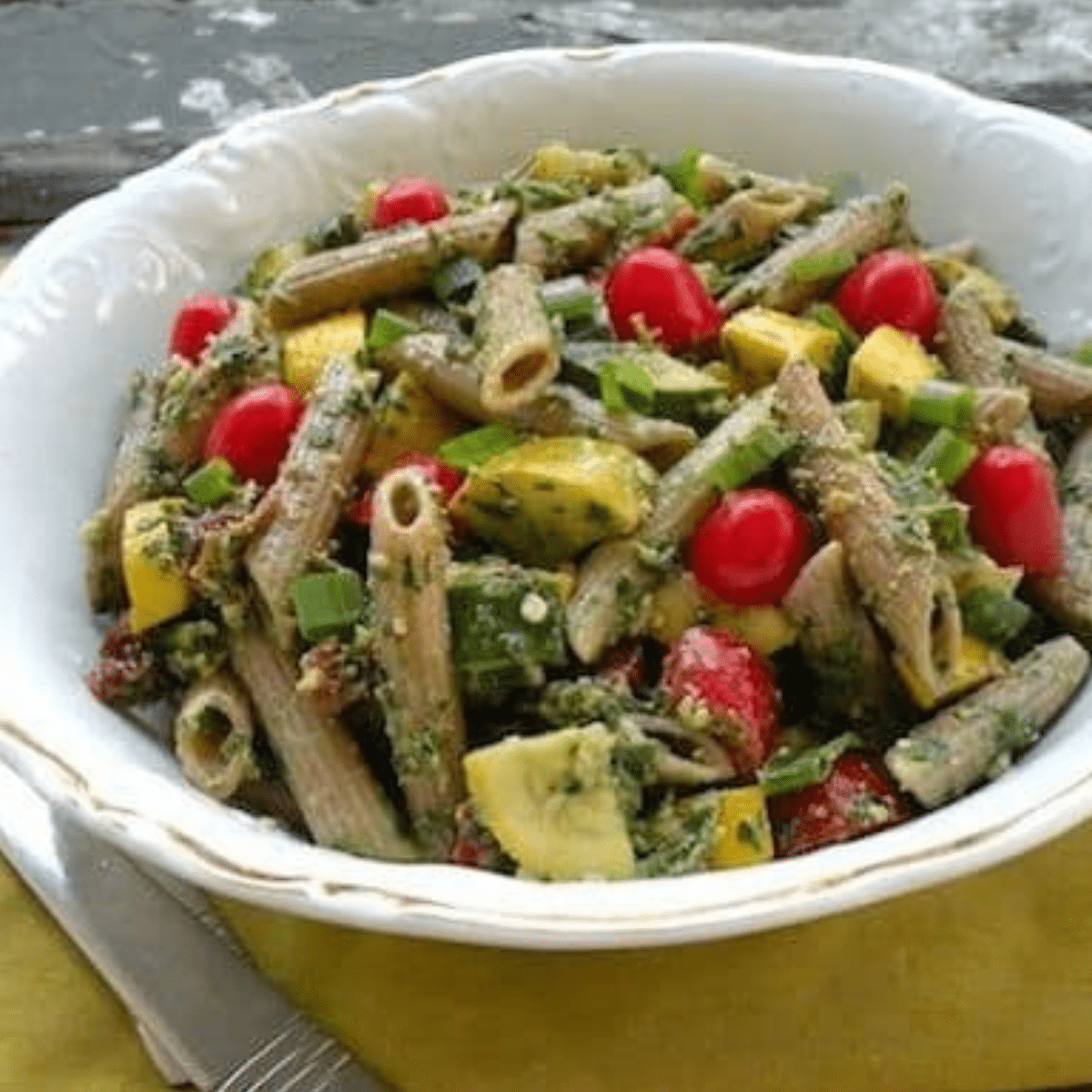
Zucchini, yellow squash, red bell pepper, and sun-dried tomatoes join penne in this bright pasta salad. A fresh parsley and basil pesto with pine nuts replaces the usual mayo-based dressing. It's an ideal dish to bring to a summer potluck.
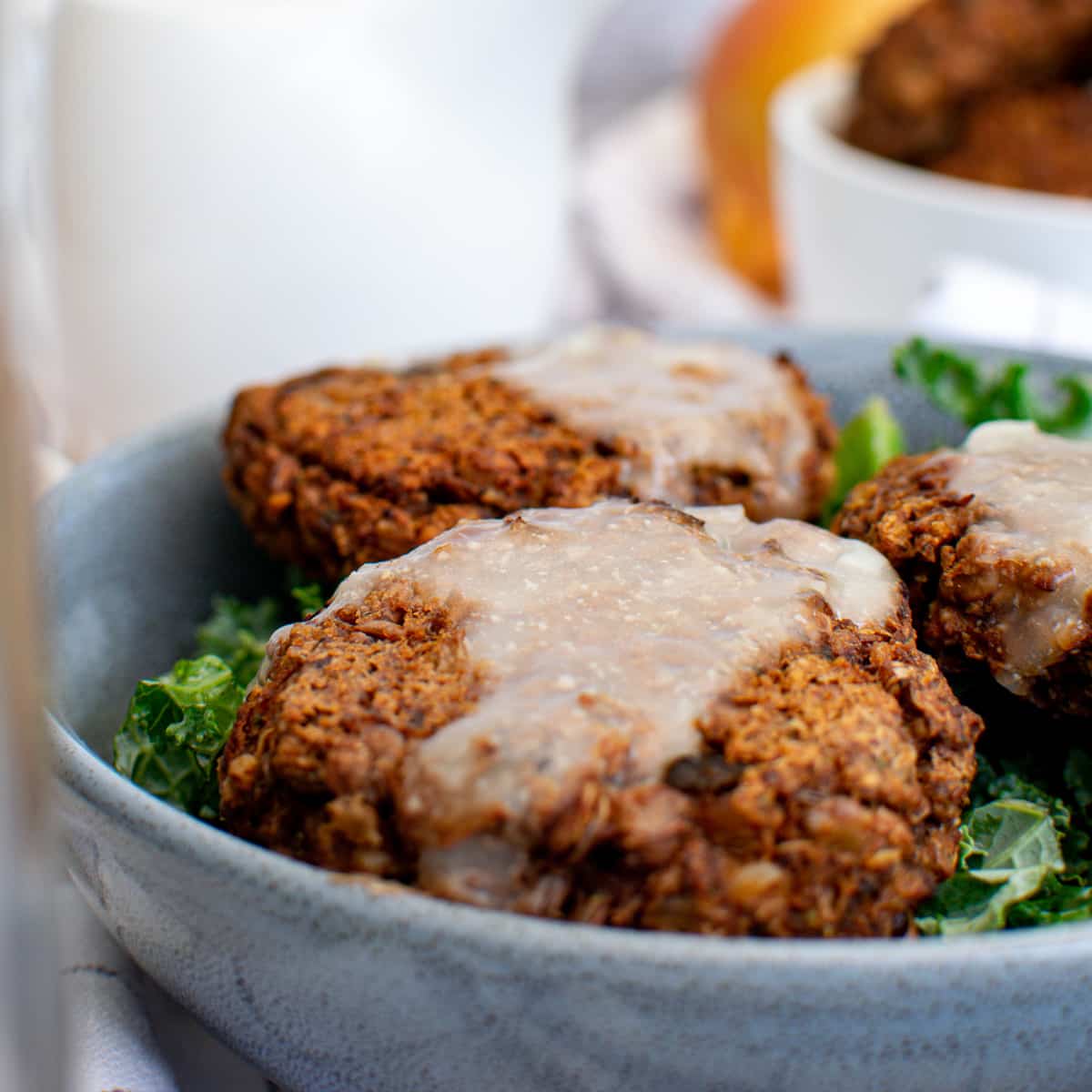
Lentils, quinoa, mushrooms, and walnuts are shaped into patties and pan-seared until golden. A creamy garlic sauce takes them over the top. They're great for meal prep and appealing to kids and adults alike.
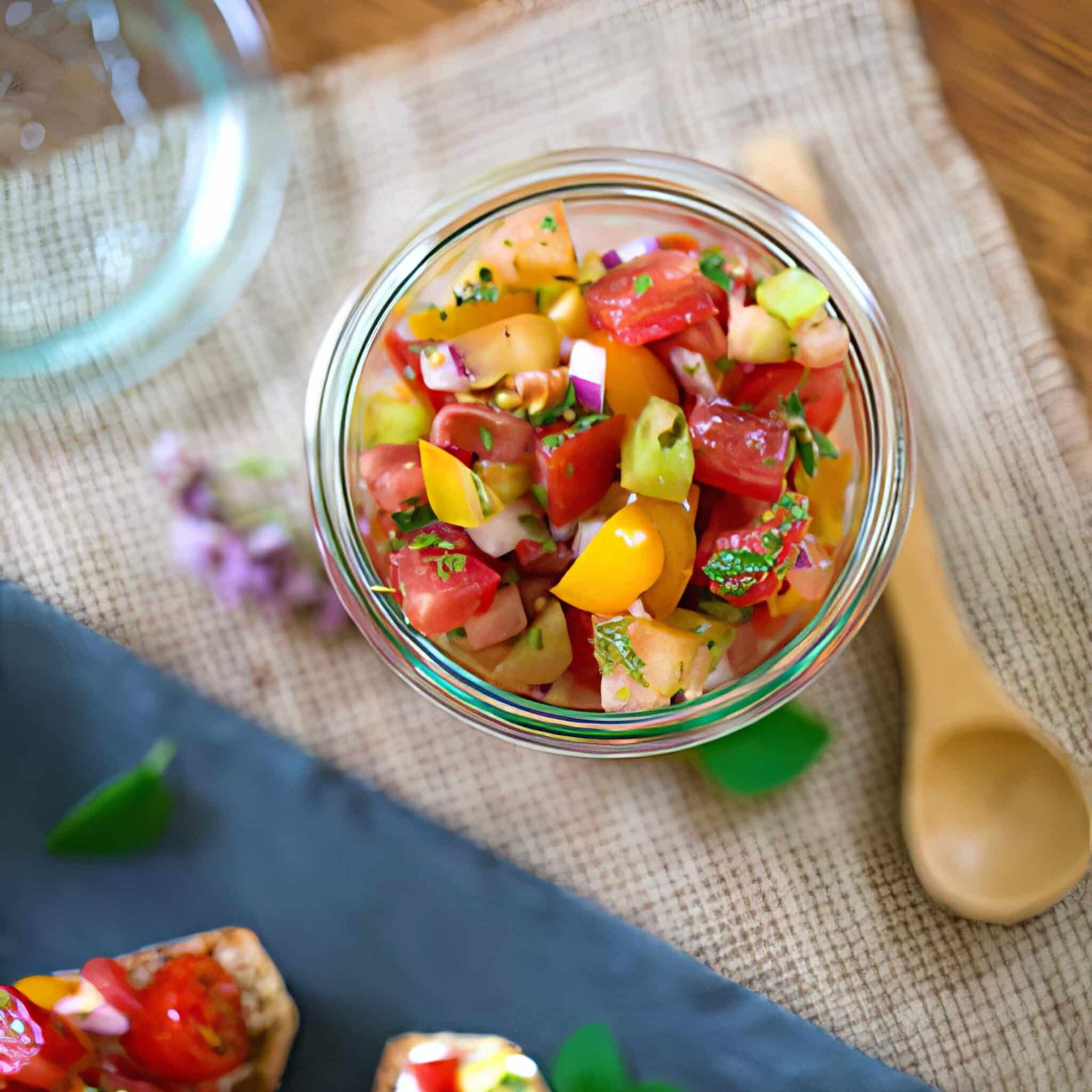
Ripe tomatoes are tossed with red onion, fresh oregano, thyme, olive oil, red wine vinegar, and a squeeze of lemon. It's a simple way to let summer tomatoes shine. Serve it with crusty bread or spoon it over grilled vegetables.
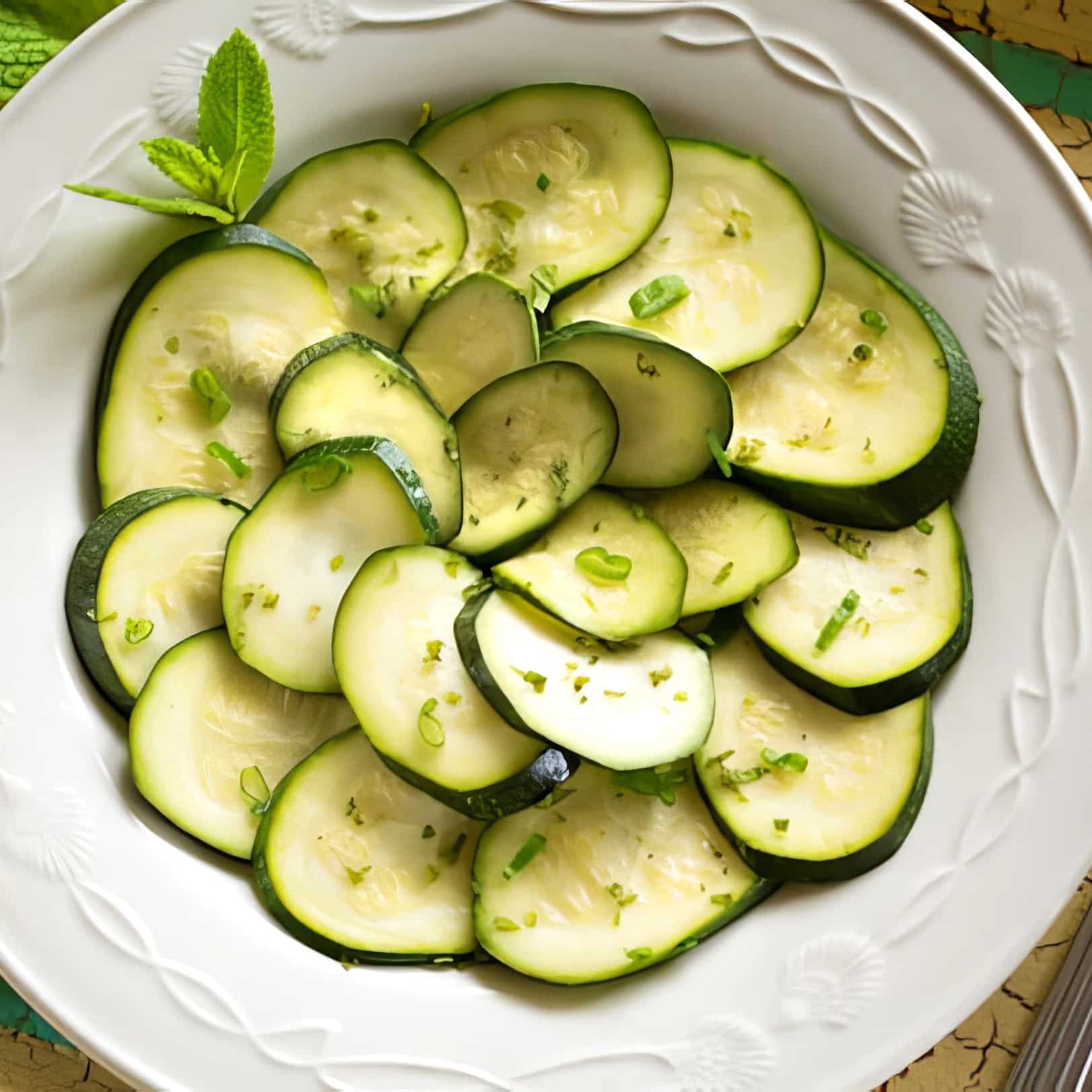
Inspired by a Sicilian classic, this easy side pairs tender zucchini with scallions, lemon, and a generous handful of fresh mint. It's a perfect way to use up an abundance of late-summer zucchini. Serve it warm or at room temperature.
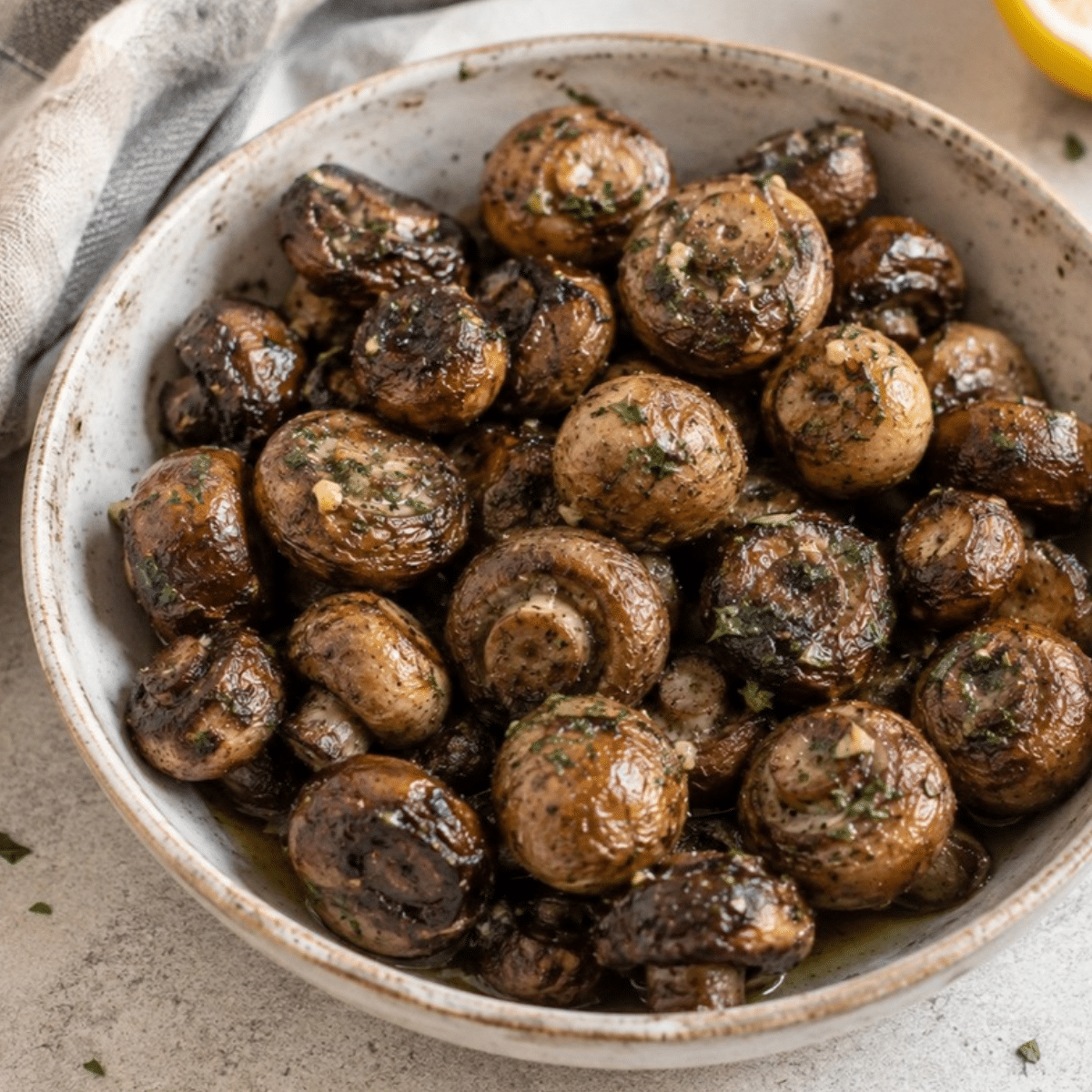
Whole mushrooms get tossed in a bright lemon, garlic, and olive oil marinade, then broiled until tender with a touch of char. There's no long marinating time, so they're quick enough for a weeknight side. They also make a great hot appetizer.
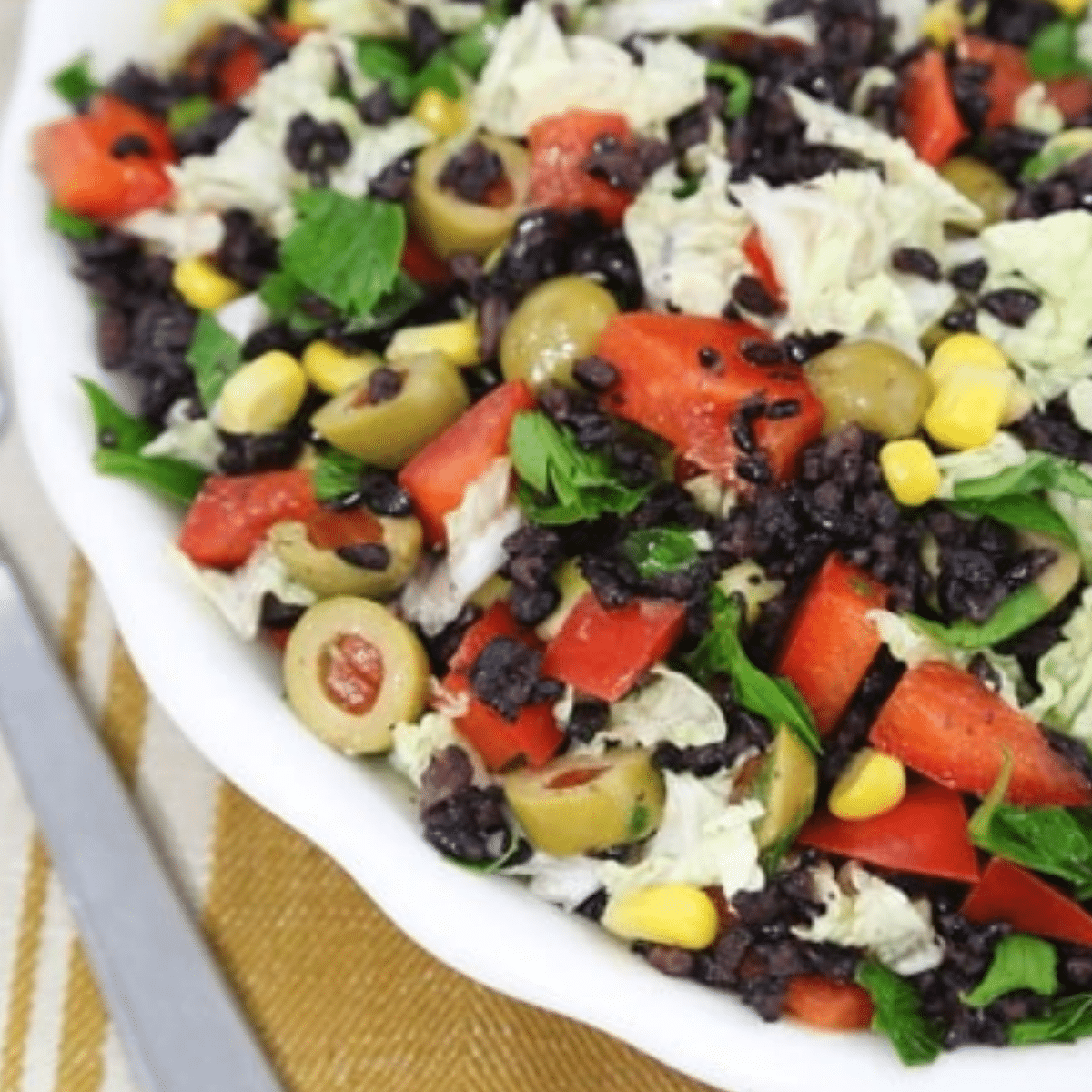
Brown rice or striking black rice is tossed with black and green olives, corn, red bell pepper, shredded cabbage, and fresh parsley. Lemon juice and olive oil keep it fresh and light. It's a great cold salad for warm-weather meals.
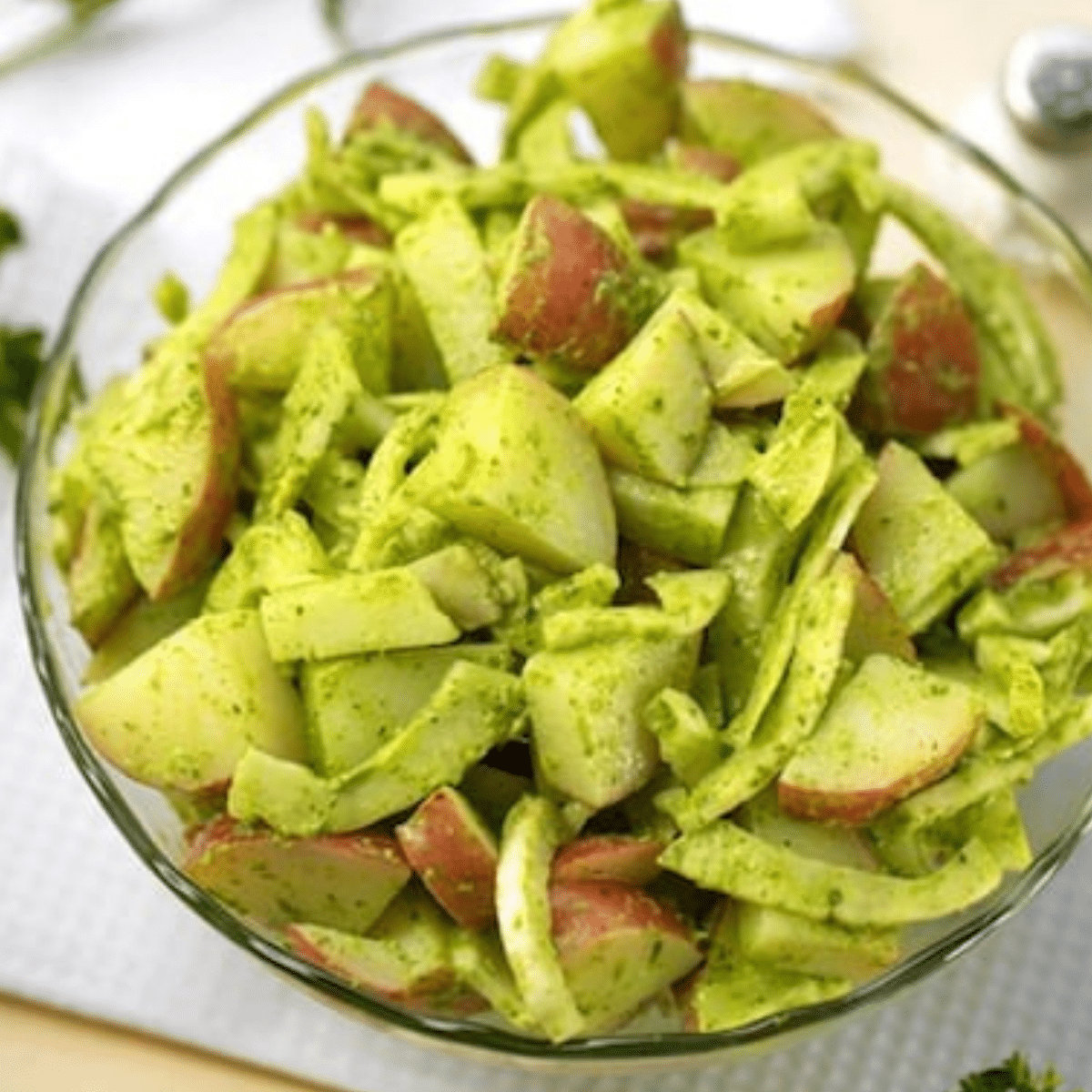
Tender red potatoes and fresh fennel are dressed while warm in a flavorful parsley sauce with olive oil and wine vinegar. The fennel adds a lovely anise note. It's a herby change of pace from a classic mayo-heavy potato salad.
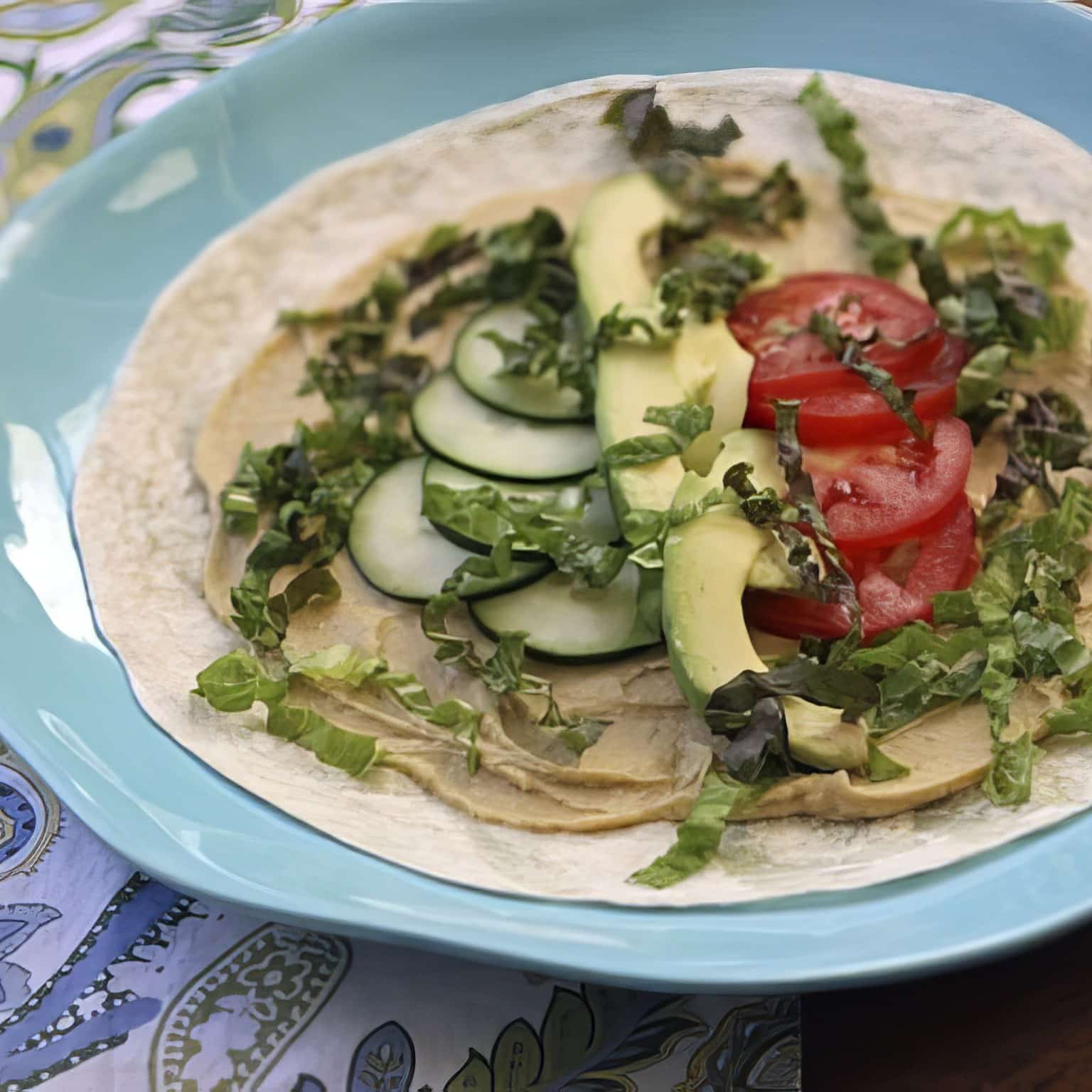
Creamy hummus, crisp cucumber, ripe tomato, and buttery avocado are rolled up with mixed greens in a whole-grain tortilla. It's a fresh, no-cook lunch that comes together in minutes. Pack it up for work or picnics.
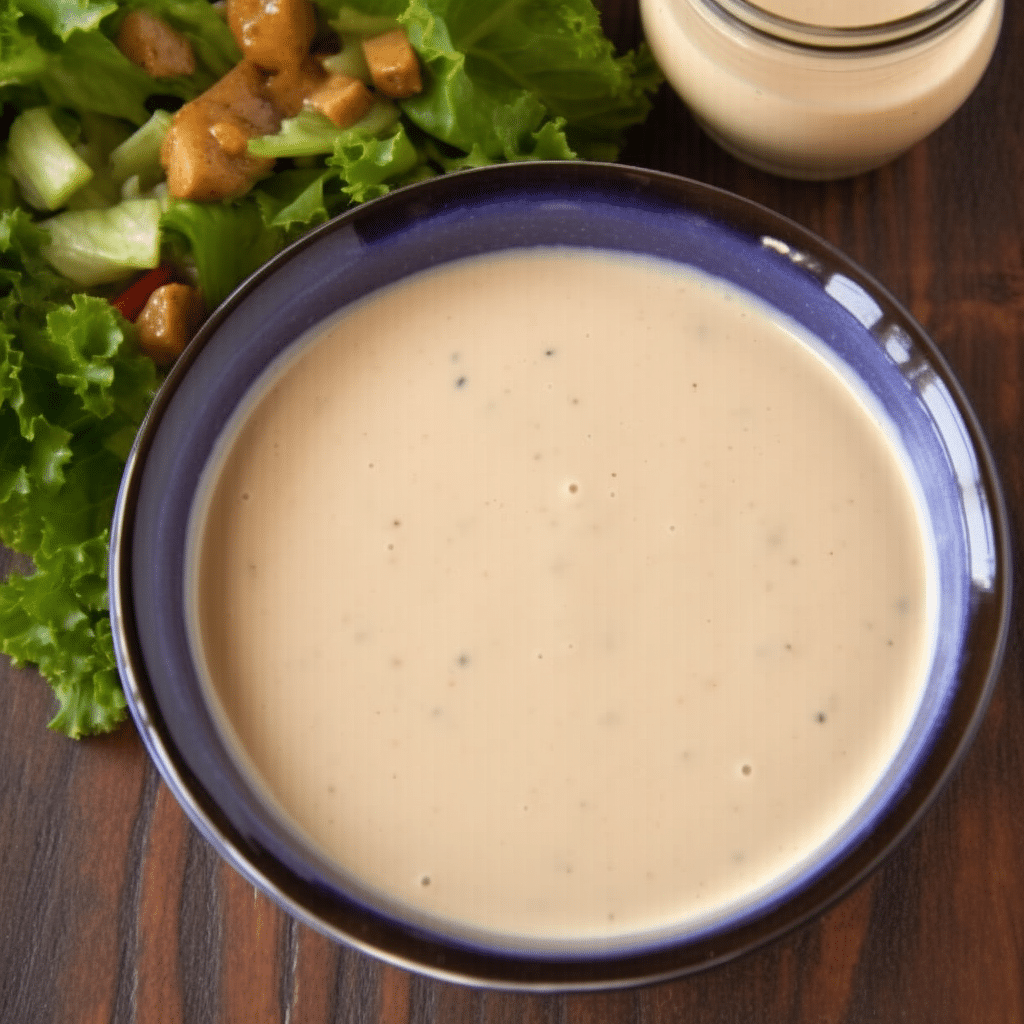
Plain plant-based yogurt is whisked with tahini, lemon juice, grainy mustard, and fresh chives for a creamy, tangy sauce. It takes just a few minutes to make. Drizzle it over falafel, roasted vegetables, grain bowls, or sandwiches.
And if you love these vegan Mediterranean diet recipes, be sure to check out these other collections:
Healthy Vegan Whole Grain Recipes
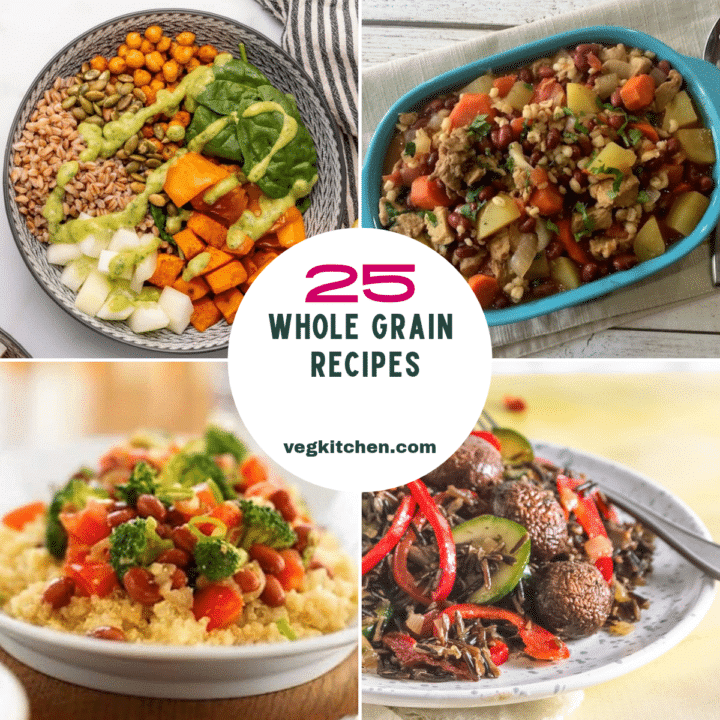
Whole grains are some of the most versatile ingredients in a vegan kitchen — hearty enough to anchor a dinner, light enough to start your morning, and endlessly adaptable to whatever vegetables or spices you have on hand.
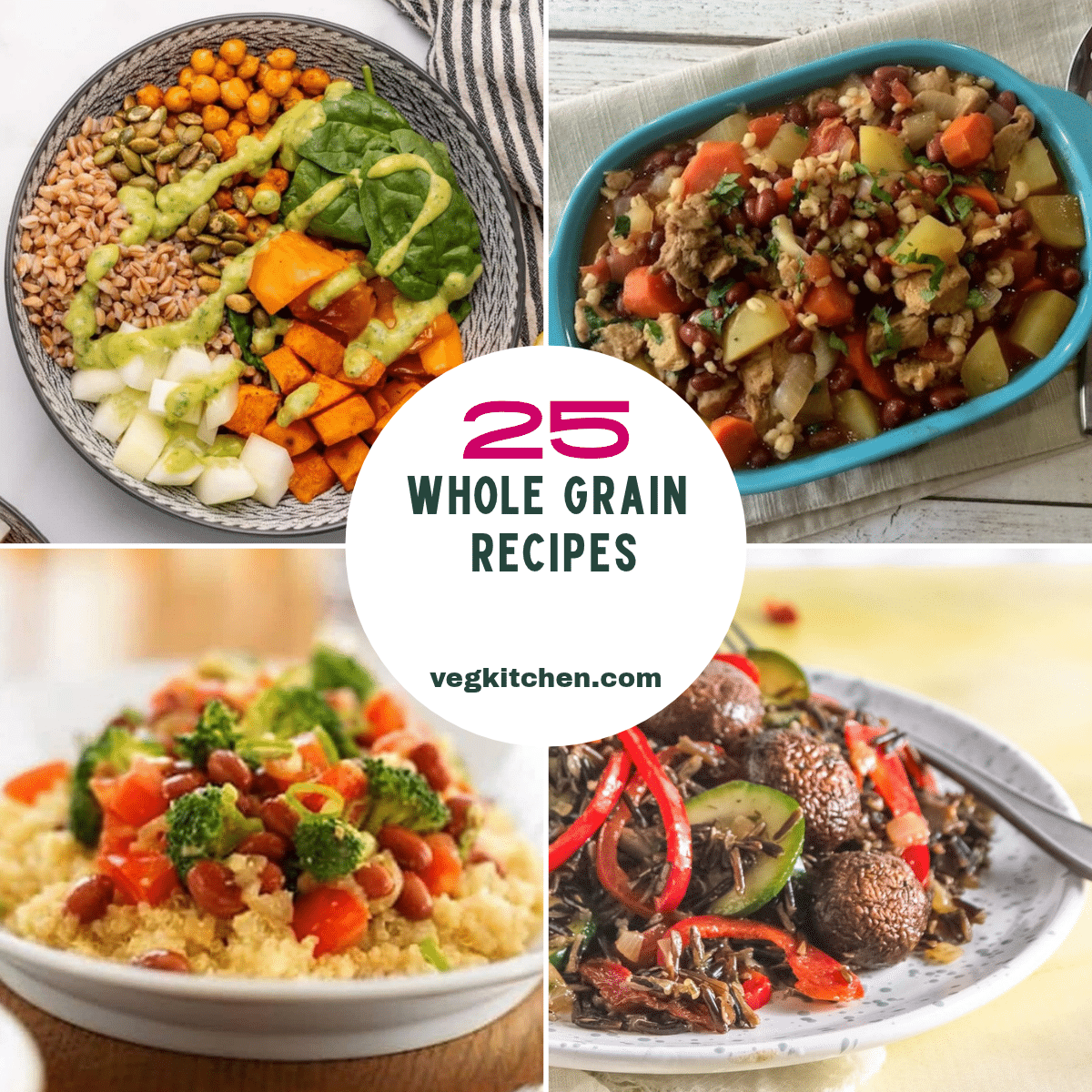
From cozy breakfast bowls to hearty salads, soups, and mains, we've rounded up more than two dozen healthy vegan whole grain recipes featuring quinoa, farro, barley, millet, bulgur, buckwheat, oats, and more. Already have a favorite grain in mind? We have dedicated round-ups for quinoa bowls, farro, tube polenta, and brown rice too — you'll find those linked below.
Healthy Vegan Whole Grain Recipes
A hearty grain bowl piled with farro, arugula, roasted sweet potatoes, chickpeas, and cucumbers, all finished with a bright homemade dressing. It's a filling, nutrient-rich lunch or dinner you'll want to put in regular rotation.
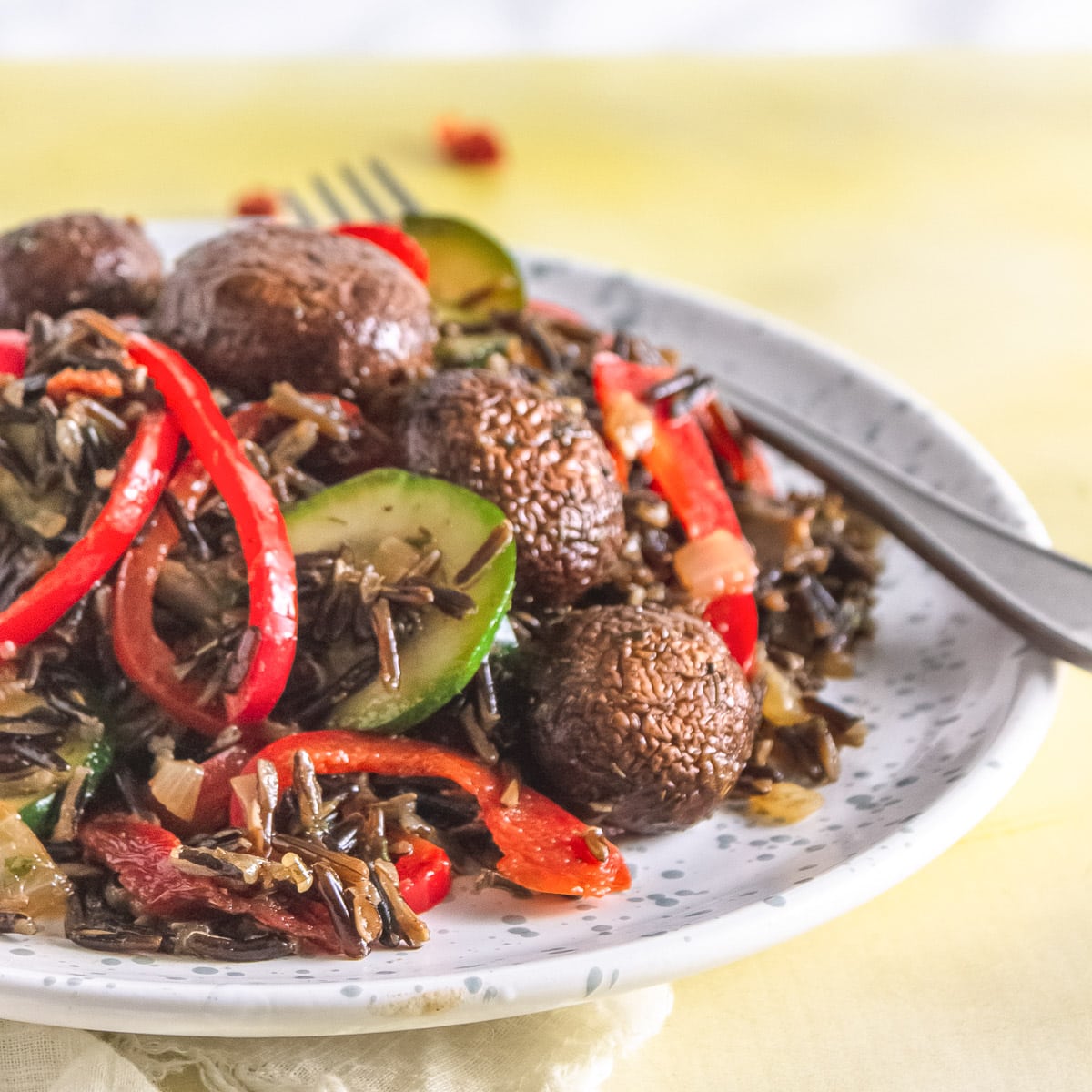
Earthy marinated mushrooms meet chewy wild rice for a satisfying, protein-packed dinner that's just as good reheated for meal-prep lunches. Simple pantry ingredients make it an easy weeknight staple.
All the cozy flavor of apple pie in a bowl of oats, made gluten-free, oil-free, and refined-sugar-free. It's a warming breakfast that tastes like dessert but keeps you fueled all morning.
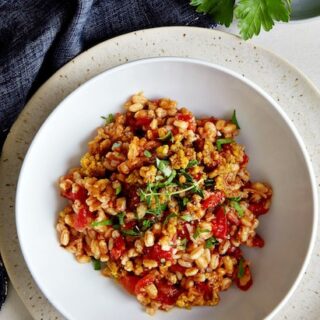
Rich and cheesy-tasting thanks to nutritional yeast (no dairy needed), this baked farro casserole is a cozy, tomato-and-herb-drenched alternative to pasta bake. The chewy whole-kernel wheat holds up beautifully to baking.
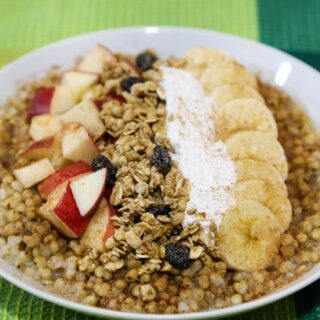
Sorghum's mild flavor and satisfying chew make it a great base for a warm breakfast cereal, especially once it's dressed up with fruit, nuts, and a touch of sweetness. A fun way to branch out from oatmeal.
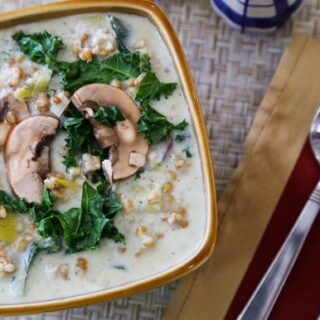
Made creamy with tofu or white beans and loaded with leeks and mushrooms, this soup welcomes whichever ancient grain you have on hand: farro, spelt, einkorn, or plain pearl barley. A true bowl of comfort on a chilly day.
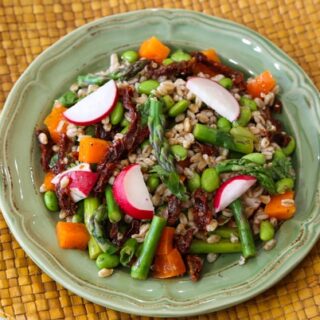
Nutty farro tossed with spring asparagus and other seasonal vegetables makes a substantial salad that holds up well as leftovers. Serve it alongside a warm or cold bean dish for a complete meal.
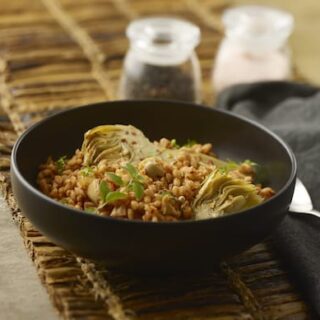
Farro and artichokes are a natural pairing rooted in Italian tradition, and this dish brings the two together in a simple, satisfying side or light main. A great introduction to cooking with farro.
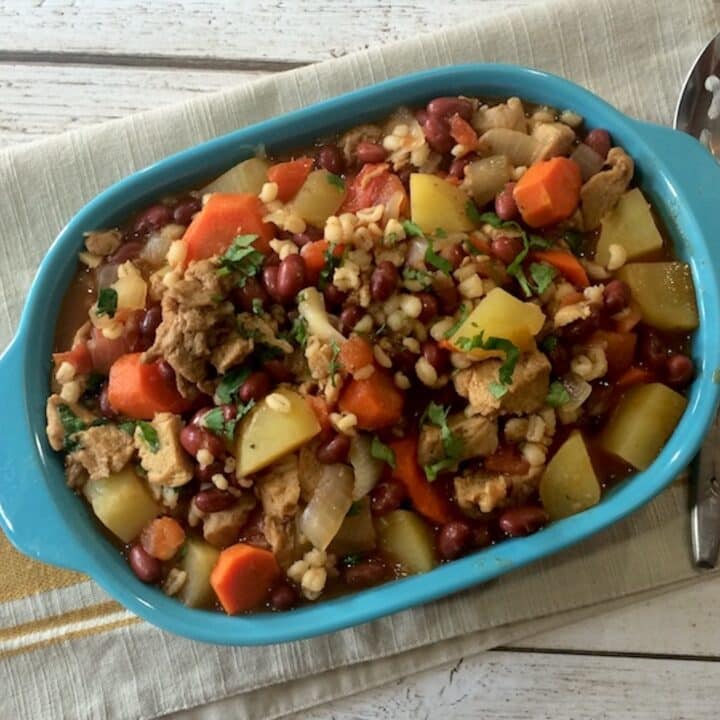
A veganized take on the classic slow-cooked Jewish Sabbath stew, built on barley, beans, and root vegetables for a deeply comforting, low-and-slow dinner. Great for filling the house with warmth on a cold day.
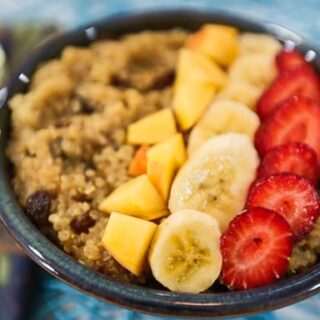
Protein-rich quinoa gets simmered into a warm, naturally sweet breakfast bowl with a boost of energizing maca powder and a colorful pile of fresh fruit on top. A nourishing way to start the day.
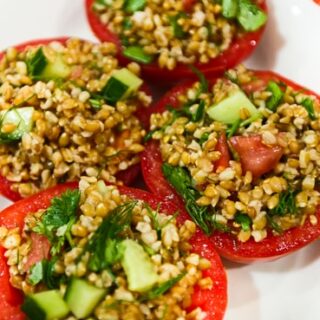
Chewy einkorn wheat berries stand in for bulgur in this tabbouli-inspired salad, offering a nuttier bite that's perfect for summer entertaining. Bright, herby, and great made ahead.
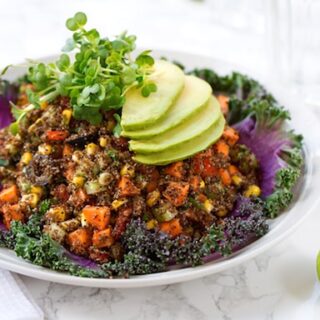
Kañiwa, a tiny, nutrient-dense relative of quinoa, cooks up quickly into a colorful, protein-packed salad here. A great way to try a lesser-known ancient grain without much extra effort.
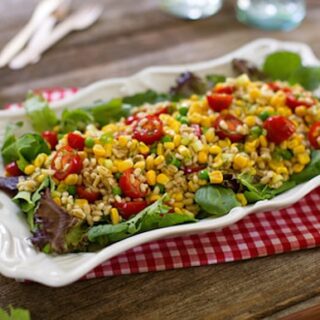
Pearl barley meets sweet fresh corn and peas in this simple, hearty cold salad that's a natural for potlucks and everyday meals alike. Easy to make ahead and even better the next day.
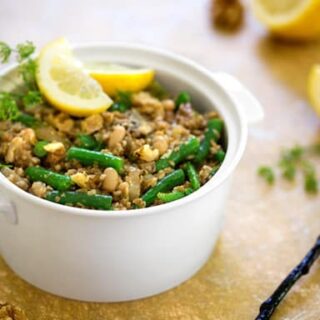
Bright lemon and crisp green beans lighten up this hearty bulgur dish, rounded out with crunchy walnuts. A fresh, fast side that pairs well with almost anything off the grill.
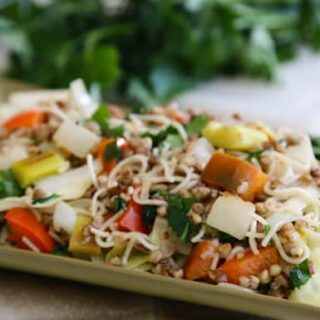
A more colorful, veggie-forward spin on classic kasha varnishkes, this dish pairs nutty buckwheat groats with thin noodles and crunchy vegetables. A great main for the Jewish New Year table or a hearty side any night.
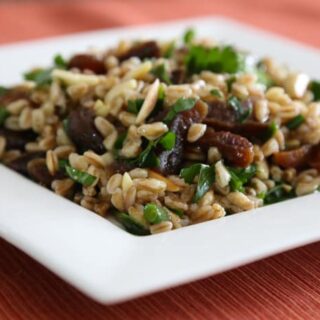
A touch of sweetness from dried apricots and crunch from toasted almonds make this Middle Eastern-inspired grain salad a perfect partner for hummus and other mezze. Works equally well with barley or farro.
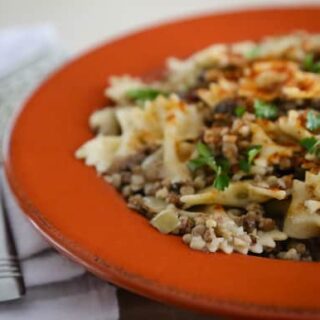
This classic Jewish comfort dish pairs buckwheat groats with bow-tie pasta for a simple, satisfying combination that's been a family-table staple for generations. Easy, cozy, and quick to put together.
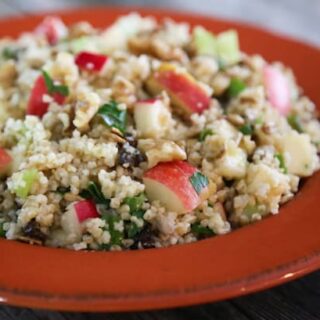
A lively mix of textures and flavors, this bulgur salad comes together with dried fruit, walnuts, and fresh vegetables for a dish that's as adaptable as it is delicious. Swap in whatever dried fruit or grain you have on hand.
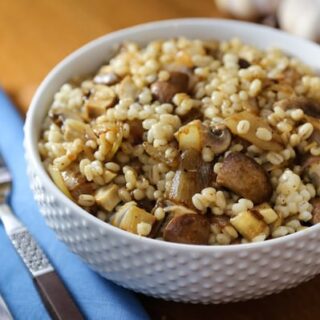
Mushrooms and barley are a natural match, and this hearty side dish leans into that pairing with plenty of browned onion and fresh dill. Simple ingredients, big comforting flavor.
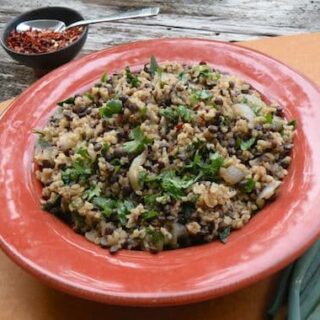
This traditional Middle Eastern pilaf combines bulgur with lentils and deeply caramelized onions for a dish that's humble, deeply flavorful, and endlessly satisfying. A great one-pot dinner on its own or alongside a simple salad.
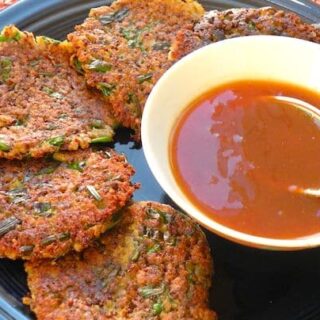
Crispy on the outside and packed with scallion and cilantro, these quinoa fritters are a great way to use up leftover cooked quinoa. Delicious dipped in a quick homemade "duck" sauce.

Nothing fancy here, just a classic, comforting bowl of mushroom-barley soup that never goes out of style. Mix up the mushroom varieties (cremini and shiitake are a great combo) to make it your own.
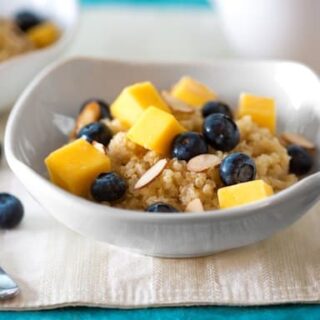
Cooked quinoa becomes a nourishing breakfast with a bit of sweetener, warm spice, fresh fruit, and a scattering of nuts or seeds. A great way to use up leftover plain quinoa from the week.
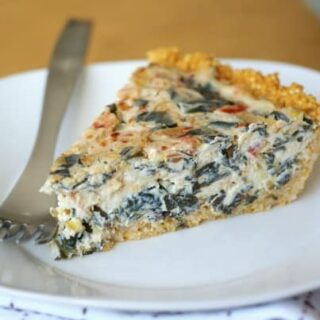
A gluten-free millet crust holds a savory, veggie-studded tofu filling in this versatile quiche that welcomes whatever vegetables you have on hand. A creative, grain-based twist on a brunch classic.
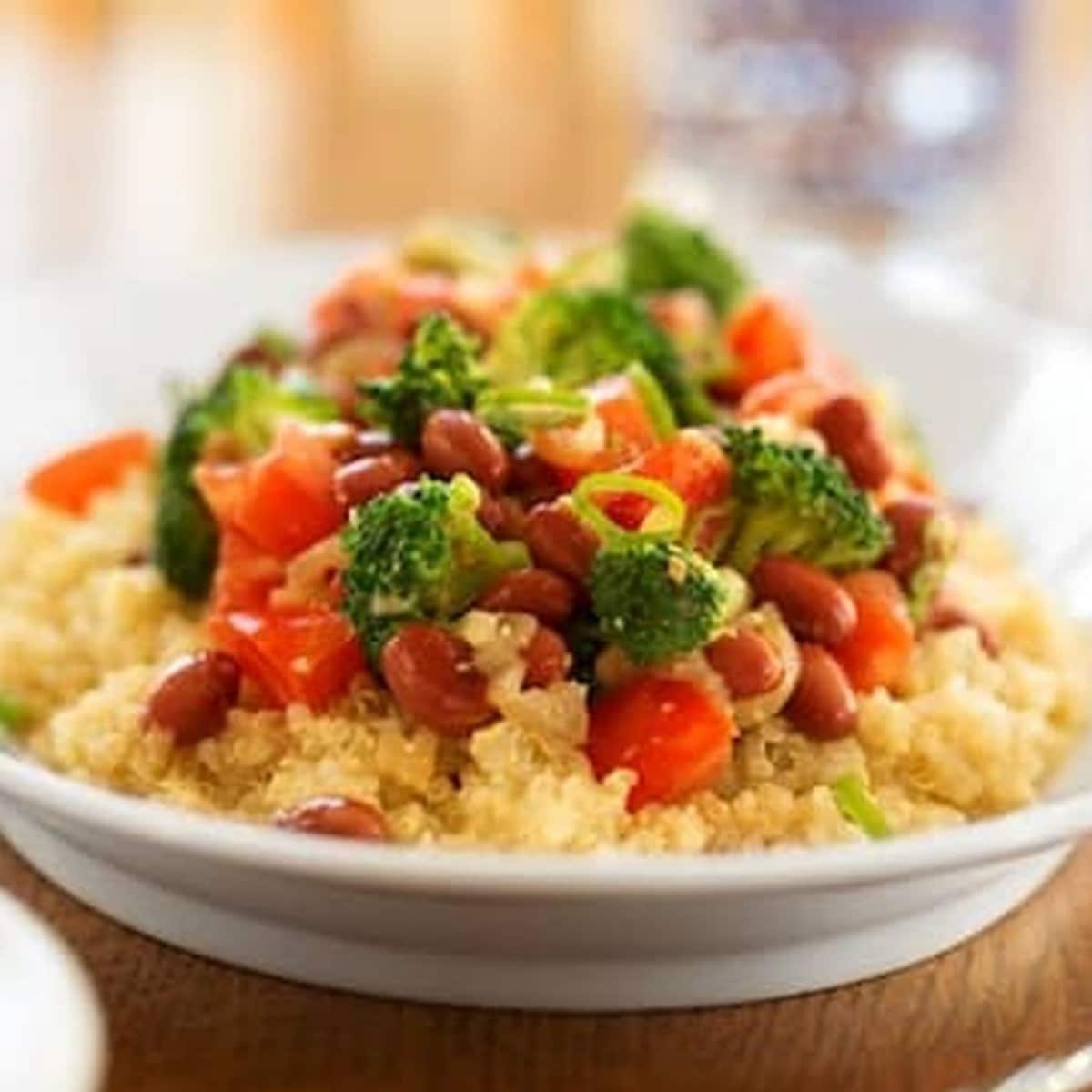
Red beans, broccoli, and tomatoes get an unexpected Asian twist in a gingery miso sauce, served over a bed of fluffy quinoa. An unusual but genuinely delicious way to bring whole grains into a weeknight dinner.
Craving more ways to cook with a favorite grain? Check out these other whole grain round-ups:
Broiled Lemon-Garlic Mushrooms
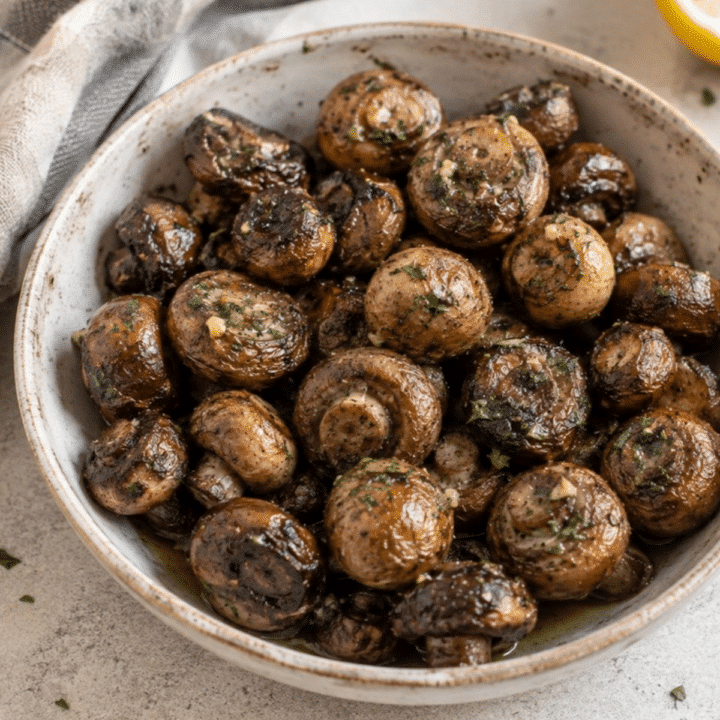
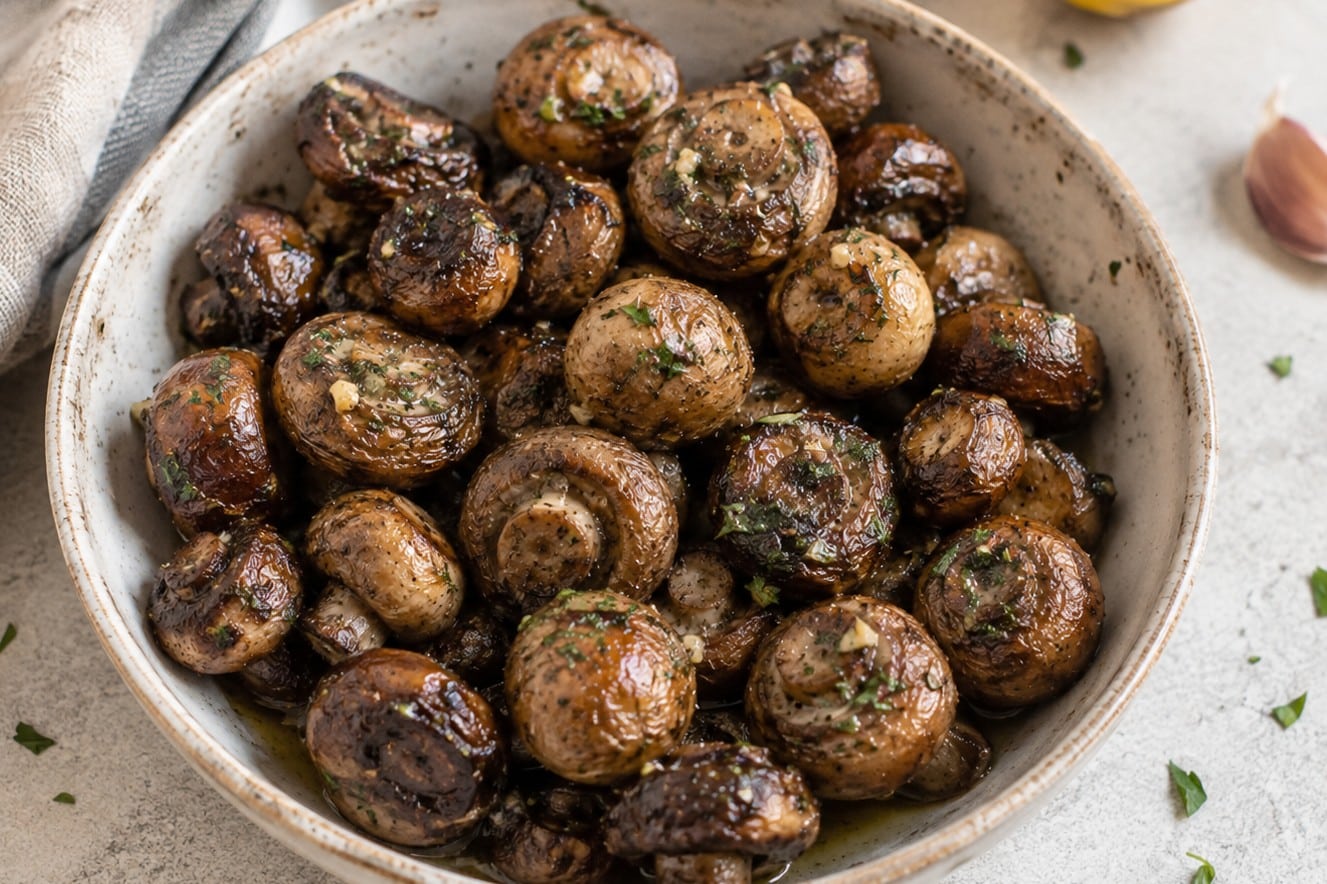
These Broiled Lemon-Garlic Mushrooms are wonderfully versatile: quick enough for a weeknight side, but good-looking enough to serve as a hot appetizer at a dinner party. Whole mushrooms are tossed in a bright lemon-garlic marinade, then broiled until they're touched with char and tender all the way through — no long marinating time and no fussy technique required. Best of all, the whole dish comes together in under 15 minutes, most of it hands-off time under the broiler.
Key Ingredients & Substitutions
- Fresh mushrooms. Use any variety you like — white, portobello, shiitake, crimini, baby bella, or a combination. Smaller mushrooms can be left whole; portobellos should be sliced about ¼-inch thick.
- Fresh lemon juice. Adds the bright acidity that balances the richness of the broiled mushrooms — use fresh, not bottled, for the best flavor.
- Garlic. This dish leans garlicky on purpose — minced fresh garlic gives the best flavor, though jarred can work in a pinch.
- Natural granulated sugar or agave nectar. Just a touch rounds out the acidity from the lemon without making the dish sweet.
- Fresh parsley or dill. A generous garnish brightens the finished dish and adds a fresh contrast to the charred mushrooms.
Variations
- Add heat. A pinch of red pepper flakes stirred into the marinade adds a nice kick.
- Add herbs to the marinade. A little fresh thyme or rosemary stirred in before broiling adds an earthy, aromatic note.
- Make it a main. Toss the broiled mushrooms with cooked pasta or grains and a drizzle of olive oil for a simple meal.
- Add a splash of balsamic. A small drizzle after broiling adds a touch of sweetness and depth.
Tips for the Best Broiled Lemon-Garlic Mushrooms
- Wipe, don't rinse, the mushrooms. Mushrooms soak up water easily, which can make them soggy instead of properly charred under the broiler.
- Use a shallow, foil-lined pan. This helps the mushrooms broil evenly and makes cleanup easy, since the marinade can bubble and brown in the pan.
- Watch closely under the broiler. Broilers vary quite a bit in intensity, so check at the 4-minute mark and adjust timing as needed to avoid burning.
- Stir halfway through. This helps the mushrooms char evenly on multiple sides rather than just on top.
Make Ahead & Storage
These mushrooms keep well in an airtight container in the refrigerator for up to a week, making them a great make-ahead component for salads, sandwiches, and grain bowls throughout the week. Reheat gently, or simply serve at room temperature.
How to Serve
Serve warm on their own as a hot appetizer, mixed into a stir-fry, piled onto a sandwich, or used to fill tacos. They're also a great addition to a grain bowl or tossed with pasta for an easy dinner. Mushroom lovers, rejoice — here are more mushroom recipes to explore.
Recipe
Broiled Lemon-Garlic Mushrooms
Whole mushrooms broiled quickly in a bright lemon-garlic marinade until charred and tender — a versatile appetizer or side that comes together in under 15 minutes.
Print
Pin
Save
Servings:
Ingredients
- 1 tablespoon extra-virgin olive oil
- 1–2 tablespoon fresh lemon juice to taste
- ½ teaspoon natural granulated sugar or agave nectar
- 2 cloves garlic minced
- 12 oz fresh mushrooms any variety—white, portobello, shiitake, crimini, baby bella, or a combination
- fresh parsley or dill minced, for garnish
Instructions
- Combine the first 4 ingredients in a medium mixing bowl and stir together.
- Wipe the mushrooms clean and remove stem ends that are dried up or don't come clean. If using shiitakes, remove and discard the stems. If using potobellos, slice them ¼-inch thick. Otherwise, leave the mushrooms whole.
- Combine the mushrooms with the lemon-garlic mixture and stir together.
- Arrange the mushrooms in a shallow, foil-lined pan and pour any excess marinade over them.
- Broil under a preheated oven broiler or a toaster oven broiler for 4 minutes, then stir.
- Broil for another 4–5 minutes, or until the mushrooms begin turning dark and are touched by charred spots.
- Remove from the broiler and transfer to a covered serving container until needed.
Nutrition (Estimate per Serving)
Calories: 64kcalCarbohydrates: 7gProtein: 3gFat: 4gSaturated Fat: 1gPolyunsaturated Fat: 1gMonounsaturated Fat: 3gSodium: 5mgPotassium: 323mgFiber: 1gSugar: 3gVitamin A: 3IUVitamin C: 20mgCalcium: 8mgIron: 1mg
Vegan-ize any recipe!Grab our free vegan cheat sheet, packed with my favorite easy substitutions to make any recipe vegan.
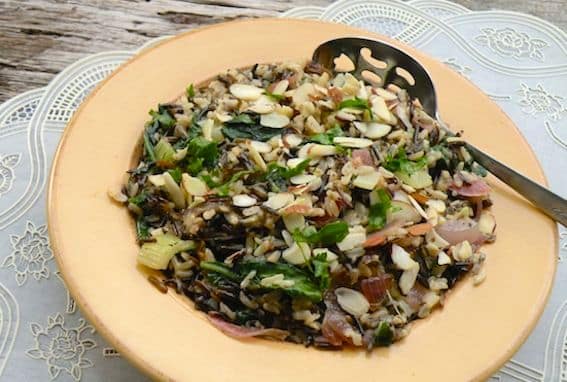
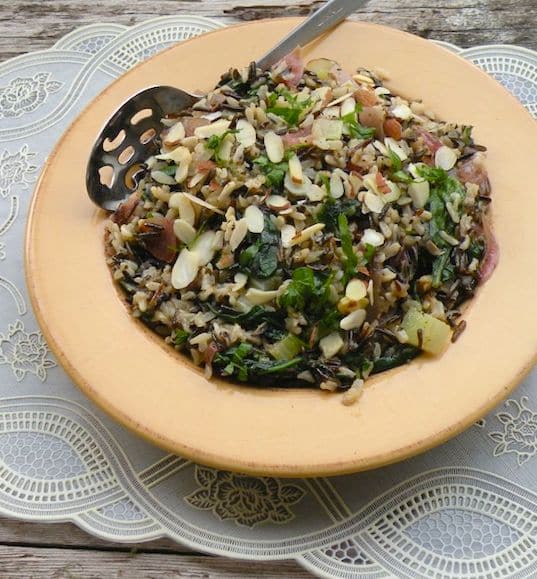
Vegan Wild Rice Pilaf with Spinach and Almonds
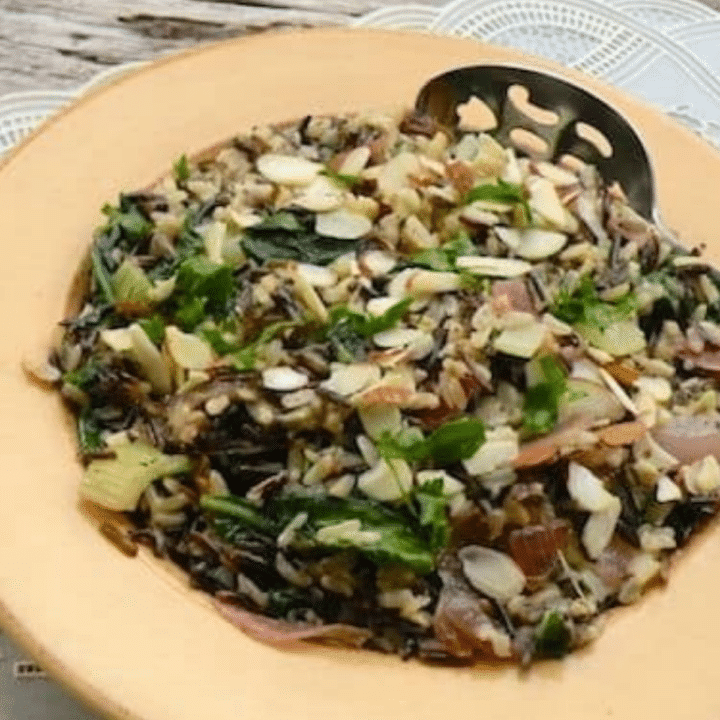
Filled with earthy flavors, this wild and brown rice pilaf, enlivened with spinach, parsley, and toasted almonds, is welcome as a side dish for everyday meals or special occasions. The mix of chewy wild rice and tender brown rice gives it more textural interest than a pilaf made with just one grain, and the toasted almonds add a final layer of crunch that keeps every bite interesting.
Key Ingredients & Substitutions
- Wild rice and brown rice. The combination gives a nice mix of textures — nutty and chewy wild rice against tender brown rice.
- Baby spinach. Wilts down quickly and adds color and nutrients. Chard or kale work too, though they'll need a bit more cooking time.
- Slivered almonds. Toasting them first brings out extra flavor and crunch — don't skip this step.
- Fresh lemon juice. Adds brightness that balances the earthy rice and toasted almonds.
- Fresh parsley. Stirred in along with the spinach, it adds another layer of fresh, herbal flavor.
Variations
- Add mushrooms. Saute 4 to 6 ounces of sliced cremini and shiitake mushrooms with the onion, cooking until wilted before adding the spinach.
- Swap the nuts. Toasted pecans or walnuts work well in place of almonds.
- Add dried fruit. A handful of dried cranberries or currants adds a touch of sweetness.
- Make it a main dish. Add chickpeas or cubed baked tofu for extra protein.
- Add a warm spice. A pinch of cumin or coriander stirred in with the rice adds a subtle earthy warmth.
- Make it a stuffing. This pilaf doubles nicely as a holiday stuffing base — just cook the rice a touch less so it holds together well once baked.
Tips for the Best Wild Rice Pilaf
- Rinse the rice well. This removes excess starch and helps the grains cook up light and separate.
- Toast the almonds separately. A dry skillet over medium heat, stirring frequently, brings out their best flavor.
- Add the spinach in batches. This helps it wilt evenly without overcrowding the pan.
- Stir in the almonds at the very end. This keeps them crunchy rather than softening in the hot rice.
- Cook the wild rice separately if needed. Wild rice often takes longer than brown rice, so check package timing and adjust if cooking the two together.
Make Ahead & Storage
This pilaf keeps well in the refrigerator for up to 4 days, making it a good make-ahead side. Reheat gently on the stovetop or in the microwave, and add a fresh scattering of almonds if you have extra on hand, since they soften as leftovers.
How to Serve
Serve warm as a side dish alongside roasted vegetables or a simple protein, or enjoy on its own as a light lunch. It also travels well at room temperature, which makes it a good candidate for a potluck table or a holiday spread alongside other grain-based sides.
Recipe
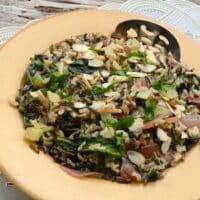
Vegan Wild Rice Pilaf with Spinach and Almonds
Filled with earthy flavors, this wild and brown rice pilaf, enlivened with spinach, parsley, and toasted almonds, is welcome as a side dish for everyday meals or special occasions.
Print
Pin
Save
Servings: as a side dish
Ingredients
- ⅔ cup raw wild rice
- ⅔ cup raw long-grain brown rice
- 3 ½ cups water with 1 vegetable bouillon cube
- 2 tablespoons olive oil or a fragrant nut oil
- 1 medium red onion finely chopped
- 2 stalks celery diced
- 2 to 3 cloves garlic minced
- 4 to 6 ounces fresh baby spinach rinsed
- ½ lemon juiced, or more or less to taste
- ¼ cup fresh parsley finely chopped
- ½ teaspoon dried thyme or basil
- 1 teaspoon ground cumin
- ⅓ cup slivered almonds lightly toasted
- salt and freshly ground pepper to taste
Instructions
- Rinse the wild and brown rice and combine them in a saucepan with the water and bouillon cube. Bring to a gentle boil, then lower the heat, cover, and simmer gently until the water is absorbed, about 35 minutes. Remove from heat.
- Heat the oil in a large skillet. Add the onion and saute over medium-low heat until translucent. Add the celery and garlic and continue to saute until the onion is lightly browned.
- Add the spinach, in two batches if needed. Cover and cook just until it wilts down, about 30 to 45 seconds.
- Stir in the cooked wild and brown rice mixture along with the lemon juice, parsley, thyme, and cumin. Cook for 5 minutes over low heat, stirring frequently.
- Stir in the slivered almonds, season with salt and pepper, and serve at once.
Notes
Variation: Add 4 to 6 ounces stemmed and sliced mushrooms (cremini and shiitake) after sauteing the onion, and cook until wilted before adding the spinach.
Vegan-ize any recipe!Grab our free vegan cheat sheet, packed with my favorite easy substitutions to make any recipe vegan.
Vegan Lemony Leek and Mushroom Soup
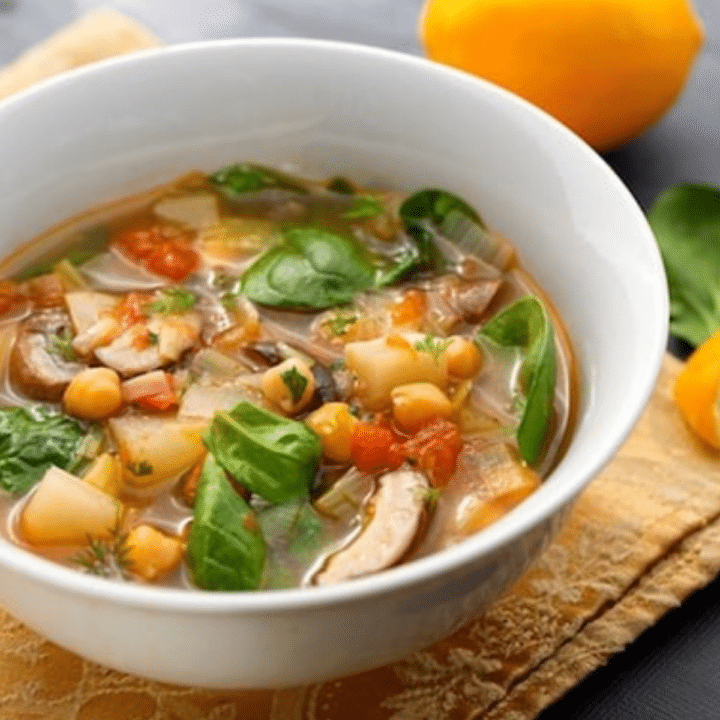
Welcome spring or early fall with this Greek-inspired soup, rich with leeks, mushrooms, and herbs in a bright lemon-flavored broth. It's light enough for warmer weather but still warming and satisfying, especially with crusty bread on the side, and it comes together in about 40 minutes from start to finish.
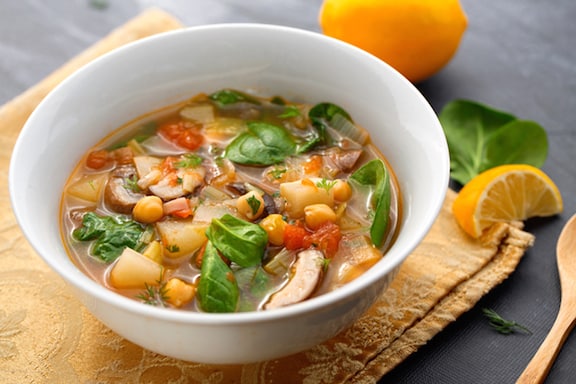
Photos by Hannah Kaminsky.
Key Ingredients & Substitutions
- Leeks. The mild, sweet base of the broth — use the white and lightest green parts only, and rinse well to remove any grit trapped between the layers.
- Mushrooms. A mix of baby bella (cremini) and shiitake adds savory depth — feel free to use all of one kind if that's what you have.
- Turnips. Add earthy body to the soup — diced potato works as a substitute if turnips aren't your thing.
- Fresh lemon juice. Brightens the whole pot and is what gives the soup its name — add it gradually and taste as you go.
- Fresh herbs. Spinach, parsley, and dill stirred in near the end keep their flavor and color vibrant rather than dulled by long cooking.
Variations
- Make it heartier. Add a 15- to 16-ounce can (or about 1 ½ cups cooked) chickpeas or white beans to turn this into more of a main-dish soup.
- Swap the greens. Baby kale or chard work well in place of spinach, though chard will need a few extra minutes to wilt.
- Add grains. A cup of cooked rice or orzo stirred in makes the soup even more filling.
- Add a splash of white wine. Deglazing the pot with a little wine after sauteing the leeks and mushrooms adds another layer of flavor.
- Blend it partially. Pureeing a portion of the soup and stirring it back in gives extra body without losing the chunky mushroom and leek texture.
Tips for the Best Lemony Leek and Mushroom Soup
- Rinse the leeks well. Chopped leeks can trap grit between their layers — give them a thorough rinse in a bowl of water before cooking, swishing to release any dirt.
- Let the flavors meld. Allowing the soup to stand for an hour or two, or refrigerating it overnight, deepens the flavor considerably.
- Add lemon juice to taste. Start with less and add more gradually — the right amount makes a big difference between a flat soup and a bright one.
- Stir in the herbs last. Adding the spinach, parsley, and dill just before serving keeps them bright and fresh rather than cooked down and dull.
- Don't skip the turnip or potato. It adds body that keeps the soup from tasting thin, especially once the mushrooms release their liquid.
Make Ahead & Storage
This soup keeps for up to 5 days in the refrigerator and freezes well for up to 3 months, though it's best to add the fresh herbs after reheating rather than freezing them in, since they lose their bright color and flavor when frozen.
How to Serve
Serve hot as a light spring or early fall main dish, or alongside crusty bread for a more substantial meal.
Recipe

Lemony Leek and Mushroom Soup
Welcome spring or early fall with this Greek-inspired soup, rich with leeks, mushrooms and herbs in a lemon-flavored broth.
Print
Pin
Save
Servings: to 8
Ingredients
- 2 tablespoons extra-virgin olive oil
- 2 large leeks white and lightest green parts only, chopped and well rinsed
- 32- ounce carton vegetable broth
- 2 medium turnips peeled and cut into ½-inch dice
- 2 bay leaves
- 1 pound very ripe juicy tomatoes, diced, or one 14- to 16-ounce can diced tomatoes, undrained
- 8 to 10 ounces baby bella cremini mushrooms, stemmed and sliced
- 2 to 4 ounces fresh shiitake mushrooms stemmed and sliced
- Juice of ½ lemon or more to taste
- Salt and freshly ground pepper to taste
- 2 or 3 big handfuls of coarsely chopped spinach or baby spinach leaves
- ¼ cup minced fresh parsley
- 2 to 3 tablespoons minced fresh dill
Instructions
- Heat the oil plus about ¼ cup water in a large soup pot. Add the leeks and sauté over medium heat, stirring frequently, until they begin to go limp, about 7 to 8 minutes.
- Add the broth, turnips, bay leaves, tomatoes, and mushrooms. Bring to a gentle boil, then cover and simmer for 10 minutes.
- After 10 minutes, add a cup of water and return to a simmer. Simmer gently for 10 to 15 minutes longer, or until all the vegetables are tender.
- Season to taste with lemon juice, salt, and pepper. Remove from the heat. Allow the soup to stand for an hour or two, or even refrigerate overnight, if time allows.
- Before serving, heat through as needed. Stir in the spinach, parsley, and dill. If the vegetables seem crowded, adjust the consistency with more water, then adjust the seasonings and lemon juice. Serve hot.
Nutrition (Estimate per Serving)
Calories: 105kcalCarbohydrates: 14gProtein: 3gFat: 5gSaturated Fat: 1gPolyunsaturated Fat: 1gMonounsaturated Fat: 3gSodium: 647mgPotassium: 525mgFiber: 3gSugar: 7gVitamin A: 1701IUVitamin C: 26mgCalcium: 49mgIron: 1mg
Vegan-ize any recipe!Grab our free vegan cheat sheet, packed with my favorite easy substitutions to make any recipe vegan.
Explore VegKitchen's selection of Soulful Soups, including more light and lively spring soups.
Vegan Caribbean Pigeon Peas and Rice
Traditionally, this rice dish is made with pigeon peas — cute and round, also known as gungo peas or gandules. They're a staple in markets with big Latin and Caribbean communities. If you can't find them, no worries — use red beans, another island favorite. Serve at room temperature or slightly chilled; it's bright and refreshing either way, and doubles easily for a crowd.
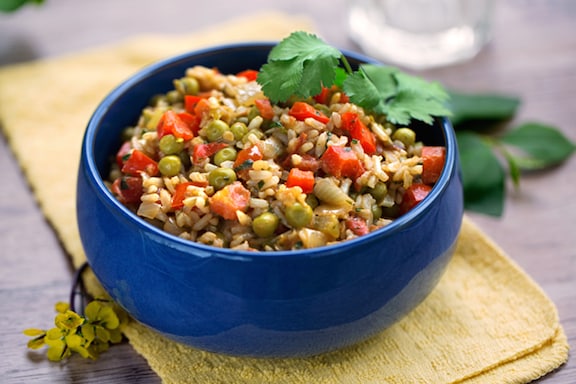
Recipe by Ellen Kanner of Soulful Vegan. Photos by Hannah Kaminsky.
Key Ingredients & Substitutions
- Pigeon peas. Also known as gungo peas or gandules — look for them canned or dried in markets with a Latin or Caribbean section. Red beans make a good substitute.
- Habanero or scotch bonnet pepper. Adds authentic Caribbean heat — jalapeño works as a milder substitute. Wear gloves when handling hot chilies.
- Allspice and cumin. These warm spices are what give the dish its signature Caribbean character.
- Brown rice. Using rice that's already cooked and cooled helps it stay fluffy rather than turning mushy.
- Fresh thyme and cilantro. Stirred in at the end, these herbs are essential to the dish's authentic island flavor.
Variations
- Swap the beans. No pigeon peas on hand? Red beans or black-eyed peas both work well.
- Adjust the heat. Use less habanero, or swap in a milder pepper, for a gentler dish.
- Add coconut. A splash of coconut milk stirred in at the end adds richness and a tropical note.
- Add plantain. A side of fried or baked sweet plantain rounds this out into a full Caribbean-style plate.
- Add bell pepper. Diced red or green pepper sauteed with the onion adds more texture and color.
Tips for the Best Pigeon Peas and Rice
- Use cooled rice. Freshly cooked rice can turn gummy when stirred with the other ingredients — let it cool first, or use leftover rice.
- Wear gloves with hot chilies. Especially with scotch bonnet or habanero, to avoid irritation to your skin and eyes.
- Add herbs at the end. Stirring in the thyme and cilantro last keeps their flavor bright rather than dulled.
- Make it ahead. This dish keeps well refrigerated for several days, and the flavor actually improves over time as it sits.
- Don't skip the allspice. It's one of the ingredients that makes this taste distinctly Caribbean rather than generically Latin.
Make Ahead & Storage
This dish keeps well in the refrigerator for up to 4 days, and since the flavor improves as it sits, it's a great candidate for making a day ahead of when you plan to serve it. For crowds, the recipe doubles like a dream.
How to Serve
Serve at room temperature or slightly chilled as a hearty side or light main.
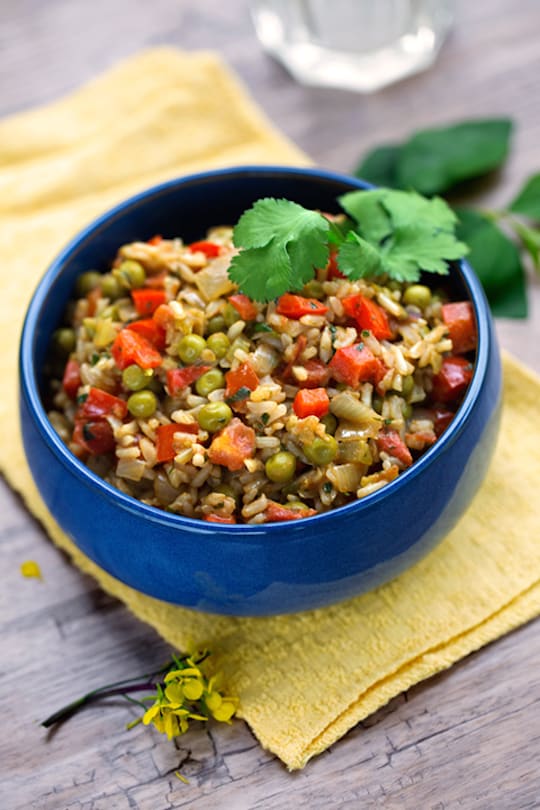
Here are more easy bean main dishes. For more ways to use brown rice, explore Classic Rice Dishes. And here are more of VegKitchen's Vegan Dinner Recipes and Main Dishes Featuring Grains and Beans.
Recipe
Vegan Caribbean Pigeon Peas and Rice
A bright, savory rice dish with pigeon peas, peppers, and warm spices, inspired by the flavors of the Caribbean. Serve at room temperature or slightly chilled.
Print
Pin
Save
Servings:
Ingredients
- 1 ½ to 2 cups pigeon peas cooked and cooled, or one 15-ounce can, drained
- 2 ½ cups brown rice cooked and cooled
- 2 tablespoons olive oil
- 1 large onion chopped
- 3 cloves garlic chopped
- 1 green or red pepper chopped
- ¼ habanero or scotch bonnet pepper or 1 to 2 jalapeños, seeded and minced — wear gloves when handling
- 2 ribs celery chopped
- 1 tomato chopped, or 1 cup canned diced tomatoes, drained
- 1 teaspoon allspice
- ½ teaspoon cumin
- 1 small handful fresh thyme leaves or ¼ teaspoon dried
- 1 small bunch cilantro chopped
- sea salt and freshly ground pepper to taste
Instructions
- In a large skillet, heat the oil over medium-high heat. Add the onion and garlic, and sauté until softened, about 5 minutes.
- Add the pepper, habanero or jalapeño, and celery, and continue cooking, stirring occasionally, for another 5 minutes.
- Stir in the diced tomato and season with the allspice and cumin.
- Add the cooked pigeon peas and rice, stirring until well combined. Reduce heat to medium and continue cooking, stirring occasionally, until the moisture from the vegetables is absorbed, about 10 minutes.
- Stir in the thyme and cilantro, and season with salt and pepper. Serve at once.
Notes
This keeps well covered and refrigerated for several days — flavor improves over time. For crowds, the recipe doubles like a dream. If pigeon peas aren't available, red beans make a great substitute.
Vegan-ize any recipe!Grab our free vegan cheat sheet, packed with my favorite easy substitutions to make any recipe vegan.
Vegan Quinoa Mushroom Burger
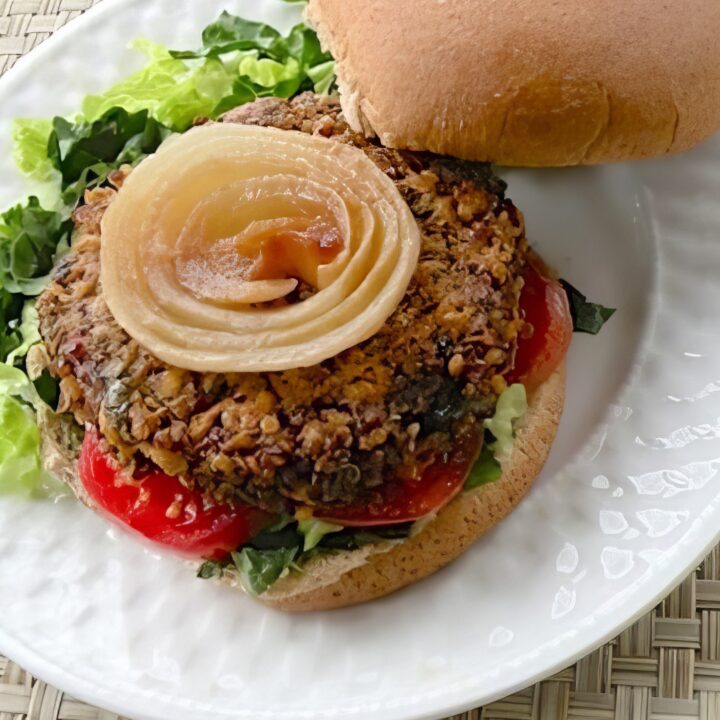
These vegan quinoa mushroom burgers are hearty, protein-packed, and deeply savory - the kind of burger that wins over skeptics without trying to imitate meat.
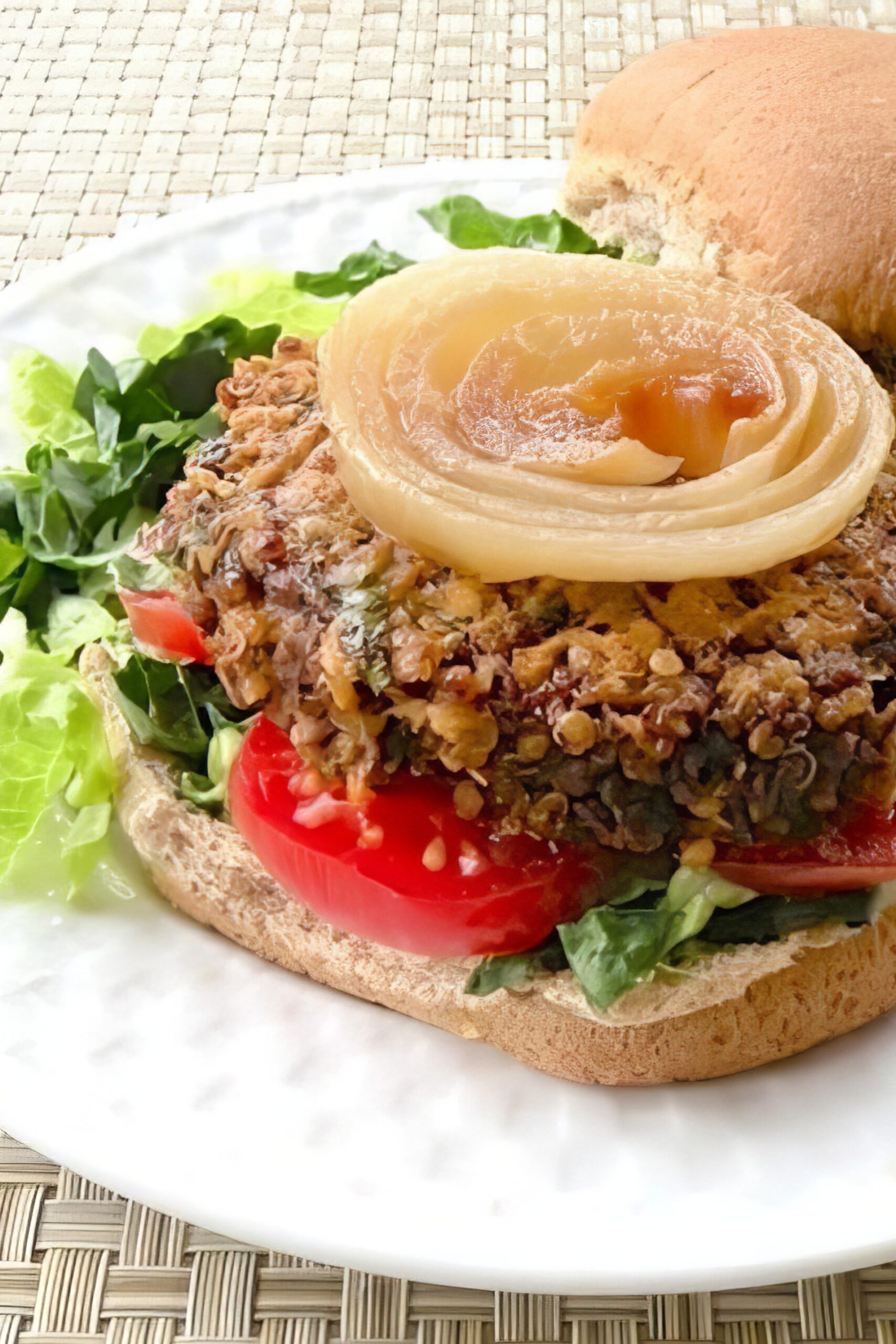
Key Ingredients & Substitutions
- Quinoa. Cooked quinoa gives the burgers structure and a mild, nutty flavor while packing in complete protein. Any color of quinoa works - white, red, or tri-color. Leftover cooked quinoa is perfect here.
- Brown lentils. Lentils add earthiness, protein, and binding power. Use canned lentils (drained and rinsed) to save time, or cook them from dry. Green lentils work equally well.
- White mushrooms. Chopped and sautéed mushrooms add a savory, meaty depth that makes these burgers genuinely satisfying. Cremini or baby bella mushrooms can be swapped in for even more flavor.
- Marinara sauce. Acts as a binder and adds moisture and flavor. Any jarred or homemade marinara works. Tomato paste thinned with a little water is a quick substitute.
- Quick-cooking oats. Help bind everything together and keep the texture cohesive. Quinoa flakes make a great gluten-free swap.
- Mesquite seasoning. This is the secret flavor weapon - smoky, bold, and deeply savory. Any barbecue-style seasoning blend works in its place.
Helpful Tips
Prep grains ahead. The quinoa and lentils can both be cooked a day or two in advance and kept in the fridge. This turns what feels like a project into a quick weeknight dinner - the actual assembly and baking takes under 45 minutes once everything is cooked.
Don't over-process the mushroom-lentil mixture. You want the food processor to chop the mixture finely, not puree it. Pulse in short bursts and stop when it looks coarsely ground. A little texture goes a long way toward a better burger.
Use a measuring cup to shape. A round ½-cup measuring cup coated lightly with cooking spray makes perfectly uniform patties every time. Invert onto parchment and flatten to about ½ inch thick. For sliders, use a ¼-cup measure instead.
Let them cool slightly before serving. These burgers firm up considerably as they cool - they're more cohesive and easier to eat after 5 minutes out of the oven than straight off the sheet pan.
They freeze beautifully. Bake a full batch, cool completely, then freeze in a single layer on a sheet pan before transferring to a zip bag. Reheat from frozen in a 375°F oven for 10-12 minutes, or in a skillet over medium heat.
Also worth trying: our gently curried tofu burgers.
Variations
- Smoky chipotle version. Add 1-2 teaspoons of chipotle powder and swap the marinara for salsa for a spicy Southwestern spin. These pair great with guacamole and lime.
- Italian-style. Season with Italian herbs (oregano, basil, fennel seed) and swap the mesquite for sun-dried tomato paste. Serve with marinara for dipping instead of ketchup.
- Mushroom-walnut burgers. Replace half the lentils with finely chopped toasted walnuts for extra richness and a slightly meatier texture.
- Pan-fried version. Shape into thinner patties and cook in a little olive oil over medium heat for 3-4 minutes per side until golden and crispy on the outside.
- Slider size. Use a ¼-cup measure and reduce the baking time slightly - about 12 minutes per side. Perfect for parties or lunchboxes.
Serving Ideas
Serve on whole-grain buns or toasted English muffins with classic burger fixings - mustard, ketchup, shredded lettuce, sliced tomato, and red onion. A smear of Copycat Vegan Big Mac Sauce takes things to the next level. A dollop of Quick Tartar Sauce also works surprisingly well with the savory mushroom flavor.
These are just as good served without a bun - try them over a bed of greens with a drizzle of your favorite dressing, or alongside Easy Vegan Coleslaw and roasted sweet potatoes for a full plate. Since they hold up at room temperature, they're great for meal prep and pack well for lunch.
Storing & Freezing
Store leftover burgers in an airtight container in the refrigerator for up to 4 days. Reheat in a skillet over medium heat or in a 350°F oven for about 10 minutes. They're also surprisingly good eaten cold or at room temperature straight from the fridge.
These burgers freeze exceptionally well. Cool them completely, then freeze flat on a baking sheet until solid before transferring to a freezer bag or container. They'll keep for up to 3 months. Reheat directly from frozen in the oven at 375°F for 10-12 minutes per side, or thaw overnight in the fridge first.
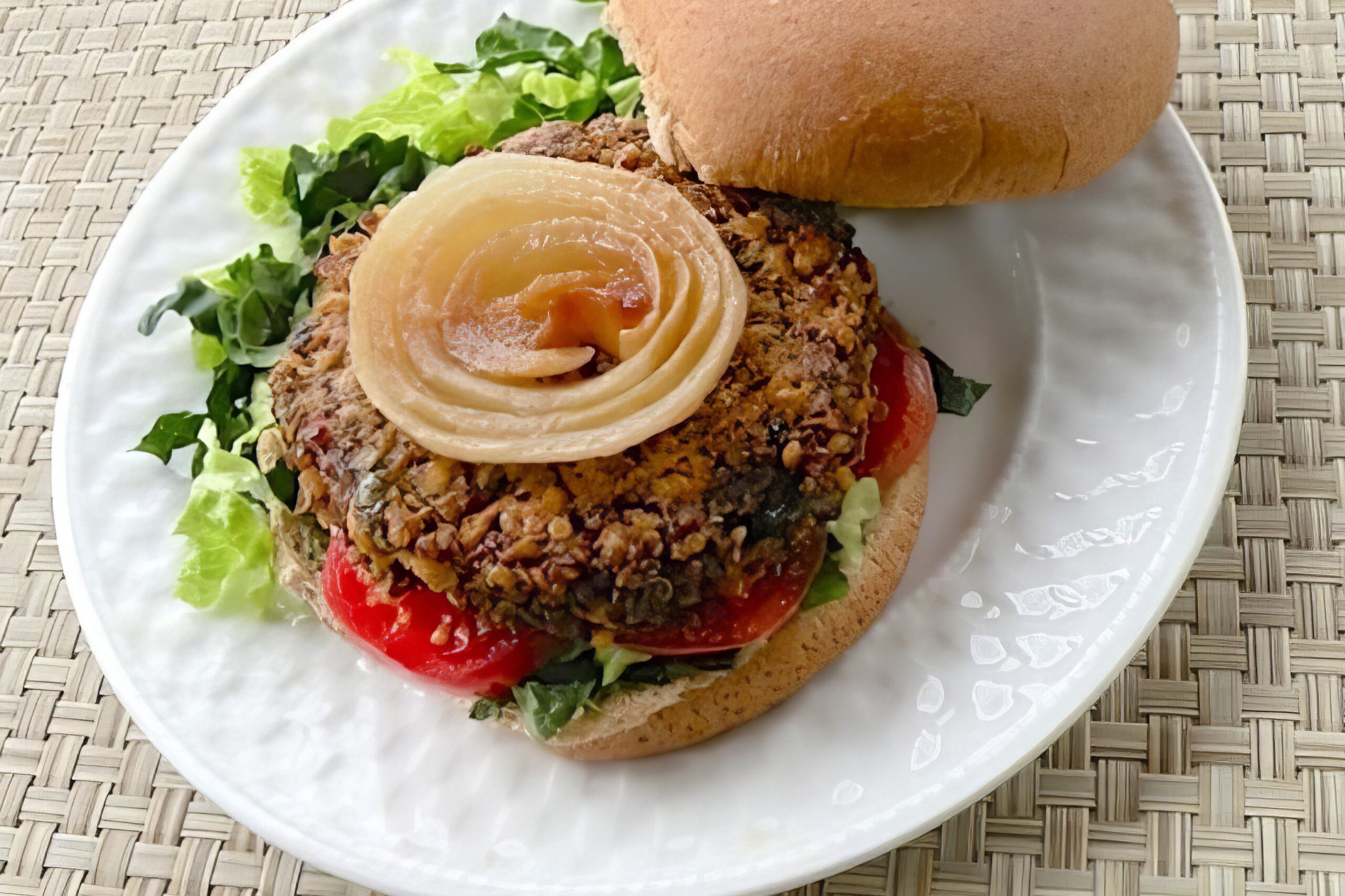
More Vegan Burger Recipes
If you loved this recipe, check out our full collection of the best vegan burger recipes, including our easy portobello burgers and our vegan beet burgers - or here are a few more individual favorites:
- Vegan Chipotle Black Bean Burgers
- Baked Chickpea Burgers
- Vegan Chickpea Patties
- Easy Vegan Portobella Burgers
- Best Vegan Burger Recipes
Recipe
Vegan Quinoa Mushroom Burger
These hearty vegan quinoa mushroom burgers are packed with protein from quinoa and lentils, with savory mushrooms and bold smoky seasonings. Easy to make ahead and freezer-friendly.
Print
Pin
Save
Servings: burgers
Ingredients
- 1 tablespoon olive oil
- 1 onion finely chopped
- 2 cloves garlic minced
- 8 ounces white mushrooms cleaned and coarsely chopped
- 1 ½ cups cooked brown lentils or one 15-oz can, drained and rinsed
- 2 cups cooked quinoa
- ½ cup marinara sauce jarred or homemade
- ⅔ cup quick-cooking oats or quinoa flakes for gluten-free
- 1 teaspoon smoked paprika
- 2 teaspoons mesquite seasoning or other barbecue-style seasoning blend
- 1 teaspoon garlic powder
- 1 teaspoon onion powder
- salt and pepper to taste
Instructions
- Preheat the oven to 425°F. Line a baking sheet with parchment paper.
- Heat the oil in a medium skillet over medium heat. Add the onion and sauté until translucent, about 5 minutes. Add the garlic and continue cooking until the onion is golden, 2–3 minutes more.
- Add the mushrooms to the skillet and cover. Cook until wilted, about 5 minutes. Drain any liquid from the skillet, then transfer the mushroom-onion mixture to a food processor along with the cooked lentils. Pulse on and off until the mixture is finely chopped but not pureed.
- Transfer the mixture to a large bowl. Add the cooked quinoa, marinara sauce, oats, smoked paprika, mesquite seasoning, garlic powder, and onion powder. Season with salt and pepper. Mix until evenly combined.
- Lightly oil a round ½-cup measuring cup. Scoop a level portion of the mixture and invert onto the prepared baking sheet, tapping firmly to release. Flatten to about ½-inch thickness with the bottom of the cup. Repeat with remaining mixture.
- Bake for 15 minutes, then carefully flip each burger and bake for another 10–15 minutes, until golden and firm on each side. Let cool for 5 minutes before serving.
Nutrition (Estimate per Serving)
Calories: 103kcalCarbohydrates: 13gProtein: 3gFat: 3gPolyunsaturated Fat: 1gMonounsaturated Fat: 1gSodium: 18mgPotassium: 208mgFiber: 2gVitamin A: 14IUCalcium: 13mgIron: 1mg
Vegan-ize any recipe!Grab our free vegan cheat sheet, packed with my favorite easy substitutions to make any recipe vegan.
Easy Vegan Portobella Burgers
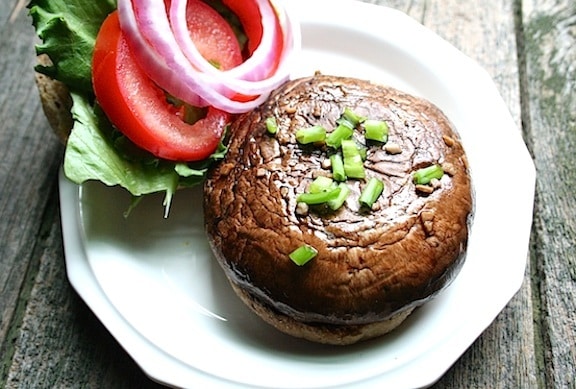
These easy vegan portobella burgers are the simplest path to a seriously satisfying grilled burger - just marinate the caps, hit them with heat, and pile on the toppings.
Key Ingredients & Substitutions
- Portobello mushroom caps. The star - large, meaty caps that absorb marinade beautifully and cook up juicy and satisfying. Look for caps that are firm and dry, without soft spots. Wipe them clean with a damp cloth rather than rinsing, since mushrooms absorb water quickly and you want them to soak up marinade instead.
- Teriyaki marinade. The classic pairing for portobello burgers. Bottled teriyaki sauce is perfectly fine here, or make your own with soy sauce, mirin, a little sesame oil, garlic, and ginger. Other great marinade options: balsamic vinegar with olive oil and herbs, or a simple red wine vinegar and soy sauce combo.
- Whole-grain buns. Sturdy enough to hold a juicy portobello without getting soggy. Toast them on the grill or in a skillet - it makes a real difference. Ciabatta rolls or toasted English muffins are excellent alternatives.
- Toppings. The beauty of these burgers is how customizable they are. Caramelized onions are especially good here - their sweetness complements the savory mushroom. Baby arugula adds a peppery bite; sliced avocado adds creaminess. Have fun with it.
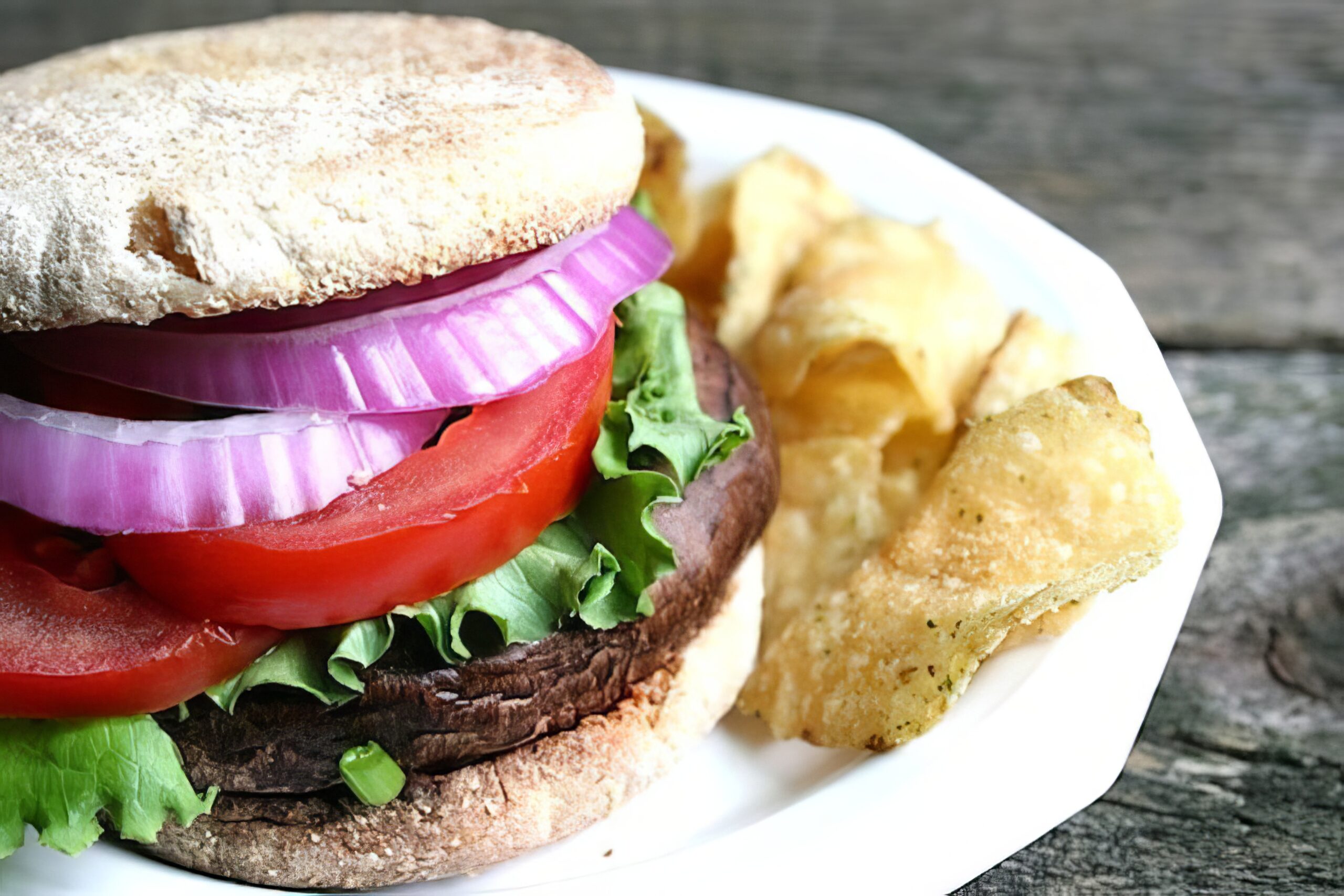
Helpful Tips
Marinate gill-side down first. Place the portobello caps with the gill side facing down in the marinade for the first portion of the marinating time, then flip. This ensures the undersides - which cook first on the grill - are well coated. At least 15 minutes is good; up to an hour is even better.
Don't discard the remaining marinade. Pour any unused marinade back into the bottle and set it aside. You'll want to brush the caps with additional marinade as they cook, which keeps them moist and adds a lacquered, slightly charred glaze that's absolutely delicious.
High heat for grill marks, medium for pan cooking. On a grill, you want high heat to get those gorgeous char marks. In a skillet, medium is better - high heat causes the marinade to burn before the mushroom is cooked through. Either way, don't rush it. The caps need a full 4-5 minutes per side.
Toast your buns. A dry, untoasted bun is the fastest way to make a great portobello burger feel disappointing. Throw the buns on the grill or cut-side-down in a dry skillet for 1-2 minutes. It makes the whole burger better.
Let them rest for a minute before serving. Portobello caps release a lot of moisture as they cool slightly. Give them 60 seconds on a rack or plate before loading onto the bun - this keeps the bottom bun from going soggy immediately.
Variations
- Balsamic marinade. Swap the teriyaki for a mix of 3 tablespoons balsamic vinegar, 2 tablespoons olive oil, 1 teaspoon Dijon mustard, and a pinch of dried thyme. Rich, tangy, and excellent with caramelized onions.
- Smoky chipotle version. Use a marinade of soy sauce, lime juice, 1 teaspoon chipotle powder, and a drizzle of maple syrup. Serve with guacamole and pickled jalapeños for a Tex-Mex twist.
- Italian herb version. Marinate in olive oil with garlic, balsamic, and Italian seasoning. Top with roasted red peppers, vegan mozzarella, and fresh basil - it's essentially a Caprese burger.
- Pan-cooked with wine. For indoor cooking, deglaze the pan with a splash of red wine halfway through cooking. It adds depth and creates a silky pan sauce to drizzle over the finished burger.
- Make it a bowl. Skip the bun entirely and serve the portobello cap over a grain bowl with farro, roasted vegetables, and tahini dressing. The teriyaki flavor works beautifully in this context.
- Add cheese. In the last minute of cooking, place a slice of vegan cheese on the gill side and cover with a lid or dome to melt it slightly. Pepper jack or smoked gouda style vegan cheeses are both fantastic here.
Serving Ideas
The classic approach is on a toasted whole-grain bun with caramelized or raw onion, baby greens, sliced tomato, and a generous schmear of vegan mayo. The portobello is substantial enough to hold its own against bold toppings - sautéed garlic, a drizzle of teriyaki, pickles, and mustard all work beautifully. If you're serving a crowd, set out a spread of condiments and toppings and let everyone build their own. For more inspiration, check out the best portobello mushroom recipes on VegKitchen.
Without a bun, these are just as satisfying. Serve a portobello cap over cooked grains with roasted vegetables and a drizzle of the pan sauce. They're also excellent alongside grilled corn and a bright fresh tomato relish - simple, summery, and effortless.
Storing & Freezing
Cooked portobello caps keep well in an airtight container in the refrigerator for up to 3 days. Reheat in a skillet over medium heat with a splash of marinade or water to prevent sticking, or warm in a 350°F oven for about 8 minutes. They're also surprisingly good cold, sliced thin over a salad.
Portobello burgers don't freeze especially well - the texture becomes quite soft and watery after thawing. They're best made fresh or made a day ahead and refrigerated. If you do freeze them, wrap individually and reheat in the oven rather than the microwave for the best texture.
More Vegan Burger Recipes
If you loved this recipe, check out our full collection of the best vegan burger recipes, including our chipotle black bean burgers and our vegan beet burgers - or here are a few more individual favorites:
- Vegan Chipotle Black Bean Burgers
- Vegan Quinoa Mushroom Burger
- Vegan Beet Burgers
- Vegan Curried Tofu Burgers
- Best Vegan Burger Recipes
Recipe
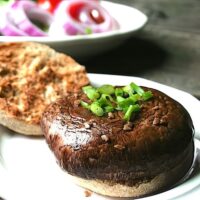
Easy Vegan Portobella Burgers
These easy vegan portobella burgers are juicy, smoky, and ready in minutes — just marinate, grill or pan-cook, and pile on your favorite toppings.
Print
Pin
Save
Servings: burgers
Ingredients
- portobello caps as many as needed (1 per serving)
- teriyaki marinade homemade or bottled; as needed for marinating
- whole-grain buns or toasted English muffins
Toppings (Optional)
- onions carmelized or raw slices
- garlic sautéed
- scallions thinly sliced
- tomatoes sliced
- baby greens baby spinach or baby arugula
- salsa store bought or homemade
- ketchup
- mustard
- sweet pickle relish
- vegan mayonnaise
Instructions
- Stem the portabellas and wipe them clean. Pour the marinade of choice into a shallow container and arrange the portobello caps, underside down, in a single layer. Let stand for at least 15 minutes and up to an hour. Pour unused marinade back into a bottle for finishing the dish; you'll have enough left over to use for another occasion.
- To grill: Prepare grill. Grill the portobellos, underside down, for 4–5 minutes. Brush generously with more marinade, then flip and grill for 5 minutes longer or until charred to your liking.
- To cook in a skillet: Heat a shallow layer of marinade in the skillet. Cook the portobellos, underside down, for 4–5 minutes. Flip and cook for 5 minutes longer, or until browned to your liking. Add a small amount of additional marinade if needed to keep the skillet moist.
- Serve portobello caps on whole-grain buns with whatever other toppings you'd like. You can place a variety of these toppings and condiments on the table, and let everyone fix their own sandwich!
Nutrition (Estimate per Serving)
Calories: 99kcalCarbohydrates: 17gProtein: 6gFat: 1gSaturated Fat: 1gPolyunsaturated Fat: 1gMonounsaturated Fat: 1gSodium: 2825mgPotassium: 258mgFiber: 1gSugar: 11gVitamin A: 1IUVitamin C: 2mgCalcium: 30mgIron: 2mg
Vegan-ize any recipe!Grab our free vegan cheat sheet, packed with my favorite easy substitutions to make any recipe vegan.
Vegan Quinoa and Wild Rice Burgers
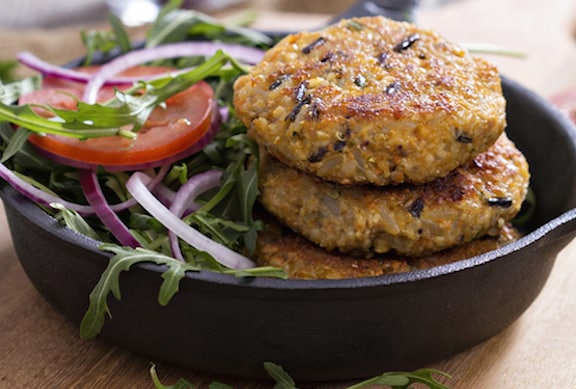
These vegan quinoa and wild rice burgers are hearty, wholesome, and satisfying enough to win over anyone at the table - no meat required.
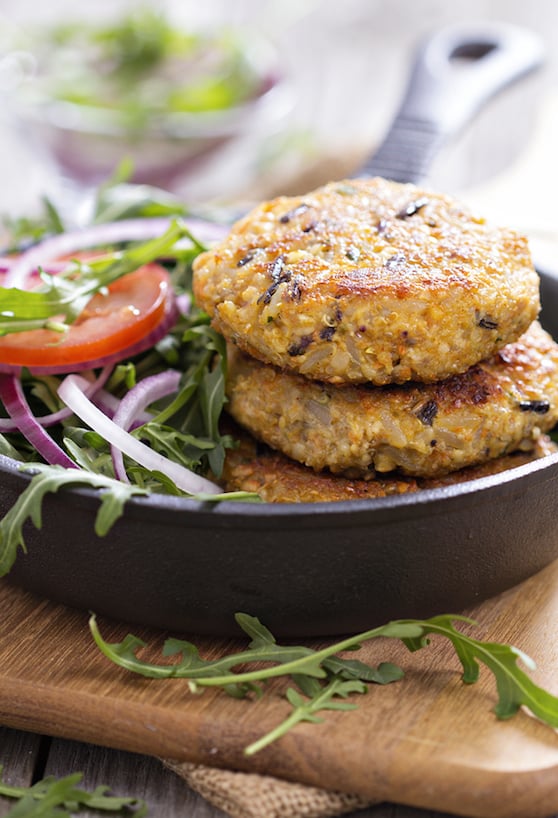
Key Ingredients & Substitutions
- Wild rice. The chewy, nutty backbone of these burgers. Wild rice holds its texture well after cooking and gives the patties a nice hearty bite. You can swap it for brown rice in a pinch, though you'll lose some of that characteristic chewiness.
- Cooked quinoa. Adds protein and helps bind the patties together. Any color of quinoa works - white, red, or tri-color. If you're making this gluten-free, quinoa flakes are a great substitute for the oats as well.
- Quick-cooking oats. Soaked in boiling water, they become the glue that holds the burgers together. For a gluten-free version, swap in certified gluten-free oats or quinoa flakes as noted in the recipe.
- Salt-free all-purpose seasoning blend. This is the workhorse flavor builder - look for blends like Mrs. Dash or make your own. If you don't have one on hand, a mix of garlic powder, onion powder, dried thyme, and dried oregano works well.
- Smoked paprika. Adds depth and a very subtle smokiness. Sweet paprika is a perfectly good substitute, or try a pinch of chipotle powder for a spicier kick.
- Fresh cilantro or parsley. Optional but recommended - fresh herbs brighten the whole patty. Cilantro gives a more vibrant, punchy finish; parsley is milder. Either works, or you can skip them entirely.
Helpful Tips
Cook the wild rice low and slow. Wild rice takes about 35 minutes at a gentle simmer, and rushing it makes it tough. The grains should just start to split and curl before you pull them off the heat. Undercooked wild rice won't blend into the patty mixture well.
Let the oat mixture absorb fully. When you cover the oats with boiling water, give them a full 5 minutes before mixing. If you rush this step, the oats won't fully hydrate and your patties will be crumbly rather than cohesive.
Pack the measuring cup firmly. Scooping loosely will give you fragile patties. Fill the ½-cup measuring cup with the burger mixture and press it down firmly before inverting onto the baking sheet. The more compact the patty going in, the better it holds together coming out.
Don't skip the flip. At the 15-minute mark, turn each patty gently using a thin spatula. This is what gives both sides that golden, slightly crisp exterior. If a patty sticks or starts to crumble, let it bake another 2 minutes before attempting the flip.
Make ahead and freeze. These patties freeze beautifully. Bake them fully, let them cool completely, then freeze in a single layer on a baking sheet before transferring to a bag. Reheat from frozen in a 375°F oven for about 15 minutes, flipping once.
Also worth trying: our gently curried tofu burgers.
Variations
- Add lentils. Stir in ½ cup of cooked brown or green lentils for even more protein and a slightly denser texture - similar to the filling Vegan Quinoa Mushroom Burger.
- Make them spicy. Add ½ teaspoon of cayenne pepper or a tablespoon of your favorite hot sauce to the mixture. A dash of chipotle powder in place of (or alongside) the smoked paprika works especially well.
- Tex-Mex version. Swap the cilantro for parsley, add ¼ cup of corn and ¼ cup of drained black beans. Serve with salsa, sliced avocado, and a squeeze of lime.
- Mushroom boost. Sauté ½ cup of finely diced cremini mushrooms with the onion and garlic. They add umami depth and extra moisture that melds beautifully with the wild rice.
- Herbed version. Use a full ¼ cup of mixed fresh herbs - parsley, chives, and a little tarragon - and add 1 teaspoon of Dijon mustard to the mix. Great with a simple aioli or vegan burger sauce.
- Pan-fried option. If you prefer a crispier exterior, pan-fry in a thin layer of oil over medium heat for about 5 minutes per side rather than baking. The outside crisps up more quickly, so watch the heat carefully.
Serving Ideas
These burgers are sturdy enough to hold up in a bun with all the classic toppings - lettuce, tomato, onion, pickles, and a generous smear of vegan mayo or copycat vegan Big Mac sauce. A toasted brioche-style bun is especially good here since the slight sweetness contrasts nicely with the earthy grains. You can also tuck them into a pita pocket with shredded cabbage and tahini sauce for a more Mediterranean feel.
Serve them alongside a simple green salad, roasted sweet potato wedges, or fresh tomato relish for a complete meal. They also work beautifully on top of a grain bowl - break one apart over quinoa or farro, add a handful of greens and a drizzle of lemon tahini dressing, and you have a satisfying lunch that holds you for hours.
Storing & Freezing
Let leftover patties cool completely, then store them in an airtight container in the refrigerator for up to 4 days. To reheat, warm them in a 350°F oven for 8-10 minutes or in a dry skillet over medium-low heat for a couple minutes per side. Avoid microwaving if you can - it softens the exterior and makes the patties a bit mushy.
These burgers freeze very well. Once fully baked and cooled, freeze in a single layer on a lined baking sheet until solid, then transfer to a zip-close freezer bag. They'll keep for up to 3 months. Reheat straight from frozen in a 375°F oven for 15 minutes, flipping halfway through. The texture holds up remarkably well after freezing.
More Vegan Burger Recipes
If you loved this recipe, check out our full collection of the best vegan burger recipes, including our chipotle black bean burgers for a smoky kick - or here are a few more individual favorites:
- Vegan Chipotle Black Bean Burgers
- Vegan Quinoa Mushroom Burger
- Vegan Chickpea Patties
- Easy Vegan Portobella Burgers
- Best Vegan Burger Recipes
Recipe

Vegan Quinoa and Wild Rice Burgers
These vegan quinoa and wild rice burgers are hearty and satisfying, with two wholesome grains making up the base. Great on buns, in pitas, or on their own with your favorite sauce.
Print
Pin
Save
Servings: burgers
Ingredients
- ½ cup wild rice uncooked
- 1 tablespoon olive oil
- 1 medium-large onion finely chopped
- 2 cloves garlic minced
- ½ cup quick-cooking oats or quinoa flakes for gluten-free
- 2 cups cooked quinoa firmly packed
- 1 tablespoon salt-free all-purpose seasoning blend
- 1 teaspoon ground cumin
- 1 teaspoon smoked paprika or sweet paprika
- ¼ cup fresh cilantro or parsley minced, optional
- salt and pepper to taste
Instructions
- Preheat the oven to 400°F. Line a baking sheet with parchment paper.
- Combine the wild rice with 1 ½ cups water in a small saucepan. Bring to a rapid simmer, then lower the heat, cover, and cook until the water is absorbed, about 35 minutes.
- Heat the oil in a medium saucepan. Add the onion and sauté over medium heat until translucent, about 5 minutes. Add the garlic and continue until golden.
- Place the oats in a large bowl and cover with 1 cup boiling water. Let stand for 5 minutes. Add the sautéed onion and garlic, cooked wild rice, cooked quinoa, seasoning blend, cumin, paprika, and cilantro (if using). Season with salt and pepper. Mix well.
- Lightly oil a round ½-cup measuring cup. Scoop a level portion of the mixture and invert onto the parchment, tapping firmly to release. Flatten to about ½-inch thickness with the bottom of the cup. Repeat with remaining mixture.
- Bake for 15 minutes, then flip each burger carefully and bake for another 15 minutes, until golden and firm on both sides. Serve on their own or with buns and your favorite condiments.
Nutrition (Estimate per Serving)
Calories: 107kcalCarbohydrates: 14gProtein: 3gFat: 3gPolyunsaturated Fat: 1gMonounsaturated Fat: 1gSodium: 6mgPotassium: 153mgFiber: 3gSugar: 1gVitamin A: 42IUVitamin C: 1mgCalcium: 45mgIron: 2mg
Vegan-ize any recipe!Grab our free vegan cheat sheet, packed with my favorite easy substitutions to make any recipe vegan.
Italian-Style Vegan Sausage and Peppers
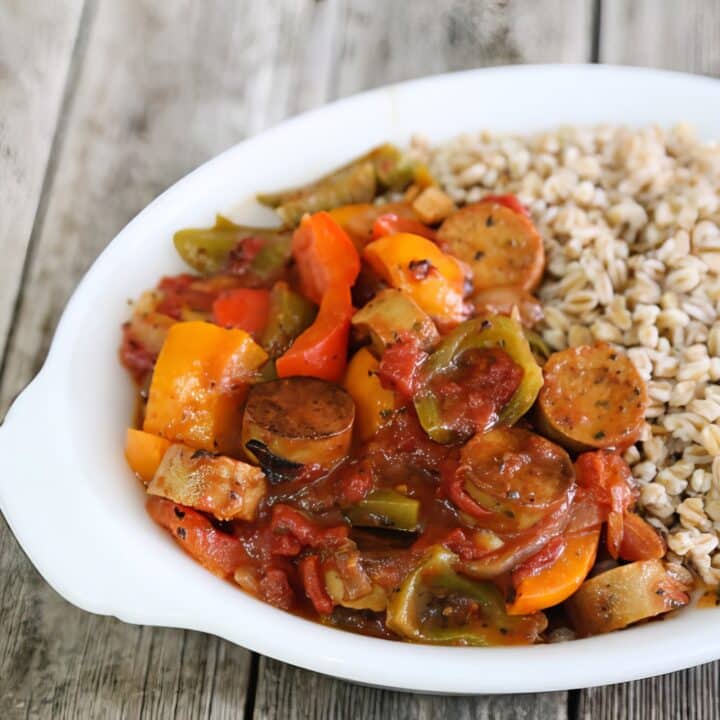
Savory vegan sausage, sweet bell peppers, and tender onions simmered in a garlicky tomato sauce - this Italian classic goes plant-based without losing an ounce of flavor. It's hearty, colorful, and perfect spooned over pasta, grains, or tucked into a crusty roll.
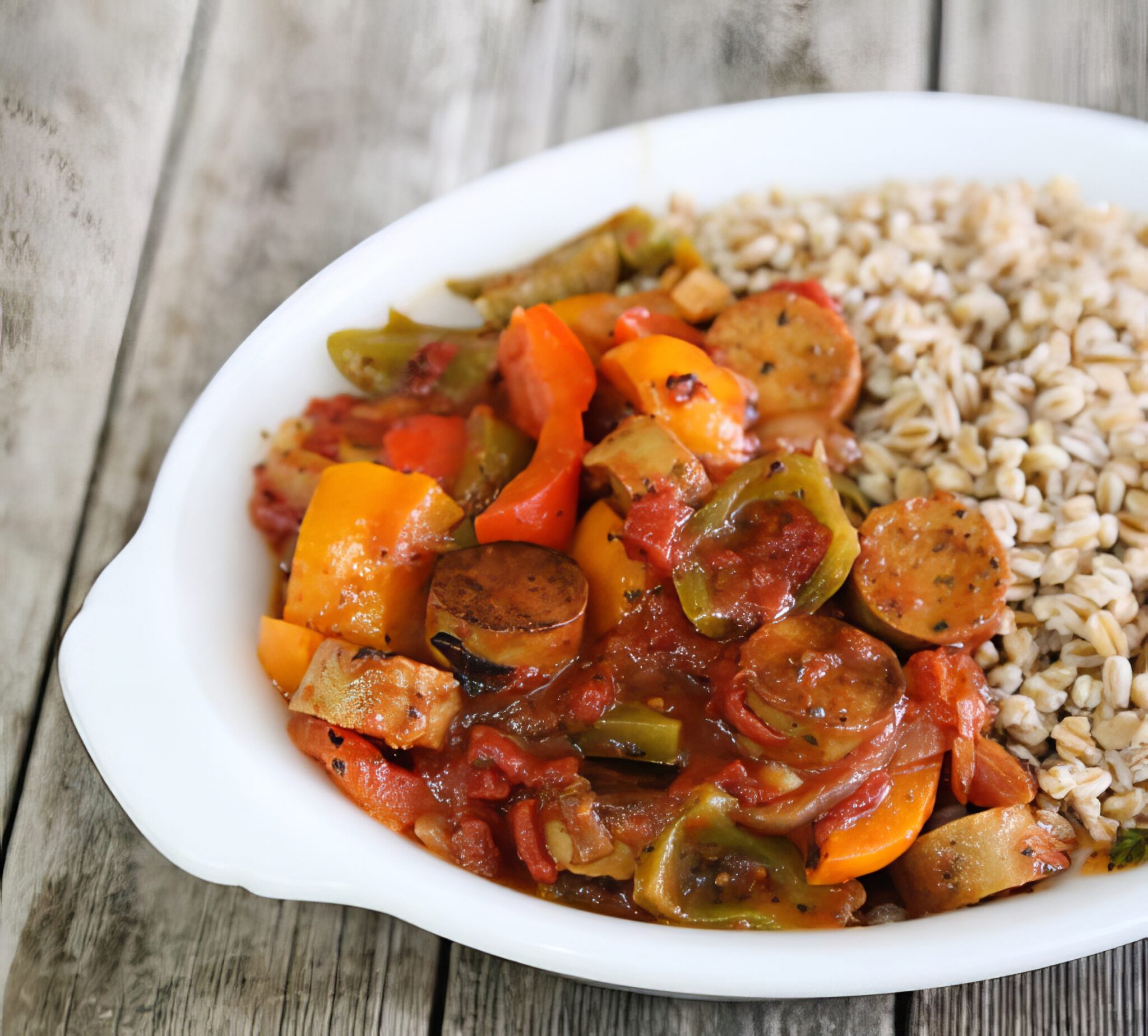
This recipe updates the Italian classic, sausage and peppers, with vegan sausage. What I love most about this recipe is that it delivers big, familiar flavor with very little fuss. It's rustic in the best way. Nothing complicated. Just solid ingredients, cooked well, and layered together until everything tastes like it belongs in the same bowl.
And it's flexible. Serve it over pasta. Serve it with your favorite grains (I like farro!) Spoon it onto creamy polenta. Stuff it into a hoagie roll. Or honestly? Eat it straight from the skillet. I won't judge.
These Italian Vegan Sausage and Peppers are…
- Hearty and satisfying without being heavy
- Weeknight-friendly, ready in about 30 minutes
- Naturally dairy-free and plant-based
- Easy to customize depending on what peppers or sausage you have
- Perfect for meal prep, since the flavors deepen as it sits
Key Ingredients & Substitutions
Vegan Italian Sausage - Choose your favorite plant-based Italian-style links. Slice them into coins or half-moons so they brown nicely. Browning is key here - it builds flavor before the sauce even begins.
Substitution tip: If you can't find Italian-style sausage, use plain vegan sausage and boost the seasoning with extra oregano, fennel seed, and a pinch of red pepper flakes.
Bell Peppers - A mix of red, yellow, and green adds sweetness and color. If you can find Italian frying peppers, even better - but standard bell peppers work beautifully.
Onion and Garlic - These are the aromatic backbone of the dish. Let the onions soften and lightly caramelize before adding garlic!
Crushed or Puréed Tomatoes - This creates the base for the sauce. If you prefer a chunkier texture, use crushed tomatoes. For a smoother finish, go with purée.
Dried Italian Herbs - Oregano is essential. Basil and thyme add balance. A pinch of red pepper flakes gives subtle heat.
Optional White Wine - A splash deglazes the pan and adds brightness. If you skip it, a squeeze of lemon juice at the end can add a similar lift.
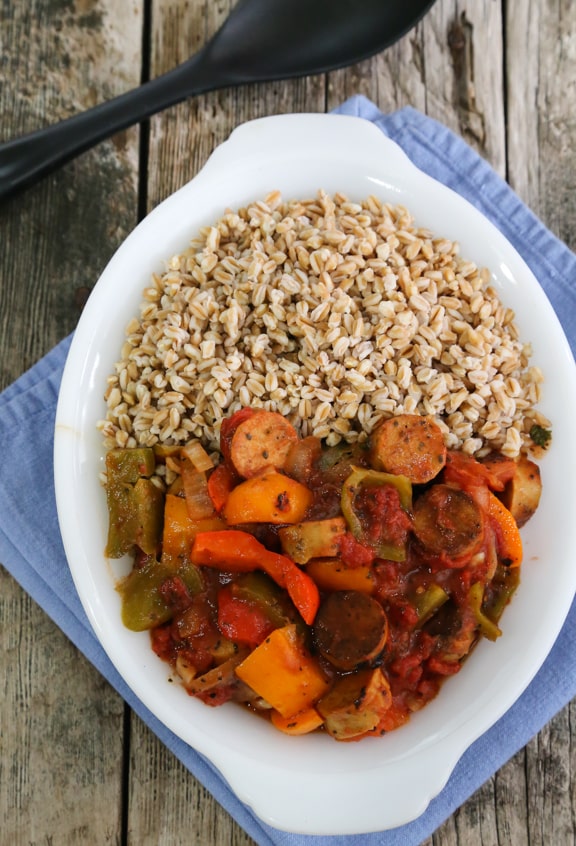
Helpful Tips
- Brown the vegan sausage well. Don't rush this step. A little caramelization goes a long way in boosting flavor.
- Slice peppers evenly. Uniform strips cook at the same rate and give the dish that classic look.
- Simmer gently. Once the tomatoes go in, let everything bubble softly so the flavors meld without over-reducing.
- Taste before serving. A pinch of salt or splash of acidity at the end can make all the difference.
Storing & Freezing
One of the best things about this dish? It might taste even better the next day!
Refrigerator:
Let the vegan sausage and peppers cool completely before transferring to an airtight container. It will keep well in the fridge for up to 4 days. The flavors continue to deepen as it sits, making leftovers ideal for quick lunches or easy dinners.
Reheating:
Warm gently in a skillet over medium-low heat until heated through. If the sauce has thickened in the fridge, add a splash of water or vegetable broth to loosen it. You can also reheat it in the microwave in 30-second intervals, stirring between each.
Freezing:
This recipe freezes beautifully. Store in a freezer-safe container for up to 2 months. For best texture, freeze it without pasta or polenta - just the sausage and pepper mixture.
To reheat from frozen, thaw overnight in the refrigerator, then warm on the stovetop until hot throughout. If reheating straight from frozen, use a covered skillet over low heat and stir occasionally as it thaws and warms.
Also worth trying: our vegan creamy mushroom pasta.
Variations
- Make It Spicy: Use hot Italian-style vegan sausage or increase the red pepper flakes.
- Add Greens: Stir in a handful of baby spinach or chopped kale during the last few minutes of cooking.
- Turn It Into a Sandwich: Pile the mixture into toasted rolls and top with vegan mozzarella for a classic sausage-and-peppers vibe.
- Bulk It Up: Add sautéed mushrooms for extra umami and texture.
- Serve Italian-Style: Round out an Italian dinner night by pairing this with our vegan zucchini lasagna or a simple side of zucchini with mint - a hearty, veggie-forward baked dish that complements these bold flavors perfectly. This mixture also makes a fantastic pizza topping on homemade vegan pizza dough.
Recipe
Italian Style Vegan Sausage & Peppers
Hearty Italian-style vegan sausage and peppers simmered in a rich tomato sauce with sweet bell peppers and onions. An easy, flavorful plant-based dinner perfect for pasta, polenta, or sandwiches.
Print
Pin
Save
Servings: servings
Ingredients
- 2 tablespoon extra-virgin olive oil
- 12 oz Vegan Italian-style Sausage cut into ½-inch slices, see notes
- 1 yellow onion peeled, quartered and thinly sliced
- 3 cloves garlic peeled and minced
- 4 bell peppers seeded and cut into strips
- ¼ cup dry white wine such as Chardonnay, optional
- 28 oz canned crushed tomatoes or tomato puree
- 1 teaspoon dried oregano or fresh oregano to taste
- 1 teaspoon dried basil or fresh basil to taste
- ½ teaspoon dried thyme
- red pepper flakes to taste
- salt and freshly ground pepper to taste
For Serving
- cooked pasta, grains, or polenta optional for serving
Instructions
- Heat just enough of the oil to lightly coat the bottom of a large skillet, reserving the rest. Add the sausage and cook over medium-high heat, stirring frequently until all sides are golden brown. Remove from the skillet and set aside.
- Heat the remaining oil in the same pan. Add the onion and sauté over medium-low heat until translucent. Add the garlic and peppers and sauté until all are soft and golden.
- Stir in the optional wine, pureed tomatoes, and seasonings. Bring to a simmer, then cover and cook over low heat for 10 minutes.
- Stir the reserved vegan sausage into the mixture. Season with salt and pepper. Serve at once, spooning some of the sausage and peppers mixture over individual servings of pasta, grains, or polenta, or on its own if you prefer.
Notes
You can use any brand of vegan sausage you prefer here. I have made this recipe with Field Roast, Tofurkey, and Beyond sausages. All work well.
I served this vegan sausage over top of cooked farro. You may also choose to serve it over rice, pasta, or polenta.
Nutrition (Estimate per Serving)
Calories: 672kcalCarbohydrates: 76gProtein: 37gFat: 27gSaturated Fat: 5gPolyunsaturated Fat: 6gMonounsaturated Fat: 13gCholesterol: 9mgSodium: 1507mgPotassium: 2379mgFiber: 23gSugar: 32gVitamin A: 8364IUVitamin C: 354mgCalcium: 438mgIron: 12mg
Vegan-ize any recipe!Grab our free vegan cheat sheet, packed with my favorite easy substitutions to make any recipe vegan.
Vegan Sloppy Joes - with Pinto Beans and Quinoa!
These Vegan Sloppy Joes bring big flavor to everyone's favorite messy sandwich. Packed with quinoa, pinto beans, and loads of flavor. Yum!
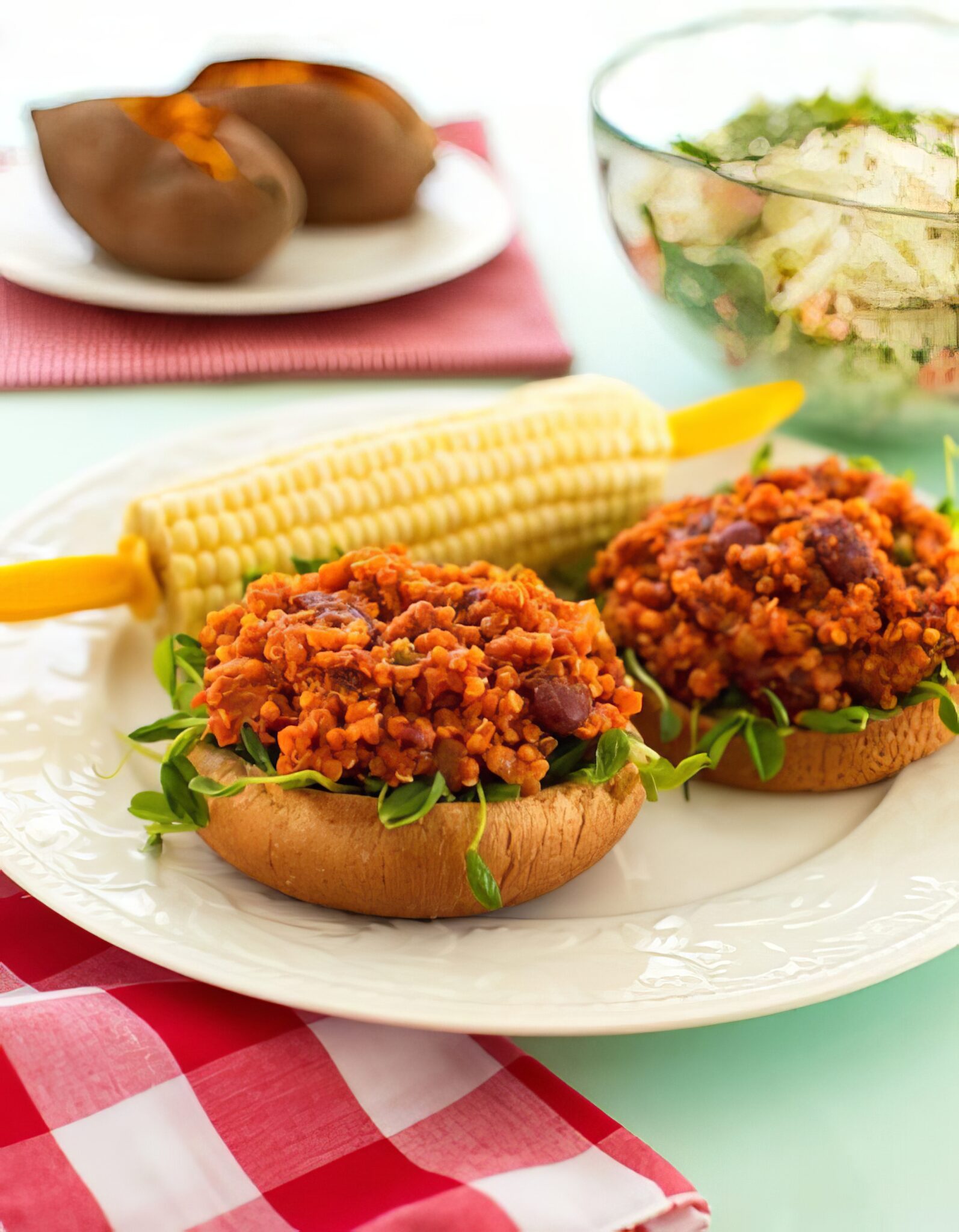
Let's be real: sometimes you just want a messy, saucy sandwich that you can barely fit in your mouth. Enter these Vegan Sloppy Joes, a plant-based spin on the nostalgic classic we all grew up loving.
Packed with hearty quinoa, creamy pinto beans, and a tangy tomato-based sauce, they're every bit as satisfying as the original-just without the meat.
Whether you're feeding a hungry crowd or just need a quick weeknight dinner, this recipe is a guaranteed hit. Grab some napkins; it's about to get deliciously sloppy.
Why You'll Love These Vegan Sloppy Joes
- Protein-Rich: Quinoa and pinto beans provide a substantial protein boost, keeping you full and energized.
- Quick and Easy: Ready in under 30 minutes, making it perfect for weeknight dinners.
- Family-Friendly: A crowd-pleaser that appeals to both kids and adults.
- Versatile: Serve on whole-grain rolls, in lettuce wraps, or over a bed of greens for a gluten-free option.
- Make-Ahead: The flavors deepen over time, so it's great for meal prep and leftovers.
Get the Plant Power Cookbook!
This recipe is a sneak preview from the excellent cookbook: Plant Power: Transform Your Kitchen, Plate, and Life with More Than 150 Fresh and Flavorful Vegan Recipes by Nava Atlas.
I originally published this article years ago when the cookbook was first released, but I recently gave it a refresh because this recipe is simply too good to miss. I highly recommend giving it a try-and consider adding the cookbook to your vegan cookbook collection!
The recipe has been shared here with permission from the cookbook publisher, HarperOne. Photos were taken by Hannah Kaminsky.
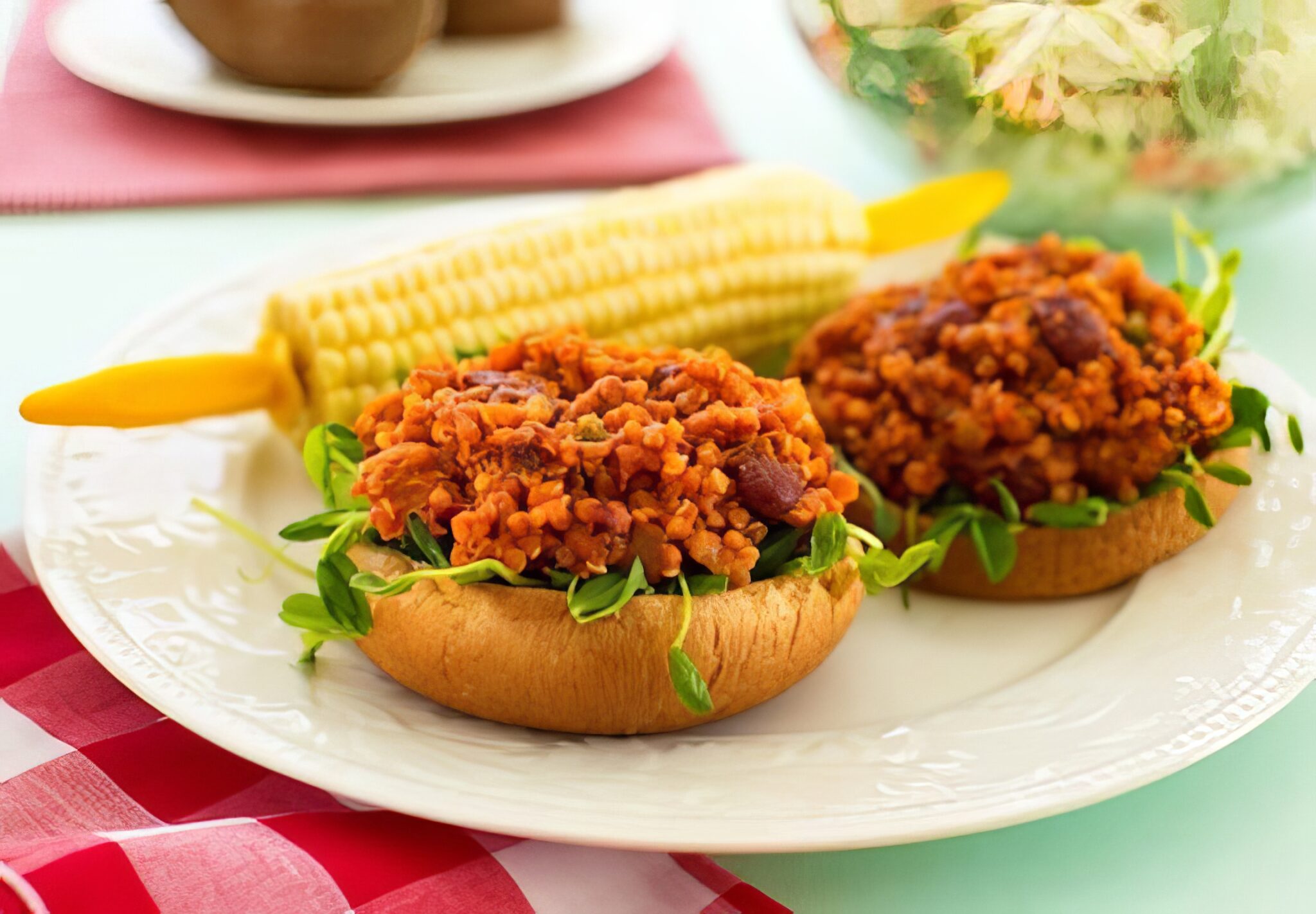
Helpful Tips & Substitutions
Rinse the Quinoa: To remove its natural bitterness, always rinse quinoa under cold water before cooking.
Toast the Buns: Lightly toasting the rolls adds a pleasant crunch and prevents them from becoming soggy from the filling.
Customize the Spice Level: Adjust the chili powder and add hot sauce if you prefer a spicier kick.
Substitute the Pinto Beans: I like pinto beans, but black beans or kidney beans can be used as alternatives.
Serving Suggestions
Classic Style: Spoon the mixture onto toasted whole-grain buns and serve with a side of vegan coleslaw or pickles.
Lettuce Wraps: For a lighter option, serve the sloppy joe mixture in large lettuce leaves.
Over Grains: Serve atop brown rice or quinoa for a hearty, bun-free meal.
With Sweet Potatoes: Pair with baked sweet potatoes for a balanced and nutritious dinner.
Taco Night: Love a savory plant-based filling in a tortilla? Try our vegan walnut taco meat - made with walnuts and mushrooms for a hearty, Tex-Mex twist. Or fire up the grill and browse our best vegan burger recipes for the best plant-based patties. For a simple but impressive side dish, our glazed baked onions pair beautifully.
More Vegan Recipes
If you love these Vegan Sloppy Joes, be sure to check out these other delicious recipes:
Also try: our Quinoa And Wild Rice Burgers.
Also try: our Easy Portobello Burgers.
- Copycat Vegan Big Mac Sauce
- Vegan Grilled Cheese Five Ways
- 25+ Vegan Tailgate Recipes
- Vegan Walnut Taco Meat
Recipe
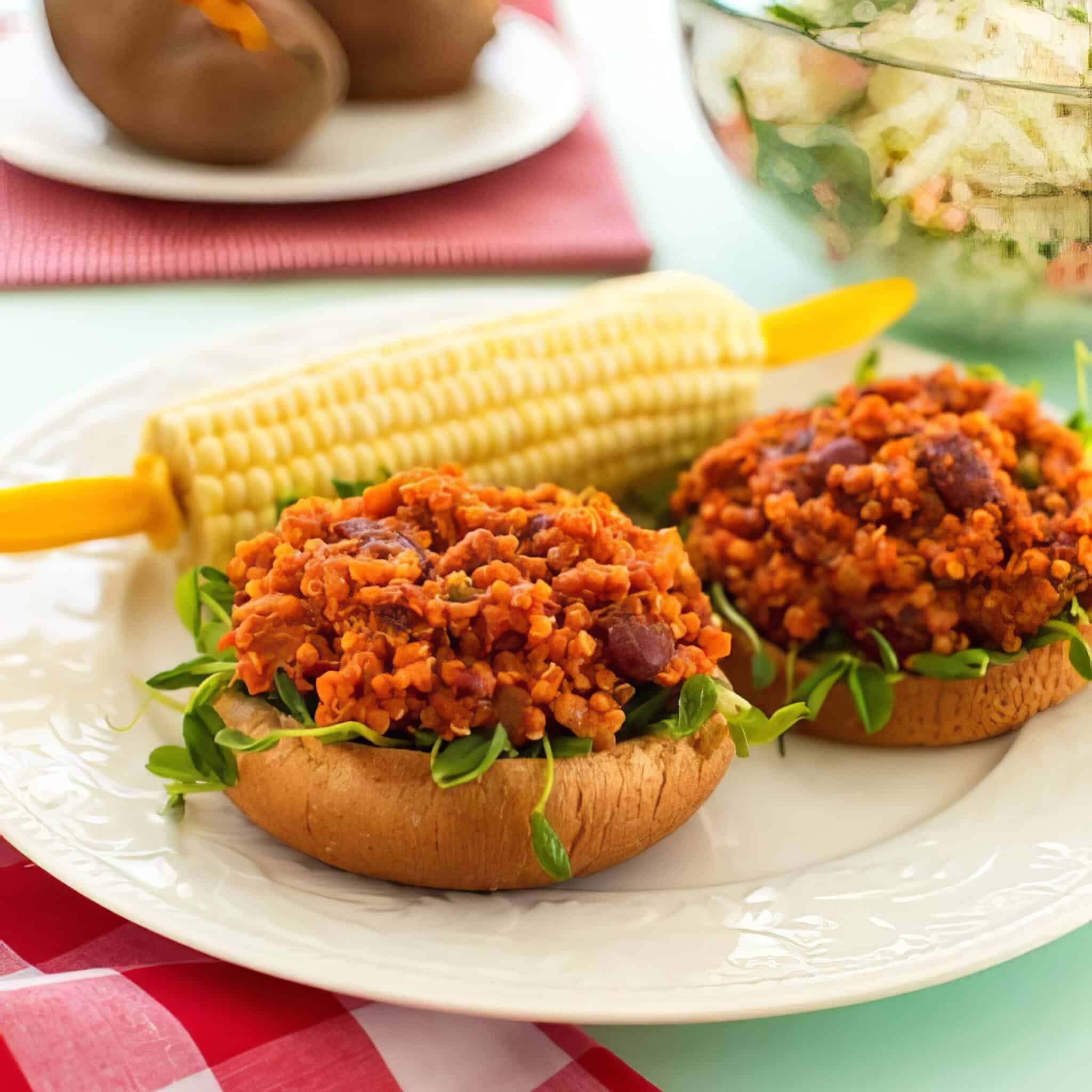
Vegan Sloppy Joes
These Vegan Sloppy Joes are made with protein-packed quinoa, creamy pinto beans, and a tangy, sweet tomato sauce
Print
Pin
Save
Servings: sandwiches
Ingredients
- ½ cup uncooked quinoa rinsed in a fine sieve
- 1 tablespoon extra-virgin olive oil
- 1 medium onion finely chopped
- ½ medium green bell pepper finely diced
- 15 oz canned pinto beans (or 1 ½ cups cooked), drained, rinsed, and coarsely mashed
- 15 oz canned tomato sauce or crushed tomatoes
- 1 medium tomato finely diced
- 1 tablespoon soy sauce to tamari, adjust to taste
- 1 teaspoon agave nectar or maple syrup to taste, or substitute maple syrup
- 2 teaspoon chili powder add more for extra spice
- 1 teaspoon paprika
- ½ teaspoon dried oregano
- 6 whole grain rolls or use English muffins or mini-pitas
Instructions
- Combine the quinoa with 1 cup water in a small saucepan. Bring to a slow boil, then lower the heat, cover, and simmer until the water is absorbed, about 15 minutes.
- Meanwhile, heat the oil, broth, or water in a medium skillet. Add the onion and sauté until translucent. Add the bell pepper and sauté until both are golden.
- Add the remaining ingredients except the bread of choice, and bring to a gentle simmer. Cook over medium-low heat, loosely covered, for 5 to 7 minutes, stirring occasionally. Let the skillet stand off the heat for 5 minutes to allow the flavors to mingle further and for the quinoa to absorb the tomato flavors.
- Evenly spoon the filling over the bottoms of whole-grain rolls, cover with the tops, or serve open-faced.
Nutrition (Estimate per Serving)
Calories: 170kcalCarbohydrates: 29gProtein: 7gFat: 4gSaturated Fat: 1gPolyunsaturated Fat: 1gMonounsaturated Fat: 2gSodium: 707mgPotassium: 602mgFiber: 6gSugar: 6gVitamin A: 743IUVitamin C: 19mgCalcium: 63mgIron: 3mg
Vegan-ize any recipe!Grab our free vegan cheat sheet, packed with my favorite easy substitutions to make any recipe vegan.
Vegan Sweet Potato Black Bean Chili
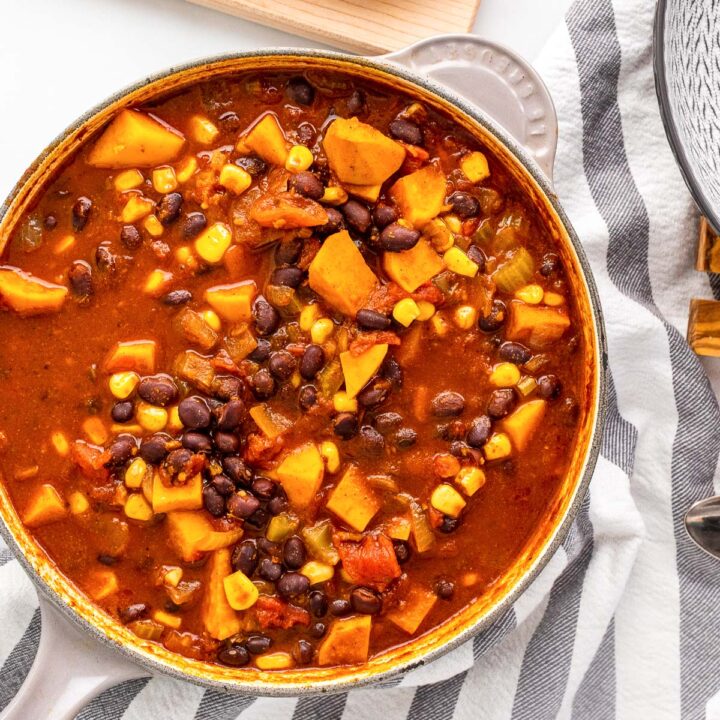
This Sweet Potato Black Bean Chili is loaded with healthy flavors from tender sweet potatoes, hearty black beans, and smoky spices. Plus, it's 100% vegan and easy to make in about an hour.
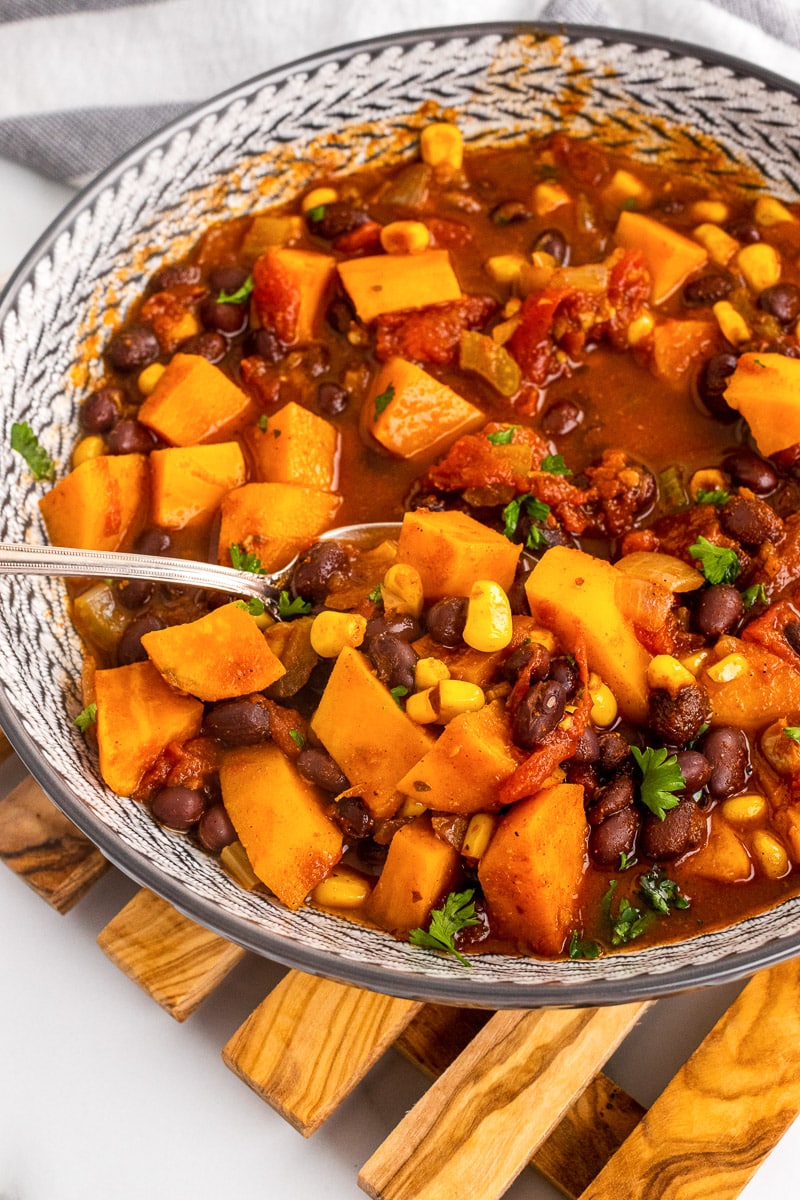
If there's one thing I always crave as soon as the weather starts cooling down, it's a big pot of chili. There's just something about a piping hot one-bowl dinner that makes me want to cozy up in front of the fireplace.
And this Sweet Potato Black Bean Chili is one of my all time favorites. It's so easy to throw together, packed with delicious flavors, and it's great for meal prep too!
This Sweet Potato Black Bean Chili recipe is...
- Full of flavor
- Packed with smoky heat
- Healthy
- Plant-based
- Vegetarian
- Good enough to impress a crowd
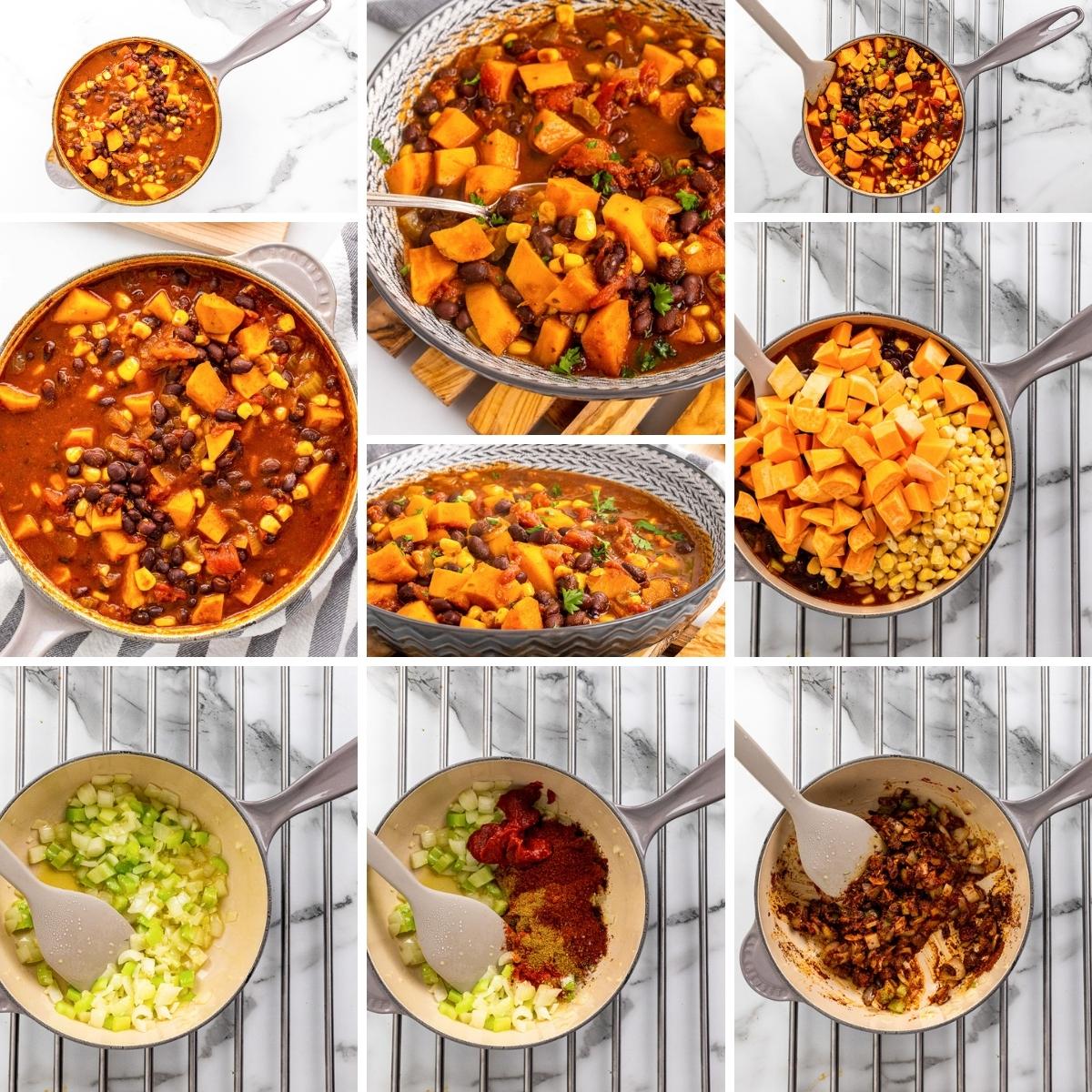
Key Ingredients & Substitutions
- Sweet potatoes. One medium sweet potato gives you about 1½ cups diced. They bring a natural sweetness that balances the smoky spices, and they soften just enough as they simmer to help thicken the chili. Butternut squash or pumpkin cubes work the same way if that's what you have on hand.
- Black beans. A 15-ounce can of black beans, rinsed and drained, adds plant protein and a creamy bite. Pinto or kidney beans are easy swaps, and about 1½ cups of home-cooked beans equals one can.
- Diced tomatoes with green chilies. This one can does double duty, adding tomato body plus a mild chile kick. We like Del Monte petite diced tomatoes with Hatch green chilies; Ro-Tel works too, or use a can of plain diced tomatoes plus a small can of chopped green chiles.
- Tomato paste. Just two tablespoons, toasted with the spices, deepens the color and adds a concentrated, savory tomato flavor. A tube of tomato paste keeps well in the fridge, so you won't be left with a half-used can.
- Chili powder, cumin, oregano, and paprika. This spice blend is the backbone of the chili, so use fresh jars if you can. A good chili powder matters most. For a smokier pot, swap the regular paprika for smoked paprika.
- Corn. Frozen corn goes straight into the pot with no thawing needed. Fresh kernels cut from the cob, or a drained can of corn, are fine too.
- Vegetable broth. Store-bought or homemade both work. Low-sodium broth gives you more control over the salt, so you can season to taste at the end. The chili is naturally gluten-free as long as your broth and spice blends are.
Helpful Tips
Dice your sweet potatoes evenly. This ensures they cook at the same rate and don't turn to mush. Aim for bite-sized pieces - not too chunky, not too small.
Don't skip the sauté. Cooking the onions, garlic, celery, and spices at the start builds a flavorful base. Give the spices a minute or two to bloom in the oil before adding liquids - it makes a difference.
Add broth gradually. Depending on how thick or soupy you like your chili, you can start with less broth and add more as it simmers. It's easier to thin it out than to fix a watery chili.
Let it simmer. Even though the chili is quick to put together, the full simmer is what melds the flavors and softens the sweet potatoes all the way through. If you cut your sweet potatoes on the small side, start checking them at about 30 minutes.
Taste and adjust. Chili is one of those recipes that begs for a final taste test. Add more salt, a splash of lime juice, or a dash of hot sauce to finish - whatever makes it pop for you.
Meal Prep, Storing & Freezing Leftovers
This chili holds up like a champ, which makes it perfect for meal prep or cooking once and eating all week.
In the fridge: Store cooled chili in an airtight container for up to 5 days. The flavors actually get better over time, so leftovers are a win. Reheat on the stovetop over medium heat or in the microwave until warmed through.
In the freezer: Let the chili cool completely before transferring it to freezer-safe containers or resealable bags (lay them flat for easy stacking). It'll keep for up to 3 months. Thaw overnight in the fridge, then reheat as usual.
Pro tip: If you're freezing the chili in portions, label with the date and serving size so you're not guessing later. And leave a little space at the top of the containers - liquids expand as they freeze.
Serving Suggestions
This chili is hearty enough to stand on its own, but a few simple add-ons can take it from a basic bowl to something a little more fun (or dinner party-worthy, if that's your thing).
- Add Toppings: Classic chili toppings work great here - think avocado slices, a dollop of vegan sour cream or plain dairy-free yogurt, dairy-free cheese shreds, chopped cilantro, green onions, jalapeño slices, or a squeeze of lime juice for brightness.
- Cornbread on the side: You can't go wrong with a warm piece of Easy Vegan Cornbread (or corn chips if you're keeping it casual). It's the perfect contrast to the smoky-sweet chili.
- Over rice or quinoa: Stretch your servings by spooning the chili over cooked grains. It makes for a super satisfying, protein-packed meal.
- Stuffed in a baked potato: For a comfort food twist, load it into a baked russet or sweet potato and pile on your favorite toppings.
- Taco night twist: Use the chili as a filling for tacos or burritos - or try swapping in this vegan walnut taco meat for a heartier, protein-packed version. Especially good with shredded lettuce, diced tomatoes, and a little hot sauce. And for a light summery alternative to chili, try our fresh tomato and corn soup.
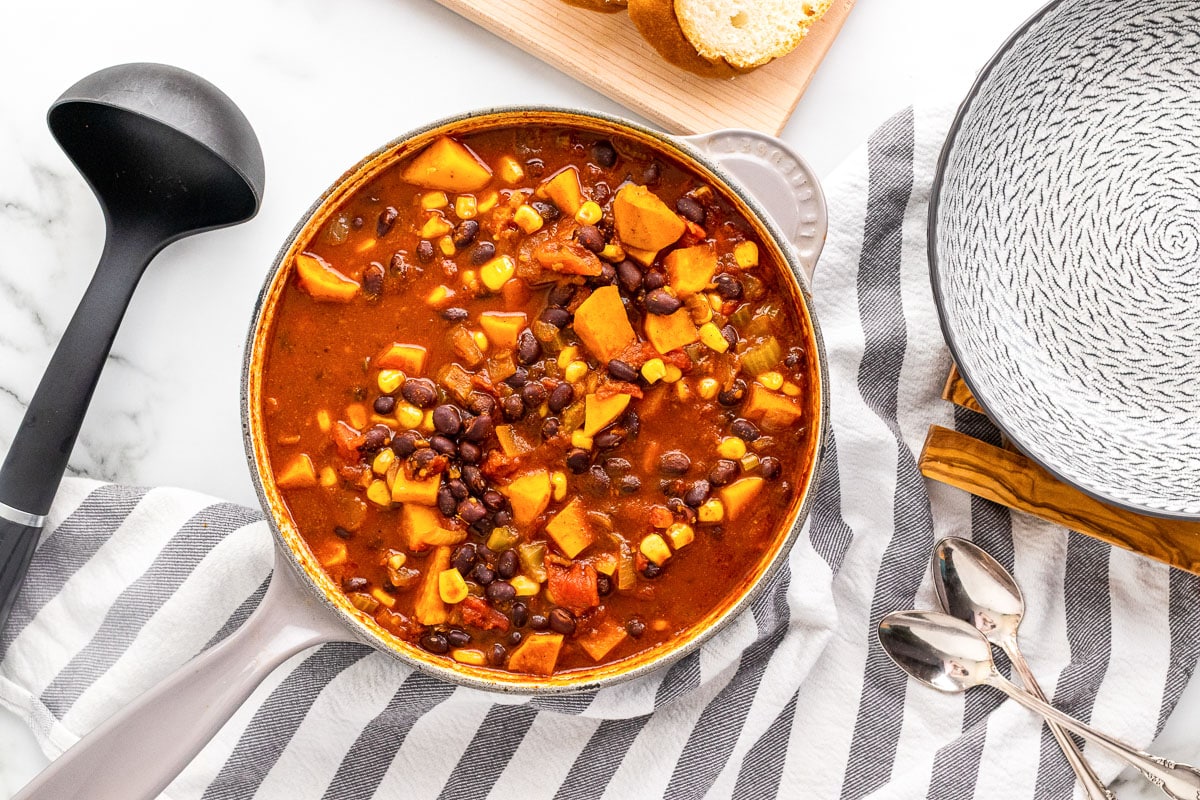
Fun Variations to Try
Add greens: Stir in a few handfuls of chopped kale, spinach, or Swiss chard during the last 5 minutes of cooking. It's an easy way to add color and a boost of healthy greens.
Make it spicier: If you like heat, add a chopped chipotle pepper in adobo sauce, a pinch of cayenne, or extra jalapeño. You can also finish each bowl with your favorite hot sauce.
Use different beans: No black beans? No problem. Pinto beans, kidney beans, or even chickpeas all work well here - or mix a few together for a little variety. For a more traditional bean-and-tomato version, see our Classic Vegan Chili.
Bulk it up with grains: Stir in cooked quinoa, brown rice, or bulgur for an even heartier chili. Lentils would also be a great addition. It's especially great if you're serving a crowd or stretching leftovers.
Try roasted sweet potatoes: For extra flavor, roast the sweet potatoes in the oven before adding them to the chili. It adds a slightly caramelized edge and changes the texture in a good way.
Make it smoky: Adding a dash of smoked paprika or a splash of liquid smoke can deepen the flavor if you want a more pronounced smoky note without adding spice.
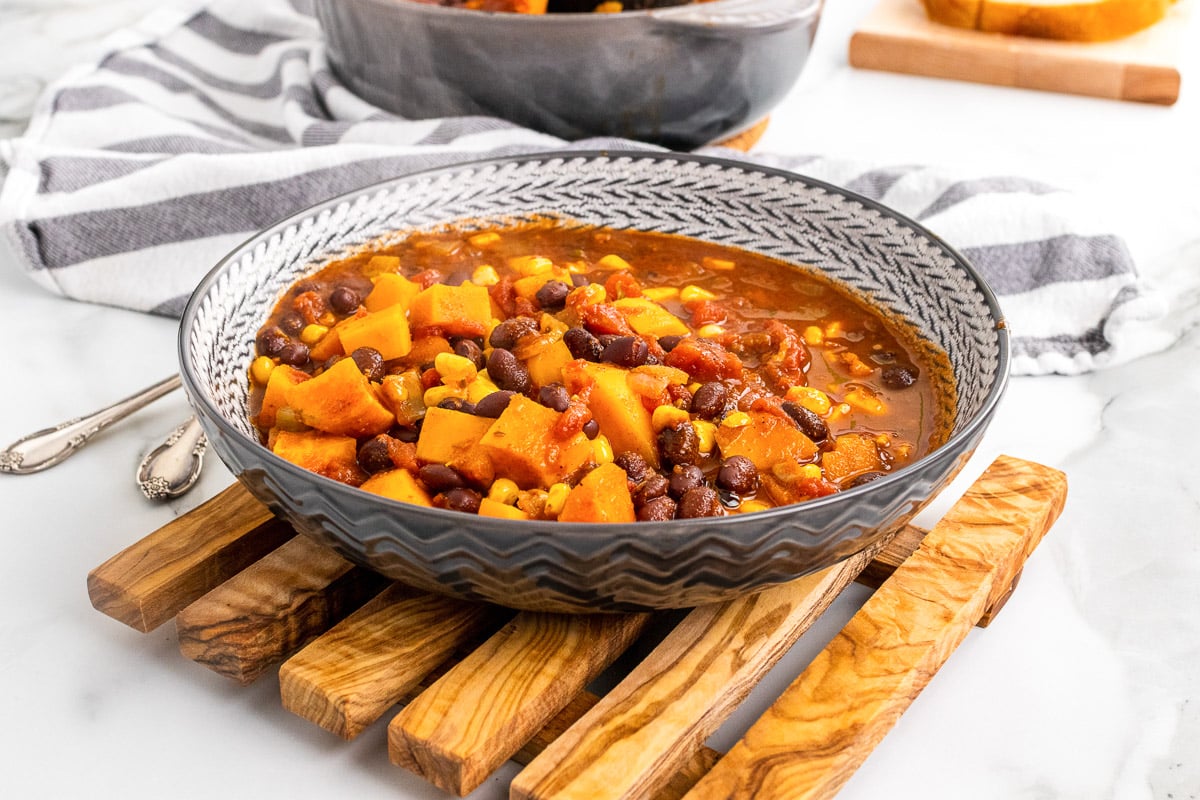
More Vegan Recipes
If you're on the lookout for some other hearty, vegetarian dinner ideas, consider trying a few of our favorites:
- Old-Fashioned Vegan Stew
- Sweet Potato Lentil Soup
- Portobello Mushroom Steak
- Marinated Mushrooms with Wild Rice
Recipe
Vegan Sweet Potato Black Bean Chili
This vegan sweet potato black bean chili is loaded with tender sweet potatoes, hearty black beans, corn, and smoky spices. It's an easy one-pot dinner that's perfect for meal prep.
Print
Pin
Save
Servings: servings
Ingredients
- 2 tablespoon olive oil
- 1 onion peeled and diced
- 3 cloves garlic peeled and minced
- 1 stalk celery minced
- 2 tablespoon tomato paste
- 2 tablespoon chili powder
- 2 teaspoon dried oregano
- 1 teaspoon ground cumin
- 1 teaspoon paprika
- 1 teaspoon salt
- 15 oz black beans canned, rinsed and drained
- 14.5 oz diced tomatoes with chilies
- 1 ½ cups sweet potato peeled and diced,
- 1 cup corn kernels fresh or frozen
- 1 cup vegetable broth homemade or store bought
Instructions
- In a large pot, heat olive oil over medium heat. Add onion, garlic, and celery. Cook until veggies start to soften, about 4-5 minutes.

- Add in tomato paste, chili powder, oregano, cumin, paprika, and salt and cook an additional 1-2 minutes.
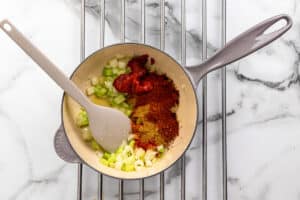
- Stir in the black beans, diced tomatoes, sweet potato, corn, and vegetable broth.
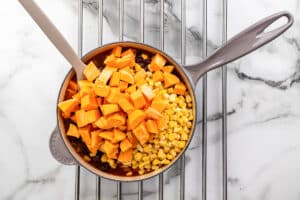
- Bring to a boil over medium-high heat, then reduce the heat to low so the chili holds a gentle simmer.
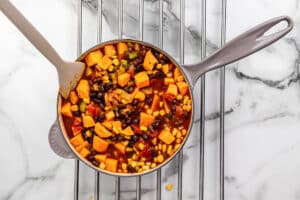
- Simmer, partially covered and stirring occasionally, for about 45 minutes, or until the sweet potatoes are tender. Taste and adjust the salt and spices before serving.
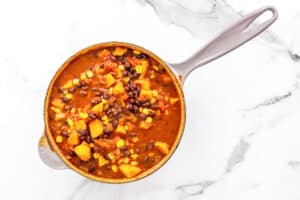
Notes
Thickness: For a thinner chili, stir in another ½ to 1 cup of broth as it simmers. For a thicker one, mash a few sweet potato cubes and beans against the side of the pot.
Toppings: Try avocado, vegan sour cream, chopped cilantro, green onions, sliced jalapeño, and a squeeze of lime.
Storage: Refrigerate in an airtight container for up to 5 days, or freeze for up to 3 months.
Nutrition (Estimate per Serving)
Calories: 221kcalCarbohydrates: 36gProtein: 9gFat: 6gSaturated Fat: 1gPolyunsaturated Fat: 1gMonounsaturated Fat: 4gSodium: 719mgPotassium: 701mgFiber: 10gSugar: 6gVitamin A: 5841IUVitamin C: 12mgCalcium: 86mgIron: 4mg
Vegan-ize any recipe!Grab our free vegan cheat sheet, packed with my favorite easy substitutions to make any recipe vegan.
Old-Fashioned Vegan Stew
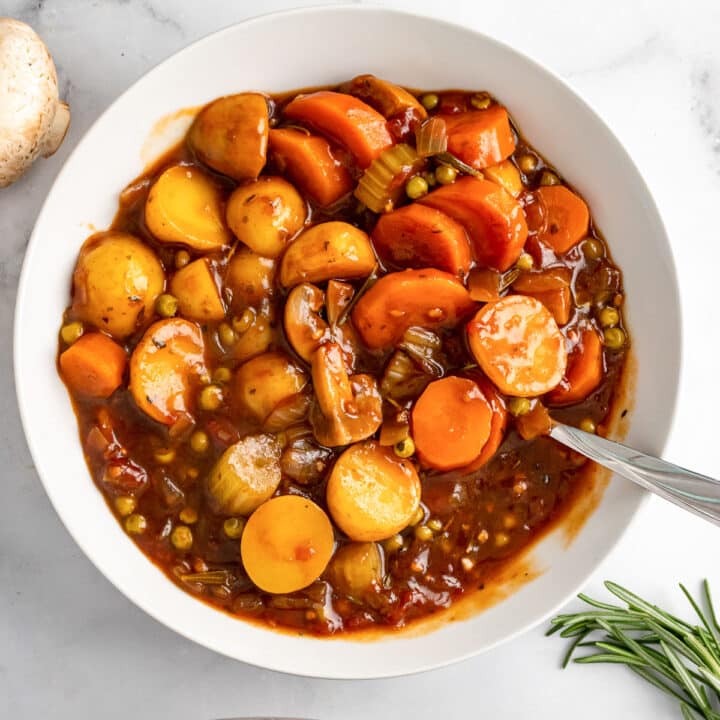
This Old-Fashioned Vegan Stew is thick, hearty, and comforting. It's loaded with tons of veggies and smothered in a thick, creamy, savory broth. This vegan stew is great for dinner and tastes delicious reheated the next day too.
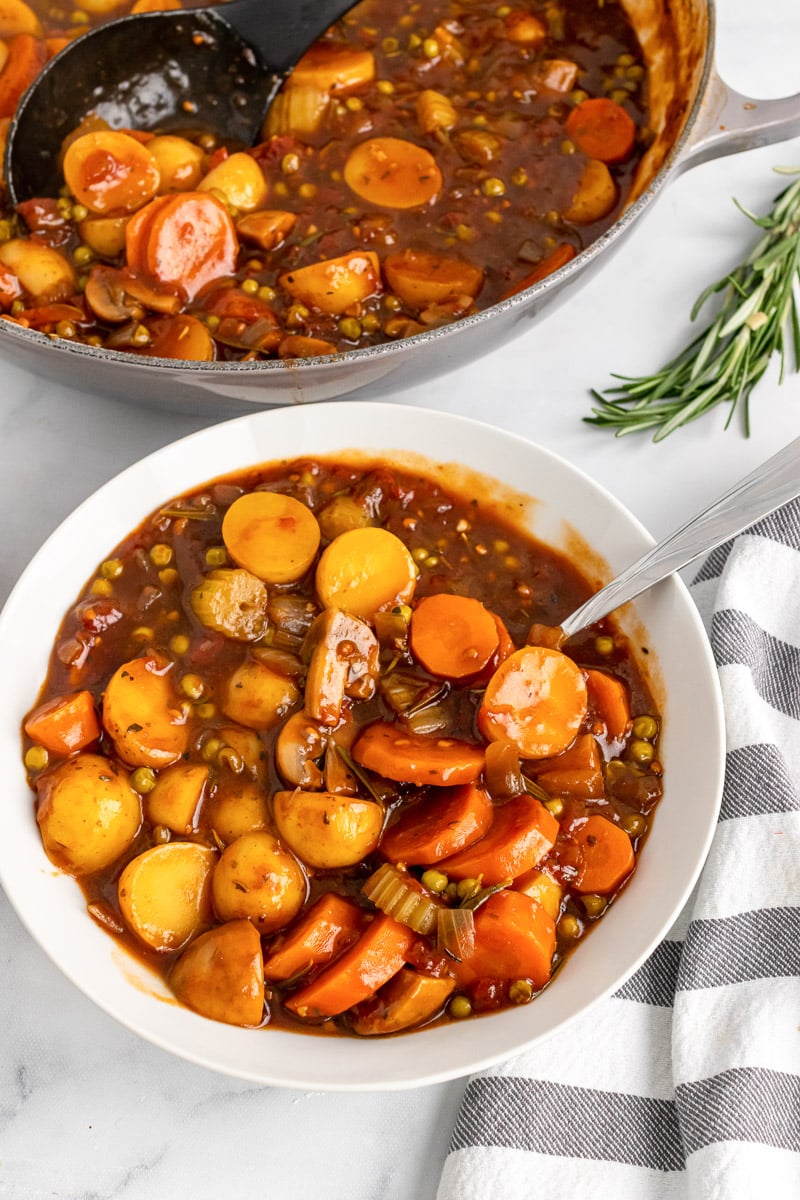
This vegan stew is loaded with carrots, celery, potatoes, mushrooms, peas, and more. This has quickly become one of my all time favorite vegan stews. Give it a try and let me know how you enjoy it!
This Old-Fashioned Vegan Stew recipe is...
- An old-fashioned classic stew
- Loaded with nutrient-rich veggies
- Thickened with a simple cornstarch slurry
- Made with flavorful fresh herbs
- Great for meal prepping
Key Ingredients & Substitutions
A good stew lives or dies by its broth. This one gets its deep, savory flavor from a few pantry ingredients that do the job beef usually does in a traditional stew: they add color, body, and plenty of umami.
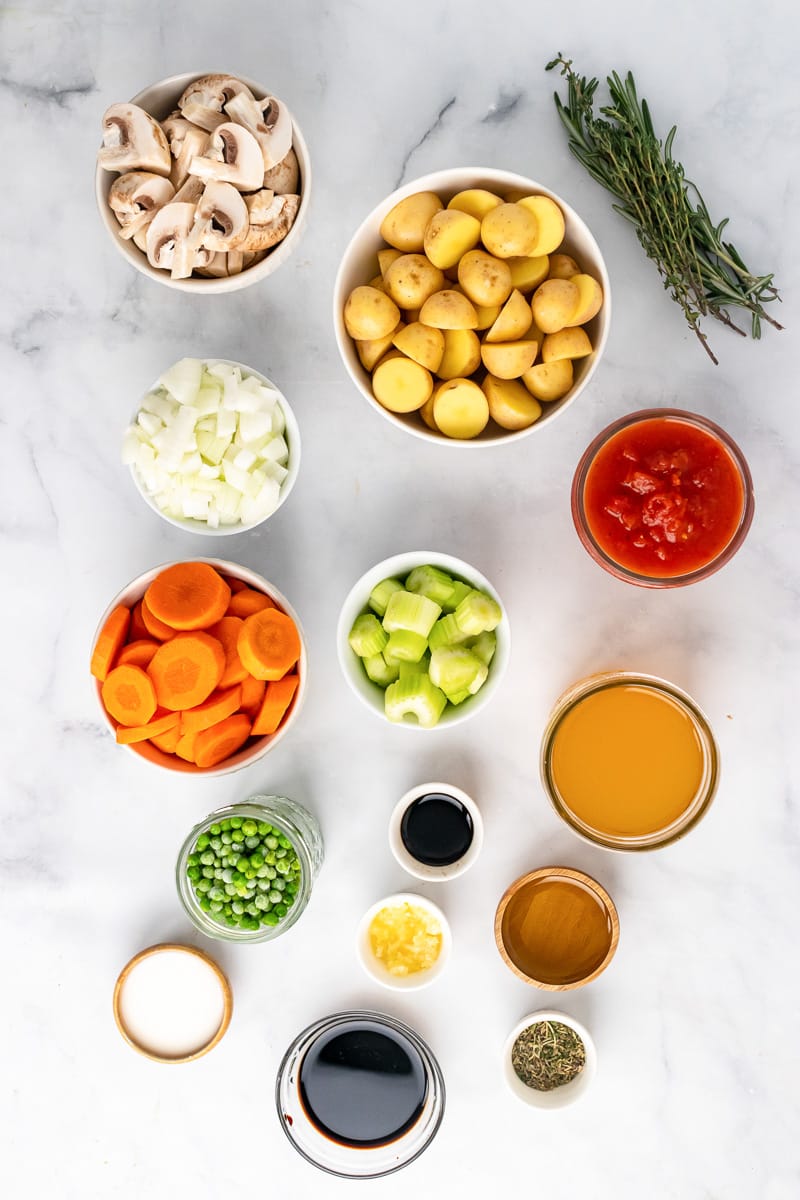
- Onion and garlic. Sautéing them in olive oil until soft and translucent builds the sweet, mellow base that everything else sits on. Don't skip this step or rush it.
- Soy sauce. This is the secret to the "beefy" flavor. It adds salt, deep color, and a big hit of umami. Use tamari or coconut aminos if you need the stew to be gluten-free or lower in sodium.
- Balsamic vinegar. A tablespoon adds a gentle sweetness and a little acidity that keeps the broth from tasting flat. Red wine vinegar works in a pinch.
- Diced tomatoes. Tomatoes give the broth its rich, reddish-brown color and more savory depth. For an even richer stew, stir in a tablespoon of tomato paste with the vegetables and let it cook for a minute before adding the liquid.
- Fresh rosemary and thyme. These are the classic stew herbs. If you only have dried, use about 1 teaspoon of each.
- Vegetable broth. Use a good-tasting broth, since it makes up most of the liquid. A mushroom broth or a spoonful of white or yellow miso stirred in at the end will make it taste even meatier.
- Mushrooms. White mushrooms are what's in the recipe, but cremini (baby bella) or chopped portobellos have more flavor and a meatier bite.
What to Use Instead of Beef
This stew is all about the vegetables, but if you're craving something closer to a classic beef stew, any of these make a great addition. Add one or two, not all of them at once.
- Extra mushrooms. Double the mushrooms and use cremini or thick-cut portobellos. Brown them well in a separate pan before adding them to the pot so they turn golden and chewy instead of soft.
- Soy curls. Butler Soy Curls are dried whole soybeans that turn tender and shreddy, a lot like stewed beef. Rehydrate about 1 ½ cups in warm broth for 10 minutes, squeeze them out, and brown them in a little oil and soy sauce before stirring them in.
- Seitan. Store-bought or homemade seitan has the chewiest, most "meaty" texture of any option. Cut it into bite-size chunks, brown it, and add it for the last 15 minutes of simmering so it doesn't get soggy. If you like seitan, try our Vegan Mushroom-Seitan Stroganoff too.
- Beans or lentils. For an easy protein boost, stir in a can of drained chickpeas, white beans, or kidney beans with the broth. Or add ½ cup of rinsed brown or green lentils along with an extra cup of broth; they'll cook through during the simmer.
- Tofu. Cubes of extra-firm tofu are another good choice. For a stew built around tofu from the start, see our Tofu and Vegetable Stew.
- A splash of red wine. Many of the richest stews use wine. Add about ½ cup of dry red wine after the vegetables have cooked for a few minutes, and let it bubble until it's reduced by about half before adding the broth. Look for a wine labeled vegan, since some are fined with animal products.
How to Make Old-Fashioned Vegan Stew
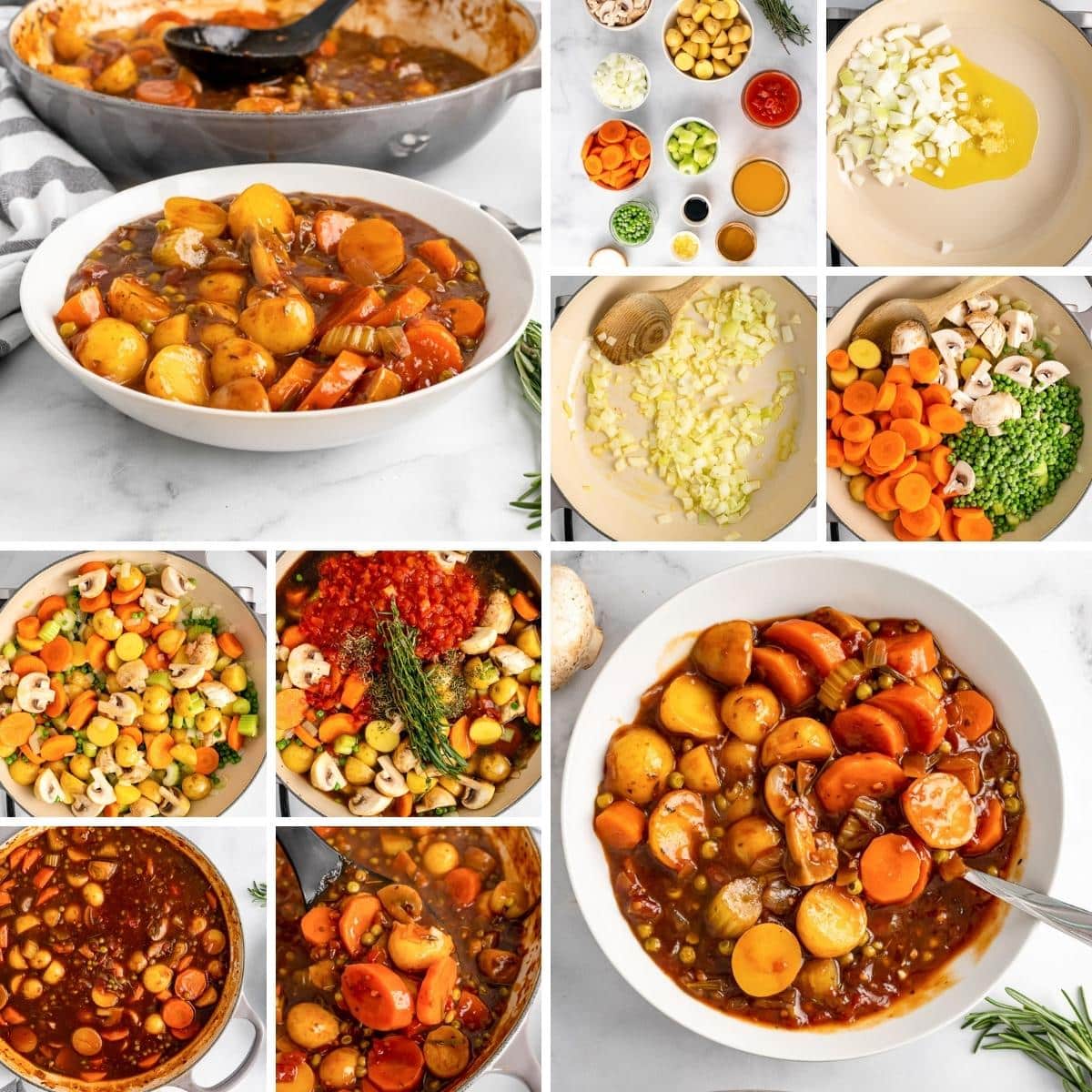
- Add oil to a pot. Cook onion and garlic on medium heat until translucent.
- Add carrots, celery, potatoes, mushrooms, and peas, and cook.
- Add herbs, broth, tomatoes, soy sauce, and vinegar. Stir and bring to boil.
- Make cornstarch slurry and stir in to thicken the stew.
- Turn down heat, cover, and let simmer.
Full directions for how to make Old-Fashioned Vegan Stew are in the printable recipe card at the bottom of the post.
Tips & Tricks for Old-Fashioned Vegan Stew
Cut the vegetables into bite-size pieces. Make sure that when you are chopping the vegetables for this stew, you cut everything into true bite-size pieces. You don't want super large chunks of vegetables, as they will be hard to eat and slower to cook through.
Sauté the garlic and onions. When you sauté the onion and garlic, it helps to really enhance the deep flavor of this vegan stew. The sautéed vegetables will give your stew a rich and hearty flavor. If you don't sauté the onions and garlic, as some people do to save time, you will find that they have a sharper flavor.
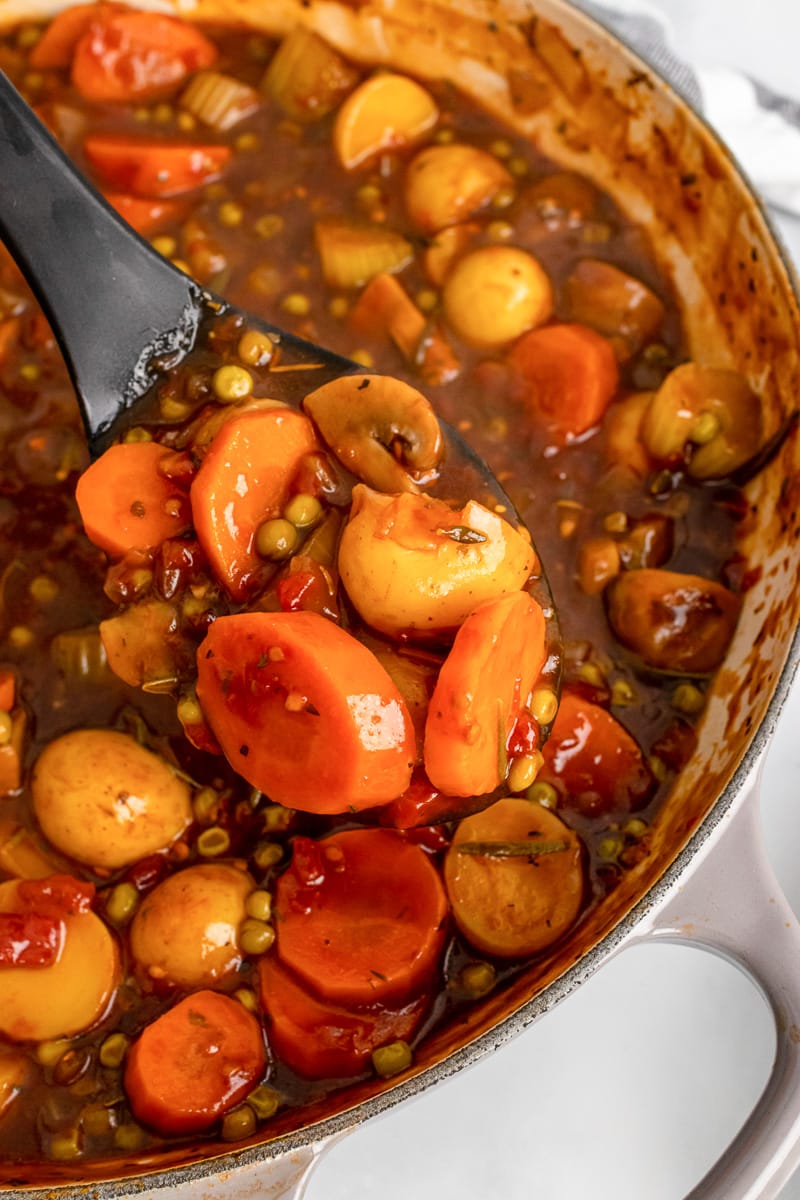
Use a heavy-duty pot. Using a Dutch oven or other heavy-duty pot is great, as it will provide an even cooking surface for the stew. Cast iron is a good choice as well. If your pot isn't sturdy, it can create hot spots and your veggies will vary in doneness.
How to thicken vegan stew. This recipe uses a cornstarch slurry: whisk the cornstarch into cold water until smooth, then stir it into the pot so it thickens without lumps. If you'd like the stew even thicker at the end, whisk another tablespoon of cornstarch into 2 tablespoons of cold water, stir it in, and simmer for 2 to 3 minutes. For a classic roux instead, skip the slurry and sprinkle 3 tablespoons of all-purpose flour over the sautéed onion and garlic, then stir and cook for 2 to 3 minutes before adding the broth a little at a time. Cook the flour longer, until it turns golden brown, for a darker, nuttier, more "beef stew" style broth. You can also mash a few of the cooked potatoes against the side of the pot for extra body.
Season at the end. Soy sauce and canned tomatoes are already salty, so taste the stew once it's done and only then add salt and pepper if it needs it. Pull out the rosemary and thyme stems before serving.
Variations to Old-Fashioned Vegan Stew
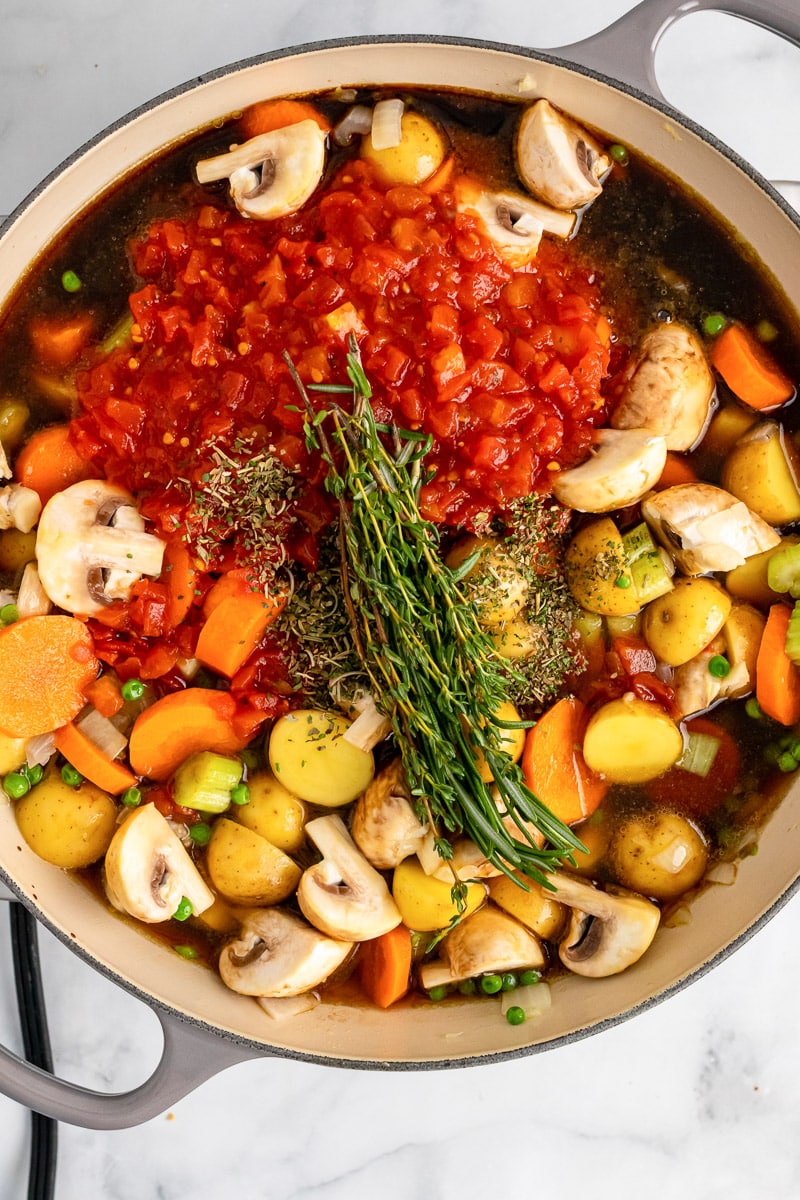
- Add rice or quinoa. Barley, rice, and quinoa are all great additions to this veggie-packed stew. Adding any of these grains will make your stew a lot heartier. I would recommend tossing some in if you feel you want a bit more depth.
- Mix in pasta. You can also add some vegan-friendly pasta to your stew. Just add it in at the end of the cooking time. Adding pasta will add more carbs to your stew but also allow it to stretch a bit more and feed a larger crowd.
- Different vegetables. You can mix in other varieties of veggies to your stew, as well. I used what I had on hand, but you can swap out different vegetables depending on what you have in your fridge and what's in season. For example, you could toss in some squash, zucchini, parsnips, or cauliflower!
- Add greens. Stir a couple of handfuls of chopped kale or baby spinach into the pot for the last 5 minutes of cooking.
- Make it "beefy." Add browned soy curls, seitan, or extra mushrooms, plus a splash of red wine, as described in the substitutions section above.
Serving Ideas
A big bowl of this stew is a meal on its own, but it's even better with something to soak up the broth. A loaf of warm, crusty bread is the classic choice. Fluffy vegan biscuits or a pan of easy vegan cornbread are just as good, and you can also cook dumplings right in the pot (see the FAQs below).
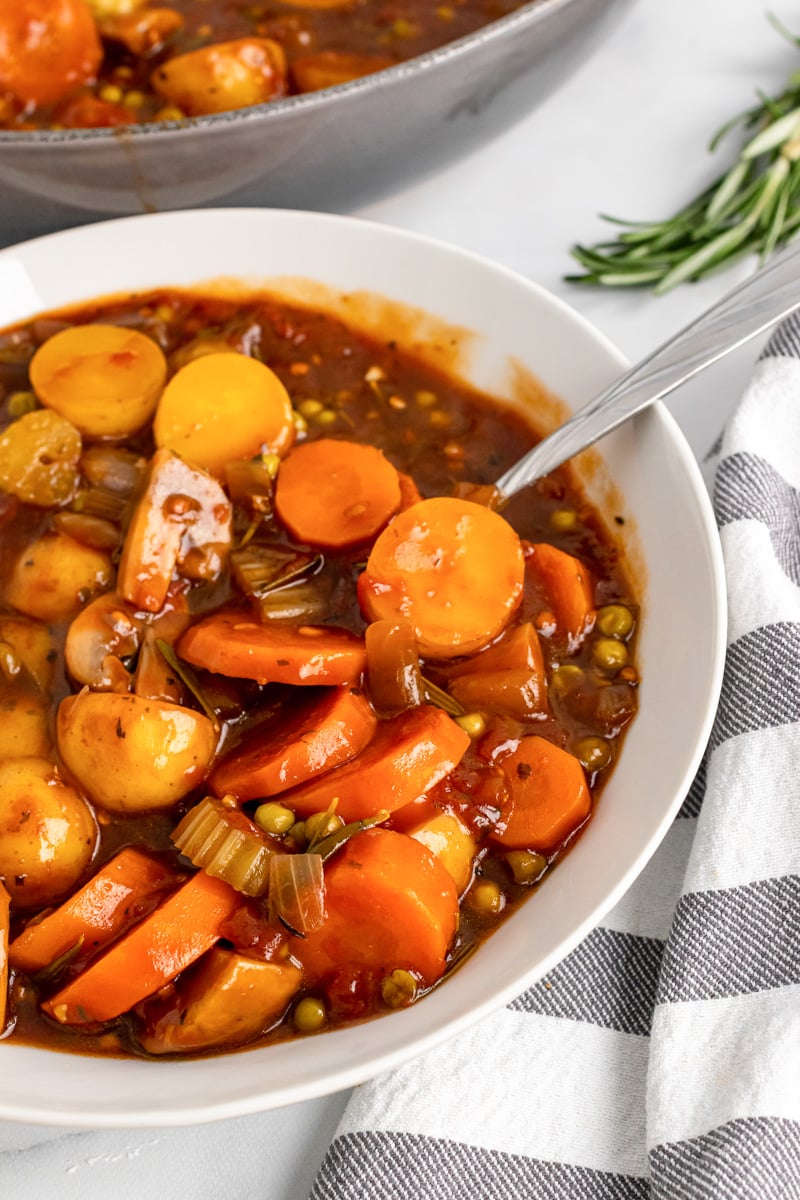
Since the stew is rich and savory, a simple green salad makes a nice, fresh contrast. Toss mixed greens with a quick 5-minute vinaigrette and dinner is done.
Make-Ahead, Storing & Freezing
Like most stews, this one tastes even better the next day, once the flavors have had time to blend, so it's a great make-ahead meal. Let it cool, then store your leftover stew in an airtight container in the fridge for 3-5 days. When you want some, you can simply warm it up in the microwave or over low heat on the stove. Just make sure to stir your stew periodically as it reheats, since it will stick and burn if left to simmer too long. The broth thickens as it sits, so add a splash of broth or water while reheating if needed.
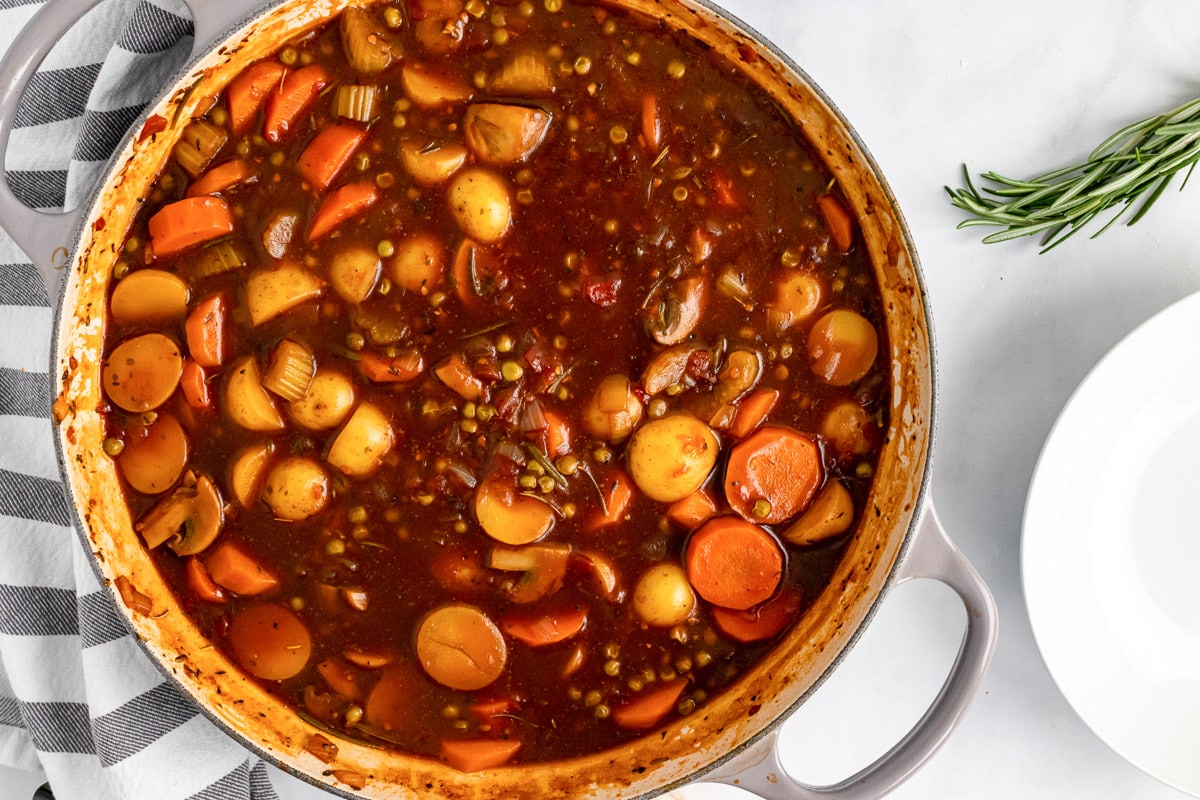
To freeze, portion the cooled stew into freezer-safe containers, leaving a little room at the top, and freeze for up to 3 months. The potatoes can turn slightly softer and grainier after freezing, but the stew still tastes great. Thaw it overnight in the fridge, then reheat gently on the stove, stirring often and thinning with a little broth. If you plan to freeze a batch, you can leave out the peas and stir in fresh ones while reheating so they stay bright green.
Old-Fashioned Vegan Stew FAQs
What can I use instead of beef in vegan stew?
The best swaps are meaty mushrooms (cremini or portobello), soy curls, seitan, extra-firm tofu, or beans and lentils. Mushrooms and seitan give the closest chew to stewed beef, while beans and lentils add protein and make the stew extra filling. Brown mushrooms, soy curls, seitan, or tofu before adding them for the best texture and flavor.
How do you make stew without meat?
Build the flavor in layers. Sauté onion and garlic until soft, add hearty vegetables like potatoes, carrots, and celery, then simmer everything in a good vegetable broth seasoned with umami-rich ingredients like soy sauce, tomatoes, and balsamic vinegar. Fresh herbs and a thickener, like the cornstarch slurry in this recipe or a flour roux, give it that classic, stick-to-your-ribs stew texture.
Can I make this stew in a slow cooker?
Yes. For the best flavor, sauté the onion and garlic in a pan first, then add them to the slow cooker with everything except the peas, cornstarch, and water. Cook on LOW for 7 to 8 hours or on HIGH for about 4 hours, until the potatoes and carrots are tender. Stir in the cornstarch slurry and peas, then cook on HIGH for another 20 to 30 minutes until thickened. Find more ideas in our roundup of the best vegan slow cooker recipes.
Can I add dumplings?
Absolutely. Mix 1 cup of all-purpose flour, 1 ½ teaspoons of baking powder, and ½ teaspoon of salt, then stir in ½ cup of unsweetened plant milk and 2 tablespoons of olive oil or melted vegan butter just until a soft dough forms. During the last 15 minutes of cooking, drop spoonfuls onto the gently simmering stew, cover the pot, and don't lift the lid until the dumplings are puffed and cooked through. Make sure the stew has plenty of liquid, adding a little extra broth if needed, since the dumplings soak some of it up.
How do you know when the stew is done?
You will know your stew is done when the potatoes are fork tender. When the potatoes are done, you can take your stew off the heat. However, I like to cook mine a bit longer as it helps blend the flavors even more.
Why add in the cornstarch slurry?
Cornstarch and water combined, referred to as a slurry, is a thickening agent used for thickening soups, stews, and more. I find that a cornstarch slurry is great for thickening dishes without altering the flavor of the recipes you are cooking.
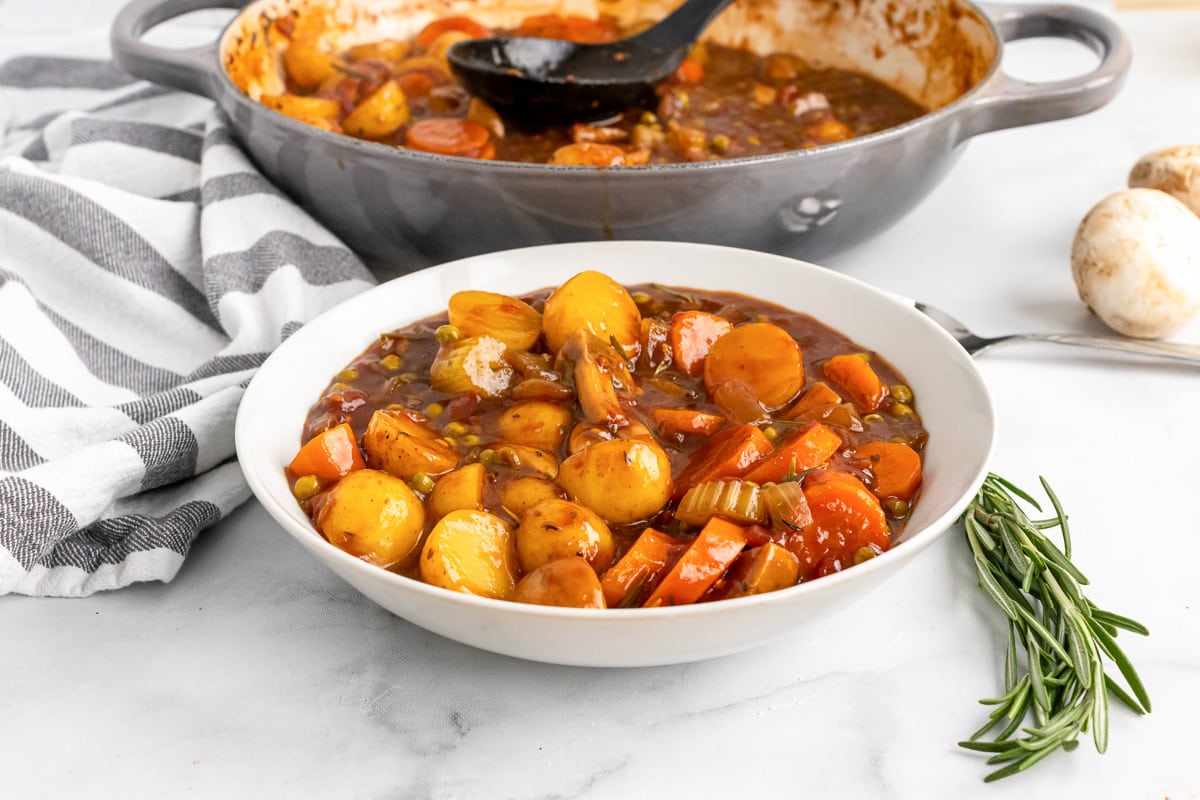
More Cozy Vegan Stews and Soups
If you love this vegan stew, be sure to check out these other delicious ideas:
- Tofu and Vegetable Stew
- Vegan Sweet Potato Lentil Soup
- Vegan Sweet Potato Black Bean Chili
- Miso Butternut Squash Soup
- Yellow Squash Soup
- Vegan Comfort Food Casseroles
- Creamy Pasta and Butternut Squash Casserole
- Vegan Creamy Mushroom Pasta
And while you're here, don't forget to grab a copy of my free vegan cheat sheet. It's packed with all my favorite substitutions to vegan-ize any recipe!
Recipe

Old-Fashioned Vegan Stew
This Old-Fashioned Vegan Stew is thick, hearty, and comforting. It's loaded with tons of veggies and smothered in a thick, creamy broth base.
Print
Pin
Save
Servings: servings
Ingredients
- 2 tablespoon olive oil
- 1 onion minced
- 2 cloves garlic minced
- 3 large carrots sliced
- 2 stalks celery sliced
- 2 cups baby potatoes halved
- 1 cup white mushrooms sliced & quartered
- 1 cup frozen peas
- 1 teaspoon Italian seasoning
- 2 cups vegetable broth
- 19 oz diced tomatoes canned with garlic
- 3 tablespoon soy sauce
- 1 tablespoon balsamic vinegar
- 2 sprigs rosemary
- small bunch fresh thyme
- 2 tablespoon cornstarch
- 3 tablespoon water
Instructions
- In a large pot or Dutch oven, heat the olive oil over medium heat, then add the onion and garlic; sauté 3-4 minutes or until the onion is translucent.

- Add the carrots, celery, baby potatoes, mushrooms, and peas into the pot.

- Cook for 2-3 minutes.
- Add the Italian seasoning, vegetable broth, diced tomatoes, soy sauce, balsamic vinegar, rosemary, and thyme. Stir and bring to a boil.
- In a small bowl, whisk together the cornstarch and water to form a slurry mix. Add to the stew and stir.

- Turn heat down, cover pot, and simmer for 45 minutes or until veggies are tender.

- Remove the rosemary and thyme stems, taste and season with salt and pepper if needed, and serve.

Notes
Optional protein: For a heartier, higher-protein stew, stir in 1 can (15 oz) of drained chickpeas, white beans, or kidney beans along with the broth. Or add ½ cup rinsed brown or green lentils plus 1 extra cup of vegetable broth; they will cook through during the simmer. Browned soy curls, seitan, or extra mushrooms also work (see the post above for details).
Optional red wine: For a deeper, richer broth, add ½ cup dry vegan red wine after the vegetables have cooked for 2–3 minutes, and simmer until reduced by about half before adding the remaining ingredients.
Seasoning: Soy sauce and canned tomatoes are already salty, so taste at the end and add salt and pepper only if needed.
Nutrition (Estimate per Serving)
Calories: 244kcalCarbohydrates: 39gProtein: 8gFat: 8gSaturated Fat: 1gPolyunsaturated Fat: 1gMonounsaturated Fat: 5gSodium: 1282mgPotassium: 974mgFiber: 7gSugar: 12gVitamin A: 8362IUVitamin C: 48mgCalcium: 99mgIron: 3mg
Vegan-ize any recipe!Grab our free vegan cheat sheet, packed with my favorite easy substitutions to make any recipe vegan.
Marinated Mushrooms With Wild Rice
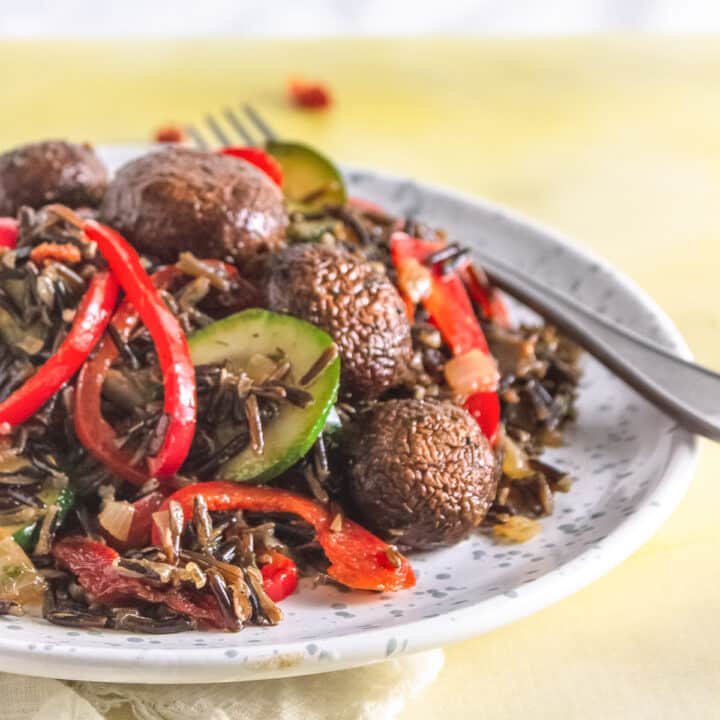
Check out this tasty recipe for Marinated Mushrooms with Wild Rice. Your whole family will enjoy this easy and satisfying vegan wild rice full of flavorful marinated mushrooms.
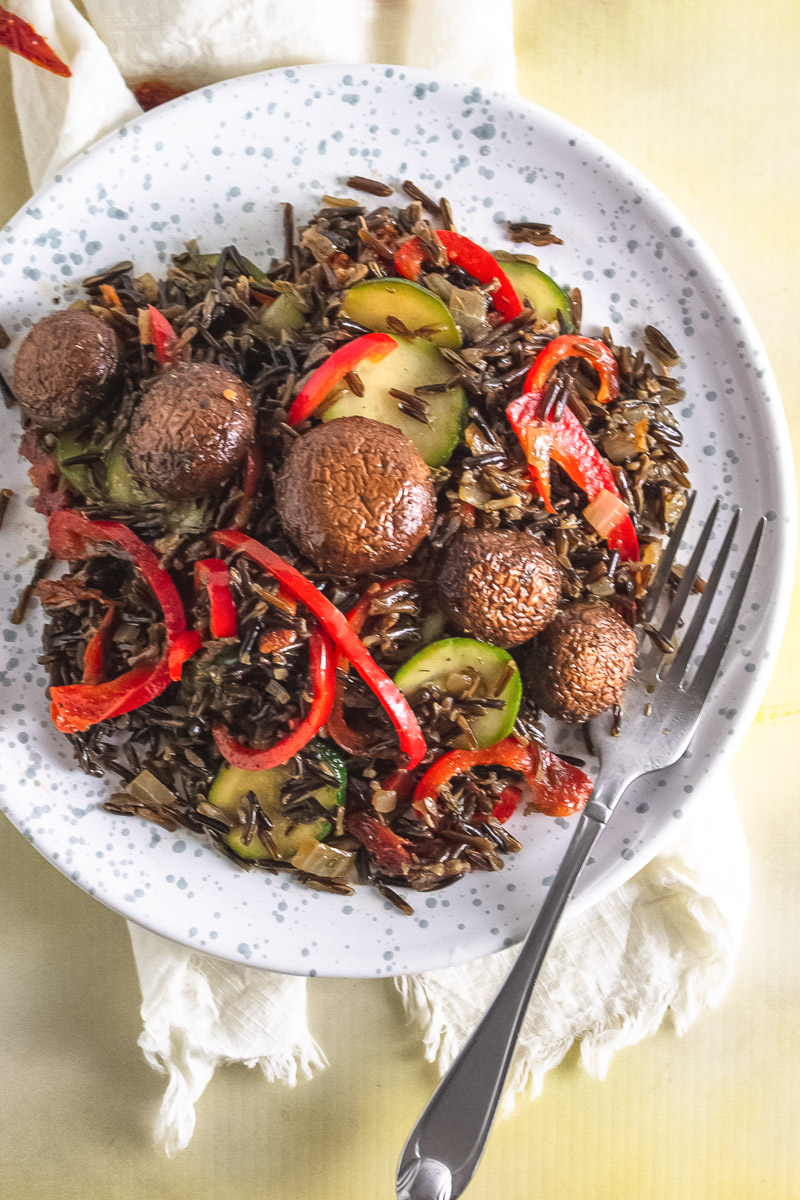
Marinated Mushrooms with Wild Rice is a wonderful meatless dinner option that is a great source of nutrients. You can also use your mushroom rice leftovers to meal prep for quick grab-and-go lunches or dinner another night.
For other tasty dishes with cremini mushrooms, try this Creamy Mushroom Pasta or this fresh Vegan Mushroom and Lentil Salad. Need to use up a bit of wild rice? This Cranberry-Pear Wild Rice Stuffing is one of my favorites!
This Marinated Mushrooms With Wild Rice Is...
- Vegan
- Gluten-free
- Soy-free
- Nut-free
- Meal prep-friendly
- Easy to make
And while you're here, don't forget to grab a copy of my free vegan cheat sheet. It's packed with all my favorite substitutions to vegan-ize any recipe!
How to Make Marinated Mushrooms with Wild Rice
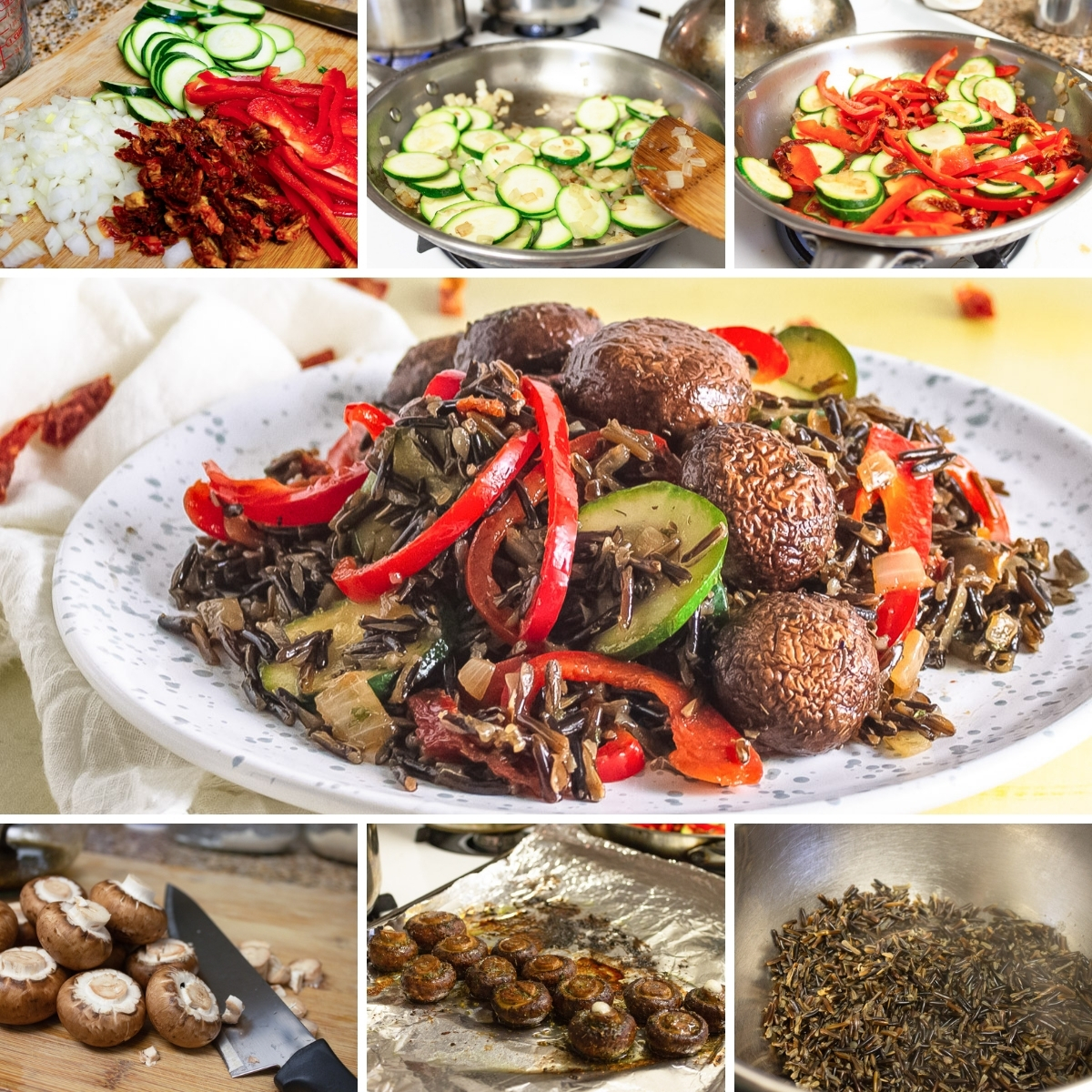
- Cook the wild rice.
- In a new bowl, add all your marinade ingredients and mix.
- Prep the mushrooms and toss in the marinade. Let them sit for 15 minutes.
- Prep all the veggies. Place mushrooms in a pan and broil.
- Cook veggies, stir in rice, and add mushrooms. Serve and enjoy.
See detailed instructions and list of ingredients below.
Tips and Tricks for Perfect Marinated Mushrooms
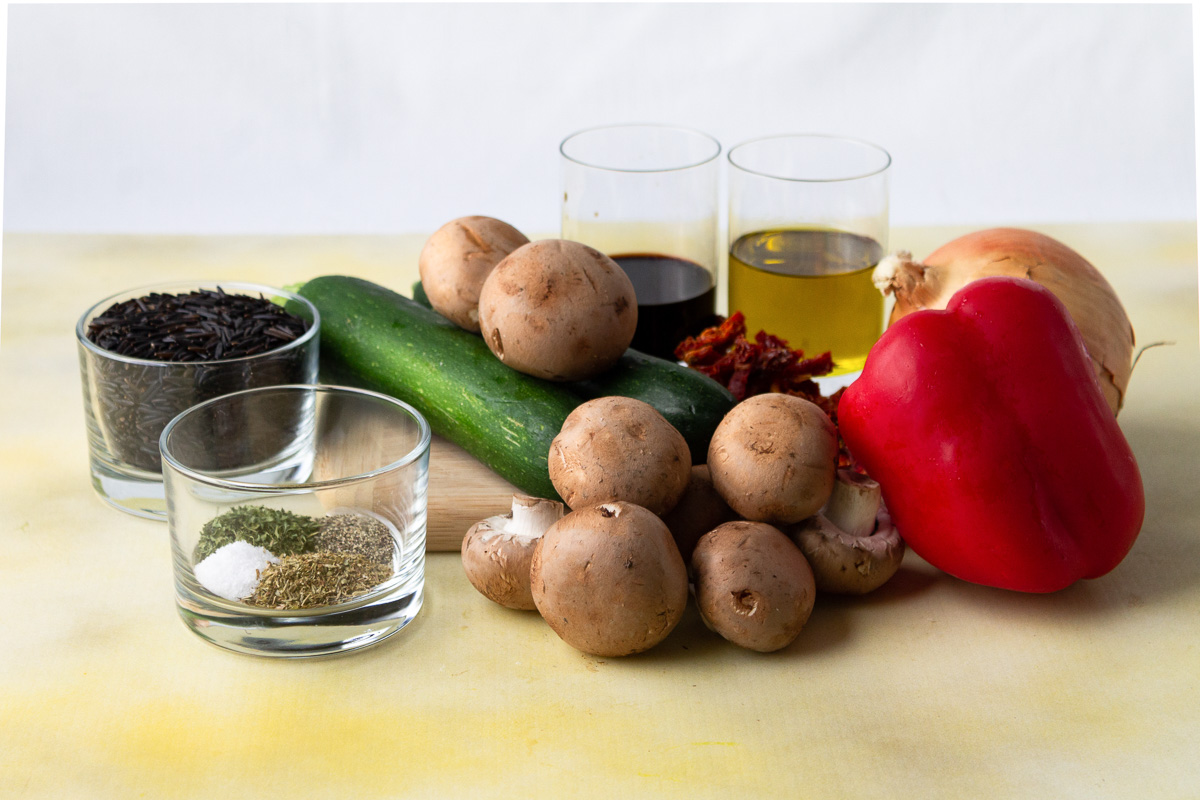
Stir Marinated Mushrooms
Make sure to stir the mushrooms in the marinade a few times while they are soaking. This will help to evenly coat the mushrooms and create a delicious flavor throughout the dish when cooked.
Cooking Rice
You can use a rice cooker or Instant Pot if you don't want to cook your rice on the stovetop. Just cook the rice as as directed for whatever device you decide to use.
Variations
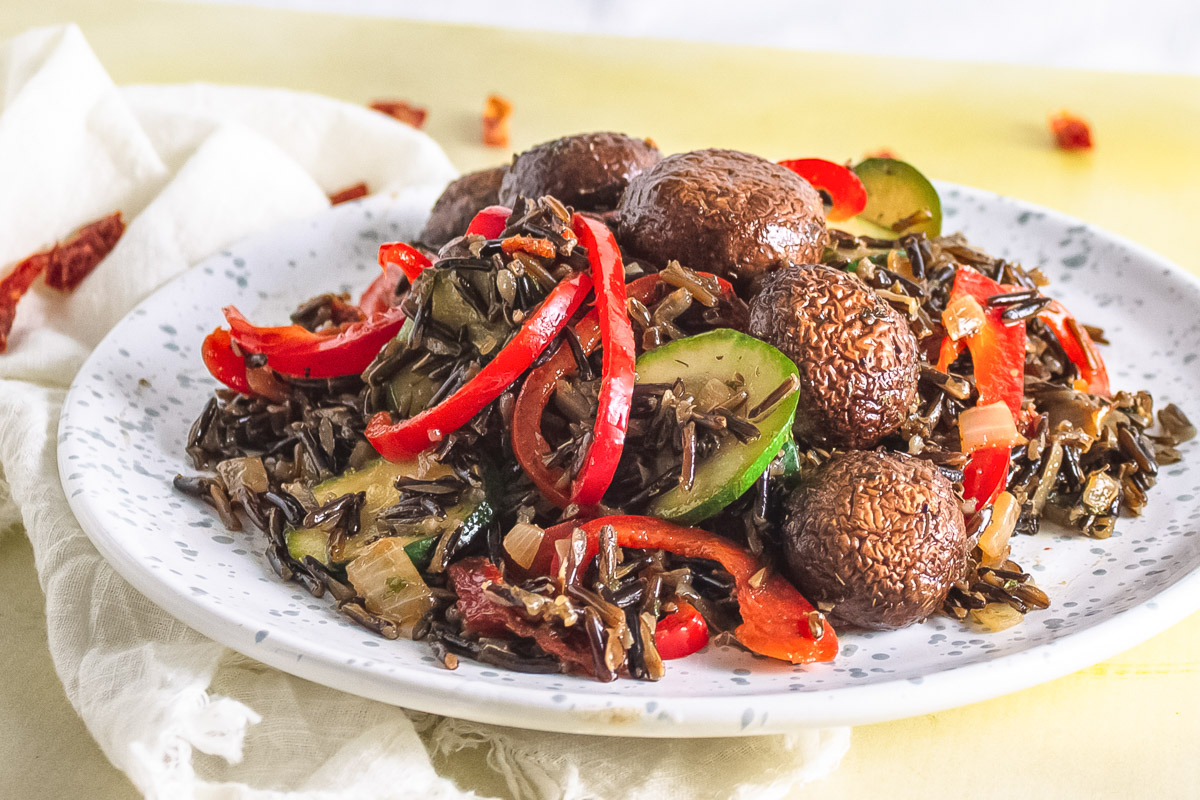
Swap Variety Of Rice
Feel free to make this dish using white rice, jasmine rice, or brown rice instead of the wild rice. You can use any variety of rice that you prefer or have on hand. Just make sure to adjust the cook time of the rice according to the package. This also works well with other whole grains such as quinoa or barley.
Change Up The Vegetables
This dish is great for using up vegetables in your pantry. I have found that even veggies like yellow squash are a great mix-in for this dish. Just chop up whatever vegetables you decide to use and add them in!
It's a win-win when you can clean out your old produce and create a satisfying meal.
Try Adding Tofu
Consider dicing up a bit of tofu, cooking it, and mixing it into the mushroom and rice mix. You could even marinate the tofu with the mushrooms for added flavor. Then cook your tofu when you cook the mushrooms.
FAQs
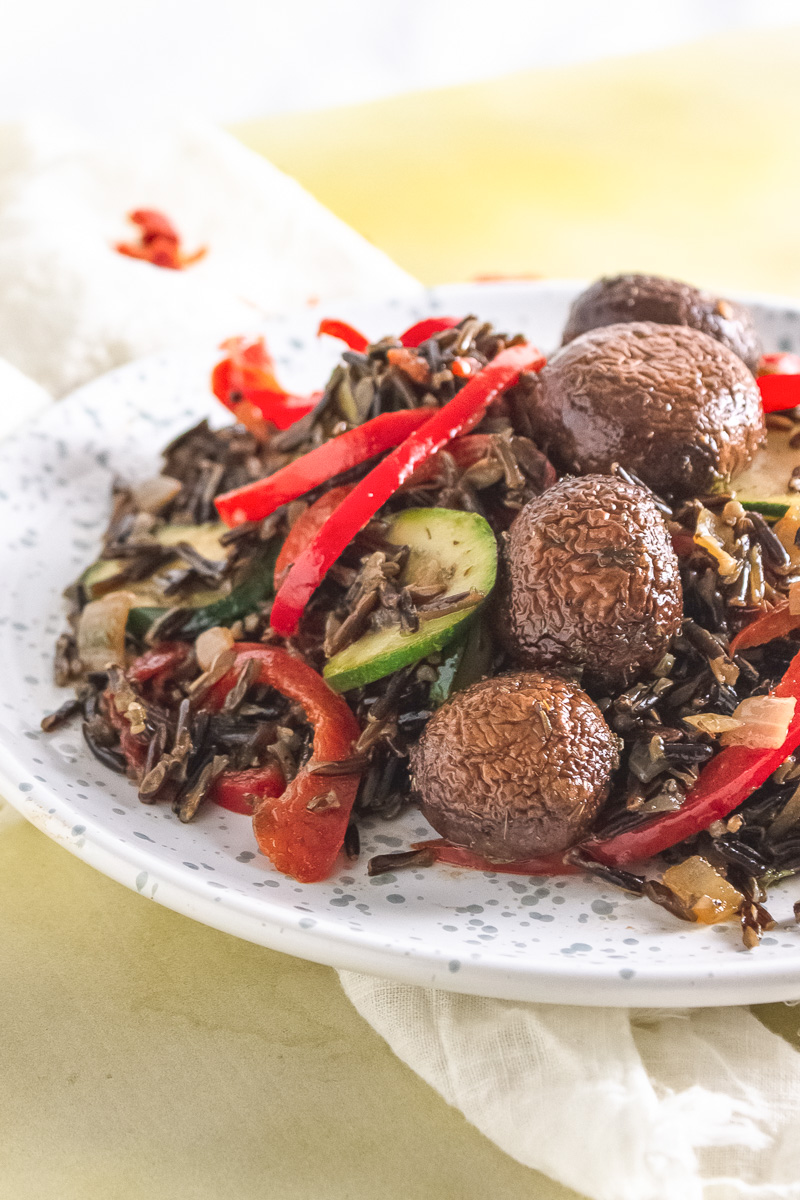
How do you store leftover mushrooms and rice?
This dish is best served fresh, but can be refrigerated for a few days. If you have leftovers, you can store the mix in the refrigerator for 2-3 days. Anything left after three days will need to be tossed out.
What are the health benefits of wild rice?
Wild rice is a wonderful mix of protein and fiber. Wild rice is also a source of antioxidants, if you want to incorporate more into your diet.
What mushrooms should I use for marinated mushrooms?
I used cremini mushrooms, but you could also use shiitake mushrooms, white button mushrooms, or sliced portobello mushrooms. Softer mushrooms like oyster mushrooms will not hold up as well to the marinade.
If you love these marinated mushrooms, be sure to check out these other delicious recipes:
Recipe
Vegan Wild Rice With Marinated Mushrooms
These Marinated Mushrooms are packed with flavor from fresh herbs and balsamic vinegar, and served over hearty Wild Rice. Yum!
Print
Pin
Save
Servings: servings
Ingredients
Marinade
- ¼ cup olive oil
- 2 tablespoon balsamic vinegar
- 1 teaspoon dried parsley
- 1 teaspoon dried oregano
- ½ teaspoon ground pepper
- ½ teaspoon salt
Instructions
- In a medium pot, combine wild rice with 3 ½ c (825ml) water and ½ teaspoon (3g salt). Cook on medium-low heat for 40-45 minutes until all water is absorbed.
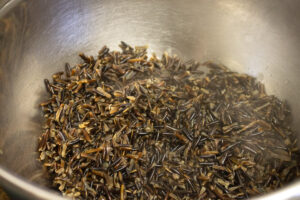
- Combine all ingredients for marinade in a medium bowl. Whisk to blend.
- Clean and trim stems from mushrooms.
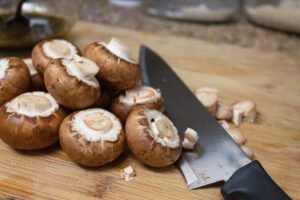
- Add to marinade and toss to coat. Allow to sit for 15 minutes, tossing occasionally to redistribute marinade.
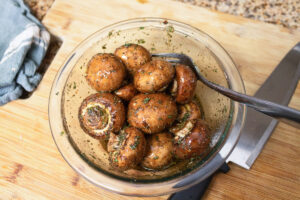
Prepare Vegetables
- Dice onion and slice sun-dried tomatoes if not already done.
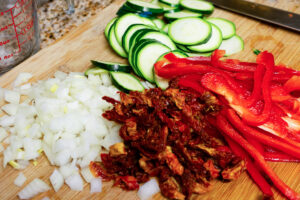
- Slice zucchini into very thin ⅛" (3mm) rounds.
- Remove veins and excess seeds from the red bell pepper and cut lengthwise into ⅛" (3mm) strips.
Broil Mushrooms
- Heat broiler to high. Line a baking sheet with aluminum foil.
- Place marinated mushrooms cap side up on prepared baking sheet. Reserve the remaining marinating liquid.
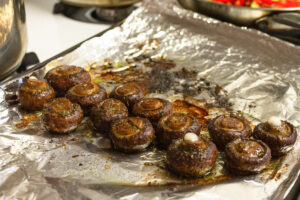
- Cook the 1st side for 5 minutes under the broiler.
- Remove from oven and flip the mushrooms with a spatula or fork. Return to oven and continue broiling other side for a further 4 minutes or until mushrooms are slightly soft and a bit wrinkled.
Cook Vegetables
- Heat 1 tablespoon (15ml) olive oil in a frying pan over medium heat.
- Add diced onion. Cook for 2-3 minutes, stirring regularly, until the onions start to become translucent.
- Add sliced zucchini. Cook for a further 2 minutes, stirring occasionally, until zucchini is just barely soft.
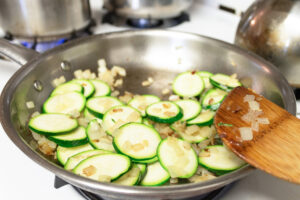
- Turn off heat and add sliced peppers and sun-dried tomatoes. Stir and toss to soften peppers slightly.
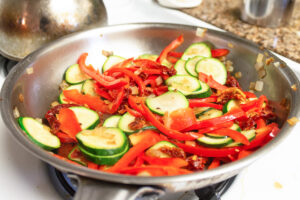
- When rice has absorbed all the water, transfer to a large bowl and add cooked vegetables.
- Add the remaining marinating liquid and toss to coat everything.
- Divide onto plates and top with marinated mushrooms.
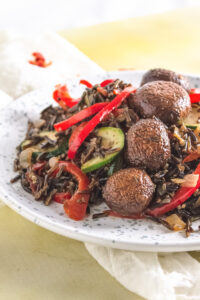
- This dish is best enjoyed warm, but can also be eaten cold or reheated by lightly sautéing. If storing for later, keep remaining marinating liquid separate and toss with other ingredients when ready to eat. Can be stored in the fridge in an airtight container for 2-3 days.
Nutrition (Estimate per Serving)
Calories: 151kcalCarbohydrates: 28gProtein: 9gFat: 3gSaturated Fat: 1gSodium: 36mgPotassium: 1625mgFiber: 7gSugar: 16gVitamin A: 4232IUVitamin C: 193mgCalcium: 103mgIron: 3mg
Vegan-ize any recipe!Grab our free vegan cheat sheet, packed with my favorite easy substitutions to make any recipe vegan.
Grilled Tofu Skewers
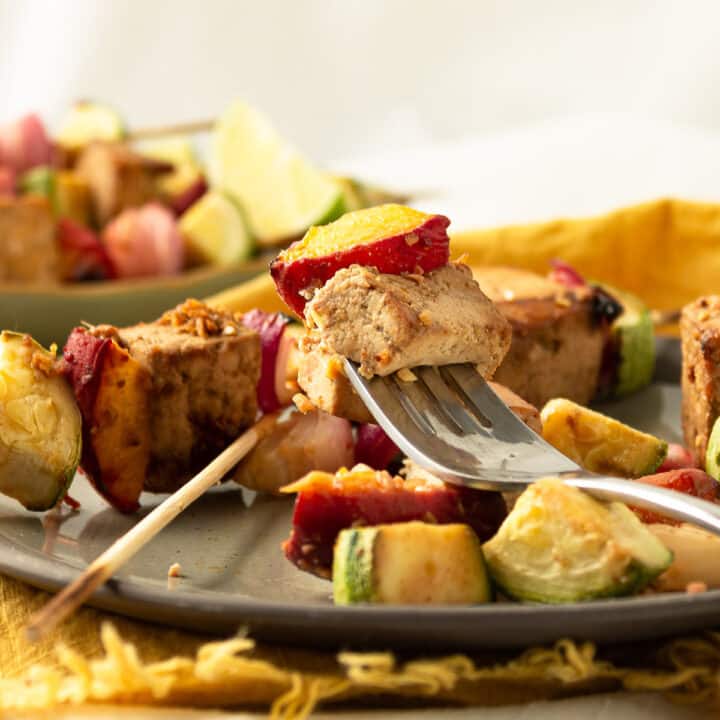
Give these Grilled Tofu Skewers a try for dinner tonight. This recipe is made of Grilled tofu that is marinated and paired with vegetables. Serve up these tofu kebabs for lunch, dinner, or even as a party appetizer for entertaining guests.
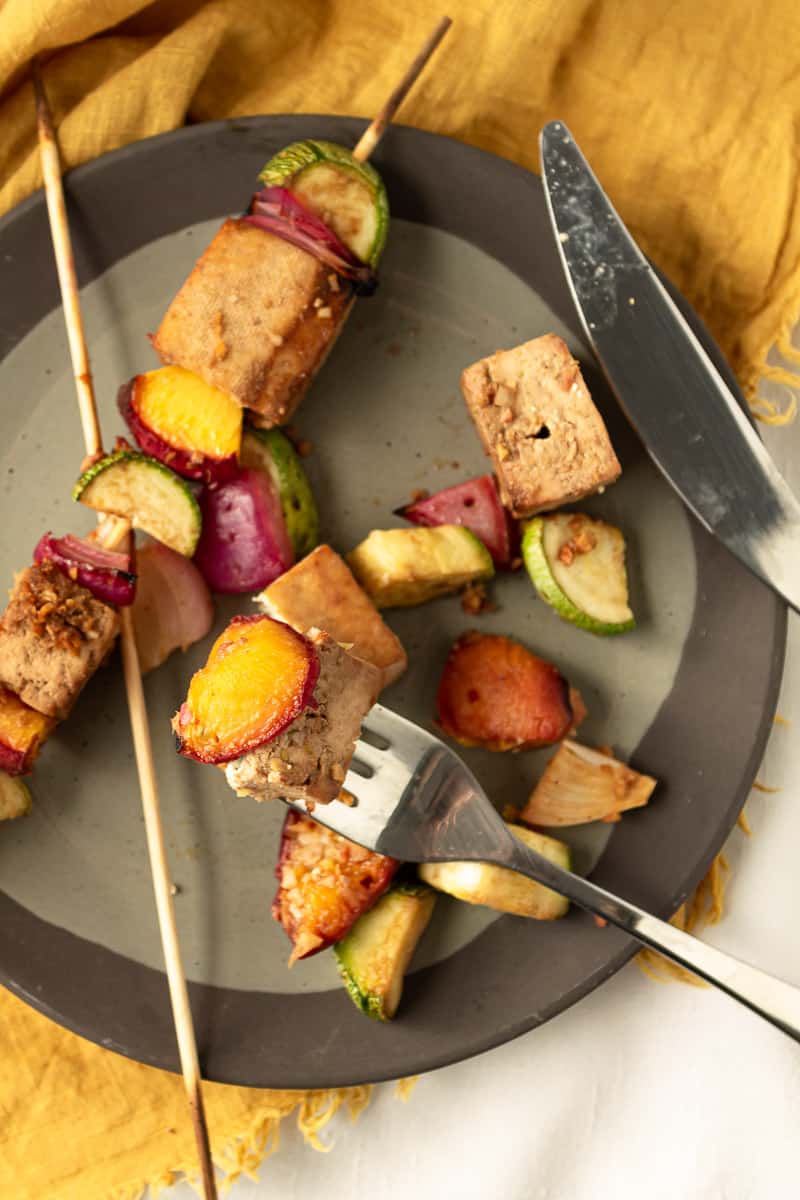
A homemade marinade will bring such incredible flavor to the tofu in this dish. When you pair the marinated tofu with the zucchini, peaches, and red onions, you get the perfect sweet and savory recipe.
If you are a fan of firm tofu, here is a creative way to use it up! Toss it on the grill and let it crisp up to perfection.
This Grilled Tofu Skewers Recipe Is ...
- Vegetarian
- Gluten-Free
- Vegan
- A Great Grilling Recipe for Summer and Spring
- Nut-Free
- 30-Minute Dinner Idea
How to Make Grilled Tofu Skewers
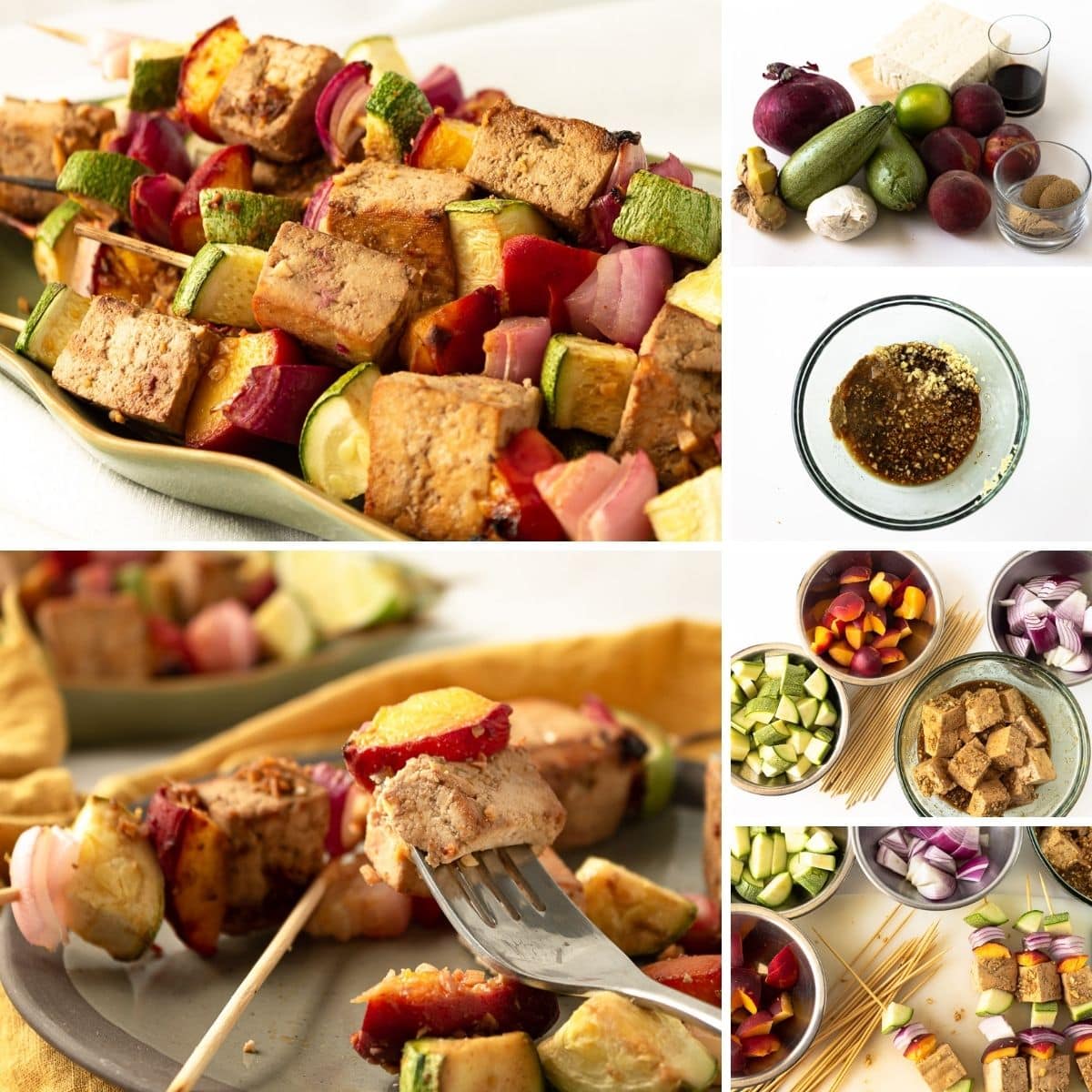
- The first thing you will want to do is create your marinade. Add the marinade ingredients in a bowl or sealable bag and mix well. If using wooden bamboo skewers, soak them in water.
- Drain the tofu and pat it dry. Try to get out as much liquid as possible by pressing on it.
- Cut your tofu into cubes, and toss it in with the marinade. Then prep your vegetables and peaches.
- Start assembling your skewers, add 1-2 tofu, veggies, and repeat.
- Use a grilling pan and cook in the broiler or on the grill as directed. Remove and drizzle with the remaining marinade.
Full measurements and directions for this recipe are in the printable recipe below.
Tips and Tricks
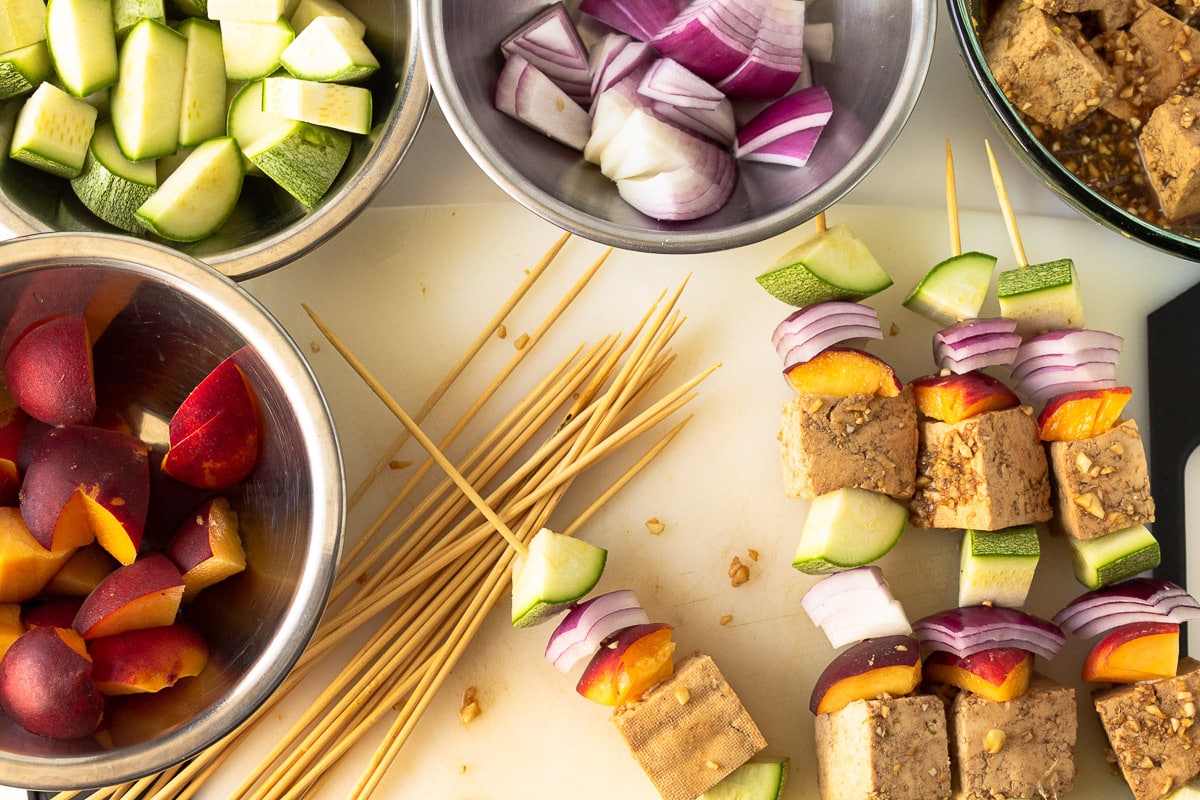
Drain Tofu
It is essential to drain and squeeze out as much liquid as possible when making this tofu skewers recipe. You can gently squeeze with paper towels to help pull out the liquid.
Use Firm Tofu
Firm tofu will hold up best when cut and pushed onto the skewers. If you have softer tofu, you will find it might fall apart as it cooks.
Variations
Vegetables
Feel free to change up the vegetables you use to pair with the tofu. Peppers, onions, mushrooms, etc., are all great options. You can also consider adding pineapple in place of the peaches. Just use what you have or what you enjoy eating.
Marinade
If you want to use a different marinade, go right ahead. This soy sauce-based marinade is one of my go-to's. But any liquid marinade will work.
Broil, Grill, or Air Fry
You can broiler your kebabs in the oven, toss them on the grill, or even pop them in your air fryer. All methods work great for heating up and cooking these skewers and infusing all the flavors together.
Grilled Tofu Skewers FAQs
What type of tofu is best for grilling?
Firm, non-silken tofu is what I like to use. Having firm tofu is a must, or it will not hold together as it cooks.
Why did my skewers burn up on the grill?
Wooden bamboo skewers need to soak in water for at least 10-15 minutes before grilling. Otherwise, when tossed on the grill, they will burn up and make your skewers fall apart.
What to serve with marinated tofu?
Rice, cauliflower rice, and quinoa are all great options to pair with this marinated tofu and vegetables. Just cook up your grains how you like, remove the tofu and vegetables from skewers, and place them on top of the rice!
Recipe

Grilled Tofu Skewers
Give these Grilled Tofu Skewers a try for dinner tonight. This recipe is made of Grilled tofu that is marinated and paired with vegetables. Serve up these tofu kebabs for lunch, dinner, or even as a party appetizer for entertaining guests.
Print
Pin
Save
Servings: servings
Ingredients
- 16 oz firm tofu
- 3-4 small peaches
- ½ lg red onion
- 2 medium zucchini
Marinade:
- 3 tablespoon ginger minced
- 4 tablespoon lime juice
- 2 tablespoon brown sugar
- 3-4 cloves garlic
- 1 ½ teaspoon ground coriander
- 2 tablespoon soy sauce*
- ½ teaspoon mustard powder
Instructions
- Combine marinade ingredients. Finely mince ginger and garlic, combine with remaining and ingredients, mix and set aside.
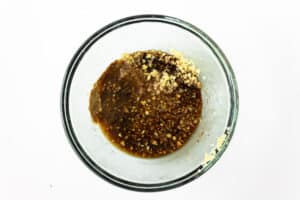
- Drain tofu and pat dry with paper towels, pressing out as much liquid as possible.
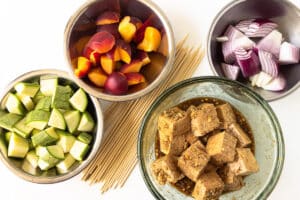
- Cut tofu into 1 ½"x2" (3.5x5cm) cubes. Add to marinade and toss to coat. Set aside while preparing remaining ingredients.
- If using bamboo skewers, set to soak in cold water.
- Cut zucchini and peach in 1 ½" (3.5cm) cubes. Slice onion into 1" (2.5cm) pieces and break apart so that you have clusters of 2-3 layers.
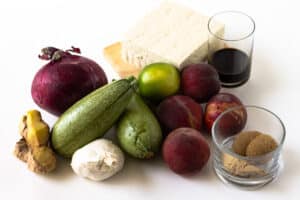
- Turn the tofu pieces in the marinade again. Turn on broiler to high.
- Assemble the skewers, placing 1-2 pieces of tofu per skewer and even distribute the other ingredients.
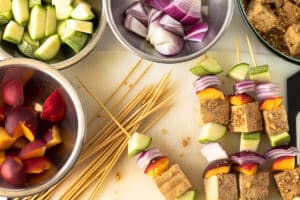
- Place skewers on grilling pan or foil lined baking sheet.
- Cook under broiler for 8 minutes. Flip skewers and cook the other side for 3-4 minutes to brown slightly on the other side.
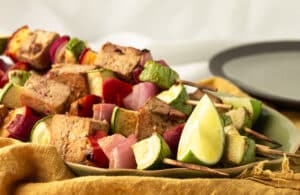
- Remove from oven and drizzle with remaining marinade. Serve immediately.
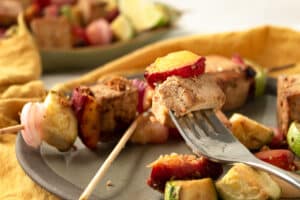
Notes
- *Use tamari or other aminos to keep the recipe gluten free.
- Skewers can also be cooked on a grill over very hot coals.
Nutrition (Estimate per Serving)
Calories: 1416kcalCarbohydrates: 56gProtein: 144gFat: 70gSaturated Fat: 8gSodium: 102mgPotassium: 563mgFiber: 16gSugar: 18gVitamin A: 578IUVitamin C: 36mgCalcium: 2018mgIron: 20mg
Vegan-ize any recipe!Grab our free vegan cheat sheet, packed with my favorite easy substitutions to make any recipe vegan.
Brown Rice Pilaf with White Beans, Shiitakes, and Spinach
This homey brown rice pilaf is loaded with nutritious flavor from white beans, shiitake mushrooms, and fresh spinach. This simple dish makes a delicious vegan dinner or hearty lunch.
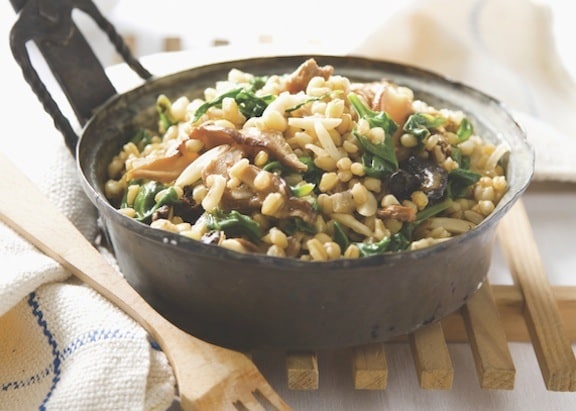
This brown rice pilaf is:
- A hearty vegan meal - comfort food at its best!
- Packed with protein and fiber
- Ready in under an hour
- Easy to make ahead, so it's perfect for meal prep.
Variations
This recipe is infinitely versatile. Instead of rice, you can swap in your own favorite grains like quinoa, wheat berries, or bulgur.
You can also swap out the white beans for cooked lentils, black-eyed peas, or chopped seitan to add an extra dose of protein.
Or add some heat with a minced jalapeño chile!
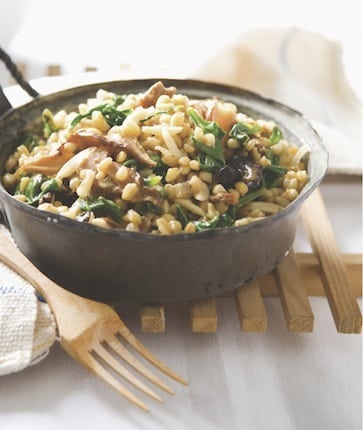
One-Dish Vegan
This recipe is from the amazing vegan cookbook, One-Dish Vegan by Robin Robertson. You can find it listed in the book as Brown Rice with White Beans, Shiitakes, and Spinach. It has been shared with permission of The Harvard Common Press.
For more ways to use brown rice, explore these Classic Rice Dishes.
Recipe
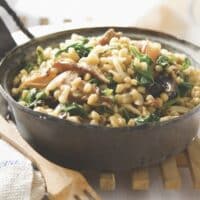
Brown Rice Pilaf
This hearty brown rice pilaf is packed with white beans, spinach, and shiitake mushrooms. It's loaded with nutritious flavor, and it's vegan too.
Print
Pin
Save
Servings: servings
Ingredients
- 1 tablespoon olive oil or ¼ cup water
- 1 large sweet onion chopped
- 3 garlic cloves minced
- 8 ounces shiitake mushrooms stemmed and sliced, about 2 cups
- 1 ¼ cups uncooked brown rice
- 2 cups vegetable broth
- salt and freshly ground black pepper to taste
- 4 scallions chopped
- 8 ounces baby spinach fresh
- 1 ½ cups canned white beans drained and rinsed
- 1 tablespoon fresh dill or basil minced
Instructions
- Heat the oil or water in a large saucepan over medium heat. Add the onion and cook until soft, about 7 minutes. Add the garlic and mushrooms and cook about 3 minutes or until the mushrooms are tender.
- Stir in the rice and cook, stirring, for 1 to 2 minutes. Stir in the vegetable broth and bring to a boil. Reduce the heat, season with salt and pepper to taste, cover, and simmer for 35 minutes, stirring occasionally.
- Uncover, and add the scallions and spinach, stirring until the spinach wilts. Stir in the beans and dill. Cook for 5 minutes longer, or until the broth is absorbed and the rice is tender. Taste and adjust the seasonings if needed. Serve hot.
Nutrition (Estimate per Serving)
Calories: 379kcalCarbohydrates: 71gProtein: 13gFat: 6gSaturated Fat: 1gSodium: 529mgPotassium: 1035mgFiber: 9gSugar: 4gVitamin A: 5687IUVitamin C: 21mgCalcium: 144mgIron: 5mg
Vegan-ize any recipe!Grab our free vegan cheat sheet, packed with my favorite easy substitutions to make any recipe vegan.
Vegan Thai Pineapple Stir-Fried Rice
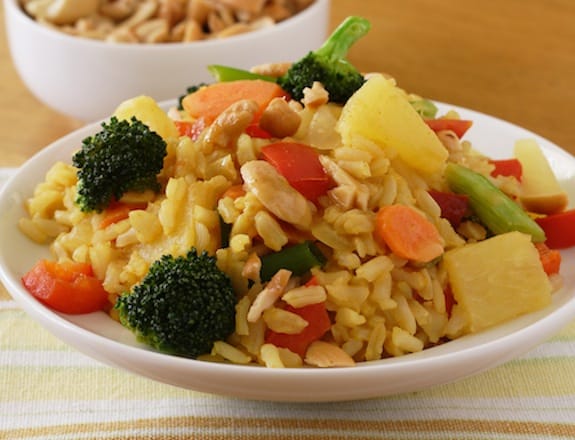
Colorful and luscious, this Thai restaurant classic can be made easily at home, using brown rice, pineapple, and veggies like broccoli, bell peppers, and carrots. When fresh pineapple is in season and reasonably priced, try this stir-fried rice recipe with the fresh fruit! Adapted from Vegan Express. Photo by Susan Voisin. [Read more...]
Maple-Sriracha Brussels Sprouts with Cranberry Wild Rice
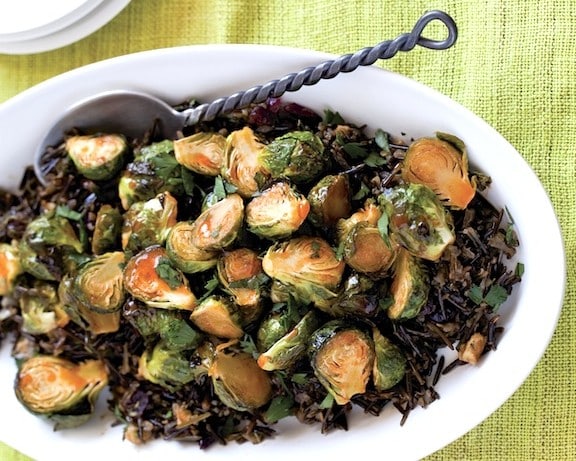
While I wish I could take all the credit for the unique blend of flavors here, the inspiration for these Maple-Sriracha Brussels Sprouts came from a restaurant in NYC called the Vanderbilt. I was going to rework their recipe as a side dish, but after taking my first bite of this new version, I realized that serving the Brussels sprouts atop my favorite wild rice dish would create a stunning entrée.
Recipe and photo reprinted by permission from The Veggie-Lover's Sriracha Cookbook ©2013 by Randy Clemens. Published by Ten Speed Press, a division of Random House, Inc.
[Read more...]
Fresh Chickpea Buddha Bowl
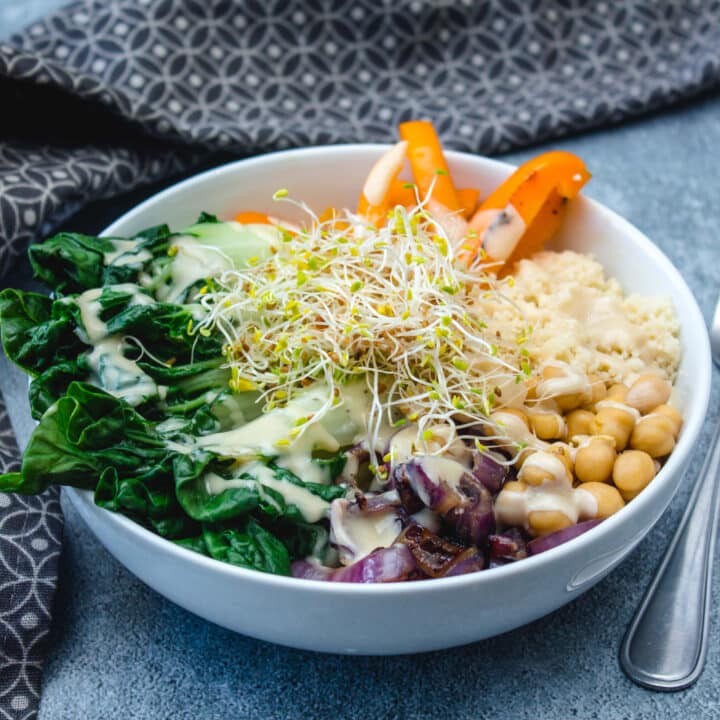
A buddha bowl is a healthy meal composed of various vegetables layered over a base of grains. This Chickpea Buddha Bowl recipe uses quinoa for its base.
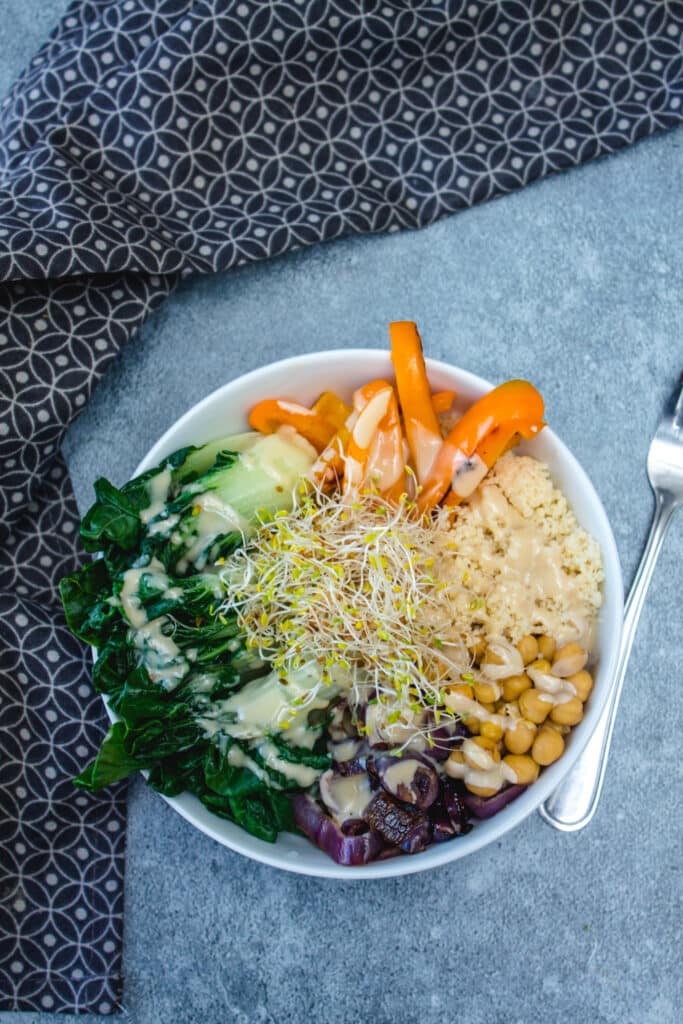
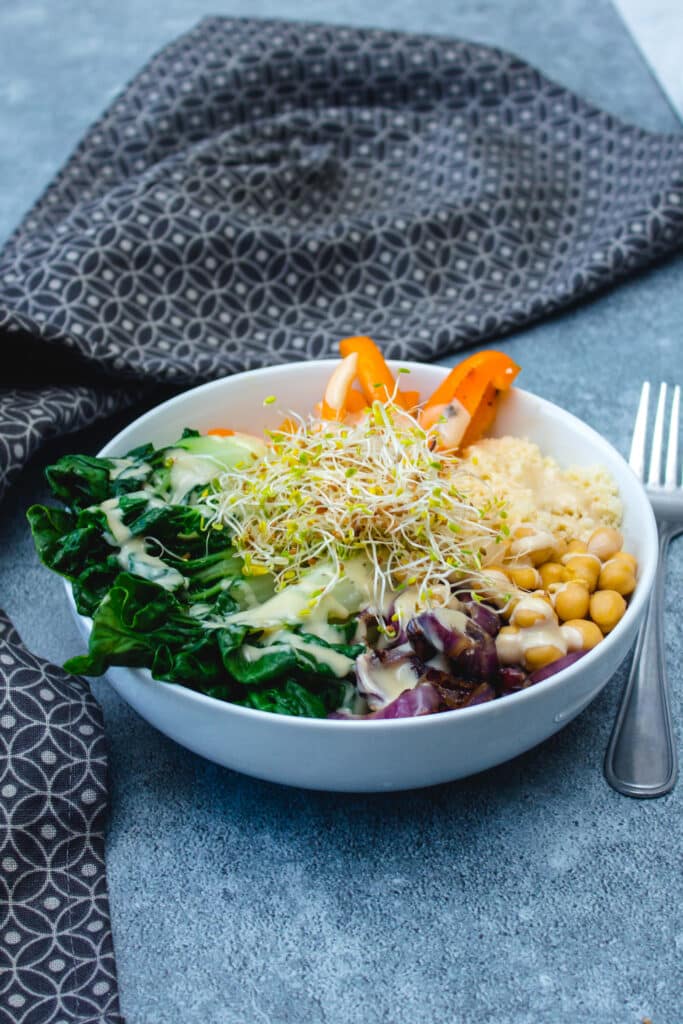
Recipe
Fresh Chickpea Buddha Bowl
A buddha bowl is a healthy meal composed of various vegetables layered over a base of grains. This Chickpea Buddha Bowl recipe uses quinoa for its base.
Print
Pin
Save
Servings:
Ingredients
- 1 red onion sliced
- 1 pepper sliced
- 1 cup canned chickpeas rinsed and drained
- 6 mini bok choy
- 1 pinch cumin
- 1 pinch turmeric
- 1 pinch ground coriander seeds
- ⅔ cup cooked quinoa
- ½ cup sprouts
- 1 teaspoon parsley
- 1 teaspoon sesame oil
- 1 tablespoon canola oil
- ½ tablespoon rice vinegar
- salt and pepper
Instructions
- Preheat the oven to 450°F.
- In a bowl, mix the onion, pepper, chickpeas, and bok choy with a dash of olive oil, a pinch of cumin, another of turmeric and another of ground coriander seeds.
- Place the vegetables on baking sheet and bake for 20 minutes.
- In a large bowl, arrange all ingredients, starting with quinoa. Then add vegetables, sprouts, and parsley.
- Mix the oil with the rice vinegar, and sprinkle the Buddha bowl lightly with salt and pepper.
Nutrition (Estimate per Serving)
Calories: 581kcalCarbohydrates: 85gProtein: 46gFat: 17gSaturated Fat: 2gPolyunsaturated Fat: 7gMonounsaturated Fat: 6gTrans Fat: 1gSodium: 1873mgPotassium: 6677mgFiber: 32gSugar: 33gVitamin A: 112630IUVitamin C: 1139mgCalcium: 2707mgIron: 22mg
Vegan-ize any recipe!Grab our free vegan cheat sheet, packed with my favorite easy substitutions to make any recipe vegan.
Cashew Cream (Vegan Sour Cream)
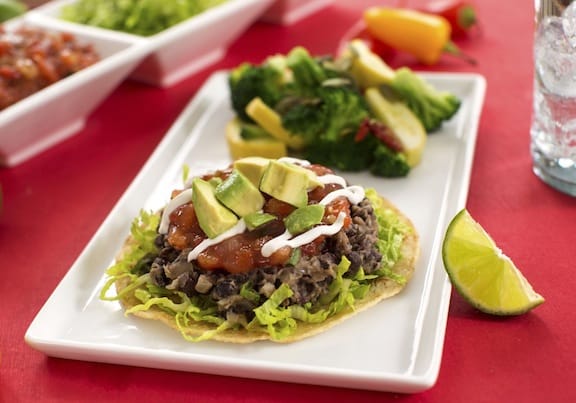
This contemporary Cashew Cream recipe is a great vegan substitute for sour cream. And is it easy, or what? Use it for topping soups or as a simple sauce for vegetables or grains. It's also a great garnish for Southwestern-style tortilla specialties, as on the Black Bean Tostadas shown above. Photo by Hannah Kaminsky. [Read more...]
Any-Season Italian-Style Quinoa Salad
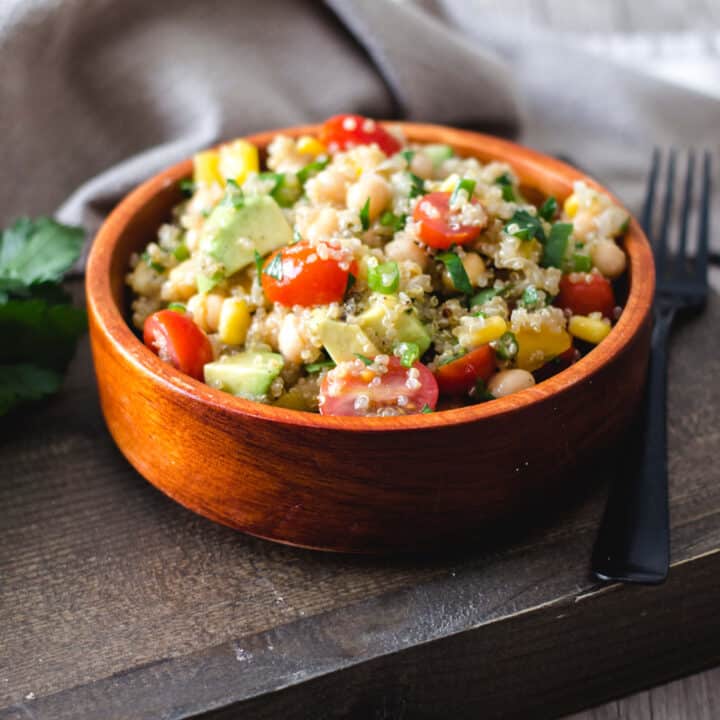
This Italian-Style Quinoa Salad can be served any season, cold or warm, and children love it! It's super important to rinse the quinoa before cooking. Then cook it in water or broth-don't forget the bay leaf!
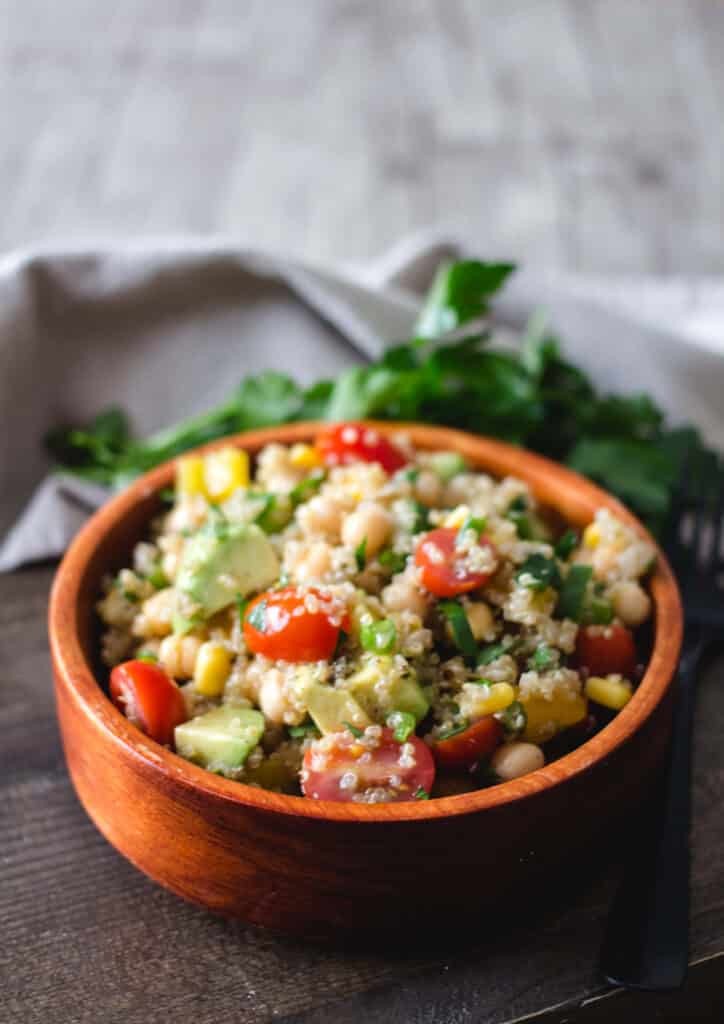
Recipe
Any-Season Italian-Style Quinoa Salad
This Italian-Style Quinoa Salad can be served any season, cold or warm, and children love it!
Print
Pin
Save
Servings: -3
Ingredients
- 1 cup white or red quinoa
- 2 tablespoon olive oil or butter
- 2 cups vegetable broth
- 1 bay leaf
- 1 English cucumber diced
- 1 to mato diced
- 2 stalks of celery diced
- ½ cup corn
- 1 avocado
- chopped parsley to taste
Vinaigrette
- ½ cup olive or canola oil
- 2 tablespoon lime or lemon juice
- 2 teaspoon lime zest tea
- 2 teaspoon sugar
Instructions
- Rinse the quinoa well under cold water In a saucepan until it’s clear. Heat the olive oil over medium heat, then coat the quinoa with the oil.
- Add broth and bring to a boil.
- Reduce heat and simmer covered—about 15 to 20 minutes for white quinoa and about 20 to 25 minutes for red.
- Let stand under cover for 10 minutes. Using a fork, detach the grains. Let cool.
- Mix the quinoa and the other ingredients in a large bowl. Mix the ingredients of the vinaigrette in a small bowl, and then pour over the quinoa salad. Mix gently.
Nutrition (Estimate per Serving)
Calories: 1178kcalCarbohydrates: 88gProtein: 17gFat: 89gSaturated Fat: 12gPolyunsaturated Fat: 12gMonounsaturated Fat: 61gSodium: 963mgPotassium: 1447mgFiber: 15gSugar: 13gVitamin A: 1460IUVitamin C: 30mgCalcium: 89mgIron: 6mg
Vegan-ize any recipe!Grab our free vegan cheat sheet, packed with my favorite easy substitutions to make any recipe vegan.
Black Rice with Black-Eyed Peas and Greens
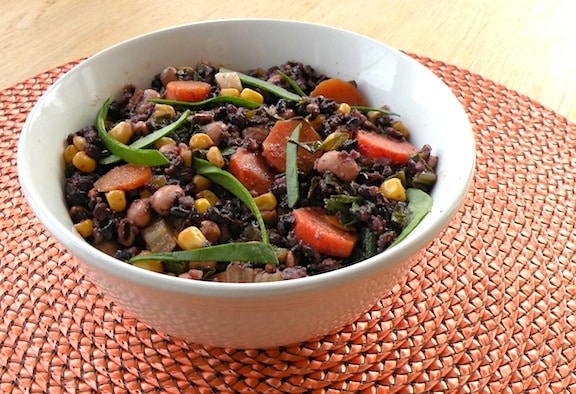
This Black Rice with Black-Eyed Peas and Greens recipe makes an attractive dish to serve hot or cold—an invigorating melange of flavors, textures and colors. I just love the way the corn, black-eyed peas, and greens look against the dark rice, but if brown rice is what you’ve got on hand, that will work, too. Adapted from Wild About Greens by Nava Atlas. [Read more...]
Golden Roasted Cauliflower with Red Onion
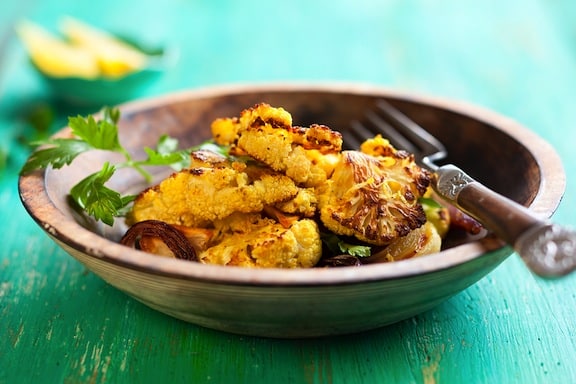
Curry and lemon add an offbeat flavor and vivid color to this roasted cauliflower recipe. Red onion and garlic add depth of flavor. Use on its own as a tasty side dish, or toss with pasta or grains. [Read more...]
Hummus and Quinoa Wrap
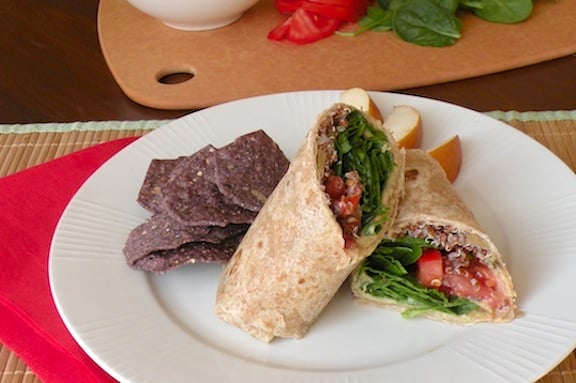
This hummus and quinoa wrap, embellished with fresh and dried tomatoes and leafy greens is chock-full of flavor and protein. Once you have your quinoa cooked (actually, this is a good use for leftover quinoa), this comes together in minutes for an easy dinner or to take along to school or work for lunch. Serve with any sort of soup, a potato dish, salsa and chips, fresh corn — wraps go with most anything! [Read more...]
16 Meal Prep Tips for Healthier Eating Every Day
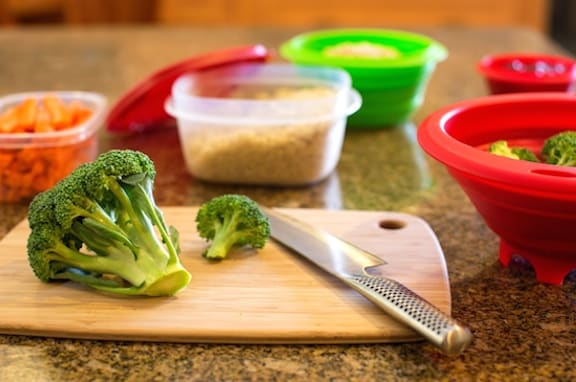
Most of us are busy with work, school, or family (or all of the above!) and don't allow enough time to plan and prep meals. This makes eating in restaurants or ordering take-out food a habit that's too easy to fall back on. Having good meal prep tips and strategies can help you enjoy healthy, balanced meals.
Fortunately, you can eat healthy without spending much time cooking. You just need to prep your meals ahead of time. In fact, if done right, meal prepping can save you money. Whether your goal is to maintain weight, lose weight, save money, or have more energy, here are 16 tips that will help you prep meals with ease.
#1 Have a meal plan
Creating a meal plan is the first thing you should do before you buy food. It'll help you know what to cook and when to cook it. Your meal plan should guide you when making a grocery shopping list. Going shopping without a shopping list can lead to impulse buys of unhealthy foods.
You don't have to come up with a new meal plan every other week. You can use the same meal plan for several weeks-or even months!
If you need some help getting started, be sure to check out our Veggie Kickstart Kit!
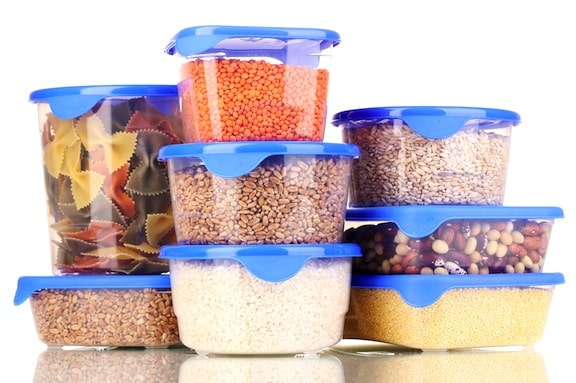
#2 Buy good quality meal prep containers
Having containers makes it easy to store food. Containers keep the food fresh and make it simple to remain organized. Buy containers that are BPA-free to make sure they don't melt in the oven-use glass or Tupperware containers. To avoid confusion and overeating, get containers of the same sizes and shapes.
I'm a fan of these bento style containers with compartments for a few different types of food.
#3 Start slow
Meal prepping is supposed to make life easier. But that doesn't mean you should prep weekly meals. Things will backfire if you try to prep food once a week without prior experience.
Start slow by prepping meals for 2-3 days. By doing this, you'll be able to learn what works and what doesn't. And if you make mistakes, they won't be too costly. Some folks prep dinner meals only, while others prep all meals of the day. Choose to prep the meals you always lack time to cook in advance. Once you have had some practice prepping meals for a few days at a time, you can try cooking weekly meals.
#4 Purchase a food scale
This tip is for people who are trying to lose weight. It's not always necessary to count calories in order to lose weight. But if you're not good at estimating calories or you have a tendency to overeat, a food scale will be a great tool for you.
A perk of meal prepping it that weighing your food will be less hectic, since you only have to weigh portions once or twice a week. Studies show that most dieters underestimate the number of calories they consume. So get a scale if you don't have an estimate of the number of calories you consume.
#5 Don't try new recipes all the time
It's not a good idea to try new recipes when cooking several meals in advance. It'll be a time killer and the whole meal may backfire.
Stick to the recipes you already know how to prepare. Frankly, you don't need to eat dozens of different recipes to stay healthy, as long as your standbys offer good nutrition.
#6 Chop vegetables ahead of time
Meal prepping doesn't only involve cooking-chopping vegetables and fruits in advance can save you time.
If you usually forget to eat your veggies, this approach will be helpful. To prep, chop them and store them in containers. When it's time to cook, just throw them in the pan!
#7 Prepare the complicated recipes first
The order in which you prepare foods will make a huge difference. Cook the complicated recipes at the start of the week (preferably Sunday afternoon), then prep the simple recipes in the middle of the week.
You may get caught up or be too busy to prep complicated recipes in the middle of the week. That's why I advise you use the same strategy for exercise. Do the most challenging exercises first then finish your workout with simpler exercises.
#8 Store healthy snacks in the house
Eating snacks helps control cravings and hunger when dieting. But most folks store unhealthy snacks in the house which encourage binging.
To reverse this, keep only healthy snacks in the house. This could be foods like eggs, fruits, nuts, veggies, and so on. Store your healthy snacks in containers in individual portion sizes-research shows that people overeat snacks when they eat them straight from the bag.
Here are some ideas for healthy homemade vegan snacks.
#9 Don't have the 'all or nothing' mentality
It may not be possible to prep meals all the time or every week, but prep them when you can. Don't assume that there's no point in doing it at all if you can't do it all the time.
Prepping meals occasionally is better than not prepping at all. And as you continue prepping meals, you'll discover new easy and quick ways to do it.
#10 Buy healthy condiments
Eating healthy doesn't mean eating boring and tasteless food. You can make healthy and delicious food without over-salting it.
Use healthy condiments like fresh ginger, olive oil, and lemon to prepare meals. Your food will be delicious and you'll be encouraged to prep meals regularly.
#11 Put lunch salads in a glass jar
Most people think carrying salad to work is a bad idea because it'll get mushy. But if you use a glass jar, the veggies can stay fresh for long.
Put the dressings at the bottom of the jar, then layer vegetables like peppers and beets, and then put the leafy greens for the top. Place a paper towel on top of the glass jar to absorb moisture if you're storing the salad for a couple of days.
I've found that these wide mouth mason jars work best!
#12 Roast different veggies together
Some vegetables have the same cooking time. Instead of roasting each vegetable individually, you can roast them together to save time.
Some hardier veggies that you can cook together include: potatoes, cauliflower, parsnips, carrots, and onions. As for fast-cooking veggies, you can prepare mushrooms, tomatoes, and asparagus together.
Need a recipe? Check out these roasted veggies with vegan cheese sauce.
#13 Prep freezer-friendly foods
You can freeze any foods, but some meals become mushy when frozen. When prepping meals for several days, cook foods which freeze and reheat easily. Soups, stews, and bean chilis freeze well, as do some casseroles like lasagne. Dishes that feature potatoes or tofu tend to get watery, so avoid freezing those.
You'll just need to heat the dish for a few minutes after it has thawed out, and you'll have yourself a healthy meal.
#14 Keep leftovers in the fridge
Some people find leftovers unappealing, but they can help you to eat healthier and save time. Just put your leftovers in a container and store them in the fridge. Leftovers can be kept in the refrigerator up to 4 days without going bad.
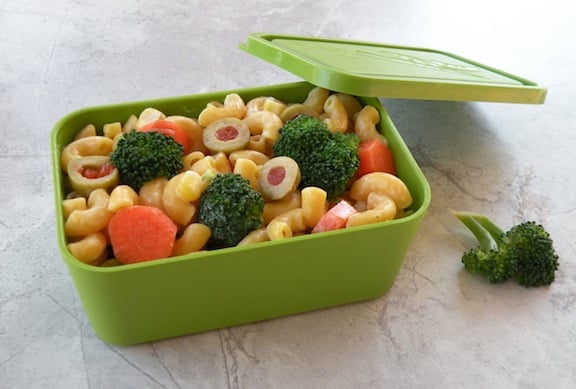
#15 Make lunch the night before
Some folks may not feel the need to prep dinner for several days. If that's you, taking time to make lunch the night before is a good idea, if you'll be at school or work the next day. Leftovers (see #14 above) are good for thermos or container lunches for school or the office.
#16 Organize food in the refrigerator
Refrigerators have different compartments which have different temperatures and serve different purposes.
The door is the warmest part of the fridge, so place foods in it that don't spoil quickly, like condiments. Place cooked foods on the top shelves of the fridge. The lower shelves are the coldest, so place foods there which need to be cooked. You can store a wide variety of foods in the freezer-just make sure to pack the foods tightly in containers and keep them well organized.
Final word
It's hard to eat healthy if you never cook your own meals. So use these meal-prepping tips to make the process easier!
Realize that all meal prepping ideas won't work for you. You'll have to experiment to find what works for you, and then stick to it. Once you put these ideas in action, you'll have more time to exercise-another main aspect of a healthy life. Do you have any meal prepping ideas that have worked for you?
Brian Syuki writes at Focusfitness.net, where he teaches men and women how to stay lean and strong using bodyweight exercises and proper nutrition.
11 Best Vegan Scone Recipes
Scones are such a delicious treat. Soft, crumbly, and packed with flavor, they make a wonderful breakfast or delicious dessert. Scones are always warm, sweet, and satisfying, but unfortunately they are not always vegan. That's why I've rounded up all my favorite vegan scone recipes right here. Now you can indulge in this sweet treat guilt-free!
Vegan Scone Recipes
Simple Vegan Scones

This recipe is a great place to start our list. This classic Simple Vegan Scone recipe makes a great base for experimenting. Add any kind of fruit or nuts to customize this recipe to your tastes. You can also top these with all sorts of delicious condiments. This recipe serves the scones with strawberry jam and coconut whipped cream.
Cranberry Orange Scones
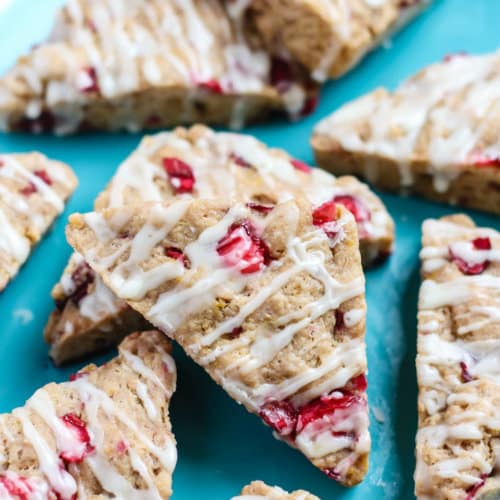
This is a vegan version of the classic Cranberry Orange Scone. These scones are a delicious breakfast pastry that you can enjoy on a cold fall morning. The orange icing glaze makes them extra decadent. Serve them at a holiday brunch party to wow your guests.
Lemon Poppy Seed Scones

These are another classic scone variety made with no animal products. These Lemon Poppy Seed Scones are sweet and bursting with lemon flavor. They're great for a breakfast or as a dessert!
Cheddar Chive Scones
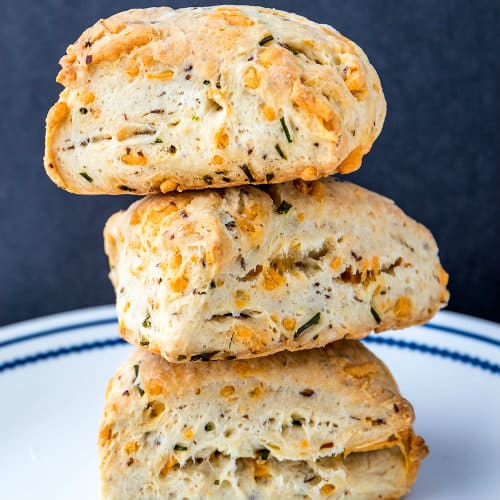
These savory Cheddar Chive Scones would be great with a warm bowl of leek and mushroom soup. These would also make a great vegan alternative to the croissants and rolls that are usually served for the holidays.
Cherry Coconut Scones

This recipe uses fresh cherries! These vegan Cherry Coconut Scones are perfect for that early summer brunch, or you can freeze the fresh cherries to make these scones any time of year. The coconut creates a nice flavor combination with the fresh cherries. This recipe uses bread flour, so be careful not to knead it too much, or they will get tough.
Maple, Pumpkin, Pecan, & Oat Scones
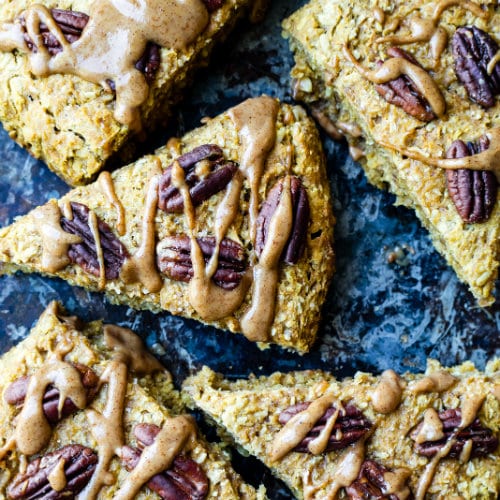
The name is a mouthful, but a mouth full of these fall favorites will be happy. These Maple, Pumpkin, Pecan, & Oat Scones have everything good about fall in one little bite. These scones are a perfect addition to a holiday party or brunch. Enjoy!
Peach Scones
These Peach Scones are perfect little vehicles for some delicious, fresh peaches. The recipe says that you can use canned, frozen, or fresh peaches, so you can enjoy these beautiful scones any time of the year.
Double Chocolate Scones
These vegan Double Chocolate Scones are decadent and rich-great for breakfast or dessert. They have a chocolate batter, chocolate chips, AND chocolate sauce drizzled over the top! This is the perfect scone recipe for those chocoholics out there.
Banana Nut Vegan Scones
These Banana Nut Vegan Scones are like individual banana-nut breads covered in a maple glaze. Don't they sound like little triangles of heaven? This is another scone recipe that works great for breakfast, brunch, or dessert. You can even have one of these scones in the afternoon with a cup of coffee. Banana nut scones are a classic for a reason!
Gluten-Free Blueberry Scones

There is no shortage of blueberry scone recipes on the internet. What sets this recipe apart is that it is gluten-free. These Gluten-Free Blueberry Scones are a great choice for anyone with celiac's disease or a gluten intolerance. They are also a great choice for a brunch party, because you never know who is gluten-free these days.
Savory Lemon Fennel Scone

This last scone recipe is savory instead of sweet. The recipe calls for lemon juice, lemon zest, fennel seeds, and garlic to create an Italian flavor profile. These Savory Lemon Fennel Scones would be great with pasta, or as a savory biscuit with a tofu scramble. you could leave out the garlic and add sugar to make these into a sweet version, too!
We hope that you have found some great vegan scone recipes to add to your recipe box! Be sure to also try these vegan lemon ginger scones - bursting with lemon zest and ginger, they make a wonderful addition to any tea time spread. Do you have any vegan scones recipes that you would like to share? Leave a comment below!
12+ Tasty, Healthy Vegan Farro Recipes
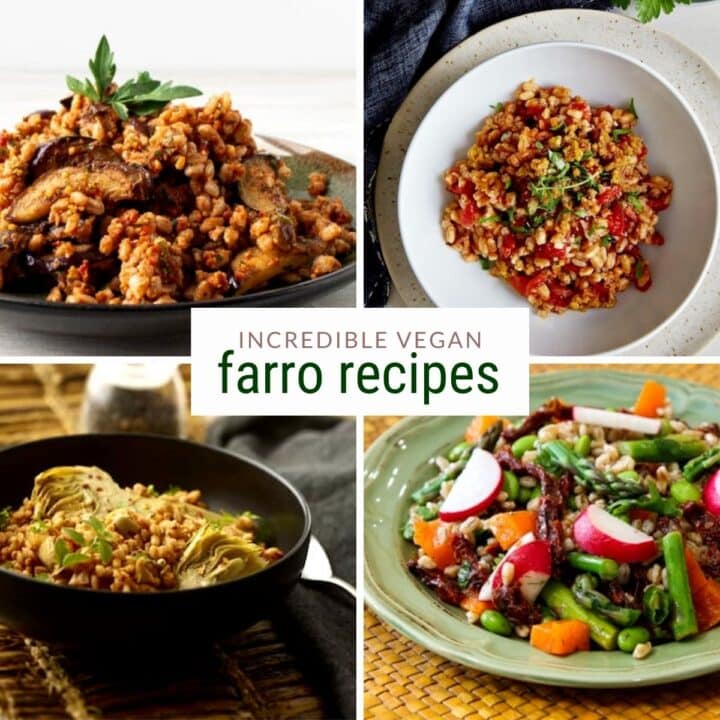
Here are a dozen tasty and healthy vegan farro recipes. This nutty, hearty grain has joined other recently revived ancient grains like quinoa, einkorn, kañiwa, and teff in the modern kitchen. Filled with fiber and high in iron, you'll want swap it in for rice and barley in all kinds of dishes. Make sure to see our guide on How to Cook Farro for more tips, and be inspired by the recipes ahead.
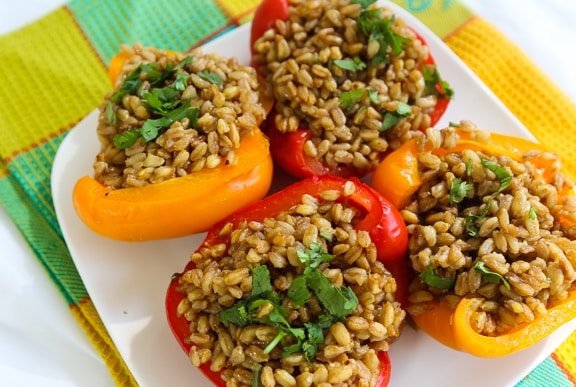
Super-Quick Grain-Stuffed Peppers (shown at top): Once you stuff the pilaf into prepared peppers, you need not even cook or bake them any further. For these, we used a delicious porcini-flavored quick-cooking farro pilaf mix, for those of you who are in a hurry.
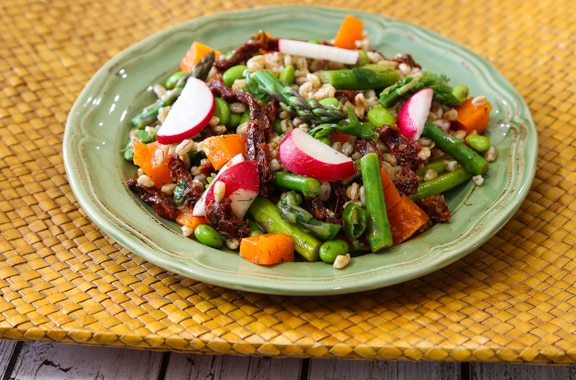
Spring Farro Asparagus Salad: A delicate blend of the farro, asparagus, radishes, edamame, and peppers, this is good served as a side-by-side entrée with a warm or cold bean dish. Leftovers are excellent for the next day's lunch for home or work.
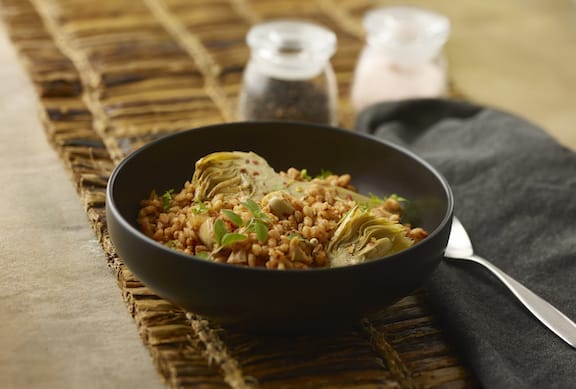
Artichoke Farro: Farro is a favorite grain in Italian cuisine, so it's a natural partner for artichokes-another Italian favorite - in this simple pilaf by Kim Lutz.
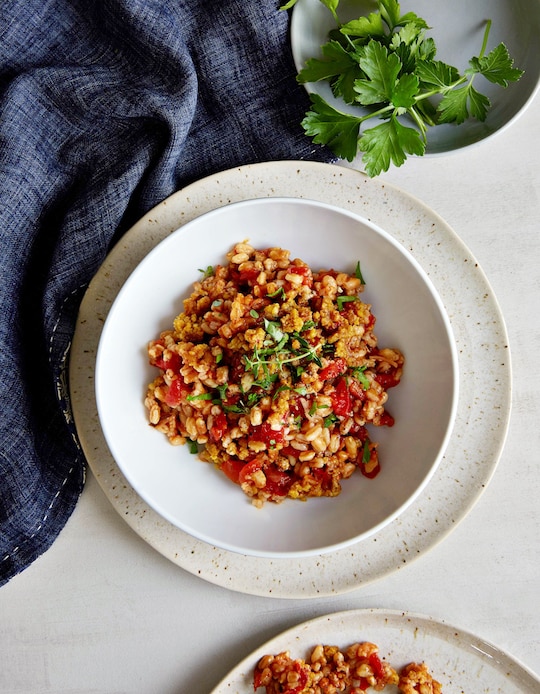
Baked Farro with Tomatoes & Herbs: Contributed by Isa Moskowitz and Terry Romero, this comforting and easy tomato and herb-drenched baked farro casserole may bump your favorite pasta bake down a notch or two.
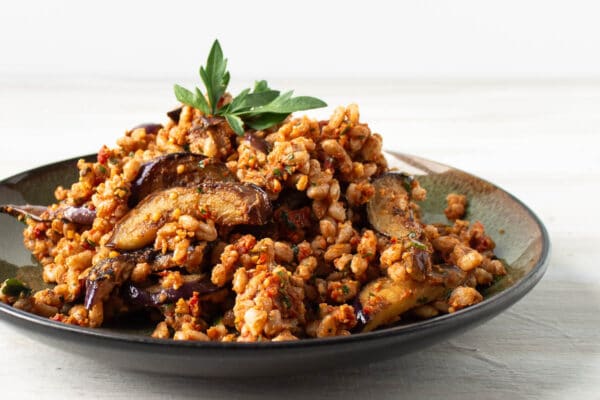
Farro & Eggplant with Sun Dried Tomato Pesto: Farro is tossed with a zesty sun-dried tomato and walnut pesto and pan-fried eggplant. It cooks up in just 30 minutes and can be enjoyed warm or cold, so it's great for meal prep too.
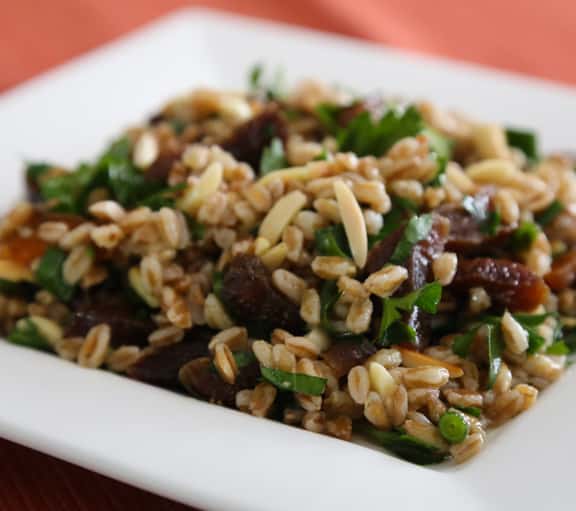
Barley or Farro Salad with Apricots and Almonds: Here's a simple Middle-Eastern inspired salad whose slight sweetness makes it a good foil for other Middle Eastern specialties like hummus, tabbouli, and baba ghanouj.
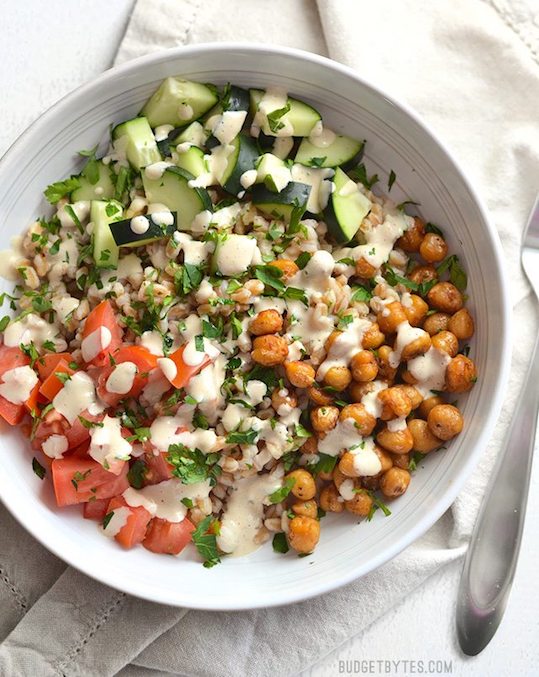
Photo: Budget Bytes
Mediterranean Farro Salad with Spiced Chickpeas: A recipe from Budget Bytes, this salad features a classic tomato and cucumber combo, seasoned and sautéed some chickpeas. It's topped it off with a creamy tahini dressing.
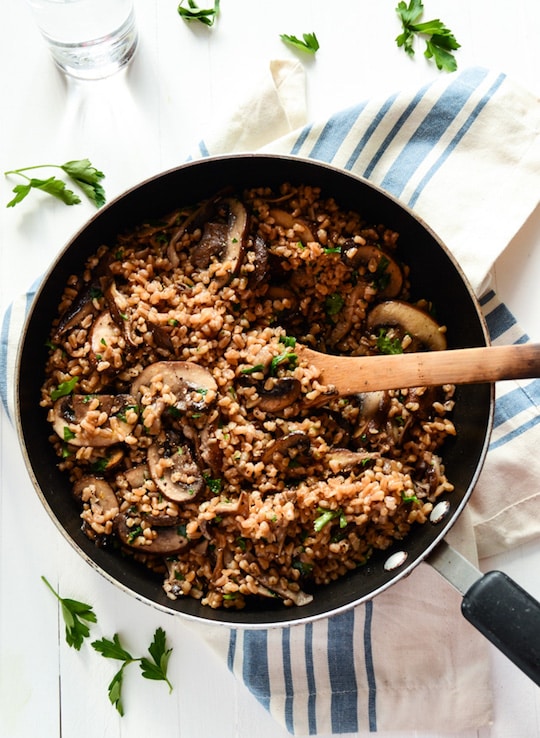
Photo: Blissful Basil
No-Fuss Garlicky Farro with Sautéed Mushrooms: From Blissful Basil, this farro dish is super-easy, with minimal chopping, cookware, and ingredients required. It's a comforting kind of main dish you'll love at the end of a busy day.
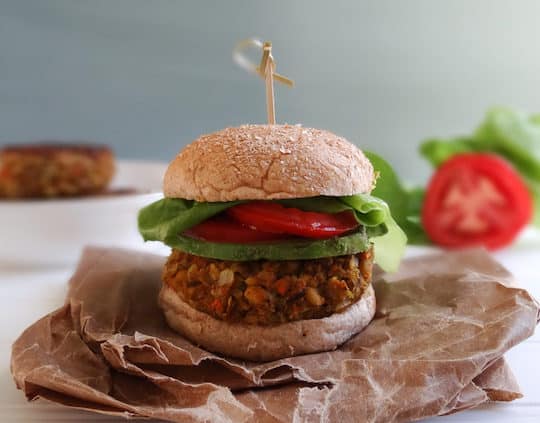
Photo: Sharon Palmer
Farro and White Bean Veggie Burgers by Sharon Palmer are amazing! Says Sharon "Homemade veggie burgers, such as these savory farro and white bean burgers, are leaps and bounds above frozen varieties when it comes to taste. And they're not as hard to make as you think."
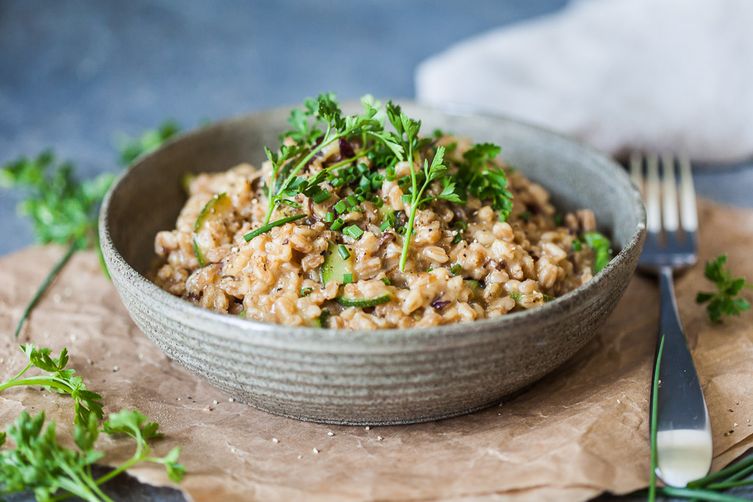
Photo: Food 52 / Vibrant Plate
Vegan Farro Risotto: This risotto-style creation is by Food 52 contributor Vibrant Plate. Embellished with leek, carrot, and zucchini, it makes for a simple and satisfying dinner entree.
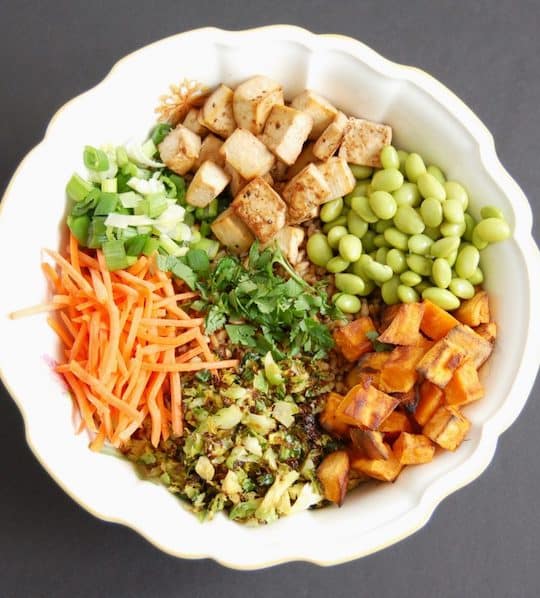
Photo: Small Bites
Asian-Style Farro Buddha Bowl with Crispy Baked Tofu from Small Bites helps you stick to your healthy eating goals! This Farro Buddha Bowl is packed with veggies, protein, and Asian-inspired flavors.
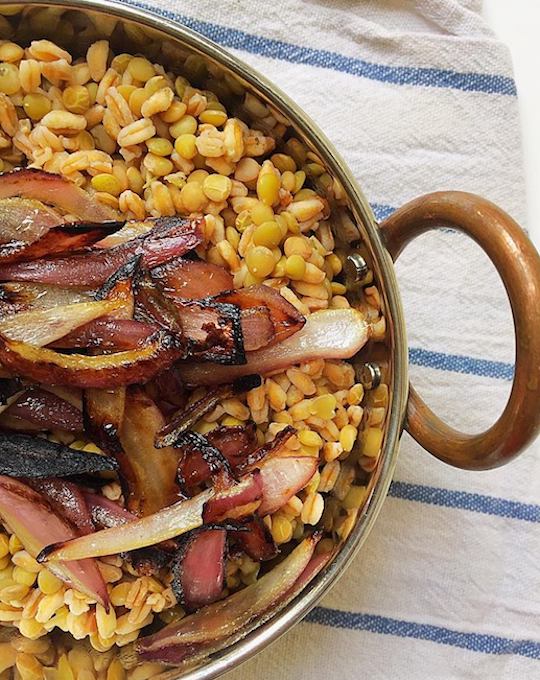
Photo: Whisk and Shout
Vegan Farro Mujadara is an inspired idea from rom Whisk and Shout. The Middle Eastern classic combines lentils with either rice or bulgur; so why not try it with Farro? It becomes heartier than ever.
Also try: our tabbouleh.
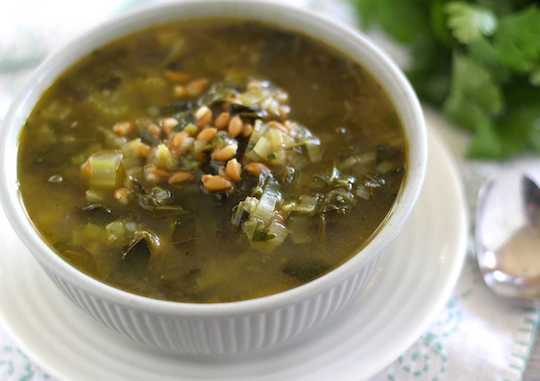
Photo: Letty's Kitchen
Also try: our Cream Of Asparagus Soup.
Also try: our Creamy Pasta With Asparagus And Peas.
Farro and Hearty Greens Soup: Finally, from Letty's Kitchen, this savory farro and hearty greens soup is a delicious cold weather favorite of Letty's family, and she's betting that you'll love it as much as they do.
Baked Farro with Tomatoes & Herbs
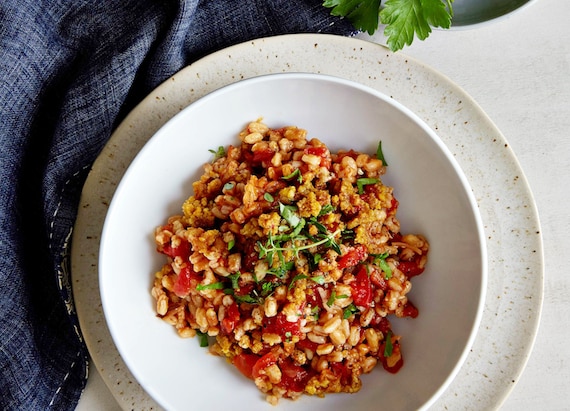
Rich and cheesy tasting without a lick of cheese (and with plenty of nutritional yeast), this comforting and easy tomato and herb-drenched baked farro casserole may bump your favorite pasta bake down a notch or two. Farro is a rustic, chewy variety of whole-kernel wheat rich in protein and fiber, and usually stocked in nice groceries with other heirloom grains, such as quinoa, or look wherever Mediterranean pastas and rices are sold.
Recipe and photos from Veganomicon, 10th Anniversary Edition: The Ultimate Vegan Cookbook by Isa Chandra Moskowitz and Terry Hope Romero, © 2017. Available from Da Capo Lifelong Books, an imprint of Perseus Books, LLC, a subsidiary of Hachette Book Group, Inc. Reprinted by permission. [Read more...]
34 Best Plant-Based High-Fiber Foods
Many people eating a typical Western diet, heavy on refined starches and animal protein, don't get anywhere near enough fiber. The good news: plant foods are where fiber lives, and a vegan diet built on vegetables, beans, whole grains, fruit, nuts, and seeds makes it easy to hit your daily target. Here are 34 of the best high-fiber foods, grouped by type, with roughly how much fiber each serving delivers and a simple way to eat more of it.
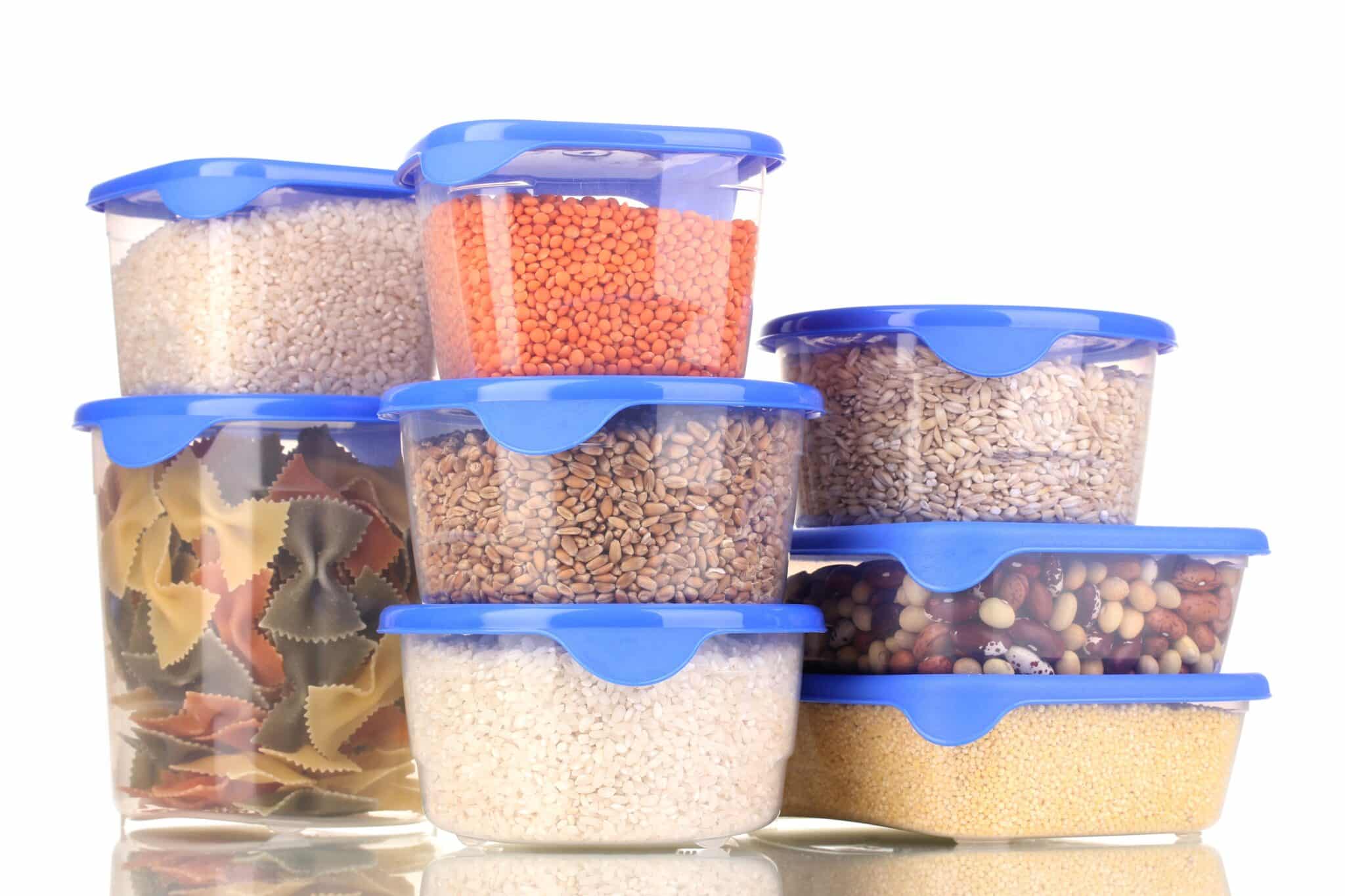
Why Fiber Matters
Dietary fiber is the part of plant foods your body can't fully digest, and that's exactly what makes it useful. It comes in two main forms. Soluble fiber dissolves in water and forms a gel that slows digestion; beans, peas, oats, and apples are rich in it. Insoluble fiber (the "roughage" that doesn't dissolve) adds bulk and helps food move through the digestive system; you'll find it in whole grains, nuts, seeds, and the skins of fruits and vegetables. Most whole plant foods contain some of both.
Digestion. Insoluble fiber keeps things regular and helps prevent constipation, while fermentable fibers feed the beneficial bacteria in your gut.
Feeling full. High-fiber foods take longer to chew and digest, so they help you feel full sooner and stay satisfied longer. That's one reason a fiber-rich diet can make it easier to manage your weight without feeling deprived.
Heart health. Soluble fiber helps lower LDL ("bad") cholesterol, and diets rich in fiber are linked with a lower risk of heart disease, type 2 diabetes, and some cancers. Because it slows the absorption of sugar, fiber also helps keep blood sugar steadier after meals.
How much do you need? The general guideline is about 14 grams of fiber for every 1,000 calories you eat, which works out to roughly 25 to 35 grams a day for most adults. It's best to increase your intake gradually so your body can adjust, and as you eat more fiber, be sure to drink plenty of water.
A note on the numbers: the fiber figures below are approximate, per-serving values based on USDA nutrient data. Actual amounts vary with variety, ripeness, and how the food is prepared, so treat them as a helpful guide rather than exact counts.
High-Fiber Foods at a Glance
| Food group | Top picks | Approximate fiber per serving |
|---|---|---|
| Vegetables | Artichokes, green peas, collard greens, winter squash | 6 to 10 g per cup or medium artichoke |
| Legumes | Navy beans, split peas, lentils, pinto and black beans | 11 to 19 g per cooked cup |
| Whole grains | Bulgur, whole-wheat pasta, barley, quinoa | 5 to 8 g per cooked cup |
| Fruit | Raspberries, blackberries, dried figs, pears | 5 to 8 g per cup or medium fruit |
| Nuts and seeds | Chia seeds, flaxseeds, almonds, pistachios | 3 to 10 g per ounce or 2 tablespoons |
High-Fiber Vegetables
Vegetables are the easiest place to start. Leave the skins on where you can, and remember that cooking doesn't destroy fiber; a cup of cooked greens actually packs in more than a cup of raw because they shrink down.
1. Artichokes
Fiber: about 7 to 10 grams per medium artichoke, cooked. Easy way to eat it: Steam a whole artichoke and dip the leaves in a lemony vinaigrette, or toss jarred or frozen artichoke hearts into grain dishes like this Artichoke Farro.
2. Green peas
Fiber: about 9 grams per cup, cooked. Easy way to eat it: Keep a bag in the freezer and stir a handful into soups, pasta, and rice. Italian-Style Rice and Peas (Risi e Bisi) is a cozy way to eat a full cup.
3. Collard greens
Fiber: about 7.5 grams per cup, cooked. Easy way to eat it: Slice them thin and sauté with plenty of garlic, as in these Simple Sautéed Garlicky Greens.
4. Acorn and butternut squash
Fiber: about 6 to 9 grams per cup, baked. Easy way to eat it: Halve and roast, then fill the cavities with a hearty stuffing, like this Rice and Pecan-Stuffed Squash.
5. Parsnips
Fiber: about 5.5 grams per cup, cooked. Easy way to eat it: Roast them alongside carrots and potatoes, or simmer them into a creamy Vegan Parsnip Chowder.
6. Broccoli
Fiber: about 5 grams per cup, cooked. Easy way to eat it: Eat the stems too (they're just as fiber-rich as the florets). This Vegan Broccoli Quinoa Casserole pairs it with another high-fiber favorite.
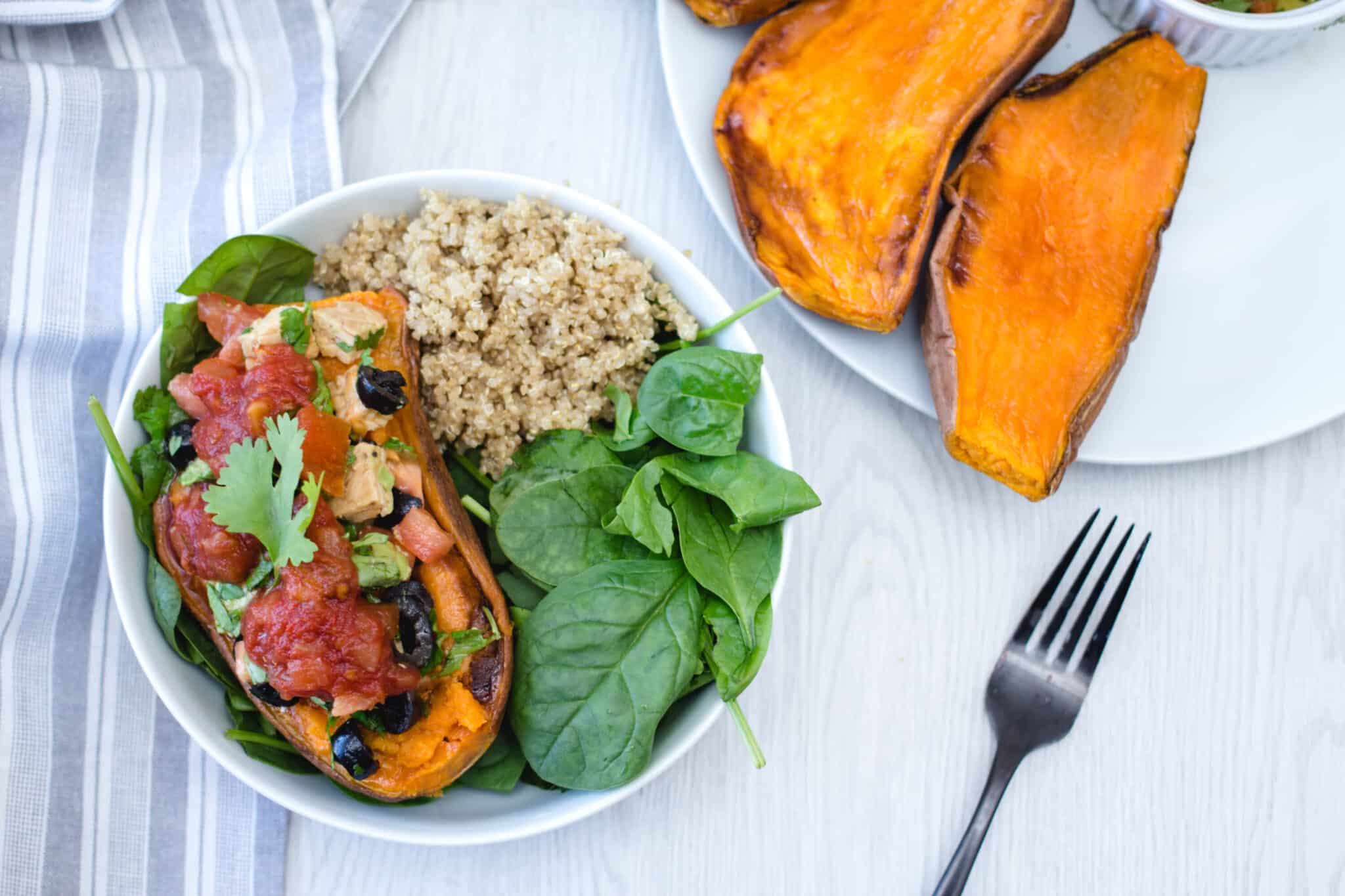
7. Carrots
Fiber: about 4.5 grams per cup, cooked. Easy way to eat it: Snack on them raw with hummus, or roast them until caramelized, as in these Sweet Cinnamon-Roasted Baby Carrots.
8. Brussels sprouts
Fiber: about 4 grams per cup, cooked. Easy way to eat it: Halve and roast or pan-sear them until the edges crisp. Wine-Glazed Brussels Sprouts make an easy holiday-worthy side.
9. Sweet corn
Fiber: about 4 grams per cup, cooked. Easy way to eat it: Add kernels to salads, salsas, and chili, or make a bowl of Creamy Corn Chowder.
10. Sweet potatoes
Fiber: about 4 grams per medium potato, baked with the skin. Easy way to eat it: Bake them whole, skin and all, and load them up with beans, as in this Vegan Mexican Stuffed Sweet Potato.
High-Fiber Legumes
Beans, lentils, and peas are the undisputed fiber champions, with more per serving than any other food group, plus plenty of plant protein. Canned beans count just as much as home-cooked; just rinse them to cut the sodium.
11. Navy beans
Fiber: about 19 grams per cup, cooked. Easy way to eat it: Simmer them into a hearty soup, like this White Bean Soup with Corn and Red Peppers.
12. Split peas
Fiber: about 16 grams per cup, cooked. Easy way to eat it: They cook down without soaking into the ultimate thick, comforting Vegan Split Pea Soup.
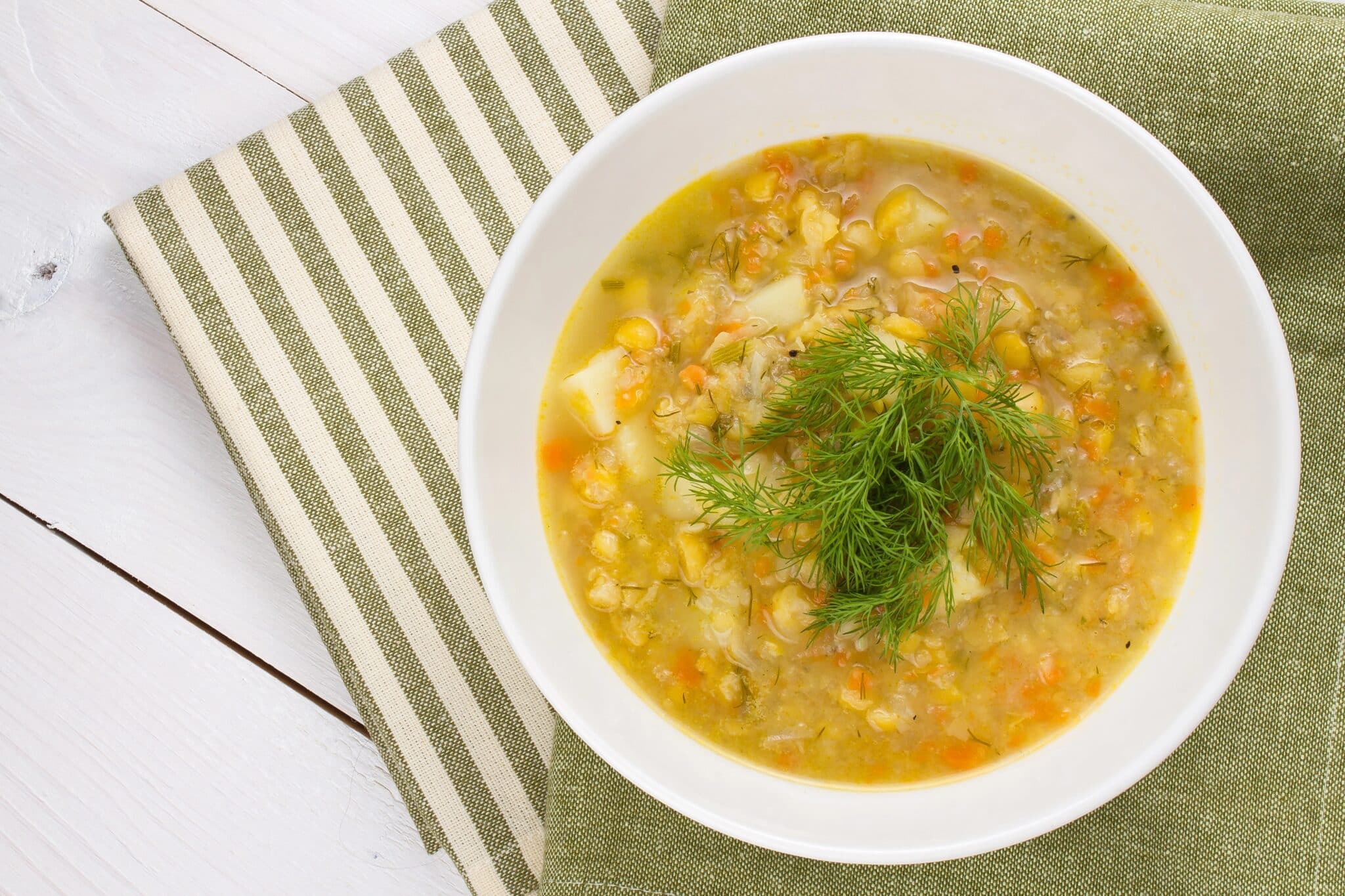
13. Lentils
Fiber: about 15.5 grams per cup, cooked. Easy way to eat it: Red lentils melt into soups and dals in about 20 minutes; try this Red Lentil Dal. Brown lentils hold their shape for salads, and a bag of Palouse Brand brown lentils keeps in the pantry for months.
14. Pinto beans
Fiber: about 15 grams per cup, cooked. Easy way to eat it: Stir them into tacos and burritos, or pair them with greens in this simple Chard with Pinto Beans.
15. Black beans
Fiber: about 15 grams per cup, cooked. Easy way to eat it: Purée them into a quick soup, like this 20-Minute Salsa Black Bean Soup, or mash them into burgers.
16. Lima beans
Fiber: about 13 grams per cup, cooked. Easy way to eat it: Give them a Southern-style simmer, as in these Vegan Southern Lima Beans.
17. Chickpeas
Fiber: about 12.5 grams per cup, cooked. Easy way to eat it: Roast them for a crunchy snack or blend them into Classic Hummus for dipping raw vegetables (a fiber double win).
18. Kidney beans
Fiber: about 11 grams per cup, cooked. Easy way to eat it: They're a natural in chili; try this Classic Vegan Chili and make a double batch for the freezer.
High-Fiber Whole Grains
Swapping refined grains for whole ones is one of the simplest fiber upgrades you can make, because the fiber-rich bran is left intact.
19. Bulgur
Fiber: about 8 grams per cup, cooked. Easy way to eat it: It only needs soaking or a short simmer, which makes it perfect for Tabbouleh Salad.
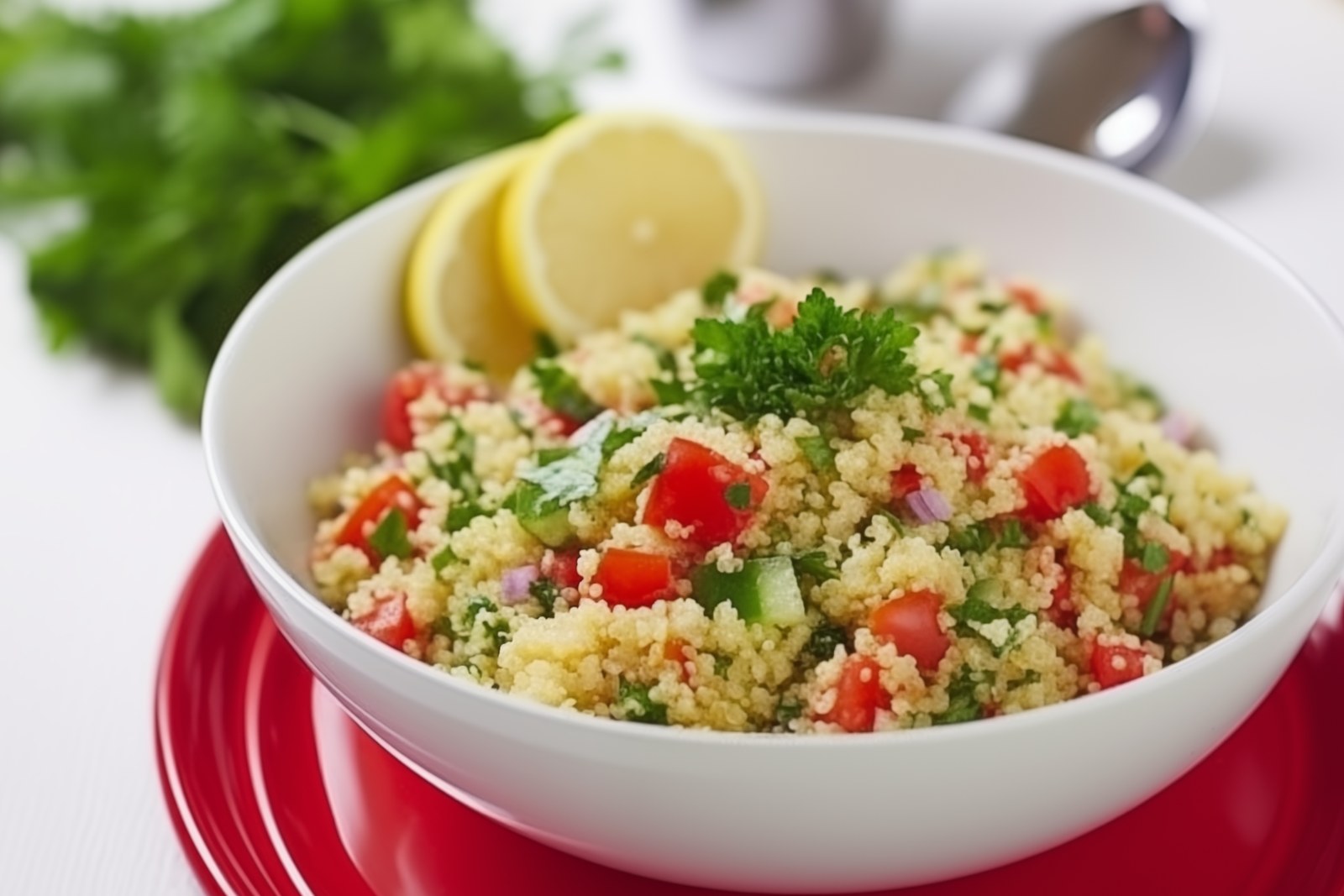
20. Whole-wheat pasta
Fiber: about 6 grams per cup, cooked. Easy way to eat it: Swap it in for white pasta in any recipe; it's especially good with a hearty sauce like this Pasta with Hearty Lentil and Spinach Sauce.
21. Barley
Fiber: about 6 grams per cup, cooked (pearled). Easy way to eat it: Barley adds a chewy bite and body to soups; try this Classic Mushroom-Barley Soup.
22. Quinoa
Fiber: about 5 grams per cup, cooked. Easy way to eat it: Use it as a base for grain bowls or a quick side, like this Simple Kale and Quinoa Pilaf.
23. Oats
Fiber: about 4 grams per cup of cooked oatmeal. Easy way to eat it: Start the day with a bowl of Apple Pie Oatmeal, topped with fruit and a spoonful of seeds for even more fiber.
24. Popcorn
Fiber: about 3.5 grams per 3 cups, air-popped. Easy way to eat it: Yes, popcorn is a whole grain! Skip the butter and season it with herbs, as in this Stovetop Herb Popcorn.
High-Fiber Fruits
Whole fruit beats juice every time when it comes to fiber. Berries lead the pack, and eating the skin on apples and pears roughly doubles what you get.
25. Raspberries
Fiber: about 8 grams per cup. Easy way to eat it: Add them to breakfast, as in these Raspberry Chia Breakfast Jars; frozen berries work just as well.
26. Blackberries
Fiber: about 7.5 grams per cup. Easy way to eat it: Eat them by the handful, blend them into smoothies, or bake them into these Vegan Blackberry Cookies.
27. Avocado
Fiber: about 5 grams per half avocado. Easy way to eat it: Mash it onto whole-grain toast or fill the halves with a zesty salad, as in these Stuffed Avocados with Corn and Olives.
28. Pears
Fiber: about 5.5 grams per medium pear, with the skin. Easy way to eat it: Slice them into salads, like these Mixed Greens with Pears, Cranberries, and Pecans.
29. Dried figs
Fiber: about 7 grams per ½ cup. Easy way to eat it: Chop them into oatmeal or snack mixes, or press them into these Unbaked Fig Bars.
30. Apples
Fiber: about 4.5 grams per medium apple, with the skin. Easy way to eat it: Pair slices with nut butter for a snack, or add them to a crunchy salad like this Kale, Romaine, and Apple Salad with Sesame-Avocado Dressing.
High-Fiber Nuts and Seeds
A small handful goes a long way. Nuts and seeds add fiber along with healthy fats, so they're an easy way to boost the staying power of breakfasts, salads, and snacks.
31. Chia seeds
Fiber: about 10 grams per ounce (roughly 2½ tablespoons). Easy way to eat it: Stir them into plant milk and let them thicken overnight into Raspberry Chia Pudding.
32. Flaxseeds
Fiber: about 4 grams per 2 tablespoons, ground. Easy way to eat it: Buy them ground (or grind them yourself) so your body can use the nutrients; a bag of Anthony's organic flaxseed meal is handy for sprinkling on oatmeal. Ground flax also works as an egg replacer in baking, as in this Oat Flour Banana Bread.
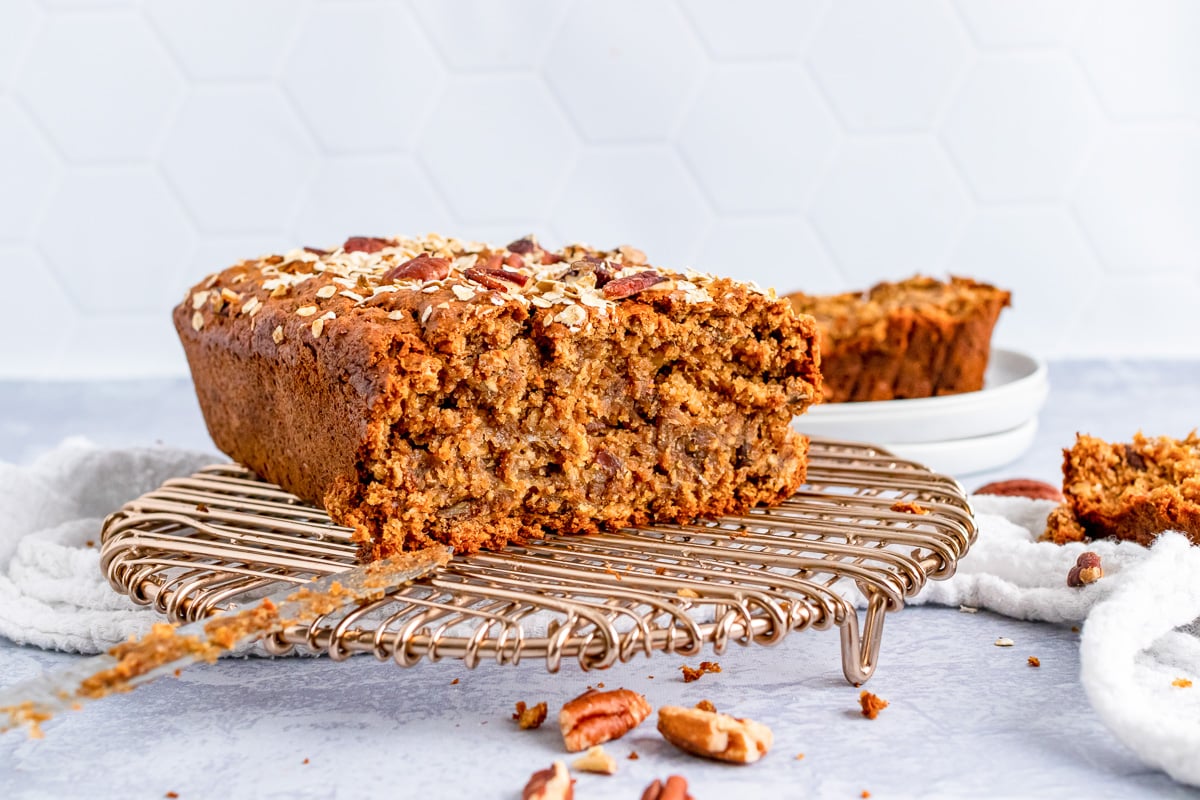
33. Almonds
Fiber: about 3.5 grams per ounce (about 23 almonds). Easy way to eat it: Keep a jar on hand for snacking, or blend them with dates into these Date and Almond Energy Bites.
34. Pistachios
Fiber: about 3 grams per ounce (about 49 pistachios). Easy way to eat it: Sprinkle them over grain salads, or blend them into this bright Green Pea, Parsley, and Pistachio Dip.
Easy Ways to Eat More Fiber
Build meals around beans. Just one cup of cooked beans or lentils covers about half of a day's fiber. Add them to soups, salads, pasta sauces, and tacos a few times a week.
Make half your plate vegetables. Leave peels on potatoes, carrots, and apples when you can, and add an extra vegetable to dishes you already make.
Choose whole grains by default. Swap white rice, white bread, and regular pasta for brown rice, whole-grain bread, bulgur, barley, and whole-wheat pasta.
Upgrade your snacks and breakfasts. Berries, a pear, a handful of nuts, or a spoonful of chia or ground flax in your oatmeal adds several grams without any extra effort.
Frequently Asked Questions
Which vegetables have the most fiber?
Artichokes top the list at about 7 to 10 grams per medium artichoke, followed by green peas (about 9 grams per cooked cup), collard greens (about 7.5 grams), and acorn and butternut squash (about 6 to 9 grams). Parsnips, broccoli, carrots, Brussels sprouts, sweet corn, and sweet potatoes with the skin all provide about 4 to 5.5 grams per serving. If you count legumes as vegetables, beans, lentils, and split peas beat them all, at 11 to 19 grams per cooked cup.
How much fiber do I need each day?
Most adults need roughly 25 to 35 grams a day, or about 14 grams for every 1,000 calories. A day that includes a cup of beans, a couple of servings of vegetables, a whole-grain breakfast, and a piece of fruit will get you there easily.
Can you eat too much fiber?
If you add a lot of fiber all at once, you may notice gas, bloating, or cramping. Increase it gradually over a few weeks and drink plenty of water, and your digestive system will adjust.
More Vegan Resources
If you found this info helpful, be sure to check out these other helpful vegan eating resources:
BBQ-Flavored Tofu and Chickpea Bowl
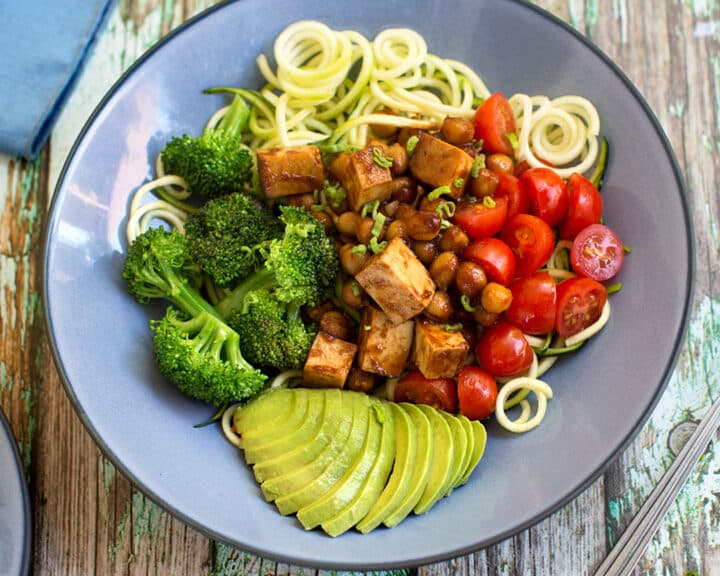
One of the annoying things we've noticed about bowl recipes in cookbooks and around the web is how complicated they've become. Something that started out as a super-simple way to enjoy variety in a meal has gone kind of crazy - sometimes 3 to 4 sauces have to be made with a plethora of spices, along with a myriad of ingredients that have to be prepped just so.
It's almost a minimalist bowl recipe these days that has "only" 15 ingredients, and we counted up a bunch that have in the neighbor hood of 30 ingredients! And the concept behind this is supposed to be simple, one-bowl meals? We don't think so. And we're here to prove that it doesn't have to be that way. [Read more...]
Creative Ways to Use Veggie Burgers (Besides on a Bun!)
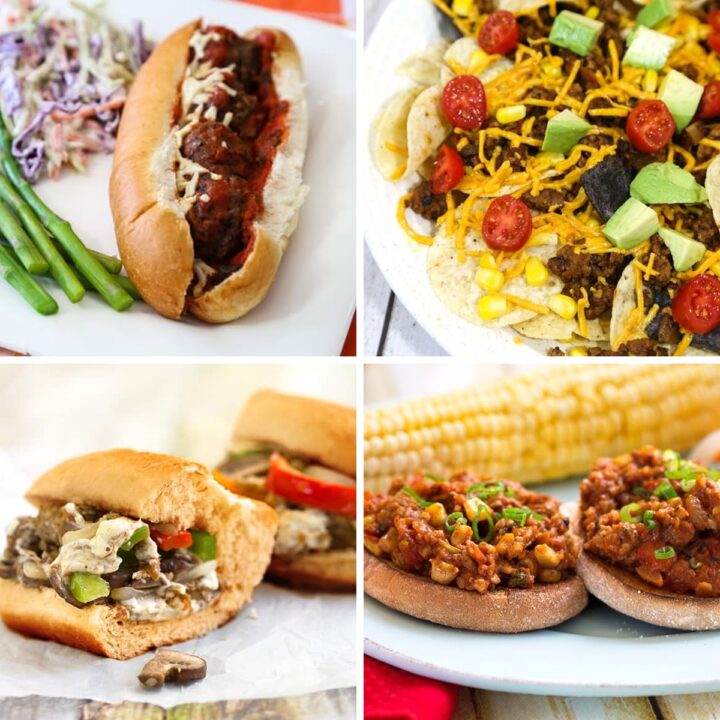
A box of frozen veggie burgers is one of the most useful things you can keep in your freezer. Crumble them, slice them, or roll them into balls, and you have a head start on dinner that's hearty, budget-friendly, and ready in minutes. Here are our favorite ways to use veggie burgers besides on a bun, from meatballs and nachos to sloppy joes and cheesesteaks.

Why Veggie Burgers Make a Great Meal Starter
Many veggie burgers are made from grains, beans, and vegetables, which gives you a satisfying, "meaty" texture without relying on the soy protein isolates found in a lot of ready-made meat substitutes. They're already seasoned and already cooked through, so a little browning is all it takes to turn them into the base of a meal. If you're not sure which brand to buy, this list of the best vegan store-bought veggie burgers is a good place to start.
One important note: not every veggie burger is vegan. Some contain egg or dairy, so read the label before you buy.
Quick Guide to the Ideas
| Idea | How to Prep the Burgers | Ready In |
|---|---|---|
| Meatballs and meatball subs | Cut into quarters and roll into balls | About 15 minutes |
| Tacos, burritos, and nachos | Crumble and season | About 10 minutes |
| Philly-style cheesesteaks | Slice into thin strips | About 15 minutes |
| Sloppy joes, pasta sauce, and chili | Crumble and simmer in sauce | 15 to 20 minutes |
| Casseroles and stuffed peppers | Crumble and mix into the filling | 30 to 40 minutes |
| Pizza, breakfast scrambles, and salads | Crumble, slice, or cube | 10 to 15 minutes |
Vegan Meatballs
This is the one that started it all for us. Thaw a four-pack of your favorite veggie burgers, cut each patty into four equal pieces, and roll the pieces into balls with damp hands. Brown them in a lightly oiled skillet, or bake them, and you have 16 meatballs in about 15 minutes. Our Laughably Easy Vegan Meatballs walk you through every step, and they cost far less than buying vegan meatballs ready-made.
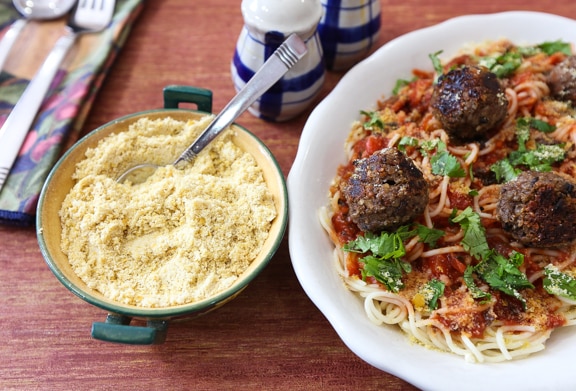
Toss them with spaghetti and marinara, or serve them as a protein-rich side with warm marinara or an easy vegan gravy for dipping.
Meatball Subs
For something familiar, hearty, and comforting at the end of a long day, tuck those meatballs into a hero roll with marinara and a sprinkle of vegan mozzarella. Our Vegan Italian Meatball Sub Dinner is on the table in about 20 minutes and pairs the subs with quick steamed asparagus and a broccoli slaw.
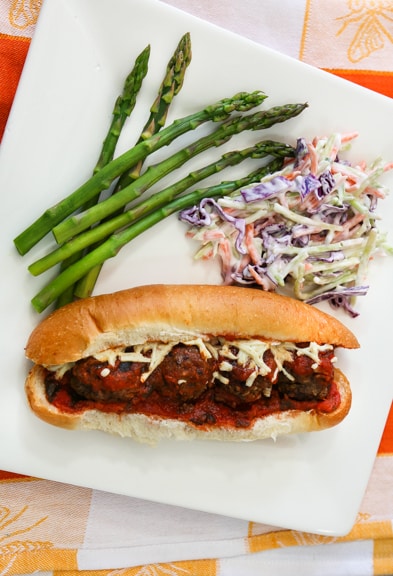
Tacos, Burritos, and Quesadillas
Crumbling veggie burgers into taco filling is about as easy as it gets. Thaw a few patties, crumble them into a skillet with a spoonful of olive oil, and stir in taco seasoning (or a little chili powder, cumin, and garlic powder) and a splash of water. Cook for five to eight minutes, until the edges are browned, and you have a taco filling so tasty you may find yourself sneaking bites straight from the pan.
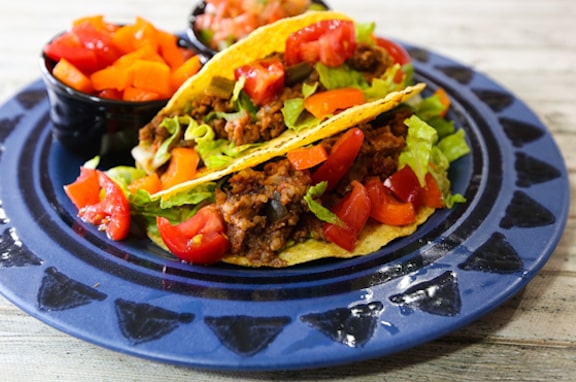
Spoon the filling into taco shells, roll it into burritos, or fold it into a tortilla with vegan cheese for quick quesadillas. Making your own wraps? Try our Homemade Vegan Tortillas. And if you'd like a from-scratch taco filling on another night, our Vegan Walnut Taco Meat is a great option.
"Beefy" Nachos
Nachos make a fantastic party snack, appetizer, or emergency dinner, and crumbled veggie burgers make them convincingly "beefy" with almost no effort. They might even win over a skeptical friend or two. Spread tortilla chips on a rimmed baking sheet, scatter on the seasoned crumbles, top with vegan cheddar shreds, and bake at 375°F for five to eight minutes, until the cheese melts. Finish with diced tomatoes, corn, avocado, and salsa.
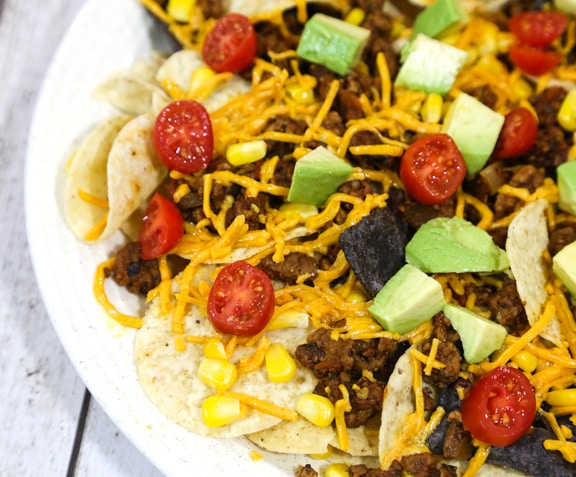
Want more topping ideas? Our Fully Loaded Vegan Nachos are a great template, and our nut-free Vegan Cheese Sauce is wonderful drizzled over the top.
Philly-Style Cheesesteak Sandwiches
Veggie burgers are just the thing for a vegan Philly cheesesteak: meaty but not too meat-imitation-y, and hearty without being gluten-heavy like seitan. Slice the patties into thin strips (they slice most cleanly when still a little frozen) and sauté them in a hot skillet with sliced onions and green bell pepper for about 10 minutes, until browned and tender. Pile the mixture into toasted hoagie rolls, top with vegan provolone or mozzarella shreds, and slip the sandwiches under the broiler for a minute to melt the cheese.
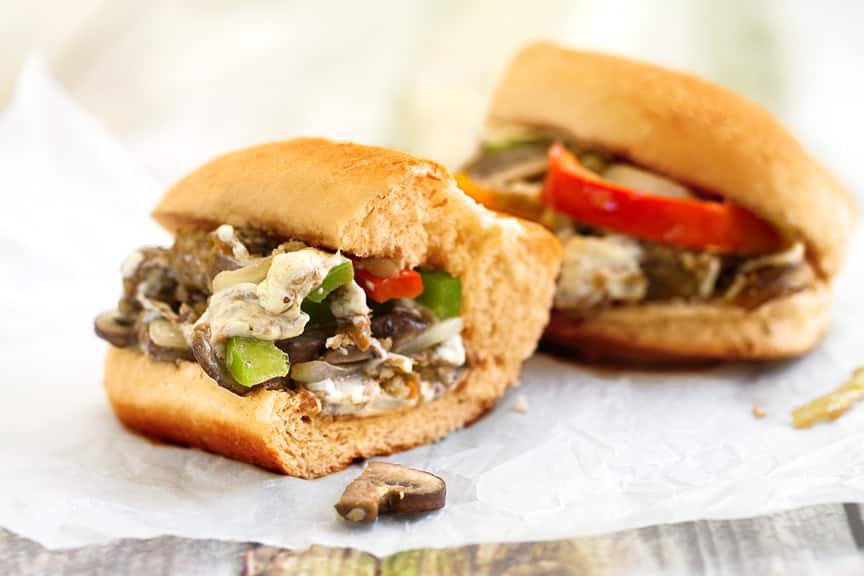
Sloppy Joes
Veggie burgers and a jar of salsa give you plenty of flavor for very little effort. Crumble four patties into a saucepan, stir in a 16-ounce jar of your favorite salsa, and simmer for 10 to 15 minutes, adding a splash of water if it gets too thick. Spoon it over toasted whole-grain buns or English muffins, and serve with fresh corn on the cob or baked sweet potatoes for an emergency meal that tastes like anything but. If you'd rather cook from scratch, try our Vegan Sloppy Joes with Pinto Beans and Quinoa.

Pasta Sauce
Turn a jar of marinara into a hearty, bolognese-style sauce by crumbling two or three veggie burgers into it and simmering for 10 minutes. It's a five-minute shortcut to a rich, chunky sauce for spaghetti, penne, or baked ziti. When you have more time, our Vegan Bolognese Sauce is a wonderful from-scratch version.
Chili
Stir two or three crumbled veggie burgers into a pot of chili during the last 10 minutes of simmering. They soak up the spices and add extra body, which is a nice trick when you want a chili that eats like a full meal. Try this with our Vegetarian Chili with Corn and Soy Beans, and serve it with a pan of Easy Vegan Cornbread.
Casseroles and Stuffed Peppers
Crumbled veggie burgers make a great layer in a casserole. Stir them into the beans and tomatoes of our Super-Easy Vegan Tortilla Casserole for an even heartier dinner. For stuffed peppers, mix crumbled patties with cooked rice, tomato sauce, and a pinch of Italian seasoning, spoon the filling into halved bell peppers, cover, and bake at 375°F for about 35 minutes.
Pizza Topping
Crumbled veggie burger works like vegan sausage on pizza. Scatter the crumbles over the sauce before you add the cheese, and the edges crisp up as the pizza bakes. Start with our Basic Vegan Pizza Dough, or browse our Best Vegan Pizzas for more topping ideas.
Breakfast Scrambles and Burritos
Brown a crumbled patty with diced onion and bell pepper, then stir it into a tofu scramble for a savory, sausage-style breakfast. Roll the mixture up in a warm tortilla and you have a make-ahead breakfast burrito. Our Scrambled Tofu Burritos are the perfect base for this, and the crumbles fit right in.
Salads, Bowls, and Wraps
Heat a patty until crisp on both sides, then slice it into strips or cube it and toss it over a big green salad or a grain bowl for an instant protein boost. The cubes make surprisingly good "croutons," too. Drizzle everything with our creamy Vegan Green Goddess Dressing or Vegan Ranch Dressing, or tuck the slices into a wrap with hummus, greens, and tomato, much like our Hummus and Quinoa Wrap.
Helpful Tips
Match the burger to the job. Sturdy bean-and-grain patties hold their shape best, so they're ideal for meatballs and sliced cheesesteak strips. Softer, vegetable-heavy patties crumble easily and melt into sauces, chili, and casseroles.
Thaw before crumbling. Thawed patties crumble and roll far more easily than frozen ones. Thaw them overnight in the refrigerator, or microwave them for 30 to 45 seconds. For slicing, a patty that's still slightly frozen gives the cleanest strips.
Brown them well. The best texture comes from letting the crumbles sit in a hot, lightly oiled skillet for a minute or two before stirring, so the edges get crisp and browned instead of steaming into mush.
Taste before you salt. Veggie burgers are already seasoned, and some brands are quite salty. Add spices, salsa, or sauce first, then adjust the salt at the end.
Add a little moisture. Crumbled patties can dry out, so a splash of water, broth, or sauce keeps fillings juicy. And always check the label if you need a vegan or gluten-free product, since ingredients vary widely from brand to brand.
Storing & Freezing
Cooked veggie burger crumbles, meatballs, and sliced strips keep well in an airtight container in the refrigerator for up to four days, so it's easy to cook a big batch and use it in a couple of different meals. Once a package of patties has been thawed, cook them within a couple of days.
Cooked crumbles and meatballs freeze beautifully for up to three months. Spread them on a baking sheet to freeze, then transfer to a freezer bag so they don't clump. Reheat from frozen in a skillet over medium heat with a splash of water or sauce, or warm them in the microwave.
More Veggie Burger Recipes
If you'd rather make your own patties from scratch, here are a few of our favorites:
- Bun-Believable: My Favorite Vegan Burger Recipes
- Vegan Chipotle Black Bean Burgers
- Vegan Chickpea Patties
- Vegan Quinoa and Wild Rice Burgers
- Vegan Beet Burgers
Photo credits: Evan Atlas (meatballs, meatball subs, taco filling, and nachos); Hannah Kaminsky (Philly cheesesteak and sloppy joes).
Spring Farro Asparagus Salad
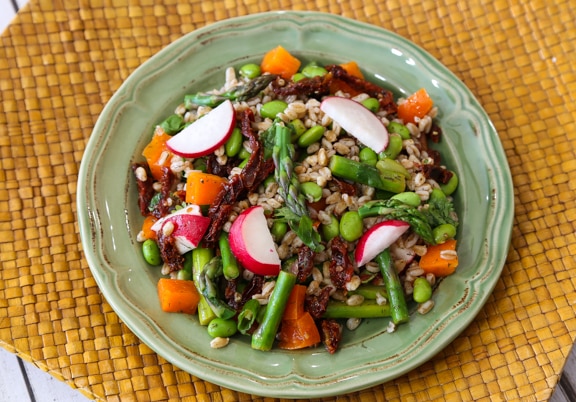
Farro is a nutty, hearty ancient grain well-loved in Italian cuisine. It's perfect in pilafs and substantial salads like this farro asparagus salad, embellished with other spring-y veggies. it takes a good 30 minutes to cook, much like brown rice, but you can look for quick-cooking farro, which cuts the cooking time in half. Serve as a side-by-side entrée with a warm or cold bean dish. Leftovers are excellent for the next day's lunch for home or work. Photos by Evan Atlas. [Read more...]
Artichoke Farro
Farro has been enjoyed in Italy for thousands of years, so it's a natural partner for artichokes-another Italian favorite. Recipe from Ancient Grains: A Guide to Cooking with Power-Packed Millet, Oats, Spelt, Farro, Sorghum & Teff by Kim Lutz © 2016. Reprinted by permission of Sterling Publishing. Photos by Bill Milne. [Read more...]
How to Make Vegan Parmesan Cheese — Easiest Ever!
Most recipes for homemade vegan Parmesan-style "Cheese" are downright simple - basically a combination of nutritional yeast plus cashews or almonds, ground down in a food processor. This formula for how to make vegan Parmesan cheese is the easiest ever - made in minutes, and no food processor needed. Just two key ingredients combine in one delicious and nutritious topping for pasta, grains, salads, stews, and more.
Huge bonus for vegans - a tablespoon or two of this vegan Parmesan provide you with a good dose of Vitamin B12. Nutritional yeast is one of very few plant-based sources of this valuable vitamin. [Read more...]
8 Ways to Use Tube Polenta: Recipes and Ideas
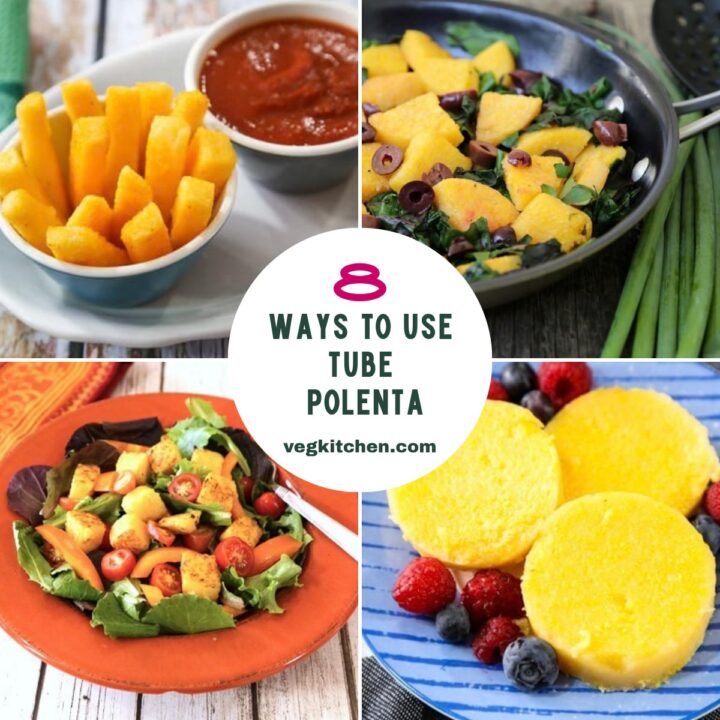
Tube polenta is a great natural product that lends a rustic charm to many types of dishes. Here are eight of our favorite ways to use it, from easy recipes to no-recipe-needed meal ideas, plus tips on buying it, cooking it, and storing what's left.

What Is Tube Polenta, and Where Do You Find It?
Are you looking for a great polenta recipe? The kind where that coarse cornmeal is cooked into a smooth porridge, then cooled and cut and baked and… If so, you've come to the wrong place. Here we're talking about polenta that comes in a tube: cornmeal that has already been cooked, seasoned lightly, and packed into a firm log. It's ready to slice straight out of the wrapper, and a few minutes in a hot pan or oven turns it golden and crisp outside and tender inside.
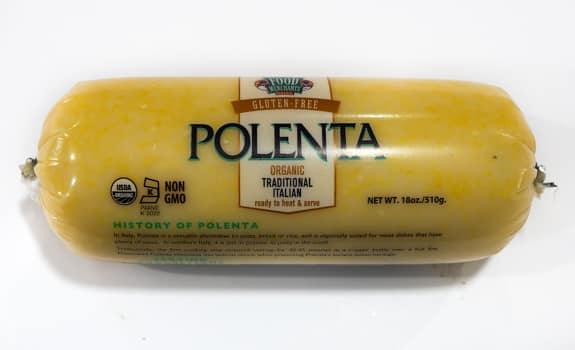
A number of brands make tube polenta. Look for it in the Italian foods or pasta aisle of well-stocked supermarkets, near the grains or gluten-free section of natural foods stores, and in Italian specialty markets. Most brands are shelf-stable, though a few are sold in the refrigerated case near the tofu. It comes plain ("traditional") or flavored with herbs, garlic, or sun-dried tomato. We particularly like San Gennaro Traditional Polenta, which you can also order online.
Polenta itself is gluten-free, but if you're very sensitive, check the package to make sure it wasn't made in a facility that also processes wheat. Nutrition-wise it isn't a powerhouse, but it isn't bad either: it's low in fat and calories and gives you a little protein and iron. Best of all, it's crazy easy to work with, and even on its own with little or no embellishment it can be surprisingly yummy.
The Best Pan for Crispy Tube Polenta
Most of the ideas below start the same way: slice the polenta about ½ inch thick (or cut it into wedges, sticks, or cubes) and brown it in a little oil over medium-high heat for 4 to 5 minutes per side, until golden. The pan makes a real difference, since polenta loves to stick. A heavy cast iron skillet gives you the crispiest crust once it's well preheated, while a good nonstick skillet lets you get away with less oil and makes flipping foolproof. Whichever you use, pat the slices dry first and don't move them until they release on their own.
1. Baked Polenta Fries
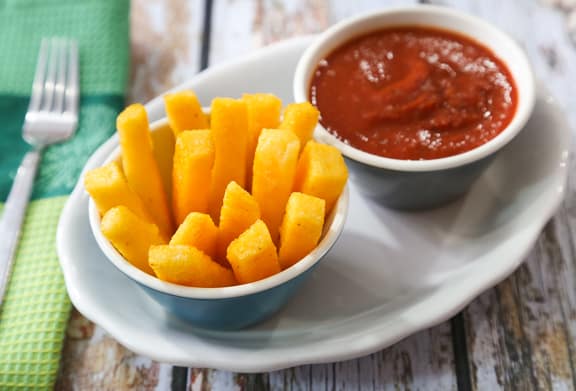
Cut the polenta into sticks, toss them gently with a little oil, and bake on a parchment-lined sheet at 425°F for 20 to 25 minutes, stirring every few minutes, until crisp outside. Using tube polenta for our Fuss-Free Baked Polenta Fries cuts 2 to 3 hours of prep and wait time down to 2 to 3 minutes. Serve them with ketchup or marinara for dipping.
2. Swiss Chard with Polenta
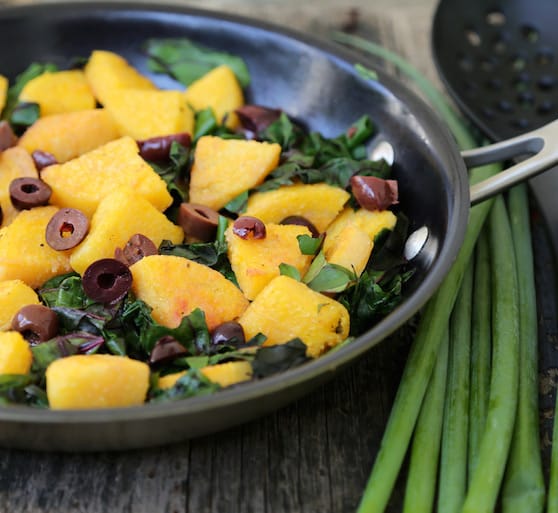
If you're trying to eat more greens, or get your family to, little wedges of tube polenta add immense charm to this simple Chard with Polenta Wedges. Brown the wedges first, set them aside, then sauté the chard with garlic and a handful of olives and fold the polenta back in just before serving. Kale or collards work well in place of the chard.
3. Sautéed Polenta and Green Veggies
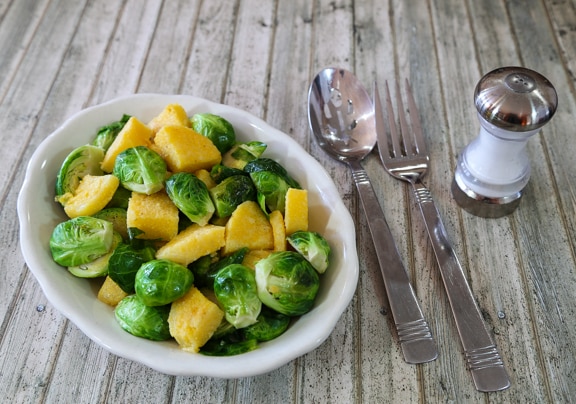
Same idea, even simpler, and no recipe required: combine cubes or wedges of sautéed polenta with any steamed green vegetable, such as Brussels sprouts (shown above), broccoli, green beans, or zucchini. A drizzle of olive oil and a pinch of salt and pepper is all it needs, and the polenta makes the veggies more substantial and more appealing to picky eaters.
4. Polenta Croutons
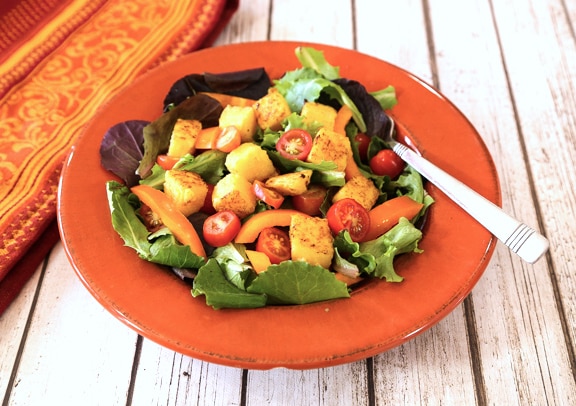
Use tube polenta as gluten-free croutons that make almost any salad tastier and more substantial. Cut it into bite-sized cubes, pan-fry them in a bit of oil for 8 to 10 minutes, turning every few minutes until golden on all sides, then season with salt, pepper, and a pinch of dried herbs. Add them to the salad right before serving so they stay crisp.
5. Sweet Polenta with Fruit
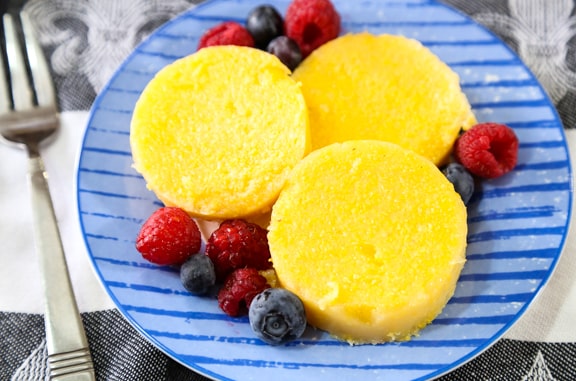
When my son was young, he loved plain tube polenta sliced, sautéed in a little vegan butter on both sides, then served with maple syrup and fresh fruit. Brown the rounds for about 4 minutes per side, then top with berries or sliced bananas and a drizzle of syrup. No recipe needed, and maximum breakfast or brunch enjoyment.
6. Seitan and Polenta Skillet
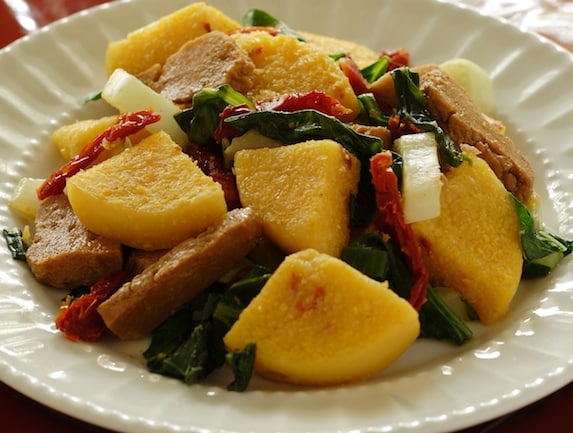
Tube polenta is a great way to bulk up easy vegan main dishes, and Seitan and Polenta Skillet with Fresh Greens is one of our all-time favorites. Brown diced polenta and strips of seitan in one skillet, then wilt in fresh greens (and sun-dried tomatoes, if you like) for a hearty, great-looking one-pan dinner. (Seitan is made from wheat, so swap in extra-firm tofu if you need this gluten-free.)
7. Beans and Polenta
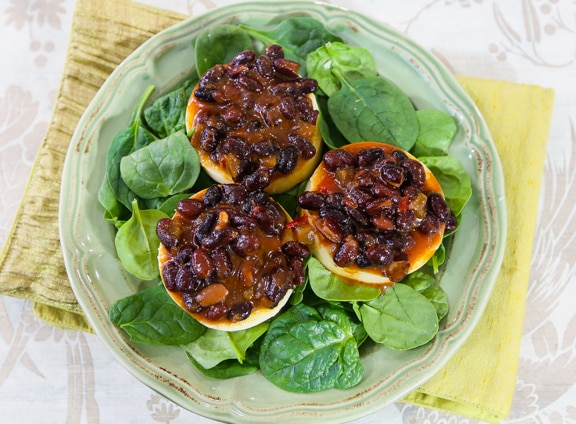
Use golden, pan-crisped slices of polenta as a bed for bean dishes like this white bean and kale skillet or this veggie chili; their flavors are so compatible. For an instant meal, top the slices with heated canned chili such as Amy's Black Bean Chili, as shown in the photo, and serve over a handful of baby spinach.
8. Polenta and Mushroom Stuffing
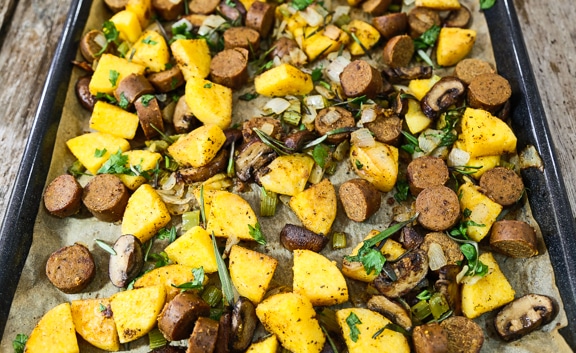
This one is a little more involved, but it's a holiday recipe, and not at all difficult. In Polenta, Vegan Sausage, and Mushroom Stuffing, little wedges of polenta stand in for bread; they roast with sliced vegan sausage until crisp-edged, then get tossed with sautéed onion, celery, mushrooms, and herbs. It works spectacularly well, so try it for your next vegan holiday menu!
Storing Leftover Polenta
An unopened shelf-stable tube keeps in the pantry until the date on the package (refrigerated brands stay in the fridge). Once you've cut into it, wrap the cut end tightly in plastic wrap or slide the log into an airtight container and refrigerate it; use it within 4 to 5 days. Cooked slices, fries, and croutons keep in a covered container in the fridge for 3 to 4 days. Reheat them in a skillet or a 400°F oven rather than the microwave, which makes them soft and a bit rubbery.
You can freeze tube polenta, though the texture turns slightly softer and more crumbly after thawing. Slice it first, lay the slices on a parchment-lined tray until firm, then transfer them to a freezer bag and freeze for up to 2 months. Thaw overnight in the fridge and pat dry before using. Thawed polenta is best in recipes where it gets crisped or baked, like fries, croutons, or stuffing, rather than served in neat rounds.
More Polenta Recipes
I hope these ideas have given you a new reason to try this often overlooked ingredient. Here are more polenta recipes from VegKitchen to keep you cooking:
Vegan Cholent
Cholent is a Jewish classic that can be considered an early predecessor to slow-cooker recipes. In its original form, it's put in the oven before the Sabbath and cooked at a very low temperature for about 12 hours so that it can be eaten for the Sabbath midday or late afternoon meal. It's one of the rare Eastern European Jewish specialties that highlights beans. There is a Sephardic cousin to this recipe called hamin. [Read more...]
5 Great Ways to Use Hummus
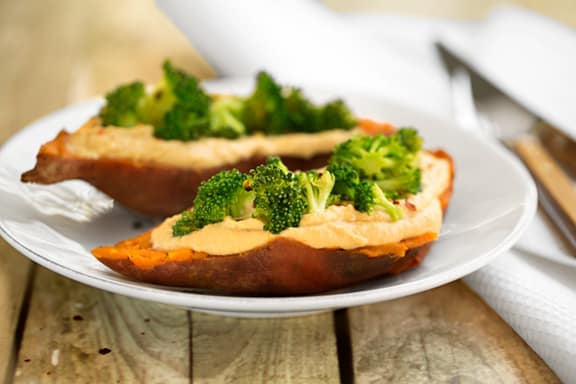
Not long ago, hummus became one of the fastest-growing snack foods in America. This Middle Eastern classic is made of healthful chickpeas and tahini, so it's a welcome alternative to the usual starchy and sugary junk foods people often gravitate to.

As a bonus, this Middle Eastern classic is already vegan! Here are 5 great ways to use hummus, aside from its most common use as a dip for fresh pita bread.
Of course, you can make your own hummus and experiment with your own creative combinations and flavorings. But here at VegKitchen, we're very lazy and fully endorse the use of store-bought hummus varieties. There are so many varieties and flavors of hummus that it often has its own bay in the supermarket produce section!
Use As A Spread For Wraps Or Sandwiches
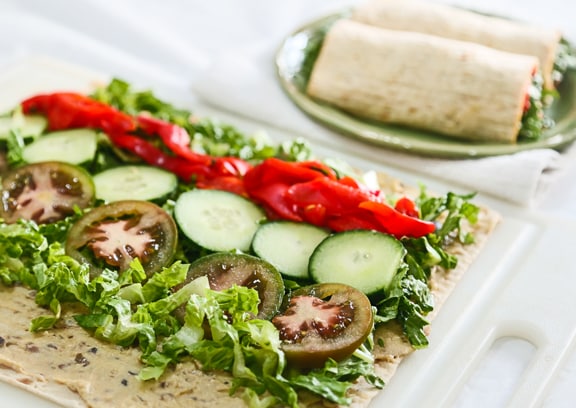
This suggestion might, admittedly, be coming straight from Captain Obvious. But for anyone looking for a nice change of pace for wraps or sandwiches, you'll thank him for the reminder. Hummus keeps well on bread and wrappers, and doesn't get soggy when packed up for school or office lunch a few hours later. It also helps stick all the sandwich ingredients together!
Hummus goes well with leafy greens, avocado, bell pepper strips, shredded carrots, leftover cooked grains, and other legumes. Add variety to your combinations based on what's in your fridge!
If you want more specific recipe instructions, see Hummus and Veggie Lavash Wraps, Hummus, Avocado, and Baby Spinach Sandwich, Hummus Wraps with Grains and Greens, and Hummus, Cucumber, and Avocado Wrap. All of these recipes are so easy that you can just follow the photo rather than the recipe-no need to obsessively measure ingredients!
Use As A Topping For Potatoes
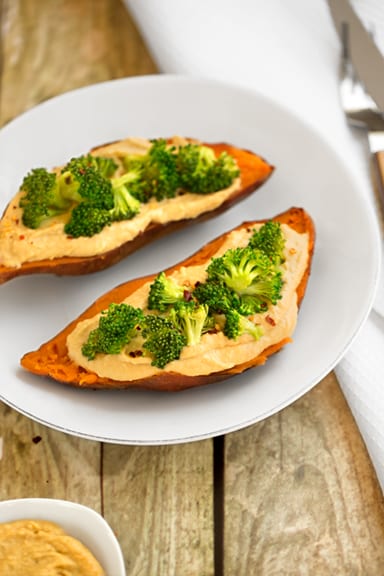
Tangy hummus is a great foil for the starchy flavors of potato or sweet potato. You can add other vegetables to the equation, too. Steamed broccoli tops the sweet potato variation above. Wilted spinach or other greens are also a great option.
Simply mix a few steamed vegetables in with the hummus before scooping over the potatoes. Then top with salsa or drizzle with sriracha, as shown in the photo at the top of this post. Served with a simple salad or slaw, these hummus slathered potatoes make for a great emergency dinner.
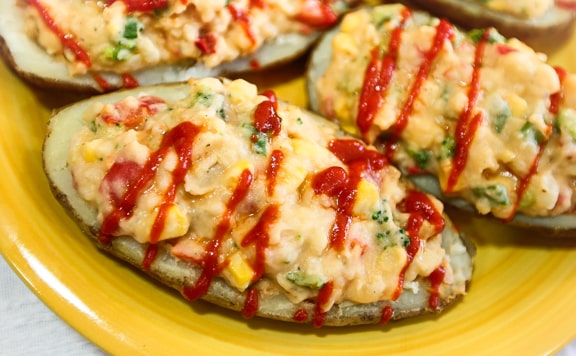
Use As Extra Protein For Vegan Bowls

Bowls are all the rage as a one-dish way to serve a well-rounded meal of complex carbs, protein, and veggies (cooked and/or raw). Bowls are meant to appeal to the eye as well as the palate. Simply arrange colorful veggies on a bed of cooked grain. The hummus doubles as your protein and your sauce!
Use As A Topping For Toast

Lately, avocado toast has become a big thing. This version's a bit in reverse: hummus toast topped off with thick slices of avocado. Their flavor and texture are so compatible, you could say that they're made for each other!
Use As An Appetizer Or Snack With Raw Veggies
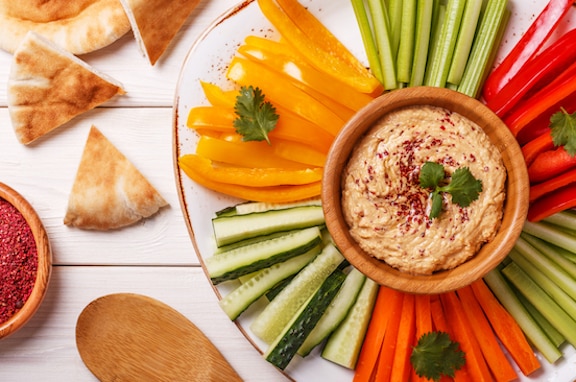
This is another pretty obvious use of hummus, but how many times do you forget to prepare an appetizer when company's coming? If you keep prepared hummus in the fridge, you'll have an instant appetizer that everyone loves at the ready.
Spoon some hummus into a small bowl (pretend you made it; I won't tell), and surround the bowl with raw vegetables and whole-grain chips or crackers. If you're really pressed for time, you can get cut fresh vegetables at the supermarket, as well.
As another plus, hummus served as a dip works as a great incentive to get kids and picky eaters to eat their vegetables.
Want even more ideas? Check out four more ways to use hummus over at Oh My Veggies!