

In this Japanese-style soup, udon noodles in a hot broth are topped with crisp raw vegetables, making for an offbeat and pleasing presentation. It can be made minutes before you wish to serve it. The traditional way to eat this is to "slurp" the noodles with the help of chopsticks, then finish off the remaining soup with a spoon. Photos by Hannah Kaminsky. [Read more...]
Search Results for: soup
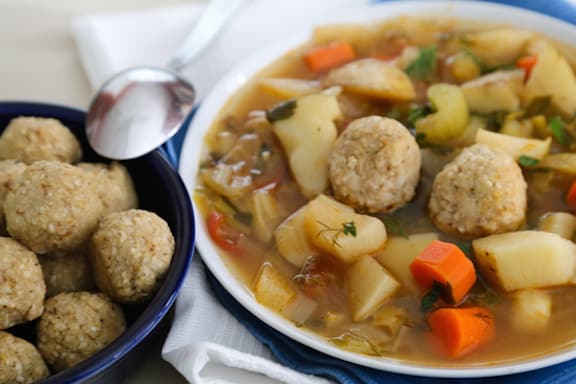
Sephardic-Style Vegan Matzo Ball Soup

Matzo balls aren't always a part of the Sephardic tradition, but a Turkish friend remembers them from his childhood Seders. No matter where you're from, the Passover Seder doesn't seem complete without matzo ball soup. Here's a Sephardic-inspired matzo ball soup that's completely vegan. Photos by Evan Atlas.
Recipe

Sephardic-Style Vegan Matzo Ball Soup
No matter how you celebrate, the Passover Seder doesn't seem complete without matzo ball soup. Here's a Sephardic-inspired matzo ball soup that's completely vegan.
Print
Pin
Save
Servings:
Ingredients
- 2 tablespoons olive oil
- 1 medium onion minced
- 2 large or 3 medium leeks white and palest green parts only, halved lengthwise and cut into ¼-inch thick slices
- 2 medium potatoes peeled and diced
- 3 medium carrots sliced
- 3 medium stalks celery diced
- 8 ounces white or brown mushrooms cleaned, stemmed, and sliced
- 8 cups vegetable stock or water or a combination (see note)
- 2 medium white turnips peeled and diced
- 1 to 1 ½ cups diced ripe tomatoes about 2 medium
- 1 teaspoon sweet paprika
- 1 teaspoon ground cumin
- Salt and freshly ground pepper
- Vegan Matzo Balls
Instructions
- Heat the oil in a large soup pot. Add the onion and leeks; sauté over medium-low heat until the leeks are limp, about 8 minutes.
- Add the potatoes, carrots, celery, mushrooms, stock, paprika, and cumin; stir together. Bring to a boil, lower heat and simmer gently, cover, until vegetables are tender, about 25 minutes.
- Add the turnips and tomatoes. Season with salt and pepper, and simmer 10 minutes longer.
- Let stand off the heat for several hours or overnight in refrigerator to develop flavor. Reheat before serving. Serve with 3 to 4 matzo balls each bowl.
Nutrition (Estimate per Serving)
Calories: 136kcalCarbohydrates: 24gProtein: 3gFat: 4gSaturated Fat: 1gPolyunsaturated Fat: 1gMonounsaturated Fat: 3gSodium: 1000mgPotassium: 621mgFiber: 4gSugar: 8gVitamin A: 5121IUVitamin C: 27mgCalcium: 52mgIron: 2mg
Vegan-ize any recipe!Grab our free vegan cheat sheet, packed with my favorite easy substitutions to make any recipe vegan.
Note: You can use 8 cups homemade vegetable broth, two 32-ounce containers low-sodium vegetable broth, or one 32-ounce container low-sodium vegetable broth plus 4 cups water plus 1 or 2 vegetable bouillon cubes.

- Get more holiday recipes on VegKitchen's Passover: Sephardic-Style Seder page.
- Find more ways to make Special Occasions and Entertaining easier and healthier.
Miso Soup with Winter Vegetables

This soup is very warming, and surprisingly filling compared to the more usual, brothy miso soups. It features potatoes, cabbage, and root vegetables, to make a satisfying bowlful. Adapted from Vegan Soups and Hearty Stews for all Seasons by Nava Atlas. Photos by Evan Atlas. [Read more...]
Vegan Matzo Ball Soup with Spring Vegetables
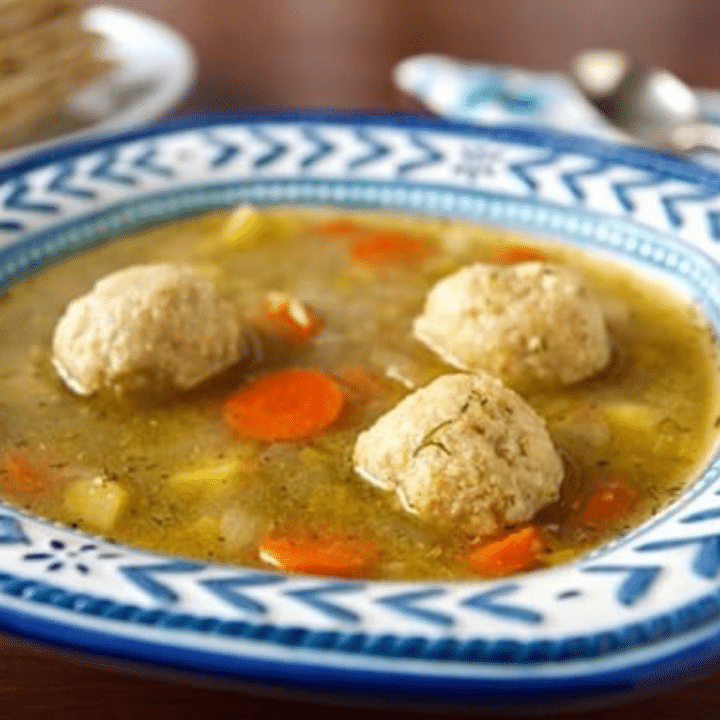
This vegan matzo ball soup is chock-full of spring vegetables, and the perfect prelude to the Passover Seder dinner. But more importantly, it's a vehicle for delicious Vegan Matzo Balls, which do all the comforting work you'd expect from the classic version.

Photo by Susan Voisin.
Key Ingredients & Substitutions
- Vegan matzo balls. Made separately using our Vegan Matzo Balls recipe, which includes a gluten-free variation as well.
- Spring vegetables. Carrots, celery, and leeks form the classic aromatic base — asparagus or fresh peas stirred in near the end add a true spring feel.
- Fresh dill. A defining flavor in a good matzo ball soup broth — add it toward the end so it stays bright rather than dulled by long simmering.
- Vegetable broth. Use a good-quality broth as the base, since it carries most of the soup's flavor.
Variations
- Try the Sephardic-style version. As an alternative to this Ashkenazic-style soup, try Sephardic-Style Vegan Matzo Ball Soup for a different flavor profile.
- Add noodles. A handful of egg-free noodles alongside the matzo balls makes the soup even heartier.
- Make it lemony. A squeeze of fresh lemon juice just before serving brightens the whole bowl.
- Add more greens. Baby spinach stirred in at the very end wilts quickly and adds extra nutrition.
Tips for the Best Matzo Ball Soup
- Make the matzo balls first. They need time to chill before cooking, so get them started before you build the soup.
- Don't overcrowd the matzo balls while they cook. Give them room to expand in the simmering water or broth.
- Simmer the vegetables gently. A rolling boil can break the carrots and celery down too much; a gentle simmer keeps them tender but intact.
- Add fresh herbs at the end. Dill and any other fresh herbs go in during the last few minutes so their flavor stays vibrant.
Make Ahead & Storage
The broth and vegetables can be made a day or two ahead and reheated, but matzo balls are best made fresh and added to the hot soup shortly before serving, since they can break down if reheated too many times.
How to Serve
Ladle into bowls with two or three matzo balls per serving, and pass extra dill at the table.
Recipe

Vegan Matzo Ball Soup with Spring Vegetables
This vegan matzo ball soup recipe is chock-full of vegetables, and the perfect prelude to the Passover Seder dinner.
Print
Pin
Save
Servings:
Ingredients
- 1 ½ tablespoons olive oil or other neutral vegetable oil
- 1 medium onion finely chopped
- 1 medium potato peeled and finely diced
- 2 medium carrots finely diced
- 2 medium celery stalks finely diced
- Handful of celery leaves
- 2 cups finely chopped cauliflower optional
- 32- ounce carton vegetable broth preferably low-sodium
- Salt and freshly ground pepper to taste
- 2 to 3 tablespoon minced fresh dill or to taste
- Vegan Matzo Balls
Instructions
- Heat the oil in a large soup pot. Add the onion and and sauté over medium heat until golden.
- Add the potato, carrots, celery, and celery leaves, optional cauliflower, vegetable broth, and 2 cups water. Bring to a slow boil, then lower the heat and simmer gently, covered, for 15 minutes, or until the vegetables tender but not overcooked.
- Season with salt and pepper and remove from the heat. Allow the soup to stand off the heat for two hours or longer to develop flavor.
- Just before serving, add the dill and heat the soup through. Add more water if the vegetables seem crowded, then adjust the seasonings. Serve with 3 or 4 matzo balls in each bowl of soup.
Nutrition (Estimate per Serving)
Calories: 67kcalCarbohydrates: 10gProtein: 1gFat: 3gSaturated Fat: 2gPolyunsaturated Fat: 1gMonounsaturated Fat: 1gSodium: 475mgPotassium: 259mgFiber: 2gSugar: 3gVitamin A: 2802IUVitamin C: 19mgCalcium: 17mgIron: 1mg
Vegan-ize any recipe!Grab our free vegan cheat sheet, packed with my favorite easy substitutions to make any recipe vegan.
- Find more holiday recipes at VegKitchen's Passover: Ashkenazic-Style Seder page.
- Find more ways to make Special Occasions and Entertaining easier and healthier.
Vegan Orzo Minestrone Soup
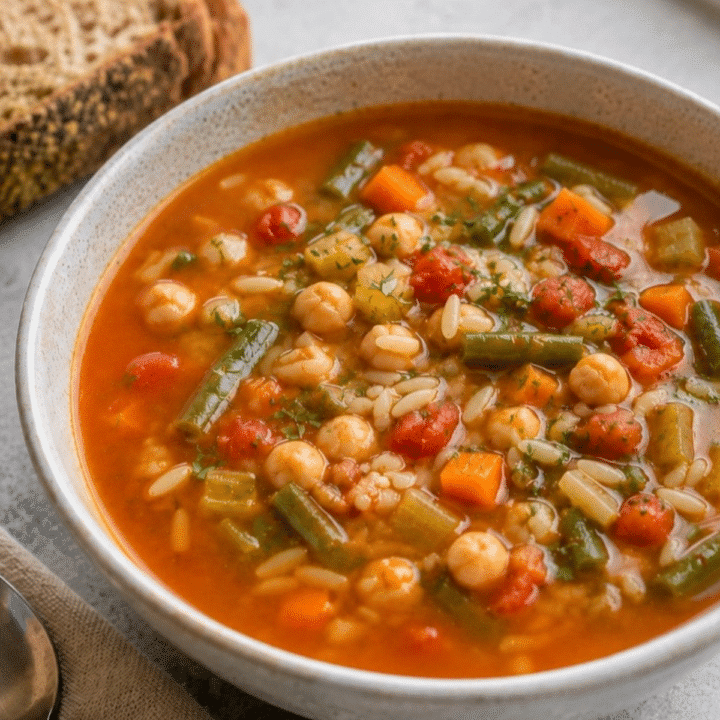
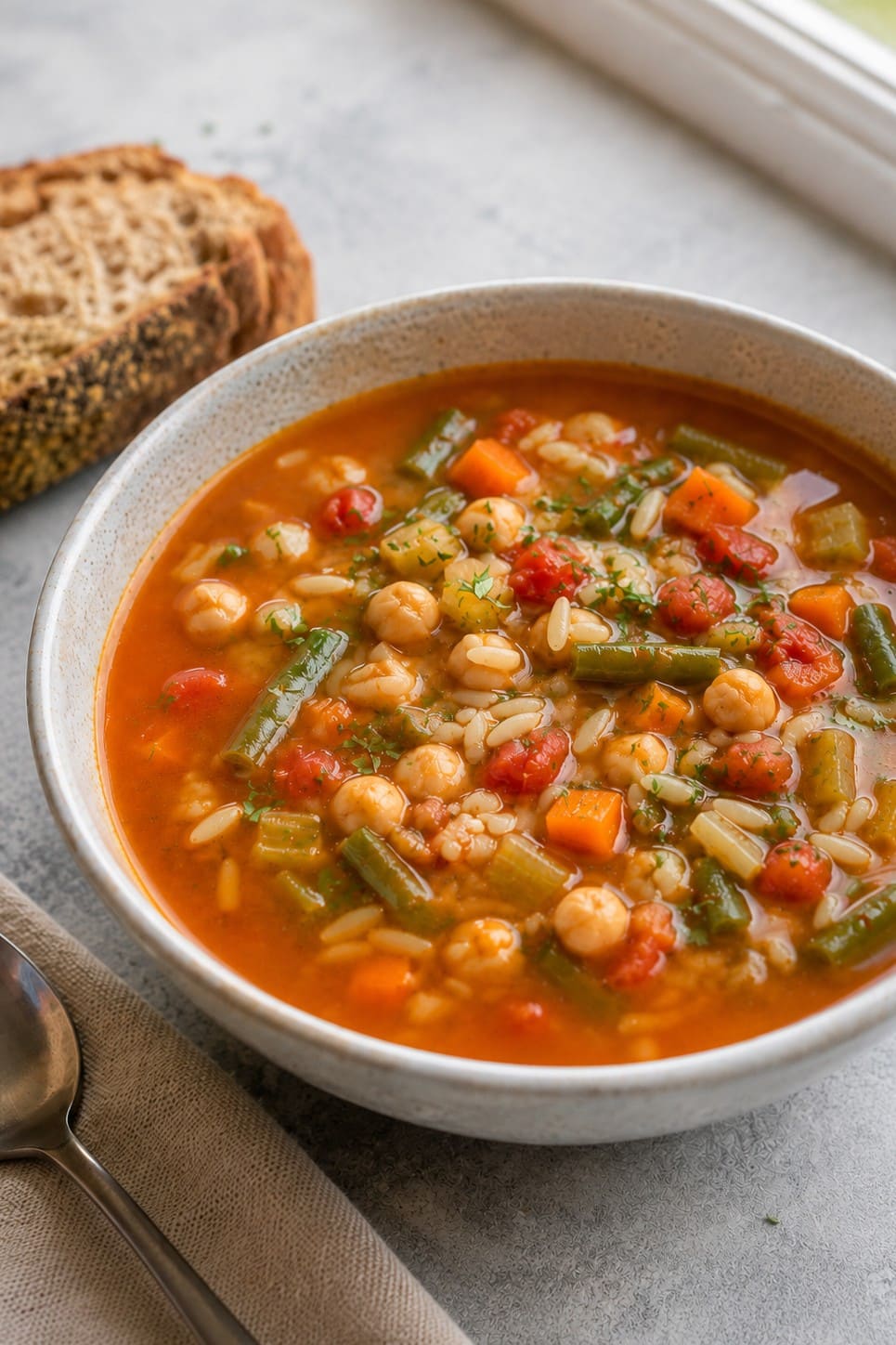
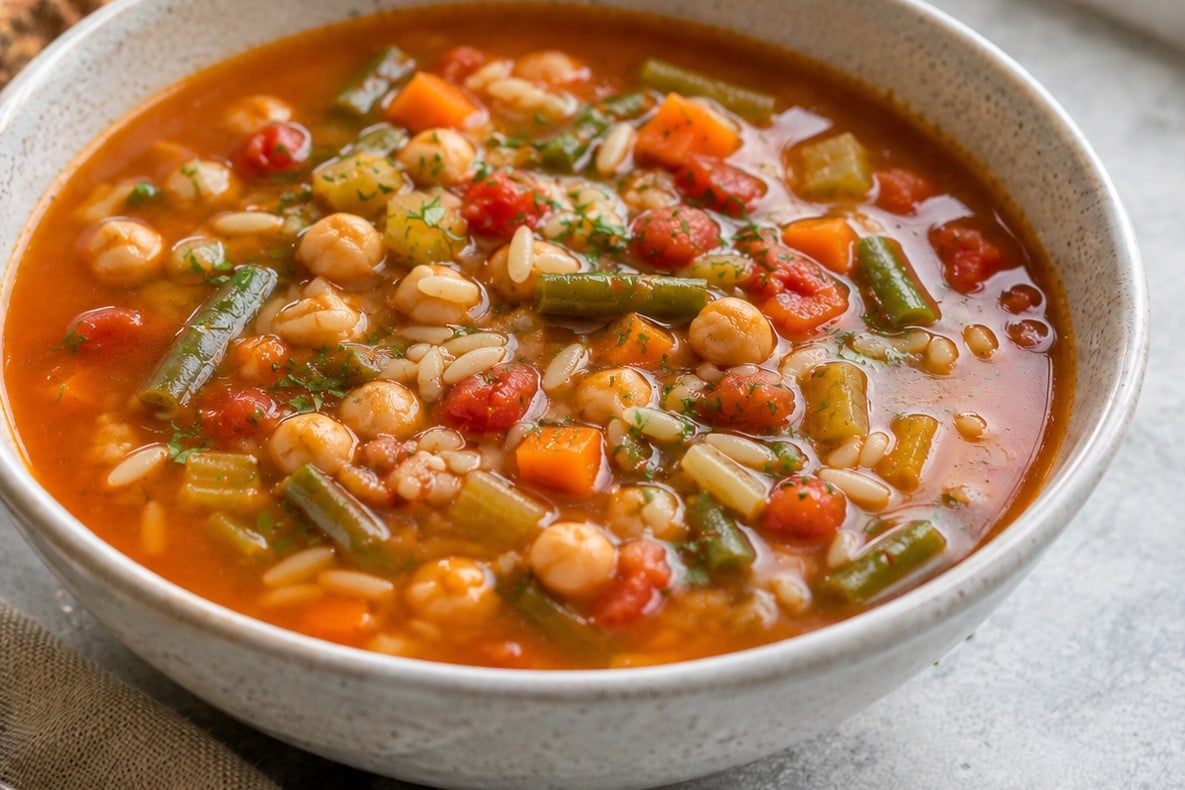
This hearty vegan orzo minestrone combines classic minestrone staples (carrots, celery, green beans, tomatoes, and chickpeas) with tender, rice-shaped orzo in a rich, herby tomato broth. It's filling enough to serve as a meal on its own, and like any good minestrone, it only gets better as it sits.
Key Ingredients & Substitutions
- Orzo. This rice-shaped pasta cooks quickly and gives the soup a lovely texture. Look for it near the other dried pasta (Barilla orzo is easy to find), or substitute rosa marina if that's what your store carries.
- Chickpeas. They add substance and protein, turning this into a filling one-bowl meal. White beans or cannellini beans work well too.
- Green beans. Trimmed fresh green beans add color and a little bite; frozen ones work just as well when good fresh ones aren't available.
- Diced tomatoes and tomato sauce. Together they build the rich, savory broth that minestrone is known for. Fire-roasted diced tomatoes add a subtle smoky note if you have them.
- Dry red wine. Optional, but it adds real depth to the broth. Simply skip it or use a little extra water or vegetable broth if you'd rather not use wine.
- Dried basil, oregano, and bay leaves. Dried herbs hold up to the long, gentle simmer better than fresh ones do. Fresh parsley stirred in at the end brightens everything back up.
Helpful Tips
Cook the orzo separately. Cooking the orzo in its own pot rather than in the soup keeps it from turning mushy or soaking up too much of the broth before you serve it. Drain it while it's still al dente, since it will soften a little more once it hits the hot soup.
Don't rush the aromatics. Sautéing the onion and garlic over medium-low heat until they're truly golden builds a much deeper base flavor for the whole pot. It takes a few extra minutes, but it's the difference between a flat broth and one that tastes like it simmered all day.
Use a heavy-bottomed pot. A Dutch oven or other heavy soup pot, like this 6-quart enameled cast iron Dutch oven, holds a steady, gentle heat, so the aromatics brown evenly and nothing scorches on the bottom during the long simmer.
Simmer gently. Keep the heat low once the tomatoes go in. A slow simmer lets the vegetables become tender without falling apart, and it gives the herbs and wine time to mellow into the broth.
Adjust the consistency as you go. Minestrone can be brothy or thick, so add water a little at a time until it's the way you like it. Keep in mind that the orzo continues to soak up liquid as the soup sits, so you'll likely want to thin leftovers with a splash of water or broth when reheating.
Variations
- Add leafy greens. A few handfuls of spinach or chopped kale stirred in near the end wilt down quickly and add extra nutrition.
- Swap the pasta. Small shapes like ditalini, tiny shells, or elbow macaroni work in place of orzo if that's what you have on hand.
- Make it gluten-free. Use a gluten-free orzo or small pasta, or stir in cooked rice instead.
- Make it heartier. Add diced zucchini or potatoes along with the carrots and celery for a more substantial soup.
- Change up the beans. Kidney beans, borlotti, or a mix of white beans and chickpeas all feel right at home in minestrone.
- Top it off. A sprinkle of homemade vegan Parmesan and a drizzle of good olive oil right before serving rounds out the flavor.
Serving Ideas
Serve this soup hot with a robust whole-grain loaf like Quick Three-Grain Brown Bread or a pan of homemade focaccia for dunking. Add a simple green salad or a Vegan Kale Caesar Salad and you have a complete, cozy meal.
For a dinner party or holiday meal, ladle it into smaller bowls as a starter before an Italian-inspired main course. It also packs well in a thermos for a warming work or school lunch.
Storing & Freezing
This soup keeps well in an airtight container in the refrigerator for up to 5 days, and the flavor only improves as it sits. If you're making it ahead, store the cooked orzo separately and stir it in at serving time, since it will keep absorbing broth the longer it sits in the pot.
Minestrone also freezes well for up to 3 months. For the best texture, freeze the soup without the orzo and cook a fresh batch when you reheat it; if the orzo is already in, just expect it to be a bit softer after thawing. Thaw overnight in the fridge, then reheat gently on the stovetop, adding a splash of water or broth to loosen it up.
More Minestrone & Italian Soups
If you loved this recipe, here are a few more you might enjoy:
- Vegan Minestrone Soup
- Classic Italian Minestrone Soup
- Italian-Style Potato and Escarole Soup
- Tomato-Barley Vegetable Soup
- Cozy Vegan Soups for Fall and Winter
Recipe
Vegan Orzo Minestrone Soup
A hearty Italian vegetable soup with orzo pasta, chickpeas, and a rich tomato broth, ready to warm up any weeknight.
Print
Pin
Save
Servings:
Ingredients
- 2 tablespoon extra-virgin olive oil
- 1 large onion finely chopped
- 2 cloves garlic minced
- 2 medium carrots peeled and diced
- 2 medium celery stalks diced
- 1 cup green beans trimmed and cut into ½-inch lengths; use frozen if good fresh green beans are unavailable
- 14–16 oz tomatoes diced
- 1 cup tomato sauce
- ¼ cup dry red wine optional
- 2 bay leaves
- 1 teaspoon dried basil
- 1 teaspoon oregano
- ⅔ cup orzo or rosa marina—rice-shaped pasta
- 15–16 oz chickpeas drained and rinsed
- ¼ cup fresh parsley minced
- salt and freshly ground black pepper
Instructions
- Heat the oil in a large soup pot.
- Add the onions and garlic, and sauté over medium-low heat until golden.
- Add the carrots, celery, and just enough water to cover. Bring to a gentle boil.
- Add the green beans, tomatoes, tomato sauce, optional wine, bay leaves, basil, and oregano.
- Bring to a simmer, then cover and simmer very gently until the vegetables are tender but not overdone, about 40 to 45 minutes.
- Meanwhile, cook the orzo in a separate saucepan according to package directions until al dente, then drain.
- Stir the cooked orzo, chickpeas, and parsley into the soup. Adjust the consistency with more water if necessary, then season to taste with salt and pepper.
- Simmer over very low heat for 5 minutes longer, then serve.
Nutrition (Estimate per Serving)
Calories: 213kcalCarbohydrates: 33gProtein: 8gFat: 5gSaturated Fat: 1gPolyunsaturated Fat: 1gMonounsaturated Fat: 3gSodium: 182mgPotassium: 549mgFiber: 7gSugar: 8gVitamin A: 3432IUVitamin C: 17mgCalcium: 65mgIron: 3mg
Vegan-ize any recipe!Grab our free vegan cheat sheet, packed with my favorite easy substitutions to make any recipe vegan.
Vegan Mushroom & Bok Choy Soup

This aromatic, mushroom-filled soup gets its light Asian flavor from sesame oil, ginger, and soy sauce — and comes together in about 30 minutes. It's the kind of soup that feels restaurant-worthy but only needs a cutting board, a pot, and a handful of pantry staples, making it an easy weeknight dinner that doesn't taste like a shortcut.

Key Ingredients & Substitutions
- Mixed mushrooms. Use 2 or 3 kinds — baby bella, oyster, shiitake, and enoki all work well together for layered flavor and texture. Add delicate mushrooms like enoki near the end so they don't overcook.
- Bok choy. Regular or baby bok choy both work; the greens wilt quickly, so add them last. Napa cabbage is a reasonable substitute if bok choy isn't available.
- Dark sesame oil. Toasted sesame oil is what gives this broth its signature nutty aroma — don't swap in regular sesame oil if you can help it, since the flavor is quite different.
- Fresh ginger. Optional, but it adds a nice warmth. Grate it fresh for the best flavor rather than using dried ground ginger.
- Soy sauce or tamari. Provides the savory backbone of the broth — use tamari for a gluten-free version.
Variations
- Add protein. Cubed firm tofu or a handful of edamame turns this into a heartier meal.
- Add noodles. A tangle of rice noodles or soba turns the soup into a full noodle bowl.
- Make it spicy. A drizzle of chili oil or a pinch of red pepper flakes adds heat.
- Swap the greens. Napa cabbage, spinach, or tatsoi all work in place of bok choy.
- Add umami. A small piece of kombu simmered in the broth (removed before serving) deepens the flavor.
- Add scallions. Sliced and stirred in at the very end, or scattered on top, for a fresh, sharp finish.
Tips for the Best Mushroom & Bok Choy Soup
- Slice mushrooms evenly. This helps them cook at the same rate and gives the soup a nicer texture.
- Save delicate mushrooms for last. Enoki and bunapi mushrooms cook in seconds — stir them in at the very end along with the bok choy.
- Don't overcook the bok choy. It only needs a minute or two in the hot broth to wilt while staying bright green and slightly crisp.
- Taste before serving. Soy sauce brands vary in saltiness, so taste and adjust right before you serve.
- Serve immediately. This soup is best the moment it's ready — the bok choy keeps cooking and softening the longer it sits.
Make Ahead & Storage
The broth base can be made a day or two ahead and refrigerated, but hold off on adding the bok choy and delicate mushrooms until you're ready to serve, since they lose their texture quickly once cooked and reheated.
How to Serve
Ladle into bowls and serve piping hot, on its own or alongside a simple vegetable stir-fry or a dish of pan-seared tofu. A side of steamed rice makes it more filling.

Recipe

Vegan Mushroom & Bok Choy Soup
A light, aromatic broth loaded with mixed mushrooms and tender bok choy, with a gentle Asian-inspired flavor from sesame oil, ginger, and soy sauce.
Print
Pin
Save
Servings:
Ingredients
- 1 tablespoon dark sesame oil
- 5 to 6 scallions thinly sliced, white and green parts kept separate
- 2 cloves garlic minced
- 32 ounces low-sodium vegetable broth
- ¼ cup dry white wine optional
- 1 to 2 teaspoons fresh ginger grated, optional
- 1 to 2 tablespoons reduced-sodium soy sauce or to taste
- 3 to 4 cups mixed mushrooms sliced; use 2-3 kinds such as baby bella, oyster, shiitake, or enoki
- 5 to 6 stalks bok choy greens included, thinly sliced (or 2-3 baby bok choy)
- freshly ground pepper to taste
Instructions
- Heat the sesame oil in a soup pot. Add the white parts of the scallions and the garlic, and saute over low heat until the garlic turns golden.
- Add the broth, mushrooms (hold back any delicate mushrooms like enoki for later), soy sauce, and the optional wine and ginger. Bring to a slow boil.
- Lower the heat, cover, and simmer gently for 10 to 12 minutes, until the mushrooms reach the texture you like.
- Stir in any reserved delicate mushrooms along with the green scallion parts and the bok choy. Return to a simmer, then remove from the heat right away.
- Season with plenty of pepper and taste for more soy sauce. Serve immediately.
Notes
This soup is best served the moment it comes off the heat, while the bok choy is still bright and just barely wilted.
Vegan-ize any recipe!Grab our free vegan cheat sheet, packed with my favorite easy substitutions to make any recipe vegan.
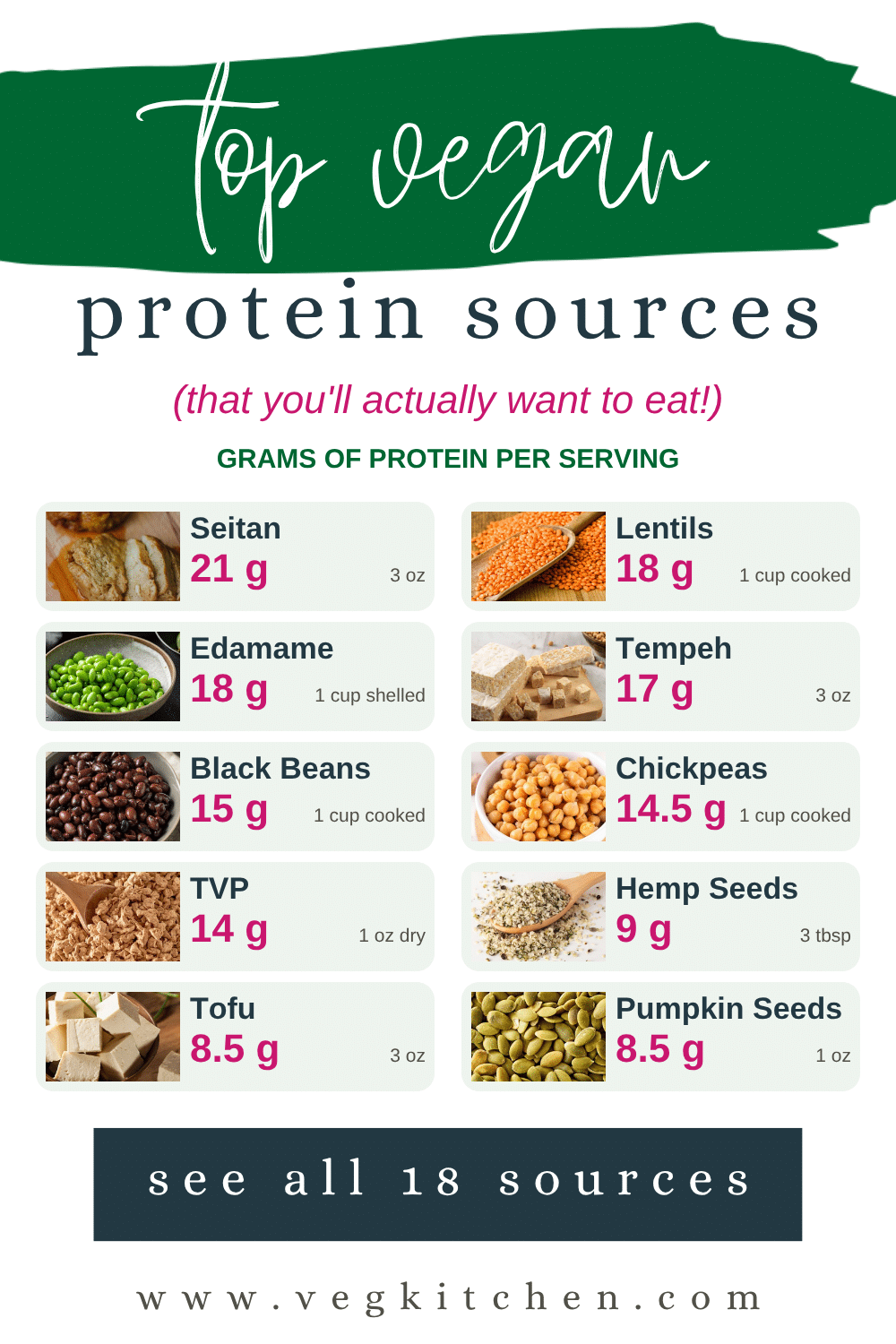
Top Vegan Protein Sources (that you'll actually want to eat!)
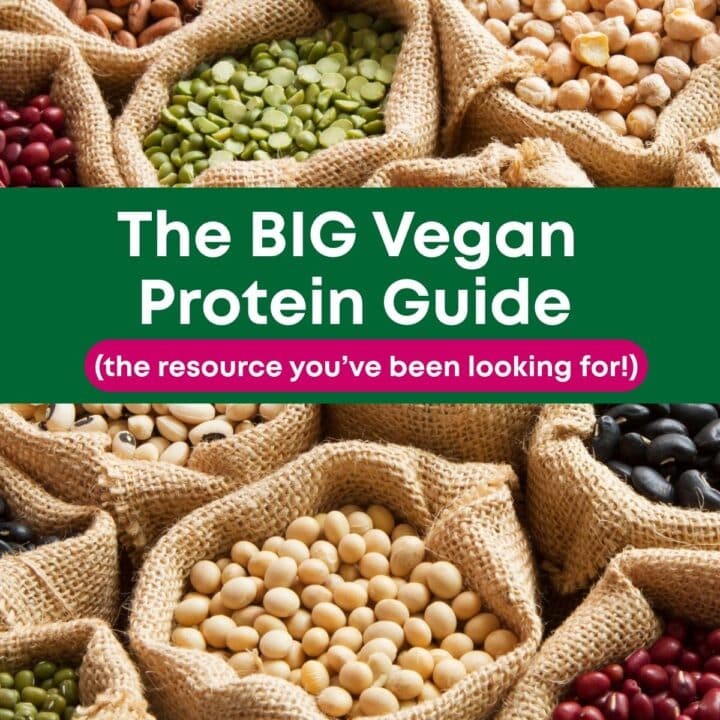
Getting enough vegan protein is a lot easier than most people expect, and it doesn't have to mean living on steamed tofu or chugging protein shakes every day. Here are 18 of the top vegan protein sources, with real numbers for how much protein each one delivers, easy ways to cook with it, and our favorite recipes to get you started.
Every food below lists its protein per 100 grams, so you can compare them fairly, plus the amount in a realistic serving. Unless I note a product label, the figures come from USDA FoodData Central, the USDA's free nutrition database. Where a packaged version is handy to have in the pantry, I've linked an example on Amazon (those are affiliate links, and they don't cost you anything extra).
[feast_advanced_jump_to]How Much Vegan Protein Do You Need?
This is the big question, right? And frankly, it may not be quite as much as you would believe based on all the fitness world's obsession with protein loading! 😉
The standard recommendation for adults is 0.8 grams of protein per kilogram of body weight per day, according to Harvard's Nutrition Source. That works out to a little over 7 grams for every 20 pounds you weigh, so a 150-pound person needs roughly 52 grams a day. Some people need more, including athletes and anyone who's pregnant or nursing, so a registered dietitian can help you find your own number. (And of course, if you have any specific health concerns, you should discuss with a proper doctor!)
The good news for anyone eating a plant-based diet is that the Academy of Nutrition and Dietetics has concluded that well-planned vegetarian and vegan diets are nutritionally adequate for every stage of life, including for athletes. Protein is rarely the hard part.
You may have heard that plant proteins are "incomplete," and it's partly true: many plant foods run low in one or more of the nine essential amino acids. Soy foods, quinoa, and chia are complete on their own, and for everything else, Harvard Health simply recommends eating a variety of plant proteins across the day. You don't need to match foods at every meal. A bowl of oatmeal in the morning, lentil soup at lunch, and a tofu stir-fry at dinner takes care of it just fine.
Vegan Protein Sources at a Glance
Here's the quick comparison of popular protein sources. While many sources simply show the amount of protein per 100g of a food, I don't find that particularly helpful. Do you know how much 100g of tofu is? I sure don't. Likewise, I am probably not going to eat 100g of pumpkin seeds in one sitting! 😉
So in the table below, I'm giving you the typical protein per 100 grams measurement, but also including the protein per typical serving. Much more useful, huh?
| Food | Protein per 100 g | Typical serving | Protein per serving |
|---|---|---|---|
| Tempeh | 20 g | 3 oz (85 g) | 17 g |
| Seitan (prepared) | about 25 g* | 3 oz (85 g) | about 21 g |
| Tofu, extra-firm | about 10 g* | 3 oz (85 g) | about 8.5 g |
| TVP (dry) | about 50 g | 1 oz (28 g) | about 14 g |
| Edamame | 12 g | 1 cup shelled (155 g) | about 18 g |
| Lentils | 9 g | 1 cup (198 g) | 18 g |
| Chickpeas | 9 g | 1 cup (164 g) | 14.5 g |
| Black beans | 9 g | 1 cup (172 g) | 15 g |
| Green peas | 5.4 g | 1 cup (160 g) | 8.6 g |
| Quinoa | 4.4 g | 1 cup (185 g) | 8 g |
| Rolled oats (dry) | 13 g | ½ cup (40 g) | 5 g |
| Hemp seeds | about 30 g | 3 tablespoon (30 g) | 9 to 10 g |
| Pumpkin seeds | 30 g | 1 oz (28 g) | 8.5 g |
| Chia seeds | 16.5 g | 1 oz (28 g) | 4.7 g |
| Peanut butter | about 22 g | 2 tablespoon (32 g) | 7 g |
| Almonds | 21 g | 1 oz (28 g) | 6 g |
| Nutritional yeast | about 50 g** | ¼ cup (15 g) | 8 g |
| Pea-based protein powder | varies by brand | 1 serving | about 21 g** |
Note: Beans, lentils, peas, quinoa, tempeh, and edamame are cooked or prepared; nuts, seeds, oats, TVP, and nutritional yeast are measured dry.
*Seitan and tofu vary a lot by brand and recipe, so treat these as ballpark figures and check your label.
**From a major manufacturer's nutrition label rather than USDA data.
Soy and Wheat Proteins: The Meaty Ones
These are the foods that do the heavy lifting when you want a dish to feel hearty and satisfying, and they're some of the most concentrated high protein vegan foods you can buy.
Tofu
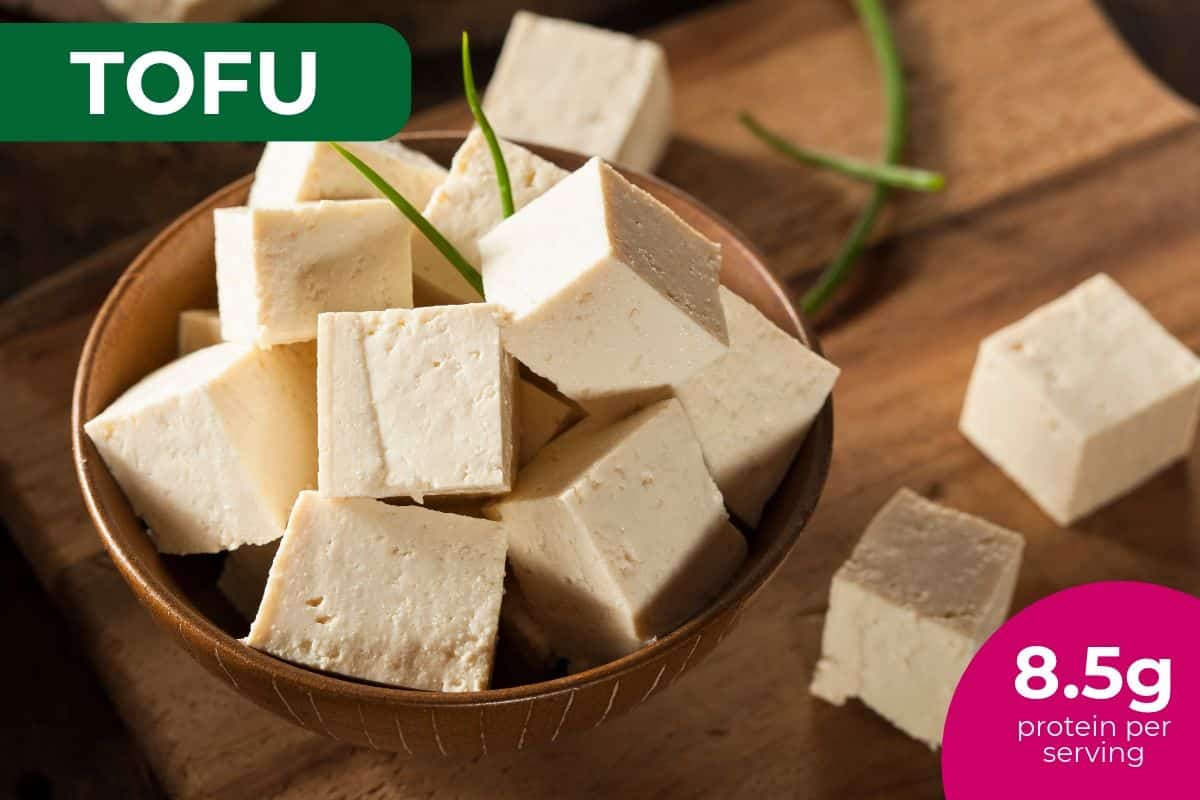
Tofu is the blank canvas of vegan cooking and still one of the most useful proteins to keep in the fridge. Firm and extra-firm blocks are the workhorses, while silken tofu is best for blending into creamy sauces, dressings, and desserts. And despite its reputation as a "weird food", it's actually quite easy to turn it into a family-friendly meal.
Protein: USDA lists a wide range for tofu, from about 8 g per 100 g up to 17 g for very firm, calcium-set varieties, so the label really matters. A typical extra-firm block lands near 10 g per 100 g, or roughly 8 to 9 g in a 3-ounce serving. Shelf-stable silken extra-firm tofu runs closer to 7 g per 100 g.
How to use it: Press extra-firm tofu, cube it, and bake or pan-fry it until golden, or crumble it into a scramble or a ricotta-style filling. Marinate it first, because tofu soaks up flavor like a sponge. If you like to keep backups in the pantry, Mori-Nu extra-firm silken tofu doesn't need refrigeration until you open it, which makes it great for smoothies, pies, and creamy soups.
Recipes to try: Summer Tofu Skillet with Tomatoes and Bell Peppers, Barbecue-Flavored Tofu and Onion Skillet, Vegan Curried Tofu Burgers, 23 Family-Friendly Tofu Recipes Kids Will Actually Eat.
Tempeh
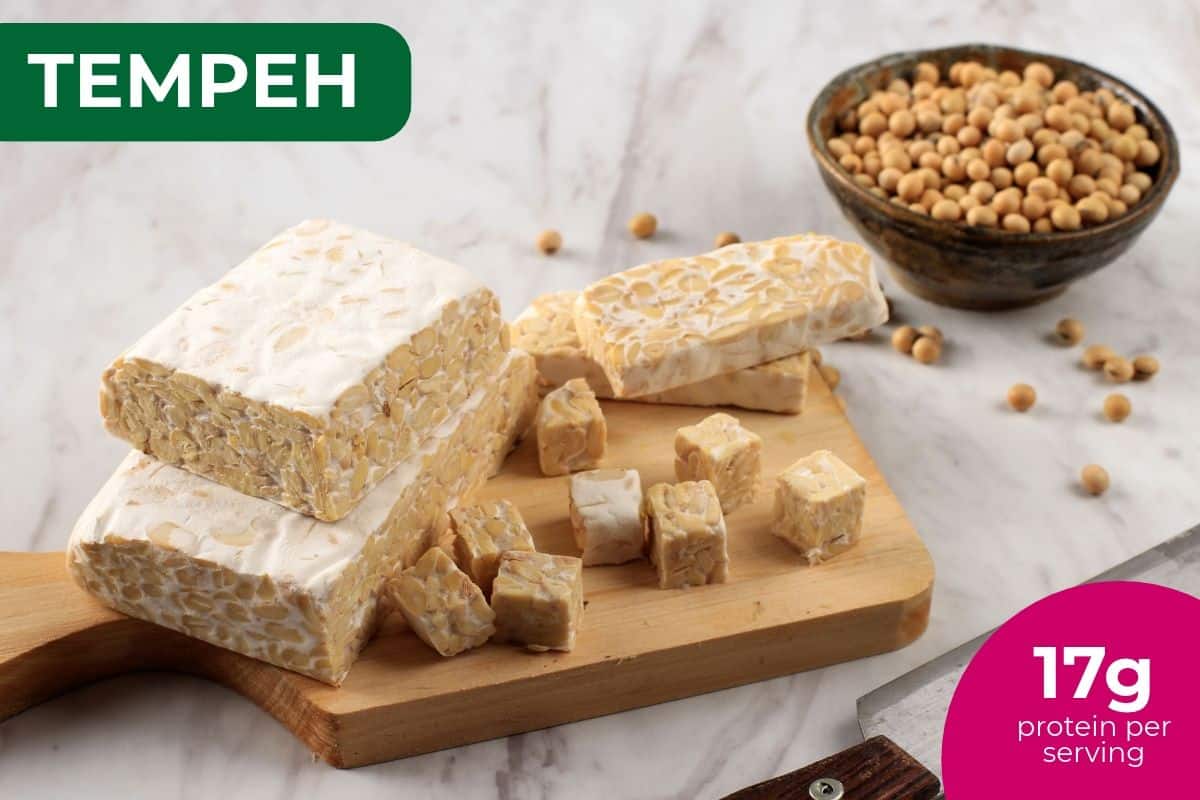
Tempeh is made from fermented soybeans pressed into a firm cake, and it has a nutty, slightly earthy flavor and a chewy bite that tofu can't match. It's also one of the most protein-dense whole foods in the vegan kitchen.
Protein: About 20 g per 100 g (USDA), or roughly 17 g in a 3-ounce serving.
How to use it: Steam or simmer the block for about 10 minutes first to mellow any bitterness, then crumble it into tacos and sloppy joes, slice it thin and pan-fry it for smoky "bacon," or cube it for stir-fries and grain bowls. I'm a big fan of simply smothering it with my favorite BBQ sauce and baking it in the oven. You'll find tempeh in the refrigerated or natural foods section of most grocery stores.
Recipes to try: Southwestern Tempeh Stir-Fry, Vegan Hoppin' John (Rice and Black-Eyed Peas), Ginger Tempeh Veggie Stir Fry.
Edamame
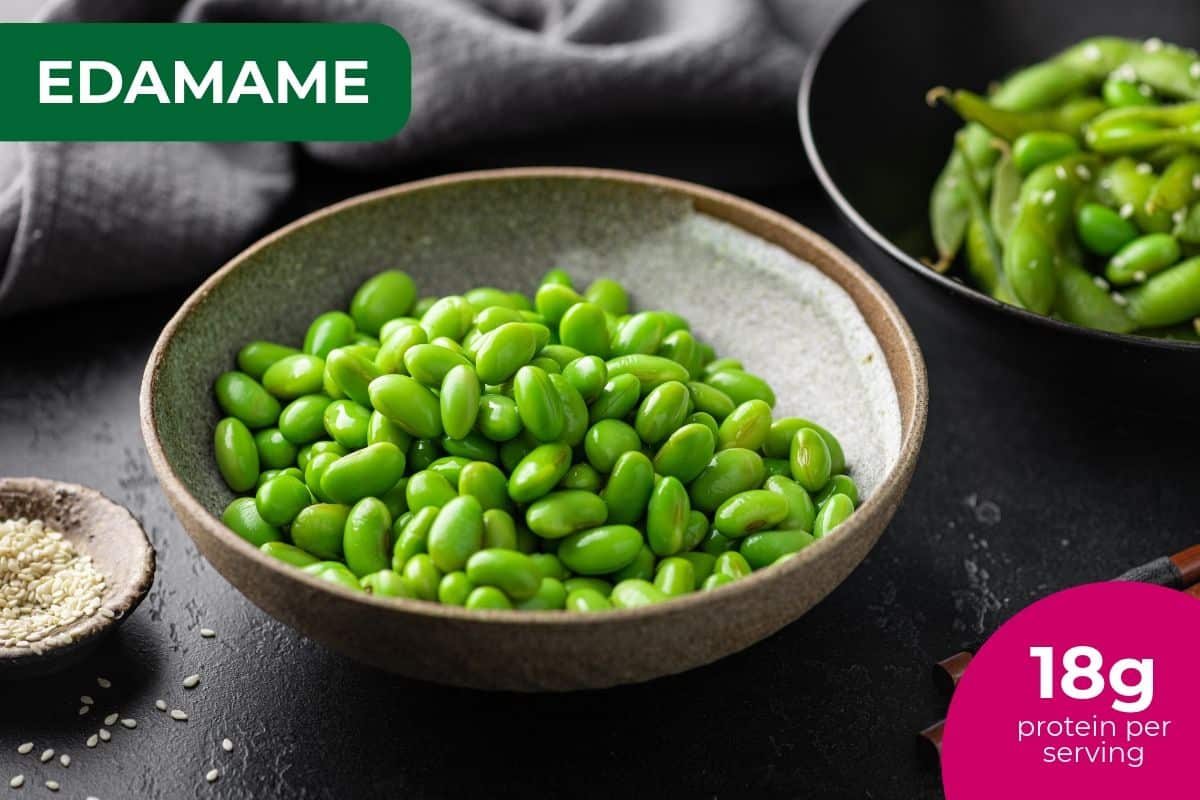
Edamame are young green soybeans, sweet and buttery, and one of the easiest ways to add protein because there's almost no cooking involved.
Protein: About 12 g per 100 g for frozen, prepared edamame (USDA), which comes to around 18 g in a cup of shelled beans.
How to use it: Steam them in the pod with a sprinkle of sea salt for a snack, or toss the shelled beans into salads, grain bowls, fried rice, and pasta. They blend beautifully into dips, too. Keep a bag of the shelled kind in the freezer and you always have a quick protein boost on hand.
Recipes to try: Seasoned Edamame Appetizer, Spicy Avocado Edamame Dip, Enlightened Miso Power Bowl.
Textured Vegetable Protein (TVP)
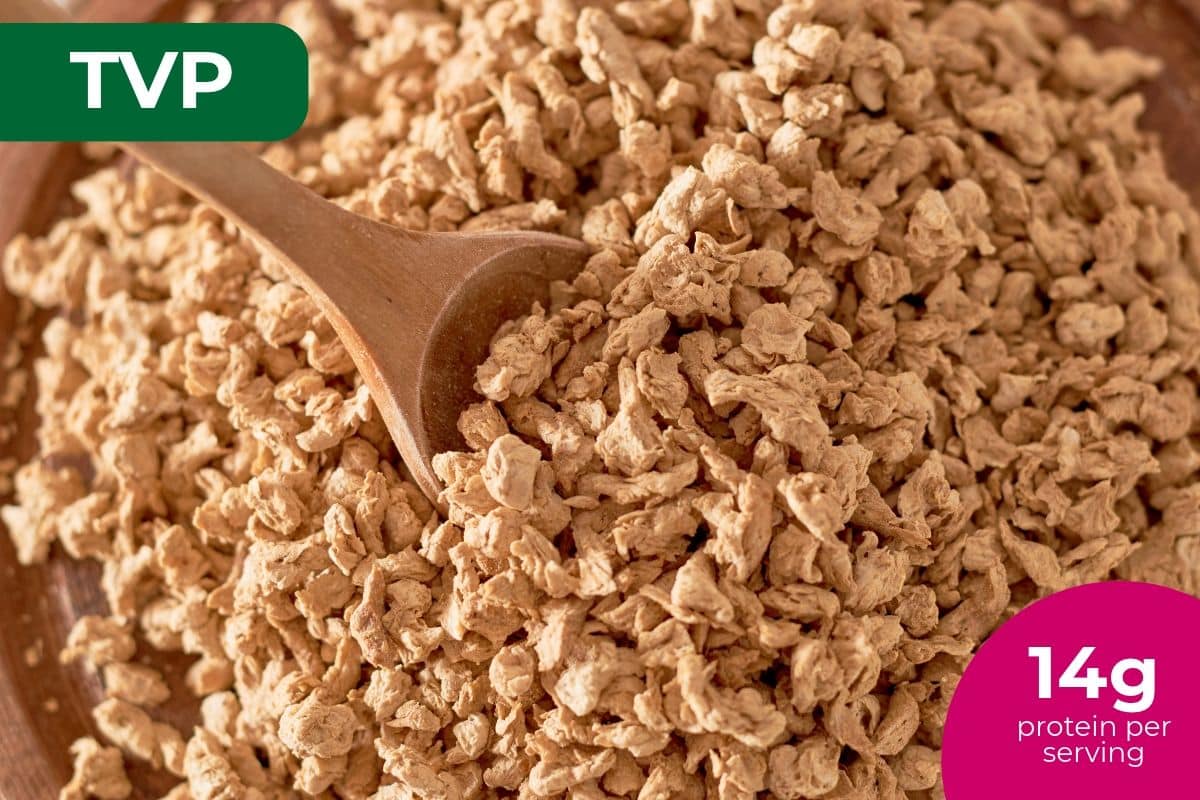
TVP, sometimes labeled textured soy protein, is defatted soy flour that's been cooked and dried into crumbles or chunks. It's inexpensive, keeps for ages in the pantry, and turns into a convincingly hearty "ground meat" once you rehydrate it.
Protein: About 50 g per 100 g dry (USDA lists roughly 51 g), or around 14 g per ounce of dry TVP. Once it's rehydrated the protein per cup is lower, because the crumbles soak up water.
How to use it: Rehydrate it in hot broth or water following the package directions (it takes about 10 minutes), then simmer it into chili, Bolognese, taco filling, or sloppy joes. Adding it to veggie burgers boosts the protein and improves the texture. Bob's Red Mill TVP is easy to find and works in any of those.
Recipes to try: Vegan Bolognese Sauce, Vegan Zucchini Noodles with Vegan Bolognese.
Seitan
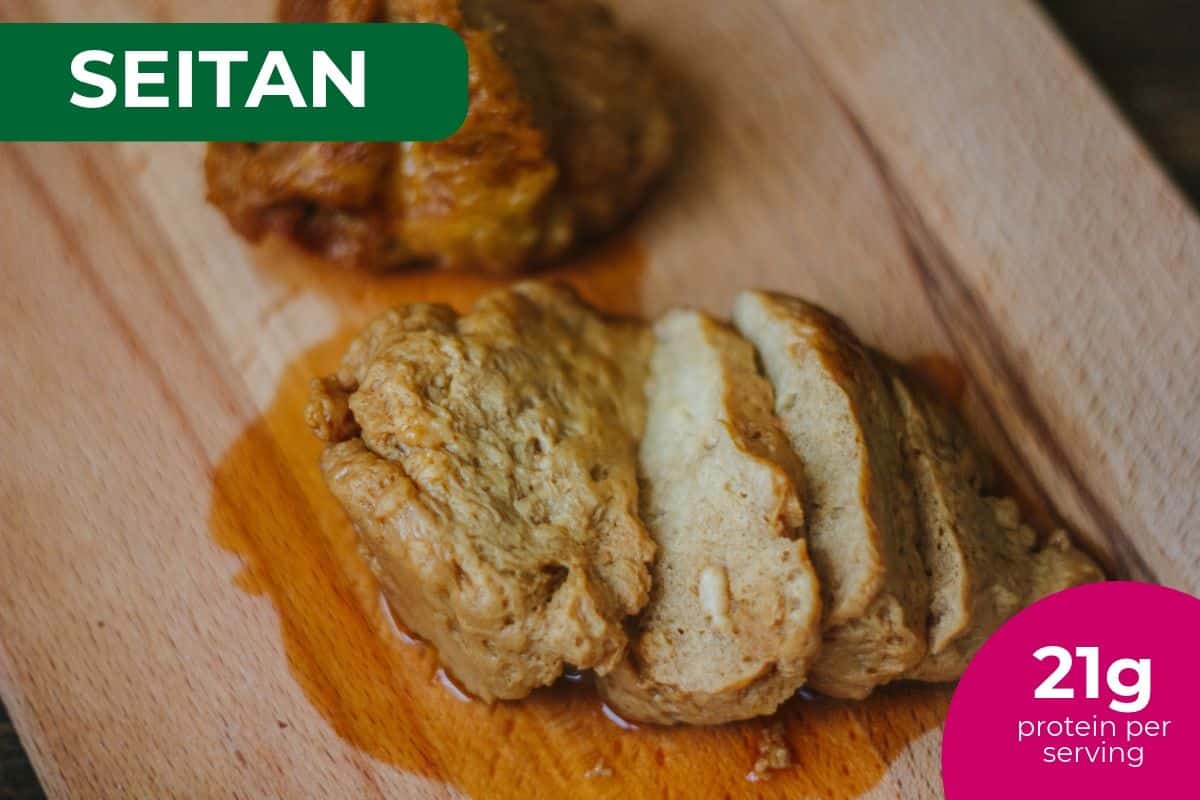
Seitan is made from wheat gluten, and its dense, chewy, almost meaty texture makes it the go-to for vegan "steaks," roasts, and fajita strips. It's not a fit for anyone with celiac disease or a gluten sensitivity.
Protein: Prepared seitan usually falls somewhere between 20 and 30 g per 100 g depending on the recipe, so call it about 25 g, or roughly 21 g per 3 ounces. The dry vital wheat gluten it's made from is far more concentrated at about 75 g per 100 g (USDA), which is why seitan packs so much protein.
How to use it: You can buy it ready-made, or make your own by mixing vital wheat gluten with broth and seasonings, kneading it briefly, and simmering or baking it. Slice it for stir-fries and sandwiches, or cut it into chunks for stews.
Recipes to try: Easy Seitan Fajitas, Vegan Cholent, Vegan Carne Asada Fries.
Beans, Lentils, and Peas: The Pantry Heroes
Legumes are the backbone of most high protein vegan meals. They're cheap, filling, packed with fiber, and endlessly adaptable. Canned beans are perfectly fine (rinse them to cut the sodium), and dried ones are even more economical if you have the time to cook them.
Lentils
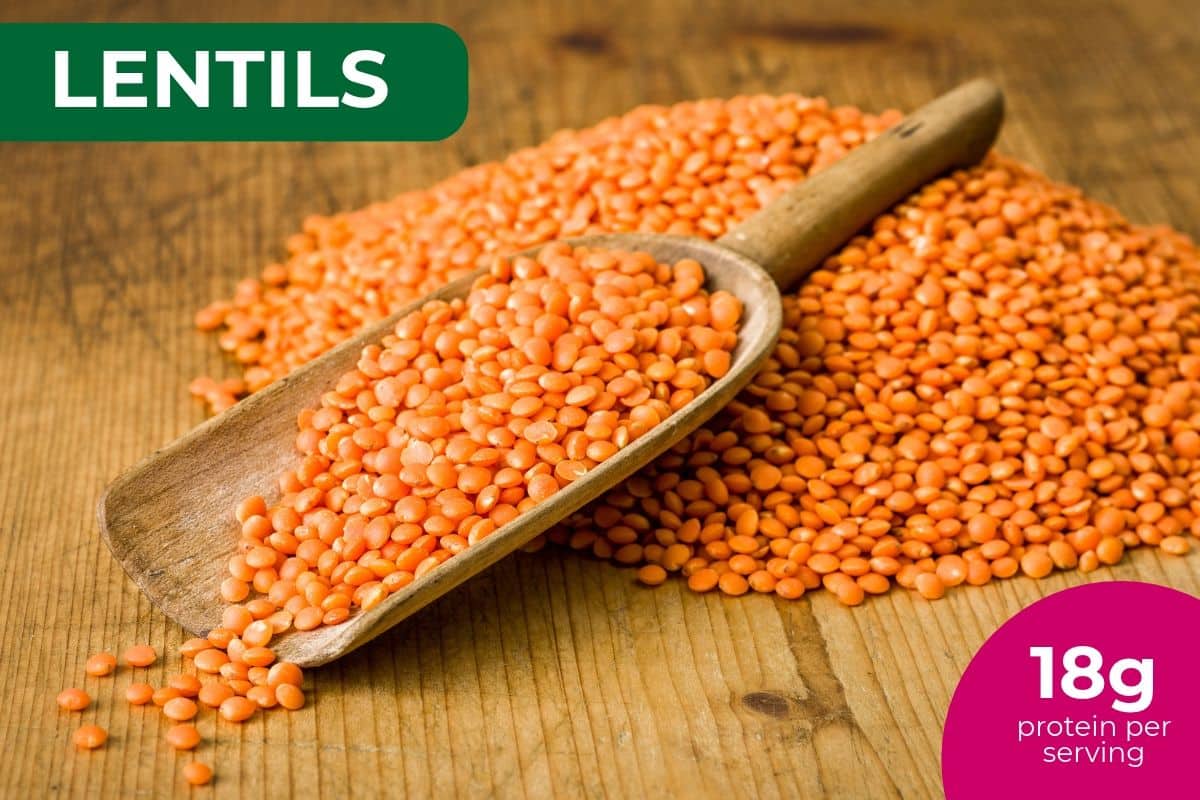
Lentils cook quickly with no soaking, and they're one of the best values in the whole plant-based kitchen. Green and brown lentils hold their shape, while red lentils melt into a creamy, soft texture.
Protein: About 9 g per 100 g cooked (USDA), or roughly 18 g in a cup.
How to use it: Simmer them into soups, stews, and dals, mash them into burgers and loaves, or toss cooled lentils into salads. Firm varieties such as French green lentils (lentilles du Puy) are especially good for salads and side dishes.
Recipes to try: 30-Minute Madras Lentils (Vegan), Protein-Packed Plant-Based Lentil Stew, Vegan Lentil Meatloaf with Tomato Glaze, Vegan Tomato Lentil Soup.
Chickpeas
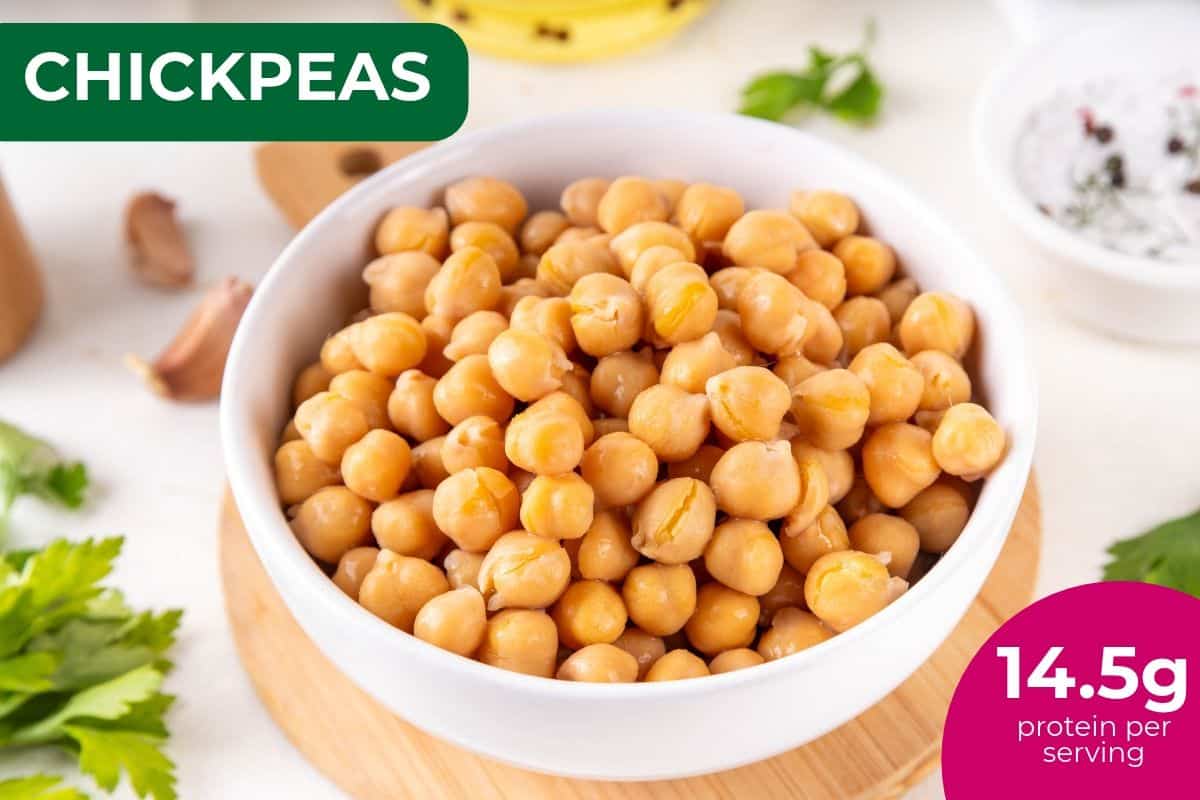
Chickpeas (garbanzo beans) are creamy on the inside, firm on the outside, and happy in everything from curries to desserts.
Protein: About 9 g per 100 g cooked (USDA), or 14.5 g per cup.
How to use it: Mash them into hummus and patties, roast them until crunchy for a snack, simmer them into curry, or fold them into salads and wraps. Chickpea flour is another handy pantry item, and Bob's Red Mill chickpea flour makes savory pancakes, flatbreads, and batters for frying.
Recipes to try: 30-Minute Vegan Chana Masala, Vegan Chickpea Patties, Grilled Red Pepper Hummus.
Black Beans and Other Beans
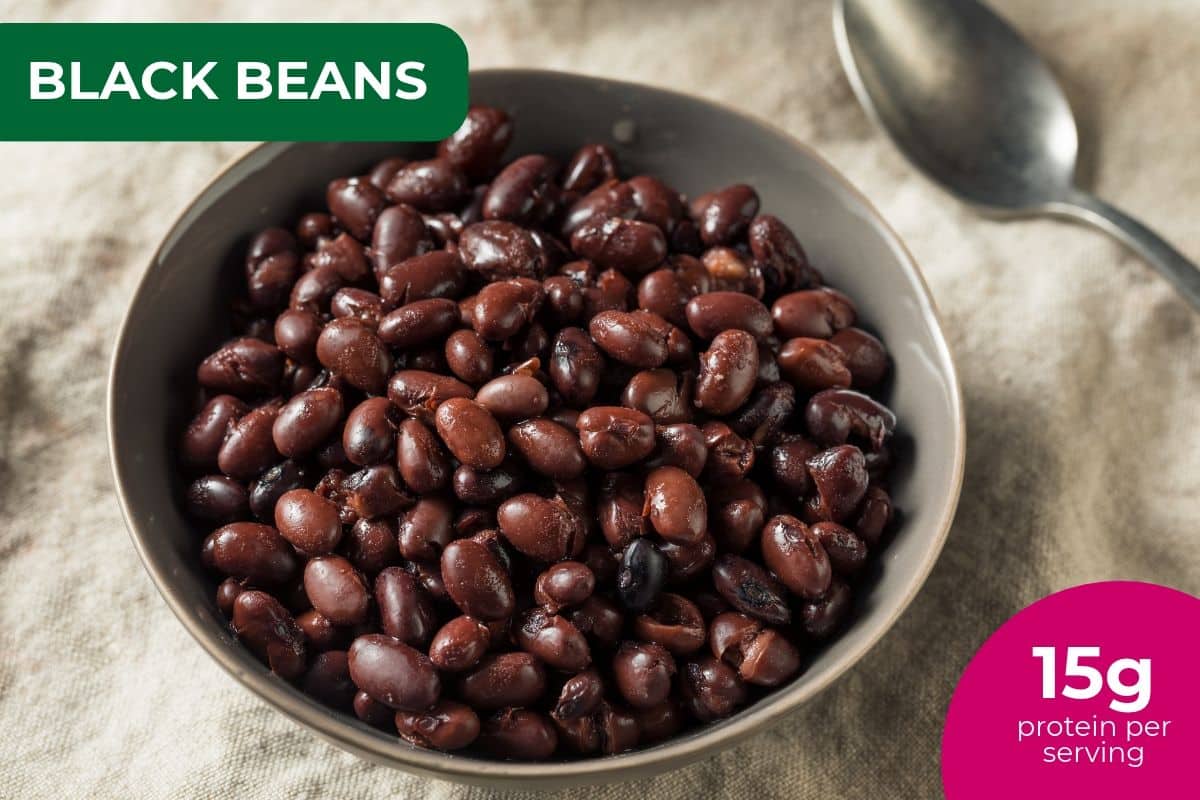
Black beans are creamy, mild, and the natural partner for chili spices, corn, and rice. The rest of the bean family (kidney, pinto, cannellini, navy) delivers a similar deal: lots of protein and lots of fiber for very little money.
Protein: About 9 g per 100 g cooked for black beans (USDA), or roughly 15 g per cup. Kidney beans come in at about 8.7 g per 100 g, and most cooked beans fall somewhere between 7 and 10 g.
How to use it: Stir them into chili and soups, stuff them in burritos and quesadillas, mash them into burgers, or serve them over rice. Canned beans are the shortcut, and a no-salt-added option like Eden Organic black beans gives you control over the sodium.
Recipes to try: Vegan Chipotle Black Bean Burgers, Sweet Potato Black Bean Chili, Vegan Sephardic Stewed White Beans, Brown Rice Pilaf with White Beans, Shiitakes, and Spinach.
Green Peas and Split Peas
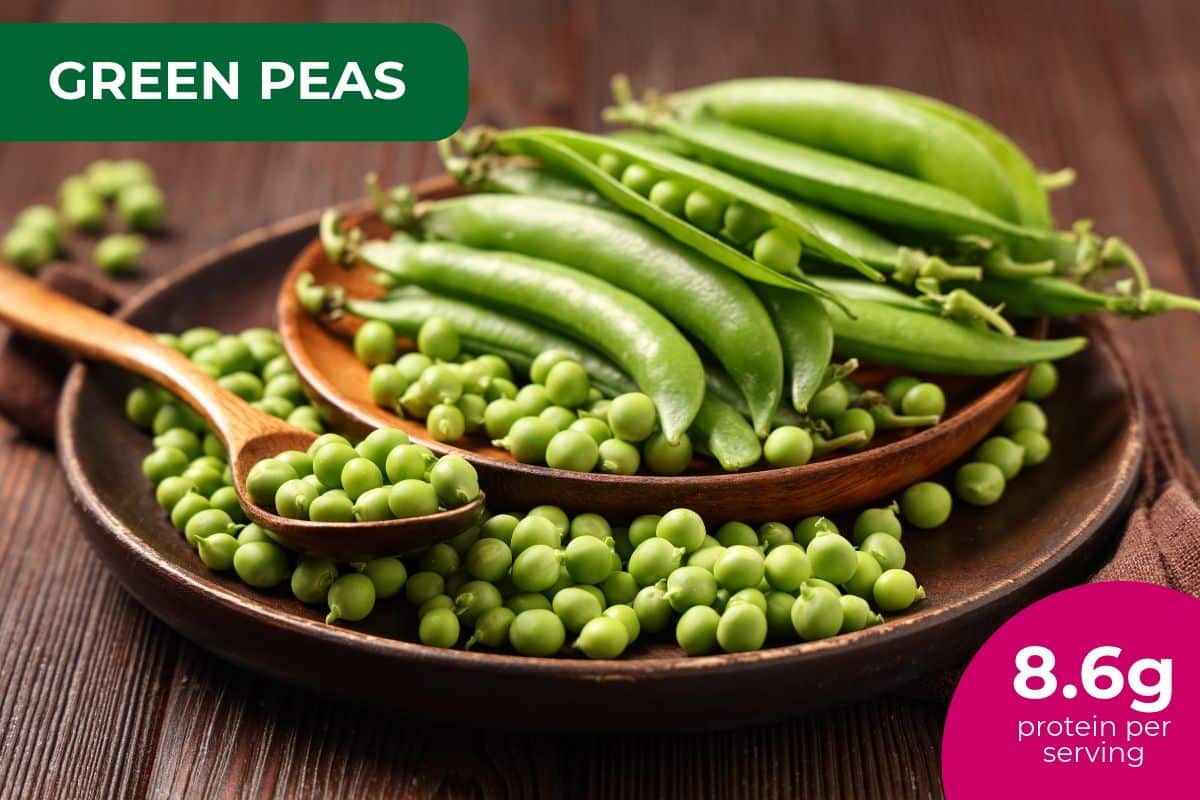
Peas are a bit of a sleeper on this list. Fresh or frozen green peas are sweet and easy to add to almost anything, and dried split peas are the classic soup-maker.
Protein: Green peas have about 5.4 g per 100 g cooked (USDA), or 8.6 g per cup. Dried split peas are more concentrated, and Bob's Red Mill lists 13 g of protein per ¼ cup dry on its package.
How to use it: Stir frozen peas into pasta, rice dishes, and curries, or blend them into a bright green soup. For dried peas, green split peas need no soaking and turn creamy in about 30 minutes.
Recipes to try: Vegan Split Pea Soup, Vegan Pasta Alfredo with Peas & Asparagus.
Whole Grains That Bring Protein to the Table
Grains aren't going to win any protein contests against tempeh, but they show up at nearly every meal, so the grams add up quickly.
Quinoa
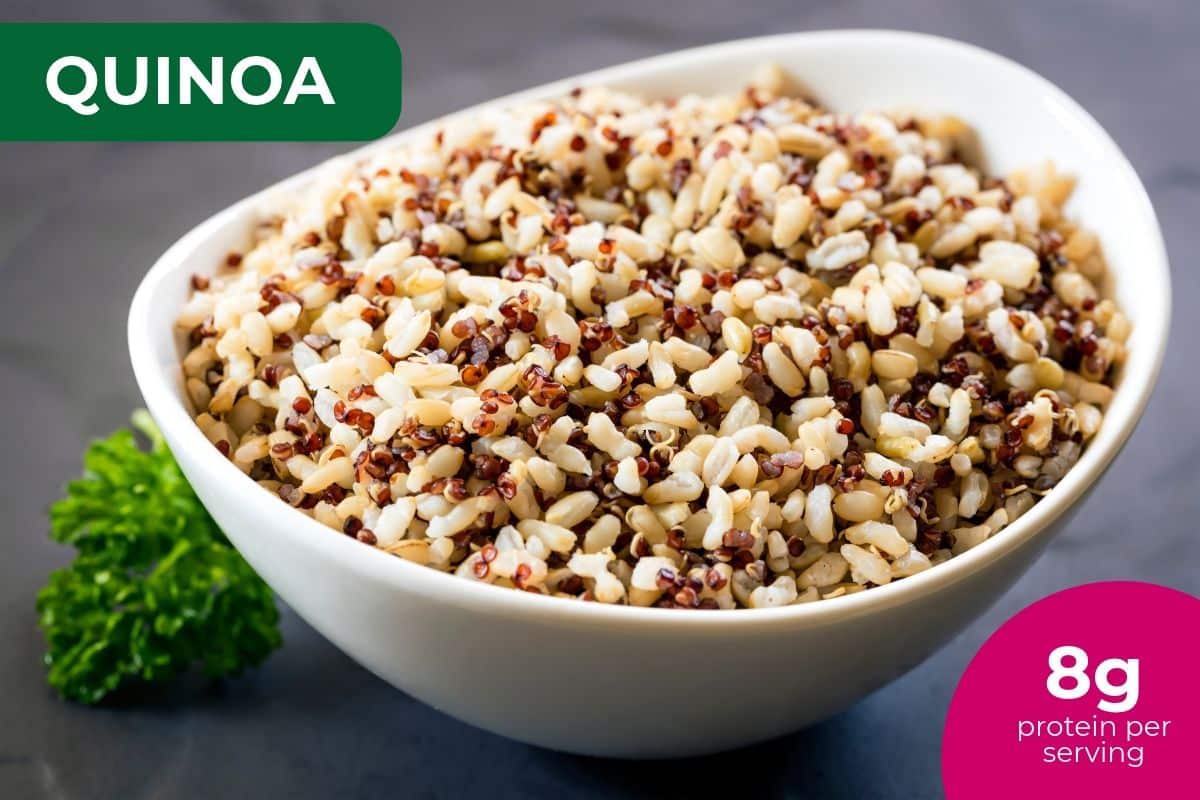
Quinoa is technically a seed, but it cooks like a grain and has a light, fluffy texture with a mild nutty flavor. It's also one of the few plant foods that's a complete protein, per Harvard.
Protein: About 4.4 g per 100 g cooked (USDA), or 8 g per cup.
How to use it: Give it a quick rinse, simmer it for about 15 minutes, and use it as a base for grain bowls, stuffed peppers, salads, and burgers. It makes a good breakfast porridge, too. Ancient Harvest organic tri-color quinoa is a pretty, easy-to-find option.
Recipes to try: Hummus and Quinoa Wrap, Vegan Quinoa Mushroom Burger, Tabbouleh Salad (with Quinoa, Bulgur, or Couscous), Vegan Sloppy Joes with Pinto Beans and Quinoa.
Rolled Oats
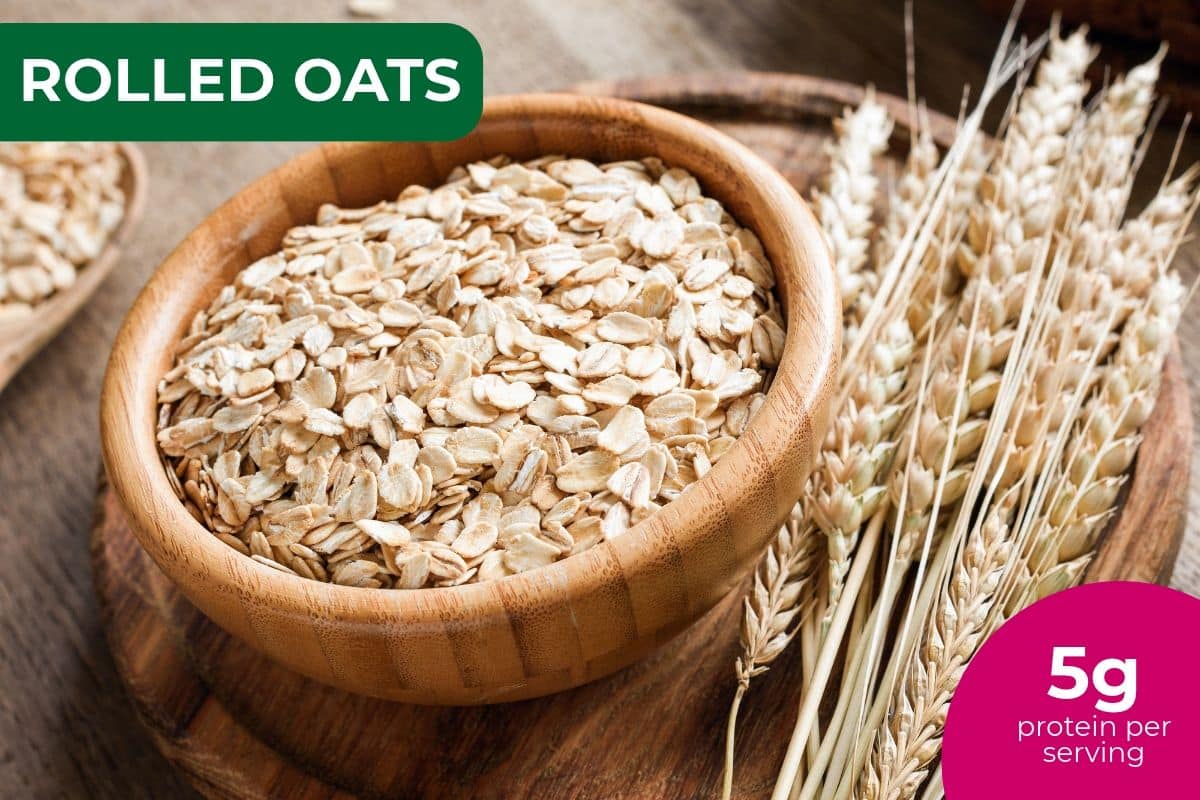
Oats are a breakfast staple that's quietly one of the better grain sources of protein, and they're just as useful in baking, burgers, and no-bake snacks as they are in a bowl.
Protein: About 13 g per 100 g dry (USDA), or 5 g in a ½ cup (40 g) dry serving.
How to use it: Cook them into oatmeal, soak them overnight, blitz them into oat flour for pancakes and quick breads, or use them as a binder in veggie burgers. If you need to avoid gluten, look for oats that are labeled gluten-free, such as Bob's Red Mill gluten-free old-fashioned rolled oats.
Recipes to try: Vegan Banana Oat Pancakes, Apple Pie Oatmeal, Vegan No-Bake Chocolate Cookies.
Nuts and Seeds: Small but Mighty
Nuts and seeds are calorie-dense, so the servings are small, but they pack in protein along with healthy fats, and they're easy to sprinkle onto just about anything. Think of them as the boosters that turn an okay meal into a high protein vegan one.
Hemp Seeds
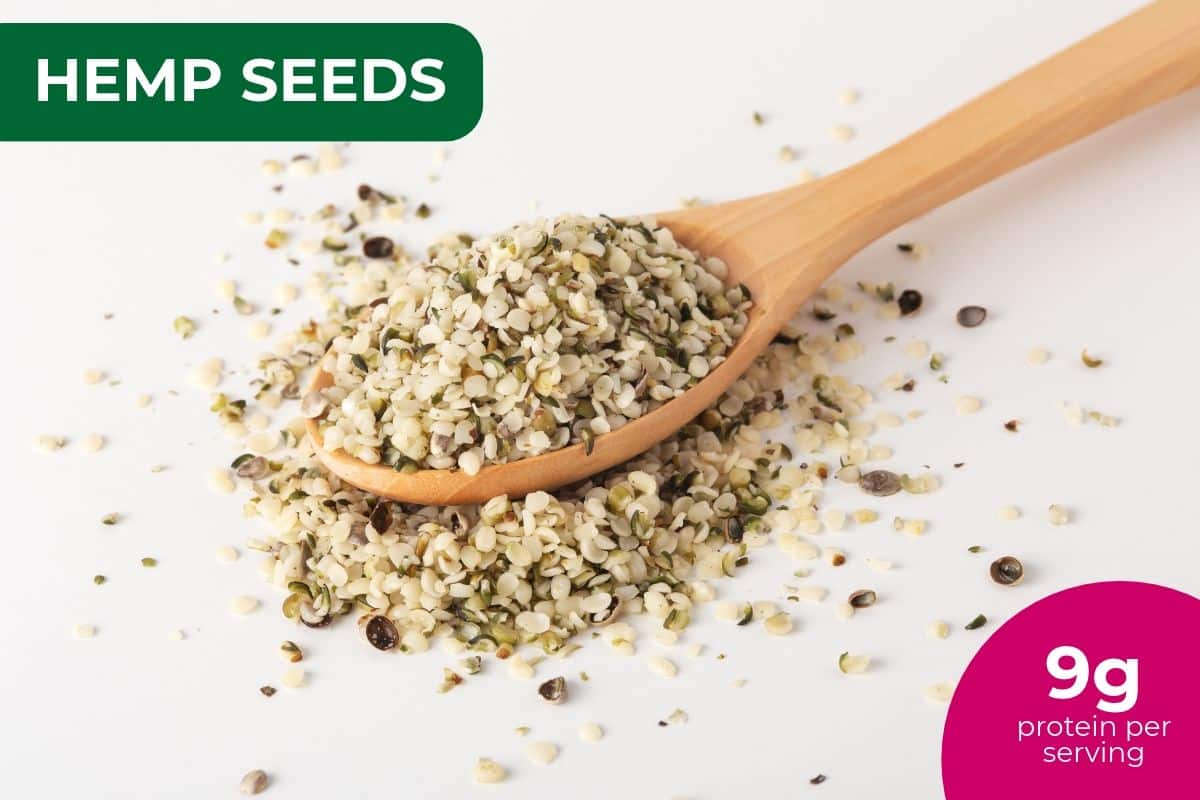
Hemp seeds (also sold as hemp hearts) are soft, mild, and slightly nutty, and unlike flax or chia they don't need grinding or soaking. They're among the most protein-rich seeds you can buy.
Protein: Roughly 30 g per 100 g, which is about 9 to 10 g in 3 tablespoons. The label on Manitoba Harvest hemp hearts lists 10 g per 30 g serving.
How to use it: Sprinkle them over avocado toast, salads, yogurt, and soups, blend them into smoothies, or stir them into oatmeal. They also work in homemade dressings, pesto, and energy balls.
Recipes to try: Power Smoothie (Romaine and Superfood Seeds), Green Smoothie Bowl, Nut-and-Seed Energy Balls, Health Benefits of Chia, Flax, and Hemp Seeds.
Pumpkin Seeds (Pepitas)
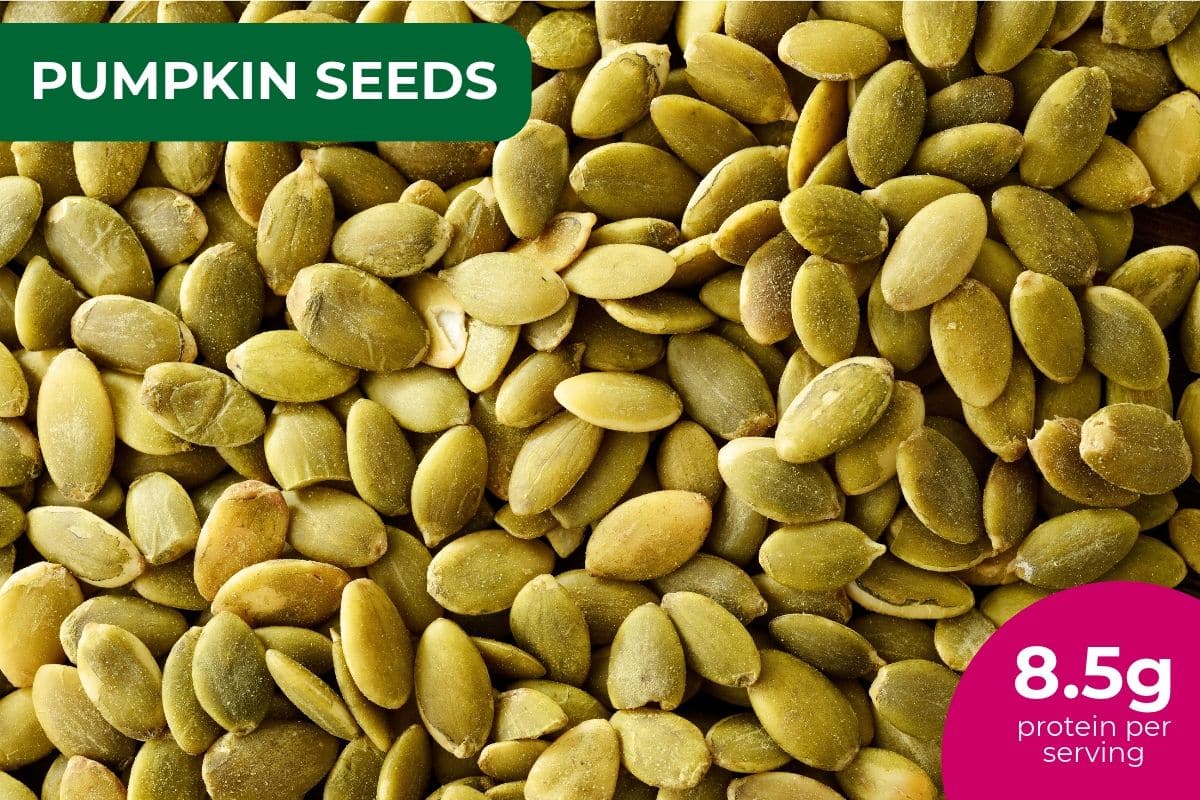
Shelled pumpkin seeds, called pepitas, are green, chewy, and lightly sweet, and their protein per ounce is among the highest of any common nut or seed.
Protein: About 30 g per 100 g (USDA), or roughly 8.5 g per ounce.
How to use it: Toast them in a dry skillet until they puff and pop, then scatter them over salads, soups, and roasted vegetables. They're also good in granola and trail mix, or ground into a nut-free butter. Raw, unsalted organic pepitas are the most flexible kind to buy.
Recipes to try: Pumpkin Seed Butter, Vegan Jícama Salad with Oranges and Watercress.
Chia Seeds
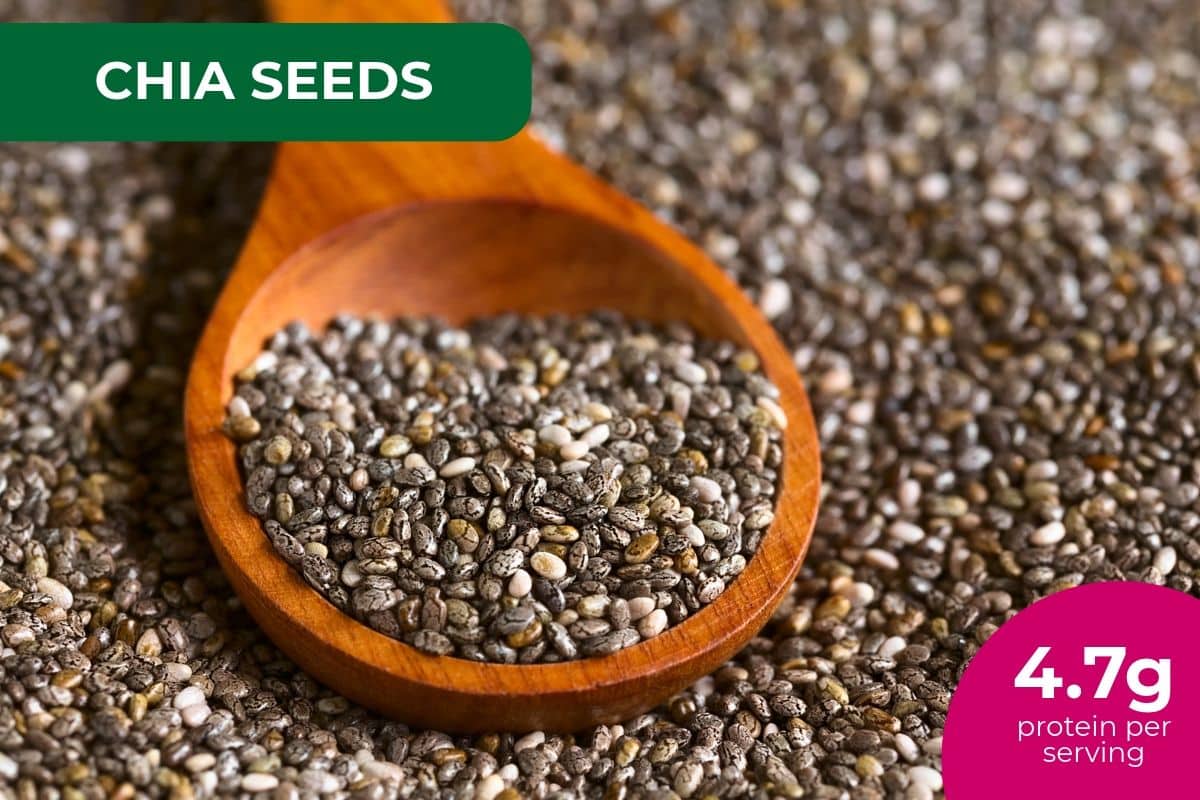
Chia seeds swell into a gel when they're soaked, which makes them perfect for puddings and jams, and Harvard counts them among the plant foods that provide a complete protein.
Protein: About 16.5 g per 100 g (USDA), or roughly 4.7 g per ounce, which is a bit more than 2 tablespoons.
How to use it: Stir them into oatmeal or smoothies, soak them in plant milk overnight for chia pudding, or use them to thicken fruit into a quick jam. Nutiva organic chia seeds are a widely available choice.
Recipes to try: Raw Vegan Strawberry Jam, Dragon Fruit Smoothie, Almond Butter Protein Balls.
Peanut Butter
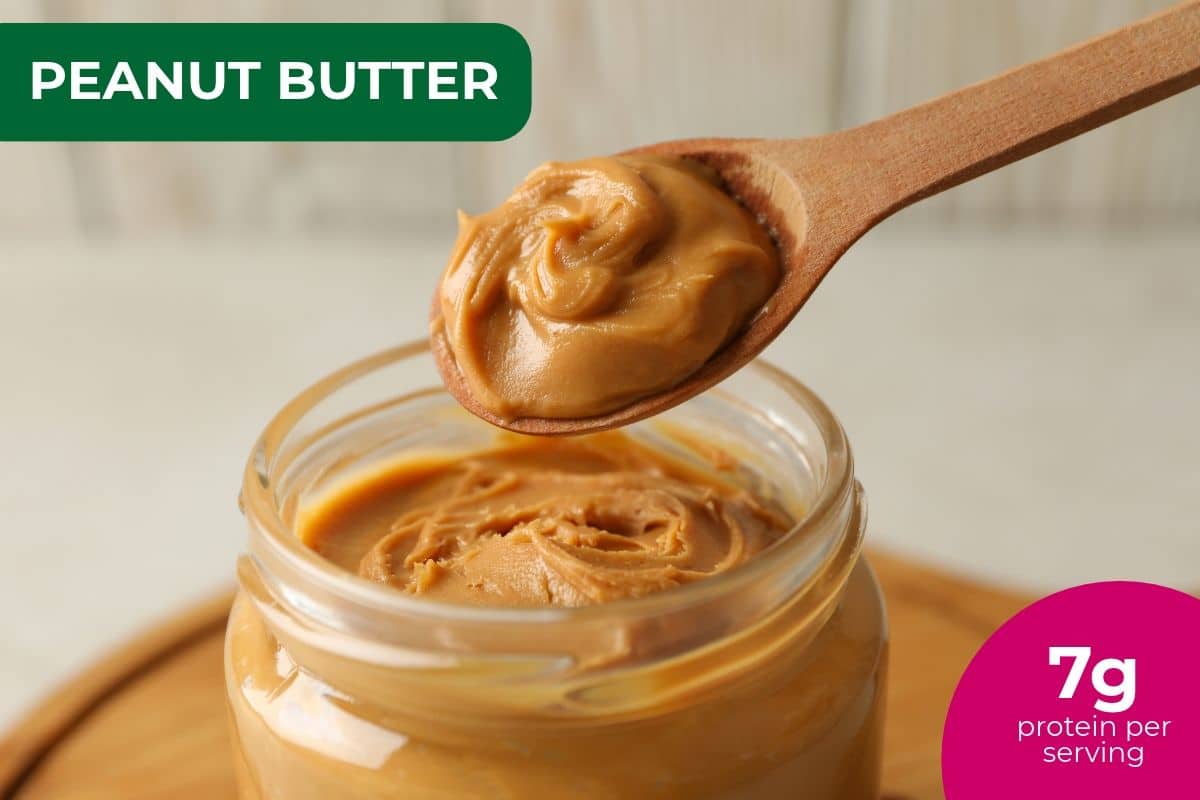
Peanuts are technically legumes, and peanut butter is the easiest protein there is. Choose a natural jar with just peanuts (and maybe salt) so you get all of the protein without added sugar and oils.
Protein: About 22 g per 100 g (USDA), or roughly 7 g in 2 tablespoons.
How to use it: Spread it on toast, swirl it into oatmeal and smoothies, whisk it into peanut sauce for noodles, or bake it into cookies and bars. Keep the portion in mind, since it's also high in calories. Crazy Richard's creamy peanut butter is made from nothing but peanuts.
Recipes to try: Vegan No-Bake Chocolate Cookies, Vegan Granola Bars.
Almonds
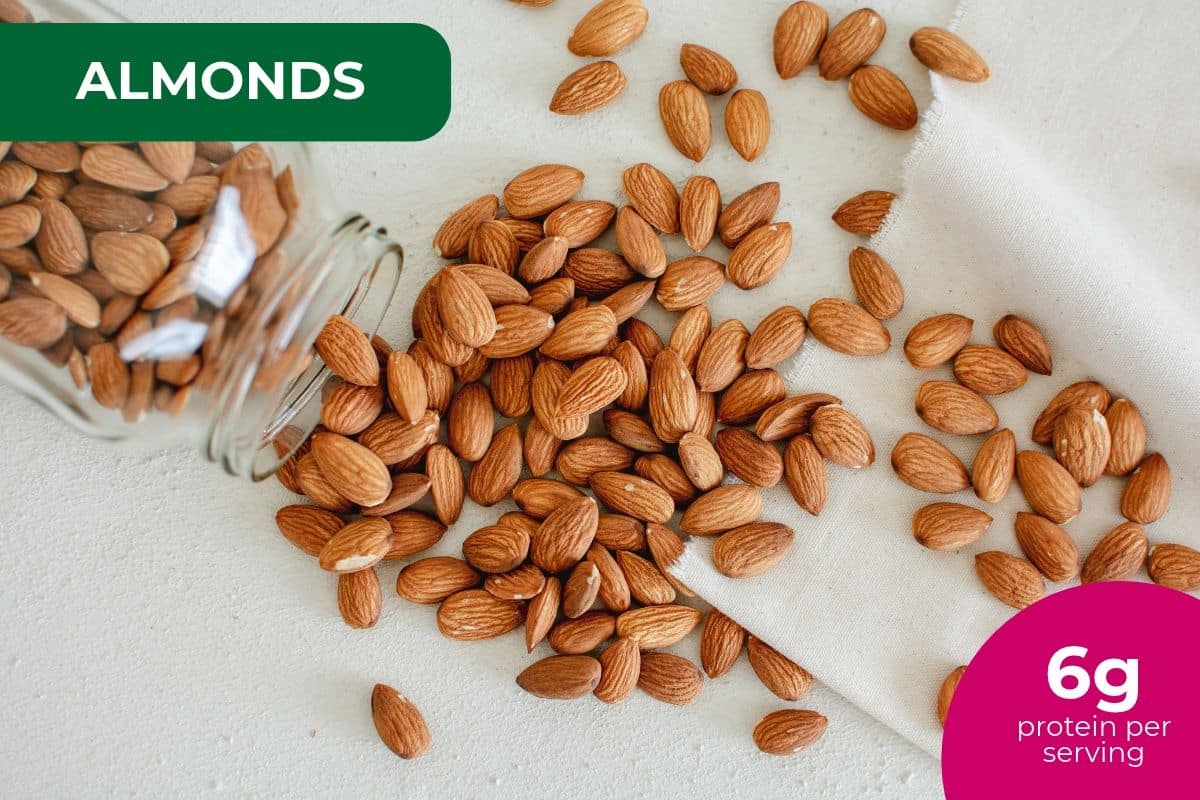
Almonds are the most versatile tree nut, crunchy on their own and just as good ground into flour, butter, or milk.
Protein: About 21 g per 100 g (USDA), or roughly 6 g per ounce, which is around 23 almonds.
How to use it: Snack on a handful, chop them into pilafs and salads, or blend them into almond butter. Keep in mind that store-bought almond milk has far less protein than whole almonds, since it's mostly water. Blue Diamond raw whole almonds are a pantry staple.
Recipes to try: Date and Almond Energy Bites, Almond Butter Protein Balls, Vegan Wild Rice Pilaf with Spinach and Almonds, Vegan Gluten-Free Pancakes (made with almond flour!).
Flavor Boosters and Helpers
These two aren't the main event on the plate, but they make it easy to top up your protein without changing what you cook.
Nutritional Yeast
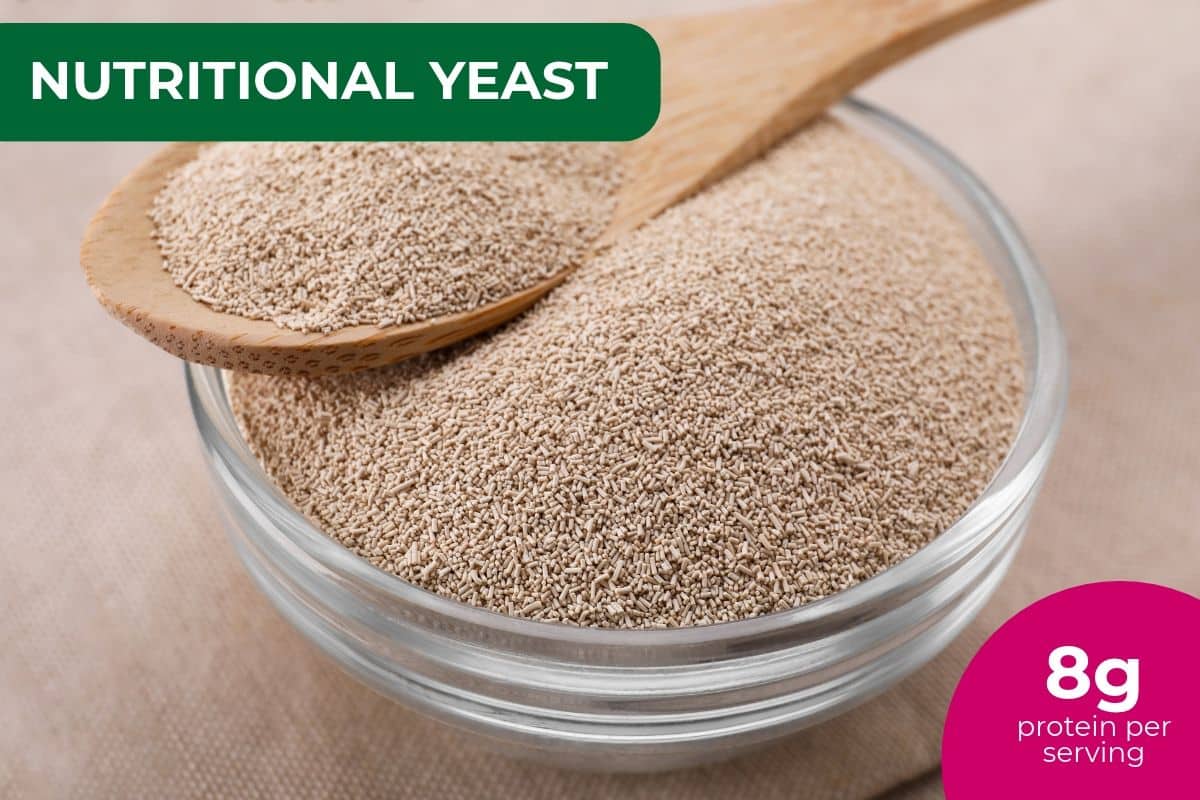
Nutritional yeast is a deactivated yeast sold as golden flakes, and it tastes savory, nutty, and cheesy. Many brands are fortified with vitamin B12, so check the label if that matters to you.
Protein: The label on Bob's Red Mill large flake nutritional yeast lists 8 g of protein per ¼ cup (15 g), which works out to around 50 g per 100 g. Brands vary, so check yours.
How to use it: Sprinkle it on popcorn and pasta, stir it into scrambles, or blend it into cheesy sauces and vegan Parmesan. A couple of tablespoons here and there adds up. If your store doesn't carry it, Bragg nutritional yeast is easy to order.
Recipes to try: Vegan Cheese Sauce (No Nuts!), How to Make Vegan Parmesan Cheese - Easiest Ever!, Vegan Baked Mac And Cheese.
Plant-Based Protein Powder
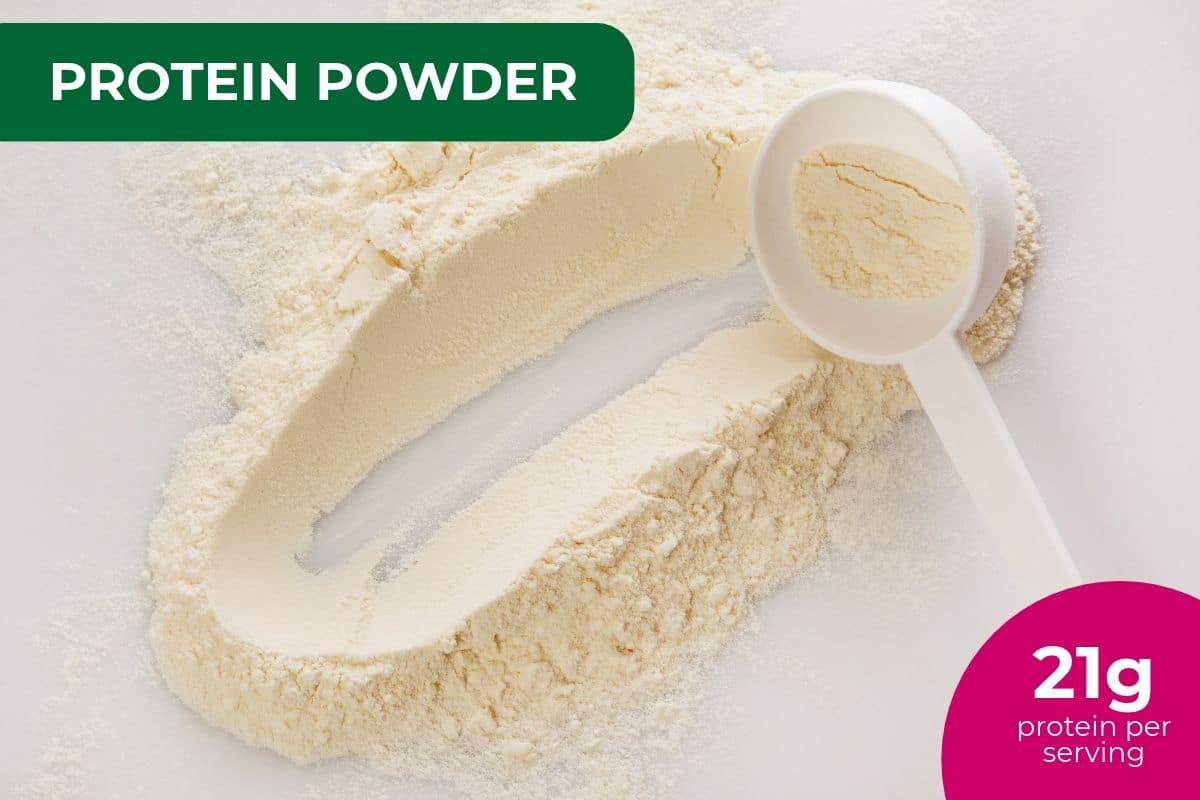
Protein powder isn't a whole food, and you don't need it, but it's a practical option for busy mornings, post-workout smoothies, and anyone who struggles to eat enough. Pea protein is the most common base, often blended with brown rice or seeds.
Protein: It varies by brand, so read the label. Orgain organic vegan protein powder lists 21 g per serving.
How to use it: Blend it into smoothies, stir it into oatmeal or pancake batter, or add a scoop to energy balls and smoothie bowls. Start with less than the full serving if the texture is new to you, since some powders can be chalky.
Recipes to try: Protein Chocolate Smoothie Bowl & Cookie Dough Bites, Vegan Chocolate Raspberry Smoothie Bowl.
How to Get More Protein in Your Vegan Meals
Build each meal around one big protein. Instead of counting every gram, start with a solid anchor at each meal: a cup of lentils, a few ounces of tempeh, a block of tofu, or a big scoop of beans. Then let the grains, vegetables, and seeds fill in the rest. A day of oatmeal with hemp seeds and a spoonful of peanut butter, a cup of lentil soup, a dinner of tempeh with quinoa, and an ounce of almonds adds up to a little over 65 grams.
Mix your sources across the day. As Harvard Health notes, variety is what covers all of your essential amino acids. Rotating between soy, legumes, grains, and seeds keeps your meals interesting, too.
Keep protein-rich snacks within reach. Roasted chickpeas, a handful of almonds, edamame, and pumpkin seeds are easy to grab, and they keep you from reaching for something with far less staying power. For more ideas, browse our 30+ Homemade High Protein Vegan Snacks.
Use the little boosters. Three tablespoons of hemp seeds add about 10 grams, an ounce of pumpkin seeds adds about 8, and a quarter cup of nutritional yeast adds another 8. None of them changes the character of a dish, but a few of them together make a real difference.
Ramp up fiber slowly and drink water. Beans, lentils, and whole grains are packed with fiber, which is great, but a sudden jump can be hard on your stomach. Add them gradually, drink plenty of water, and rinse canned beans to cut down on sodium. Our list of the 34 Best Plant-Based High-Fiber Foods has more on that.
Vegan Protein FAQs
What is the highest protein vegan food?
Gram for gram, dry foods lead the pack: vital wheat gluten (about 75 g per 100 g), TVP and nutritional yeast (around 50 g), and seeds such as pumpkin and hemp (about 30 g). Among the foods you'll eat in a typical serving, tempeh, seitan, edamame, and lentils are the top performers. The best choice is the one you'll happily eat regularly.
Do I need to combine proteins at every meal?
No. You don't have to pair beans and rice, or any other combination, at the same sitting. Eating a variety of plant proteins across the day gives your body what it needs, and soy foods, quinoa, and chia are complete proteins all by themselves.
Can you build muscle on a vegan diet?
Yes. The Academy of Nutrition and Dietetics considers appropriately planned vegan diets suitable for athletes. The keys are eating enough total protein and calories and spreading protein-rich foods through the day. If you're training hard, a dietitian who works with athletes can help you fine-tune the numbers.
More High Protein Vegan Ideas
If you want to put these vegan protein sources to work, here are a few more places to start:
- 20 High Protein Vegan Meals
- 30+ Homemade High Protein Vegan Snacks
- 23 Family-Friendly Tofu Recipes Kids Will Actually Eat
- 34 Best Plant-Based High-Fiber Foods
Sources: nutrition figures are from USDA FoodData Central unless noted as a product label. Protein guidance is from Harvard's Nutrition Source and Harvard Health, and the position paper of the Academy of Nutrition and Dietetics on vegetarian diets. Nutrition values vary by brand and preparation, so check your own labels.
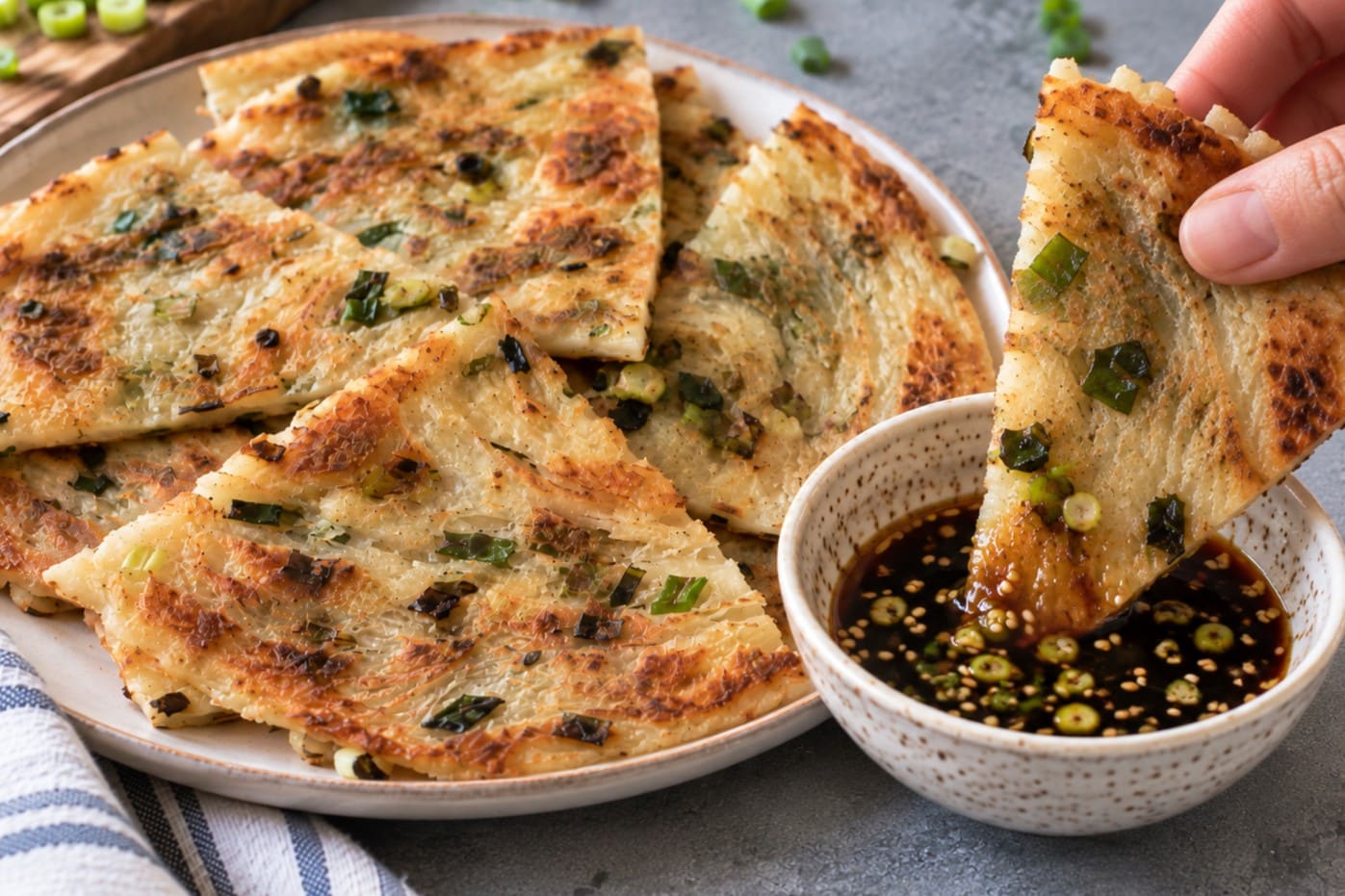
Vegan Scallion Pancakes
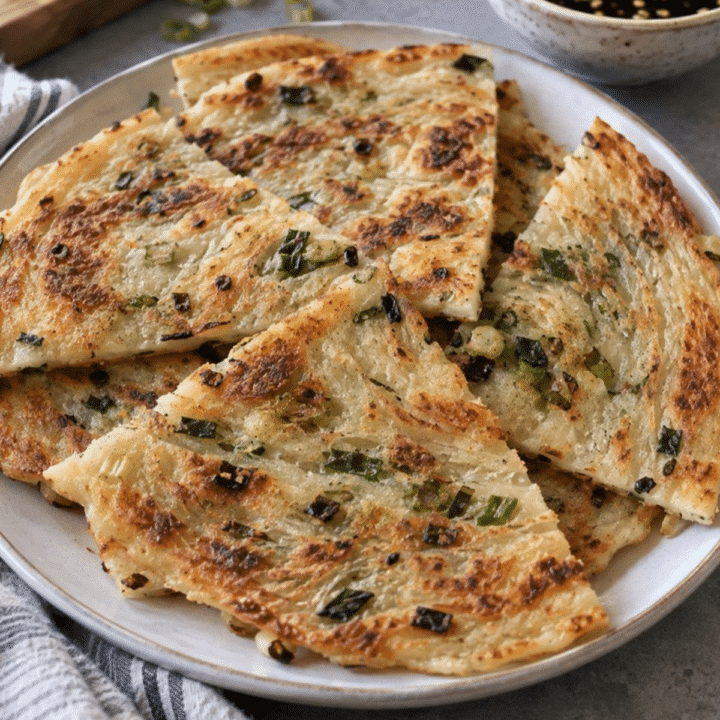
These vegan scallion pancakes are crisp and golden on the outside, with perfectly flaky layers inside and fresh green onion in every bite. They're made from a simple flour-and-water dough, so they're naturally egg-free and dairy-free, and they're delicious with a sesame-soy dipping sauce.
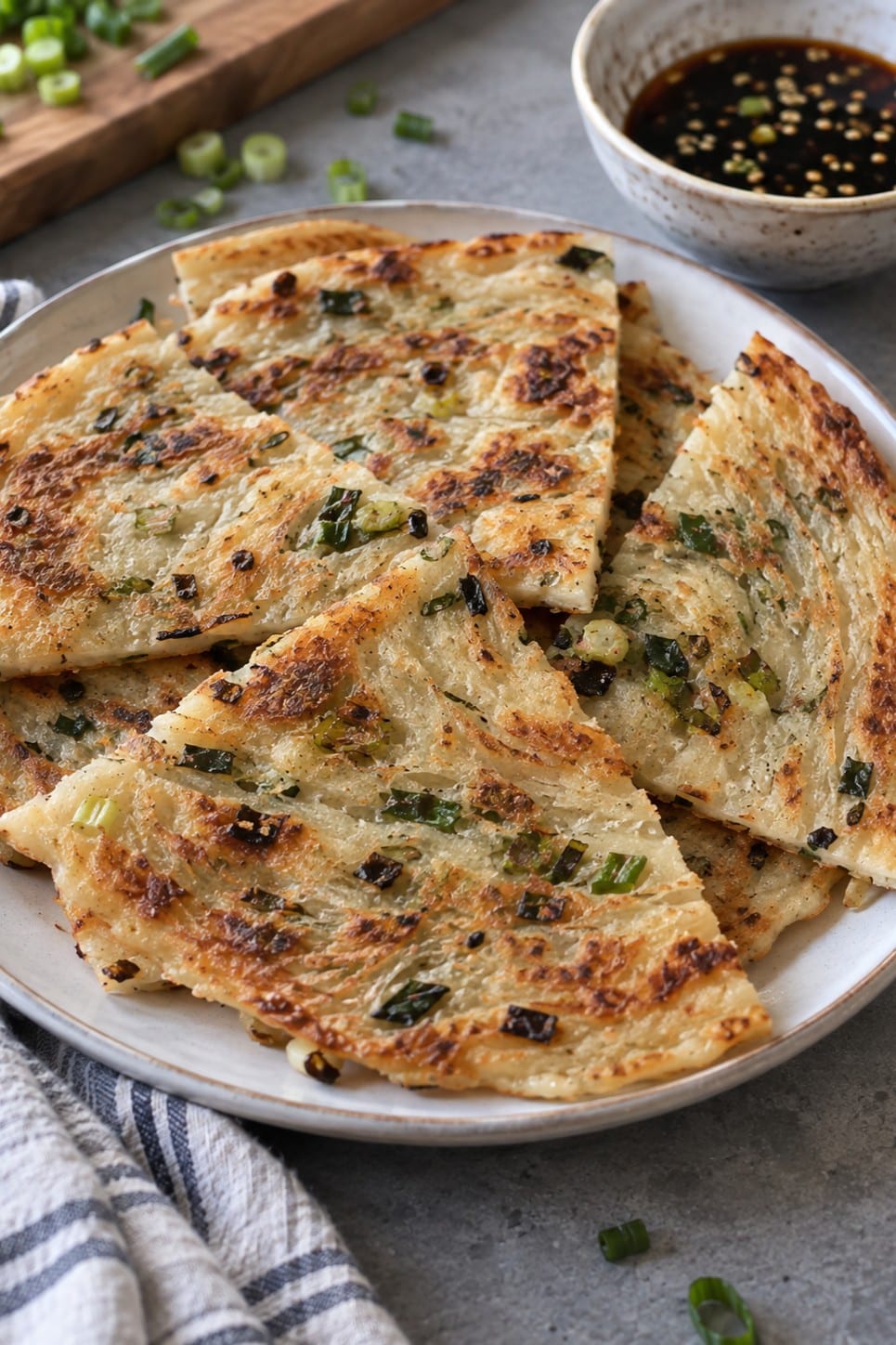
Scallion pancakes (also known as cong you bing) are a classic Chinese street food and dim sum favorite. Unlike fluffy breakfast pancakes, these aren't made from a batter. The dough is instead rolled, coiled, and flattened again - leaving behind those beautiful flaky layers. These pancakes make a great appetizer, a side dish for dipping into soups and gravies, or a tasty snack all on their own.
Key Ingredients & Substitutions
- All-purpose flour. Regular unbleached all-purpose flour works great here. You can swap up to a third of the flour for whole wheat or spelt if you prefer a nuttier flavor, but the layers won't be quite as flaky. These pancakes are not gluten-free, and gluten-free flour blends don't typically produce the type of layers you see in the pictures here, so go in with appropriate expectations if you try that!
- Oil paste. A little flour stirred into a neutral oil (like vegetable oil) and toasted sesame oil makes a light paste that stays put between the layers. This helps the layers to separate as the pancakes cook. Avocado, canola or peanut oil can all work in place of vegetable oil.
- Scallions. Use both the white and green parts, sliced very thin. Pat them dry after washing- too much extra water will make the dough sticky. Chives, or a mix of scallions and chives, works as well.
- White pepper. This spice is optional, but it adds a bit of earthy flavor and heat, and is fairly common in restaurant versions. Black pepper can be used as well.
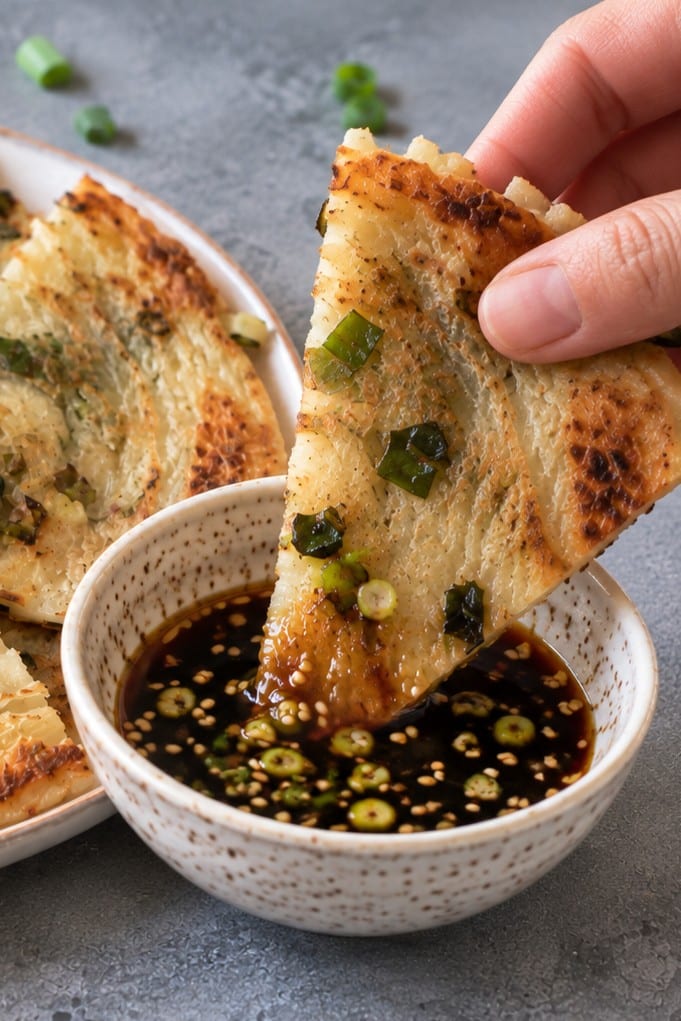
- The dipping sauce. The simple sauce is made with soy sauce, rice vinegar, sesame oil and a touch of maple syrup, then finished with sesame seeds, scallion and red pepper flakes. Tamari or coconut aminos can stand in for soy sauce if needed, and agave syrup can be substituted for the maple syrup.
How to Roll Scallion Pancakes
Rolling these pancakes might look tricky, but it only takes a few simple steps. This is how you get all of those flaky layers, so here's exactly how it works.
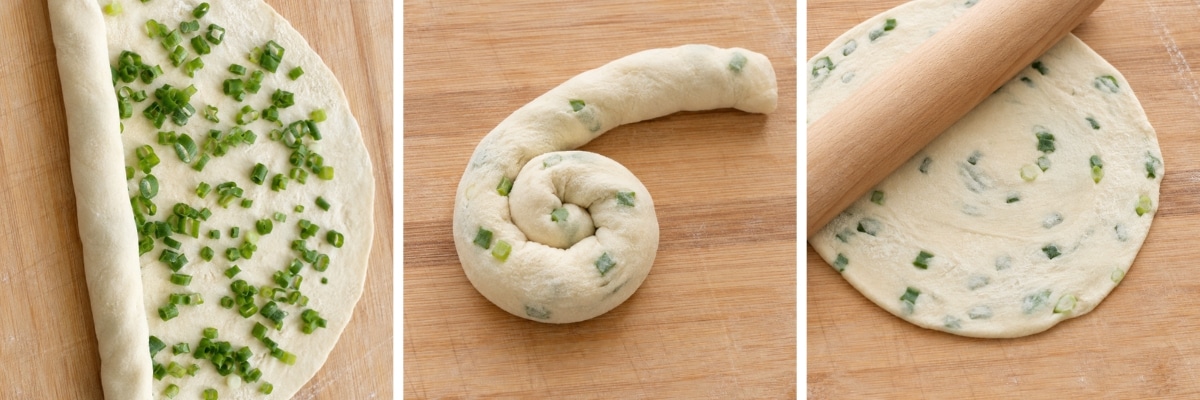
- Roll out and fill the dough. Roll one piece of dough into a thin sheet. It doesn't have to be a perfect shape! Spread the oil paste over the top, then sprinkle on the scallions.
- Roll it into a rope. Starting at one edge, roll the dough up tightly into a long rope, then pinch the seam closed.
- Coil it up. Wind the rope around itself in a tight spiral, like a snail shell, and tuck the end underneath. Repeat with the rest of the dough, then cover the coils and let them rest for 10 minutes.
- Flatten it out. Press each coil flat with your palm, then gently roll it into a round about 7 inches across. A few scallions will poke through, and that's perfectly fine.
Helpful Tips
Don't skip the rest. Letting the dough rest for 30 minutes relaxes the gluten in the dough, so it rolls out thin without shrinking back. The short 10-minute rest after coiling matters too! If a coil fights you when you roll it flat, cover it and give it a few more minutes.
Roll thin, then roll tight. The thinner you roll the rectangle, the more layers you'll get. A rolling pin and a lightly oiled counter (rather than a floured one) make this easier, since the dough grips the surface and stretches instead of sliding. When you roll the dough into a rope, keep it snug so the layers don't open up.
Flatten gently. When you roll each coil back out, press it with your palm first and then roll lightly from the center outward. Pressing too hard squashes the layers together. A few scallions breaking through the surface is normal.
Use medium heat and a heavy pan. A 10-inch cast iron skillet or a good nonstick pan will work best. No need to overheat. If the pan is too hot, the outside of your pancakes will burn before the inner layers cook; too cool and the pancakes soak up oil and turn greasy. Covering the pan for the first side helps the center steam and cook through.
Scrunch for flakiness. Right after cooking, push the pancake in from both sides with two spatulas, then let it relax. This breaks the layers apart and gives you the shaggy, flaky texture scallion pancakes are known for.
Variations
- Five-spice. Stir ½ teaspoon Chinese five-spice powder into the oil paste for a more flavorful version.
- Spicy chili oil. Swap a tablespoon of the vegetable oil in the paste for chili crisp or chili oil, and serve with extra on the side. Be careful - this can get hot!
- Garlic & Scallion. Add two finely minced garlic cloves to the scallions before sprinkling them over the dough.
- Add herbs. Replace a third of the scallions with chopped cilantro or garlic chives for a new twist.
- Mini pancakes. Divide the dough into 8 pieces for smaller, appetizer-sized rounds that cook in about 2 minutes per side. These are great for a party platter!
Serving Ideas
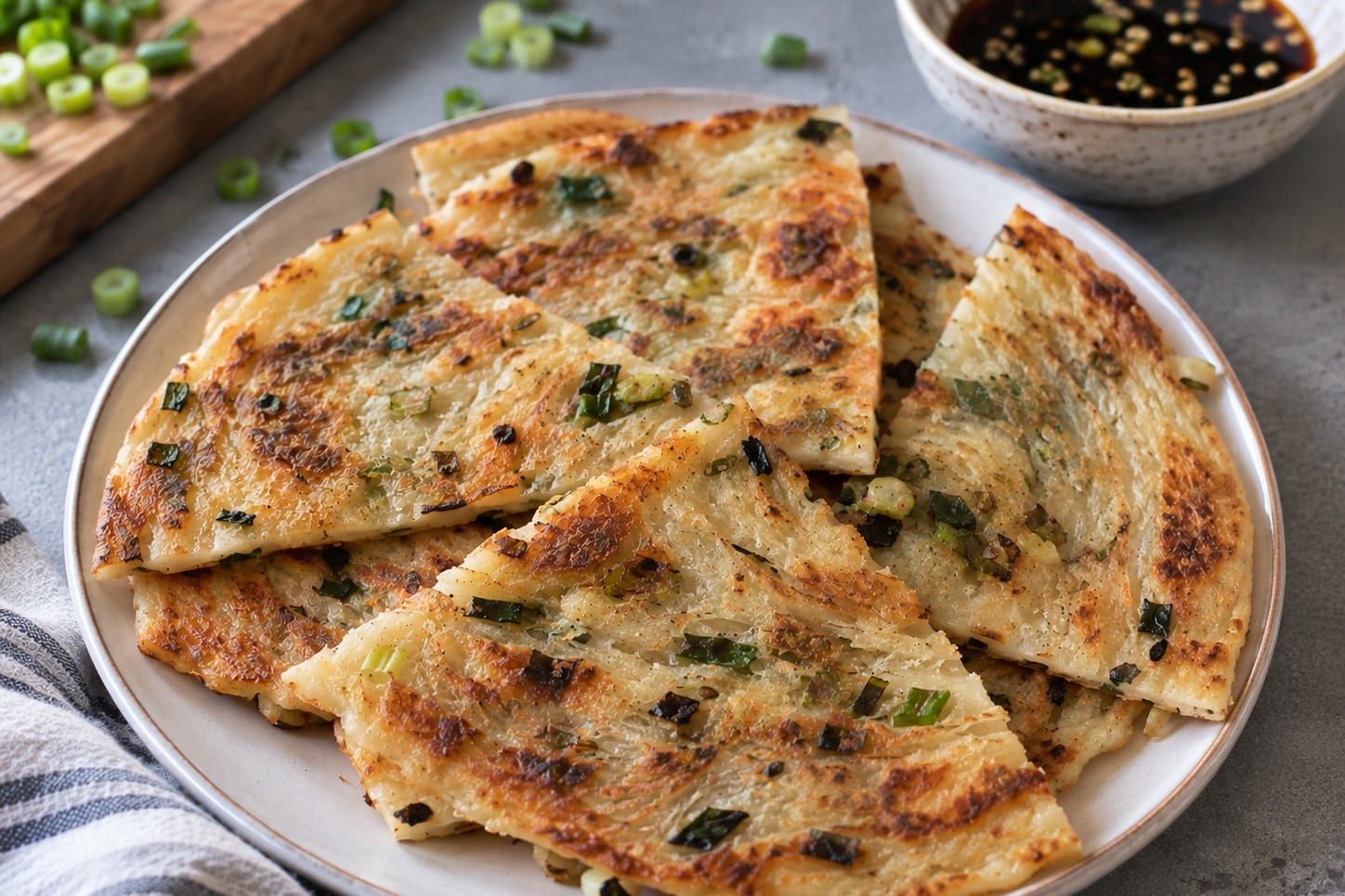
Cut the pancakes into wedges and serve them hot as an appetizer with the soy-sesame dipping sauce, a spoonful of chili crisp, or a bowl of easy vegan duck sauce. They're perfect for a dim sum-style spread or a party platter, and they're just as good as an afternoon snack.
For a full meal, pair them with a brothy soup like vegan wonton soup or Asian tofu vegetable soup, or serve them alongside a Chinese vegetable stir-fry in place of rice. A crisp cucumber salad dressed with rice vinegar balances their richness nicely.
Storing & Freezing
Scallion pancakes are best fresh from the pan, but leftovers keep well. Let them cool completely, then refrigerate in an airtight container for up to 3 days.
Skip the microwave, which makes them chewy. Instead, reheat them in a dry skillet over medium heat for 2 to 3 minutes per side, or in a 375°F (190°C) oven or air fryer for about 5 minutes, until the edges crisp up again. Store the dipping sauce separately in the fridge for up to a week.
These freeze beautifully, and freezing them uncooked is the way to go. Shape and roll the pancakes, stack them between sheets of parchment paper, and freeze them flat in a zip-top bag for up to 2 months.
Cook them straight from the freezer (no need to thaw) over medium-low heat, adding a minute or two per side. Cooked pancakes can be frozen too. Reheat them from frozen in a skillet until hot and crisp.
More Vegan Asian-Inspired Recipes
If you loved these scallion pancakes, here are a few more you might enjoy:
Recipe
Vegan Scallion Pancakes
Flaky scallion pancakes made from a simple hot-water dough, pan-fried until golden. Each pancake cuts into 6 wedges for dipping in a tangy soy-sesame sauce.
Print
Pin
Save
Servings: pancakes
Ingredients
For the dough
- 2 cups all-purpose flour spooned and leveled
- ½ teaspoon salt
- ½ cup boiling water
- ¼ cup cold water plus 1 tablespoon more if needed
For the oil paste and filling
- 2 tablespoons all-purpose flour
- ½ teaspoon salt
- ¼ teaspoon white pepper ground (optional)
- 3 tablespoons vegetable oil or another neutral oil
- 1 tablespoon sesame oil toasted
- 1 cup scallions thinly sliced (about 6 scallions)
For pan-frying
- ¼ cup vegetable oil 1 tablespoon per pancake
For the dipping sauce
- 3 tablespoons soy sauce reduced-sodium if you like, or tamari
- 1 tablespoon rice vinegar
- 1 teaspoon sesame oil toasted
- 1 teaspoon maple syrup
- 1 teaspoon sesame seeds toasted
- 1 tablespoon scallions thinly sliced
- ¼ teaspoon crushed red pepper flakes or to taste
Instructions
Make the dough
- In a large bowl, whisk together 2 cups flour and ½ teaspoon salt. Pour in the boiling water while stirring with chopsticks or a wooden spoon until shaggy clumps form. Add the cold water and stir until no dry flour remains.
- Turn the dough out onto a lightly floured surface and knead for about 5 minutes, until smooth and soft. If it feels stiff and dry, knead in another tablespoon of cold water; if it's sticky, dust with a little flour. Cover with an upturned bowl or plastic wrap and let rest for 30 minutes.
Make the oil paste
- In a small bowl, stir together 2 tablespoons flour, ½ teaspoon salt and the white pepper. Stir in 3 tablespoons vegetable oil and 1 tablespoon toasted sesame oil until you have a smooth, spreadable paste.
Shape the pancakes
- Divide the dough into 4 equal pieces and keep them covered. On a lightly oiled surface, roll one piece into a thin rectangle about 8 x 12 inches (20 x 30 cm). Spread a quarter of the oil paste over it, leaving a small border, then sprinkle with ¼ cup of the sliced scallions.
- Starting from a long side, roll the dough up tightly into a long rope and pinch the seam closed. Coil the rope into a tight spiral, like a snail shell, and tuck the end underneath. Repeat with the remaining dough, paste and scallions. Cover the coils and let them rest for 10 minutes.
- Press each coil flat with your palm, then gently roll it into a round about 7 inches (18 cm) across and ¼ inch (6 mm) thick. A few scallions poking through is fine.
Pan-fry
- Heat 1 tablespoon vegetable oil in a 10-inch skillet over medium heat until it shimmers. Add one pancake, cover, and cook for 2 to 3 minutes, until golden brown underneath. Flip and cook uncovered for 2 to 3 minutes more, until both sides are golden and crisp and the pancake is cooked through.
- For extra-flaky layers, push the hot pancake in from opposite edges with two spatulas to lightly scrunch it, then let it relax. Transfer to a wire rack and keep warm in a 200°F (95°C) oven while you cook the rest, adding 1 tablespoon oil to the pan for each pancake.
Make the dipping sauce and serve
- In a small bowl, stir together the soy sauce, rice vinegar, 1 teaspoon toasted sesame oil, maple syrup, sesame seeds, sliced scallion and red pepper flakes.
- Cut each pancake into 6 wedges and serve hot, with the dipping sauce on the side.
Notes
Make ahead and freeze: Shape and roll the pancakes, then freeze them flat between sheets of parchment paper in a zip-top bag for up to 2 months. Cook from frozen over medium-low heat, adding 1 to 2 minutes per side.
Leftovers: Refrigerate cooked pancakes for up to 3 days. Reheat in a dry skillet over medium heat for 2 to 3 minutes per side to bring back the crisp edges.
Gluten: These pancakes rely on wheat flour for their stretchy, flaky layers and aren't gluten-free. Use tamari in the dipping sauce if you're only avoiding gluten in the sauce.
Salt: Use reduced-sodium soy sauce if you're watching sodium; regular soy sauce makes up most of the sodium in each serving.
Nutrition (Estimate per Serving)
Calories: 517kcalCarbohydrates: 55gProtein: 9gFat: 29gSaturated Fat: 4gPolyunsaturated Fat: 16gMonounsaturated Fat: 7gSodium: 1346mgPotassium: 182mgFiber: 3gSugar: 2gVitamin A: 301IUVitamin C: 5mgCalcium: 41mgIron: 4mg
Vegan-ize any recipe!Grab our free vegan cheat sheet, packed with my favorite easy substitutions to make any recipe vegan.
Vegan Fried Rice with Tofu {gluten-free}
This vegan fried rice is a quick, satisfying weeknight dinner: fluffy basmati rice stir-fried with garlic, peas, carrots and sweet corn, plus a savory tofu "egg" scramble, all tossed in a spicy sriracha-tamari sauce. It's naturally gluten-free, and it tastes better than most takeout versions.

Restaurant fried rice is usually made with scrambled egg, and many places cook it with oyster sauce or in the same wok as meat dishes, so a truly vegan order can be hard to find. This homemade veggie fried rice solves that. Crumbled firm tofu seasoned with nutritional yeast and black pepper stands in for the egg, giving you the same soft, savory bites plus a good boost of plant protein.
Key Ingredients & Substitutions
- Basmati rice. Any medium- or long-grain rice works, but basmati cooks up fluffy and separate, which is exactly what you want for frying. White basmati is quickest; brown basmati adds a nuttier flavor and more fiber but takes about twice as long to cook. If you have about 6 cups of leftover cooked rice in the fridge, use that and skip cooking the rice altogether.
- Firm tofu. Firm or extra-firm tofu crumbles into egg-like pieces. Silken tofu is too soft and will turn mushy. If you're not a tofu fan, leave it out (the rice is still delicious) or stir in a cup of shelled edamame instead.
- Nutritional yeast. This gives the tofu its savory, slightly cheesy, eggy flavor and its golden color. We like Bragg nutritional yeast. A pinch of turmeric can stand in for the color if you run out.
- Peas, carrots and corn. The classic fried rice trio. Fresh corn cut from the cob is especially sweet and crisp, but frozen corn, peas and diced carrots work perfectly well, so a bag of frozen mixed vegetables is a handy shortcut.
- Tamari. Tamari is a Japanese-style soy sauce that is usually brewed without wheat, which keeps this dish gluten-free. San-J tamari is labeled gluten-free. Regular soy sauce works if gluten isn't a concern, and a reduced-sodium version is a good idea if you're watching salt.
- Sriracha. Just enough heat to wake up the sauce. Huy Fong sriracha is the classic; use less for a mild version, or swap in chili garlic sauce.
- Olive oil and garlic. Olive oil is what we use, but any neutral oil, peanut oil, or a mix with a little toasted sesame oil for flavor is great here.

How to Make Vegan Fried Rice
Start by cooking the rice, since everything else comes together while it simmers. Rinse it well, cook it, then spread it out on a baking sheet so the steam escapes and the grains dry a little. While the rice cooks, pat the tofu dry and crumble or mash it with the nutritional yeast and black pepper until it looks like scrambled egg. Stir the tamari and sriracha together in a small bowl.

Heat the oil in a large wok or skillet, cook the garlic briefly, then add the vegetables and cook until they're just tender. Stir in the tofu and let it heat through and pick up a little color. Finally add the rice, toss everything together, pour in the sauce, and let it sit undisturbed for a few minutes so the bottom gets lightly crisp. The full measurements and steps are in the recipe card below.

Helpful Tips
Use cold or well-dried rice. Freshly cooked, steamy rice clumps and turns gummy in the pan. Day-old rice from the fridge is ideal. If you're cooking it fresh, spread it on a sheet pan for 10 to 15 minutes, or chill it for 20 minutes, so the surface dries out before frying.
Choose a big pan. Six cups of rice plus vegetables needs room to move, or it steams instead of fries. A wide wok is ideal; we like the T-fal 14-inch nonstick wok, which keeps the rice and tofu from sticking. A 12-inch nonstick skillet works too, or cook in two batches.
Dry the tofu well. Pat it firmly with paper towels, or press it for 10 minutes under a heavy pan. Drier tofu absorbs the nutritional yeast and browns slightly instead of releasing water into the rice.
Don't stir constantly. Once the sauce goes in, spread the rice out and leave it alone for a few minutes over medium-low heat. Those lightly crisp, toasty bits on the bottom are the best part of good fried rice.
Taste before adding more sauce. Tamari brands vary a lot in saltiness. Start with most of the sauce, toss, taste, then add the rest if you want it saltier or spicier.

Variations
- Pineapple fried rice. Add a cup of diced pineapple with the vegetables and finish with cashews, or try our Vegan Thai Pineapple Stir-Fried Rice.
- Extra veggies. Diced red bell pepper, chopped broccoli, shredded cabbage, sliced mushrooms or baby spinach all fit right in. Add firm vegetables with the carrots and tender greens at the very end.
- Lower-carb version. Swap half or all of the rice for riced cauliflower, as in our Cauliflower Fried Rice with Mushrooms & Chickpeas.
- Sesame-ginger. Cook a tablespoon of grated fresh ginger with the garlic, and finish with a drizzle of toasted sesame oil and sesame seeds.
- Green onion finish. Stir in a handful of sliced scallions and chopped cilantro right before serving for freshness and color.

Serving Ideas
With tofu and plenty of vegetables, this vegan fried rice is a full meal on its own. Serve it in bowls with extra sriracha and tamari on the table so everyone can season their own.
For a takeout-style spread, pair it with Tofu Spring Rolls and a little bowl of Easy Vegan Duck Sauce for dipping, or start the meal with a warm bowl of Vegan Wonton Soup. A smaller portion also makes a great side dish next to Vegan Teriyaki Eggplant or a simple vegetable stir-fry.
Storing & Freezing
Let leftovers cool, then refrigerate them in an airtight container for up to 4 days. Cooked rice shouldn't sit at room temperature for long, so get it into the fridge within an hour or two of cooking. Reheat in a hot skillet with a splash of water or oil until steaming, or in the microwave, covered, stirring halfway through. This makes it a handy meal-prep lunch.
Fried rice freezes well. Pack cooled portions into freezer bags, press out the air and freeze flat for up to 3 months. Reheat straight from frozen in a skillet over medium heat with a tablespoon of water, breaking it up as it thaws, or thaw overnight in the fridge first. The tofu gets slightly chewier after freezing, but the texture is still very good.

More Vegan Asian-Inspired Recipes
If you loved this recipe, here are a few more you might enjoy:
- Vegetable Chow Mein
- Vegan Orange Tofu & Broccoli
- Chinese Vegetable Stir Fry (Buddha's Delight)
- 125+ Vegan Stir Fry Recipes
Recipe
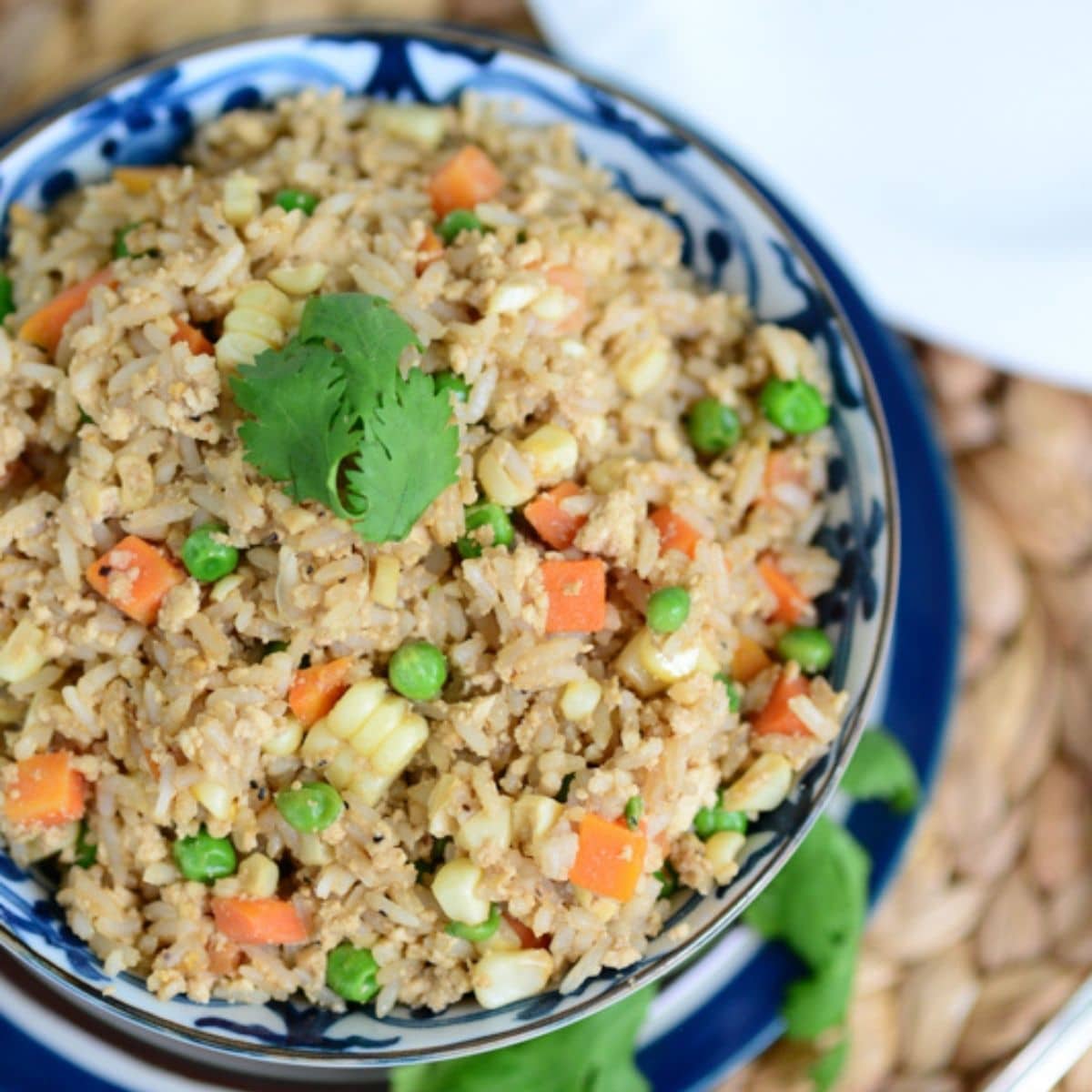
Vegan Fried Rice with Tofu
Easy vegan fried rice with fluffy basmati rice, peas, carrots, corn and a savory tofu scramble, tossed in a spicy sriracha-tamari sauce. Naturally gluten-free and full of plant protein.
Print
Pin
Save
Servings: servings
Ingredients
- 1 cup firm tofu about half of a 14-ounce block, patted dry
- 2 tablespoons nutritional yeast
- 1 teaspoon black pepper
- 2 cups basmati rice white or brown, uncooked (or 6 cups cooked, chilled rice)
- 3 cups water for cooking the rice (4 cups for brown basmati)
- 2 tablespoons olive oil
- 1 tablespoon garlic minced (about 3 cloves)
- 1 cup peas frozen
- 1 cup carrots peeled and diced
- 1 cup corn kernels fresh (cut from about 2 ears) or frozen
- ½ cup tamari gluten-free; or soy sauce if gluten isn't a concern
- 2 tablespoons Sriracha or to taste
Instructions
- Cook the rice: rinse the rice in a fine-mesh strainer until the water runs mostly clear. Add it to a medium saucepan with the water and bring to a boil over high heat. Cover, reduce the heat to low and simmer for 15 minutes (40 to 45 minutes for brown basmati), until the water is absorbed. Remove from the heat and let stand, covered, for 5 minutes. Fluff with a fork and spread the rice on a large baking sheet to cool and dry for at least 10 minutes. (Skip this step if you're using leftover cooked rice.)
- While the rice cooks, pat the tofu dry with paper towels. In a medium bowl, crumble the tofu and mash it with the nutritional yeast and black pepper, using a fork, until it looks like scrambled eggs. Set aside.
- In a small bowl, stir together the tamari and sriracha. Set aside.
- Heat the olive oil in a large wok or 12-inch skillet over medium heat. Add the garlic and cook, stirring, for 1 to 2 minutes, until fragrant but not browned. Add the peas, carrots and corn and cook, stirring often, for 5 to 7 minutes, until the carrots are just tender.
- Add the tofu mixture and cook, stirring, for 2 to 3 minutes, until heated through and lightly golden.
- Add the cooked rice and toss well, breaking up any clumps. Pour the sriracha-tamari sauce over the top and toss until the rice is evenly coated.
- Spread the rice out in the pan, reduce the heat to medium-low and cook undisturbed for 4 to 5 minutes, until the bottom is lightly crisp. Stir, taste and add more sriracha or tamari if you like, then serve hot.
Notes
Leftover rice: Day-old rice fries best. If you have about 6 cups of cooked, chilled rice, skip step 1 and leave out the water.
Brown basmati: Use 4 cups of water and simmer for 40 to 45 minutes, which adds about 25 minutes to the total time.
Gluten-free: Use tamari labeled gluten-free and check the labels on your sriracha and nutritional yeast.
Salt: Half a cup of tamari gives a bold, savory flavor. For a milder dish, use reduced-sodium tamari or start with ⅓ cup and add more to taste.
Storage: Refrigerate leftovers in an airtight container for up to 4 days, or freeze for up to 3 months. Reheat in a skillet with a splash of water.
Nutrition (Estimate per Serving)
Calories: 558kcalCarbohydrates: 94gProtein: 20gFat: 11gSaturated Fat: 2gPolyunsaturated Fat: 3gMonounsaturated Fat: 6gSodium: 1916mgPotassium: 512mgFiber: 7gSugar: 6gVitamin A: 5655IUVitamin C: 23mgCalcium: 142mgIron: 3mg
Vegan-ize any recipe!Grab our free vegan cheat sheet, packed with my favorite easy substitutions to make any recipe vegan.
50+ Vegan Gluten-Free Recipes for Every Meal
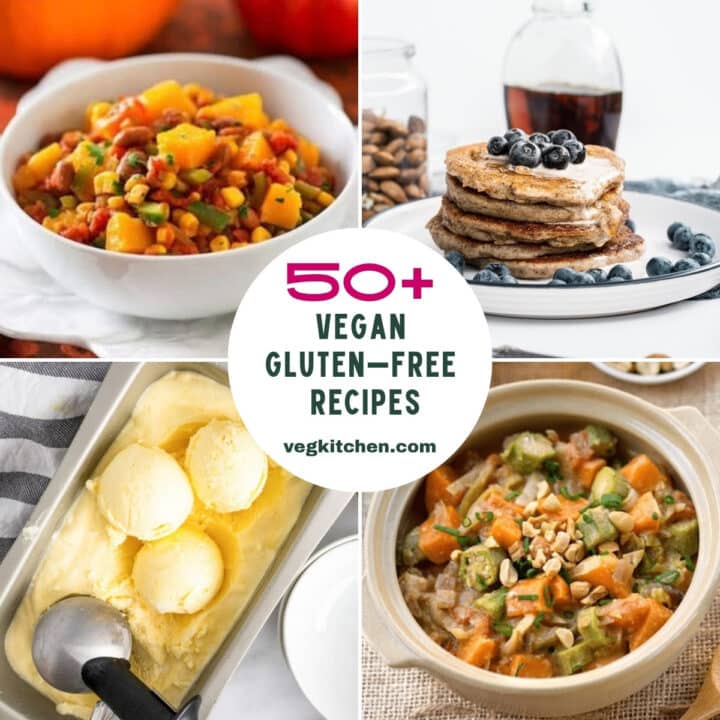
Eating both vegan and gluten-free can feel limiting at first, but some of the most satisfying plant-based dishes never had wheat in them to begin with. Think creamy lentil curries, smoky chili, rice and bean bowls, silky soups, crispy potatoes and fudgy desserts made with almond or coconut flour.
We went through the VegKitchen recipe archive and pulled together more than 50 of our favorite vegan gluten-free recipes, checking every ingredient list along the way. There's no seitan, regular pasta, wheat flour or soy sauce in any of them, so you can cook straight from the recipe without hunting for swaps.
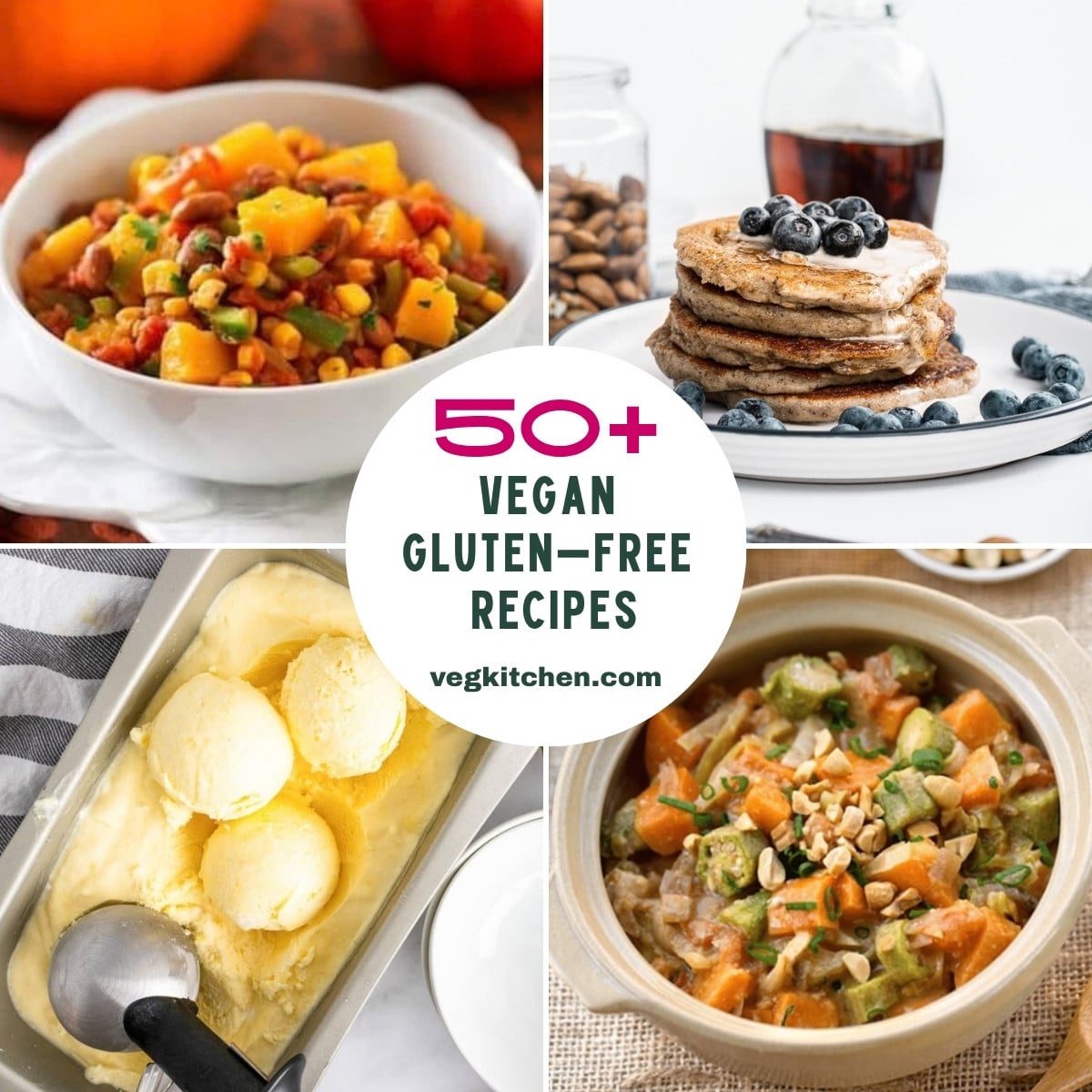
Tips for Cooking Vegan and Gluten-Free
- Read the labels on packaged staples. Vegetable broth, curry pastes, spice blends, vegan cheese and store-bought sauces are usually gluten-free, but not always. Look for a certified gluten-free label if you're cooking for someone with celiac disease.
- Swap soy sauce for tamari or coconut aminos. Regular soy sauce is brewed with wheat. A certified gluten-free tamari like San-J gives you the same salty, savory flavor.
- Keep a gluten-free flour blend on hand. A 1-to-1 blend such as Bob's Red Mill Gluten Free 1-to-1 Baking Flour makes pancakes and quick baking easy. Almond, coconut, chickpea, rice and buckwheat flours are all naturally gluten-free too.
- Choose certified gluten-free oats. Oats don't contain gluten, but they're often processed alongside wheat, so buy oats and oat flour that are labeled gluten-free.
- Lean on naturally gluten-free foods. Rice, quinoa, potatoes, corn tortillas, beans, lentils, tofu, nuts and every vegetable you can think of are already gluten-free, which is why so many of the recipes below are built around them.
From hearty curries and stews to salads, sides, breakfasts and desserts, here are our favorite vegan gluten-free recipes for every meal of the day. The list starts with main dishes, then moves on to soups and stews, salads, side dishes, breakfasts, snacks and dips, and finishes with desserts.
50+ Vegan Gluten-Free Recipes
Main Dishes

Sweet potato, black beans and corn simmer in a smoky, chili-spiced tomato base for a one-pot dinner that's filling without any meat or wheat. It's even better the next day, so make a big batch.
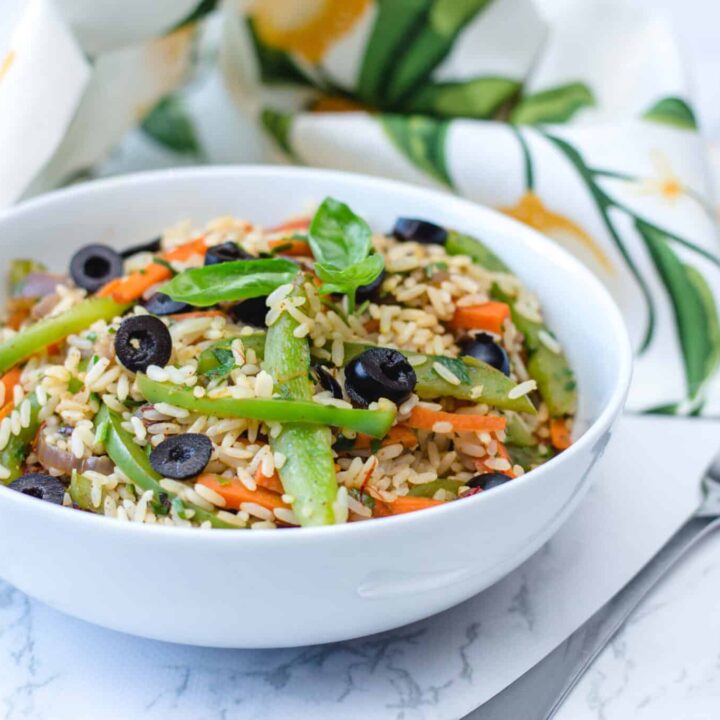
Saffron rice cooks right in the pan with red pepper, carrot, artichoke hearts and black olives. It's a colorful, crowd-pleasing main that comes together with one pan and pantry staples.
Arborio rice slowly turns creamy as you stir in warm vegetable stock, with no butter or cheese required. A full pound of mushrooms gives it a deep, savory flavor.
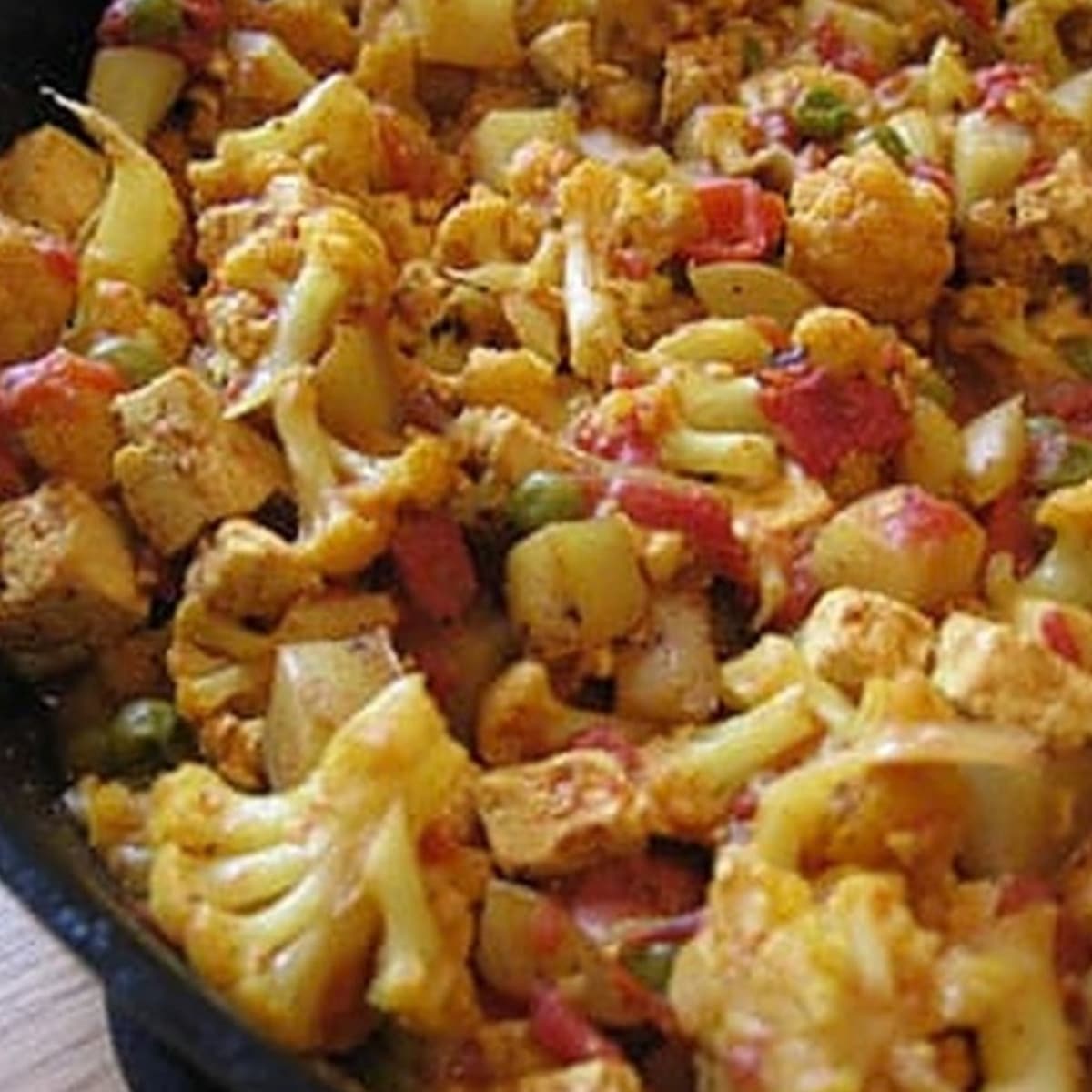
This easy cauliflower and potato curry gets a protein boost from cubes of firm tofu. Garam masala, cumin, turmeric and fresh ginger make it warm and fragrant.
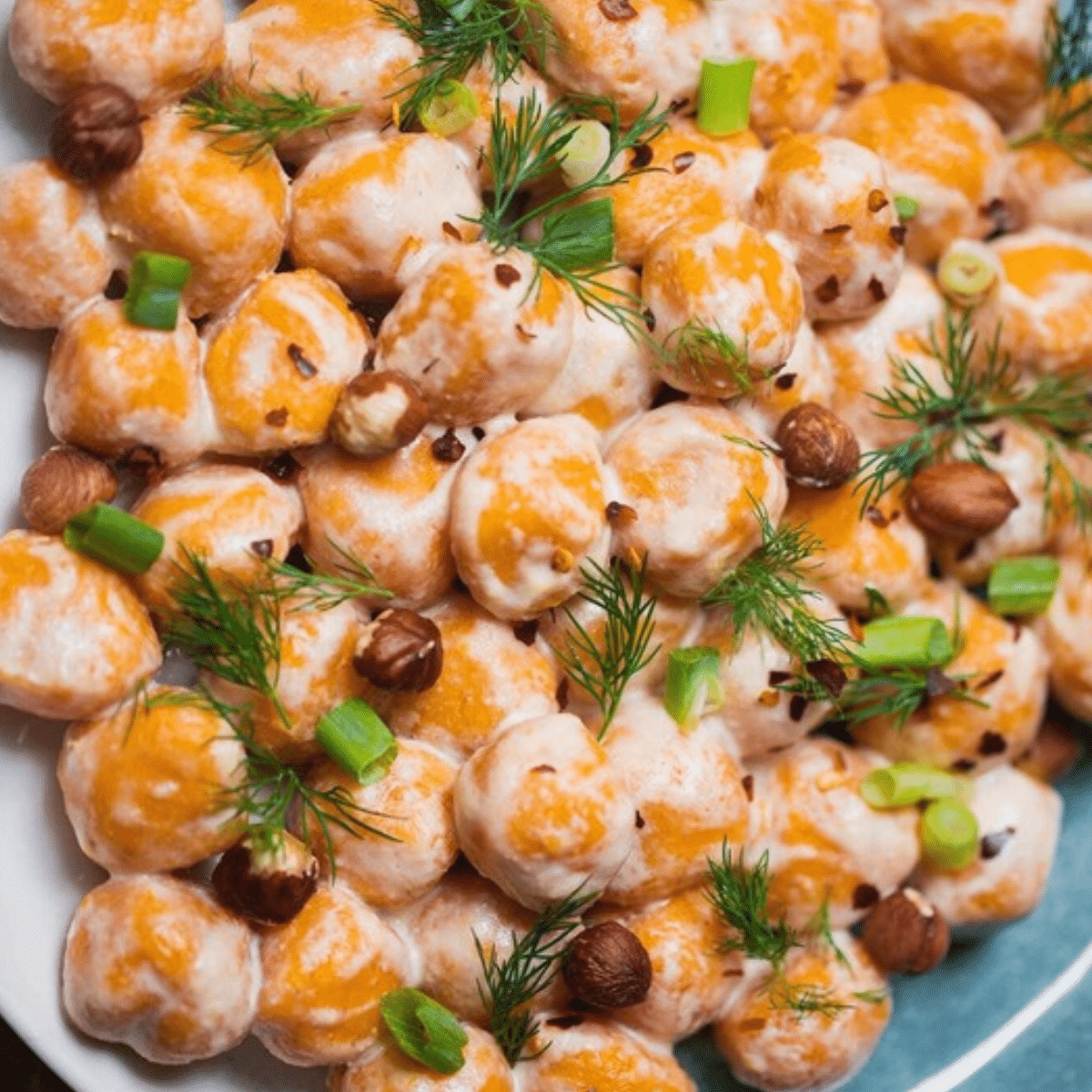
Soft, pillowy gnocchi made with sweet potato and a mix of rice, tapioca and chickpea flours instead of wheat. Toss them with your favorite sauce or pan-fry them until golden.
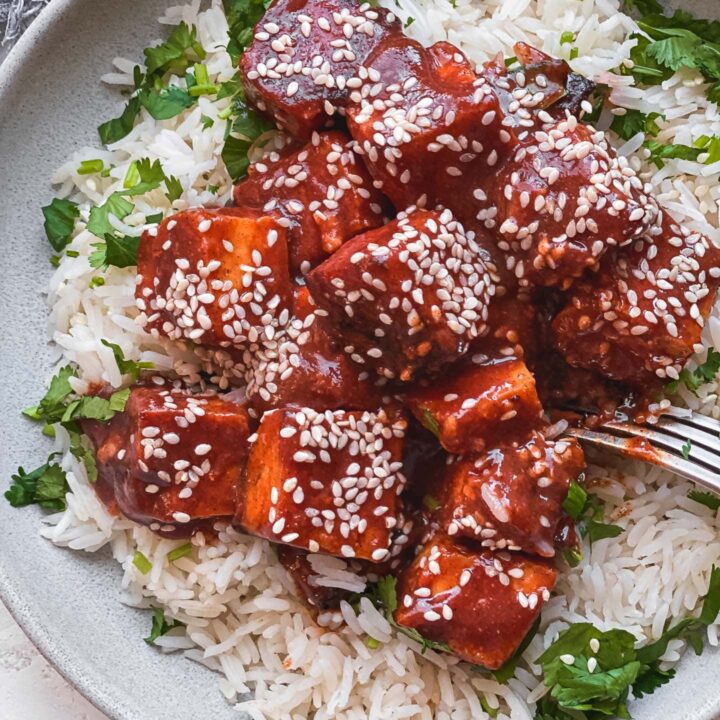
Extra-firm tofu is baked until chewy, then coated in a quick homemade barbecue sauce made with ketchup, maple syrup and smoked paprika. It's oil-free too, and great over rice or in a bowl.
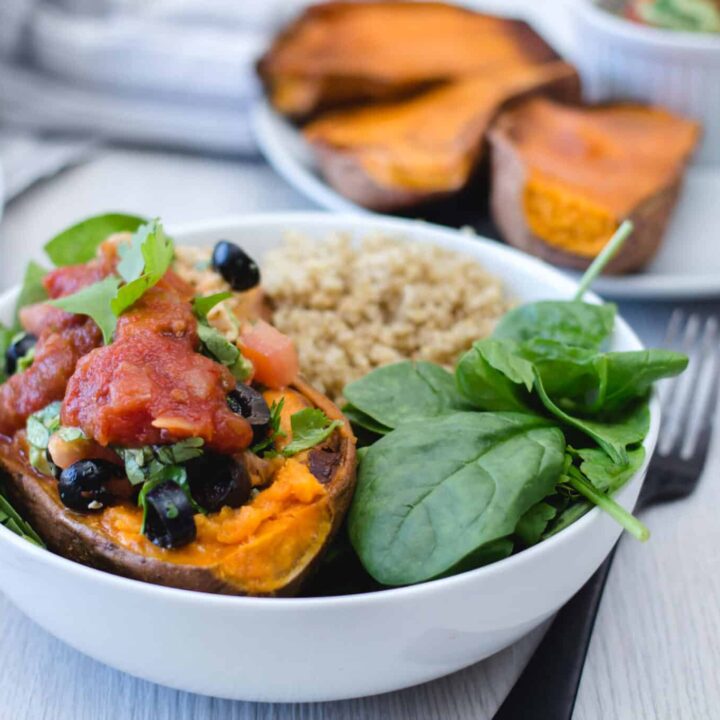
Baked sweet potatoes are piled high with spiced tofu, onion, black olives, salsa and fresh cilantro. They make an easy weeknight dinner that's naturally gluten-free.
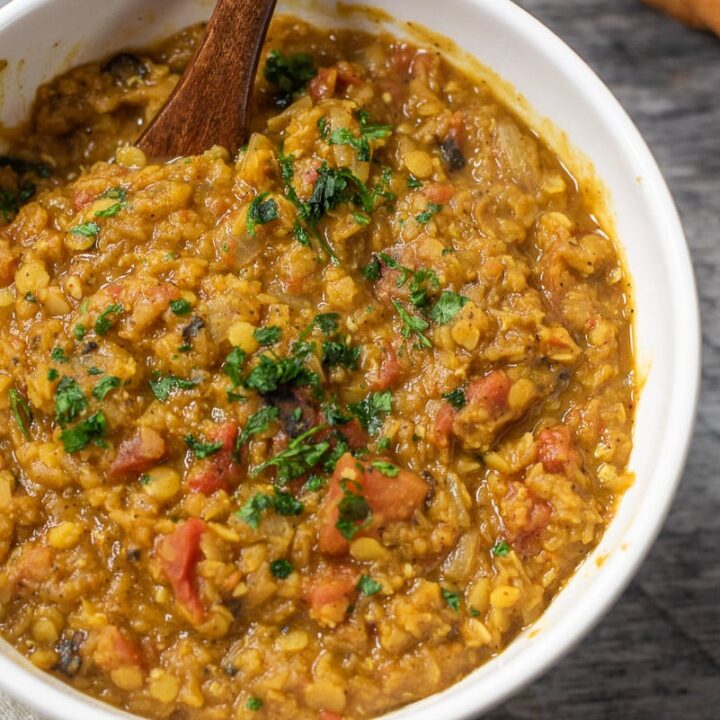
Yellow lentils simmer with turmeric and tomato, then get a sizzling finish of mustard seeds, cumin, garlic and onion. Serve it over steamed rice for a cozy, budget-friendly meal.
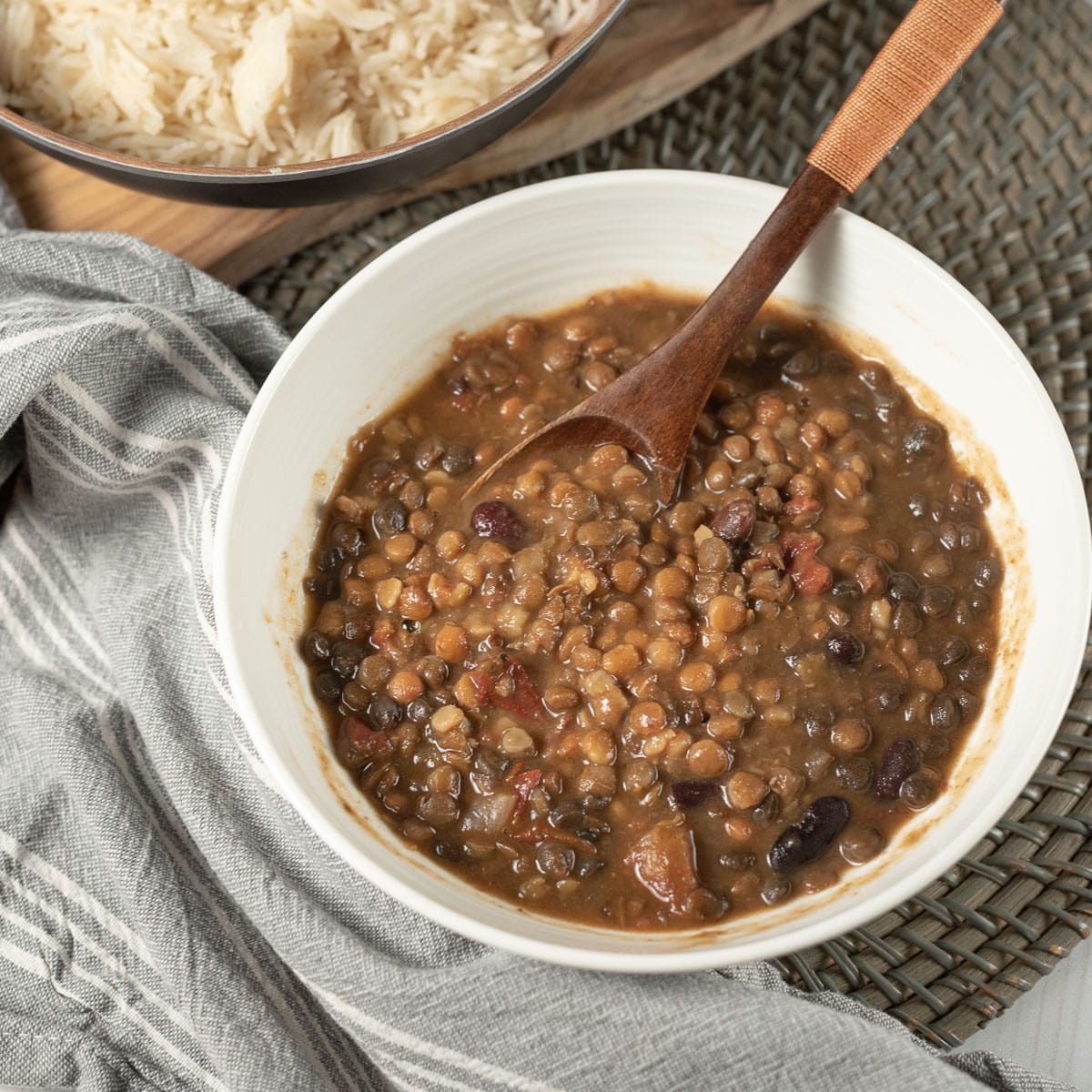
Canned black lentils and kidney beans make this rich, gently spiced curry quick enough for a weeknight. It tastes like it simmered for hours, and it's ready in half an hour.
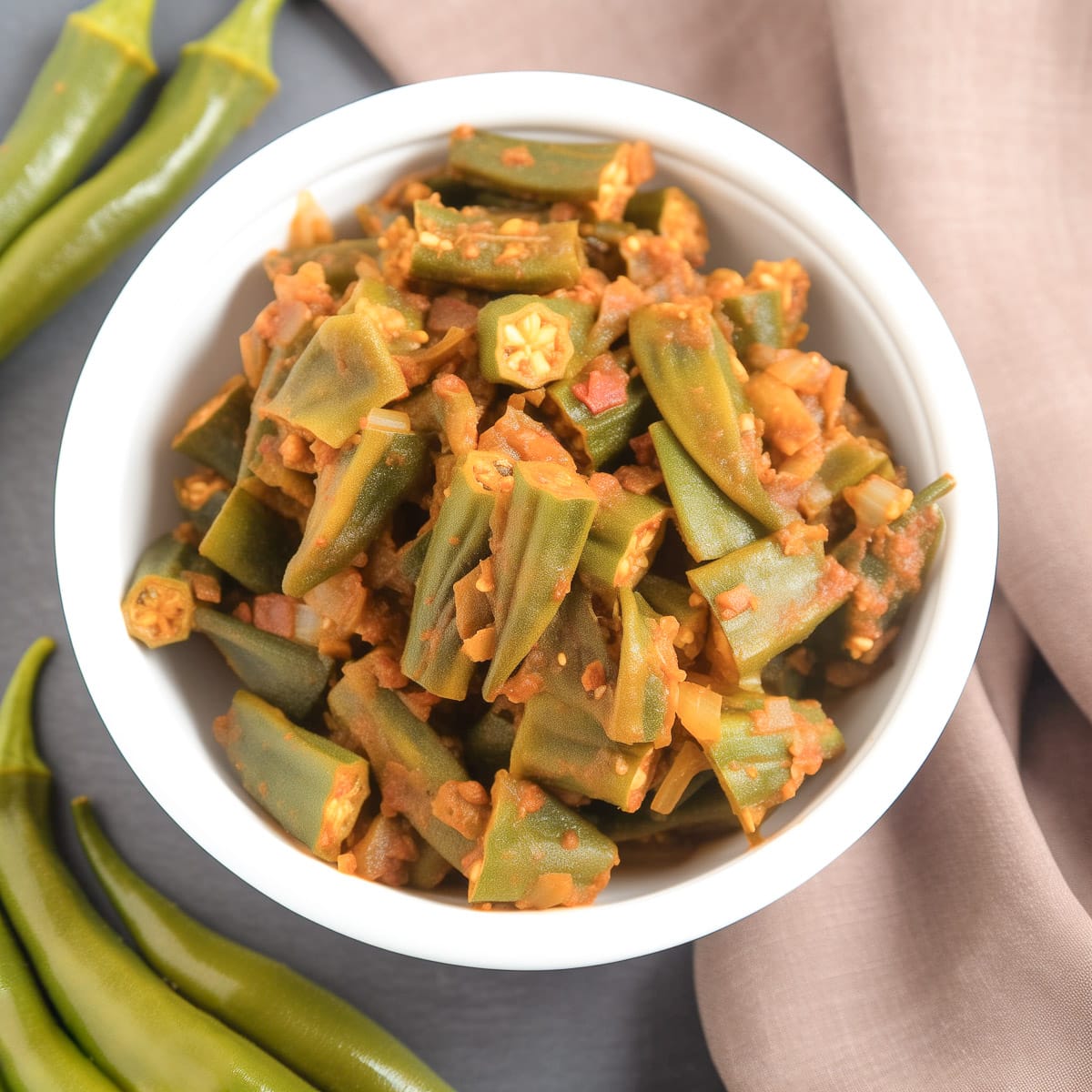
Fresh okra is cooked with onion, tomato, garam masala and a squeeze of tangy amchur until tender but not slimy. Serve it as a main over rice or alongside dal.
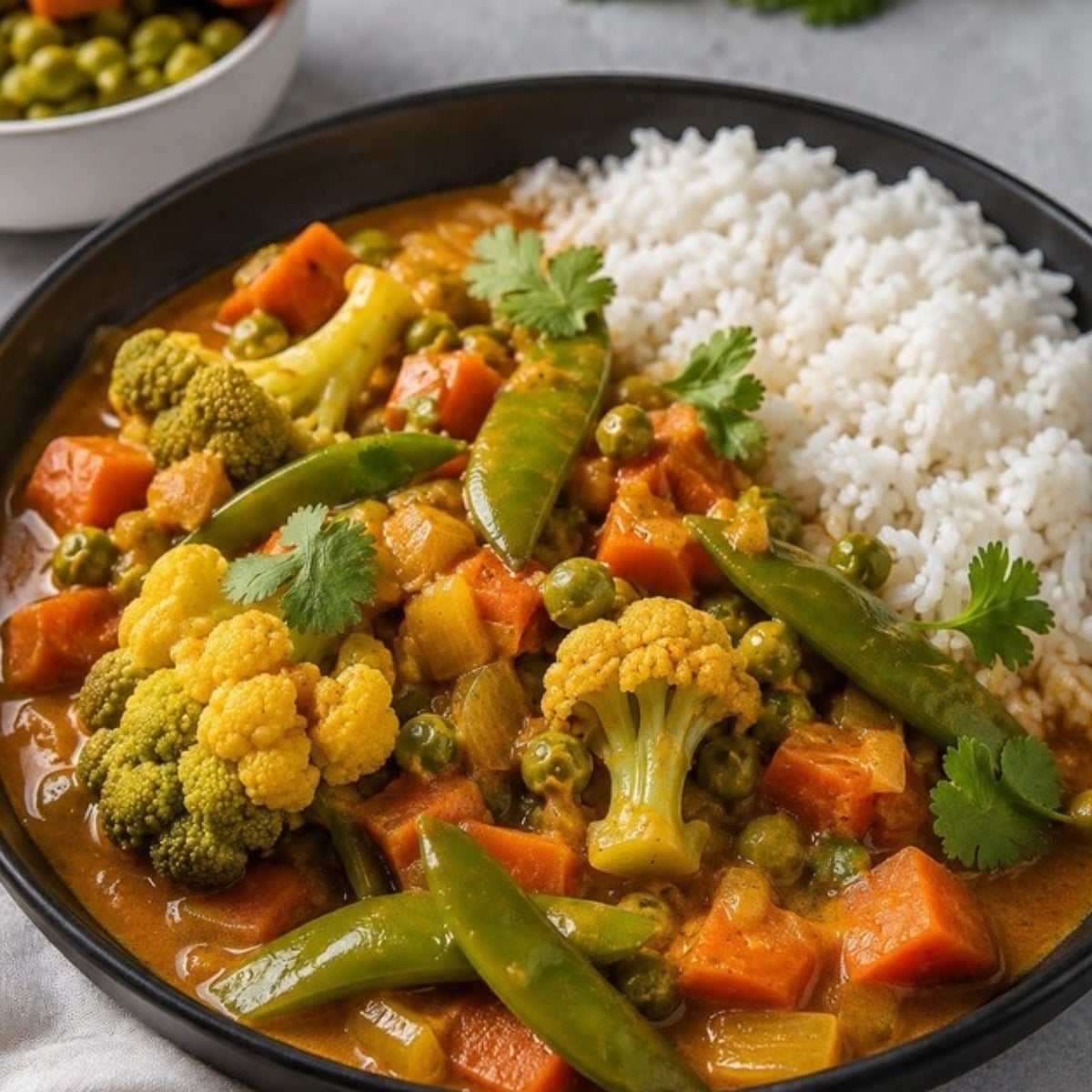
A bag of frozen vegetables, a can of chickpeas and a can of coconut milk turn into a creamy curry in about 15 minutes. It's one of the fastest gluten-free dinners you can make.
Potatoes, carrots and cauliflower simmer in light coconut milk with curry powder and ginger, then mustard greens and spinach wilt in at the end. It's mild, comforting and full of vegetables.
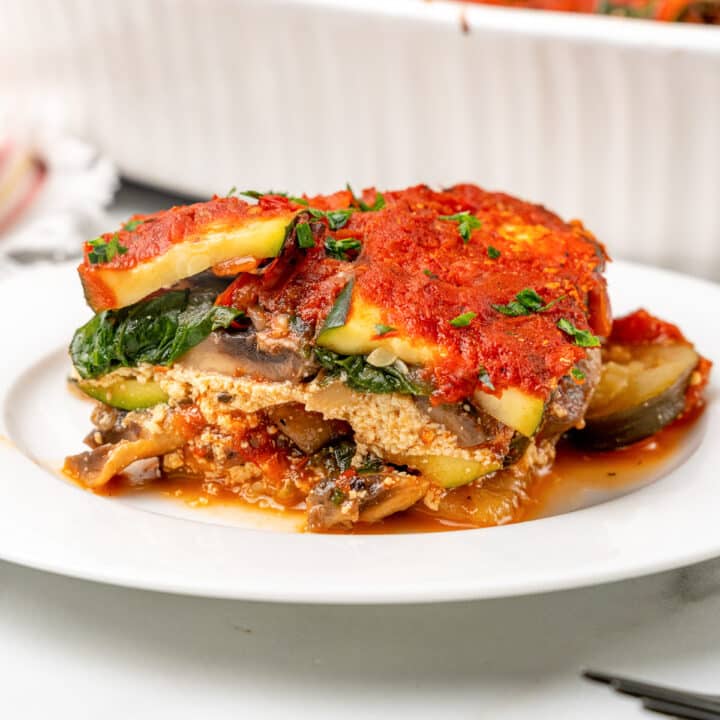
Thin slices of zucchini stand in for noodles, layered with a lemony tofu ricotta, mushrooms, spinach and tomato sauce. You get all the comfort of lasagna without any pasta.

A hearty soy-protein bolognese with red wine, carrot and tomato is spooned over quick pan-fried zucchini noodles. It's a lighter, wheat-free take on a classic pasta night.
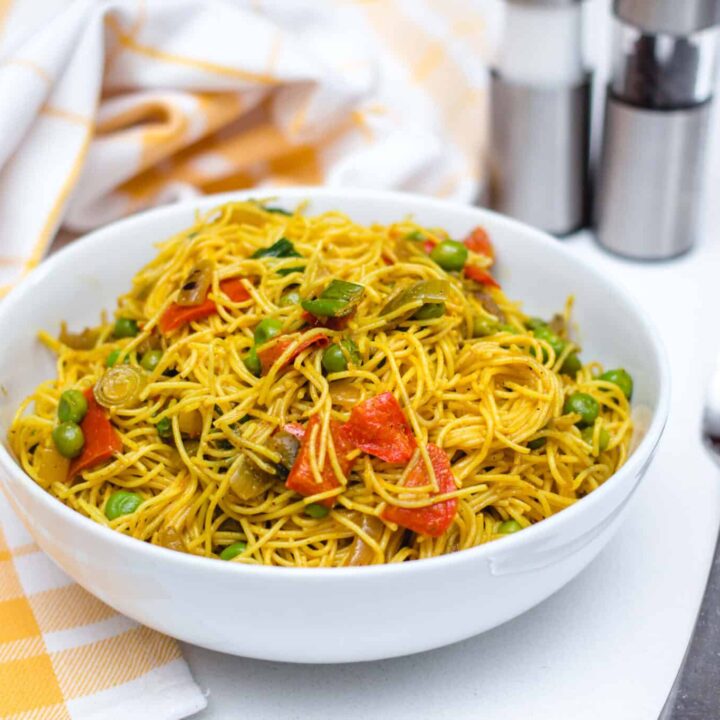
Rice vermicelli is tossed with onion, red pepper, garlic and green onion in a bright curry and turmeric seasoning. It's a fast stir-fry that's naturally gluten-free because there's no soy sauce in it.
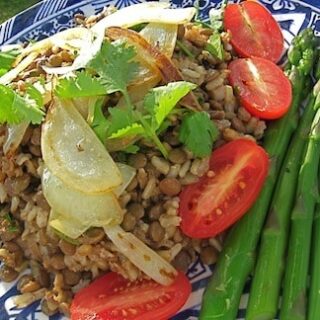
This Middle Eastern classic combines brown rice and lentils with a generous pile of sweet, slowly browned onions. It's simple, inexpensive and very satisfying.

Nutty wild rice is tossed with balsamic-marinated mushrooms, zucchini, red pepper and sun-dried tomatoes. Serve it warm as a main or at room temperature as a hearty side.

Spiced, pan-fried tofu meets sweet mango, crunchy red cabbage and lime on soft corn tortillas. They're fresh, colorful and quick to make.

Warm, spiced chickpeas and sauteed bok choy sit on a bed of quinoa with sprouts and a sesame-rice vinegar drizzle. It's a balanced bowl that's easy to pack for lunch.
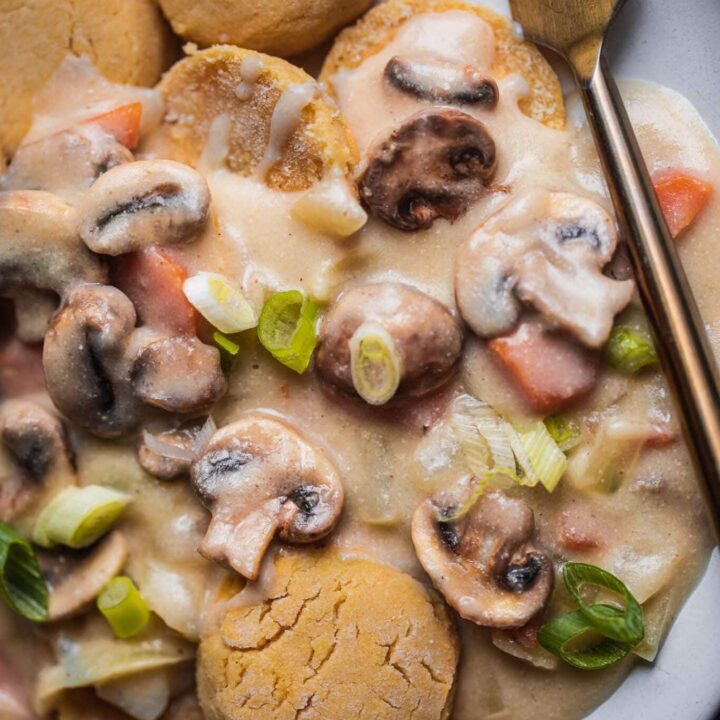
Tender brown rice flour and cornmeal biscuits are smothered in a creamy coconut mushroom gravy. It's a Southern comfort-food classic made completely vegan and gluten-free.
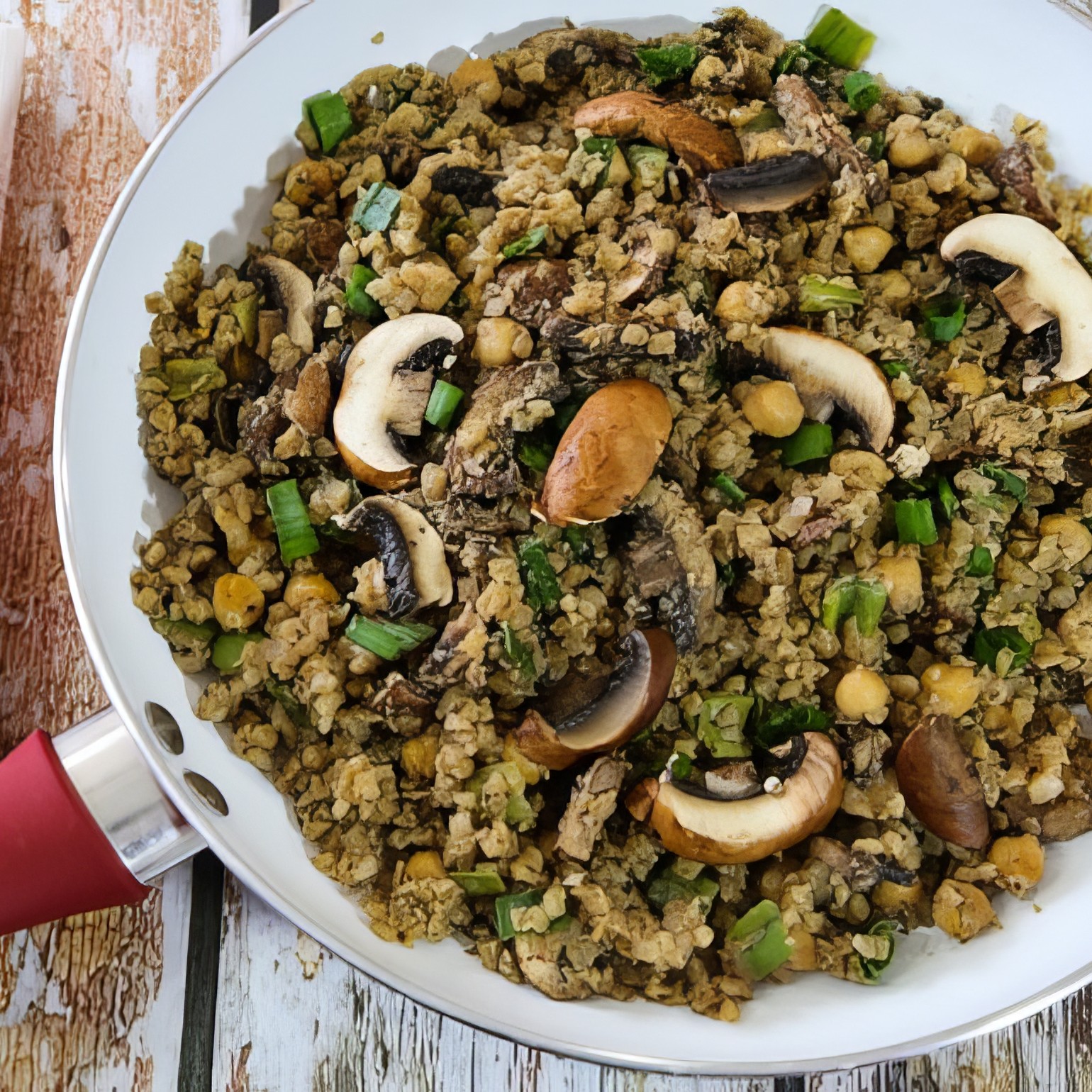
Frozen riced cauliflower makes a quick, low-carb base for mushrooms, scallions and chickpeas. There's no soy sauce here, just a salt-free seasoning blend and a little nutritional yeast.
Soups and Stews
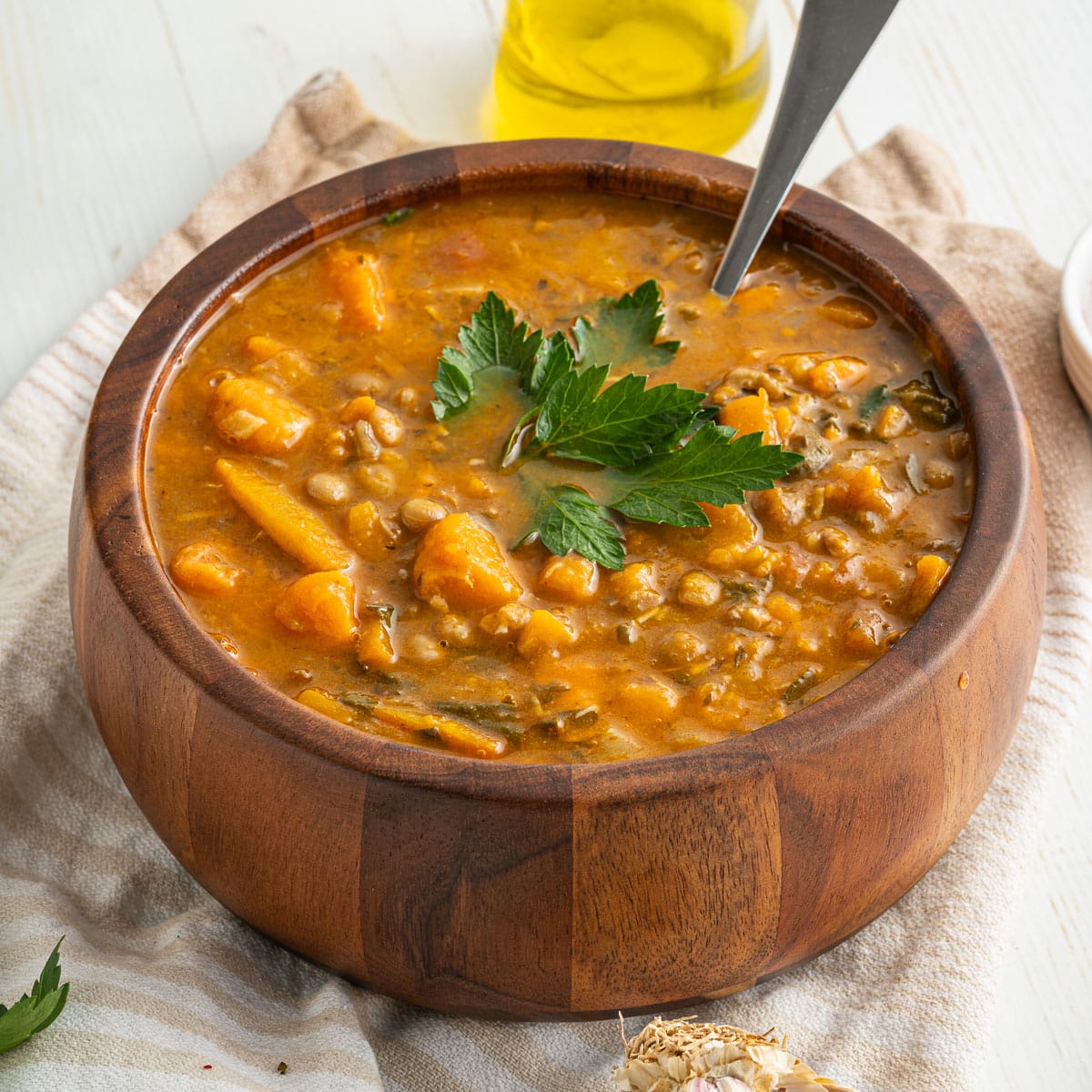
Lentils, sweet potato, carrots and spinach simmer in a smoky paprika broth for a thick, filling soup. It's a great make-ahead lunch that freezes well.
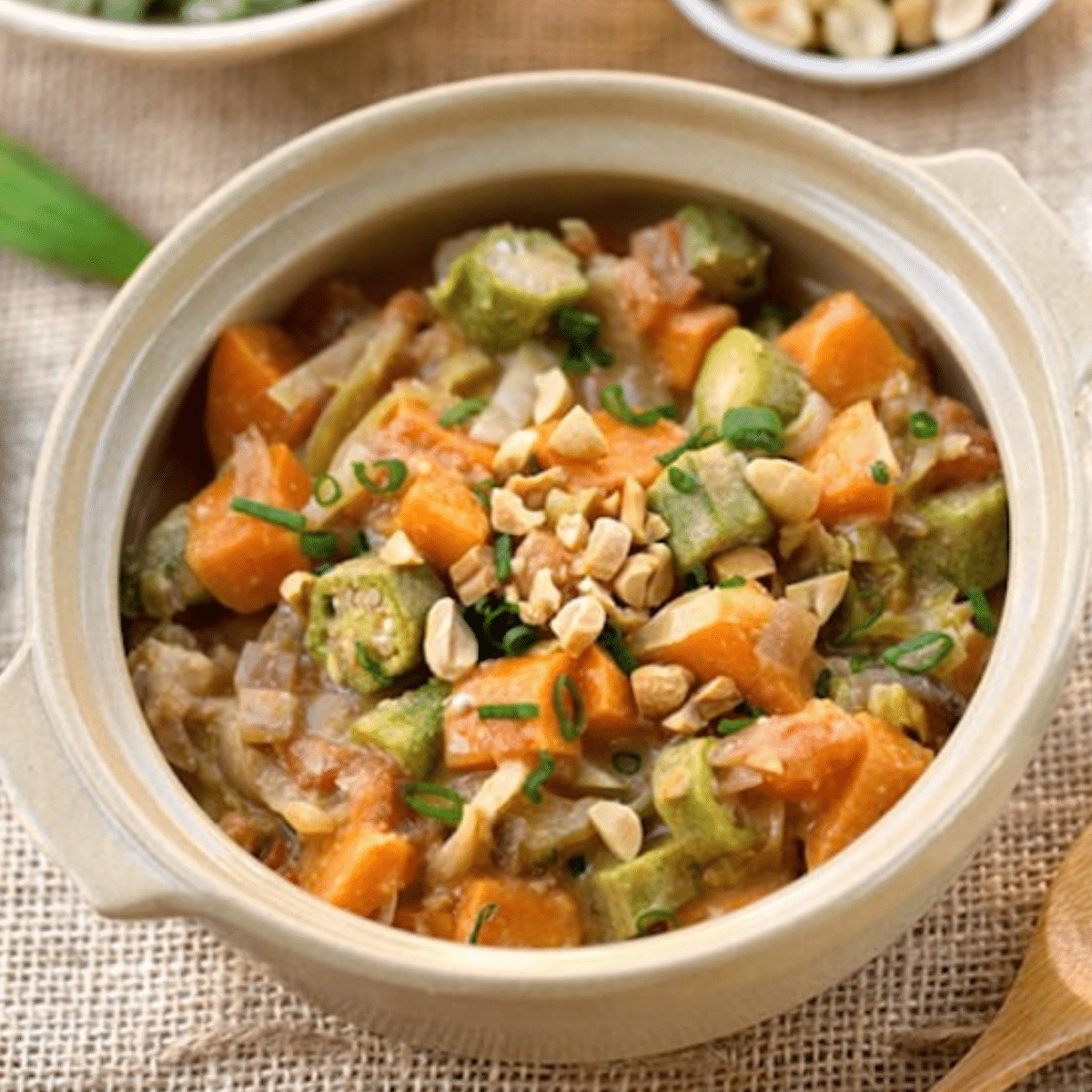
Sweet potatoes, cabbage and okra cook in a creamy tomato and peanut butter broth with a little cayenne heat. Serve it over rice and top it with chopped peanuts.
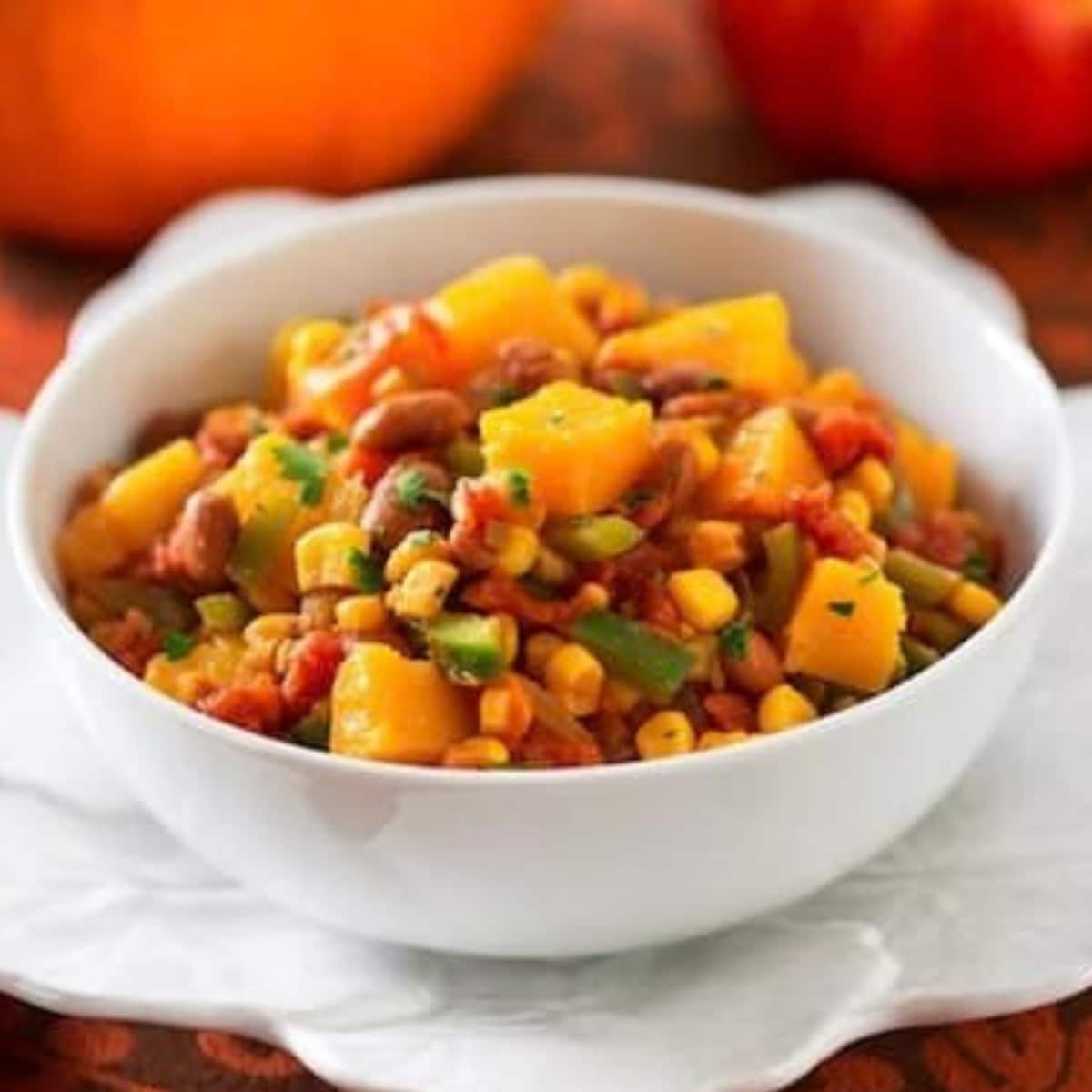
Squash, beans and corn, the traditional "three sisters," come together in a chili-spiced stew with fire-roasted tomatoes. It's perfect for fall and Thanksgiving.
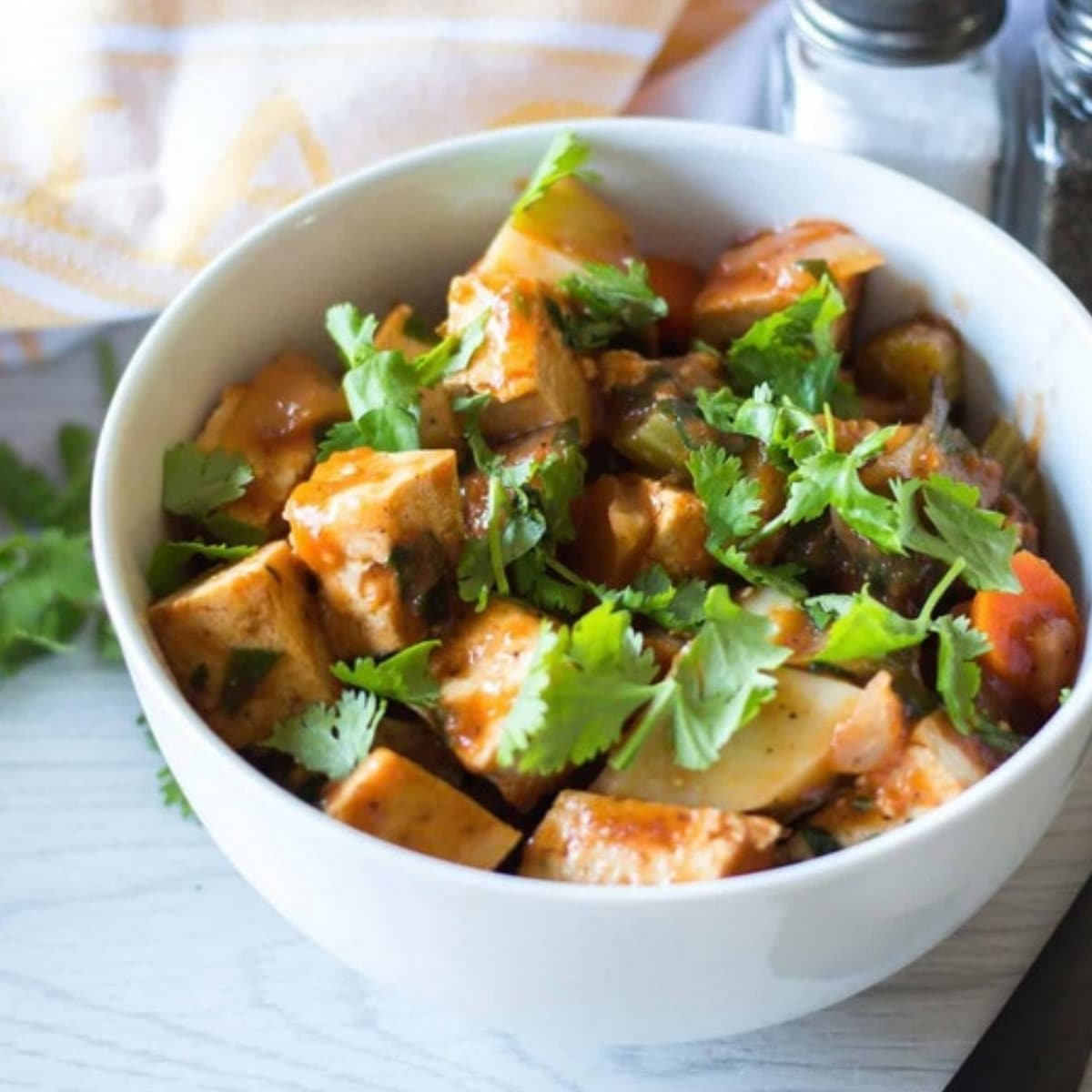
Cubes of firm tofu, potatoes, carrots and celery simmer in a light tomato broth with oregano and basil. It's a simple, homey stew that the whole family will eat.
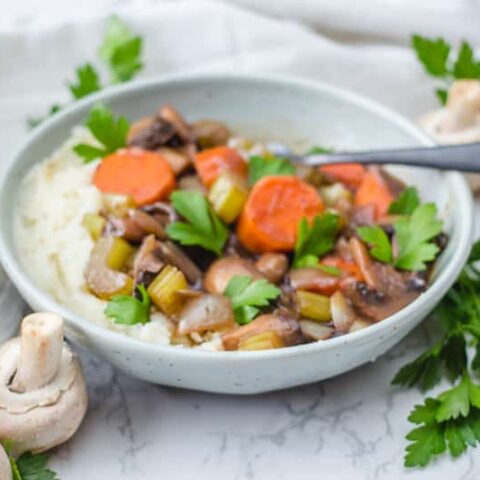
Mushrooms take the place of beef in this French classic, braised with red wine, carrots, celery and thyme. It's thickened with cornstarch instead of flour, so it's gluten-free too.
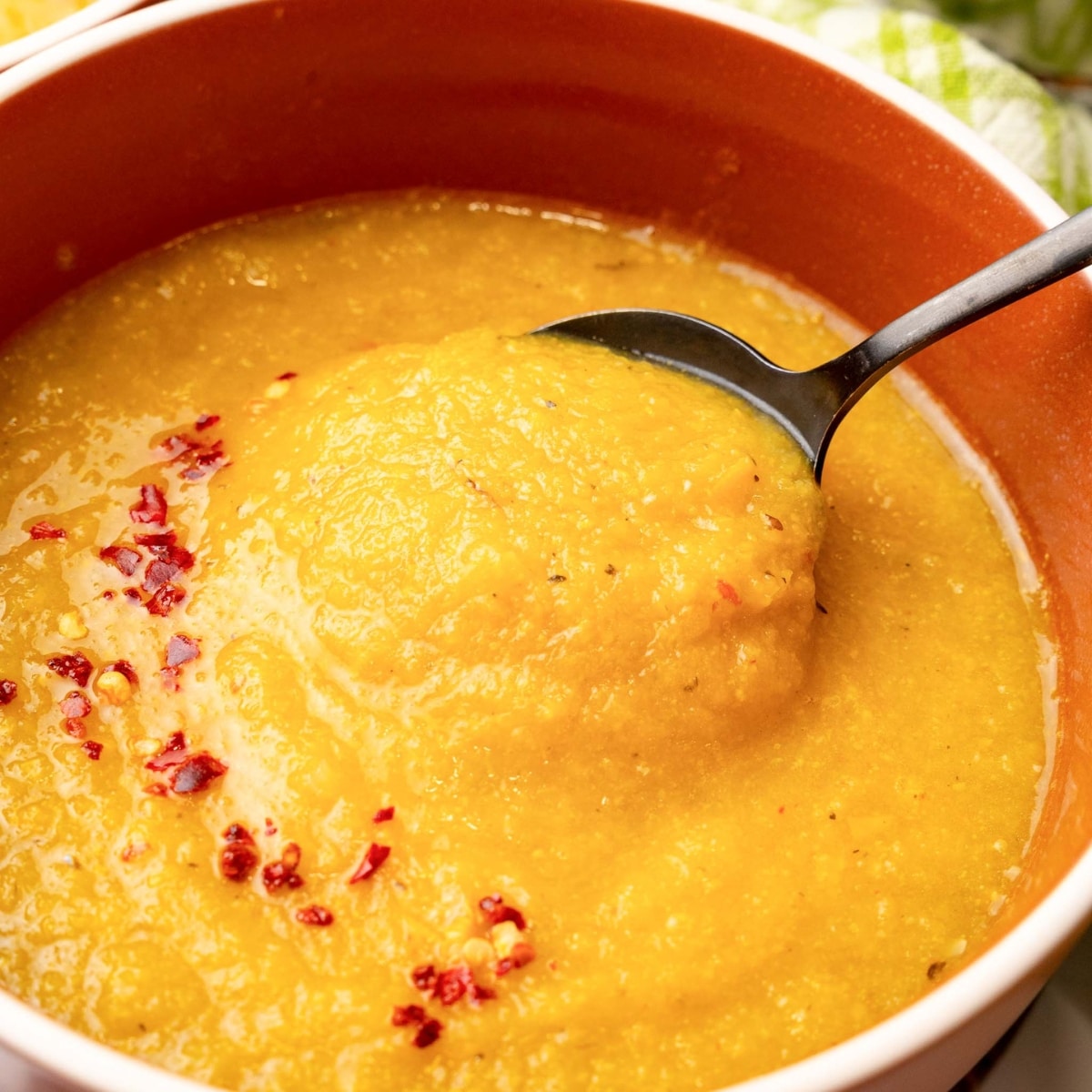
Just a handful of ingredients turn summer squash into a silky, golden soup with a hint of thyme and red pepper flakes. It's a smart way to use up a bumper crop.
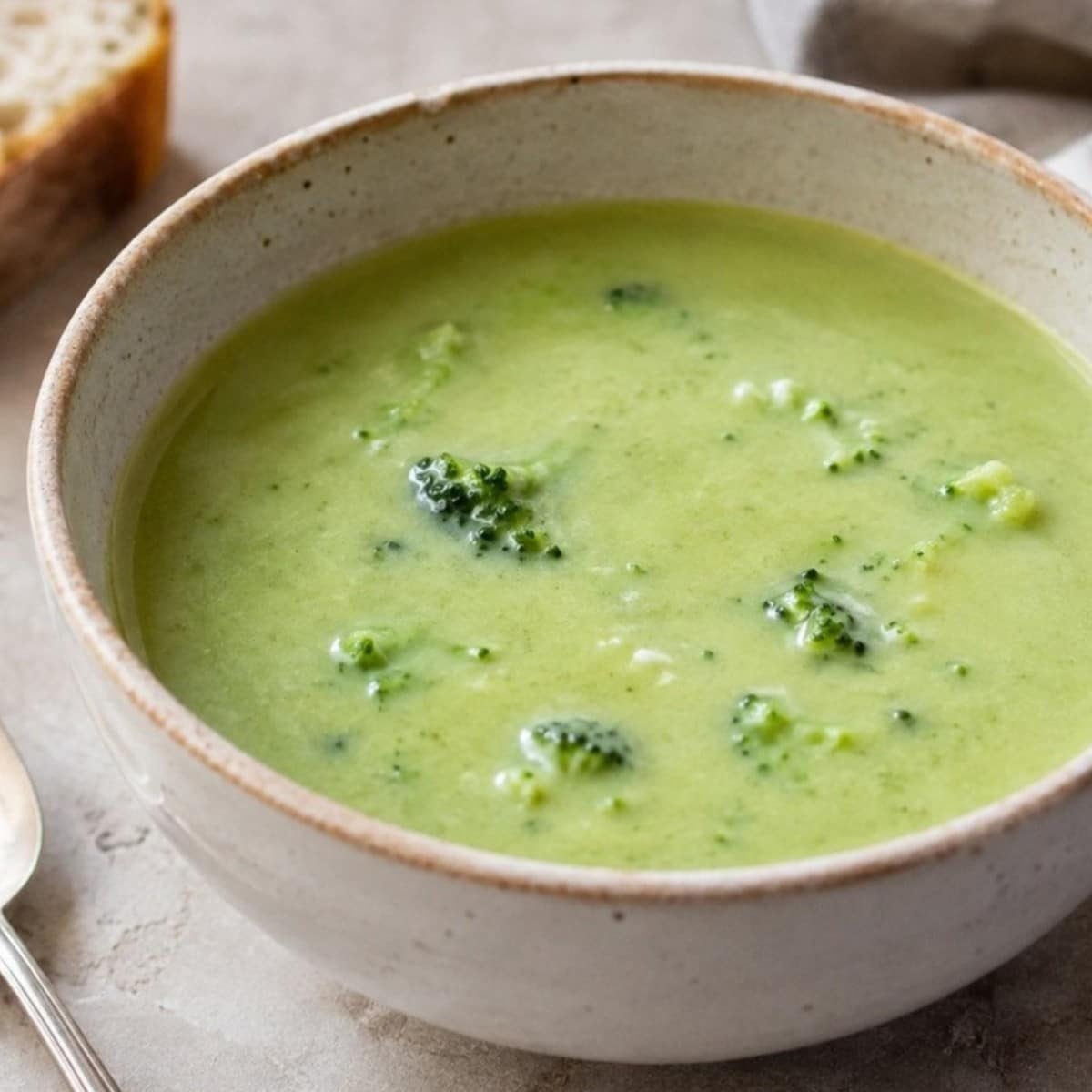
White beans and a few cashews blend into a creamy base, so you get a rich broccoli soup without any dairy or flour. Use sunflower seeds if you need it nut-free.
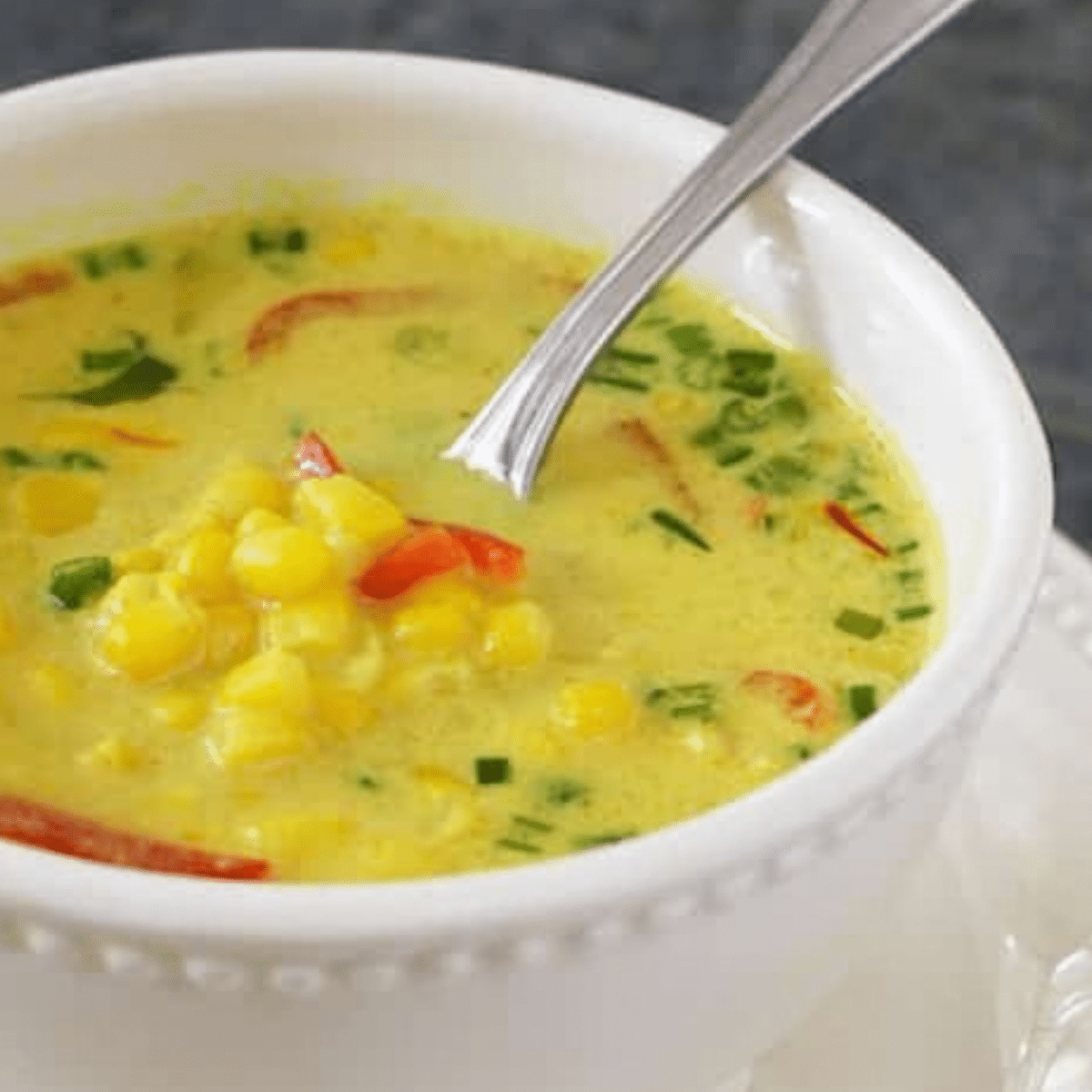
Frozen corn, coconut milk, red bell pepper and curry powder make a soup that's ready in minutes. Finish it with cilantro, lime and a little sriracha.

Pumpkin, kidney beans and spinach simmer with peanut butter, curry powder and chili for a hearty soup that eats like a meal. Kabocha or butternut squash work great too.
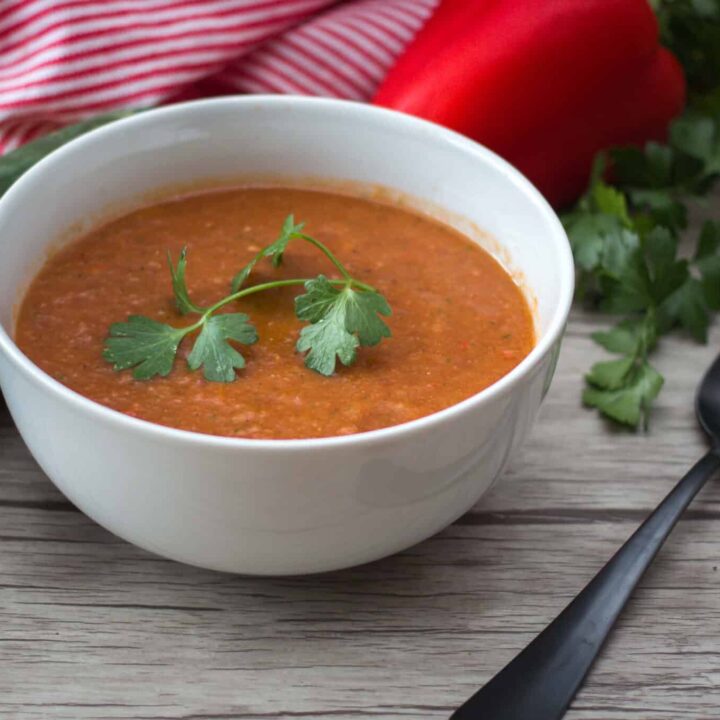
This chilled Spanish soup blends ripe tomatoes, cucumber, green pepper, garlic, olive oil and red wine vinegar. It's made without bread, so it's naturally gluten-free and ideal for hot days.
Salads
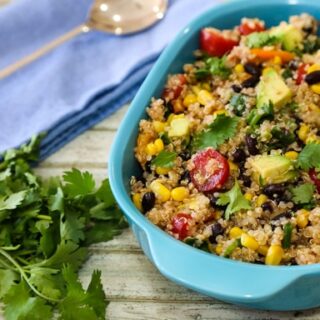
Protein-rich quinoa is tossed with black beans, corn, cherry tomatoes, avocado and salsa in a cumin-lime dressing. It's a perfect make-ahead lunch or potluck dish.

French lentils, juicy mango and red onion are dressed with lime, cumin and coriander. It's a bright, refreshing salad that's surprisingly filling.
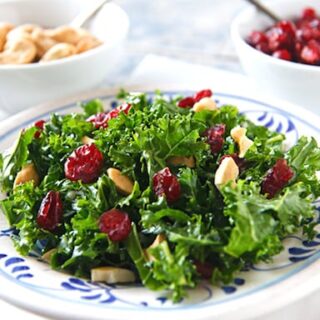
Massaging the kale makes it tender, then it's tossed with dried cranberries, toasted cashews and a creamy lemon dressing. It's pretty enough for a holiday table.

Potatoes, carrots, red pepper, pickles and plenty of fresh dill and cilantro come together in a creamy vegan mayo dressing. Bring it to every cookout and barbecue.
Side Dishes
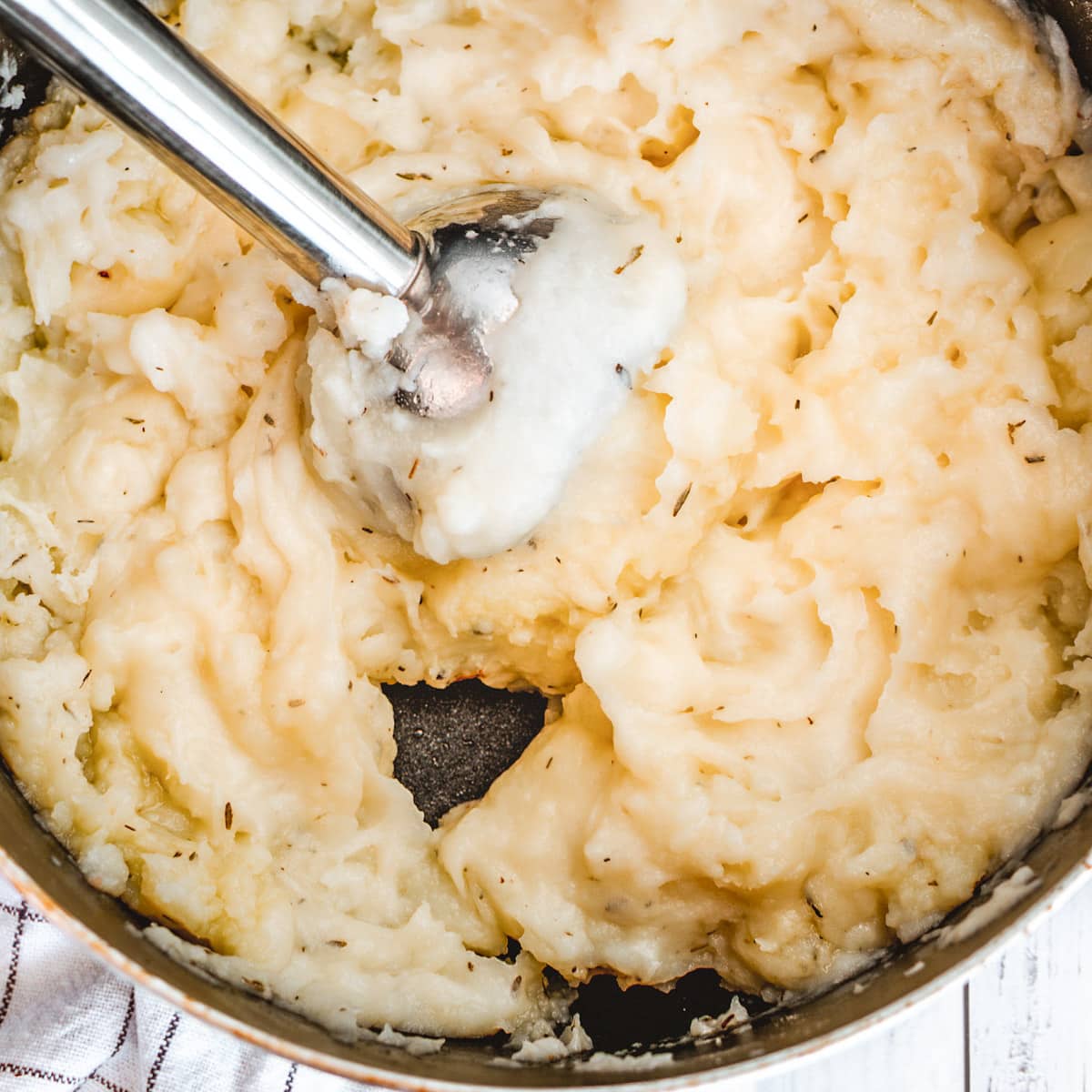
Fluffy mashed potatoes made with olive oil or vegan butter and a little thyme or rosemary. They're simple, classic and go with everything.
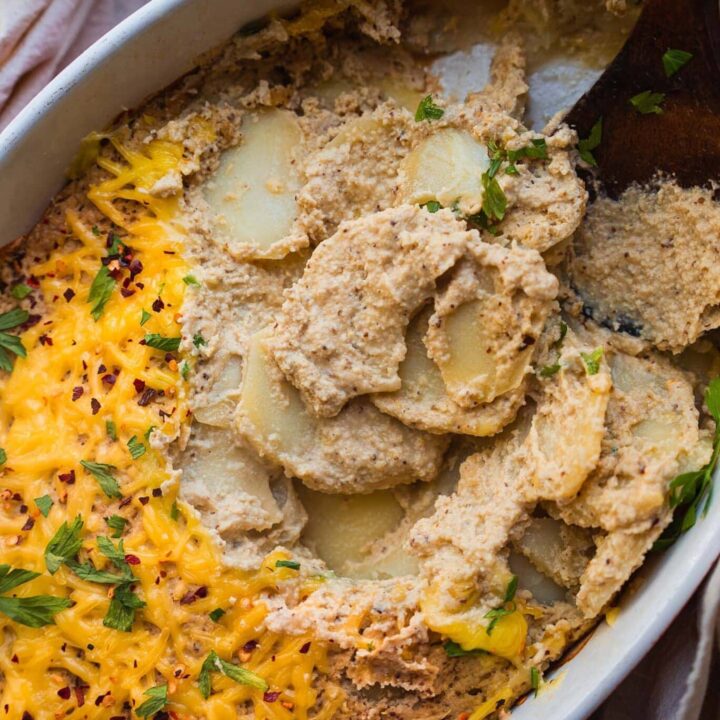
Thin potato slices are baked in a rich, cheesy cashew sauce made with nutritional yeast and a touch of sriracha. It's a showstopping side for holidays and Sunday dinners.
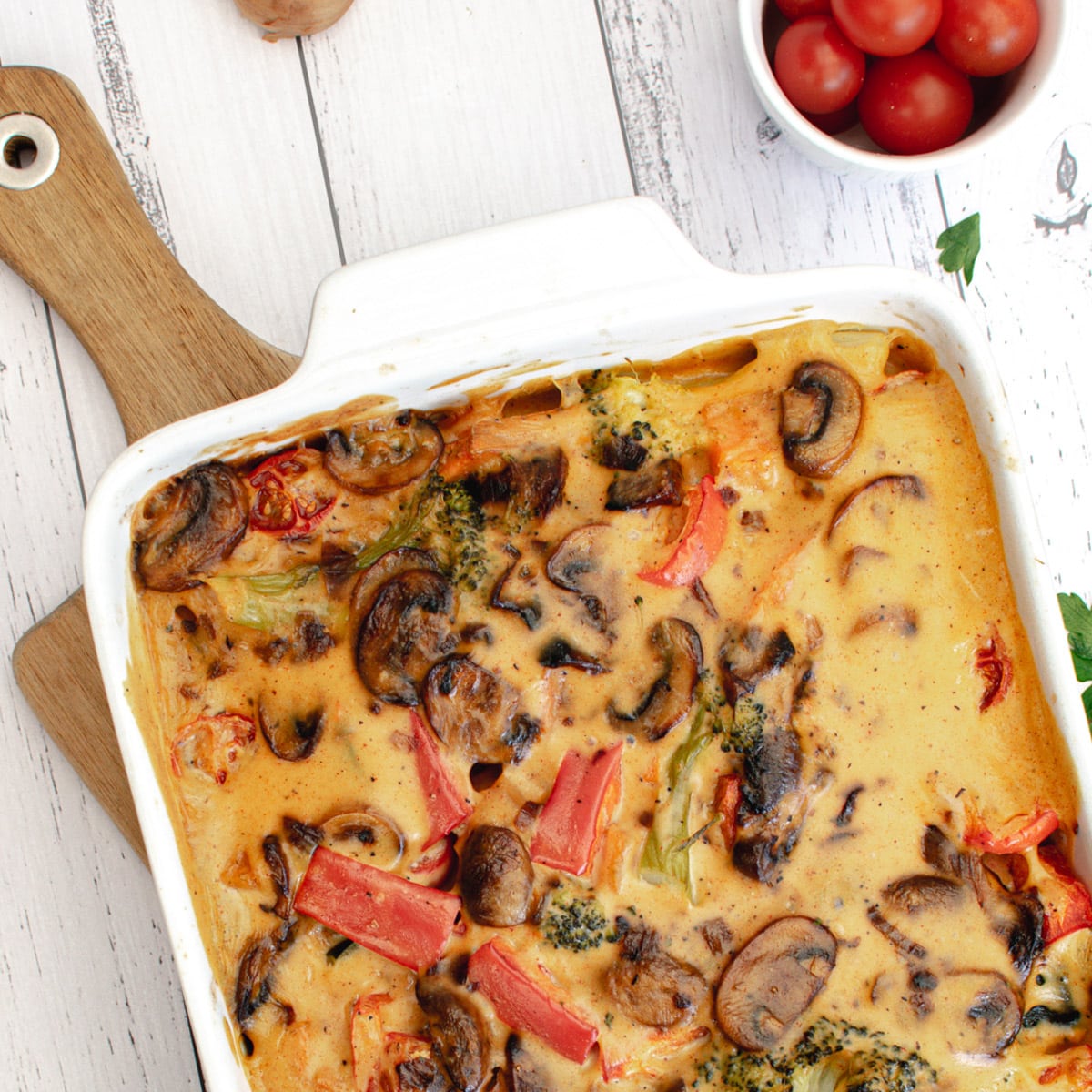
Sweet potato, broccoli, zucchini, mushrooms and more are roasted, then baked in a smoky, cheesy dairy-free sauce. It's a great way to get picky eaters to eat their vegetables.
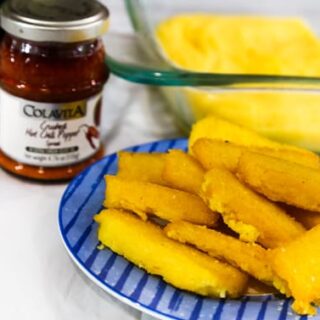
Cornmeal polenta is cooked, chilled, sliced and pan-fried until crisp on the outside and creamy inside. Dip them in marinara or your favorite hot sauce.
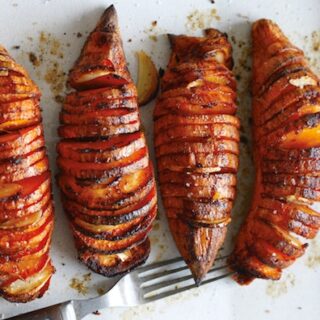
Sweet potatoes are sliced accordion-style, tucked with thin slices of garlic and roasted with olive oil and chili salt. They look impressive but take only a few ingredients.
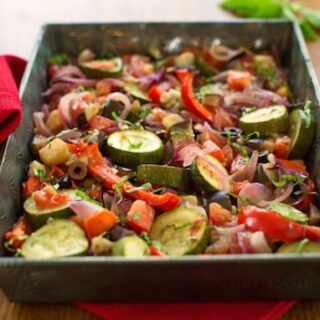
Eggplant, zucchini, red pepper, onion and tomatoes are roasted with a simple vinaigrette, then finished with olives and fresh basil. Serve it warm or at room temperature.
Breakfast
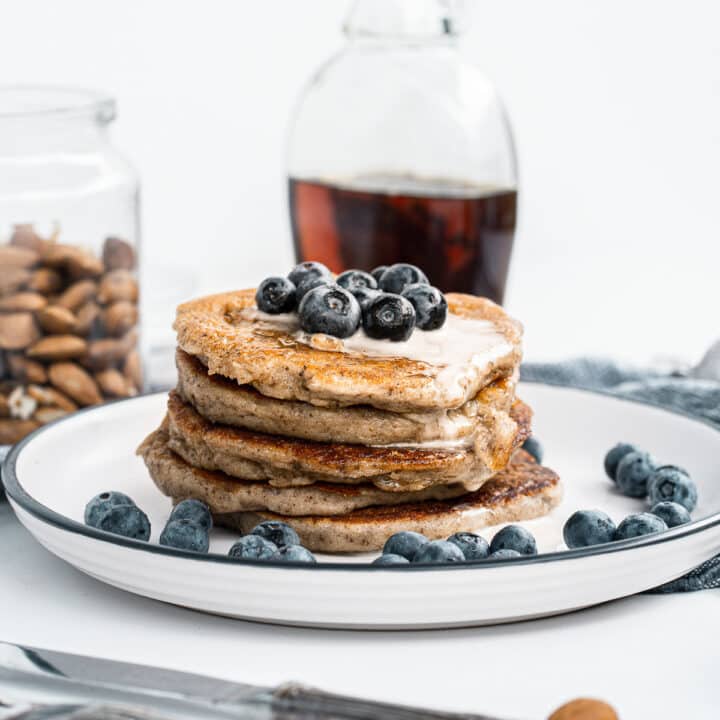
Almond flour and a gluten-free baking flour blend make fluffy, golden pancakes sweetened with ripe banana. Top them with fresh berries and maple syrup.
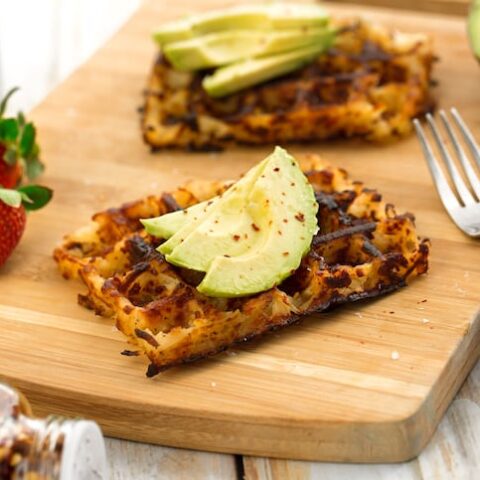
Frozen shredded potatoes go straight into the waffle iron for crispy, golden hash browns with almost no effort. Top them with avocado for a savory breakfast.
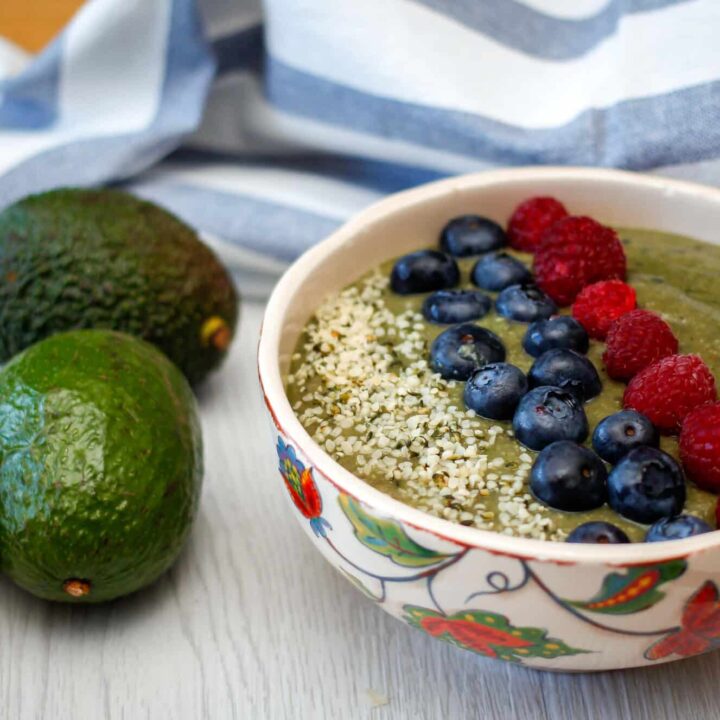
Banana, avocado, spinach and lime blend into a thick, creamy bowl topped with berries and hemp seeds. It's a nutrient-packed breakfast that takes five minutes.

Raspberries, silken tofu and chia seeds set into a creamy, pudding-like breakfast overnight. Make a few jars at the start of the week for grab-and-go mornings.
Snacks, Dips and Bread
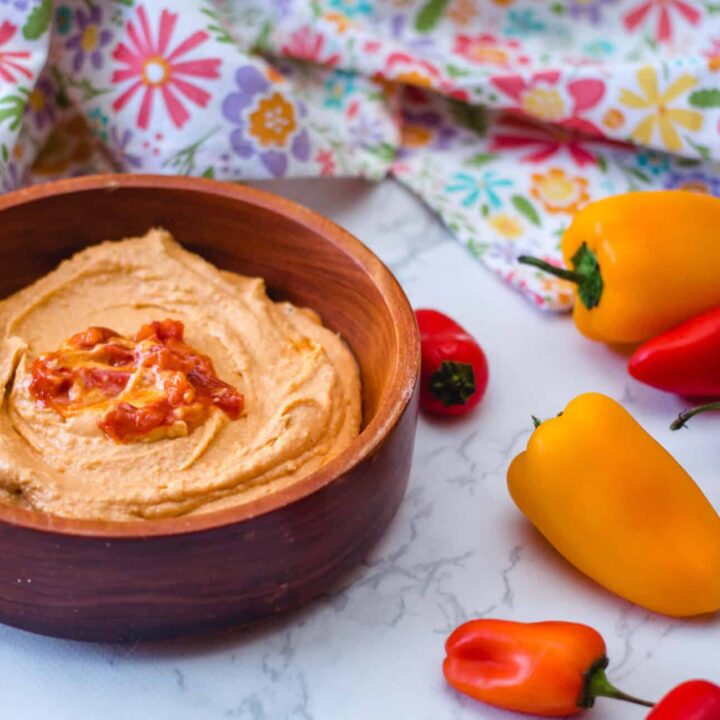
Classic chickpea and tahini hummus gets a sweet, smoky twist from roasted red peppers. Serve it with fresh veggies or gluten-free crackers.

White beans and vegan cream cheese make a creamy base for artichoke hearts, spinach and dill, baked until bubbly. It's always a hit at parties.

These hearty rolls are made with quinoa, buckwheat flour and gluten-free oat flour, with no yeast needed. Enjoy them warm with soup or split for a sandwich.
Desserts
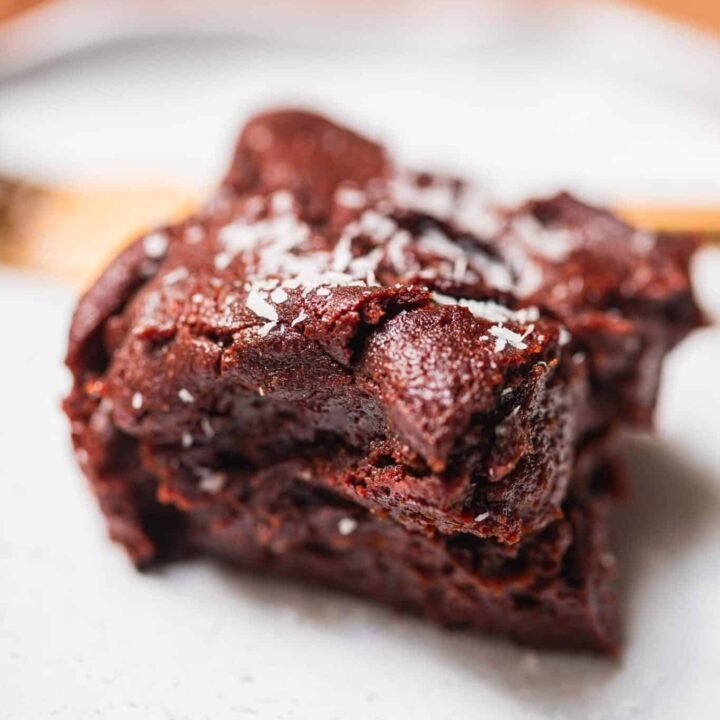
Mashed sweet potato, peanut butter, dark chocolate and a little coconut flour make rich, fudgy brownies sweetened with maple syrup. No one will guess the secret ingredient.
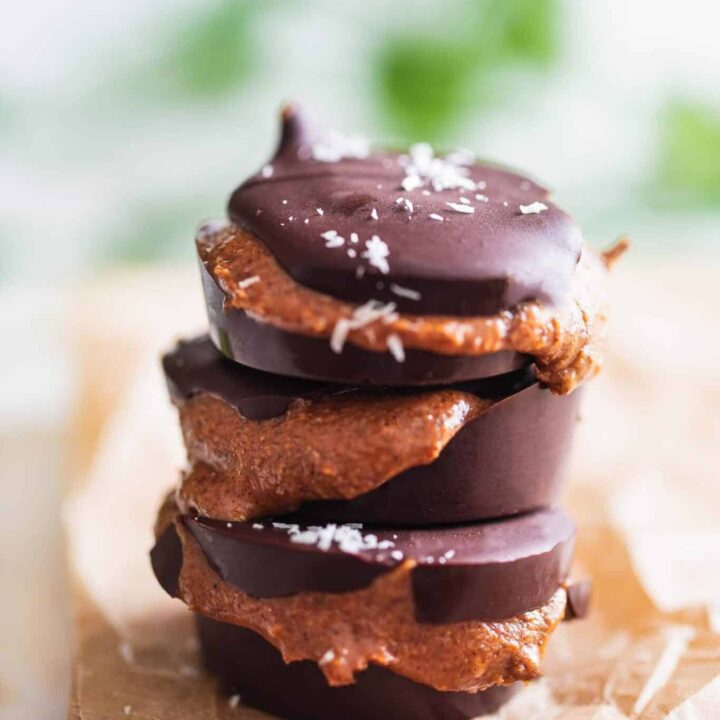
A creamy cinnamon-spiced peanut butter filling is sealed in dark chocolate for a homemade version of the classic candy. They need just six ingredients.

Just mango and full-fat coconut milk, plus optional sugar, make a creamy, tropical ice cream. It's naturally dairy-free and gluten-free.
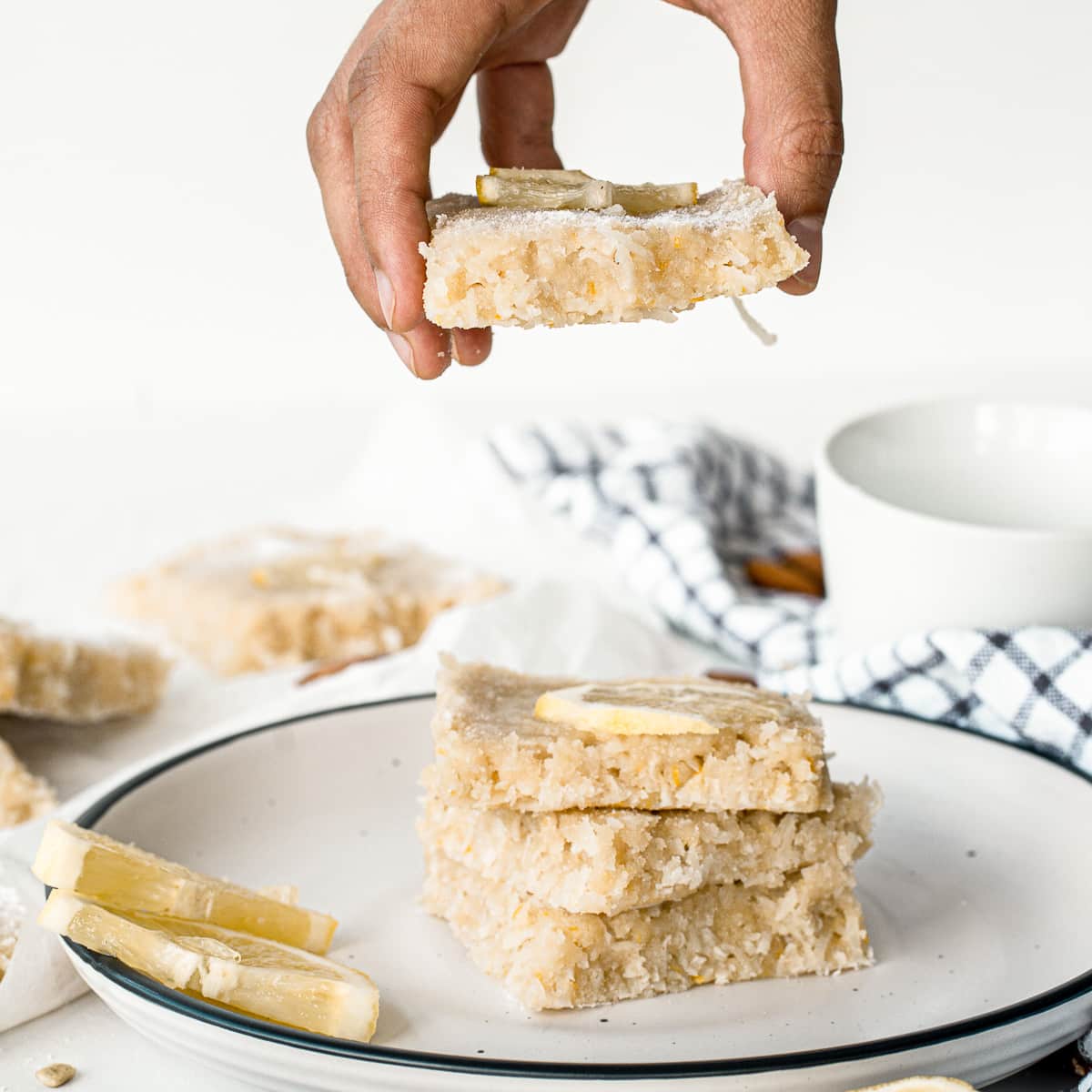
Almond flour, shredded coconut, maple syrup and fresh lemon press into tangy, chewy bars without turning on the oven. They're a bright, refreshing treat.

Dates, grated carrot, pecans and coconut flour roll into bite-size treats that taste like carrot cake. Dip them in dark chocolate or roll them in coconut.
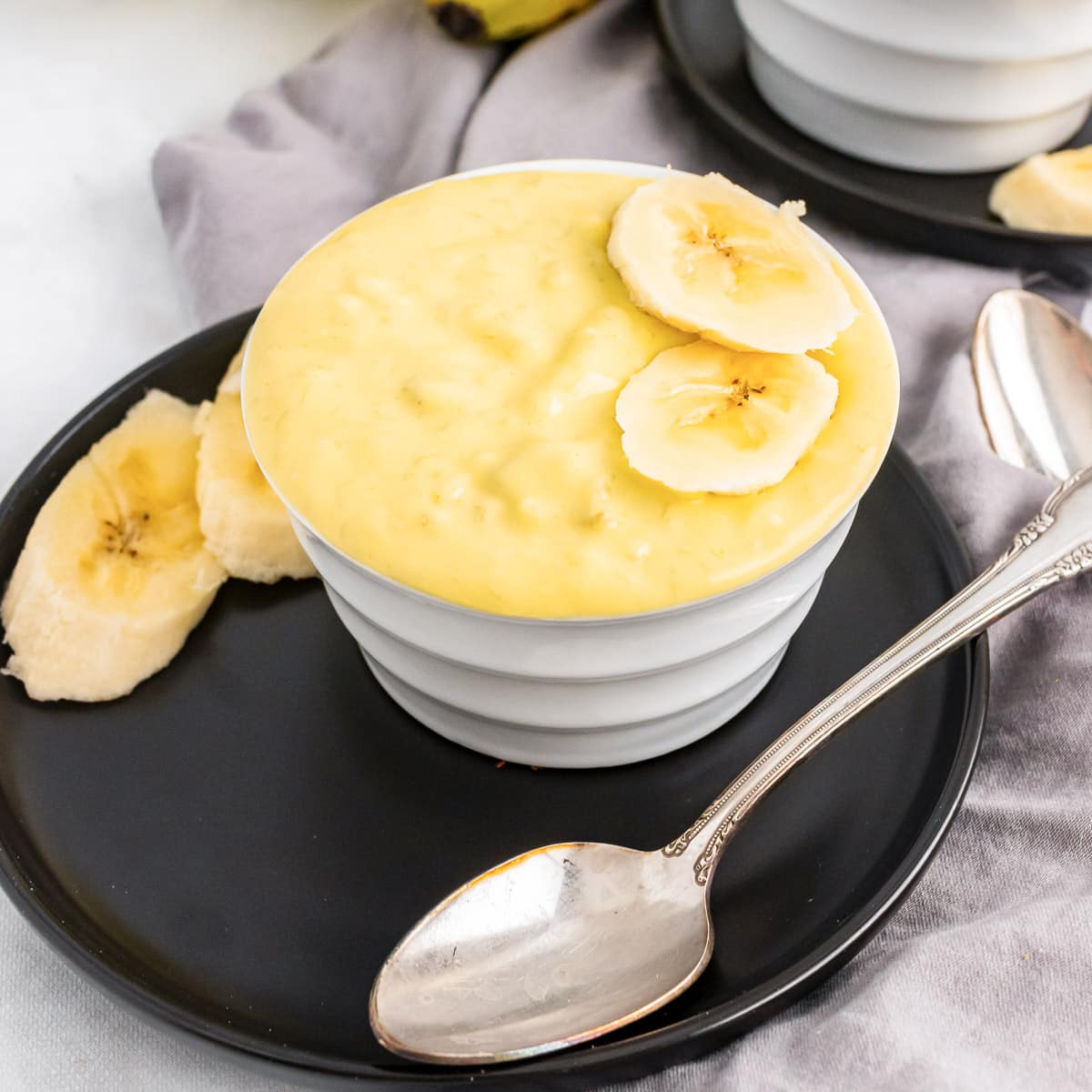
Ripe bananas, coconut cream and maple syrup cook into a silky pudding thickened with cornstarch. Top it with fresh banana slices for an easy, comforting dessert.

Dark chocolate, coconut milk and chia seeds come together in a rich, silky mousse. Spoon it into small cups and top with vegan whipped cream and fresh fruit.
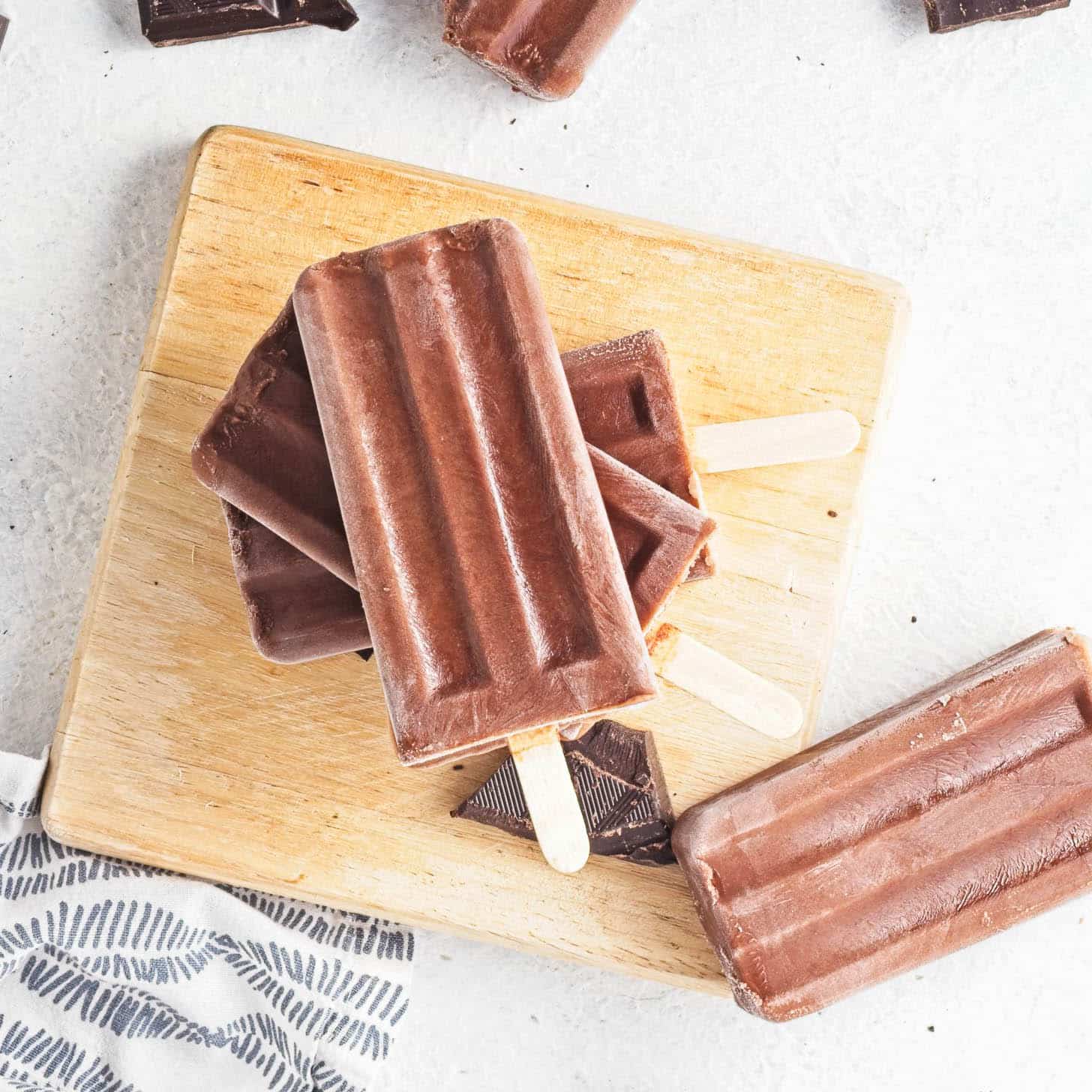
Coconut milk, cocoa, dark chocolate and a splash of coffee freeze into creamy chocolate pops. They're a nostalgic summer treat with no dairy at all.

A date and almond crust holds a creamy cashew filling swirled with fresh blueberries. It's no-bake, gluten-free and makes a stunning dessert for guests.
And if you love these vegan gluten-free recipes, be sure to check out these other delicious ideas:
50+ Family-Friendly Vegan Dinner Recipes
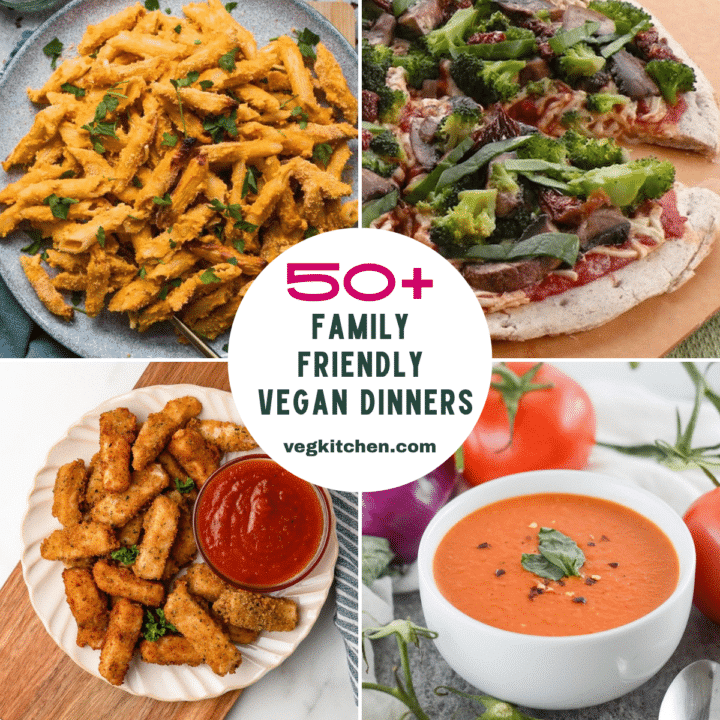
Getting dinner on the table is hard enough without wondering whether anyone will actually eat it. That's why we've rounded up our most family-friendly vegan dinner recipes: the cozy pastas, slurpable noodles, comforting soups, crispy nuggets, cheesy quesadillas and loaded nachos that tend to disappear fast, even with picky eaters at the table.
Every recipe here is 100% plant-based, and most come together with everyday ingredients from any grocery store. Many are easy to customize, too, so kids can build their own tacos, pick their pizza toppings, or dial the spice up or down.
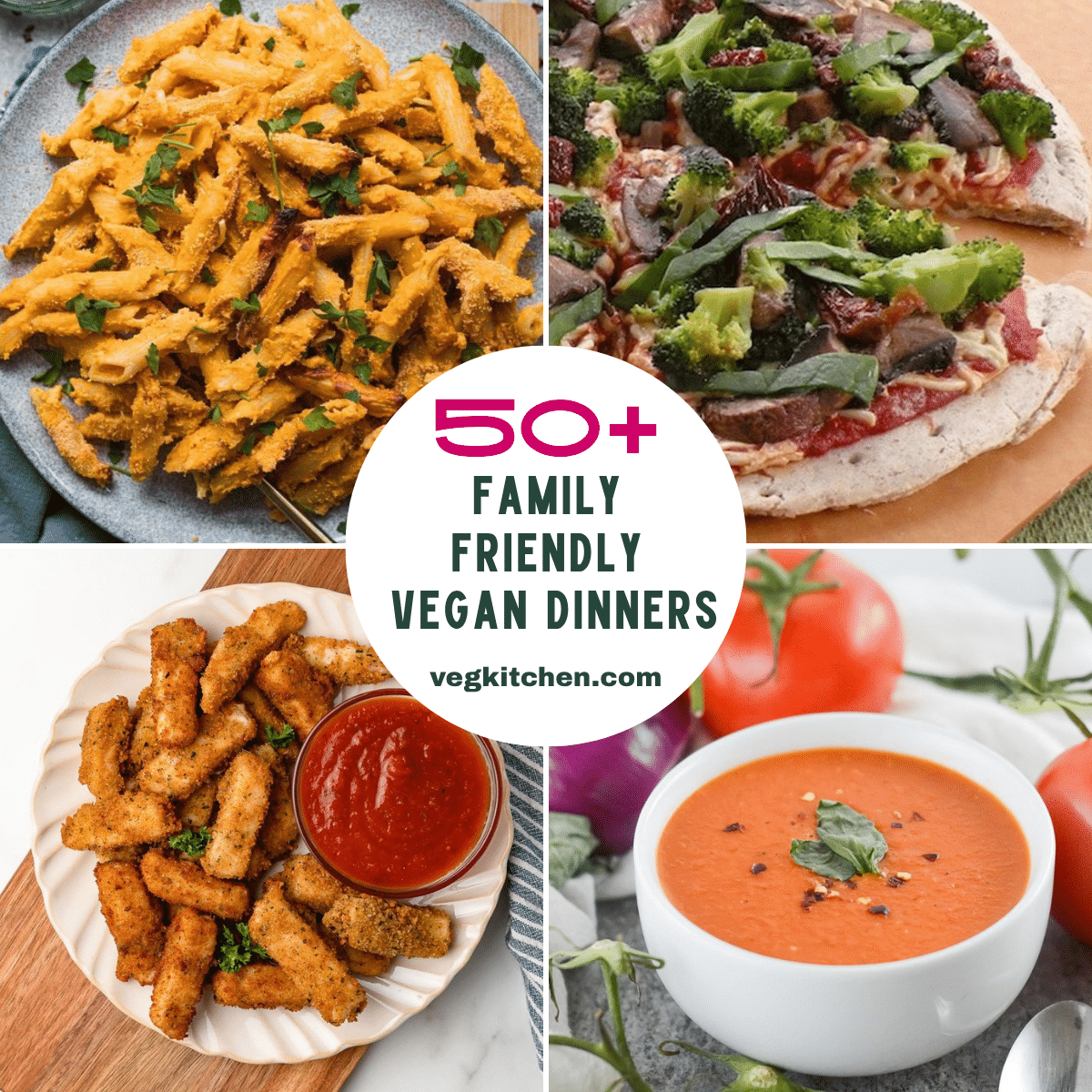
We've grouped the list to make meal planning easy. Start with mac and cheese and other pasta favorites, then move on to noodles, classic soups like our vegan "chick-un" noodle soup, nuggets and finger foods, taco and quesadilla nights, pizza and burgers, comforting casseroles, and takeout-style tofu dinners.
50+ Family-Friendly Vegan Dinner Recipes
Mac and Cheese and Pasta
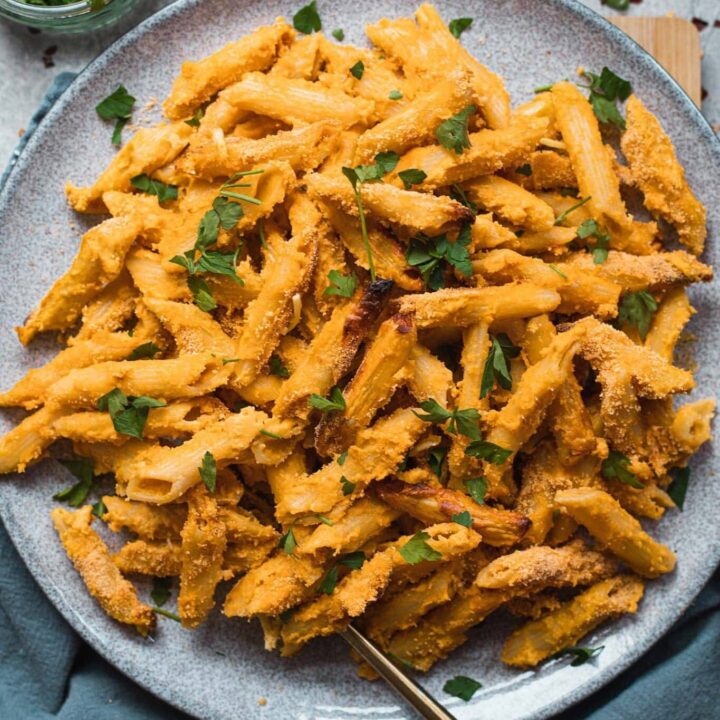
A silky cashew and carrot cheese sauce coats tender pasta before it all bakes under a golden breadcrumb topping. It's the cozy, creamy mac kids ask for again and again, no dairy needed.
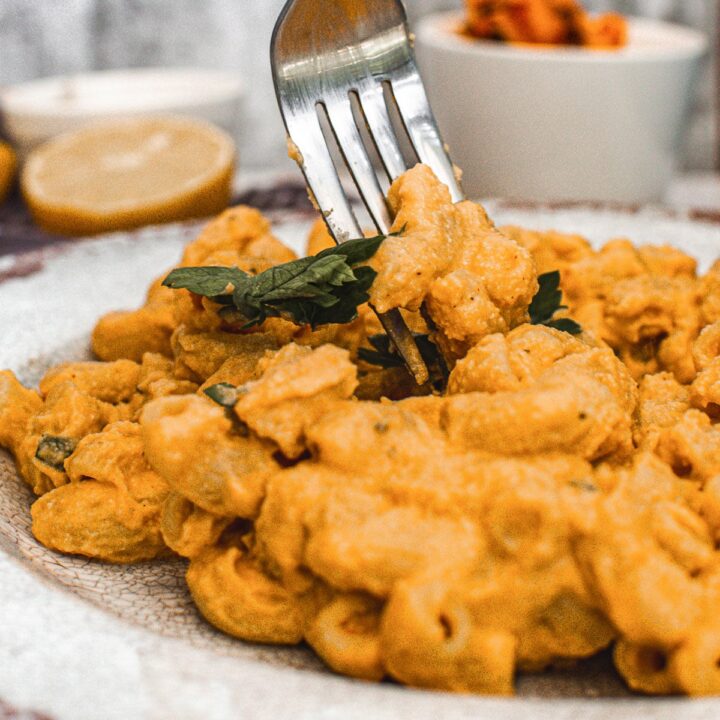
Pumpkin puree, cashews and nutritional yeast blend into a bright orange, velvety sauce that clings to every piece of rigatoni. It's a sneaky way to get a vegetable onto the table that kids gobble right up.
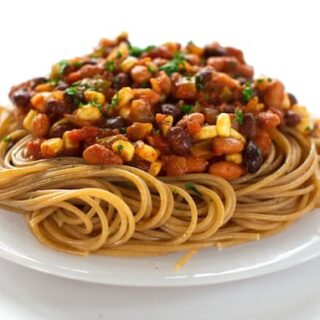
This hearty bean chili gets a hint of cinnamon and allspice and is served over spaghetti, Cincinnati-style. It's a fun twist on two family favorites in one bowl.

Textured soy protein simmers with carrots, onion and tomatoes into a rich, meaty-tasting sauce. Spoon it over spaghetti for a classic family pasta night everyone will love.
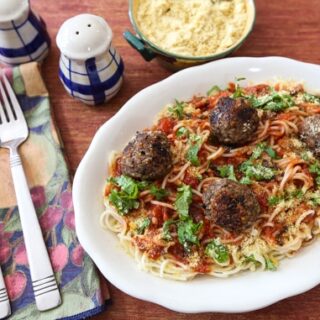
This clever shortcut turns store-bought vegan burgers into 16 tender meatballs in minutes. Pile them on spaghetti with marinara or tuck them into a sub for an easy weeknight win.
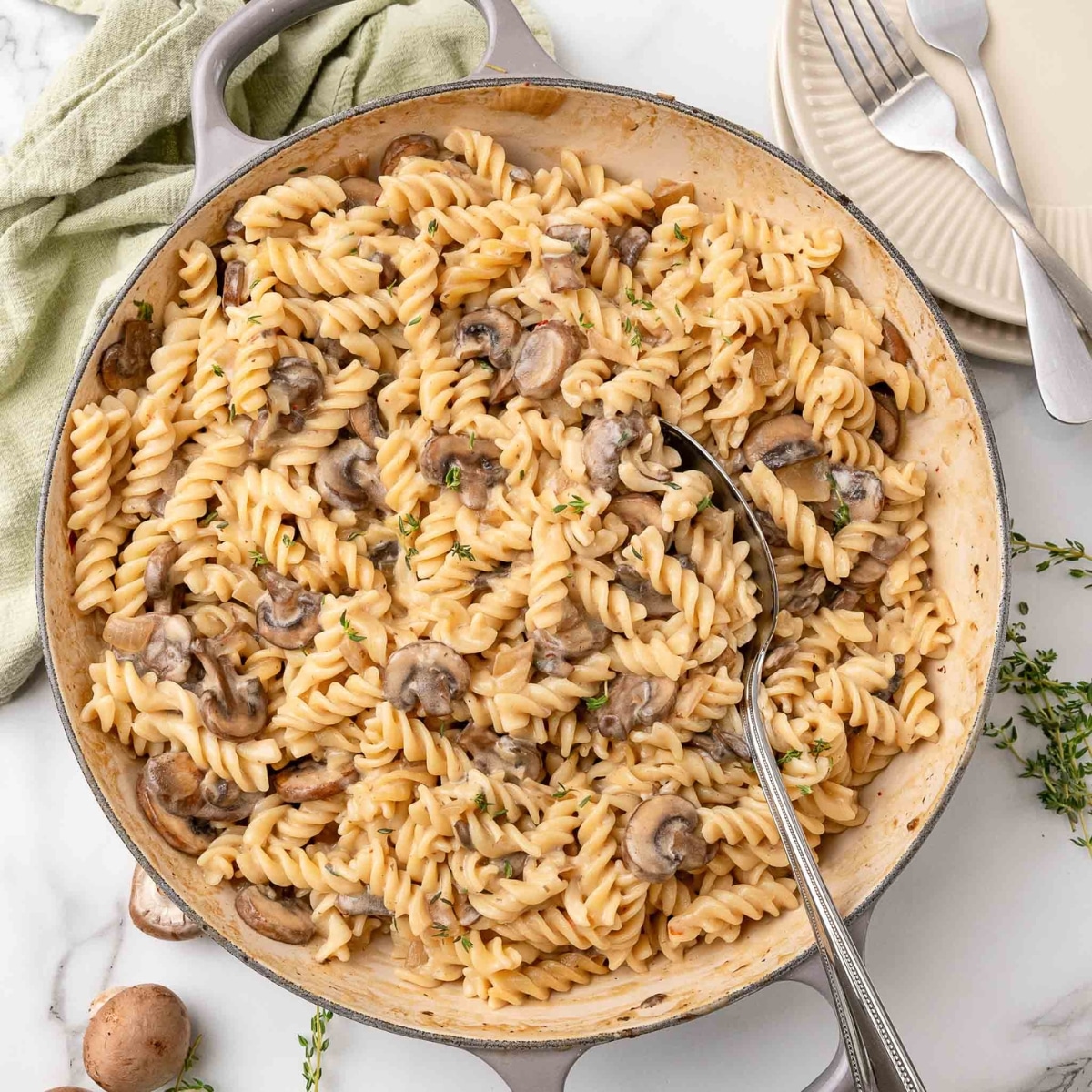
Rotini or penne gets tossed in a luscious coconut milk and mushroom sauce with garlic and fresh thyme. It tastes rich and indulgent but comes together in one pan on the stovetop.
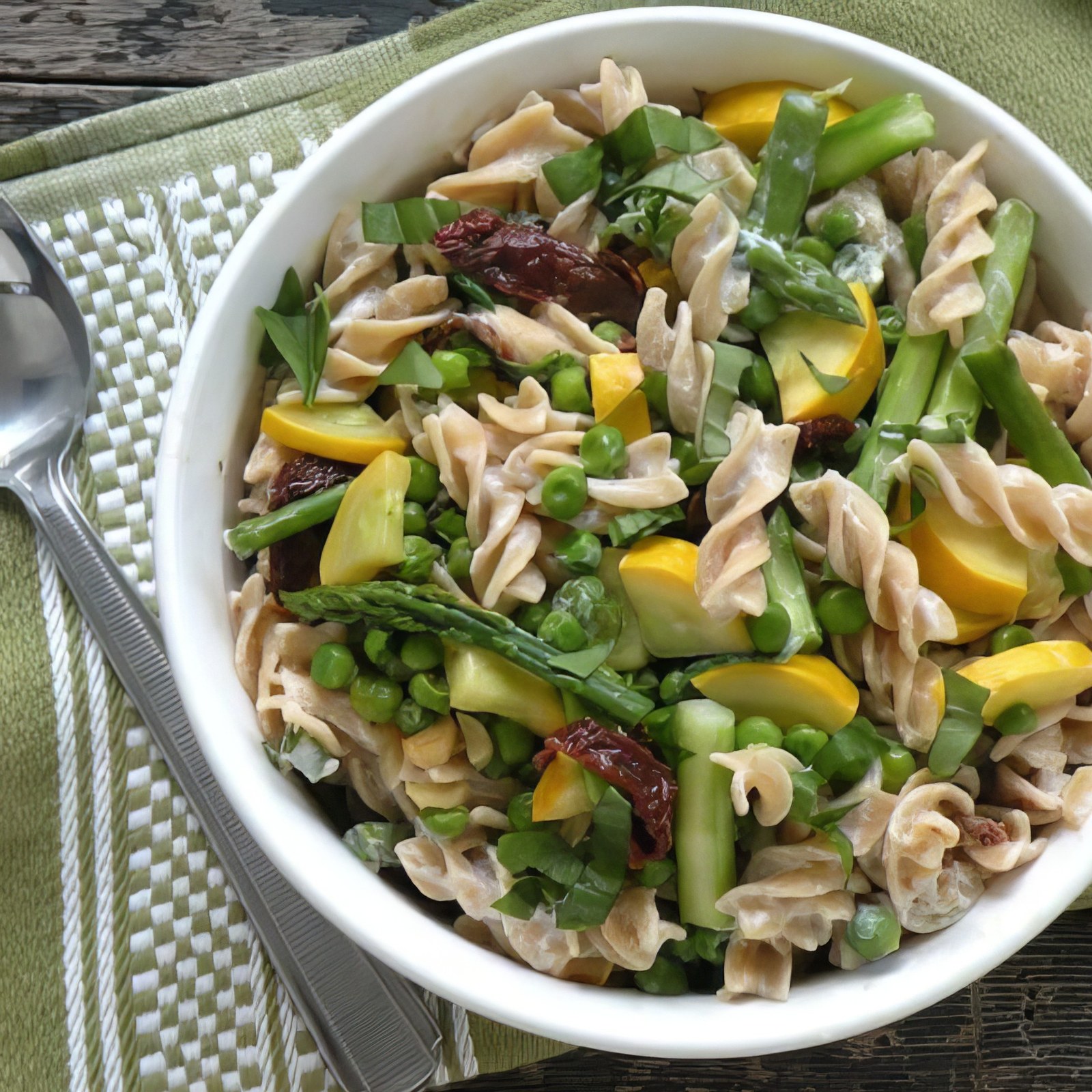
Silken tofu blends into a creamy, lemony Alfredo-style sauce that coats spiral pasta, sweet peas and tender asparagus. It's a light, fresh take on a restaurant favorite.
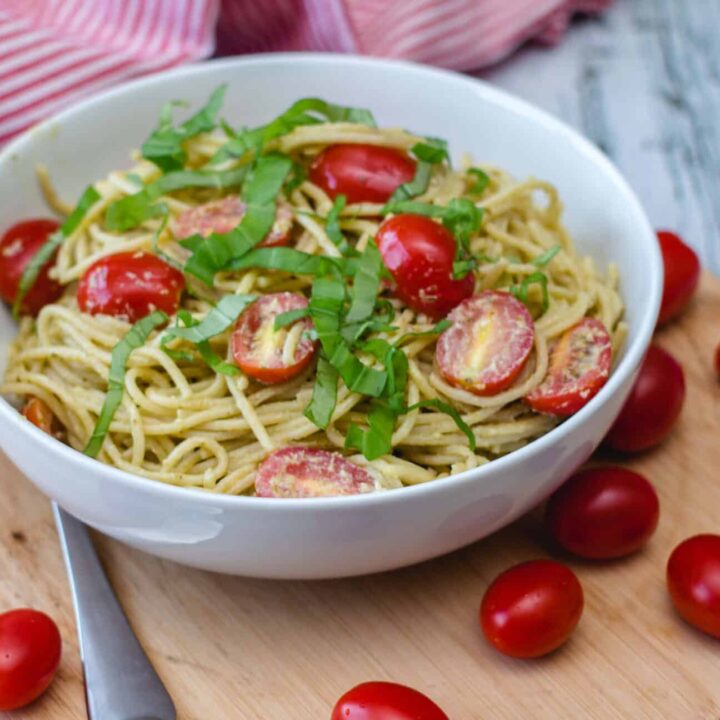
Spaghetti gets tossed with vegan pesto, sautéed shallots and juicy cherry tomatoes for a bright, herby dinner. It's quick enough for busy weeknights and a great way to win over picky eaters with green food.
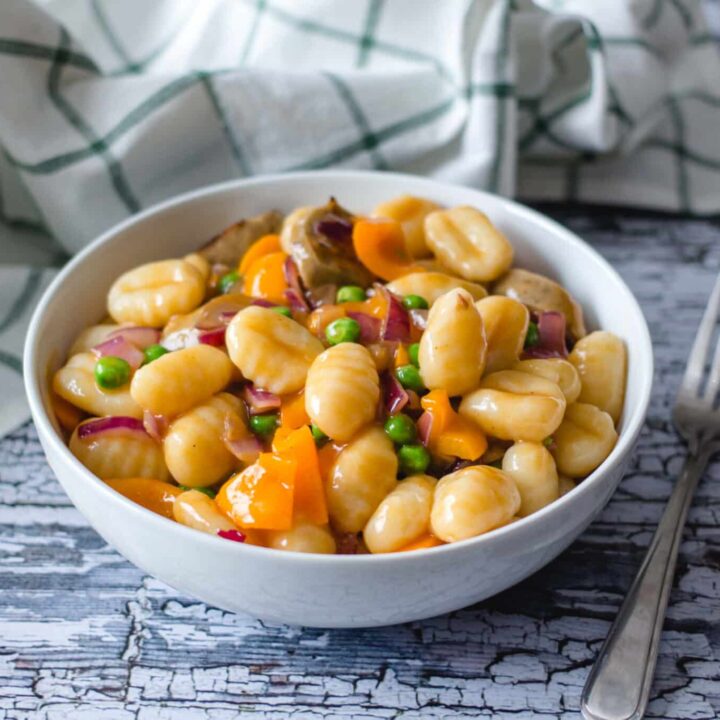
Pillowy gnocchi, browned vegan Italian sausage and sweet peas get smothered in a savory homemade gravy. This is stick-to-your-ribs comfort food that feels like a hug in a bowl.
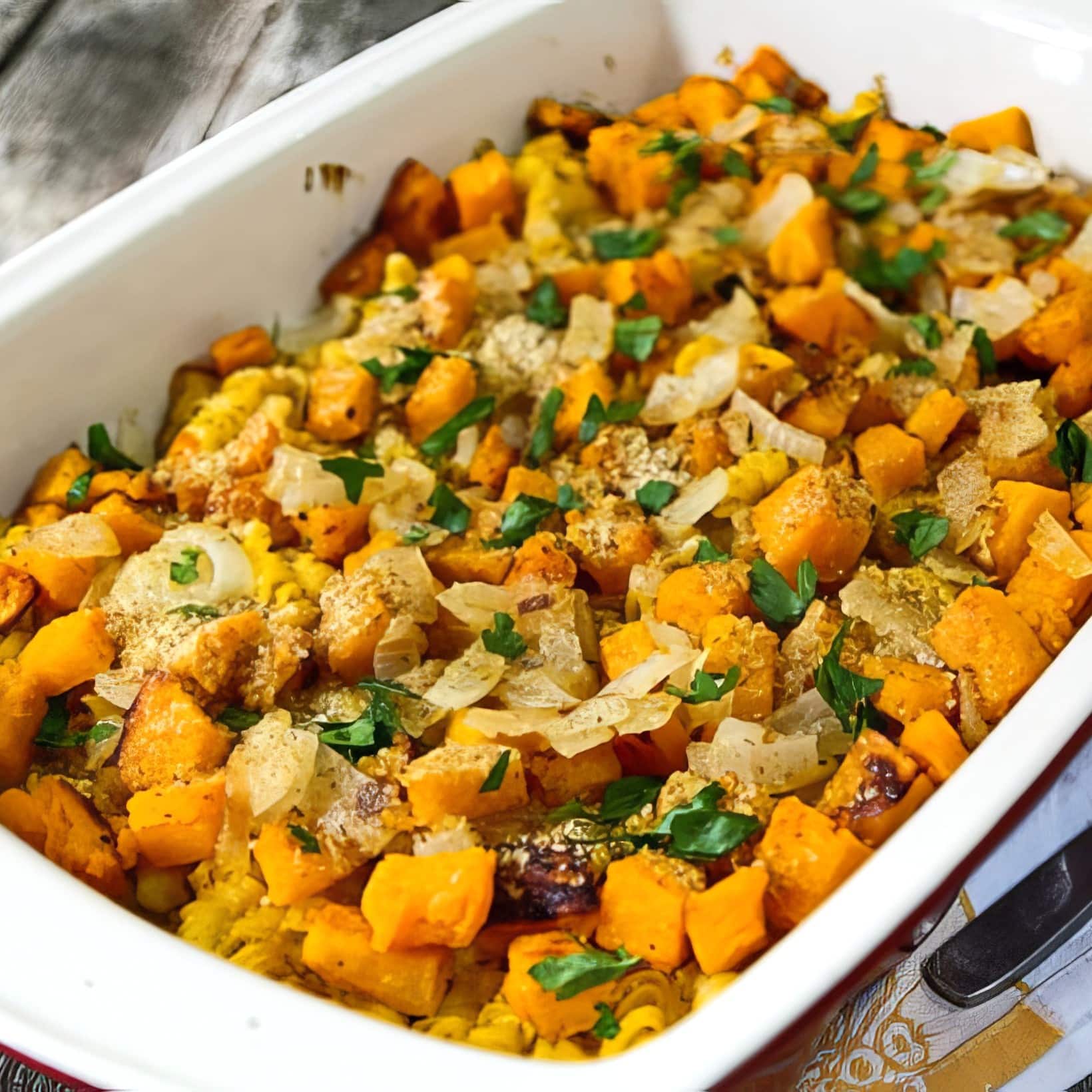
Roasted butternut squash and silken tofu make a creamy, cheesy-tasting sauce for this baked pasta with a crisp breadcrumb top. It's a great make-ahead dish for busy family dinners.
Thin zucchini slices stand in for noodles, layered with a herby tofu ricotta, veggie-packed tomato sauce and spinach. It has all the comfort of lasagna in a lighter, gluten-free package.
Noodles

Just a handful of pantry staples, peanut butter, soy sauce, maple syrup and ginger, turn into a smooth sauce for any favorite pasta shape. It's a 15-minute dinner that kids devour.
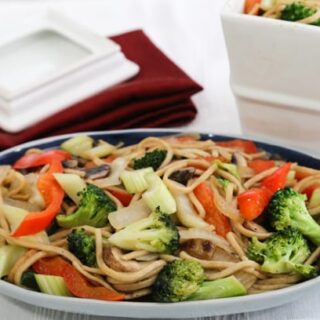
Skip the takeout and make this colorful chow mein with wheat noodles, broccoli, peppers, mushrooms and scallions. It's ready fast and easy to customize with your family's favorite veggies.
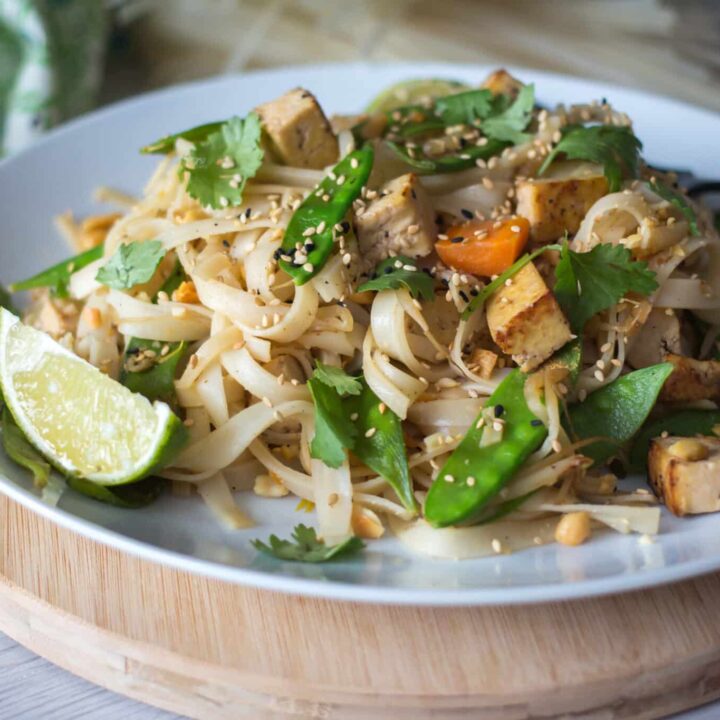
Rice noodles, tofu, carrots and snow peas are tossed in a sweet and savory sauce, then topped with crunchy peanuts and lime. It's a fun takeout-style dinner made at home.
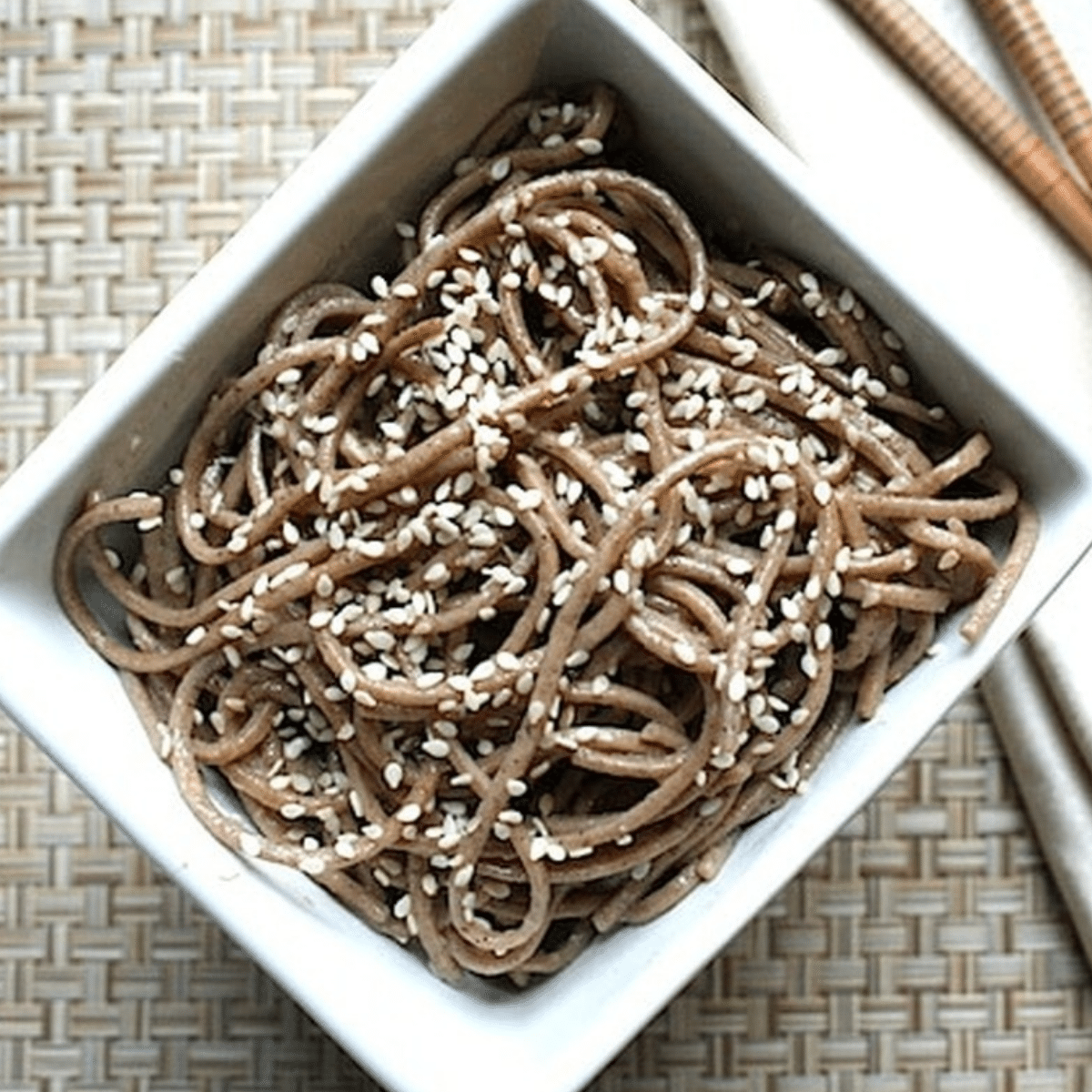
Buckwheat soba noodles get coated in a toasty sesame, soy and ginger dressing that's good warm or cold. Serve them as a quick dinner or pack the leftovers for lunch.
Soups and Chili
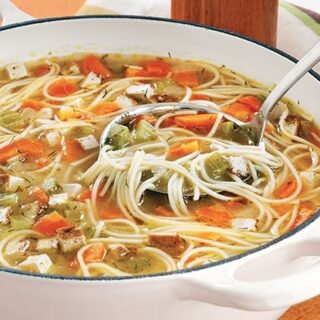
This plant-based take on classic chicken noodle soup is loaded with carrots, celery, little pasta rings and chickpeas or baked tofu. It's the soothing bowl everyone wants on a chilly night or a sick day.
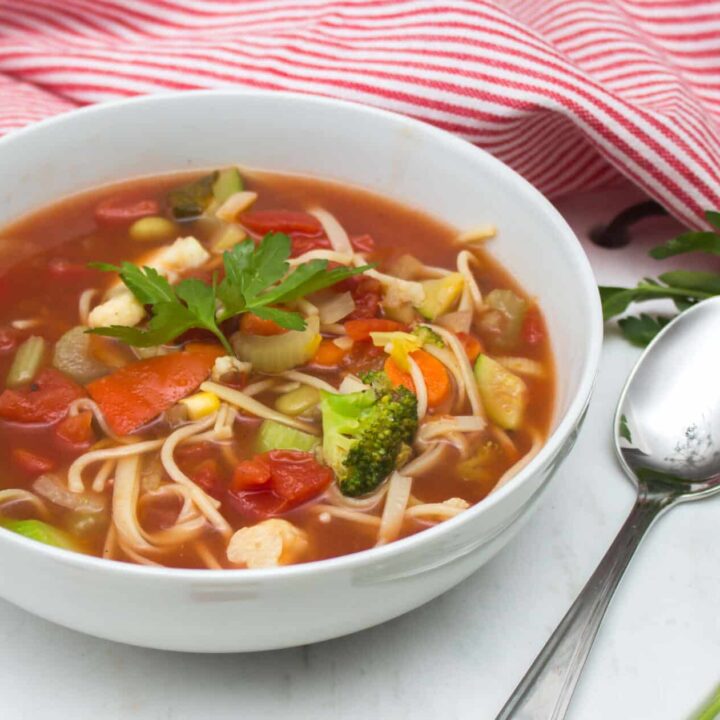
Broccoli, cauliflower, zucchini and carrots simmer with tomatoes and fettuccine in a light, comforting broth. It's an easy one-pot way to get lots of veggies into little bowls.
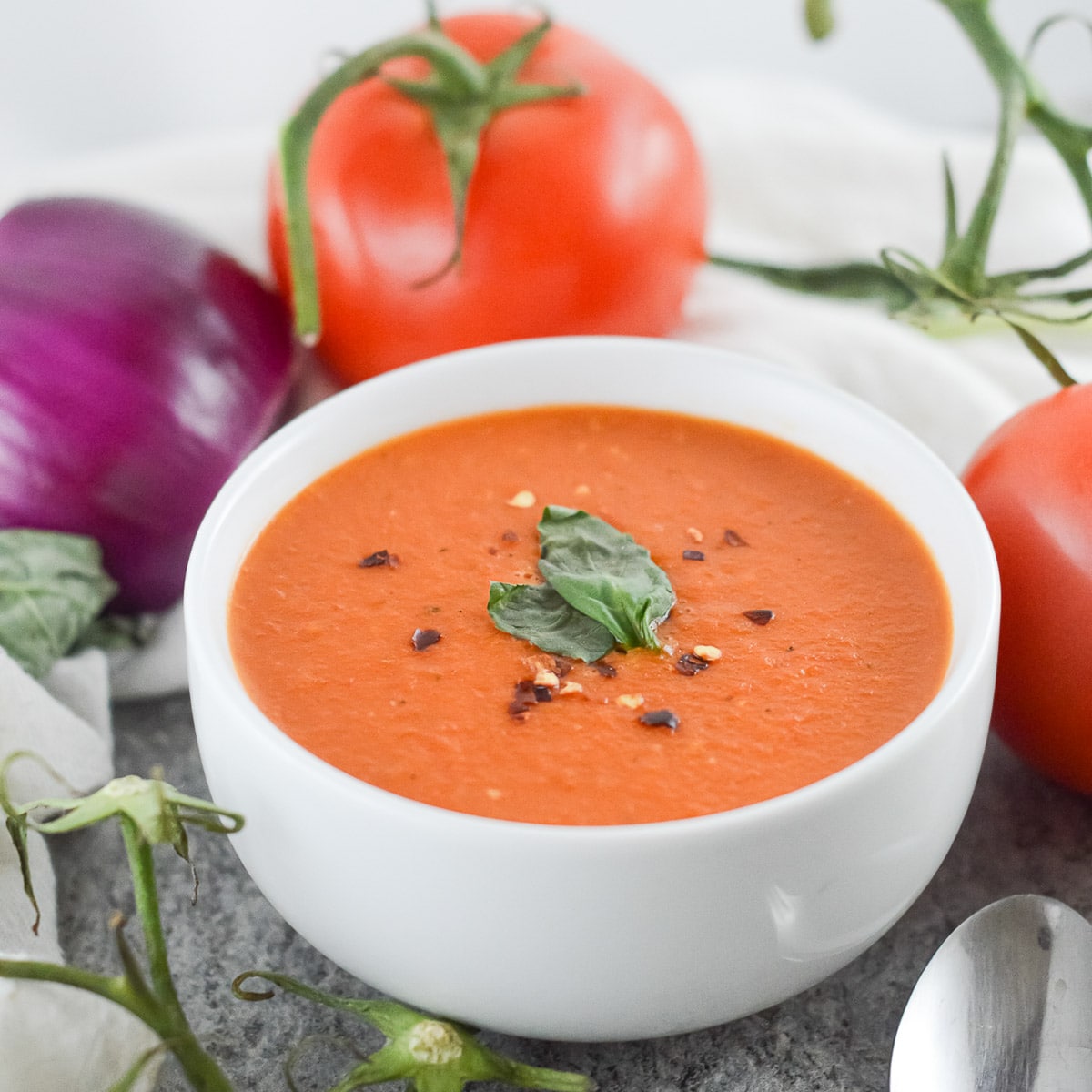
Ripe tomatoes, garlic and a splash of almond or coconut milk make a smooth, creamy tomato soup. Serve it with a vegan grilled cheese for the ultimate kid-approved combo.
White beans and cashews give this broccoli soup its dreamy, creamy texture without any dairy. It's a cozy, protein-packed bowl that's great for dunking bread.

Sweet corn, potatoes and carrots simmer into a thick, creamy chowder thanks to silken tofu blended right in. Kids love its mild, sweet flavor, and it's hearty enough for dinner.
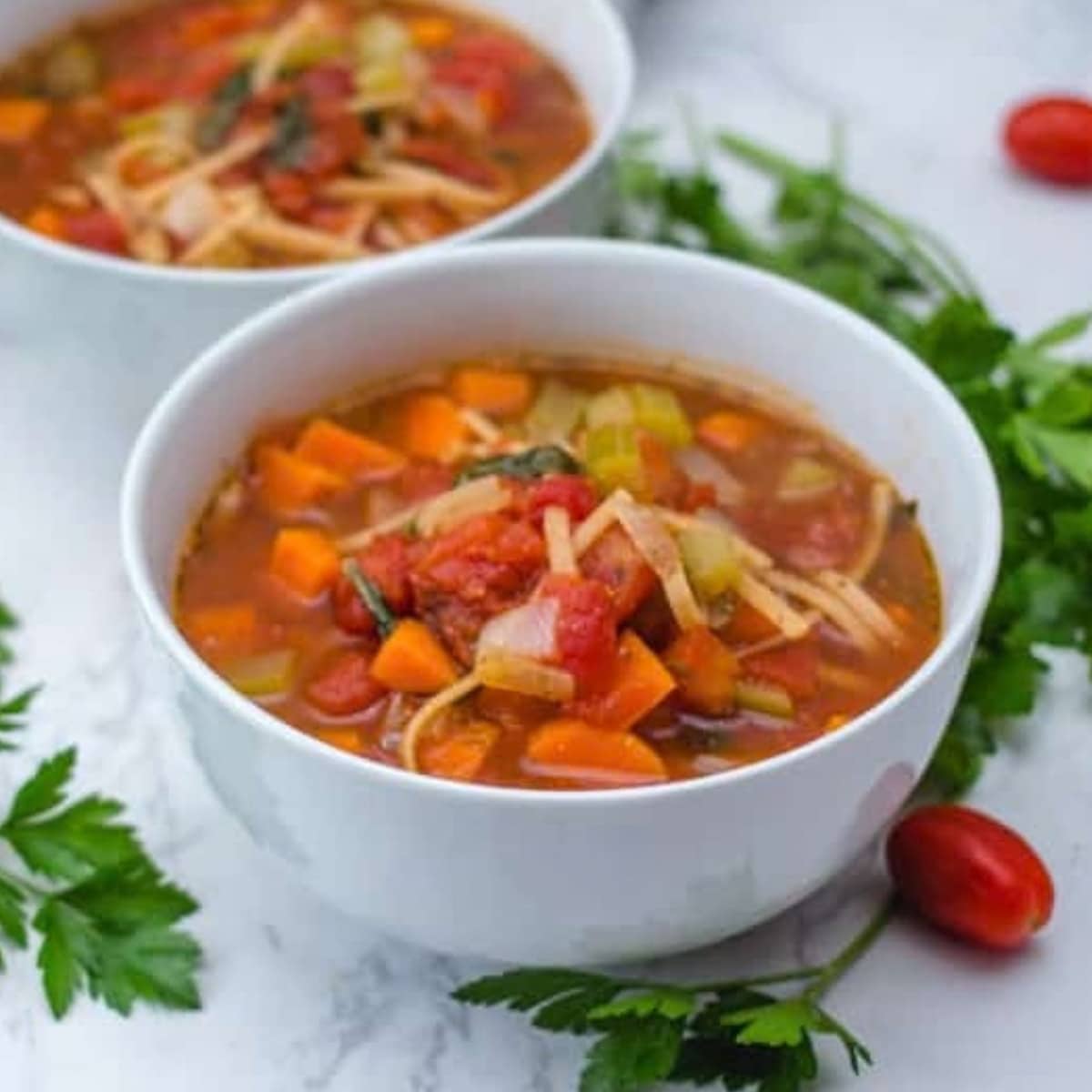
This hearty soup is packed with white beans, potatoes, spinach and broken fettuccine in a tomato and thyme broth. It's a filling one-pot dinner that tastes even better the next day.
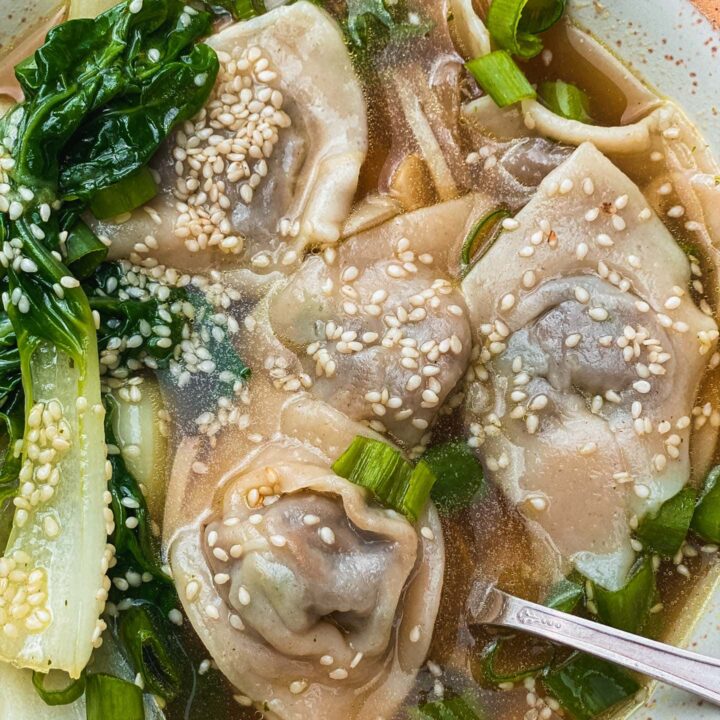
Homemade mushroom wontons float in a savory vegetable broth with bok choy and shiitake mushrooms. Making the dumplings together is a fun kitchen project for kids.
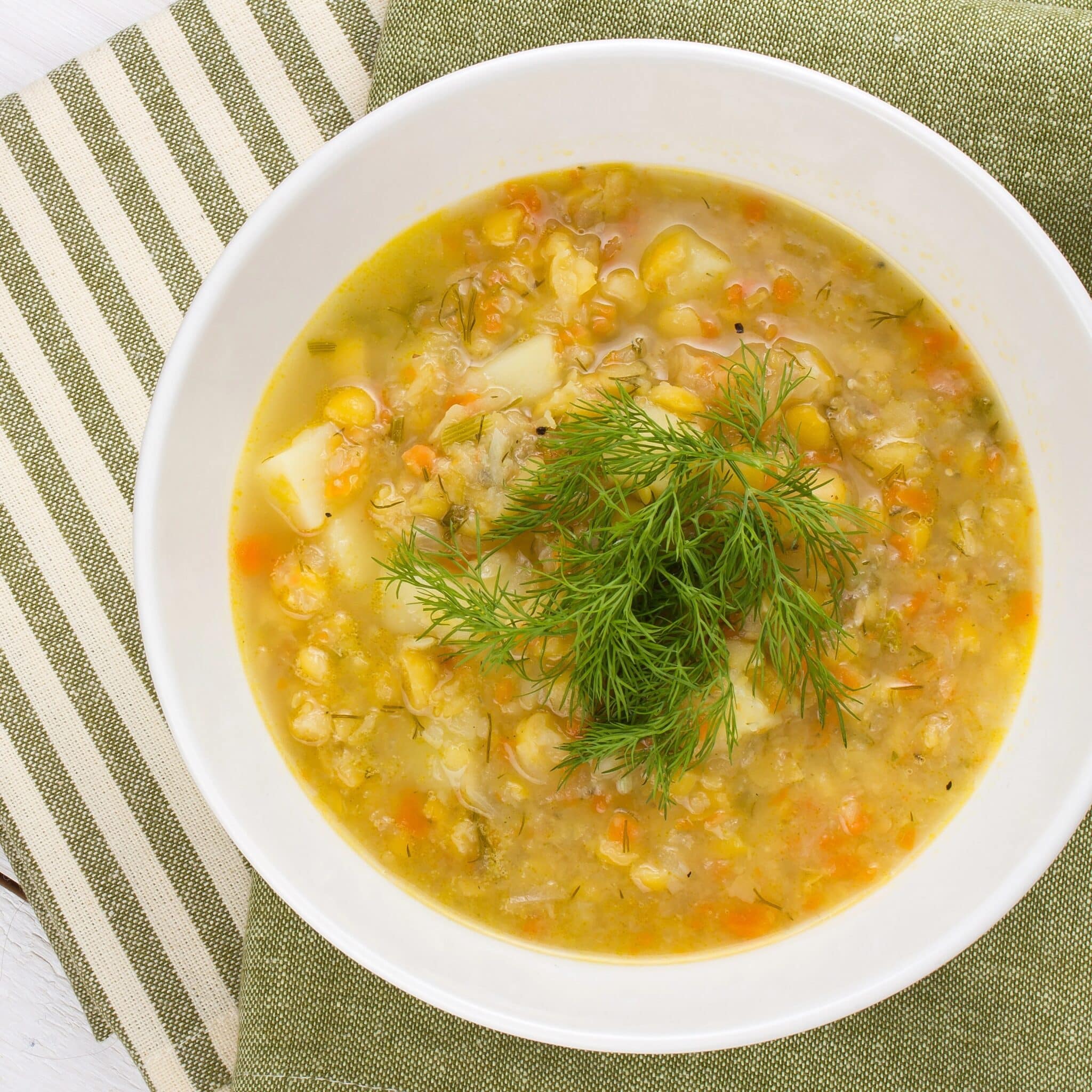
Split peas, barley, potatoes and carrots cook down into a thick, warming soup that's naturally rich in protein. It's an inexpensive, freezer-friendly dinner the whole family can count on.
All the flavors of taco night go into this chili-spiced soup of pinto beans, quinoa and tomatoes. Set out toppings like vegan cheese, lettuce and tortilla chips and let everyone build their own bowl.
Corn tortillas, quinoa, zucchini and tomatoes simmer in a cumin-scented broth for a light but satisfying soup. Top with avocado or crispy tortilla strips for extra crunch.
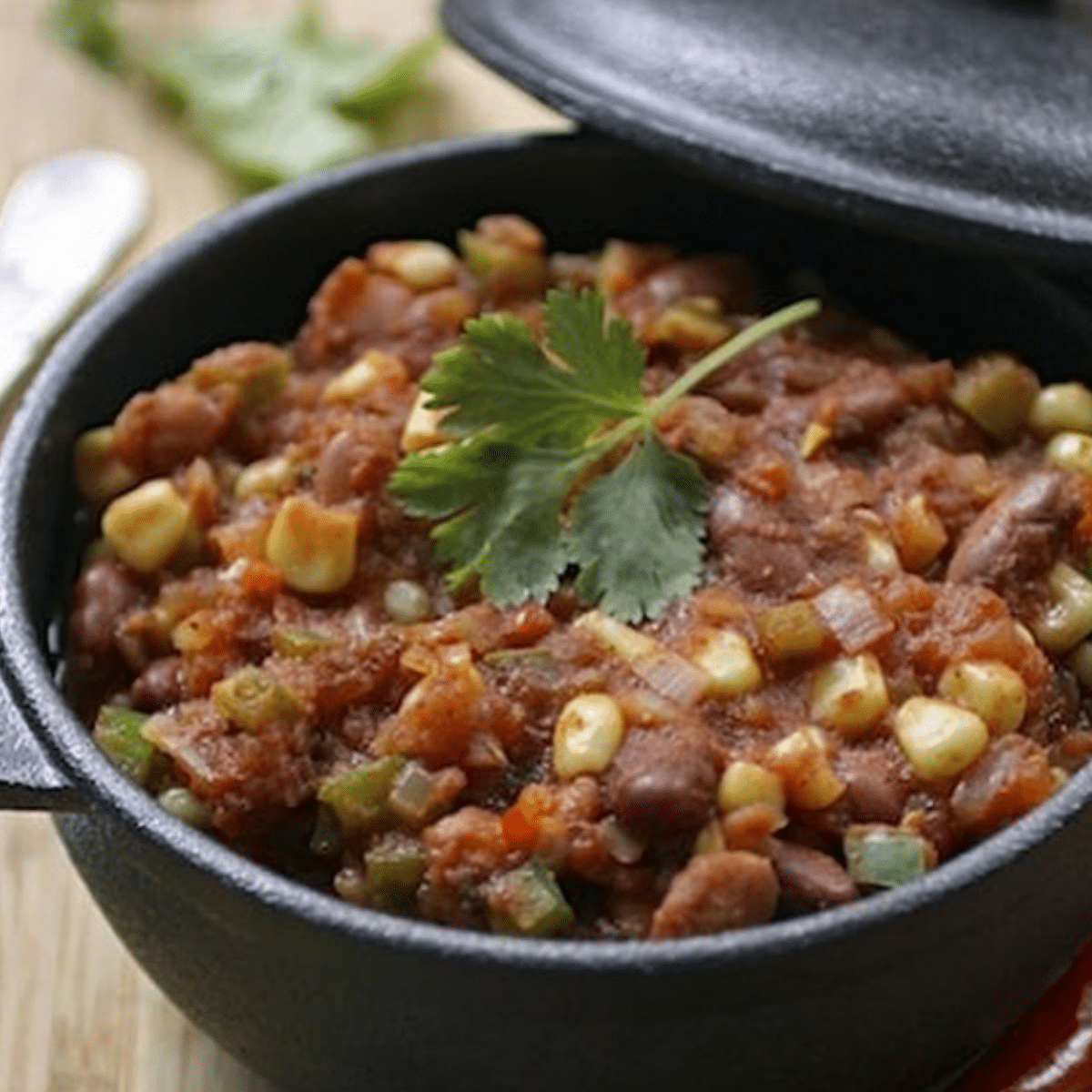
This hearty chili is loaded with pinto beans, corn, peppers and crushed tomatoes with just the right amount of spice. It's a crowd-pleaser for game night and great for leftovers.
Nuggets and Finger Foods
Baked tofu gets a crispy breading and bakes up golden in the oven, no frying needed. Serve these nuggets with ketchup, BBQ sauce or marinara for a kid-favorite dinner.
Extra-firm tofu is coated in seasoned cornmeal and baked until crisp outside and tender inside. They're perfect finger food for little hands, especially with a favorite dipping sauce.

Gooey vegan mozzarella gets a crispy Italian breadcrumb coating and is fried until golden. Pair them with warm marinara for a fun finger-food dinner or snack.

Shredded zucchini, garlic and herbs are pan-fried into crispy little patties, with flax eggs holding them together. They're a tasty way to get kids to eat their veggies.
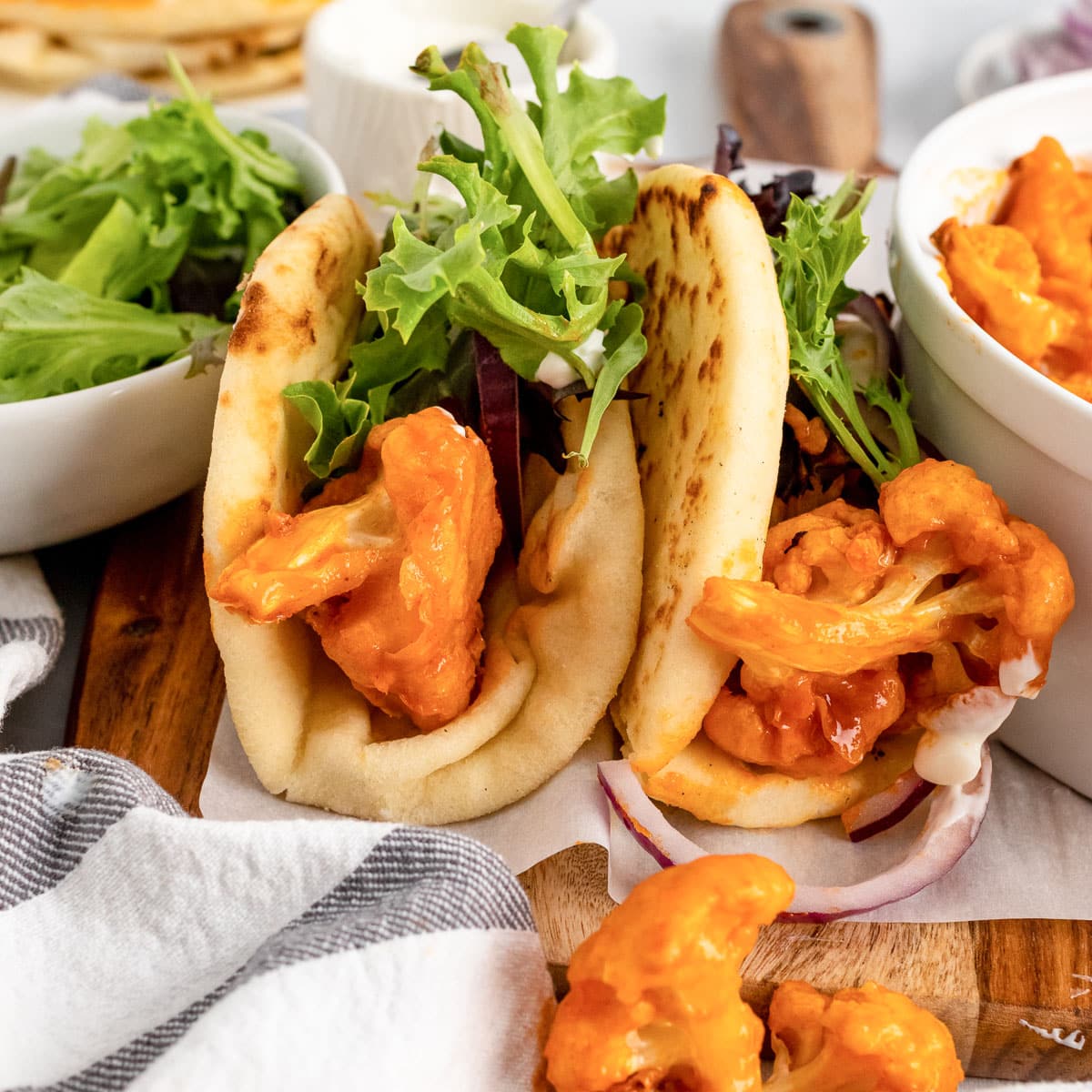
Crispy battered cauliflower gets tossed in tangy buffalo sauce and wrapped up with lettuce, avocado and a cool dairy-free dressing. Go easy on the hot sauce for younger eaters.
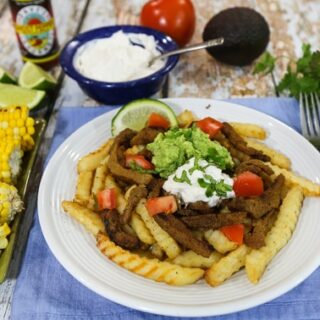
Crispy fries get piled high with chili-seasoned seitan, salsa, guacamole and vegan sour cream. It's a fun, loaded dinner that feels like a special treat.
Tacos, Quesadillas, Nachos and Burritos

Walnuts and mushrooms are pulsed and seasoned with chili powder and cumin for a savory, crumbly taco filling. Set up a taco bar and let everyone build their own.
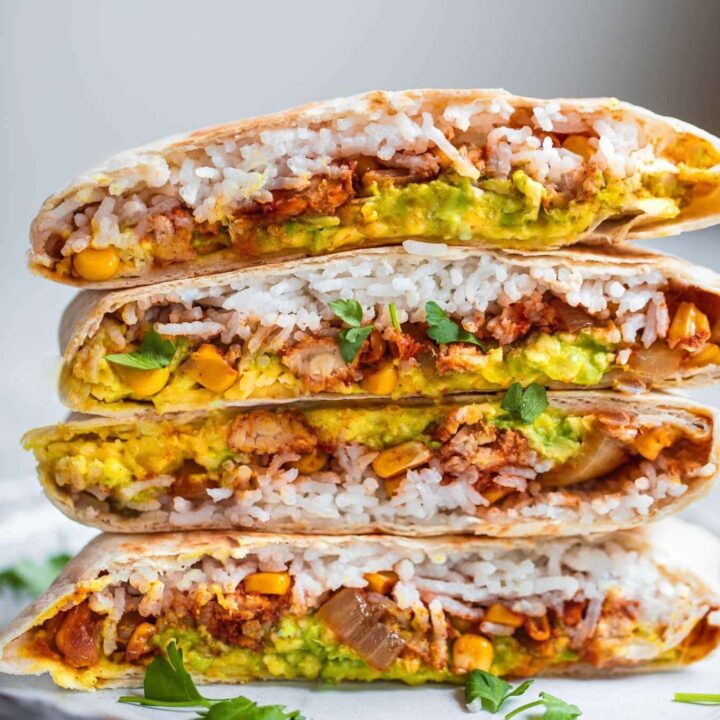
A big tortilla is stuffed with seasoned tempeh, rice, a creamy nacho-style sauce and avocado, then folded and toasted until crisp. It's a homemade take on the fast-food favorite.
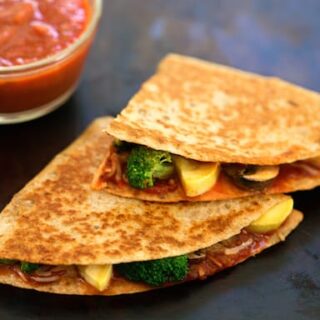
Half pizza, half quesadilla, these crispy tortillas are filled with marinara, melty vegan mozzarella and veggies. They're quick, fun and easy for kids to help make.
Black beans, sweet corn, red pepper and melty dairy-free cheese are tucked into flour tortillas and griddled until golden. Cut them into wedges and serve with salsa.

Tortilla chips are loaded with vegan cheddar, black beans, corn, tomatoes and spinach, then topped with salsa and guacamole. It's a fun, shareable sheet-pan dinner.
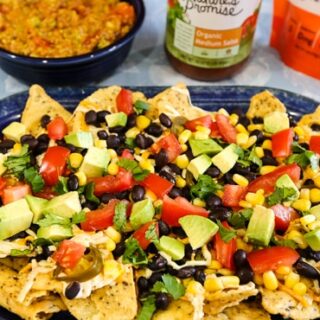
These big, bold nachos stack black beans, melted vegan cheese, avocado and tomatoes over crunchy chips. Put them in the middle of the table and let everyone dig in.
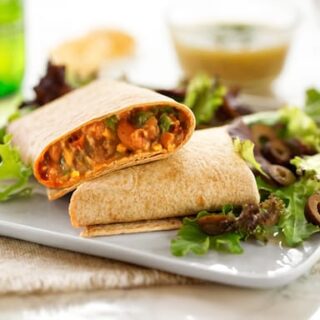
Simmered pinto beans with peppers and cumin get rolled into big tortillas with dairy-free cheese and salsa. They're easy to make ahead and freeze for busy nights.

Corn tortillas are layered flat with enchilada sauce and vegan cheese instead of being rolled, making them easier and faster to assemble. Top with lettuce, olives and tomatoes.
Pizza, Burgers and Sandwiches
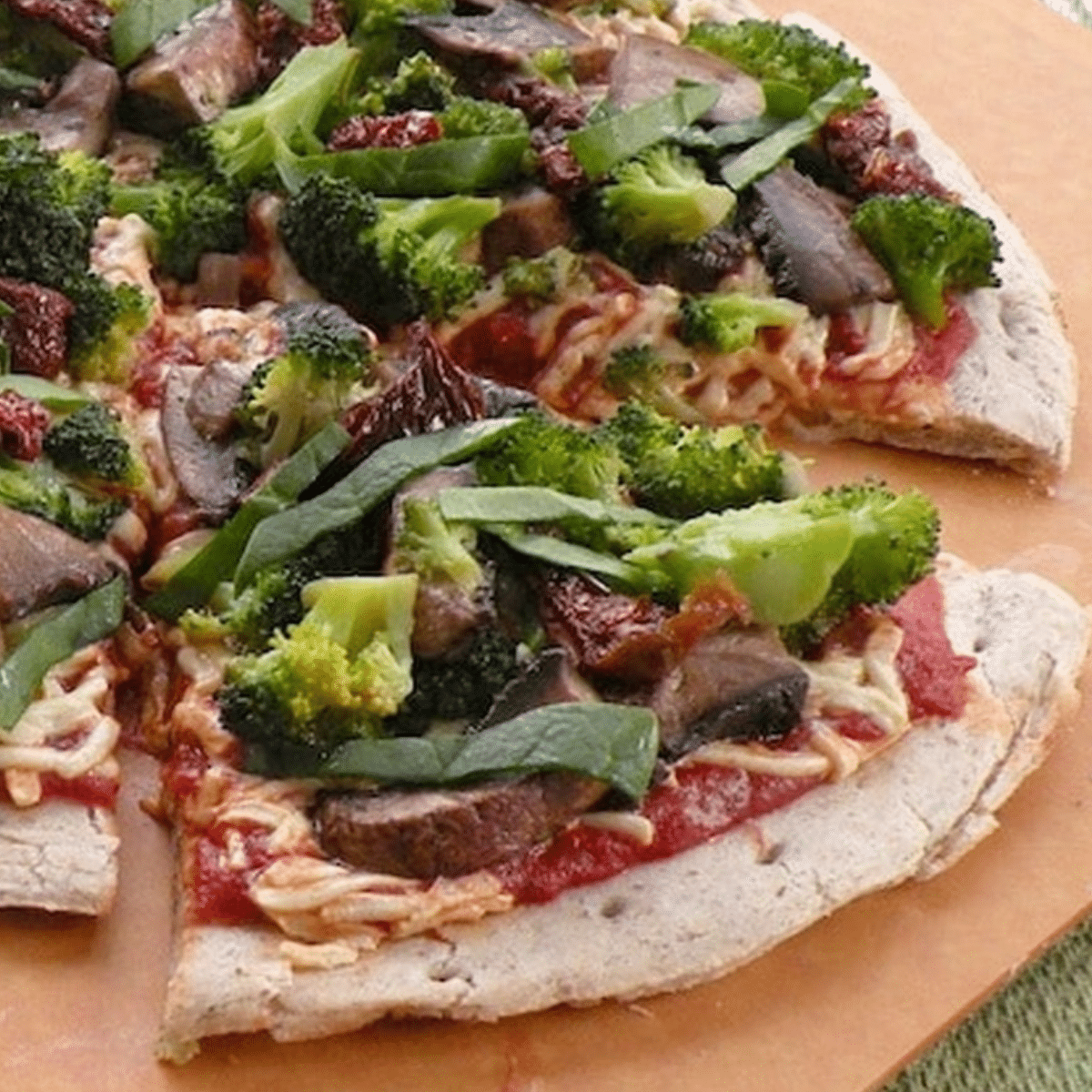
A crisp crust is topped with marinara, melty vegan mozzarella, broccoli, mushrooms and sun-dried tomatoes. Homemade pizza night is always a hit with kids.

These smoky black bean patties are packed with veggies and hold together beautifully on the grill or skillet. Dial back the chipotle for kids and load up the toppings.
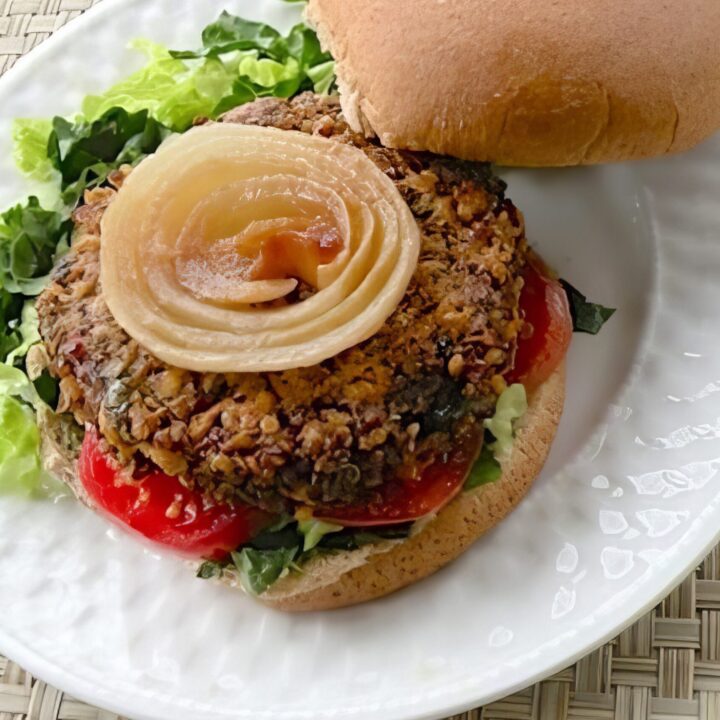
Lentils, quinoa and mushrooms make a hearty, savory patty with a hint of smoky seasoning. They're great on a bun with all the classic burger fixings.
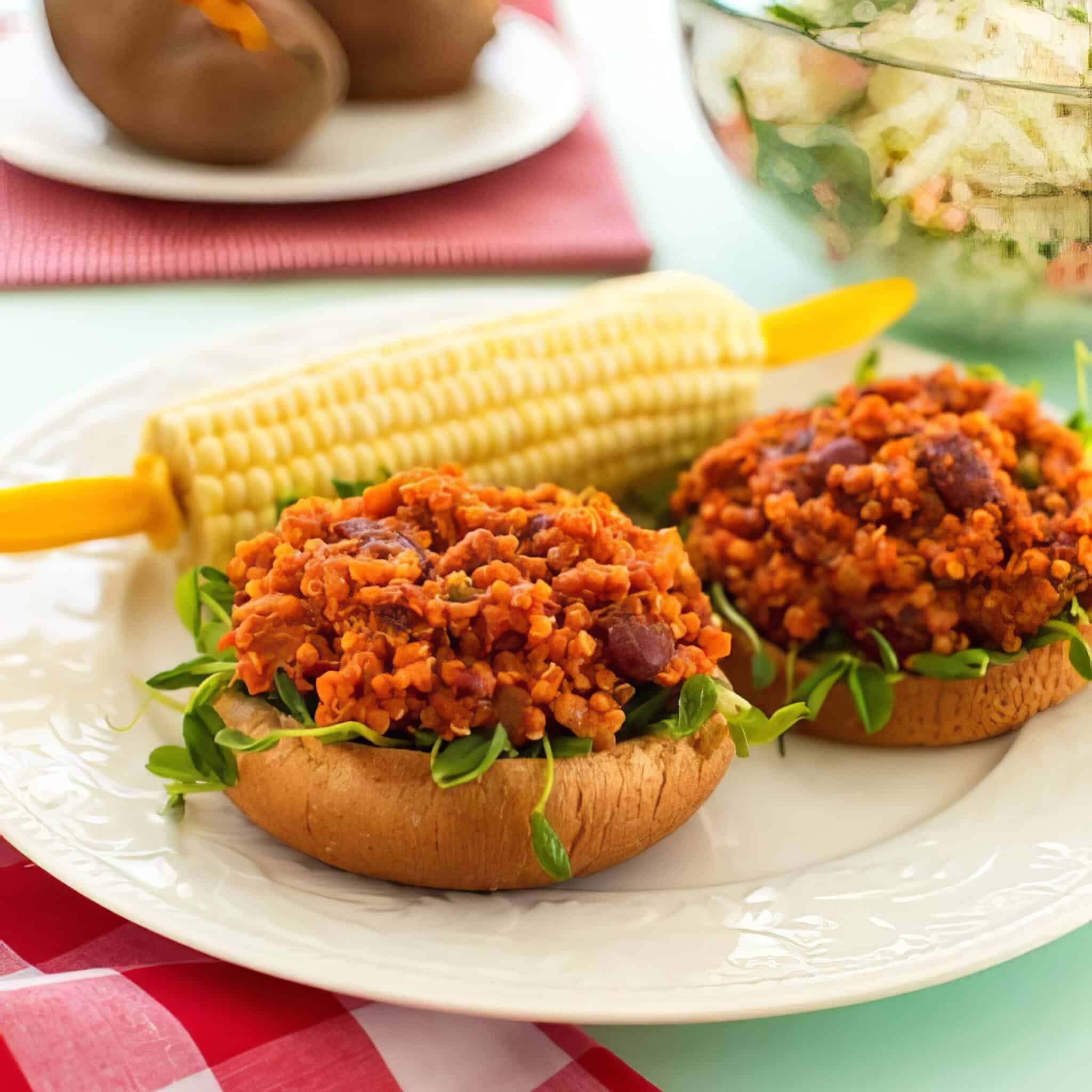
Pinto beans and quinoa simmer in a tangy, slightly sweet tomato sauce for a messy, satisfying sandwich. It's a classic family dinner that's fun to eat.
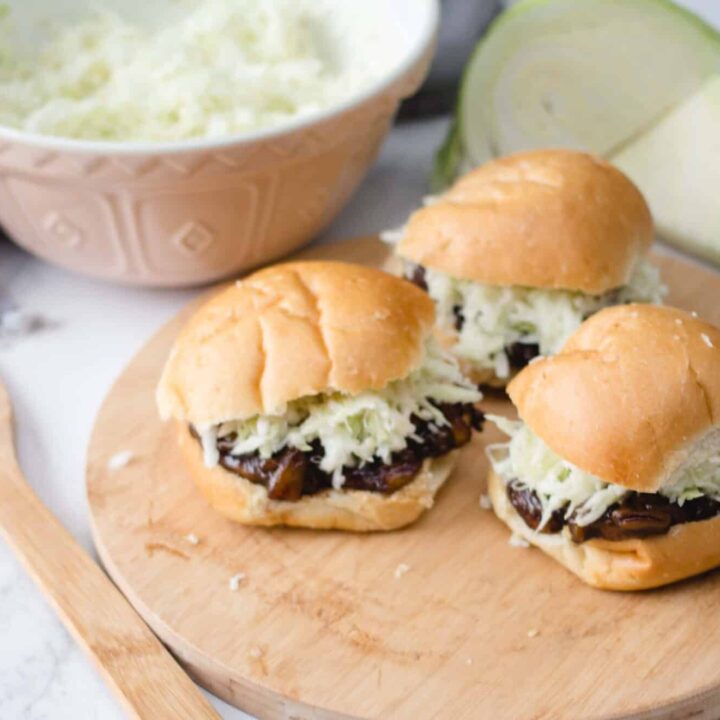
Young jackfruit shreds just like pulled pork and soaks up smoky BBQ sauce. Pile it on buns with creamy coleslaw for an easy, crowd-pleasing dinner.
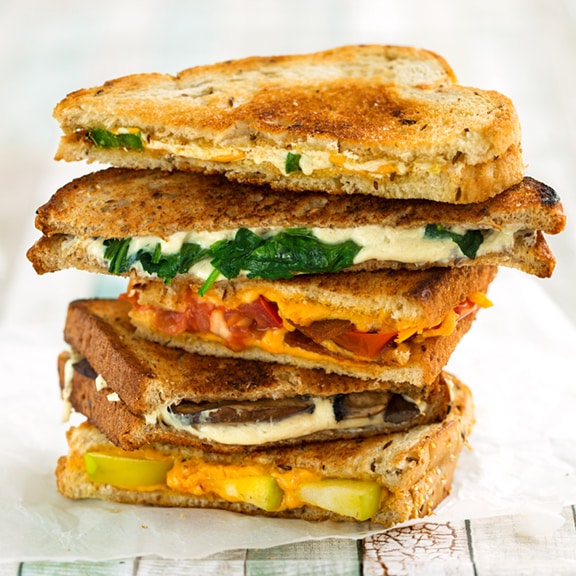
From a classic cheddar melt to versions with vegan bacon, mushrooms or apple, these grilled cheese sandwiches have something for everyone. Pair one with tomato soup for a perfect dinner.
Casseroles and Bakes
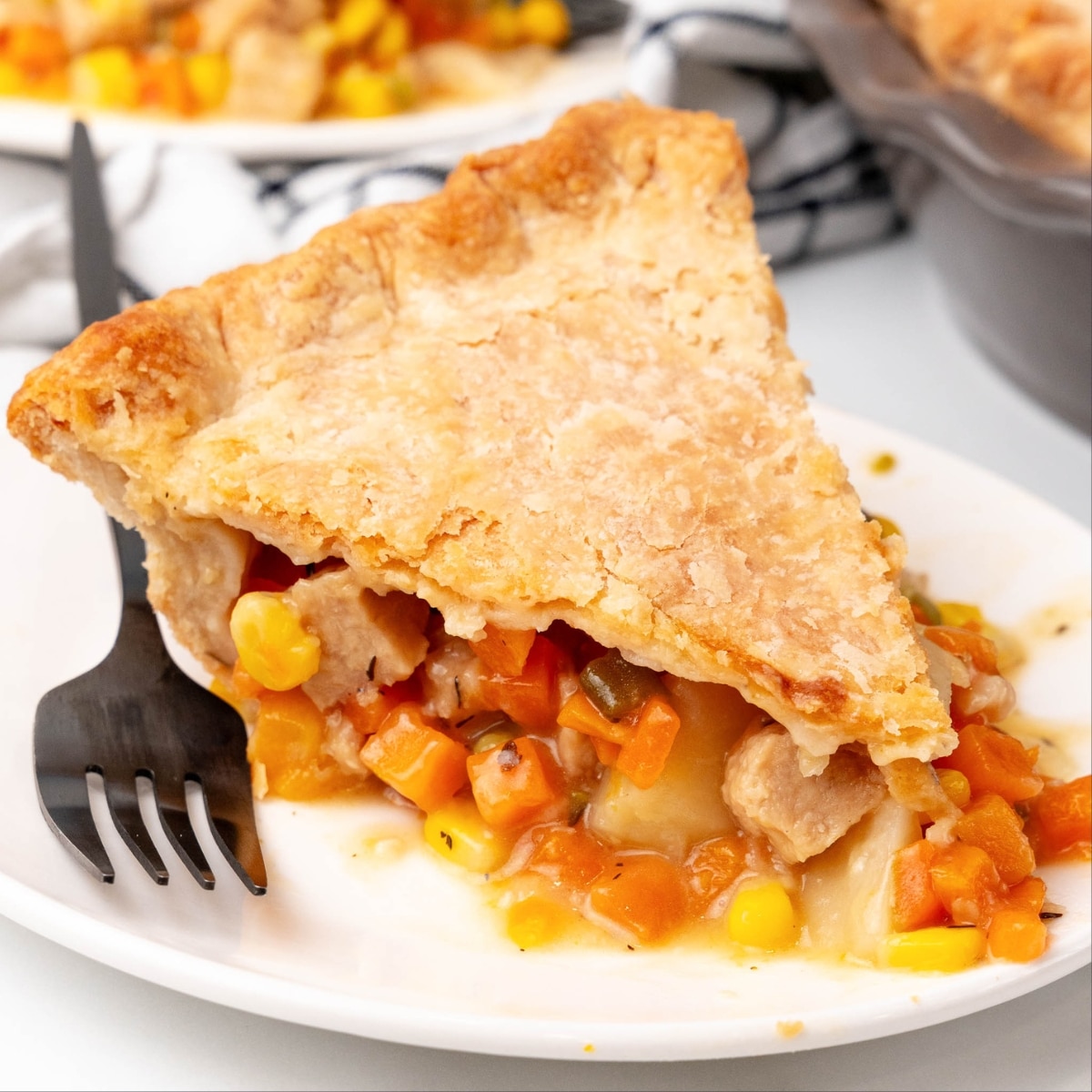
A creamy vegetable and potato filling bakes under a flaky homemade crust in this easy casserole version of pot pie. It's pure comfort food on a cold night.
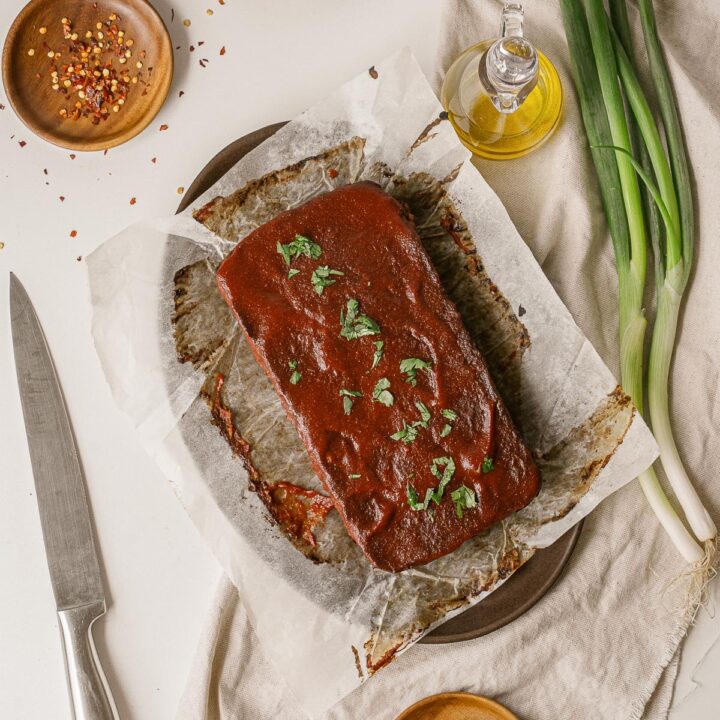
Lentils, walnuts and veggies make a hearty loaf topped with a sweet and tangy tomato glaze. Serve it with mashed potatoes for a classic Sunday-style dinner.
Firm tofu, oats and onion are seasoned with ketchup, mustard and BBQ sauce and baked into a sliceable loaf. It's a retro family favorite that makes great leftover sandwiches too.
Brown rice, finely chopped broccoli and melty vegan cheddar bake together into a cheesy, kid-friendly casserole. It's an easy way to use up leftover rice.
Smoky, maple-sweetened baked beans are topped with a fluffy cornbread layer and baked until golden. It's a hearty, budget-friendly dinner that feeds a crowd.
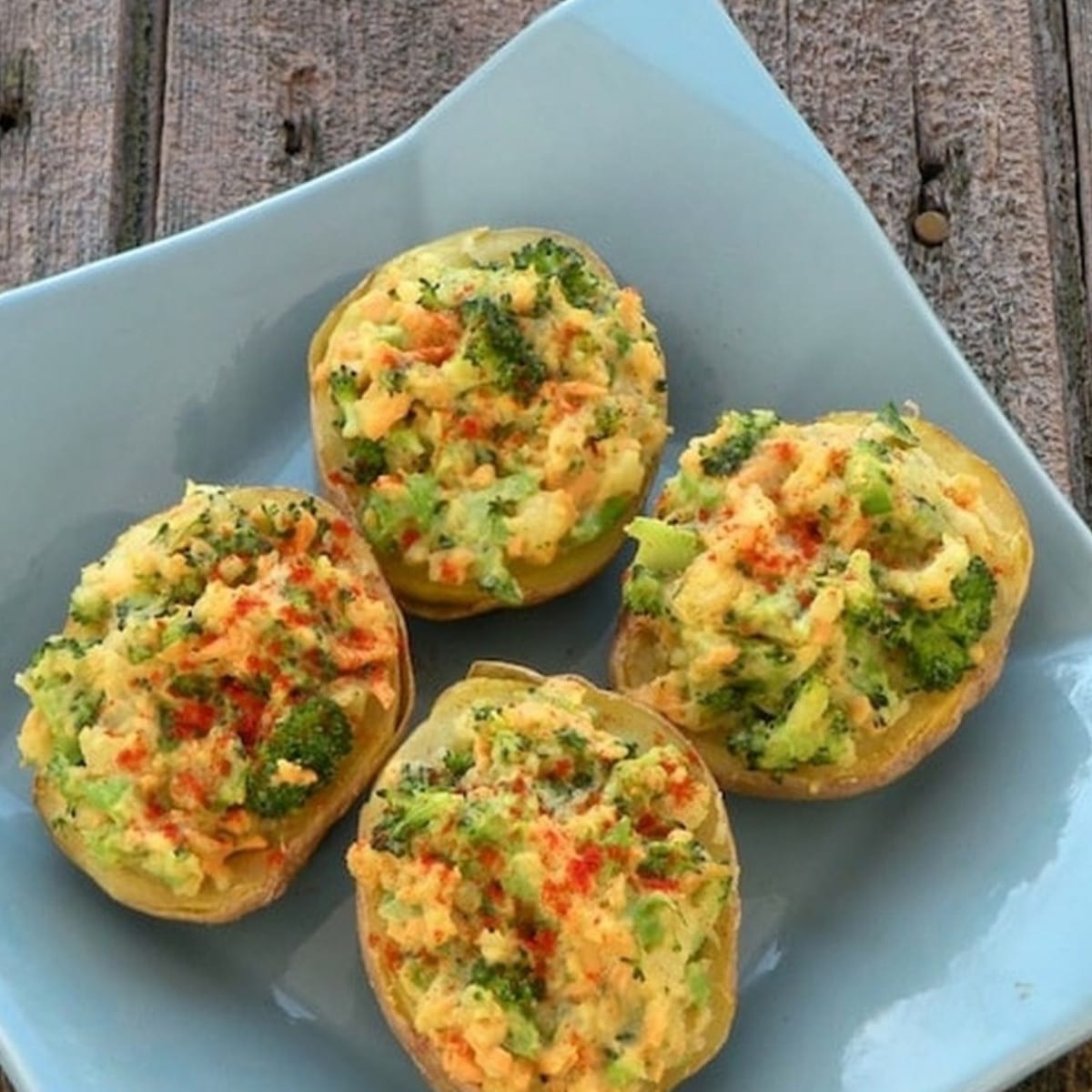
Baked potatoes are scooped, mashed with broccoli and dairy-free cheddar, then stuffed and baked again until golden. Kids love having their own little potato boat.
Takeout-Style Favorites
Frozen mixed vegetables and chickpeas simmer in a mild, creamy coconut curry sauce in just 15 minutes. Serve it over rice for a super-fast weeknight dinner.
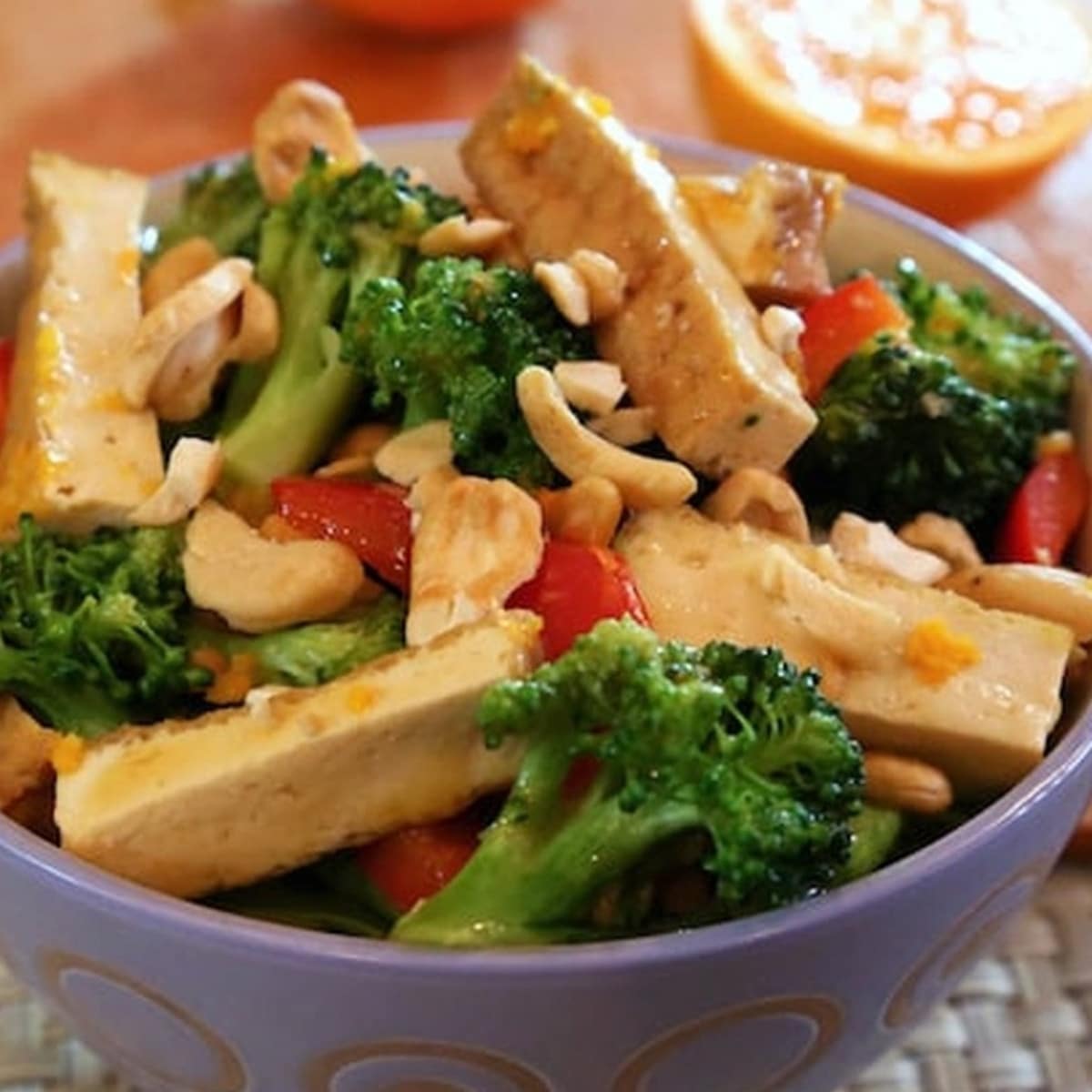
Baked tofu and broccoli are coated in a glossy, sweet orange-ginger sauce that tastes like your favorite takeout. Serve over rice with toasted cashews on top.
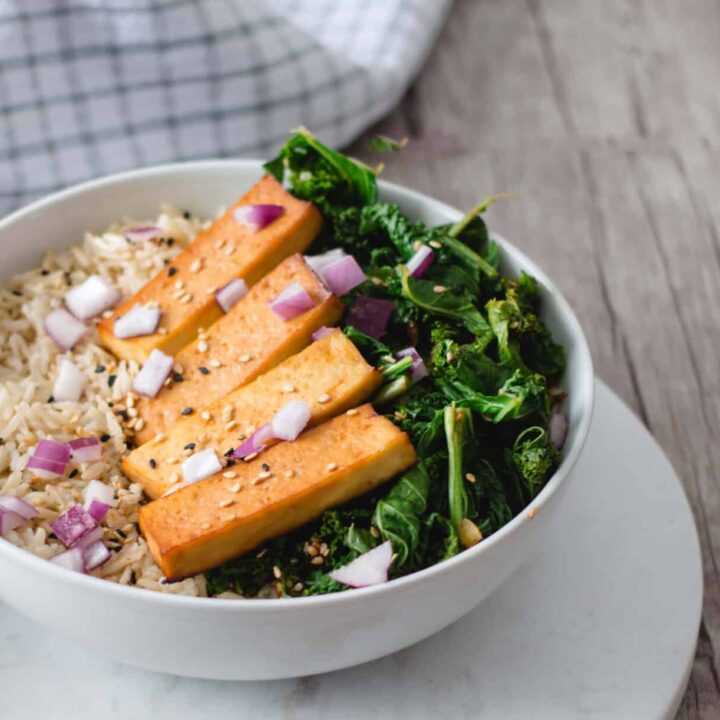
Tofu soaks up a sweet and tangy maple-mustard marinade, then cooks up golden and flavorful. It's an easy protein to serve with rice, noodles or veggies.
Extra-firm tofu is baked until chewy, then coated in a homemade smoky BBQ sauce. Serve it with corn on the cob and coleslaw for a backyard-style dinner any night.
Tips for Easy Family Vegan Dinners
- Let kids build their own. Taco bars, nacho platters and make-your-own pizzas give picky eaters a sense of control, and they're more likely to try what they put together themselves.
- Keep a cheesy-flavor helper on hand. A pouch of nutritional yeast adds savory, cheese-like flavor to pasta sauces, popcorn and tofu nuggets.
- Press your tofu. A tofu press squeezes out extra water so nuggets and baked tofu come out firmer and crispier.
- Lean on sheet-pan dinners. A sturdy half-sheet baking pan handles nuggets, loaded fries and nachos with very little cleanup.
- Cook once, eat twice. Soups, chili, casseroles and bean burritos all freeze well, so make a double batch and save the extras for a busy night.
And if you love these family-friendly vegan dinner recipes, be sure to check out these other kid-approved favorites:
Vegan Mushroom Risotto
Make a delightful and cruelty-free meal with this easy Vegan Mushroom Risotto-a tasty comfort dish that's both easy and takes few ingredients. Lightly seasoned and brimming with simmered mushrooms, enjoy your perfectly cooked risotto.
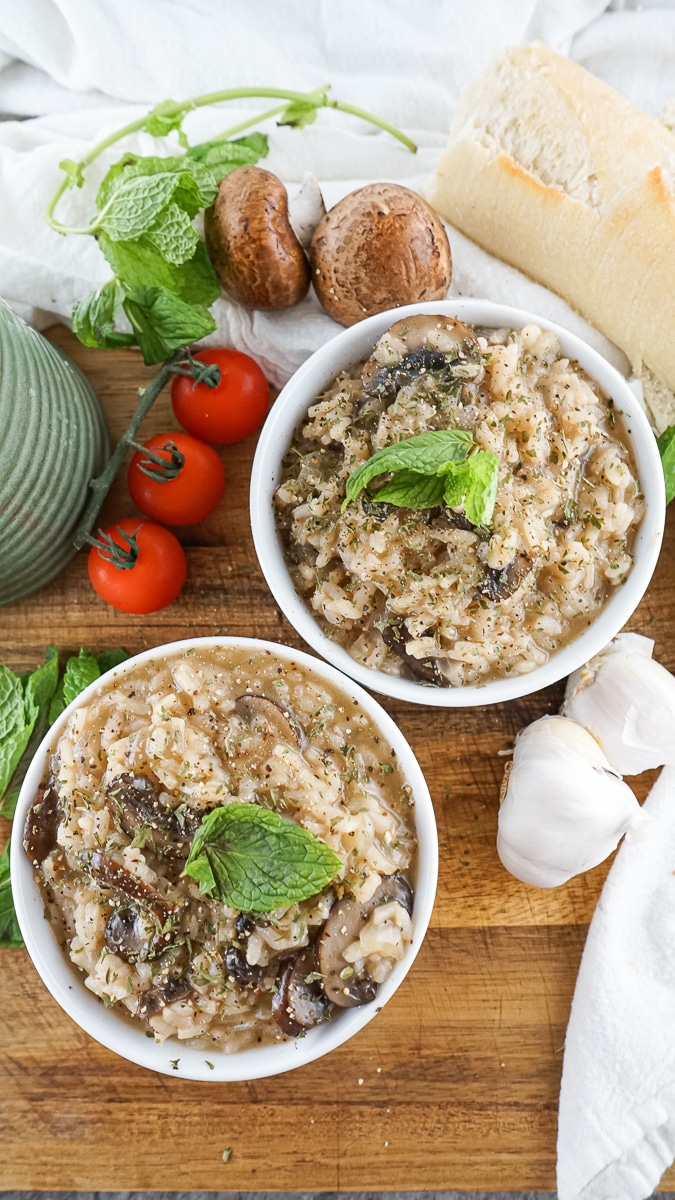
When it comes to rice dishes like this vegan mushroom risotto, Vegan Fried Rice with Tofu, Rice Stuffed Tomatoes, and Spanish Vegan Paella, they're true comfort food. They always leave you extremely satisfied and they truly don't take a ton of effort.
I always feel like it's time for a nap or a good book in front of the fire after a meal like this. I might just include a glass of Vegan Eggnog or a Vegan Chocolate Chip Cookie while I'm at it.
Dishes like this are great for a vegan meal because they can be customized as desired. If you're not a fan of mushrooms, you can always swap it out for another vegetable or add more vegetables to the mixture. You can also adjust the seasonings and thickness of the meal to your preferences. This risotto recipe is pure gold and the perfect go-to dinner dish.
How to Make Vegan Mushroom Risotto from Scratch
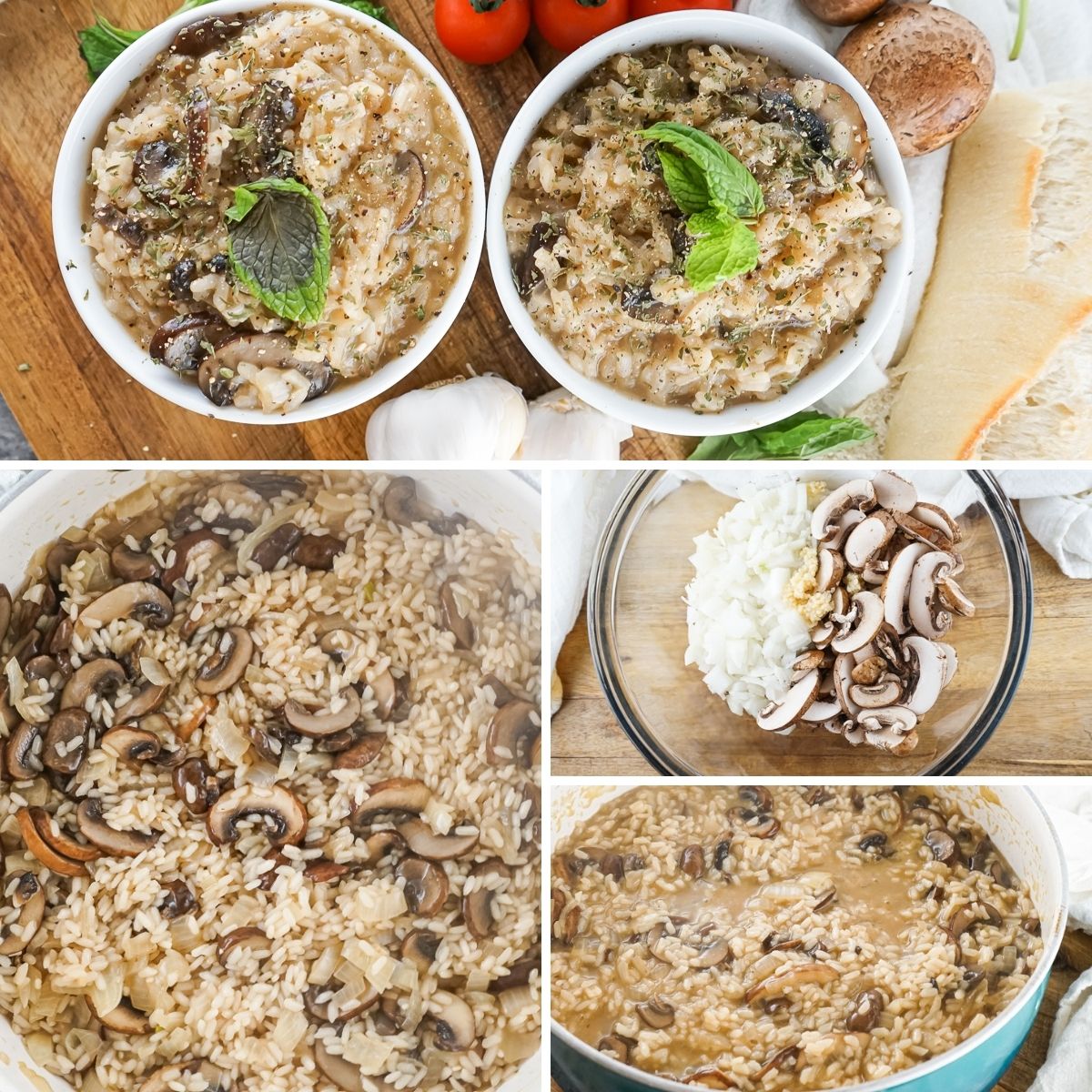
- Saute - Heat some oil in a pot and saute the onion, garlic, and mushrooms until the onions are translucent. Cover pot until mushrooms release water. Add the rice and saute for a couple of minutes.
- Simmer - Add half the stock and let simmer for 15-20 minutes. Add half of the remaining stock and let simmer for another 10 minutes. Add the last of the stock and simmer for another 5-10 minutes.
- Season - Season with salt and pepper, to taste. Serve with some fresh herbs on top and enjoy!
Tips and Variations
- Storage - Store in a sealed container, in the fridge, for up to 5 days. Store in an airtight container, in the freezer, for up to 2 months.
- Reheating - Reheat in the microwave or over the stove. Be sure to add a bit of broth or water so the rice won't be dried out upon reheating.
- Add more vegetables - This recipe is easy when it comes to adding ingredients. I love adding in some spinach, cabbage, zucchini, etc. Whatever you like! Just remember to ensure those veggies are cooked appropriately as you don't want to be biting into crunchy, uncooked veggies.
- Use other rice options - If you can't find arborio rice, you can always use carnaroli rice, sushi rice, or similar short-grain rice.
- Make it thinner - Add more vegetable stock and simmer a little less for a thinner risotto.
- Make it thicker - You can mash the rice a bit or lighten up on the stock in order to make it thicker.
- Make it creamy - Swap out some of the stock for full fat coconut milk. This will make the rice and sauce creamier and add another bit of flavor to the mix.
- Make it with leftover rice - If you have leftover rice you can skip the long simmering period and just toss in the rice. Be sure to reduce the stock by about half or more.
Vegan Mushroom Risotto FAQs
What Goes with Mushroom Risotto?
Since rice is such a widely encompassing ingredient, there are tons of side dishes that go well with this mushroom risotto recipe. A light soup is always one of my go-tos such as Vegan Cream of Broccoli Soup, Leek and Potato Soup with Watercress, or Vegan Cream of Asparagus Soup. I always love to add in Nut-Stuffed Mushrooms, Vegan Cornbread, or even a Cucumber Tomato Salad. Get creative because the sky's the limit with side dishes on this one.
Is Risotto a Main Dish?
Risotto is an Italian rice dish made with short-grain rice like arborio (it's sometimes mistaken for a type of rice or even a type of pasta). So, in and of itself, it's commonly served as a side dish. However, like this risotto recipe, it can be turned into a main dish by adding a few simple ingredients. For a vegan dish, this is often various vegetables and the risotto is cooked in vegetable broth.
If you decide to give this Vegan Mushroom Risotto a try, please let me know in the comments below or on social media!
Other Dinner Recipes You Might Like:
- Vegan Pesto Pasta
- Vegan Ramen Miso Soup
- Vegan Carrot Soup
- Rice and Pecan-Stuffed Squash
- Curried Coconut Bean Thread Noodles
Recipe
Vegan Mushroom Risotto
Make a delightful and cruelty-free meal with this easy Vegan Mushroom Risotto. A tasty comfort dish that's both easy and takes few ingredients. Lightly seasoned and brimming with simmered mushrooms and perfectly cooked risotto.
Print
Pin
Save
Servings: servings
Ingredients
- 6 cups vegetable stock
- 16 ounces mushrooms sliced
- 1 ½ cups arborio rice
- 1 onion diced
- 2 tablespoons olive oil
- 1 tablespoon garlic minced
- salt and pepper to taste
Instructions
- Heat up olive oil in a pot. Saute onion, mushrooms, and garlic until the onions are tender (about 3-5 minutes).
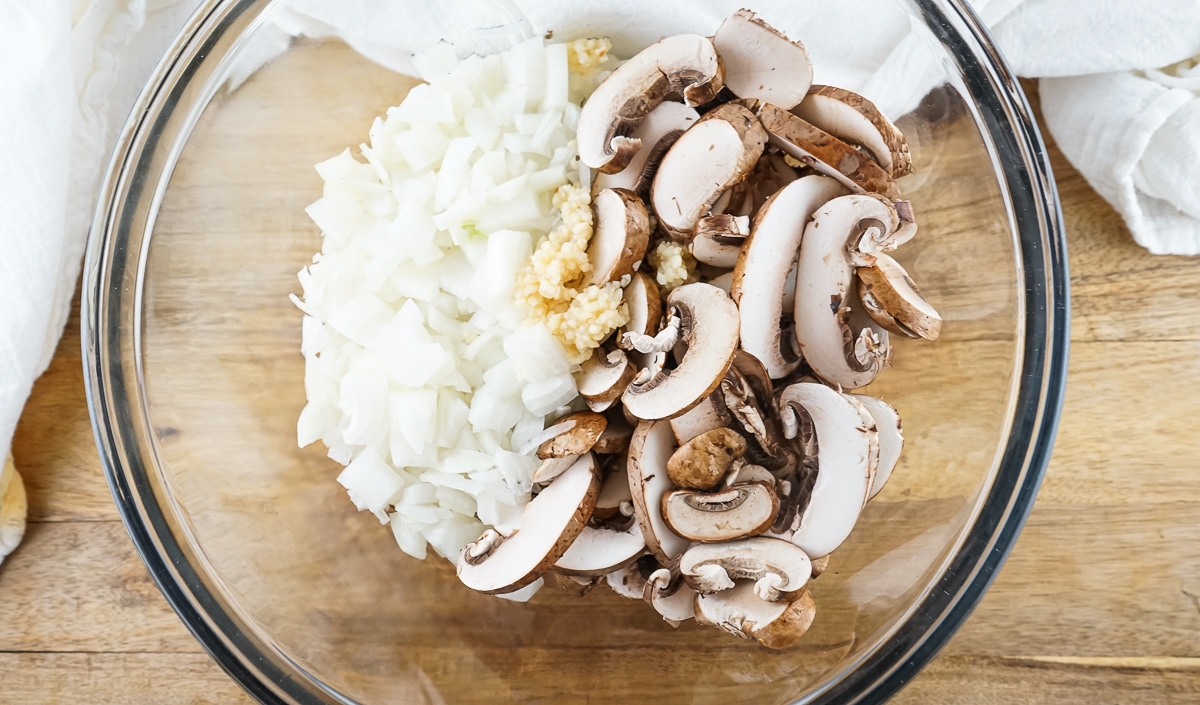
- Cover the pot until the mushrooms have released water (5-7 minutes).
- Add the rice to saute with the vegetables for 2-3 minutes.
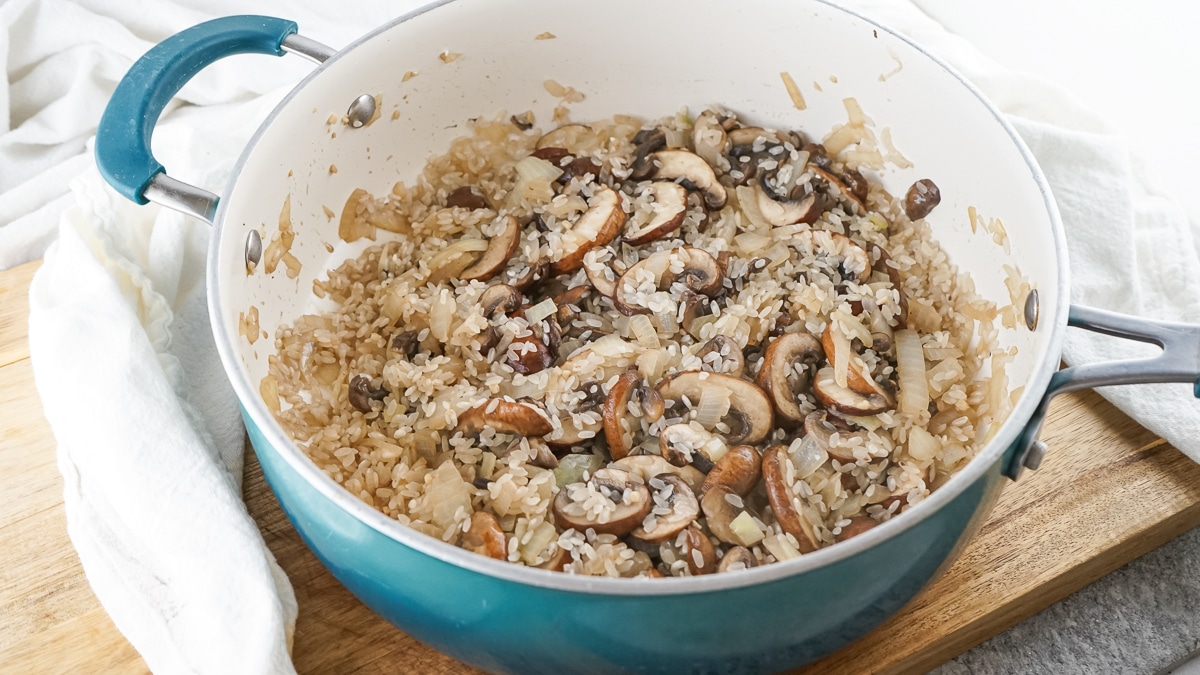
- Stir in 3 cups of vegetable stock and cover. Let simmer, stirring occasionally, for 15-20 minutes or until the stock has been absorbed.
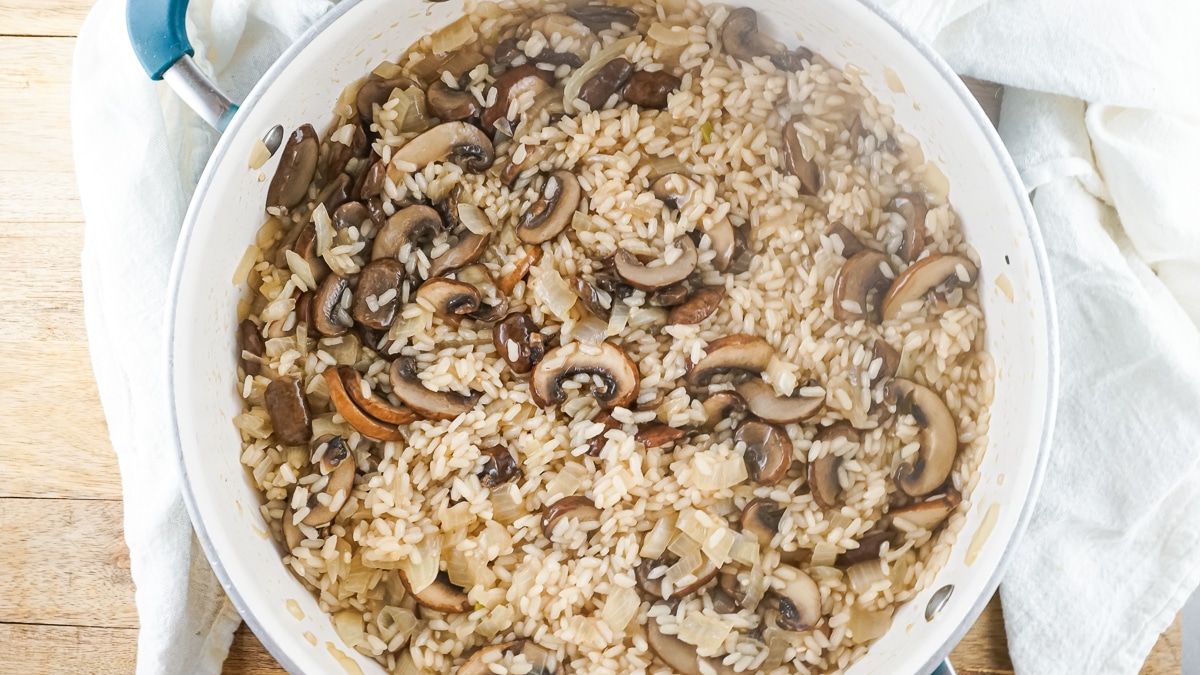
- Add another 1 ½ cups of stock and let simmer, stirring occasionally, for another 10 minutes or until the stock has been absorbed.
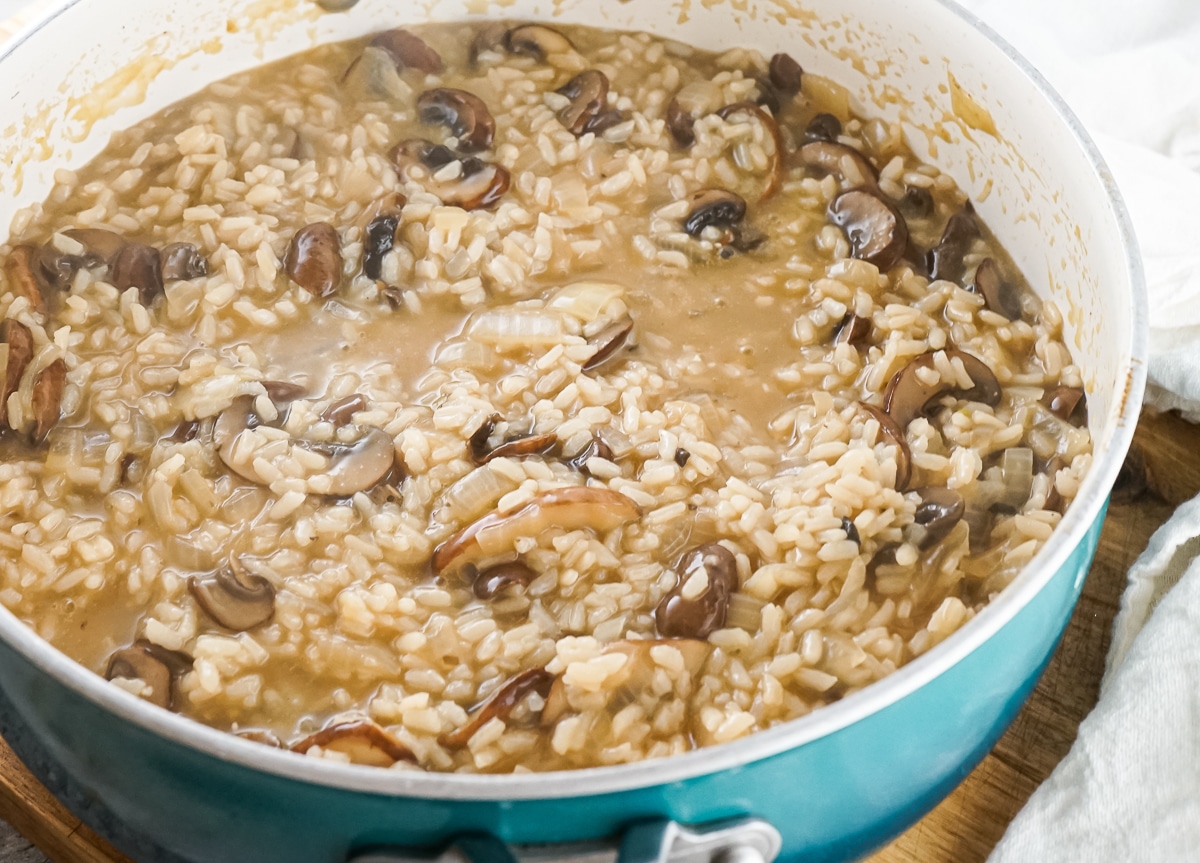
- Add the last 1 ½ cups of stock and let simmer, stirring occasionally, for 5-10 minutes or until it is absorbed and the rice is creamy and tender.
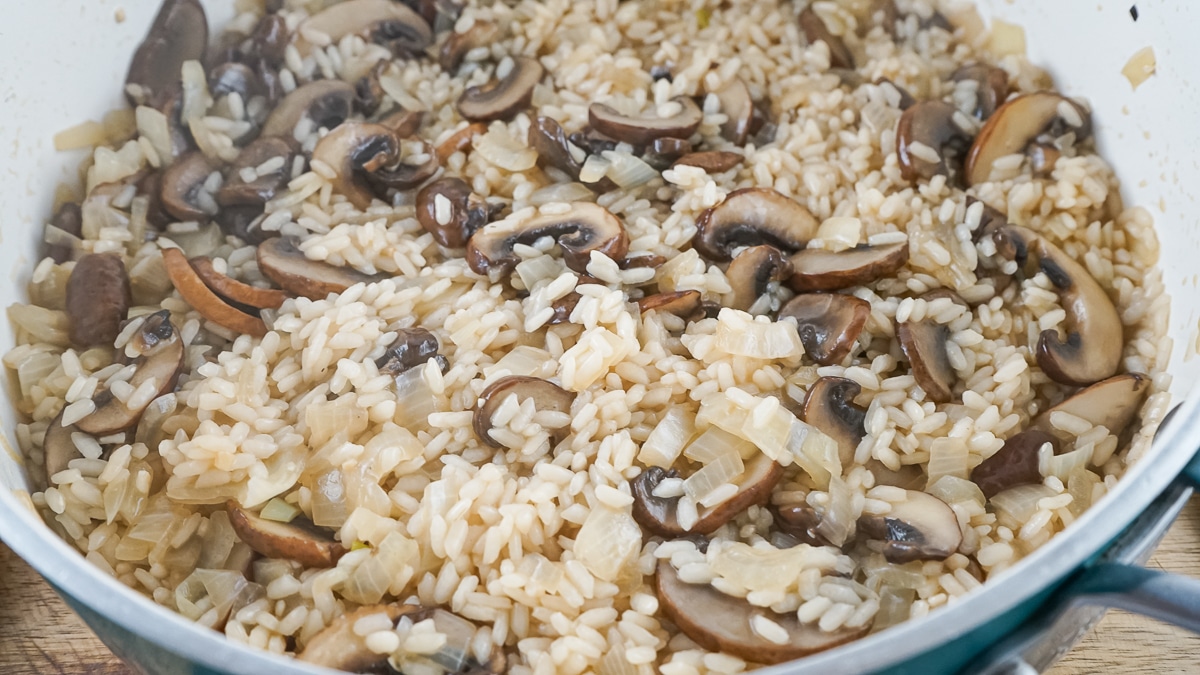
- Season with salt and pepper to taste. Serve topped with fresh herbs, if desired.
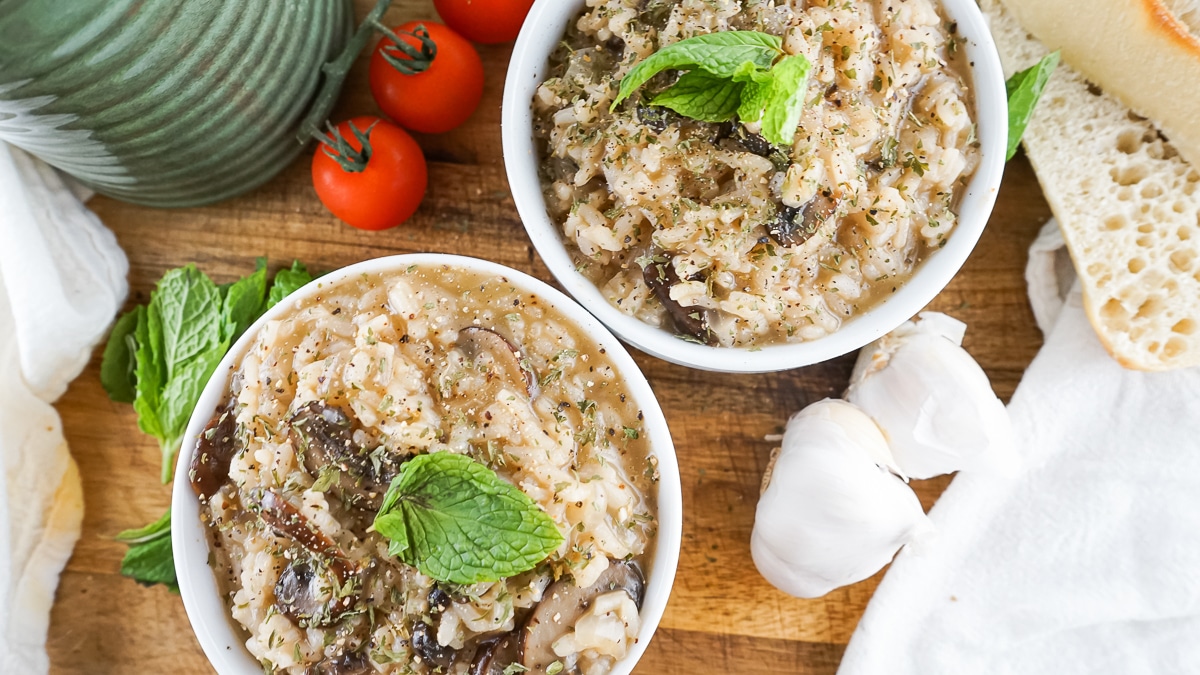
Nutrition (Estimate per Serving)
Calories: 387kcalCarbohydrates: 71gProtein: 9gFat: 8gSaturated Fat: 1gPolyunsaturated Fat: 1gMonounsaturated Fat: 5gSodium: 1418mgPotassium: 466mgFiber: 4gSugar: 6gVitamin A: 752IUVitamin C: 5mgCalcium: 16mgIron: 4mg
Vegan-ize any recipe!Grab our free vegan cheat sheet, packed with my favorite easy substitutions to make any recipe vegan.
Za'atar Pumpkin Quinoa Pilaf
This za'atar pumpkin quinoa pilaf is a jewel-toned fall side dish: fluffy quinoa scented with cinnamon, cardamom and bay, topped with za'atar-roasted squash, sweet persimmon, pomegranate seeds, pistachios and fresh cilantro. It's vegan, naturally gluten-free, and pretty enough for a holiday table.
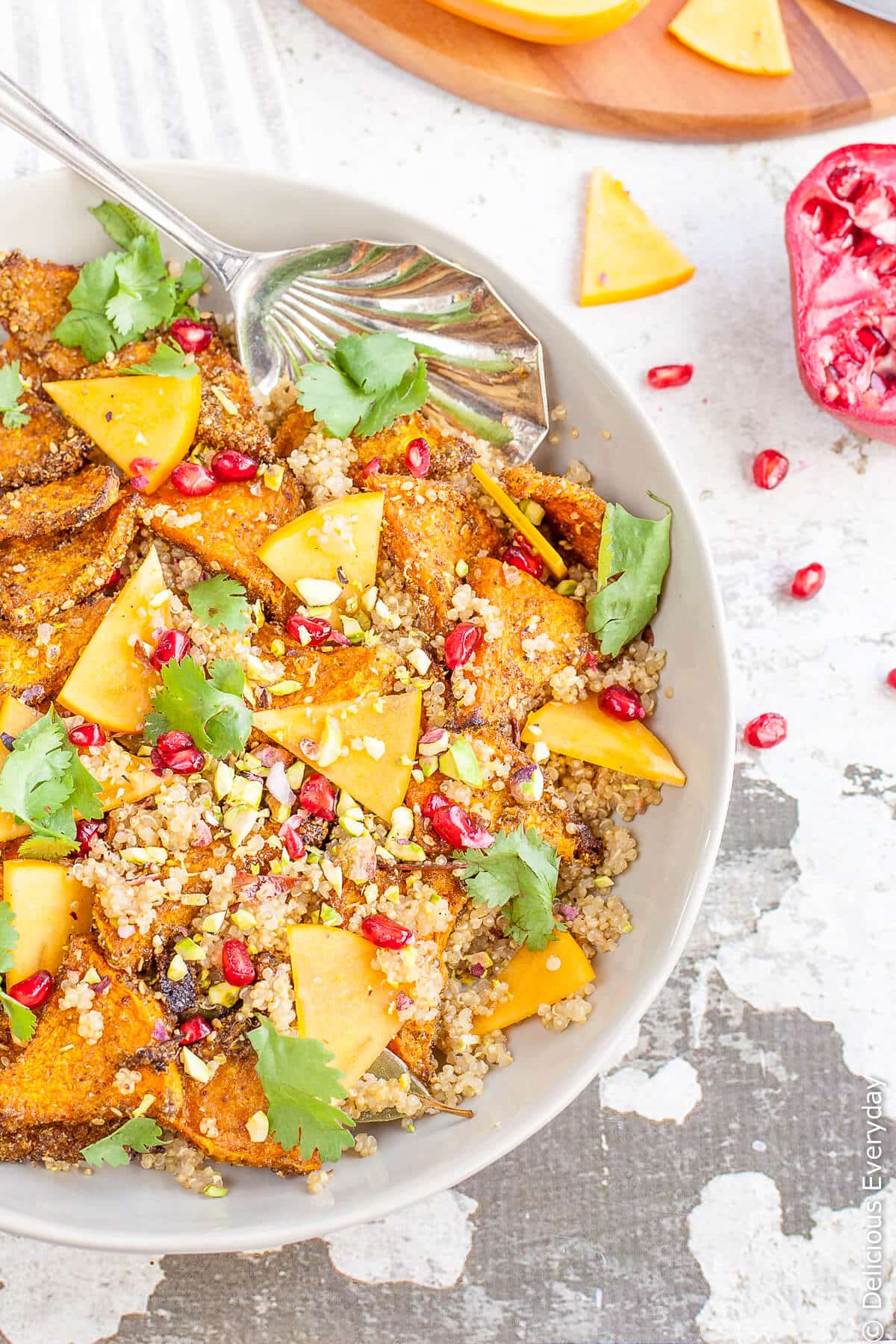
The magic is in the layers of flavor. Tossing the pumpkin in za'atar, a Middle Eastern blend of thyme, tangy sumac and toasted sesame seeds, before roasting gives it caramelized, herby edges. The quinoa simmers with whole spices so every bite is subtly fragrant, and the fruit, nuts and herbs on top add juicy, crunchy, fresh contrast. Serve it as a side, or as a light main with a scoop of hummus.
Key Ingredients & Substitutions
- Butternut squash. Also called butternut pumpkin, it roasts up sweet and tender. Kabocha, red kuri, sugar pumpkin or even sweet potato all work the same way.
- Za'atar. This tangy, herby spice blend is what makes the dish special. Look for za'atar in the spice aisle or at Middle Eastern grocers. In a pinch, mix dried thyme, a little sumac or lemon zest, and toasted sesame seeds.
- Quinoa. White quinoa cooks up light and fluffy for a pilaf. Red or tricolor quinoa add a nuttier bite and hold their shape a little more. Always rinse it first to remove the bitter coating.
- Whole spices. A cinnamon stick, a few lightly crushed cardamom pods and bay leaves perfume the quinoa as it cooks. If you only have ground spices, use a pinch of cinnamon and ¼ teaspoon of ground cardamom instead.
- Shallot. Sautéed until golden, it gives the pilaf a gentle sweetness. Half a small onion works too.
- Persimmon. Crisp Fuyu persimmons taste like a cross between an apple and a peach, with a hint of spice. They're optional. Swap in sliced pear, apple or dried apricots if you can't find them.
- Pomegranate, pistachios and cilantro. The finishing trio adds juicy pops, crunch and freshness. Toasted almonds or pepitas can replace the pistachios, and parsley or mint can stand in for cilantro.
How to Make Za'atar Pumpkin Quinoa Pilaf
Start by tossing wedges of peeled squash with olive oil, za'atar and a pinch of salt, then roast them on a lined baking sheet until tender and caramelized around the edges.
While the squash roasts, rinse the quinoa well. Sauté the shallot with the cinnamon stick, cardamom pods and bay leaves in a little oil until golden and fragrant, then stir in the quinoa and toast it for a couple of minutes. Add the vegetable stock, bring it to a simmer, cover and cook on low until the quinoa is tender and the liquid is absorbed.
Fluff the quinoa with a fork, remove the whole spices, and stir in the lemon zest. Spoon it onto a platter, then top with the roasted squash, persimmon, pomegranate seeds, pistachios and cilantro.
Helpful Tips
Rinse the quinoa. Quinoa has a natural coating called saponin that can taste soapy or bitter. A good rinse in a fine-mesh strainer takes care of it.
Give the squash space. Spread the pieces in a single layer with a little room between them so they roast and caramelize instead of steaming. Use two trays if needed.
Toast the quinoa. Stirring the rinsed quinoa in the pan with the shallot and spices for a few minutes before adding the stock gives it a nuttier flavor and helps the grains stay separate and fluffy.
Let it rest. Once the liquid is absorbed, turn off the heat and leave the pot covered for 5 minutes. The quinoa finishes steaming and fluffs up beautifully.
Add the toppings just before serving. Scatter the fruit, nuts and herbs on at the last minute so the pistachios stay crunchy and the cilantro stays bright.
Variations
- Add chickpeas. Roast a can of drained chickpeas with the squash for extra protein and turn the pilaf into a hearty main.
- Greens. Stir a couple of handfuls of baby spinach or chopped kale into the hot quinoa so it wilts.
- Different grain. Make it with bulgur, farro, couscous or brown rice, adjusting the liquid and cooking time as needed.
- Sweeter. Add a handful of dried cranberries, golden raisins or chopped dates to the quinoa.
- Tahini drizzle. Whisk tahini with lemon juice, water and a pinch of salt and drizzle it over the top.
- Spicier. Sprinkle the squash with a pinch of Aleppo pepper or chili flakes along with the za'atar.
Serving Ideas
This pilaf is a stunning side for Thanksgiving or any fall dinner. Serve it alongside rice and pecan-stuffed squash, a big green salad, or a bowl of roasted vegetable pumpkin soup.
To make it a main dish, add chickpeas or crispy baked tofu, and serve it with hummus, warm pita and a drizzle of tahini. It's also great packed into lunch containers, since it tastes good warm, at room temperature or even cold.
Storing & Freezing
Store the pilaf and roasted squash in an airtight container in the refrigerator for up to 4 days. For the best texture, keep the pistachios, pomegranate and cilantro separate and add them just before serving. Reheat in the microwave or a covered skillet with a splash of water, or enjoy it cold as a salad.
The quinoa and roasted squash can be frozen (without the fresh toppings) for up to 3 months. Thaw overnight in the fridge and reheat gently, then add fresh fruit, nuts and herbs. Persimmon and pomegranate don't freeze well, so always add them fresh.
More Vegan Grain Dishes
If you loved this recipe, here are a few more you might enjoy:
- Vegan Wild Rice Pilaf with Spinach and Almonds
- Tabbouleh Salad (with Quinoa, Bulgur, or Couscous)
- 25 Vegan Butternut Squash Recipes
- 34 Vegan Mediterranean Diet Recipes
Recipe
Za'atar Pumpkin Quinoa Pilaf
Fluffy quinoa pilaf scented with cinnamon, cardamom and bay, topped with za'atar-roasted squash, persimmon, pomegranate, pistachios and cilantro. A vegan, gluten-free fall side dish.
Print
Pin
Save
Servings: side servings
Equipment
- Medium saucepan with lid
Ingredients
- 1 lb butternut squash peeled, seeded and cut into wedges (about 3 cups)
- 1½ tablespoon za'atar
- 1½ tablespoon olive oil divided
- 1 shallot diced
- 1 cup quinoa rinsed and drained
- 1 cinnamon stick
- 4 cardamom pods lightly crushed
- 3 bay leaves
- 1¼ cups vegetable stock
- zest of ½ lemon
- ½ Fuyu persimmon sliced (optional)
- ¼ cup pomegranate seeds
- ¼ cup pistachios toasted and roughly chopped
- ½ cup fresh cilantro roughly chopped
- salt and pepper to taste
Instructions
- Preheat the oven to 350°F (180°C) and line a baking sheet with parchment paper.
- Toss the squash with half the olive oil, the za'atar and a couple of pinches of salt. Spread in a single layer and roast for 25 to 30 minutes, until tender and lightly caramelized.
- Meanwhile, heat the remaining oil in a medium saucepan over medium-low heat. Add the shallot, cinnamon stick, cardamom pods and bay leaves and cook, stirring, until the shallot is golden, about 5 minutes.
- Add the rinsed quinoa and stir for 2 minutes to toast. Pour in the vegetable stock with a pinch of salt and bring to a simmer.
- Cover, reduce the heat to low and cook for 15 minutes, until the quinoa is tender and the liquid is absorbed. Remove from the heat and let stand, covered, for 5 minutes.
- Remove the whole spices, fluff the quinoa with a fork and stir in the lemon zest. Season with salt and pepper to taste.
- Spoon the pilaf onto a platter and top with the roasted squash, persimmon, pomegranate seeds, pistachios and cilantro. Serve warm or at room temperature.
Notes
Serves 6 as a side or 3 to 4 as a main (add a can of chickpeas to make it heartier).
If you can't find persimmon, leave it out or use sliced pear or apple.
Inspired by Za'atar Roasted Chicken with Pilaf from May 2016 Gourmet Traveller.
Nutrition (Estimate per Serving)
Serving: 1servingCalories: 198kcalCarbohydrates: 34gProtein: 5gFat: 6gSaturated Fat: 1gPolyunsaturated Fat: 1gMonounsaturated Fat: 3gSodium: 202mgPotassium: 506mgFiber: 5gSugar: 5gVitamin A: 8495IUVitamin C: 19mgCalcium: 69mgIron: 2mg
Vegan-ize any recipe!Grab our free vegan cheat sheet, packed with my favorite easy substitutions to make any recipe vegan.
26 Fun & Creative Broccoli Recipes
Broccoli might be an everyday vegetable, but it's anything but boring once you start getting creative with it. From sizzling stir-fries to creamy soups, cheesy casseroles, and even broccoli "wings," this humble veggie can do a lot more than sit quietly on the side of your plate.
We've rounded up 26 of our favorite fun and creative broccoli recipes from VegKitchen and around the web, so you'll never run out of new ways to enjoy this nutritional powerhouse.
26 Fun & Creative Broccoli Recipes
This pizza proves broccoli belongs on more than just the dinner plate. Roasted broccoli and mushrooms keep their flavor concentrated and their texture from turning soggy, while sun-dried tomatoes add a tangy punch to every slice.
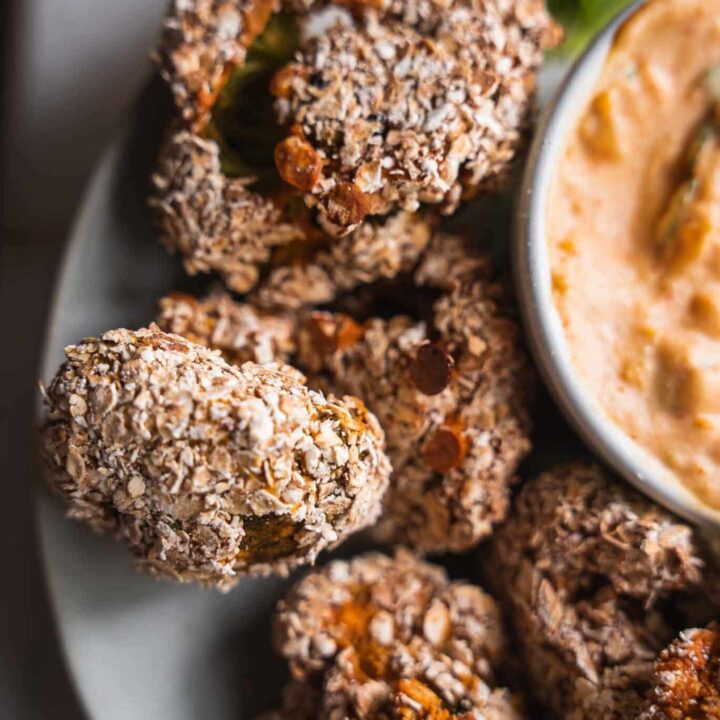
Broccoli florets get battered and baked until crunchy outside and tender inside, then served with a completely dairy-free spicy cheesy dip. It is a genuinely fun, shareable way to convert broccoli skeptics, and it is gluten-free too.
Sturdy potato shells get filled with a creamy mash of broccoli, scallions, and melty cheddar-style nondairy cheese, then baked a second time until gooey and piping hot. It turns classic broccoli-and-cheese comfort food into a fun, hand-held main dish.
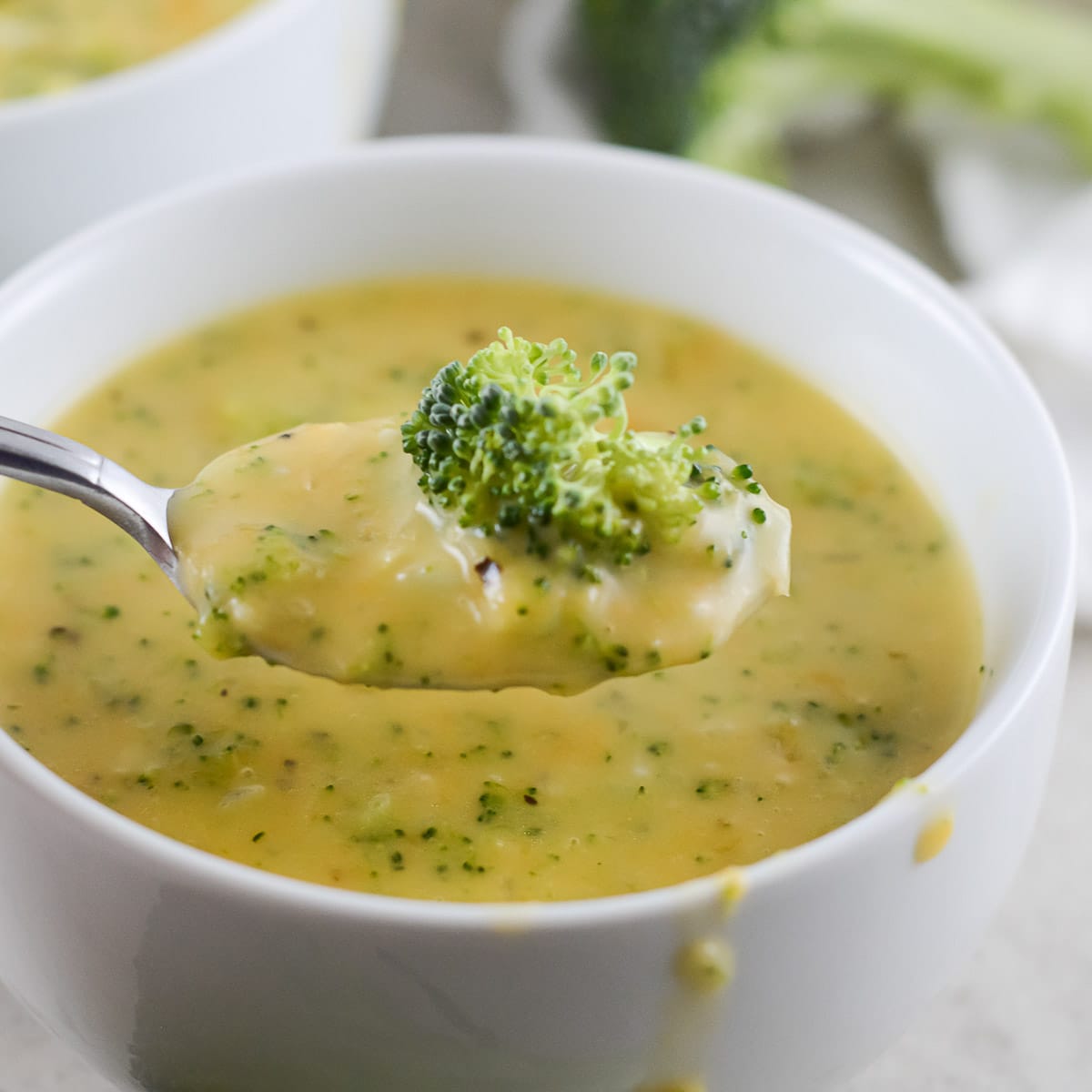
This plant-based take on classic broccoli cheddar soup is rich, creamy, and every bit as cheesy as the dairy version it is inspired by. It is the kind of cozy bowl that will have the whole family doing a happy dance.
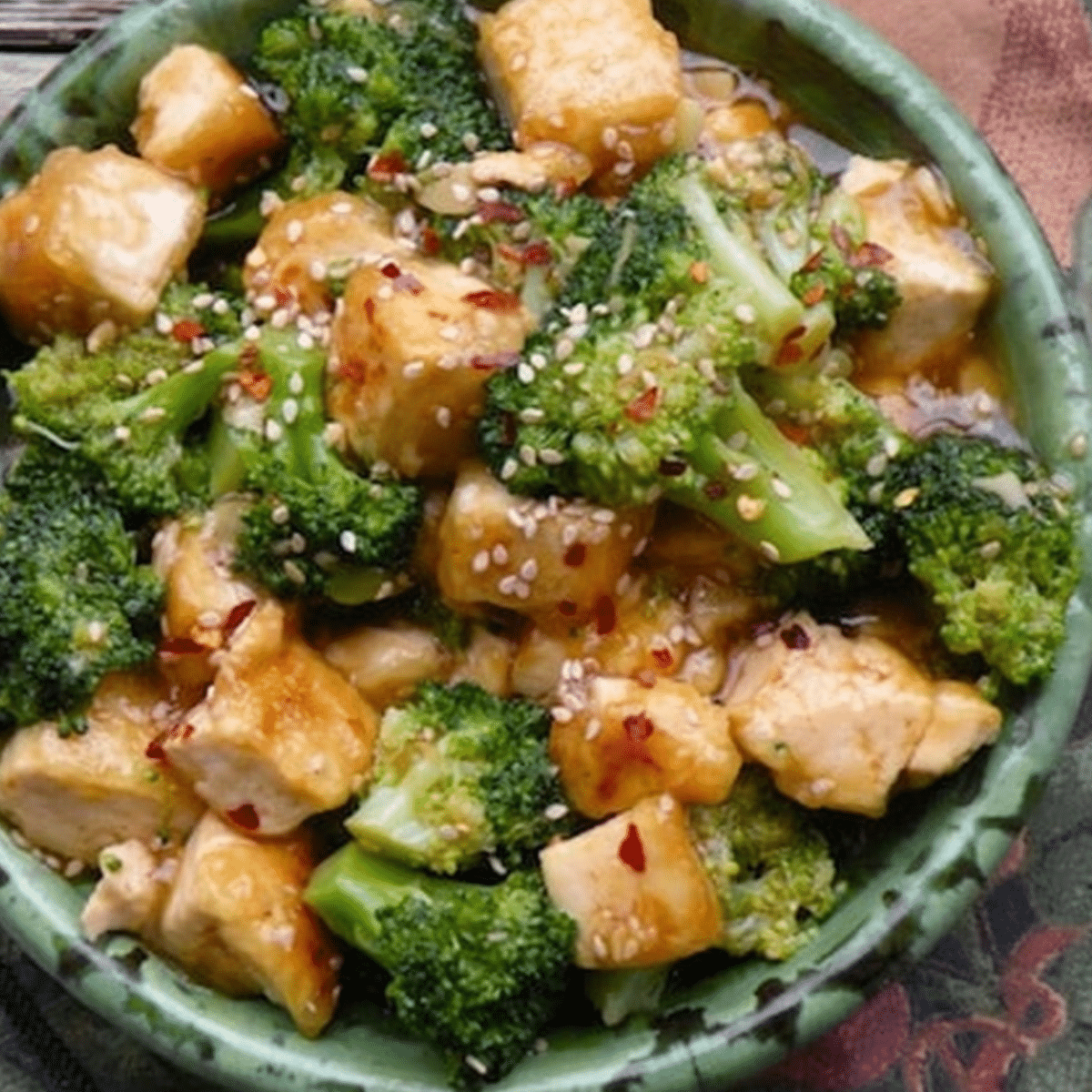
Inspired by General Tso's tofu but without the deep fryer, this stir-fry pairs pan-sauteed crispy tofu with plenty of broccoli in a savory, sweet, and spicy sauce. It comes together fast and makes a genuinely satisfying weeknight dinner.
A bright, tangy sauce made from fresh orange juice, orange zest, sesame oil, and ginger glazes baked tofu strips and tender-crisp broccoli in this take-out favorite made at home. Toasted cashews add the perfect crunch to finish it off.
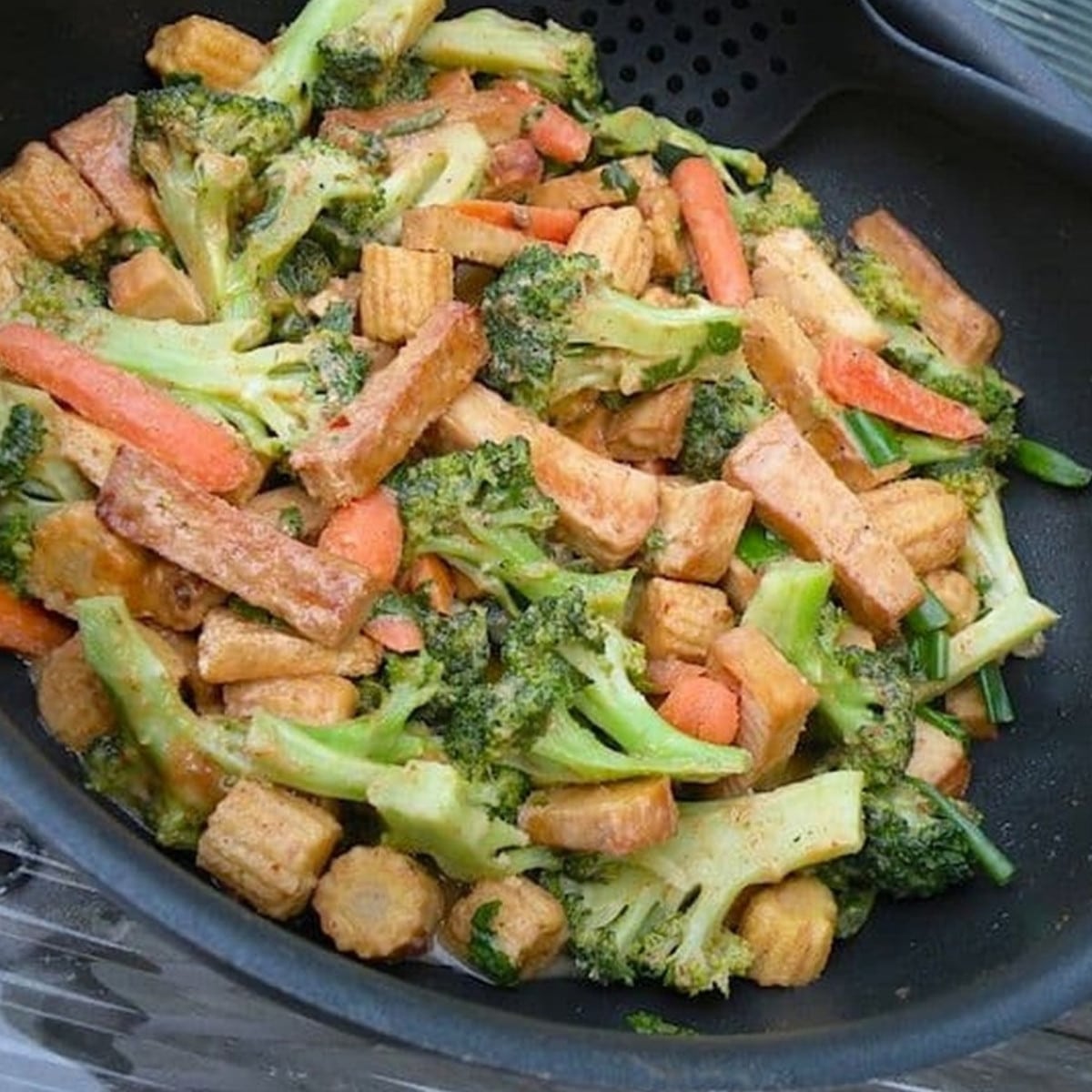
Crisp-edged baked tofu and tender-crisp broccoli get tossed in a rich, peanutty Thai satay sauce with baby carrots and baby corn for a weeknight dinner that tastes like a treat. Finished with fresh scallions, it comes together fast.
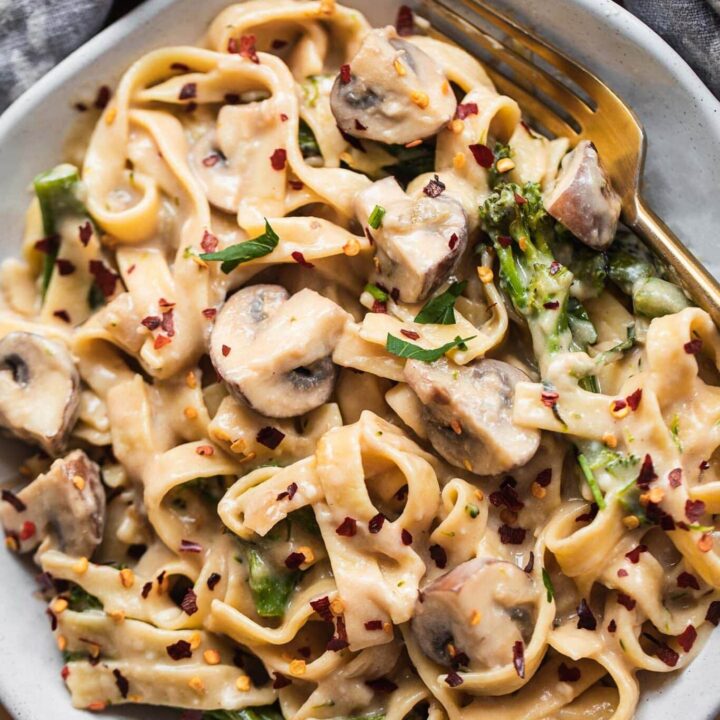
A smooth, savory sauce with a great cheesy flavor, no dairy required, coats broccoli and pasta in this simple dinner that comes together in under 15 minutes. It is an easy, family-friendly way to get more broccoli onto the table.

Quinoa, broccoli, and melty vegan cheese bake together into a nourishing, comforting casserole that is just as satisfying as any classic broccoli bake. Serve it alongside roasted sweet potatoes and a simple green salad for a complete meal.
This old-fashioned, spiral-bound-cookbook classic gets a plant-based makeover with melty vegan cheddar, tender broccoli, and fluffy brown rice baked into a golden, crusty-topped casserole. It is every bit as cozy as the dairy version, minus the dairy.
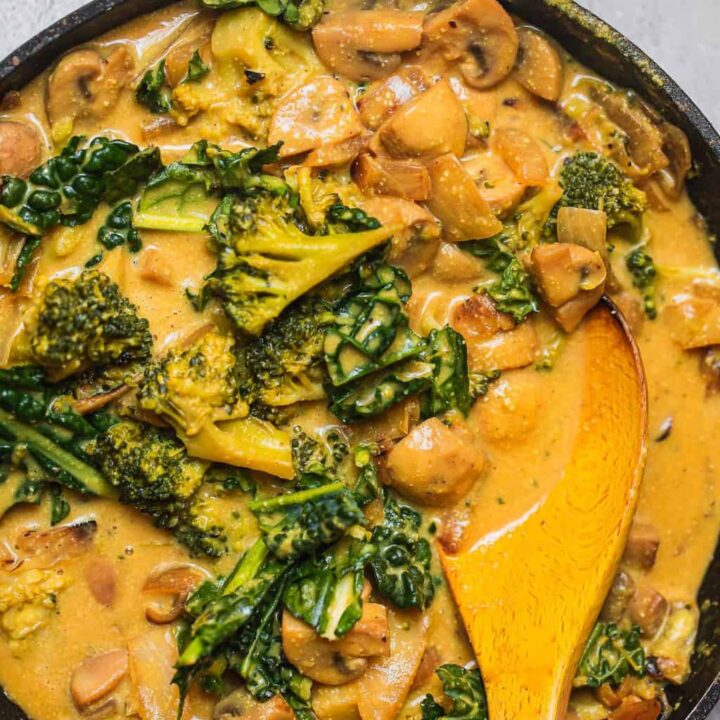
Cashews, nutritional yeast, and a splash of lemon give this oil-free soup its rich, cheesy flavor without a drop of actual cheese. Loaded with potatoes, carrots, cabbage, and broccoli, it is a cozy, savory dinner ready in under 30 minutes.
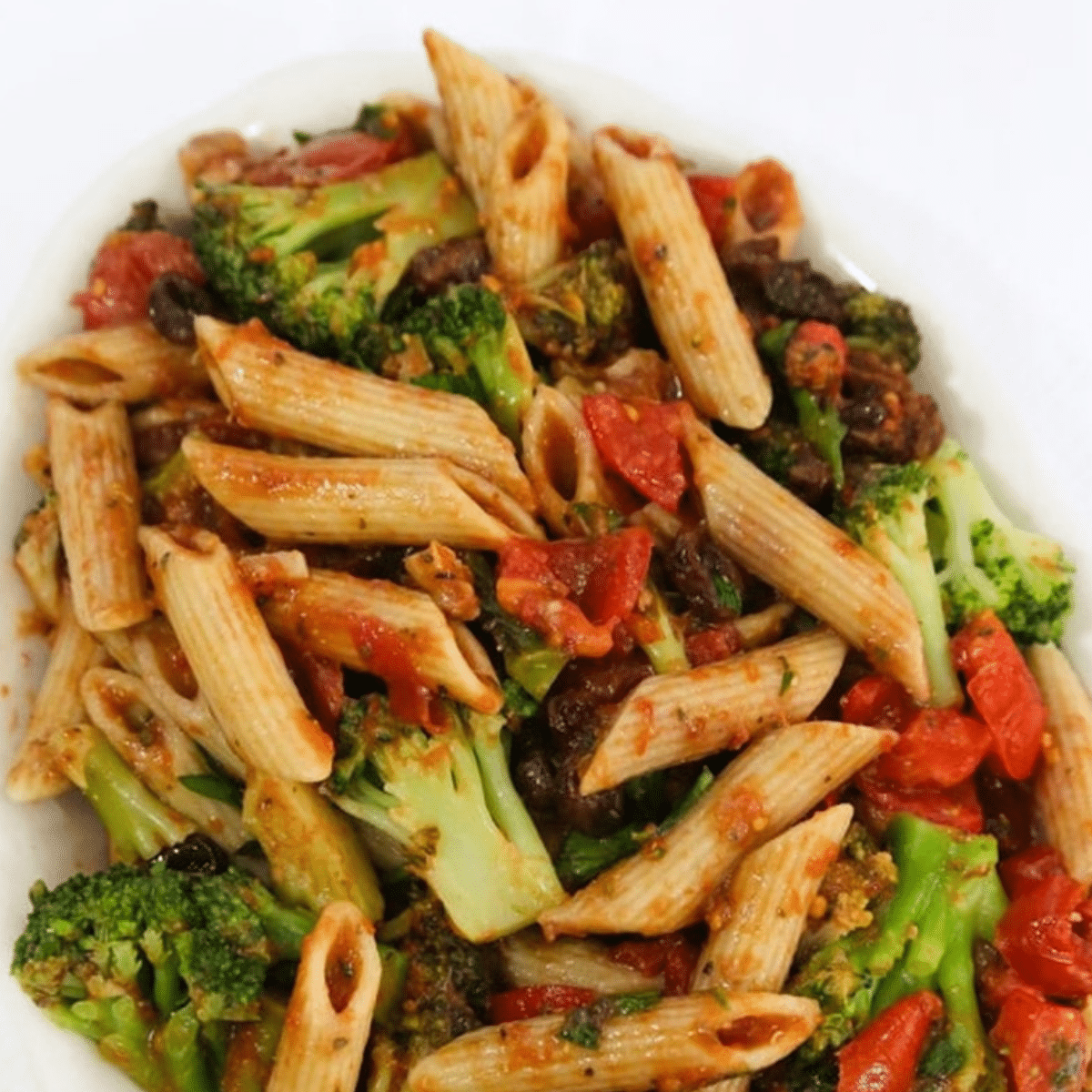
Sweet raisins, toasted walnuts, and juicy tomatoes toss with tender broccoli and whole grain penne for a pasta dinner loaded with contrasting flavors and textures. It is a simple weeknight pasta with a genuinely creative flavor combination.
Broccoli and red beans simmer in a miso-thickened sauce that fuses Italian and Asian flavors in a way that should not work quite as well as it does. It comes together entirely in one skillet while the pasta cooks in a separate pot.
Loaded with fresh herbs and just enough pasta to hold everything together, this salad lets summer tomatoes, broccoli, and red beans do most of the work. It is a reliably sturdy vegan option for potlucks and picnics.
Red beans, broccoli, and tomatoes get enveloped in a gingery miso sauce for a dish that gives an unexpected Asian spin to a hearty bean dinner. Served over quinoa, it is a genuinely creative way to work broccoli into a protein-packed bowl.
This soba noodle stir-fry gets its umami depth from a garlic-miso sauce, with plenty of broccoli and mushrooms tossed in for a comforting dinner ready in just 20 minutes. It is a simple, vegan weeknight favorite.
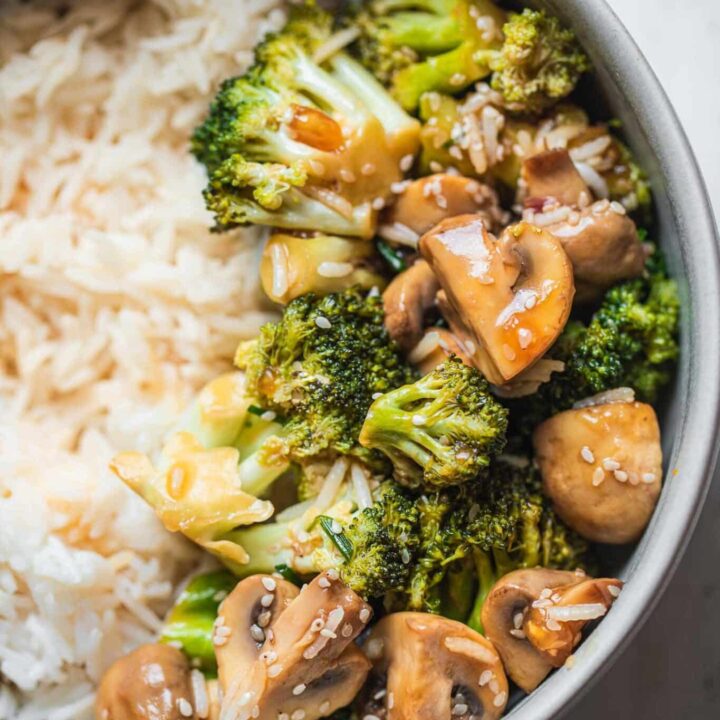
Broccoli and mushrooms get tossed with sesame seeds in a sweet and sour orange sauce for a simple side dish or light dinner ready in under 25 minutes. It is gluten-free and built from healthy, everyday ingredients.
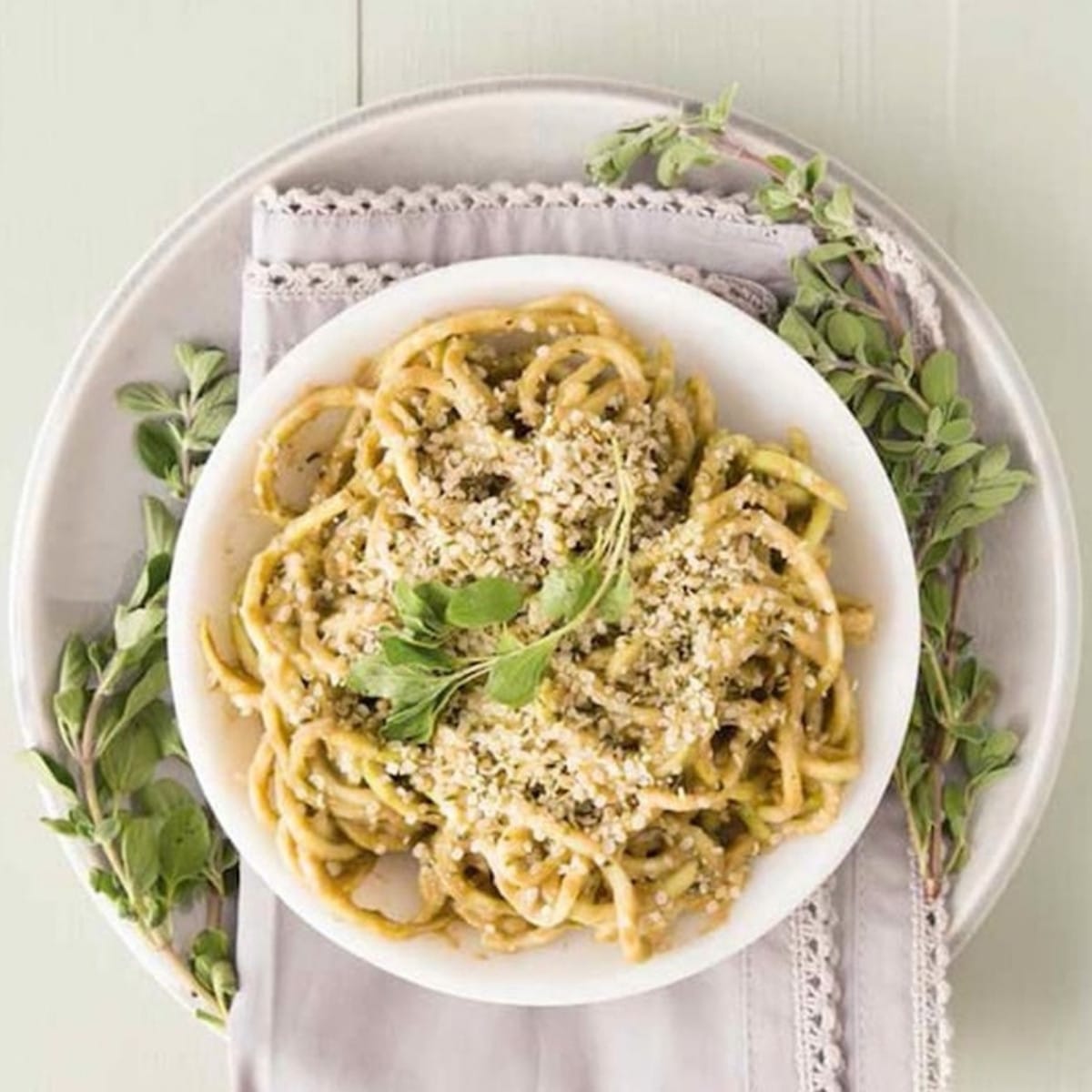
This pesto swaps the usual basil-and-pine-nut base for a fluffy, oil-free blend of avocado, broccoli, and mushrooms, proof that broccoli can make a sauce just as easily as a side dish. It clings beautifully to spiralized zucchini noodles.
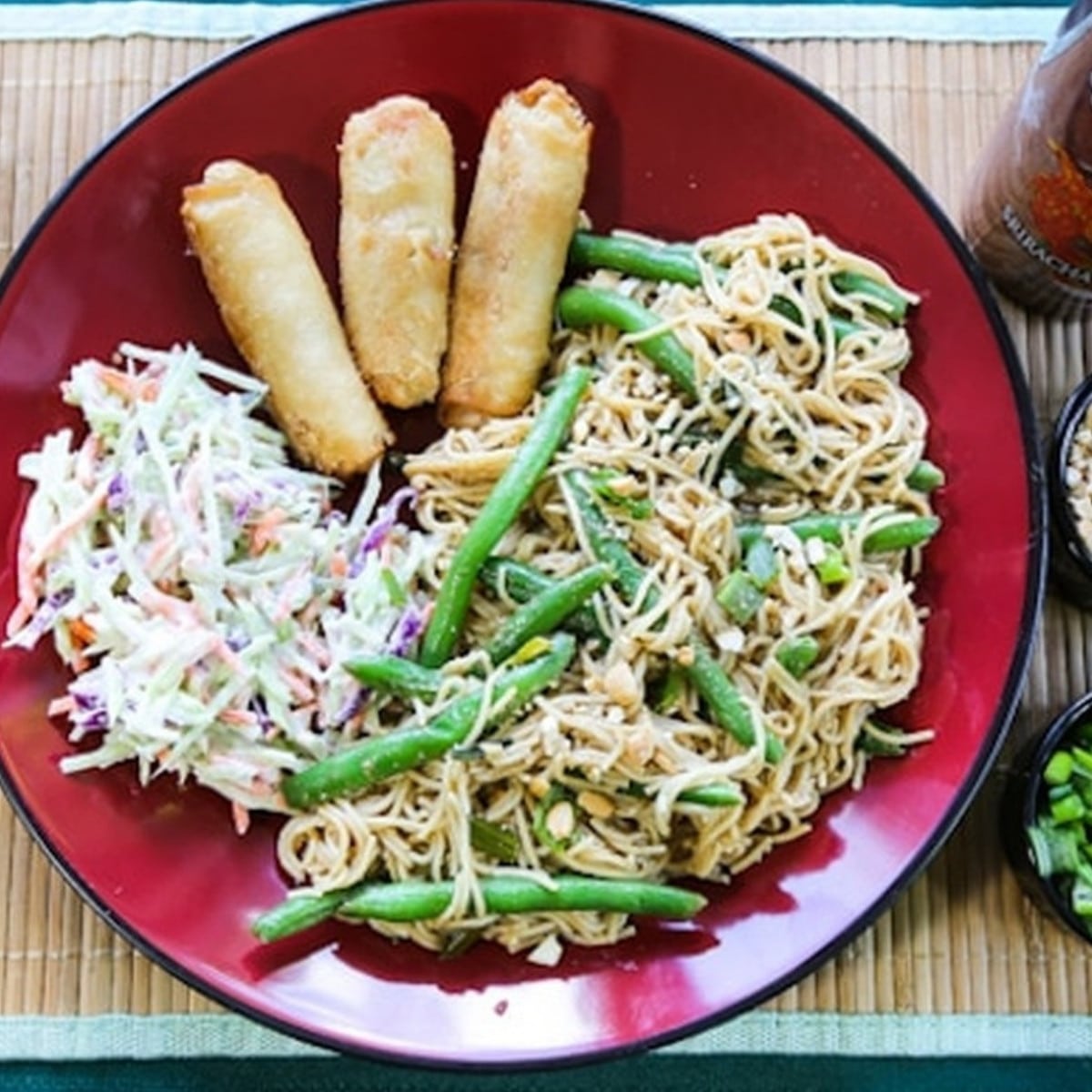
Store-bought Thai peanut satay sauce and pre-cut broccoli slaw turn this dinner into a flash-fast weeknight favorite. Toss in veggie spring rolls on the side for a meal that feels far more special than the effort it takes.
This Italian-style side cooks broccoli low and slow until meltingly tender, then tosses it with sweet raisins and toasted nuts for a dish that is totally different from your usual steamed broccoli. It proves broccoli can be a main event, not just an afterthought.
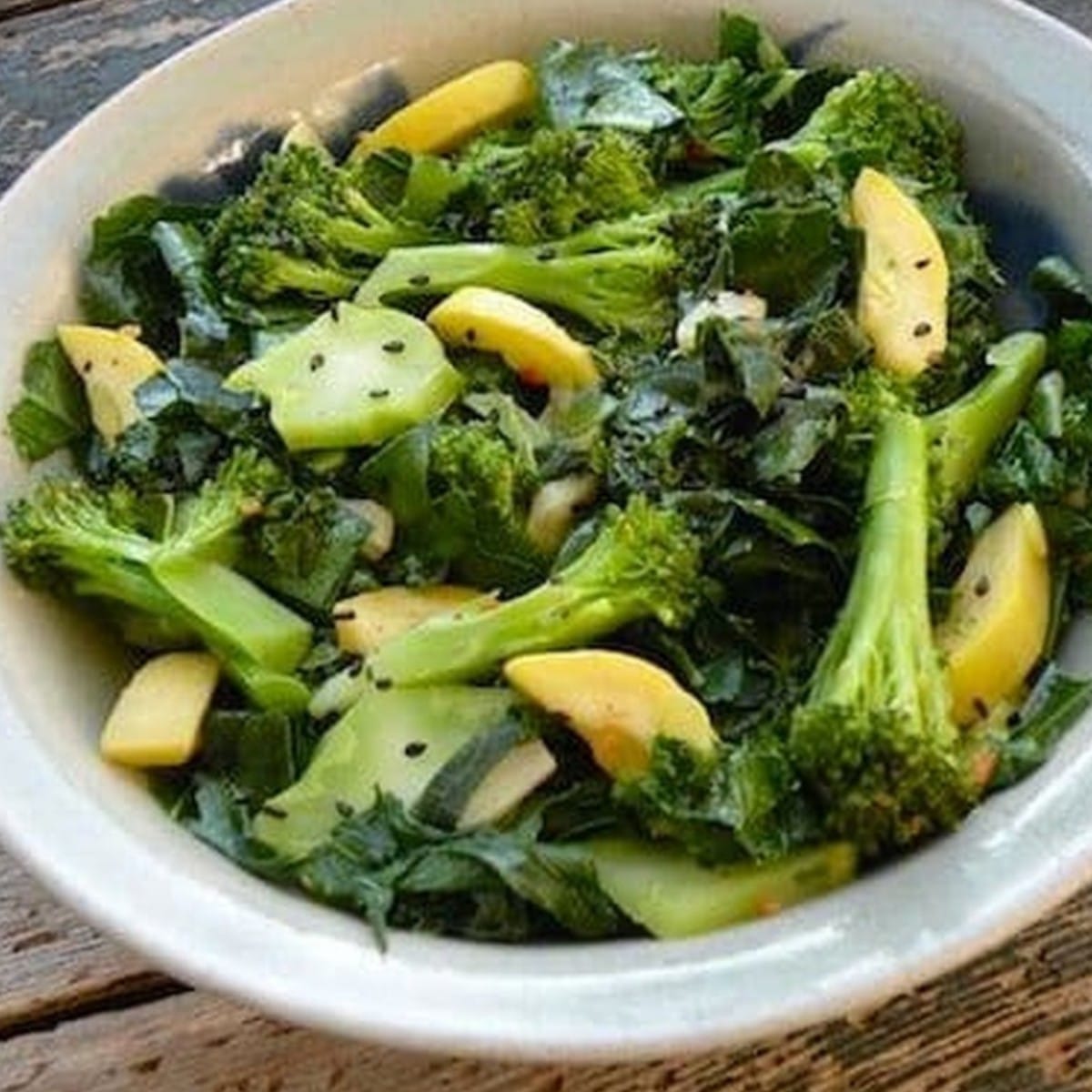
Kale and broccoli team up in this quick saute built on sesame oil, garlic, rice vinegar, and soy sauce, turning two everyday greens into a side dish with real depth. It pairs beautifully with Asian-inspired noodle, rice, or tofu mains.
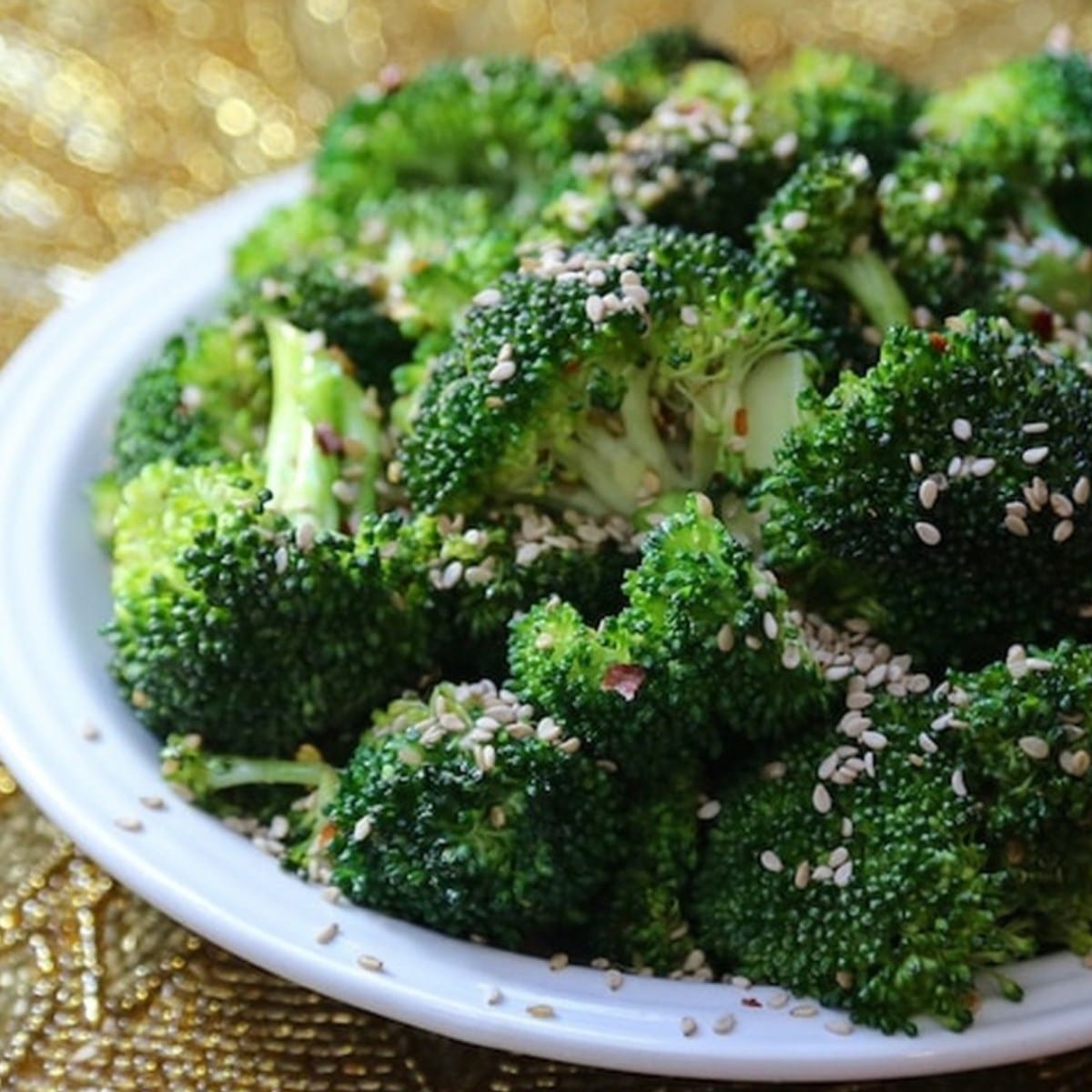
Proof that a side dish does not need a long ingredient list to be exciting, this broccoli gets tossed in a savory-sweet soy-sesame glaze, then finished with toasted sesame seeds and red pepper flakes. It comes together in minutes.
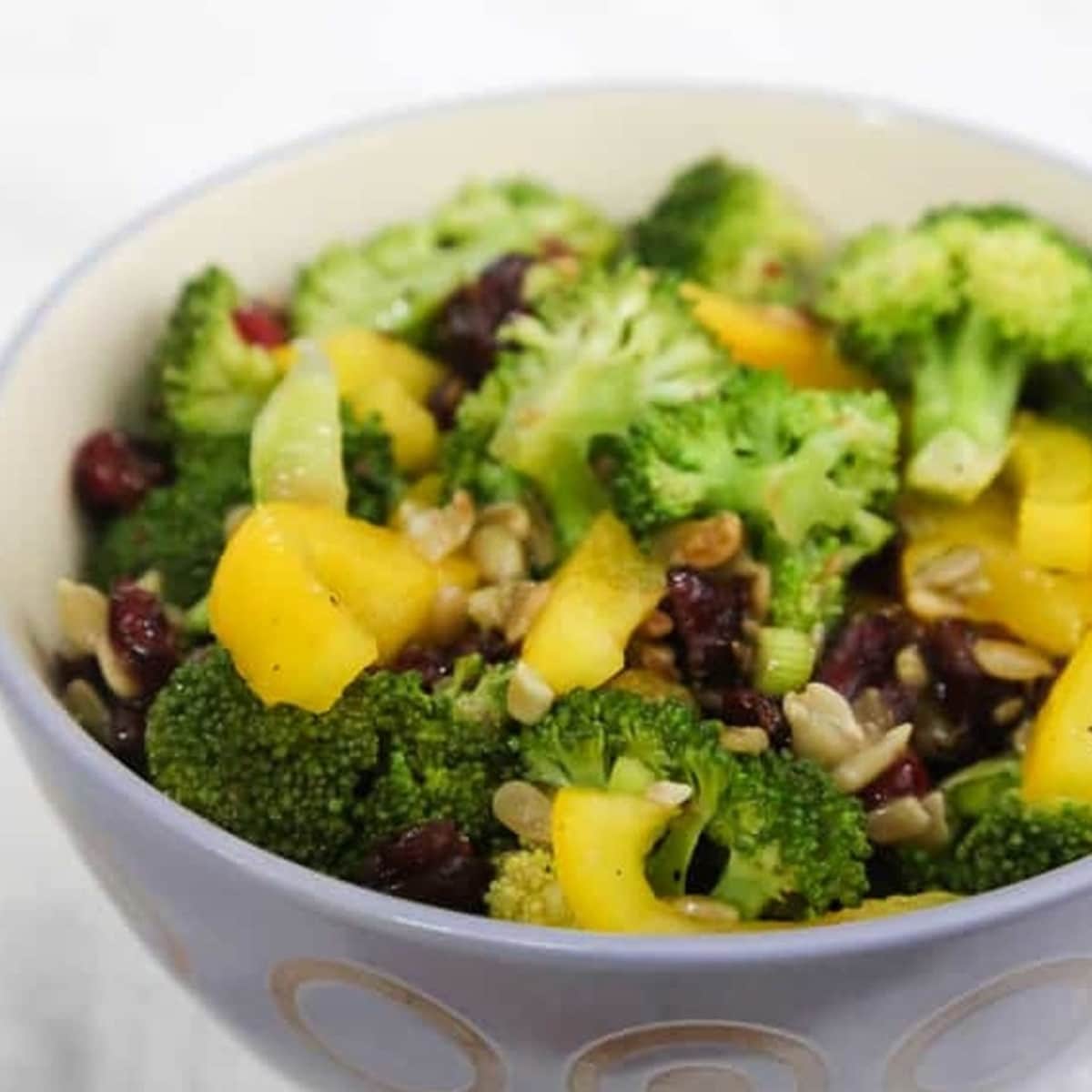
Bright yellow bell pepper and tart dried cranberries turn simple steamed broccoli into a colorful, genuinely appetizing salad, all tied together with a quick sesame-ginger dressing. It looks far more impressive than the effort it takes to make.
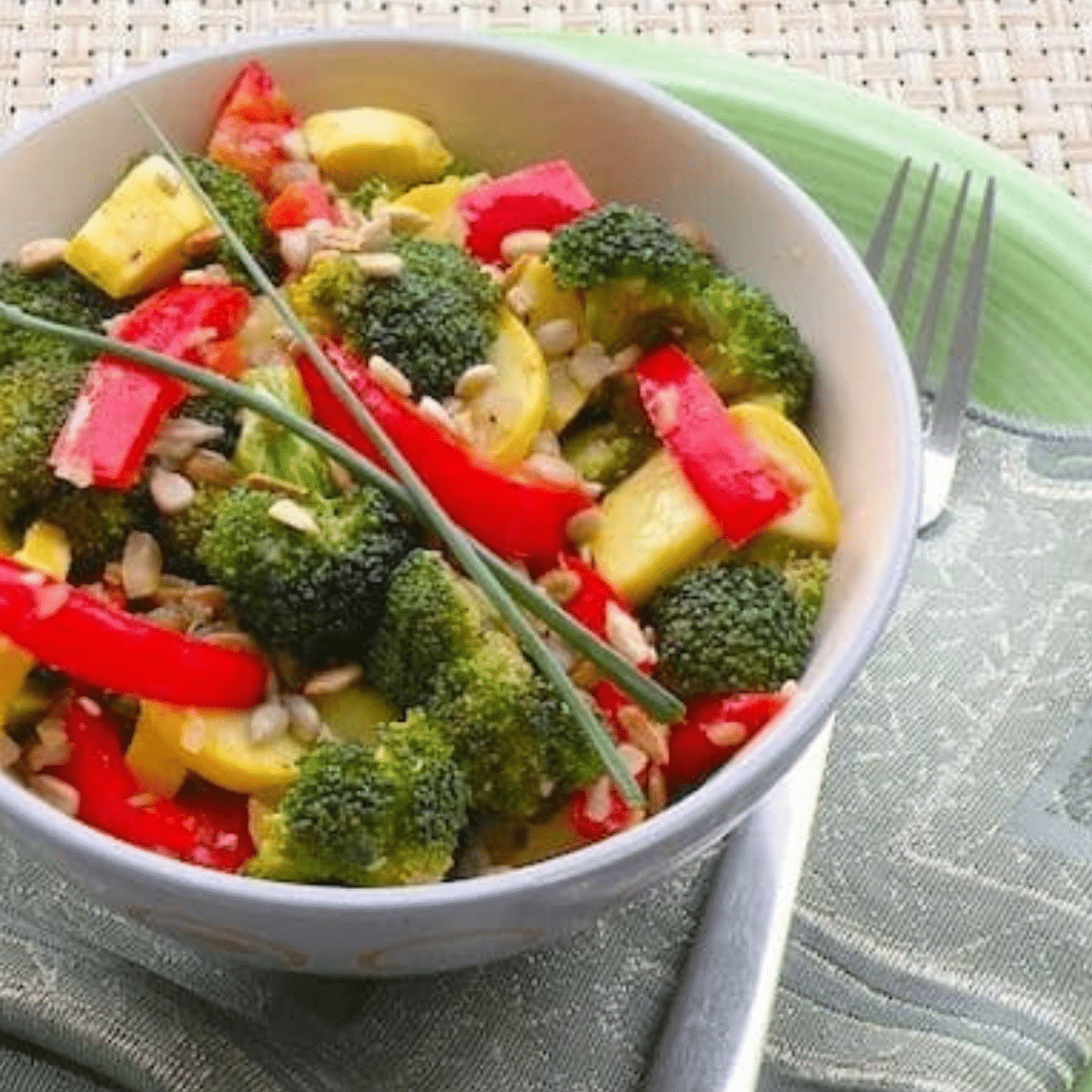
Yellow summer squash and broccoli come together in this simple, tasty salad with a hint of sweetness from pickle relish, the kind of touch that might even win over pickier eaters. It pairs easily with veggie burgers or spicy grain and bean mains.
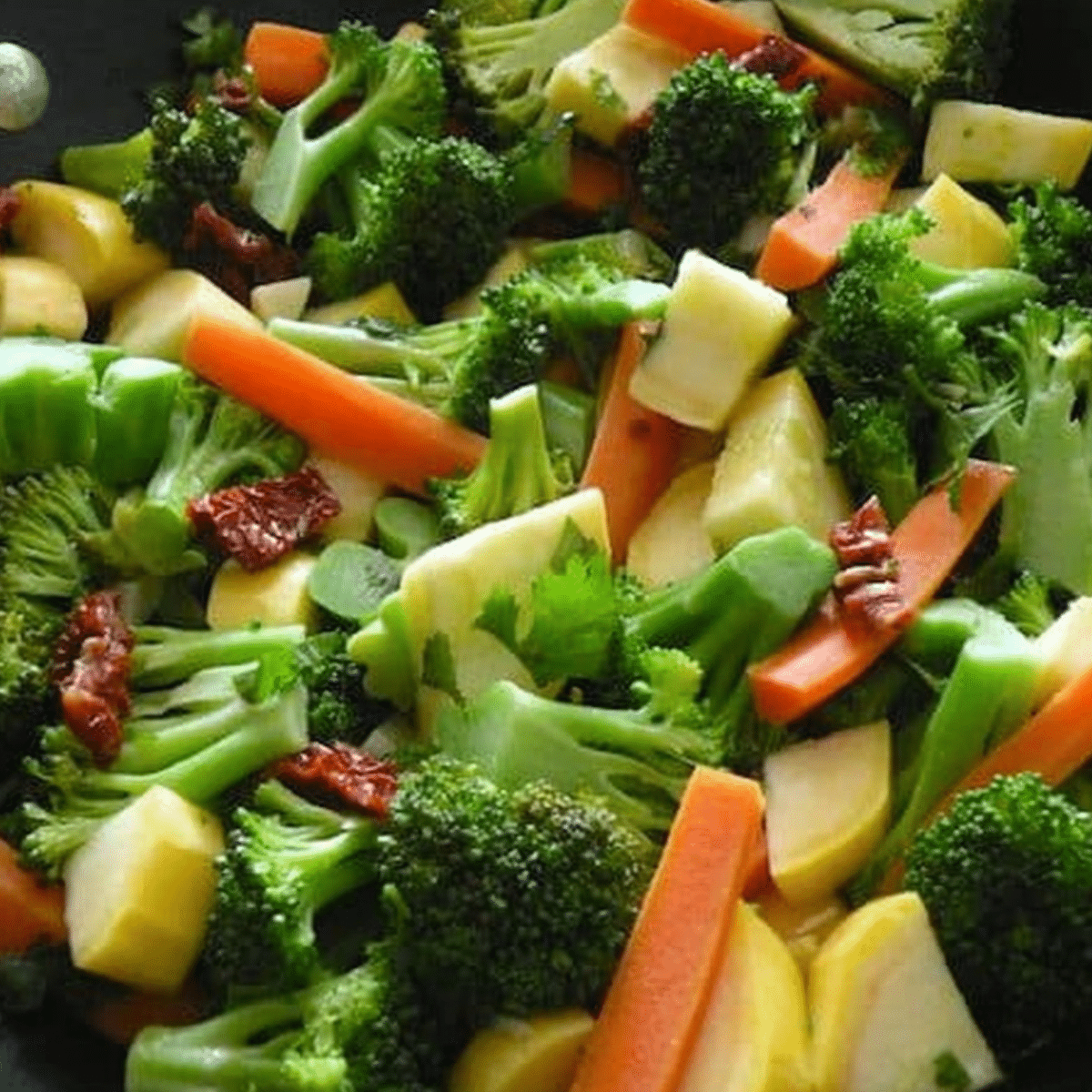
This colorful skillet saute brings broccoli, or peppery broccoli rabe if you prefer, together with baby carrots and yellow summer squash, brightened with garlic, sun-dried tomatoes, and fresh herbs. It is ready in under 30 minutes.
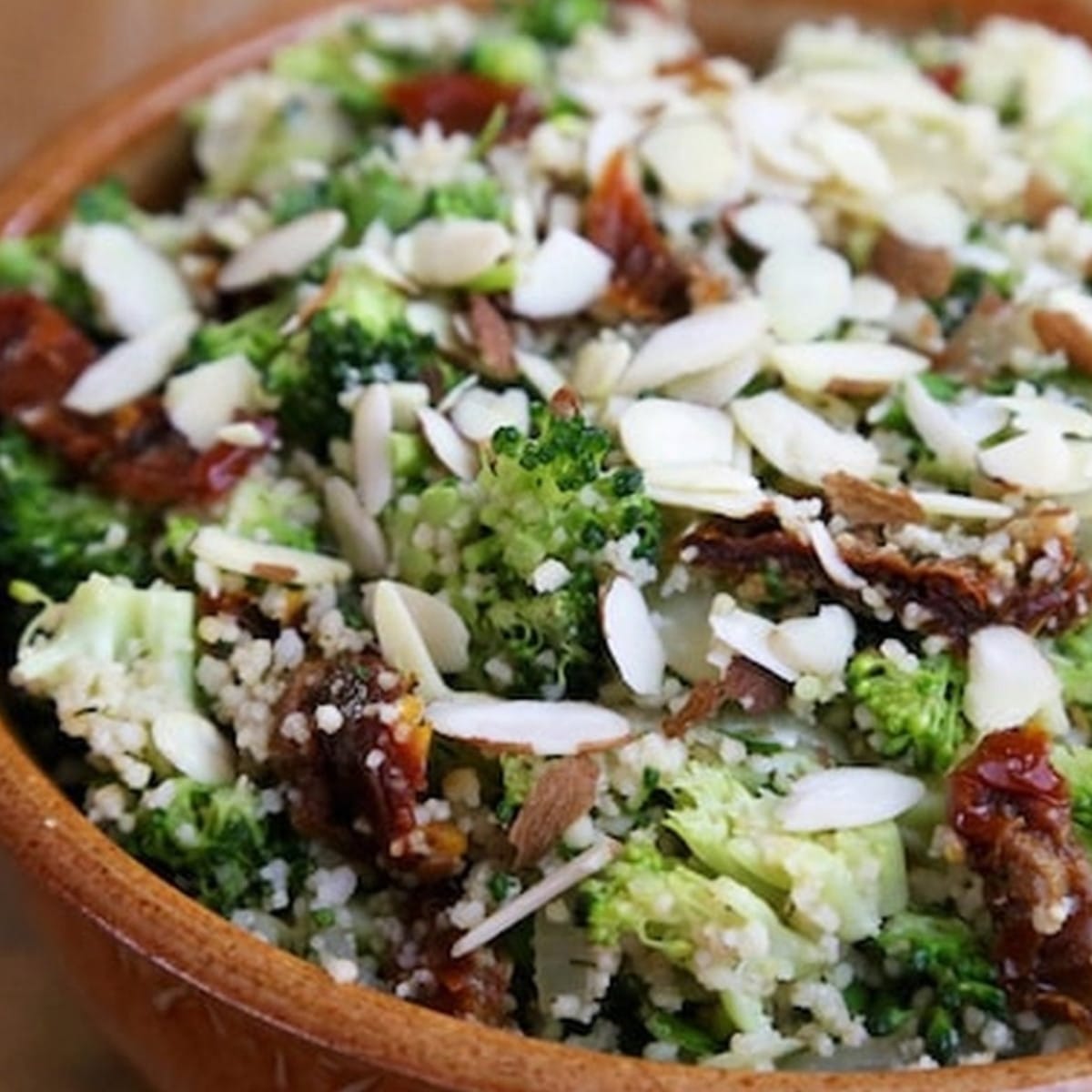
Broccoli and couscous get brightened with plenty of lemon in this simple side that pairs perfectly with a heartier bean or legume dish. Leftovers are just as good served cold, tucked into a wrap the next day.
And if you're loving these broccoli recipes, don't miss these other tasty ways to eat more veggies:
26 Vegan Butternut Squash Recipes
There's a reason butternut squash shows up everywhere in the fall and winter. It's amazing. It's naturally sweet, endlessly versatile, and turns silky-smooth when roasted or simmered into a soup. Whether you're planning a cozy weeknight dinner or a holiday spread, this hearty squash can do it all.
From creamy soups and stews to pastas, curries, salads, and even pie, we've gathered 26 of our favorite vegan butternut squash recipes to keep you cooking all season long.
26 Vegan Butternut Squash Recipes
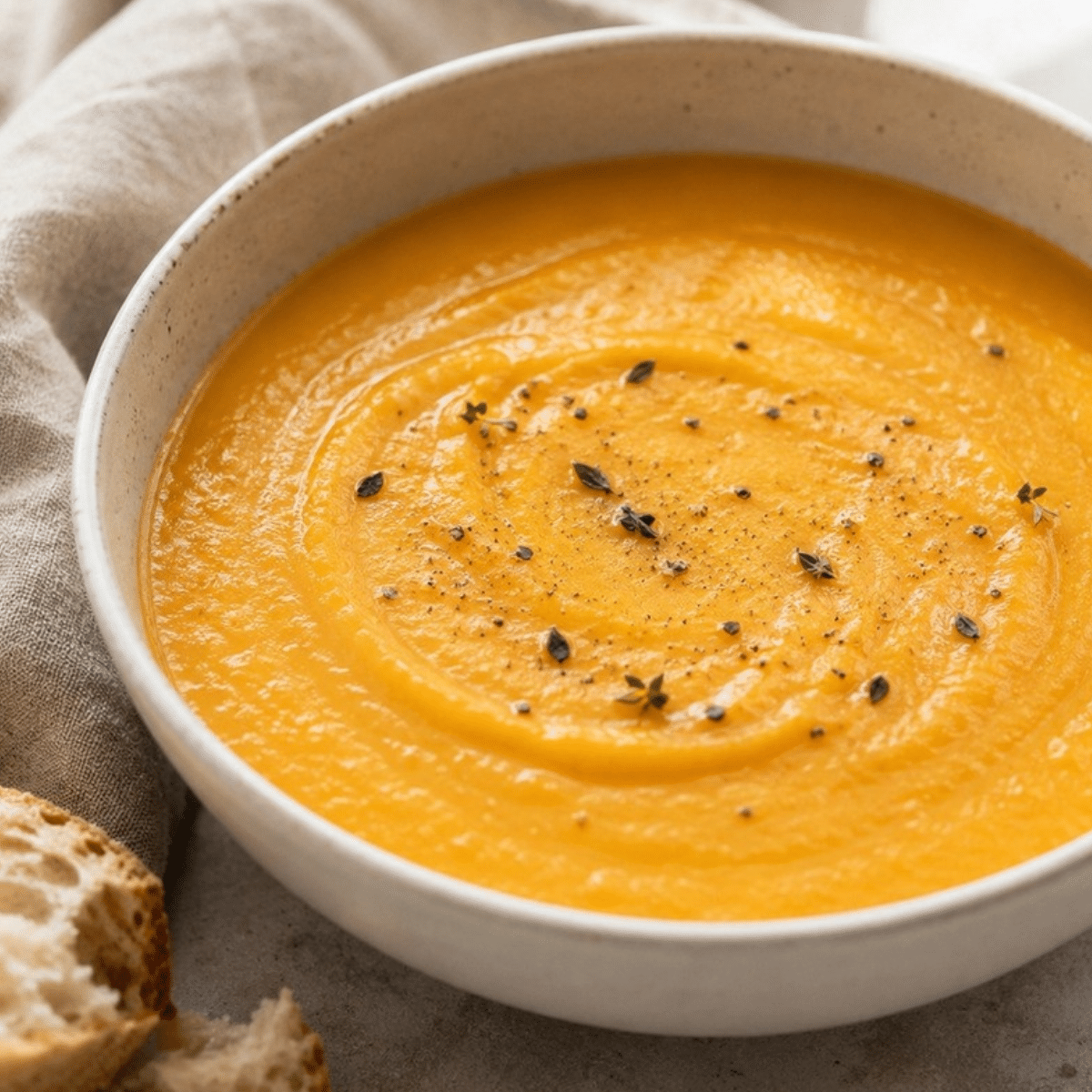
This classic vegan butternut squash soup gets extra depth from tart apples and warming spices, all blended into a silky, dairy-free bowl. It's the perfect starter for a fall dinner or a cozy lunch on its own.
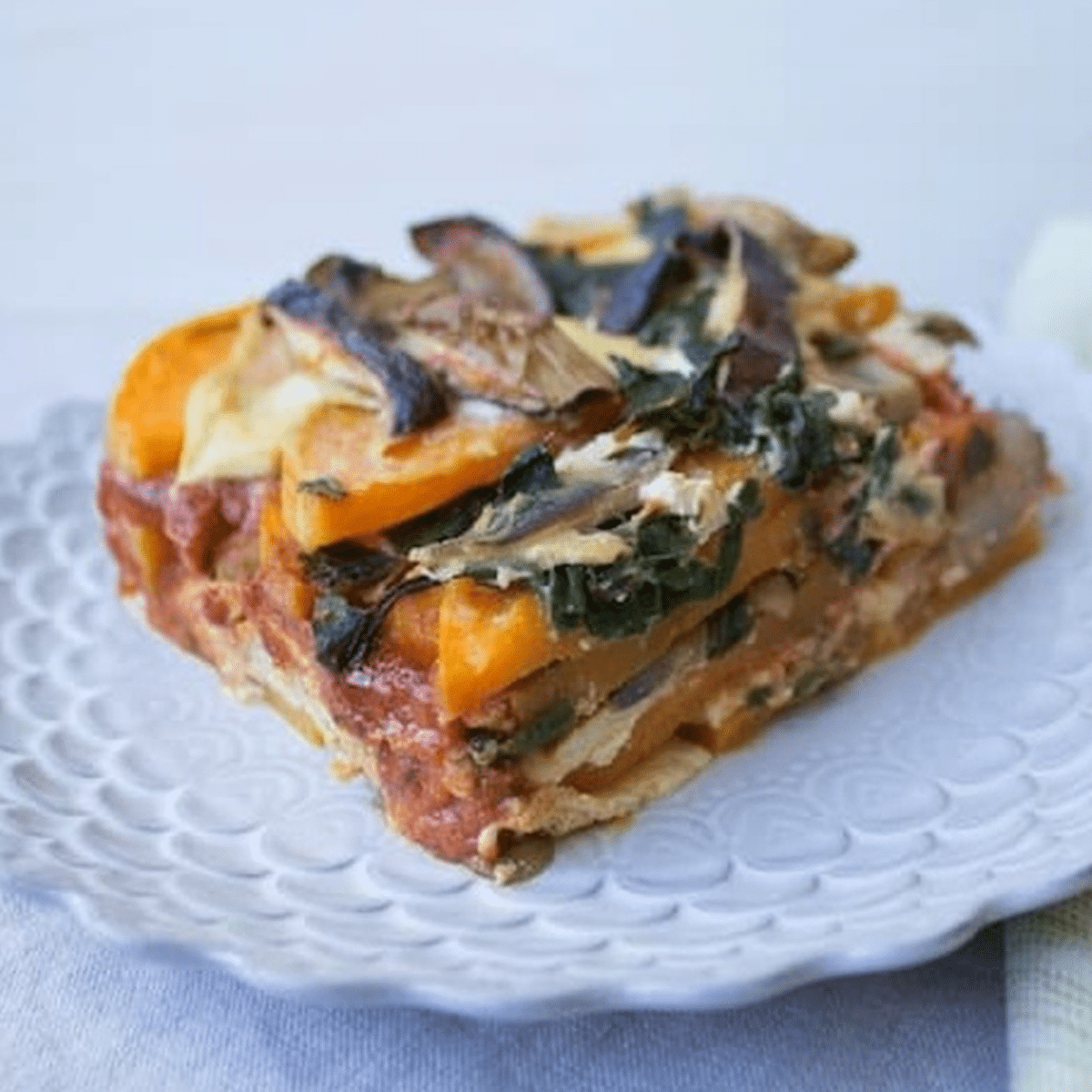
Layers of roasted butternut squash, hearty Swiss chard, and a creamy dairy-free sauce make this lasagna a showstopping vegan main dish. It's rich and comforting, and just as good reheated the next day.
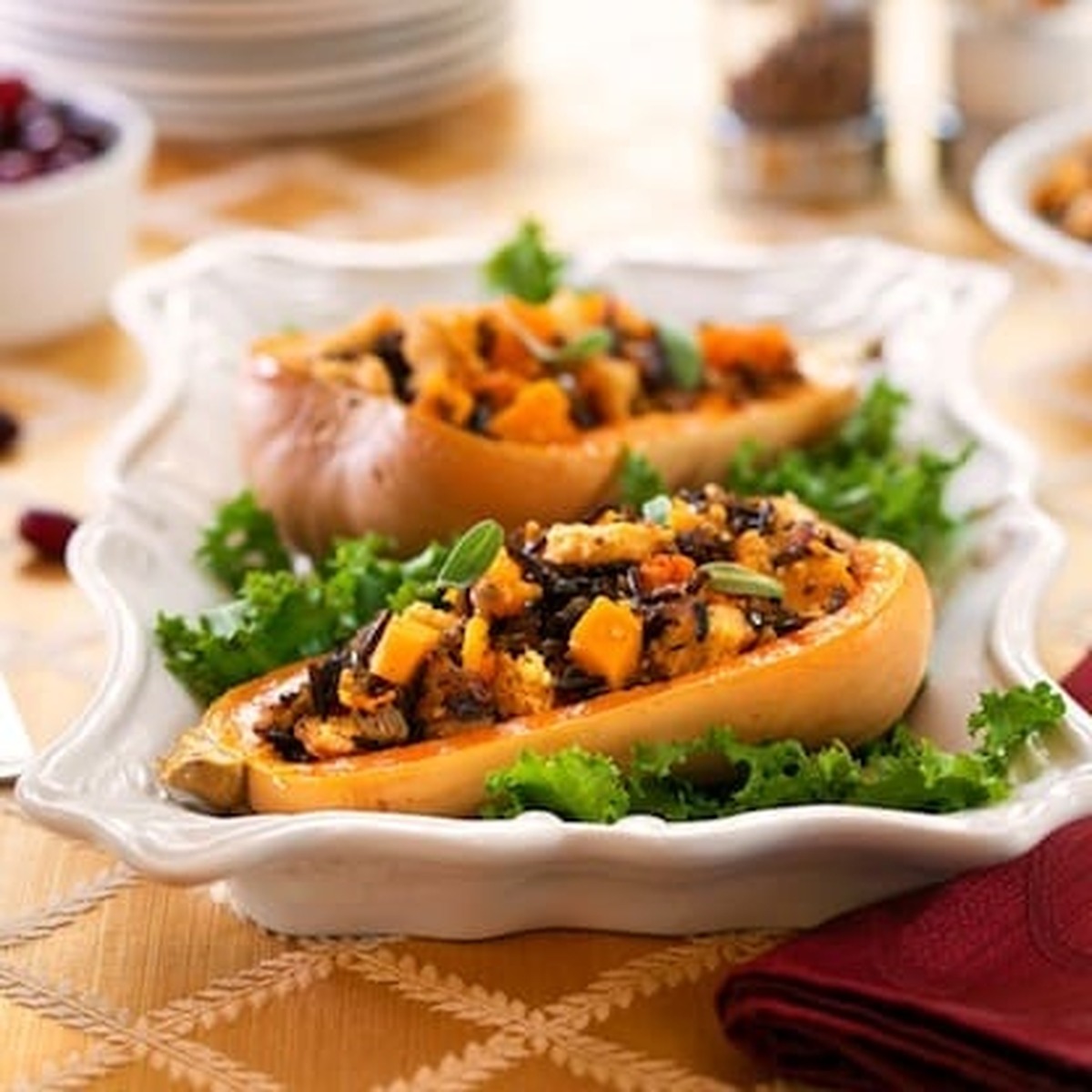
Roasted butternut squash halves are piled high with a savory wild rice and caramelized onion stuffing in this beautiful, holiday-worthy main. It's an elegant centerpiece that happens to be completely plant-based.
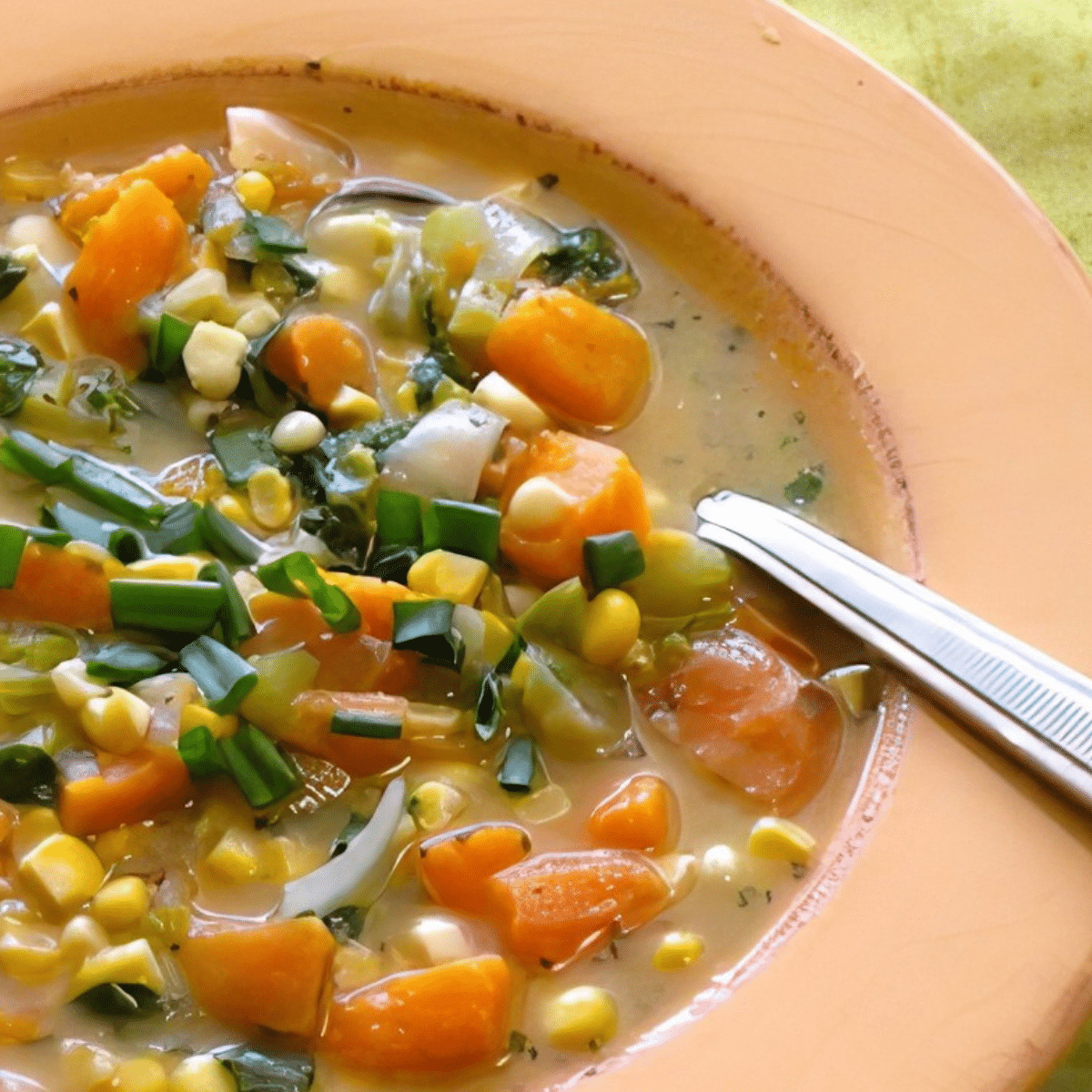
Butternut squash and sweet potato team up with sweet corn in this thick, creamy chowder that's packed with fall flavor. It's a one-pot meal that's just as satisfying as a bowl of chili.
Yes, butternut squash makes a fantastic smoothie! Blended with banana and warming spices, this creamy sipper is a fun way to sneak extra veggies into breakfast.
Warm cumin, cinnamon, and coriander give this chickpea and butternut squash stew serious depth, and it comes together in just 30 minutes. It's the kind of weeknight dinner that tastes like it simmered all day. (Recipe from OhMyVeggies.com)
This creamy risotto swaps in dairy-free butter and vegan parmesan for a plant-based take on the classic, with roasted butternut squash stirred through every bite. Proof that risotto doesn't need real cheese to taste indulgent. (Recipe from OhMyVeggies.com)
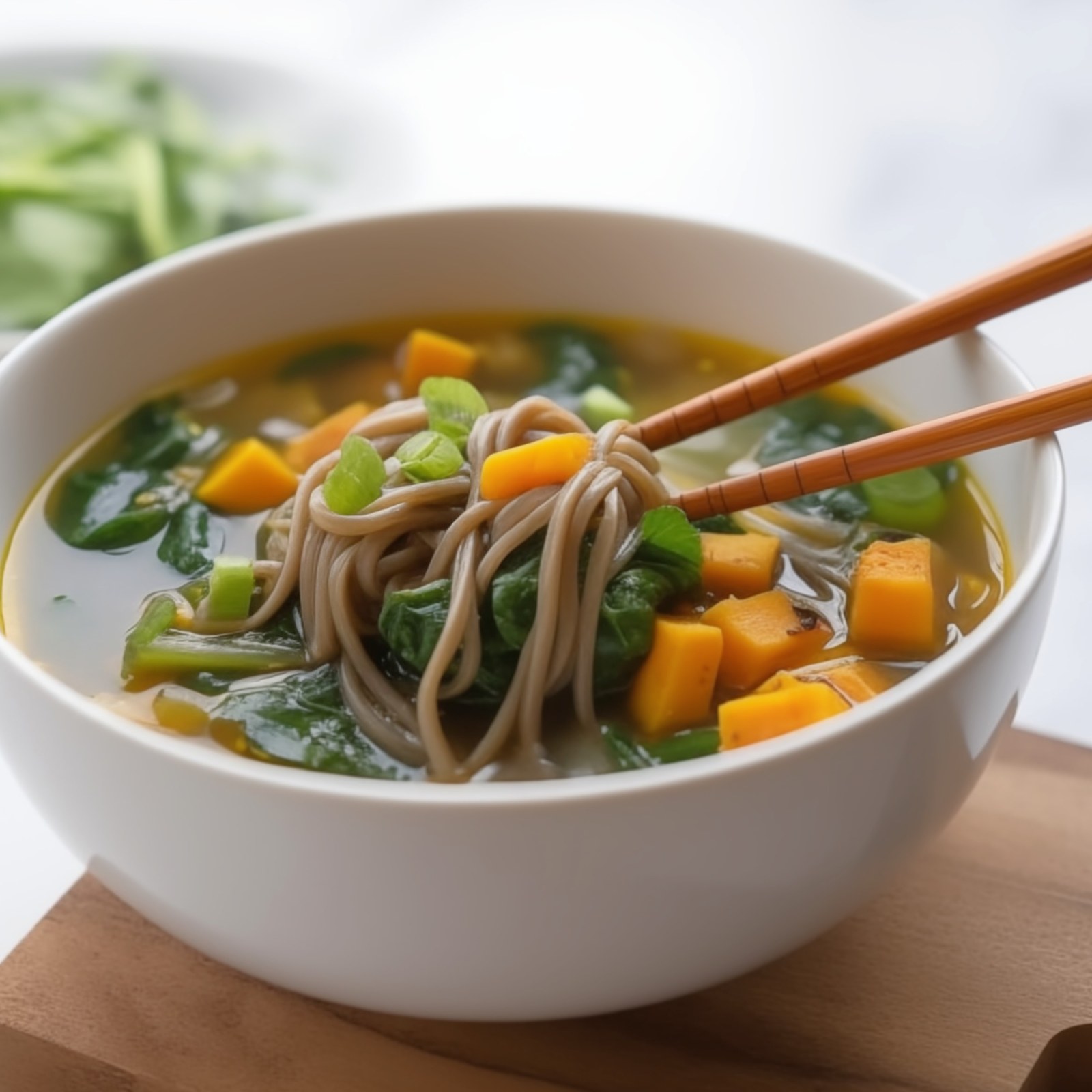
A rich miso-ginger broth, tender roasted squash, and slurpable soba noodles make this soup a cozy, umami-packed bowl. Top it with wilted greens for an easy, complete meal.
Roasted butternut squash blends right into a velvety, silken-tofu sauce for this baked pasta casserole, finished with a crunchy breadcrumb topping. It's comfort food through and through, with zero dairy in sight.
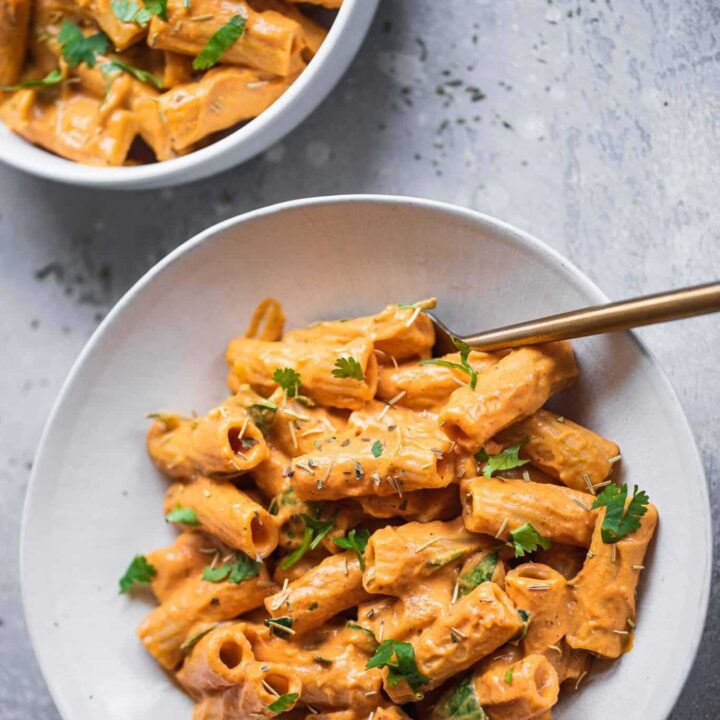
A rich, creamy butternut squash sauce comes together with just a handful of pantry staples — no cashews or dairy cream required. Toss it with your favorite pasta shape for an easy weeknight dinner. (Recipe from OhMyVeggies.com)
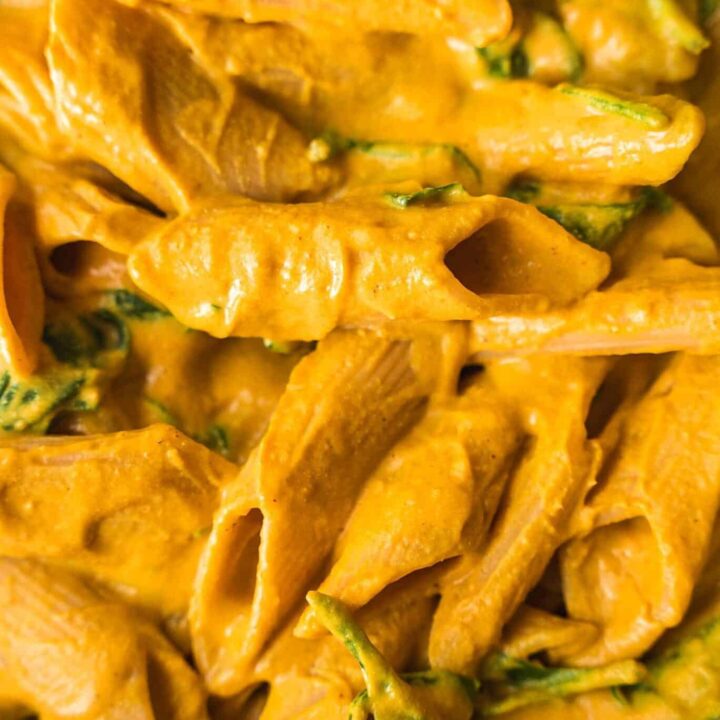
Blended silken tofu and warm spices create an ultra-creamy, cheesy sauce that clings to every noodle in this butternut squash mac and cheese. It's a plant-based spin on the ultimate comfort food classic. (Recipe from OhMyVeggies.com)
This cashew-based butternut squash mac and cheese is rich, silky, and made without a single dairy product. It's proof that vegan mac and cheese can be every bit as indulgent as the original. (Recipe from OhMyVeggies.com)
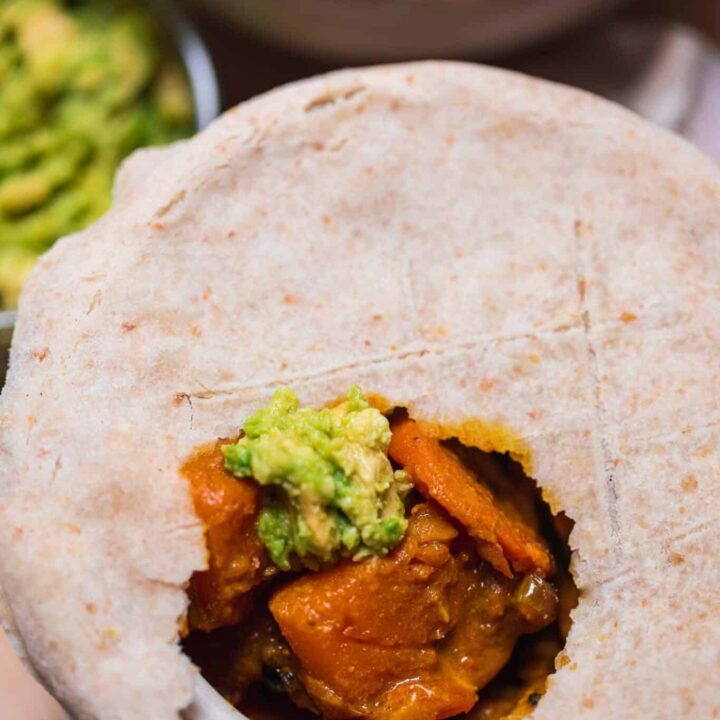
Tender squash, a flax egg, and a flaky crust come together in this cozy vegan pot pie that's perfect for chilly nights. It's the kind of dish that makes the whole house smell like fall. (Recipe from OhMyVeggies.com)

Jumbo pasta shells get stuffed with a sage-scented butternut squash and walnut filling for a plant-based dinner that looks as good as it tastes. Almond milk keeps the filling creamy without any dairy. (Recipe from OhMyVeggies.com)
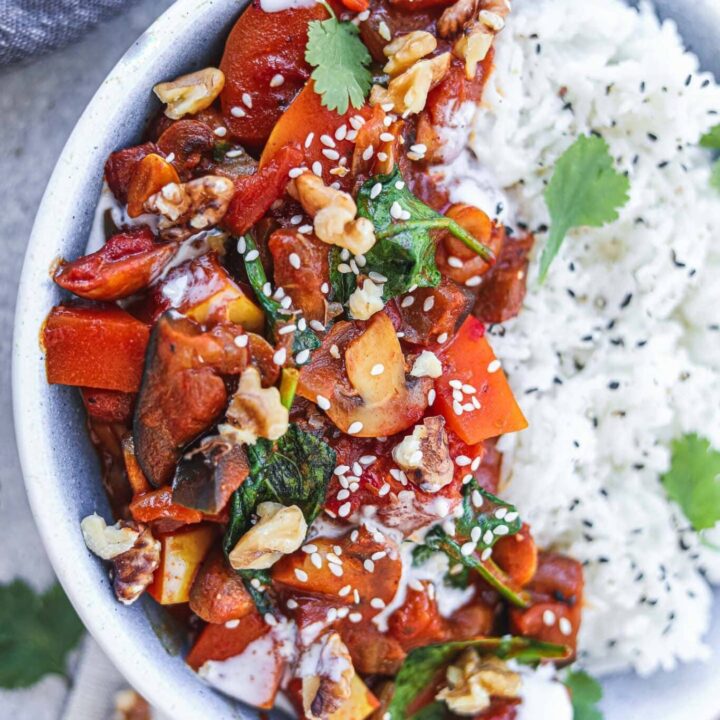
Coconut milk, tomatoes, and warming spices simmer eggplant and butternut squash into a rich, fragrant curry. Serve it over rice for a filling, cozy dinner. (Recipe from OhMyVeggies.com)
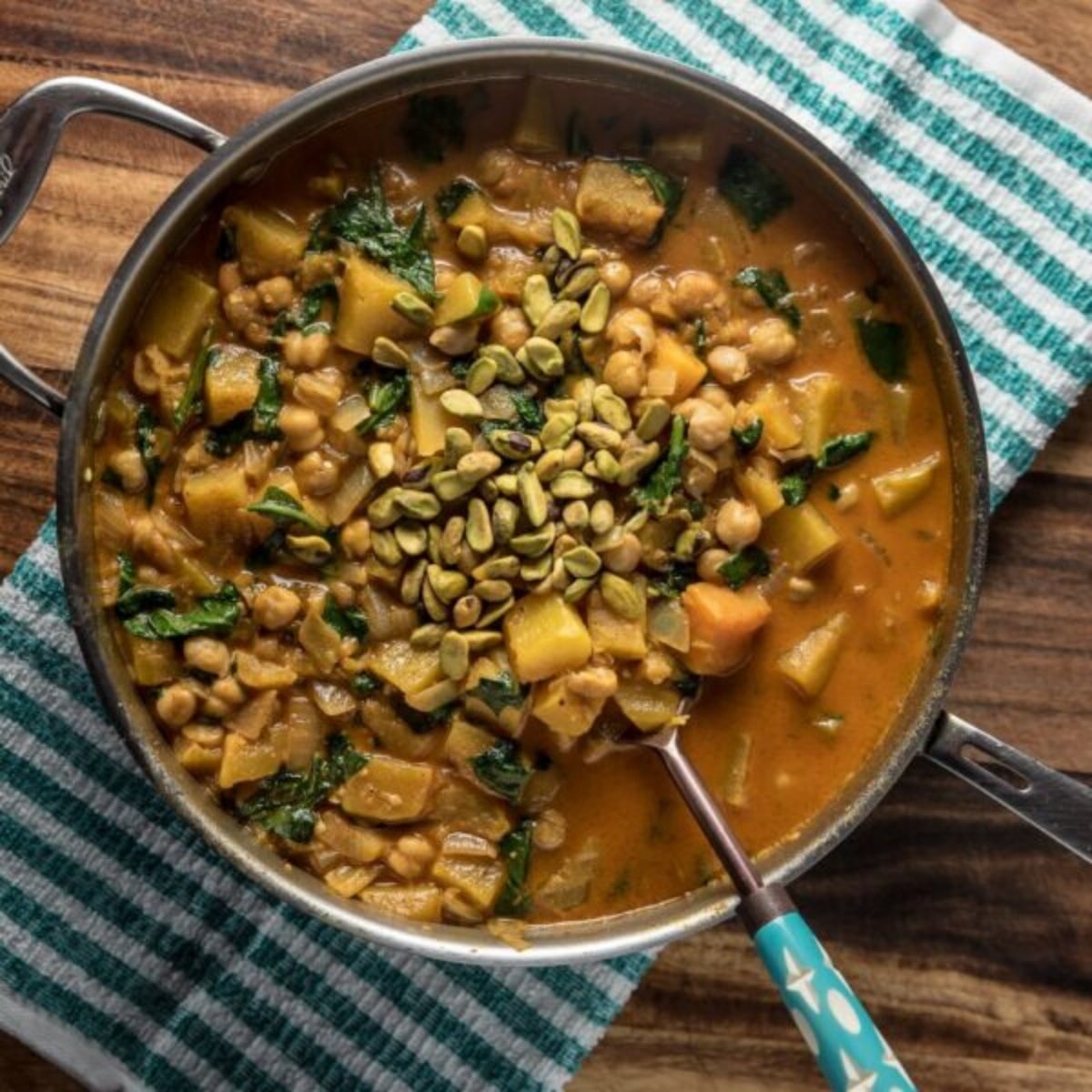
Inspired by Thai flavors, this coconut curry combines butternut squash with warming spices for a dish that's equal parts sweet, savory, and satisfying. It comes together easily on the stovetop for a fast weeknight meal. (Recipe from OhMyVeggies.com)
Quinoa, butternut squash, and chickpeas simmer together in coconut milk and curry spices for an easy, one-pot dinner with minimal cleanup. It's hearty enough to stand alone as a full meal. (Recipe from OhMyVeggies.com)
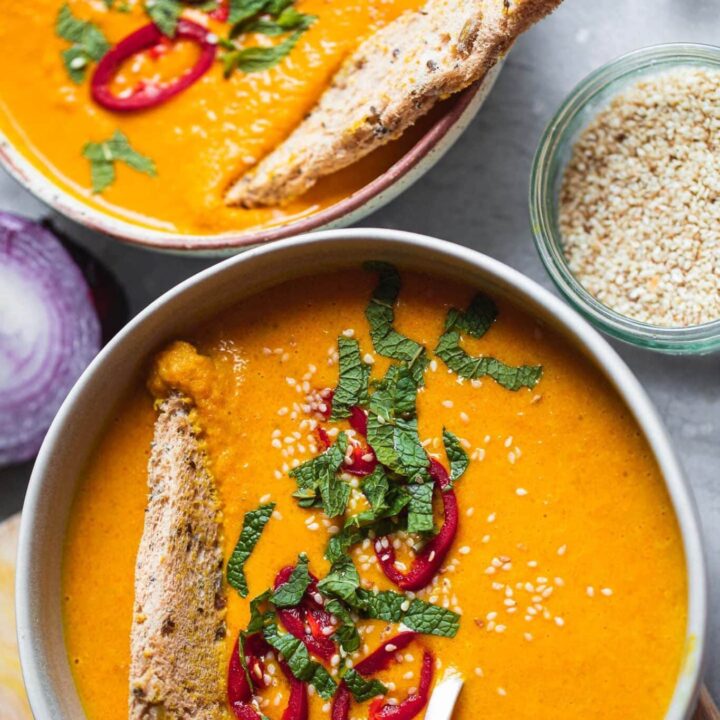
Coconut milk mellows the heat in this spicy, creamy butternut squash soup, while a swirl of extra coconut milk on top makes for a beautiful presentation. It's a simple, comforting soup with a little kick. (Recipe from OhMyVeggies.com)
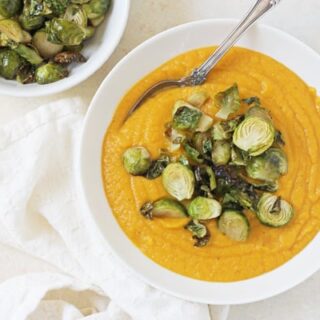
Apple, carrot, and coconut milk give this butternut squash soup a naturally sweet, velvety texture, and crispy maple-roasted Brussels sprouts on top add the perfect crunchy contrast. (Recipe from OhMyVeggies.com)
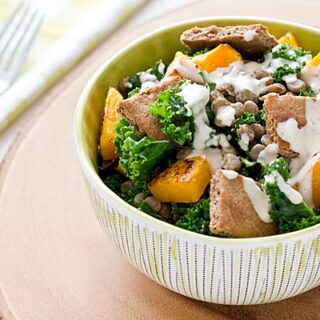
Roasted butternut squash, hearty kale, and protein-packed lentils come together under a creamy tahini dressing in this filling, nutrient-dense salad. It's a great make-ahead lunch that keeps well in the fridge. (Recipe from OhMyVeggies.com)

A simple soy and maple glaze turns roasted butternut squash into an addictive side dish that's sweet, savory, and totally vegan. It's easy enough for a weeknight but special enough for the holiday table.
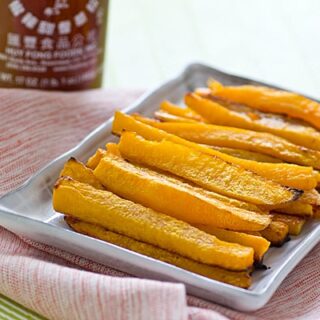
Roasted until crisp and tossed in spicy sriracha, these butternut squash fries make a fun, better-for-you snack or side dish. They come together with just a few pantry staples. (Recipe from OhMyVeggies.com)

Creamy mashed butternut squash stands in for pumpkin in this classic holiday pie, and a silken tofu filling keeps it rich without any eggs or dairy. It's a must for any vegan Thanksgiving table.
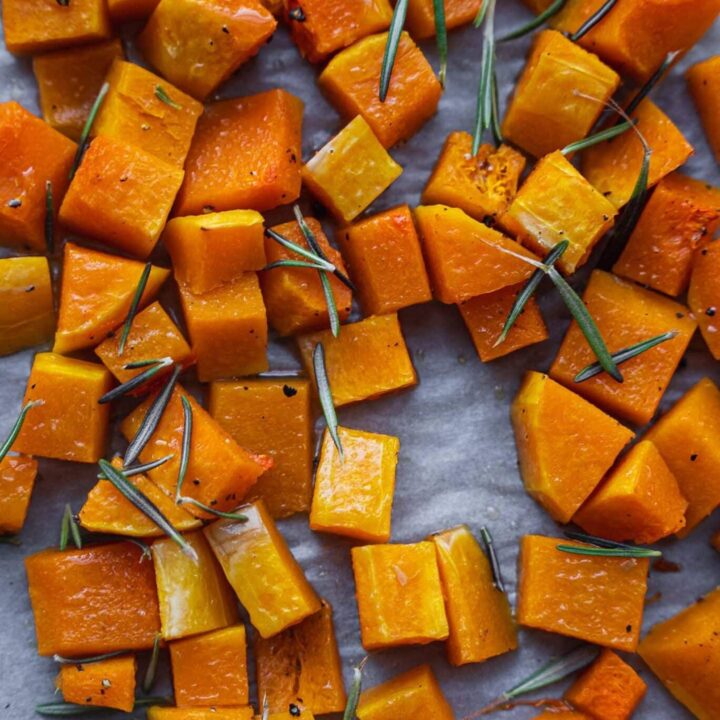
Master the basics with this simple guide to roasting butternut squash to caramelized, fork-tender perfection. Use it as a base for soups, salads, grain bowls, or as a simple side dish on its own. (Recipe from OhMyVeggies.com)
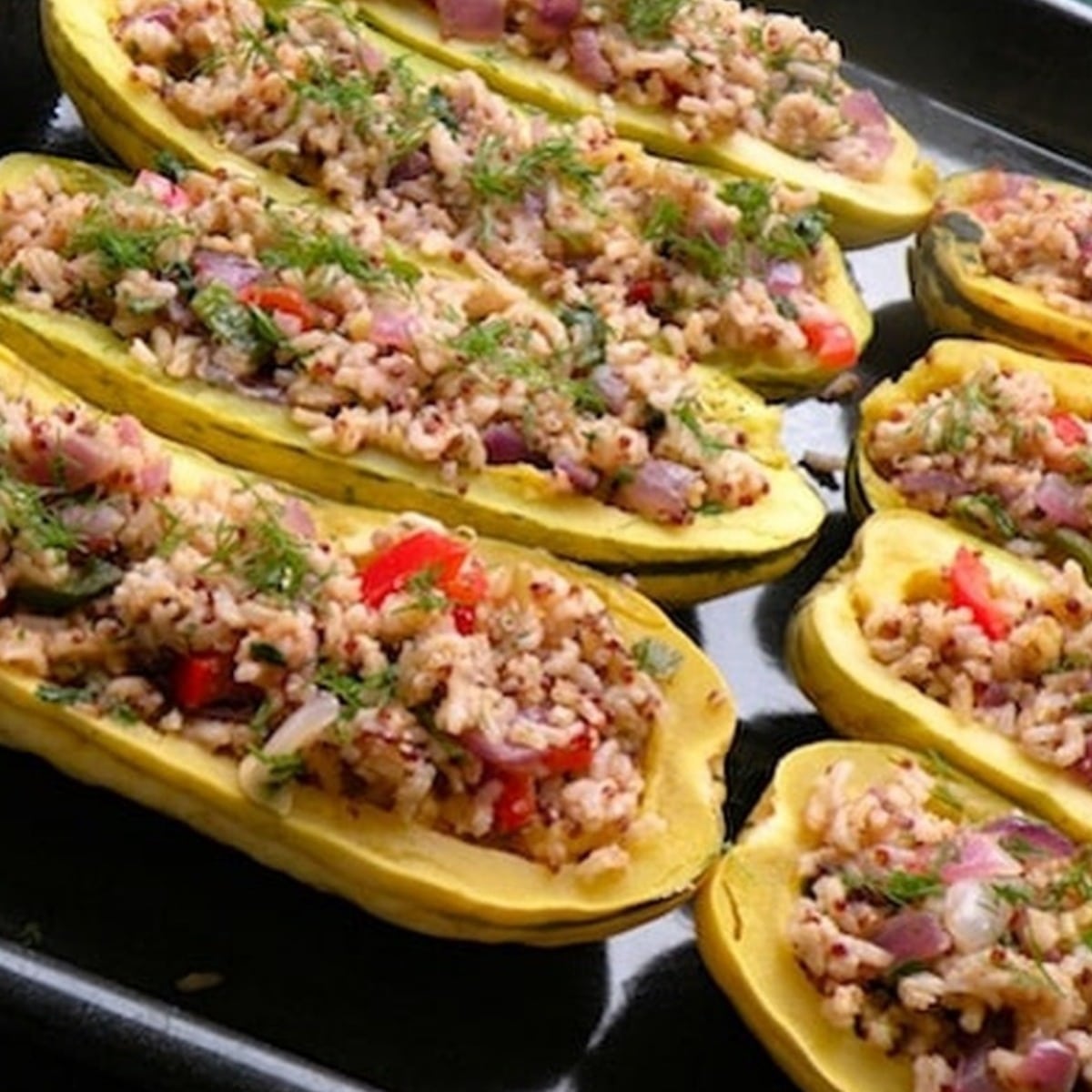
If you love butternut, give its sweet, edible-skinned cousin a try: these delicata squash halves are stuffed with a savory rice filling for a beautiful, complete vegan main. A great one to add to the rotation alongside your butternut favorites.
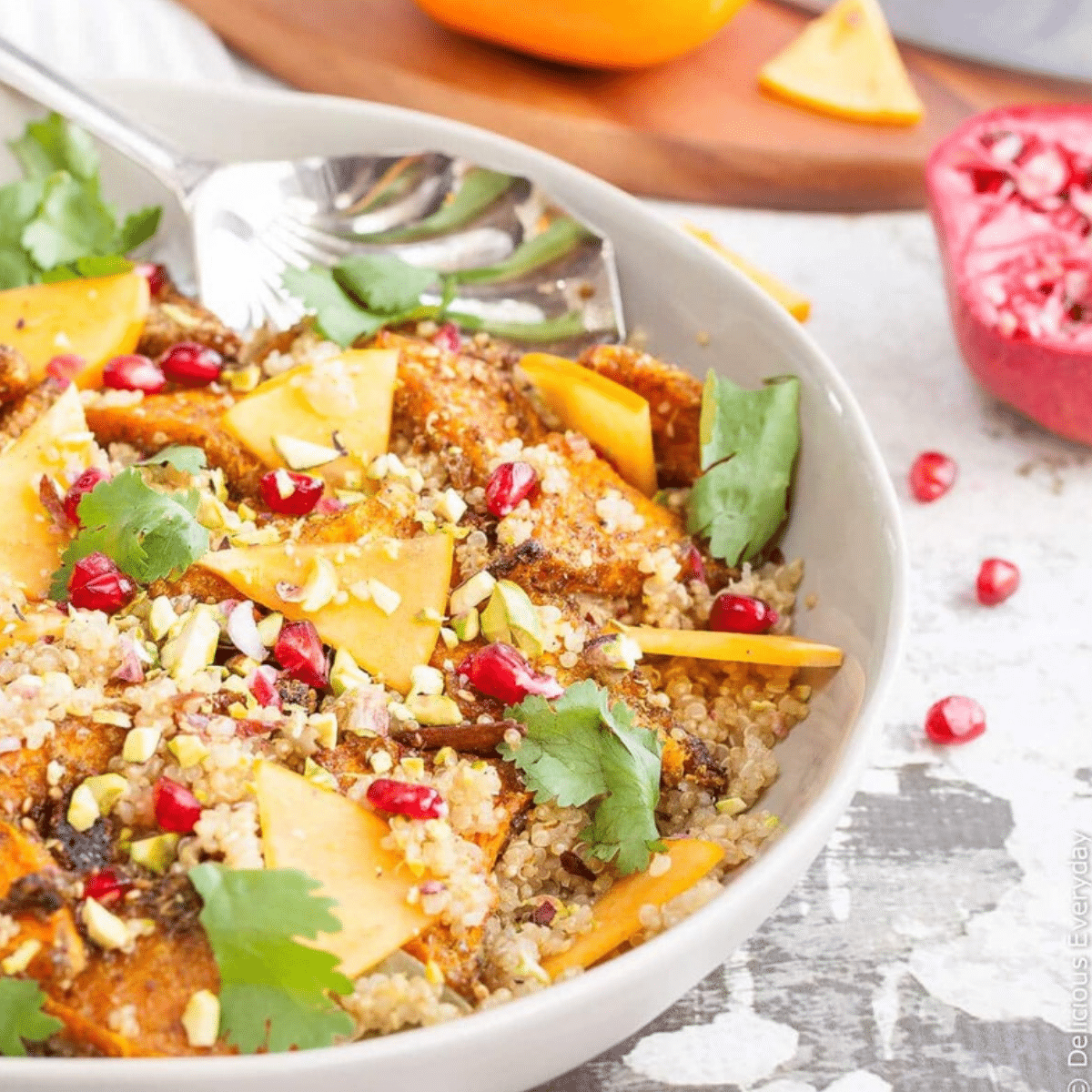
Fluffy quinoa simmered with cinnamon, cardamom and bay gets piled high with za'atar-roasted butternut squash, sweet persimmon, pomegranate seeds and pistachios. It's a jewel-toned, naturally gluten-free side that looks right at home on the holiday table.
And if you love these vegan butternut squash recipes, be sure to check out these other cozy favorites:
Vegan Spinach Recipes (that you'll actually want to eat!)
Spinach might be the most versatile leafy green in the vegan kitchen - it disappears into a creamy pasta sauce, holds its own in a hearty salad, and sneaks extra nutrition into just about anything you're cooking.
From creamy dips to hearty pastas, soups, and salads, here are all of our favorite vegan spinach recipes in one place.
Vegan Spinach Recipes
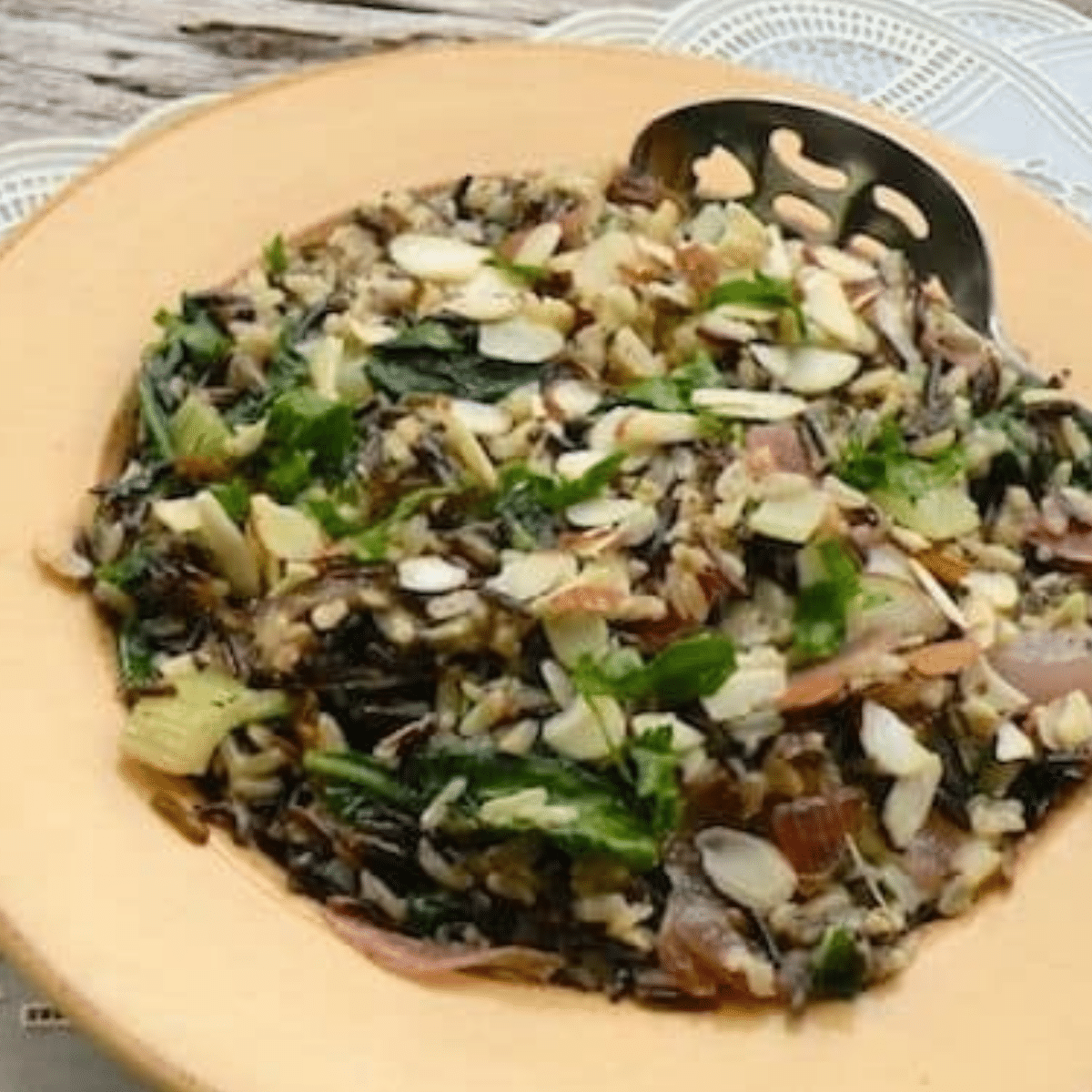
A nutty, chewy wild rice pilaf tossed with wilted spinach and toasted almonds for crunch. It's substantial enough for a main dish but works just as well as a hearty holiday side.

All the creamy, tangy flavor of the classic party dip, made entirely plant-based with a cashew-based base and plenty of artichoke hearts. Bake it bubbly and serve with crusty bread or chips.
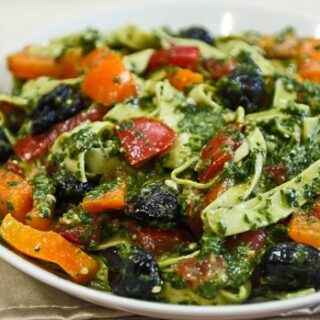
Thick, chewy udon noodles get tossed in a savory miso-spinach pesto that's bright, salty, and utterly addictive. It comes together in about the time it takes to boil the noodles.
A classic Mediterranean side dish that balances wilted spinach with sweet golden raisins and toasted pine nuts. Simple, fast, and packed with flavor from just a handful of ingredients.
Protein-rich lentils and tender spinach simmer in a fragrant curried tomato sauce, then get tossed with pasta for a warming, one-bowl dinner.
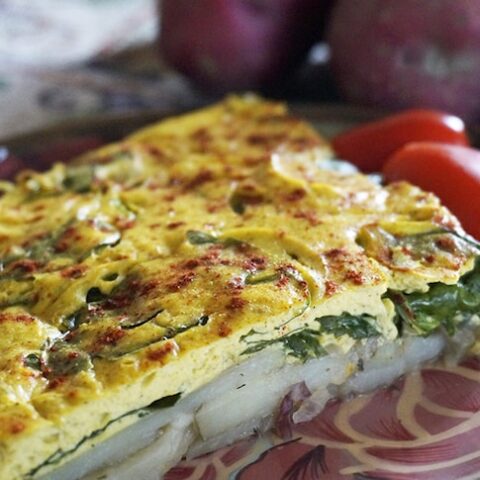
An egg-free take on the Italian classic, built on a creamy potato-onion base with an herby, egg-like filling studded with spinach. Great warm for dinner or cold the next morning.
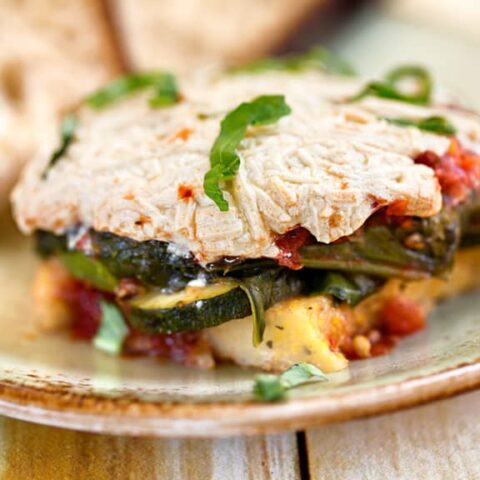
Layers of creamy baked polenta, sauteed zucchini, and spinach come together in a comforting, cheesy-without-the-cheese casserole.
Fluffy couscous studded with chickpeas, wilted spinach, and crunchy cashews for a quick weeknight dinner or make-ahead lunch.
A creamy coconut curry loaded with cauliflower and two kinds of greens for extra nutrition. Serve over rice for a cozy, warming dinner.

A savory tofu scramble studded with wilted spinach or arugula, perfect for a protein-packed vegan breakfast or brunch.
A creamy, protein-packed spread that blends chickpeas, avocado, and spinach into a bright green dip perfect for sandwiches, wraps, or crackers.
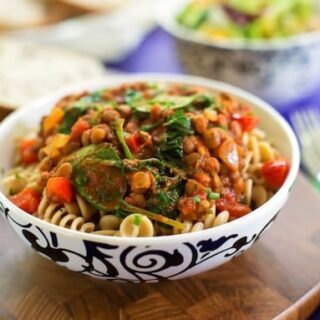
A rustic, Sicilian-inspired lentil sauce loaded with spinach makes a hearty, meatless pasta sauce that's just as satisfying as a classic bolognese.
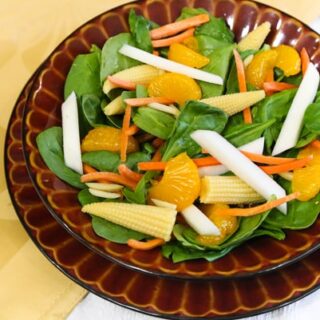
A bright, citrus-dressed salad that pairs tender baby spinach with sweet baby corn for a refreshing side dish.
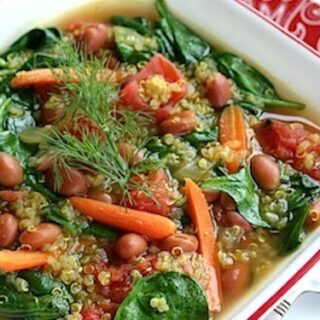
A hearty, protein-rich soup that combines pink beans, quinoa, and spinach in a comforting broth - perfect for a light but filling dinner.
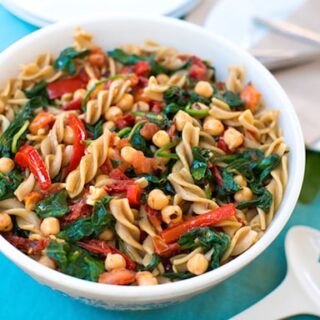
A quick pantry-friendly pasta dinner where spinach, chickpeas, and sun-dried tomatoes come together for big flavor with minimal effort.
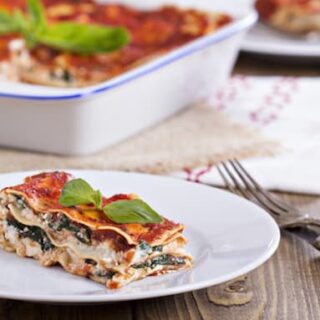
Layers of pasta, savory mushrooms, wilted spinach, and creamy tofu ricotta make this lasagna a comforting, crowd-pleasing main dish.
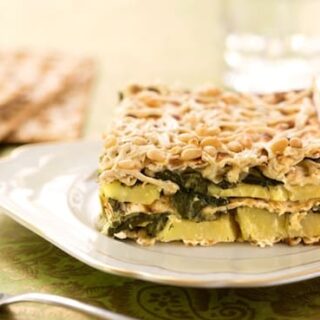
A cozy, layered gratin built with matzo, leeks, potatoes, and spinach - a great Passover-friendly dinner that's comforting any time of year.
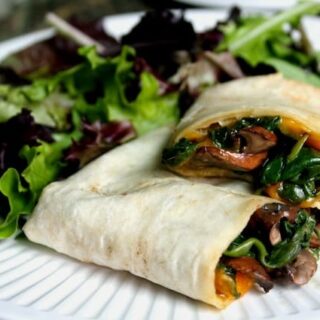
Sauteed mushrooms and spinach get rolled up with melty vegan cheddar in a warm tortilla for an easy, satisfying lunch or dinner.
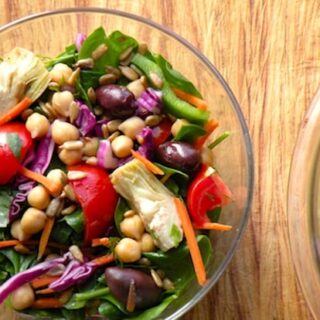
A hearty salad that turns the flavors of spinach artichoke dip into a full meal, with chickpeas added for staying power.
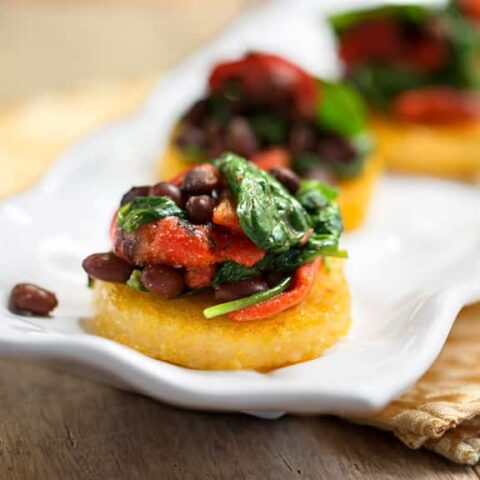
Creamy polenta topped with a savory black bean and spinach mixture for a filling, satisfying dinner that comes together on the stovetop.
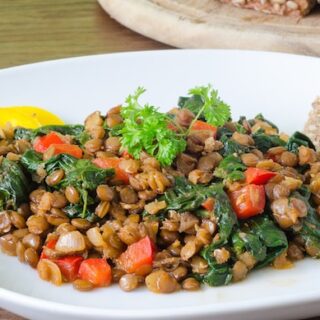
Earthy lentils simmered with spinach and sun-dried tomatoes for a simple, deeply flavorful dinner or side dish.
A cool, creamy spread that blends spinach and cucumber for a refreshing dip perfect for crackers or fresh veggies.
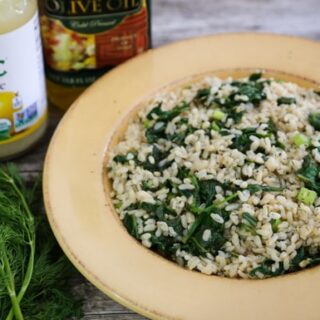
Fluffy rice studded with wilted spinach and fresh dill for a fragrant, easy side dish that pairs with just about anything.

A vibrant, colorful salad that pairs tender spinach with juicy orange segments and crunchy red cabbage for a sweet-and-savory combination.
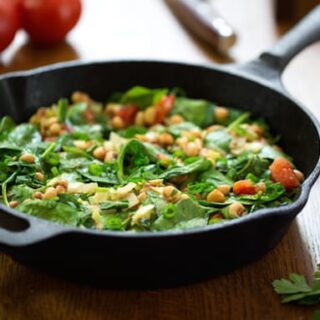
Creamy black-eyed peas simmered with spinach and fresh herbs for a simple, protein-rich Southern-inspired side or main.
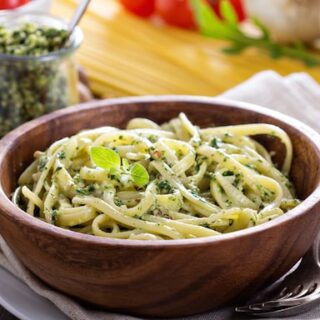
A savory, umami-rich twist on traditional pesto, made with spinach or arugula and a spoonful of miso for extra depth.

Wilted spinach simmered in a spicy, creamy peanut sauce inspired by West African flavors - serve over rice for a satisfying dinner.
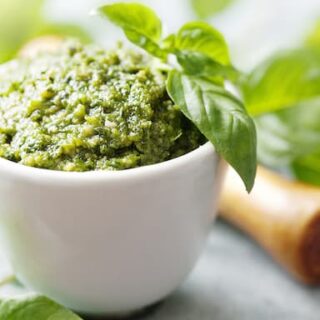
A bright, herby pesto that blends spinach with fresh basil for extra color and nutrition without sacrificing flavor.
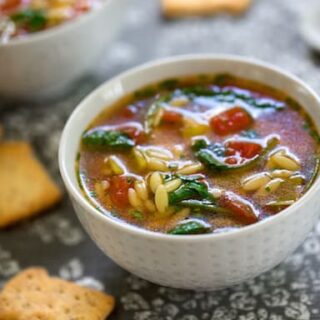
A lemony, Greek-inspired soup loaded with spinach and orzo pasta for a comforting, filling meal.
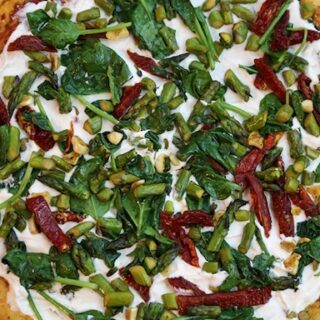
A creamy, cheese-free white pizza topped with tender asparagus and wilted spinach for a fresh spring-inspired dinner.
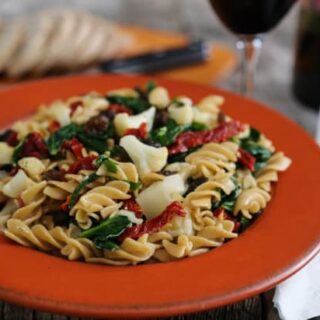
Pasta twists tossed with roasted cauliflower and wilted spinach for a simple, veggie-packed dinner.
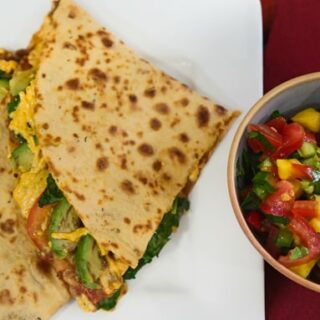
Loaded quesadillas stuffed with refried beans, spinach, and avocado for a filling, flavor-packed dinner.
Craving something sweet instead? Don't miss this collection of five energizing spinach smoothies - a delicious way to start your day.
And if you love cooking with vegan staples like these, check out a few more of our favorite themed collections:
Vegan Bean Recipes
Beans are the ultimate vegan pantry staple — cheap, filling, and endlessly versatile. We’ve rounded up our best vegan bean recipes, from hearty dinners and soups to dips, salads, and bean burgers, using black beans, white beans, pinto beans, red beans, and lentils.
From bean burgers and refried bean wraps to hearty bean soups and dinner-ready skillets, these are the vegan bean recipes we make again and again.
Vegan Bean Recipes
Smoky chipotle and hearty black beans come together in a veggie burger that holds together beautifully on the grill or in a skillet. Ready in about 30 minutes and freezer-friendly, it's a great make-ahead option for busy weeknights.
Tender sweet potatoes and hearty black beans simmer together with smoky spices in this cozy, warming chili. It comes together in under an hour and is 100% vegan, making it an easy go-to for chilly nights.
This fragrant, spiced lentil dish comes together in just half an hour, making it perfect for a fast weeknight dinner. Serve it over basmati rice or with warm flatbread for a hearty, satisfying meal.

Quinoa and red lentils cook together in one pot, then get formed into spiced veggie burgers with minimal fuss. Contributed by cookbook author Nava Atlas, this recipe proves protein-packed burgers don't need a long ingredient list.
Smoky, maple-sweetened baked beans meet a golden layer of vegan cornbread baked right on top in this cozy one-dish casserole. It's the kind of crowd-pleasing comfort food that disappears fast at any potluck.
Loaded with fresh herbs, ripe summer tomatoes, and just enough pasta to hold everything together, this red bean pasta salad lets the vegetables do most of the work. It's a sturdy, make-ahead option for a picnic or potluck.
Red beans, broccoli, and tomatoes get an unexpected Asian twist from a gingery miso sauce in this genuinely delicious dish. Served over a bed of quinoa, it shows bean dishes don't have to stick to the usual flavors.
Hearty sweet potatoes, protein-packed lentils, and fresh tomatoes make this soup as nourishing as it is comforting. It's ready in under an hour and freezes well, making it a smart pick for meal prep.
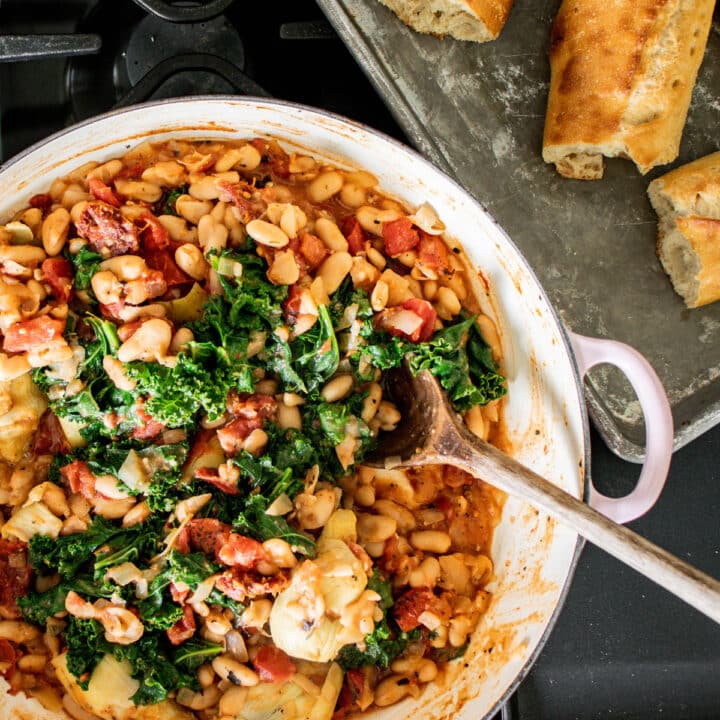
Fire-roasted tomatoes, sweet onions, and artichoke hearts turn a simple pan of white beans and kale into a full Italian-inspired meal. The whole thing comes together in one skillet in under 20 minutes.
Smoky BBQ tempeh bacon and tart apple add real depth to this hearty skillet of black-eyed peas and greens. It's a satisfying one-pan weeknight dinner with easy cleanup.
Pinto beans and quinoa bulk up this saucy, messy-in-the-best-way sloppy joe filling. It's a plant-based spin on the nostalgic sandwich that's just as fun to eat.
Black beans and corn make a hearty, satisfying quesadilla filling that comes together with vegan cheese on the stovetop or in the oven. It's an easy weeknight dinner the whole family can help assemble.
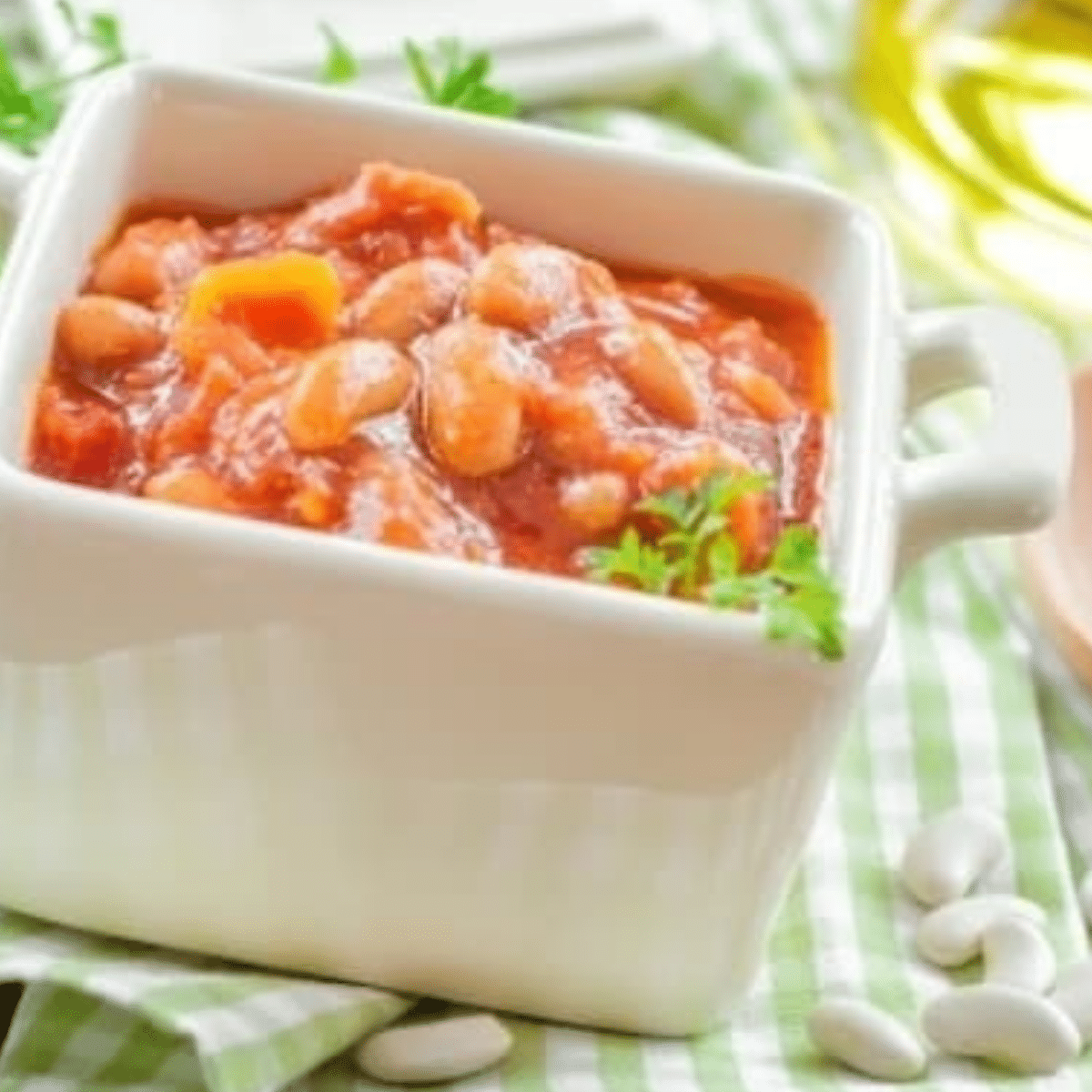
This simple stew of white beans in a savory tomato sauce is a Sephardic classic, served at holidays and everyday meals alike. It comes together with pantry staples you likely already have on hand.
This no-cook main-dish salad turns leftover brown rice into something special with beans, avocado, lime, and warm southwestern spices. It comes together in the time it takes to chop a few vegetables.
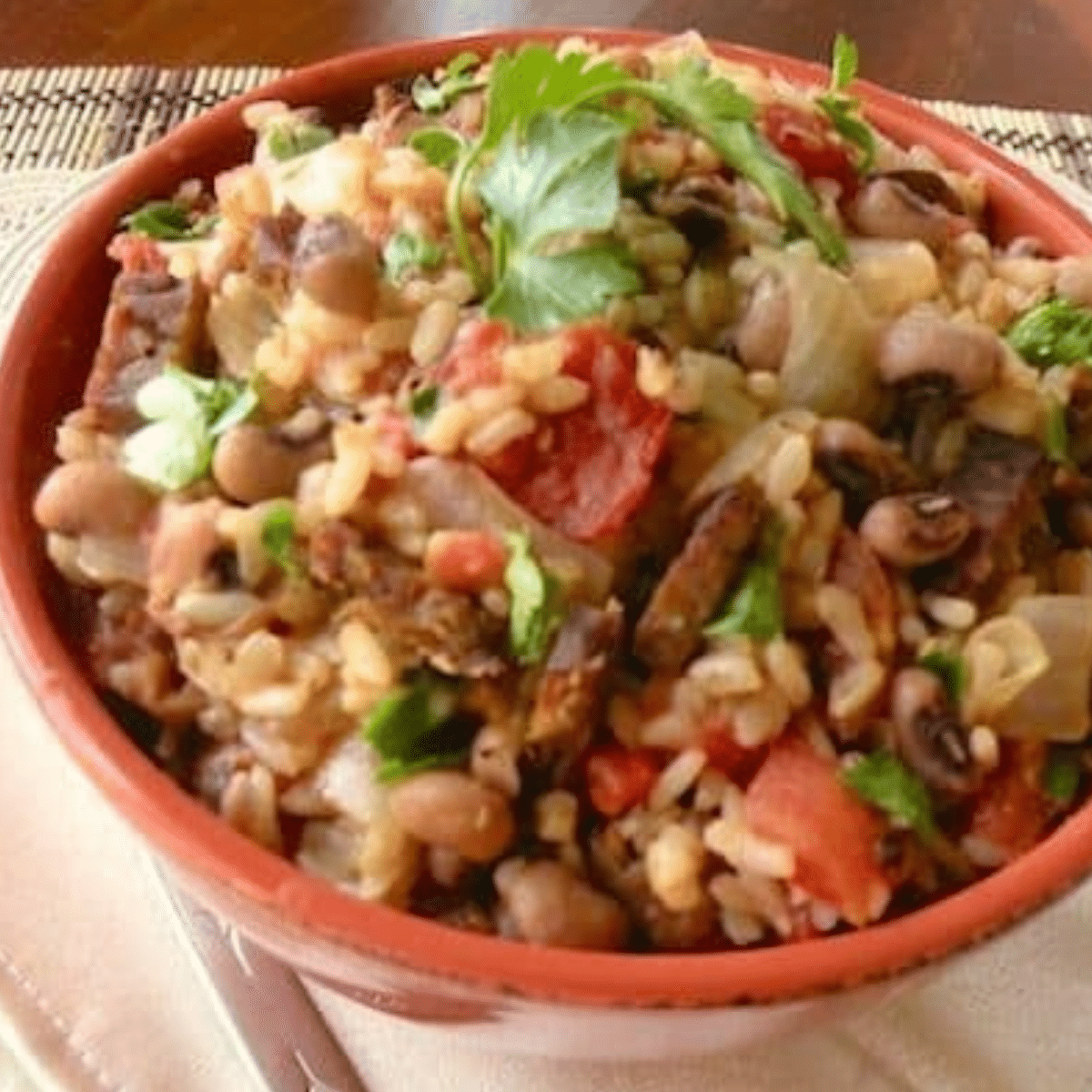
Black-eyed peas and rice simmer together in this vegan take on the classic Southern dish, traditionally served on New Year's Day for good luck. Round it out with coleslaw, garlicky greens, and cornbread for a full Southern-style spread.
Creamy cannellini beans blend into a versatile dip that comes together in minutes in a food processor with no cooking required. It's an easy last-minute appetizer that goes with just about everything.
This vegan version of New Orleans' most iconic dish simmers red beans low and slow until deeply flavorful, then serves them over rice. It's a dish with real history behind it, and it still holds up as a weeknight staple.
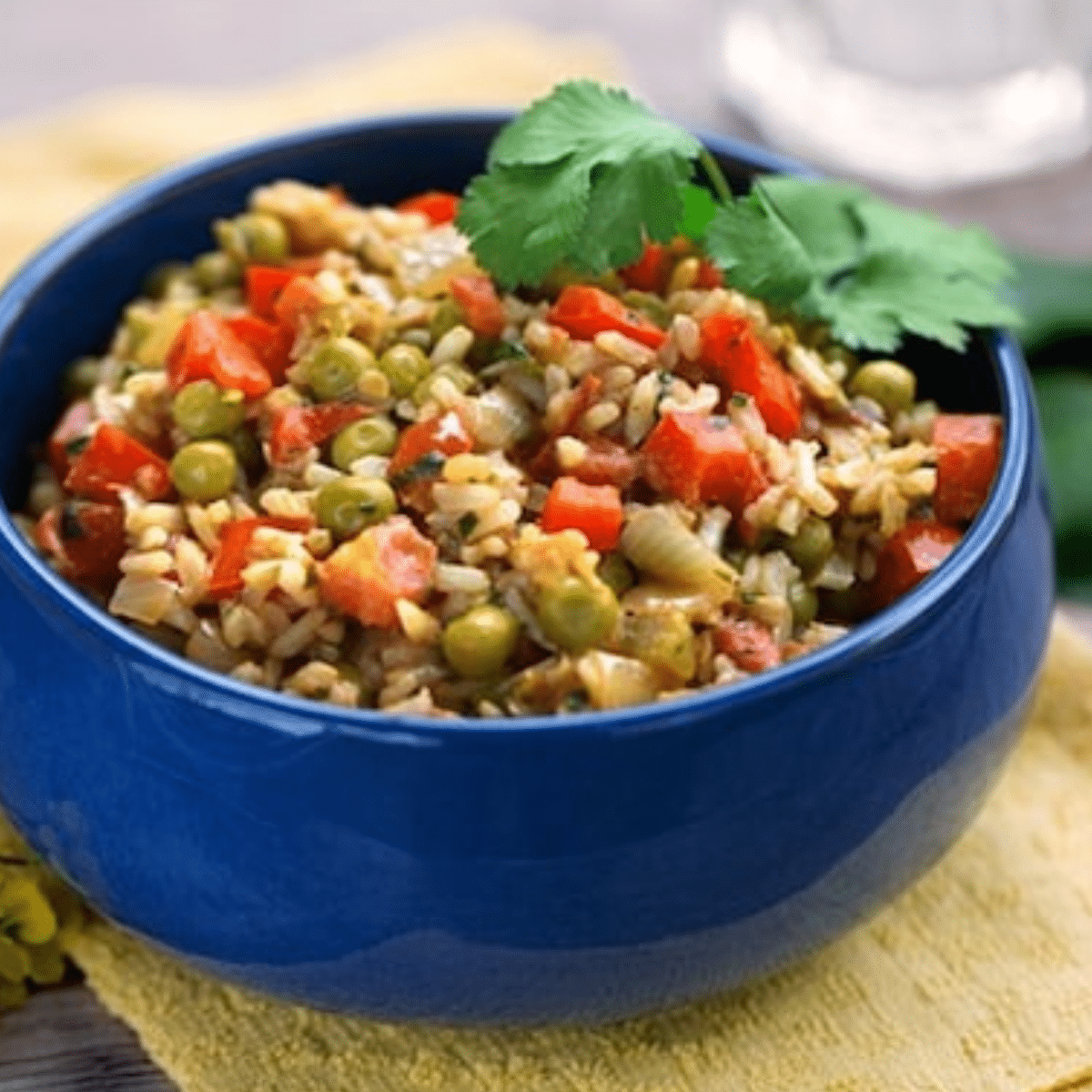
Traditionally made with pigeon peas, also called gungo peas or gandules, this bright rice dish can also be made with red beans if pigeon peas aren't available. Serve it at room temperature or slightly chilled.
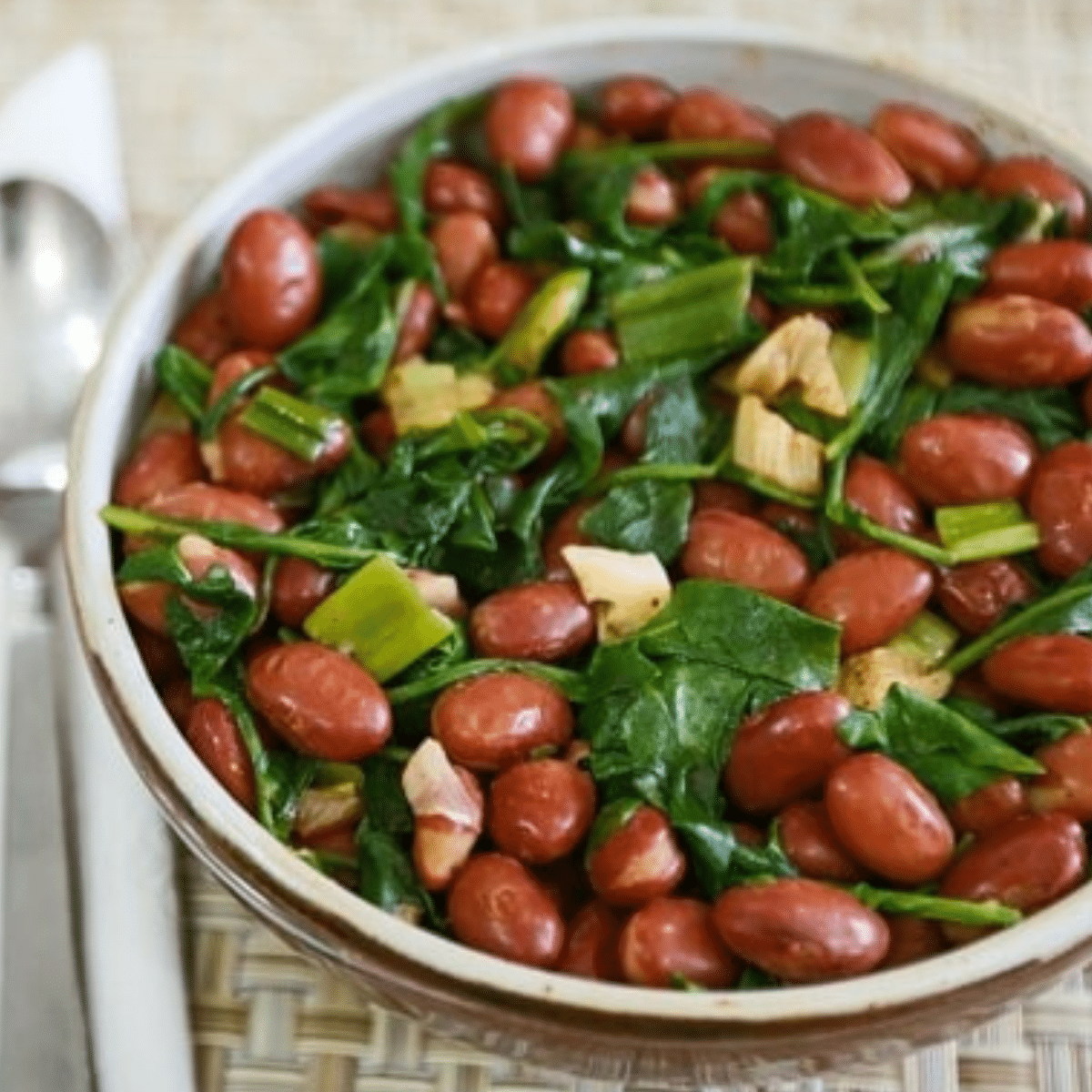
Leafy spring greens like spinach, arugula, or watercress pair beautifully with pink beans in this simple, garlicky skillet dish. It comes together entirely on the stovetop in about 30 minutes.
Broccoli and red beans in a miso-thickened sauce turn this pasta into a sturdy weeknight dinner that fuses Italian and Asian flavors in a way that just works. It comes together in one skillet while the pasta boils.
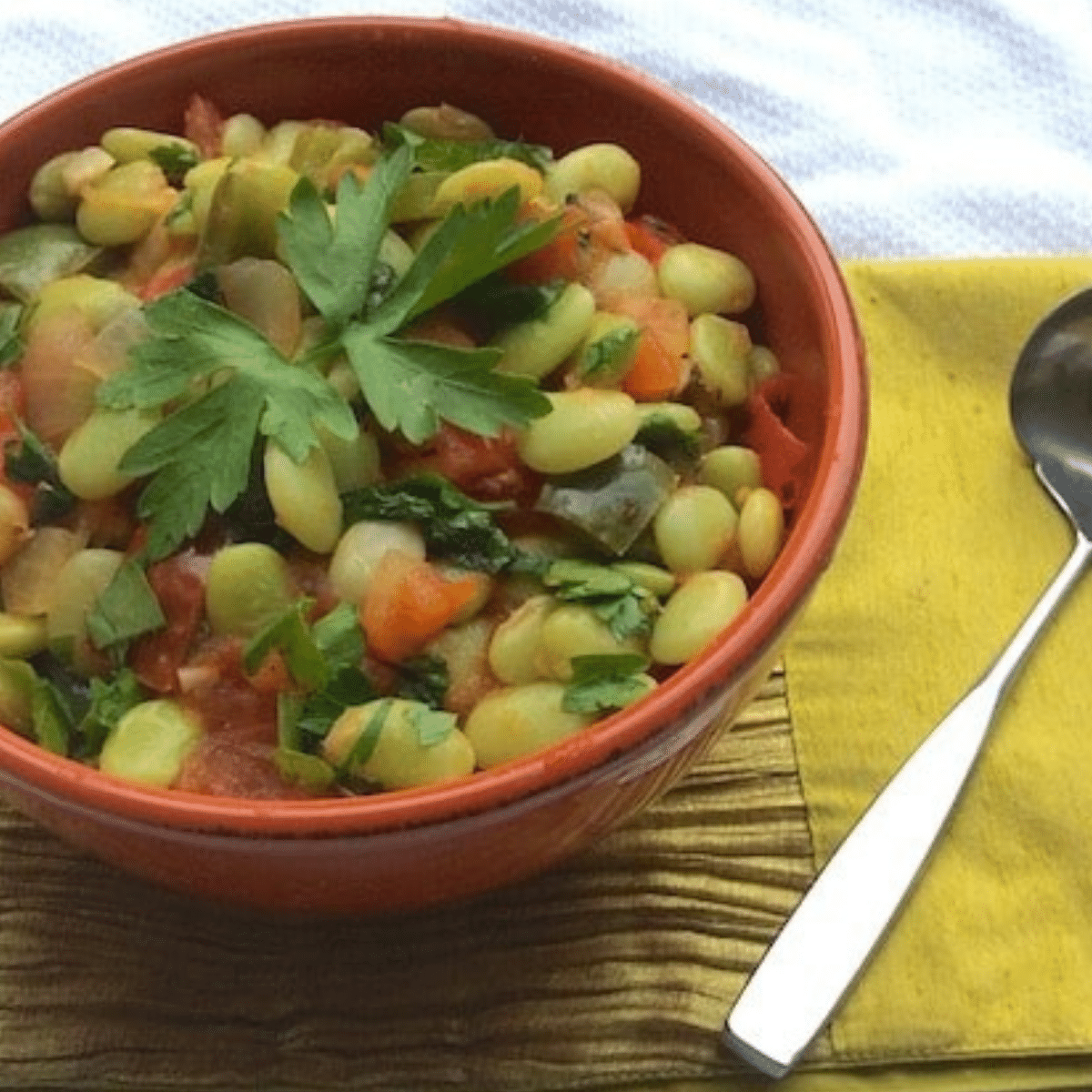
Lima beans, sometimes called butter beans, simmer with tomatoes and plenty of fresh herbs in this Creole-influenced Southern classic. It's simple enough for a weeknight but special enough for a potluck table.
These easy refried bean wraps come together in minutes and travel well, making them a great grab-and-go lunch or a quick weeknight dinner. Serve with tortilla chips and salsa for a full meal.
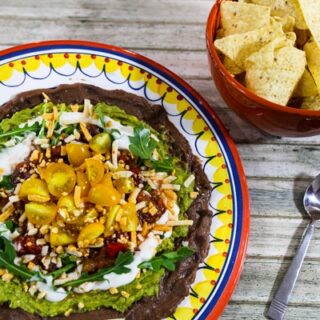
This fully vegan take on the classic party dip layers refried beans, guacamole, vegan sour cream, and all the usual fixings into one crowd-pleasing appetizer. It's a must for game day or any potluck spread.

This vegan version of the traditional Jewish Sabbath stew swaps in seitan for the usual beef, but keeps all the slow-cooked, hearty comfort of the original. It's an early ancestor of the slow-cooker recipe, built for long, low cooking.
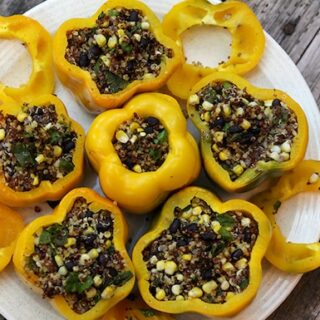
Well-seasoned quinoa, black beans, and corn make a hearty stuffed pepper filling that bakes up tender and satisfying. Roast a tray of extra vegetables alongside while the oven's already hot.
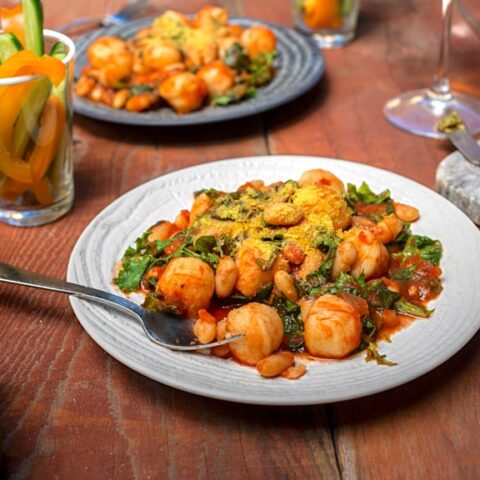
Pillowy potato gnocchi gets tossed with white beans and greens in a simple, comforting dinner that's ready in well under 30 minutes. It's the kind of starchy comfort food that never goes out of style.
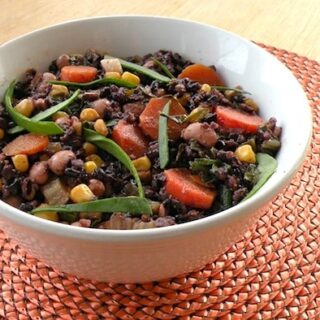
Corn, black-eyed peas, and greens look striking against dark black rice in this colorful, texture-packed dish. Serve it hot or cold, or swap in brown rice if that's what you have on hand.
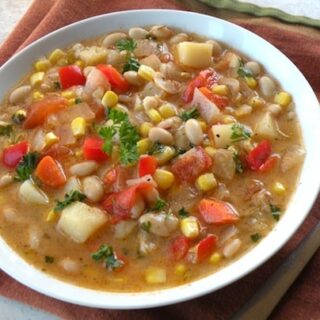
Navy or cannellini beans, sweet corn kernels, and red bell peppers make this hearty soup an easy, family-friendly weeknight dinner. It works equally well as a meal's centerpiece or as a starter.
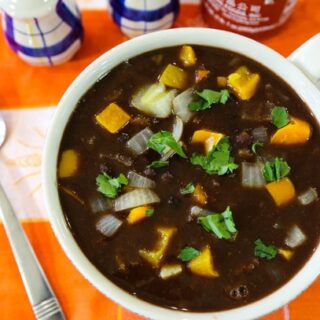
This hearty black bean soup gets its bold flavor from a jar of salsa, which means it's ready to eat in about 20 minutes flat. It's the soup to reach for on a rainy day when you need something warm, fast.

Crunchy croutons and briny olives give this black bean and tomato salad real texture, while staying easy enough for a weeknight side. Serve alongside grain dishes, quesadillas, or soft tacos.
Pickled beets add a bright, sweet-sour edge to this colorful red bean salad, making it a lively side for milder pasta, potato, or grain dishes. It's also a great addition to a spread of grilled vegetables.
Black beans, potatoes, and tortillas come together with lively southwestern spices in this hearty one-skillet dinner. Have the potatoes pre-cooked and the whole thing is on the table in about 30 minutes.
A sweet-spicy pineapple salsa adds a fun twist to these vegan quesadillas loaded with refried beans, baby greens, and avocado. They come together quickly for a weeknight dinner that still feels a little special.
And if you love these vegan bean recipes, be sure to check out these other delicious collections:
Vegan Asian Noodle Recipes
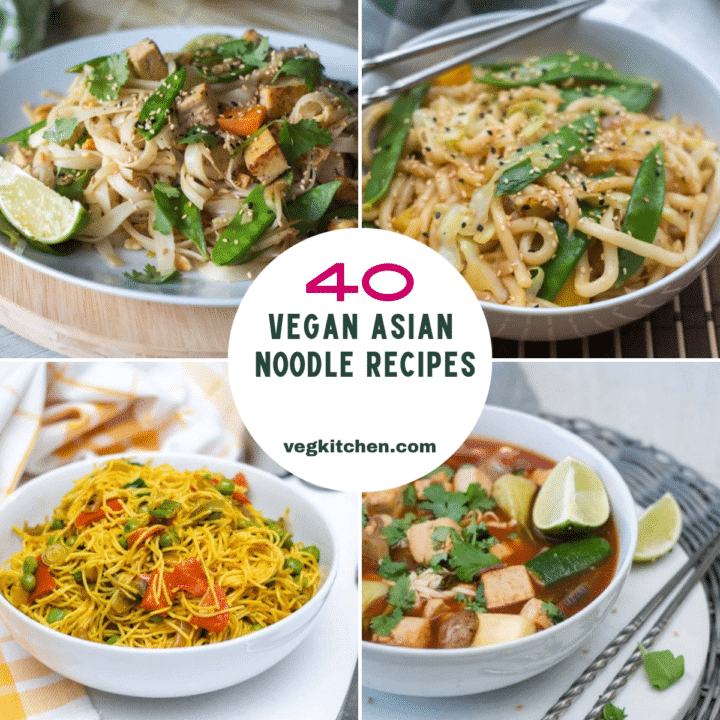
Noodles are one of the most comforting, satisfying things you can make for dinner, and Asian-style noodle dishes take that comfort to the next level with bold flavors like ginger, sesame, soy, and chili. Whether you're craving a steamy bowl of ramen, a cold soba noodle salad for a hot day, or a quick weeknight stir-fry, we've got you covered.
From soba and udon to rice noodles and bean-thread noodles, from noodle soups to cold noodle salads to classic stir-fries, we've rounded up 40 of our favorite vegan Asian noodle recipes below.
Vegan Asian Noodle Recipes
Classic pad Thai flavors -- tangy tamarind, savory soy, and crushed peanuts -- brought together in a fully plant-based version of the Thai noodle takeout favorite. It comes together fast enough for a weeknight and tastes better than delivery.
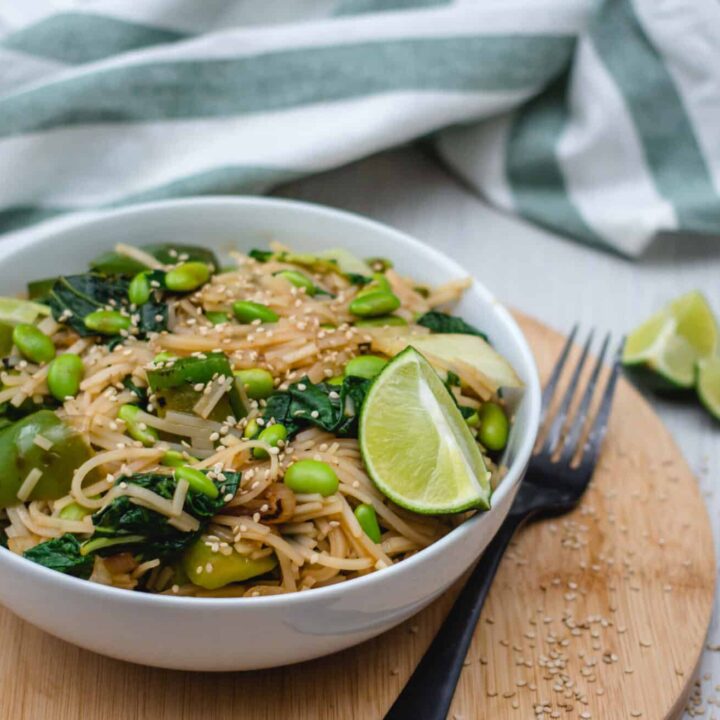
A veggie-forward spin on pad Thai loaded with green vegetables and finished with lime wedges and edamame. Serve it as a light main or a hearty side.
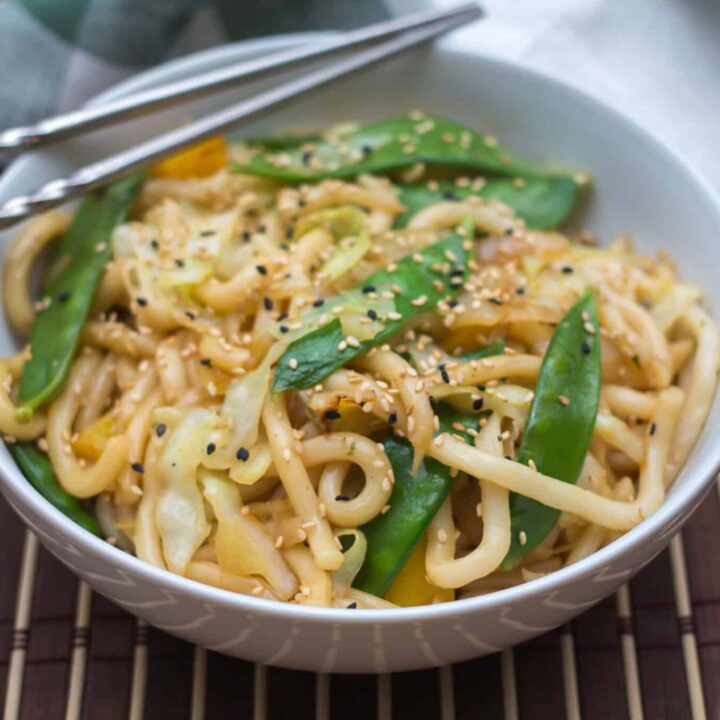
The Cantonese restaurant classic done vegan, with stir-fried noodles and crisp-tender vegetables tossed in a savory soy-based sauce. Ready in well under an hour and better than takeout.
Wide Chinese wheat noodles stir-fried with crisp vegetables and just enough soy sauce to bring it all together -- this one comes together in about 30 minutes flat.
Curry-spiced rice vermicelli packed with vegetables and a serious kick of heat. This one's a guaranteed second-plate request.
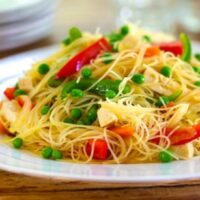
Fine whole-grain rice noodles tossed in a curry-spiced sauce that leans on both soy sauce and curry powder -- a nod to the overlapping Southeast Asian and Indian influences that define Singapore-style cooking.
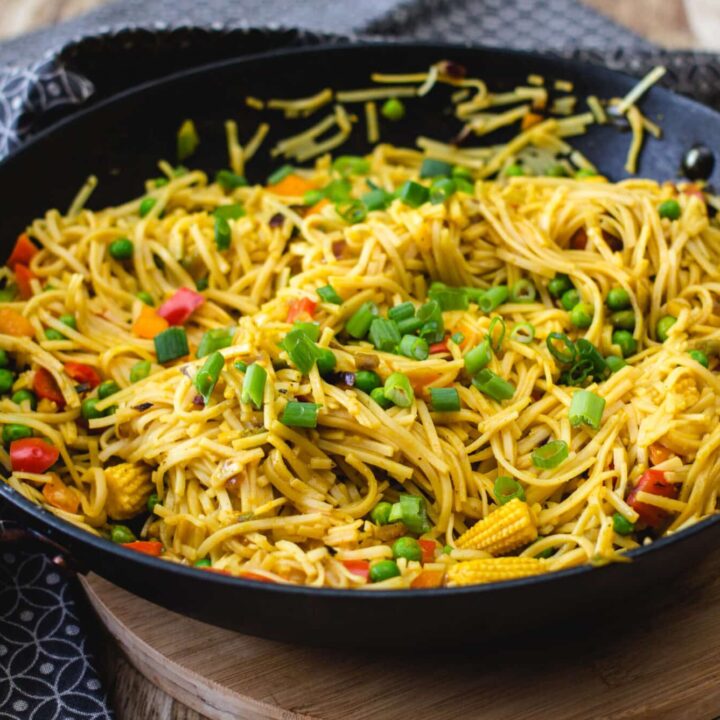
A slightly spicy noodle-and-vegetable stir-fry that's easy enough for a busy weeknight but flavorful enough to make on repeat.

Hearty Asian noodles tangled up with a lively, spicy stir-fry of sweet corn and cabbage. Quick enough for a weeknight, punchy enough to remember.
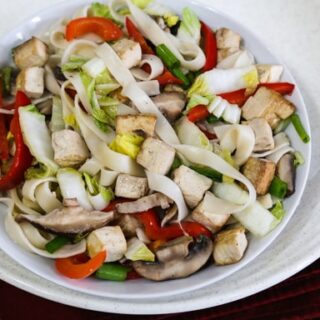
A simple stir-fry of napa cabbage, mushrooms, and tofu tossed with noodles -- the whole dish comes together in about the time it takes the noodles to boil.
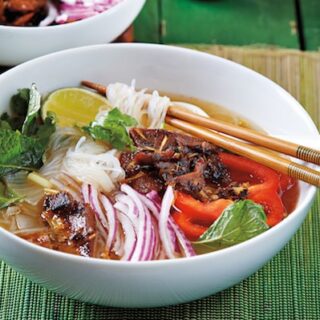
Bursting with lemongrass, lime, mint, and ginger, this noodle bowl channels classic Vietnamese flavors. Seitan-based mock duck adds satisfying chew and protein.
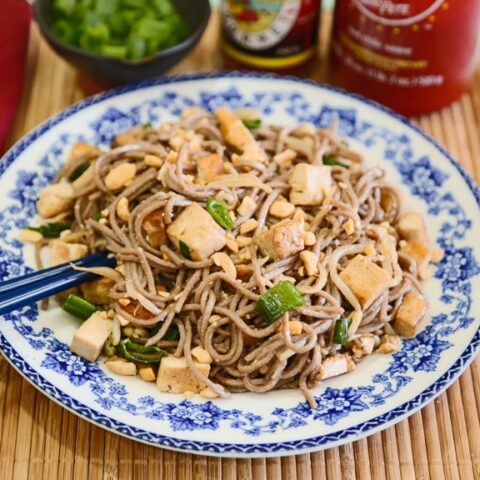
A fragrant Indonesian noodle dish dressed up with bean sprouts, baked tofu, and crushed peanuts -- a little exotic, but surprisingly easy to pull off on a weeknight.
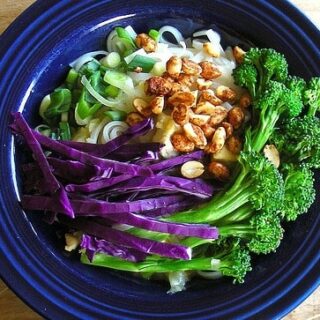
A fast, fresh noodle dish built from pantry staples you can grab in the Asian foods aisle, brightened with pineapple and coconut. Serve with steamed broccolini for a beautiful plate.
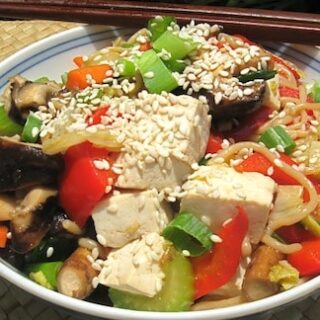
Slurpy shirataki noodles tossed with a rainbow of vegetables in a rich soy-mirin sauce. It's kid-friendly, easy, and just as good served cold as it is hot.
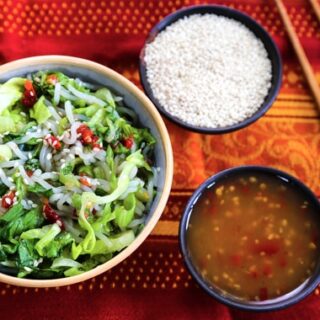
Cold shirataki noodles tossed with crisp lettuce and sweet chili sauce -- all the flavor of an Asian summer roll without the rolling. Ready in 5 minutes flat.

Comfort in a bowl: a hearty ramen loaded with tofu that comes together with almost no effort. This is weeknight ramen at its easiest.

Upgrade your everyday ramen with miso, mushrooms, zucchini, and tofu. Endlessly customizable to whatever you have on hand.
A warming, deeply savory bowl of butternut squash and spinach in a miso-ginger broth, ready in 40 minutes -- a VegKitchen staple since 2018.
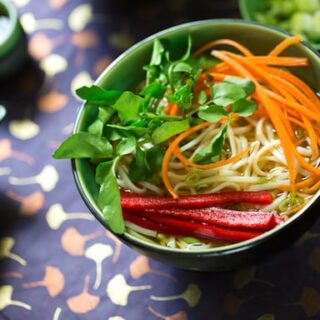
Thick udon noodles in a hot broth topped with crisp raw vegetables for an offbeat, pleasing presentation -- traditionally slurped with chopsticks, then finished off with the broth.
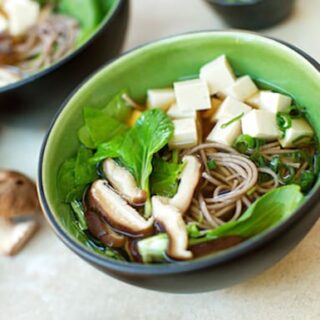
An Asian-style soup that goes from counter to table in 30 minutes or less, with soba noodles, tofu, and greens in a comforting broth.
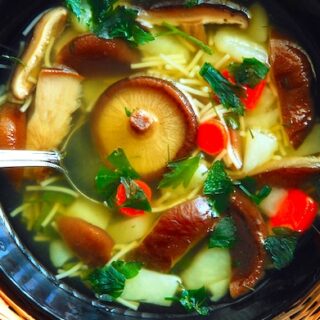
Thick udon or soba noodles make this quick soup substantial enough for a light main, or serve it as a starter before a colorful veggie stir-fry.
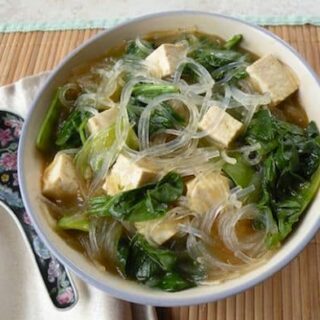
A warming Asian-style soup with delicate bean-thread noodles, tofu, and greens that's on the table in about 20 minutes.
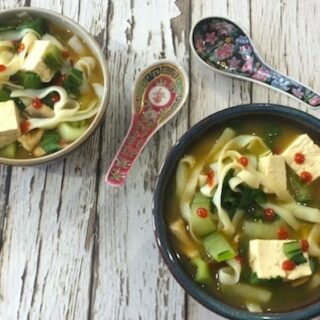
A piping-hot bowl of Asian noodle soup that beats calling for takeout -- ready in just 20 minutes, perfect for a cold or flu day.
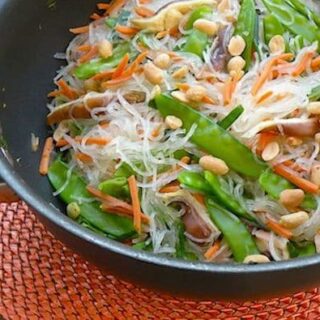
Bean-thread noodles or rice vermicelli tossed with snow peas and shiitake mushrooms in a light, fragrant sauce. Naturally gluten-free and good warm or at room temperature.
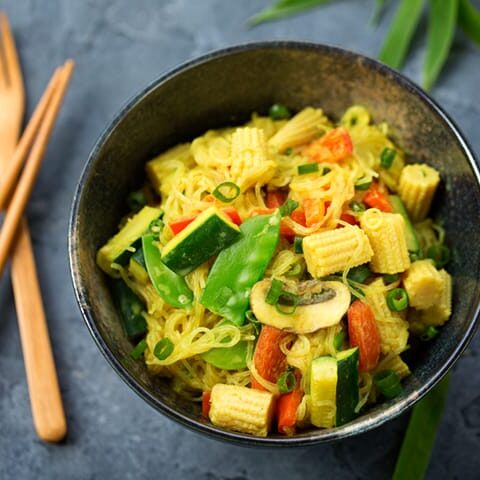
Bean-thread noodles and a mountain of vegetables enveloped in a luscious curried coconut sauce. Don't be intimidated by the ingredient list -- it all comes together quickly.
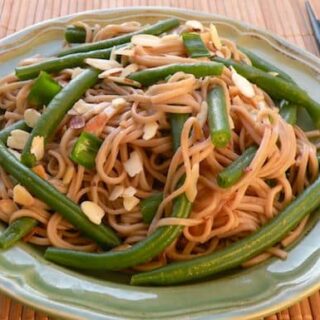
A simple soba noodle salad that makes the most of fresh green beans, though frozen work just as well for making this one year-round.
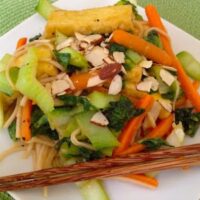
A quick, delicious dish of hoisin-glazed tofu and greens with a hint of citrus, tossed with soba noodles.
Nutty buckwheat noodles tossed in a quick dressing of toasted sesame oil, soy sauce, ginger, and rice vinegar -- ready in about 15 minutes and just as good cold as it is warm.
Soba noodles and calcium-rich collard greens flavored with a triple dose of sesame, topped with crispy tempeh croutons for crunch.
A cold soba noodle dish laced with kale or collard greens and a piquant ginger dressing -- an easy make-ahead lunch or light dinner.
Hearty, naturally gluten-free soba noodles mingle with refreshing cucumber in this simple, Asian-flavored cold noodle salad.
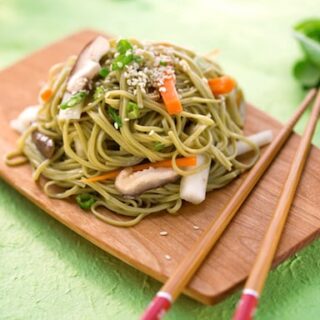
Spaghetti-shaped somen noodles, traditionally eaten cold in Japan during the summer, paired with peppery daikon and mellow carrots.
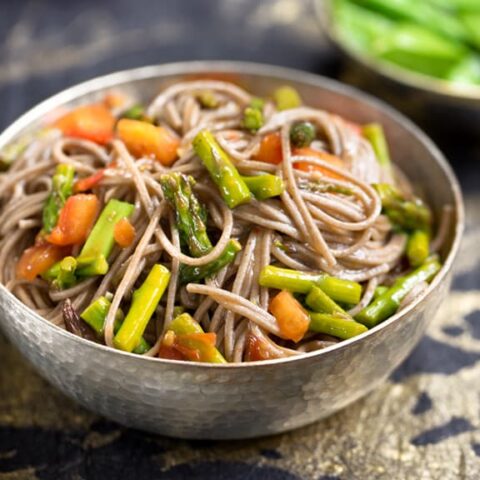
Soba noodles dressed sweet-and-sour and tossed with asparagus and fresh tomatoes -- a lovely spring or early-summer dinner.
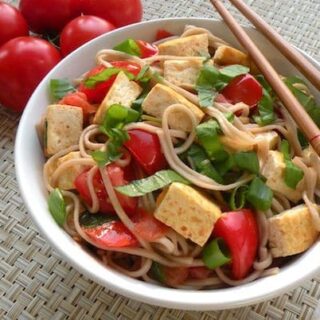
A quick summery dish that blends Asian and Italian flavors -- soba noodles, tofu, tomatoes, and basil, finished with sesame oil and soy sauce.
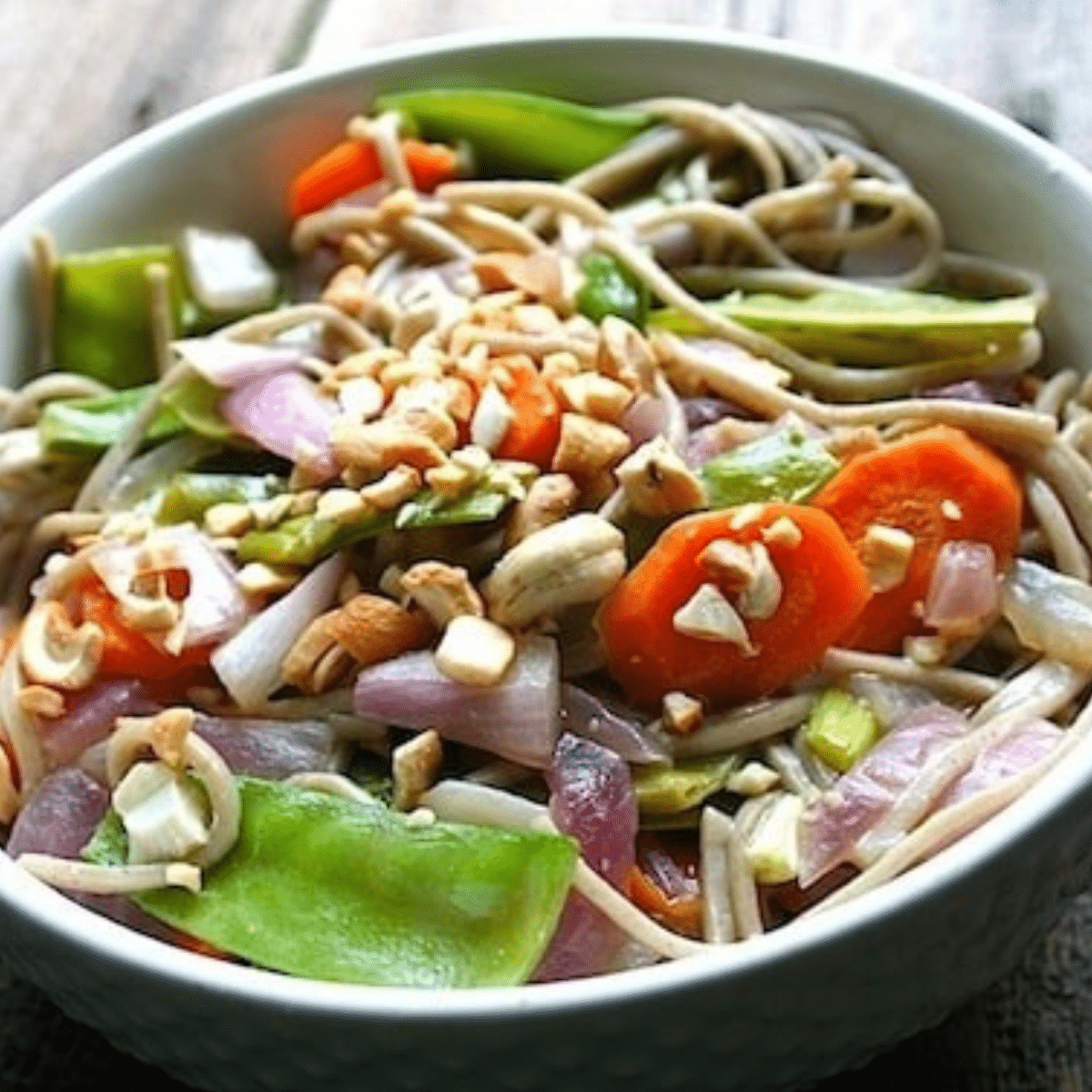
A quick soba noodle dish that's especially nice when snow peas are fresh from the garden. Naturally gluten-free, too.
Umami-rich miso fuses with peppers, tomatoes, and olives in this East-meets-West noodle dish, delicious served warm or at room temperature.
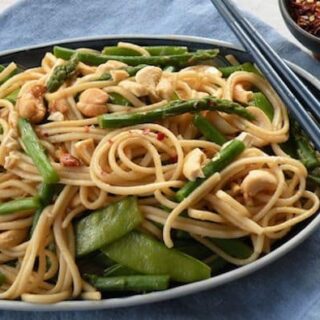
Hearty udon noodles tangled with cashews and tender asparagus in a light sauce -- good warm or at room temperature.
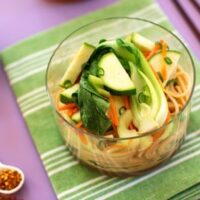
An easy rendition of peanut noodles with a dollop of tahini and a dash of spice -- a perfect make-ahead summer dinner.
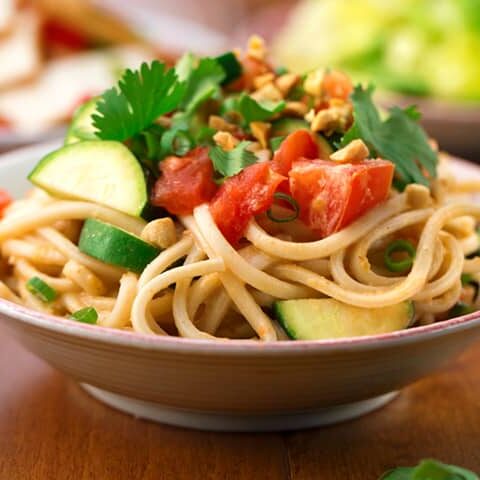
Luscious, nutty peanut-ginger noodles you can customize with whatever vegetables are in season or in the fridge.
Thai peanut satay sauce meets pre-cut broccoli slaw for a shortcut dinner that's ready in a flash without skimping on flavor.
A milder peanut noodle dish designed with kids in mind -- though adults can spice up their portion with sriracha or red pepper flakes.
And if you love these vegan Asian noodle recipes, be sure to check out these other favorites:
Vegan Chickpea Recipes
Chickpeas might be the hardest-working ingredient in a vegan kitchen — creamy in hummus, crispy roasted, or blended right into cake batter. We’ve rounded up our favorite vegan chickpea recipes so you always have a new way to use a can (or three).
From weeknight dinners and hearty bowls to dips, salads, and a sneaky good dessert, these are the vegan chickpea recipes we keep coming back to.
27 Vegan Chickpea Recipes
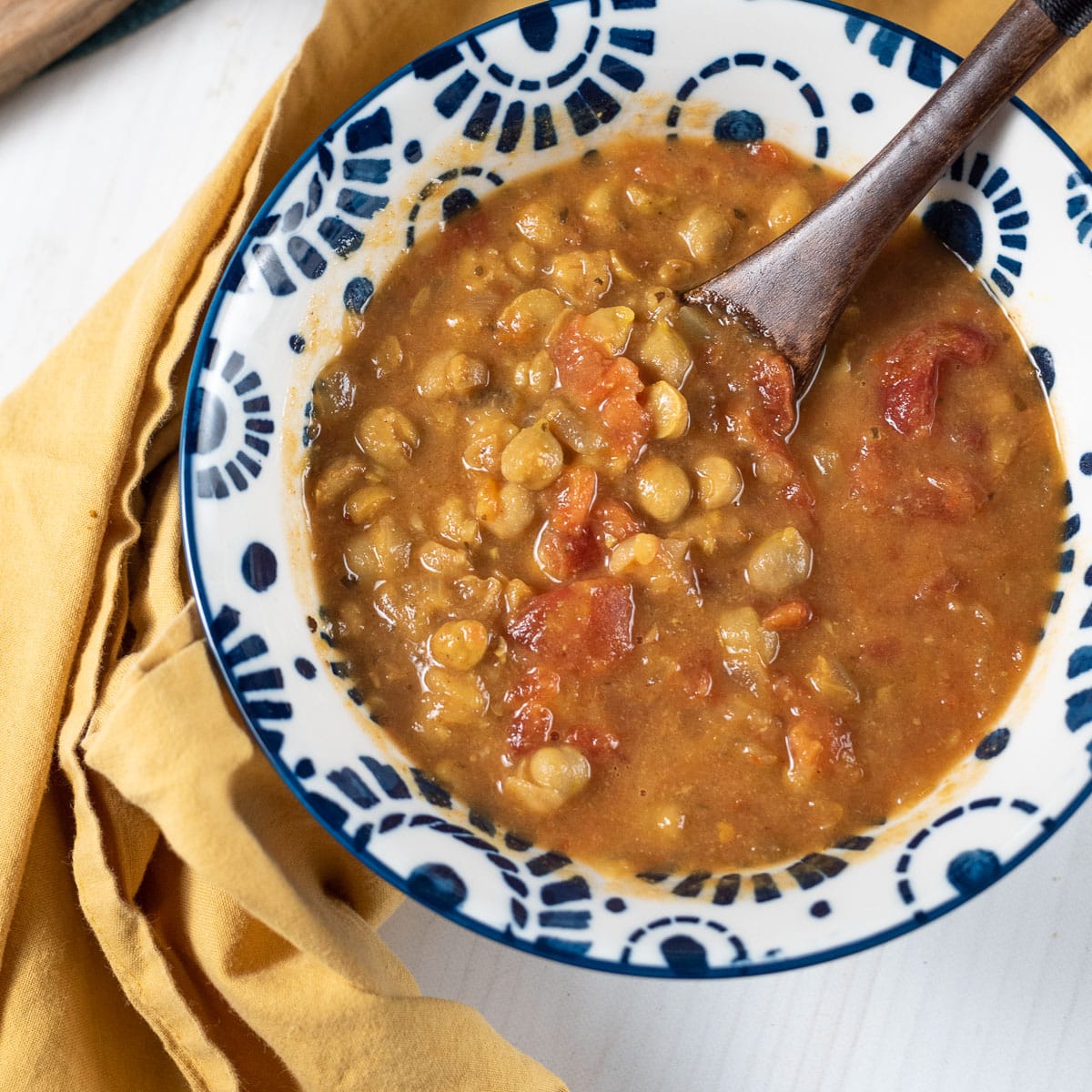
This one-pot chana masala delivers all the warm, layered flavor of a classic Indian curry in about 30 minutes. Tender chickpeas simmer in a spiced tomato sauce that is perfect over basmati rice or with warm naan. It is a weeknight staple that also tastes even better the next day.
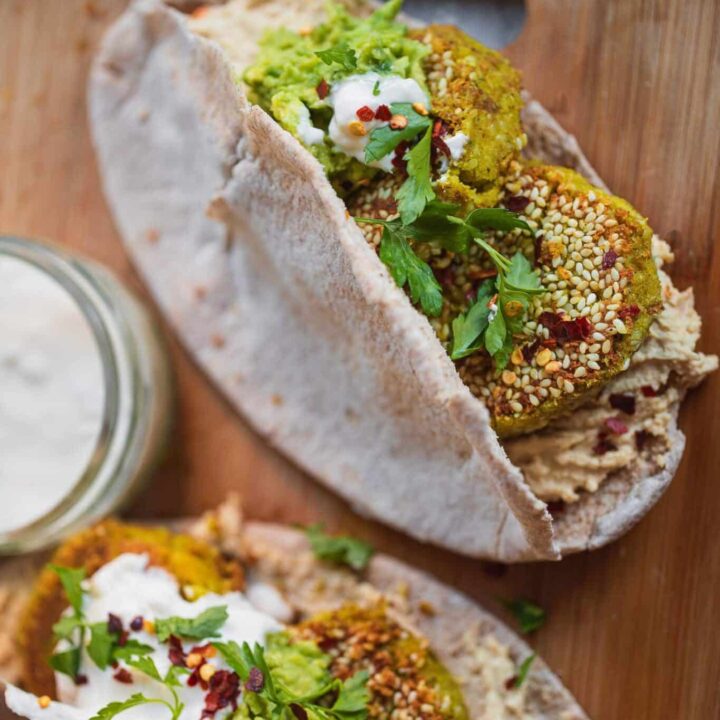
Crunchy on the outside with a sesame seed crust and soft and fluffy on the inside, these falafel are made with simple ingredients and are gluten-free. You can bake them for a lighter version or fry them for extra crunch. Tuck them into pita, pile them on a salad, or serve them with tahini sauce.
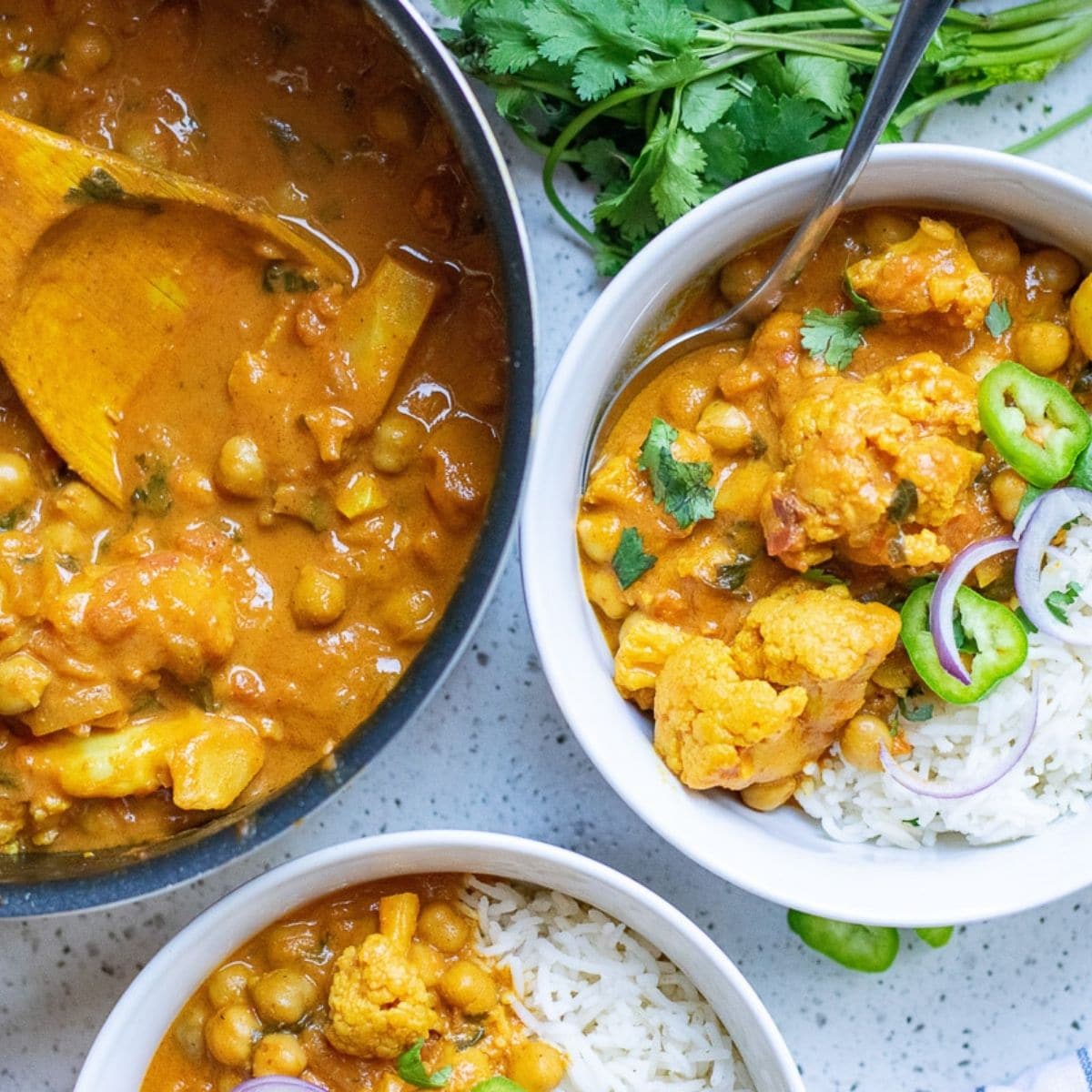
A fragrant, creamy coconut-based curry loaded with chickpeas and cauliflower, all made in a single pot. Just a handful of spices gives it the depth of your favorite Indian restaurant dish. Serve it over rice for an easy, satisfying dinner.
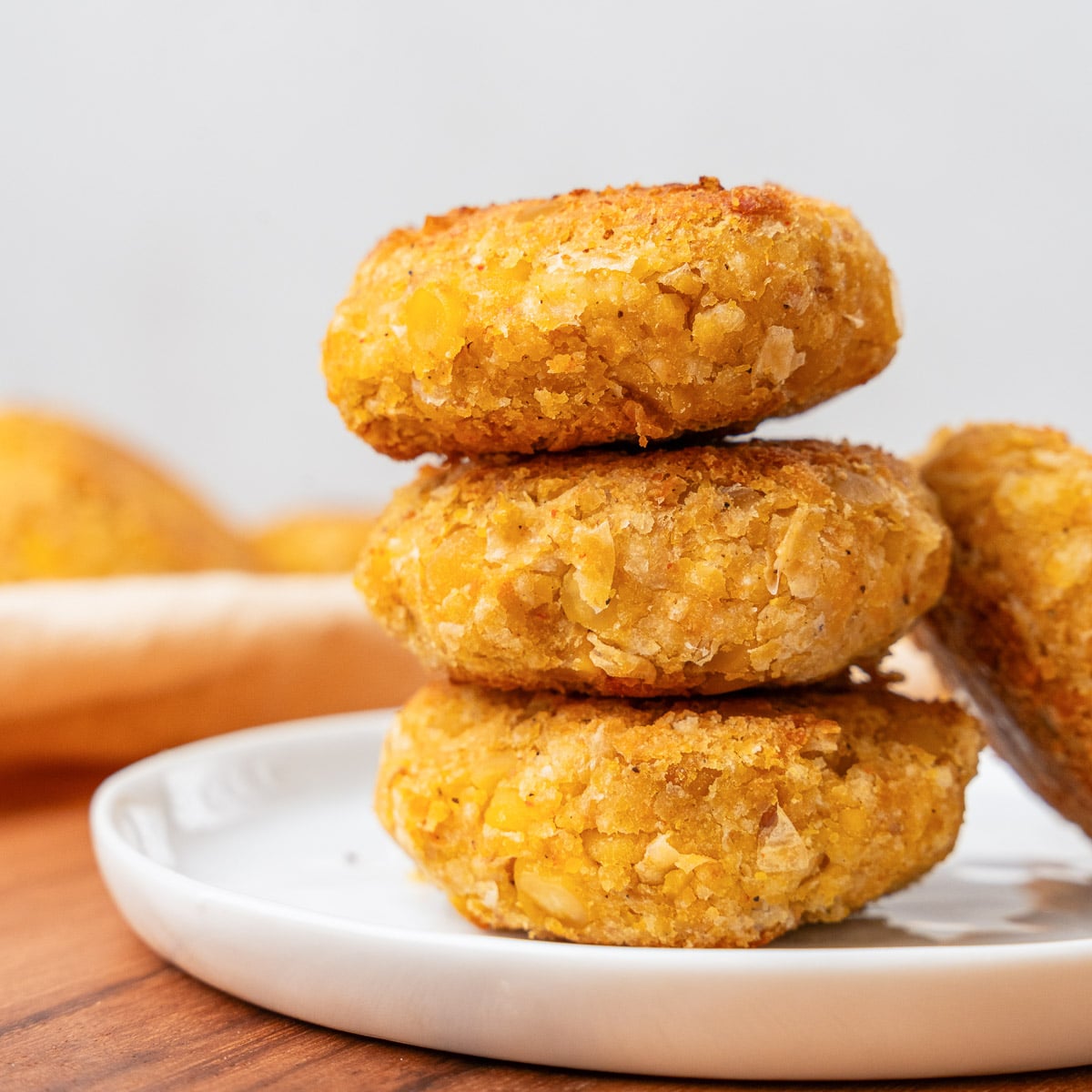
Crispy, golden patties made from canned chickpeas that come together in under 30 minutes. Enjoy them as veggie burgers, crumble them over salads, or serve them as an appetizer with your favorite dipping sauce. They are completely plant-based and a great way to get more protein on your plate.
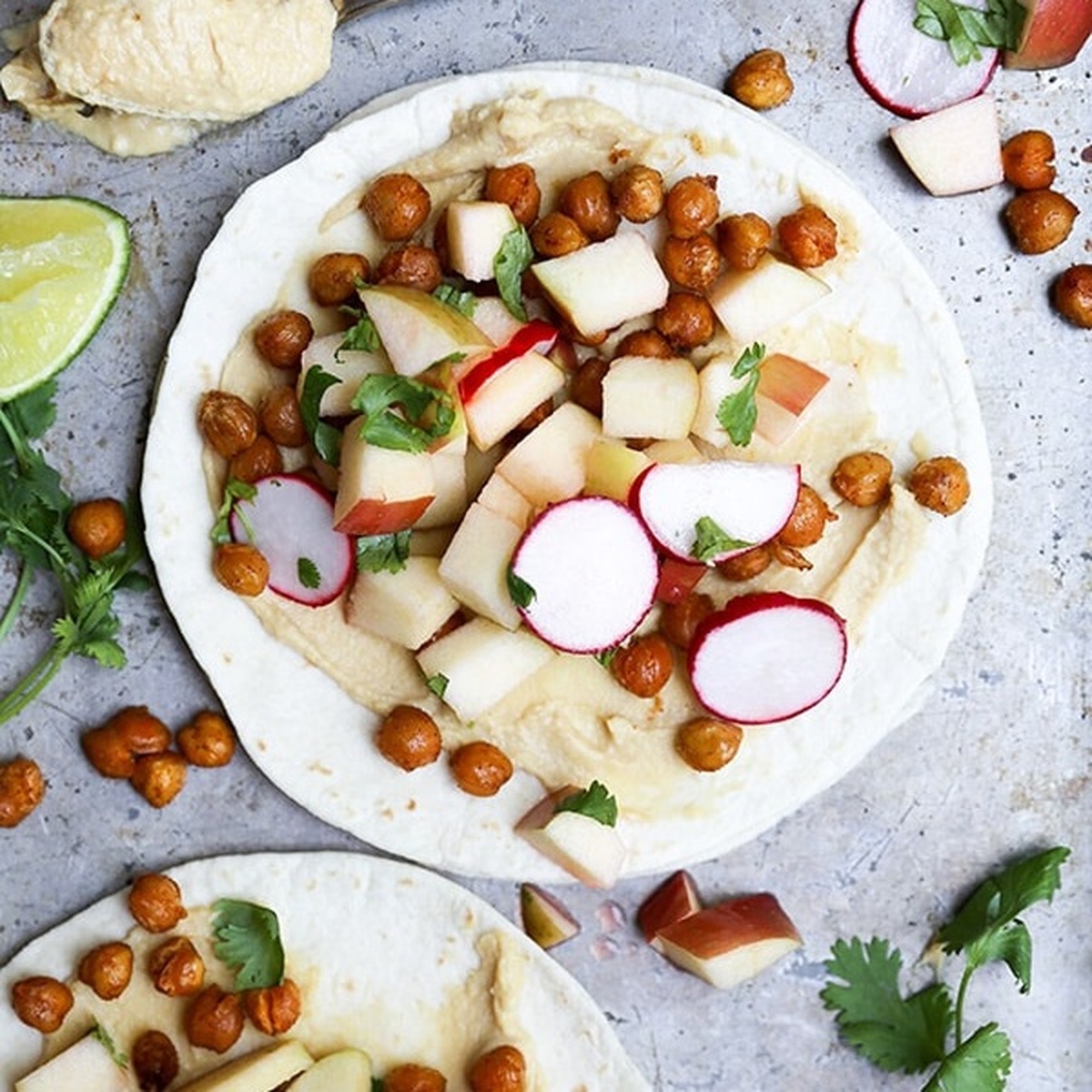
These open-faced tacos are piled with crispy cumin-roasted chickpeas, creamy hummus, and a crunchy apple-radish slaw. They are fully vegan and ready in about 30 minutes. It is a weeknight dinner that still feels a little bit special.
A one-pan vegan dinner that is ready in about 22 minutes with no chopping required. Frozen riced cauliflower, mushrooms, and chickpeas make a hearty, gluten-free take on fried rice. It is a great answer to busy weeknights.
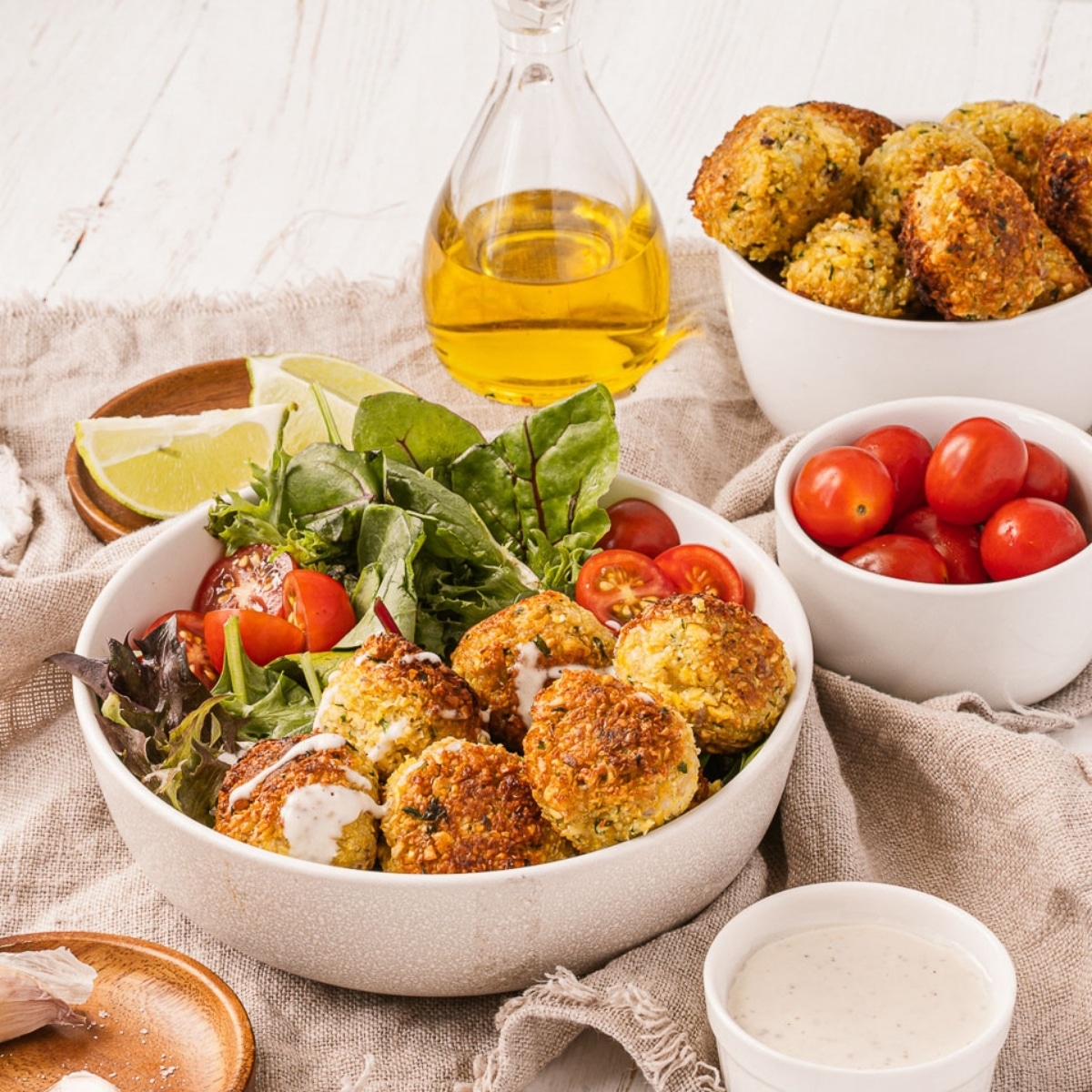
Crispy falafel gets piled onto a bed of greens with fresh tomatoes, red onions, and a generous drizzle of tahini sauce. This easy bowl works for lunch or dinner any day of the week. It is a fun way to turn falafel into a full, balanced meal.
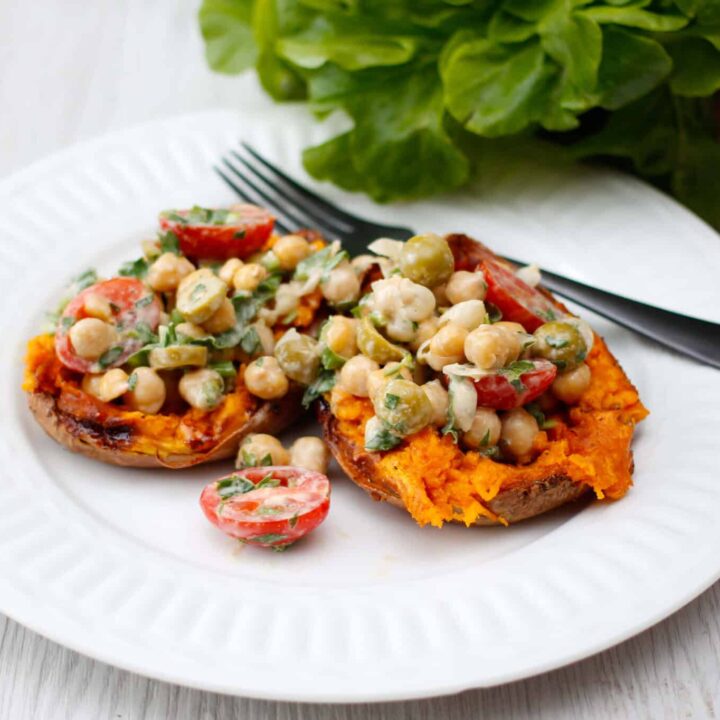
Roasted sweet potatoes are stuffed with spicy, tender chickpeas and finished with a creamy tahini sauce. This is a complete and comforting meal that is full of protein and feels a little gourmet. It is a colorful, satisfying dinner for cooler evenings.
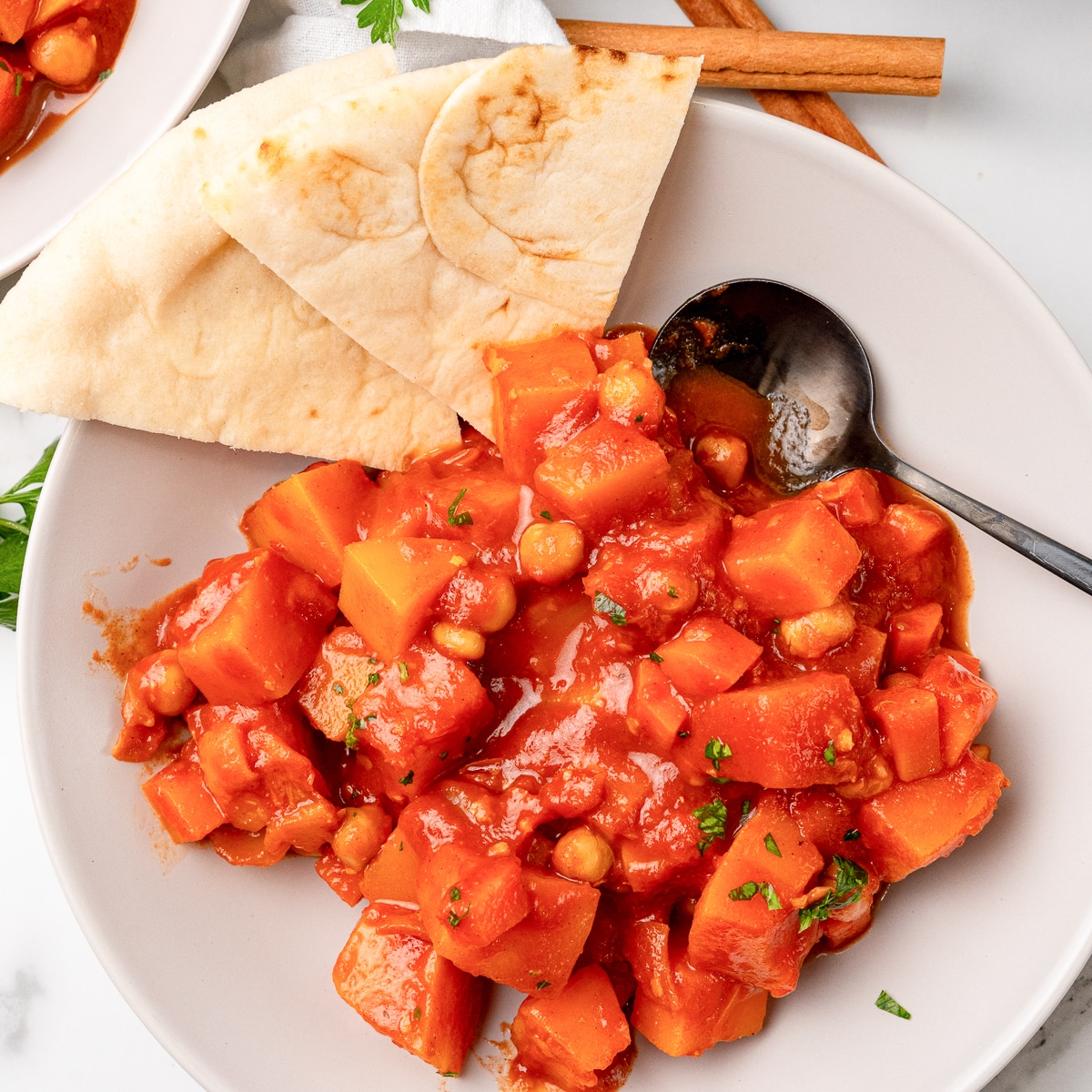
Tender butternut squash and protein-packed chickpeas simmer together with Moroccan-inspired spices. The stew is a little savory, a little sweet, and full of cozy flavor. It is a hearty bowl for fall and winter.
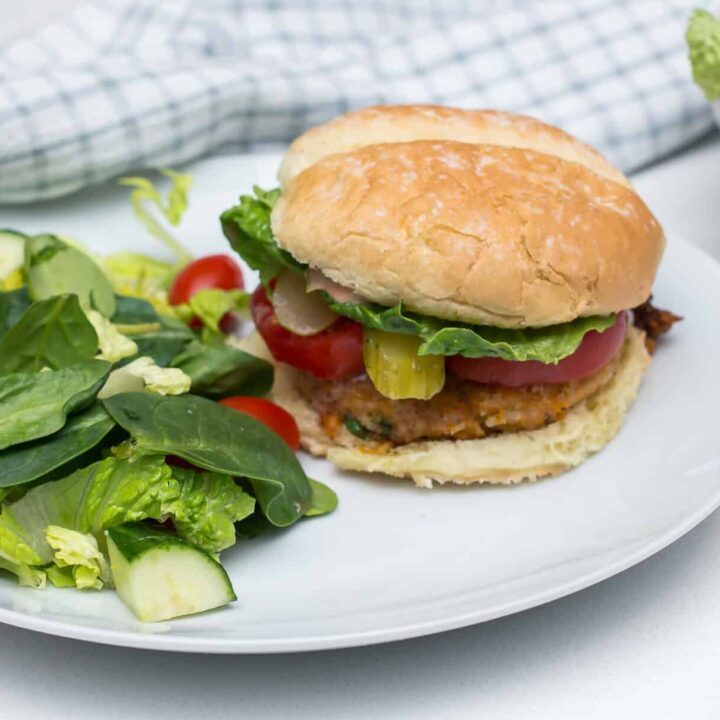
Sweet potato and chickpeas are blended with BBQ sauce and chili seasoning into a smoky, hearty patty. These burgers bake up firm, so there is no frying required. They are easy to make ahead and reheat beautifully.
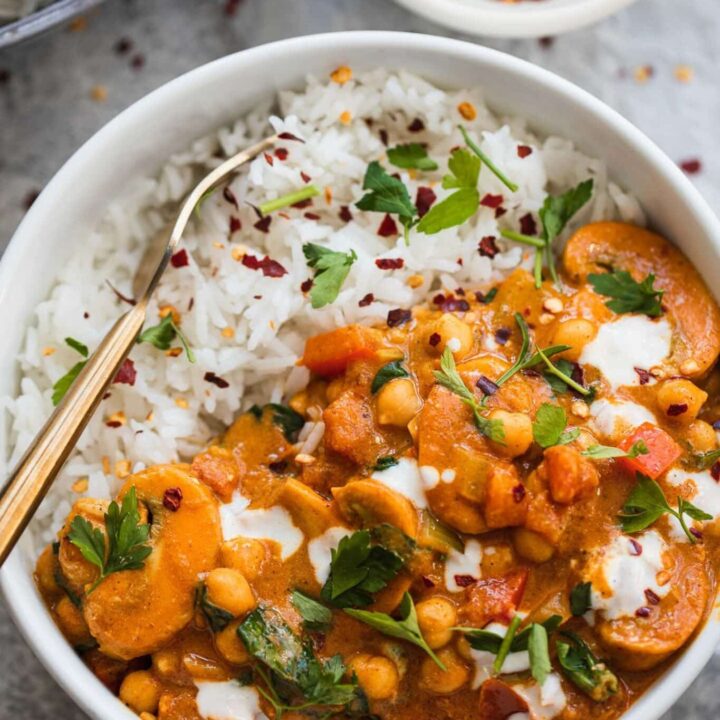
This Indian-inspired vegan tikka masala is made with lots of vegetables, chickpeas, and aromatic spices. It is ready in under 30 minutes and needs just simple ingredients. Serve it over rice or with naan bread to soak up the sauce.
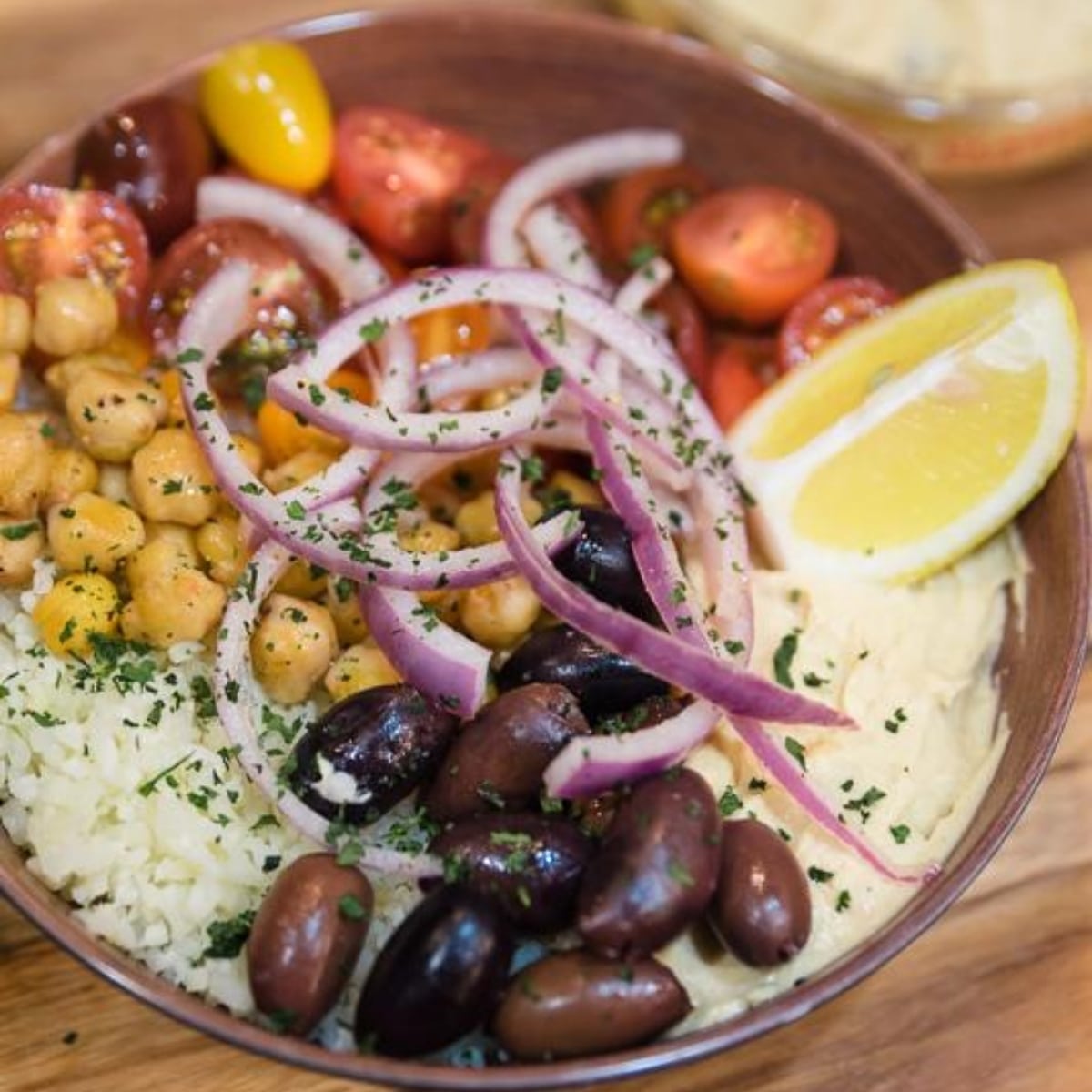
Roasted chickpeas, fresh tomatoes, Kalamata olives, and creamy hummus come together in this bowl, with riced cauliflower keeping it light. It is packed with big, bold flavors and needs very little effort. A perfect vegan-friendly weeknight meal.
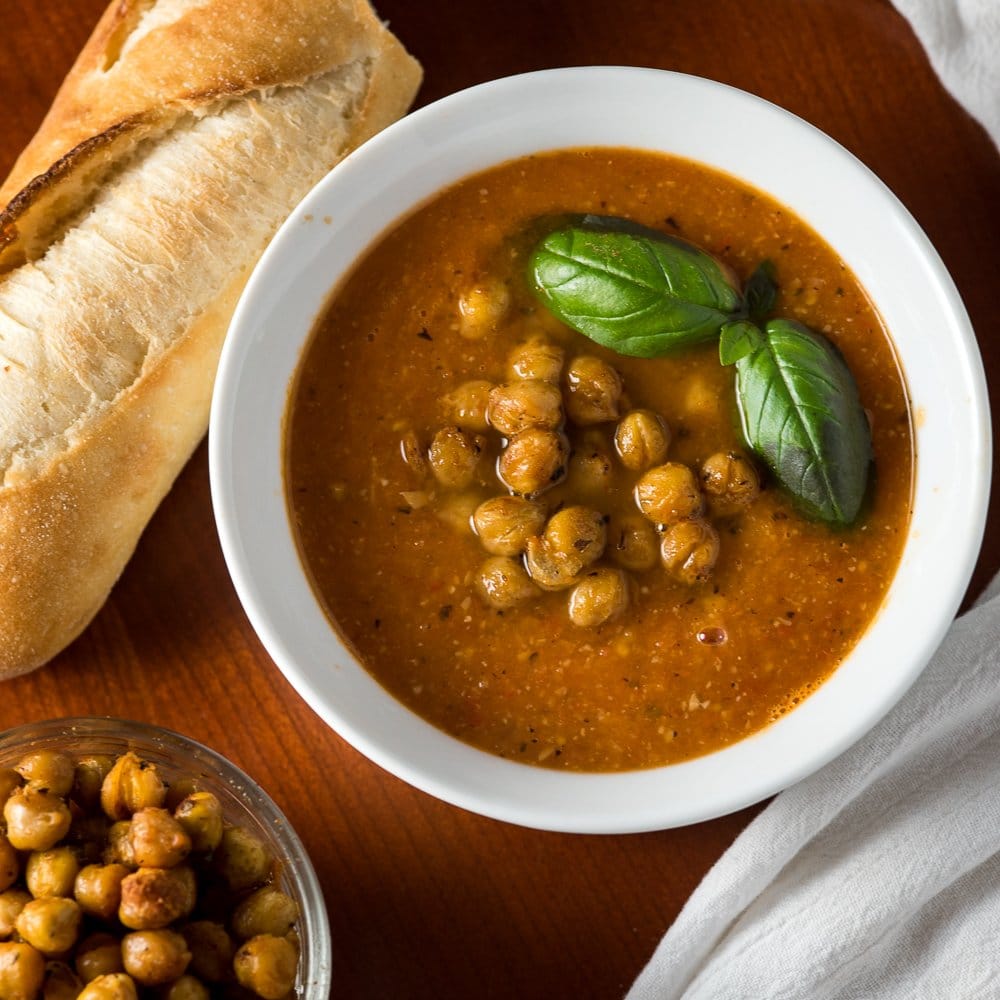
Crunchy chickpeas and savory tomatoes come together in this totally vegan soup. It is one of the simplest comfort foods, and the crisp chickpeas on top add a fun texture. Serve it with a hunk of crusty bread on a rainy day.
Roasted red peppers give classic hummus a smoky, slightly sweet twist, and it comes together in about 10 minutes with just a handful of simple ingredients. It is creamy, flavorful, and perfect for dipping. Serve it with chips, pita, or a platter of raw veggies.
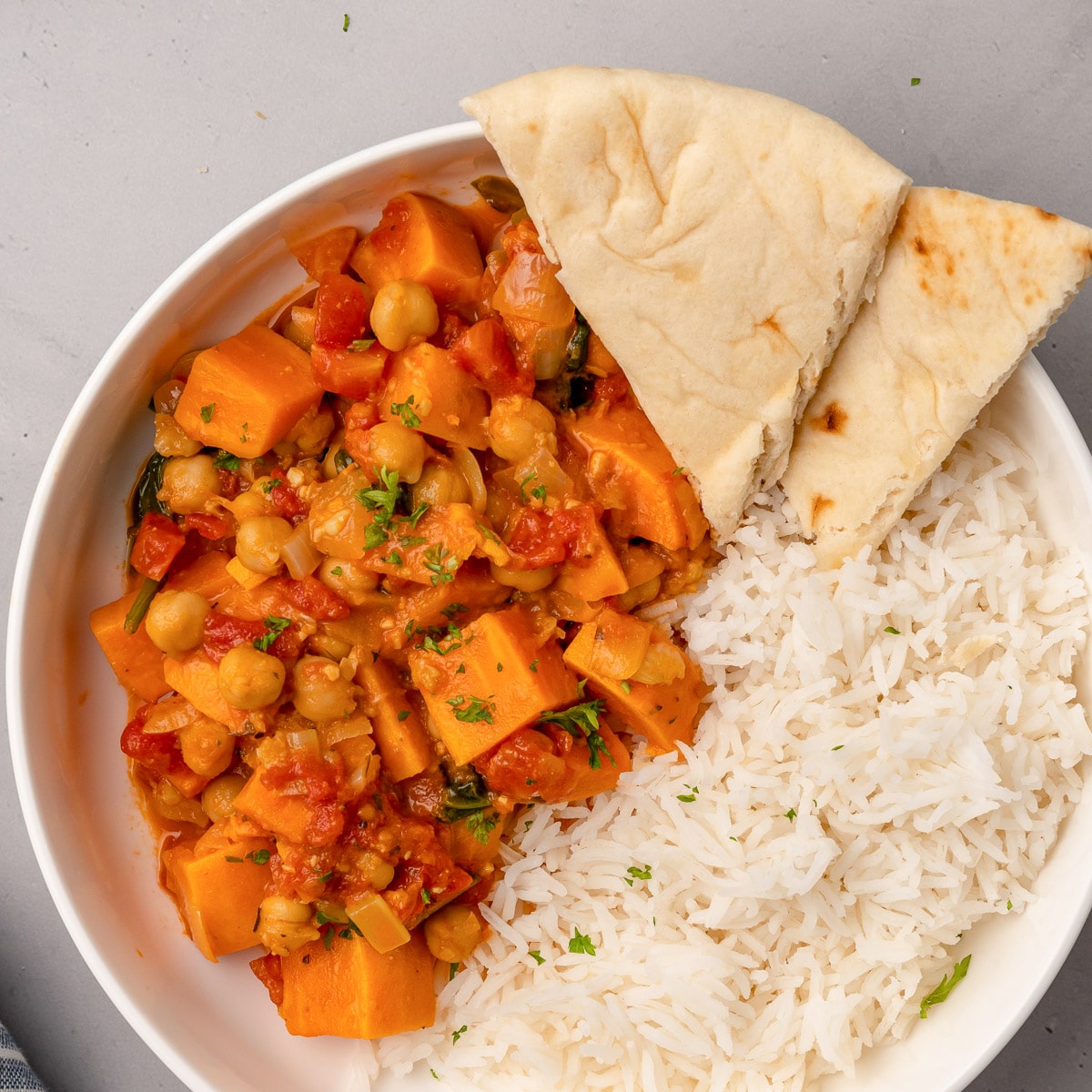
Sweet potatoes and chickpeas simmer with celery, diced tomatoes, and coconut milk in this cozy, gluten-free curry. It is a dairy-free dinner idea the whole family can enjoy. Spoon it over rice or quinoa.
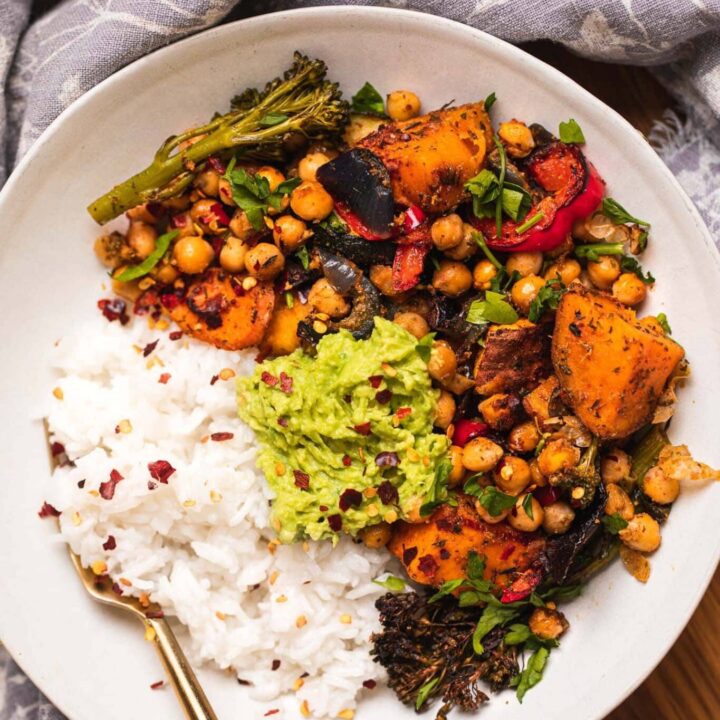
Broccoli, sweet potato, zucchini, and chickpeas roast together on one pan with bold, earthy flavors. It takes minimal effort and simple ingredients and is gluten-free. Serve it with rice or quinoa for an easy vegan weeknight dinner.
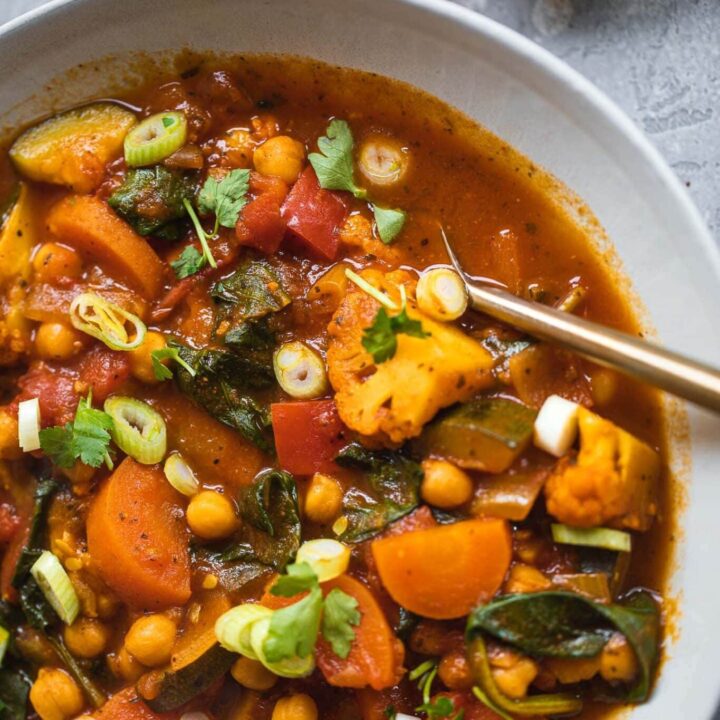
A rich, savory stew made with staple ingredients you probably already have in your cupboards. It is packed with vegetables, gluten-free, and ready in under 30 minutes. This is plant-based comfort food at its easiest.
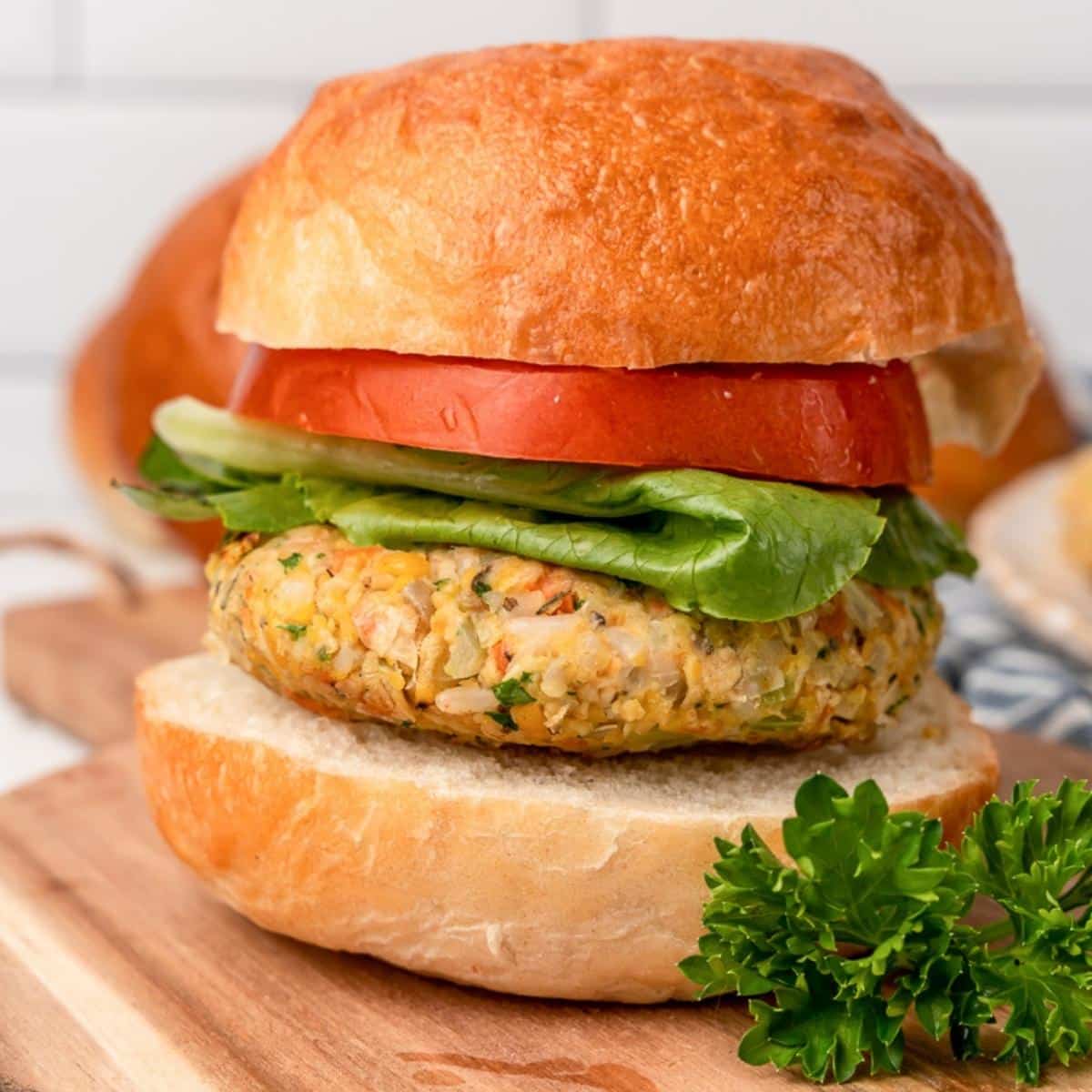
These fully loaded veggie burgers are full of fresh vegetables, whole grains, and plenty of spices. Serve them on a bun with your favorite condiments and toppings. A delicious chickpea burger that is bursting with flavor.
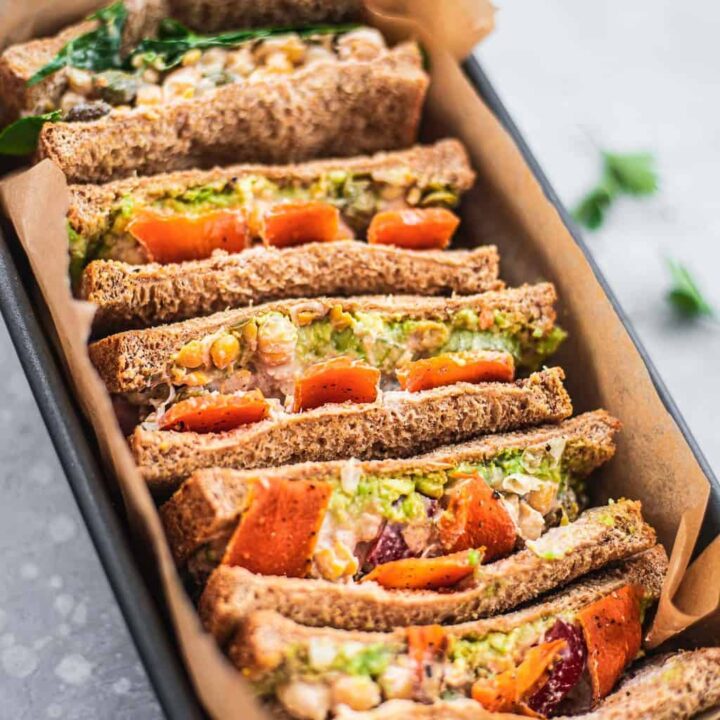
A great tuna salad alternative that skips the mayo and is served with avocado and roasted carrots. It is tangy, gluten-free, and oil-free. It also makes a smart meal prep lunch.
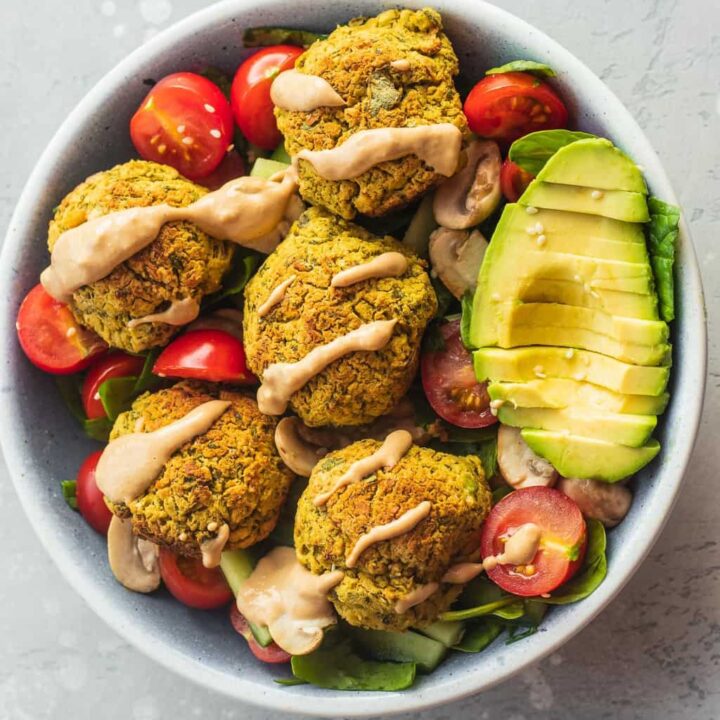
Falafel tops a healthy, flavorful salad finished with a lemony tahini dressing. It is a great vegan meal prep recipe made with simple, whole ingredients. It is also gluten-free and oil-free.
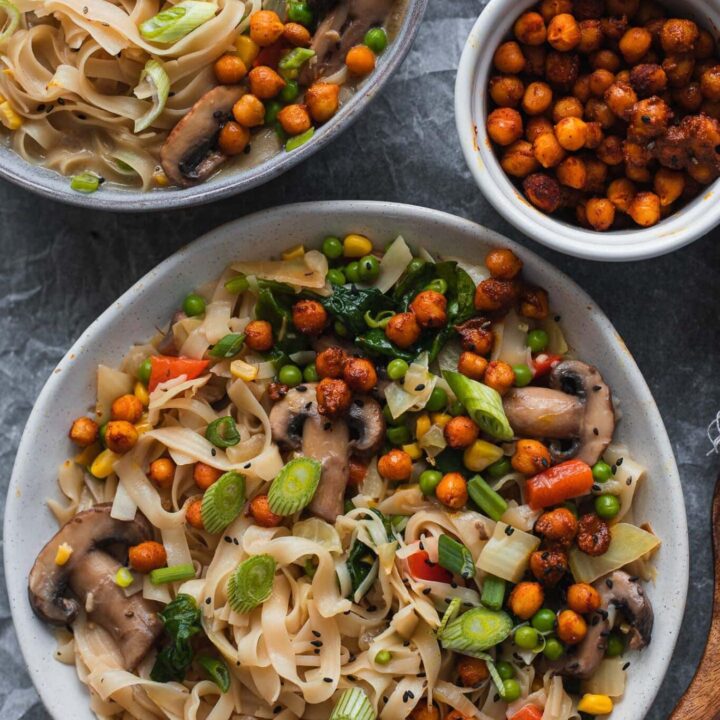
This cozy vegan noodle soup is packed with flavor and gets a wonderful crunch from roasted chickpeas on top. It is made with simple ingredients and ready in under 20 minutes. A wholesome weeknight dinner any time of year.
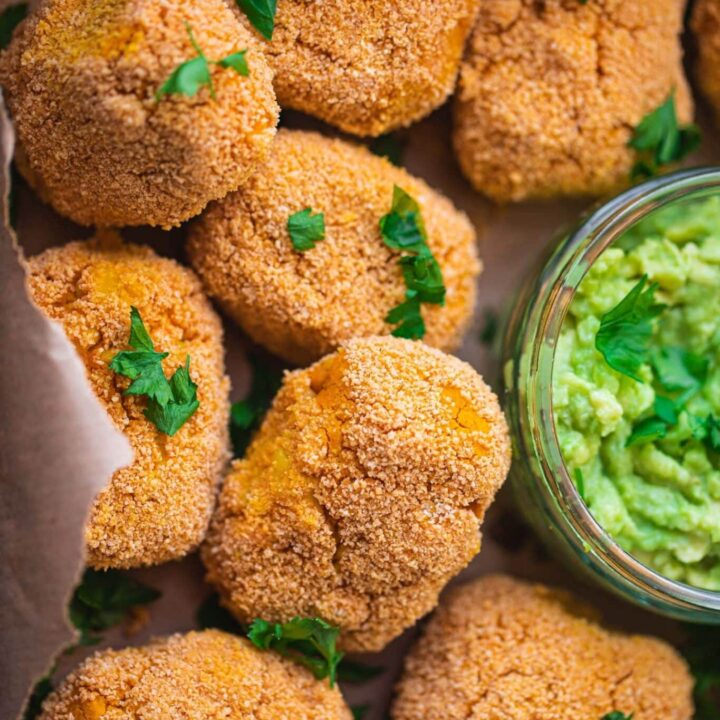
These vegan nuggets are made with chickpeas and tofu and are crispy on the outside and soft on the inside. They are gluten-free, oil-free, and perfect for dipping. Serve them as a snack or a kid-friendly dinner.
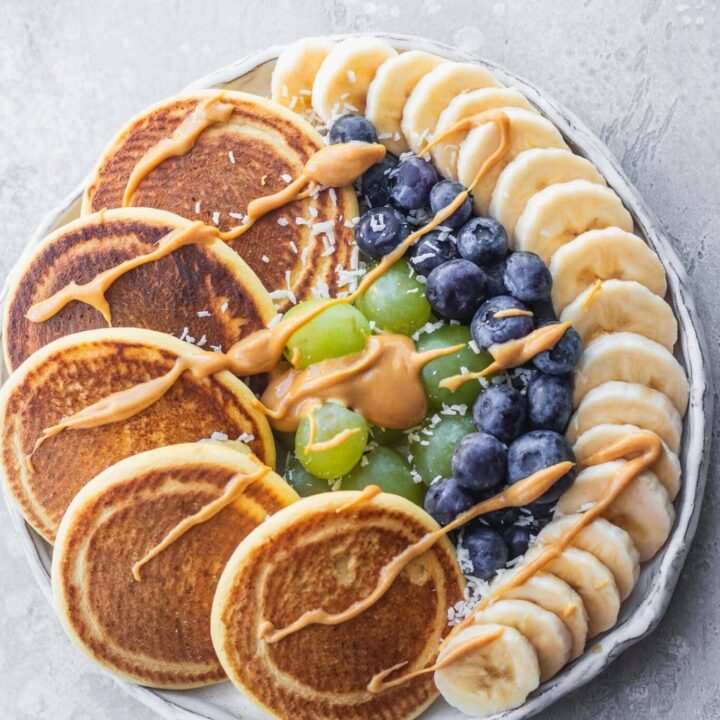
Light, fluffy pancakes made with chickpea flour and best served with maple syrup and peanut butter. They are vegan, oil-free, and gluten-free. A great weekend breakfast or brunch.
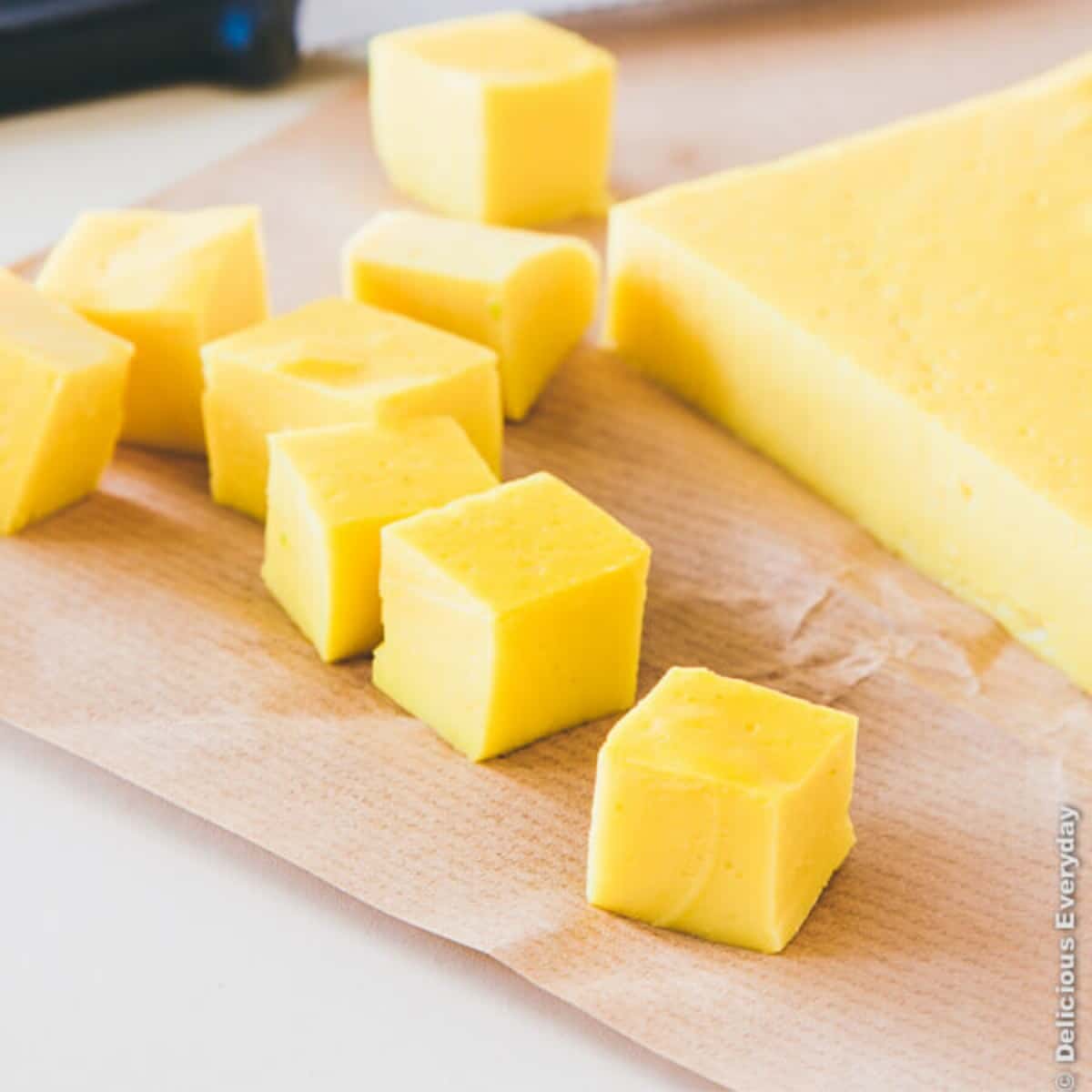
Also called shan tofu, this homemade tofu is made from chickpea flour, so it is soy-free. It is an easy, healthy, and delicious source of protein. Slice it up for salads, stir-fries, and bowls.

Chickpeas are ground up so finely in these chewy vegan cookies that you would never know they are there. They are studded with chocolate chips and made with just a handful of ingredients. A protein-packed treat that kids and adults both love.

Chickpeas are the secret ingredient in this fudgy, cinnamon-spiced apple cake. It is a high-protein, dairy-free dessert that is healthy and delicious at the same time. Perfect with a cup of tea.
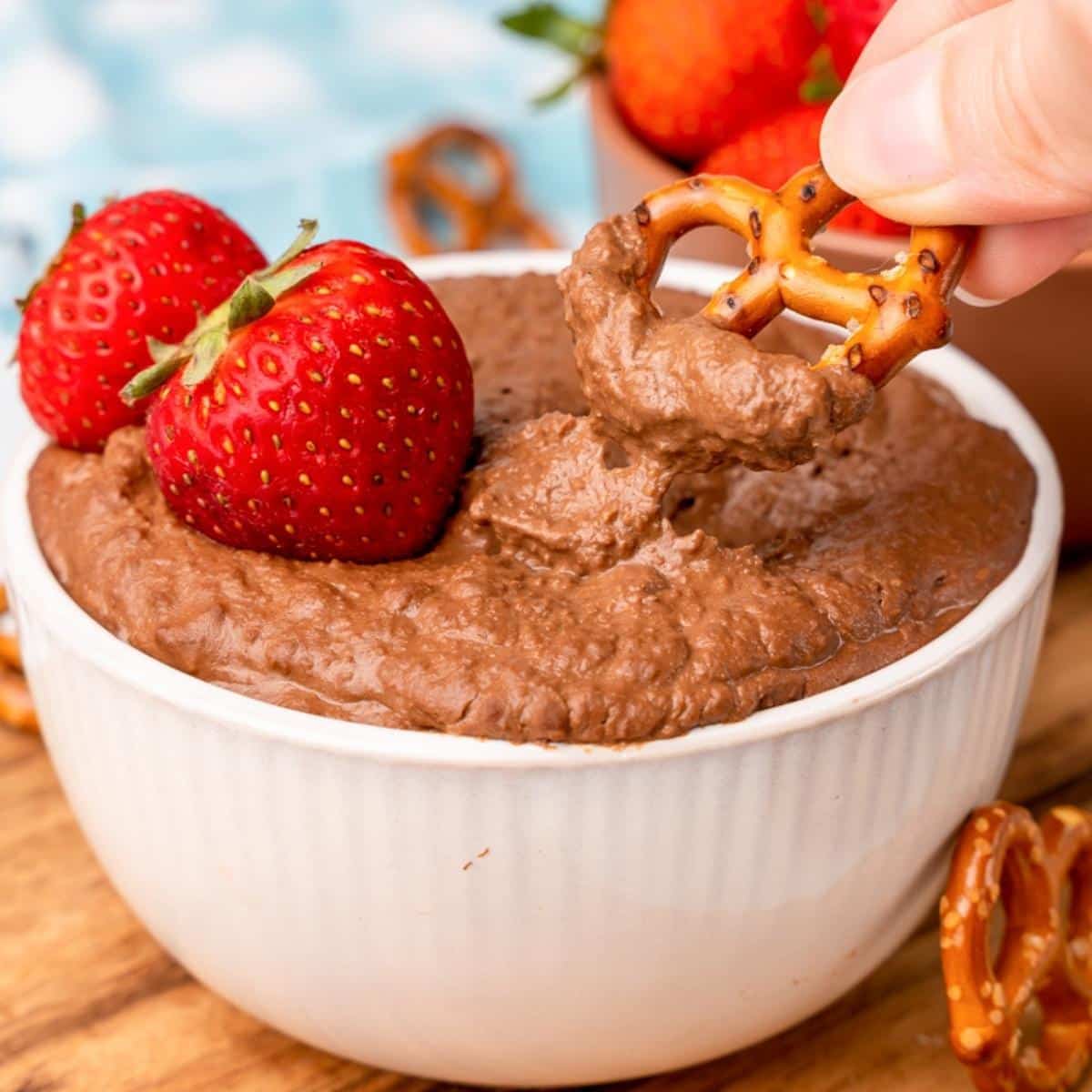
A sweet dessert hummus made from chickpeas, cocoa powder, and maple syrup with only six ingredients. Dip fresh fruit, pretzels, and cookies right into it. It is a fun way to satisfy a chocolate craving.
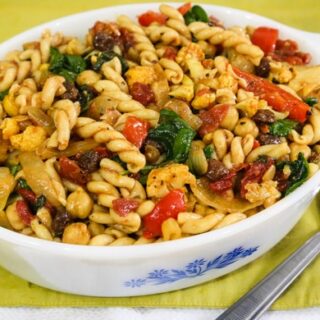
An unexpected but delicious Italian-Indian fusion, this pasta gets its warmth from curry spice and its heartiness from cauliflower and chickpeas. It's a comforting, easy weeknight dinner with a flavor twist.
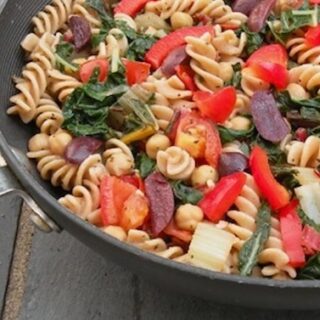
Chard, kale, or spinach combine with chickpeas and briny olives for a quick, nourishing pasta dinner. It's a flexible recipe that welcomes whatever greens you have in the fridge.
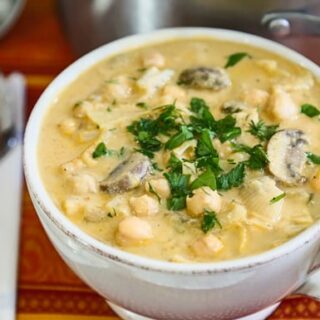
The classic Middle Eastern pairing of chickpeas and tahini stars in this offbeat, savory soup. It's simple to make and satisfying enough to serve as a full meal with warm pita bread.
Built on a base of quinoa, this colorful buddha bowl layers chickpeas with fresh vegetables for a balanced, satisfying meal. It's easy to customize with whatever produce is in season.
Creamy avocado and a handful of baby spinach turn simple mashed chickpeas into an easy, healthy spread for toast, crackers, or tortilla chips. It comes together in minutes with basic pantry ingredients.
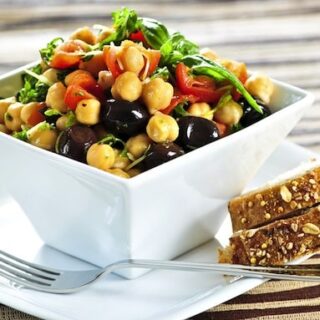
Juicy tomatoes and fresh basil brighten up this simple chickpea salad, making it a great light lunch alongside crusty bread. It's an easy companion to pasta or grain dishes any time of year.
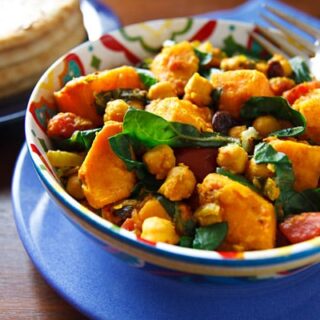
Sweet potatoes and chard simmer together with chickpeas and warm curry spice for a nourishing, stew-like dish. Serve it in shallow bowls with warm flatbread for scooping.
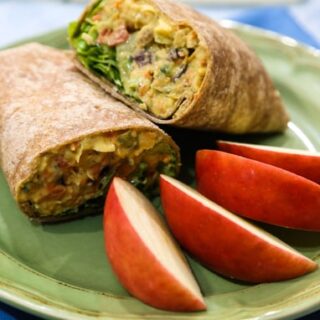
Loaded with olives, cucumbers, peppers, and sunflower seeds, this chopped salad doubles as a sandwich filling or a protein-packed scoop over greens. It's crunchy, comforting, and endlessly adaptable.

Crisp romaine and barbecue-spiced chickpeas fill out this hearty pita sandwich, with plenty of room to swap in other plant proteins. It pairs well with a simple side of potatoes or a green salad.

Inspired by Spanish tapas, these chickpea fritters are flecked with spinach and served with a bold, smoky romesco sauce for dipping. They're bite-sized, shareable, and full of flavor.

Forget heating up the oven - this skillet method gets chickpeas crispy and well-seasoned without drying them out. A great snack on their own or a crunchy topping for salads and bowls.

Chickpeas and kale team up in this versatile spread that works equally well piled into a sandwich, tucked into a wrap, or scooped over a green salad. It's a simple way to add plant protein to lunch.

A playful twist on deviled eggs, these chickpea bites bring the same creamy, tangy flavor to a plant-based party spread. They're an easy make-ahead appetizer that always gets attention on a buffet table.
A pantry-friendly family favorite that comes together fast, this couscous dish pairs chickpeas and spinach with crunchy cashews for texture. It's the kind of simple, comforting meal you'll return to again and again.
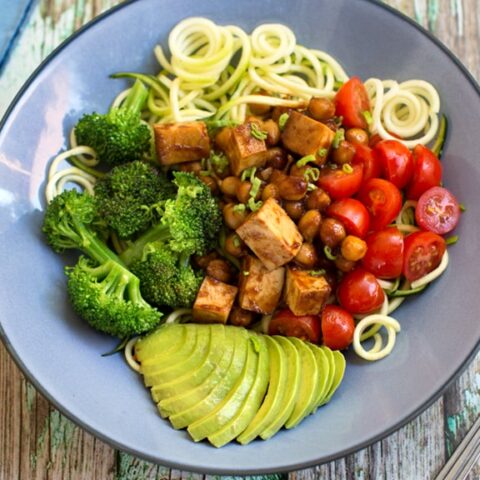
A refreshingly simple bowl recipe: tofu and chickpeas tossed in smoky barbecue flavor, no fussy multi-sauce prep required. It's proof that a satisfying bowl dinner doesn't need to be complicated.
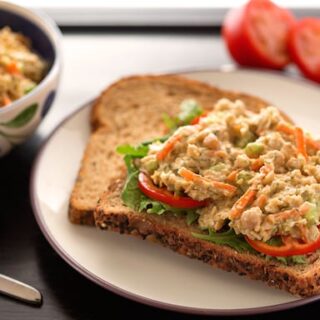
This quick chickpea salad comes together in about 15 minutes, with a hint of sweet pickle relish giving it a nostalgic, tangy edge. Scoop it into a sandwich, serve it as an appetizer, or spoon it into lettuce cups.

A mashed, lightly spicy chickpea filling wraps up into a portable lunch that holds up well in the fridge for days. Great for meal prep, and endlessly versatile with whatever veggies you have on hand.

A classic from Isa Chandra Moskowitz, these chickpea cutlets come together quickly and taste fantastic smothered in gravy, perfect for a holiday centerpiece or an easy weeknight dinner. Making a double batch means leftovers for days.
And if you love these vegan chickpea recipes, be sure to check out these other delicious collections:
34 Vegan Mediterranean Diet Recipes
The Mediterranean diet isn't a strict set of rules so much as a way of eating inspired by the traditional foods of countries around the Mediterranean Sea, like Greece, Italy, Spain, and Morocco. It centers on vegetables, fruits, whole grains, beans and lentils, nuts, seeds, and plenty of olive oil, with fish, dairy, and poultry playing a supporting role and red meat showing up only rarely.
The good news for plant-based cooks is that most of that pattern is already vegan. Chickpeas, lentils, white beans, tahini, nuts, and olives cover the protein and healthy fats, and easy swaps like marinated tofu "feta" take care of the rest. Below are 34 vegan Mediterranean diet recipes from VegKitchen and our sister site Oh My Veggies, from herby salads and dips to hearty soups, stews, and pasta.
Whether you're following the Mediterranean diet closely or just want more olive oil, beans, and vegetables on your table, there's plenty here to keep dinner interesting.
34 Vegan Mediterranean Diet Recipes
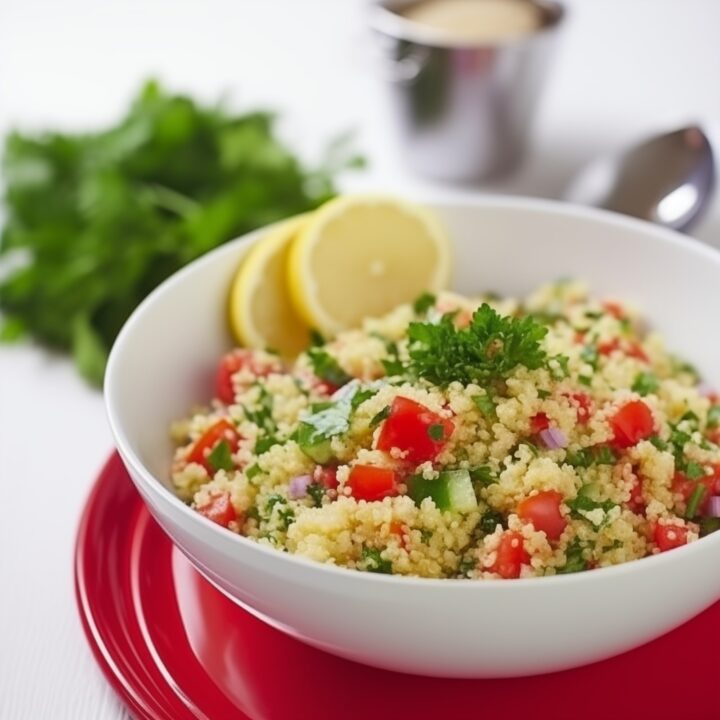
Bright, herby, and lemony, this classic salad is the Mediterranean table in a bowl. Bulgur is the traditional base, but quinoa makes it gluten-free and couscous makes it even faster. Loads of fresh parsley, mint, and ripe tomatoes do the heavy lifting.
Crunchy on the outside with a sesame seed crust and fluffy on the inside, these falafel start with dried chickpeas and simple spices. Bake them for a lighter version or fry them for extra crunch, and enjoy them gluten-free thanks to buckwheat and rice flour. Tuck them into pita or pile them over greens.
Roasted red peppers turn classic hummus into a smoky, slightly sweet dip that comes together in about 10 minutes. Chickpeas, tahini, lemon, and garlic keep it firmly in Mediterranean territory. Scoop it up with pita, crackers, or a platter of raw veggies.
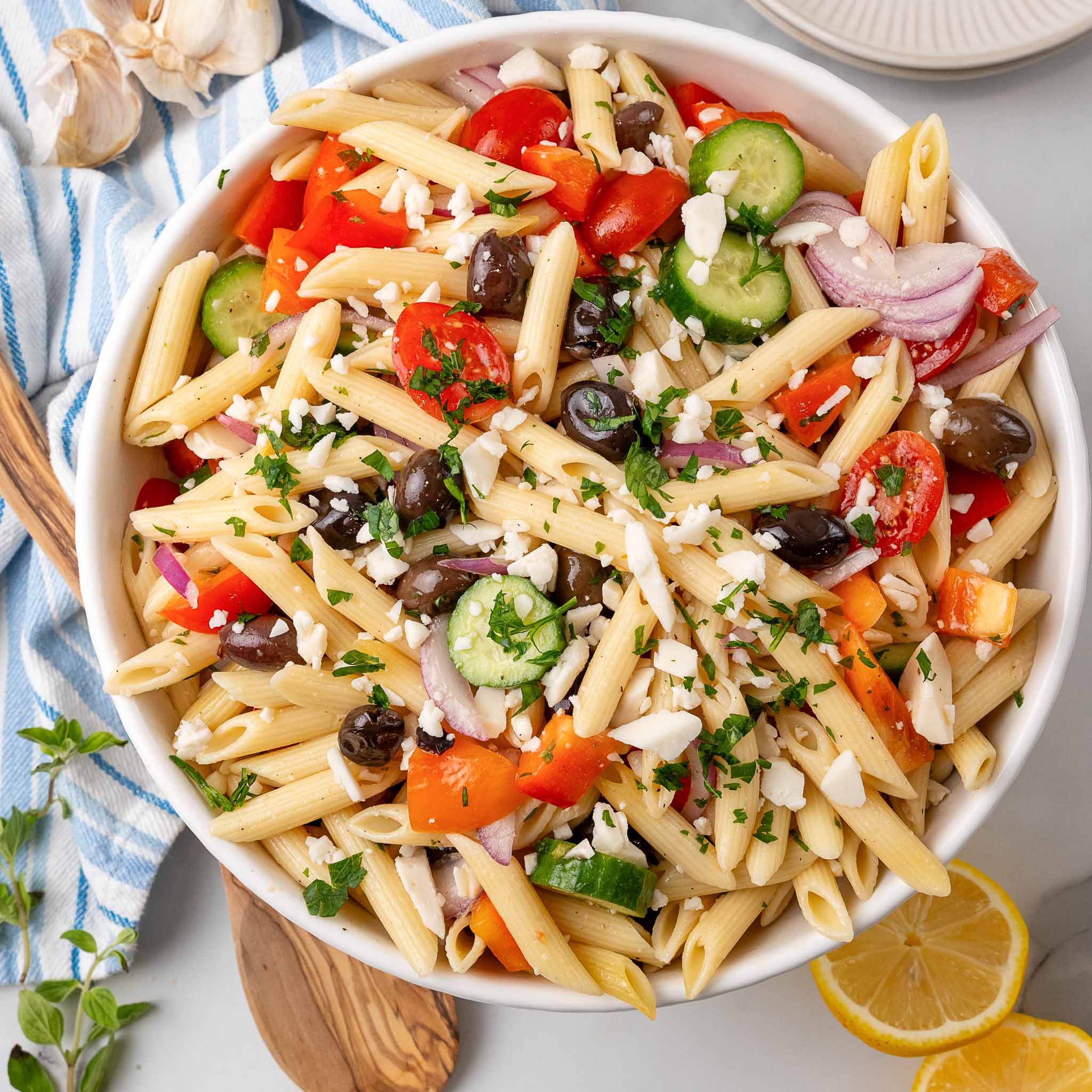
Crisp cucumbers, juicy grape tomatoes, and tangy olives get tossed with pasta and a homemade red wine and oregano dressing. Vegan feta adds the salty, creamy finish you expect from a Greek salad. It's a great pick for potlucks and make-ahead lunches.
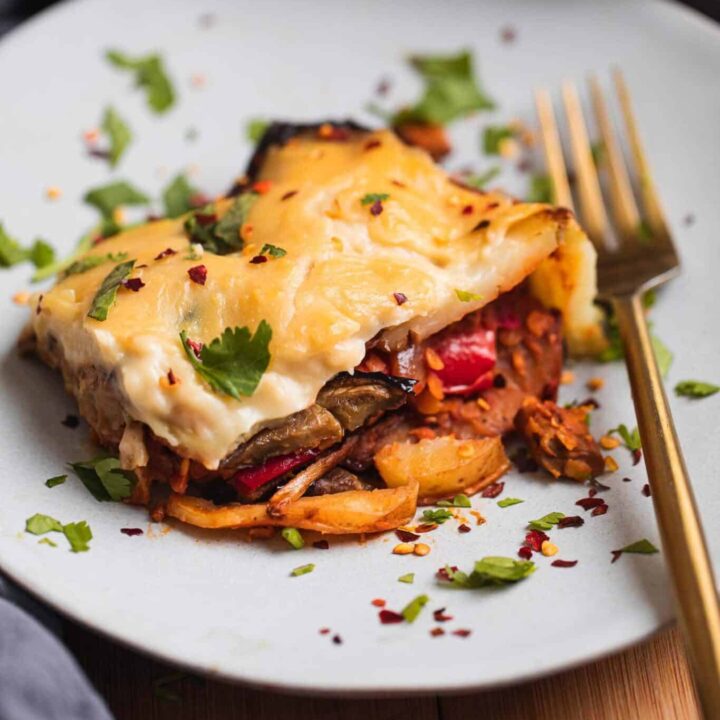
This Greek-inspired comfort food swaps the traditional meat for a hearty red lentil filling layered with roasted potatoes and eggplant. A creamy, dairy-free bechamel goes on top, and oregano and lemon keep the flavors bright. It also freezes well for busy weeks.
This chilled Spanish soup blends ripe tomatoes, cucumbers, and peppers with garlic, olive oil, and a splash of red wine vinegar. It's cool, refreshing, and perfect for hot summer days when you don't want to cook. Serve it in small bowls or glasses as a starter.
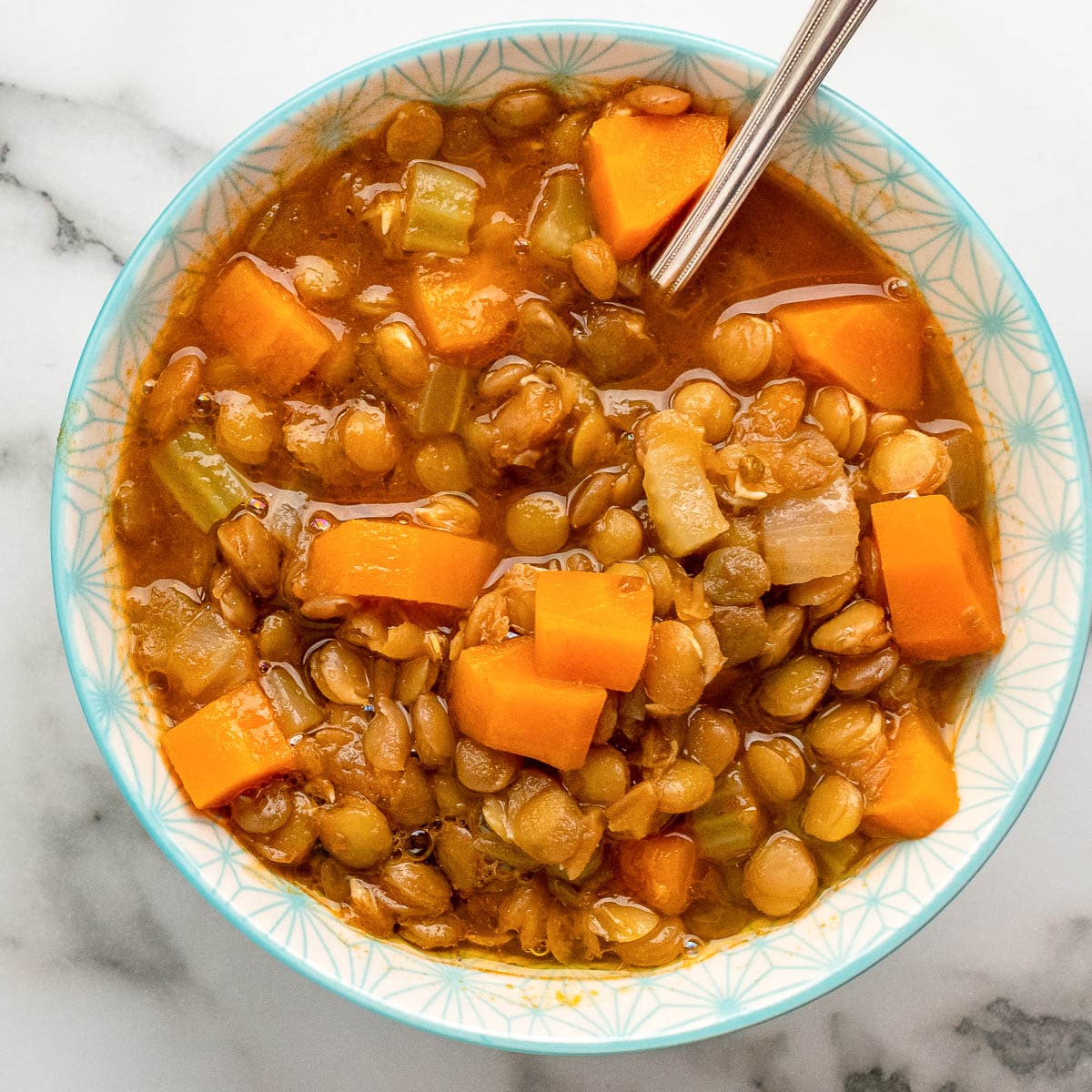
A cozy, budget-friendly bowl of lentils simmered with carrots, celery, onion, tomato paste, and oregano. It's thick, satisfying, and gets even better after a day in the fridge. Finish it with a drizzle of good olive oil.

A one-pot Italian-style classic loaded with kidney beans, fire-roasted tomatoes, potatoes, and pasta in a flavorful broth. It comes together in about 30 minutes and makes plenty for leftovers. Serve with crusty bread for a full meal.
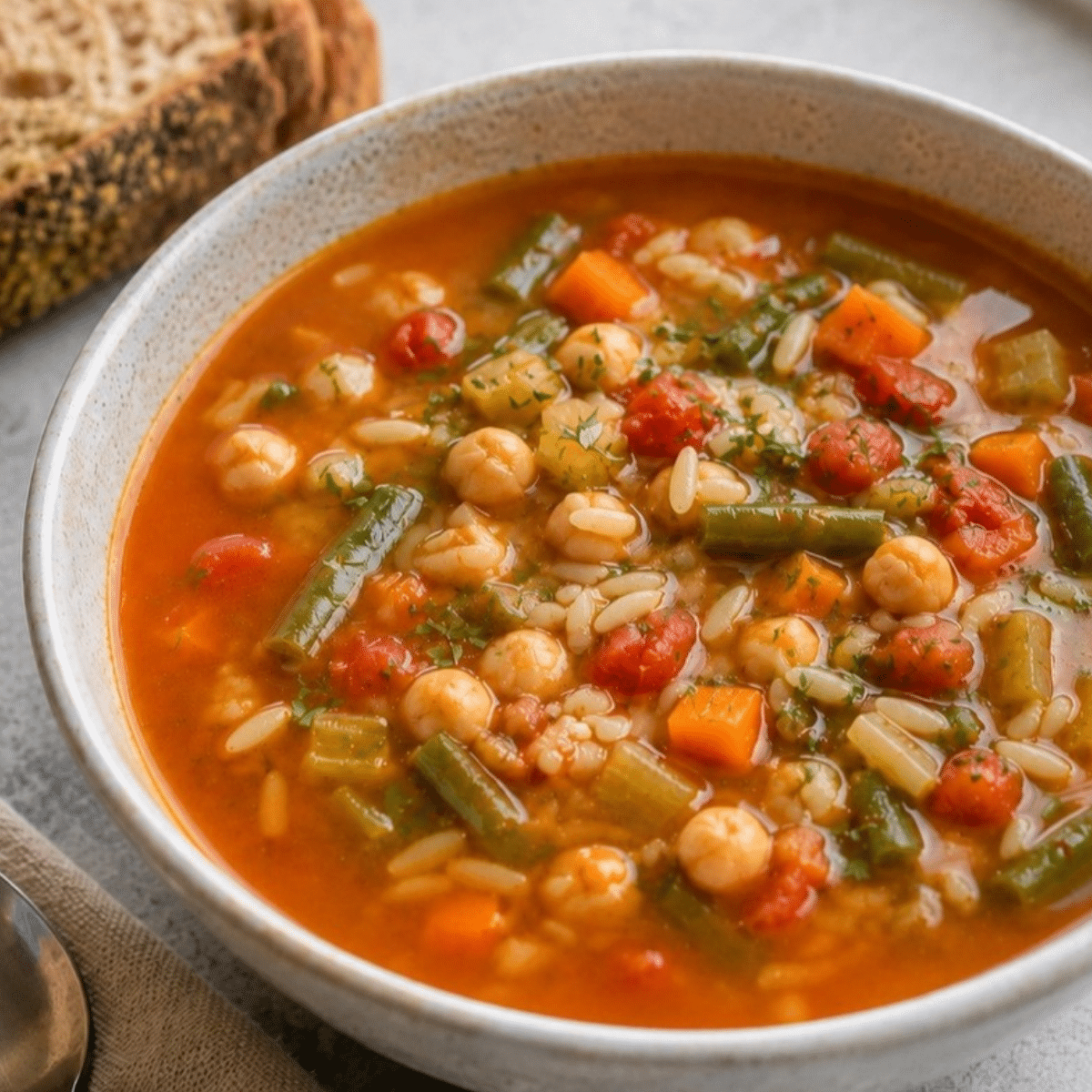
Carrots, celery, green beans, tomatoes, and chickpeas simmer with tiny orzo pasta and a little red wine in this hearty vegetable soup. Every spoonful gets tender vegetables plus a bit of pasta. It's filling enough to serve as dinner alongside a slice of whole-grain bread.
Creamy cannellini beans, kale, artichoke hearts, and sun-dried tomatoes come together in one skillet in under 20 minutes. White wine, fire-roasted tomatoes, and Italian herbs give it a rustic, savory flavor. Mop up the juices with crusty bread.
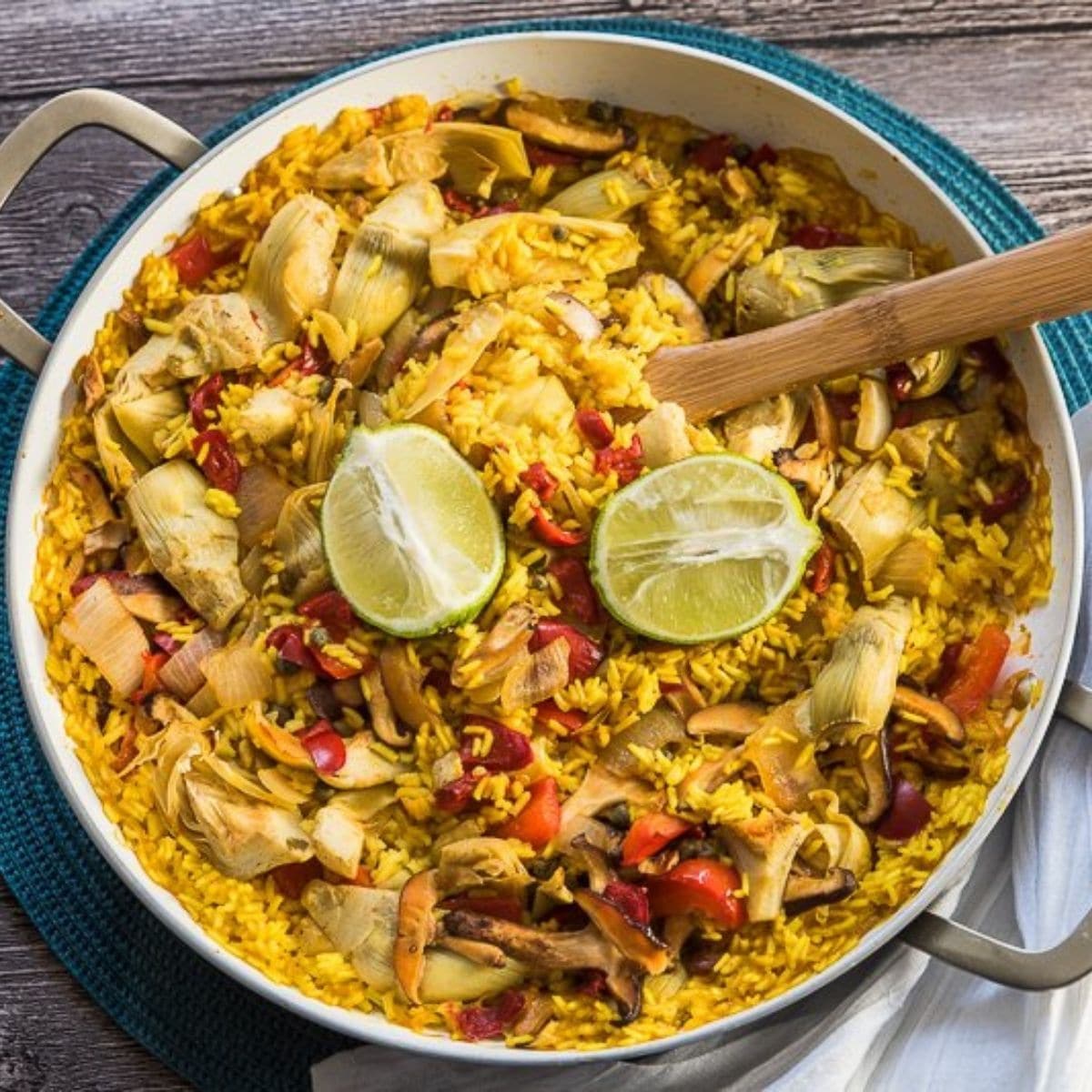
Spanish rice simmers in vegetable stock and white wine with saffron, smoked paprika, and a little cayenne. Artichoke hearts, piquillo peppers, shiitake mushrooms, and capers fill in for the seafood and sausage. It's a showstopper for a dinner party.
Roasted sweet potatoes are piled high with spiced chickpeas and cherry tomatoes, then finished with a lemony tahini sauce. Cumin, coriander, turmeric, and paprika bring plenty of warmth. It's a complete, comforting meal in one dish.
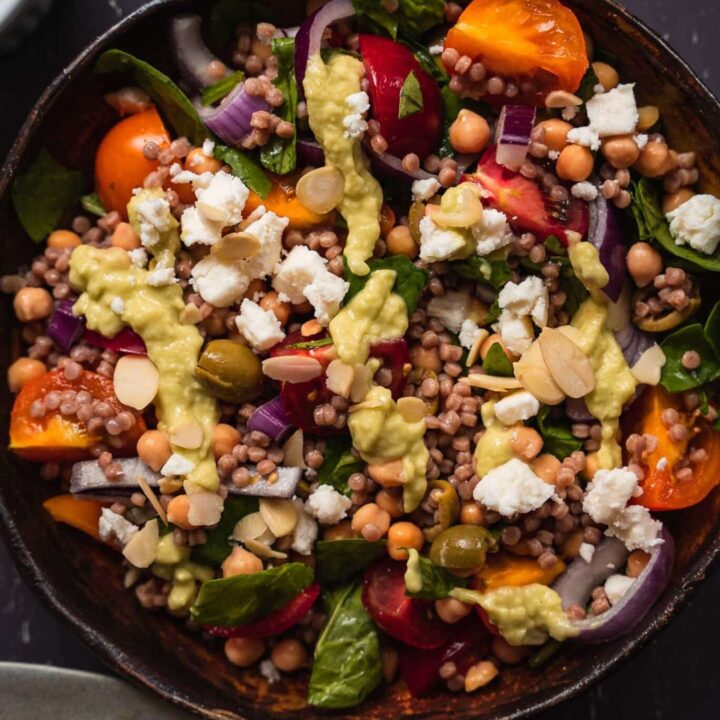
Giant couscous is tossed with chickpeas, tomatoes, green olives, spinach, and vegan feta, then coated in a creamy avocado and lemon dressing. It's ready in under 20 minutes and works as a main or a side. Leftovers hold up nicely for lunch.
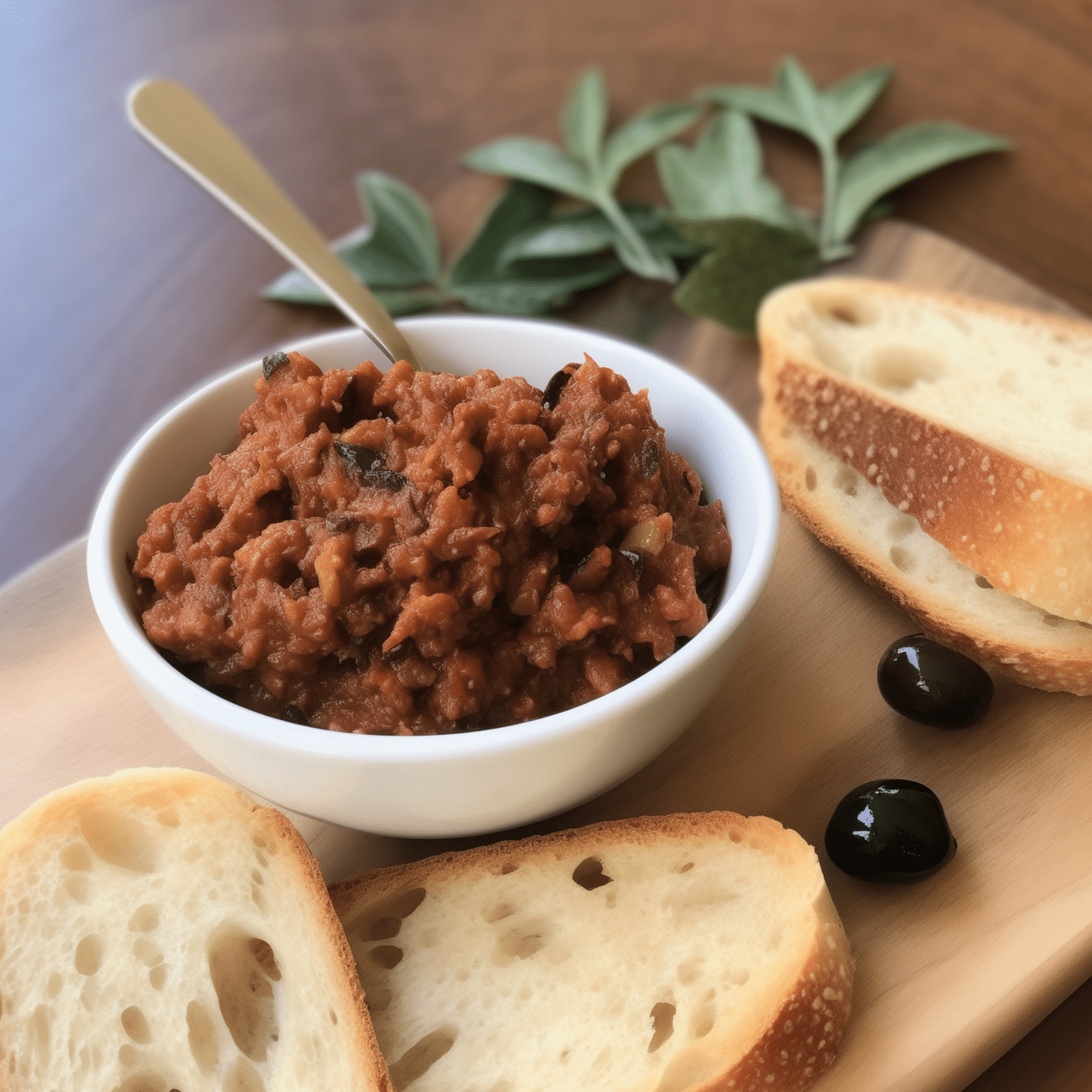
Kalamata olives, sun-dried tomatoes, parsley, and walnuts are blended into a bold, briny spread with a squeeze of lemon. It's ready in minutes and instantly upgrades crostini, pasta, or sandwiches. Set out a bowl with a baguette for easy entertaining.
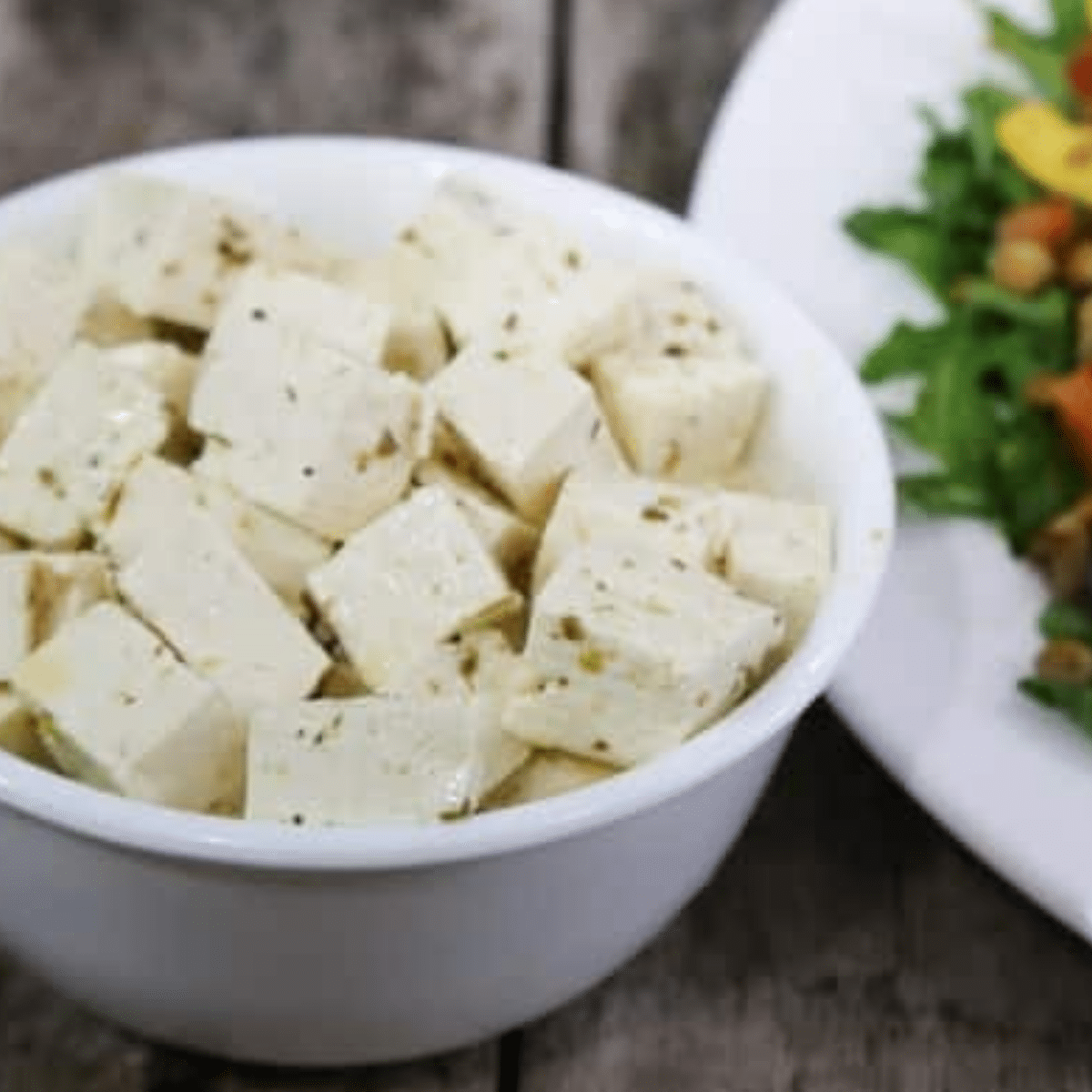
Cubes of extra-firm tofu soak up a simple marinade of lemon juice, olive oil, and oregano to become a tangy stand-in for feta. It takes just five ingredients and no cooking. Toss it into a Greek salad, grain bowls, or pasta.
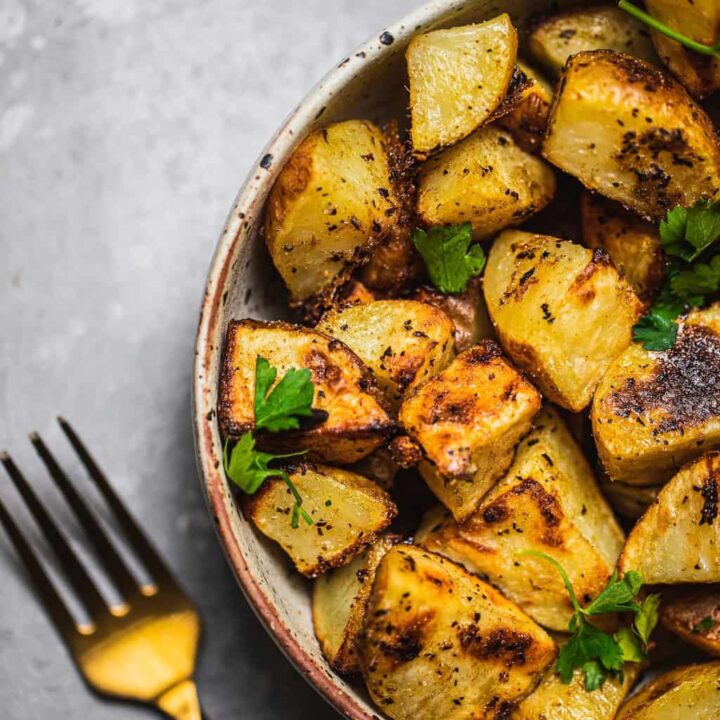
These Greek-inspired roasted potatoes have a golden, crunchy exterior and a fluffy center, seasoned with lemon, oregano, cumin, and olive oil. A little cornstarch is the secret to the crispy crust. Serve them alongside just about any Mediterranean main.
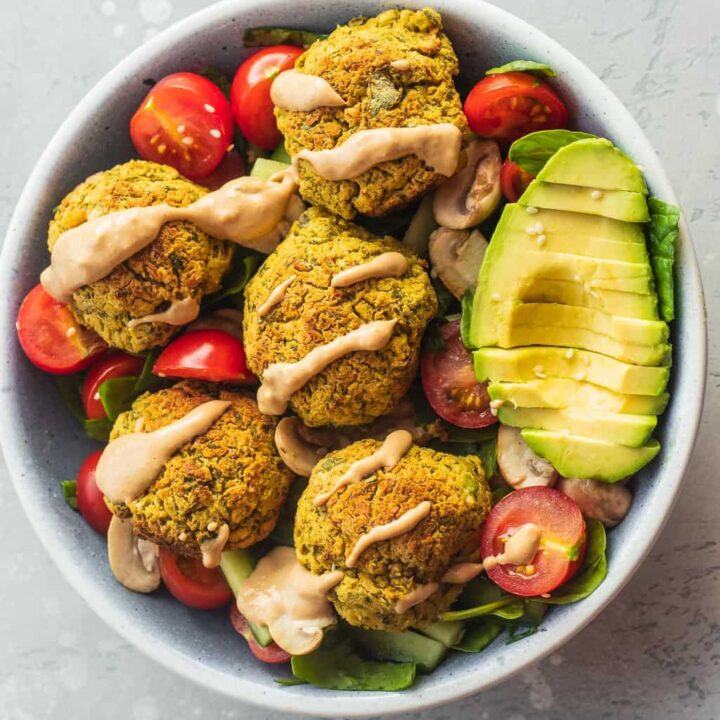
Chickpea falafel bites top a big salad of spinach, cherry tomatoes, cucumber, and avocado, all drizzled with a lemony tahini dressing. It's gluten-free and oil-free, and it's a great option for meal prep.
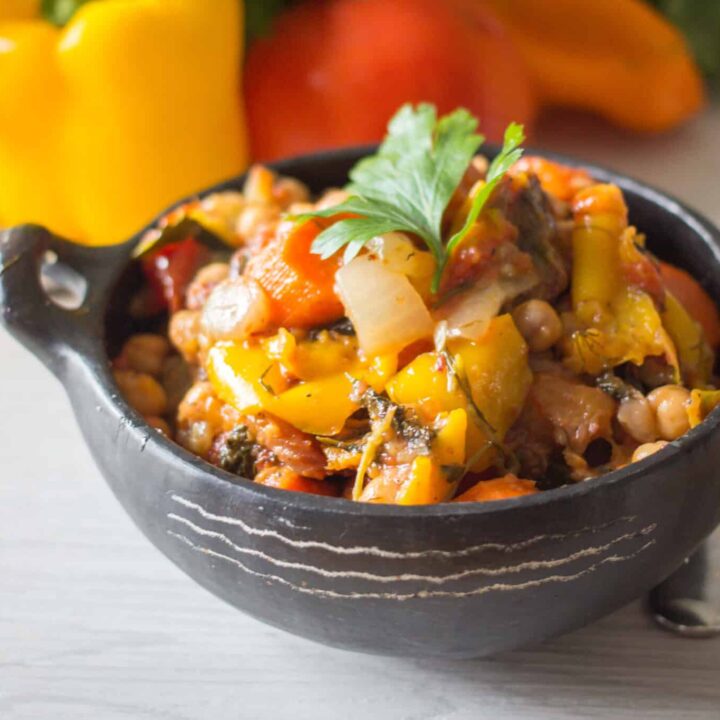
This North African-style stew simmers potatoes, carrots, peppers, spinach, and chickpeas in a fragrant broth seasoned with paprika, coriander, and turmeric. It's a flexible way to use up the vegetables you have on hand. Serve it with warm bread for scooping.
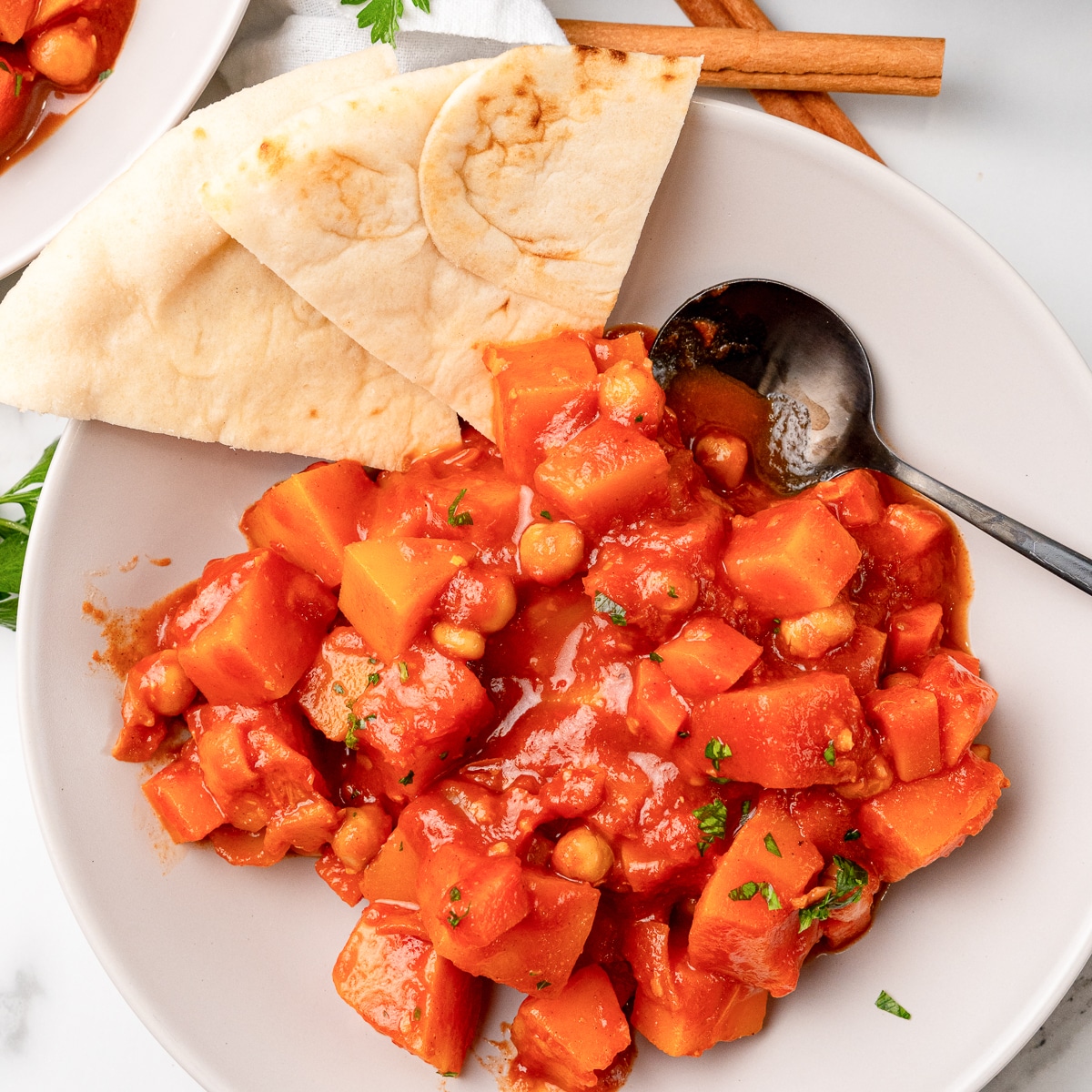
Tender butternut squash and chickpeas simmer with cinnamon, cumin, coriander, and crushed tomatoes for a stew that's a little savory and a little sweet. Carrots and a pinch of red pepper flakes round out the flavor. Ladle it over couscous or rice.
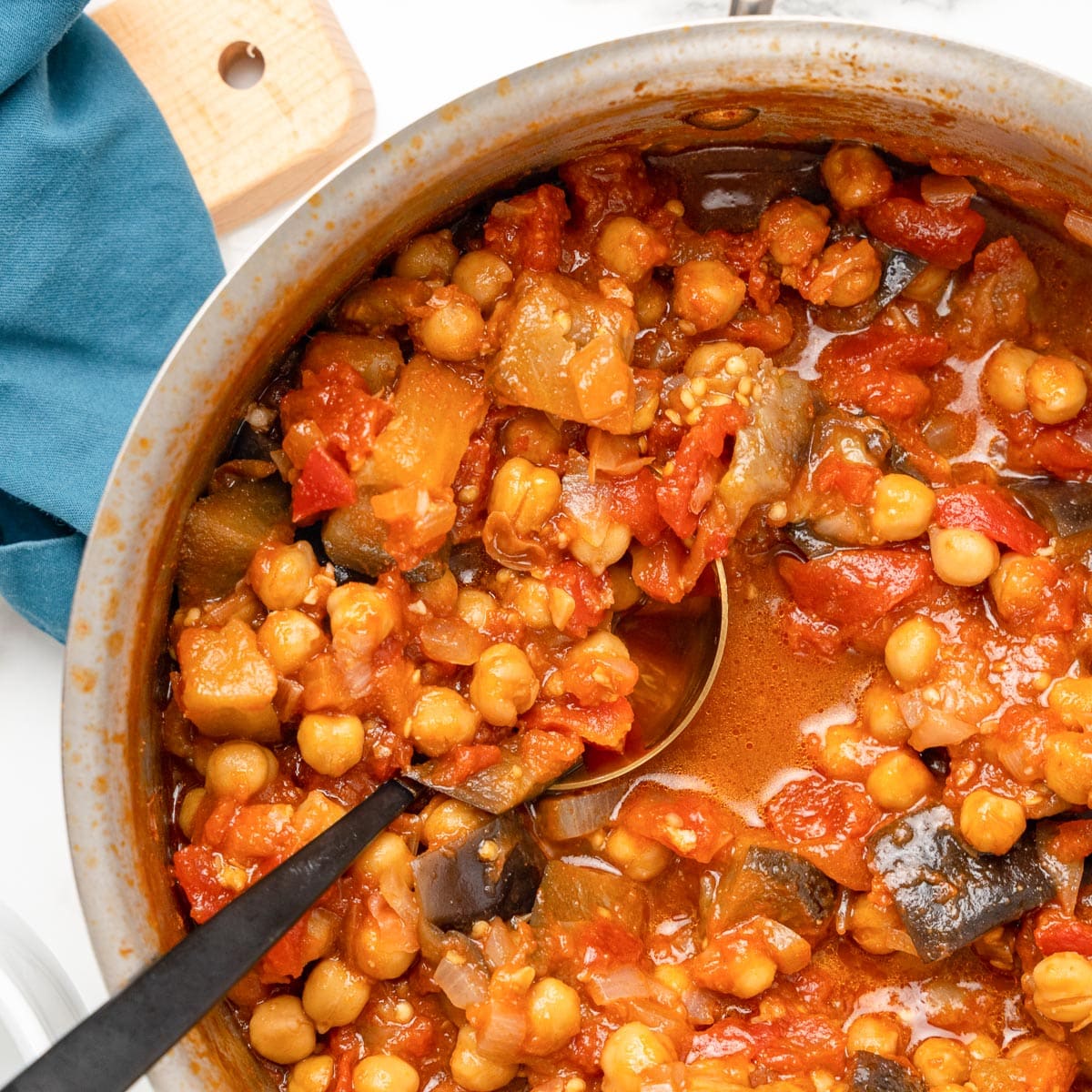
Eggplant and chickpeas stew in a tomato broth seasoned with cumin, smoked paprika, and a pinch of red pepper flakes. It's thick, hearty, and reheats beautifully. Spoon it over rice or serve with crusty bread.
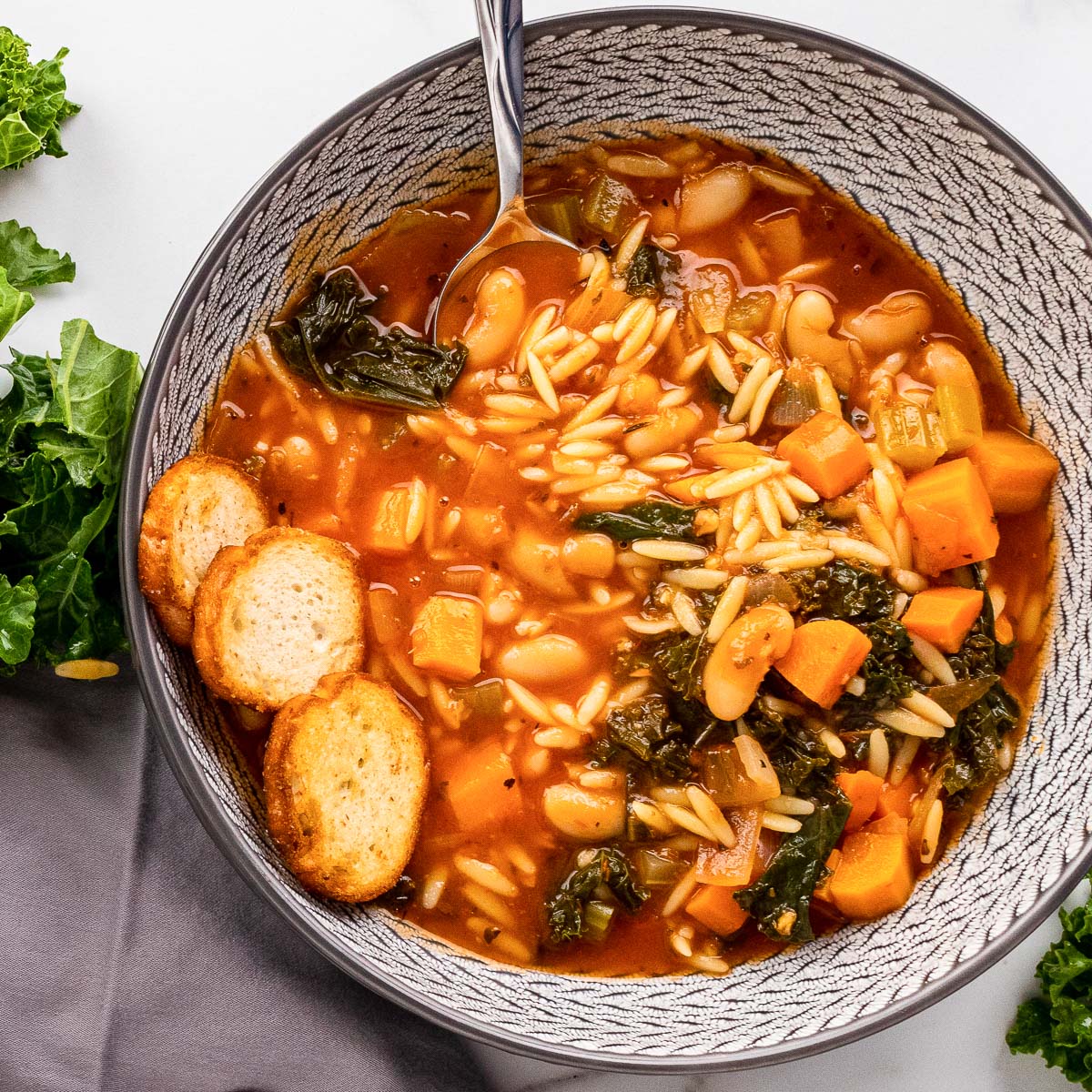
Kale, white kidney beans, carrots, and celery simmer in a savory tomato broth with Italian seasoning and tender orzo. It's a nourishing, comforting soup that works for lunch or dinner. A drizzle of olive oil on top is all it needs.
Thin zucchini slices replace the noodles in this lighter lasagna, layered with tangy marinara and a creamy tofu-based ricotta. Mushrooms, bell peppers, and baby spinach add extra vegetables to every bite. It's a healthy take on an Italian favorite.

Chewy farro is topped with roasted sweet potatoes, chickpeas, peppery arugula, and crisp cucumber, then finished with crunchy pepitas and a homemade dressing. It's hearty, filling, and easy to make ahead. Swap in whatever roasted vegetables you have.
Fluffy couscous meets tender broccoli, fresh parsley and dill, and plenty of lemon. Sun-dried tomatoes or chopped olives add a salty, savory note. It's a quick side that pairs well with bean dishes and main-dish salads.
Whole grain penne is tossed with tender broccoli, juicy tomatoes, toasted walnuts, and sweet raisins for a mix of contrasting flavors and textures. Garlic, parsley, and fresh basil tie it all together. It's an easy weeknight pasta.
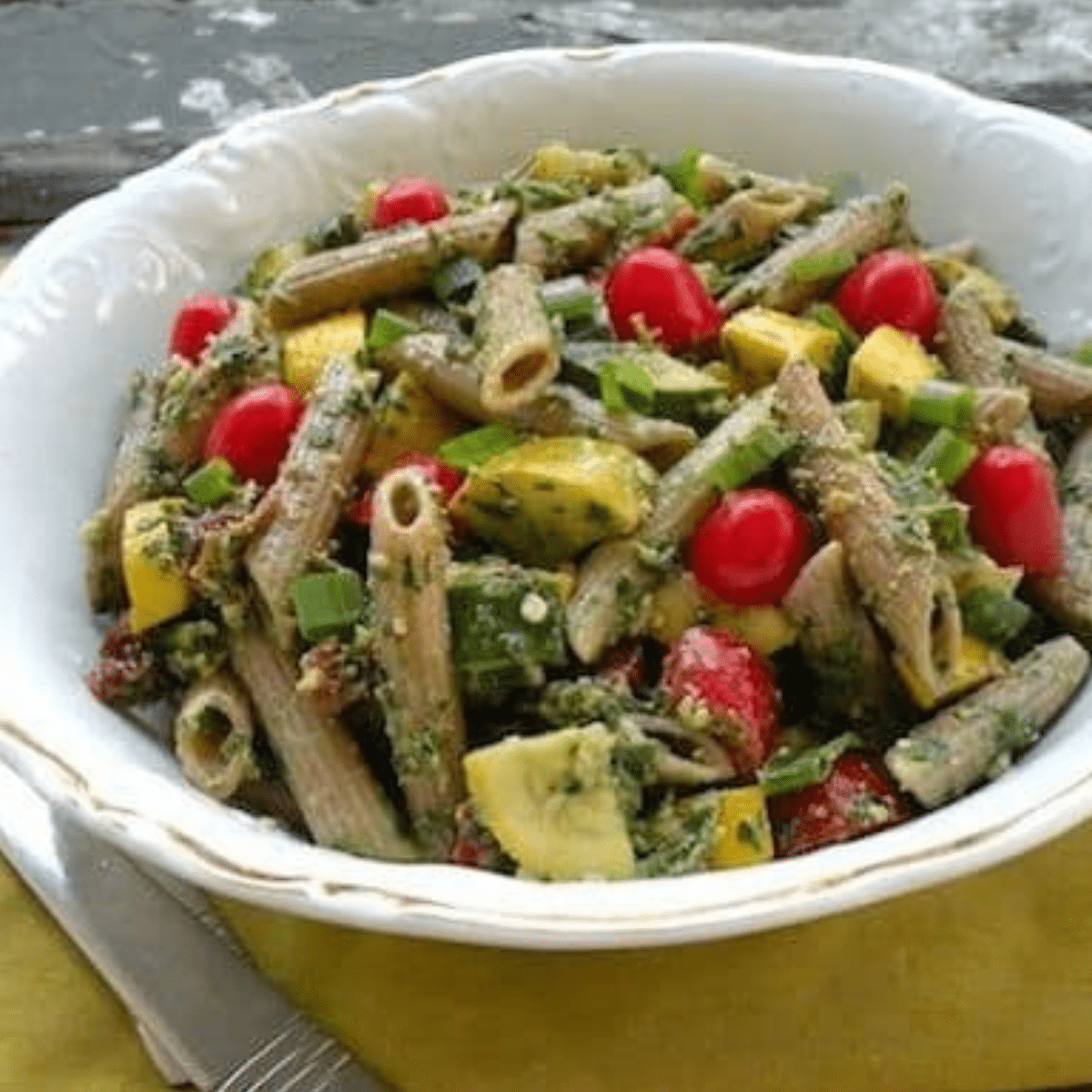
Zucchini, yellow squash, red bell pepper, and sun-dried tomatoes join penne in this bright pasta salad. A fresh parsley and basil pesto with pine nuts replaces the usual mayo-based dressing. It's an ideal dish to bring to a summer potluck.
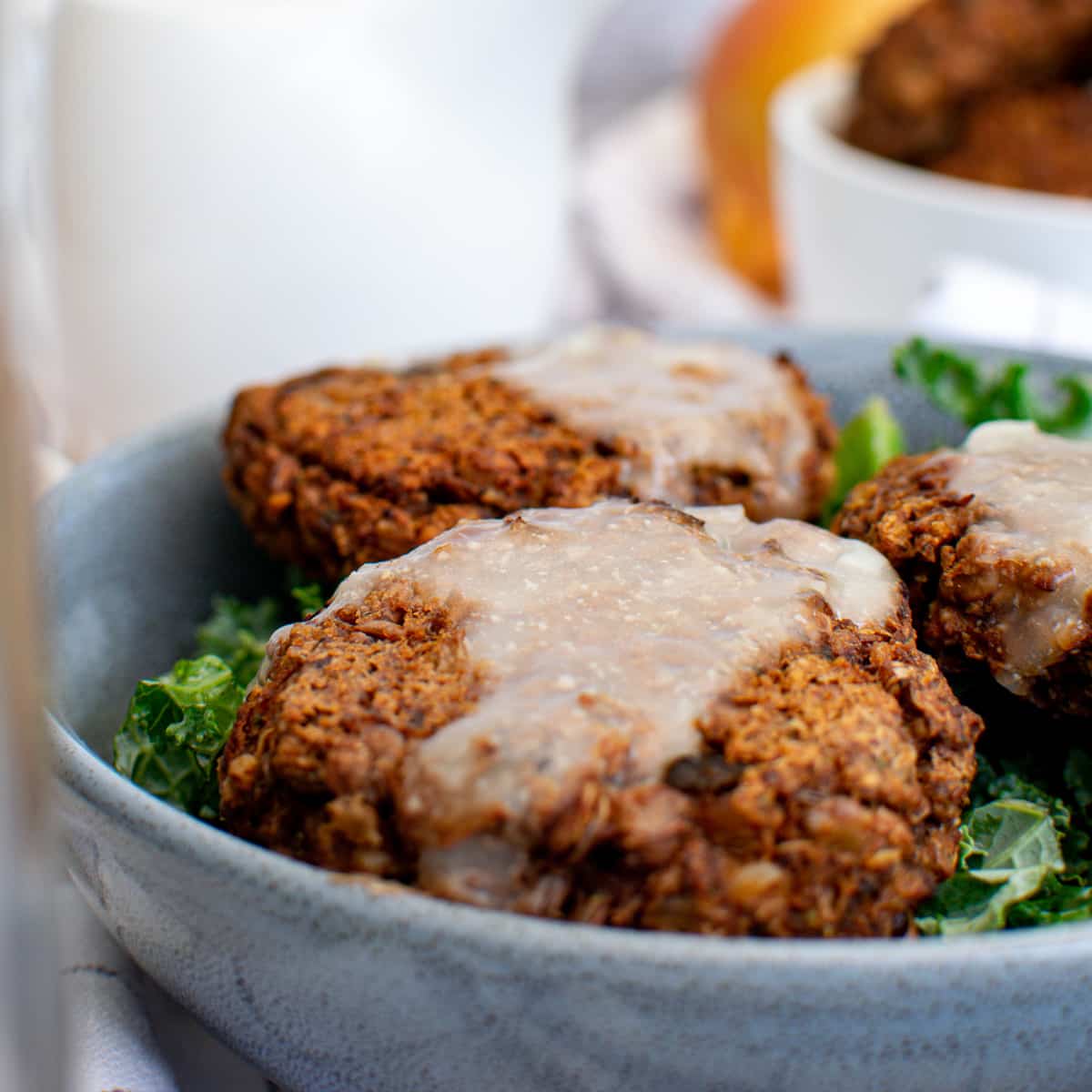
Lentils, quinoa, mushrooms, and walnuts are shaped into patties and pan-seared until golden. A creamy garlic sauce takes them over the top. They're great for meal prep and appealing to kids and adults alike.
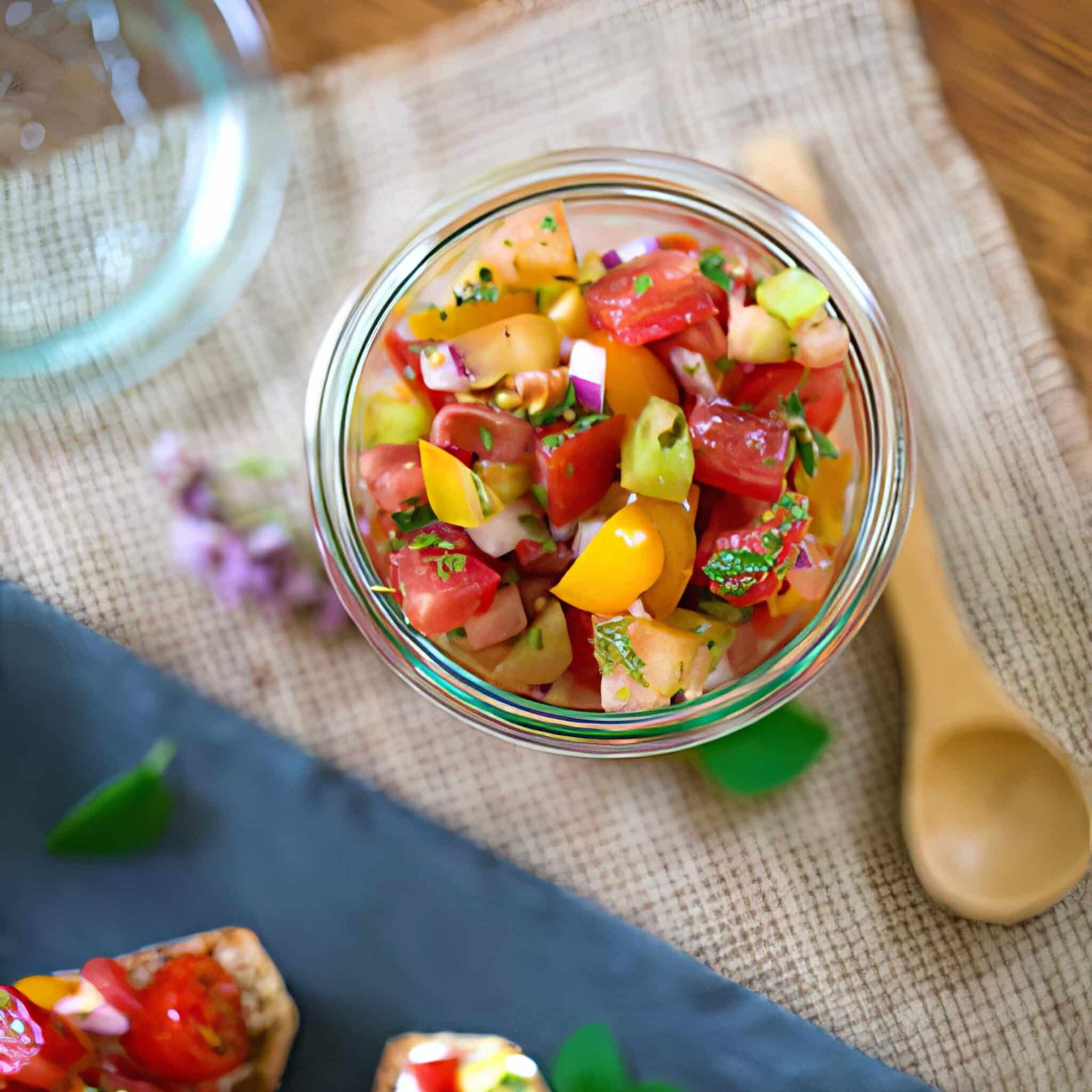
Ripe tomatoes are tossed with red onion, fresh oregano, thyme, olive oil, red wine vinegar, and a squeeze of lemon. It's a simple way to let summer tomatoes shine. Serve it with crusty bread or spoon it over grilled vegetables.
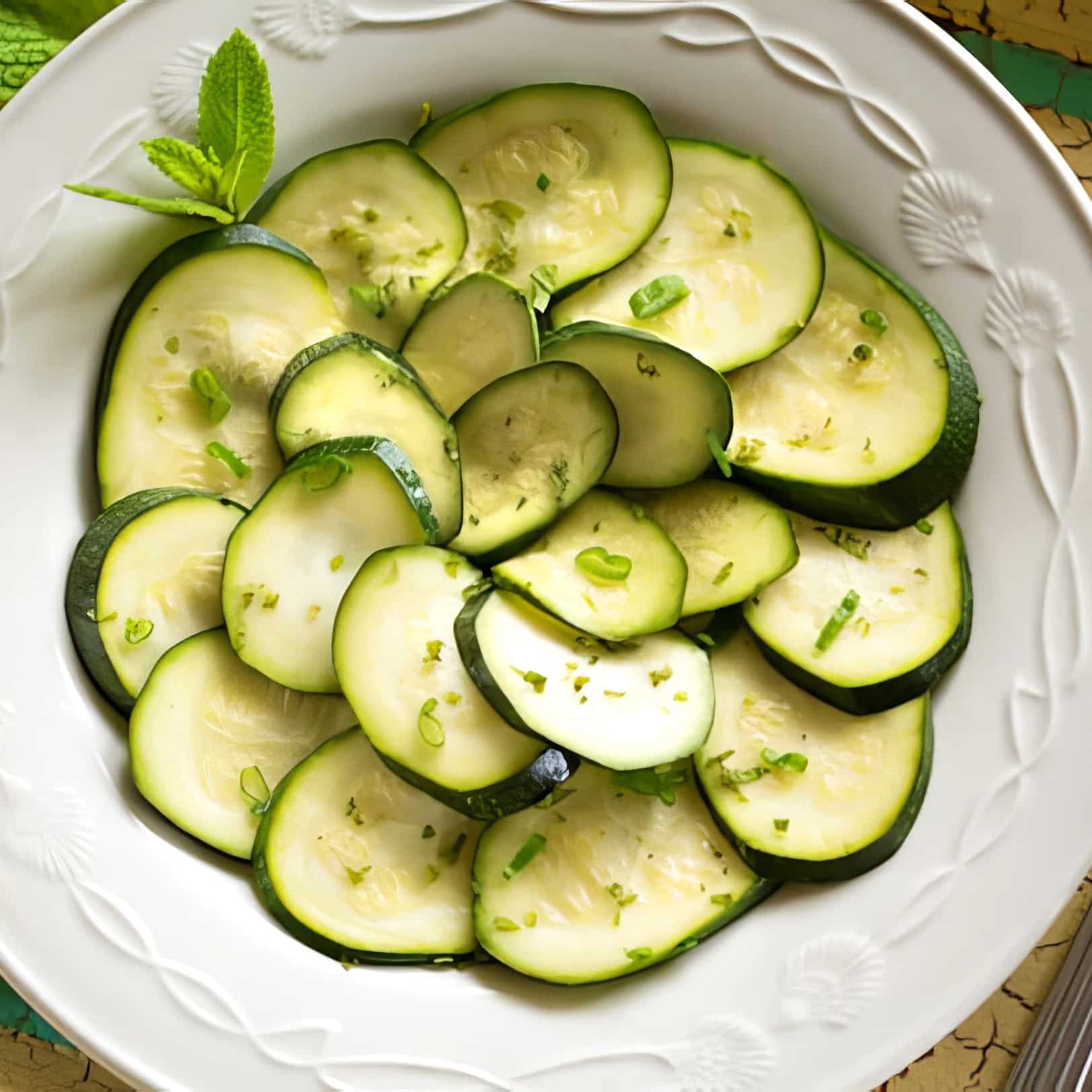
Inspired by a Sicilian classic, this easy side pairs tender zucchini with scallions, lemon, and a generous handful of fresh mint. It's a perfect way to use up an abundance of late-summer zucchini. Serve it warm or at room temperature.
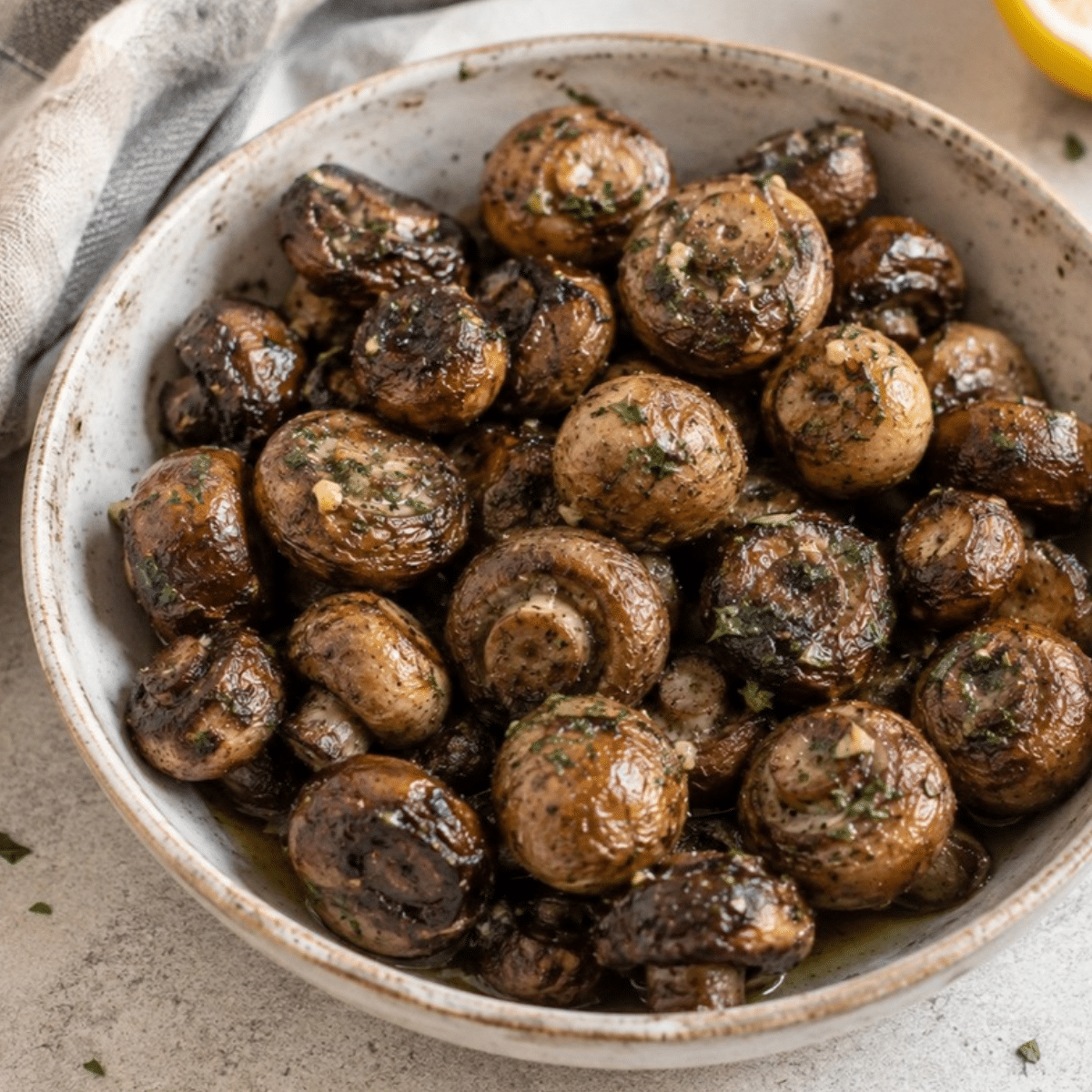
Whole mushrooms get tossed in a bright lemon, garlic, and olive oil marinade, then broiled until tender with a touch of char. There's no long marinating time, so they're quick enough for a weeknight side. They also make a great hot appetizer.
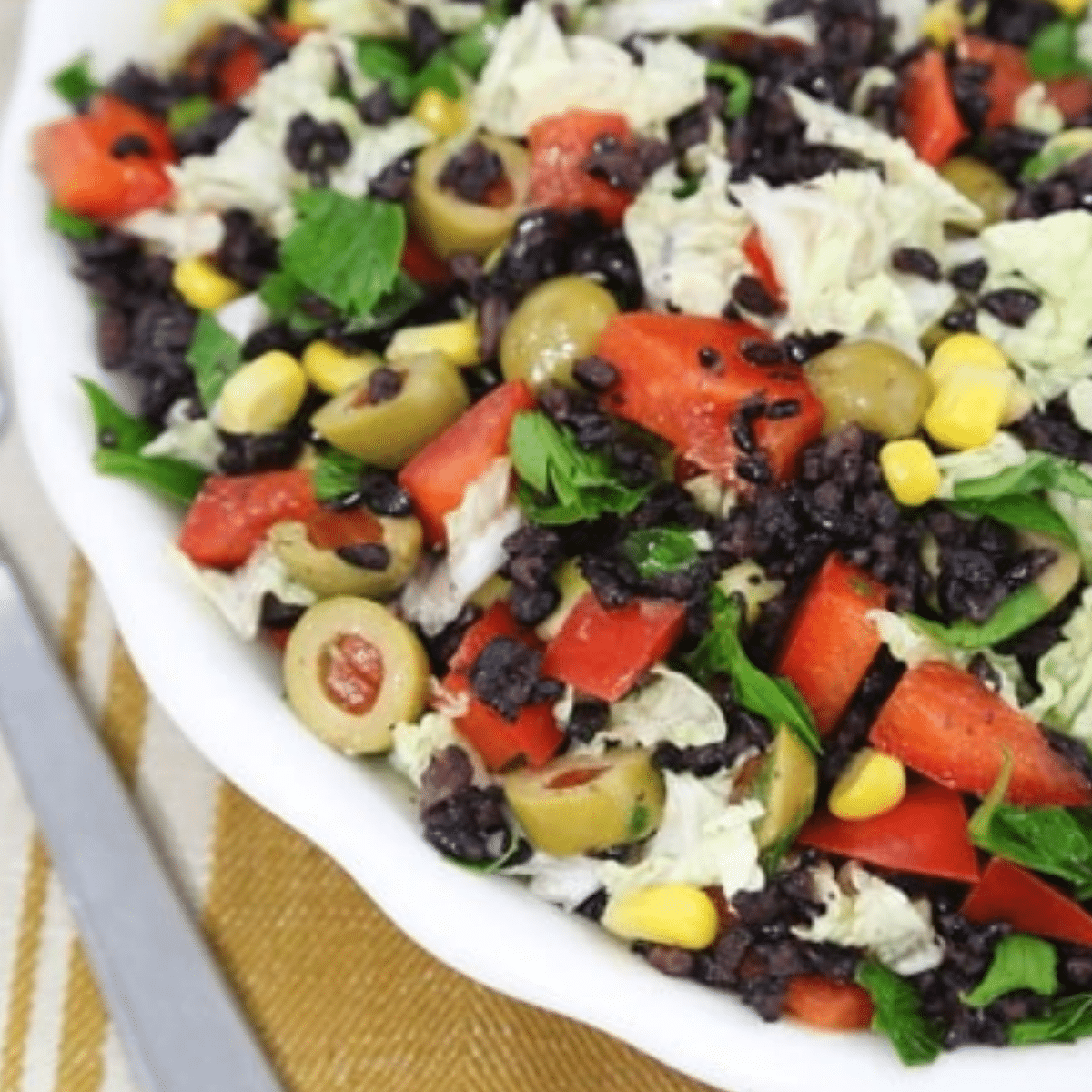
Brown rice or striking black rice is tossed with black and green olives, corn, red bell pepper, shredded cabbage, and fresh parsley. Lemon juice and olive oil keep it fresh and light. It's a great cold salad for warm-weather meals.
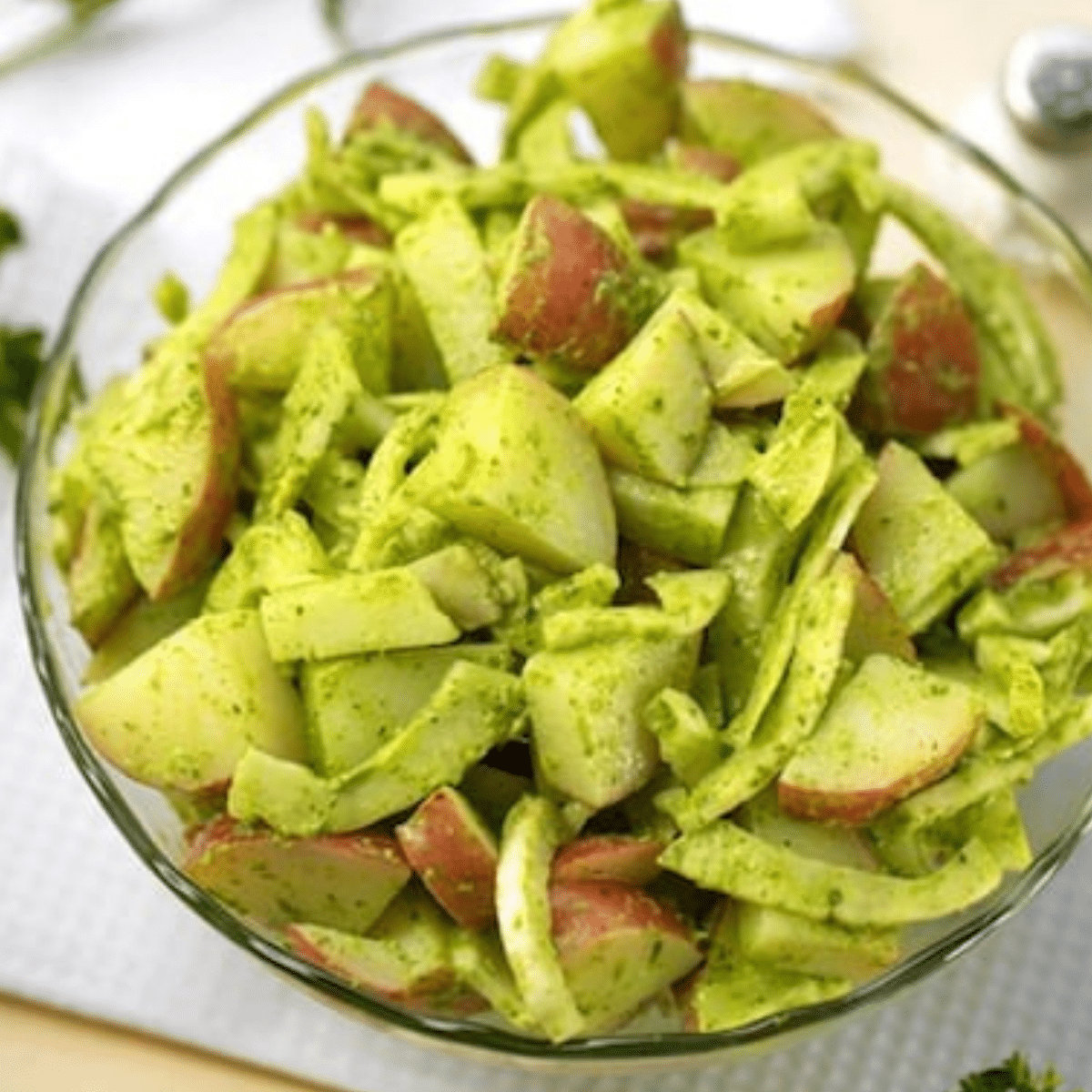
Tender red potatoes and fresh fennel are dressed while warm in a flavorful parsley sauce with olive oil and wine vinegar. The fennel adds a lovely anise note. It's a herby change of pace from a classic mayo-heavy potato salad.
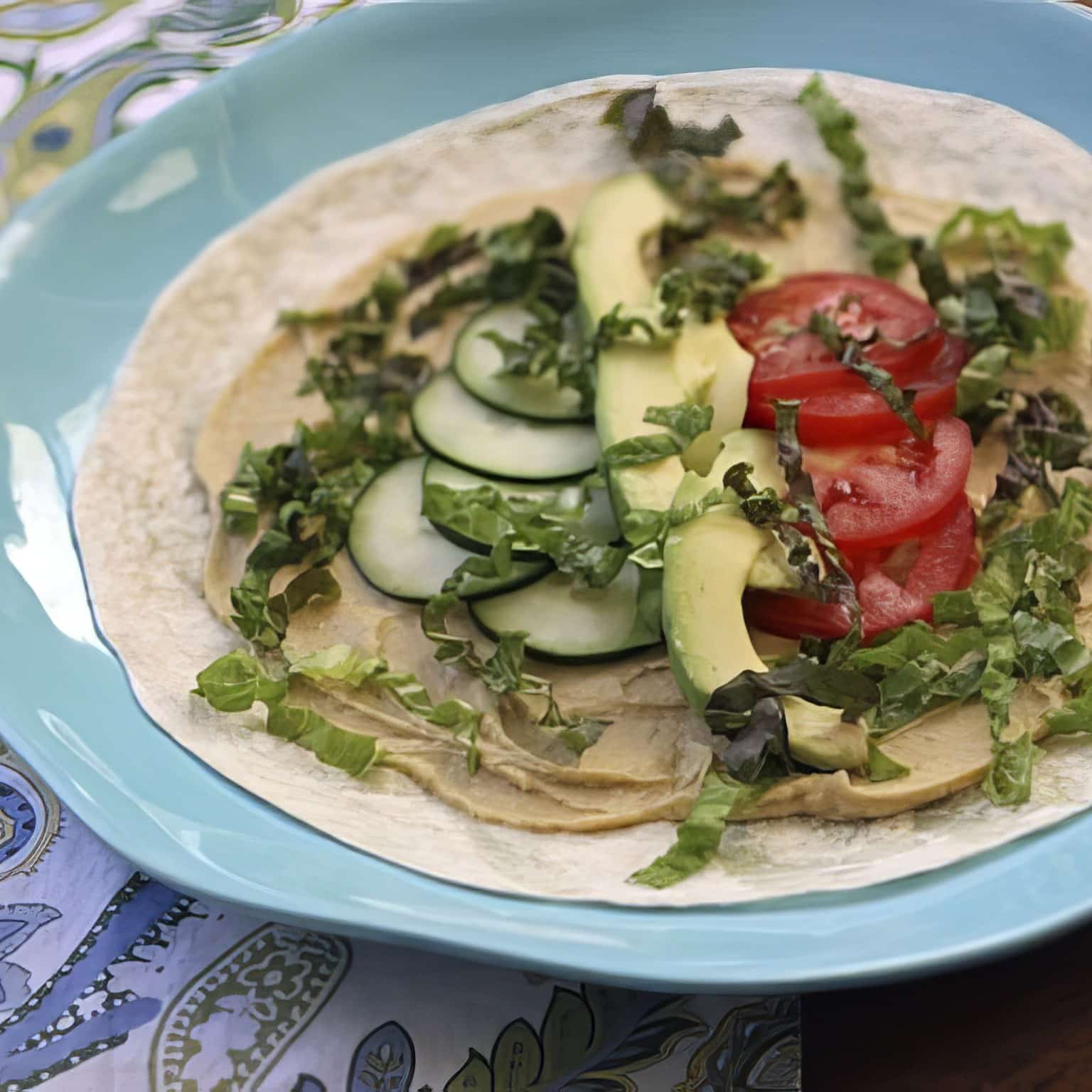
Creamy hummus, crisp cucumber, ripe tomato, and buttery avocado are rolled up with mixed greens in a whole-grain tortilla. It's a fresh, no-cook lunch that comes together in minutes. Pack it up for work or picnics.

Plain plant-based yogurt is whisked with tahini, lemon juice, grainy mustard, and fresh chives for a creamy, tangy sauce. It takes just a few minutes to make. Drizzle it over falafel, roasted vegetables, grain bowls, or sandwiches.
And if you love these vegan Mediterranean diet recipes, be sure to check out these other collections:
Fun & Tasty Vegan Potato Recipes
Potatoes might just be the most versatile vegetable in the vegan kitchen — comforting when mashed, crispy when roasted, and endlessly adaptable to whatever flavors you're craving. Whether you want a simple side dish or a hearty main, there's a vegan potato recipe here for it.
From cozy soups to crispy skillet dishes, we've rounded up our best vegan potato recipes in one place so you'll never run out of ways to put them to good use. Looking for sweet potatoes instead? Check out our Vegan Sweet Potato Recipes round-up, and if it's potato salad you're after, we've got a whole collection of Best Vegan Potato Salad Recipes too.
Fun & Tasty Vegan Potato Recipes
Thin-sliced potatoes bake in a creamy, dairy-free sauce until golden and bubbling — an impressive holiday side that happens to be entirely plant-based. Simple pantry ingredients come together for a crowd-pleaser no one will guess is vegan.
Potato shells stuffed with a creamy mash of broccoli, scallions, and melty dairy-free cheddar, then baked a second time until golden and gooey. A satisfying, protein-packed main that turns a classic flavor pairing into a full meal.
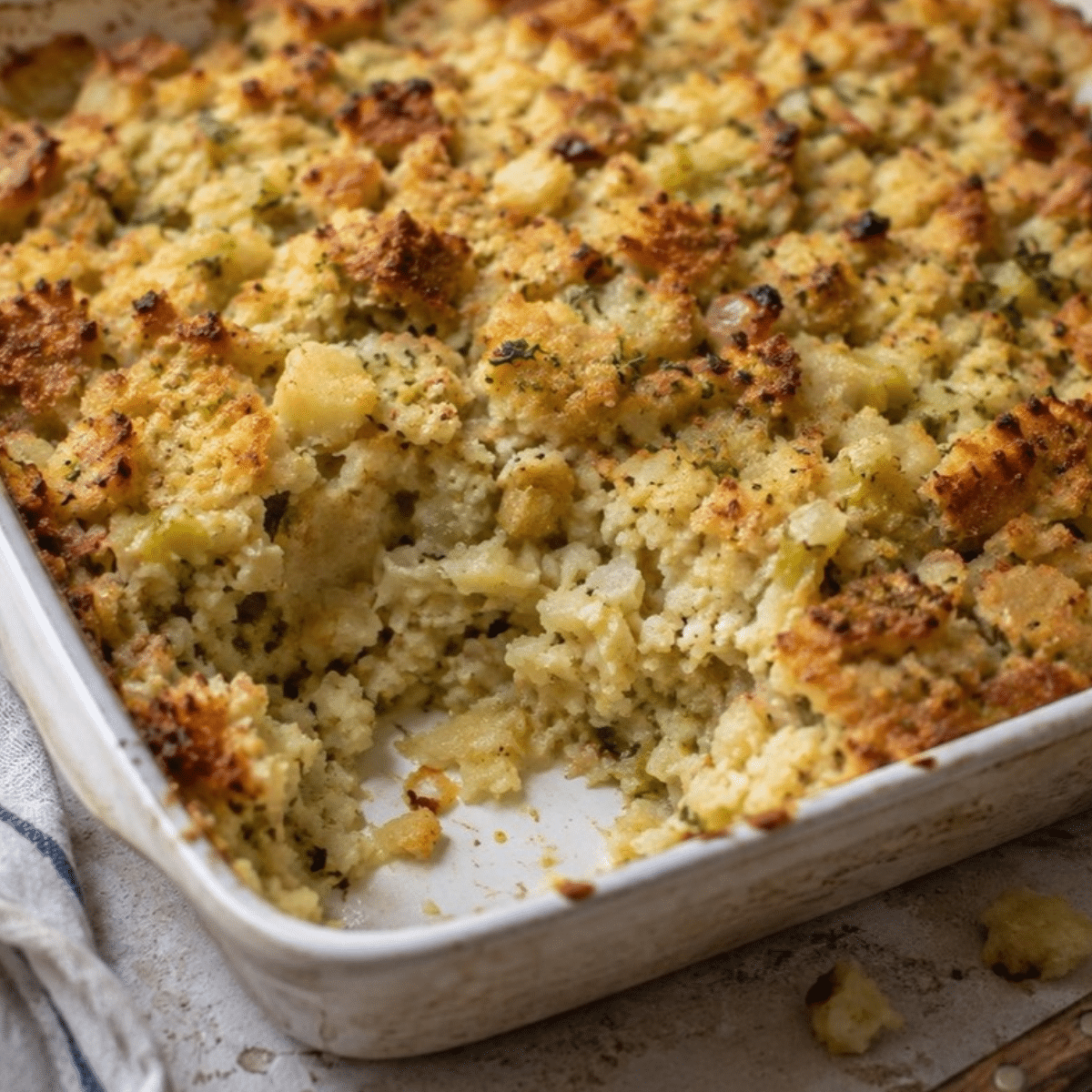
A hearty, casserole-style stuffing made from bread and potatoes — no bird required. It's a Thanksgiving table staple, but comforting enough to make any night you've got bread ends to use up.
Just five ingredients make the creamiest, most buttery mashed potatoes — the ultimate comfort food side for weeknight dinners or holiday feasts. Simple, foolproof, and endlessly pairable.

Grated potatoes bound with onion, flour, and flax egg, then fried until crispy and golden. Pile on your favorite toppings for a fun way to turn humble spuds into a full meal.
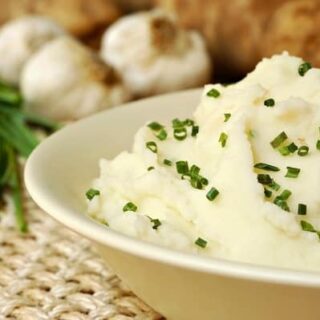
Roasting the garlic first mellows and sweetens its bite, giving these mashed potatoes an extra layer of flavor beyond the classic. A cozy upgrade to a dinner-table standard.

Creamy mashed potatoes topped with a savory onion gravy — a holiday-table must for vegan Thanksgiving or Christmas. Contributed by Beverly Lynn Bennett, with plenty of variations to make it your own.
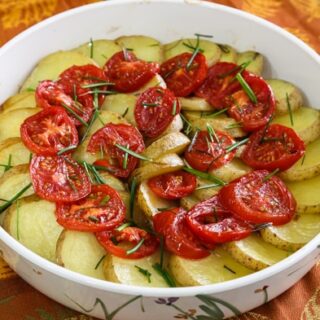
Potatoes and tomatoes roast together with fresh rosemary for a mellow, fragrant side that suits winter holiday meals or an easy company dinner alike.
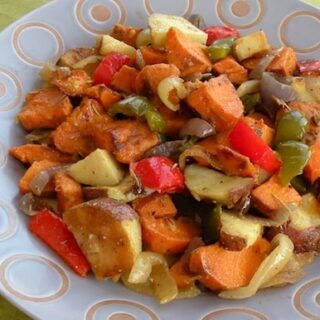
Potatoes, bell peppers, and onions roast together at high heat with just a light hand of seasoning, letting the oven bring out the best in each vegetable. A simple, colorful side for almost any main.
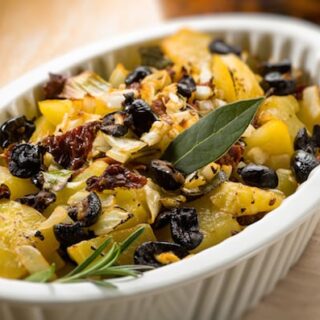
Hearty roasted potatoes get a tangy, briny lift from black olives for a Mediterranean-leaning twist on a classic side. Great alongside a salad, a vegan meatloaf, or a warming soup.

All the creamy, indulgent flavor of classic twice-baked potatoes, without any dairy or bacon — nuts and veggies fill in the gaps beautifully. A comforting side that doesn't skimp on flavor.
A comforting, invigorating casserole that layers potatoes with diced tofu and green chilies. Great served alongside refried beans and a colorful salad.
A simplified take on the classic Indian cauliflower and potato curry, with tofu standing in for paneer. Comes together quickly for an easy weeknight curry night.
An oven-baked, egg-free frittata built on a base of potato and onion, with an herb-infused filling that's every bit as comforting as the original. Perfect for breakfast, brunch, or a light dinner.

A playful way to get kids excited about mashed potatoes: build a crater, fill it with gravy "lava," and watch it erupt at the table. A fun spin on a familiar side that turns dinner into an activity.
A simple, comforting skillet dish of crispy potatoes and tofu that works equally well for dinner or brunch. Great made ahead — the leftovers reheat beautifully for a quick breakfast.

A dairy-free take on a Southwestern classic, this filling soup of potatoes, corn, and green chiles makes a satisfying centerpiece for a simple meal. Pair with a salad or a wrap for a complete dinner.
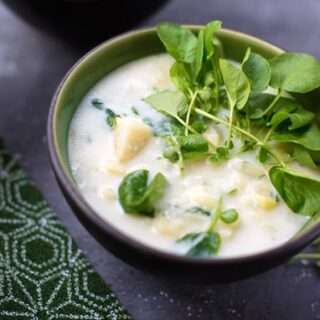
Peppery watercress adds a bright, spring-fresh note to a classic leek and potato soup. Even better the next day, once the flavors have had time to mingle overnight.
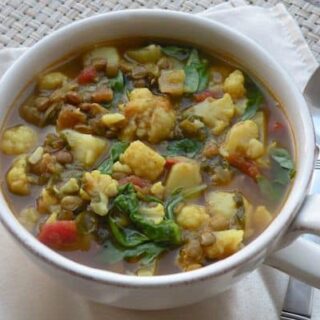
Lentils, potatoes, and cauliflower simmer together in a garlicky, mildly curried broth for a hearty, warming soup. Serve with flatbread and a simple salad for a full meal.
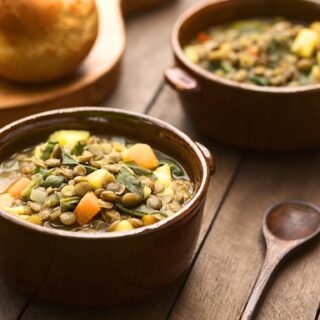
Lentils, potatoes, and leafy greens come together in a mildly curried broth for a soup that's perfect to come home to on a cold day. Also great packed in a thermos for lunch.
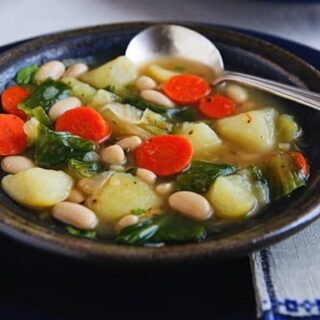
Potatoes and bitter greens simmer into a comforting, Italian-inspired soup that's perfect for a chilly evening. No escarole on hand? Kale, chard, or mustard greens all work as substitutes.

Baked potatoes get scooped, mashed with leftover veggies and hummus, and stuffed back into their crispy skins. A clever way to use up odds and ends while making something genuinely craveable.

A hearty skillet dish pairing potatoes and vegan sausage with calcium-rich collard greens. Filling enough on its own, with just a simple salad or slaw needed to round out the meal.
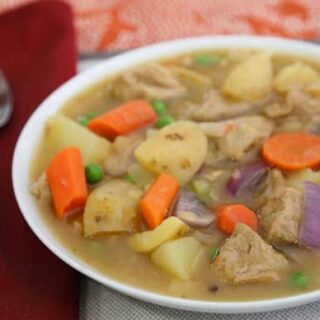
Seitan brings a satisfying, meaty texture to this classic stew, simmered together with potatoes and carrots for pure comfort food. A hearty dinner that comes together with mostly pantry staples.
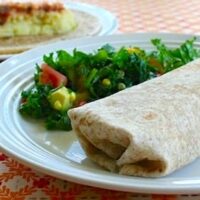
Leftover mashed potatoes get a second life wrapped up burrito-style with a few simple extras. Quick to throw together once the potatoes are ready — pair with a bean dish for added protein.
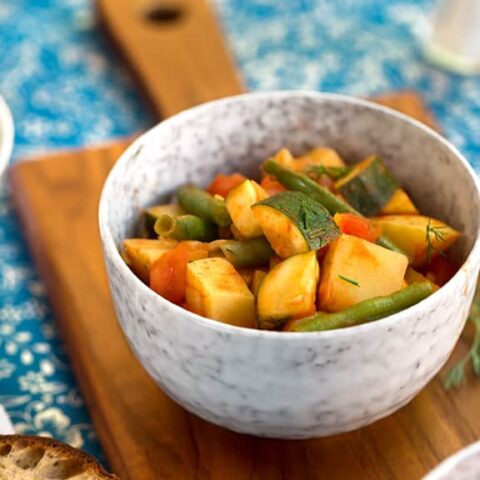
Potatoes, zucchini, and green beans simmer in a mellow tomato base for a simple, summery Greek-style stew. A crusty bread and a big green salad round out the meal.
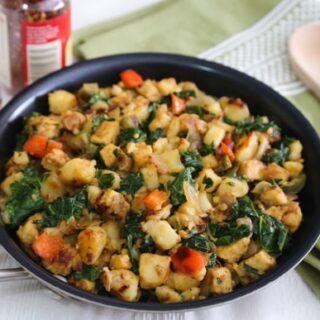
A hearty, protein-packed hash of potatoes and tempeh, dressed up with bell pepper and kale. Equally good as a quick weeknight dinner or an offbeat weekend brunch.
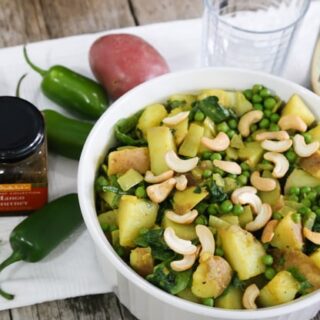
Peas and cashews lend a subtle sweetness to this simple curried potato dish. Comes together quickly once the potatoes are cooked — serve with couscous and a spicy chutney.
Layered matzo, potatoes, spinach, and leeks bake into a comforting gratin inspired by traditional Sephardic Passover casseroles. Delicious with or without a dairy-free cheese on top.
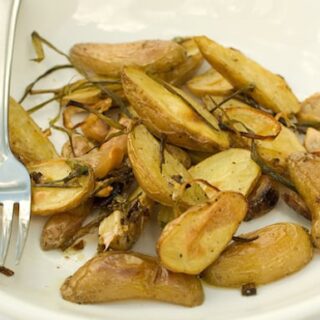
A quick, clever way to make homemade fries without a lot of peeling and cutting, thanks to naturally small fingerling potatoes. Once you try homemade, you won't look back.
Black beans, potatoes, and tortillas combine in one skillet for a hearty dish with lively Southwestern flavor. On the table in about 30 minutes if the potatoes are cooked ahead.

A touch of dairy-free cream cheese gives these mushroom-stuffed potatoes a rich, satisfying flavor. Serve alongside a big tossed salad and a favorite green vegetable.

Tiny new potatoes get a flavorful update from a mellow parsley and almond pesto — a gentler alternative for anyone who finds classic basil pesto overpowering.
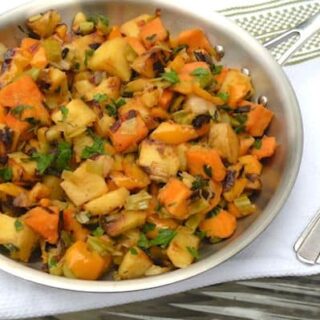
A dressed-up take on hash browns, with leeks and bell pepper folded into crispy potatoes. Perfect for a vegan brunch alongside a tofu scramble and fresh fruit.

Tofu and potatoes thread onto skewers and broil until browned for cookout flavor with no grill required. Just three main ingredients and a hot broiler stand between you and dinner.
And if you love these vegan potato recipes, be sure to check out these other tasty collections:
Vegan Mushroom Recipes
Mushrooms are one of the most versatile ingredients in a vegan kitchen — earthy, meaty, and able to soak up whatever flavors you throw at them. Whether you’re after a rich pasta, a stroganoff, or a portobello burger, this collection has you covered.
From creamy risottos and stroganoff to portobello burgers, stuffed potatoes, and Asian noodle soups, we’ve rounded up 33 of our best vegan mushroom recipes so you can put those mushrooms to work all week long.
Vegan Mushroom Recipes
A rich, dairy-free cream sauce clings to every noodle in this quick weeknight pasta, built on a base of sauteed mushrooms, garlic, and cashew cream. It's ready in about 30 minutes and endlessly comforting.
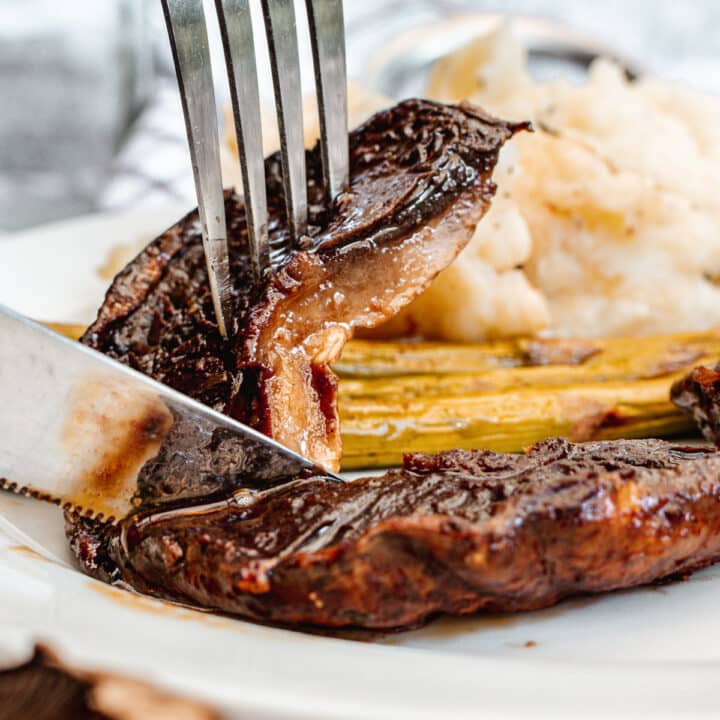
Marinated portobello caps are grilled or pan-seared until juicy and steak-like, then sliced over mashed potatoes or a hearty salad. A go-to for anyone craving a meaty, satisfying main without the meat.
Classic Arborio rice simmered low and slow with vegetable broth and a generous mix of mushrooms for a creamy, umami-rich risotto. No cheese required to get that luxurious texture.
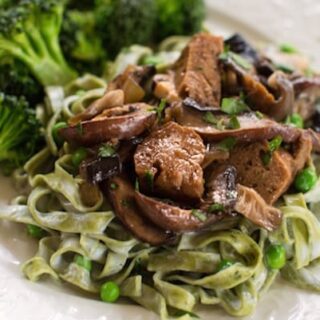
Tender seitan and mushrooms simmer in a velvety dairy-free sour cream sauce, spooned over egg-free noodles for a plant-based spin on the Russian classic.
A homemade crust piled high with broccoli, mushrooms, and tangy sun-dried tomatoes, finished with vegan cheese. Proof that veggie-loaded pizza can still feel indulgent.
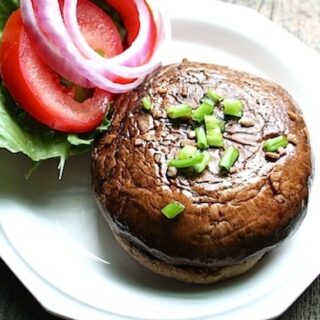
Grilled portobello caps stand in for a beef patty here, piled onto a bun with all your favorite burger toppings. Smoky, juicy, and ready in under 30 minutes.
Quinoa, lentils, and finely chopped mushrooms bind together into a hearty veggie burger with real texture and a savory, umami-forward bite.
A tangy herb marinade soaks into baby mushrooms before they're tossed with nutty wild rice, sun-dried tomatoes, and fresh herbs for a dish that's as good cold as it is warm.
A lighter take on fried rice swaps in riced cauliflower and loads it up with mushrooms and chickpeas for extra protein and bite. Ready in one pan, faster than takeout.
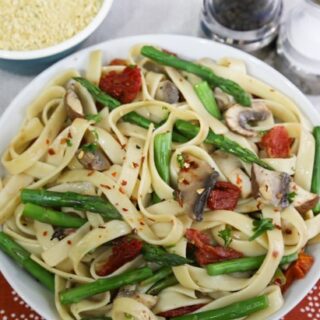
Linguine or fettuccine tossed with garlicky asparagus and meaty portobello mushrooms in a simple olive oil and herb sauce, a springtime pasta that comes together in one skillet.
Layers of noodles, garlicky spinach, mushrooms, and a creamy tofu ricotta bake up into a lasagna hearty enough for a holiday table.

A savory lentil-and-mushroom filling simmers with vegetables and herbs, then gets topped with a blanket of mashed potatoes and baked until golden, total comfort food.
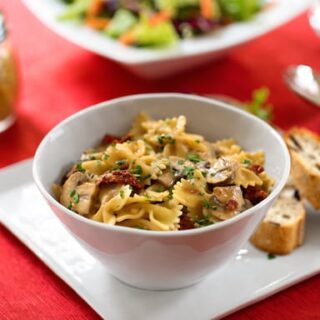
Bow tie pasta gets tossed in a light cream sauce with sauteed mushrooms and chopped sun-dried tomatoes for a quick, restaurant-worthy dinner.
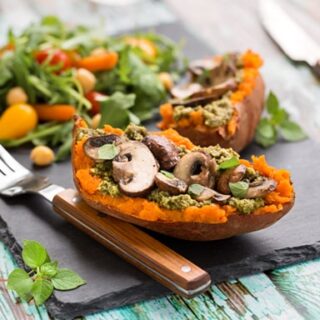
Roasted sweet potatoes are split and piled with sauteed mushrooms and a bright basil pesto for an easy, well-rounded dinner that doubles as a great meal-prep option.
Sauteed mushrooms and bell peppers get folded into melty vegan cheese between crisped tortillas, a fast weeknight dinner or shareable appetizer.
Garlicky mushrooms and wilted spinach get rolled up with melted vegan cheddar in a soft tortilla for a warm, satisfying lunch wrap.
Baked potatoes get hollowed out and refilled with a savory mushroom and herb mixture, then baked again until the tops are golden and crisp.

A hearty tofu scramble loaded with sauteed mushrooms and bell peppers, seasoned to taste just like scrambled eggs, a filling way to start the day.
Whole mushrooms get broiled with garlic, lemon, and olive oil until browned and tender, a simple side dish or appetizer that comes together in under 20 minutes.
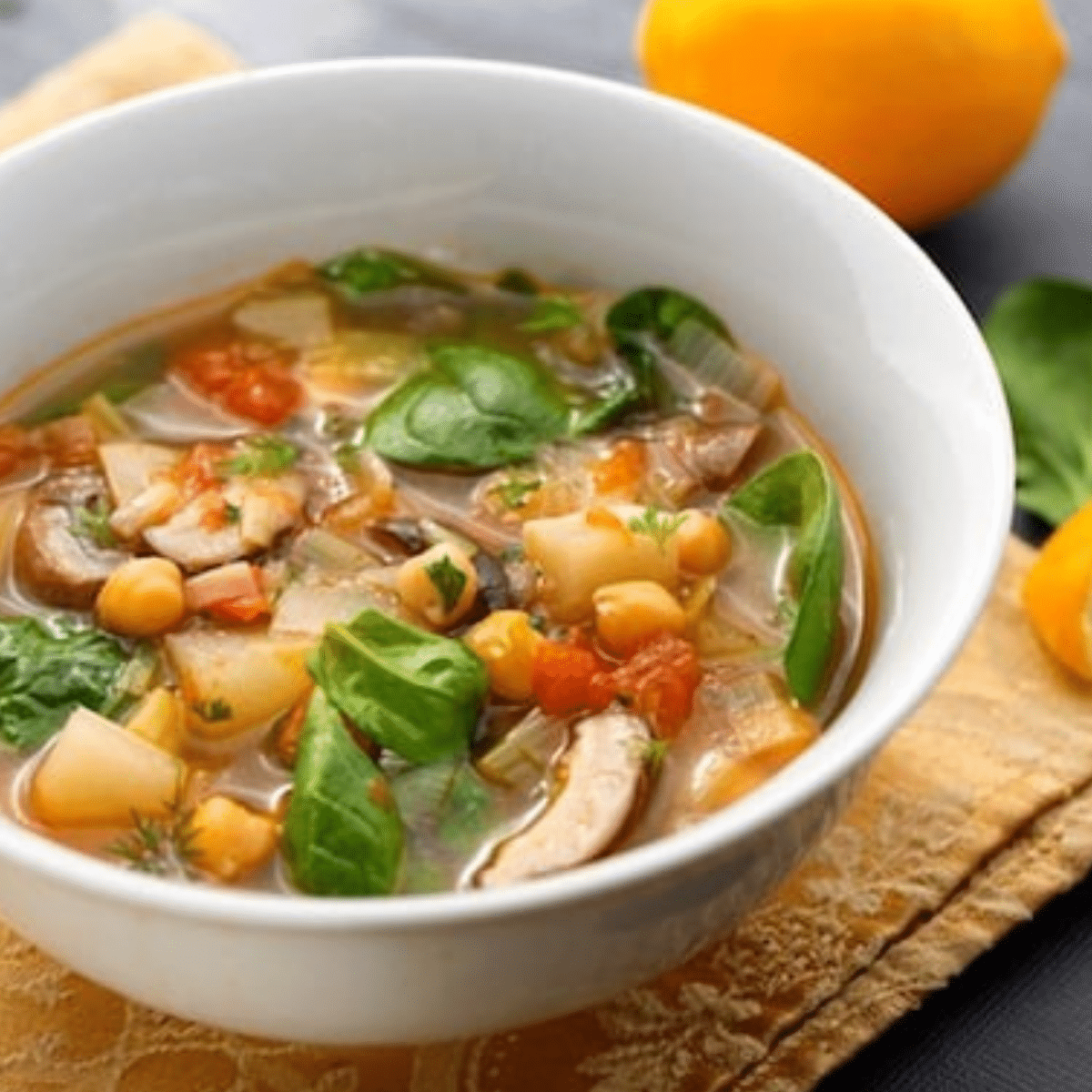
Sauteed leeks and mushrooms simmer in a light, lemon-brightened broth for a soup that's cozy but not heavy, great with a hunk of crusty bread.
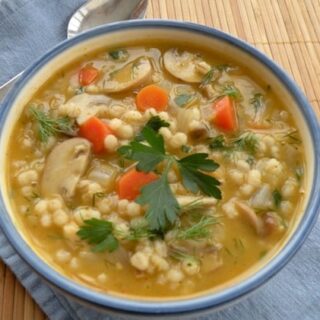
A traditional, deeply savory soup built on mushrooms, barley, carrots, and celery, the kind of long-simmered soup that gets better the longer it sits.

An Asian-inspired broth gets loaded with mixed mushrooms and tender bok choy for a light, fragrant soup that's ready in well under an hour.
A gingery broth, rice noodles, baby bok choy, and shiitake mushrooms come together into a quick, soul-warming noodle soup.
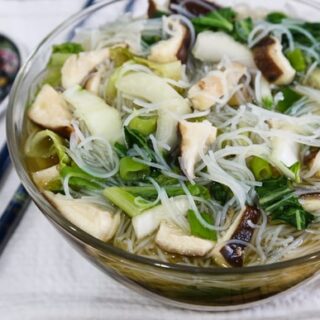
Silky rice noodles float in a light broth with shiitake mushrooms and crisp lettuce for a simple, brothy soup you'll want on repeat.
Rice noodles get tossed with snow peas and shiitake mushrooms in a gingery sauce for a fast, flavor-packed noodle dish.
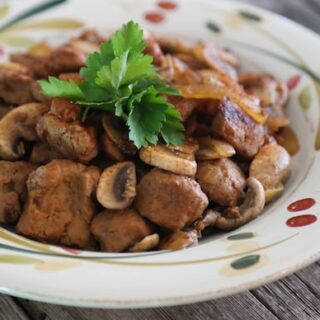
Seitan and mushrooms simmer in a smoky paprika-spiced cashew cream sauce, a plant-based nod to Hungarian goulash, best served over noodles or rice.

A fast weeknight stir-fry pairs tender napa cabbage with mushrooms in a savory garlic-ginger sauce, ready in about 15 minutes.
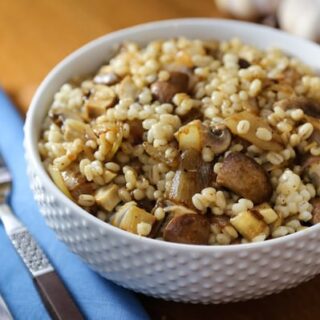
Chewy barley gets tossed with mushrooms and deeply caramelized onions for a hearty, satisfying side dish or light main.

Brown rice pilaf gets bulked up with white beans, shiitake mushrooms, and wilted spinach for a filling, protein-rich one-bowl meal.
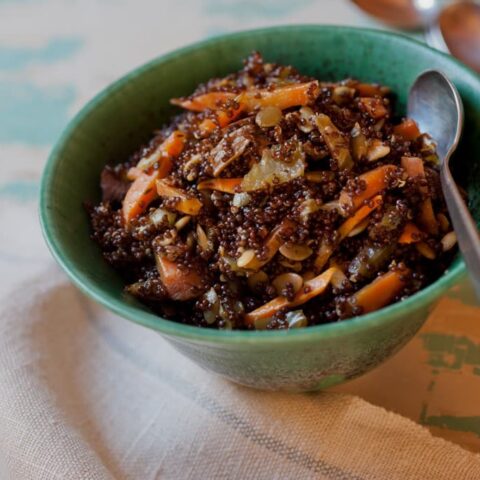
Nutty red quinoa is simmered with dried porcini mushrooms for deep, earthy flavor in a simple pilaf that works as a side or a light main.
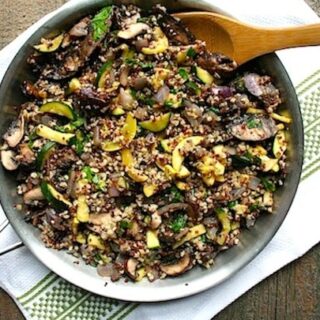
Fluffy quinoa is tossed with roasted squash and sauteed mushrooms for a colorful, hearty grain bowl that's great year-round.
A blended tofu custard studded with mushrooms and fresh herbs bakes up into a crustless quiche that's lighter than the original but just as satisfying.
Sauteed mushrooms, asparagus, and artichoke hearts come together in a light, garlicky medley that works as a side dish or a topping for pasta and grains.
Craving portobellos specifically? We have a whole separate collection just for those. And if you love these vegan mushroom recipes, be sure to check out these other delicious ideas:
Healthy Vegan Whole Grain Recipes
Whole grains are some of the most versatile ingredients in a vegan kitchen — hearty enough to anchor a dinner, light enough to start your morning, and endlessly adaptable to whatever vegetables or spices you have on hand.
From cozy breakfast bowls to hearty salads, soups, and mains, we've rounded up more than two dozen healthy vegan whole grain recipes featuring quinoa, farro, barley, millet, bulgur, buckwheat, oats, and more. Already have a favorite grain in mind? We have dedicated round-ups for quinoa bowls, farro, tube polenta, and brown rice too — you'll find those linked below.
Healthy Vegan Whole Grain Recipes
A hearty grain bowl piled with farro, arugula, roasted sweet potatoes, chickpeas, and cucumbers, all finished with a bright homemade dressing. It's a filling, nutrient-rich lunch or dinner you'll want to put in regular rotation.
Earthy marinated mushrooms meet chewy wild rice for a satisfying, protein-packed dinner that's just as good reheated for meal-prep lunches. Simple pantry ingredients make it an easy weeknight staple.

All the cozy flavor of apple pie in a bowl of oats, made gluten-free, oil-free, and refined-sugar-free. It's a warming breakfast that tastes like dessert but keeps you fueled all morning.
Rich and cheesy-tasting thanks to nutritional yeast (no dairy needed), this baked farro casserole is a cozy, tomato-and-herb-drenched alternative to pasta bake. The chewy whole-kernel wheat holds up beautifully to baking.
Sorghum's mild flavor and satisfying chew make it a great base for a warm breakfast cereal, especially once it's dressed up with fruit, nuts, and a touch of sweetness. A fun way to branch out from oatmeal.
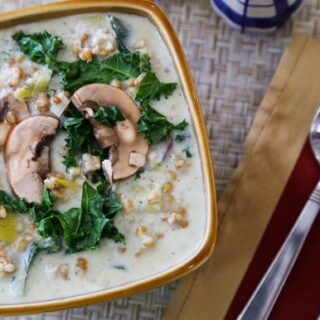
Made creamy with tofu or white beans and loaded with leeks and mushrooms, this soup welcomes whichever ancient grain you have on hand: farro, spelt, einkorn, or plain pearl barley. A true bowl of comfort on a chilly day.
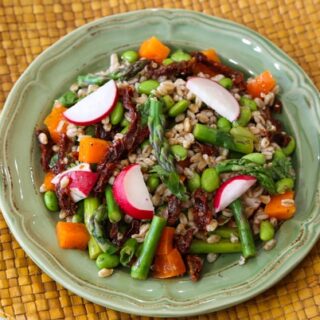
Nutty farro tossed with spring asparagus and other seasonal vegetables makes a substantial salad that holds up well as leftovers. Serve it alongside a warm or cold bean dish for a complete meal.
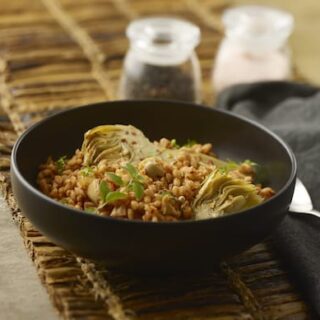
Farro and artichokes are a natural pairing rooted in Italian tradition, and this dish brings the two together in a simple, satisfying side or light main. A great introduction to cooking with farro.
A veganized take on the classic slow-cooked Jewish Sabbath stew, built on barley, beans, and root vegetables for a deeply comforting, low-and-slow dinner. Great for filling the house with warmth on a cold day.
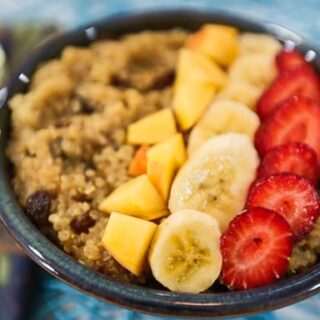
Protein-rich quinoa gets simmered into a warm, naturally sweet breakfast bowl with a boost of energizing maca powder and a colorful pile of fresh fruit on top. A nourishing way to start the day.
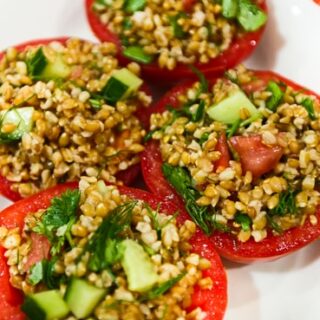
Chewy einkorn wheat berries stand in for bulgur in this tabbouli-inspired salad, offering a nuttier bite that's perfect for summer entertaining. Bright, herby, and great made ahead.
Kañiwa, a tiny, nutrient-dense relative of quinoa, cooks up quickly into a colorful, protein-packed salad here. A great way to try a lesser-known ancient grain without much extra effort.
Pearl barley meets sweet fresh corn and peas in this simple, hearty cold salad that's a natural for potlucks and everyday meals alike. Easy to make ahead and even better the next day.
Bright lemon and crisp green beans lighten up this hearty bulgur dish, rounded out with crunchy walnuts. A fresh, fast side that pairs well with almost anything off the grill.
A more colorful, veggie-forward spin on classic kasha varnishkes, this dish pairs nutty buckwheat groats with thin noodles and crunchy vegetables. A great main for the Jewish New Year table or a hearty side any night.
A touch of sweetness from dried apricots and crunch from toasted almonds make this Middle Eastern-inspired grain salad a perfect partner for hummus and other mezze. Works equally well with barley or farro.
This classic Jewish comfort dish pairs buckwheat groats with bow-tie pasta for a simple, satisfying combination that's been a family-table staple for generations. Easy, cozy, and quick to put together.
A lively mix of textures and flavors, this bulgur salad comes together with dried fruit, walnuts, and fresh vegetables for a dish that's as adaptable as it is delicious. Swap in whatever dried fruit or grain you have on hand.
Mushrooms and barley are a natural match, and this hearty side dish leans into that pairing with plenty of browned onion and fresh dill. Simple ingredients, big comforting flavor.
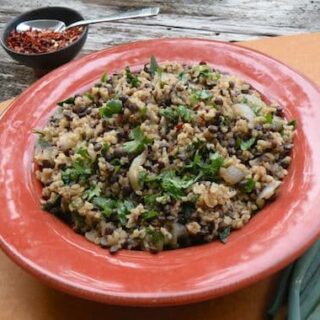
This traditional Middle Eastern pilaf combines bulgur with lentils and deeply caramelized onions for a dish that's humble, deeply flavorful, and endlessly satisfying. A great one-pot dinner on its own or alongside a simple salad.
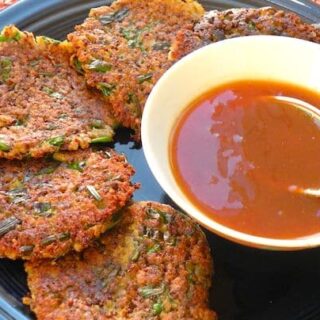
Crispy on the outside and packed with scallion and cilantro, these quinoa fritters are a great way to use up leftover cooked quinoa. Delicious dipped in a quick homemade "duck" sauce.
Nothing fancy here, just a classic, comforting bowl of mushroom-barley soup that never goes out of style. Mix up the mushroom varieties (cremini and shiitake are a great combo) to make it your own.

Cooked quinoa becomes a nourishing breakfast with a bit of sweetener, warm spice, fresh fruit, and a scattering of nuts or seeds. A great way to use up leftover plain quinoa from the week.
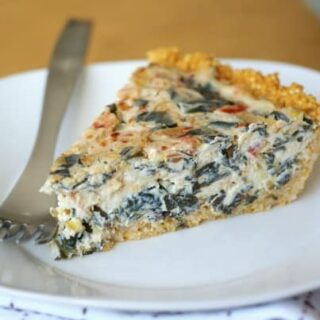
A gluten-free millet crust holds a savory, veggie-studded tofu filling in this versatile quiche that welcomes whatever vegetables you have on hand. A creative, grain-based twist on a brunch classic.
Red beans, broccoli, and tomatoes get an unexpected Asian twist in a gingery miso sauce, served over a bed of fluffy quinoa. An unusual but genuinely delicious way to bring whole grains into a weeknight dinner.
Craving more ways to cook with a favorite grain? Check out these other whole grain round-ups:
Vegan Chocolate Raspberry Smoothie Bowl
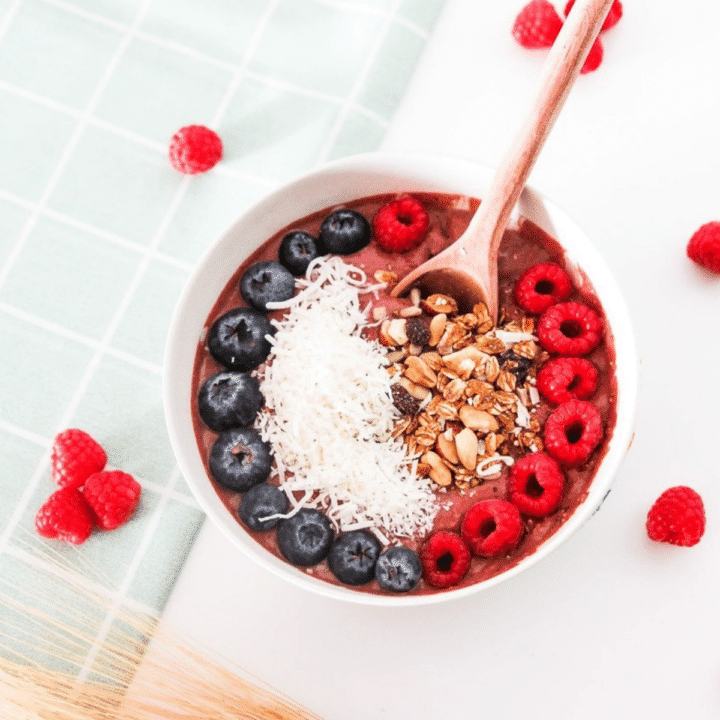
This vegan chocolate raspberry smoothie bowl is bold, chocolatey, and packed with tart raspberries - thick enough to eat with a spoon, and finished with just enough crunch to make breakfast feel like dessert.
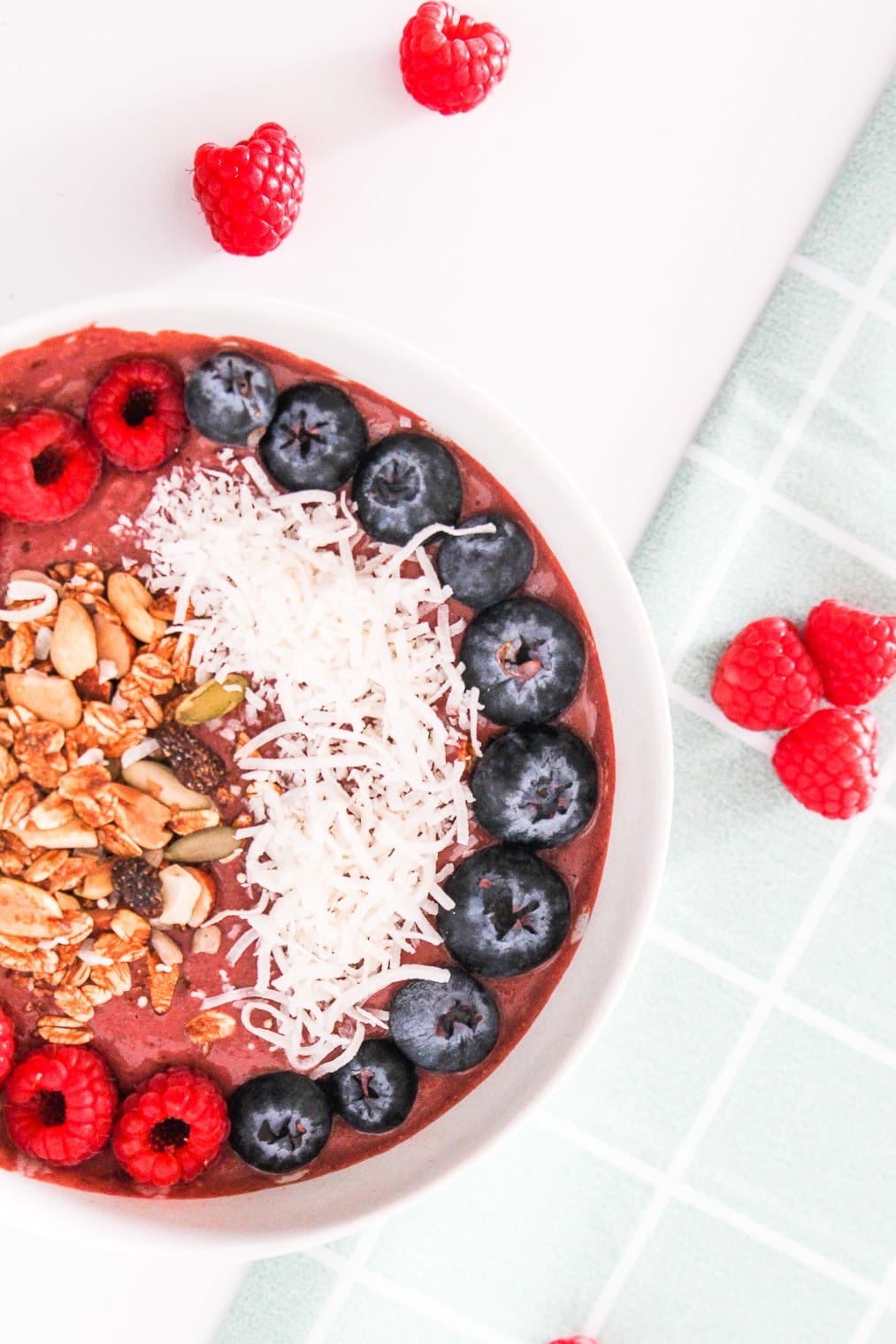
Key Ingredients & Substitutions
- Frozen raspberries. These are the backbone of the bowl's color and tang. Frozen fruit is essential for a thick, scoopable texture - if you only have fresh raspberries on hand, spread them on a tray and freeze for a couple of hours before blending.
- Cacao powder. Raw, unsweetened cacao powder gives this bowl its deep chocolate flavor without any added sugar. Standard unsweetened cocoa powder works as a one-to-one substitute if that's what's already in your pantry.
- Granola. Blending granola right into the smoothie base (in addition to sprinkling more on top) adds body and a toasty, oat-y flavor that thickens the bowl naturally. If you don't have a favorite on hand, homemade granola bars crumbled up work beautifully too, and a gluten-free granola keeps this recipe GF-friendly.
- Agave syrup. A mild, vegan-friendly sweetener that balances the natural bitterness of the cacao. Maple syrup or two or three pitted dates are easy substitutes if agave isn't your thing.
- Plant-based milk. Soy, almond, oat, or coconut milk all work well here. For an extra-creamy, richer bowl, try canned coconut milk thinned with a splash of water.
- Soy protein powder (optional). A scoop of unflavored soy protein powder turns this into a more filling, protein-packed breakfast. Leave it out entirely, or swap in your favorite plant-based protein blend.
- Toppings. Shredded coconut, extra granola, fresh raspberries, and blueberries add color, crunch, and freshness. Banana slices, cacao nibs, or a spoonful of nut butter are all great swaps or additions.
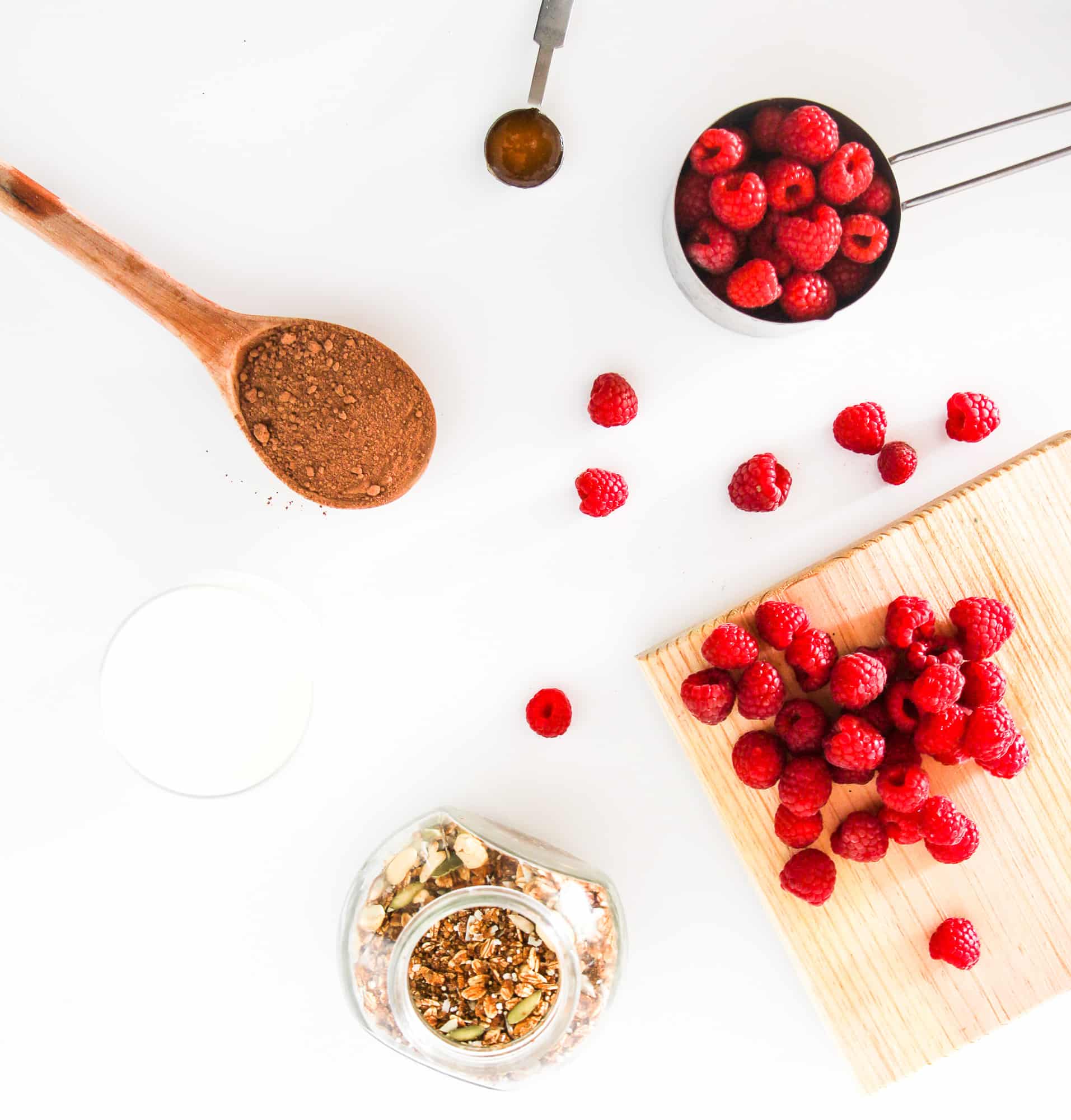
Helpful Tips
Use a real high-speed blender. Frozen raspberries and cacao powder blended with just a cup of milk make for a thick mixture, and an underpowered blender can struggle or leave you with chunks of fruit. A high-speed blender will get you to a silky, spoonable consistency in under a minute - if yours is having trouble, add liquid one tablespoon at a time and pulse in short bursts rather than pouring in a big splash all at once.
Don't skip the frozen fruit. The whole appeal of a smoothie bowl is that it's thick enough to eat with a spoon rather than sip through a straw. Using frozen raspberries (not fresh, not thawed) is what gets you there - thawed berries release too much liquid and turn the bowl soupy.
Chill your bowl first. Popping your serving bowl in the freezer for 10-15 minutes before you blend helps the smoothie hold its thick texture longer once it's plated, especially if you're taking your time arranging toppings.
Arrange toppings before you dig in. Grouping the coconut, granola, and berries into little sections rather than scattering them randomly isn't just for looks - it means every bite gets a mix of textures instead of a few spoonfuls of plain smoothie followed by a topping-heavy finish.
Taste before you top it. Cacao powder can vary quite a bit in bitterness from brand to brand. Give the blended smoothie a taste before adding toppings, and stir in an extra splash of agave if it needs it - it's much easier to adjust now than after the bowl is fully assembled.
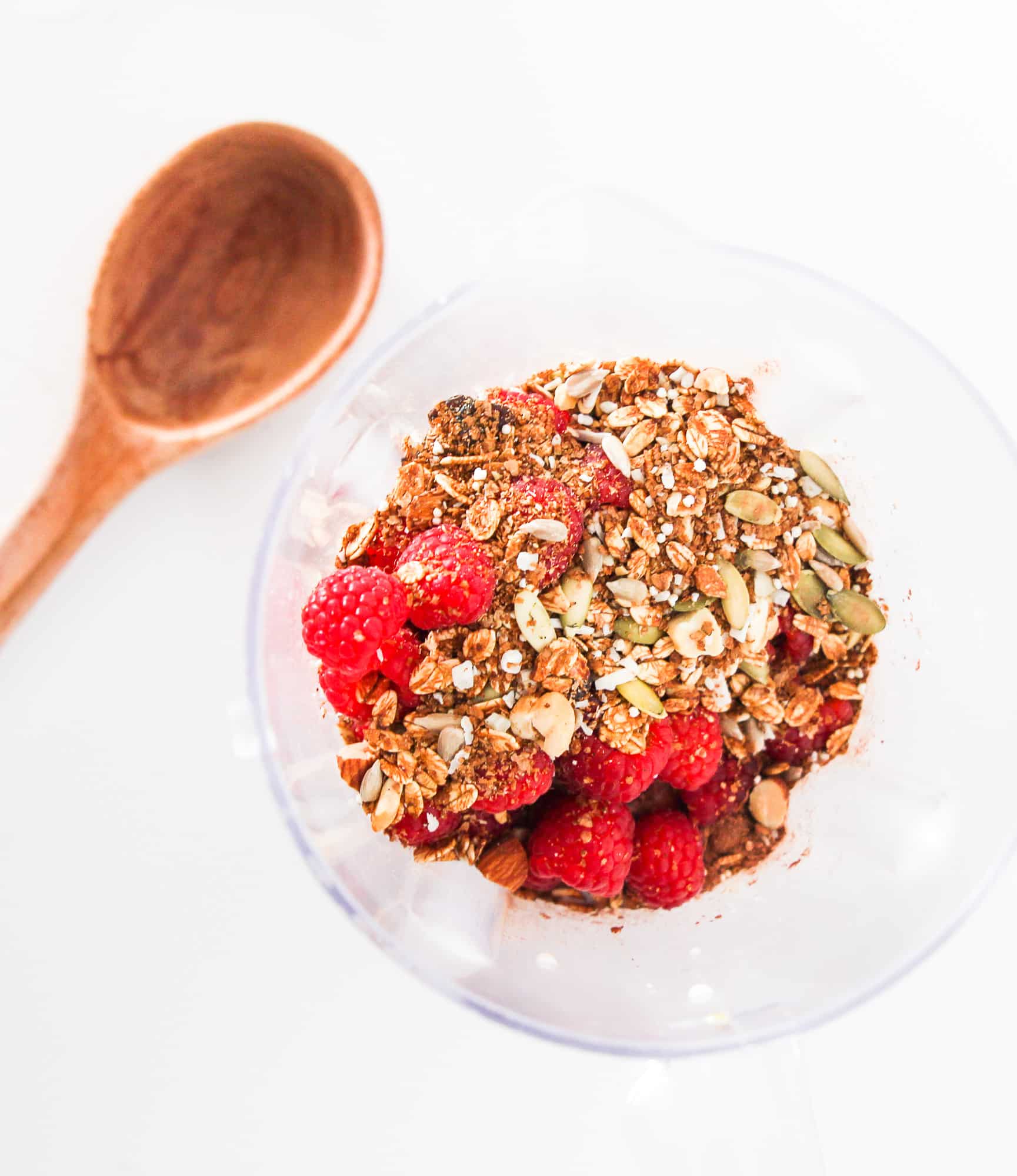
Variations
- Peanut butter chocolate raspberry. Blend in a tablespoon or two of peanut butter for a rich, nutty edge that pairs beautifully with the tart raspberries.
- Mint chocolate raspberry. Add a handful of fresh mint leaves or a few drops of peppermint extract for a chocolate-mint twist.
- Extra-protein version. For an even heartier breakfast, check out our Protein Chocolate Smoothie Bowl for another take on boosting the protein in a chocolate bowl.
- Tropical chocolate raspberry. Blend in half a frozen banana and a splash of extra coconut milk for a creamier, tropical-leaning bowl.
- Mocha version. Add a shot of chilled espresso or a teaspoon of instant coffee granules for a mocha-flavored twist that pairs perfectly with the cacao.
- Superfood boost. Stir in a teaspoon of maca powder or spirulina for an extra nutritional lift without changing the flavor much.
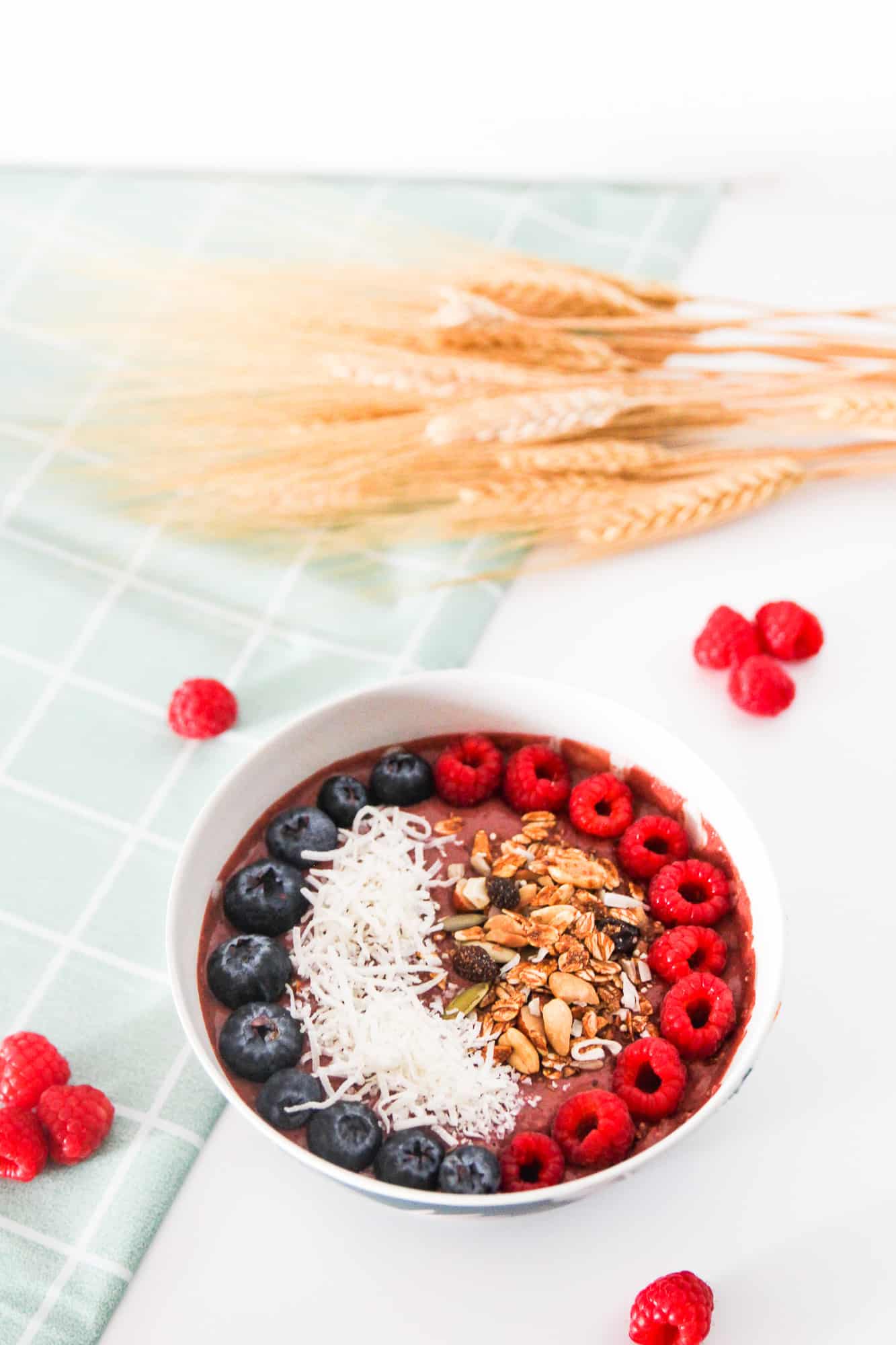
Serving Ideas
This bowl makes a satisfying breakfast on its own, but it's easy to round out into a fuller spread. Serve it alongside a slice of toast with nut butter, or pair it with a batch of vegan granola bars for an extra hit of crunch and protein on the side.
It's also a fun one to serve for brunch - set out small bowls of toppings (coconut, granola, extra berries, cacao nibs, sliced banana) and let everyone build their own version. If you're craving something similar but want a lighter, fruitier option, our Vegan Chocolate Raspberry Banana Smoothie is a great sippable alternative for busy mornings when you don't have time to sit down with a spoon.
Storing & Freezing
This smoothie bowl is really at its best eaten fresh, right after blending, since the toppings soften and the base loses its thick texture as it sits. If you do have leftovers, cover the bowl tightly and refrigerate for up to a day - give it a quick stir before eating, as it will loosen slightly.
For longer storage, skip the toppings and freeze just the blended smoothie base in an airtight container for up to a month. When you're ready to eat, let it sit at room temperature for 10-15 minutes or blend it again briefly with a small splash of plant milk to bring back the smooth, scoopable texture, then add fresh toppings just before serving.
More Vegan Smoothie Ideas
If you loved this recipe, here are a few more you might enjoy:
- Vegan Chocolate Raspberry Banana Smoothie
- Protein Chocolate Smoothie Bowl & Cookie Dough Bites
- Best Vegan Smoothies
- 35+ Healthy Vegan Breakfast Recipes
Recipe
Vegan Chocolate Raspberry Smoothie Bowl
A rich, chocolatey smoothie bowl bursting with raspberries and topped with granola, coconut, and fresh berries — ready in ten minutes flat.
Print
Pin
Save
Servings: servings
Ingredients
Smoothie
- 2 cup raspberries frozen (about 250g)
- ¾ cup cacao powder unsweetened (90g)
- ¾ cup granola (90g)
- 2 tablespoon agave syrup or maple syrup (30mL)
- 1 cup plant-based milk such as soy, almond, or coconut milk (240mL)
- 1 tablespoon soy protein powder optional (8g)
Optional Toppings
- shredded coconut for topping
- granola additional, for topping
- raspberries fresh, for topping
- blueberries fresh, for topping
Instructions
- Add the raspberries, cacao powder, granola, agave syrup, plant-based milk, and protein powder (if using) to a high-speed blender.
- Blend on high until smooth and creamy, stopping to scrape down the sides as needed, about 1 to 2 minutes.
- Pour the smoothie into a bowl.
- Top with shredded coconut, additional granola, fresh raspberries, and fresh blueberries as desired. Serve immediately.
Notes
Be sure to use frozen raspberries for the smoothie to get that thick, scoopable texture. If you only have fresh raspberries, spread them on a tray and freeze for a couple of hours before making this.
Nutrition (Estimate per Serving)
Calories: 420kcalCarbohydrates: 75gProtein: 17gFat: 14gSaturated Fat: 4gPolyunsaturated Fat: 1gMonounsaturated Fat: 1gSodium: 95mgFiber: 20gSugar: 28gCalcium: 160mgIron: 4mg
Vegan-ize any recipe!Grab our free vegan cheat sheet, packed with my favorite easy substitutions to make any recipe vegan.
Vegan Biscuits Recipe

These vegan biscuits are soft, flaky, and tall, with a buttery flavor you'd swear came from real butter and buttermilk. One bite and no one will guess they're entirely plant-based.

Get ready to find your new favorite vegan biscuit recipe. I've made batch after batch of these dairy-free buttermilk biscuits over the past few weeks, and I'm yet to end up with a single leftover! They disappear within hours, every time.
It's easy to see why. These vegan biscuits are flaky and soft with a real melt-in-your-mouth quality, plus a distinctive buttery flavor and a beautiful rise. There's nothing quite like a fluffy biscuit served warm with a cup of tea and some jam.
Best of all, you need just 7 simple ingredients you probably already have on hand, and about 30 minutes start to finish. Serve them as a snack or a side with any meal. Or, my personal favorite, as the base for vegan biscuits and gravy at breakfast or brunch.

Ingredients you'll need
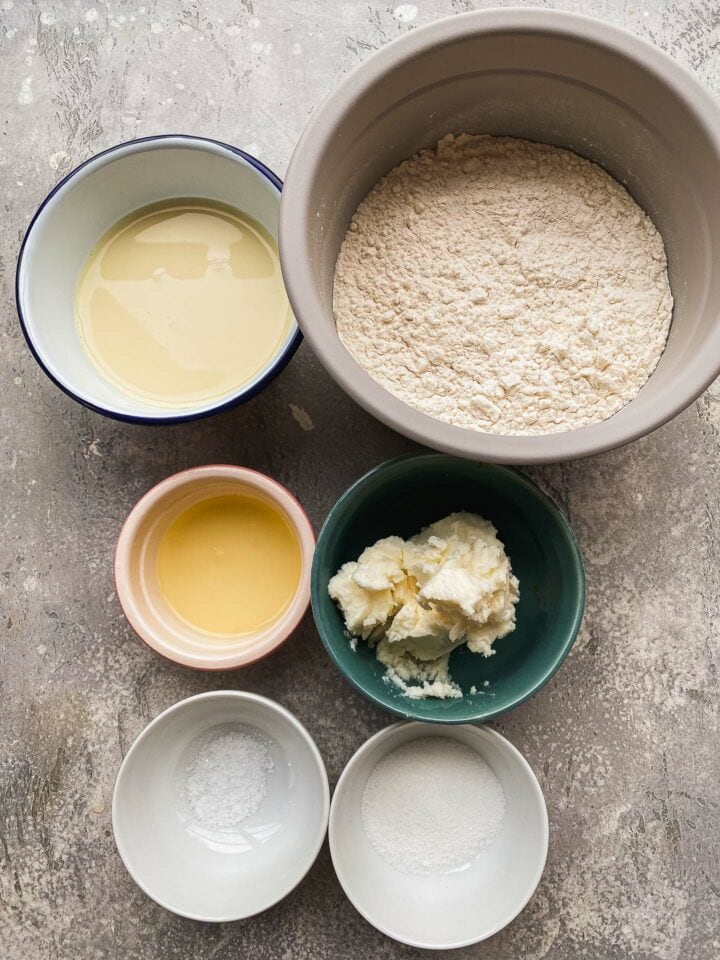
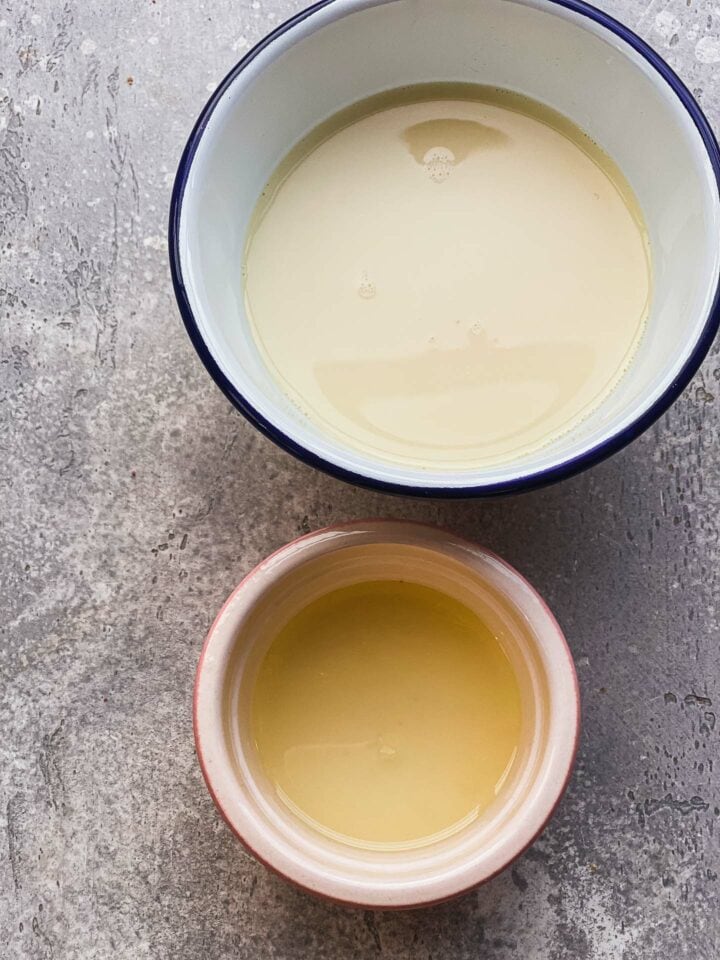
- Plant based milk and lemon juice to make the vegan "buttermilk". The dairy-free buttermilk is a key ingredient for giving the biscuits a great rise, while the lemon juice gives the flavors a subtle tanginess. You can also use apple cider vinegar.
- All-purpose flour.
- Sugar. You can use either brown or white sugar for this recipe.
- A pinch of good quality sea salt.
- Baking powder. Together with the vegan buttermilk, this helps to make the biscuits taller and fluffier.
- Vegan butter or margarine. Make sure to use the form that comes in a stick rather than a tub, as the latter version has a too high water content. Also ensure that it's not warm or softened - it should be cold, straight out of the fridge
How to Make Vegan Biscuits
Firstly, make the vegan buttermilk. Mix together the plant based milk and lemon juice, and set aside to curdle for one minute.
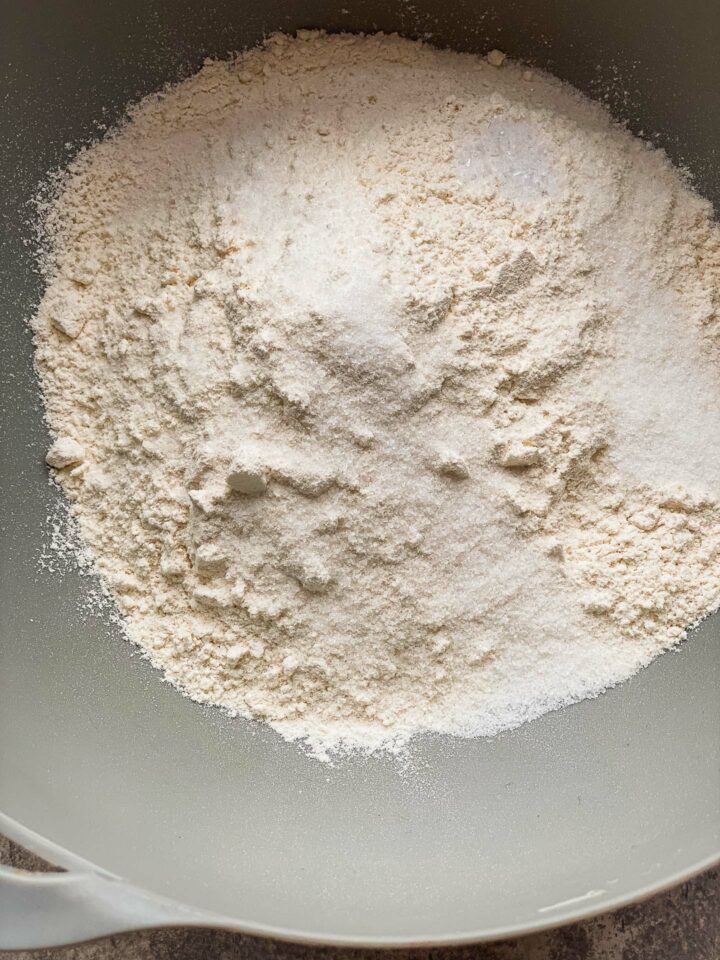
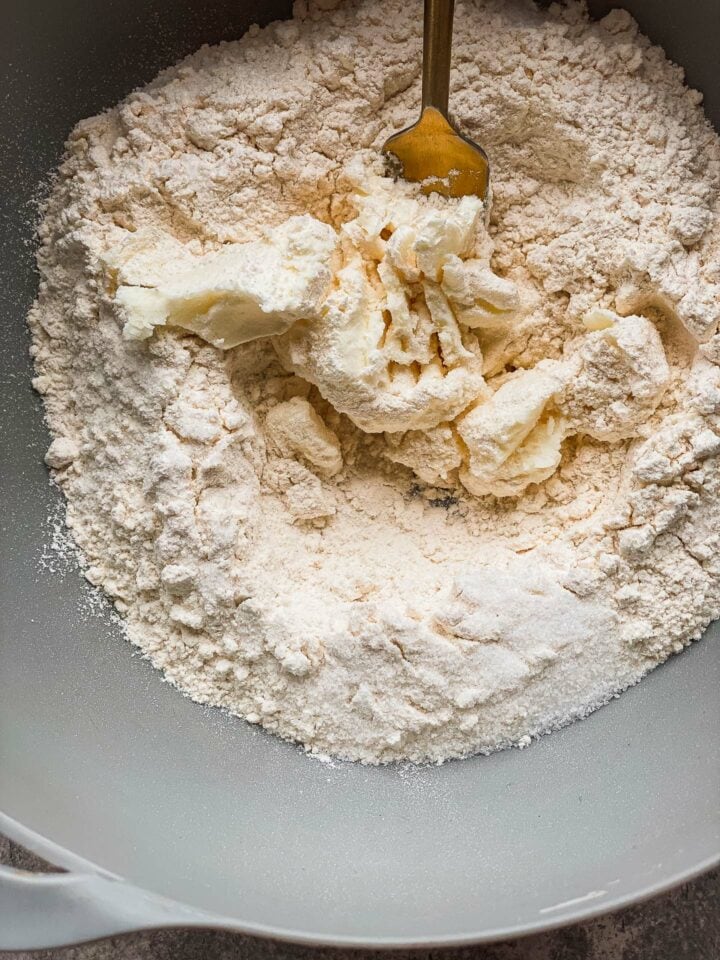

Meanwhile, mix together the flour, sugar, salt, and baking powder. Then, add the vegan butter/margarine, and mix together using a fork until a fine crumb forms.
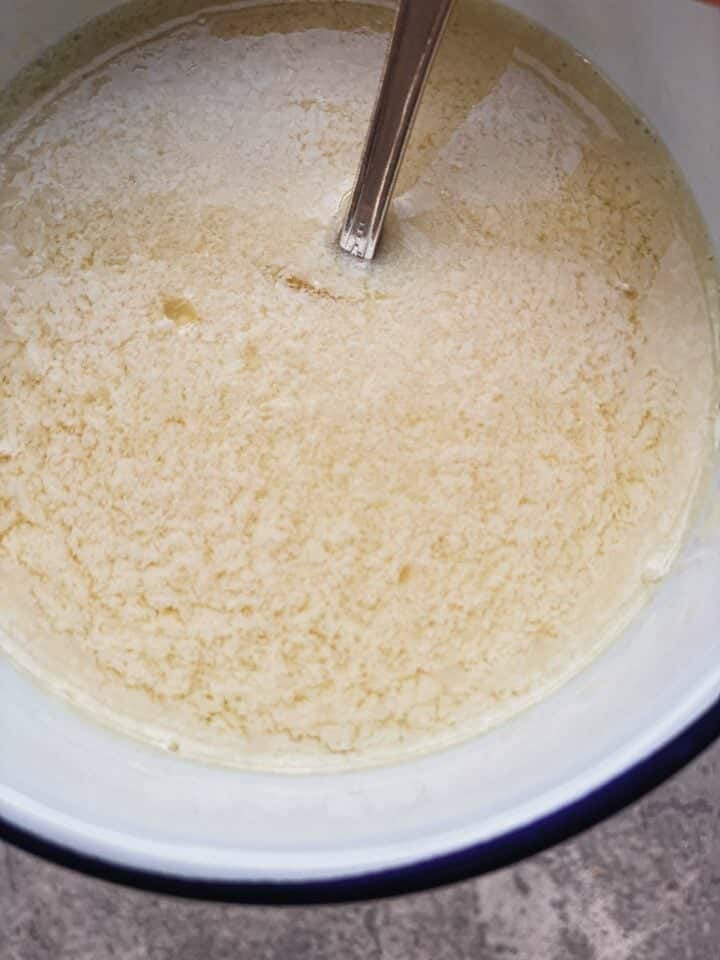


Now add the buttermilk, and continue mixing using either a fork or a wooden spoon until a shaggy dough forms.
Preheat the oven to 350 degrees F/180 degrees C. Transfer the dough to a lightly-floured surface and roll out into a rectangle around an inch in thickness. Then, fold in the upper and lower edge, and roll it out once again.
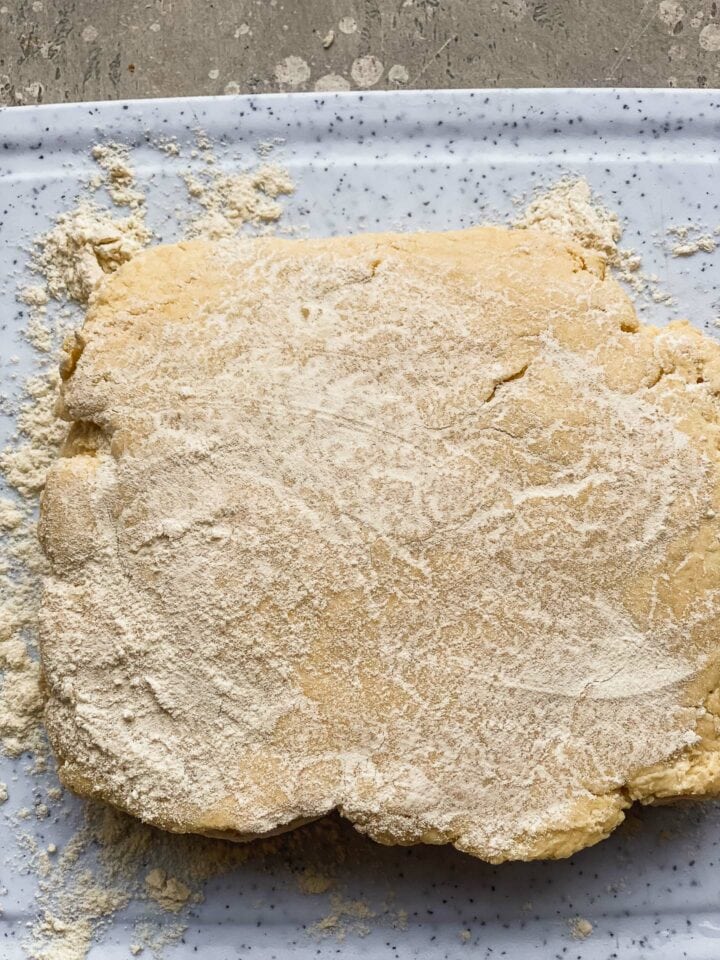


Use a cookie cutter to cut out circles around 3 inches in diameter and transfer them to the baking tray. Brush with some melted vegan butter if desired, then bake in the preheated oven for 18-20 minutes, until lightly golden brown on top.



Allow to cool down for 5 minutes before serving!
Helpful Tips
- As for all baking recipes, I would recommend weighing the ingredients for the most accurate results.
- Make sure that all of the ingredients are as cold as possible before using them. The vegan butter/margarine in particular needs to be solid, because if it's softened the biscuits won't have a soft and light texture.
- Don't overwork the dough, because this will also cause the biscuits to acquire a tough texture.
- Don't leave them in the oven for too long, especially as they will continue cooking from the heat of the baking tray when you take them out.

Storage & Freezing
Biscuits are at their most delicious when eaten shortly after baking. You can, however, keep them at room temperature on the counter covered with a dish cloth for up to 2 days. Or, you can keep them in the fridge in an airtight container for up to 5 days.
To freeze the vegan biscuits, wrap them up individually in cling film and transfer to a freezer-friendly container. Keep them frozen for up to 2 months. Allow to thaw fully at room temperature for a couple of hours before reheating and serving. I would recommend reheating the biscuits either in the microwave or in the toaster.

Serving Ideas
The great thing about vegan biscuits is that they're super versatile! Here are a few of my favorite ways to serve them up.
- Eat them all by themselves with vegan butter, jam, or both.
- Serve them as a side dish for a classic vegan chili, or a white bean vegan chili.
- Pair them with a soup such as my vegan tomato soup or butternut squash soup.
- Serve them with a flavorful spinach artichoke dip.
- Use garlic confit as a spread.
More Vegan Side Dishes
If you love these vegan biscuits, be sure to check out these other delicious plant based ideas too:
- My vegan dinner rolls go well with any dish of your choice.
- Vegan cornbread pairs super well with a variety of dishes.
- Focaccia is a perfect beginner-friendly bread.
- For a lighter, sweeter option alongside your brunch spread, try these vegan lemon ginger scones.
Recipe

Vegan Biscuits (Perfect every time!)
Soft, flaky, and impossibly buttery, these vegan biscuits prove dairy-free doesn't mean flavor-free!
Print
Pin
Save
Servings: biscuits
Equipment
- Small mixing bowl
- Large mixing bowl
- Conventional oven
- Baking tray
Ingredients
- 1 cup plant based milk
- 1 tablespoon lemon juice
- 3 ¼ cups all-purpose flour
- ½ tablespoon sugar
- 1 teaspoon salt
- 1 tablespoon baking powder
- 2.8 oz vegan butter or margarine
Instructions
- Make the vegan buttermilk. Mix together the plant based milk and lemon juice, and set aside to curdle for one minute.1 cup plant based milk, 1 tbsp lemon juice
- Mix together the flour, sugar, salt, and baking powder. Then, add the vegan butter/margarine, and mix together using a fork until a fine crumb forms.½ tbsp sugar, 1 tsp salt, 1 tbsp baking powder, 2.8 oz vegan butter, 3 ¼ cups all-purpose flour
- Add the buttermilk, and continue mixing using either a fork or a wooden spoon until a shaggy dough forms.
- Preheat the oven to 350 degrees F/180 degrees C.
- Transfer the dough to a lightly-floured surface and roll out into a rectangle around an inch in thickness. Then, fold in the upper and lower edge, and roll it out once again.
- Use a cookie cutter to cut out circles around 3 inches in diameter and transfer them to a baking tray lined with parchment paper.
- Brush with some melted vegan butter if desired, then bake in the preheated oven for 18-20 minutes, until lightly golden brown on top.
- Allow to cool down for 5 minutes before serving!
Video
Nutrition (Estimate per Serving)
Calories: 168kcalCarbohydrates: 27gProtein: 4gFat: 5gSaturated Fat: 1gPolyunsaturated Fat: 1gMonounsaturated Fat: 2gTrans Fat: 1gSodium: 265mgPotassium: 140mgFiber: 1gSugar: 1gVitamin A: 253IUVitamin C: 1mgCalcium: 74mgIron: 2mg
Vegan-ize any recipe!Grab our free vegan cheat sheet, packed with my favorite easy substitutions to make any recipe vegan.
Easy Vegan Cornbread
This vegan cornbread comes together in one bowl with pantry staples you probably already have, and it bakes up golden, lightly sweet, and perfectly crumbly — no eggs, buttermilk, or dairy butter required.
Key Ingredients & Substitutions
- Cornmeal. The backbone of any cornbread — it's what gives this bread its signature texture and corn flavor. Use a medium or fine-grind yellow cornmeal for a classic Southern-style crumb; coarser stone-ground cornmeal works too, but the texture will be a bit more rustic.
- All-purpose flour. Balances the cornmeal so the loaf holds together instead of crumbling apart. A 1:1 gluten-free baking blend can be swapped in if needed.
- Granulated sugar. Just a quarter cup for a hint of sweetness. Cut it back for a more savory, old-fashioned cornbread, or use a little more if you like yours closer to cornbread cake.
- Baking powder. The only leavener here, so make sure yours is fresh — old baking powder is the most common reason cornbread comes out flat and dense.
- Unsweetened plant milk. Almond, soy, or oat milk all work well. Soy milk curdles the most readily when mixed with vinegar, which gives the closest texture to traditional buttermilk cornbread.
- Neutral oil. Vegetable, canola, or melted coconut oil all work for the batter, plus you'll want a little extra for greasing the pan or skillet.
- Apple cider vinegar. Mixed with the plant milk, this creates a quick vegan "buttermilk" that reacts with the baking powder for extra lift and a slightly tangy flavor.
- Ground flaxseed. Mixed with water to make a flax egg, which binds the batter the way an egg would in a traditional recipe. Ground flaxseed meal keeps well in the freezer, so it's worth having on hand for other baking projects too.
Helpful Tips
Make the vegan buttermilk first. Stirring the apple cider vinegar into the plant milk right at the start of the recipe gives it time to curdle slightly while you measure out everything else, so it's ready to go the moment you need it.
Don't skip the flax egg's resting time. Ground flaxseed needs about five minutes in water to turn thick and gel-like. If you rush this step and add it to the batter while it's still watery, the cornbread won't hold together as well once sliced.
Preheat a cast iron skillet for the best crust. If you have a cast iron skillet, heating it in the oven while it preheats means the batter starts sizzling the second it hits the pan, which builds a deeply golden, slightly crisp crust on the bottom and edges. A room-temperature 8x8-inch baking pan works fine too — the crust just won't be quite as crackly.
Stir the batter as little as possible. Once the wet and dry ingredients meet, stir only until you no longer see streaks of flour. A few small lumps are completely normal; overmixing develops the gluten in the flour and makes the finished cornbread noticeably tougher.
Test for doneness with a toothpick, not a timer. Ovens vary, and a hot cast iron skillet bakes faster than a room-temperature pan. Start checking at the 20-minute mark by inserting a toothpick into the center — it's done as soon as it comes out clean or with just a few dry crumbs clinging to it.
Variations
- Jalapeño cornbread. Fold 1 to 2 tablespoons of finely diced jalapeño into the batter for a spicy kick that pairs especially well with a bowl of chili.
- Sweet corn cornbread. Stir in ½ cup of fresh, frozen, or drained canned corn kernels for pops of sweetness and texture in every bite.
- Maple cornbread. Swap the granulated sugar for 3 tablespoons of maple syrup and reduce the plant milk by 2 tablespoons to keep the batter from getting too thin.
- Herb and garlic cornbread. Add a teaspoon of dried thyme or rosemary and a minced garlic clove for a savory, herby loaf that's great alongside soup.
- Cornbread muffins. Divide the batter among a greased 12-cup muffin tin and bake at the same temperature for about 15 minutes, until a toothpick comes out clean.
- Gluten-free cornbread. Substitute a 1:1 gluten-free flour blend for the all-purpose flour; just double-check your baking powder and cornmeal are labeled gluten-free too.
Serving Ideas
Cornbread and chili are a classic pairing for good reason — the slightly sweet crumb is the perfect foil for something rich and spicy. Try a warm square alongside a bowl of A Big Pot of Really Good Chili, Classic Vegetarian Chili, or Sweet Potato Black Bean Chili for a satisfying, stick-to-your-ribs meal.
It's just as at home on a Southern-style spread. Serve it next to a pot of Vegan Hoppin' John and a pile of greens for a comforting New Year's or Sunday dinner, or crumble leftover slices into your favorite stuffing recipe if you want to go the traditional Thanksgiving route.
For breakfast or a snack, simply split a warm piece and add a swipe of vegan butter and a drizzle of maple syrup or a spoonful of jam. Any leftover cornbread also makes a great base for a quick vegan cornbread pudding or savory bread crumbs.
Storing & Freezing
Store leftover cornbread tightly wrapped or in an airtight container at room temperature for up to 2 days, or in the refrigerator for up to 5 days. Cornbread dries out quickly once cut, so keep the container as airtight as possible and bring pieces back to room temperature (or warm them briefly) before serving.
To freeze, let the cornbread cool completely, then wrap individual pieces tightly in plastic wrap and place them in a freezer-safe bag or container for up to 3 months. Thaw at room temperature or in the microwave, then warm briefly in a low oven or toaster oven to refresh the crust before serving.
More Southern-Style Vegan Recipes
If you loved this recipe, here are a few more you might enjoy:
- Vegan Cornbread Stuffing
- Vegan Hoppin' John (Rice and Black-Eyed Peas)
- Green Chile Cornbread
- Maple-Baked Beans and Cornbread Casserole
Recipe
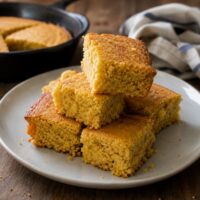
Easy Vegan Cornbread
This one-bowl vegan cornbread is golden, lightly sweet, and perfectly crumbly, with a crisp crust if you bake it in a hot cast iron skillet. No eggs, buttermilk, or dairy butter needed.
Print
Pin
Save
Servings: servings
Ingredients
- 1 cup cornmeal (140g)
- 1 cup all-purpose flour (120g)
- ¼ cup granulated sugar adjust to taste — use less for a more savory cornbread (50g)
- 1 tablespoon baking powder (14g)
- ½ teaspoon salt (3g)
- 1 cup unsweetened plant milk almond, soy, or oat all work (240ml)
- ⅓ cup neutral oil vegetable or melted coconut oil, plus extra for greasing (79ml)
- 1 tablespoon apple cider vinegar (15ml)
- 1 tablespoon ground flaxseed for the flax egg (7g)
- 3 tablespoons water for the flax egg (44ml)
Instructions
- Preheat the oven to 400°F (200°C). If you're using a cast iron skillet, place it in the oven while it preheats so it gets nice and hot.
- Make the flax egg by stirring together the ground flaxseed and water in a small bowl. Let it sit for about 5 minutes, until it turns thick and gel-like.
- In a large bowl, whisk together the cornmeal, flour, sugar, baking powder, and salt.
- In a separate bowl, combine the plant milk and apple cider vinegar and let it sit for a minute so it curdles slightly (this creates a simple vegan buttermilk). Whisk in the oil and flax egg.
- Pour the wet ingredients into the dry ingredients and stir just until combined — a few lumps are fine, but don't overmix, or the cornbread will turn out tough.
- Grease an 8x8-inch baking pan, or carefully remove the hot skillet from the oven and add a little oil, swirling to coat the bottom and sides (it should sizzle slightly). Pour in the batter and smooth the top.
- Bake for 20 to 25 minutes, until the top is golden and a toothpick inserted in the center comes out clean.
- Let cool in the pan for 5 to 10 minutes before slicing and serving.
Notes
The hot skillet gives a crispier, slightly caramelized crust on the bottom and edges — if you have the time, that step is worth it, but the baking pan version comes out just as tasty and moist. Makes one 8x8-inch pan or one 10-inch cast iron skillet.
Nutrition (Estimate per Serving)
Calories: 225kcalCarbohydrates: 30gProtein: 3gFat: 10gSaturated Fat: 1gPolyunsaturated Fat: 4gMonounsaturated Fat: 4gSodium: 324mgPotassium: 90mgFiber: 2gSugar: 6gCalcium: 60mgIron: 1mg
Vegan-ize any recipe!Grab our free vegan cheat sheet, packed with my favorite easy substitutions to make any recipe vegan.
Vegan Sephardic Stewed White Beans
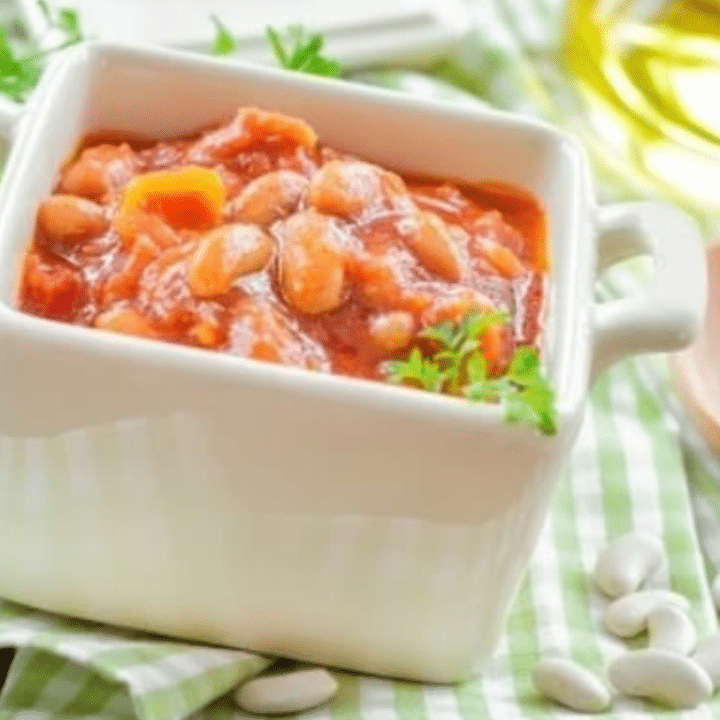
This simple stew of white beans in a savory tomato sauce is a common Sephardic dish, served year-round at holidays like Hanukkah and Rosh Hashanah, and everyday meals too. It's the kind of humble, comforting dish that shows up on Sephardic tables generation after generation, and it comes together with pantry staples you likely already have on hand. The dish's roots run deep across the Ladino-speaking Jewish diaspora, with versions of stewed beans in tomato sauce showing up from Turkey to Morocco, each region adding its own touch of spice or herb.

Key Ingredients & Substitutions
- Cannellini or navy beans. Either works beautifully — use canned for convenience or home-cooked if you have some on hand.
- Sweet paprika. A mix of sweet and smoked paprika adds extra depth if you have both on hand.
- Crushed tomatoes. Forms the base of the savory sauce — look for a good-quality brand for the best flavor, since this dish has few ingredients and each one matters.
- Onion and celery. The aromatic base that gives the stew its savory backbone before the tomatoes go in.
- Fresh parsley. A generous garnish brightens the finished dish — don't skip it, since it adds a fresh contrast to the rich sauce.
Variations
- Add greens. Stir in a few handfuls of spinach or chard near the end of cooking for extra nutrition and color.
- Make it spicier. A pinch of red pepper flakes or a dash of harissa adds heat.
- Add garlic. A minced clove or two sauteed with the onion deepens the flavor.
- Swap the beans. Chickpeas or gigante beans both work well in this sauce.
- Add a cinnamon stick. Simmered in with the sauce and removed before serving, it adds a subtle warmth common in Sephardic cooking.
- Make it heartier. Thin the sauce with an extra cup of vegetable broth and stir in cooked orzo or rice for a more soup-like main dish.
Tips for the Best Sephardic Stewed White Beans
- Cook the onion and celery until truly golden. This builds the base flavor for the whole dish — don't rush this step.
- Simmer low and slow. A gentle 30-minute simmer lets the beans soak up the sauce without breaking apart into mush.
- Taste before serving. Adjust the salt, pepper, and sweetness to your liking right at the end, since canned beans and tomatoes vary in seasoning.
- Don't skip the parsley garnish. It adds a fresh contrast to the rich, savory stew.
- Use a wide, shallow pot if possible. This helps the sauce reduce and thicken more quickly than a tall, narrow pot.
Make Ahead & Storage
This stew keeps well in the refrigerator for up to 5 days, and the flavor deepens overnight as the beans continue to absorb the sauce. It also freezes well for up to 3 months, making it a good dish to batch ahead of a holiday.
How to Serve
Serve hot as a main dish with crusty bread for sopping up the sauce, or as a hearty side alongside other holiday dishes like roasted vegetables or a simple green salad. It also makes a satisfying potluck dish, since it holds its heat well and tastes just as good, if not better, reheated the next day.
Recipe

Vegan Sephardic Stewed White Beans
A simple stew of white beans in a savory tomato sauce - a common Sephardic dish served year-round at holidays like Hanukkah and Rosh Hashanah, and everyday meals too.
Print
Pin
Save
Servings:
Ingredients
- 1 tablespoon safflower or other vegetable oil
- 1 cup minced onion
- ½ cup minced celery
- 14 to 16-ounce can crushed tomatoes
- 2 tablespoons natural granulated sugar
- 2 teaspoons sweet paprika or 1 teaspoon sweet and 1 teaspoon smoked
- 3 cups cooked or canned cannellini or navy beans drained and rinsed if canned
- salt and freshly ground pepper to taste
- fresh parsley chopped, for garnish
Instructions
- Heat the oil in a large skillet. Add the onion and celery and saute over medium heat until golden.
- Stir in the crushed tomatoes, sugar, and paprika. Bring to a simmer.
- Stir in the beans, along with a pinch of salt and a grinding of pepper.
- Cover and simmer over very low heat for 30 minutes.
- Taste and adjust the seasonings, then serve hot, garnished with parsley.
Vegan-ize any recipe!Grab our free vegan cheat sheet, packed with my favorite easy substitutions to make any recipe vegan.
Vegan Hoppin' John (Rice and Black-Eyed Peas)
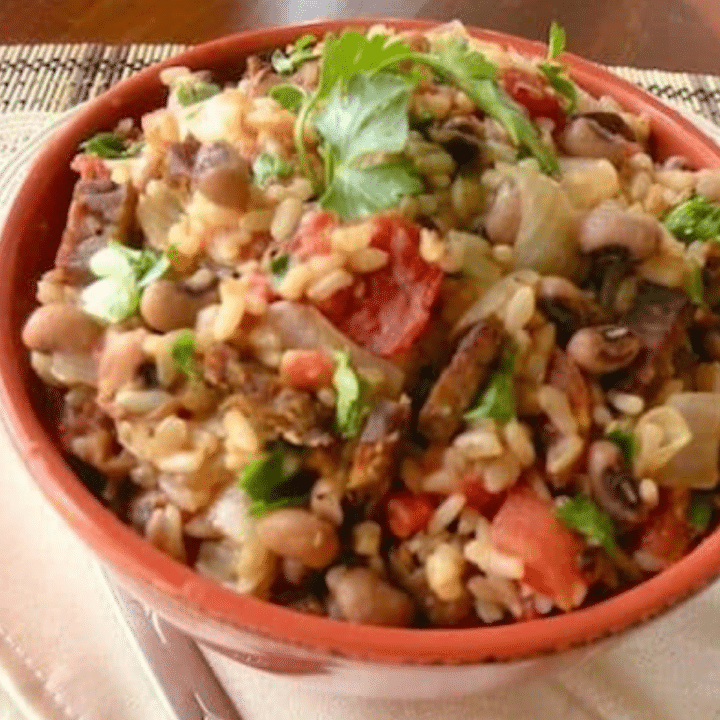
Here's a vegan rendition of the classic Southern dish known as Hoppin' John, featuring black-eyed peas and rice, often served on New Year's Day for good luck. Serve it with coleslaw, garlicky greens, and cornbread for a full Southern-style spread, or enjoy it any night of the year as a hearty one-pot meal that gets better as leftovers.

Key Ingredients & Substitutions
- Vegan sausage or tempeh bacon. Tofurky or Field Roast sausage links work well, or use bacon-style tempeh strips for a smokier flavor.
- Black-eyed peas. The traditional star of the dish, said to bring good luck when eaten on New Year's Day — canned beans, drained and rinsed, work just as well as home-cooked.
- Smoked paprika. Adds a smoky depth that complements the vegan sausage or tempeh and stands in for the traditional smoked pork flavor.
- Brown rice. Cooked separately and stirred in at the end so it stays fluffy rather than mushy.
- Onion, celery, and bell pepper. The classic aromatic trio that gives the dish its savory Southern backbone.
Variations
- Make it spicier. Increase the red pepper flakes, or add a diced jalapeño with the onion.
- Swap the rice. Brown rice can be replaced with white rice or a rice blend if you prefer, though brown rice holds up especially well once mixed in.
- Add greens. Stir in a few handfuls of chopped collard or kale in the last few minutes of cooking for a true one-pot meal.
- Make it a soup. Add extra broth to turn this into more of a hearty Hoppin' John soup.
- Top it with hot sauce. A classic Southern finishing touch that lets everyone adjust the heat to their own taste at the table.
Tips for the Best Hoppin' John
- Brown the sausage or tempeh first. Cooking it separately before adding it back in gives it better texture and flavor than simmering it in with everything else from the start.
- Keep it moist. Add a little water while it simmers so the mixture doesn't dry out or scorch on the bottom of the pot.
- Add fresh herbs at the end. Stirring in the parsley right before serving keeps their flavor bright.
- Taste as you season. Black-eyed peas and canned tomatoes vary in saltiness, so adjust the salt and pepper to taste rather than following the recipe blindly.
- Cook the rice a little firmer than usual. It will continue to soften once mixed with the hot bean mixture, so slightly underdone is safer than mushy.
Make Ahead & Storage
Like most bean dishes, this one is even better the next day. It keeps in the refrigerator for up to 4 days and freezes well for up to 3 months — a great dish to make ahead of a New Year's Day gathering so you're not cooking on the holiday itself.
How to Serve
Serve at once, passing around extra parsley for topping individual servings. It's a natural centerpiece for a New Year's Day meal alongside coleslaw and cornbread.
Recipe
Vegan Hoppin' John (Rice and Black-Eyed Peas)
A vegan rendition of the classic Southern dish, featuring black-eyed peas and rice with vegan sausage or tempeh bacon, often served on New Year's Day for good luck.
Print
Pin
Save
Servings:
Ingredients
- 1 cup raw brown rice rinsed
- 3 tablespoons extra-virgin olive oil
- 2 links vegan sausage such as Tofurky or Field Roast, cut into ½-inch slices, or 6 to 8 slices bacon-style tempeh strips, cut into small bits
- 1 large onion finely chopped
- 3 to 4 cloves garlic minced
- 1 14- to 16-ounce can diced tomatoes with liquid
- 1 teaspoon dried basil
- ½ teaspoon dried thyme
- 1 15- to 16-ounce can black-eyed peas drained and rinsed
- dried hot red pepper flakes and/or smoked paprika to taste
- salt and freshly ground pepper to taste
- ½ cup minced fresh parsley plus more for topping if desired
- ¼ cup sliced fresh basil leaves optional
Instructions
- Combine the rice with 2 ½ cups water in a saucepan and bring to a boil. Lower the heat and simmer gently until the water is absorbed, about 30 minutes.
- Meanwhile, heat 1 tablespoon of the oil in an extra-wide skillet. Add the vegan sausage or tempeh strips and sauté over medium heat, stirring frequently, until golden brown on most sides, about 5 to 7 minutes total. Remove to a plate and set aside.
- Heat the remaining oil in the same skillet. Add the onion and sauté over medium heat until translucent. Add the garlic and continue to sauté until the onion is golden.
- Add the tomatoes, dried basil, thyme, and black-eyed peas. Cook for 5 minutes over low heat, then stir in the sausage and cook for 5 minutes longer.
- Once the rice is done, stir it in, along with the reserved vegan sausage or tempeh bacon.
- Season with the red pepper flakes and/or smoked paprika, salt, and lots of pepper. Stir together well and simmer over low heat for 10 to 15 minutes, adding a small amount of water to keep the mixture moist. Stir in the parsley and optional fresh basil.
- Serve at once; pass around additional parsley for topping individual servings if desired.
Notes
Serve with coleslaw, garlicky greens, and cornbread for a classic Southern-style New Year's Day meal.
Vegan-ize any recipe!Grab our free vegan cheat sheet, packed with my favorite easy substitutions to make any recipe vegan.
Here are more easy bean main dishes.
Vegan Pasta Alfredo with Peas & Asparagus
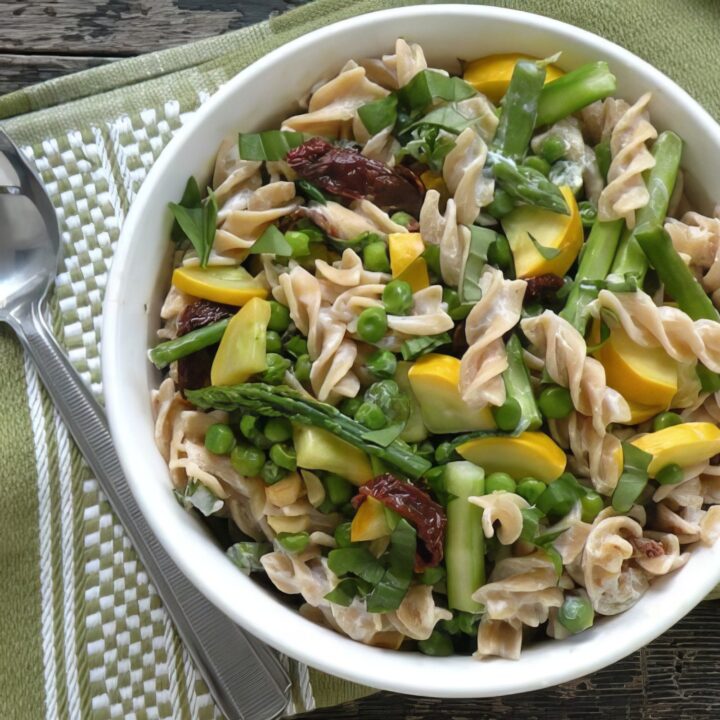
This vegan pasta alfredo with peas and asparagus is spring comfort food at its best - a silky, creamy sauce made entirely from blended silken tofu, tossed with tender spring vegetables and your favorite pasta shape. No dairy, no compromise.
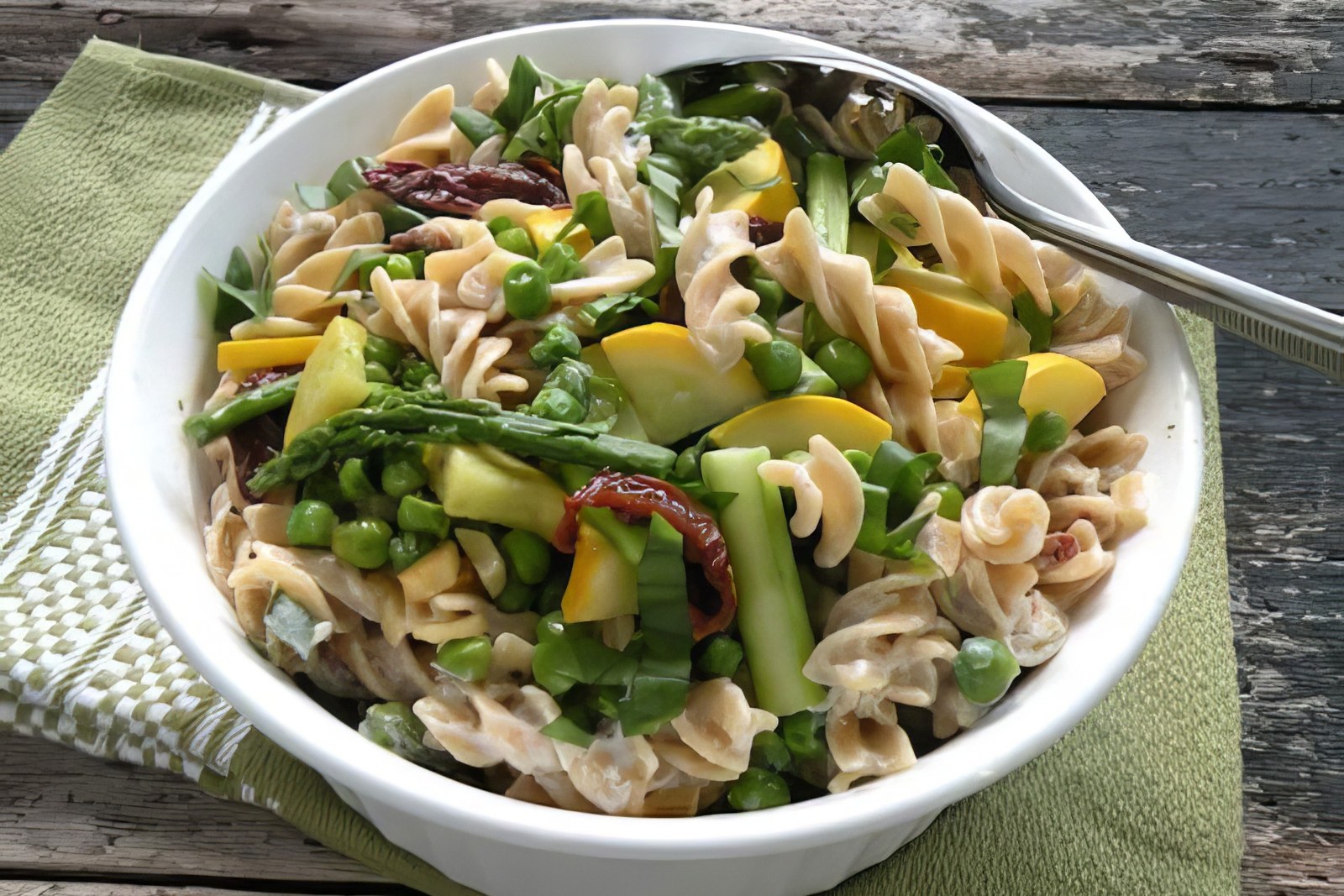
Key Ingredients & Substitutions
- Firm silken tofu. The secret to the dairy-free alfredo sauce - it blends completely smooth and creates a rich, creamy texture without any cream, butter, or cashews. Use firm silken tofu (like Mori-Nu shelf-stable) for the best result. Soft silken tofu works too and gives a slightly thinner sauce. Do not substitute regular firm tofu, which is too grainy to blend smoothly.
- Asparagus. Slender spears are ideal here - they cook quickly and are tender all the way through without peeling. If you can only find thick asparagus, peel the lower third of each stalk. Snap off the woody ends and cut into 1½-inch pieces so they're easy to eat with pasta.
- Yellow summer squash. Adds color and a mild sweetness. Zucchini is a direct swap. You can also skip it and increase the asparagus.
- Frozen peas. Sweet and bright - they thaw almost instantly in the pan. Fresh shelled peas in season are even better if you have them.
- Sun-dried tomatoes. Concentrated, chewy, and deeply savory - they balance the creaminess of the tofu sauce beautifully. Oil-packed or rehydrated dry-packed both work well. Slice them before adding.
- Pasta shape. Use a chunky shape - rotini, fusilli, farfalle, or gemelli - so the sauce and vegetables have something to cling to. Whole-grain pasta adds fiber and a nuttier flavor that plays well with the vegetables.
- Fresh lemon juice. The acid in the tofu sauce is what makes it taste bright and fresh rather than flat. Don't skip it.
Variations
- Add white beans. Stir in a drained 15-ounce can of cannellini or great northern beans for extra protein. For a no-cook pasta option, also try our vegan Greek pasta salad. If you love asparagus, our cream of asparagus soup makes a beautiful spring starter.
- eartiness.
- Make it gluten-free. Use your favorite GF pasta - brown rice pasta, chickpea pasta, or lentil pasta all work well with this sauce.
- Add nutritional yeast. Stir 2 to 3 tablespoons into the tofu sauce before blending for a cheesy, savory depth reminiscent of parmesan.
- Swap the greens. Stir in a few handfuls of baby spinach or arugula with the pasta at the end - they'll wilt just from the heat of the dish.
- Mushroom version. Add 8 ounces of sliced cremini or shiitake mushrooms to the pan with the garlic for an earthier, more substantial dish.
- Lemon herb version. Add the zest of one lemon to the tofu sauce and finish with a generous handful of fresh basil for a brighter, more Italian feel.
Tips for the Best Vegan Pasta Alfredo
- Blend the tofu sauce until completely smooth. Any graininess in the sauce will be noticeable in the final dish. Blend for a full minute, scraping down the sides, until the texture is silky.
- Reserve pasta water. A splash of the starchy cooking water is your best friend for loosening the sauce if it thickens too much when it hits the hot pasta.
- Don't overcook the vegetables. Tender-crisp is what you're after - asparagus and peas should still have a little bite. Five minutes in the covered pan is usually enough.
- Keep the heat low when adding the sauce. Silken tofu can break or become grainy if overheated. Warm it gently over low heat just until it's heated through.
- Serve immediately. Like all creamy pasta dishes, this is best fresh off the stove. The sauce will thicken as it sits - if reheating leftovers, add a splash of water or plant-based milk and warm over low heat.
How to Serve
Serve straight from the pan into wide pasta bowls, topped with extra fresh basil or parsley and a crack of black pepper. This is a complete meal on its own, but it pairs well with a simple green salad, garlic bread, or a wedge of crusty sourdough. For a more elaborate spread, serve alongside a bowl of marinated olives or a light tomato bruschetta. This also pairs beautifully alongside our vegan zucchini lasagna for an Italian dinner spread. Leftovers keep in the fridge for up to 3 days - reheat gently with a splash of water to revive the sauce.
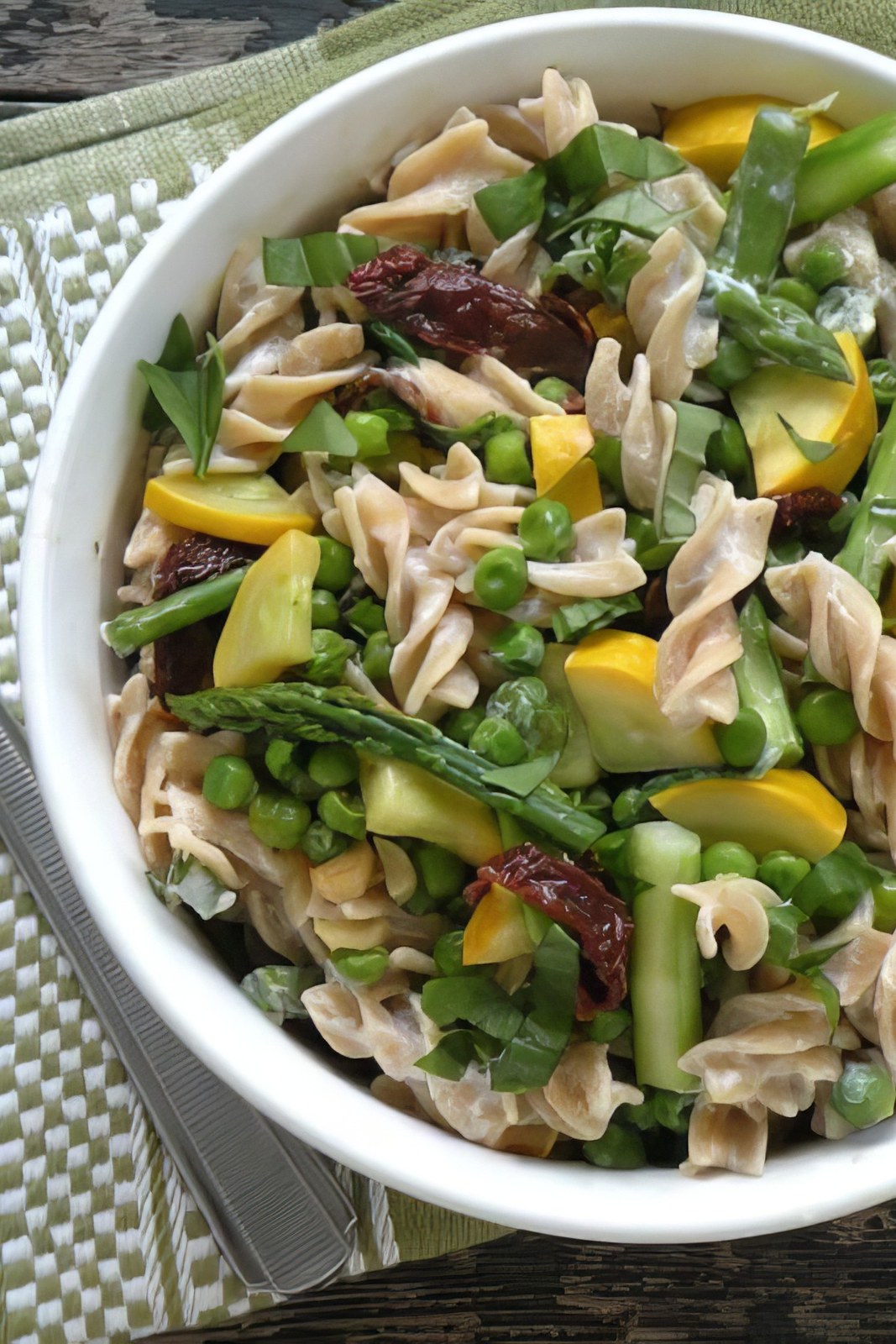
Recipe
Vegan Pasta Alfredo with Peas & Asparagus
A creamy vegan pasta alfredo made with silken tofu instead of dairy — light, luscious, and packed with spring vegetables. Asparagus, sweet peas, yellow squash, and sun-dried tomatoes make every bite colorful and satisfying.
Print
Pin
Save
Servings: servings
Ingredients
Pasta & Vegetables
- 12 ounces rotini, fusilli, farfalle, or other chunky pasta whole-grain preferred
- 1 tablespoon extra-virgin olive oil
- 3 cloves garlic minced
- 10 ounces slender asparagus tough ends snapped off, cut into 1½-inch pieces
- 1 cup frozen green peas or fresh shelled peas
- 1 medium yellow summer squash quartered lengthwise and thinly sliced
- ⅓ cup sun-dried tomatoes sliced (oil-packed or rehydrated)
- ¼ cup fresh parsley or basil minced or thinly sliced
Silken Tofu Alfredo Sauce
- 12.3 ounce package firm silken tofu drained
- 2 tablespoons fresh lemon juice about ½ lemon
- salt and freshly ground black pepper to taste
Instructions
- Cook the pasta in a large pot of well-salted boiling water according to package directions until al dente. Drain and set aside, reserving ¼ cup of the pasta cooking water.
- While the pasta cooks, combine the silken tofu and lemon juice in a blender or food processor. Blend until completely smooth and creamy, about 1 minute. Season with salt and pepper. Set aside.
- Heat the olive oil in a large, wide skillet over medium heat. Add the garlic and sauté for 1 to 2 minutes until fragrant and lightly golden — do not let it brown. Add the asparagus, peas, squash, sun-dried tomatoes, and ¼ cup water. Cover and cook for 4 to 5 minutes, stirring once halfway through, until the vegetables are just tender-crisp.
- Pour the silken tofu sauce over the vegetables and stir to coat. Cook over low heat for 1 to 2 minutes until heated through. If the sauce seems thick, stir in a splash of the reserved pasta water to loosen it.
- Add the drained pasta to the skillet and toss well to combine everything. Stir in the fresh parsley or basil. Taste and adjust salt and pepper. Serve immediately.
Notes
Silken tofu: Firm silken tofu (such as Mori-Nu) blends into a perfectly smooth, dairy-free cream sauce. Do not substitute regular firm tofu — it won't blend smoothly. Soft silken tofu works too and gives a slightly thinner sauce.
Asparagus prep: Use slender asparagus spears — they're tender throughout and don't need peeling. If using thicker spears, peel the lower third of each stalk with a vegetable peeler.
Make it gluten-free: Use your favorite gluten-free pasta. Brown rice pasta or chickpea pasta both hold up well with this sauce.
Add protein: Stir in a drained can of white beans or a handful of shelled edamame with the vegetables for extra plant-based protein.
Nutrition (Estimate per Serving)
Calories: 444kcalCarbohydrates: 23gProtein: 9gFat: 6gSaturated Fat: 2gPolyunsaturated Fat: 1gMonounsaturated Fat: 3gCholesterol: 7mgSodium: 63mgPotassium: 544mgFiber: 3gSugar: 1gVitamin A: 237IUVitamin C: 23mgCalcium: 105mgIron: 3mg
Vegan-ize any recipe!Grab our free vegan cheat sheet, packed with my favorite easy substitutions to make any recipe vegan.
Also try: our vegan creamy mushroom pasta.
Tabbouleh Salad (with Quinoa, Bulgur, or Couscous)
This classic tabbouleh is everything a great salad should be - bright, herby, tangy, and refreshing. Make it the traditional way with bulgur, or swap in quinoa for a gluten-free version or couscous when you want something even faster.
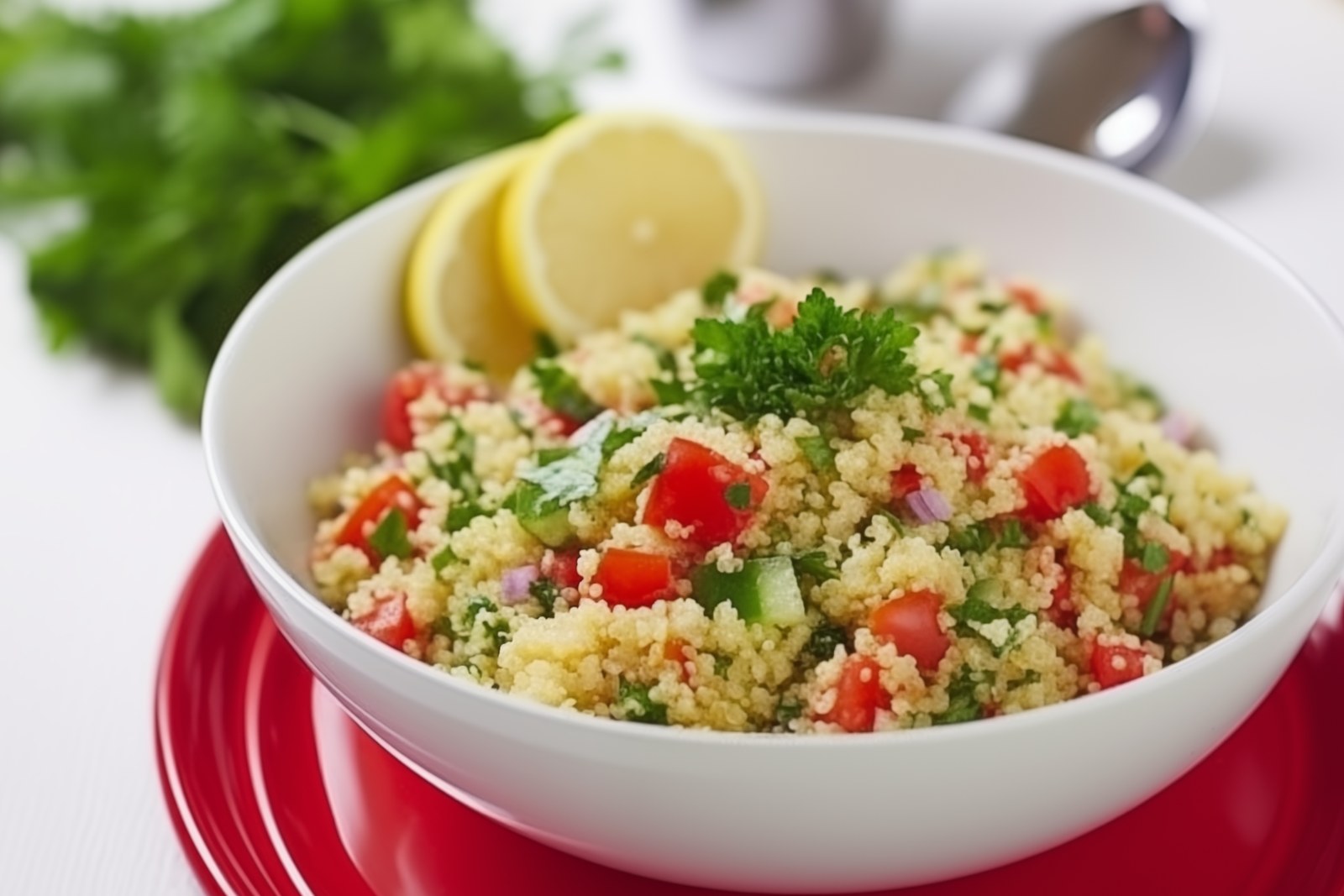
Key Ingredients & Substitutions
- Bulgur wheat. The traditional grain for tabbouleh - it has a nutty flavor, chewy texture, and cooks quickly on the stovetop. Medium or fine bulgur both work; fine bulgur soaks up the dressing especially well. Substitute couscous for a near-instant version, or quinoa to keep it gluten-free and higher in protein.
- Fresh flat-leaf parsley. The star of the dish - don't hold back. Tabbouleh should be heavily green. Flat-leaf (Italian) parsley has more flavor than curly; use at least one large bunch, very finely chopped.
- Ripe tomatoes. Use the best tomatoes you can find - they provide sweetness and juice that becomes part of the dressing. Cherry tomatoes, halved, work beautifully in summer. In winter, Roma tomatoes are your most reliable option.
- Fresh lemon juice. Squeeze it fresh - bottled juice won't give you the same brightness. Start with one large lemon and add more to taste.
- Extra-virgin olive oil. Use a good one; it's a primary flavor in the dressing.
- Scallions. Milder than red onion and traditional in many versions. If you prefer the bite of raw onion, swap in ¼ cup minced red onion.
- Fresh mint. Optional but excellent - a small handful of thinly sliced mint leaves adds a cooling note that makes this especially refreshing in warm weather.
Variations
- Quinoa tabbouleh (gluten-free). Rinse 1 cup quinoa, then cook with 2 cups water for 15 minutes over low heat until absorbed. Cool completely before mixing in - quinoa releases liquid as it cools, so don't rush this step. The result is slightly nuttier and higher in protein than the bulgur version.
- Couscous tabbouleh (fastest version). No stovetop needed. Place 1 cup whole-grain couscous in a heatproof bowl, pour 1¼ cups boiling water over it, cover tightly, and let stand 10 minutes. Fluff and cool, then mix in the other ingredients. On the table in about 20 minutes total.
- Chickpea tabbouleh. Add a drained 15-ounce can of chickpeas to make this a hearty main-dish salad instead of a side.
- Add olives. About ⅓ cup sliced Kalamata olives adds a salty, briny depth - especially good if you're not serving olives alongside.
- Cucumber tabbouleh. Add 1 cup diced English cucumber for extra crunch and freshness. This is common in Lebanese-style versions.
- Grain-free version. Replace the grain entirely with extra-finely chopped cauliflower (raw) for a low-carb tabbouleh that's surprisingly close to the original in texture.
Tips for the Best Tabbouleh
- Cool the grain completely before mixing. Warm grain will wilt the parsley and make the salad soggy. Spread it on a baking sheet to cool faster.
- Chop the parsley very fine. Rough-chopped parsley gives an uneven, chewy texture. Use a sharp knife and chop it until it's almost a finely minced pile - it should almost melt into the grain.
- Let it rest before serving. Tabbouleh gets dramatically better after 30 minutes as the grain absorbs the dressing. An hour is even better. Make it ahead if you can.
- Dress it twice. Add half the lemon juice and olive oil before resting, then taste and add more just before serving - the grain absorbs a lot and it often needs a second hit of lemon.
- Season assertively. Tabbouleh is a bold salad - it needs more salt than you might expect, and plenty of black pepper. Taste it at least twice before serving.
How to Serve
Tabbouleh is a natural fit on a Middle Eastern mezze spread alongside hummus, warm pita, a handful of olives, and stuffed grape leaves. For a bold homemade dressing to accompany any grain salad, try our garlic mustard vinaigrette. For another fresh herb-forward salad, our tomato relish salad is bright and simple. It also works beautifully as a side dish for grilled or roasted vegetables, falafel, or lentil soup. Leftovers keep well in the fridge for up to 3 days - the flavors deepen overnight, though the parsley will lose some of its brightness. Give it a fresh squeeze of lemon and a drizzle of olive oil before serving again.
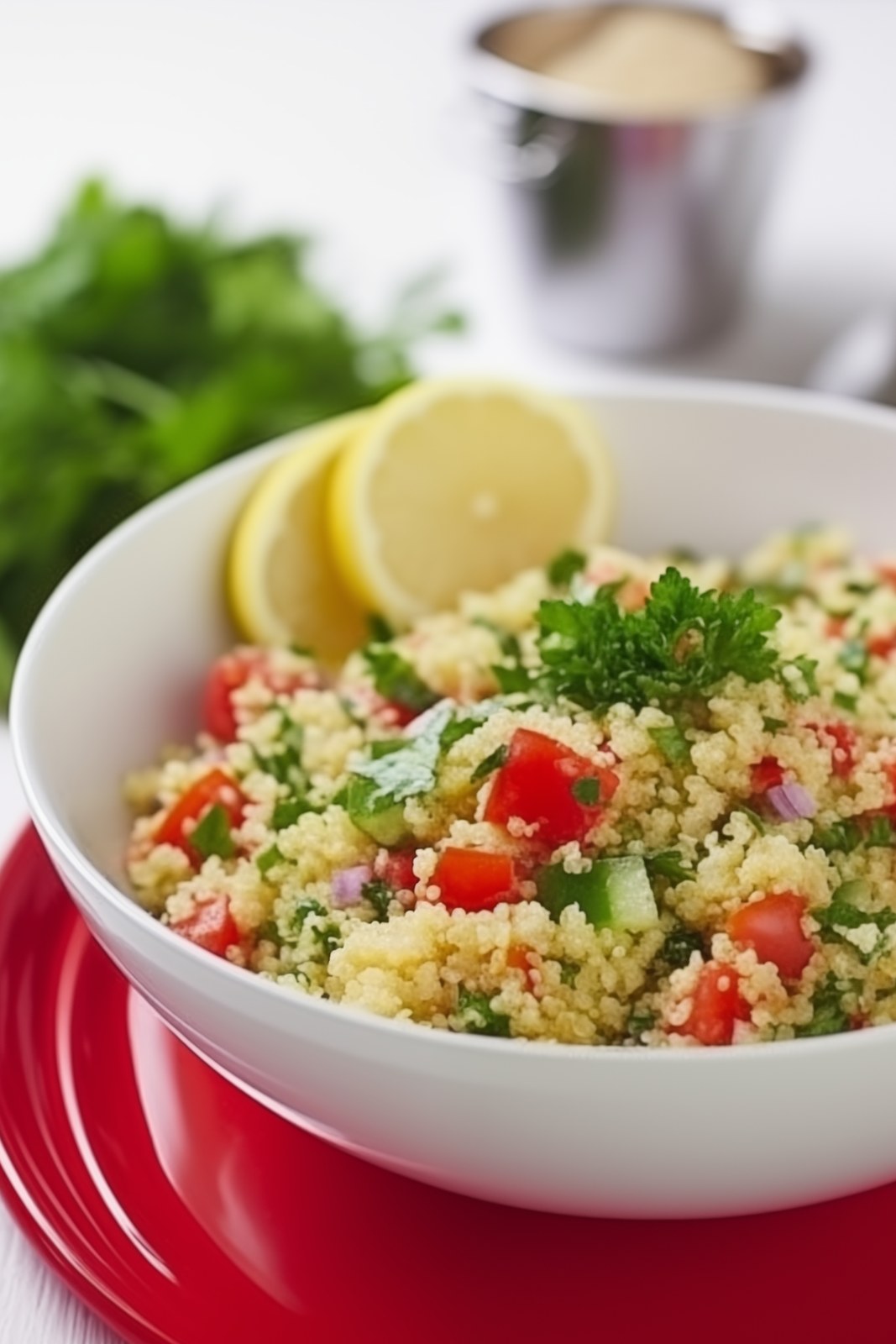
Recipe
Tabbouleh Salad (Bulgur, Couscous, or Quinoa)
A bright, herb-forward Middle Eastern classic made with bulgur wheat, ripe tomatoes, loads of fresh parsley, and a lemony olive oil dressing. Easily made with couscous or quinoa — see the variations in the notes.
Print
Pin
Save
Servings: servings
Ingredients
- 1 cup bulgur wheat see notes for couscous or quinoa variations
- 2 cups water
- 3 medium ripe tomatoes diced
- 1 cup fresh flat-leaf parsley finely chopped (about 1 large bunch)
- 3 scallions thinly sliced
- 2 tablespoons fresh mint leaves thinly sliced, optional
- 3 tablespoons extra-virgin olive oil
- 1 large lemon juiced (about 3–4 tablespoons)
- salt and freshly ground black pepper to taste
Instructions
- Combine the bulgur and water in a small saucepan. Bring to a boil over medium-high heat, then reduce the heat to low, cover, and simmer for 12 to 15 minutes, until the water is fully absorbed. For a more tender result, add an extra ½ cup water and continue simmering until absorbed. Remove from heat, fluff with a fork, and spread onto a baking sheet or large plate to cool to room temperature.
- While the bulgur cools, dice the tomatoes, finely chop the parsley, and thinly slice the scallions and mint (if using). Juice the lemon.
- Transfer the cooled bulgur to a large serving bowl. Add the tomatoes, parsley, scallions, and mint. Drizzle with the olive oil and lemon juice, then season generously with salt and pepper.
- Toss well to combine. For best flavor, cover and let the salad rest at room temperature for at least 30 minutes before serving — this allows the bulgur to absorb the dressing. Taste and adjust salt, pepper, and lemon juice before serving.
Notes
Couscous variation: Skip the stovetop cooking. Place 1 cup whole-grain couscous in a heatproof bowl. Pour 1¼ cups boiling water over it, cover tightly with a plate or plastic wrap, and let stand for 10 minutes. Fluff with a fork and cool to room temperature, then proceed with the recipe as written.
Quinoa variation (gluten-free): Rinse 1 cup quinoa under cold water. Combine with 2 cups water in a saucepan, bring to a boil, then reduce heat to low, cover, and simmer for 15 minutes until the water is absorbed. Fluff and cool completely before mixing with the other ingredients. Quinoa gives a slightly nuttier flavor and higher protein content than bulgur.
Optional add-ins: A drained 15-ounce can of chickpeas makes this more substantial. About ¼ cup minced red onion adds bite. A handful of sliced Kalamata olives works well if you're not serving olives on the side.
Nutrition (Estimate per Serving)
Calories: 210kcal
Vegan-ize any recipe!Grab our free vegan cheat sheet, packed with my favorite easy substitutions to make any recipe vegan.
Cauliflower Fried Rice with Mushrooms & Chickpeas
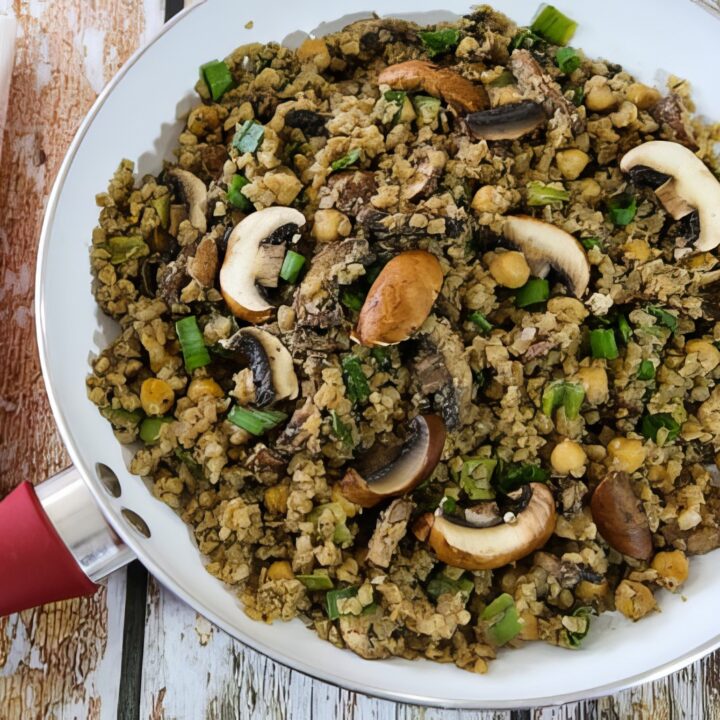
This cauliflower fried rice with mushrooms and chickpeas is a hearty, one-pan vegan dinner that comes together in just 22 minutes - no chopping, no fuss.
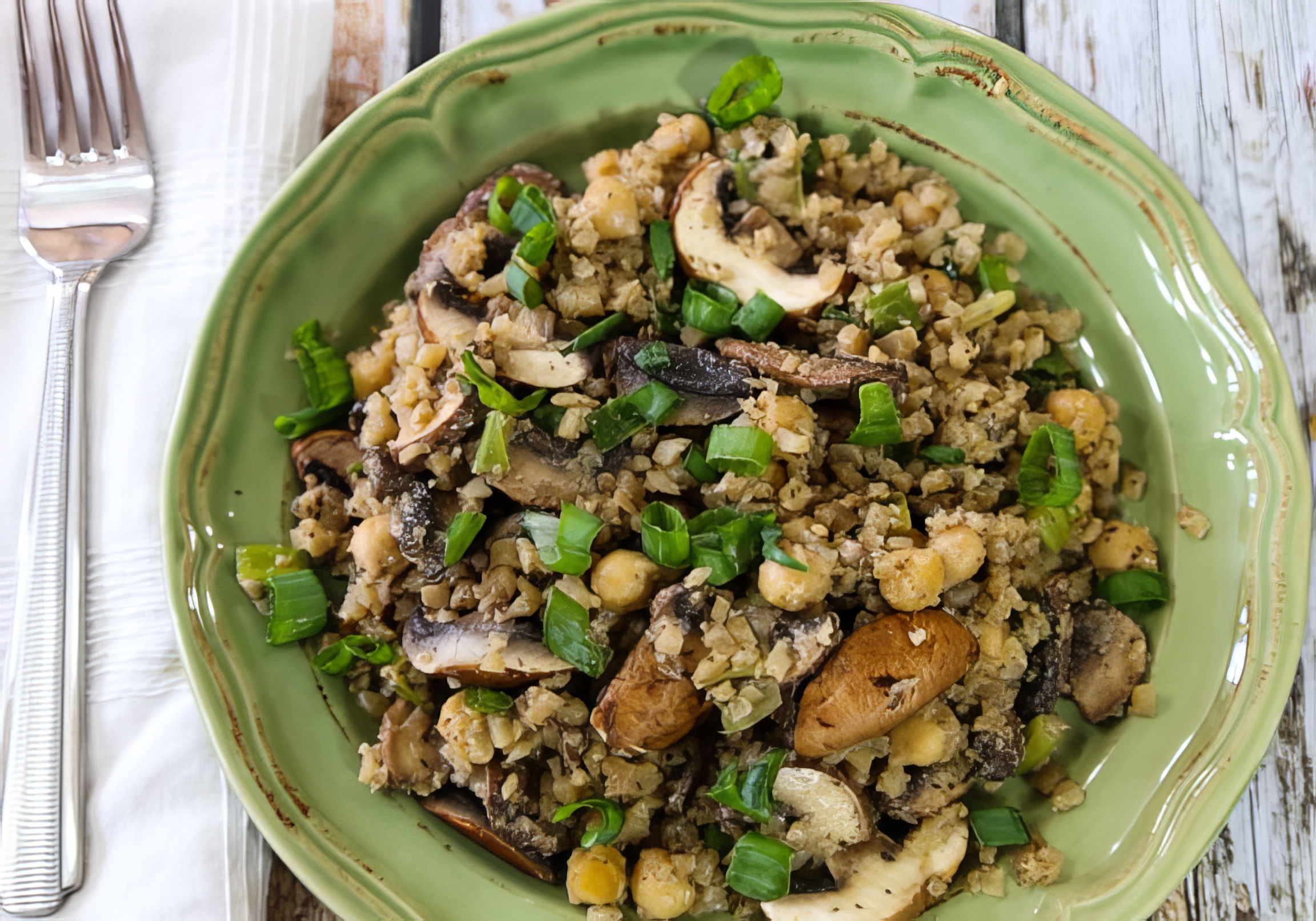
Key Ingredients & Substitutions
- Frozen riced cauliflower. The shortcut that makes this recipe genuinely weeknight-friendly - no head of cauliflower to break down. Green Giant, 365 Organic, and Trader Joe's all work great. Taylor Farms' cauliflower pearls are slightly chunkier if you want more texture. To use fresh, rice it in a food processor and skip the water.
- Mushrooms. Cremini or button mushrooms are the easy default. Shiitake adds a deeper, more savory umami punch that plays especially well with the fried-rice vibe. Pre-sliced is fine - just make sure they look fresh and not dried out.
- Chickpeas. One 15-ounce can (drained and rinsed) adds protein, fiber, and a satisfying heartiness. White beans or black beans swap in easily.
- Scallions. Mild onion flavor and a pop of color. A small shallot or a few tablespoons of diced yellow onion works if you don't have scallions.
- Salt-free seasoning blend. Frontier Co-op or Dash are the go-to brands here. Any all-purpose herb blend works, or use a mix of garlic powder, onion powder, and dried thyme.
- Nutritional yeast. Optional but recommended - 2 tablespoons stirred in at the end adds a subtle cheesy, nutty depth. Skip it if you don't have it.
Variations
- Asian-style fried rice. Stir in 1-2 tablespoons of low-sodium soy sauce (or tamari to keep it gluten-free) and a drizzle of toasted sesame oil at the end.
- Spicy version. Add a pinch of red pepper flakes or a drizzle of sriracha when you add the mushrooms.
- Add more vegetables. Frozen peas, shelled edamame, diced bell pepper, or baby spinach all work well - stir them in with the chickpeas.
- Make it higher protein. Add pan-fried cubed extra-firm tofu or a handful of shelled hemp seeds stirred in at the end.
- Lemon herb version. Swap the seasoning blend for Italian herbs and finish with a squeeze of lemon juice and fresh parsley.
- Grain-free rice bowl. Serve over a bed of mixed greens instead of eating it straight from the pan for a lighter, salad-bowl presentation.
Tips for the Best Cauliflower Fried Rice
- Dry out the cauliflower before adding anything else. Cook the frozen cauliflower with the water over medium heat until the water has fully evaporated - this is what separates fluffy from soggy. Don't rush it.
- Use a large, wide pan. More surface area means more evaporation and more browning. A wok or a 12-inch skillet is ideal. A smaller pan traps steam and makes the whole thing wet.
- Crank the heat at the end. After adding the vegetables and chickpeas, turning the heat up to medium-high for the last few minutes gives the dish its "fried" character - slightly crispy edges and concentrated flavor.
- Don't stir too much at the end. Let the cauliflower sit undisturbed for 30-60 seconds between stirs so it can pick up some color from the pan.
- Season at the end. The seasoning blend goes in with the vegetables, but final salt and pepper adjustments should happen last - after the nutritional yeast - so you can taste accurately.
How to Serve
This works great as a complete main dish on its own - the chickpeas bring enough protein and substance to be satisfying. For a more complete spread, serve it alongside a simple miso soup, a cucumber and rice vinegar salad, our teriyaki eggplant as a side, or drizzle with our easy duck sauce for extra flavor, or our Asian Tofu Salad with Thai Peanut Dressing. Leftovers keep well in the fridge for up to 4 days and reheat best in a skillet over medium heat.
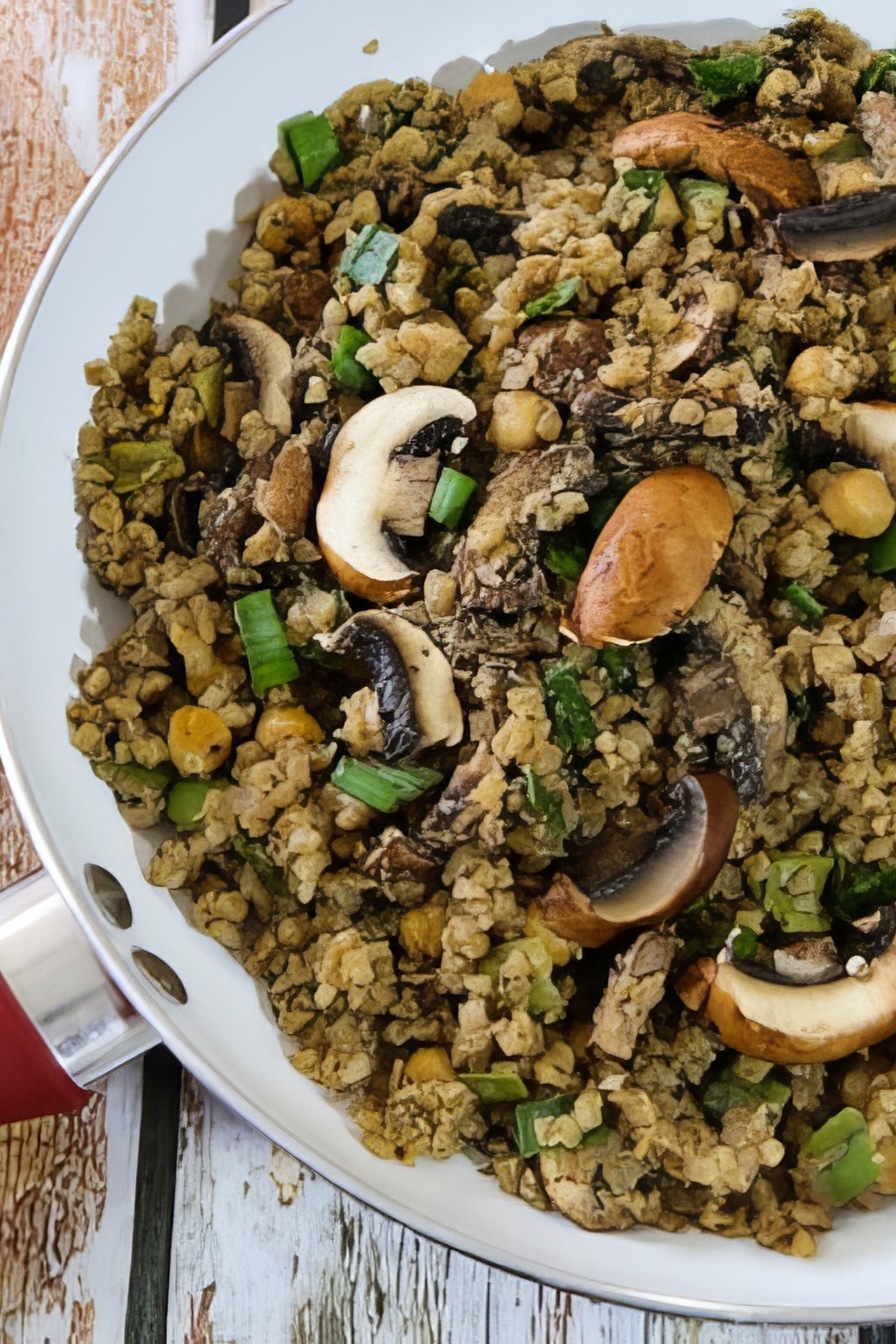
Recipe
Cauliflower Fried Rice with Mushrooms & Chickpeas
A quick, one-pan vegan dinner that uses frozen riced cauliflower as the base — no chopping required. Hearty mushrooms and chickpeas make it filling enough to stand alone as a main dish.
Print
Pin
Save
Servings: to 6
Ingredients
- 16 ounce bag frozen riced cauliflower
- ½ cup water
- 8 ounces mushrooms cleaned, stemmed sliced (see note)
- 3 scallions thinly sliced
- 15 ounce can chickpeas drained and rinsed
- 2 teaspoons salt-free seasoning blend like Frontier or Mrs. Dash
- 2 tablespoons nutritional yeast optional
- Salt and freshly ground pepper to taste
Instructions
- Combine the riced cauliflower and water in a large skillet or wok over medium heat.
- Cook, stirring occasionally, until the cauliflower is fully thawed and the water has evaporated, about 5 minutes.
- Add the mushrooms, scallions, chickpeas, and seasoning blend. Turn the heat up to medium-high and cook for 5 to 7 minutes, stirring often, until the mushrooms are tender and the cauliflower starts to brown at the edges.
- Stir in the nutritional yeast if using, then season with salt and pepper to taste. Serve immediately.
Nutrition (Estimate per Serving)
Calories: 158kcalCarbohydrates: 26gProtein: 11gFat: 3gSaturated Fat: 1gPolyunsaturated Fat: 1gMonounsaturated Fat: 1gSodium: 336mgPotassium: 803mgFiber: 10gSugar: 4gVitamin A: 148IUVitamin C: 58mgCalcium: 111mgIron: 3mg
Vegan-ize any recipe!Grab our free vegan cheat sheet, packed with my favorite easy substitutions to make any recipe vegan.
Vegan Teriyaki Eggplant
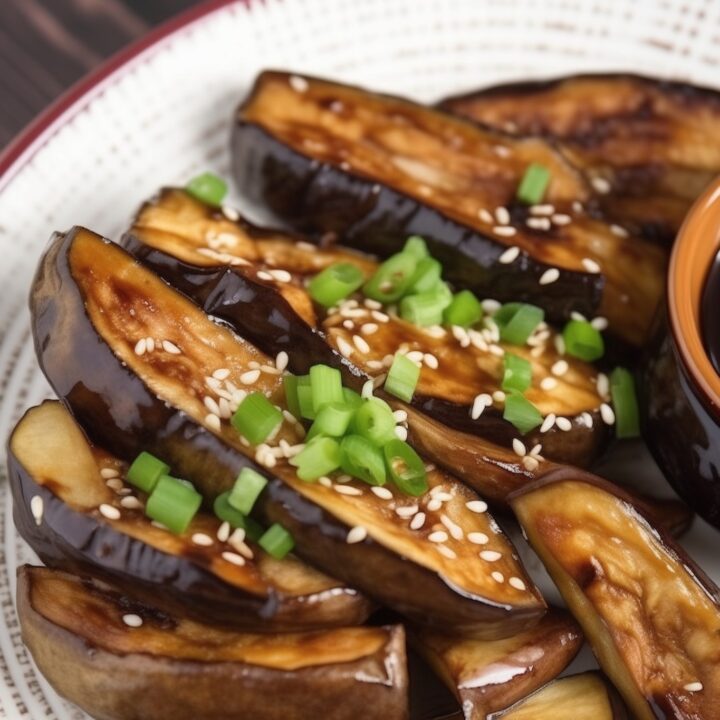
Pan-sautéed in a quick homemade marinade until glossy, caramelized, and deeply savory, this vegan teriyaki eggplant comes together in under 30 minutes and works as an appetizer, side dish, or a light main over steamed rice.
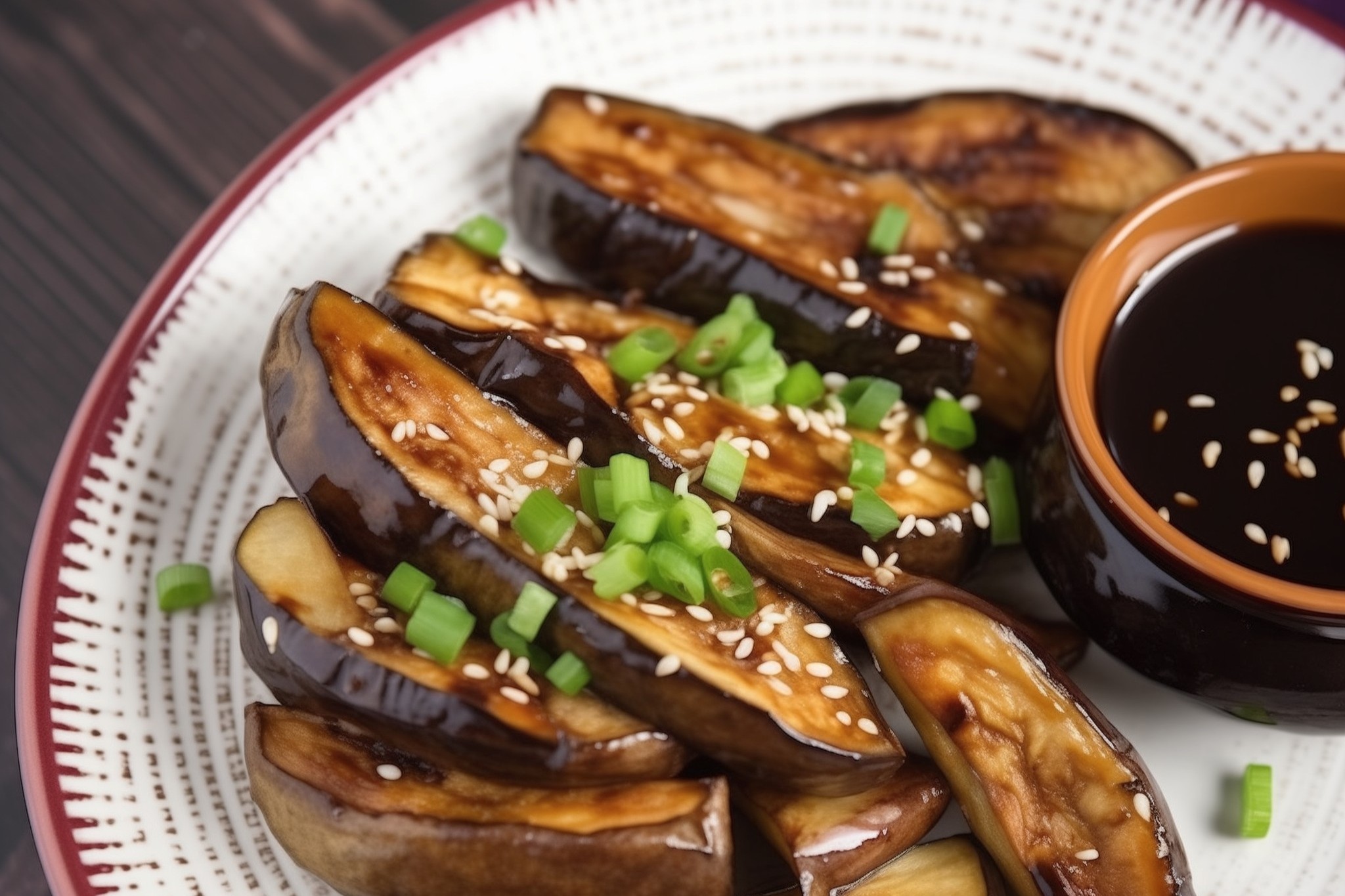
Key Ingredients & Substitutions
- Eggplant. Mini eggplants (5-6 inches) or Japanese/Chinese eggplants are ideal -- thinner skin, fewer seeds, and a sweeter flavor than large globe eggplants. A regular Italian eggplant cut into thick spears works in a pinch.
- Tamari or soy sauce. Reduced-sodium tamari keeps it gluten-free. Regular soy sauce works fine if gluten is not a concern. Coconut aminos are a lower-sodium, slightly sweeter option.
- Sake or white wine. Sake is traditional, but a dry white wine or mirin (reduce the added sugar) works well. For alcohol-free, use vegetable broth with a splash of rice vinegar.
- Sweetener. Natural granulated sugar or agave nectar both work. Maple syrup and brown sugar are great alternatives.
- Dark sesame oil. A flavor ingredient, not a cooking oil -- use it in the marinade only. Toasted sesame oil gives the most depth.
- Fresh ginger. Highly recommended. Jarred minced ginger works in a pinch. If using ground dried ginger, start with just ¼ teaspoon.
Variations
- Spicy teriyaki. Add 1-2 teaspoons of chili garlic sauce or a drizzle of sriracha to the marinade.
- Sesame teriyaki. Finish with a generous scatter of toasted sesame seeds along with the scallions.
- Sheet pan version. Brush eggplant halves with marinade, arrange cut-side up on a parchment-lined baking sheet, and roast at 425 degrees F for 20-25 minutes, brushing with more marinade halfway through.
- Grilled. Grill cut-side down over medium-high heat, brushing frequently with marinade, for a smoky charred variation perfect for summer.
- With tofu. Add cubed firm tofu to the skillet alongside the eggplant -- it soaks up the marinade beautifully and makes this a more substantial dish.
Tips for the Best Teriyaki Eggplant
- Do not crowd the pan. Arrange eggplant halves in a single layer, cut-side down. Crowding causes steaming instead of browning.
- Keep extra marinade ready. Eggplant is thirsty -- add more as the skillet dries out. This is what builds the sticky, lacquered glaze.
- The high-heat finish matters. After flipping and cooking through, turn the heat to high for the final minute to caramelize the cut side. Do not skip it.
- Taste before you cook. Soy sauces vary in saltiness. Adjust sweetener or vinegar to balance before you start.
How to Serve
Serve hot straight from the skillet or at room temperature -- it is delicious both ways. Try it as a starter with toothpicks alongside drinks, as a side with steamed rice and miso soup, over soba noodles with extra scallions, or as part of a spread with edamame and gyoza. Any leftover marinade can be passed at the table or refrigerated for up to a week.
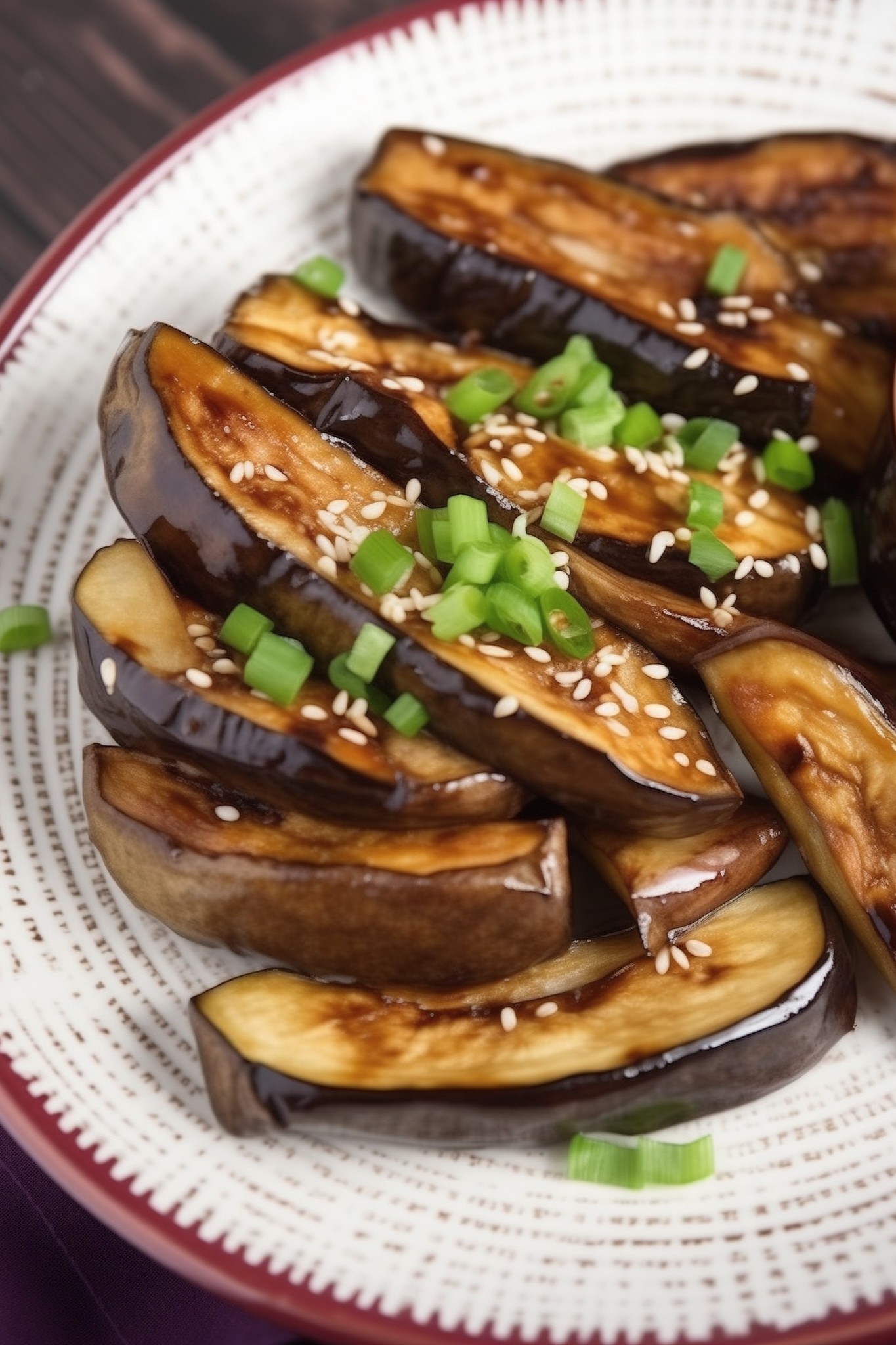
Recipe
Teriyaki Eggplant
Silky, caramelized eggplant glazed with a savory-sweet teriyaki sauce — this easy pan-sautéed dish comes together in under 30 minutes and makes a stunning appetizer or side dish.
Print
Pin
Save
Servings: to 8
Ingredients
Teriyaki marinade
- ¼ cup reduced-sodium tamari or soy sauce
- ¼ cup sake or white wine
- 1 tablespoon dark sesame oil
- 2 tablespoons natural granulated sugar or agave nectar
- 2 tablespoons rice vinegar or other mild vinegar
- 1 to 2 cloves crushed or minced garlic optional
- 2 teaspoons grated fresh or jarred ginger or more, to taste
- Freshly ground pepper to taste
Eggplant and garnish
- 8 mini eggplants about 5 to 6 inches in length or Japanese eggplants
- 2 scallions green parts only, thinly sliced (for garnish)
Instructions
- Whisk together all marinade ingredients in a small bowl. If using granulated sugar, stir until fully dissolved.
- Trim the stems from the eggplants and cut each one in half lengthwise.
- Pour about ⅓ cup of the marinade into a wide skillet and set over medium heat. Arrange the eggplants cut-side down in a single layer.
- Cover and cook for 8 to 12 minutes, until the cut sides are deeply golden and the eggplants are nearly tender. Check often and add more marinade if the skillet dries out.
- Flip the eggplants skin-side down and cook for 3 to 5 minutes more until fully tender. Add a splash of marinade, raise the heat to high, flip cut-side down again, and sear for about 1 minute to caramelize the glaze.
- Transfer to a plate and garnish with sliced scallions. Serve hot or at room temperature. Pass any remaining marinade at the table, or refrigerate for up to one week.
Nutrition (Estimate per Serving)
Calories: 327kcalCarbohydrates: 64gProtein: 11gFat: 5gSaturated Fat: 1gPolyunsaturated Fat: 2gMonounsaturated Fat: 2gSodium: 830mgPotassium: 2156mgFiber: 28gSugar: 40gVitamin A: 271IUVitamin C: 22mgCalcium: 93mgIron: 3mg
Vegan-ize any recipe!Grab our free vegan cheat sheet, packed with my favorite easy substitutions to make any recipe vegan.
Roasted Butternut Squash and Pasta Casserole
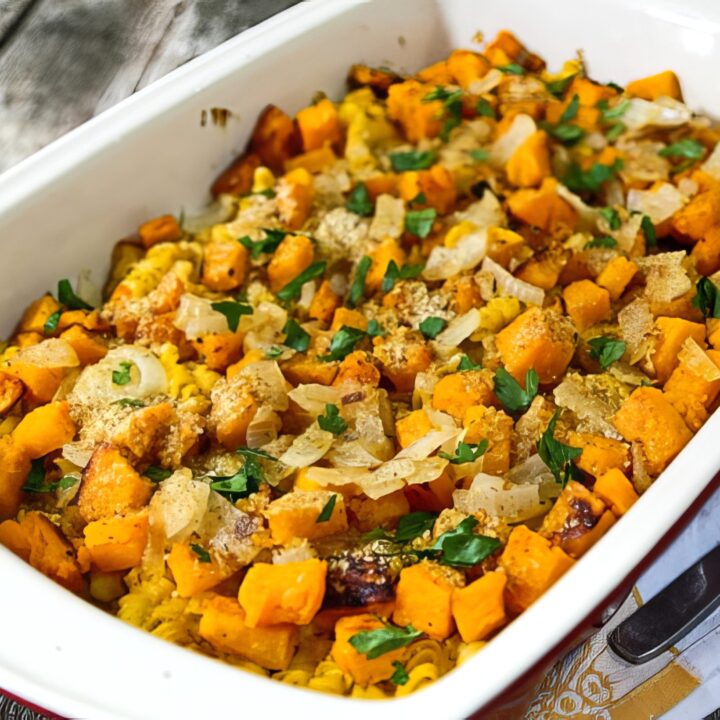
This hearty pasta casserole is loaded with flavor from roasted butternut squash and a velvety, dairy-free sauce, all finished with a golden, crunchy breadcrumb topping. It's comforting, easy to make, and guaranteed to have everyone coming back for seconds.
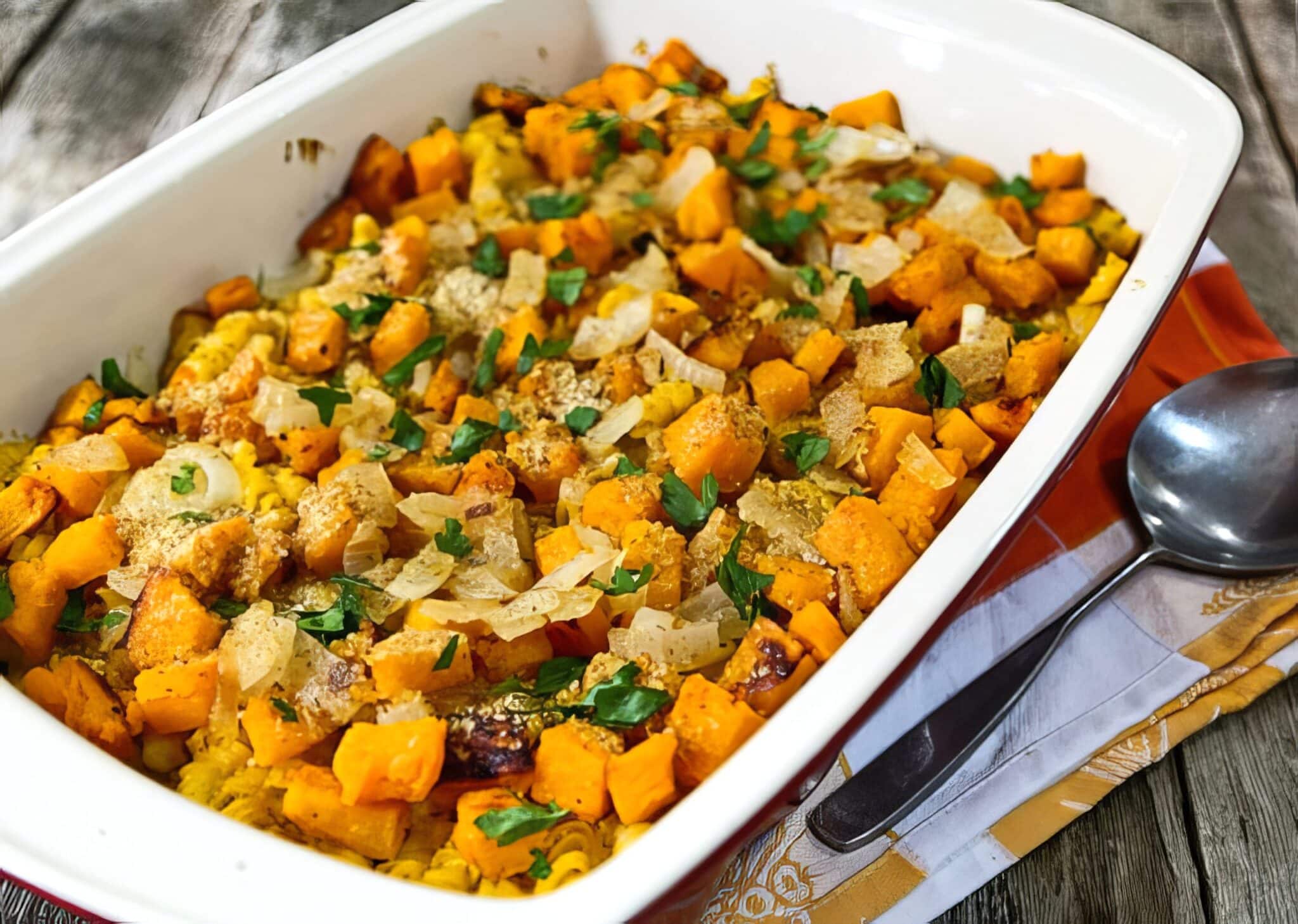
This is the kind of casserole you make when you're craving comfort food but still want to feel like a responsible adult. It's rich, creamy, baked to golden perfection. And, plot twist: there's no dairy, no cream, and no cheese.
I first made this on one of those in-between fall days - too warm for soup, too cool for salad, and just right for something slowly baked. It turned out to be one of those meals you don't expect to fall in love with, but then you go back for thirds and start texting people about it.
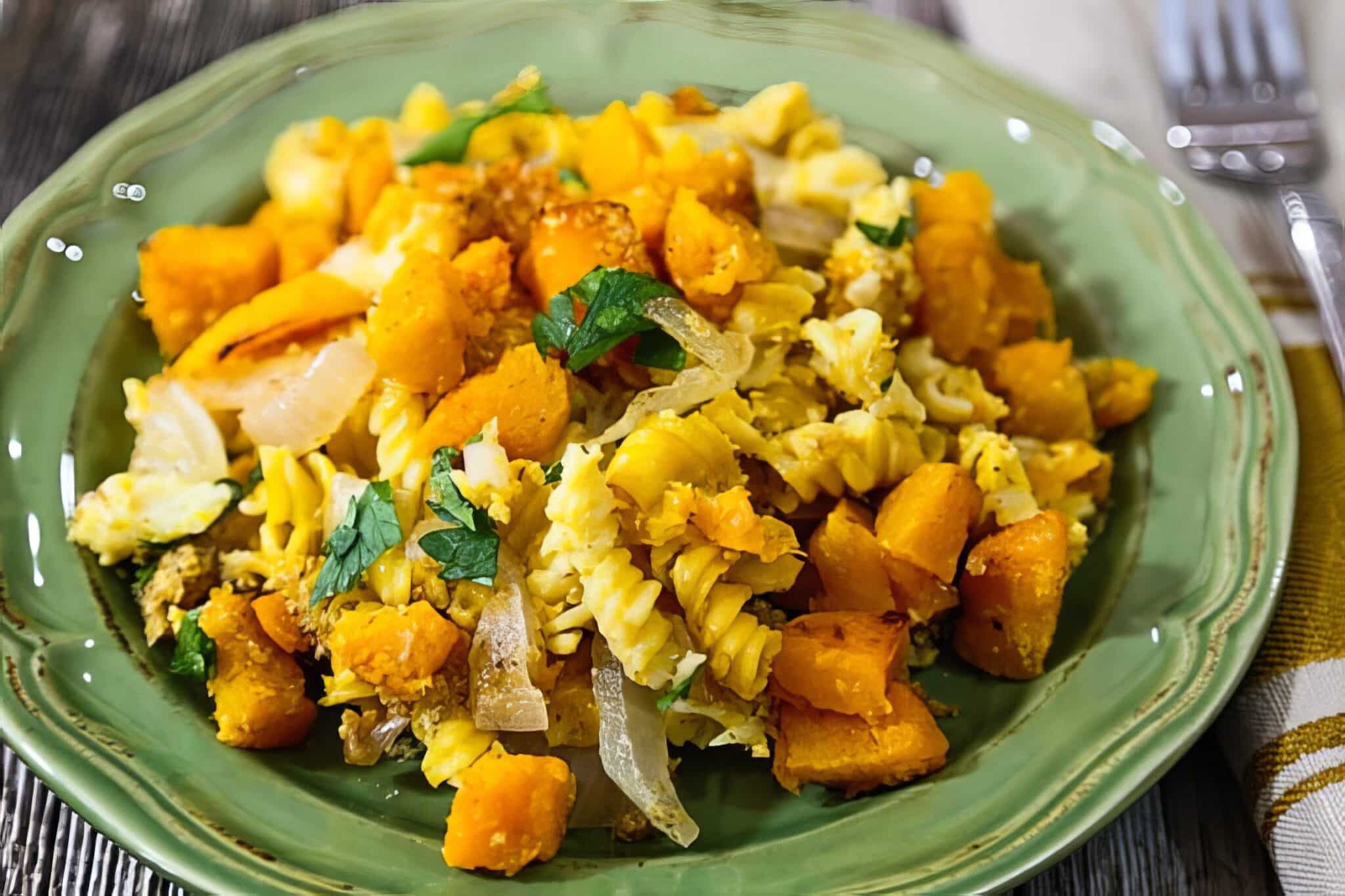
Key Ingredients & Substitutions
- Pasta - Short shapes like rotini or shells hold onto all that dreamy sauce best. You can use whole grain, gluten-free, or just classic white pasta.
- Butternut Squash - Roasted until tender, then blended into the base of the sauce.
- Onion - Sautéed until golden and sweet!
- Silken Tofu - Don't fear the tofu! It makes the sauce ultra-creamy and keeps things nice and light. If you do not want to use tofu, you can substitute cooked (or canned) white beans for a similar consistency.
- Nutritional Yeast - That umami-rich, cheesy flavor - without any dairy.
- Nondairy Milk - Unsweetened, please. Just enough to help everything blend smoothly. You can use almond milk, cashew milk, or your own favorite.
- Paprika - A dash for warmth and color, plus a little extra for sprinkling on top. Smoked paprika works well here also.
- Breadcrumbs - For that golden, crunchy finish.
Helpful Tips
Make ahead tip! You can roast the butternut squash a day ahead and store it in the fridge. This makes prep time a breeze when you're ready to assemble the casserole.
Use the neck for cubes, the base for sauce. - The thicker neck of the squash stays firmer after roasting and is perfect for dicing into cubes for texture in the casserole. The softer base (the bulb) gets softer and blends best into a super creamy sauce.
Blend until smooth and silky. - Take your time when blending the butternut squash sauce. A high-speed blender will give you that ultra-velvety finish, but any blender or food processor will work with a little patience. If the mixture seems too dry, add a bit more almond milk.
Don't overcook the pasta. - Cook the pasta just to al dente. It'll soften more as it bakes, so this helps keep the texture just right.
Customize the topping. - No breadcrumbs? No problem. Use crushed crackers, panko, or even a sprinkle of chopped nuts for a crunchy finish.
Also worth trying: our creamy asparagus and pea pasta.
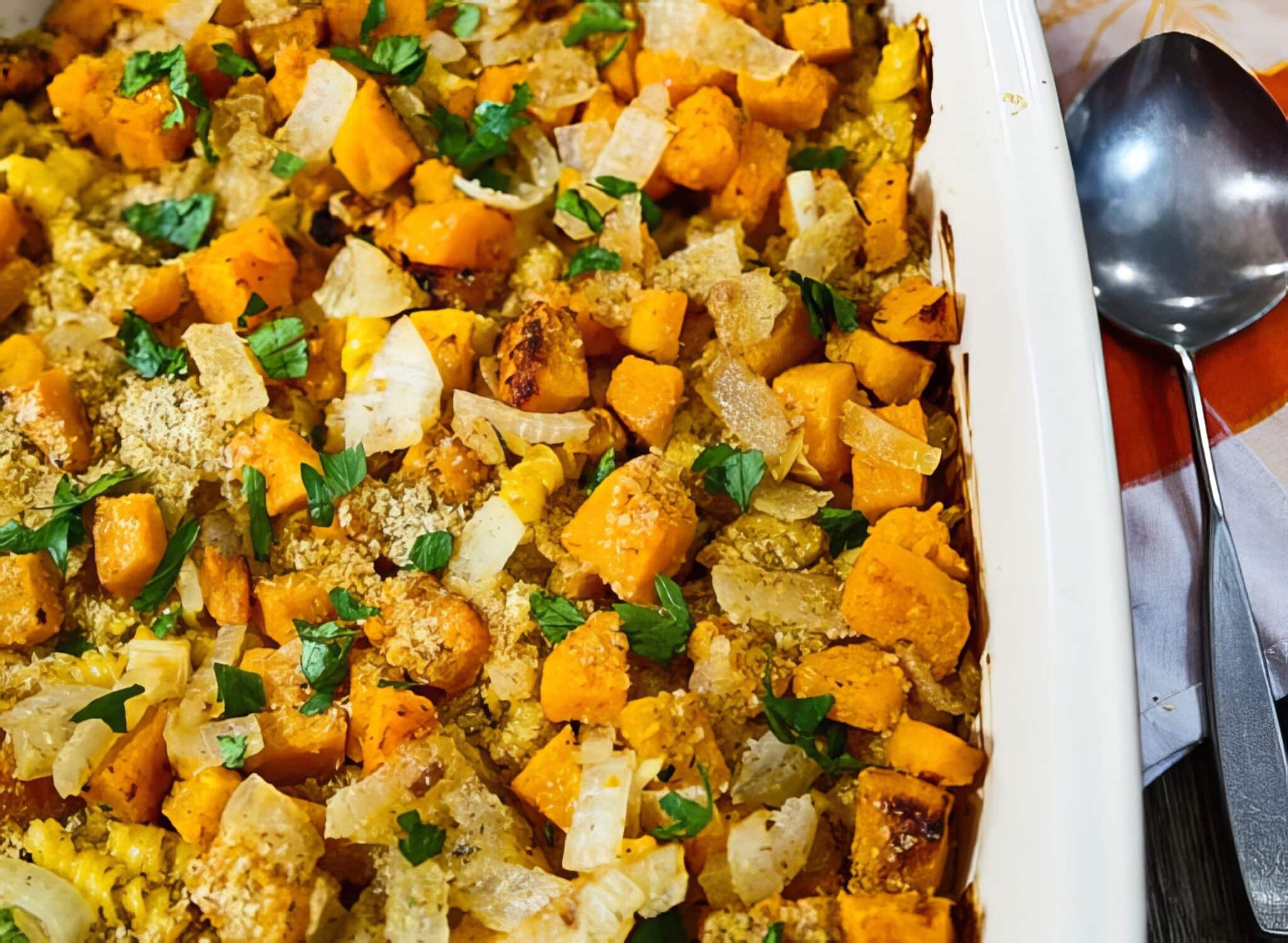
Easy Variations
Add greens. - Stir in a handful of sautéed spinach or kale before baking for an extra boost of color and nutrients.
Make it smoky. - Add a pinch of smoked paprika or chipotle powder to the sauce for a subtle smoky flavor that plays well with the sweetness of the squash.
Gluten-free option. - Use your favorite gluten-free pasta and swap the breadcrumbs for gluten-free panko or crushed rice crackers.
Use zucchini instead of pasta. - Swap the pasta for thin zucchini strips to make a lighter, gluten-free version. For a fully developed take on that idea, check out our vegan zucchini lasagna.
Go herbaceous! - Mix in chopped fresh sage or thyme. A little goes a long way and pairs beautifully with the squash.
Protein boost. - Add cooked lentils, chickpeas, or vegan sausage slices to the mix before baking for a heartier, more filling dish.
Single-serve style - Divide the mixture into ramekins for mini casseroles. Perfect for dinner parties or easy meal prep! For another hearty baked casserole dinner, our vegan pot pie casserole is a crowd-pleasing comfort food classic. For a fresh summer side, also try our zucchini with mint. For a creamy weeknight pasta option, our vegan creamy mushroom pasta is a favorite.
More Tasty Recipes
If you love this casserole, be sure to check out these other delicious recipes:
- Vegan Sweet Potato Casserole
- Black Bean and Zucchini Tortilla Casserole
- 15 Best Vegan Casserole Recipes
- 10 Make Ahead Vegan Breakfast Casseroles
Recipe
Roasted Butternut Squash and Pasta Bake
This hearty pasta casserole is loaded with flavor from roasted butternut squash and a velvety, dairy-free sauce, all finished with a golden, crunchy breadcrumb topping. It's comforting, easy to make, and guaranteed to have everyone coming back for seconds.
Print
Pin
Save
Servings:
Equipment
Ingredients
- 12 ounces pasta such as rigatoni or rotini
- 2 tablespoons olive oil plus extra for topping
- 1 large onion finely chopped
- 1 medium butternut squash
- ¼ cup nutritional yeast
- 12.3 ounces firm or extra-firm silken tofu
- ½ cup almond milk or other nondairy milk, unsweetened
- ½ teaspoon paprika plus extra more for topping
- salt and pepper to taste
- ½ cup breadcrumbs
- 2 tablespoons fresh parsley optional, chopped, for topping
Instructions
- Preheat the oven to 400°F (200°C).
- Cut a medium butternut squash in half lengthwise. Scoop out the seeds and place both halves, cut side down, on a parchment-lined or lightly oiled baking sheet. Roast for 35-45 minutes, or until the wide (bulb) end is completely tender and can be easily pierced with a fork, but is not mushy. The narrow (neck) end should be tender but still hold its shape.
- Let the squash cool until safe to handle. Gently remove the tough skin, so only the tender squash remains. Chop into cubes and set aside. You should get about 3 - 4 cups total.
- While the squash is roasting, cook the pasta according to package directions, then drain and transfer to a large mixing bowl. Set aside.
- Heat 1 tablespoon olive oil in a large skillet over medium heat. Add 1 large finely chopped onion and sauté until golden and soft, about 8-10 minutes. Scoop out about ¼ cup of the cooked onion and set it aside to mix into the casserole later. The rest will go into the sauce.
- Heat half of the oil in a medium skillet. Add the onion cook until golden. Transfer to a food processor or blender, leaving about ½ cup's worth aside for topping.
- Blend the Sauce. In a blender or food processor, approximately ⅔ of the cubed squash, the remaining sauteed onion, silken tofu, nondairy milk, nutritional yeast, paprika, salt and pepper. Blend until completely smooth. The sauce should be velvety and pourable; add a splash more milk if needed.
- In a large mixing bowl, combine the cooked pasta, remaining squash cubes, and the reserved ¼ cup of sautéed onion. Pour the creamy squash sauce over everything and stir gently to coat.
- Transfer the mixture to a lightly oiled 2-quart casserole dish. Sprinkle the breadcrumbs over the top. Add a sprinkle of paprika and a drizzle of olive oil, if desired.
- Bake uncovered at 400°F for 20-25 minutes, or until the top is golden and the edges are bubbling. For extra crispiness, broil for the last 2-3 minutes, watching closely.
- Let the casserole sit for 5-10 minutes after baking. Garnish with parsley, if desired. This helps it set up and makes it easier to serve. Slice, scoop, and enjoy warm!
Nutrition (Estimate per Serving)
Calories: 297kcalCarbohydrates: 51gProtein: 10gFat: 6gSaturated Fat: 1gPolyunsaturated Fat: 2gMonounsaturated Fat: 3gSodium: 80mgPotassium: 578mgFiber: 4gSugar: 5gVitamin A: 10060IUVitamin C: 23mgCalcium: 104mgIron: 2mg
Vegan-ize any recipe!Grab our free vegan cheat sheet, packed with my favorite easy substitutions to make any recipe vegan.
30+ Vegan Pumpkin Recipes

It's that time of year again: pumpkin season! Once October rolls around, I want pumpkin in everything, from my morning latte to a big pot of soup on a chilly night. So I've gathered all of our favorite vegan pumpkin recipes in one place, and this collection is our pumpkin headquarters for the whole season.
You'll find more than 30 recipes here, and every single one is 100% vegan: no eggs, no dairy and no honey. There are brand-new VegKitchen recipes like our 30-Minute Coconut Curry Pumpkin Soup, Roasted Vegetable Pumpkin Soup, Za'atar Pumpkin Quinoa Pilaf, Chocolate Pumpkin Pancakes and a homemade Pumpkin Spice Latte, plus tried-and-true classics like pumpkin pie, pumpkin bars and pumpkin mac and cheese. I've also included a handful of reader favorites from our sister site, Oh My Veggies.
Most of these recipes start with a can of pumpkin puree, which keeps them quick and easy. I keep a case of organic canned pumpkin in the pantry all fall, along with a jar of pumpkin pie spice for days when I don't feel like measuring out five different spices. For the creamy soups and ice cream, full-fat coconut milk is the secret to a rich, dairy-free texture, and a sturdy blender makes them silky smooth. If you'd rather use fresh pumpkin, look for small sugar pumpkins (also called pie pumpkins), which are sweeter and less stringy than the big carving kind. Roast, scoop and puree the flesh, and it will keep in the fridge for about five days.

Whether you're baking for a Halloween party, planning Thanksgiving dessert or just craving a cozy bowl of soup, there's a little of everything below, from breakfast to dinner to dessert.
30+ Vegan Pumpkin Recipes
Here are all my favorite vegan pumpkin recipes for Fall!
1
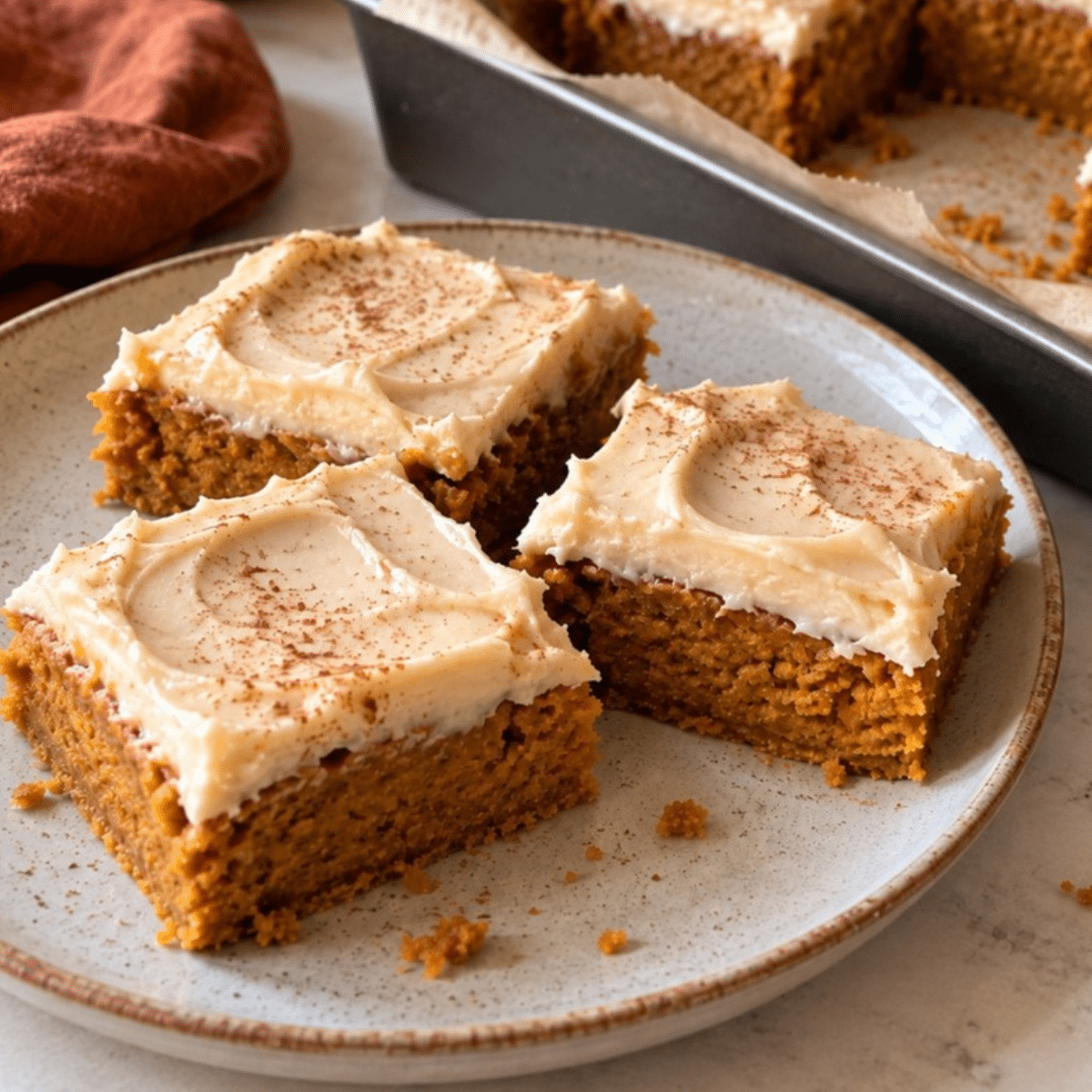
Vegan Pumpkin Bars
Soft, warmly spiced pumpkin bars baked in one 9x13 pan and topped with a thick layer of vegan cream cheese frosting. No eggs or dairy, and they slice cleanly for bake sales, potlucks and Halloween parties.
2
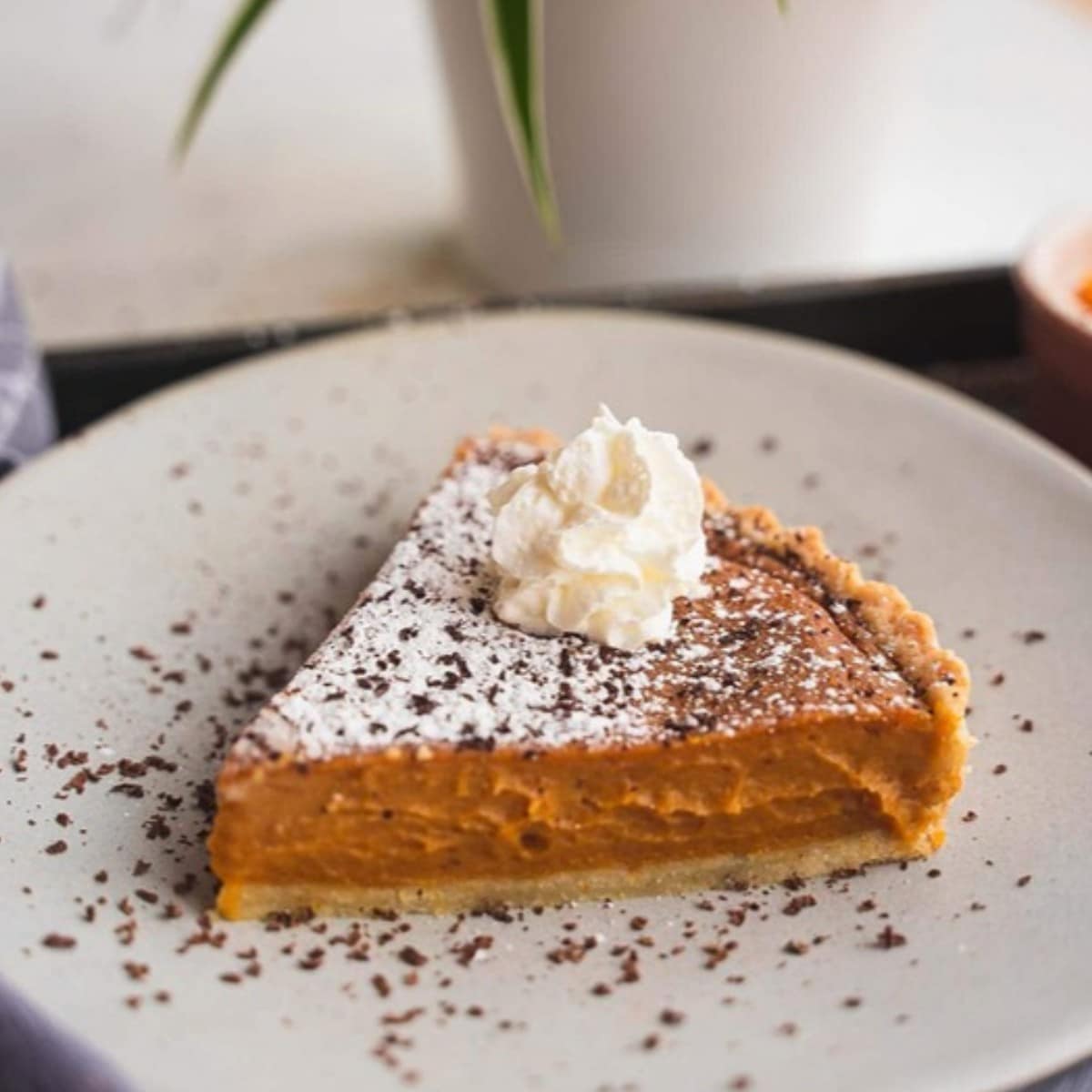
Vegan Pumpkin Pie Recipe
No fall is complete without pumpkin pie, and this one is a star. A silky spiced pumpkin filling bakes up in a flaky vegan crust, so nobody at the holiday table will miss the eggs or evaporated milk.
3
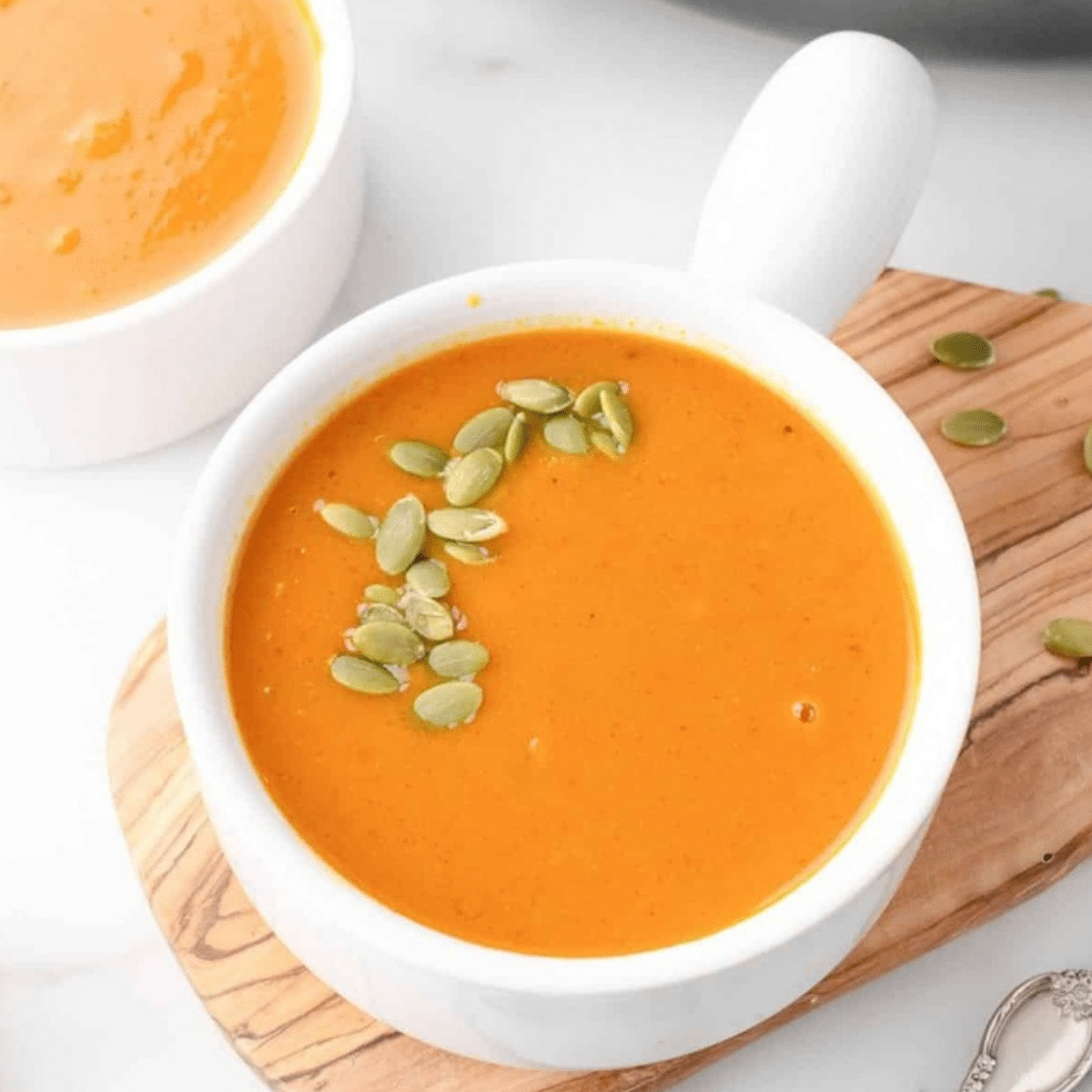
30-Minute Coconut Curry Pumpkin Soup
Canned pumpkin, coconut milk and warm curry spices simmer together in one pot for a creamy soup that's ready in about 30 minutes. It's naturally gluten-free and perfect for busy weeknights.
4

Homemade Vegan Pumpkin Spice Latte
Skip the coffee shop line. This dairy-free latte is made on the stovetop with real pumpkin, warm spices and a little vegan white chocolate, and you don't need an espresso machine.
5
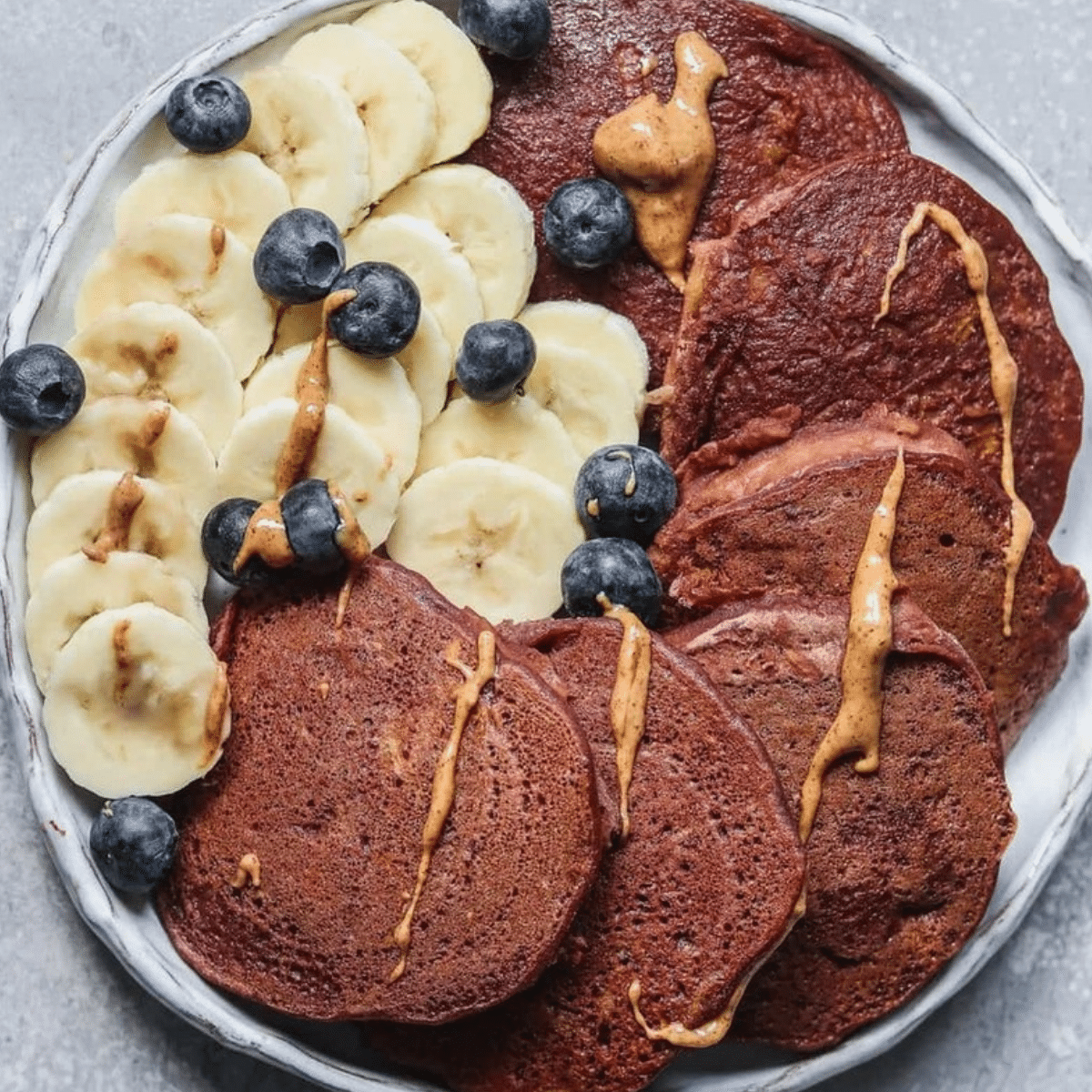
Vegan Chocolate Pumpkin Pancakes
Fluffy pancakes made with roasted pumpkin, cacao and maple syrup, so breakfast tastes a bit like dessert. They use just a handful of ingredients and are naturally gluten-free and oil-free.
6
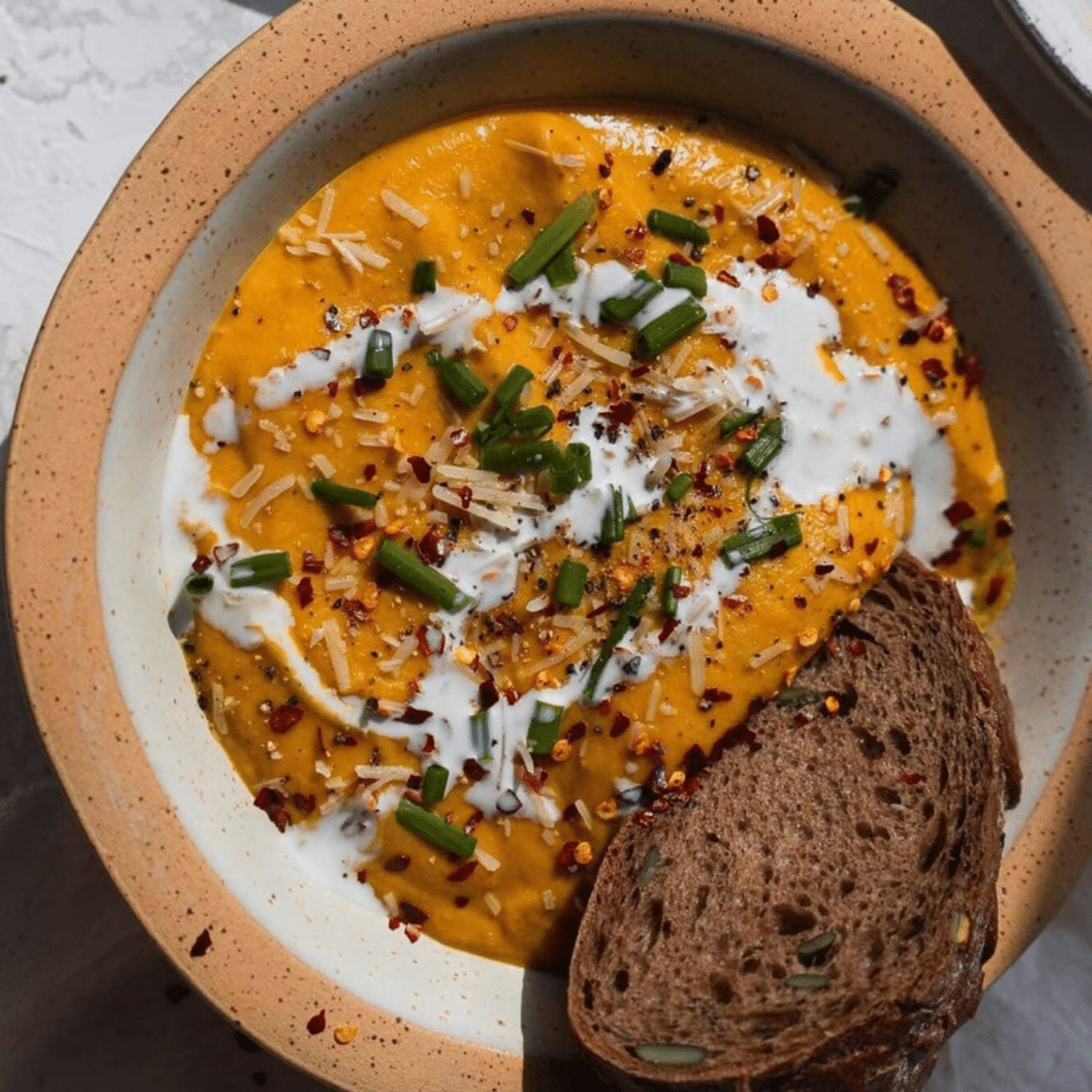
Roasted Vegetable Pumpkin Soup
Roasting the pumpkin with carrots, red pepper, onion and a whole bulb of garlic gives this creamy soup a deep, slightly sweet flavor. A splash of coconut milk makes it rich without any dairy.
7
Za'atar Pumpkin Quinoa Pilaf
A fragrant quinoa pilaf topped with za'atar-roasted butternut squash (the "butternut pumpkin" of Australian kitchens), persimmon, pomegranate and pistachios. It's a colorful vegan, gluten-free side for Thanksgiving or any fall dinner.
8
Vegan Pumpkin Mac and Cheese
If you need a pumpkin dinner the whole family will love, try this creamy vegan mac and cheese. Pumpkin puree and coconut milk make a rich, cheesy-tasting sauce that's great for kids.
9
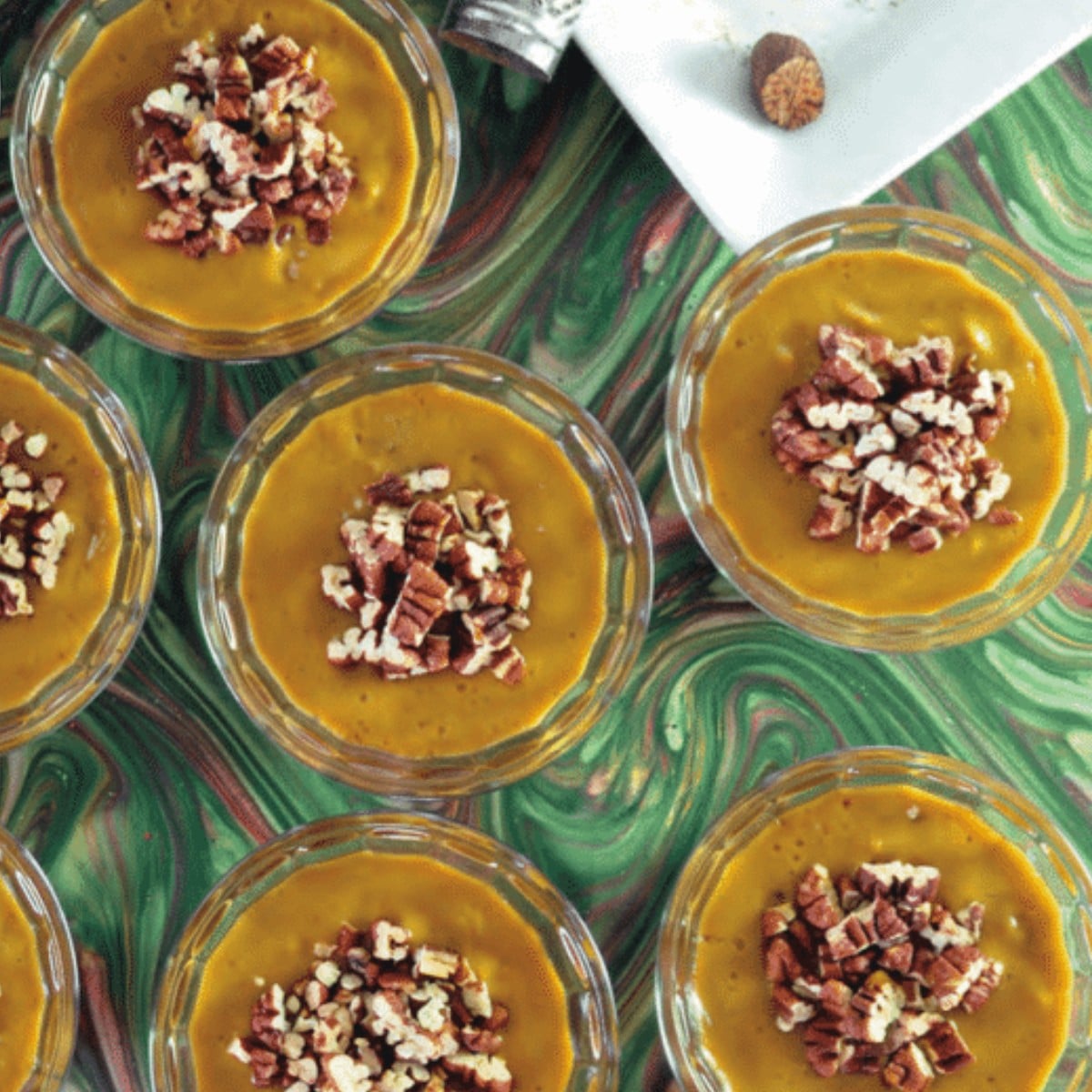
Vegan Pumpkin Mousse
This light, creamy pumpkin mousse tastes like pumpkin pie filling without the crust. Serve it in small glasses or ramekins for an easy make-ahead dessert when you're entertaining.
10
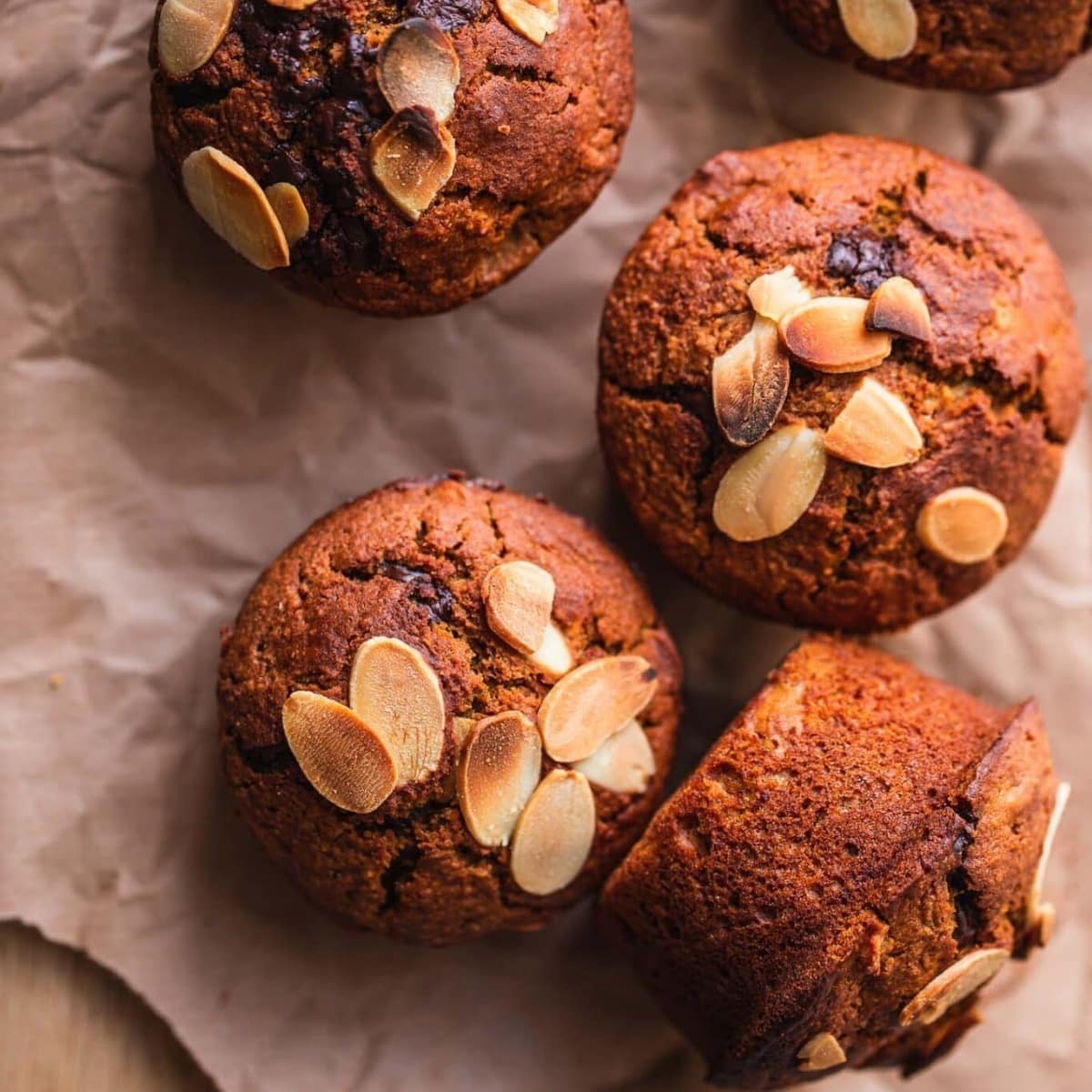
Vegan Pumpkin Chocolate Chip Muffins
Tender pumpkin muffins studded with chocolate chips, with a little peanut butter for extra richness. They taste like dessert but are just right for breakfast or a lunchbox treat.
11
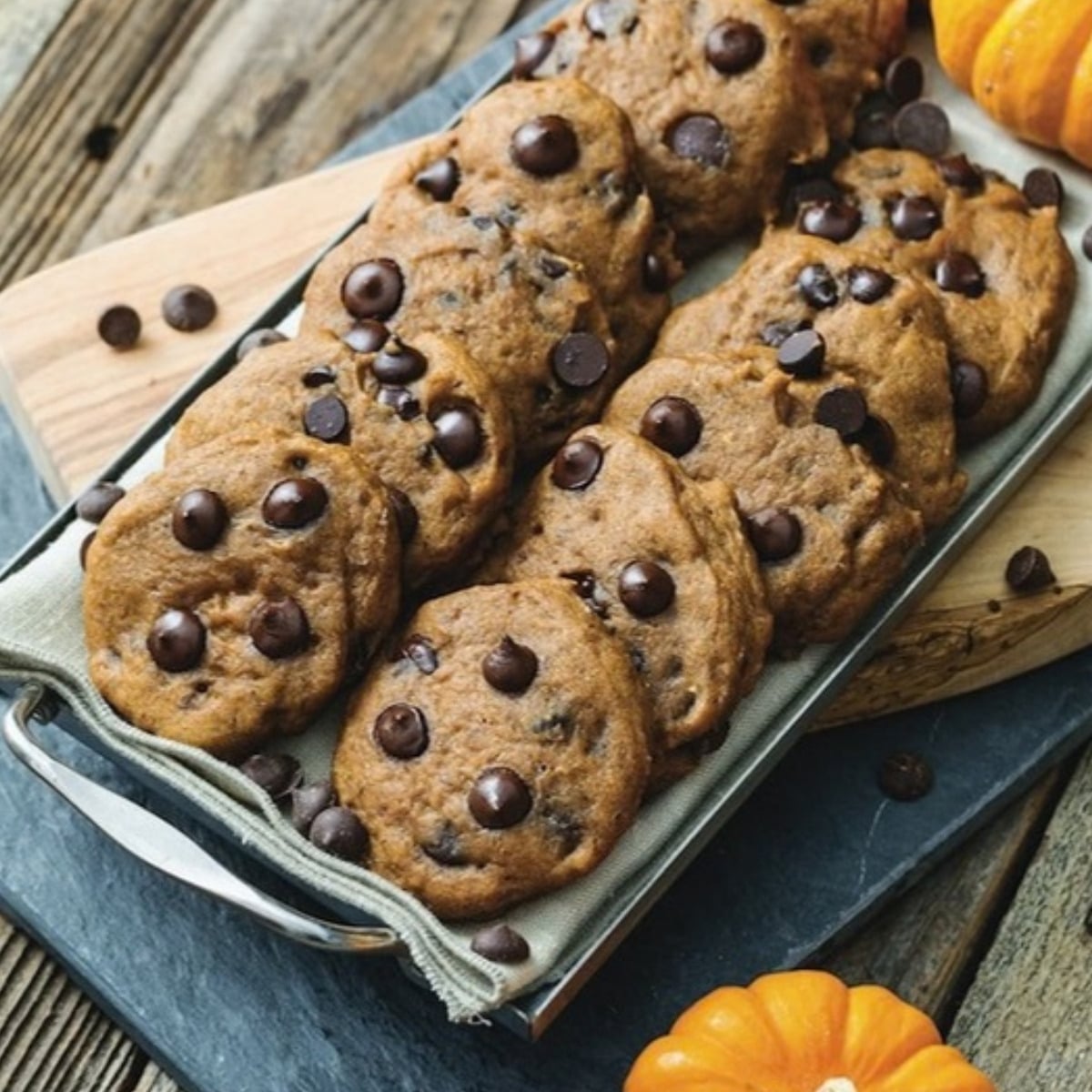
Vegan Pumpkin Chocolate Chip Cookies
Classic chocolate chip cookies get a fall makeover with pumpkin puree and warm spices. They're soft, chewy and perfect for sharing with friends and neighbors all season.
12
Vegan Pumpkin Waffles
Crispy on the outside and fluffy inside, these pumpkin waffles are made with oat milk and plenty of pumpkin spice. They're an easy way to make a weekend brunch feel like fall.
13
Vegan Spicy Pumpkin and Peanut Soup
Pumpkin and creamy peanut butter make a rich, satisfying base for this spicy soup. It's hearty enough for dinner and simple enough for a busy fall weeknight.
14

Vegan Pumpkin Protein Balls
Grab a couple of these no-bake pumpkin protein balls for a quick energy boost. They're a healthy grab-and-go snack for school, work or after a workout.
15
Vegan Pumpkin Bread (Mini Loaves)
Moist, pumpkin-spiced bread baked in mini loaf pans, so you get plenty to share. Wrap them up and they make a lovely homemade holiday gift.
16

Pumpkin Cheesecake with a Hint of Chocolate
A creamy vegan cheesecake-style take on pumpkin pie, with a subtle chocolate twist in every bite. It's a fun alternative to the usual pie for Thanksgiving dessert.
17
Vegan Pumpkin Ice Cream
Full-fat coconut milk and pumpkin puree churn into a rich, scoopable pumpkin spice ice cream. It's a treat for warm fall days, or next to a slice of pumpkin pie.
18
Curried Cauliflower Lentil Soup with Pumpkin
Red lentils, cauliflower and pumpkin puree simmer with curry spices in this hearty, nourishing soup. It's filling enough to serve as a main course with some crusty bread.
19

Pumpkin Juice
This fun, quirky pumpkin juice is a hit at Halloween parties. It's so tasty you might end up serving it all season long.
20
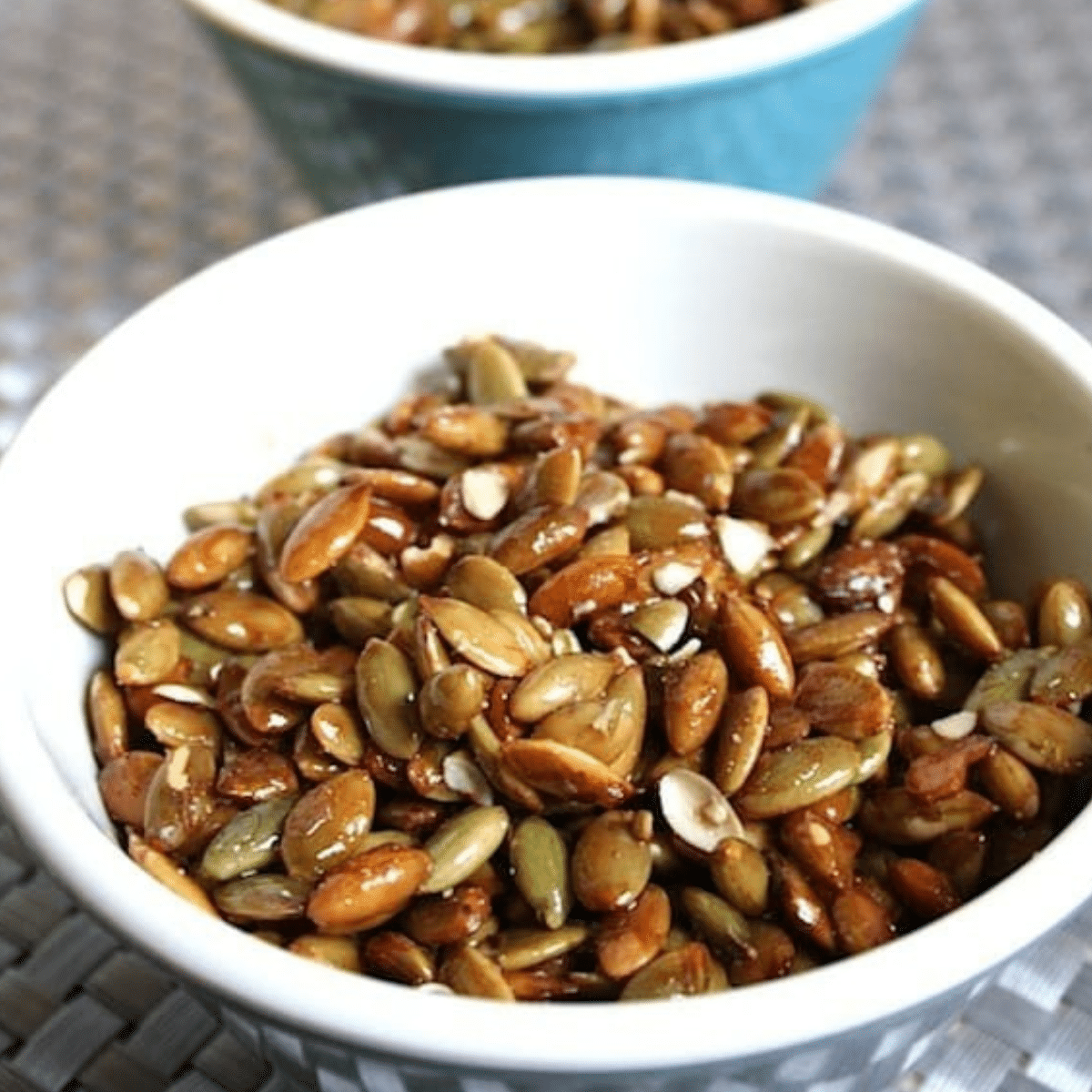
Candied Pumpkin Seeds
Don't toss the seeds when you're done carving this year! Turn them into these sweet, crunchy candied pumpkin seeds for snacking or sprinkling over salads and oatmeal.
21
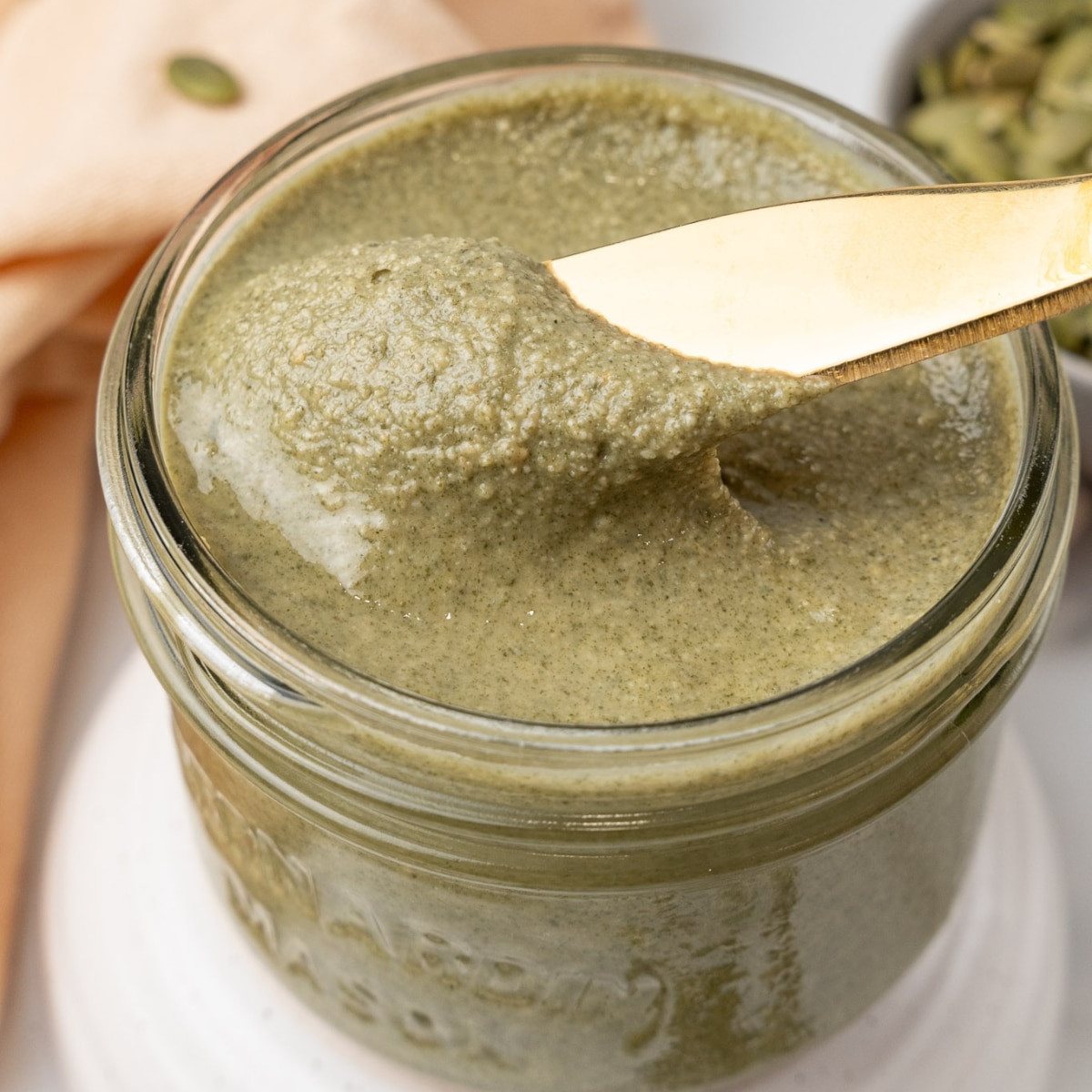
Pumpkin Seed Butter
This simple homemade pumpkin seed butter is great spread on toast, drizzled over granola or blended into smoothies. It's also a handy nut-free alternative to peanut butter.
22
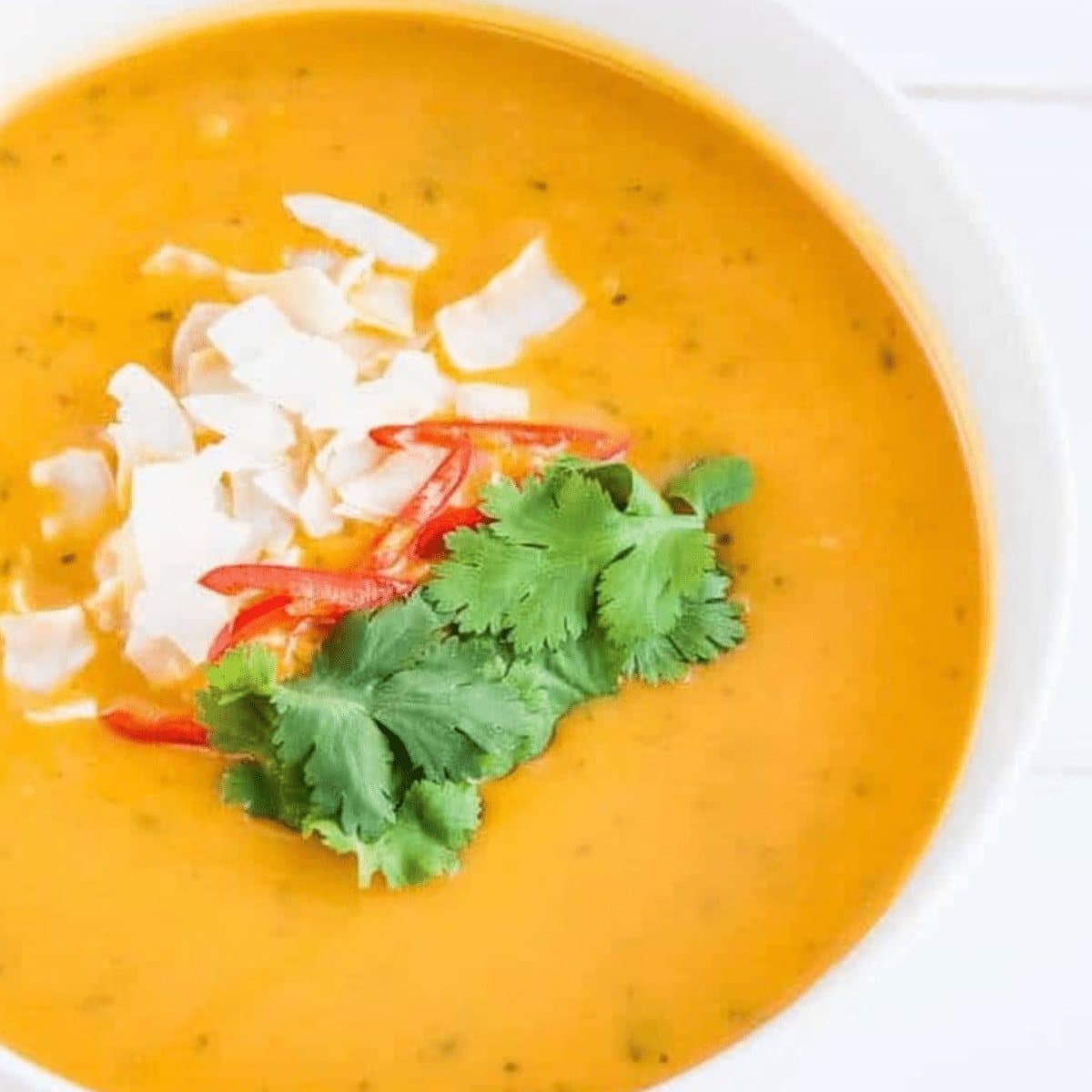
Thai Pumpkin Soup with Coconut Milk
Photo Credit:
ohmyveggies.com
Lemongrass, ginger and cilantro give this silky coconut milk pumpkin soup its Thai flavor. It's a naturally vegan and gluten-free one-pot soup for chilly days.
23
Vegan Pumpkin Cookies
Photo Credit:
ohmyveggies.com
Soft, cakey pumpkin cookies made in one bowl with brown sugar, pumpkin puree and vanilla. They're egg-free, oil-free and ready in about 25 minutes.
24

Healthy Pumpkin Muffins
Photo Credit:
ohmyveggies.com
These tender muffins use applesauce and maple syrup instead of oil, eggs or refined sugar. They're vegan and gluten-free, and great for a make-ahead breakfast.
25
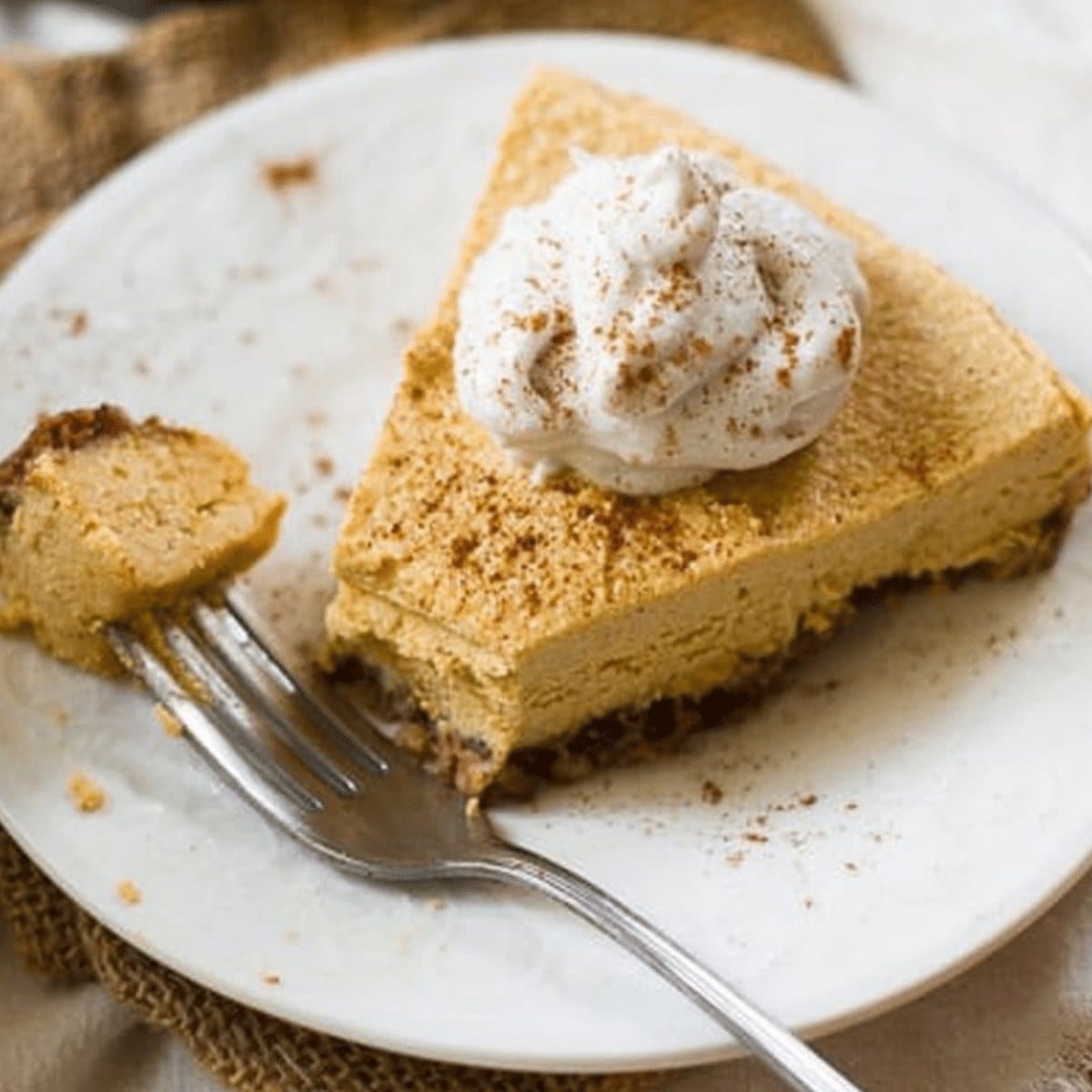
No-Bake Vegan Pumpkin Cheesecake
Photo Credit:
ohmyveggies.com
A creamy, spiced cashew filling sets up in the fridge on a pecan-date crust, so there's no oven or water bath involved. It's an easy make-ahead dessert for Thanksgiving.
26
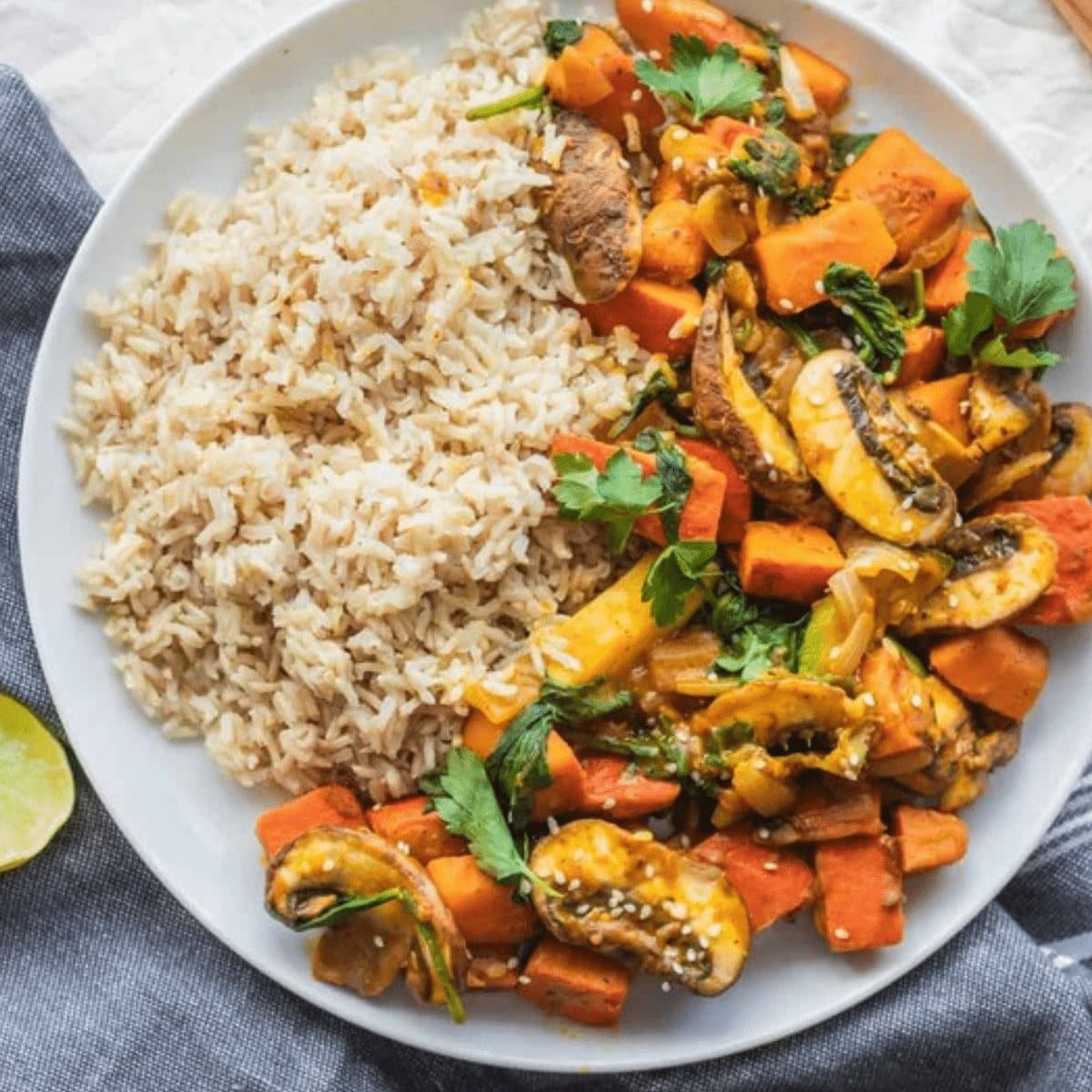
Easy Vegetable Pumpkin Stir-fry
Photo Credit:
ohmyveggies.com
Tender red kuri squash (a small, sweet pumpkin), mushrooms, zucchini and spinach are tossed in a sweet and savory tamari sauce. It's oil-free, gluten-free and on the table in about 25 minutes.
27
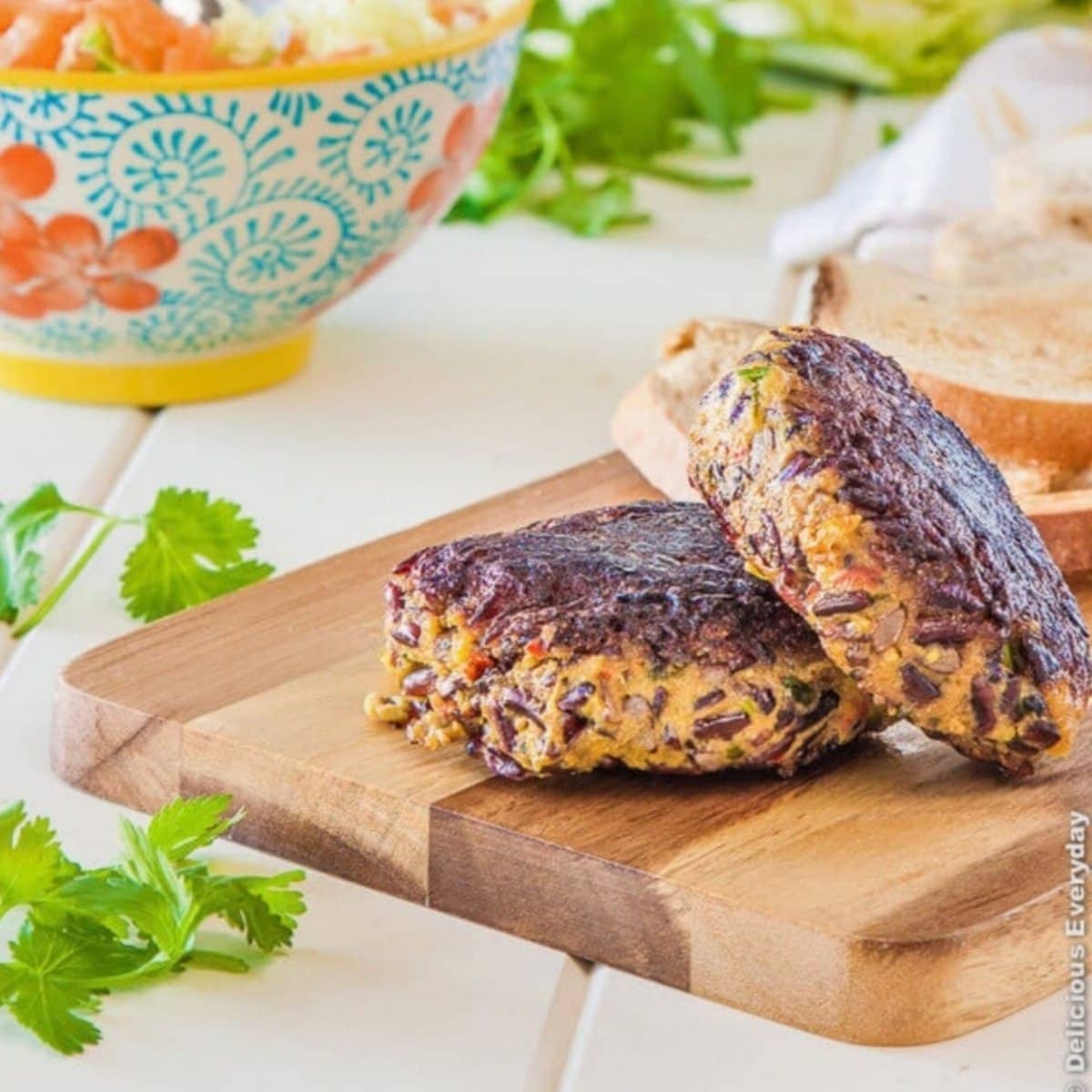
Thai Pumpkin Black Rice Burgers
Photo Credit:
ohmyveggies.com
Hearty veggie burgers made with roasted butternut pumpkin, chewy black rice and a homemade Thai green curry paste. They're gluten-free and freeze well for easy dinners later.
28
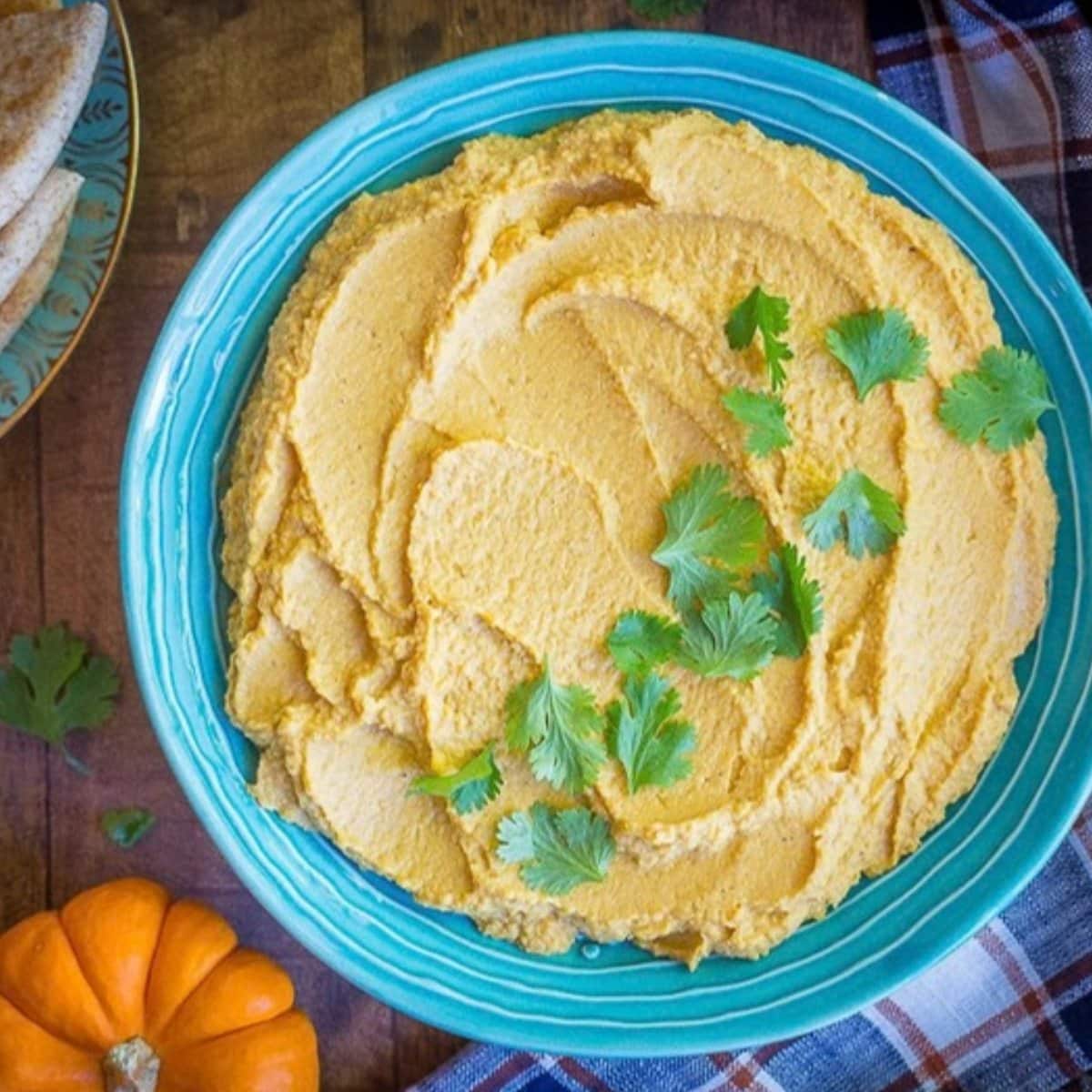
10-Minute Pumpkin Hummus
Photo Credit:
ohmyveggies.com
Canned pumpkin, chickpeas, tahini and warm curry spices blend into a creamy fall dip in just 10 minutes. Serve it with pita chips and veggies on your next snack board.
29
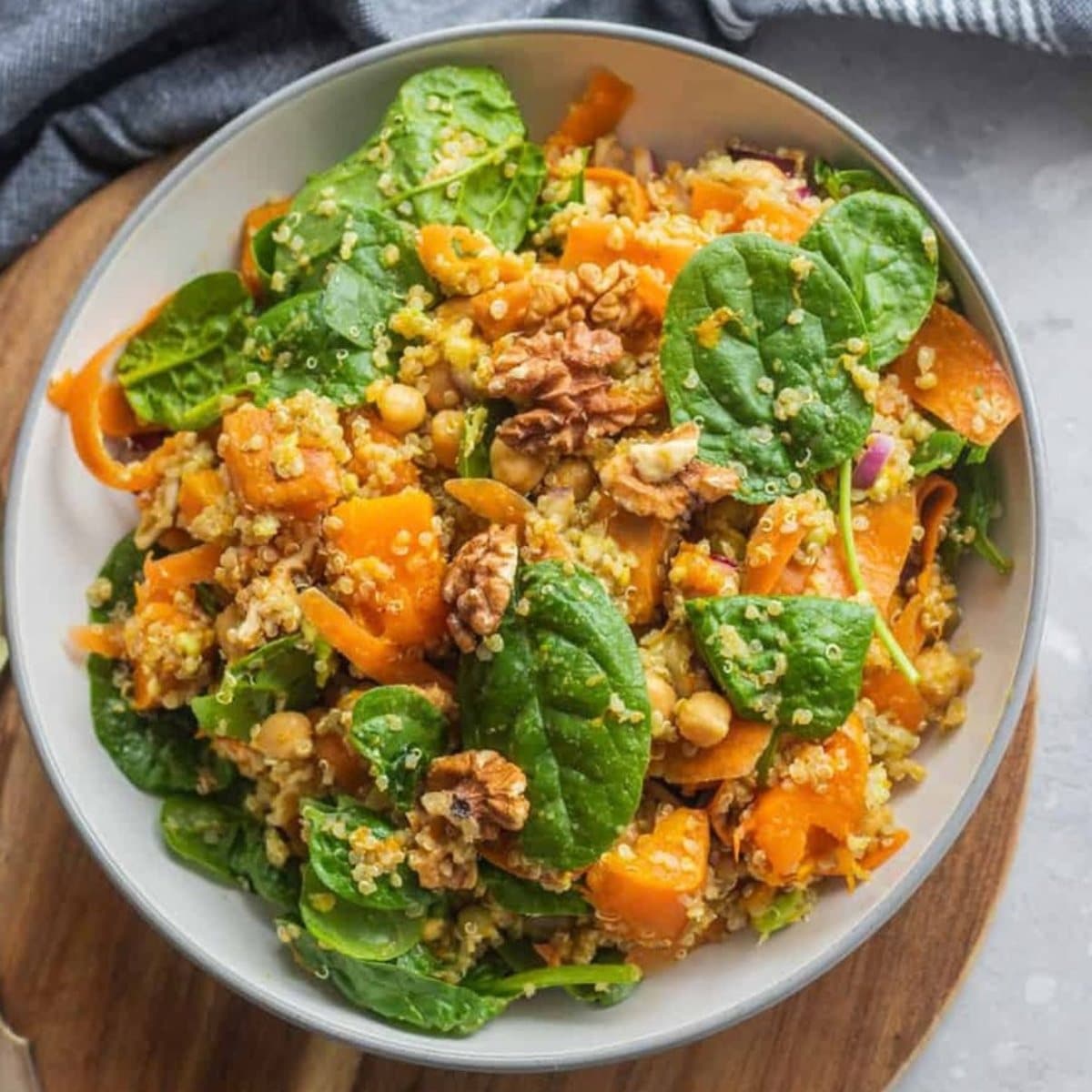
Pumpkin Chickpea Quinoa Bowl
Photo Credit:
ohmyveggies.com
Maple-roasted pumpkin, fluffy quinoa, chickpeas and wilted spinach come together with a creamy avocado balsamic dressing. It's high in protein and great for meal prep.
30
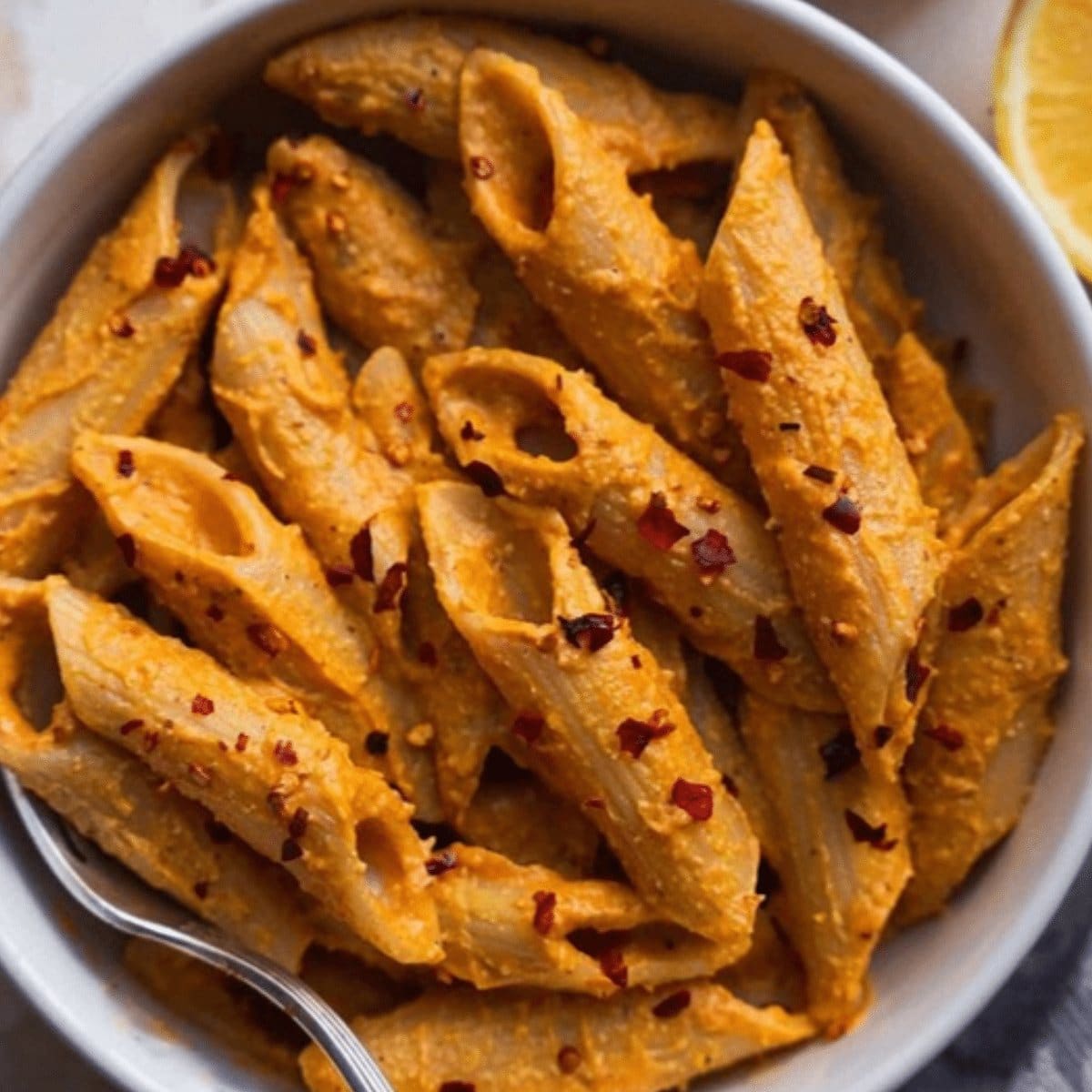
Creamy Vegan Pumpkin Pasta
Photo Credit:
ohmyveggies.com
A homemade roasted pumpkin sauce coats your favorite pasta for a cozy, creamy dinner with no dairy. It's ready in about 30 minutes.
31
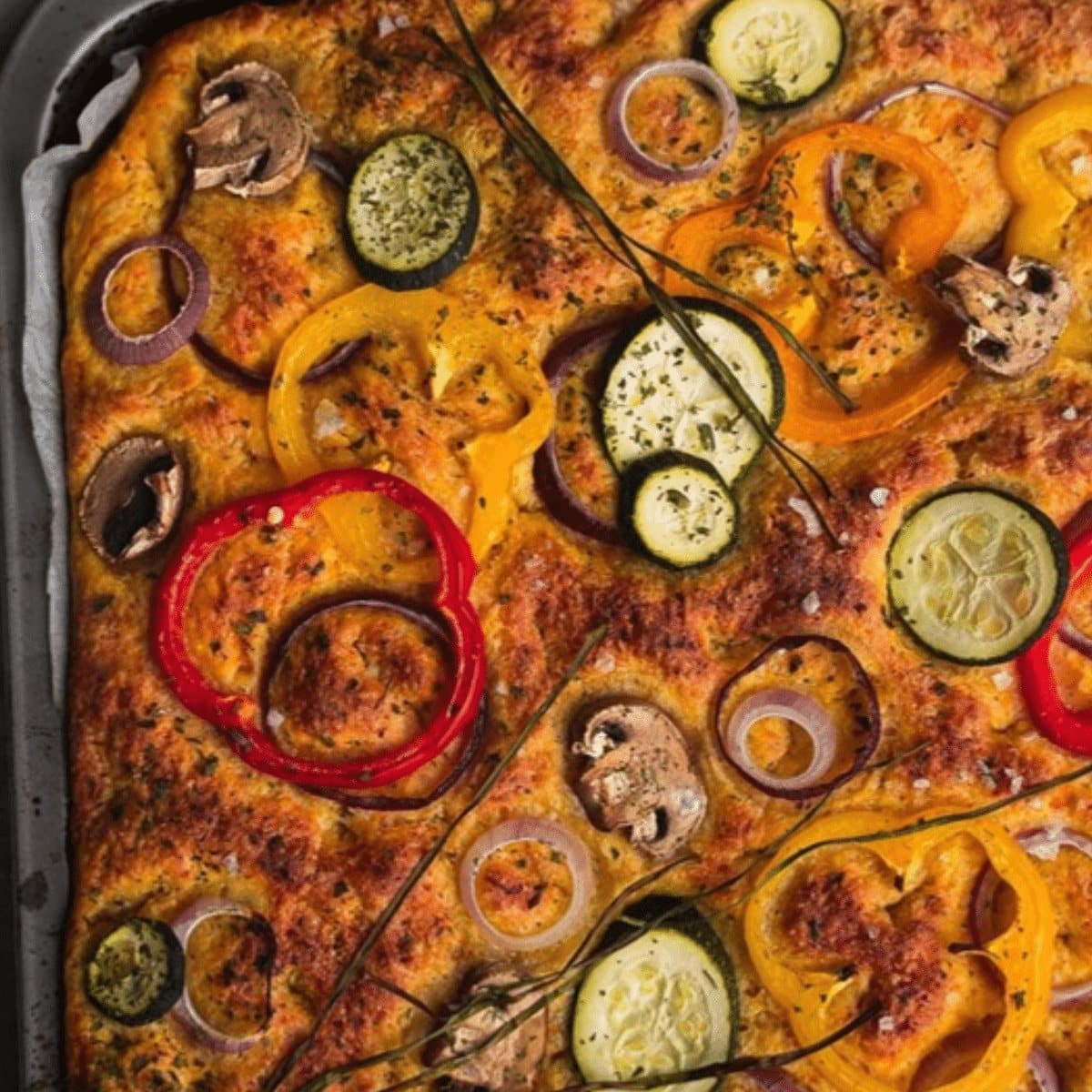
Pumpkin Focaccia Bread
Photo Credit:
ohmyveggies.com
Pumpkin gives this soft, pillowy focaccia a golden crumb, and a colorful topping of peppers, zucchini, mushrooms and red onion makes it a showstopper. Serve it with fall soups.
32
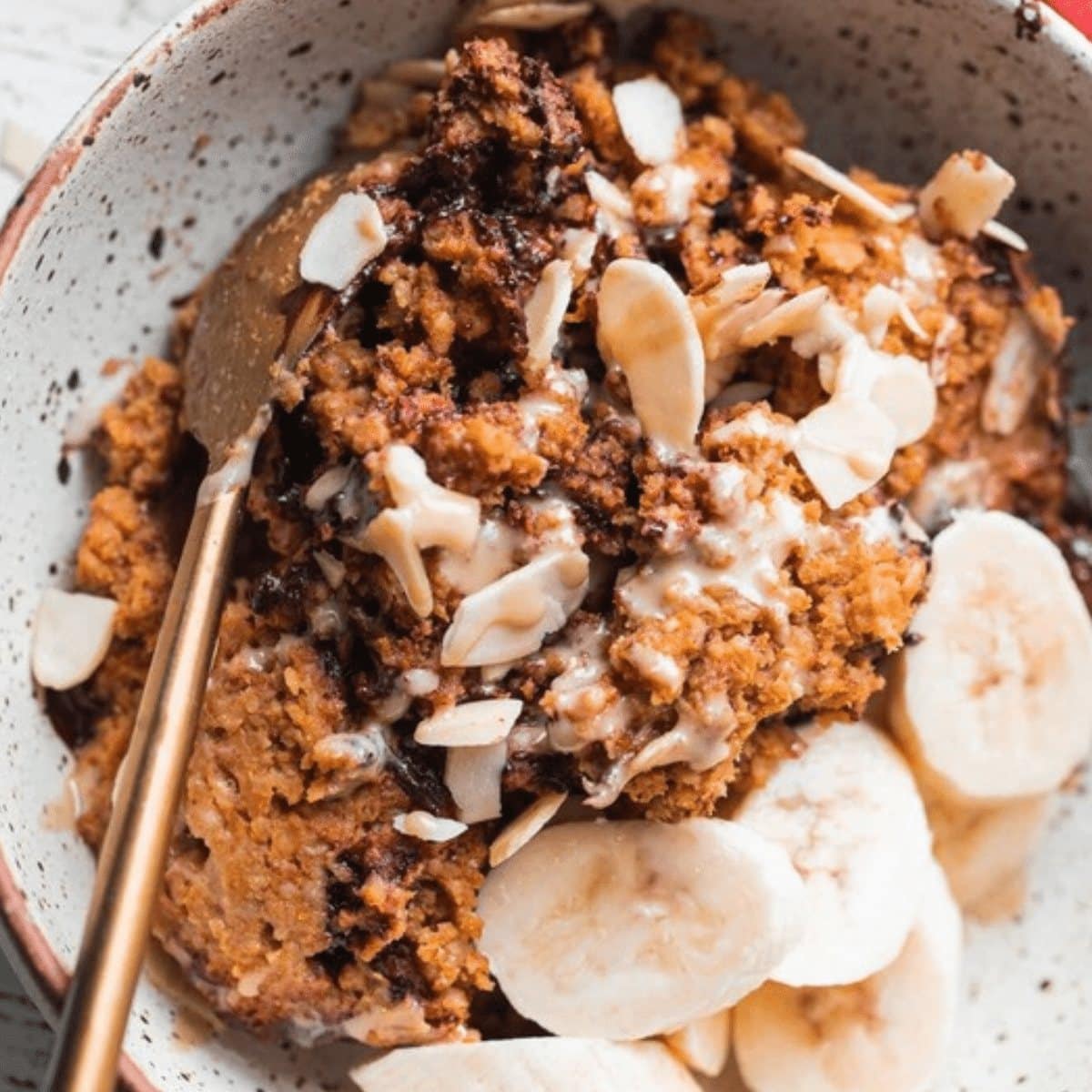
Pumpkin Baked Oatmeal
Photo Credit:
ohmyveggies.com
Pumpkin, ripe banana, warm spices, peanut butter and melty dark chocolate bake into a cozy breakfast. Make it on Sunday and reheat it all week.
I hope you've found the perfect pumpkin recipe to spice up your fall cooking! And if you love these vegan pumpkin recipes, be sure to check out these other seasonal favorites:
- 26 Vegan Butternut Squash Recipes
- 15+ Vegan Halloween Treats That Are So Good, It's Scary
- Cozy Vegan Soups for Fall and Winter
- The Best Vegan Pies
- Our guide to vegan Halloween candy
And if you're here planning your holiday menus, be sure to check out my complete Vegan Thanksgiving Cookbook too!
Vegan Pumpkin Mac and Cheese
This Vegan Pumpkin Mac and Cheese is creamy, delicious, and super simple to throw together. It's the ultimate Fall comfort food!
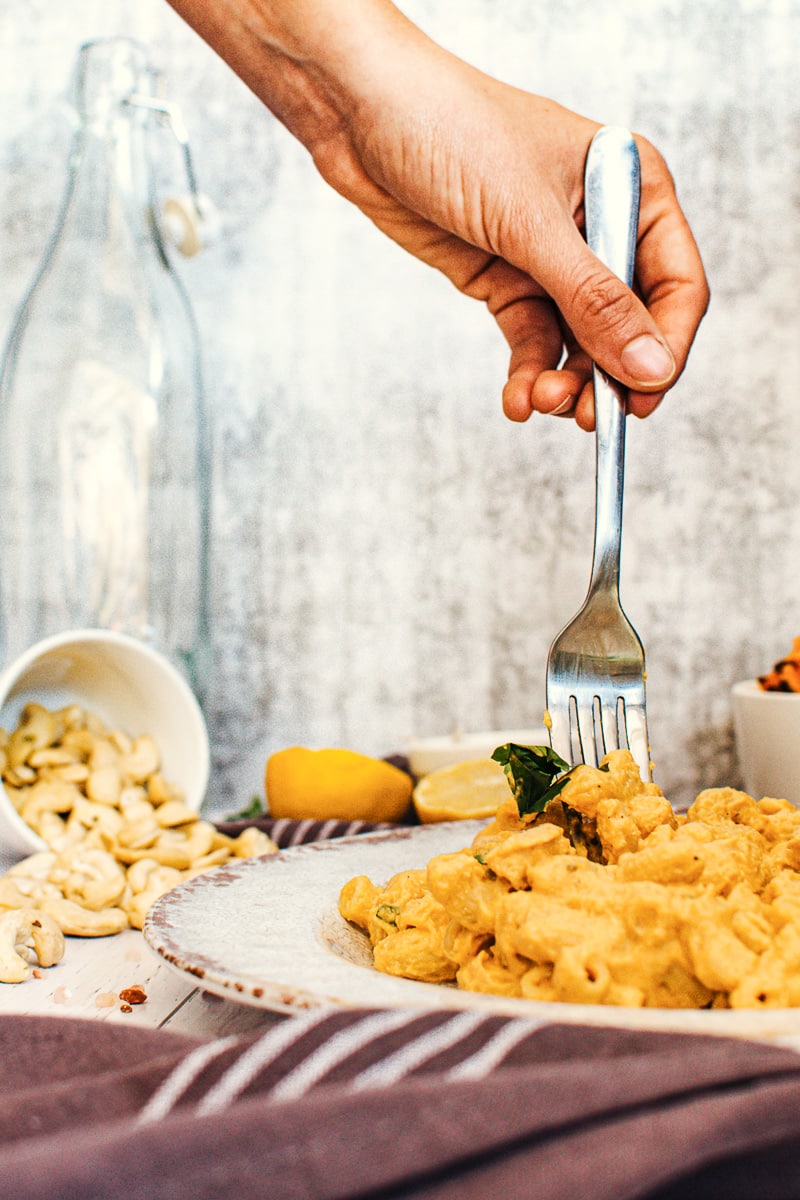
This vegan mac and cheese is loaded with creamy, cheesy, pumpkin flavor. It's an epic adult version of your favorite childhood meal!
This has quickly become one of my all time favorite vegan comfort foods and a family favorite for the fall and winter seasons.
This pumpkin mac and cheese pasta is:
- vegan
- dairy-free
- made with real pumpkin puree
- gluten-free (if you use gluten-free pasta)
- a delicious lunch or dinner the whole family can enjoy
- made with simple ingredients
- creamy and cheesy
If you're a fan of this, be sure to check out my traditional vegan mac and cheese recipe and all my favorite vegan pasta dishes too!
Key Ingredients & Substitutions
- Pumpkin puree. Use plain canned pumpkin, like this organic pumpkin puree, not pumpkin pie filling, which is already sweetened and spiced. Homemade roasted pumpkin puree works too; if it looks watery, let it drain in a fine-mesh sieve for 20 minutes so the sauce doesn't turn thin. Canned butternut squash or sweet potato puree can be swapped in cup for cup.
- Raw cashews. Soaked cashews are the secret to a sauce that tastes rich and velvety instead of just "pumpkin-y." Buy raw, unsalted cashews; roasted or salted ones blend up grainier and throw off the seasoning. For a nut-free version, use ½ cup of silken tofu or ½ cup of raw sunflower seeds, soaked the same way.
- Nutritional yeast. This is where the cheesy, savory flavor comes from, so don't skip it. There's no perfect stand-in, but if you're short, a teaspoon of white miso blended into the sauce adds a similar savory depth.
- Coconut milk. Canned coconut milk makes the sauce luxurious, and the pumpkin and spices hide most of the coconut flavor. For a lighter sauce, use unsweetened oat or soy milk instead (see our guide to the best non-dairy milks); it will be a little less thick, so add it gradually.
- Ground mustard, garlic powder and onion powder. These give the sauce that classic mac and cheese tang. Ground mustard (dry mustard powder) is the one people tend to skip, but it's what makes this taste like cheese sauce rather than soup. A teaspoon of Dijon mustard can stand in for it.
- Smoked paprika and nutmeg. Smoked paprika adds a subtle, cheddar-like smokiness and a deeper orange color, while a small pinch of nutmeg rounds out the pumpkin. Keep the nutmeg light so the dish stays savory, not dessert-like.
- Lemon juice. A little acidity keeps the rich sauce from tasting flat. Fresh lemon is best; apple cider vinegar works in a pinch.
- Pasta. Rigatoni's wide ridged tubes trap the sauce, but elbow macaroni or medium shells give you a more classic mac. For a gluten-free version, use gluten-free pasta (see the tip below).
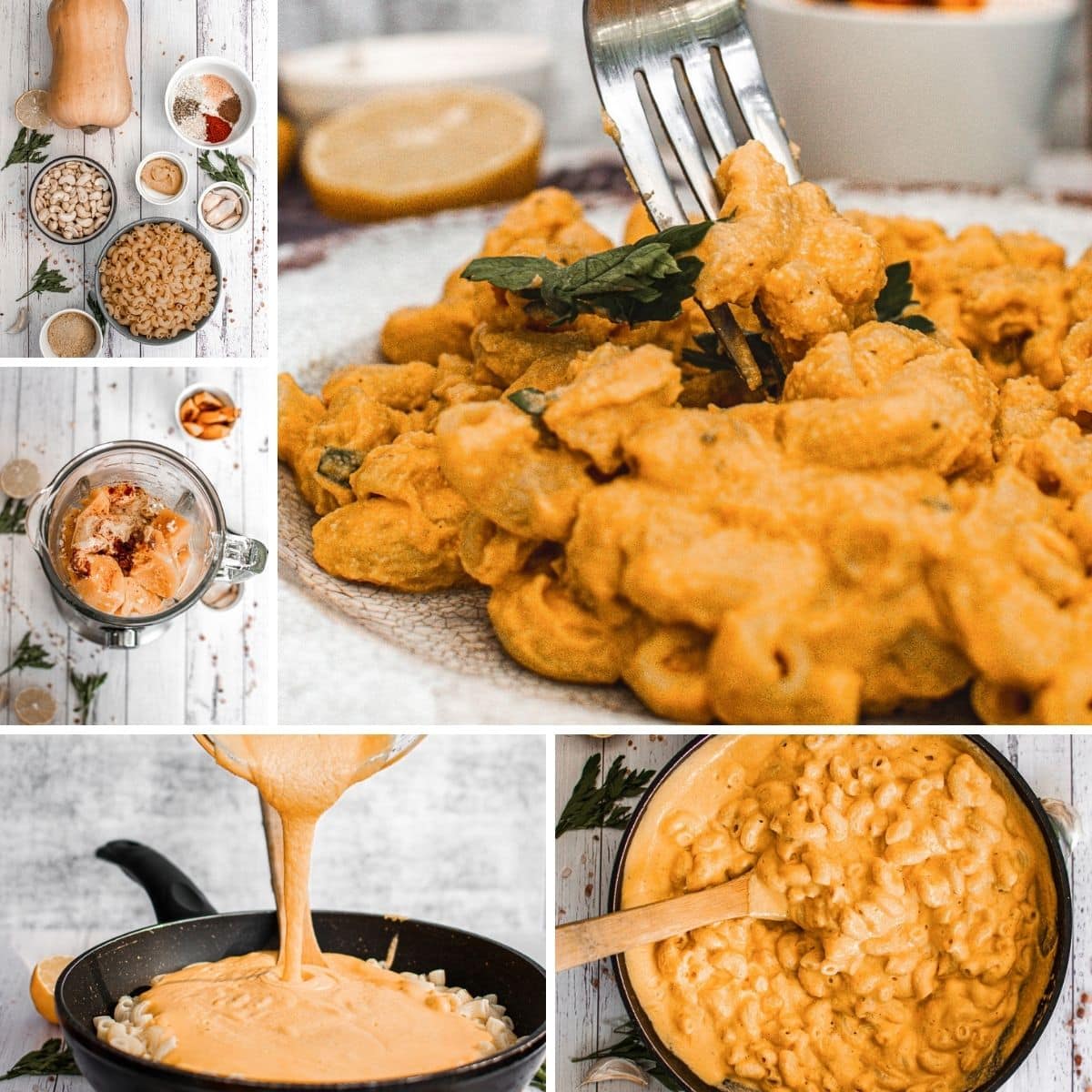
Helpful Tips
How to Make It Gluten-Free: The pasta is the only ingredient in this recipe that contains gluten. Swap the rigatoni for 10 ounces of gluten-free pasta, such as brown rice, chickpea or lentil rigatoni or penne, and cook it just to al dente, since gluten-free pasta softens quickly in the warm sauce. Everything in the sauce, including the nutritional yeast, is naturally gluten-free. If you're cooking for someone with celiac disease, check that your spices and ground mustard are labelled gluten-free.
Blend Until Silky Smooth: Don't rush the blending step - give it a full minute or two so the sauce turns out creamy and lump-free. No one wants grainy mac & cheese (vegan or not).
Cook Pasta Just to Al Dente: Slightly undercook your pasta since it'll soften a bit more once you mix it with the warm vegan cheese sauce. Mushy mac is a tragedy we can all avoid.
Salt Matters: Taste the sauce before mixing it into the pasta and adjust the salt. Pumpkin can be a little sweet, so don't be shy about seasoning it properly.
Add Pasta Water If Needed: If your sauce feels too thick once mixed with the pasta, add a splash or two of reserved pasta water to loosen things up without diluting the flavor.
Also worth trying: our pumpkin seed butter.
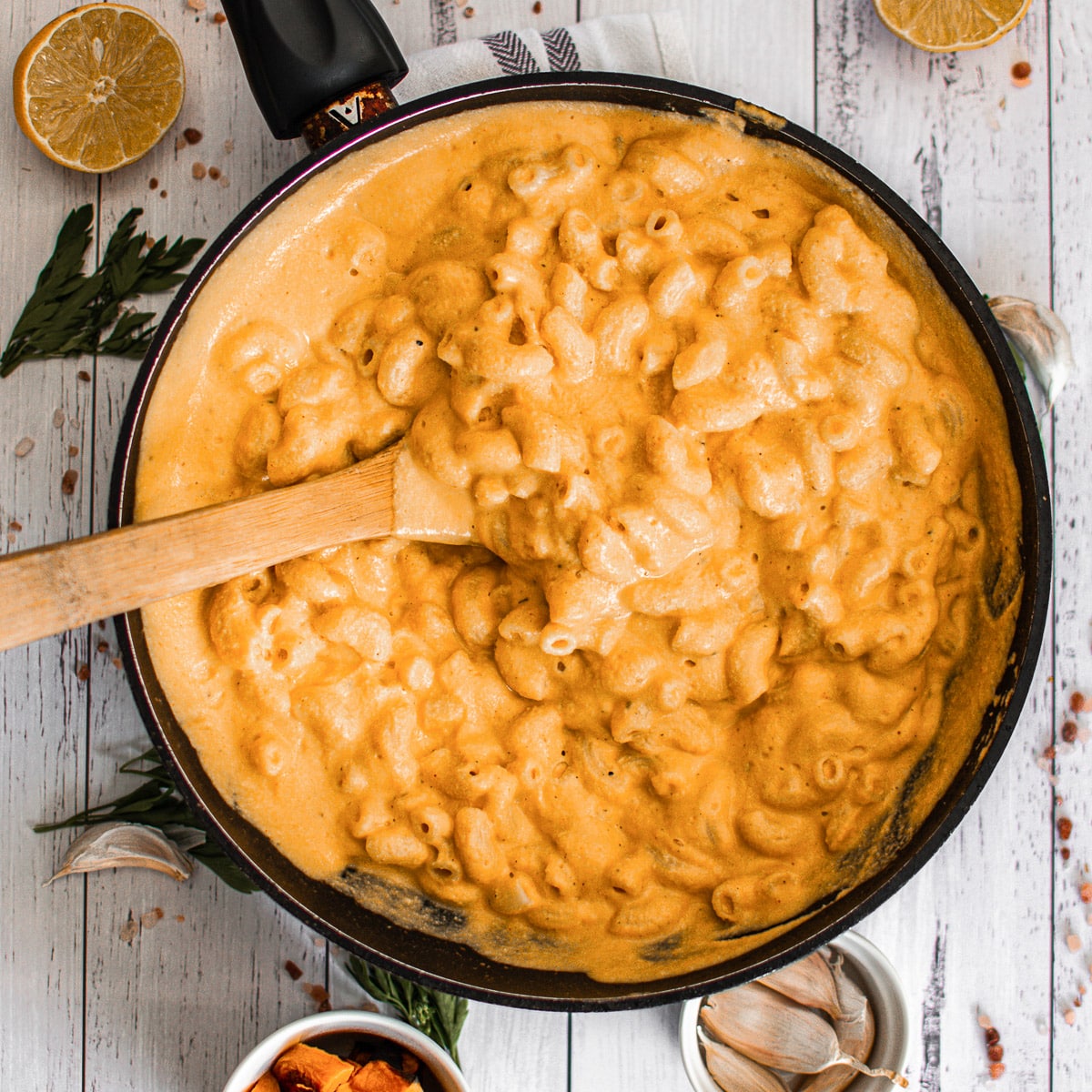
Easy Variations
Add Some Green: Toss in a handful of baby spinach, kale, or even frozen peas at the end for a little color and extra nutrition. Your body will thank you.
Smoky Vibes: Stir in a teaspoon of smoked paprika or chipotle powder for a smoky twist. It turns the cozy factor up to 11.
Get Cheesy (Again): Want it extra cheesy? Mix in a little vegan cream cheese, a scoop of nutritional yeast, or your favorite melty dairy-free cheese.
Roasted Veg Boost: Roasted cauliflower, broccoli, or butternut squash make great mix-in. And they're a great way to sneak in some veggies for the family.
Crunchy Toppings: Pour the mac and cheese into a baking dish, top with breadcrumbs, and broil for a few minutes. Yum!
Spice It Up: A pinch of cayenne, a few dashes of hot sauce, or some red pepper flakes = yes, yes, and yes.
Pumpkin Swap: No pumpkin? No problem. Use canned butternut squash, sweet potato puree, or even carrot purée if you're feeling really wild.
Protein Power: Stir in some sautéed tempeh, lentils, or chickpeas to bulk things up and keep you fueled up longer.
Serving Ideas
This pumpkin mac is hearty enough to be the main event. Serve big bowls of it with a crisp green salad tossed in a sharp garlic mustard vinaigrette, since the acidity cuts through the creamy sauce. Roasted broccoli, green beans or Brussels sprouts are easy sides that round out the plate and add some crunch.
For fall dinners and holiday tables, it also makes a crowd-pleasing side dish. Set it next to a vegan main like portobello mushroom steaks or maple-sriracha Brussels sprouts with cranberry wild rice, and everyone gets something cozy on their plate.
Finish each bowl with a few toppings for contrast: toasted pumpkin seeds, crispy fried sage leaves, chopped parsley, a crack of black pepper, or a pinch of red pepper flakes. For kids, keep it simple and serve it with steamed peas and apple slices.
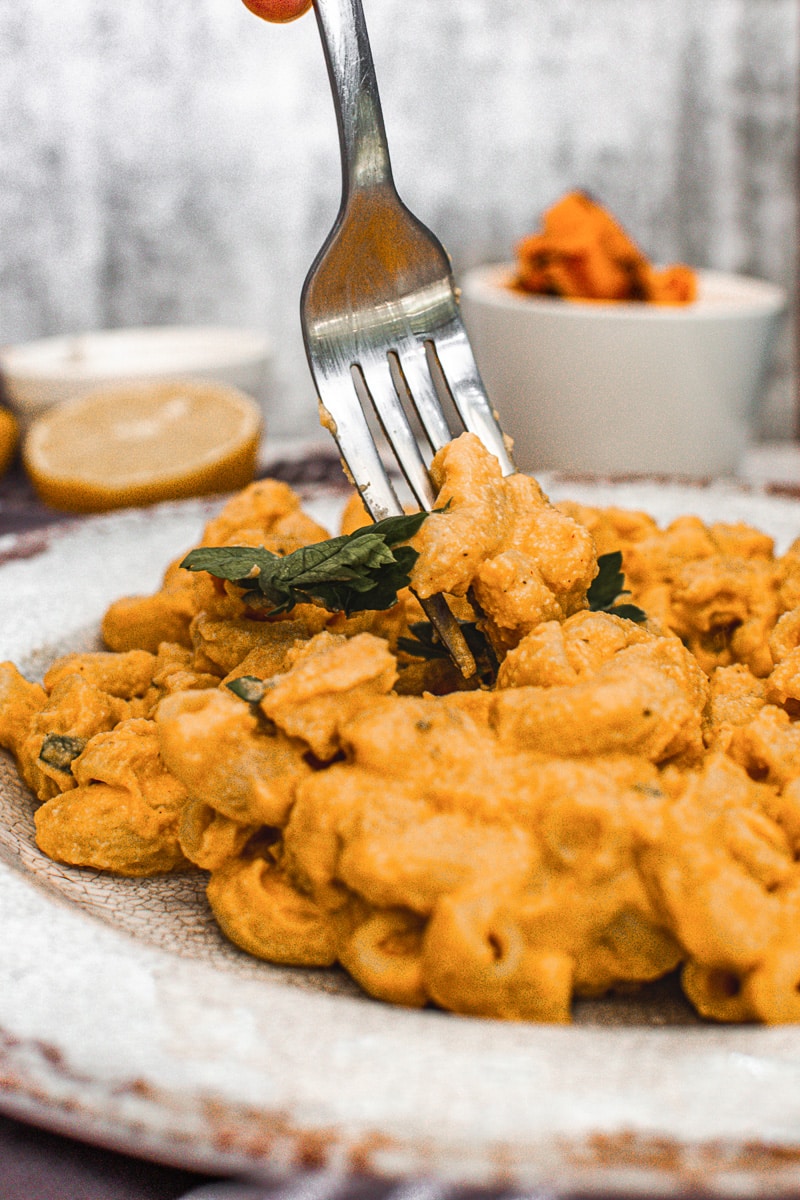
FAQs
Can I leave out the nutritional yeast in the recipe?
The nutritional yeast (I use this brand) gives a pleasant nutty flavor and texture that resembles traditional parmesan cheese. When paired up with the creamy cashews it really helps give that cheesy consistency we all love! So personally, I wouldn't leave it out.
Is there an alternative to soaking the cashews overnight?
If you forget to soak your cashews or don't have the time, here's a trick. Boil water in a large pot. Then remove it from the heat and allow the cashews to sit in the hot water for 30-60 minutes. This will be enough to still give that ultra-creamy texture you want!
Can I make butternut squash mac and cheese instead?
Yes, totally! This recipe works exactly the same with 2 cups of pureed butternut squash in place of the pumpkin. For a version made with roasted butternut squash and tofu, try this Butternut Squash Mac and Cheese from Oh My Veggies.
Can I make this ahead of time?
Totally. You can make the sauce a day or two in advance and just cook the pasta fresh when you're ready to eat. It makes weeknights feel way less chaotic.
How do I store leftovers?
Pop any leftovers into an airtight container and store them in the fridge for up to 4 days. This dish thickens a lot as it sits. When reheating leftovers, stir in a little non-dairy milk or water to revive that creamy texture.
Can I freeze it?
I wouldn't. Pasta tends to get weird and mushy after freezing, and the creamy texture of the sauce doesn't always bounce back. If you must freeze it, freeze just the sauce and make fresh pasta when you're ready to eat.
Is this gluten-free?
It can be! The pasta is the only ingredient with gluten, so just swap in your favorite gluten-free pasta. Chickpea pasta, rice pasta, quinoa spirals - whatever works for you. Just adjust the cook time accordingly.
More Vegan Recipes
If you love this vegan pumpkin mac and cheese, be sure to check out these other delicious recipes:
- Roasted Butternut Squash and Pasta Casserole
- Vegan Butternut Squash Pie
- Vegan Pumpkin Pie
- For a hearty comfort food dinner, also try our vegan pot pie casserole.
- For an easy pumpkin snack, try our pumpkin protein balls.
- Vegan Pumpkin Waffles
Recipe
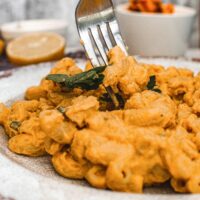
Vegan Pumpkin Mac and Cheese
This Vegan Pumpkin Mac and Cheese tosses pasta in a silky, blender-made sauce of pumpkin, soaked cashews, nutritional yeast and coconut milk. It's creamy, cheesy, and ready in about 40 minutes, the ultimate fall comfort food.
Print
Pin
Save
Servings: servings
Equipment
Ingredients
- 2 cups pumpkin puree
- ½ cup raw cashews soaked in cool water overnight or for 1 hour in boiling water
- ¼ cup nutritional yeast
- 1 teaspoon ground mustard
- 1 teaspoon garlic powder
- 1 teaspoon onion powder
- ½ teaspoon smoked paprika
- ¼ teaspoon ground nutmeg
- 1 ½ teaspoons sea salt
- black pepper to taste
- 2 tablespoons lemon juice
- 1 cup coconut milk
- 10 ounces rigatoni pasta medium-sized macaroni shells, or pasta of your choice; use gluten-free pasta for a gluten-free version
Instructions
- Bring a large saucepan of water to a boil and salt generously. Cook the pasta according to the package directions until just al dente. Reserve ½ cup of the pasta water, then drain the pasta in a colander.
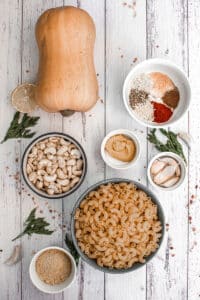
- In a high-powered blender, add the pumpkin, the soaked and drained cashews, nutritional yeast, ground mustard, garlic powder, onion powder, smoked paprika, nutmeg, salt, black pepper to taste, lemon juice, and coconut milk. Blend until the sauce is completely smooth and creamy, about 1-2 minutes. Taste for seasonings and adjust accordingly, adding more salt as needed.
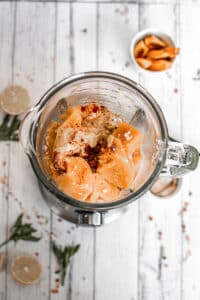
- Return the cooked and drained pasta to the saucepan and add the cheese sauce.

- Heat over medium heat, stirring often, until the sauce is well combined with the pasta and warmed through, about 3-5 minutes. If the sauce is too thick, stir in a splash of the reserved pasta water. Season the mac and cheese to taste and serve hot.

Notes
Soaking the cashews: Soak them in cool water overnight, or cover them with just-boiled water for 30-60 minutes if you're short on time. Drain before blending.
Gluten-free: The pasta is the only ingredient that contains gluten. Use 10 ounces of gluten-free pasta (such as brown rice, chickpea or lentil rigatoni or penne) and cook it just to al dente; everything else is naturally gluten-free.
Storage: Refrigerate leftovers in an airtight container for up to 4 days. The sauce thickens as it sits, so stir in a splash of non-dairy milk or water when reheating. The sauce alone can be frozen for up to 3 months; cook fresh pasta when you're ready to serve.
Nutrition (Estimate per Serving)
Calories: 525kcalCarbohydrates: 72gProtein: 16gFat: 21gSaturated Fat: 12gPolyunsaturated Fat: 2gMonounsaturated Fat: 5gSodium: 893mgPotassium: 728mgFiber: 7gSugar: 7gVitamin A: 19189IUVitamin C: 9mgCalcium: 69mgIron: 6mg
Vegan-ize any recipe!Grab our free vegan cheat sheet, packed with my favorite easy substitutions to make any recipe vegan.
Fresh Tomato Corn Gazpacho
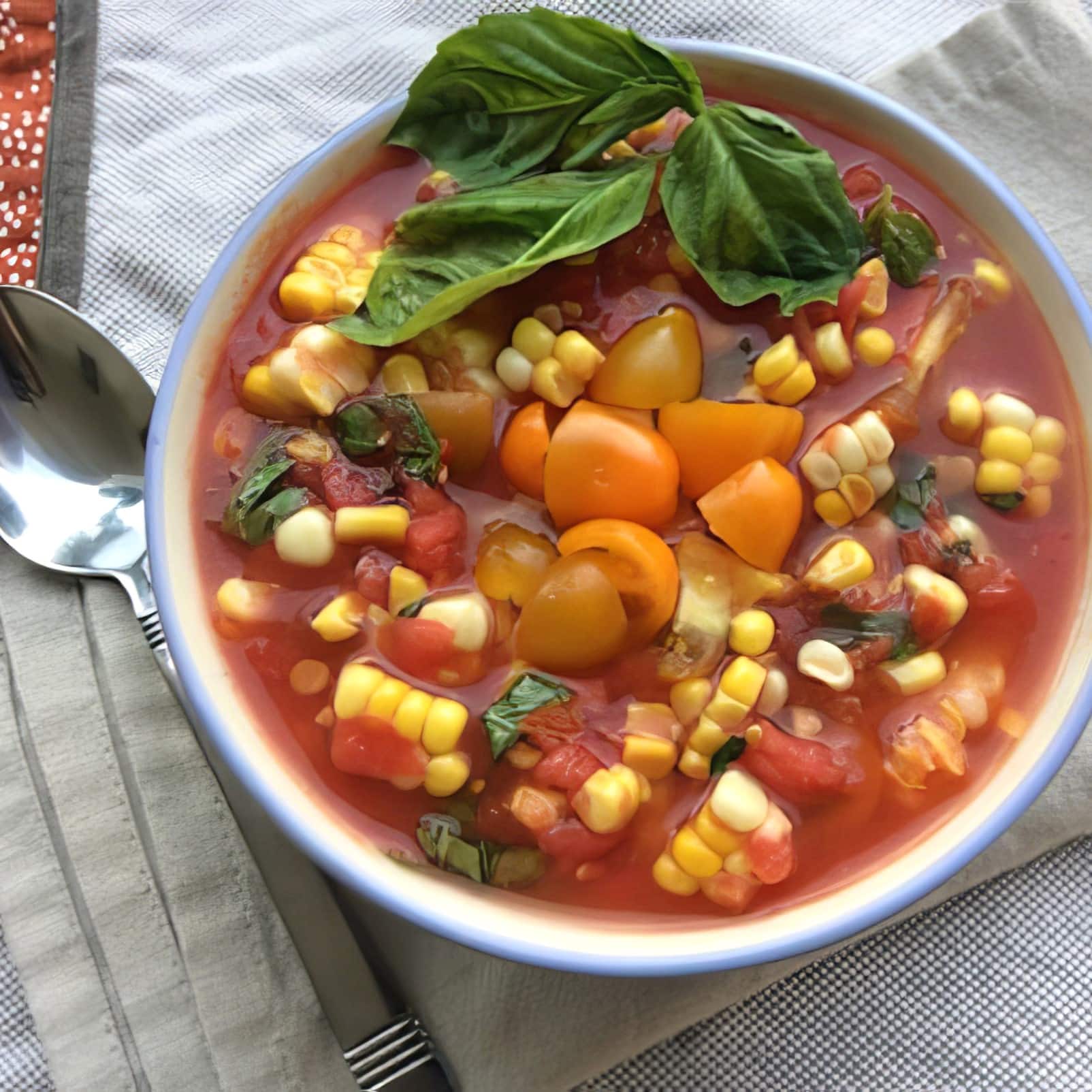
This Vegan Tomato Corn Gazpacho is like summer in a bowl. A vibrant, chilled soup that combines the sweetness of fresh corn with the tanginess of ripe tomatoes. It's a refreshing dish, perfect for hot days!
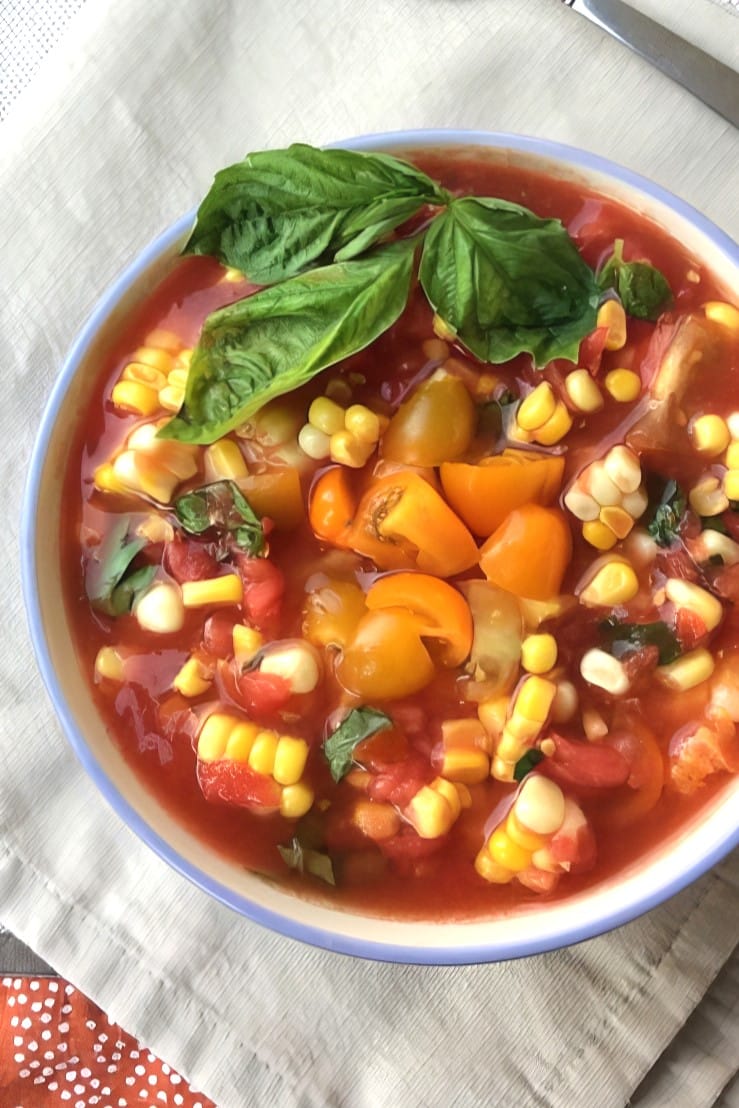
When the sun is blazing and turning on the stove feels like a chore, this Tomato Corn Gazpacho comes to the rescue. It's a no-cook, flavor-packed soup that brings together two of summer's superstars: juicy tomatoes and sweet corn.
The addition of fresh herbs and a hint of spice elevates this dish, making it a standout at any gathering or a simple weeknight meal.
This Tomato Corn Gazpacho Is...
- Quick and Easy: Ready in just 20 minutes, plus chilling time.
- No-Cook: Perfect for keeping the kitchen cool during hot days.
- Vegan and Gluten-Free!
- Flavorful: A delightful blend of sweet, tangy, and spicy notes.
- Make-Ahead Friendly: Flavors deepen as it chills, making it ideal for meal prep.
Helpful Tips for the Best Gazpacho
Use Peak-Season Produce: The quality of the tomatoes and corn directly impacts the flavor. Opt for the freshest available.
Use Fresh Corn: The fresh corn give the soup a natural sweetness and crunch. If fresh corn isn't available, you can use frozen corn that has been thawed. But the texture may not be as pleasing.
Chill Thoroughly: Allowing the gazpacho to chill for at least an hour enhances the flavors and provides a refreshing experience.
Variations to Try
Add a Spicy Kick: Add a diced jalapeño or a dash of hot sauce for heat.
Creamy Version: Stir in a dollop of vegan yogurt or cashew cream for a richer texture.
Tropical Twist: Incorporate diced mango or pineapple for a sweet contrast.
Herb Infusion: Experiment with different herbs like cilantro or mint for a unique flavor profile.
Crunchy Toppings: Top with toasted pumpkin seeds or croutons for added texture.
More Vegan Recipes
If you love this vegan gazpacho, be sure to check out these other delicious recipes:
Also worth trying: our miso butternut squash soup.
Also worth trying: our yellow squash soup.
Recipe
Vegan Tomato Corn Gazpacho
This chilled vegan gazpacho is packed with fresh summer flavors!
Print
Pin
Save
Servings:
Ingredients
- 4 cups ripe tomatoes diced, heirloom variety preferred
- 2 ears fresh corn kernels removed (or 1½ cups thawed frozen corn)
- 4 scallions thinly sliced
- 3 ½ cups tomato juice adjust for desired thickness
- ¼ cup fresh parsley chopped, or basil
- 2 tablespoons fresh dill chopped, optional
- salt and freshly ground black pepper to taste
- yellow cherry tomatoes halved (for garnish, optional)
Instructions
- Prepare the Base: In a large bowl, combine the diced tomatoes, corn kernels, scallions, and fresh herbs.
- Add Tomato Juice: Stir in the tomato juice, starting with 3 cups, and adjust to reach your preferred soup consistency.
- Season: Add salt and pepper to taste. Mix well.
- Chill: Cover the bowl and refrigerate for at least 1 hour to let the flavors meld.
- Serve: Ladle the chilled soup into bowls. Garnish with halved cherry tomatoes or additional fresh herbs, if desired. Enjoy!
Nutrition (Estimate per Serving)
Calories: 46kcalCarbohydrates: 11gProtein: 2gFat: 0.3gSaturated Fat: 0.05gPolyunsaturated Fat: 0.1gMonounsaturated Fat: 0.1gSodium: 22mgPotassium: 598mgFiber: 2gSugar: 8gVitamin A: 1767IUVitamin C: 45mgCalcium: 34mgIron: 1mg
Vegan-ize any recipe!Grab our free vegan cheat sheet, packed with my favorite easy substitutions to make any recipe vegan.
Easy Vegan Dal Tadka
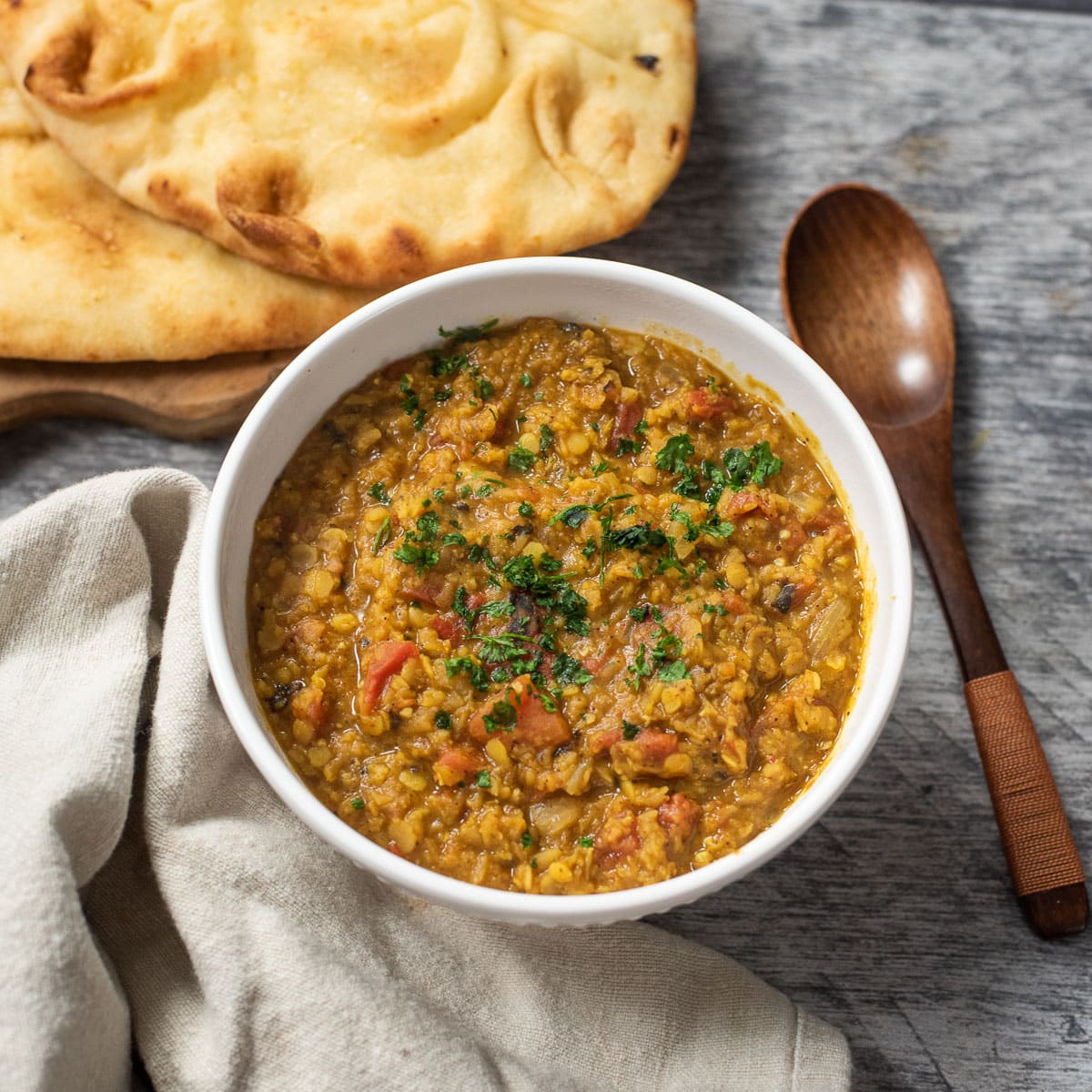
Turn up the flavor with this vegan-friendly Dal Tadka! It's packed with flavorful spices, hearty lentils, and it couldn't be easier to make. This is Indian comfort food at its best.
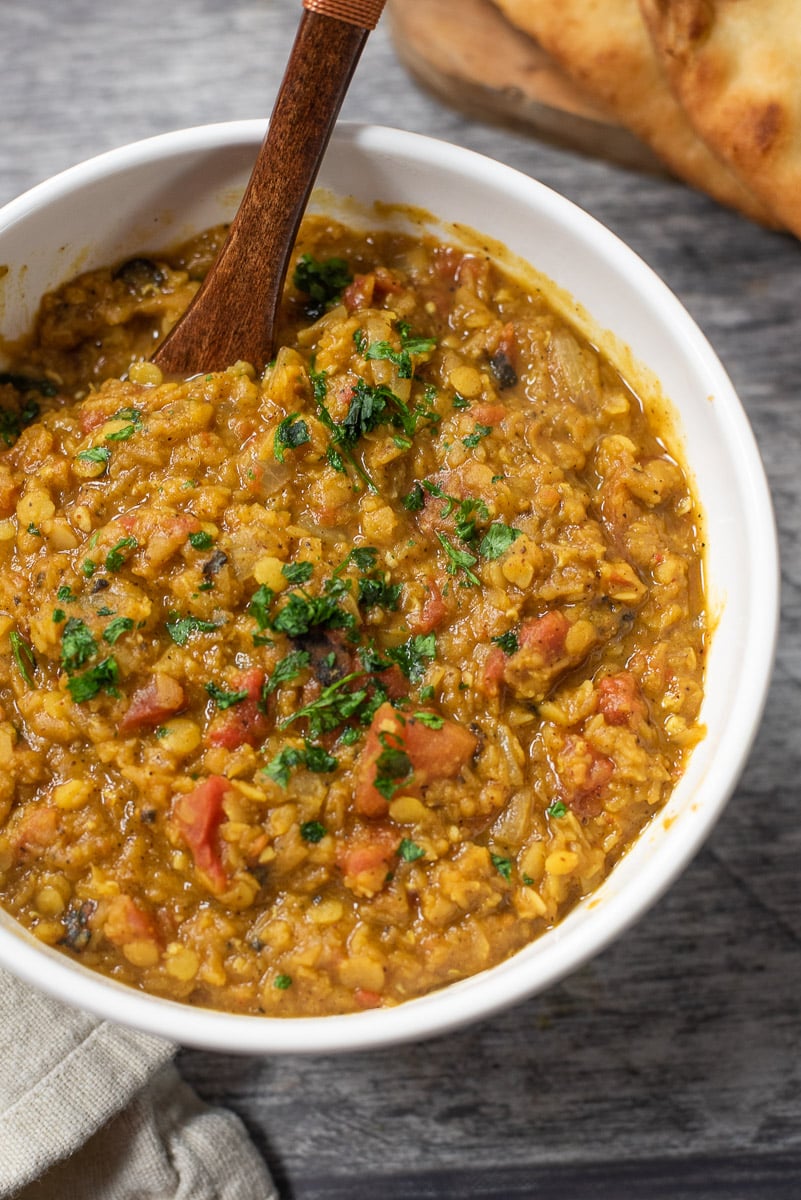
What is Dal Tadka?
Dal Tadka, pronounced [dahl tad-ka], is a classic Indian comfort food dish. The name itself describes the dish very accurately. 'Dal' is the Hindi word for lentils, which are a staple ingredient in South Asian cooking. 'Tadka' means tempering - a cooking technique where spices are roasted in hot oil or ghee, releasing their essential oils and enhancing their flavor.
The lentils are typically cooked until tender and then mixed with a base of onions, tomatoes, and ginger, along with turmeric and salt. The Tadka, prepared separately, can include a range of spices like cumin, mustard seeds, garlic, and chili, depending on regional and personal preferences. The sizzling Tadka is then drizzled over the creamy dal, creating a dish that's comforting, nutritious, and packed with flavor.
Variations of the classic Dal Tadka can be found across the different regions of India, each with their own local touch!
Why You'll Love this Recipe
This recipe is my spin on the traditional dal tadka - simplified so it can easily be made by a home cook with easy-to-find ingredients and no special equipment. This dal tadka is:
- Just as creamy and delicious as your favorite restaurant style Dal Tadka!
- Doesn't require a pressure cooker - or any other special equipment.
- Easy enough to make for a weeknight meal.
- 100% Vegan and Vegetarian friendly!
Key Ingredients & Substitutions
Lentils.
I used yellow lentils (toor dal) for this recipe, but it works well with many types of lentils. Other good choices are moong dal (split yellow moong lentils), masoor dal (red lentils), chana dal (split chickpeas), and urad dal (split black gram). Some folk even use a mix of two or three different types of lentils.
Oil or Ghee?
I simply used olive oil for my tadka, because it's the simplest vegan substitution for the traditional ghee used in this dish. But there are several brands that make a vegan ghee, so feel free to give that a try if you prefer. This one from Livlo is the brand I see recommended most often!
The spices!
This recipe uses a variety of traditional Indian spices, but the key here is a high quality garam masala. It's worth splurging on a high quality garam masala, like this one, for the best flavor.
Helpful Tips & Variations
Soak the lentils. If possible, rinse and soak your dry lentils for 30 minutes before cooking. It helps to reduce cook time and enhance texture.
Make it creamier. Lightly mashing some of the lentils after cooking helps achieve a rich, velvety consistency. For even more creaminess, you can use an immersion or regular blender to puree a portion of the cooked dal. I do not recommend pureeing all of it - the texture will be too mushy.
Serving suggestions: Serve dal tadka over steamed basmati rice or Indian flatbread like naan or roti for a complete vegan meal. You may also wish to serve with a dollop of vegan raita (yogurt sauce).
Storing leftovers. Store leftover dal tadka in a covered container in the fridge for 3-4 days. You can also freeze for up to two months. To serve again, let it defrost (if frozen) and reheat on the stovetop over medium heat.
Variations
Add more spice. This recipe is just mildly spicy to start with. For more heat, add additional chili powder or add a minced red chili pepper to the tadka mixture.
Add more plant based protein. Stir in diced firm tofu or tempeh cubes for extra protein.
With simple ingredients and flavors, this vegan dal tadka recipe is sure to become a new weeknight staple. Enjoy! Serve it alongside our bhindi masala, our aloo gobi, or our quick vegetable curry for a full Indian spread.
Also worth trying: our yellow squash soup.
Also worth trying: our cauliflower fried rice.
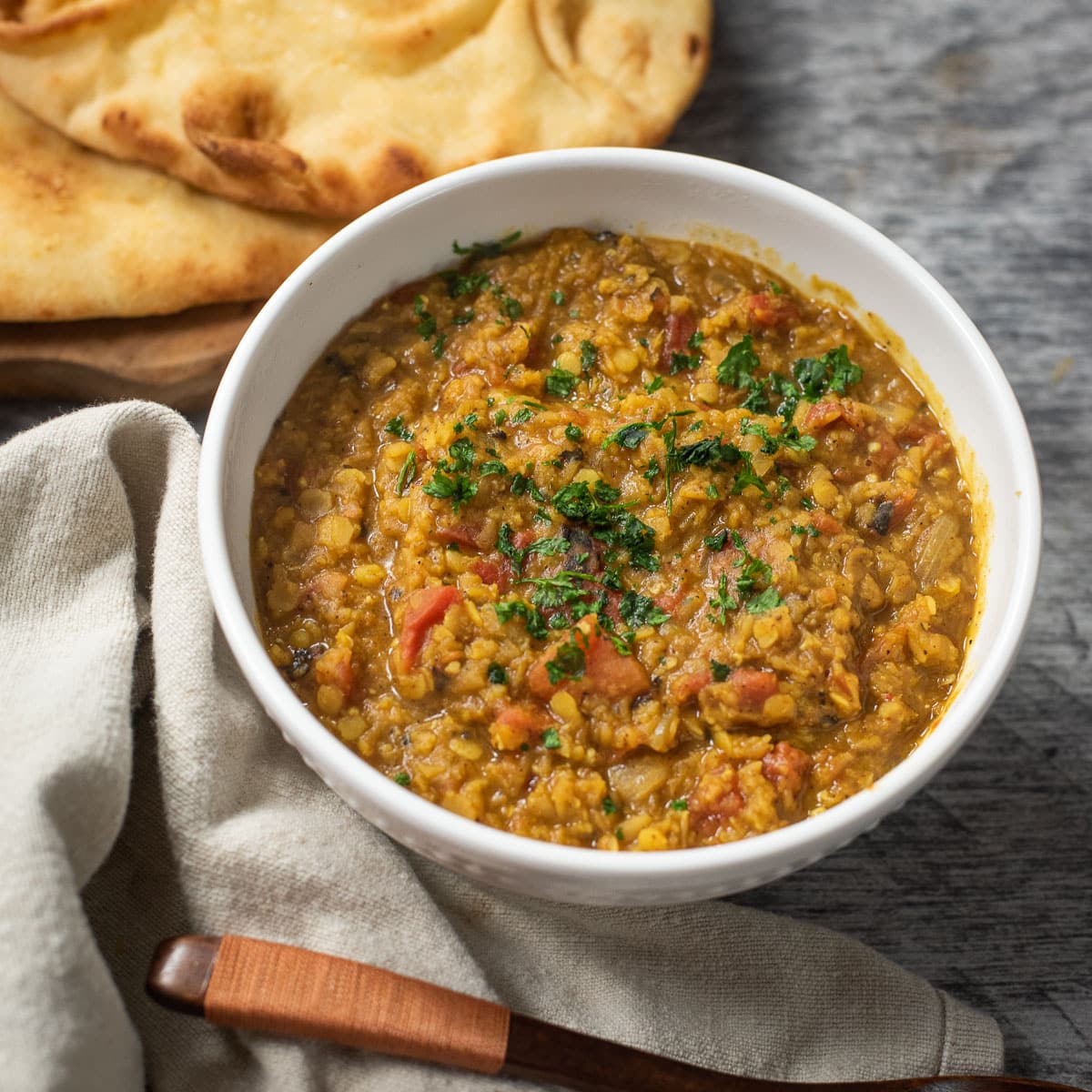
More Vegan Indian Recipes
If you love this Vegan Dal Tadka, be sure to check out these other delicious recipes:
Also try: our 30 Minute Madras Lentils Vegan.
Recipe
Easy Vegan Dal Tadka
This vegan-friendly Dal Tadka is packed with flavorful spices, hearty lentils, and it couldn't be easier to make. This is Indian comfort food at its best.
Print
Pin
Save
Servings: servings
Ingredients
For the Dal:
- 1 cup yellow lentils toor dal, rinsed and soaked for 30 minutes
- 3 cups water for cooking
- 1 teaspoon turmeric powder
- 1 teaspoon salt
- 2 medium tomatoes finely chopped
- 1- inch piece of ginger grated
For the Tadka (Tempering):
- 2 tablespoons olive oil
- 1 teaspoon mustard seeds
- 1 teaspoon cumin seeds
- 2 cloves of garlic minced
- 1 small onion finely chopped
- ½ teaspoon garam masala
- 1 teaspoon ground coriander
- ¼ teaspoon red chili powder or to taste
- Juice of ½ a lemon
- Fresh cilantro chopped for garnish
Instructions
Cook the Lentils:
- In a large pot, combine the soaked and drained yellow lentils, water, turmeric powder, and salt. Bring to a boil, then simmer on low heat for about 20-25 minutes or until the lentils are soft and fully cooked.
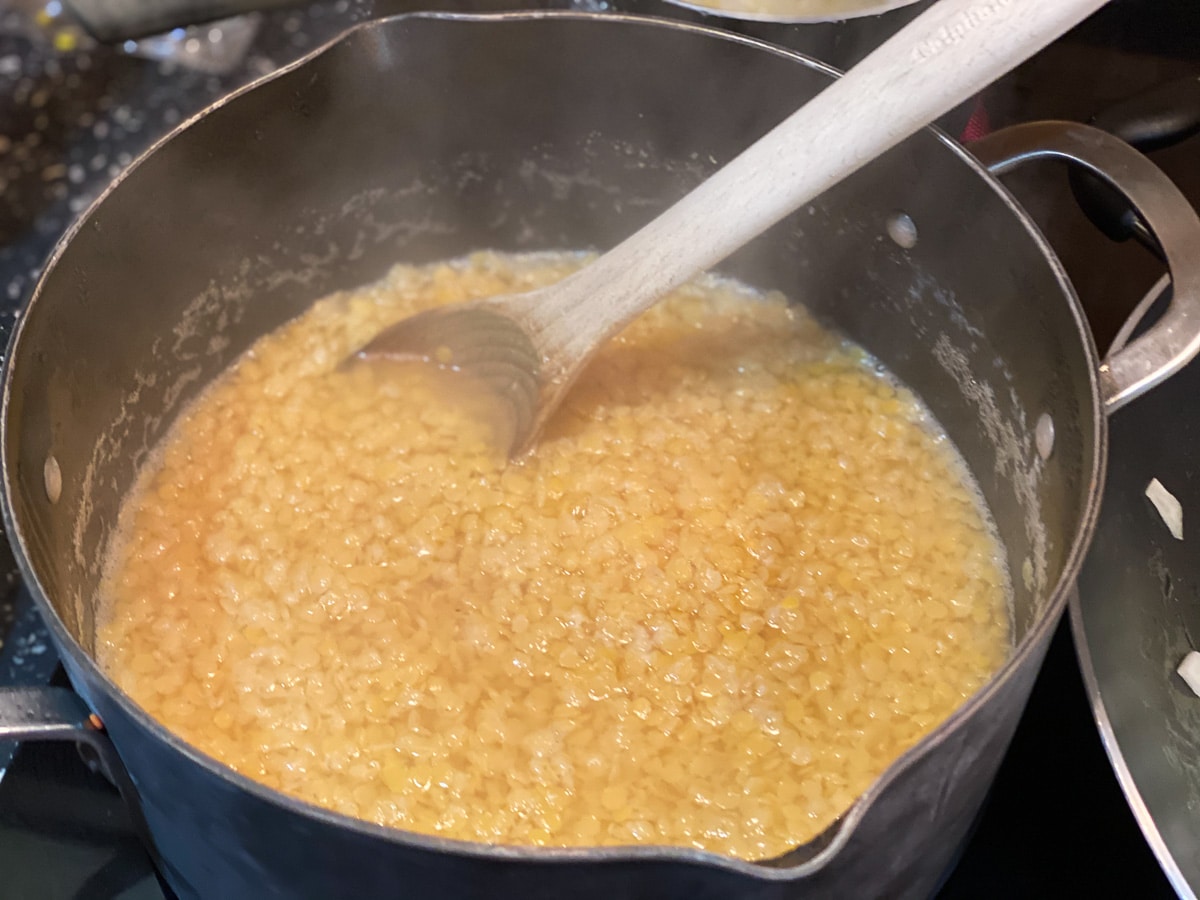
Mash the Dal:
- Once the lentils are cooked, use a back of a spoon or a potato masher to mash them slightly for a creamier texture. If the mixture is too thick, add a little water to reach your desired consistency.
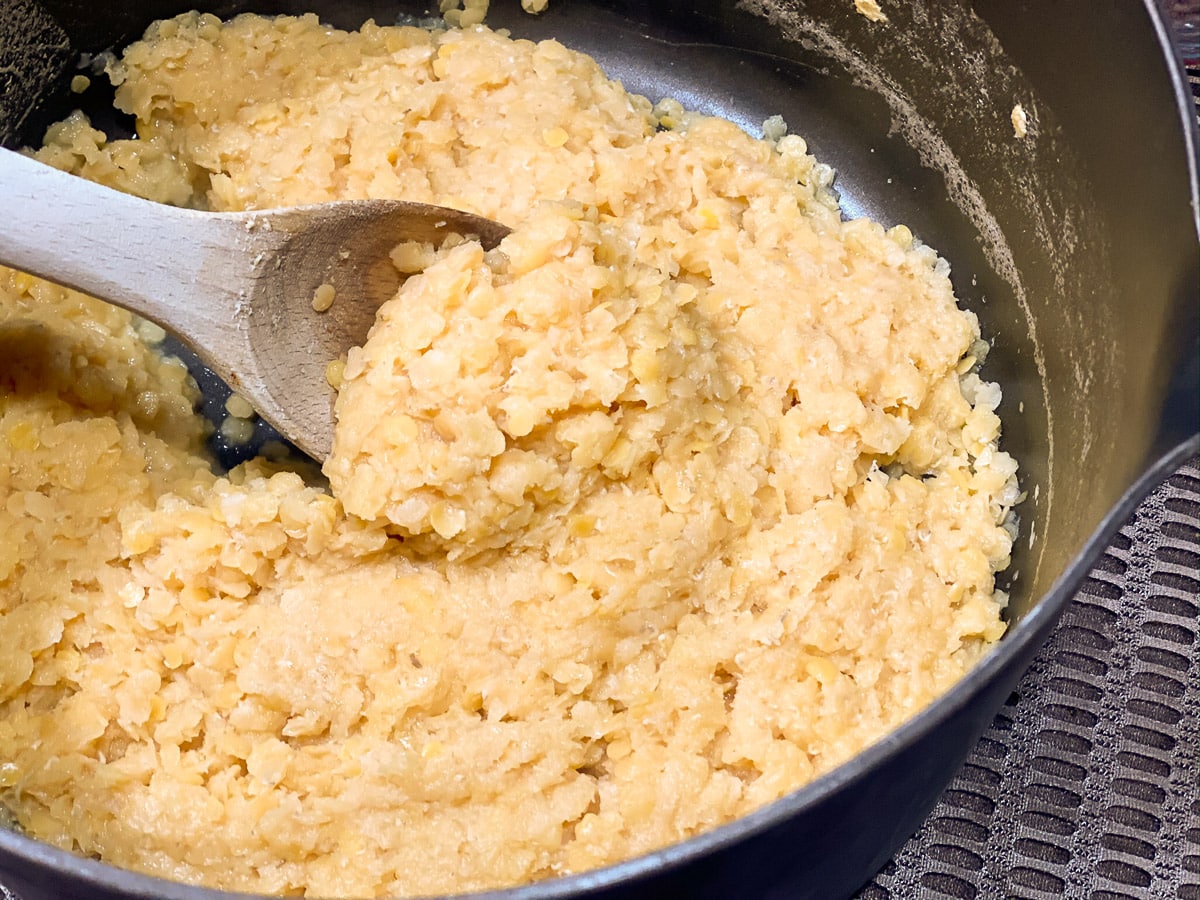
Prepare the Tadka:
- In a separate small pan, heat the olive oil. Add the chopped onion and cook for 4-5 minutes, until it turns golden.
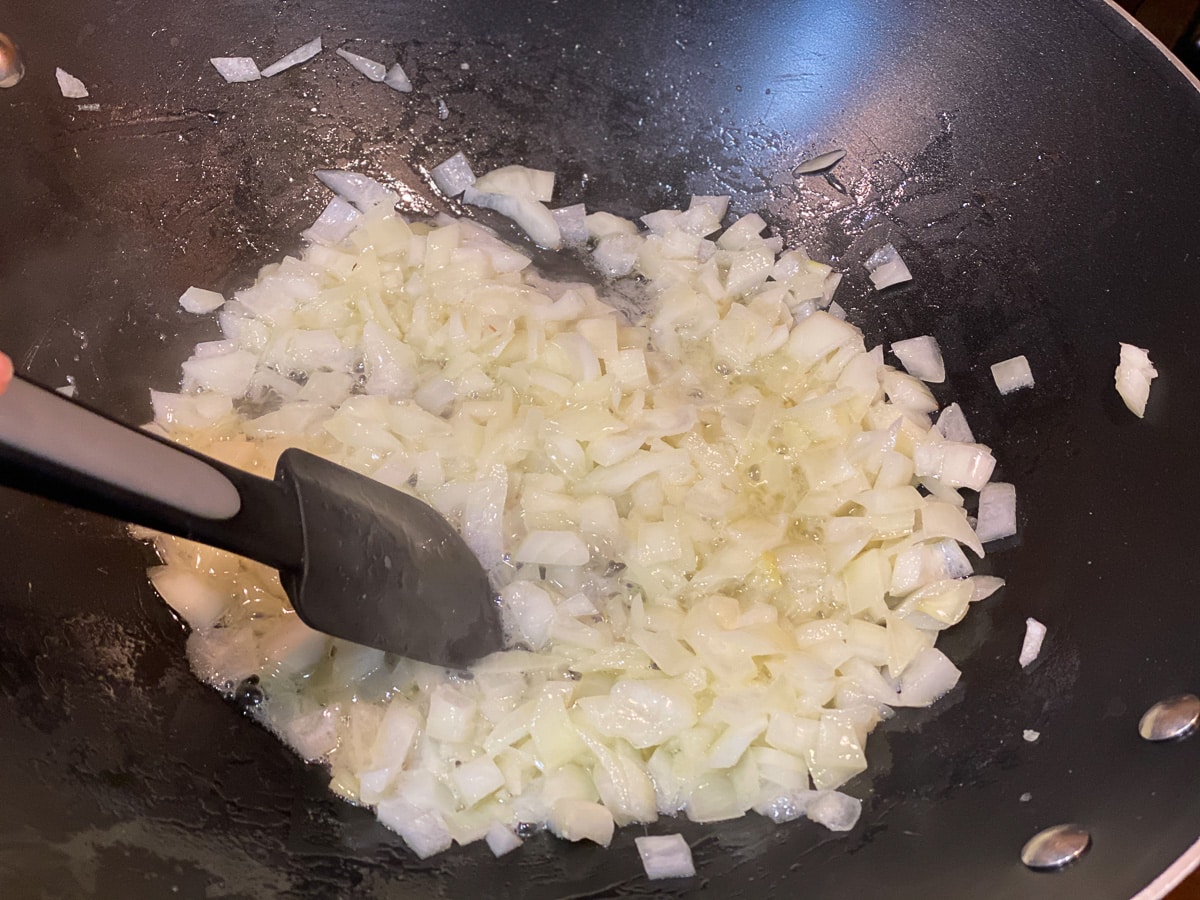
- Add mustard seeds and cumin seeds, and let them pop.
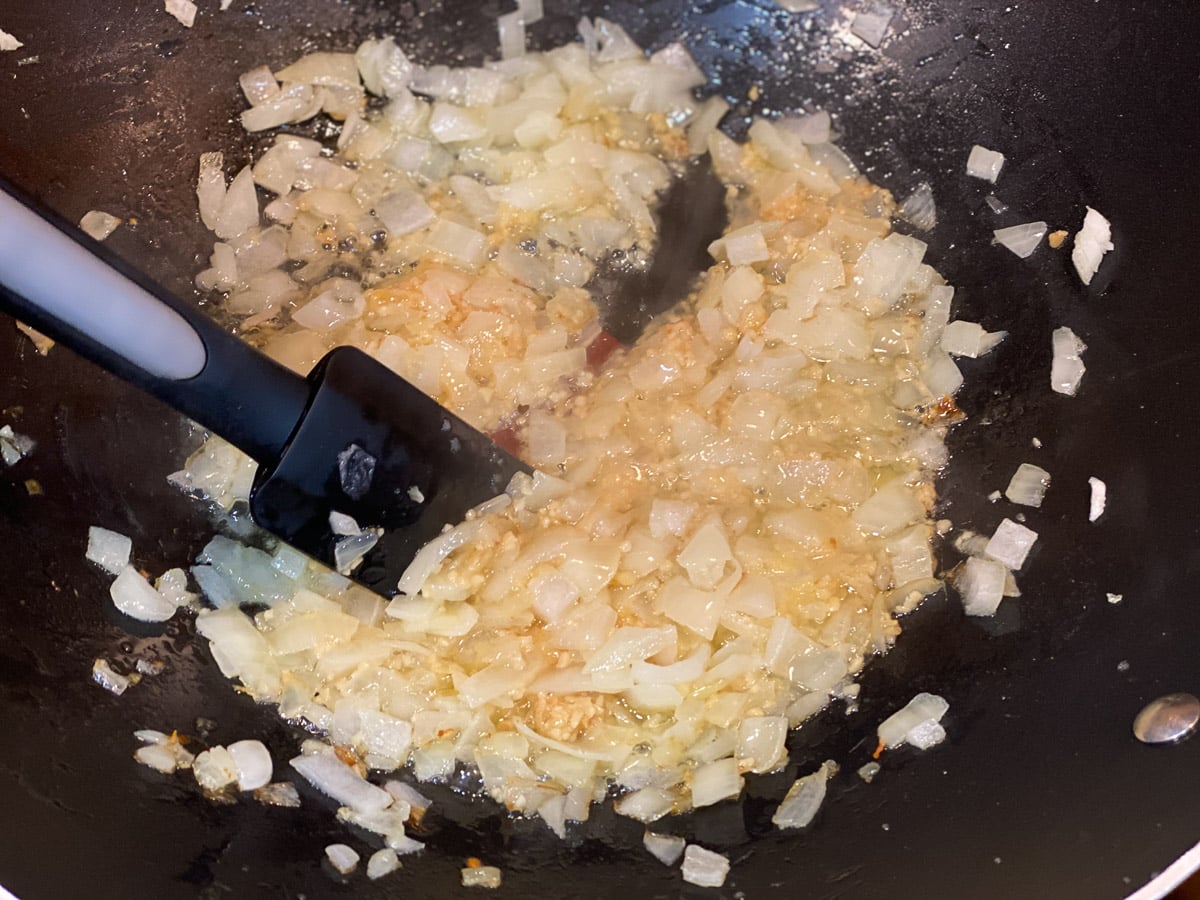
- Add the garam masala, ground coriander, and red chili powder. Stir to coat the onions with spices. Then add the minced garlic and ginger, and cook for another minute, until fragrant.
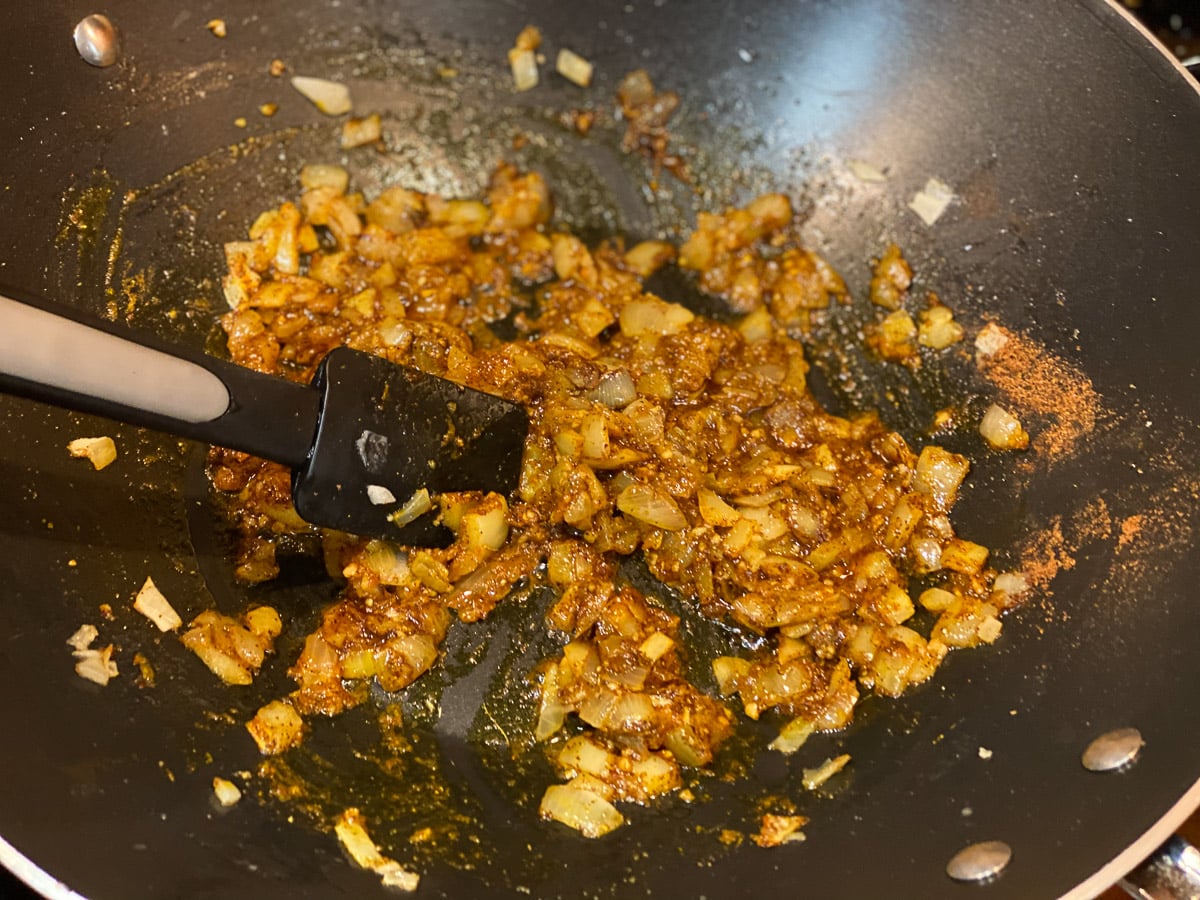
- Stir in the chopped tomatoes and cook for another 5 minutes. If the mixture begins to feel too dry, add a bit of additional oil.
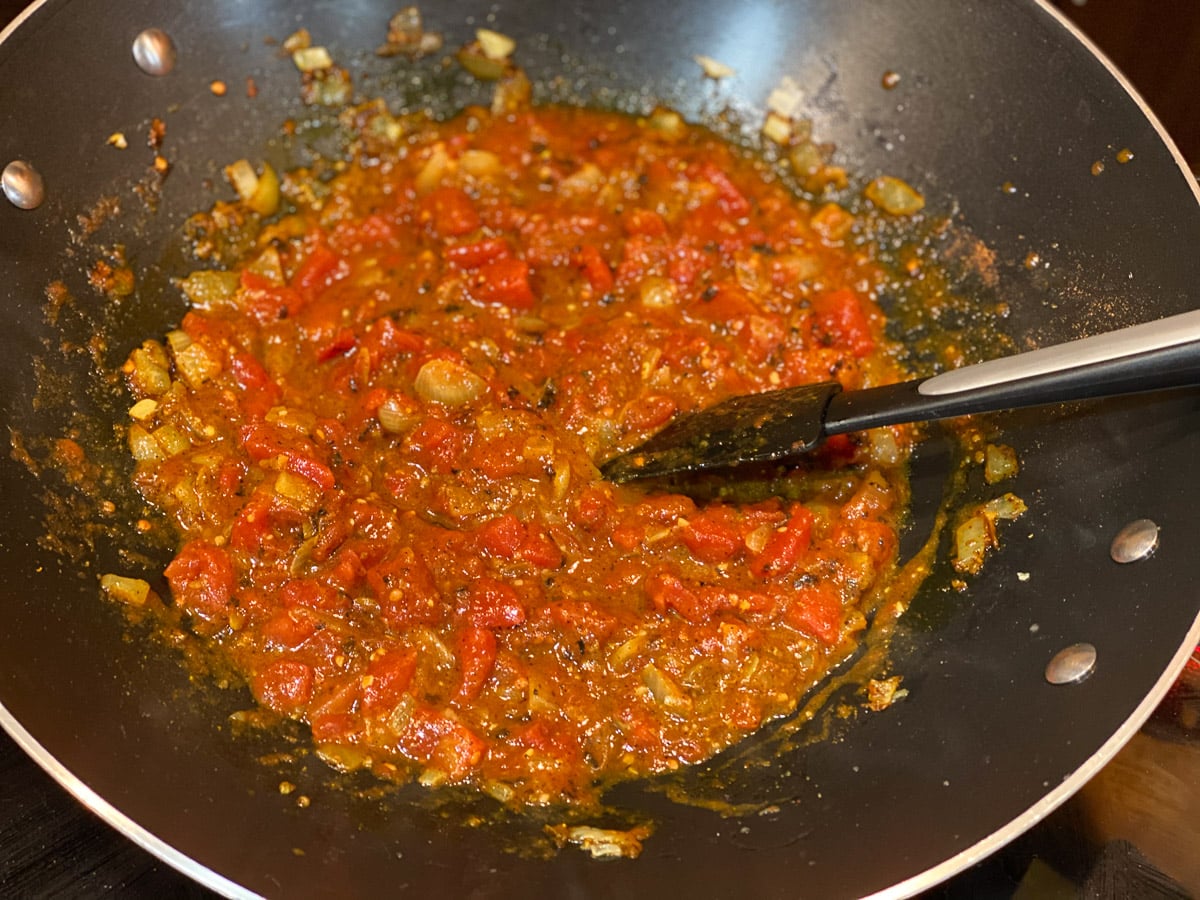
Combine Dal and Tadka:
- Combine the tadka and the cooked lentils.
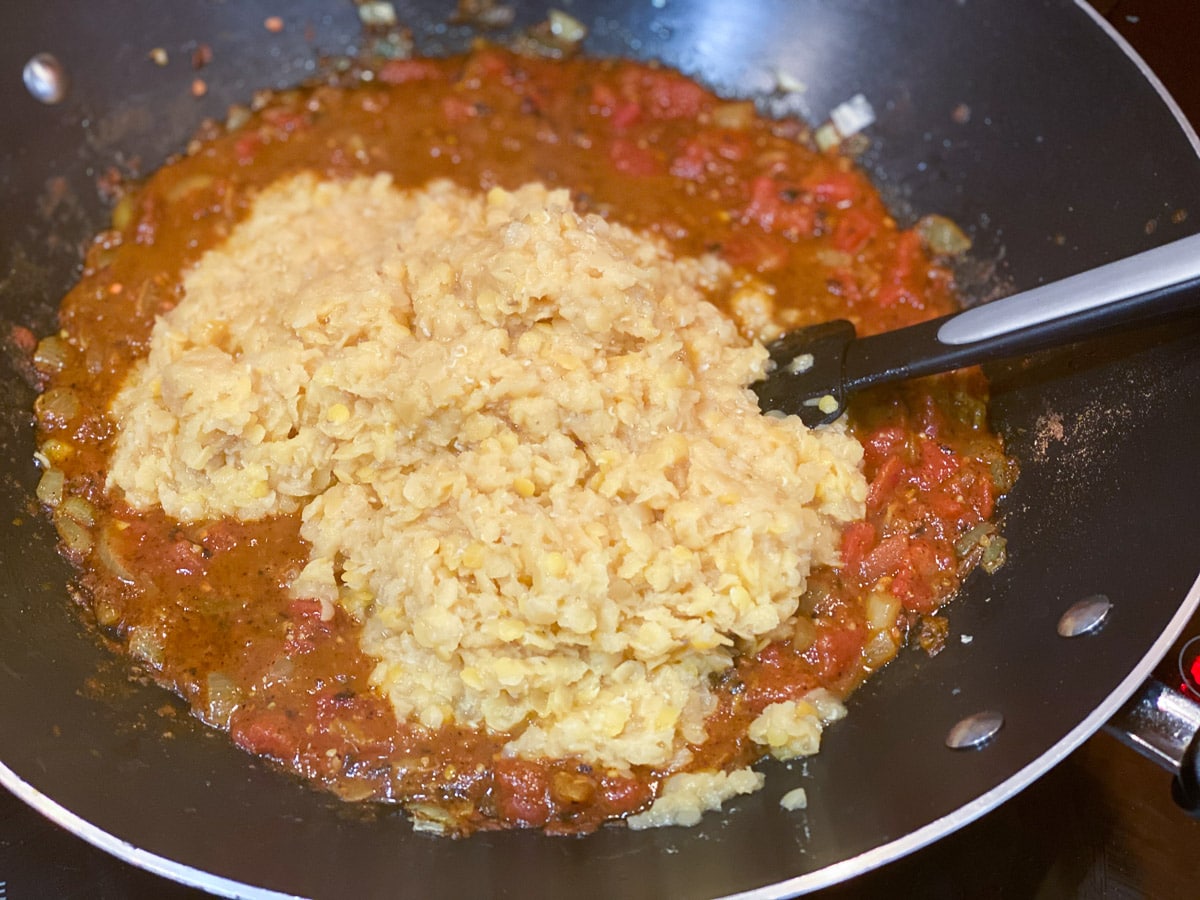
- Stir well. Add the fresh lemon juice now for a bit of tang.
Garnish and Serve:
- Garnish with chopped fresh cilantro. Serve with steamed rice or your favorite Indian bread like naan or roti.
Nutrition (Estimate per Serving)
Calories: 267kcalCarbohydrates: 36gProtein: 14gFat: 8gSaturated Fat: 1gPolyunsaturated Fat: 1gMonounsaturated Fat: 6gSodium: 601mgPotassium: 694mgFiber: 16gSugar: 4gVitamin A: 575IUVitamin C: 13mgCalcium: 60mgIron: 5mg
Vegan-ize any recipe!Grab our free vegan cheat sheet, packed with my favorite easy substitutions to make any recipe vegan.
Vegan Walnut Taco Meat

Take Taco Tuesday up a notch with this easy vegan walnut taco meat - made from a hearty combination of cremini mushrooms and walnuts, plus your favorite Tex-Mex seasonings!

Tacos are one of my all time favorite easy weeknight dinners. They're just so simple and quick to throw together with whatever veggies and beans I have in the pantry.
But for a really hearty vegan taco, you can't beat this walnut taco meat. Use the vegan taco meat for topping salads, filling tortillas, or even serving over top of a baked potato.
This Vegan Walnut Taco Meat Is..
- Meatless.
- Plant Based.
- Seasoned Perfectly with Mexican flavors.
- Versatile.
- Great for a Family Friendly Vegan Dinner.
How to Make Vegan Walnut Taco Meat

Full steps on how to make this vegan walnut taco meat is in the printable recipe card. This is a quick walk through.
- In a food processor, combine the nuts and mushrooms and pulse.
- Then in a skillet, sauté the onion and garlic.
- Toss in the nuts and mushrooms and cook for 4-5 minutes.
- Add in the soy sauce and spices and cook until thickened.
- Serve as a taco filler!
Tools You'll Need

Food Processor
Make sure to use a food processor for this recipe. If you don't have a food processor a high speed blender will work also. Just pulse the ingredients to combine. Don't mix too much or you will end up with a paste!
Heavy Skillet
Reach for a nice, large skillet for cooking up the taco meat. This is going to let you spread out the walnut-mushroom mixture in a single layer, and ensure an even cook on all the ingredients.
Tips for Success

Don't Overmix the Walnuts and Nuts
It is important that your nuts and the mushrooms are chopped up finely in a food processor, but not overprocessed into a paste. You want a rough, crumbly texture - like traditional taco meat.
Allow Mixture to Thicken
It is important to cook the mushrooms and nuts down with the spices as directed. Let it all break down and thicken together with the liquids. You don't want walnut soup - you want a cohesive mixture.
Variations to this Vegan Taco Meat

Mix up the Seasonings
You can change up the spices in this recipe to suit your own taste. Or you can use your favorite store bought taco seasoning packet that you know and love.
Mushroom Varieties
I find that cremini mushrooms work best for this walnut-mushroom taco meat, but you can swap with your own favorite mushrooms as well. Shiitake mushrooms are also a good option!
Coconut Aminos
Feel free to use coconut aminos instead of soy sauce in the recipe if you wish. It will give you a similar flavor, but is gluten free.
FAQs for this Vegan Walnut Taco Meat Recipe

What does walnut meat taste like?
Walnut meat has a rich, nutty flavor and a firm, crunchy texture. Some people describe the taste of walnuts as earthy, while others find them slightly sweet.
Raw walnuts may have a more mild and sweet flavor, while roasted or toasted walnuts can have a more pronounced nutty taste. Overall, walnuts are a versatile and delicious ingredient that can be used in a variety of dishes, from salads and baked goods to savory sauces and spreads.
What nuts taste like meat?
Well, no nuts really taste like meat. (And I don't know why you would really want them to.) But walnuts are often used in meat replacements because they can give a similar texture and umami flavor in many recipes.
Can I meal prep this walnut taco meat for dinners and lunches for the week?
Yes, you can definitely meal prep this vegan taco meat. Cook up the walnut taco meat and store it in an air tight container in the fridge. Add a splash of water when you reheat to prevent the mixture from drying out too much, then reheat in the microwave or on the stovetop.
More Tasty Vegan Recipes
If you love this vegan walnut taco meat, be sure to check out these other delicious plant based ideas:
- 27 Vegan Taco Recipes for #TacoTuesday
- Vegan Quinoa Tacos
- Vegan Cauliflower Power Tacos
- Best Vegan Portobello Mushroom Recipes
Recipe

Vegan Walnut Taco Meat
This easy vegan walnut taco meat is made from a hearty combination of cremini mushrooms and walnuts, plus your favorite Tex-Mex seasonings!
Print
Pin
Save
Servings: servings
Ingredients
- 2 cups walnuts
- 8 oz cremini mushrooms
- 1 tablespoons olive oil
- 1 medium onion diced
- 2 cloves garlic minced
- 1 tablespoon soy sauce
- 1 tablespoons chili powder
- 2 teaspoons ground cumin
- 1 teaspoon paprika
- 1 teaspoon dried oregano
- ½ teaspoon salt
Instructions
- In a large food processor, add the walnuts and mushrooms and pulse until finely diced, set aside

- In a large skillet over medium heat, add the olive oil and saute the onion and garlic until translucent, about 3-4 minutes

- Add the walnuts and mushrooms and continue cooking until the mushrooms have softened, an additional 4-5 minutes

- Add the soy sauce, chili powder, cumin, paprika, oregano and salt and cook, stirring frequently.

- Continue to cook until most of the moisture evaporates and a thicker sauce is left

- Serve with your favorite taco toppings

Nutrition (Estimate per Serving)
Calories: 453kcalCarbohydrates: 16gProtein: 12gFat: 42gSaturated Fat: 4gPolyunsaturated Fat: 28gMonounsaturated Fat: 8gSodium: 583mgPotassium: 634mgFiber: 6gSugar: 4gVitamin A: 665IUVitamin C: 5mgCalcium: 102mgIron: 3mg
Vegan-ize any recipe!Grab our free vegan cheat sheet, packed with my favorite easy substitutions to make any recipe vegan.
Vegan Blueberry Pancakes
Pancakes are a staple in my house, especially when I'm planning our Saturday brunch! Pancakes are so satisfying and have a cozy, nostalgic feel to them. Our Vegan Blueberry Pancakes will be your new go-to. They're made with flour, vanilla almond milk, applesauce, and a few other pantry-staple ingredients. They smell great and have that perfect fluffy pancake texture we all know and love.

One of the best parts about making pancakes is knowing that they'll always be tasty-and our recipe for vegan pancakes isn't any different. This recipe has been taste-tasted by even the pickiest of eaters and still checks out as being absolutely DELISH!
Our blueberry pancakes follow a simple recipe. They're a perfect meal to get your littles involved in making. They'll have a blast measuring and mixing, and before you know it, the pancakes will be ready to enjoy!
This Vegan Blueberry Pancakes recipe is...
- Easy to make
- A one-bowl recipe
- Great for making with your littles
- Perfect for Saturday brunch
- Loaded with nutrient-packed blueberries
- Fluffy and scrumptious
How to Make Vegan Blueberry Pancakes
- Preheat a nonstick skillet over medium heat.
- Whisk together dry ingredients in a large bowl.
- Add wet ingredients and stir until combined.
- Fold in blueberries until evenly distributed.
- Cook the pancakes until they're golden brown on both sides.
- Serve warm topped with fresh blueberries and maple syrup.
Full directions for how to make Vegan Blueberry Pancakes are in the printable recipe card at the bottom of the post.
Tips & Tricks for Vegan Blueberry Pancakes
Large Bowl
This is a simple one-bowl recipe which means all of the ingredients get mixed together in one large mixing bowl. Make sure to choose a large enough bowl that will give you enough room to mix everything. Choosing a large enough bowl will decrease any spillage.We love this stainless steel mixing bowl set.
Whisking Benefits
You've probably seen the word "whisk" countless times in recipes, but do you know why? Whisking accomplishes two things at once: it mixes the ingredients and incorporates air. The shape of the whisk allows the wires to grab all of the batter around the bowl, mix, and bring in air. Because of this, whisking usually results in a fluffy result-in this case, extra fluffy pancakes!
If you don't own a whisk already, here are a few to consider:
Baking Powder
Baking powder is an important ingredient in our pancakes, and it's crucial that your baking powder is fresh and active. Usually, baking powder has a shelf life of anywhere from 6-12 months.
To test if your baking powder is active, simply drop half a teaspoon into boiling water. The water should bubble up quickly. If it doesn't, then the baking powder isn't active, and you'll need to replace it in order to make a recipe successfully.
Brunch Deliciousness
If you're anything like my family and me, then you LOVE brunch! Our blueberry pancakes are a perfect addition to any brunch plan. Here are a few other brunch-y ideas to try:
- Vegan Lemon Ginger Scones - a bright, citrusy brunch treat that pairs beautifully with jam.
- Wheat Bran Muffins
- Southwestern Tofu Scramble
- Vegan French Toast
- Vegan Vanilla Fruit Cup Soup
Variations to Vegan Blueberry Pancakes
Pancake Toppings
I topped our pancakes with fresh blueberries and a drizzle of maple syrup. A few other pancake topping ideas include jam, lemon and sugar, vegan apple honey, and for a gluten-free option our almond flour pancakes are excellent. Also try vegan bacon and maple syrup.
Vegan Blueberry Pancakes FAQs
Why don't my pancakes have the right texture?
The texture of pancakes depends a lot on the quality of the ingredients used and the process of combining them. To have the best tasting pancakes, use fresh ingredients. Additionally, avoid overmixing the batter; simply whisk until combined.
How do you know when to flip the pancakes?
The common mistake when making pancakes is trying to flip them too early. Many people flip their pancakes right after the batter bubbles; however, you should wait until the batter bubbles pop and don't bubble anymore. This indicates that the underside is cooked (because the hole is not filling up with more batter to bubble again), and it's ready to flip.
Recipe

Vegan Blueberry Pancakes
Pancakes are a staple in my house, especially when I'm planning our Saturday brunch! Our Vegan Blueberry Pancakes will be your new go-to.
Print
Pin
Save
Servings: pancakes
Ingredients
- 1 cup flour
- 2 tablespoon sugar
- 2 teaspoon baking powder
- ¼ teaspoon salt
- ½ cup vanilla almond milk
- ⅓ cup applesauce
- 2 tablespoon oil
- ½ cup blueberries
Instructions
- Preheat a nonstick skillet over medium heat.
- In a large bowl, whisk together the flour, sugar, baking powder, and salt.

- Add the almond milk, applesauce, and oil, and stir until combined

- Mix well-some lumps are okay.
- Fold in the blueberries until evenly distributed.
- Cook the pancakes in the preheated pan, using a ¼ cup measuring cup to scoop the batter.

- Flip once after 3-4 minutes, then cook an additional 3-4 minutes or until both sides are lightly golden brown.

- Serve pancakes warm with additional blueberries and some maple syrup.

Nutrition (Estimate per Serving)
Calories: 112kcalCarbohydrates: 18gProtein: 2gFat: 4gSaturated Fat: 1gPolyunsaturated Fat: 1gMonounsaturated Fat: 2gTrans Fat: 1gSodium: 200mgPotassium: 32mgFiber: 1gSugar: 5gVitamin A: 8IUVitamin C: 1mgCalcium: 81mgIron: 1mg
Vegan-ize any recipe!Grab our free vegan cheat sheet, packed with my favorite easy substitutions to make any recipe vegan.
Vegan Sweet Potato Black Bean Chili
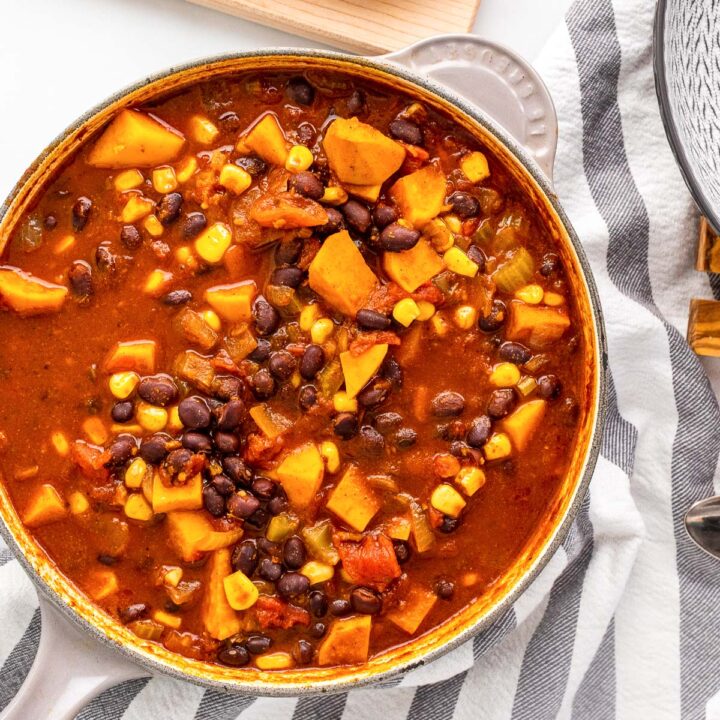
This Sweet Potato Black Bean Chili is loaded with healthy flavors from tender sweet potatoes, hearty black beans, and smoky spices. Plus, it's 100% vegan and easy to make in about an hour.
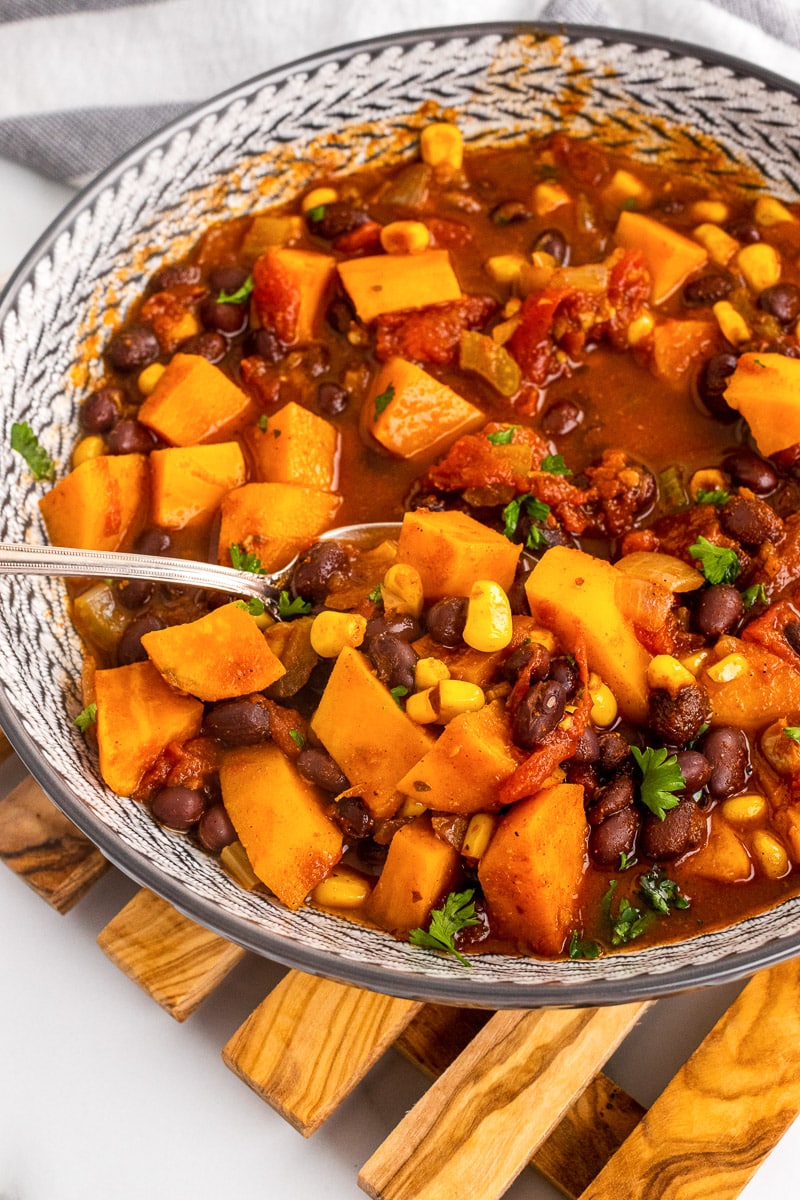
If there's one thing I always crave as soon as the weather starts cooling down, it's a big pot of chili. There's just something about a piping hot one-bowl dinner that makes me want to cozy up in front of the fireplace.
And this Sweet Potato Black Bean Chili is one of my all time favorites. It's so easy to throw together, packed with delicious flavors, and it's great for meal prep too!
This Sweet Potato Black Bean Chili recipe is...
- Full of flavor
- Packed with smoky heat
- Healthy
- Plant-based
- Vegetarian
- Good enough to impress a crowd
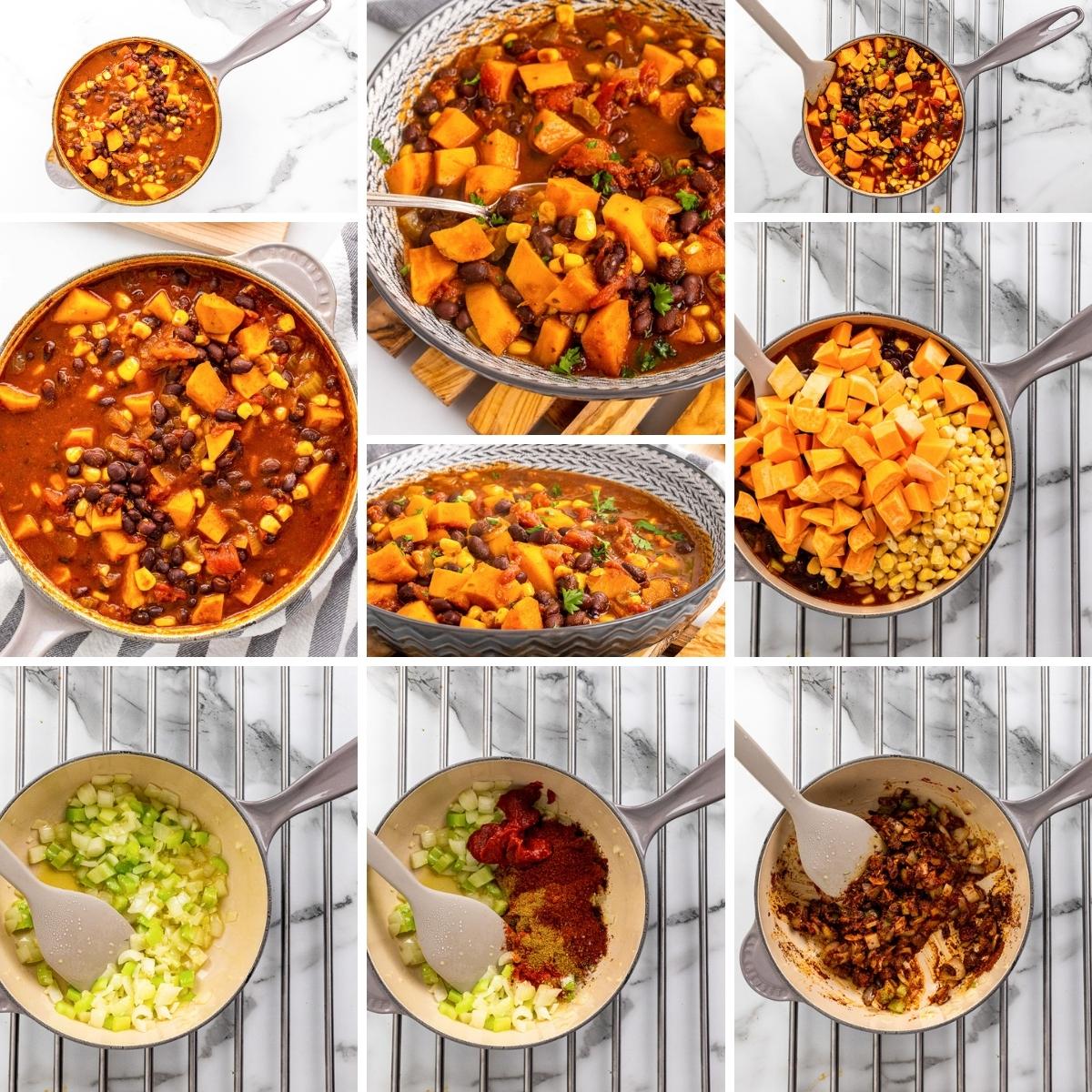
Key Ingredients & Substitutions
- Sweet potatoes. One medium sweet potato gives you about 1½ cups diced. They bring a natural sweetness that balances the smoky spices, and they soften just enough as they simmer to help thicken the chili. Butternut squash or pumpkin cubes work the same way if that's what you have on hand.
- Black beans. A 15-ounce can of black beans, rinsed and drained, adds plant protein and a creamy bite. Pinto or kidney beans are easy swaps, and about 1½ cups of home-cooked beans equals one can.
- Diced tomatoes with green chilies. This one can does double duty, adding tomato body plus a mild chile kick. We like Del Monte petite diced tomatoes with Hatch green chilies; Ro-Tel works too, or use a can of plain diced tomatoes plus a small can of chopped green chiles.
- Tomato paste. Just two tablespoons, toasted with the spices, deepens the color and adds a concentrated, savory tomato flavor. A tube of tomato paste keeps well in the fridge, so you won't be left with a half-used can.
- Chili powder, cumin, oregano, and paprika. This spice blend is the backbone of the chili, so use fresh jars if you can. A good chili powder matters most. For a smokier pot, swap the regular paprika for smoked paprika.
- Corn. Frozen corn goes straight into the pot with no thawing needed. Fresh kernels cut from the cob, or a drained can of corn, are fine too.
- Vegetable broth. Store-bought or homemade both work. Low-sodium broth gives you more control over the salt, so you can season to taste at the end. The chili is naturally gluten-free as long as your broth and spice blends are.
Helpful Tips
Dice your sweet potatoes evenly. This ensures they cook at the same rate and don't turn to mush. Aim for bite-sized pieces - not too chunky, not too small.
Don't skip the sauté. Cooking the onions, garlic, celery, and spices at the start builds a flavorful base. Give the spices a minute or two to bloom in the oil before adding liquids - it makes a difference.
Add broth gradually. Depending on how thick or soupy you like your chili, you can start with less broth and add more as it simmers. It's easier to thin it out than to fix a watery chili.
Let it simmer. Even though the chili is quick to put together, the full simmer is what melds the flavors and softens the sweet potatoes all the way through. If you cut your sweet potatoes on the small side, start checking them at about 30 minutes.
Taste and adjust. Chili is one of those recipes that begs for a final taste test. Add more salt, a splash of lime juice, or a dash of hot sauce to finish - whatever makes it pop for you.
Meal Prep, Storing & Freezing Leftovers
This chili holds up like a champ, which makes it perfect for meal prep or cooking once and eating all week.
In the fridge: Store cooled chili in an airtight container for up to 5 days. The flavors actually get better over time, so leftovers are a win. Reheat on the stovetop over medium heat or in the microwave until warmed through.
In the freezer: Let the chili cool completely before transferring it to freezer-safe containers or resealable bags (lay them flat for easy stacking). It'll keep for up to 3 months. Thaw overnight in the fridge, then reheat as usual.
Pro tip: If you're freezing the chili in portions, label with the date and serving size so you're not guessing later. And leave a little space at the top of the containers - liquids expand as they freeze.
Serving Suggestions
This chili is hearty enough to stand on its own, but a few simple add-ons can take it from a basic bowl to something a little more fun (or dinner party-worthy, if that's your thing).
- Add Toppings: Classic chili toppings work great here - think avocado slices, a dollop of vegan sour cream or plain dairy-free yogurt, dairy-free cheese shreds, chopped cilantro, green onions, jalapeño slices, or a squeeze of lime juice for brightness.
- Cornbread on the side: You can't go wrong with a warm piece of Easy Vegan Cornbread (or corn chips if you're keeping it casual). It's the perfect contrast to the smoky-sweet chili.
- Over rice or quinoa: Stretch your servings by spooning the chili over cooked grains. It makes for a super satisfying, protein-packed meal.
- Stuffed in a baked potato: For a comfort food twist, load it into a baked russet or sweet potato and pile on your favorite toppings.
- Taco night twist: Use the chili as a filling for tacos or burritos - or try swapping in this vegan walnut taco meat for a heartier, protein-packed version. Especially good with shredded lettuce, diced tomatoes, and a little hot sauce. And for a light summery alternative to chili, try our fresh tomato and corn soup.
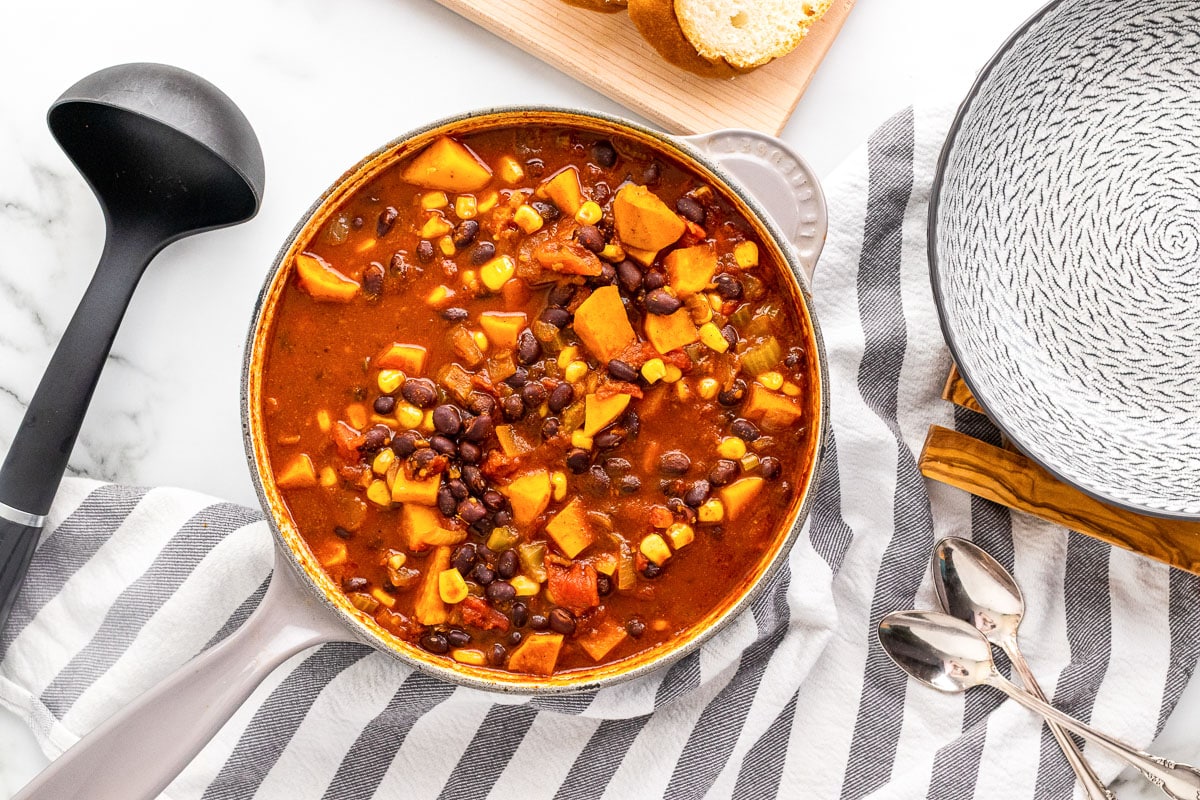
Fun Variations to Try
Add greens: Stir in a few handfuls of chopped kale, spinach, or Swiss chard during the last 5 minutes of cooking. It's an easy way to add color and a boost of healthy greens.
Make it spicier: If you like heat, add a chopped chipotle pepper in adobo sauce, a pinch of cayenne, or extra jalapeño. You can also finish each bowl with your favorite hot sauce.
Use different beans: No black beans? No problem. Pinto beans, kidney beans, or even chickpeas all work well here - or mix a few together for a little variety. For a more traditional bean-and-tomato version, see our Classic Vegan Chili.
Bulk it up with grains: Stir in cooked quinoa, brown rice, or bulgur for an even heartier chili. Lentils would also be a great addition. It's especially great if you're serving a crowd or stretching leftovers.
Try roasted sweet potatoes: For extra flavor, roast the sweet potatoes in the oven before adding them to the chili. It adds a slightly caramelized edge and changes the texture in a good way.
Make it smoky: Adding a dash of smoked paprika or a splash of liquid smoke can deepen the flavor if you want a more pronounced smoky note without adding spice.
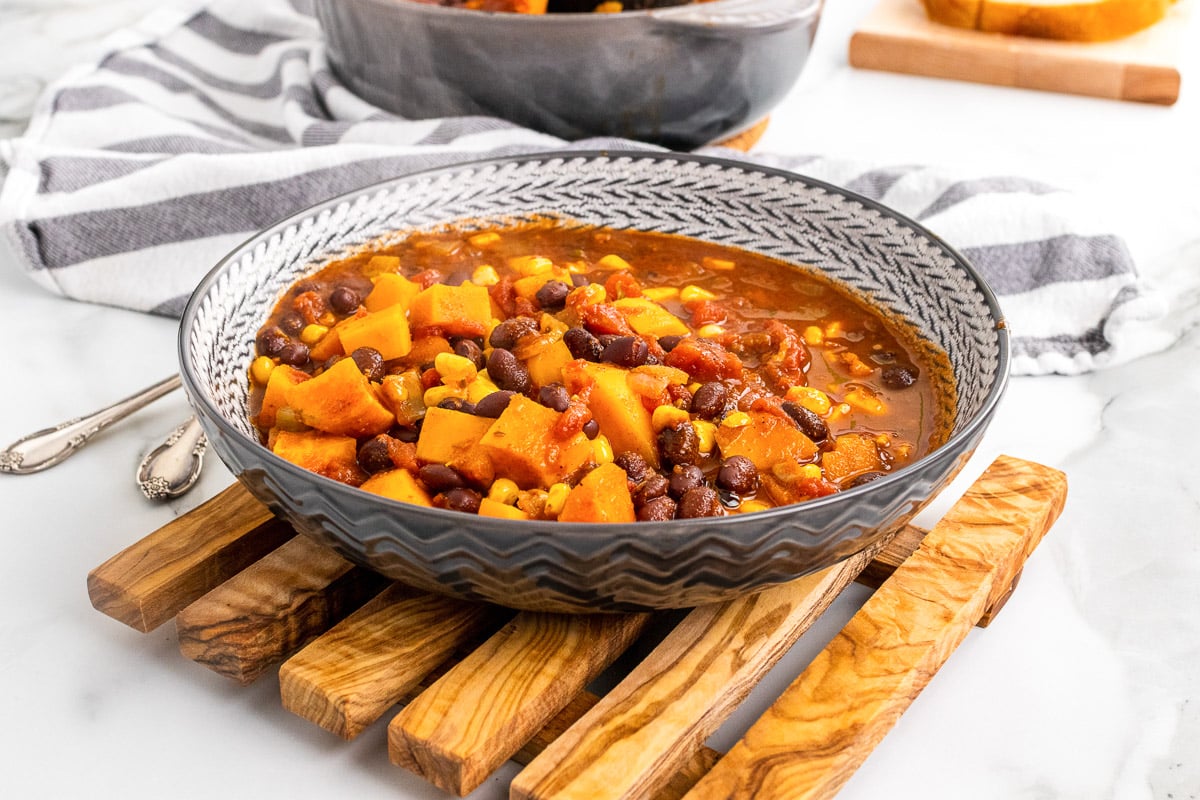
More Vegan Recipes
If you're on the lookout for some other hearty, vegetarian dinner ideas, consider trying a few of our favorites:
- Old-Fashioned Vegan Stew
- Sweet Potato Lentil Soup
- Portobello Mushroom Steak
- Marinated Mushrooms with Wild Rice
Recipe
Vegan Sweet Potato Black Bean Chili
This vegan sweet potato black bean chili is loaded with tender sweet potatoes, hearty black beans, corn, and smoky spices. It's an easy one-pot dinner that's perfect for meal prep.
Print
Pin
Save
Servings: servings
Ingredients
- 2 tablespoon olive oil
- 1 onion peeled and diced
- 3 cloves garlic peeled and minced
- 1 stalk celery minced
- 2 tablespoon tomato paste
- 2 tablespoon chili powder
- 2 teaspoon dried oregano
- 1 teaspoon ground cumin
- 1 teaspoon paprika
- 1 teaspoon salt
- 15 oz black beans canned, rinsed and drained
- 14.5 oz diced tomatoes with chilies
- 1 ½ cups sweet potato peeled and diced,
- 1 cup corn kernels fresh or frozen
- 1 cup vegetable broth homemade or store bought
Instructions
- In a large pot, heat olive oil over medium heat. Add onion, garlic, and celery. Cook until veggies start to soften, about 4-5 minutes.

- Add in tomato paste, chili powder, oregano, cumin, paprika, and salt and cook an additional 1-2 minutes.
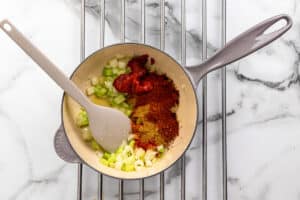
- Stir in the black beans, diced tomatoes, sweet potato, corn, and vegetable broth.
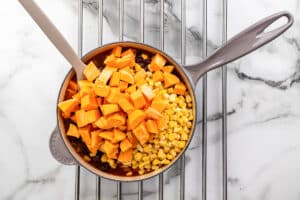
- Bring to a boil over medium-high heat, then reduce the heat to low so the chili holds a gentle simmer.
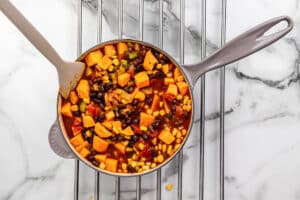
- Simmer, partially covered and stirring occasionally, for about 45 minutes, or until the sweet potatoes are tender. Taste and adjust the salt and spices before serving.
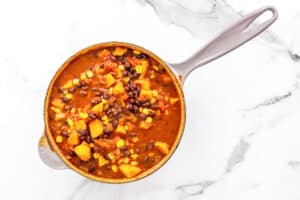
Notes
Thickness: For a thinner chili, stir in another ½ to 1 cup of broth as it simmers. For a thicker one, mash a few sweet potato cubes and beans against the side of the pot.
Toppings: Try avocado, vegan sour cream, chopped cilantro, green onions, sliced jalapeño, and a squeeze of lime.
Storage: Refrigerate in an airtight container for up to 5 days, or freeze for up to 3 months.
Nutrition (Estimate per Serving)
Calories: 221kcalCarbohydrates: 36gProtein: 9gFat: 6gSaturated Fat: 1gPolyunsaturated Fat: 1gMonounsaturated Fat: 4gSodium: 719mgPotassium: 701mgFiber: 10gSugar: 6gVitamin A: 5841IUVitamin C: 12mgCalcium: 86mgIron: 4mg
Vegan-ize any recipe!Grab our free vegan cheat sheet, packed with my favorite easy substitutions to make any recipe vegan.
15+ Vegan St. Patrick’s Day Recipes


For your St. Pattie's day feast, you'll want everything green! This list of vegan St. Patrick's Day recipes is filled with all kinds of green dips, drinks, salads, and soups.
Vegan St. Patrick's Day Recipes
This list of vegan St. Patrick's Day recipes is filled with all kinds of green dips, drinks, salads, and soups.
This bright green Pea, Parsley, and Pistachio Dip is a great tasty snack or appetizer for St. Patrick's Day!
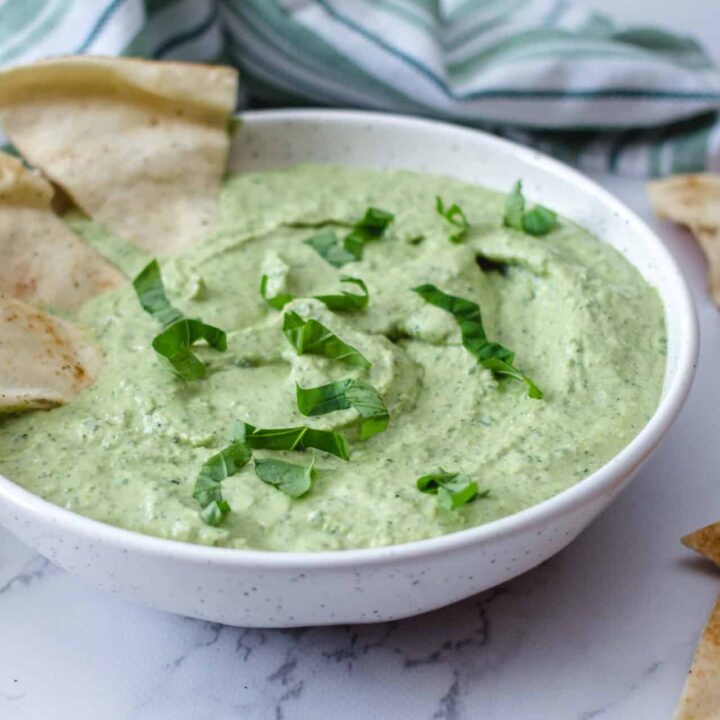
Spicy Avocado Edamame Dip is a great vegan St. Patrick's Day recipe. It's easy to prepare and very rich in protein. The dip has a creamy texture, and it's made with a combination of edamame, plant-based yogurt, and a few other healthy ingredients. This fun St. Patrick's Day recipe is very low in calories as well!
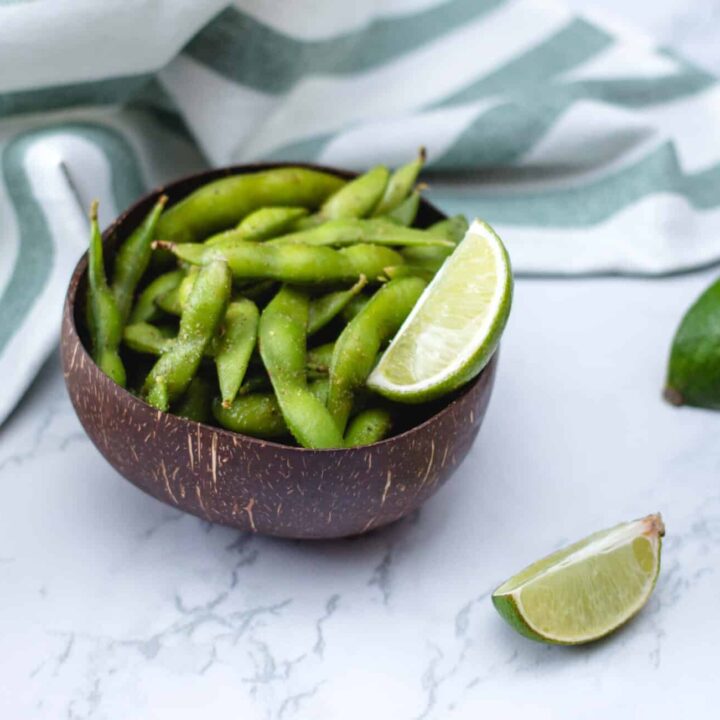
This Seasoned Edamame Appetizer is bursting with flavor and spice. It's packed with healthy nutrients and vitamins and tastes super delicious! Don't be fooled by its simplicity because it's so tasty.
Smooth or chunky, this Edamame Guacamole is absolutely delightful. It can be made to your desired texture and is full of great flavors. This guac is quick to prepare and sure to be a hit for all your St. Patrick's Day festivities!
Quinoa Edamame Salad with Sesame Dressing is made with many healthy greens. Enjoy this asparagus and spinach mixed with nutritious vegetables like peppers, tomatoes, and cucumbers.
This Vegan Green Smoothie with Chia Seeds is a healthy and delicious way to get some vegetables into your diet. It's made with lettuce or kale, cucumbers, and chia seeds. This smoothie is packed with healthy nutrients and is a great smoothie to celebrate St. Patrick's Day with!
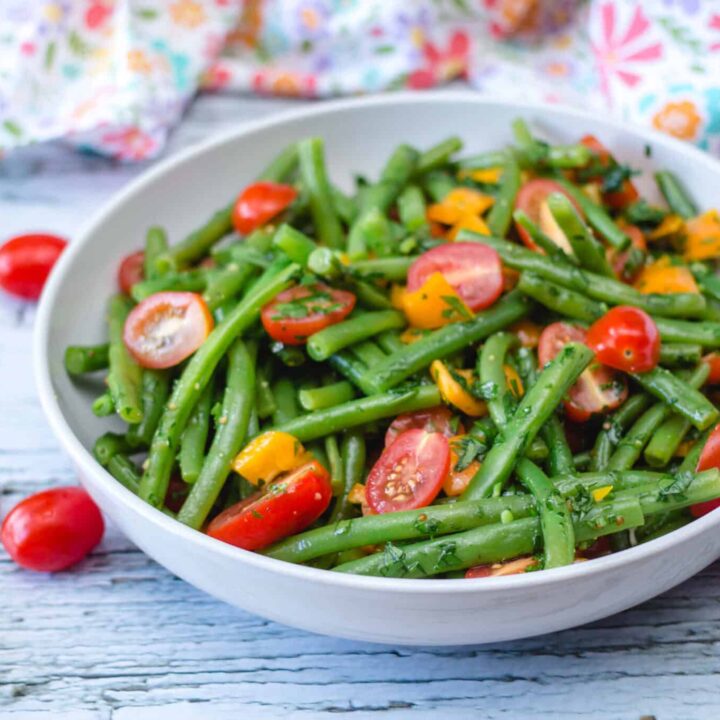
This Simple Green Bean Salad is light, crisp, and refreshing. It makes for a great side dish or the perfect snack. The delicious dressing is made with savory dijon mustard, balsamic vinegar, and honey.
Very green is an understatement with this dip! Very Green Avocado-Tahini Dip is SUPER green and bursting with vitamins. It can be enjoyed with pita chips, crackers, or any other crunchy snack.
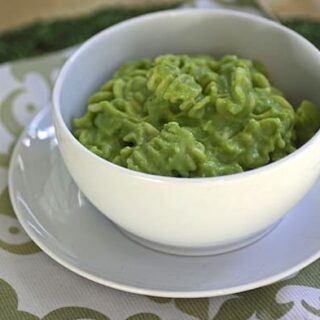
These Green Noodles are bold and bright! They're made with healthy green peas and fiber-rich broccoli. These noodles will be a delight to serve for St. Patrick's Day.
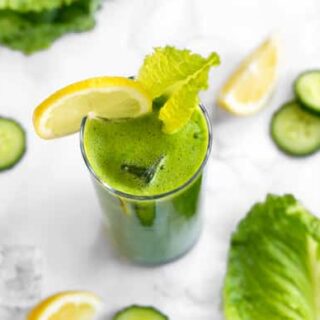
This Refreshing Green Lemonade is bursting with healthy vegetables! Enjoy the vitamins in this vibrant juice—it tastes absolutely fantastic.
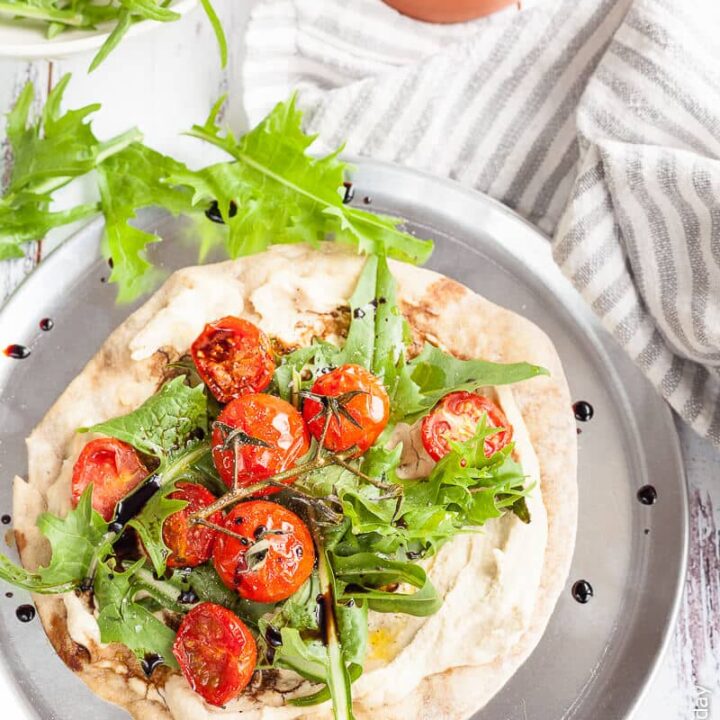
Photo Credit:
www.deliciouseveryday.com
Hummus Flatbread Pizza with Cherry Tomatoes & Dandelion Greens
This meat-free meal is delicious and green. The cherry tomatoes add a bright, juicy component, while the dandelion greens add the festivity of St. Patrick's Day. This Hummus Flatbread Pizza with Cherry Tomatoes & Dandelion Greens makes for a great light vegan meal.

Photo Credit:
www.deliciouseveryday.com
Vegan Green Spring Salad with Quinoa and a Lemon Mustard Dressing
This Vegan Green Spring Salad with Quinoa and a Lemon Mustard Dressing is packed with protein, in large part thanks to the quinoa. It's a bright salad bursting with healthy greens! Full of mint and mustard flavors, this green salad is delicious and perfect for St. Patrick's Day.
This vibrant, healthy, goes-with-everything Green Goddess Dressing is the perfect addition to your St. Patrick's Day menu. Try it served over a simple green salad or on grilled vegetables.
A colorful and creative food idea for St. Patrick's Day, this Vegan Green Vegetable Pad Thai is filled with edamame and spinach. They give this dish that bright green tint and some major crunch factor.
Make this Green Smoothie Bowl for a healthy breakfast or a delicious snack in between meals for St. Patrick's Day.
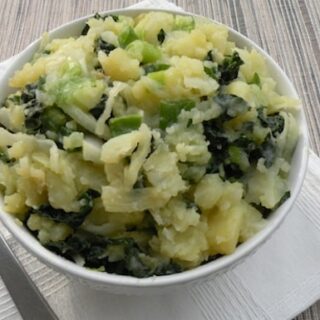
You can't leave out Kale and Cabbage Colcannon on your St. Patrick's Day menu. It's a traditional Irish dish made of mashed potatoes, cabbage and/or kale. It's easy to make, hearty, and very satisfying!
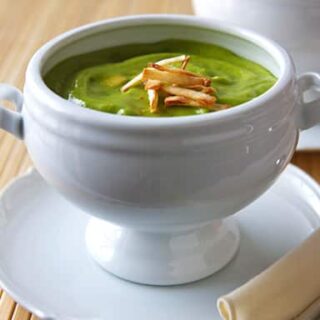
This Cold Avocado and Green Pea Soup is the perfect light ending for a St. Patrick's Day meal. For a more Irish feel, serve your soup alongside some hearty brown bread.
Also try: our cream of asparagus soup.
Old-Fashioned Vegan Stew
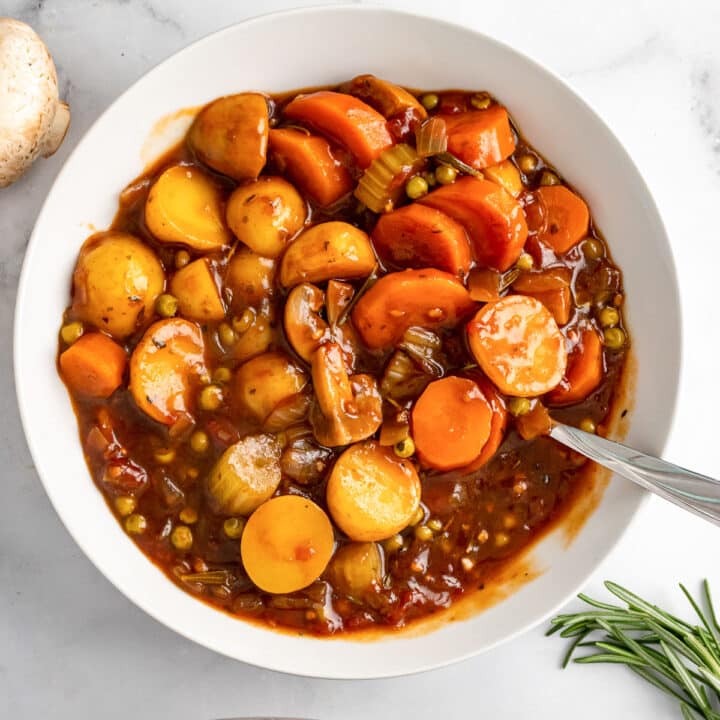
This Old-Fashioned Vegan Stew is thick, hearty, and comforting. It's loaded with tons of veggies and smothered in a thick, creamy, savory broth. This vegan stew is great for dinner and tastes delicious reheated the next day too.
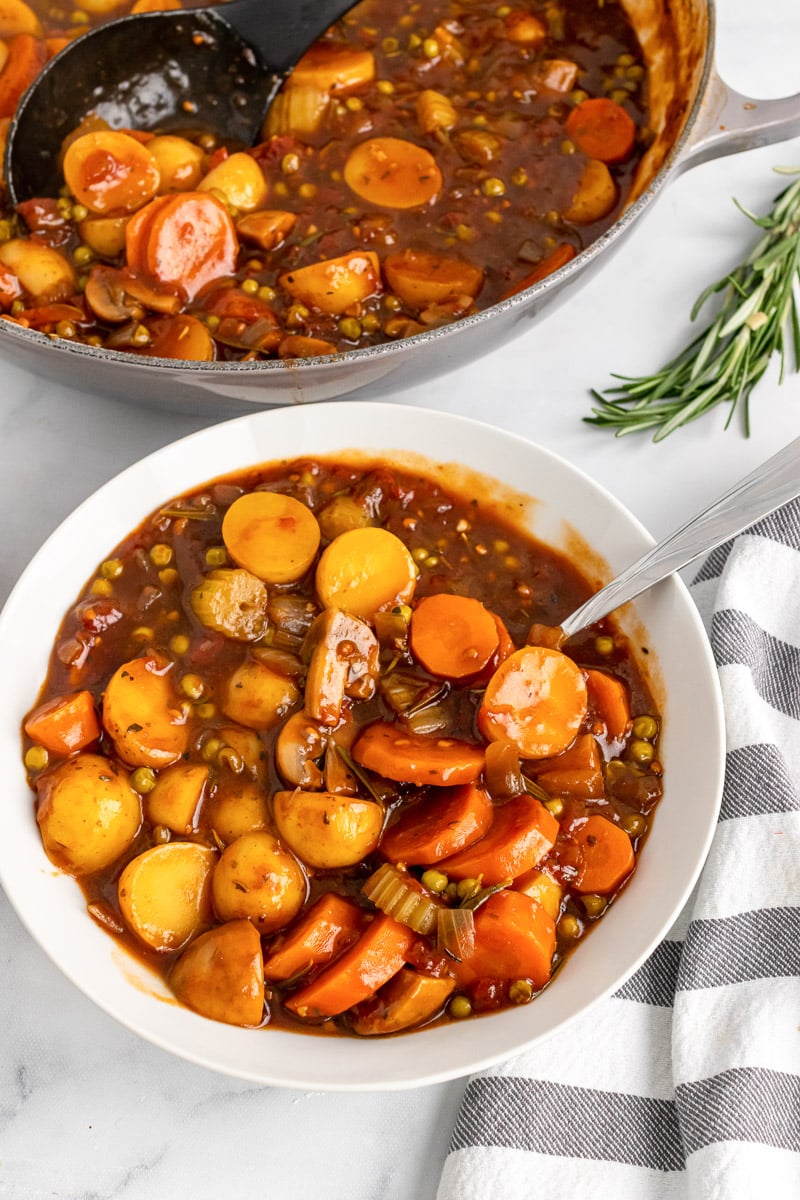
This vegan stew is loaded with carrots, celery, potatoes, mushrooms, peas, and more. This has quickly become one of my all time favorite vegan stews. Give it a try and let me know how you enjoy it!
This Old-Fashioned Vegan Stew recipe is...
- An old-fashioned classic stew
- Loaded with nutrient-rich veggies
- Thickened with a simple cornstarch slurry
- Made with flavorful fresh herbs
- Great for meal prepping
Key Ingredients & Substitutions
A good stew lives or dies by its broth. This one gets its deep, savory flavor from a few pantry ingredients that do the job beef usually does in a traditional stew: they add color, body, and plenty of umami.
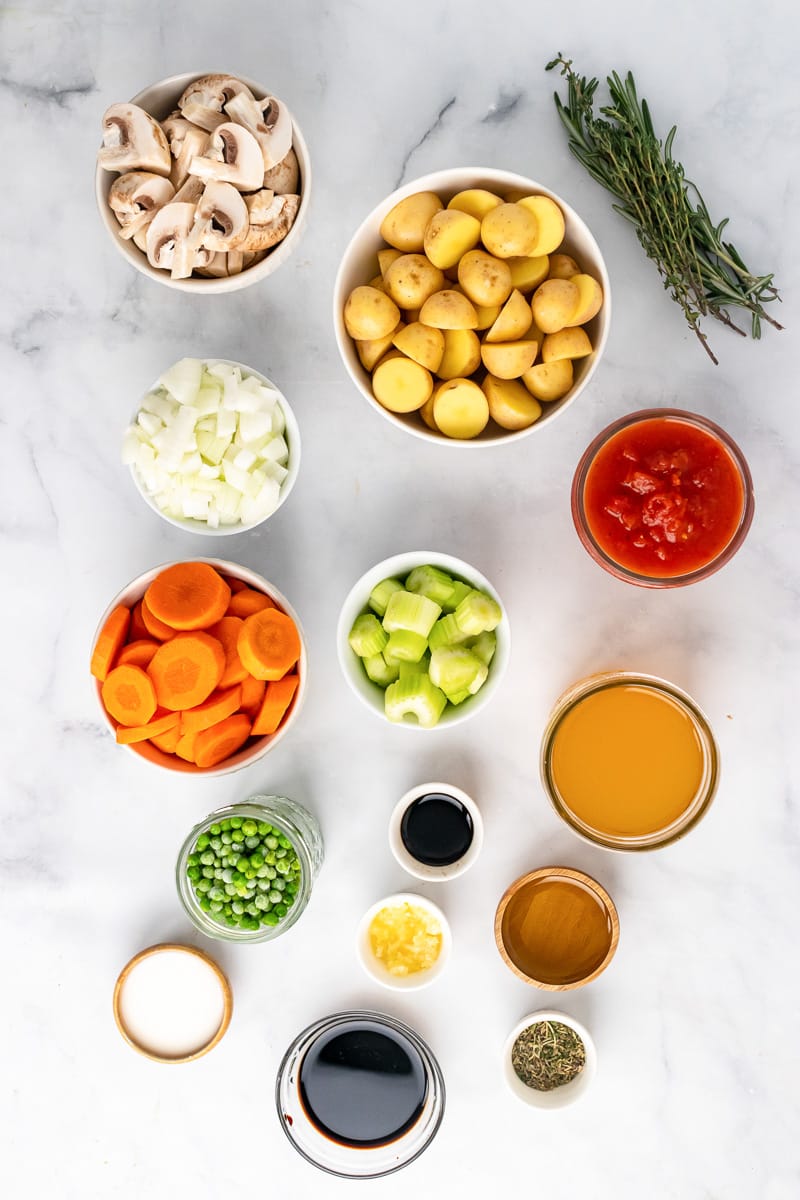
- Onion and garlic. Sautéing them in olive oil until soft and translucent builds the sweet, mellow base that everything else sits on. Don't skip this step or rush it.
- Soy sauce. This is the secret to the "beefy" flavor. It adds salt, deep color, and a big hit of umami. Use tamari or coconut aminos if you need the stew to be gluten-free or lower in sodium.
- Balsamic vinegar. A tablespoon adds a gentle sweetness and a little acidity that keeps the broth from tasting flat. Red wine vinegar works in a pinch.
- Diced tomatoes. Tomatoes give the broth its rich, reddish-brown color and more savory depth. For an even richer stew, stir in a tablespoon of tomato paste with the vegetables and let it cook for a minute before adding the liquid.
- Fresh rosemary and thyme. These are the classic stew herbs. If you only have dried, use about 1 teaspoon of each.
- Vegetable broth. Use a good-tasting broth, since it makes up most of the liquid. A mushroom broth or a spoonful of white or yellow miso stirred in at the end will make it taste even meatier.
- Mushrooms. White mushrooms are what's in the recipe, but cremini (baby bella) or chopped portobellos have more flavor and a meatier bite.
What to Use Instead of Beef
This stew is all about the vegetables, but if you're craving something closer to a classic beef stew, any of these make a great addition. Add one or two, not all of them at once.
- Extra mushrooms. Double the mushrooms and use cremini or thick-cut portobellos. Brown them well in a separate pan before adding them to the pot so they turn golden and chewy instead of soft.
- Soy curls. Butler Soy Curls are dried whole soybeans that turn tender and shreddy, a lot like stewed beef. Rehydrate about 1 ½ cups in warm broth for 10 minutes, squeeze them out, and brown them in a little oil and soy sauce before stirring them in.
- Seitan. Store-bought or homemade seitan has the chewiest, most "meaty" texture of any option. Cut it into bite-size chunks, brown it, and add it for the last 15 minutes of simmering so it doesn't get soggy. If you like seitan, try our Vegan Mushroom-Seitan Stroganoff too.
- Beans or lentils. For an easy protein boost, stir in a can of drained chickpeas, white beans, or kidney beans with the broth. Or add ½ cup of rinsed brown or green lentils along with an extra cup of broth; they'll cook through during the simmer.
- Tofu. Cubes of extra-firm tofu are another good choice. For a stew built around tofu from the start, see our Tofu and Vegetable Stew.
- A splash of red wine. Many of the richest stews use wine. Add about ½ cup of dry red wine after the vegetables have cooked for a few minutes, and let it bubble until it's reduced by about half before adding the broth. Look for a wine labeled vegan, since some are fined with animal products.
How to Make Old-Fashioned Vegan Stew
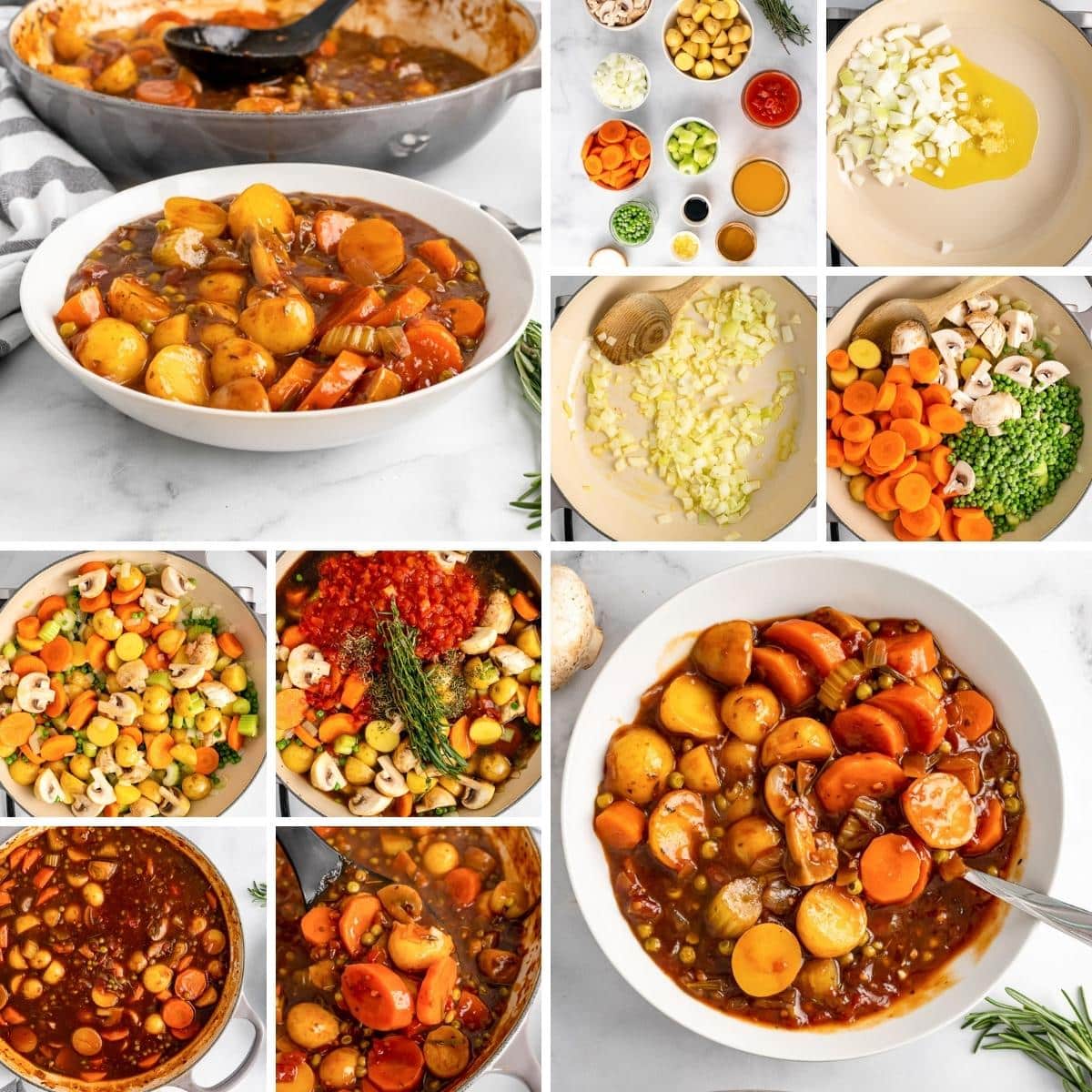
- Add oil to a pot. Cook onion and garlic on medium heat until translucent.
- Add carrots, celery, potatoes, mushrooms, and peas, and cook.
- Add herbs, broth, tomatoes, soy sauce, and vinegar. Stir and bring to boil.
- Make cornstarch slurry and stir in to thicken the stew.
- Turn down heat, cover, and let simmer.
Full directions for how to make Old-Fashioned Vegan Stew are in the printable recipe card at the bottom of the post.
Tips & Tricks for Old-Fashioned Vegan Stew
Cut the vegetables into bite-size pieces. Make sure that when you are chopping the vegetables for this stew, you cut everything into true bite-size pieces. You don't want super large chunks of vegetables, as they will be hard to eat and slower to cook through.
Sauté the garlic and onions. When you sauté the onion and garlic, it helps to really enhance the deep flavor of this vegan stew. The sautéed vegetables will give your stew a rich and hearty flavor. If you don't sauté the onions and garlic, as some people do to save time, you will find that they have a sharper flavor.
Use a heavy-duty pot. Using a Dutch oven or other heavy-duty pot is great, as it will provide an even cooking surface for the stew. Cast iron is a good choice as well. If your pot isn't sturdy, it can create hot spots and your veggies will vary in doneness.
How to thicken vegan stew. This recipe uses a cornstarch slurry: whisk the cornstarch into cold water until smooth, then stir it into the pot so it thickens without lumps. If you'd like the stew even thicker at the end, whisk another tablespoon of cornstarch into 2 tablespoons of cold water, stir it in, and simmer for 2 to 3 minutes. For a classic roux instead, skip the slurry and sprinkle 3 tablespoons of all-purpose flour over the sautéed onion and garlic, then stir and cook for 2 to 3 minutes before adding the broth a little at a time. Cook the flour longer, until it turns golden brown, for a darker, nuttier, more "beef stew" style broth. You can also mash a few of the cooked potatoes against the side of the pot for extra body.
Season at the end. Soy sauce and canned tomatoes are already salty, so taste the stew once it's done and only then add salt and pepper if it needs it. Pull out the rosemary and thyme stems before serving.
Variations to Old-Fashioned Vegan Stew
- Add rice or quinoa. Barley, rice, and quinoa are all great additions to this veggie-packed stew. Adding any of these grains will make your stew a lot heartier. I would recommend tossing some in if you feel you want a bit more depth.
- Mix in pasta. You can also add some vegan-friendly pasta to your stew. Just add it in at the end of the cooking time. Adding pasta will add more carbs to your stew but also allow it to stretch a bit more and feed a larger crowd.
- Different vegetables. You can mix in other varieties of veggies to your stew, as well. I used what I had on hand, but you can swap out different vegetables depending on what you have in your fridge and what's in season. For example, you could toss in some squash, zucchini, parsnips, or cauliflower!
- Add greens. Stir a couple of handfuls of chopped kale or baby spinach into the pot for the last 5 minutes of cooking.
- Make it "beefy." Add browned soy curls, seitan, or extra mushrooms, plus a splash of red wine, as described in the substitutions section above.
Serving Ideas
A big bowl of this stew is a meal on its own, but it's even better with something to soak up the broth. A loaf of warm, crusty bread is the classic choice. Fluffy vegan biscuits or a pan of easy vegan cornbread are just as good, and you can also cook dumplings right in the pot (see the FAQs below).
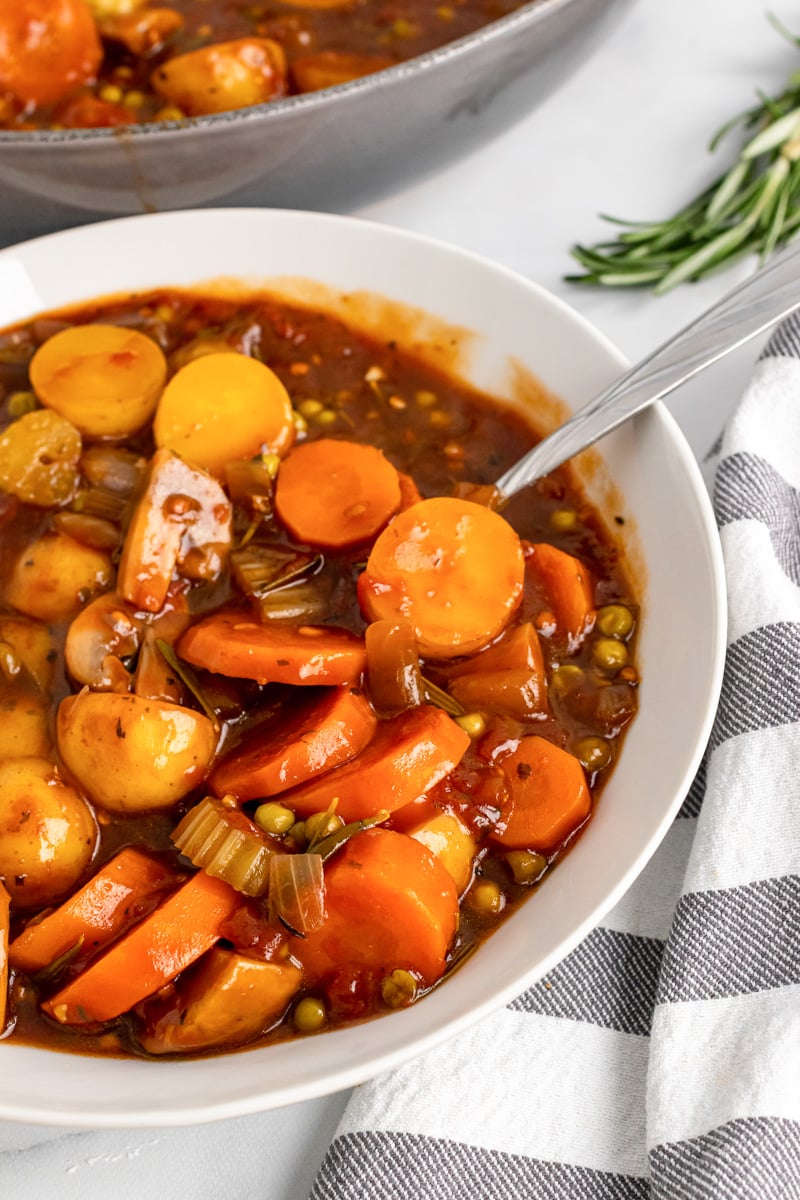
Since the stew is rich and savory, a simple green salad makes a nice, fresh contrast. Toss mixed greens with a quick 5-minute vinaigrette and dinner is done.
Make-Ahead, Storing & Freezing
Like most stews, this one tastes even better the next day, once the flavors have had time to blend, so it's a great make-ahead meal. Let it cool, then store your leftover stew in an airtight container in the fridge for 3-5 days. When you want some, you can simply warm it up in the microwave or over low heat on the stove. Just make sure to stir your stew periodically as it reheats, since it will stick and burn if left to simmer too long. The broth thickens as it sits, so add a splash of broth or water while reheating if needed.
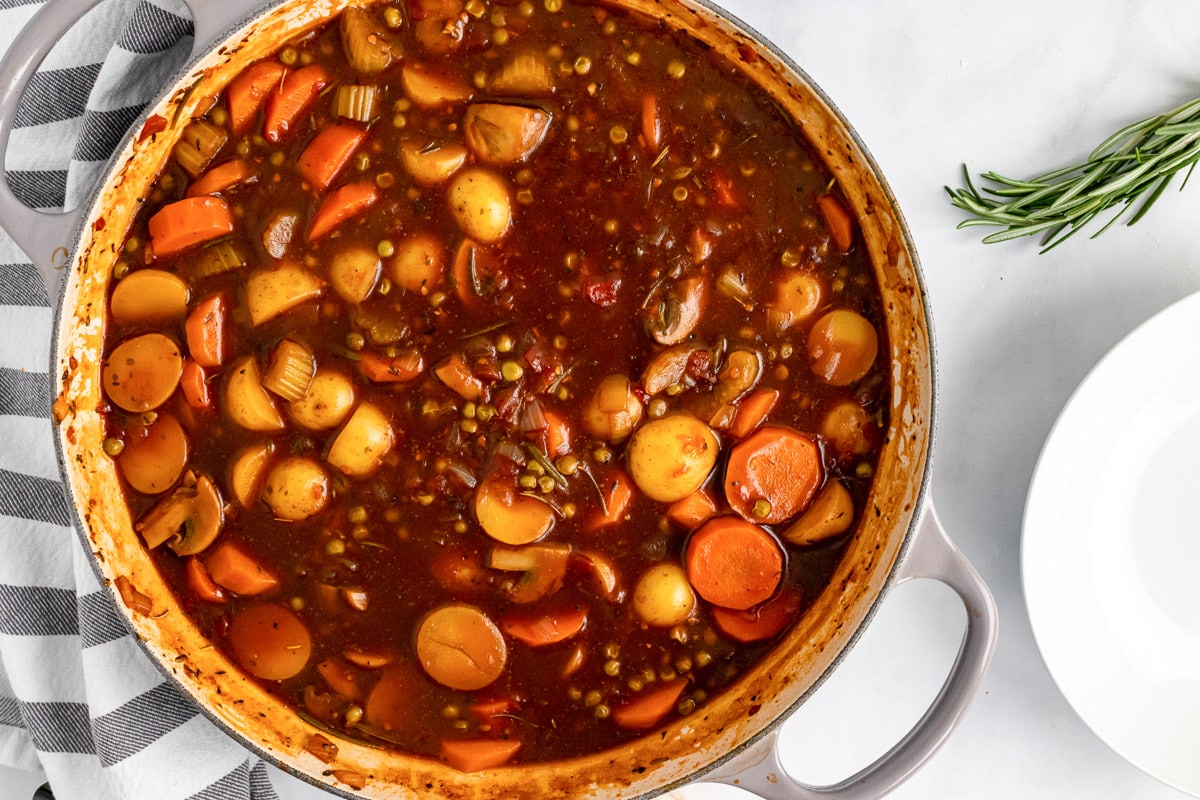
To freeze, portion the cooled stew into freezer-safe containers, leaving a little room at the top, and freeze for up to 3 months. The potatoes can turn slightly softer and grainier after freezing, but the stew still tastes great. Thaw it overnight in the fridge, then reheat gently on the stove, stirring often and thinning with a little broth. If you plan to freeze a batch, you can leave out the peas and stir in fresh ones while reheating so they stay bright green.
Old-Fashioned Vegan Stew FAQs
What can I use instead of beef in vegan stew?
The best swaps are meaty mushrooms (cremini or portobello), soy curls, seitan, extra-firm tofu, or beans and lentils. Mushrooms and seitan give the closest chew to stewed beef, while beans and lentils add protein and make the stew extra filling. Brown mushrooms, soy curls, seitan, or tofu before adding them for the best texture and flavor.
How do you make stew without meat?
Build the flavor in layers. Sauté onion and garlic until soft, add hearty vegetables like potatoes, carrots, and celery, then simmer everything in a good vegetable broth seasoned with umami-rich ingredients like soy sauce, tomatoes, and balsamic vinegar. Fresh herbs and a thickener, like the cornstarch slurry in this recipe or a flour roux, give it that classic, stick-to-your-ribs stew texture.
Can I make this stew in a slow cooker?
Yes. For the best flavor, sauté the onion and garlic in a pan first, then add them to the slow cooker with everything except the peas, cornstarch, and water. Cook on LOW for 7 to 8 hours or on HIGH for about 4 hours, until the potatoes and carrots are tender. Stir in the cornstarch slurry and peas, then cook on HIGH for another 20 to 30 minutes until thickened. Find more ideas in our roundup of the best vegan slow cooker recipes.
Can I add dumplings?
Absolutely. Mix 1 cup of all-purpose flour, 1 ½ teaspoons of baking powder, and ½ teaspoon of salt, then stir in ½ cup of unsweetened plant milk and 2 tablespoons of olive oil or melted vegan butter just until a soft dough forms. During the last 15 minutes of cooking, drop spoonfuls onto the gently simmering stew, cover the pot, and don't lift the lid until the dumplings are puffed and cooked through. Make sure the stew has plenty of liquid, adding a little extra broth if needed, since the dumplings soak some of it up.
How do you know when the stew is done?
You will know your stew is done when the potatoes are fork tender. When the potatoes are done, you can take your stew off the heat. However, I like to cook mine a bit longer as it helps blend the flavors even more.
Why add in the cornstarch slurry?
Cornstarch and water combined, referred to as a slurry, is a thickening agent used for thickening soups, stews, and more. I find that a cornstarch slurry is great for thickening dishes without altering the flavor of the recipes you are cooking.
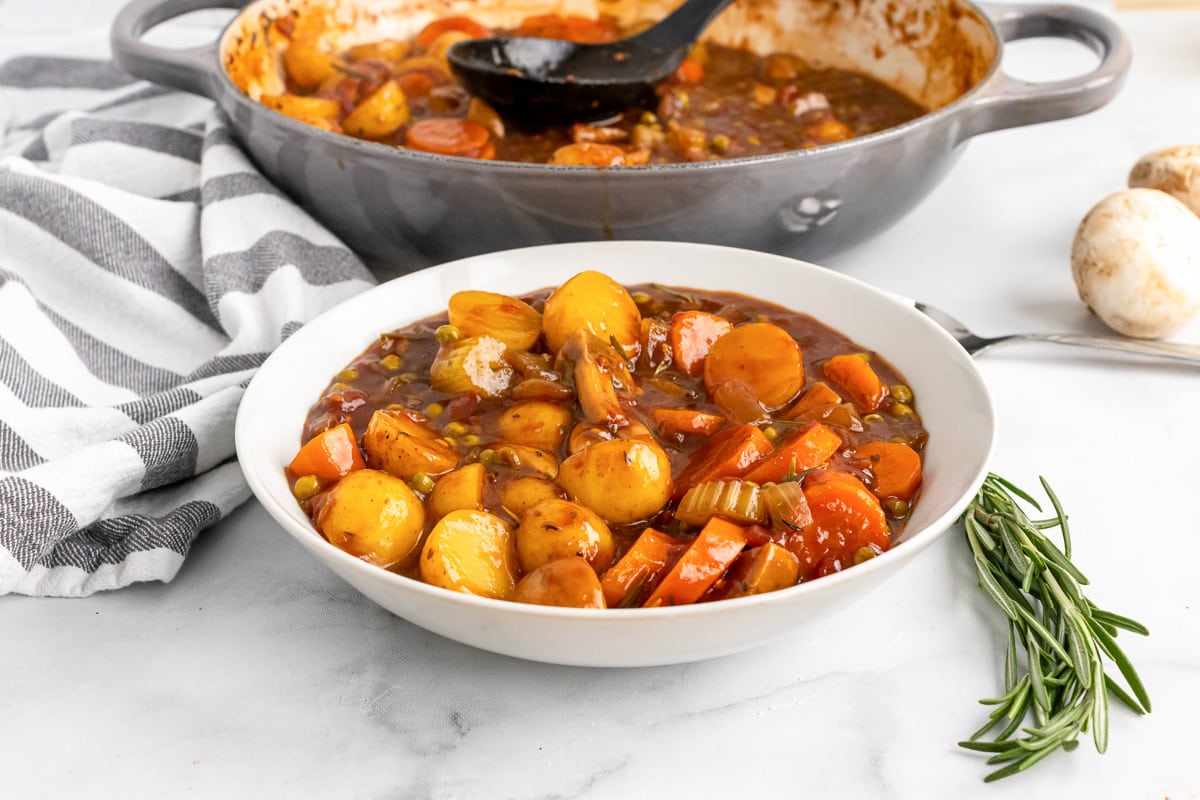
More Cozy Vegan Stews and Soups
If you love this vegan stew, be sure to check out these other delicious ideas:
- Tofu and Vegetable Stew
- Vegan Sweet Potato Lentil Soup
- Vegan Sweet Potato Black Bean Chili
- Miso Butternut Squash Soup
- Yellow Squash Soup
- Vegan Comfort Food Casseroles
- Creamy Pasta and Butternut Squash Casserole
- Vegan Creamy Mushroom Pasta
And while you're here, don't forget to grab a copy of my free vegan cheat sheet. It's packed with all my favorite substitutions to vegan-ize any recipe!
Recipe
Old-Fashioned Vegan Stew
This Old-Fashioned Vegan Stew is thick, hearty, and comforting. It's loaded with tons of veggies and smothered in a thick, creamy broth base.
Print
Pin
Save
Servings: servings
Ingredients
- 2 tablespoon olive oil
- 1 onion minced
- 2 cloves garlic minced
- 3 large carrots sliced
- 2 stalks celery sliced
- 2 cups baby potatoes halved
- 1 cup white mushrooms sliced & quartered
- 1 cup frozen peas
- 1 teaspoon Italian seasoning
- 2 cups vegetable broth
- 19 oz diced tomatoes canned with garlic
- 3 tablespoon soy sauce
- 1 tablespoon balsamic vinegar
- 2 sprigs rosemary
- small bunch fresh thyme
- 2 tablespoon cornstarch
- 3 tablespoon water
Instructions
- In a large pot or Dutch oven, heat the olive oil over medium heat, then add the onion and garlic; sauté 3-4 minutes or until the onion is translucent.

- Add the carrots, celery, baby potatoes, mushrooms, and peas into the pot.
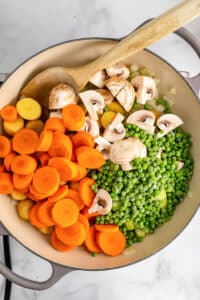
- Cook for 2-3 minutes.
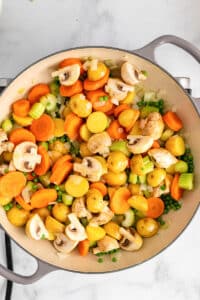
- Add the Italian seasoning, vegetable broth, diced tomatoes, soy sauce, balsamic vinegar, rosemary, and thyme. Stir and bring to a boil.
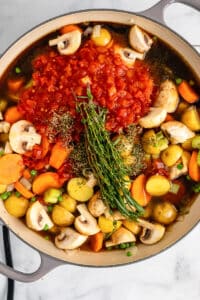
- In a small bowl, whisk together the cornstarch and water to form a slurry mix. Add to the stew and stir.

- Turn heat down, cover pot, and simmer for 45 minutes or until veggies are tender.

- Remove the rosemary and thyme stems, taste and season with salt and pepper if needed, and serve.

Notes
Optional protein: For a heartier, higher-protein stew, stir in 1 can (15 oz) of drained chickpeas, white beans, or kidney beans along with the broth. Or add ½ cup rinsed brown or green lentils plus 1 extra cup of vegetable broth; they will cook through during the simmer. Browned soy curls, seitan, or extra mushrooms also work (see the post above for details).
Optional red wine: For a deeper, richer broth, add ½ cup dry vegan red wine after the vegetables have cooked for 2–3 minutes, and simmer until reduced by about half before adding the remaining ingredients.
Seasoning: Soy sauce and canned tomatoes are already salty, so taste at the end and add salt and pepper only if needed.
Nutrition (Estimate per Serving)
Calories: 244kcalCarbohydrates: 39gProtein: 8gFat: 8gSaturated Fat: 1gPolyunsaturated Fat: 1gMonounsaturated Fat: 5gSodium: 1282mgPotassium: 974mgFiber: 7gSugar: 12gVitamin A: 8362IUVitamin C: 48mgCalcium: 99mgIron: 3mg
Vegan-ize any recipe!Grab our free vegan cheat sheet, packed with my favorite easy substitutions to make any recipe vegan.
- « Previous Page
- 1
- 2
- 3
- 4
- 5
- …
- 7
- Next Page »