
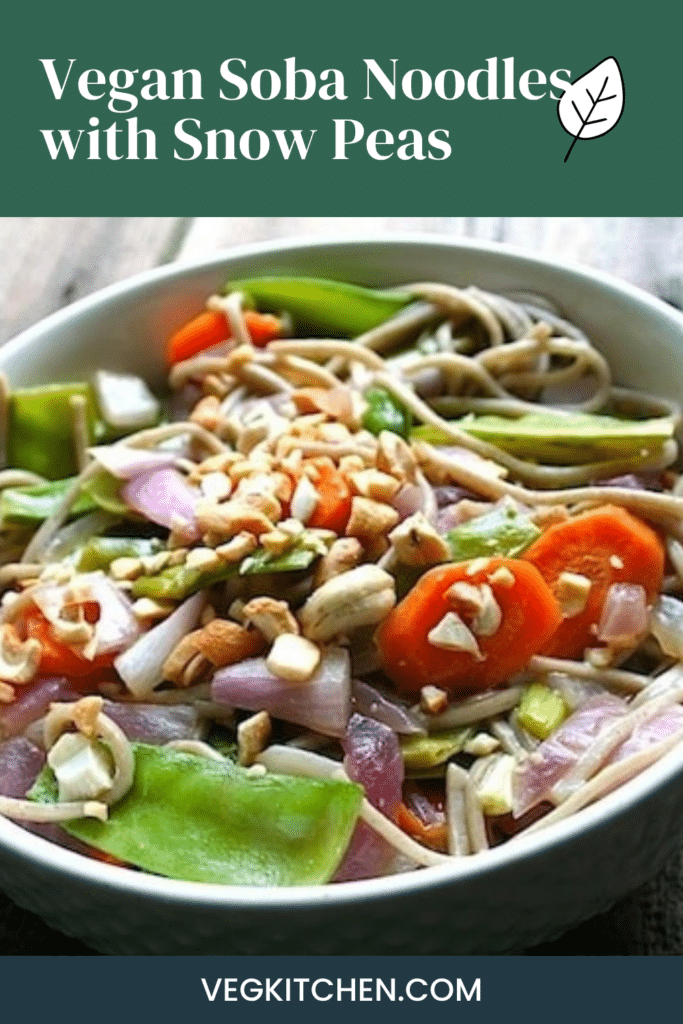
Here's a quick soba (buckwheat) noodle dish that will have you eating in no time. This is especially nice when snow peas come up in the home garden; snap peas can be substituted. Bonus: soba noodles are gluten-free, if that's a concern for you — just double-check the label, since not every brand is made purely from buckwheat, and some blend in wheat flour for texture.
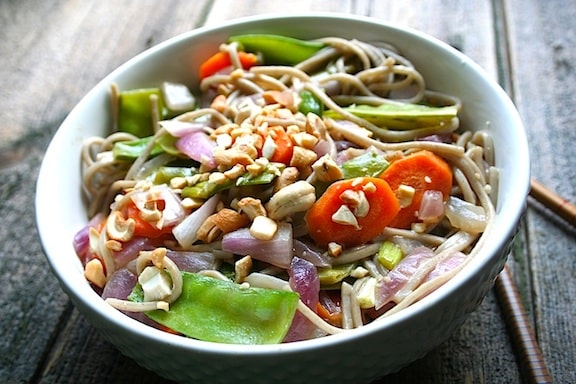
Photos by Rachael Braun.
Key Ingredients & Substitutions
- Soba noodles. Japanese buckwheat noodles that cook quickly and are naturally gluten-free (check the label, since some blends add wheat flour).
- Snow peas. Cooked just until crisp-tender so they stay bright green and snappy. Snap peas work well in their place, and won't need much adjustment to the cooking time.
- Ginger. Adds a fresh, warming kick to the sauce — fresh grated ginger has noticeably more punch than the jarred variety, which tends to taste muted.
- Arrowroot or cornstarch. Thickens the sauce so it clings to the noodles instead of pooling in the bowl.
- Soy sauce or tamari. Use tamari for a gluten-free version, since regular soy sauce typically contains wheat.
- Dark sesame oil. A small amount whisked into the sauce adds a toasty, nutty aroma that ties the whole dish together.
Variations
- Swap the vegetables. Sliced bell pepper, snap peas, or thinly sliced cabbage can stand in for or join the carrot and snow peas.
- Add protein. Cubed baked tofu or edamame turn this into a heartier main dish.
- Top with cashews. Chopped roasted cashews add a nice crunch to finish the dish.
- Make it spicier. A drizzle of chili oil or a pinch of red pepper flakes adds some heat to balance the sweet-savory sauce.
- Add mushrooms. Sliced shiitake, sauteed until golden, add a savory, meaty note that pairs well with the ginger sauce.
Tips for the Best Soba Noodles with Snow Peas
- Don't overcook the noodles. Soba noodles go from al dente to mushy quickly; follow the package timing closely and taste-test a strand before draining.
- Keep the snow peas crisp. A very brief stir-fry, just long enough to lose their raw edge, keeps them snappy rather than limp.
- Stir the sauce before adding it. The arrowroot or cornstarch settles, so give it a quick stir right before it goes into the pan.
- Rinse the noodles after cooking. A quick rinse under cool water removes excess starch and keeps them from clumping together before they hit the sauce.
- Have everything prepped before you start cooking. This dish moves fast once the noodles are boiling, so slice the vegetables and mix the sauce ahead of time.
Make Ahead & Storage
This dish is best enjoyed fresh, since the noodles can absorb the sauce and become sticky as they sit. Leftovers keep for about 2 days in the fridge — loosen them up with a splash of water or a little extra soy sauce when reheating, either in a skillet or the microwave.
How to Serve
Serve warm as a light main dish or a side alongside other Asian-inspired dishes, topped with sliced scallion and chopped cashews if desired.
Recipe
Vegan Soba Noodles with Snow Peas
Ingredients
- 8 ounces soba (buckwheat) noodles
- 1 ½ tablespoons dark sesame oil
- 1 large onion cut in half and sliced
- 1 large carrot thinly sliced on the diagonal
- 1 ½ to 2 cups snow peas ends trimmed, large ones cut in half crosswise
Sauce
- 1 cup prepared vegetable broth or water
- 3 to 4 tablespoons reduced-sodium soy sauce to taste
- 3 tablespoons dry white wine or just use more broth or water
- 2 teaspoons grated fresh or jarred ginger or to taste
- 2 tablespoons arrowroot or organic cornstarch dissolved in ¼ cup cold water
- thinly sliced scallion for garnish, as desired
- chopped cashews for topping, optional
Instructions
- Cook the noodles until al dente according to package directions.
- Meanwhile, heat the sesame oil in a stir-fry pan. Sauté the onion and carrot over medium heat until tender-crisp. Add the snow peas and stir-fry just until they have lost their raw quality but are still quite crisp and green, not more than a minute or so.
- Combine all the ingredients for the sauce in a small mixing bowl and stir well to combine.
- When the noodles are done, drain them and add them to the stir-fry pan along with the sauce. Toss together. Cook just until everything is thoroughly heated through and the sauce has thickened.
- Serve at once, topping each serving with scallions, as well as chopped cashews, if desired.
Notes
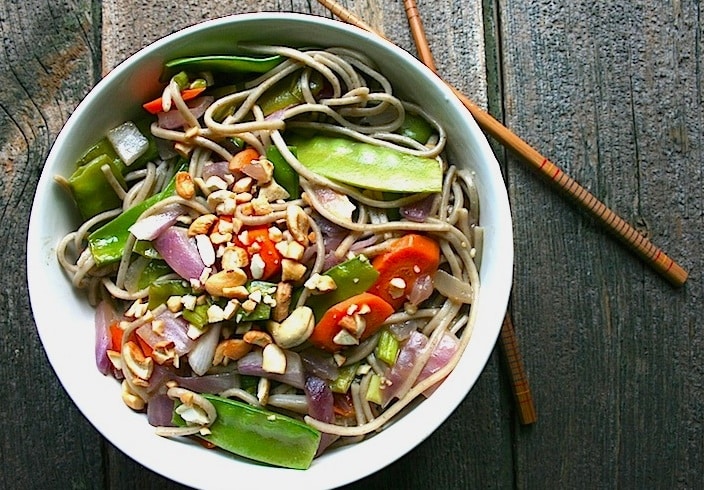
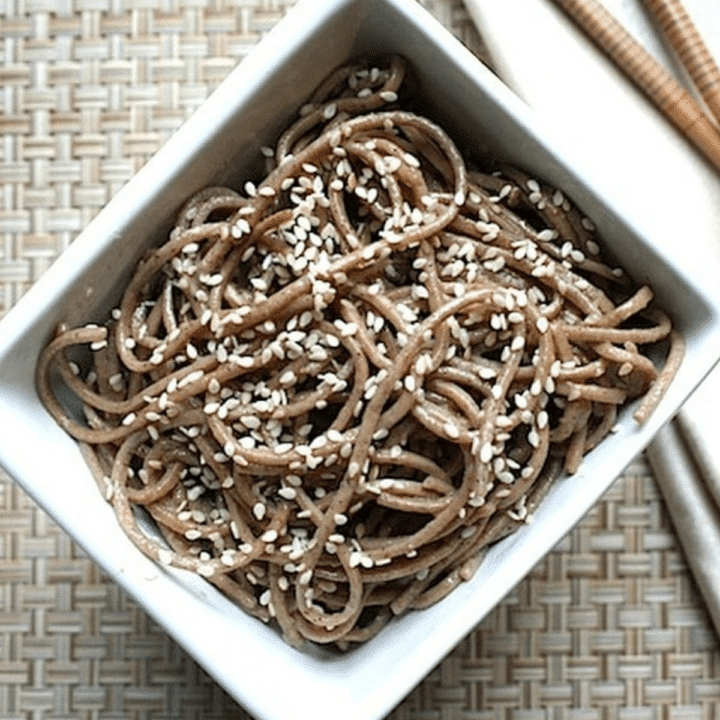
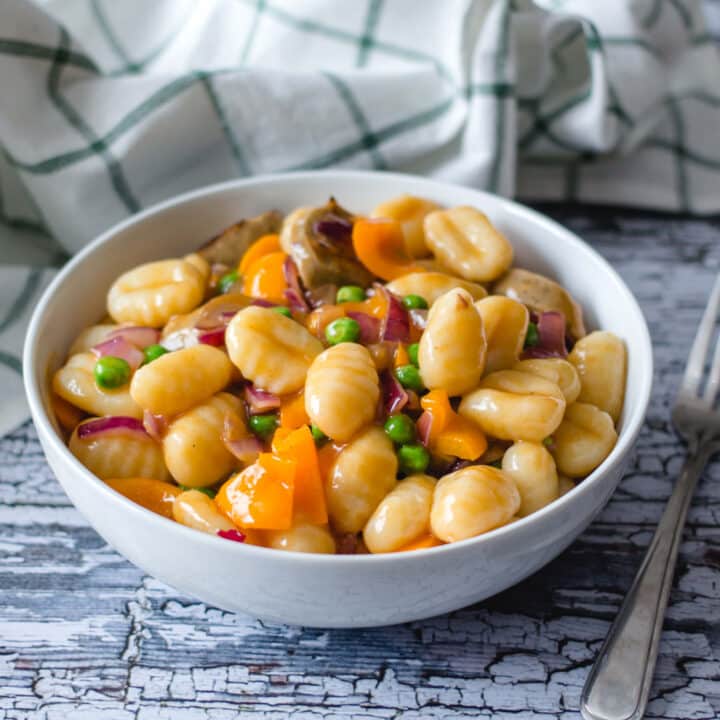
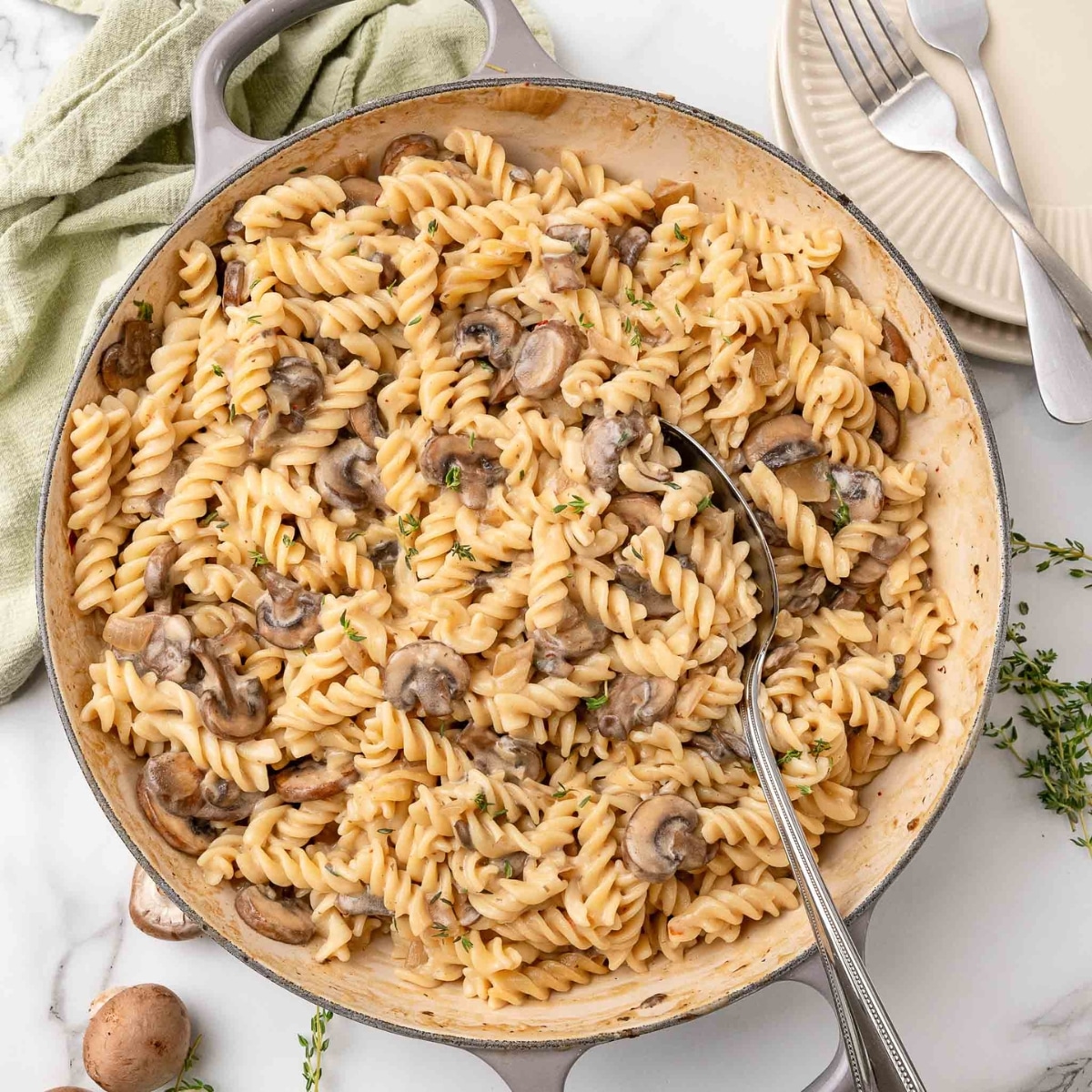
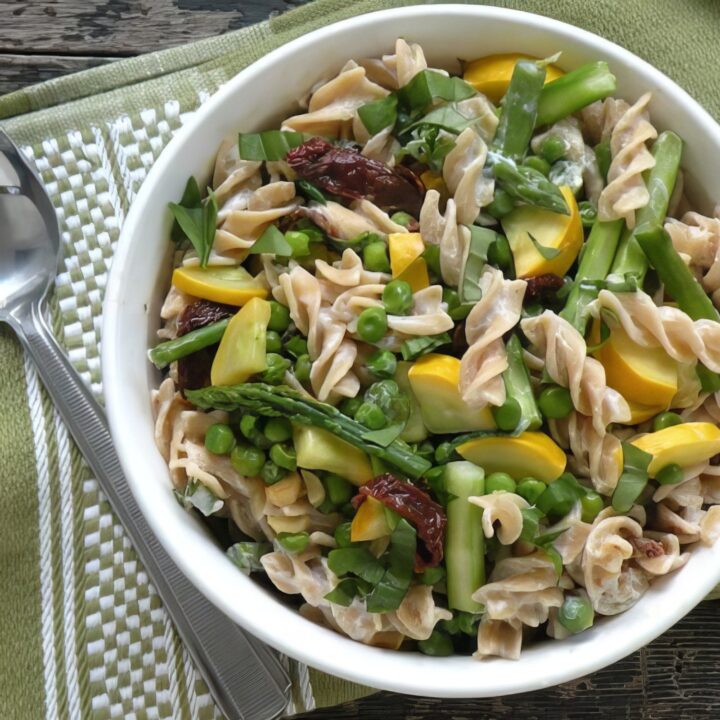
Here are more recipes using Asian noodles.
Steph says
Where did this dish originate from? Is it influenced by japanese cuisine?
Nava says
Stephanie, I've been making this for so long, I have no idea how or when I originally devised it. Undoubtedly, it's Japanese influenced.
Glorian Gilmore says
I adore your recipes and am an avid fan. I will be purchasing your books on a regular basis. I did purchase the Wild About Greens book and both my daughter and I refer to the book on a regular basis
Nava says
Thank you so much for your kind comment! So glad to be part of your life in the kitchen ...