
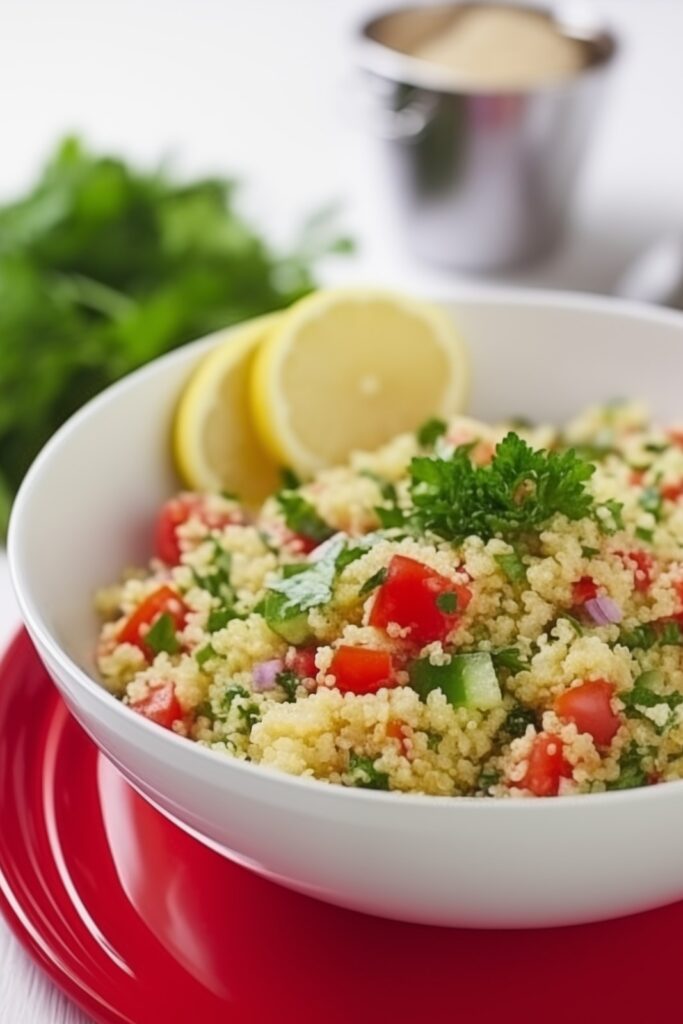
This classic tabbouleh is everything a great salad should be - bright, herby, tangy, and refreshing. Make it the traditional way with bulgur, or swap in quinoa for a gluten-free version or couscous when you want something even faster.
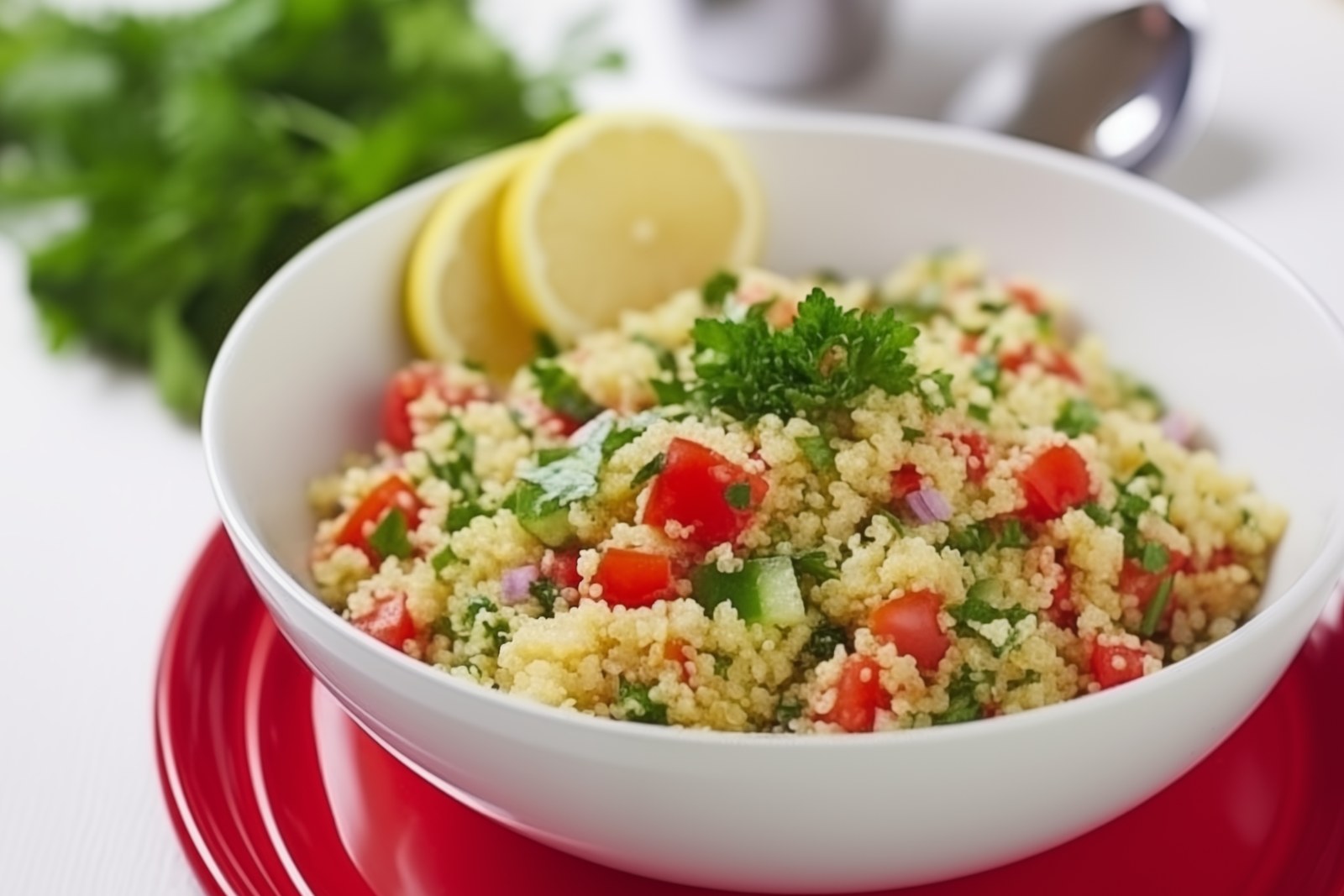
Key Ingredients & Substitutions
- Bulgur wheat. The traditional grain for tabbouleh - it has a nutty flavor, chewy texture, and cooks quickly on the stovetop. Medium or fine bulgur both work; fine bulgur soaks up the dressing especially well. Substitute couscous for a near-instant version, or quinoa to keep it gluten-free and higher in protein.
- Fresh flat-leaf parsley. The star of the dish - don't hold back. Tabbouleh should be heavily green. Flat-leaf (Italian) parsley has more flavor than curly; use at least one large bunch, very finely chopped.
- Ripe tomatoes. Use the best tomatoes you can find - they provide sweetness and juice that becomes part of the dressing. Cherry tomatoes, halved, work beautifully in summer. In winter, Roma tomatoes are your most reliable option.
- Fresh lemon juice. Squeeze it fresh - bottled juice won't give you the same brightness. Start with one large lemon and add more to taste.
- Extra-virgin olive oil. Use a good one; it's a primary flavor in the dressing.
- Scallions. Milder than red onion and traditional in many versions. If you prefer the bite of raw onion, swap in ¼ cup minced red onion.
- Fresh mint. Optional but excellent - a small handful of thinly sliced mint leaves adds a cooling note that makes this especially refreshing in warm weather.
Variations
- Quinoa tabbouleh (gluten-free). Rinse 1 cup quinoa, then cook with 2 cups water for 15 minutes over low heat until absorbed. Cool completely before mixing in - quinoa releases liquid as it cools, so don't rush this step. The result is slightly nuttier and higher in protein than the bulgur version.
- Couscous tabbouleh (fastest version). No stovetop needed. Place 1 cup whole-grain couscous in a heatproof bowl, pour 1¼ cups boiling water over it, cover tightly, and let stand 10 minutes. Fluff and cool, then mix in the other ingredients. On the table in about 20 minutes total.
- Chickpea tabbouleh. Add a drained 15-ounce can of chickpeas to make this a hearty main-dish salad instead of a side.
- Add olives. About ⅓ cup sliced Kalamata olives adds a salty, briny depth - especially good if you're not serving olives alongside.
- Cucumber tabbouleh. Add 1 cup diced English cucumber for extra crunch and freshness. This is common in Lebanese-style versions.
- Grain-free version. Replace the grain entirely with extra-finely chopped cauliflower (raw) for a low-carb tabbouleh that's surprisingly close to the original in texture.
Tips for the Best Tabbouleh
- Cool the grain completely before mixing. Warm grain will wilt the parsley and make the salad soggy. Spread it on a baking sheet to cool faster.
- Chop the parsley very fine. Rough-chopped parsley gives an uneven, chewy texture. Use a sharp knife and chop it until it's almost a finely minced pile - it should almost melt into the grain.
- Let it rest before serving. Tabbouleh gets dramatically better after 30 minutes as the grain absorbs the dressing. An hour is even better. Make it ahead if you can.
- Dress it twice. Add half the lemon juice and olive oil before resting, then taste and add more just before serving - the grain absorbs a lot and it often needs a second hit of lemon.
- Season assertively. Tabbouleh is a bold salad - it needs more salt than you might expect, and plenty of black pepper. Taste it at least twice before serving.
How to Serve
Tabbouleh is a natural fit on a Middle Eastern mezze spread alongside hummus, warm pita, a handful of olives, and stuffed grape leaves. For a bold homemade dressing to accompany any grain salad, try our garlic mustard vinaigrette. For another fresh herb-forward salad, our tomato relish salad is bright and simple. It also works beautifully as a side dish for grilled or roasted vegetables, falafel, or lentil soup. Leftovers keep well in the fridge for up to 3 days - the flavors deepen overnight, though the parsley will lose some of its brightness. Give it a fresh squeeze of lemon and a drizzle of olive oil before serving again.
Recipe
Tabbouleh Salad (Bulgur, Couscous, or Quinoa)
Ingredients
- 1 cup bulgur wheat see notes for couscous or quinoa variations
- 2 cups water
- 3 medium ripe tomatoes diced
- 1 cup fresh flat-leaf parsley finely chopped (about 1 large bunch)
- 3 scallions thinly sliced
- 2 tablespoons fresh mint leaves thinly sliced, optional
- 3 tablespoons extra-virgin olive oil
- 1 large lemon juiced (about 3–4 tablespoons)
- salt and freshly ground black pepper to taste
Instructions
- Combine the bulgur and water in a small saucepan. Bring to a boil over medium-high heat, then reduce the heat to low, cover, and simmer for 12 to 15 minutes, until the water is fully absorbed. For a more tender result, add an extra ½ cup water and continue simmering until absorbed. Remove from heat, fluff with a fork, and spread onto a baking sheet or large plate to cool to room temperature.
- While the bulgur cools, dice the tomatoes, finely chop the parsley, and thinly slice the scallions and mint (if using). Juice the lemon.
- Transfer the cooled bulgur to a large serving bowl. Add the tomatoes, parsley, scallions, and mint. Drizzle with the olive oil and lemon juice, then season generously with salt and pepper.
- Toss well to combine. For best flavor, cover and let the salad rest at room temperature for at least 30 minutes before serving — this allows the bulgur to absorb the dressing. Taste and adjust salt, pepper, and lemon juice before serving.
Leave a Comment!