
Many people eating a typical Western diet, heavy on refined starches and animal protein, don’t get anywhere near enough fiber. The good news: plant foods are where fiber lives, and a vegan diet built on vegetables, beans, whole grains, fruit, nuts, and seeds makes it easy to hit your daily target. Here are 34 of the best high-fiber foods, grouped by type, with roughly how much fiber each serving delivers and a simple way to eat more of it.
Why Fiber Matters
Dietary fiber is the part of plant foods your body can’t fully digest, and that’s exactly what makes it useful. It comes in two main forms. Soluble fiber dissolves in water and forms a gel that slows digestion; beans, peas, oats, and apples are rich in it. Insoluble fiber (the “roughage” that doesn’t dissolve) adds bulk and helps food move through the digestive system; you’ll find it in whole grains, nuts, seeds, and the skins of fruits and vegetables. Most whole plant foods contain some of both.
Digestion. Insoluble fiber keeps things regular and helps prevent constipation, while fermentable fibers feed the beneficial bacteria in your gut.
Feeling full. High-fiber foods take longer to chew and digest, so they help you feel full sooner and stay satisfied longer. That’s one reason a fiber-rich diet can make it easier to manage your weight without feeling deprived.
Heart health. Soluble fiber helps lower LDL (“bad”) cholesterol, and diets rich in fiber are linked with a lower risk of heart disease, type 2 diabetes, and some cancers. Because it slows the absorption of sugar, fiber also helps keep blood sugar steadier after meals.
How much do you need? The general guideline is about 14 grams of fiber for every 1,000 calories you eat, which works out to roughly 25 to 35 grams a day for most adults. It’s best to increase your intake gradually so your body can adjust, and as you eat more fiber, be sure to drink plenty of water.
A note on the numbers: the fiber figures below are approximate, per-serving values based on USDA nutrient data. Actual amounts vary with variety, ripeness, and how the food is prepared, so treat them as a helpful guide rather than exact counts.
High-Fiber Foods at a Glance
| Food group | Top picks | Approximate fiber per serving |
|---|---|---|
| Vegetables | Artichokes, green peas, collard greens, winter squash | 6 to 10 g per cup or medium artichoke |
| Legumes | Navy beans, split peas, lentils, pinto and black beans | 11 to 19 g per cooked cup |
| Whole grains | Bulgur, whole-wheat pasta, barley, quinoa | 5 to 8 g per cooked cup |
| Fruit | Raspberries, blackberries, dried figs, pears | 5 to 8 g per cup or medium fruit |
| Nuts and seeds | Chia seeds, flaxseeds, almonds, pistachios | 3 to 10 g per ounce or 2 tablespoons |
High-Fiber Vegetables
Vegetables are the easiest place to start. Leave the skins on where you can, and remember that cooking doesn’t destroy fiber; a cup of cooked greens actually packs in more than a cup of raw because they shrink down.
1. Artichokes
Fiber: about 7 to 10 grams per medium artichoke, cooked. Easy way to eat it: Steam a whole artichoke and dip the leaves in a lemony vinaigrette, or toss jarred or frozen artichoke hearts into grain dishes like this Artichoke Farro.
2. Green peas
Fiber: about 9 grams per cup, cooked. Easy way to eat it: Keep a bag in the freezer and stir a handful into soups, pasta, and rice. Italian-Style Rice and Peas (Risi e Bisi) is a cozy way to eat a full cup.
3. Collard greens
Fiber: about 7.5 grams per cup, cooked. Easy way to eat it: Slice them thin and sauté with plenty of garlic, as in these Simple Sautéed Garlicky Greens.
4. Acorn and butternut squash
Fiber: about 6 to 9 grams per cup, baked. Easy way to eat it: Halve and roast, then fill the cavities with a hearty stuffing, like this Rice and Pecan-Stuffed Squash.
5. Parsnips
Fiber: about 5.5 grams per cup, cooked. Easy way to eat it: Roast them alongside carrots and potatoes, or simmer them into a creamy Vegan Parsnip Chowder.
6. Broccoli
Fiber: about 5 grams per cup, cooked. Easy way to eat it: Eat the stems too (they’re just as fiber-rich as the florets). This Vegan Broccoli Quinoa Casserole pairs it with another high-fiber favorite.
7. Carrots
Fiber: about 4.5 grams per cup, cooked. Easy way to eat it: Snack on them raw with hummus, or roast them until caramelized, as in these Sweet Cinnamon-Roasted Baby Carrots.
8. Brussels sprouts
Fiber: about 4 grams per cup, cooked. Easy way to eat it: Halve and roast or pan-sear them until the edges crisp. Wine-Glazed Brussels Sprouts make an easy holiday-worthy side.
9. Sweet corn
Fiber: about 4 grams per cup, cooked. Easy way to eat it: Add kernels to salads, salsas, and chili, or make a bowl of Creamy Corn Chowder.
10. Sweet potatoes
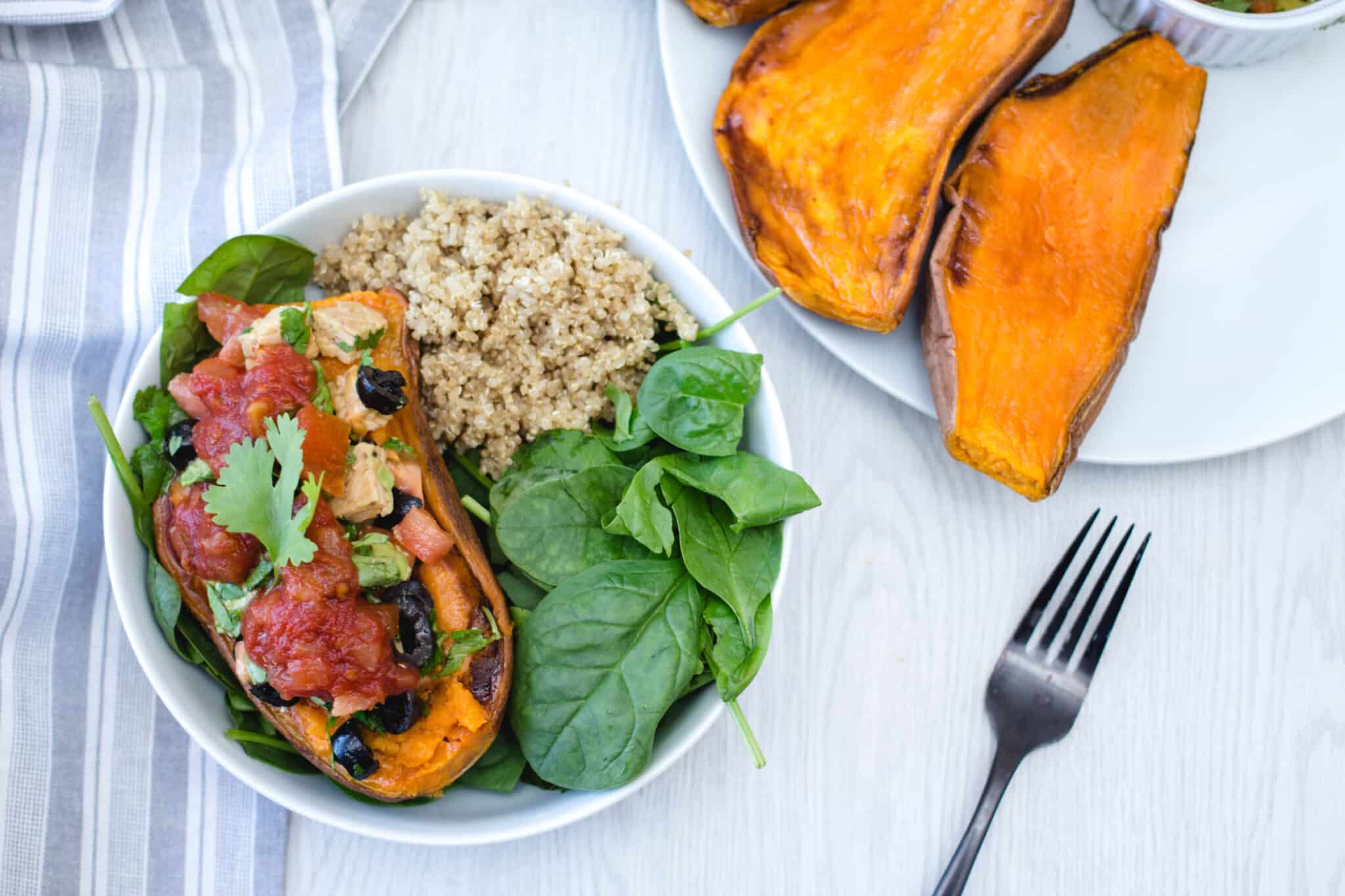
Fiber: about 4 grams per medium potato, baked with the skin. Easy way to eat it: Bake them whole, skin and all, and load them up with beans, as in this Vegan Mexican Stuffed Sweet Potato.
High-Fiber Legumes
Beans, lentils, and peas are the undisputed fiber champions, with more per serving than any other food group, plus plenty of plant protein. Canned beans count just as much as home-cooked; just rinse them to cut the sodium.
11. Navy beans
Fiber: about 19 grams per cup, cooked. Easy way to eat it: Simmer them into a hearty soup, like this White Bean Soup with Corn and Red Peppers.
12. Split peas
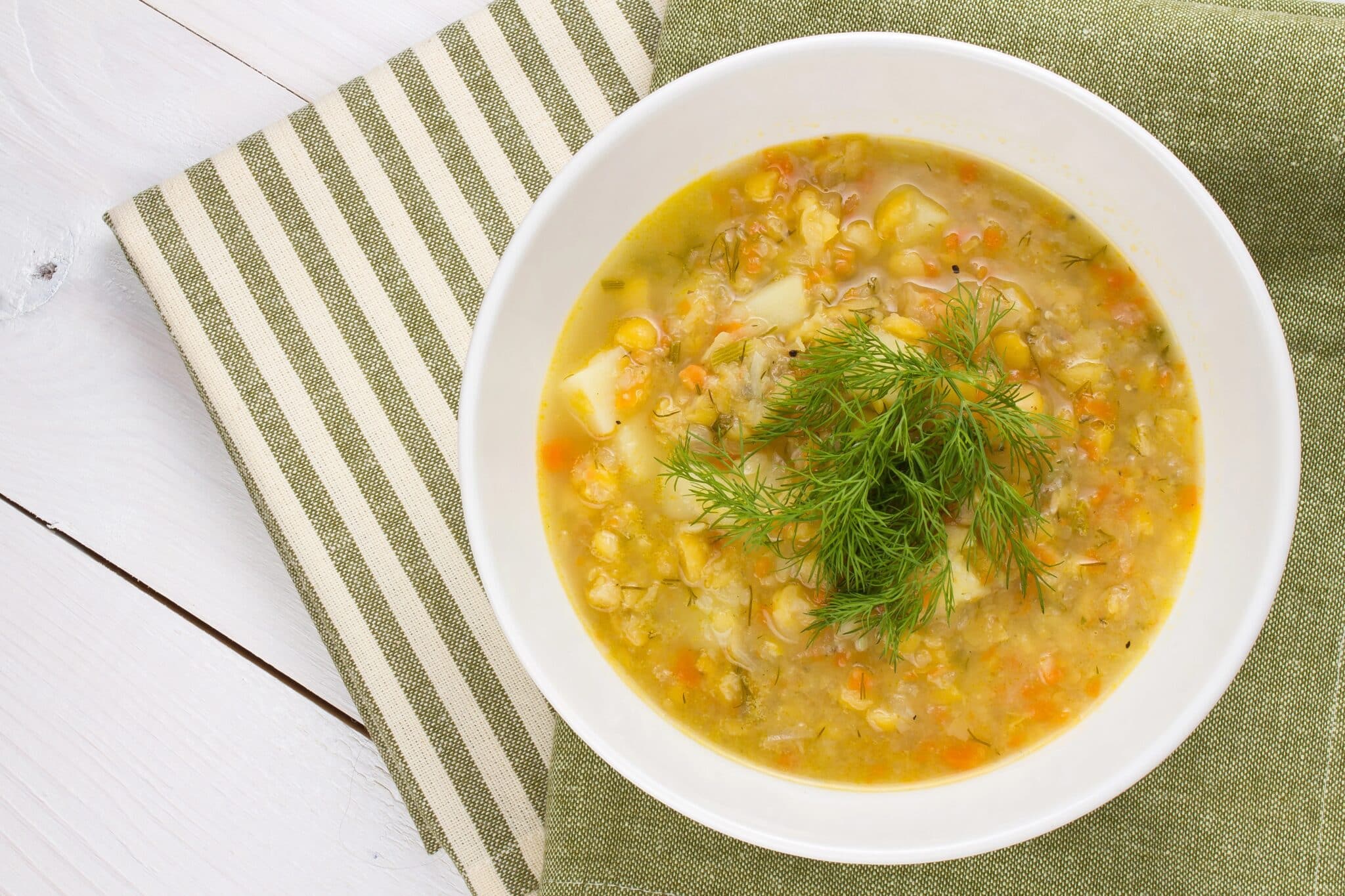
Fiber: about 16 grams per cup, cooked. Easy way to eat it: They cook down without soaking into the ultimate thick, comforting Vegan Split Pea Soup.
13. Lentils
Fiber: about 15.5 grams per cup, cooked. Easy way to eat it: Red lentils melt into soups and dals in about 20 minutes; try this Red Lentil Dal. Brown lentils hold their shape for salads, and a bag of Palouse Brand brown lentils keeps in the pantry for months.
14. Pinto beans
Fiber: about 15 grams per cup, cooked. Easy way to eat it: Stir them into tacos and burritos, or pair them with greens in this simple Chard with Pinto Beans.
15. Black beans
Fiber: about 15 grams per cup, cooked. Easy way to eat it: Purée them into a quick soup, like this 20-Minute Salsa Black Bean Soup, or mash them into burgers.
16. Lima beans
Fiber: about 13 grams per cup, cooked. Easy way to eat it: Give them a Southern-style simmer, as in these Vegan Southern Lima Beans.
17. Chickpeas
Fiber: about 12.5 grams per cup, cooked. Easy way to eat it: Roast them for a crunchy snack or blend them into Classic Hummus for dipping raw vegetables (a fiber double win).
18. Kidney beans
Fiber: about 11 grams per cup, cooked. Easy way to eat it: They’re a natural in chili; try this Classic Vegan Chili and make a double batch for the freezer.
High-Fiber Whole Grains
Swapping refined grains for whole ones is one of the simplest fiber upgrades you can make, because the fiber-rich bran is left intact.
19. Bulgur
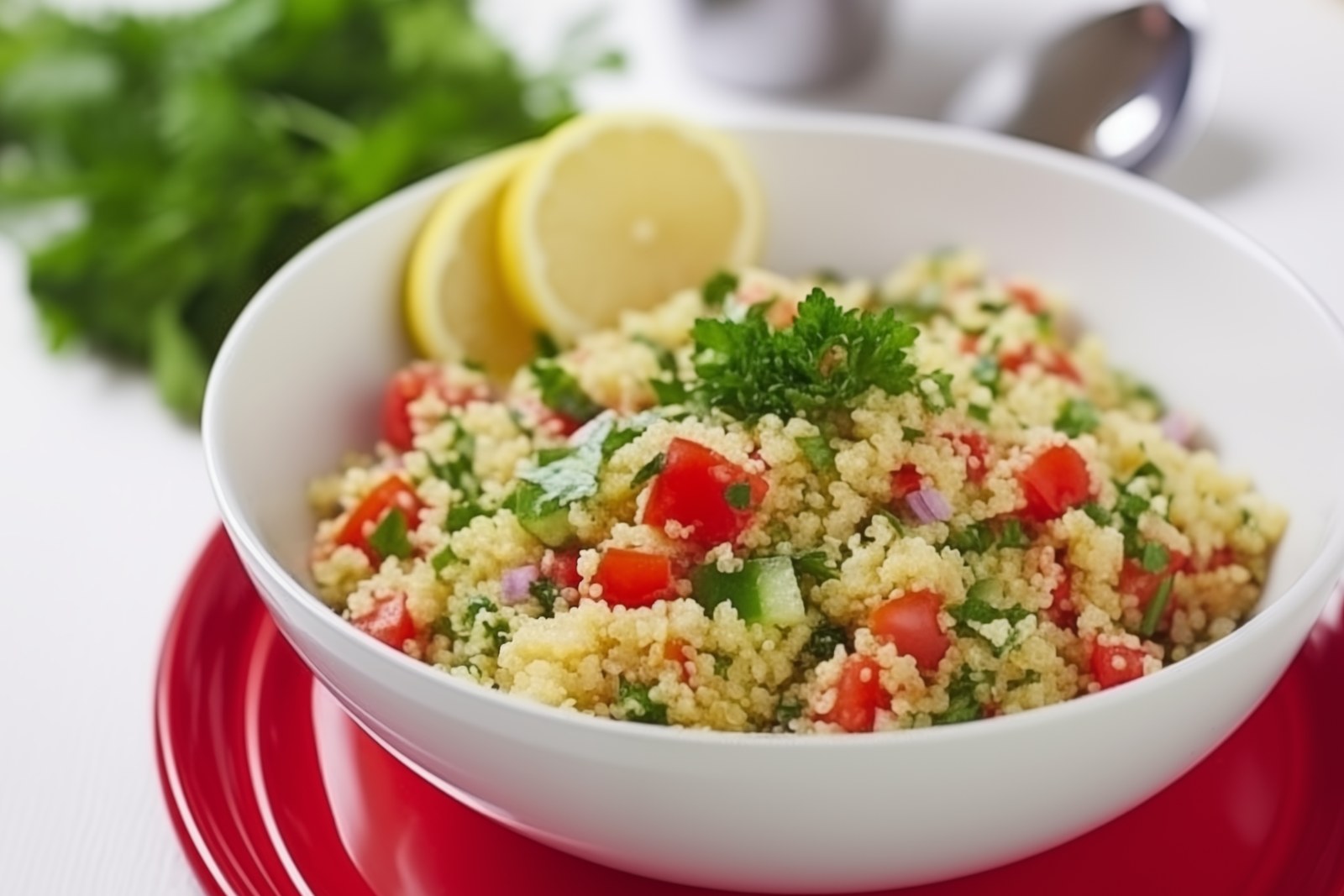
Fiber: about 8 grams per cup, cooked. Easy way to eat it: It only needs soaking or a short simmer, which makes it perfect for Tabbouleh Salad.
20. Whole-wheat pasta
Fiber: about 6 grams per cup, cooked. Easy way to eat it: Swap it in for white pasta in any recipe; it’s especially good with a hearty sauce like this Pasta with Hearty Lentil and Spinach Sauce.
21. Barley
Fiber: about 6 grams per cup, cooked (pearled). Easy way to eat it: Barley adds a chewy bite and body to soups; try this Classic Mushroom-Barley Soup.
22. Quinoa
Fiber: about 5 grams per cup, cooked. Easy way to eat it: Use it as a base for grain bowls or a quick side, like this Simple Kale and Quinoa Pilaf.
23. Oats
Fiber: about 4 grams per cup of cooked oatmeal. Easy way to eat it: Start the day with a bowl of Apple Pie Oatmeal, topped with fruit and a spoonful of seeds for even more fiber.
24. Popcorn
Fiber: about 3.5 grams per 3 cups, air-popped. Easy way to eat it: Yes, popcorn is a whole grain! Skip the butter and season it with herbs, as in this Stovetop Herb Popcorn.
High-Fiber Fruits
Whole fruit beats juice every time when it comes to fiber. Berries lead the pack, and eating the skin on apples and pears roughly doubles what you get.
25. Raspberries
Fiber: about 8 grams per cup. Easy way to eat it: Add them to breakfast, as in these Raspberry Chia Breakfast Jars; frozen berries work just as well.
26. Blackberries
Fiber: about 7.5 grams per cup. Easy way to eat it: Eat them by the handful, blend them into smoothies, or bake them into these Vegan Blackberry Cookies.
27. Avocado
Fiber: about 5 grams per half avocado. Easy way to eat it: Mash it onto whole-grain toast or fill the halves with a zesty salad, as in these Stuffed Avocados with Corn and Olives.
28. Pears
Fiber: about 5.5 grams per medium pear, with the skin. Easy way to eat it: Slice them into salads, like these Mixed Greens with Pears, Cranberries, and Pecans.
29. Dried figs
Fiber: about 7 grams per ½ cup. Easy way to eat it: Chop them into oatmeal or snack mixes, or press them into these Unbaked Fig Bars.
30. Apples
Fiber: about 4.5 grams per medium apple, with the skin. Easy way to eat it: Pair slices with nut butter for a snack, or add them to a crunchy salad like this Kale, Romaine, and Apple Salad with Sesame-Avocado Dressing.
High-Fiber Nuts and Seeds
A small handful goes a long way. Nuts and seeds add fiber along with healthy fats, so they’re an easy way to boost the staying power of breakfasts, salads, and snacks.
31. Chia seeds
Fiber: about 10 grams per ounce (roughly 2½ tablespoons). Easy way to eat it: Stir them into plant milk and let them thicken overnight into Raspberry Chia Pudding.
32. Flaxseeds
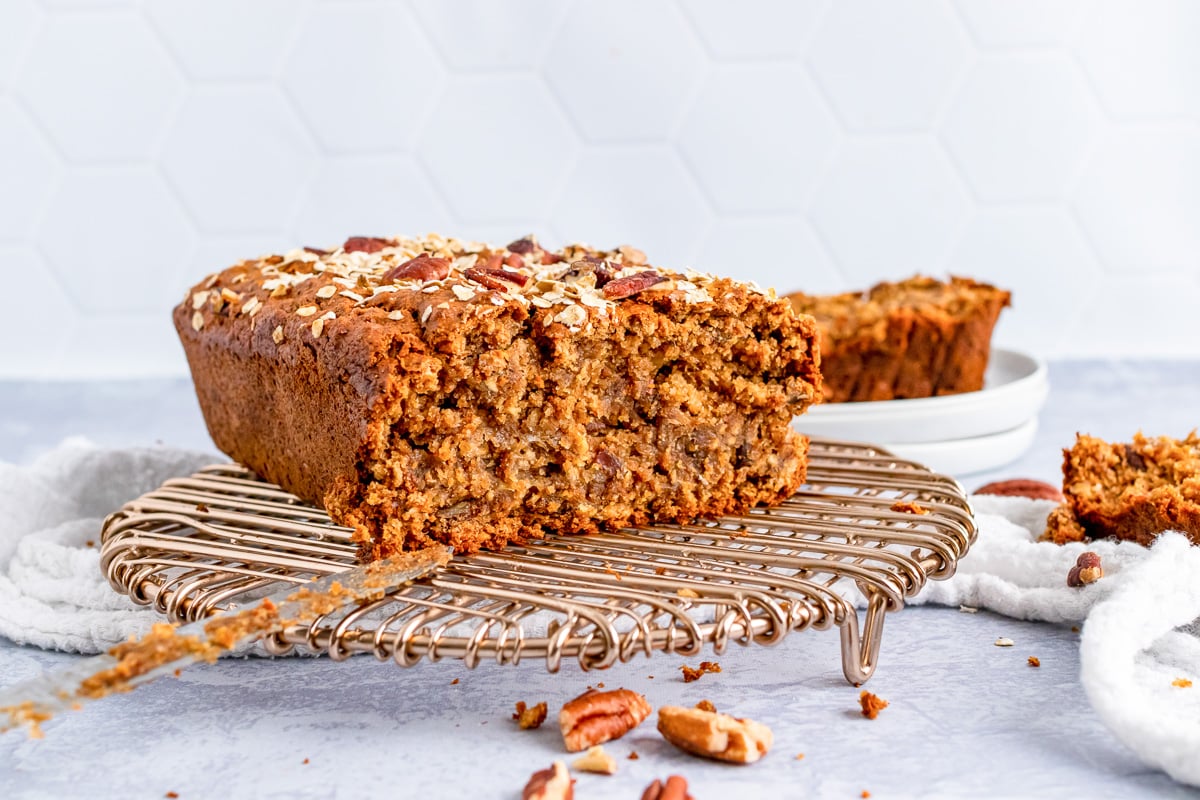
Fiber: about 4 grams per 2 tablespoons, ground. Easy way to eat it: Buy them ground (or grind them yourself) so your body can use the nutrients; a bag of Anthony’s organic flaxseed meal is handy for sprinkling on oatmeal. Ground flax also works as an egg replacer in baking, as in this Oat Flour Banana Bread.
33. Almonds
Fiber: about 3.5 grams per ounce (about 23 almonds). Easy way to eat it: Keep a jar on hand for snacking, or blend them with dates into these Date and Almond Energy Bites.
34. Pistachios
Fiber: about 3 grams per ounce (about 49 pistachios). Easy way to eat it: Sprinkle them over grain salads, or blend them into this bright Green Pea, Parsley, and Pistachio Dip.
Easy Ways to Eat More Fiber
Build meals around beans. Just one cup of cooked beans or lentils covers about half of a day’s fiber. Add them to soups, salads, pasta sauces, and tacos a few times a week.
Make half your plate vegetables. Leave peels on potatoes, carrots, and apples when you can, and add an extra vegetable to dishes you already make.
Choose whole grains by default. Swap white rice, white bread, and regular pasta for brown rice, whole-grain bread, bulgur, barley, and whole-wheat pasta.
Upgrade your snacks and breakfasts. Berries, a pear, a handful of nuts, or a spoonful of chia or ground flax in your oatmeal adds several grams without any extra effort.
Frequently Asked Questions
Which vegetables have the most fiber?
Artichokes top the list at about 7 to 10 grams per medium artichoke, followed by green peas (about 9 grams per cooked cup), collard greens (about 7.5 grams), and acorn and butternut squash (about 6 to 9 grams). Parsnips, broccoli, carrots, Brussels sprouts, sweet corn, and sweet potatoes with the skin all provide about 4 to 5.5 grams per serving. If you count legumes as vegetables, beans, lentils, and split peas beat them all, at 11 to 19 grams per cooked cup.
How much fiber do I need each day?
Most adults need roughly 25 to 35 grams a day, or about 14 grams for every 1,000 calories. A day that includes a cup of beans, a couple of servings of vegetables, a whole-grain breakfast, and a piece of fruit will get you there easily.
Can you eat too much fiber?
If you add a lot of fiber all at once, you may notice gas, bloating, or cramping. Increase it gradually over a few weeks and drink plenty of water, and your digestive system will adjust.
More Vegan Resources
If you found this info helpful, be sure to check out these other helpful vegan eating resources:



Paul Weigel says
Most of the items on the list I have daily or weekly. Been feeling so much better.