
Chia seeds are known as a great plant-based source of omega-3 fatty acids, in addition to a host of other nutrients, and an abundance of calcium, protein, and fiber. These frequently asked questions are excerpted from Chia: The Complete Guide to the Ultimate Superfood* by Wayne Coates, PhD.
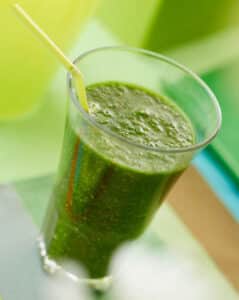 If you like chia seeds, you'll love 6 Fabulous Recipes for Chia Seeds here on VegKitchen.
Q. Can I eat too much chia?
A. Not really. If you eat more than your body can handle, you may find yourself feeling a bit bloated, or you may experience mild diarrhea, though this is rare.
Q. Is it possible to be allergic to chia?
A. It is very rare, but the possibility does exist. Those most likely to have a reaction to chia are individuals who areallergic to sesame or mustard seed, or to other members of the salvia family, such as sage.
Q. What else does chia contain?
A. The main vitamins are: A, B1 (Thiamin), B2 (Riboflavin), C (ascorbic acid), E, choline, and Folate (folic acid). Chia also contains vitamins B3, B5, B6, B15, B17, D, K, inositol and PABA. The main Minerals are Boron, calcium, copper, iodine, iron, magnesium, manganese, phosphorous, potassium, silicon, sodium, strontium, sulfur, and zinc. It also has amylose and plenty of electrolytes. And they also contain 18 of the 22 amino acids, including all nine essential amino acids.
Q. I'm on medication. Can I take chia?
A. It depends on the medication. Your best bet is to talk with your healthcare provider before taking chia.
Q. My personal trainer said I should have chia daily between weight lifting workouts. Why?
A. Chia is believed to decrease recovery time and fatigue in cardiovascular workouts by encouraging muscle tissue repair.
 Q. What happens after I've swallowed chia?
A. When chia reaches the digestive liquids of your stomach, it swells and forms a gel. This gel slows down the rate at which digestive enzymes turn carbohydrates into sugar.
Q. I understand I should drink plenty of liquids when eating chia. Why?
A. Since chia absorbs a lot of liquid, it can lead to stomach cramps. Hence the need to consume sufficient liquid when consuming chia.
Q. I've heard chia can make my nails healthier and grow faster. Is it true?
A. Chia is rich in omega-3, as well as calcium, boron, and many antioxidants that help create healthy, moist, disease-free skin.
Q. Is it necessary to grind the seed?
A. Chia seeds do not need to be ground for absorption, unlike flax, which must be ground before eating it.
 Q. Should chia seeds be washed?
A. Chia seeds do not need to be washed.
Q. How should chia seeds be stored?
A. Whole chia seeds will stay in good condition at room temperature for several years. There is no need to keep the seeds in the refrigerator, whether it's kept in sealed bags or not. The seed's natural antioxidants provide this stability. Storing chia in a closed container will help extend its shelf life.
Q. What's the difference between the colors of chia seed.
A. There are two chia seed colors, white and black. The difference between the two colors, however, is negligible. Both contain essentially the same amount of omega-3, protein, fiber, and other nutrients.
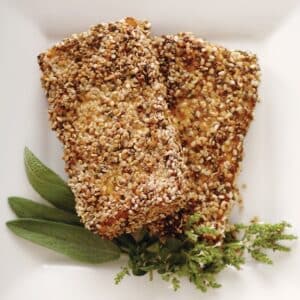
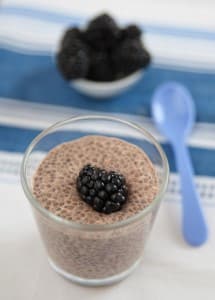
Here are two recipes from Chia: The Complete Guide to the Ultimate Superfood:
*This post contains affiliate links. If the product is purchased by linking through this review, VegKitchen receives a modest commission, which helps maintain our site and helps it to continue growing!



kathie says
Are chia seeds okay to eat if I occasionally suffer from diverticulitis?
Nava says
Kathie, my gut tells me that you need to proceed with real caution on using chia if you have diverticulitis -- I just loaned the book out yesterday, and so can't look up the answer for you -- but I may be able to find out what the author fo this book thinks, so stay tuned!
kathie says
Thank you Nava, I appreciate your reply and look forward to hearing any answers that you may find!
Shaun says
Kathie. i too have diverticulitis and chia seeds are great for helping with it. According to my chia seeds .com Helping with Diverticulitis is the #3 reason to take chia seeds.
3. Help Prevent Diverticulitis / Diverticulosis
With the abundance of over-processed foods and white flour on the market today, rich sources of fiber are harder to come by. These foods of convenience have contributed to the rise of diverticulitis. Irregularity is a
big factor in this risky condition. To help ensure regularity, you need plenty of soluble and insoluble fiber in your diet. If you don’t want to eat celery, and whole-grain everything…or piles of bran flakes, the Chia Seed is here to help. Each seed is coated with soluble fibers which aid its gelling action. The exterior of the seed is protected by insoluble fiber. The insoluble fiber is unable to be digested (it does not contribute any calories, or break down) so instead, it helps keep food moving smoothly through the digestive process. Soluble fiber, and the gel coating of the seed keeps the colon hydrated and ensures the easy movement of food.
Nava says
Thanks for this valuable input, Shaun — much appreciated!
~Joshua says
Yay, I was fine taking chia for a few weeks and then I started getting stomach cramps something awful. I think my appendix was having a negative reaction to them as well. Tests at the doctor take so long though that by the time they got around to doing them I was pretty much fine. Happened to me three times before I concluded it was the chia. Ate a little bit by itself for breakfast and that's when I knew.
diverticulitis diet says
Shaun, Thanks for this valuable input — much appreciated!!!!
Vanessa says
A possible side effect of too many chia seeds is low blood pressure (feeling faint, dizzy) and be careful eating before bed as they are super stimulating similar to caffeine. The incas used them to hike the Andes. These are both from first hand experience 🙂
Baylee says
Can I put chia seeds in fruit smoothies or perhaps put them in something I would bake or do I have to put them in water or should I just eat them plain?
Nava says
Baylee, you can do all of the above. When using in a smoothie, you need to drink up quickly, as they make liquid thicken up quite a bit. And you can use whole or ground seeds in baking.
Pat says
How can it be consumed? Just dry? In a glass of water (which is what I do regularly)
Thanks
Nava says
Pat, lots of people like to add chia seeds to smoothies. You can mix them into water or juice, too, but the most important thing is to use them with a lot of fluid, as they expand greatly in the stomach.
Norma Ramos says
I was born and raced in Mexico City, so that, I grew up with Chia and Lemon mixted with sugar,, I drink that as a regular drinking water all my life,,. I never had or have any blotting problems in my Stomach, I think is better to eat just a little bit to bigin, if you are not familiar with what Chia really is,, I just love the flavor and I like to play with them in my mouth, (kind of, like I am trying to bite the little tiny seeds.) Good luck and enjoy.. 🙂
Jason says
What's the difference between chia seeds for planting and for eating? Can I eat the seeds sold for planting all the same?
Maria says
Since I eat peanut butter on a daily basis, I mix chia seeds into my jar of peanut butter. I uses a food processor to make sure they are evenly distributed. Delicious!
Nava says
That's a really good idea. I just did something very similar, and also included hemp seeds and maca powder. Made them into small rounds, and take one or two a day to get my omegas!
fran allen says
I put chia in with a small amount of bircher museli,flax seeds, and top with small amount of natural yoghurt and milk. Delicious
Sue says
Folate and folic acid are not the same thing. Just ask someone with the MTHFR gene mutation.
Meemee says
Joshua, the cramps may have been a usual side affect of Chia. You have to drink more water than you usually do to avoid the cramps. Also, lessen the amount of seeds that you consume until you can figure the water to Chia ratio to avoid cramps.
Jay says
When I put chia seeds in my water to drink , as we all know they form a gel, so when I do drink them, in my experience they pass right through me. So I'm wondering, that means I'm not getting any of the chia seeds nutrients, right?
Nava says
Jay, I do believe that the chia seeds are digested, they don't pass right through you as do, say, whole flaxseeds. Otherwise, you wouldn't reap their benefits.
Monica says
Is there a major difference in organic and non-organic when it comes to chia seeds?
Nava says
Monica, this is a great question! I've heard various things about this; lots of sources say that chia is not a heavily sprayed (if at all) crop; most major brands like Nutiva are certified organic in any case. So while I can't say that my search is definitive, it may be best to err on the side of caution and support the organic variety. That said, if you already have a batch of non-organic seeds, it probably wouldn't do much harm to use them.
Jessica says
I've been taking chia seeds daily for a few weeks and have had horrible headaches! Like 3-6 a day and pretty severe. I never have headaches like this. The only thing I can attribute it to is the Chia seeds?! Has anyone else noticed this?
Nava says
Jessica, I've never heard of this, but if the only change you've made over the last few weeks is taking chia seeds, stop using them at once! To get your omegas, switch to flax or hemp seeds, or eat 3 or 4 walnut halves a day.
yangsheng says
Can i eat chia seeds with black sesame at same time? i would add honey too.
Nava says
I don't see why not … but be sure to drink plenty of liquid, too, as the chia seeds swell up in your stomach!
Vicky Lahkar says
Regarding headache, Chia seeds slow down the absorption of nutrients in intestine-> including carbohydarates-> you get hypoglycemic-> and Boom comes the headache.
The next time you get a headache after gulping down the chia, slurp down a teaspoon of sugar in your tongue, you will have a feeling-good-head, minus the ache!
Sophia says
HI ! I've just bought some chia seed from my local market but i believe the chia seed is not "clean" (first time I've tried, I found some random stuff in it that weren't seeds). If I can't wash it, how can I clean my seeds?
Thank you !
Nava says
Sophia, I'm not sure there's a way to clean them. If I were you, I'd return them to the market and seek a different source!
loy says
i also headache, is that normal can i continue taking chia seed??
Kazza says
For thé First time yesterday I bought some black chia seeds and promptly added a tablespoon to my bottle of water. I liked them so much I ate another tablespoon on its own. I went to bed feeling extremely bloated and thought nothing of it until during the night I woke up with debilitating stomach cramps and headaches. Absolute agony for hours it came in 5 minute waves of cramping. I kept drinking bottles of warm water to try and soothe aching plus a hot water bottle on my stomach and i noticed the more i drank the pain moved from the top of my stomach down towards my lower abdomen and now it has almost disappeared. I should've read about the side effects and how to correctly ease into chia seeds before going crazy on the stuff! Lesson learnt!
Marwa says
I take vitamins supplement and minerals.. I was wondering if adding chia seeds to water/food will lead to negative results such as an overdose?
Ron says
How should I begin taking the chia seeds? I'm so glad I found this page. I'm having a very negative experience right now. Fever, chills, no energy been in bed 2 days now. The only thing different that I have eaten was the chia seeds. I just had a triple bypass done 2 1/2 months ago. I am on a no cholesterol, no (bad) fats diet which is a heart disease reversal diet. We r learning so much about plant based eating n Mon on my walk I was doing great but my allergies were the worst they had been in quite a while. When we got in n I had my quick oats n cinnamon n strawberries I added a teaspoon of chia seeds. (My wife had just gotten them). She just put a couple of pinches of Chua seeds on hers. I rested most of the day. Before supper I was chomping at the bit to be able to get out n help in the garden etc. She told me that the chia seeds were good for an energy boost. Well, apparently they were. I put another teaspoon of seeds on my salad. I went out n worked til dark. I am so excited about that. But 3:30 am tues morning I went to the bathroom I was in excruciating pain. I thought maybe appendix or kidney stone was the problem. The severe pain is gone but it looks like my body is fighting an infection. Whatever the problem is I hope the worst is passed. What I don't want to give up is the chia seeds. It sounds like I started off w/too much n maybe didn't drink enough water. As soon as the infection is over I want to get started taking the chia seeds again.
Nava says
Ron, sorry for your health troubles. We are not qualified to give medical advice. It would be a good idea for you to consult with a Registered Dietician to get these and other questions answered so you can move forward with improving your health!
Ron says
Ok, I got through that alright. What I would like to know is how much or how often I should take it so I can work up to 2 tablespoons a day? I started again yesterday w/just a pinch.
Mel says
I love this stuff I put a teaspoon of chia in my lemonade
So delicious..it's like having boba but easier to drink...
My mom got me into chia.. But I am also reading about the health benefits just now , now I know to not give up on my chia
Ricky says
I am just learning about chia seeds. I have been plagued by irritable bowel syndrome for many years, with mostly diarrhea. Based on a nutritionist guidance I began using Metamucil as a fiber supplement several times a day to control the diarrhea, and for the past several years it has worked great. However, within the past couple of months I began having issues with it which I believe is a sensitivity to the psyllium seeds, so, I have had to stop using psyllium fiber. My BIG question is, does anyone know, or has anyone experienced the use of chia seeds, a soluble fiber, which has been used to control diarrhea? The way the psyllium works is it essentially binds the gastric acids, make for a firmer BM, and just makes life more comfortable. On top of this, I should say, I have no gallbladder, so bile salts play havoc on the system if I have too much fat, without the psyllium. I am hoping some may offer any guidance or advice on the use of chia in this regard, or any other similar healthy alternative which they may know of. Thanks
Penny Carrier says
If you have trouble digesting them, then don't take them dry. I add almond milk to a couple of spoonfuls of seeds and keep stirring occasionally for 10mins to half an hour while they swell up and make a pudding consistency. You can add a little bit of powdered vanilla and sweetening (I use a pinch of stevia) and even raw cacao to turn it into chocolate chia pudding.
iz says
I absolutely love Chia seeds! How ever today someone made me laugh while in was drinking water with the seeds mixed in and some came out my nose ! I am quite scared that if there are any seeds in the back of my nose they will sprout? Could this happen ?
Brandy says
I started taking chia seeds about 6 days ago and first few days went fine but I'm pretty sure I wasn't drinking enough liquids because it's been a couple days since my last bowl movement. the first day I didn't even realize i hadn't gotn enough water and went ahead and took another tsp. dry with water, unaware it wasn't enough. today i have been drinking water cup after cup, and I feel light headed a little but mostly bloated!! Anyone know how long it takes to finally pass these threw?
Colleen says
Can I keep chia in my fridge after it has been mixed with water and becomes a gel?
Nava says
Definitely, Colleen. It keeps for several days in this way.
felicia says
I too think I have taken to many chia seeds.Drank down a bunch with water befor bed, after feel good guilty about eating potato chips,now I have felt lathargic with a headache, bloated and thirsty. I'm Drinking tons of water not that hungry. When should this pass?
Kathy says
I was putting two tablespoons in my coffee every morning. felt like i was losing by belly weight. felt full and good. then for weeks i was having the worst head aches all day long, woke up during the night with the pain and my head just felt numb. i went to doctors, eye doctor, neurologist and they found nothing.i stopped using the Chia seed and i no longer have the headaches. not sure if it was from that but i will start with only teaspoon in the coffee only a couple times a week.
meghan says
Will they bloat my stomach since they absorb and expand?
Chris says
My niece has inflammatory bowel with diarrhea and frequent stools. Has anyone ever filled empty capsules with chia seeds to get it further down the digestive track to help with absorption of excess fluid of diarrhea?
Adelina Ocampo says
I am getting interested on the health value of chia seeds. I want to grow chia seeds at our backyard. For how many months, after planting the seed, will the chia seeds be harvested? This is to plan a calendar date for planting to avoid harvesting during rainy days. Thank you, from Mama Dals
Dave Maker says
When mixed with water, can chia seeds be kept at room temperature in Tupperware?
Kelly says
Can chia seeds lower the bad cholesterol level?If yes, is it good enough to take 2 tablespoon of chia seeds a day for lowering the bad cholesterol? Thank you.
Dottie says
This site has really been helpful. My daughter and I just started using Chia seeds and I have been reading everything I can get my hands on about the Chia seeds. Reading this site I now know why my daughters stomach has been hurting. I soak two tablespoons of Chia seeds in 1/2 to 3/4 cups water water, stir well cover and put in the refrigerator, I get ready for work about 30 min. I add a cup or more yogurt mix well. I asked my daughter if she soaked her seeds and she did not which I know now that the seeds are absorbing most of the water in her system which is giving her stomach cramps. Soaking the seeds first is the way to go for me and my daughter. I hope this can help anyone reading this.
Gabrielle Nickerson says
Thank you, your post helped a lot. My daughter and have just started using Chia seeds as well, and didn't know what to expect. Your post helped very much. Good luck to you.
Beverly Paige says
I found out that I Love chia seed and I eat more that two table spoons a day along with liquids. is that alright.
marisol san miguel says
Is chia safe to consume if you have diverticulitis. My doctor said I should avoid seed like sesami seed corn ect.
Nava says
Marisol, that's an excellent question, but we're not qualified to answer those that are medical, like yours. If your MD doesn't know much about chia, you might consult a Registed Dietician who can guide you on this. Good luck!
Nava says
Beverly, that's probably a fine dosage as long as you consume them with plenty of liquid.
Mary says
I mix sugar free jello with Chia seeds and let it set up over night it's very good. How much is the amount of seeds should I have daily? Is there a risk of over dosing?
Darlene says
I make a jam by mashing 1C of fresh or frozen organic fruit, with 2T chia seeds and 2T Xylitol (a natural sugar made from Birch trees) You will have to adjust the sweetened according to taste. No boiling! Just put it in a jar and refrigerate. It tastes so fresh!
AtlantaJJ says
I just connected the dots today. When I eat them with Greek yogurt, I am fine, no symptoms. When I mix them in water and drink, no problems. BUT when I mix them in oatmeal, oh.my.goodness. I thought it was a fluke, until today, I had the oatmeal, with blueberries and chia seeds. Tummy ache city. Oh my. Glad I found this post.
Barbara says
Darlene, xylitol can cause diarrhea in sensitive individuals. Found that out the hard way chewing sugar free gum that contained the stuff...I've heard of chia seed jam and would love to make it. Would other sweeteners work?
Marie says
I blend strawberries with a bit of coconut water, then add 2 tablespoons of Chia. I put it in a container until lunch time and add vanilla/natural yoghurt. Makes a great afternoon snack!
Sree Talluri says
I have been experiencing bloating and diarrhea lately immediately after dring my berry-chia smoothie. I stopped taking it jsut to find the reason and this article proves that taking 3 teaspoons of chia in my case is not good!
Thanks,
Sree
zeb says
I love the question & answer section on your site. One question/answer I didn't see in "What is the optimum amount a 300# male should consume?" I would appreciate any answers.
Zeb
RoseMary says
I am on a strict 500 calorie diet I need a natural appetite suppressor; how much Chia Seeds do I take and how often, do I take in between meals or before a meal. Also can I combine Chia Seeds with Flax Seeds. Please Help!
Kathy says
Should a person with diverticulitis take chia seed?
sally says
I put about 2 tablespoons of chia seed in container with milk, cinnamon, vanilla extract and dash of sugar overnight in refrigerator and the chia seeds haven't gelled up any. Do you think the seeds aren't any good? I just purchased them at Trader Joe's.
Nava says
Kathy, that's a medical issue and we're not qualified to answer that ... it might be good to ask a Registered Dietician this very good question.
Nava says
Sally, it's odd that your chia seeds didn't gel up at all overnight in the fridge. I'd say give it one more shot with less liquid (stir up an hour or two after you've combined them with the liquid; maybe try nondairy milk instead) and if they still do nothing, return them to the store.
tara says
I've been thinking about getting some Chia seeds. I want to improve my health. I haven't had them before, so this is really useful! I'll have to try and put in in some shakes. http://getchia.com
S.J. says
Hi there,
I have just started the chia diet. And I realized that after soaking the chia seeds with warm water, it kinda had some funny smell coming out? Has it gone bad since many said that chia seeds do not have smell or its normal?
Ulla says
I had a bad reaction to eating chia seeds.
I bought a bag of the seeds and added some to my morning ooatmeal bowl.
Have not had them in two days. Am still bloated and have diarrhea every hour. Painful cramps.
Can't leave my house. I will not try to eat them again.
Chica seeds are not for everybody.
Gloria says
Sally - it could be the ratio of liquid to chia seeds. 1 cup liquid to 1/4 cup chia seeds is about right.
Gloria says
Also, I would use chia seeds with organic coconut milk or almond milk. If you're eating chia seeds because they're healthy, might as well go all the way.
houda Aldifai says
Do the chia seeds can be affected by hight temperature of the oven?
Are chia seeds useful for patient with hypertension or diabetic?
Thank you
Ilja sidoti says
I've been getting bad stomach cramps and could not work it out! I think it's in part due to not drinking fluid whilst eating chia!
Thanks so much
Ravenwolven says
I've started eating chia almost 2 weeks ago. I've seen a significant drop in my blood sugar! I've gone from the 180's to the 130's! I'm really amazed as this is working better than the Metformin was and I don't have the "Metformin Moments" to deal with anymore. I swear by chia now.
I got a recipe from Whole Foods, but in my haste to try it out, I didn't measure accurately and now I don't have any idea what the nutrition information is to enter in my tracker. I need to figure out how many tablespoons wet chia is compared to dry chia. I've been guessing based on the calories in a chia pod.
The recipe, in case anyone is interested, is thus:
CHIA PARFAIT
White chia
Coconut water
Vanilla Soymilk
Vanilla extract
Cinnamon
Combine above ingredients and allow to soak overnight in the fridge. Add more liquid to seed for wetter results and vice versa for dryer.
When ready to eat layer chia "pudding" in a skinny glass with unsweetened shredded coconut and chopped fresh fruit of your choice. The recipe in the store contained blueberries and kiwi. I had strawberries and grapes on hand and it was delicious!
Next time I'm going to make it with dark chocolate almond milk and coco powder. Maybe layered with slivered almonds and cherries?
Michelle says
The answers to these questions are someones opinion. The answers seem to be from someone who, apparently, can tolerate chia seeds well. Not everyone can. I cannot. I was sick for 2 weeks from eating these. Major intestinal issues, bloating, along with infection and fever. On antibiotics for 10 days then another 2 different antibiotics for another 10 days! Also, had to have a cat scan. If you are prone to any sort of diverticulitis, I would not risk it. But that is just my opinion and what my DR's have recently talked about with me.
Michelle says
To the question "can you eat too much chia seeds?" The correct answer should be "yes, yes you can eat to much"
minnie says
I noticed that when I start drinking my chia seeds I start getting a really bad cough is that normal
Barbie says
Is chia bad for the appendix?
pseudonym says
I couldn't tolerate chia until I found this method: I soak 2 tablespoons overnight in 8 oz of homemade kombucha. n the morning I drink it as-is, add a little fruit juice and drink, or use it as the liquid in a breakfast smoothie. Delicious! I found that any acidic liquid (fresh lemon juice in water, fresh orange juice, even cider vinegar water) works the best, if left overnight. The seeds are larger, more gelatinous and softer. I have mild diverticulitis, drinking 2 tablespoons a day soaked overnight this way made a huge improvement in 'normalcy' and regularity for me. My gastro gave me two thumbs up on my last exam!
Chef Javi says
I use 1 to 3 Tablespoons daily. In the past I would eat them raw, just chew them up, crunchy, never had a problem. Though this year I eat them with liquid.
Have noticed an extreme price increase in the last 5 years.Thank you for the great info!
Isabel says
How long can I Leave the seeds in water?
Kc chhan says
I grew up drinking chia and basil seeds all my life. And it was commonplace to always soak your seeds first before drinking or consuming them..must be a cultural thing.
Kathy says
I love my smoothies with Chia seeds.I put 1 Tablespoon in with my fruit...but like others i would sometimes get cramping. So now I'm trying the gelled Chia. the back of the bag said to use 2 tablespoons to 6 oz. of water and let soak for a least 10 minute..I did 20 minutes....when it was ready there was probably over a cup of gelled chia..is it safe to drink that whole cup of gelled chia at one time?
I drank half and I'm already full...Can I save the other half for the next day?
I appreciate any answers...thanks
Jayme says
I opened my bag of Chia seeds and it looks like there is some spider webs in it or something like that with the seeds. Is that normal or was there a spider in my bag?
Connie says
Jayme...that sounds like you got a bag with pantry moths in it.
Jo says
Jayme, I too, just opened my first bag of Chia and all gung ho to jump in and try it, noticed the web issue, as well as a pupa stage moth, I have not searched for more, but where there is one, certainly there are more. I don't really want to eat the seed now. I didn't read an answer to Jayme's question; is this common? The chia seed was expensive, and it is a 50 mile drive to take it back to the store where I purchased it. This is a real pain to deal with! Now what?
Lisa says
I love chia seeds. Thanks for listing all of the vitamins they contain, I didn't know there were so many! It definitely makes sense that you need to drink a lot when you eat chia seeds. As the article said, they absorb liquid. You definitely don't want to get cramps from eating too many chia seeds and not drinking enough. The good news is, it's totally avoidable!
Lisa
Jen says
Two quick recipes, for the morning rush, and the any time drink:
1-2 tsp chia (can build up over time)
Scope of whey-free protein powder
Frozen fruit
Plain yogurt
Stir tonight, the fruit will thaw in the fridge, and the chia changes the consistency of the yogurt to almost a mousse. Tasty and filling.
Ginger
Lemon juice
Honey
Lots of Water
(All measurements to your taste)
Blend in blender or "Nutri Bullet" appliance. Pour your serving into a glass, stir in chia seeds, enjoy, Keep remaining ginger drink covered in the fridge for later in the day or tomorrow. For consistency in serving size, I only add the chia to the serving I'm about to drink. The chia gels quickly. I don't find it necessary to soak them for hours. They do their magic in minutes.
lena santana says
good Morning.
My lither brother has Type 1 diabetes because of it he has chronic renal failure( Kidney problem) and failure heart. I was doing my research and found about that black sesame seeds are good for the Kidney. My only worry is sesame seeds has any phosphorus and potassium in it? as it is prohibited in his diet. The doctor in Brazil has said that he will need to do
hemodialysis if he doe not get any better, it is breaking his and our hearts.. can you please help clarified as it seams to be a great seed for the kidney.
I really appreciated your help
Many thanks
lena Santana
Joanna says
I've been noticing lately that when I make homemade chia puddings with coconut milk that sometimes they come out super acidic and awful. Why is that?
Nava says
Joanna, I never heard this before, but I wonder if there is some chemical reaction going on? Readers, can anyone answer this?
kris says
I had a bad allergic reaction to chia which no one mentions on any site and it's frustrating. It gave me rosacea-like symptoms. Itching, burning, dry skin on my face but no redness. Stopped the chia a week ago and the skin problems still bad. How long does chia stay in your system? This happened to someone else I know but this isn't in any site that lists side effects. I want to claw off my face. Can anyone help with an answer??
Mags says
kris I have been having the same problem as you, I can't be sure it is the Chia seeds but it's the only new food in my diet. My face is so hot and itchy as are my forearms very strange. I have stopped eating them I really hope this problem disappears quickly!!
Rajendran says
I take 10 gms of Chia seeds and 15 gms of Flax seed with breakfast cereal daily.
It is not necessary to grind Shia unlike Flax seeds
Adrien says
I've just bought a bag of seeds but am scared to try them after reading some of these reviews... 🙁
kris says
Mags - I arrived at the chia conclusion by process of elimination. I was taking it every day for months and have been suffering the allergic reaction for 4 weeks - two weeks ago today I stopped taking it and am praying my skin heals. I hope yours clears up soon, too. This really is hellish.
Nancy says
I made pancakes which had two tablespoons of ground chia seeds in them. I ate two pancakes and felt gassy, bloated, and had stomach pain. It took me two meals (and a bit of googling) to figure out what it was. Maybe I am allergic to sesame seeds too? Anyway, my point is that I ate a small amount and still had this reaction.
Jon says
I just ate 1 full cup of chia seeds that had soaked in 4-5 cups of almond milk with honey and cinnamon. Yum! I will repost if the quantity presents any challenges. A bit excessive... yes.
TARA says
IS THERE ANYTHING IN CHIA SEEDS THAT MIGHT MAKE YOU FEEL "WIERD" LIKE JITTERY OR SHAKEY OR LIKE YOU FEEL WHEN YOU HAVE TO MUCH CAFFEINE.
Shelly Vegas says
I felt that way too. It felt like I was shaky and my heart beat rate went faster and also dizziness. I stopped using them altogether.
Shawn says
Same here! Weird feeling maybe took way too much will lower the amount next time and see how I feel, WOW feels like I had 3 espressos!
Felicia says
I accidentally poured about half a cup for 1 person smoothie and I don't jittery. But have a slight stomach ache.
Nava says
Yikes, that is way too much chia for a single serving! Drink a lot of water so that you don't get sick to your stomach!
Heather says
I was reading elsewhere that some people have reactions to GLAs (omega 6s). I wonder if there are sometimes reactions to LNA (omega 3s) as well. They are abundant in chia seed.
Kristrn says
I swallowed about a tablespoon and a half dry but drank a lot of water afterward now I'm freaking out though cause I read an article about them swelling in your esophagus. Anyone ever have issues?
Val says
Chia seeds have plenty of nutrients including calcium, protein, vitamins A, B, D, E, copper, iodine, iron, sulphur, potassium, sodium, zinc, manganese, thiamine, niacin, anti-oxidants and silicon.
Adults may consume 15-20 grams of chia seeds per day.
Those between the ages of 10-18 may consume about 10 grams of chia seeds each day.
Children under 10 should not consume more than 1 tablespoon of chia seeds.
Since chia seeds can hold up to 12 times its weight in water, they are wonderful to prevent dehydration. However, if you choose not to soak them, then they can also absorb water from you during digestion.
So make sure to drink plenty of water throughout the day to keep your body hydrated.
Adding chia seeds to your diet may cause some gastrointestinal symptoms, such as gas or bloating, if it means a sudden increase in your daily fiber intake. Drink plenty of water and increase your fiber intake gradually to limit this risk.
Stacey says
I eat about a cup or more of chia seeds a day but always in some kind of fluid, usually in water with lime juice a la chia fresca or even in my iced coffee. I've never had any issues with jittery-ness, indigestion, stomach issues, or anything like that. I love them!
Nava says
Stacey, you are lucky that you've not had any negative effects from that much chia! Most people would not be able to tolerate a cup of chia seeds per day.
Kaitlin says
I eat 1/3 cup of chia seed "pudding" that i make for breakfast everyday. Sometimes I add a 1/3 cup to my protein shake at night. Nava some of us work out a lot and are hungry all the time... hence chia seeds being called "runner's food." It really helps me keep hydrated too.
Dennis says
I read that too much Maganese can cause shaking, "parkinson like symtoms". I too have become more shaky from eating it.
TC says
Not sure if someone had already said this to you guys bc i didnt feel like reading all of the comments, but the reason you feel shaky is bc you are dehyrated...Chia seeds absorb a CRAZY amount of liquid which can lead to dehydration. When i started drinking more water that feeling went away....
Lara says
Just my 2 cents but always start with small quantities eg with 1 tbsp n then increase it slowly as too much of anything isn't good for. As a person with chronic constipation or has helped a lot even though i eat 2tbsp or even less a day. I haven't felt increase in energy yet maybe i need to eat more seeds? I have a 3 month old who takes up a lot of my energy add shes full of life so i need more energy n ill stay taking 3tbsp n see how that goes. I have noticed my skin being more clearer n my eyes with a sparkle so far so very good. I berm using it for 10 days now
Nicole Gabriel says
I had my entire large intestine removed 2 years ago and a j-pouch put in. Is it ok to eat chia seeds if you do not have a colon?
Nava says
Nicole, it's best to ask your medical practitioner this kind of question; we'd hate to give you the wrong advice~
Cory says
Okay so what should you do if you take to much and I'm going through the gas and irration right now and don't know what to do
Nava says
Cory, just keep drinking water! that's very important. Readers, please be aware — too much chia is way too much of a good thing!
Tammy says
Just ate a small 5.3 oz Greek Yogurt that had Chia seeds already in it,started feeling flush in face.Looked up side affects.I'm allergic to black cohash,and take plavix.Could this be a allergic reaction.?Thank You
Nicole says
I just tried chia seeds for the first time today and i only had two sips. Almost instantly my heart started racing and I felt the energy. It was very intense!
Lynn says
What is the recommended daily amount of chia? I put approx. 1 tsp. in my smoothie every morning. Also, should I soak them first?
laura m. says
I got some ground chia seed and only used a rounded Tblsp. in a smoothie. several hours later, I got bloating and gas. I kept eating it several days, and stopped. Is is common?
JV says
I love chia seeds but stop with the OMEGA 3 mumbo jumbo. Chia contains the OMEGA ALA not DHA which is what a human body needs. The human body is terrible at converting ALA to DHA. So the rich in omega 3 label it's been given is nothing but advertising
snowyh says
OK, so you made me look up the difference between DHA (fish-based) and ALA (plant-based) Omega-e fatty acids and here's what I found: "The clinical/interventional trials to date with increasing ALA intakes in relation to fatal coronary heart disease... suggest that increasing the intake of ALA by 1.2 g/day may decrease the risk of fatal coronary heart disease by approximately 20%."
Lots more to read--didn't feel the need to post the entire article here, as you can google it yourself.
Tyler says
I've been using chia for awhile now.
I'm seeing a lot of negative comments which makes me worry.
Usually put them in my water and sip.
My friend tried a few dry as soon as I purchased them.
She has diverticulitis and had problems in the past, now I'm worried that these will get stuck in her stomach/intestine? Please let me know more about the digestion of these,
She ate some dry? Will they stick to her stomach or intestines?
Nava says
Hi Tyler, thanks for your concern for your friend. This is definitely a medical/nutrition issue, and your friend should consult with her practitioner.
Nicky says
I've been eating 2 tblsp of chia in my yogurt/oatmeal mix and I haventered noticed anyything, good or bad. How long before you read the benefits of chia?
Mary Alice Dominguez says
I had heard about chia about 2 years ago.
I bought a bag of chia, I remember that when I first had about 1 teaspoon of chia in a glass of water, stir and let sit a few minutes, stir and drink. I had no reaction from it.
Recently my dietitian gave me the recipe for Chia Pudding. Delicious!
1 cup unsweetened almond milk/coconut milk
/soy milk/chocolate soy milk
chocolate almond milk/vanilla almond
milk of your choice
1/4 cup chia seeds
1-2 Tablespoons of pure maple syrup, to
taste
Directions:
1.Whisk the almond milk, chia seeds and sweetner together in a bowl or glass mason jar. [Frothy gray/green on top.]
2. Cover and chill in the refrigerator for
2 1/2 hours, or overnight. It helps to
stir the mixture every so often during
this time, but do not worry if you can
not.
3. Stir well before serving. Portion into
bowl(s), add your desired toppings.
Leftovers will keep in an air-tight
container in the refrigerator for 3-5
days.
Toppings:
Granola
Fresh fruit: berries, banana, mango,
kiwi, etc.
Coconut flakes [sweetened is OK, too]
Pure maple syrup
Cinnamon
Nuts & seeds
Serving size: 1/2 cup Yields about 3
servings.
There are also fillers you can put in.
[I do not have that info at this time.]
Enjoy! We did.
Allison Jones says
Can I use chia seeds if I'm taking HRT
Ralph Purget says
My cardiologist told me to avoid caffine. Do chia seeds have caffine?
Nava says
Ralph, I don't believe chia seeds have caffeine, but some people report feeling jittery or shaky if they take too much at once (too much is also hard on the stomach). Consult your practitioner, and start with small quantities!
Nava says
Allison, so sorry for the delayed response. Sometimes these queries get buried. I don't know of any interaction between chia and HRT, but this is the kind of question you need to ask a Registered Dietician.
Susan M says
I've never used Chia before and am now considering taking them to help lower blood pressure. I do not take any prescription medication currently. I'm wondering if this is a good idea; how do I start; and how long (estimated) until one could expect to see results?
Nava says
Hi Susan, this is the kind of question we're not qualified to answer, if there's a medical component to it. If your MD is unfamiliar with chia and its effects, you'll want to consult a Registered Dietician, who will be more knowledgable on the subject. Good luck!
Hamish says
Hi, Does consuming Chia increase the risk of getting prostate cancer?
Lang says
Chia seeds seem to make my gas and bowel movements smell atrocious. I'm currently using them whole about two tablespoons a day, one morning and one at night. I noticed this when I tried them a few years ago as well.
Has anyone else experienced this?
Any idea on why this would happen?
Doesn't seem worth consuming regularly for me. Maybe I should try grinding them.
Rachel says
I just ate 2 tablespoons of chia seed dry, and chased it with a couple glasses of water. I heard it was good for hair and nails. Now I just read a couple of articles saying it can expand in your throat and block things up. Should I freak out? I wish I'd actually done the research ahead of time.
Nava says
Rachel, I don't think you should freak out. Next time, do less chia seeds all at once, and eat them with food, not dry. If they're already in your stomach you'll be OK. Sip on some water over the next couple of hours.
za says
i always take chia seed as a snack (i didnt put in water or food). will there be bad effect? i munch on it almost whole day while working . reading all the comments made me terrified of the side effects.
Lisa says
I just sprinkle the seeds over my salad and eat them mid day.
Deedee says
What if you've had gastric bypass surgery. I know this will be good for me. Just wandering about the amount I should take. My stomach is the size of a large egg. I'm over a year out with no problems.
Rebecca says
Do chia seeds contain caffeine? I am allergic, but just came across a lot of healthy recipes that contain these seeds. I would like to know if it is safe for me to consume.
daphne says
There are quite a few online reports I have read about allergic reactions to the seeds. I think more people are allergic than we realize.
If I eat too many, my heart races a bit. I have to be careful. I am very careful to pulverize them in my smoothies and to go easy on the dosage.
Chia says
Is there any relation between chia seeds and chia butter?
Sameer says
Until recently, chia seeds were much unheard of and no one could have guessed that they would obtain such a significant position in our health and kitchens. There are definitely many good reasons as to why these tiny little seeds have gained so much prominence in order maintain a healthy lifestyle. Nutty, mild and multi-coloured, chia seeds are native to Mexico, belong to the mint family, and are power-packed with nutrients and minerals. They are rich in omega-3s, fiber, and protein, which all aid in sustaining energy levels naturally while helping you stay fuller longer
Richard Robinson says
Chia seeds are one of the healthiest food in the world. Many nutritionists claim that chia seeds can promote weight loss as a part of a balanced diet. Thank you for the article, I enjoy reading your posts.
http://beautyandhealthlife.com/chia-seeds-for-weight-loss/
Jesus says
Hi, I'm currently consuming about 8 tablespoons of chia seeds and they have done wonders to my digestion. I have been battleling constipation for quite sometime and nothing I tryed really helped me a lot until I came across this wonderful seeds. I really don't have any negative side effects despise eating such a large amount of seeds. On the contrary they helped me improve mu digestion a lot.
Roni says
Been on the chia for few months now,I take 1-2 tbl spoons of chia by soaking in water per day depending how hydrated I am,I feel more energetic plus with a Healthy-ish life style i have lost lost 10kg.They helped me with digestion,hydration,energy levels and there's more I'm sure.These seeds are a v good edition your diet i would recommend these to anyone.
Shivika jain says
Can we take soaked chia with milk like falooda for weight loss?
Gut says
I have tried a few times with chia seed soaked in milk overnight, but for some reason they do not swell / expand. Does it mean that this is not real chia seed?
Nora G says
You missed my FAQ 🙂
How to clean the blender after chia seeds?!!!
Dima Al Mahsiri says
Chia seeds are famous for their huge fiber content, can I add them to my daily meals, maybe once a day and not get stomach problems? And how much chia can I consume every day?
Daisy says
Chia seeds pass through the digestive system & out the body intact. How can you get nutrients from an intact, therefore undigested product?
I understand the idea of them providing bulk in the stomach, therefore aiding in weight loss. But a more complete description of how fats bind to this seed with a solid exterior needs to be provided.
And citing your own book as a source - cheesy.
Iqra says
My chia seeds are not swelling at all. Like no gel forming. I have experimented with differnt amounts of water, keep it long/ over night.. nothing works! I got mine from Sainsbury .. white chai seeds. Now I am like if I should actually be using it or not. Should I throw these out and get a new one! It's not even expired or anything . Just doent swell.
Mel says
I soak 3 tablespoons of chia seeds in 8 ounces of hemp seed milk or hazelnut milk. I add liquid allulose and vanilla. For flavor I switch up sugar free peanut butter and chocolate syrup, coconut extract, or banana extract. My question is regarding the net carb count of different brands' labels. Most of what I see states 3 tbsp has 2 net carbs (13g carb - 11 fiber.) However, many brands have labels that state 0 net carbs. It cannot be both. I stick to 20 net carbs a day so 2 carbs makes a difference. It is worth it for the benefits of chia seeds, but I do not like when labels are misleading. I have been searching online for an answer, but I haven't seen where this is addressed. Does anyone have insight on this?
Jann Simpson says
I LOVE my chia seed pudding! I make them in bulk for the hubby and me and put them into glass jam jars for later.
I find that the correct ratio to liquid means no tummy issues. 1/4 cup of seeds to 1 cup of liquid. ( we use a blend of almond/ coconut or macadamia milk) I add 100% pure monk fruit to the milk to taste and then depending upon what we want, I add cacao or carb powder for a chocolate pudding or pomegranate juice and berries for a jello-type treat. Then I add the Chia seeds. I stir and let sit in the bowl on the counter for about 30 minutes until a thicker consistency forms. It gels more when refrigerated.
NOTE: Most of the time I use Milled ( ground) Chia seeds because, in one study, milled chia seeds increased absorption of ALA and EPA, omega-3 fatty acid levels, in the blood by 58% and 39% compared to whole chia seeds. In another, in postmenopausal women, intake of ground chia seeds also resulted in an increase in omega-3 fatty acids.
This difference is worth noting, because omega-3 fatty acids decrease inflammation in the body and can improve risk factors for heart disease! Happy Chia seeding!
Jann Simpson says
My last comment was meant to say I add Carob powder for a chocolaty treat, not " carb" powder. 🙂