
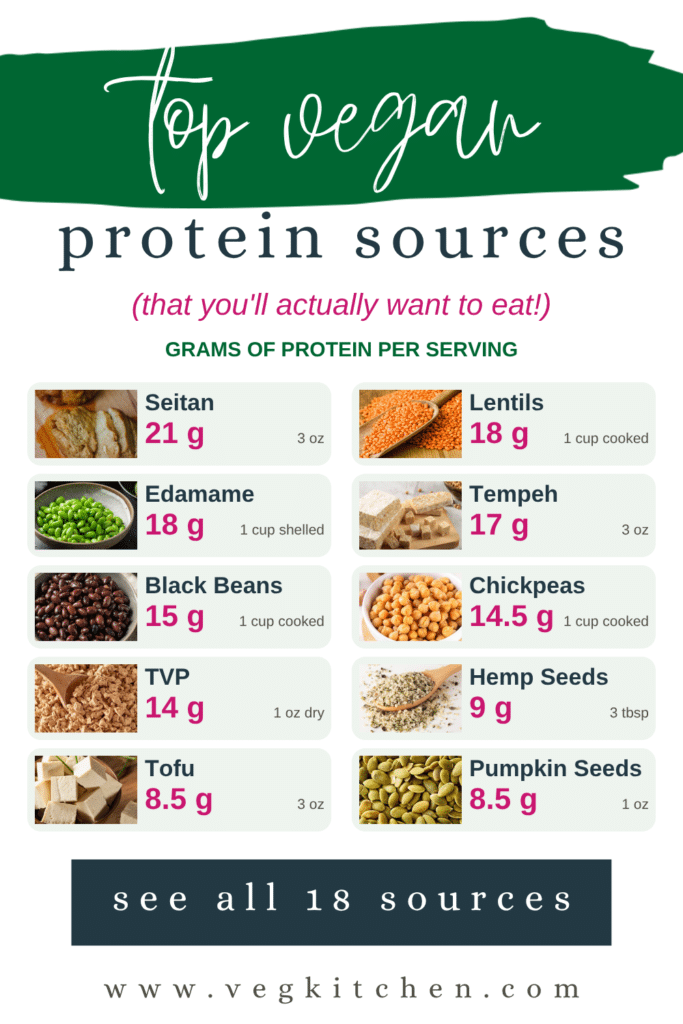
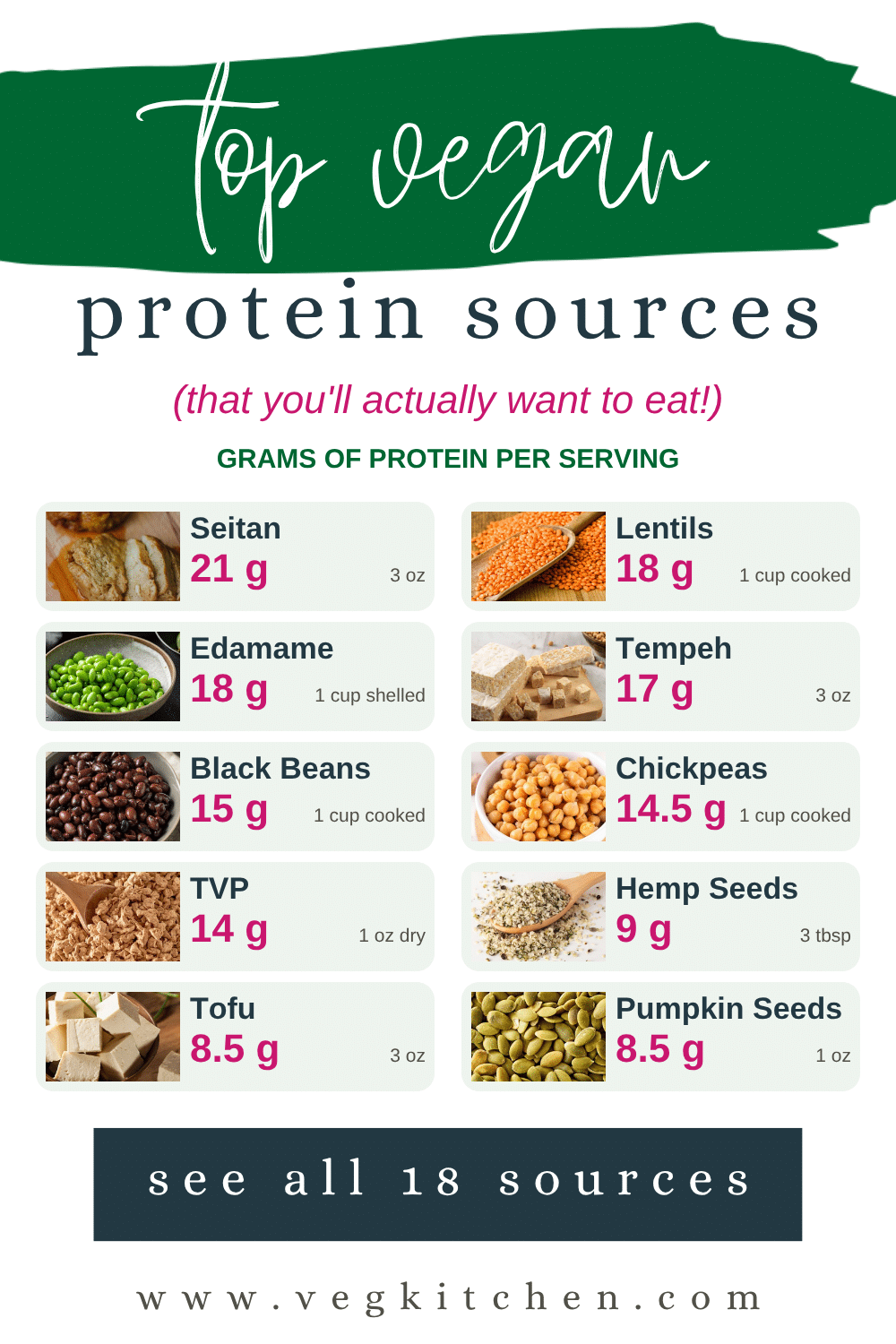
Getting enough vegan protein is a lot easier than most people expect, and it doesn't have to mean living on steamed tofu or chugging protein shakes every day. Here are 18 of the top vegan protein sources, with real numbers for how much protein each one delivers, easy ways to cook with it, and our favorite recipes to get you started.
Every food below lists its protein per 100 grams, so you can compare them fairly, plus the amount in a realistic serving. Unless I note a product label, the figures come from USDA FoodData Central, the USDA's free nutrition database. Where a packaged version is handy to have in the pantry, I've linked an example on Amazon (those are affiliate links, and they don't cost you anything extra).
Jump to:
- How Much Vegan Protein Do You Need?
- Vegan Protein Sources at a Glance
- Soy and Wheat Proteins: The Meaty Ones
- Beans, Lentils, and Peas: The Pantry Heroes
- Whole Grains That Bring Protein to the Table
- Nuts and Seeds: Small but Mighty
- Flavor Boosters and Helpers
- How to Get More Protein in Your Vegan Meals
- Vegan Protein FAQs
- More High Protein Vegan Ideas
How Much Vegan Protein Do You Need?
This is the big question, right? And frankly, it may not be quite as much as you would believe based on all the fitness world's obsession with protein loading! 😉
The standard recommendation for adults is 0.8 grams of protein per kilogram of body weight per day, according to Harvard's Nutrition Source. That works out to a little over 7 grams for every 20 pounds you weigh, so a 150-pound person needs roughly 52 grams a day. Some people need more, including athletes and anyone who's pregnant or nursing, so a registered dietitian can help you find your own number. (And of course, if you have any specific health concerns, you should discuss with a proper doctor!)
The good news for anyone eating a plant-based diet is that the Academy of Nutrition and Dietetics has concluded that well-planned vegetarian and vegan diets are nutritionally adequate for every stage of life, including for athletes. Protein is rarely the hard part.
You may have heard that plant proteins are "incomplete," and it's partly true: many plant foods run low in one or more of the nine essential amino acids. Soy foods, quinoa, and chia are complete on their own, and for everything else, Harvard Health simply recommends eating a variety of plant proteins across the day. You don't need to match foods at every meal. A bowl of oatmeal in the morning, lentil soup at lunch, and a tofu stir-fry at dinner takes care of it just fine.
Vegan Protein Sources at a Glance
Here's the quick comparison of popular protein sources. While many sources simply show the amount of protein per 100g of a food, I don't find that particularly helpful. Do you know how much 100g of tofu is? I sure don't. Likewise, I am probably not going to eat 100g of pumpkin seeds in one sitting! 😉
So in the table below, I'm giving you the typical protein per 100 grams measurement, but also including the protein per typical serving. Much more useful, huh?
| Food | Protein per 100 g | Typical serving | Protein per serving |
|---|---|---|---|
| Tempeh | 20 g | 3 oz (85 g) | 17 g |
| Seitan (prepared) | about 25 g* | 3 oz (85 g) | about 21 g |
| Tofu, extra-firm | about 10 g* | 3 oz (85 g) | about 8.5 g |
| TVP (dry) | about 50 g | 1 oz (28 g) | about 14 g |
| Edamame | 12 g | 1 cup shelled (155 g) | about 18 g |
| Lentils | 9 g | 1 cup (198 g) | 18 g |
| Chickpeas | 9 g | 1 cup (164 g) | 14.5 g |
| Black beans | 9 g | 1 cup (172 g) | 15 g |
| Green peas | 5.4 g | 1 cup (160 g) | 8.6 g |
| Quinoa | 4.4 g | 1 cup (185 g) | 8 g |
| Rolled oats (dry) | 13 g | ½ cup (40 g) | 5 g |
| Hemp seeds | about 30 g | 3 tablespoon (30 g) | 9 to 10 g |
| Pumpkin seeds | 30 g | 1 oz (28 g) | 8.5 g |
| Chia seeds | 16.5 g | 1 oz (28 g) | 4.7 g |
| Peanut butter | about 22 g | 2 tablespoon (32 g) | 7 g |
| Almonds | 21 g | 1 oz (28 g) | 6 g |
| Nutritional yeast | about 50 g** | ¼ cup (15 g) | 8 g |
| Pea-based protein powder | varies by brand | 1 serving | about 21 g** |
Note: Beans, lentils, peas, quinoa, tempeh, and edamame are cooked or prepared; nuts, seeds, oats, TVP, and nutritional yeast are measured dry.
*Seitan and tofu vary a lot by brand and recipe, so treat these as ballpark figures and check your label.
**From a major manufacturer's nutrition label rather than USDA data.
Soy and Wheat Proteins: The Meaty Ones
These are the foods that do the heavy lifting when you want a dish to feel hearty and satisfying, and they're some of the most concentrated high protein vegan foods you can buy.
Tofu
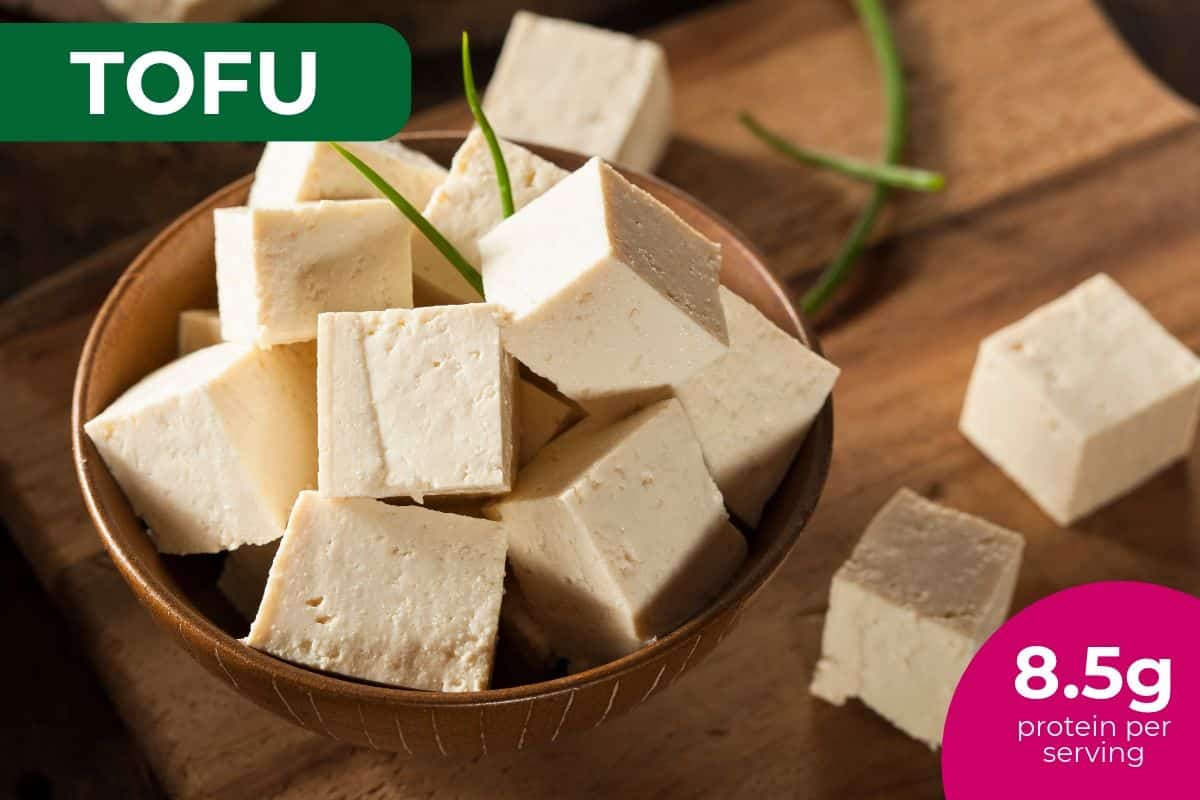
Tofu is the blank canvas of vegan cooking and still one of the most useful proteins to keep in the fridge. Firm and extra-firm blocks are the workhorses, while silken tofu is best for blending into creamy sauces, dressings, and desserts. And despite its reputation as a "weird food", it's actually quite easy to turn it into a family-friendly meal.
Protein: USDA lists a wide range for tofu, from about 8 g per 100 g up to 17 g for very firm, calcium-set varieties, so the label really matters. A typical extra-firm block lands near 10 g per 100 g, or roughly 8 to 9 g in a 3-ounce serving. Shelf-stable silken extra-firm tofu runs closer to 7 g per 100 g.
How to use it: Press extra-firm tofu, cube it, and bake or pan-fry it until golden, or crumble it into a scramble or a ricotta-style filling. Marinate it first, because tofu soaks up flavor like a sponge. If you like to keep backups in the pantry, Mori-Nu extra-firm silken tofu doesn't need refrigeration until you open it, which makes it great for smoothies, pies, and creamy soups.
Recipes to try: Summer Tofu Skillet with Tomatoes and Bell Peppers, Barbecue-Flavored Tofu and Onion Skillet, Vegan Curried Tofu Burgers, 23 Family-Friendly Tofu Recipes Kids Will Actually Eat.
Tempeh
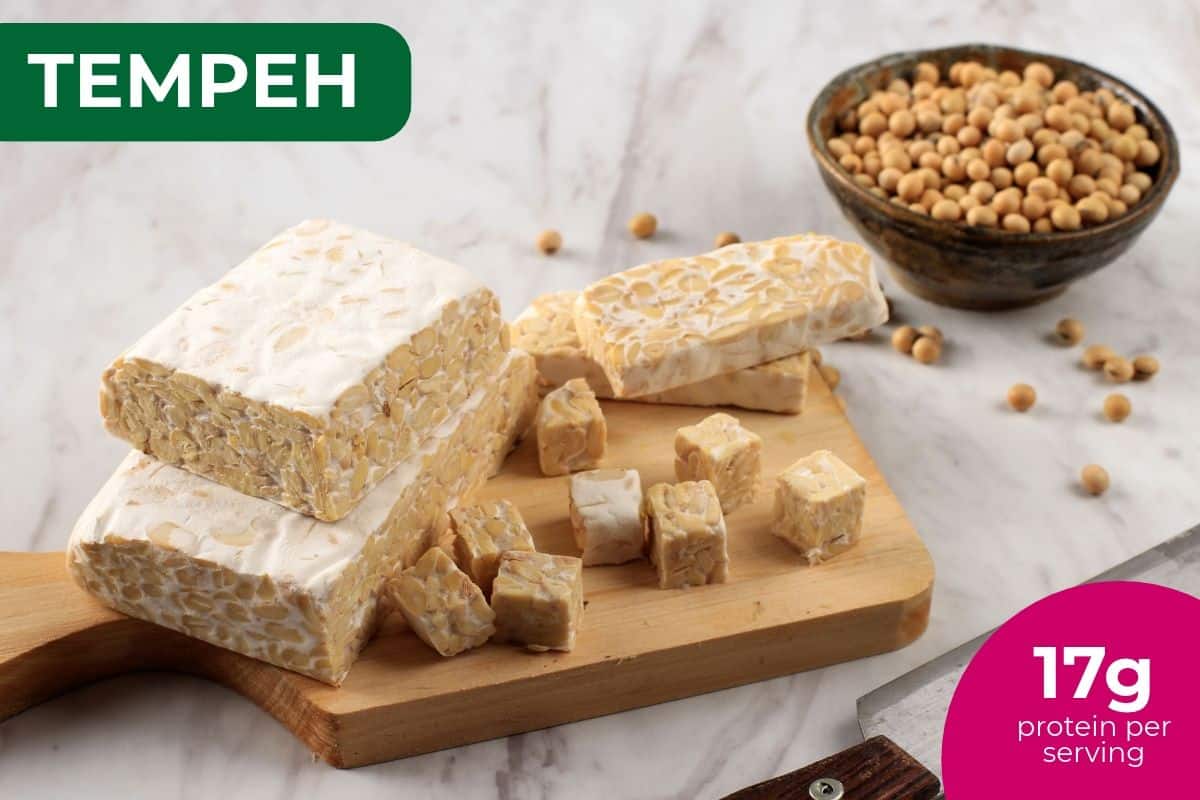
Tempeh is made from fermented soybeans pressed into a firm cake, and it has a nutty, slightly earthy flavor and a chewy bite that tofu can't match. It's also one of the most protein-dense whole foods in the vegan kitchen.
Protein: About 20 g per 100 g (USDA), or roughly 17 g in a 3-ounce serving.
How to use it: Steam or simmer the block for about 10 minutes first to mellow any bitterness, then crumble it into tacos and sloppy joes, slice it thin and pan-fry it for smoky "bacon," or cube it for stir-fries and grain bowls. I'm a big fan of simply smothering it with my favorite BBQ sauce and baking it in the oven. You'll find tempeh in the refrigerated or natural foods section of most grocery stores.
Recipes to try: Southwestern Tempeh Stir-Fry, Vegan Hoppin' John (Rice and Black-Eyed Peas), Ginger Tempeh Veggie Stir Fry.
Edamame
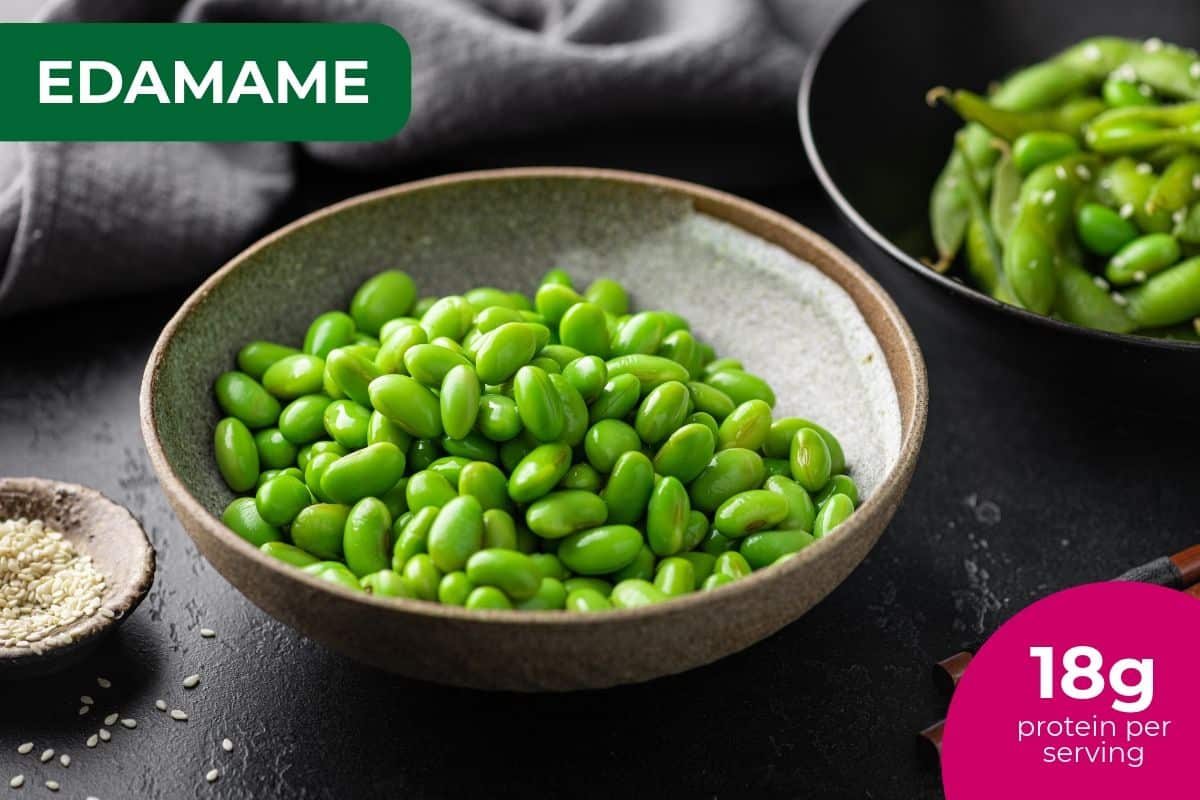
Edamame are young green soybeans, sweet and buttery, and one of the easiest ways to add protein because there's almost no cooking involved.
Protein: About 12 g per 100 g for frozen, prepared edamame (USDA), which comes to around 18 g in a cup of shelled beans.
How to use it: Steam them in the pod with a sprinkle of sea salt for a snack, or toss the shelled beans into salads, grain bowls, fried rice, and pasta. They blend beautifully into dips, too. Keep a bag of the shelled kind in the freezer and you always have a quick protein boost on hand.
Recipes to try: Seasoned Edamame Appetizer, Spicy Avocado Edamame Dip, Enlightened Miso Power Bowl.
Textured Vegetable Protein (TVP)
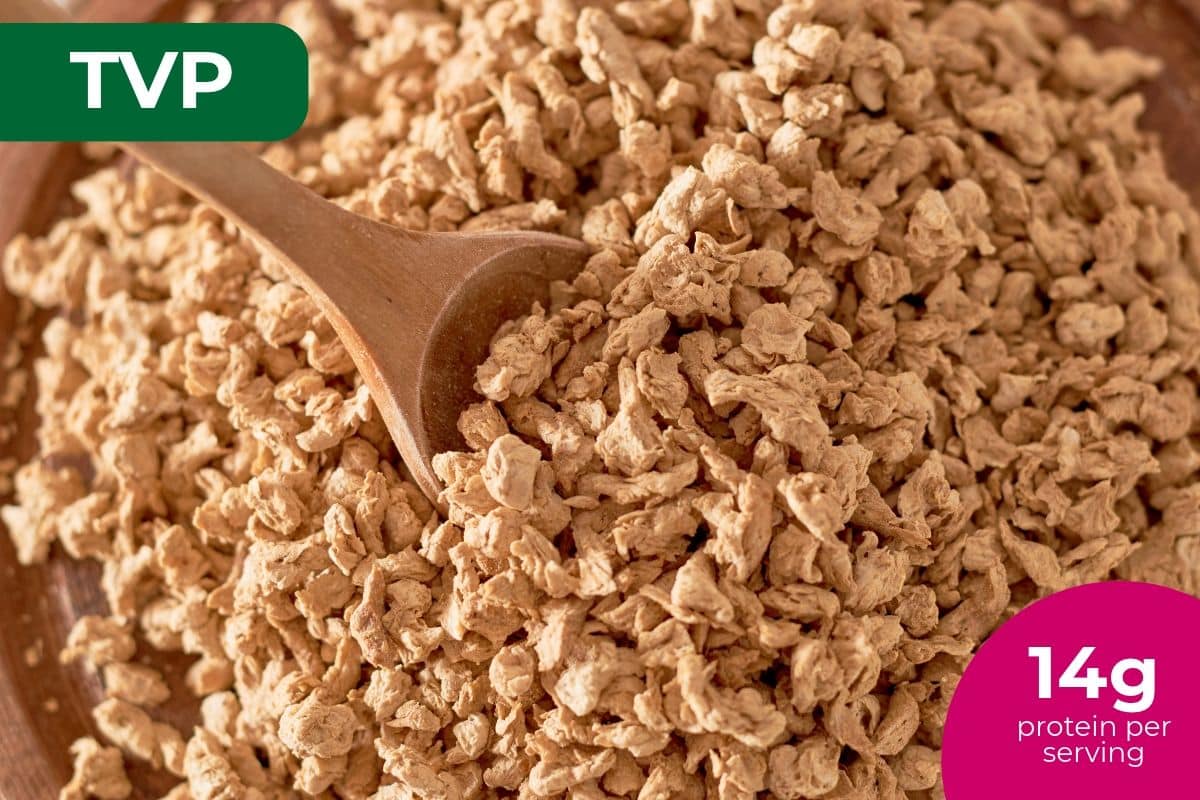
TVP, sometimes labeled textured soy protein, is defatted soy flour that's been cooked and dried into crumbles or chunks. It's inexpensive, keeps for ages in the pantry, and turns into a convincingly hearty "ground meat" once you rehydrate it.
Protein: About 50 g per 100 g dry (USDA lists roughly 51 g), or around 14 g per ounce of dry TVP. Once it's rehydrated the protein per cup is lower, because the crumbles soak up water.
How to use it: Rehydrate it in hot broth or water following the package directions (it takes about 10 minutes), then simmer it into chili, Bolognese, taco filling, or sloppy joes. Adding it to veggie burgers boosts the protein and improves the texture. Bob's Red Mill TVP is easy to find and works in any of those.
Recipes to try: Vegan Bolognese Sauce, Vegan Zucchini Noodles with Vegan Bolognese.
Seitan
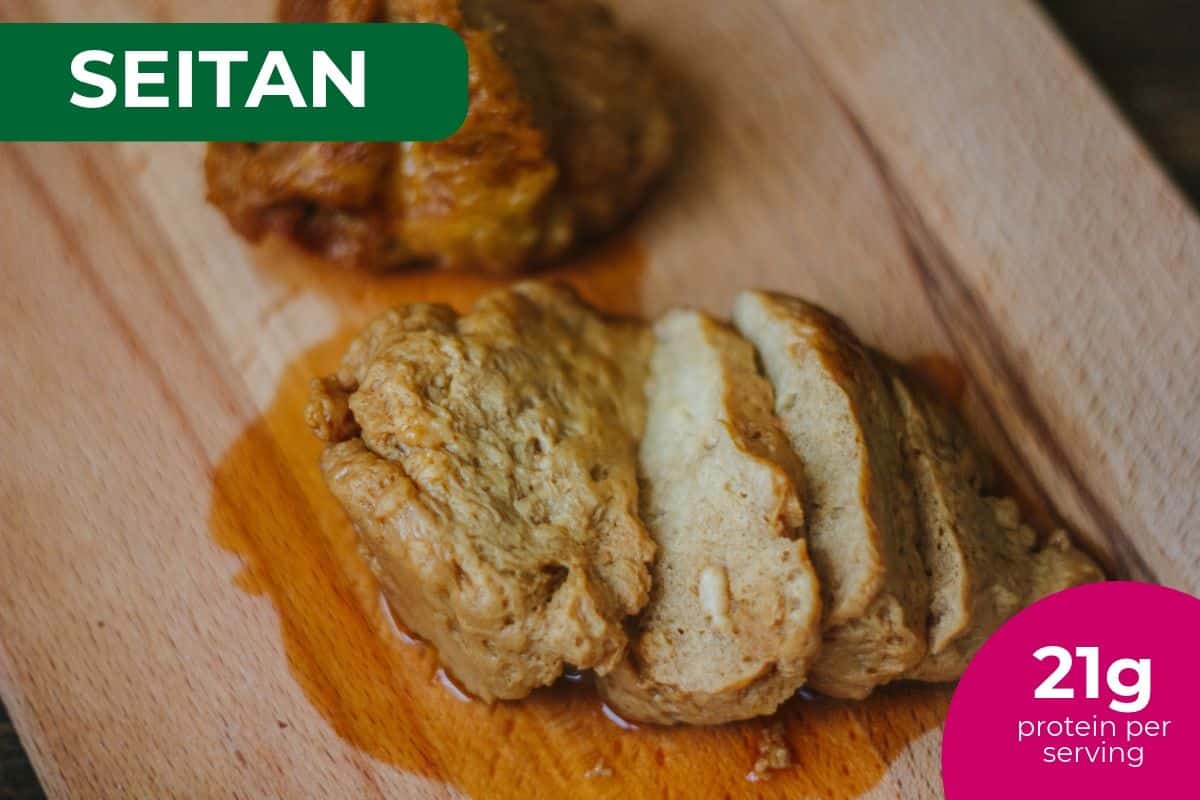
Seitan is made from wheat gluten, and its dense, chewy, almost meaty texture makes it the go-to for vegan "steaks," roasts, and fajita strips. It's not a fit for anyone with celiac disease or a gluten sensitivity.
Protein: Prepared seitan usually falls somewhere between 20 and 30 g per 100 g depending on the recipe, so call it about 25 g, or roughly 21 g per 3 ounces. The dry vital wheat gluten it's made from is far more concentrated at about 75 g per 100 g (USDA), which is why seitan packs so much protein.
How to use it: You can buy it ready-made, or make your own by mixing vital wheat gluten with broth and seasonings, kneading it briefly, and simmering or baking it. Slice it for stir-fries and sandwiches, or cut it into chunks for stews.
Recipes to try: Easy Seitan Fajitas, Vegan Cholent, Vegan Carne Asada Fries.
Beans, Lentils, and Peas: The Pantry Heroes
Legumes are the backbone of most high protein vegan meals. They're cheap, filling, packed with fiber, and endlessly adaptable. Canned beans are perfectly fine (rinse them to cut the sodium), and dried ones are even more economical if you have the time to cook them.
Lentils
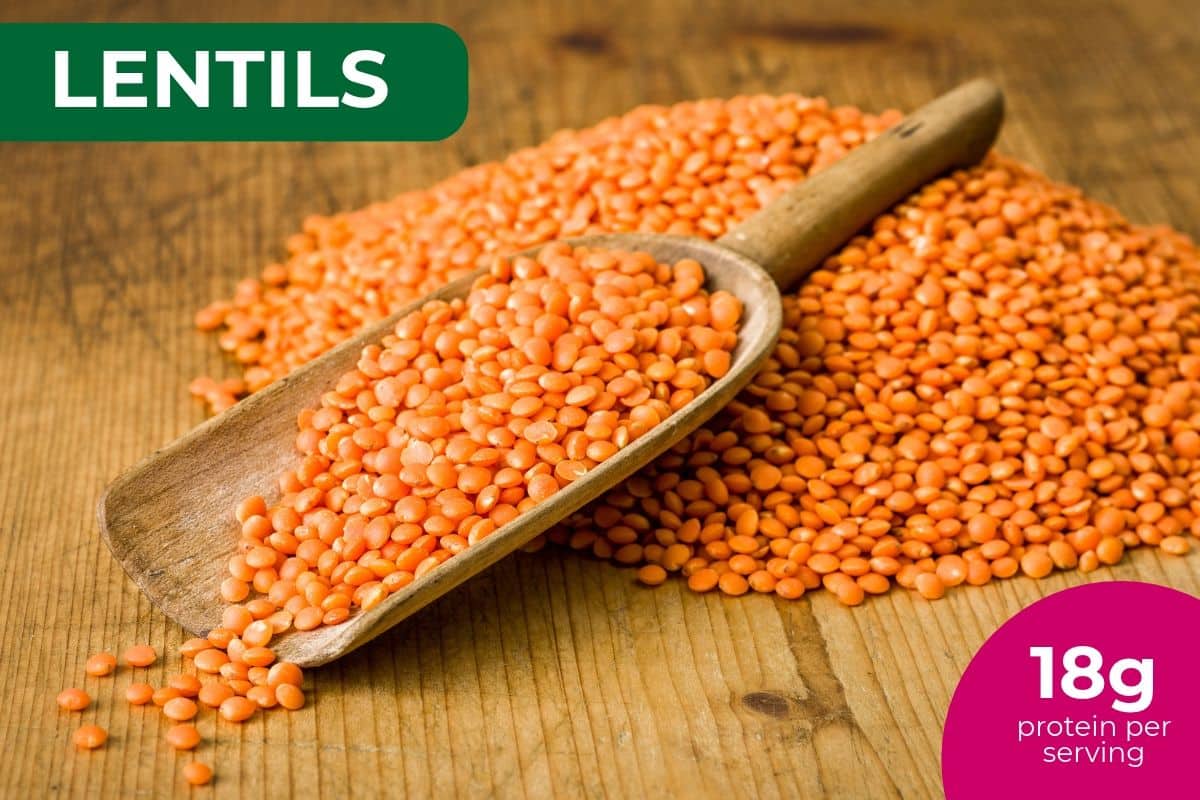
Lentils cook quickly with no soaking, and they're one of the best values in the whole plant-based kitchen. Green and brown lentils hold their shape, while red lentils melt into a creamy, soft texture.
Protein: About 9 g per 100 g cooked (USDA), or roughly 18 g in a cup.
How to use it: Simmer them into soups, stews, and dals, mash them into burgers and loaves, or toss cooled lentils into salads. Firm varieties such as French green lentils (lentilles du Puy) are especially good for salads and side dishes.
Recipes to try: 30-Minute Madras Lentils (Vegan), Protein-Packed Plant-Based Lentil Stew, Vegan Lentil Meatloaf with Tomato Glaze, Vegan Tomato Lentil Soup.
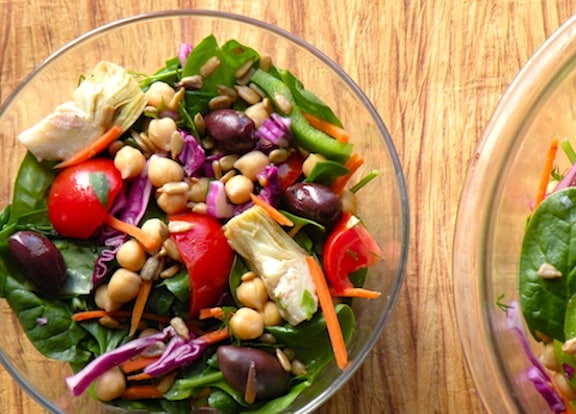
Chickpeas
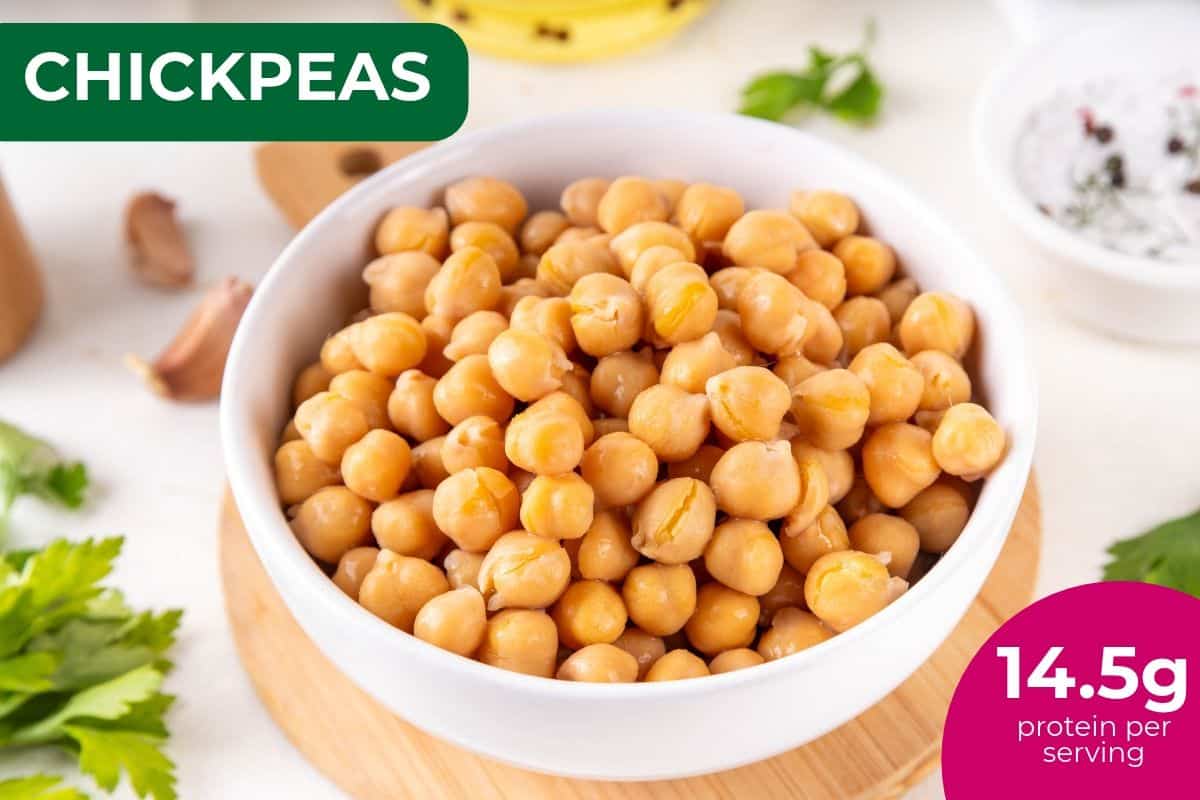
Chickpeas (garbanzo beans) are creamy on the inside, firm on the outside, and happy in everything from curries to desserts.
Protein: About 9 g per 100 g cooked (USDA), or 14.5 g per cup.
How to use it: Mash them into hummus and patties, roast them until crunchy for a snack, simmer them into curry, or fold them into salads and wraps. Chickpea flour is another handy pantry item, and Bob's Red Mill chickpea flour makes savory pancakes, flatbreads, and batters for frying.
Recipes to try: 30-Minute Vegan Chana Masala, Vegan Chickpea Patties, Grilled Red Pepper Hummus.
Black Beans and Other Beans
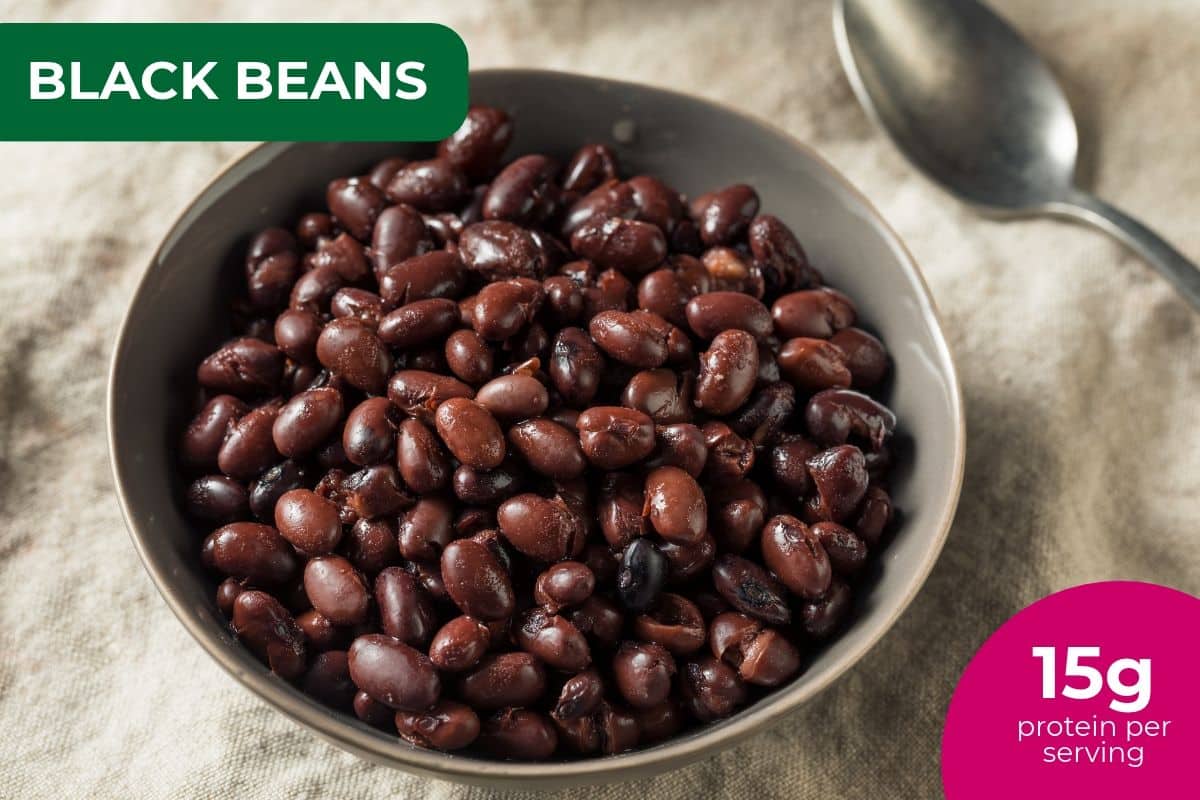
Black beans are creamy, mild, and the natural partner for chili spices, corn, and rice. The rest of the bean family (kidney, pinto, cannellini, navy) delivers a similar deal: lots of protein and lots of fiber for very little money.
Protein: About 9 g per 100 g cooked for black beans (USDA), or roughly 15 g per cup. Kidney beans come in at about 8.7 g per 100 g, and most cooked beans fall somewhere between 7 and 10 g.
How to use it: Stir them into chili and soups, stuff them in burritos and quesadillas, mash them into burgers, or serve them over rice. Canned beans are the shortcut, and a no-salt-added option like Eden Organic black beans gives you control over the sodium.
Recipes to try: Vegan Chipotle Black Bean Burgers, Sweet Potato Black Bean Chili, Vegan Sephardic Stewed White Beans, Brown Rice Pilaf with White Beans, Shiitakes, and Spinach.
Green Peas and Split Peas
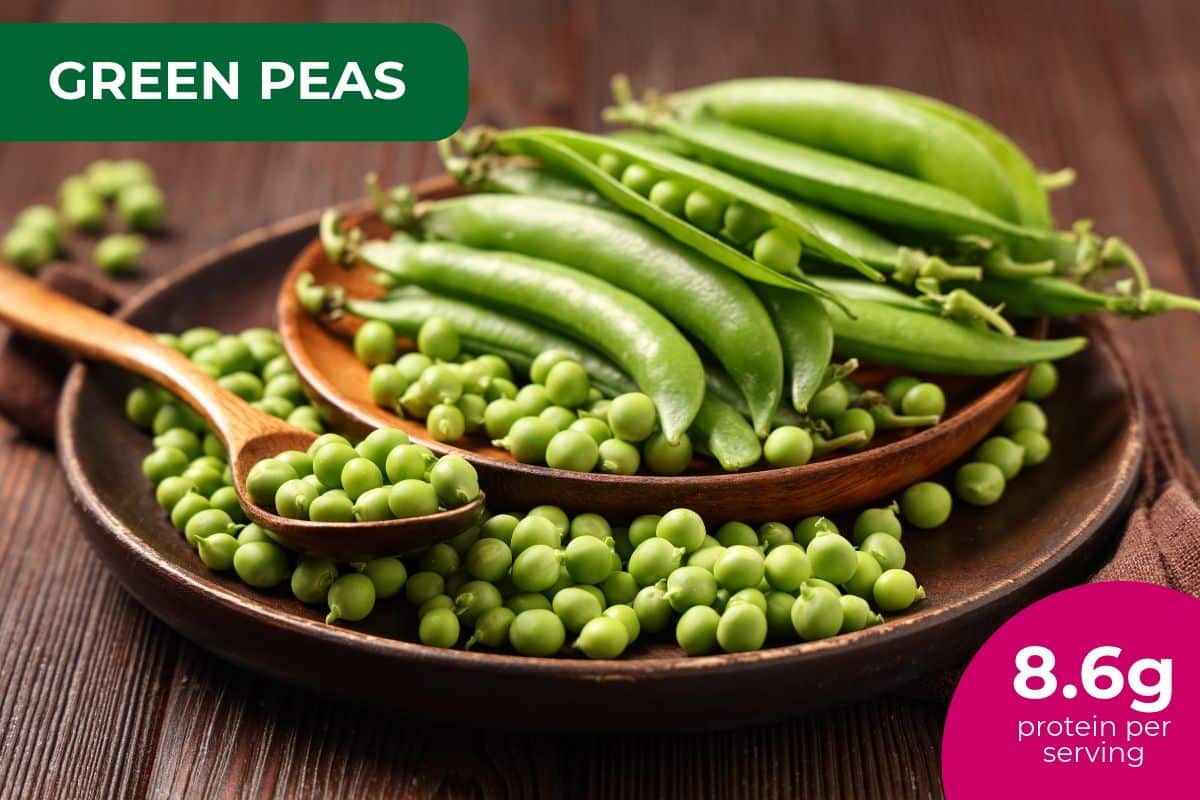
Peas are a bit of a sleeper on this list. Fresh or frozen green peas are sweet and easy to add to almost anything, and dried split peas are the classic soup-maker.
Protein: Green peas have about 5.4 g per 100 g cooked (USDA), or 8.6 g per cup. Dried split peas are more concentrated, and Bob's Red Mill lists 13 g of protein per ¼ cup dry on its package.
How to use it: Stir frozen peas into pasta, rice dishes, and curries, or blend them into a bright green soup. For dried peas, green split peas need no soaking and turn creamy in about 30 minutes.
Recipes to try: Vegan Split Pea Soup, Vegan Pasta Alfredo with Peas & Asparagus.
Whole Grains That Bring Protein to the Table
Grains aren't going to win any protein contests against tempeh, but they show up at nearly every meal, so the grams add up quickly.
Quinoa
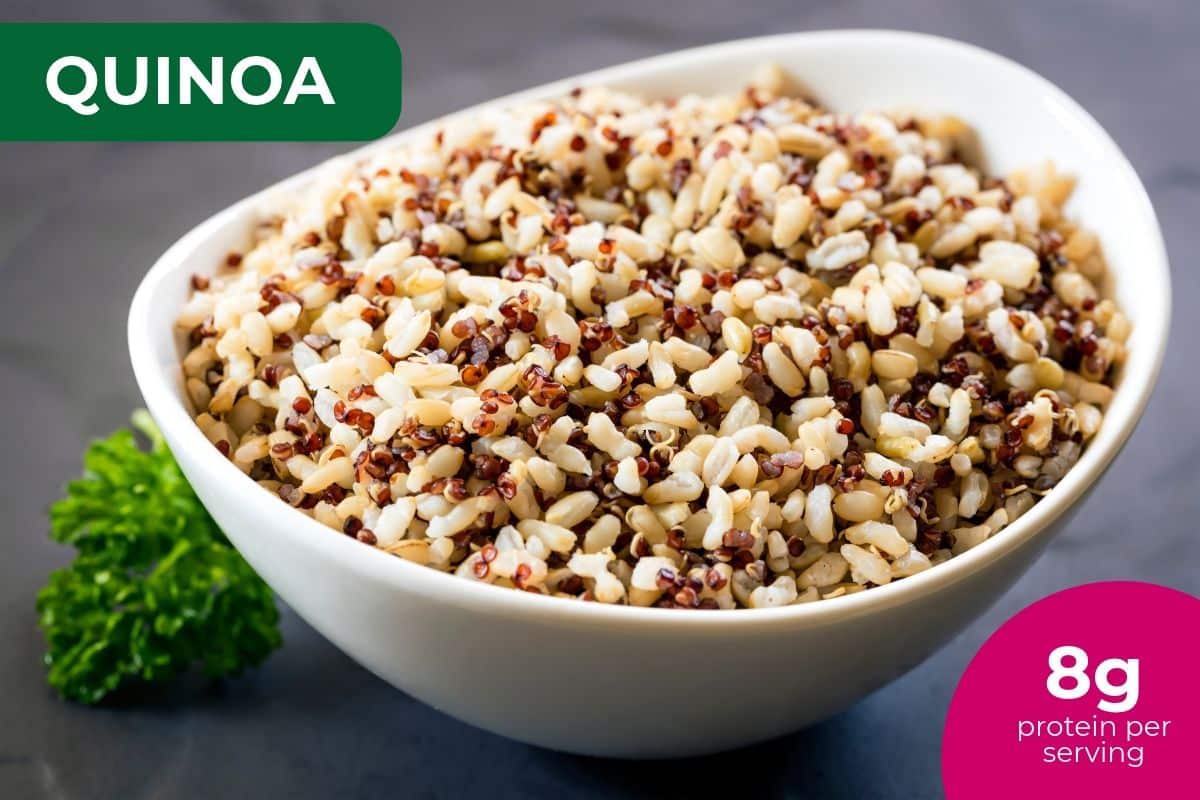
Quinoa is technically a seed, but it cooks like a grain and has a light, fluffy texture with a mild nutty flavor. It's also one of the few plant foods that's a complete protein, per Harvard.
Protein: About 4.4 g per 100 g cooked (USDA), or 8 g per cup.
How to use it: Give it a quick rinse, simmer it for about 15 minutes, and use it as a base for grain bowls, stuffed peppers, salads, and burgers. It makes a good breakfast porridge, too. Ancient Harvest organic tri-color quinoa is a pretty, easy-to-find option.
Recipes to try: Hummus and Quinoa Wrap, Vegan Quinoa Mushroom Burger, Tabbouleh Salad (with Quinoa, Bulgur, or Couscous), Vegan Sloppy Joes with Pinto Beans and Quinoa.
Rolled Oats
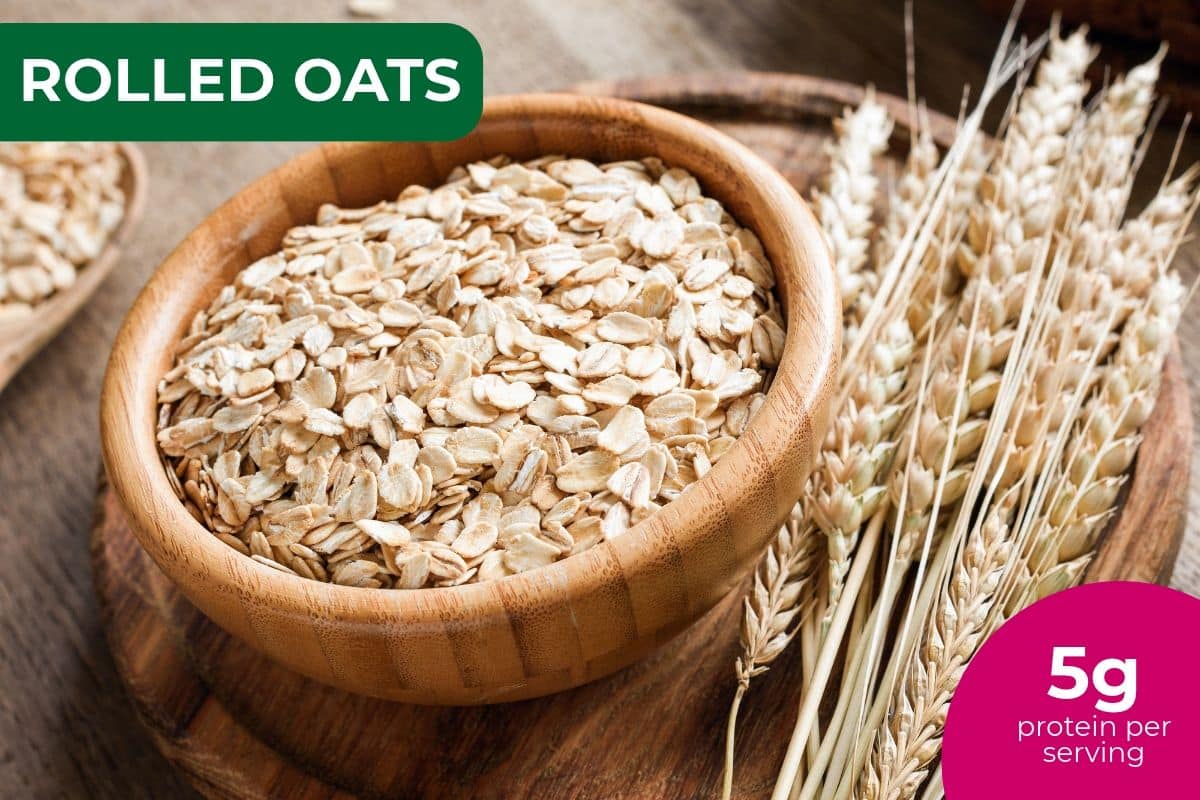
Oats are a breakfast staple that's quietly one of the better grain sources of protein, and they're just as useful in baking, burgers, and no-bake snacks as they are in a bowl.
Protein: About 13 g per 100 g dry (USDA), or 5 g in a ½ cup (40 g) dry serving.
How to use it: Cook them into oatmeal, soak them overnight, blitz them into oat flour for pancakes and quick breads, or use them as a binder in veggie burgers. If you need to avoid gluten, look for oats that are labeled gluten-free, such as Bob's Red Mill gluten-free old-fashioned rolled oats.
Recipes to try: Vegan Banana Oat Pancakes, Apple Pie Oatmeal, Vegan No-Bake Chocolate Cookies.
Nuts and Seeds: Small but Mighty
Nuts and seeds are calorie-dense, so the servings are small, but they pack in protein along with healthy fats, and they're easy to sprinkle onto just about anything. Think of them as the boosters that turn an okay meal into a high protein vegan one.
Hemp Seeds
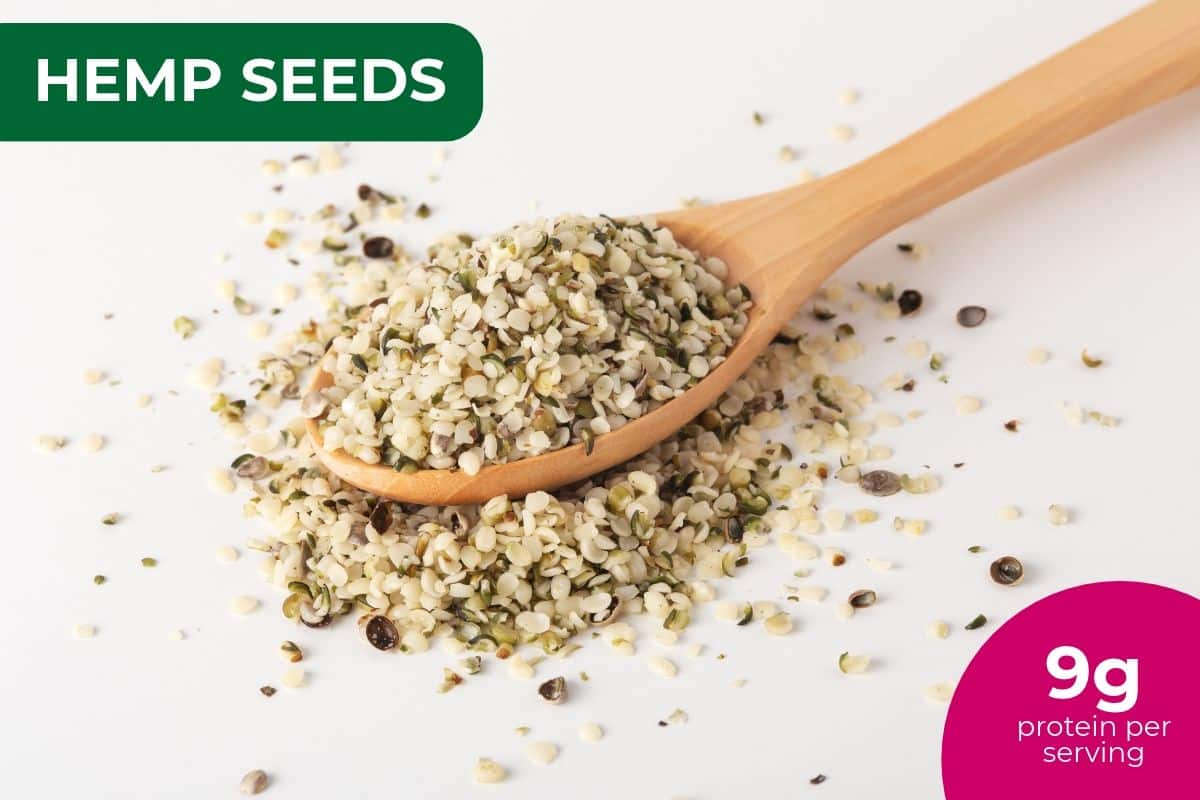
Hemp seeds (also sold as hemp hearts) are soft, mild, and slightly nutty, and unlike flax or chia they don't need grinding or soaking. They're among the most protein-rich seeds you can buy.
Protein: Roughly 30 g per 100 g, which is about 9 to 10 g in 3 tablespoons. The label on Manitoba Harvest hemp hearts lists 10 g per 30 g serving.
How to use it: Sprinkle them over avocado toast, salads, yogurt, and soups, blend them into smoothies, or stir them into oatmeal. They also work in homemade dressings, pesto, and energy balls.
Recipes to try: Power Smoothie (Romaine and Superfood Seeds), Green Smoothie Bowl, Nut-and-Seed Energy Balls, Health Benefits of Chia, Flax, and Hemp Seeds.
Pumpkin Seeds (Pepitas)
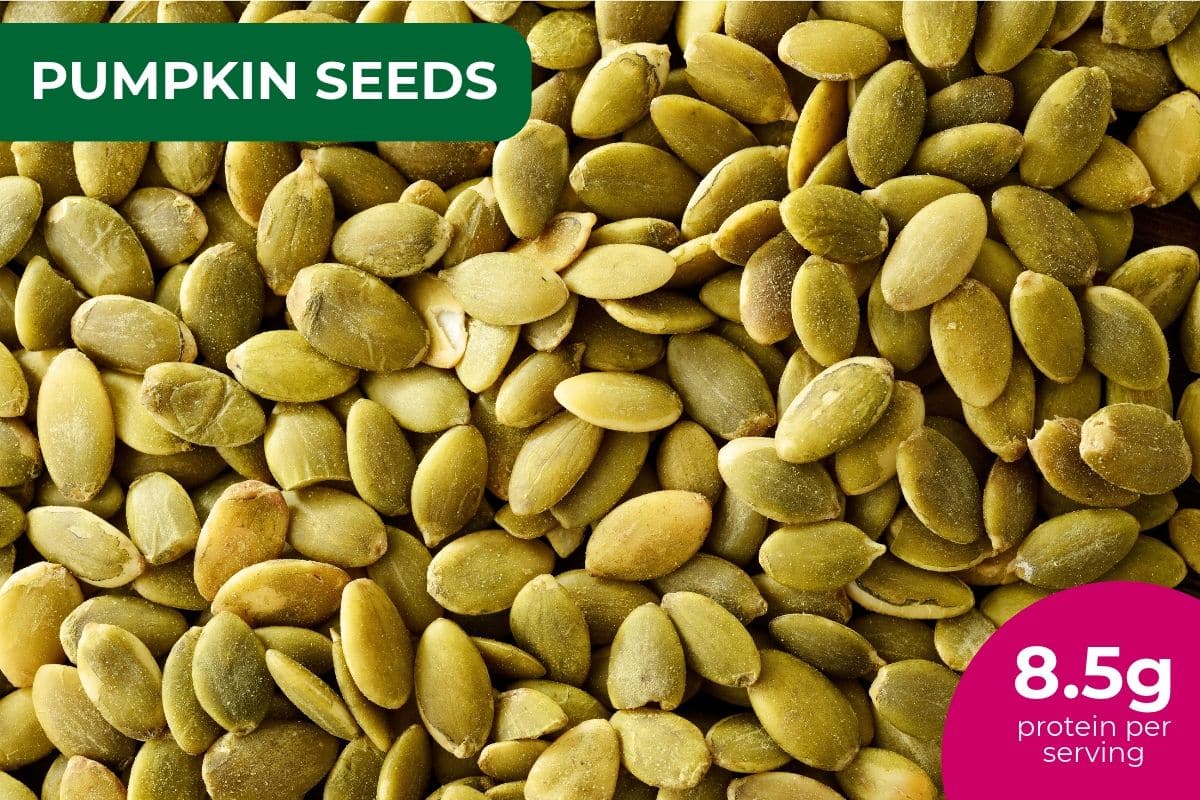
Shelled pumpkin seeds, called pepitas, are green, chewy, and lightly sweet, and their protein per ounce is among the highest of any common nut or seed.
Protein: About 30 g per 100 g (USDA), or roughly 8.5 g per ounce.
How to use it: Toast them in a dry skillet until they puff and pop, then scatter them over salads, soups, and roasted vegetables. They're also good in granola and trail mix, or ground into a nut-free butter. Raw, unsalted organic pepitas are the most flexible kind to buy.
Recipes to try: Pumpkin Seed Butter, Vegan Jícama Salad with Oranges and Watercress.
Chia Seeds
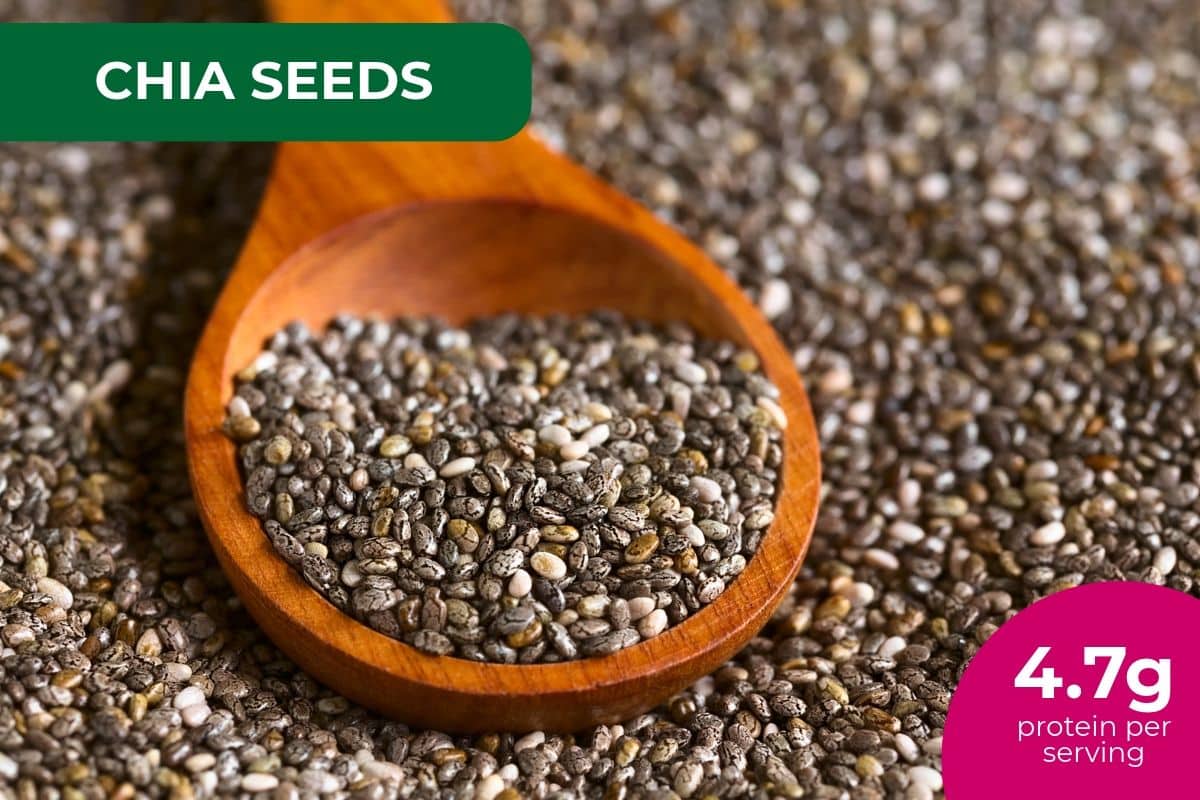
Chia seeds swell into a gel when they're soaked, which makes them perfect for puddings and jams, and Harvard counts them among the plant foods that provide a complete protein.
Protein: About 16.5 g per 100 g (USDA), or roughly 4.7 g per ounce, which is a bit more than 2 tablespoons.
How to use it: Stir them into oatmeal or smoothies, soak them in plant milk overnight for chia pudding, or use them to thicken fruit into a quick jam. Nutiva organic chia seeds are a widely available choice.
Recipes to try: Raw Vegan Strawberry Jam, Dragon Fruit Smoothie, Almond Butter Protein Balls.
Peanut Butter
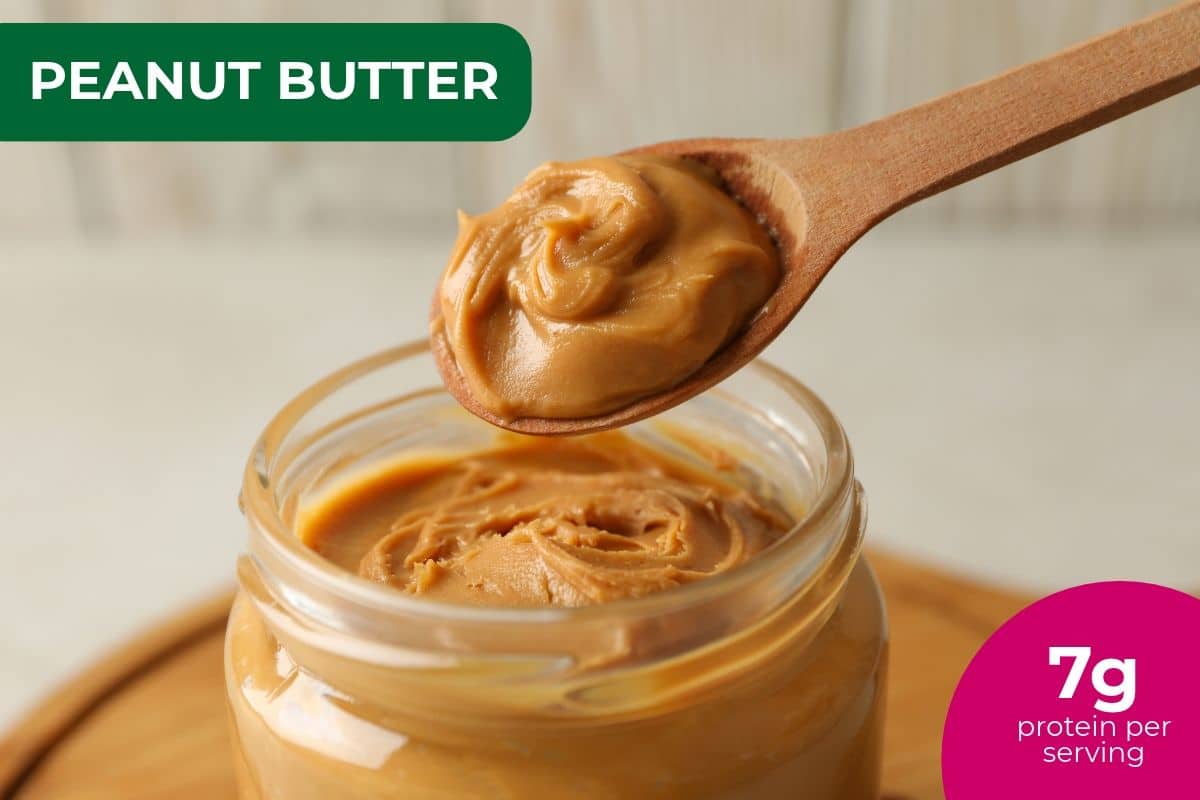
Peanuts are technically legumes, and peanut butter is the easiest protein there is. Choose a natural jar with just peanuts (and maybe salt) so you get all of the protein without added sugar and oils.
Protein: About 22 g per 100 g (USDA), or roughly 7 g in 2 tablespoons.
How to use it: Spread it on toast, swirl it into oatmeal and smoothies, whisk it into peanut sauce for noodles, or bake it into cookies and bars. Keep the portion in mind, since it's also high in calories. Crazy Richard's creamy peanut butter is made from nothing but peanuts.
Recipes to try: Vegan No-Bake Chocolate Cookies, Vegan Granola Bars.
Almonds
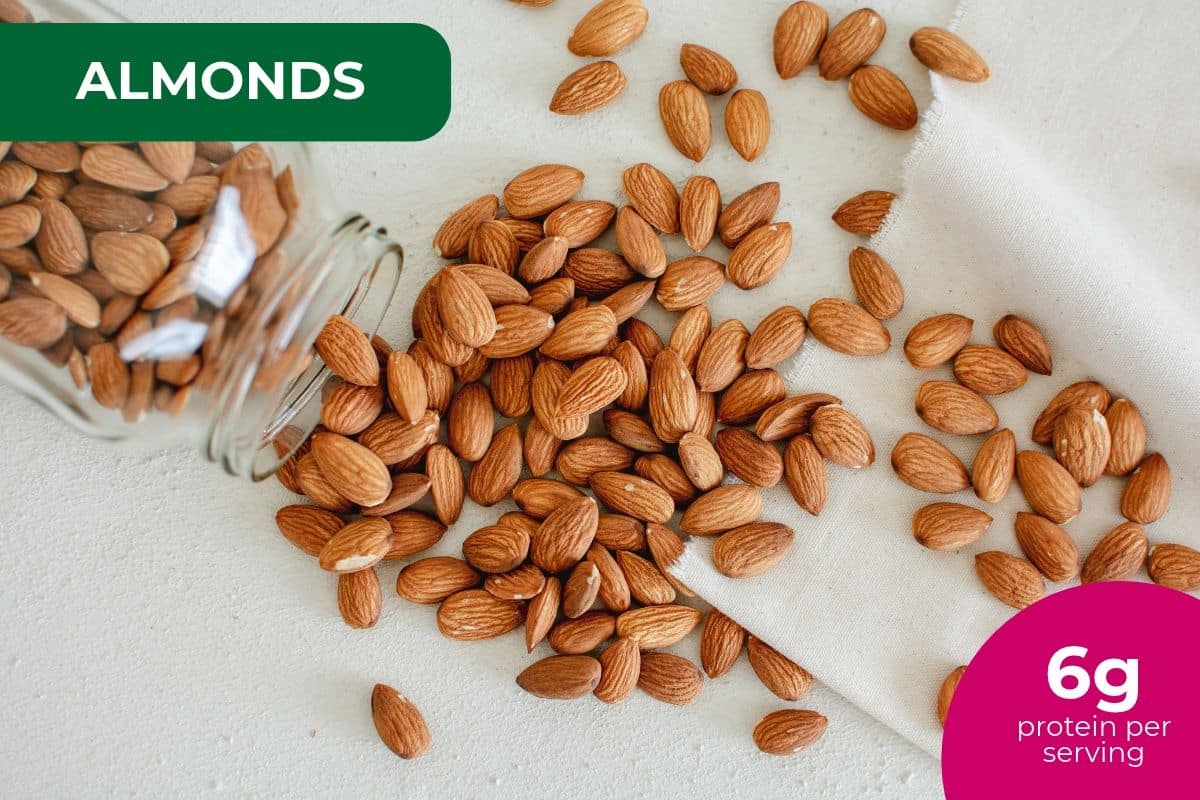
Almonds are the most versatile tree nut, crunchy on their own and just as good ground into flour, butter, or milk.
Protein: About 21 g per 100 g (USDA), or roughly 6 g per ounce, which is around 23 almonds.
How to use it: Snack on a handful, chop them into pilafs and salads, or blend them into almond butter. Keep in mind that store-bought almond milk has far less protein than whole almonds, since it's mostly water. Blue Diamond raw whole almonds are a pantry staple.
Recipes to try: Date and Almond Energy Bites, Almond Butter Protein Balls, Vegan Wild Rice Pilaf with Spinach and Almonds, Vegan Gluten-Free Pancakes (made with almond flour!).
Flavor Boosters and Helpers
These two aren't the main event on the plate, but they make it easy to top up your protein without changing what you cook.
Nutritional Yeast
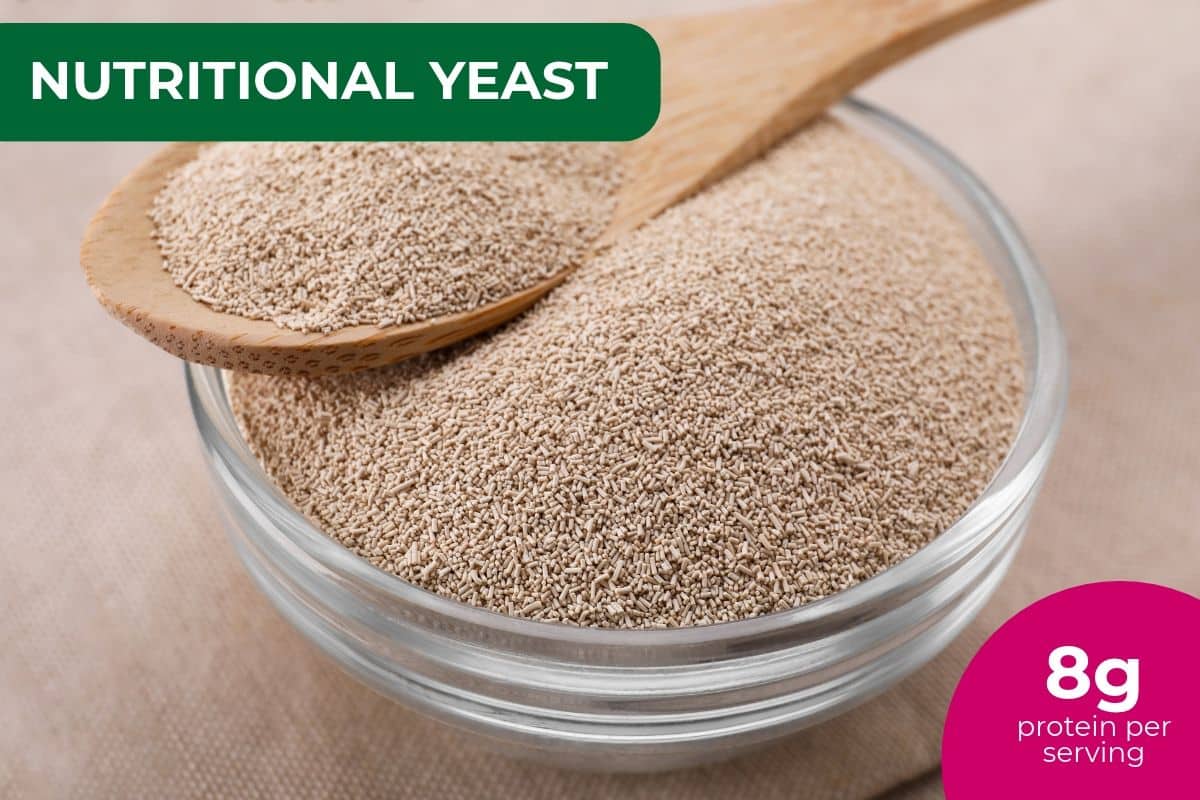
Nutritional yeast is a deactivated yeast sold as golden flakes, and it tastes savory, nutty, and cheesy. Many brands are fortified with vitamin B12, so check the label if that matters to you.
Protein: The label on Bob's Red Mill large flake nutritional yeast lists 8 g of protein per ¼ cup (15 g), which works out to around 50 g per 100 g. Brands vary, so check yours.
How to use it: Sprinkle it on popcorn and pasta, stir it into scrambles, or blend it into cheesy sauces and vegan Parmesan. A couple of tablespoons here and there adds up. If your store doesn't carry it, Bragg nutritional yeast is easy to order.
Recipes to try: Vegan Cheese Sauce (No Nuts!), How to Make Vegan Parmesan Cheese - Easiest Ever!, Vegan Baked Mac And Cheese.
Plant-Based Protein Powder
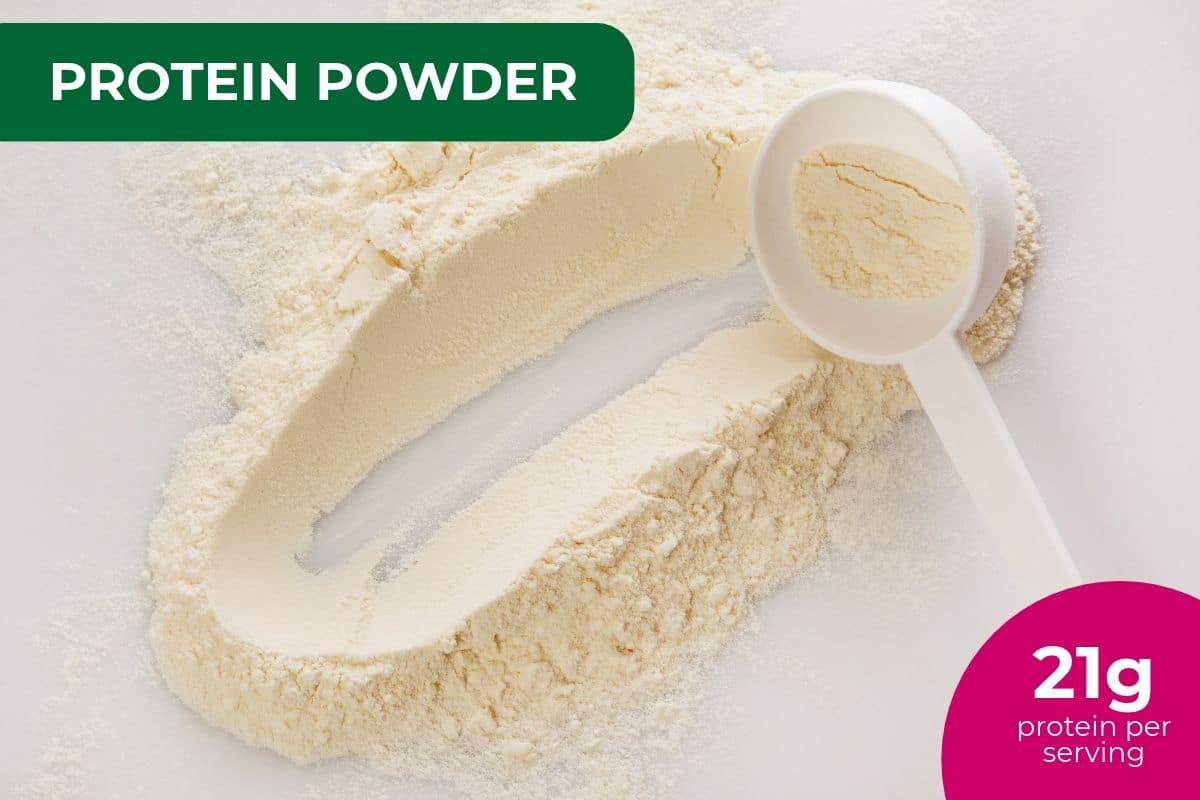
Protein powder isn't a whole food, and you don't need it, but it's a practical option for busy mornings, post-workout smoothies, and anyone who struggles to eat enough. Pea protein is the most common base, often blended with brown rice or seeds.
Protein: It varies by brand, so read the label. Orgain organic vegan protein powder lists 21 g per serving.
How to use it: Blend it into smoothies, stir it into oatmeal or pancake batter, or add a scoop to energy balls and smoothie bowls. Start with less than the full serving if the texture is new to you, since some powders can be chalky.
Recipes to try: Protein Chocolate Smoothie Bowl & Cookie Dough Bites, Vegan Chocolate Raspberry Smoothie Bowl.
How to Get More Protein in Your Vegan Meals
Build each meal around one big protein. Instead of counting every gram, start with a solid anchor at each meal: a cup of lentils, a few ounces of tempeh, a block of tofu, or a big scoop of beans. Then let the grains, vegetables, and seeds fill in the rest. A day of oatmeal with hemp seeds and a spoonful of peanut butter, a cup of lentil soup, a dinner of tempeh with quinoa, and an ounce of almonds adds up to a little over 65 grams.
Mix your sources across the day. As Harvard Health notes, variety is what covers all of your essential amino acids. Rotating between soy, legumes, grains, and seeds keeps your meals interesting, too.
Keep protein-rich snacks within reach. Roasted chickpeas, a handful of almonds, edamame, and pumpkin seeds are easy to grab, and they keep you from reaching for something with far less staying power. For more ideas, browse our 30+ Homemade High Protein Vegan Snacks.
Use the little boosters. Three tablespoons of hemp seeds add about 10 grams, an ounce of pumpkin seeds adds about 8, and a quarter cup of nutritional yeast adds another 8. None of them changes the character of a dish, but a few of them together make a real difference.
Ramp up fiber slowly and drink water. Beans, lentils, and whole grains are packed with fiber, which is great, but a sudden jump can be hard on your stomach. Add them gradually, drink plenty of water, and rinse canned beans to cut down on sodium. Our list of the 34 Best Plant-Based High-Fiber Foods has more on that.
Vegan Protein FAQs
What is the highest protein vegan food?
Gram for gram, dry foods lead the pack: vital wheat gluten (about 75 g per 100 g), TVP and nutritional yeast (around 50 g), and seeds such as pumpkin and hemp (about 30 g). Among the foods you'll eat in a typical serving, tempeh, seitan, edamame, and lentils are the top performers. The best choice is the one you'll happily eat regularly.
Do I need to combine proteins at every meal?
No. You don't have to pair beans and rice, or any other combination, at the same sitting. Eating a variety of plant proteins across the day gives your body what it needs, and soy foods, quinoa, and chia are complete proteins all by themselves.
Can you build muscle on a vegan diet?
Yes. The Academy of Nutrition and Dietetics considers appropriately planned vegan diets suitable for athletes. The keys are eating enough total protein and calories and spreading protein-rich foods through the day. If you're training hard, a dietitian who works with athletes can help you fine-tune the numbers.
More High Protein Vegan Ideas
If you want to put these vegan protein sources to work, here are a few more places to start:
- 20 High Protein Vegan Meals
- 30+ Homemade High Protein Vegan Snacks
- 23 Family-Friendly Tofu Recipes Kids Will Actually Eat
- 34 Best Plant-Based High-Fiber Foods
Sources: nutrition figures are from USDA FoodData Central unless noted as a product label. Protein guidance is from Harvard's Nutrition Source and Harvard Health, and the position paper of the Academy of Nutrition and Dietetics on vegetarian diets. Nutrition values vary by brand and preparation, so check your own labels.

Leave a Comment!