

Archive for March, 2008
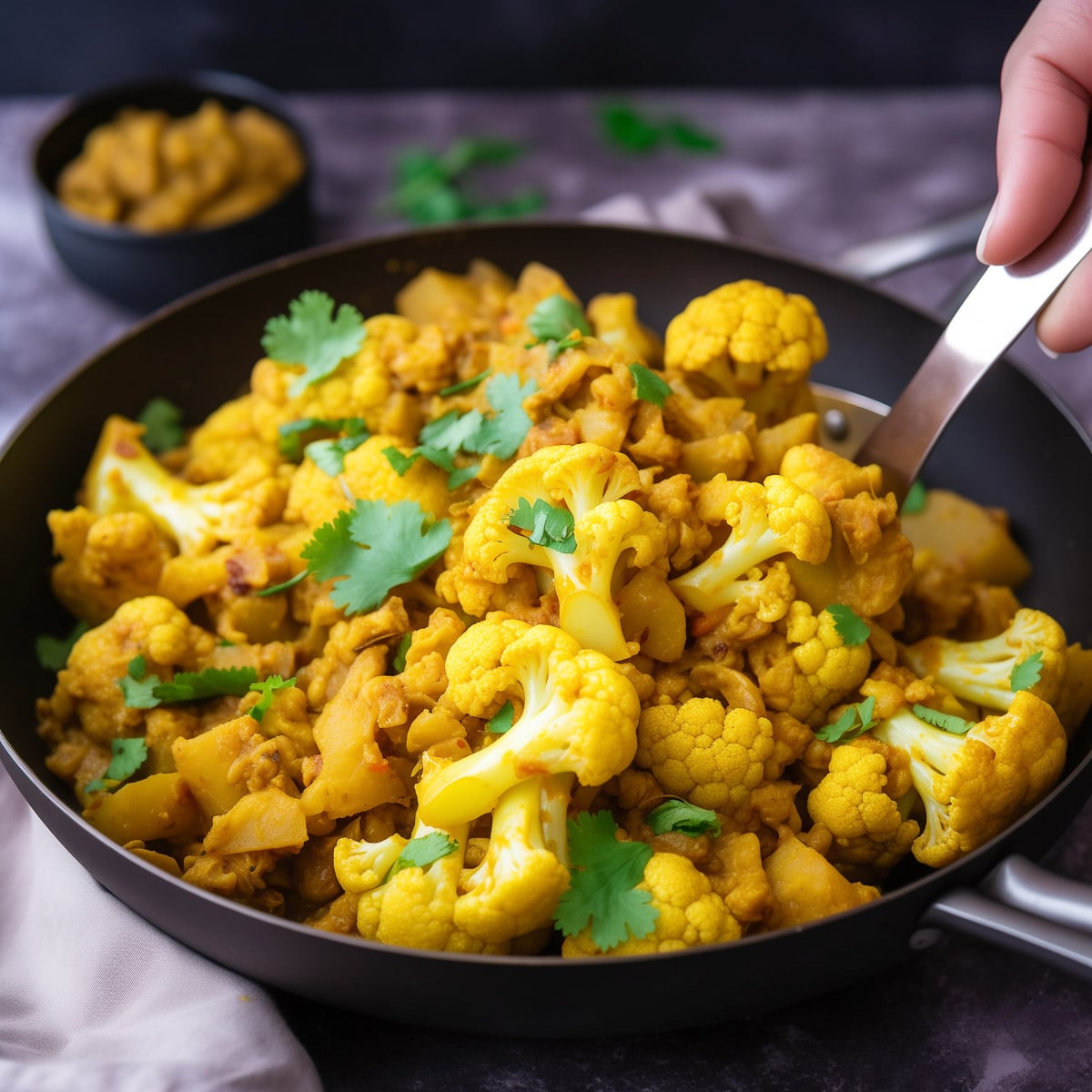
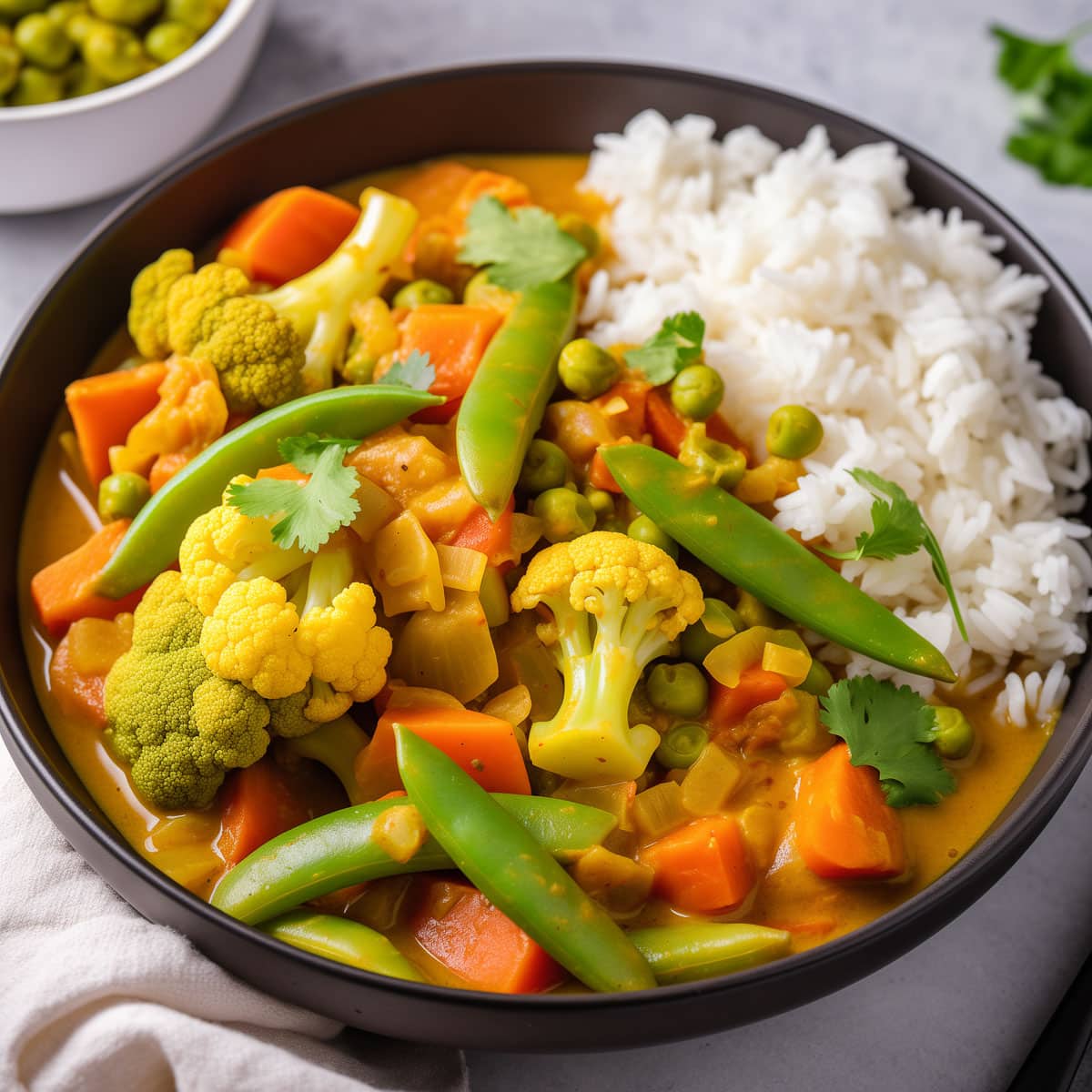
This time of year, the world is a series of microclimates—some areas are experiencing record heat, while others (like parts of Colorado) have already seen not only frost but substantial snowfall. What to choose as a recipe for this varied season? Pasta and veggies are always welcome. Though not a traditional combination, I long ago discovered that pasta marries well with curry. With the addition of cauliflower and chickpeas, it’s a tasty Italian/Indian fusion that’s ready in 30 minutes or so. Read More→
Print This Post
Pasta, beans and greens is a classic trio in Italian cookery. It’s easy to see why—the combination is healthful and hearty. Escarole is a sturdy green whose slight bitterness is tempered by cooking. You’ll find it near the lettuces in the produce section. If you’d like, you can substitute an equal amount of curly chicory, or a medium-sized bunch of Swiss chard. Adapted from Pasta East to West. Read More→
Print This Post
If you’ve been looking for a healthier Alfredo sauce, here it is! This one’s mild and creamy, but harbors a fraction of the fat and calories of the traditional cream-based sauce. Adapted from The Vegetarian Family Cookbook. Read More→
Print This Post
I’ve long considered baked tofu a great product and have wondered why it has taken so long to make its way onto supermarket shelves. It’s easy to find at any natural foods store, though, shelved with the more conventional tubs of tofu. If you’re unfamiliar with baked tofu, it’s a firmer, chewier, and more flavored variety. It comes in 8- to 12-ounce cellophane-wrapped packages and is ready to eat. The most prominent brands are Soy Boy and White Wave, both of which come in several delicious varieties. Here are my top 5 favorite ways to use this yummy product: Read More→
Print This Post
Concentrated sources of natural sweetness and nutrients, dried fruits deserve a prominent place in the family snack pantry. All are excellent sources of dietary fiber and are filled with natural sugars, which, when added to cereals, baked goods, and trail mixes (or just eaten on their own), coax the palate to appreciate natural, rather than refined sweetness. Dried fruits are rich in minerals, notably iron, magnesium, phosphorus, and calcium. They contain varying amounts of vitamins A and C, depending on the fruit. Read More→
Print This Post
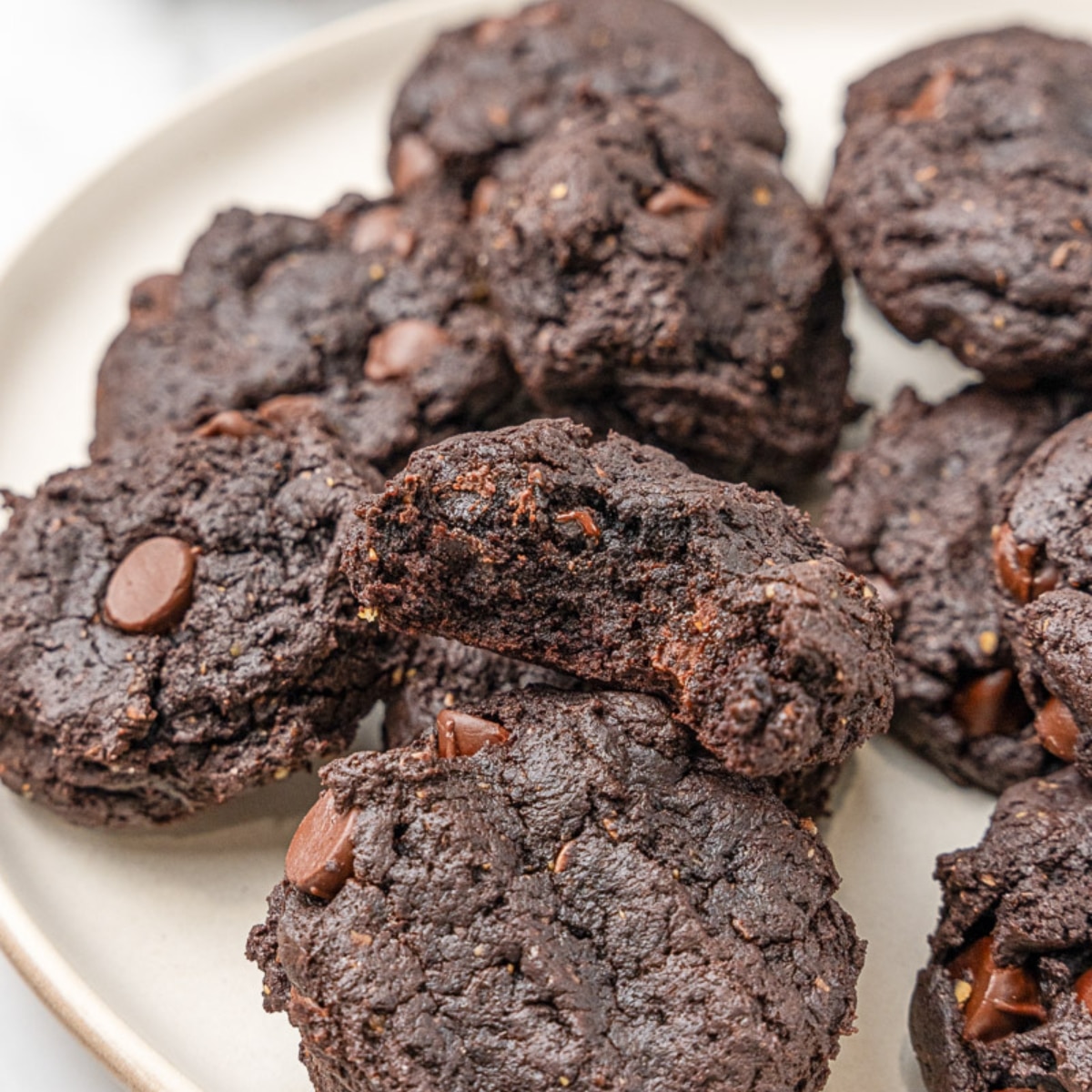
A few years ago, the food media burst forth with reports of studies claiming that chocolate may actually be good for us. Chocolate’s chemical core contains a myriad of substances that raise the level of seratonins and endorphins (the body’s feel-good and falling-in-love hormones); plus, its caffeine-like components contribute to quick energy bursts, perfect for athletic and intellectual effort. These studies even presented evidence that dark chocolate is good for heart health, and contains cancer-fighting antioxidants. Read More→
Print This Post
As we all know, garlic preserved by any method is not a substitute for fresh, but it does have its own charms and advantages. Different methods of preserving garlic lend themselves to their own culinary uses, so explore them all and see which ones best suit your needs.
Read More→
Print This Post
The creative winter pantry and kitchen make liberal and imaginative use of gnarly tubers and roots, dark sturdy greens, all of the alium (onion and garlic) family, and an array of multicolored, whimsically shaped hard-shelled winter squashes. Cold-weather vegetables are true multi-taskers, capable of nourishing and sustaining us in fragrant pots of warming soups and casseroles, or simply steamed, roasted, or baked. The brilliant colors, assertive flavors and crisp textures of winter vegetables and fruits used raw or marinated in salads and slaws are also outstanding. Read More→
Print This Post