
Green Kitchen
-
EWG’s 2018 Dirty Dozen™ and Clean Fifteen™ Produce List
-
How to Grow Fresh Vegetables With Hydroponics All Year Round
-
Benefits of Growing Your Own Vegetables
-
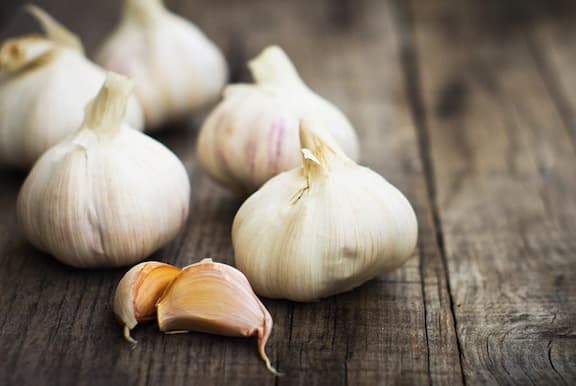
Preserving Garlic
-
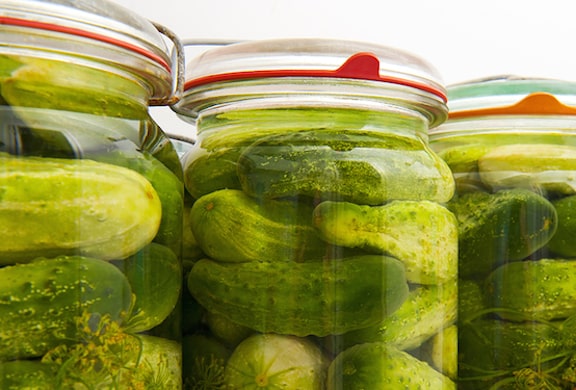
How to Pickle Anything Like a Pro
-
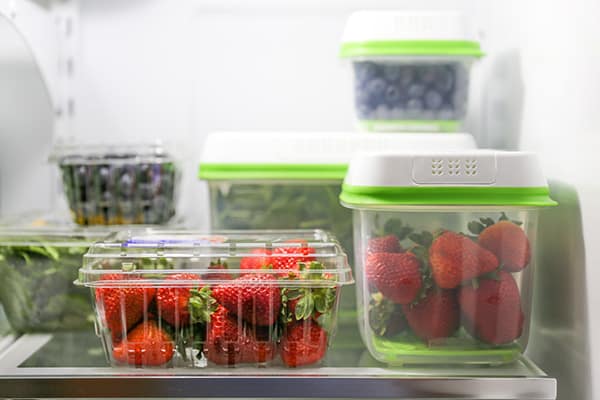
5 Ways to Prevent Food Waste in Your Kitchen
-
How to Use Less Energy When You Cook
-
Which Vegan Foods Release the Least Amount of CO2?
-
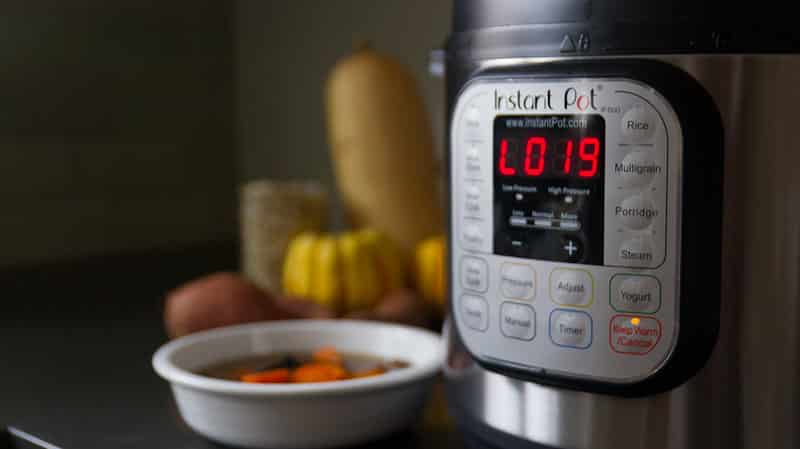
Pressure Cooker Recipes: The Pressure’s On
-
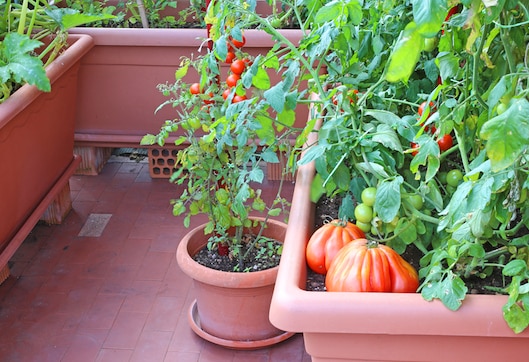
Creative Tips for Starting Your Own Urban Garden
-
Easy ways to reuse cooking oil so it doesn't end up in the drain
-
Safest and Healthiest Cookware (infographic)
-
10 Tips for Shopping at Natural Foods Stores
-
How to Care for Cast Iron Skillets
-
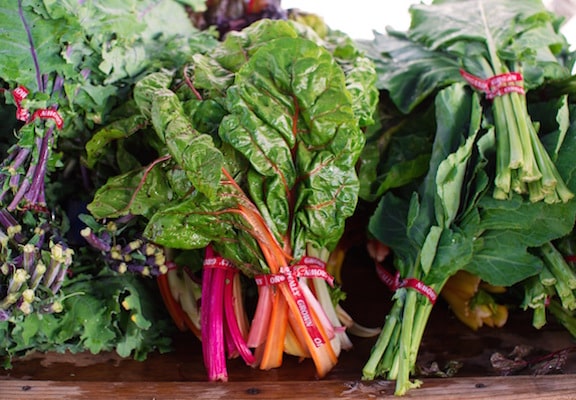
Make the Most of Produce Shopping at Farm Markets
-
5 Ways to Make Environmentally Conscious Food Choices
-
10 Ways to be a Frugal Vegan
-
Stocks and Broths for Vegan Soups
-
Turnips, Kohlrabi, Radishes, and Other Odd Vegetables: Are They Our Key to Survival?
-
How to Freeze Garden Vegetables and Fruits
-
Favorite Cookware and Tools for the Plant-Based Kitchen
-
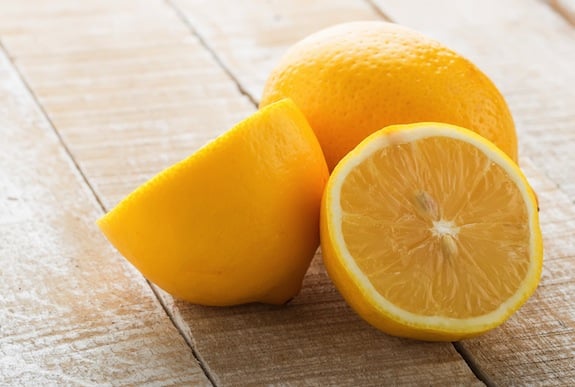
7 Great Uses for Lemons, In and Out of the Kitchen
-
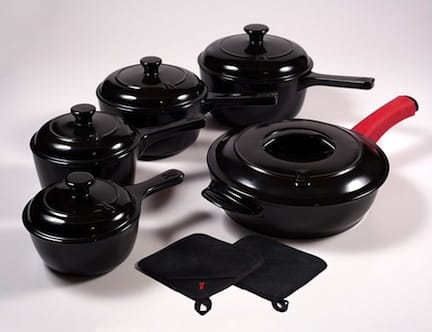
A Great Choice for Cookware –100% Ceramic
-
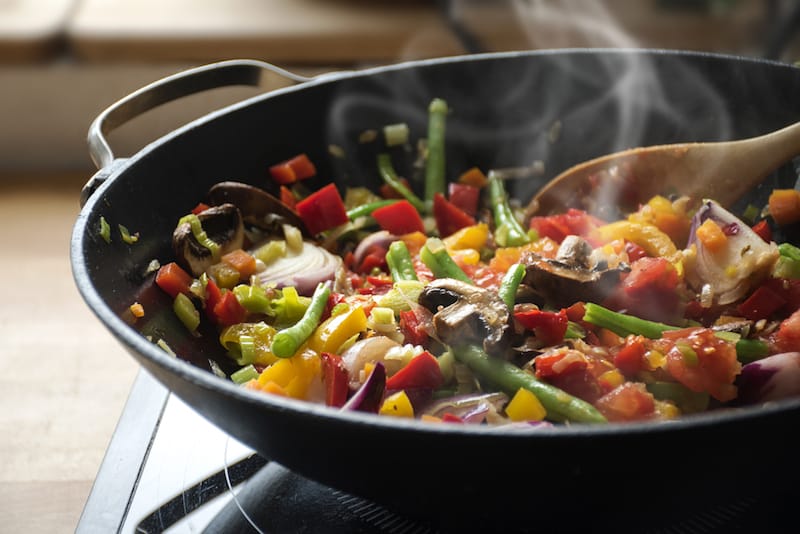
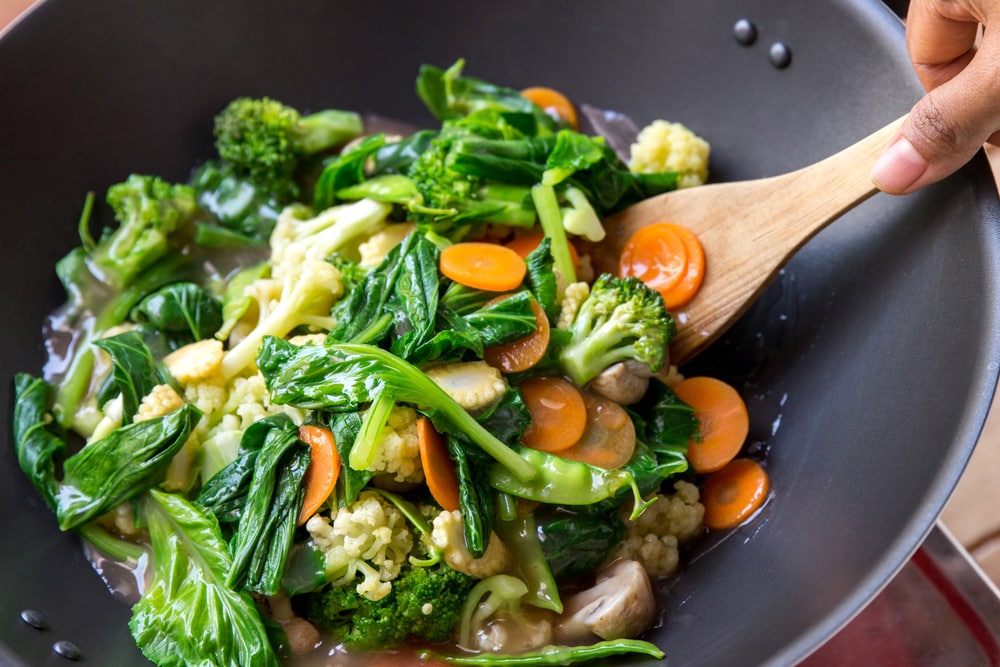
Basic Cooking Techniques for the Healthy Kitchen
-
Cool Kitchen Gadgets
-
How to Eat Local
-
Reusable, Long-Lasting Kitchenware and Accessories
-
How to Compost at Home
-
What Is Organic Food and Why Should We Eat It?
-
How Vegans Can Prepare for Emergencies
-
How to Freeze Vegetables and Fruits
-
How to Choose the Best Healthy Cookware
-
Making the Most of Vegan Crock-Pot Recipes