
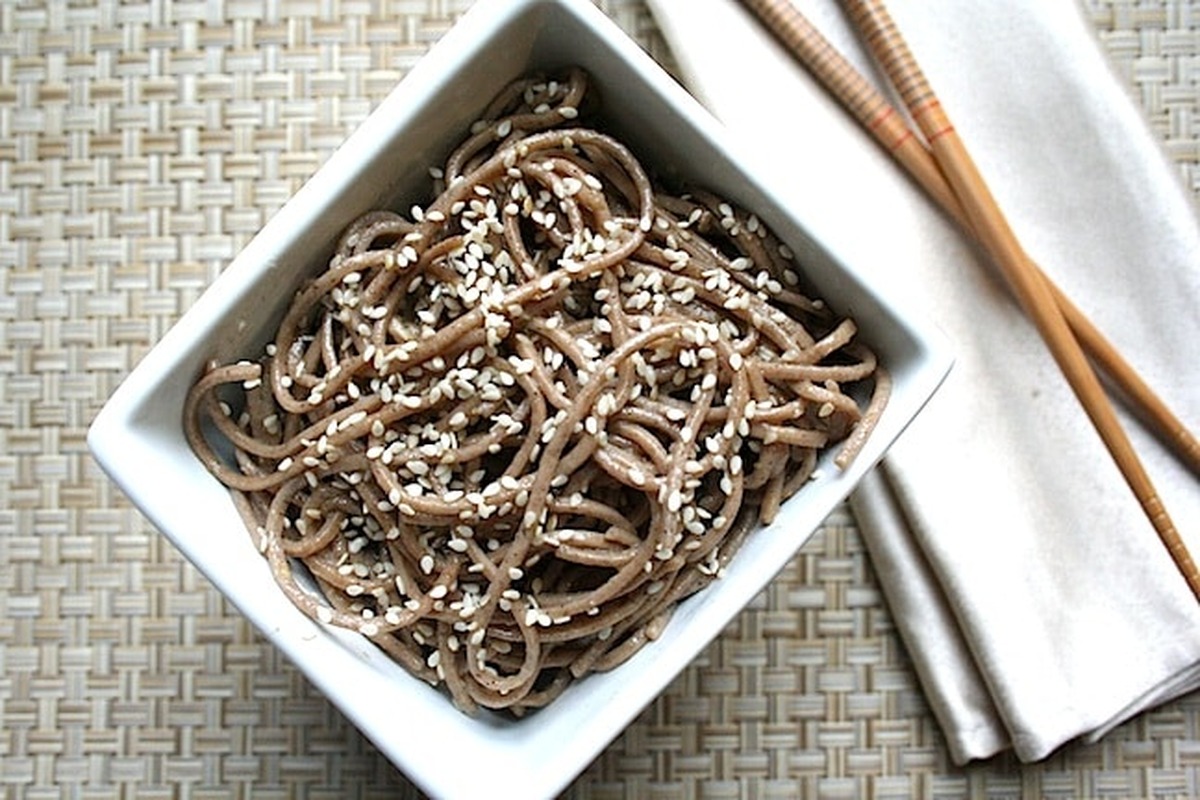
Nutty buckwheat noodles tossed in a quick dressing of toasted sesame oil, soy sauce, fresh ginger, and rice vinegar, these simple sesame soba noodles come together in about 15 minutes. They're just as good warm from the pot as they are cold from the fridge, which makes them an easy vegan side dish, a bed for stir-fries, or a packed lunch.
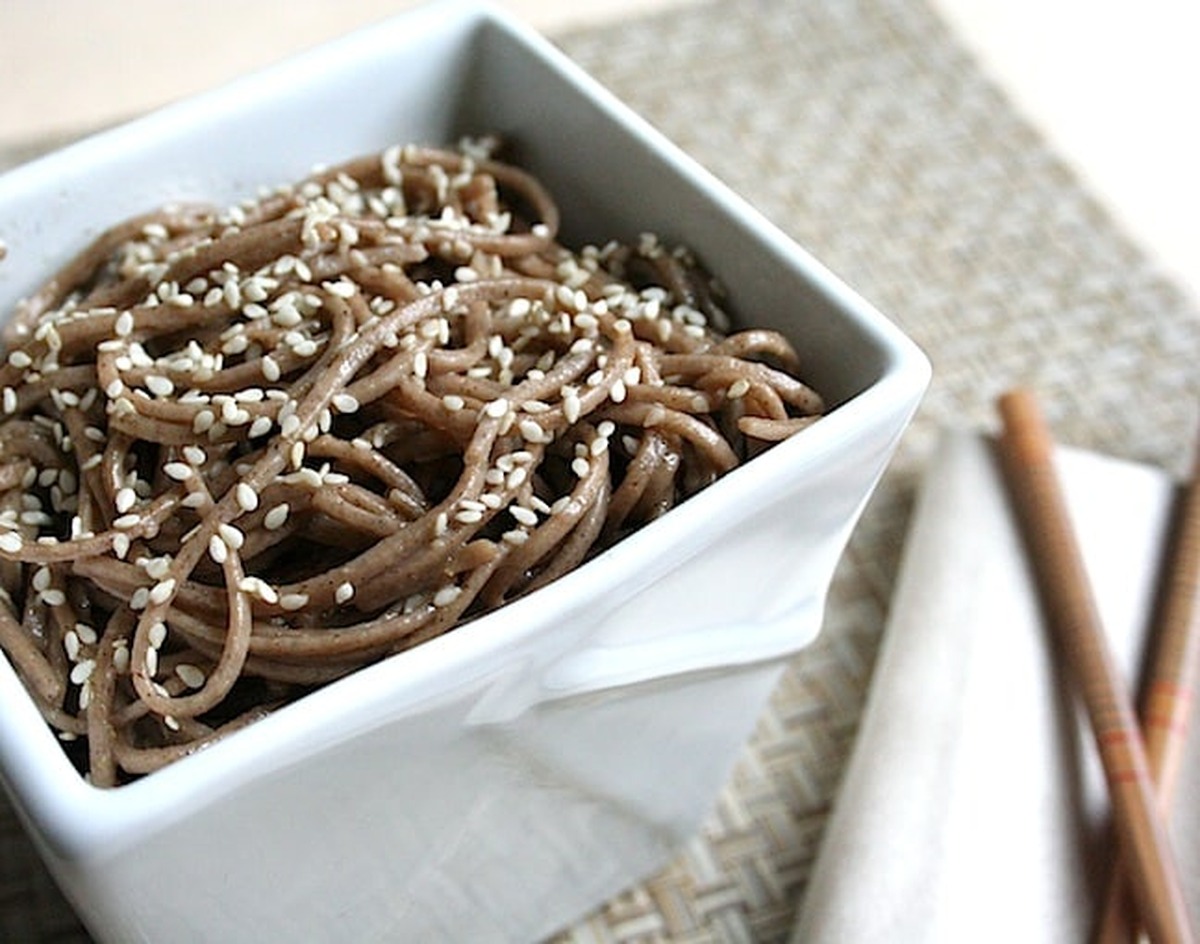
Photos by Rachael Braun.
Key Ingredients & Substitutions
- Soba noodles. These Japanese noodles are made from buckwheat flour, which gives them their earthy, nutty flavor and slightly chewy bite. Look for soba noodles in the international aisle or with the dried pasta. Any variety works, but note that many brands blend in wheat flour, so check the label if you need a gluten-free dish. Udon, somen, or even whole wheat spaghetti can stand in if that's what you have.
- Dark sesame oil. Toasted dark sesame oil is the backbone of the dressing, and its deep, roasted flavor is hard to replace. A little goes a long way. If you're out, use a neutral oil and add an extra tablespoon of sesame seeds to keep some of that toasty taste.
- Soy sauce or tamari. This supplies the salty, savory punch. Choose tamari to keep the dish wheat-free, and start with the smaller amount so you can adjust after tasting.
- Tahini. Optional, but a spoonful of sesame tahini makes the dressing a little creamier and rounder. Smooth peanut butter or almond butter can replace it, though the flavor will shift.
- Agave nectar. Just a touch of agave nectar balances the salt and acid. Maple syrup or a pinch of sugar works equally well.
- Fresh ginger. Grated fresh ginger adds warmth and zing. A microplane makes quick work of it, and jarred grated ginger is a fine shortcut in a pinch.
- Rice vinegar. A splash brightens the whole bowl. White wine vinegar or a squeeze of lime juice are good substitutes.
- Sesame seeds. They go into the dressing and onto the finished noodles for crunch. Black or tri-color sesame seeds look especially pretty against the brown noodles.
Helpful Tips
Don't overcook the noodles. Soba goes from tender to mushy quickly, so start tasting a minute before the package time is up. You want them al dente, with a little chew left, since they'll soften slightly more as they absorb the dressing.
Rinse them for cold or room-temperature serving. Buckwheat noodles release a lot of surface starch, which can make them sticky and gummy as they cool. A quick rinse under cold running water washes it away and stops the cooking. If you're serving the noodles warm, skip the rinse and toss them with the dressing right away.
Make the dressing while the water heats. Whisk everything together in a small bowl before the noodles are done so the flavors have a few minutes to mingle. Taste it on its own and adjust: more soy sauce for salt, a little more vinegar for brightness, or an extra drizzle of agave if it tastes sharp.
Toast the sesame seeds. If your seeds are raw, stir them in a dry skillet over medium heat for two to three minutes, until they're golden and fragrant. Move them to a plate right away so they don't scorch. Toasting makes the sesame flavor in the whole dish noticeably deeper.
Toss while the noodles are still slightly damp. A bit of clinging moisture helps the dressing spread evenly and keeps the noodles from clumping. Use tongs or two forks and lift and turn until every strand is coated.
Variations
- Swap the noodles. This dressing works just as well with udon or somen noodles, or even whole wheat spaghetti.
- Add mushrooms or greens. If you're not using these noodles as a base for a stir-fry, toss in some sautéed mushrooms or a handful of wilted spinach, kale, or bok choy to make it a fuller meal.
- Load up the veggies. Shredded carrots, thin cucumber matchsticks, sliced scallions, steamed broccoli, or edamame add color and crunch. For a heartier version, see our soba noodles with green beans and almonds.
- Make it spicy. Stir in a pinch of red pepper flakes, a spoonful of chili-garlic sauce, or a drizzle of chili oil.
- Go peanutty. Replace the tahini with creamy peanut butter and add a squeeze of lime for a quick Thai-inspired twist.
- Add protein. Top with cubes of baked or pan-seared tofu, or a scoop of shelled edamame.
Serving Ideas
These vegan soba noodles are a natural bed for saucy, Asian-style stir-fries and tofu dishes. Spoon ginger grilled tofu or a simple vegetable stir-fry right over the top, and the noodles will soak up every drop of sauce. They're also lovely alongside a green vegetable side such as sesame kale and broccoli sauté for a quick weeknight dinner.
The leftovers are good served cold, which makes them great for school or brown-bag lunches. Pack a portion in a lidded container with sliced cucumber and a sprinkle of extra sesame seeds, and lunch is done. A handful of chopped scallions on top always brightens things up, too.
Storing & Freezing
Store leftover sesame soba noodles in an airtight container in the refrigerator for up to four days. The noodles will firm up and absorb some of the dressing as they sit, so let them come to room temperature before serving, and toss in a splash of soy sauce, a few drops of sesame oil, or a teaspoon of water to loosen them if they seem dry.
This dish doesn't freeze well. Cooked soba turns soft and crumbly once it's thawed, and the texture of the noodles is a big part of the appeal. It's best to make it fresh, or make it up to a day or two ahead and keep it in the fridge.
More Vegan Soba and Noodle Ideas
If you loved this recipe, here are a few more noodle dishes you might enjoy:
- Sesame Soba Noodles with Collard Greens and Tempeh Croutons
- Cold Soba (Buckwheat Noodles) and Cucumber Salad
- Sweet-and-Sour Soba Noodles with Asparagus
- Cold Peanut Butter-Sesame Noodles
Recipe
Simple Sesame Soba Noodles
Ingredients
- 8 ounces soba (buckwheat) noodles any variety
- 2 tablespoons dark sesame oil
- 2 to 3 tablespoons soy sauce or tamari to taste
- 1 tablespoon tahini optional
- 1 tablespoon agave nectar
- 1 to 2 teaspoons grated fresh ginger to taste
- 1 tablespoon rice vinegar or white wine vinegar
- 1 tablespoon sesame seeds plus more for topping
Instructions
- Bring a large pot of water to a rapid boil. Add the soba noodles and cook according to the package directions, usually 4 to 6 minutes, stirring once or twice so they don't clump. Start testing a minute early: the noodles are done when they are tender with a slight chew (al dente).
- While the noodles cook, make the sauce. In a small bowl, whisk together the dark sesame oil, 2 tablespoons of the soy sauce or tamari, tahini (if using), agave nectar, ginger, rice vinegar, and sesame seeds until smooth.
- Drain the noodles in a colander. If you plan to serve them cold or at room temperature, rinse them under cold running water and drain well, which removes the surface starch and keeps the noodles from sticking. For a warm dish, simply drain and shake off the excess water. Transfer the noodles to a large serving bowl.
- Drizzle the sauce over the noodles and toss with tongs or two forks until every strand is evenly coated. Taste, and add the remaining tablespoon of soy sauce if you'd like it saltier.
- Serve warm or at room temperature, passing extra sesame seeds at the table for topping individual servings.
candace says
Just made these. I needed something that I can bring to work for an easy to eat/easy to pack kind of lunch. They are delicious... I didn't have vinegar and it still came out great. I sauteed some mushrooms and added them in too. wonderful...thanks for the recipe!
Nava says
Candace, I love the idea of adding mushrooms to this and will suggest this as a variation. Thanks for stopping by!
Julie says
Although Soba noodles state on nutrition label 0gm saturated fat in the ingredient section, eggs are listed. What brand do you buy that doesn't have eggs? I won't put my money behind food containing animal products. I usually use WW dry spaghetti noodles in Asian dishes to avoid eggs! 🙂
Nava says
Really? I've never seen soba noodles with eggs. For example, Eden (though I boycott Eden products because their CEO is a jerk): http://www.edenfoods.com/store/product_details.php?products_id=108300 and Hakubaku: http://www.hakubaku.com/content/view/52/74/ — so I'm really not sure how you got the impression that Asian noodles contain egg, as most don't. However, WW spaghetti, whole grain udon, or even brown rice noodles are good substitutes.