
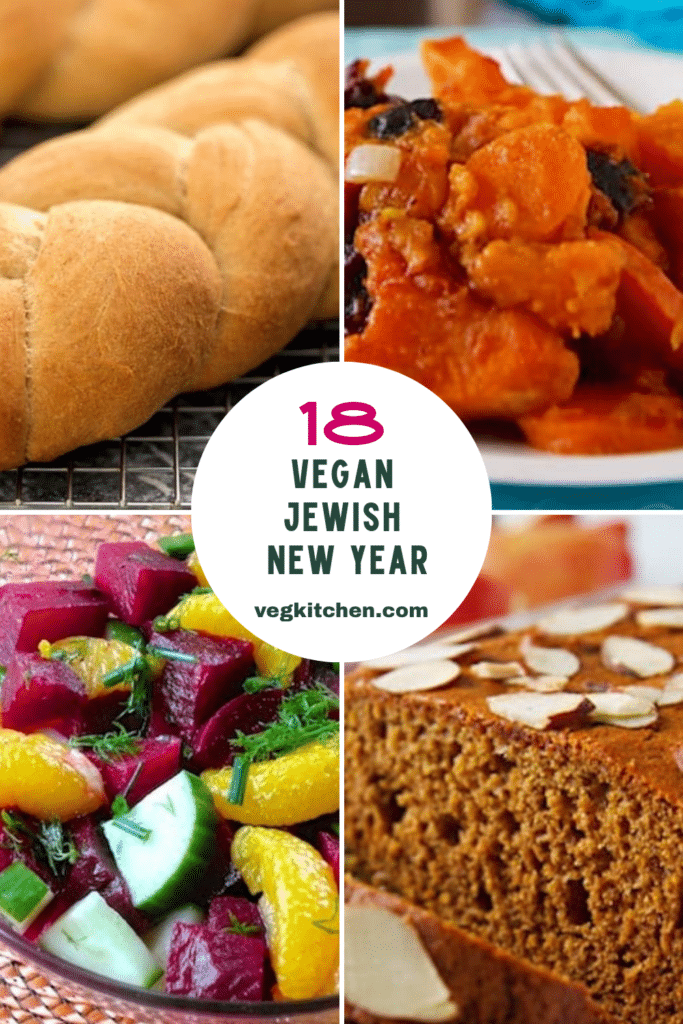
For Jews around the world, early fall is the beginning of a new year, marking Rosh Hashana, the Jewish New Year. Here are vegan Jewish New Year recipes and menus for the vegan and vegetarian dinner table. Rosh Hashana is more than a New Year's celebration — the holiday's ancient roots are as a harvest festival, and enjoyment of the abundant produce of early autumn remains central to the celebration. The foods served emphasize this holiday's optimistic spirit, and naturally sweet foods are favored at the dinner table.
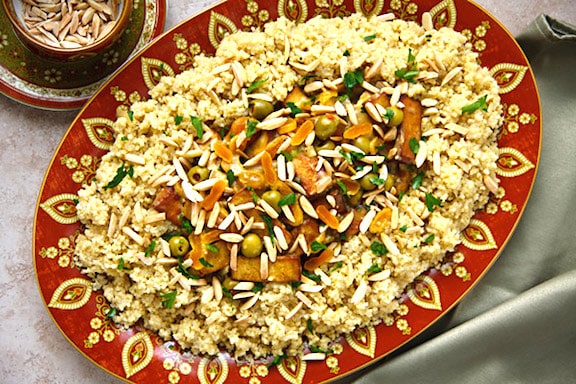
Shown above, Moroccan-Flavored Tofu with Apricots, Almonds, and Olives; photo by Susan Voisin.
It's hard to imagine a Rosh Hashana celebration without challah bread. For vegans, the challenge becomes making this moist bread without its characteristic ingredient — eggs. Egg-free vegan challah is the result of much experimentation by Rachel Orenstein Packer, a guest contributor to VegKitchen. Then there's the ritual of spreading chunks of this tender bread with honey, as well as dipping apple slices in honey, which, for the strictest of vegans can simply be replaced with agave nectar.
The choice of produce used for a Jewish New Year meal will differ somewhat depending on whether the meal has an Ashkenazi (Eastern European) or Sephardic (Mediterranean and Middle Eastern) theme. Ashkenazi dishes feature apples, sweet potatoes, beets, and other foods native to Eastern Europe. Sephardic dishes feature such foods as apricots, dates, pumpkins, and turnips. Both traditions make liberal use of leeks, squash, carrots, and other produce that is plentiful in early fall; these vegetables symbolize abundance and prosperity. Mix and match from the recipes below to create an abundant, festive meal for your family and friends.
Vegan Jewish New Year Recipes
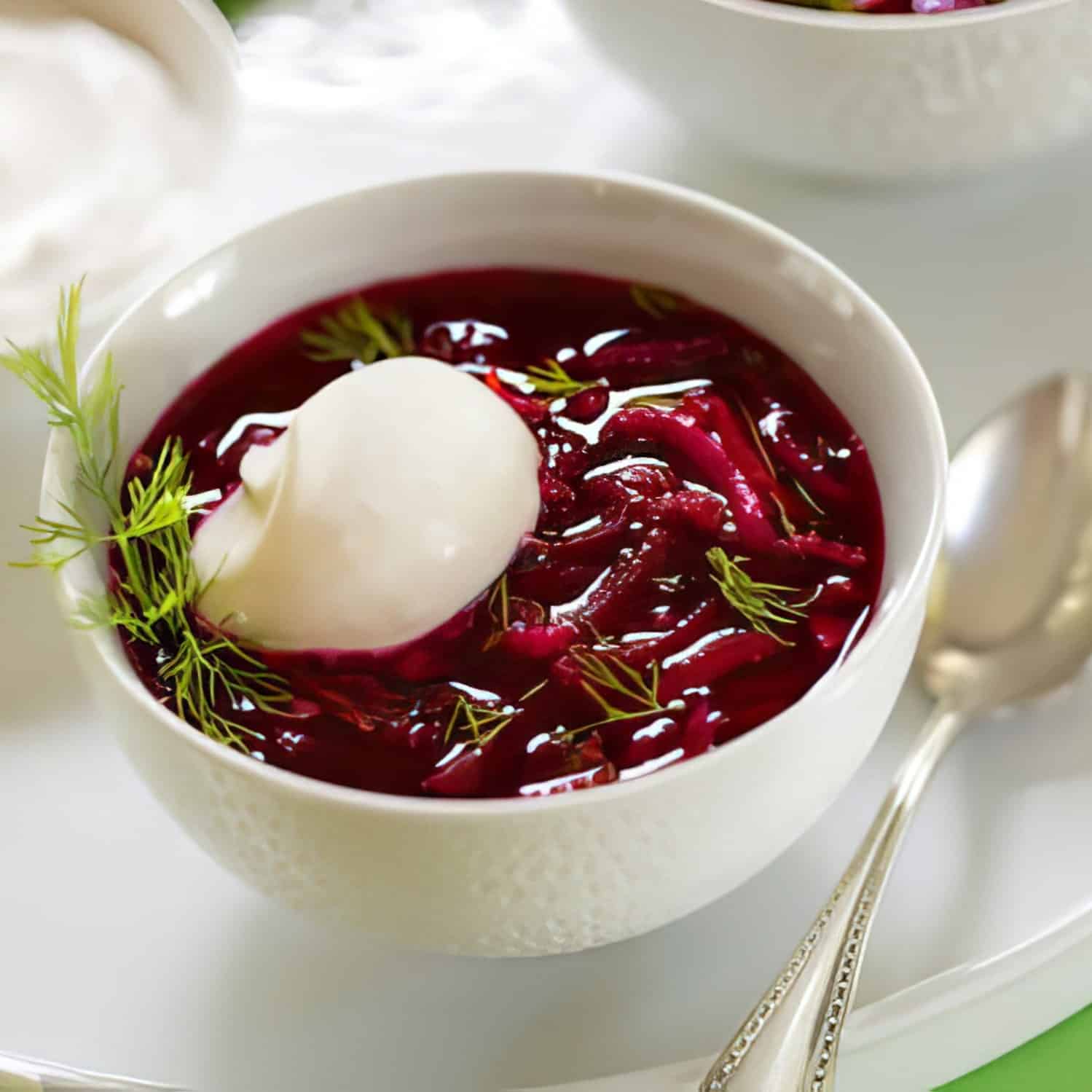
A refreshing, mostly-raw beet borscht — a cool, colorful way to start the meal if the weather's still warm.
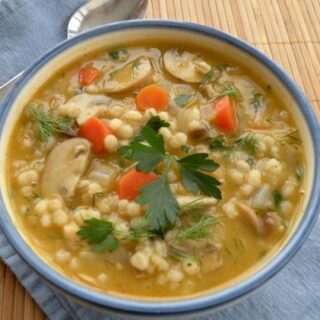
A comforting, hearty soup with mushrooms and barley, perfect if the weather has turned cool.
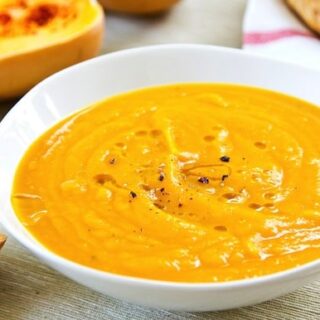
A silky soup blending butternut squash and apples, capturing the sweetness of the early fall harvest.
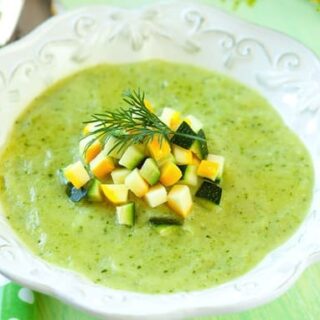
A light, creamy zucchini soup that works as a warm or cool starter.
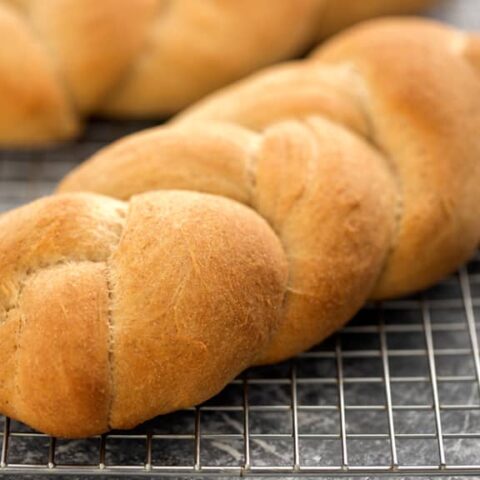
A moist, egg-free challah — no Rosh Hashana table is complete without it.
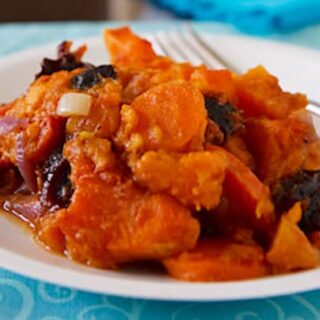
Sweet potatoes stewed with dried fruit, a classic Ashkenazi holiday side.
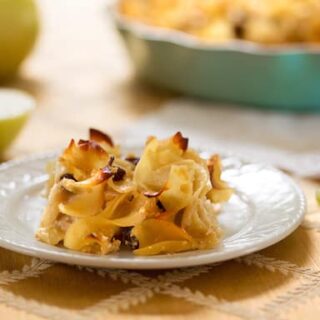
A comforting vegan take on the classic Jewish noodle casserole.
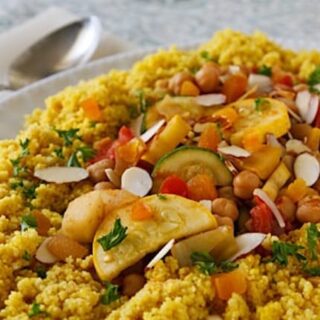
A fragrant, Sephardic-style couscous loaded with seven kinds of vegetables.
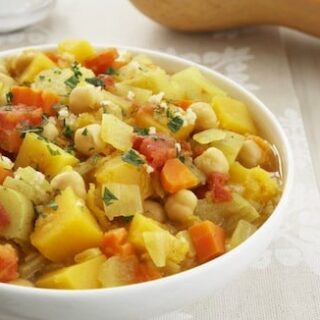
A warmly spiced Moroccan-style stew loaded with fall vegetables.
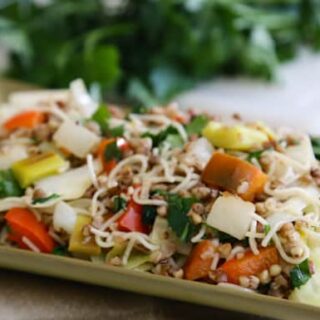
Buckwheat groats tossed with fine noodles and vegetables, a comforting Ashkenazi classic.
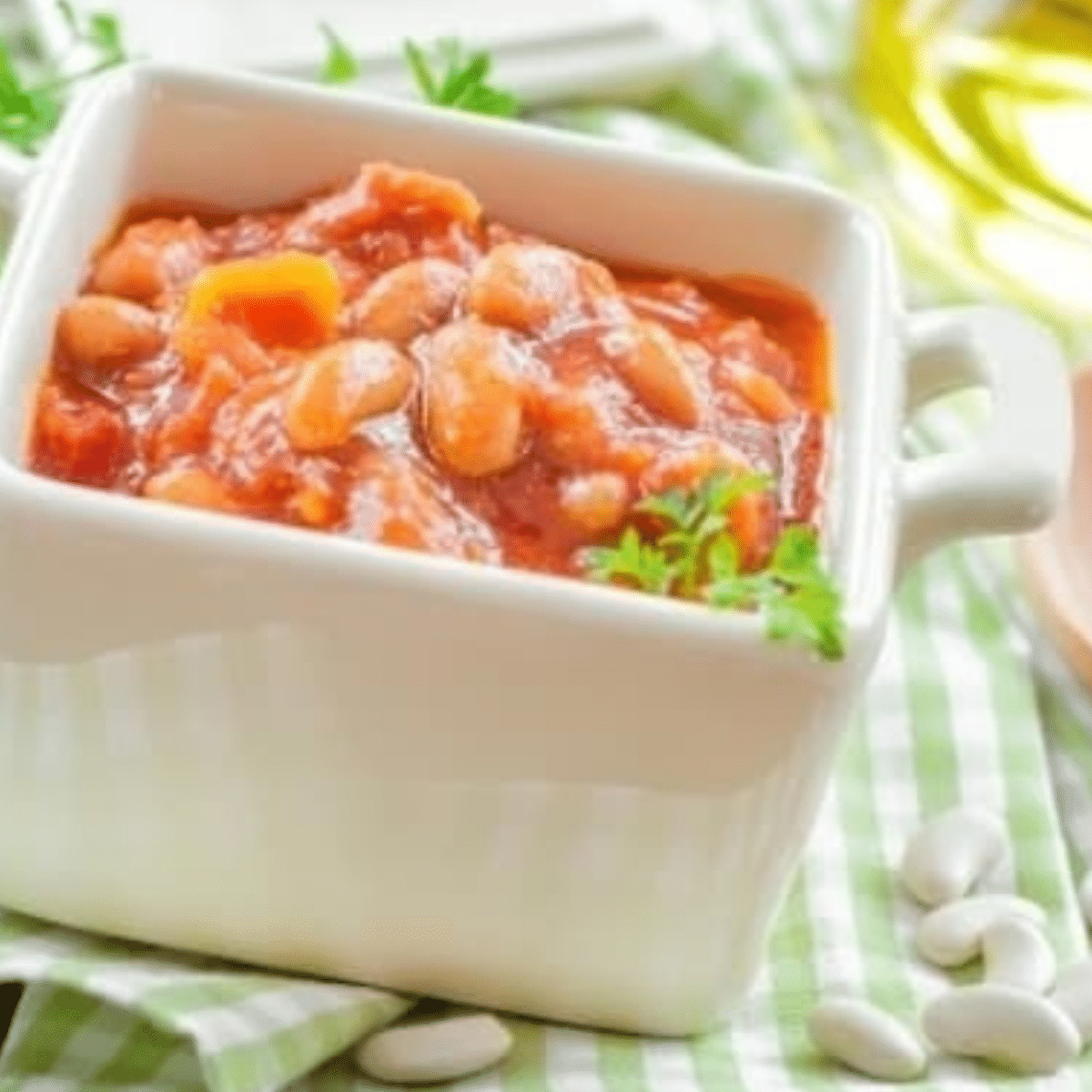
Tender white beans stewed Sephardic-style with warm spices.
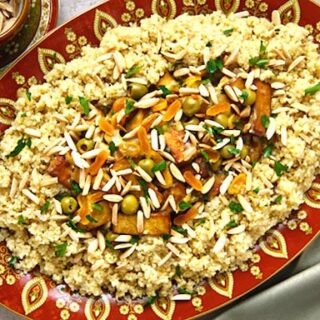
Tofu simmered with apricots, olives, and almonds for a sweet-savory Moroccan-inspired main.
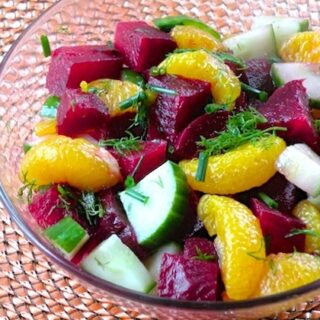
A colorful salad of beets, cucumber, and orange, bright with early-fall produce.
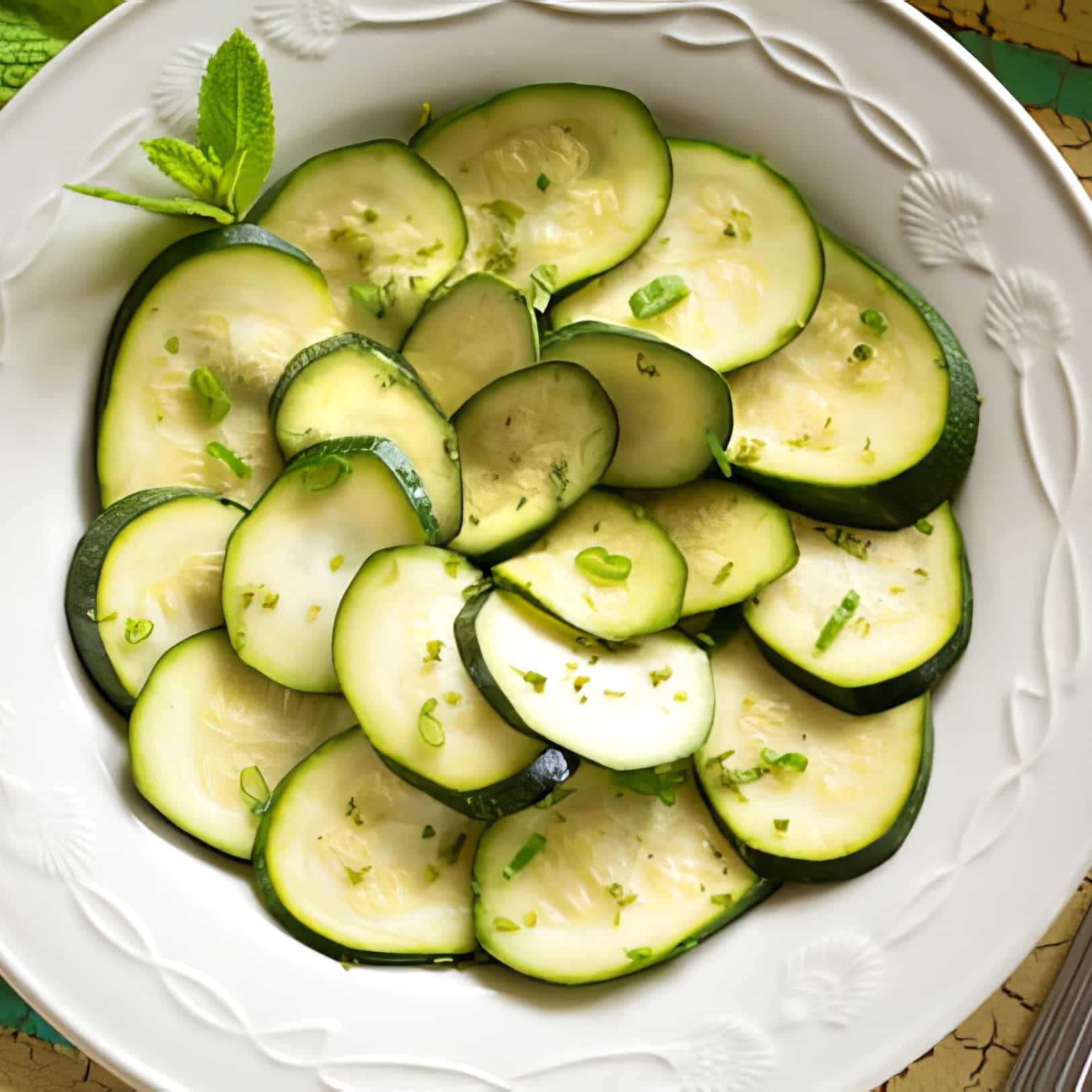
A simple, refreshing zucchini salad brightened with fresh mint.
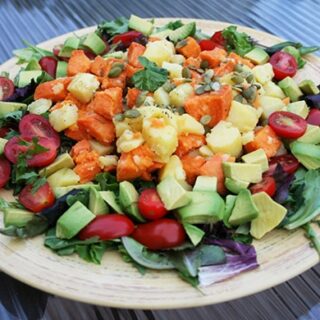
Sweet and white potatoes tossed with mixed greens for a hearty, colorful salad.
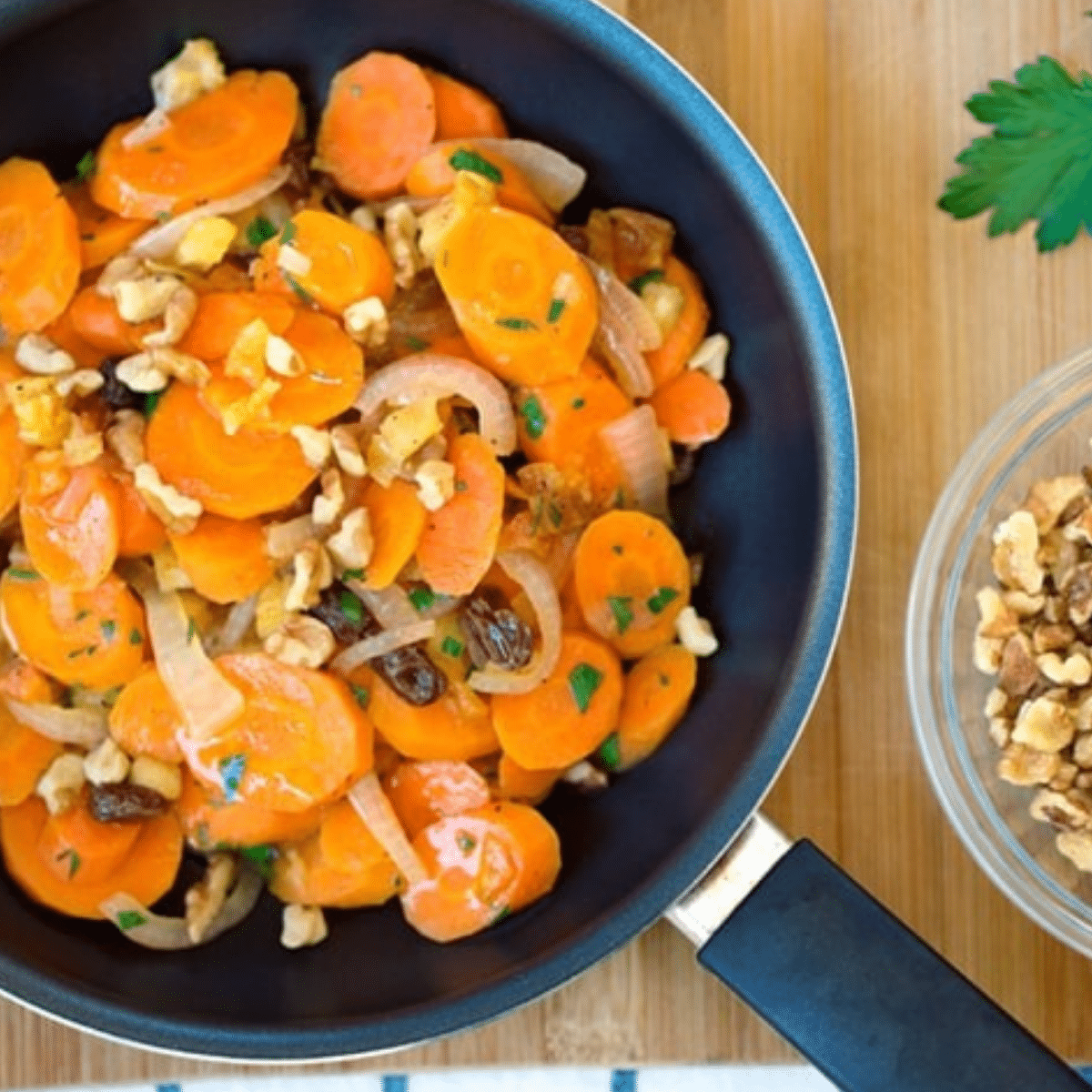
Sauteed carrots with dried cranberries, a naturally sweet holiday side.
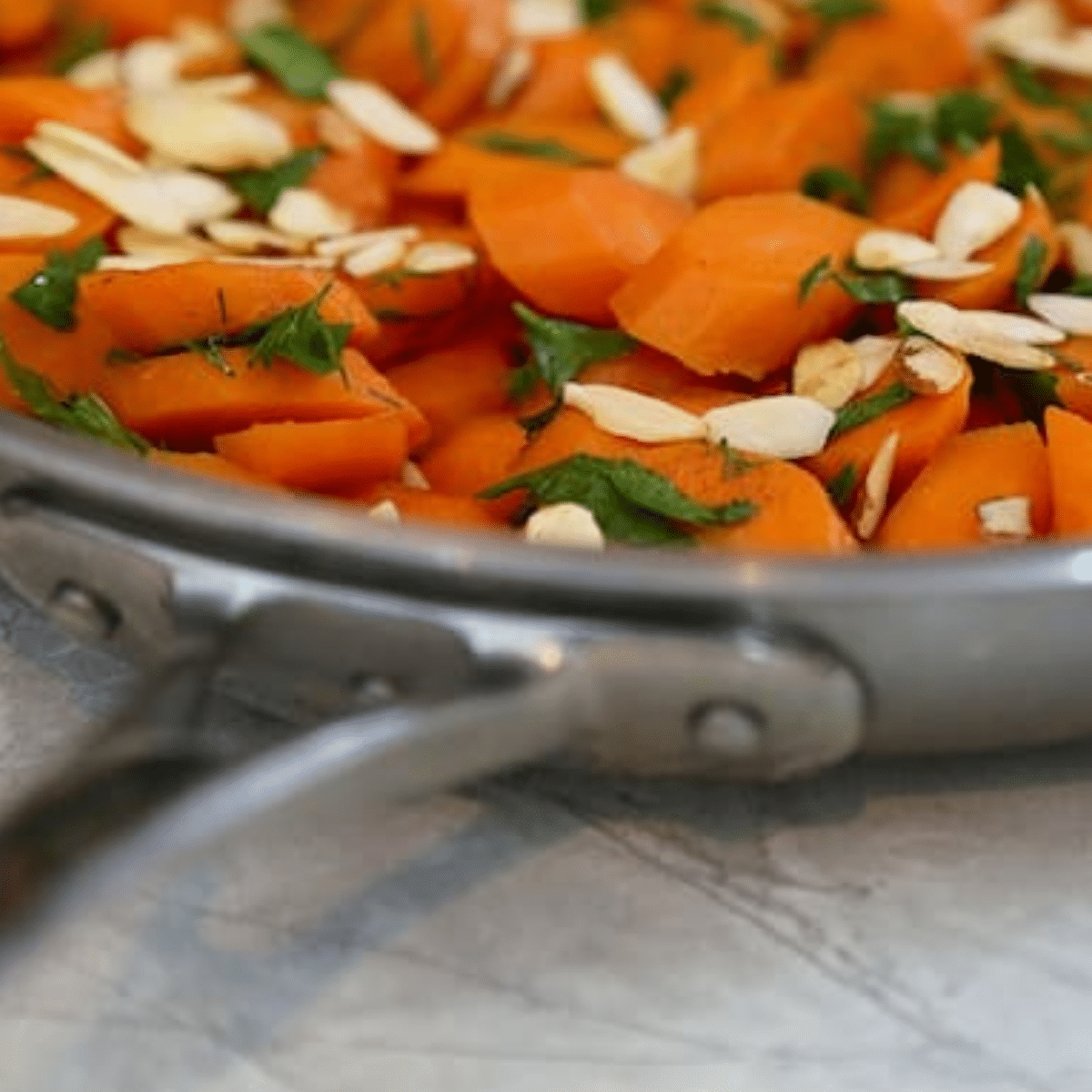
Sautéed carrots with toasted almonds, a quick and colorful side dish.
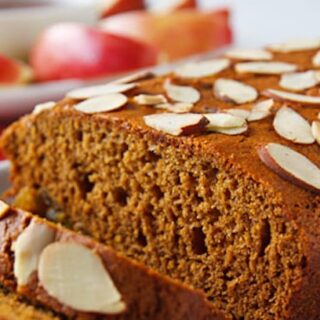
A naturally sweet honey-style cake, made without any actual honey — perfect for a sweet new year.
A soup course is optional, but if you'd like to serve one, go for a cold soup if the weather's still warm where you are, or a hot one if it's turned cooler.
Here are more tips for keeping the Holidays and Special Occasions healthy! For lots more features on healthy lifestyle, explore VegKitchen's Healthy Vegan Kitchen page.



Johanna says
Great collection! Can't wait to prepare some of these!!!
Marcia says
ThankYou!!!
Marcia says
Thank you!! Fantastic ideas. The eggless challah, amazing!!
Mordechai says
Thanks for posting. Shana tova!
Nava says
Thank you; same to you, Mordechai!
Talia says
Delicious choices! Thanks, and have a wonderful new year. 🙂
Nava says
Thank you, Talia — same to you!
LL says
Sweet potatoes are not native to eastern europe. That should be clarified so as to not spread misinformation and take credit from the Indigenous peoples of the americas who were the first to use sweet potatoes as their traditional food. So much has been taken from Indigenous americans. It isn't asking much to expect people to properly credit what region their "traditional" food originated in.