

This easy baked polenta casserole uses prepared polenta (the kind that comes in a tube) layered with zucchini and spinach. Smothered in marinara sauce and topped with melty vegan cheese, it's almost so embarrassingly easy to make, but such a crowd-pleaser. Use a really flavorful prepared marinara-roasted tomato, garlic, mushroom, or chunky vegetable. Adapted from Vegan Express by Nava Atlas. [Read more...]
Search Results for: polenta
8 Ways to Use Tube Polenta: Recipes and Ideas
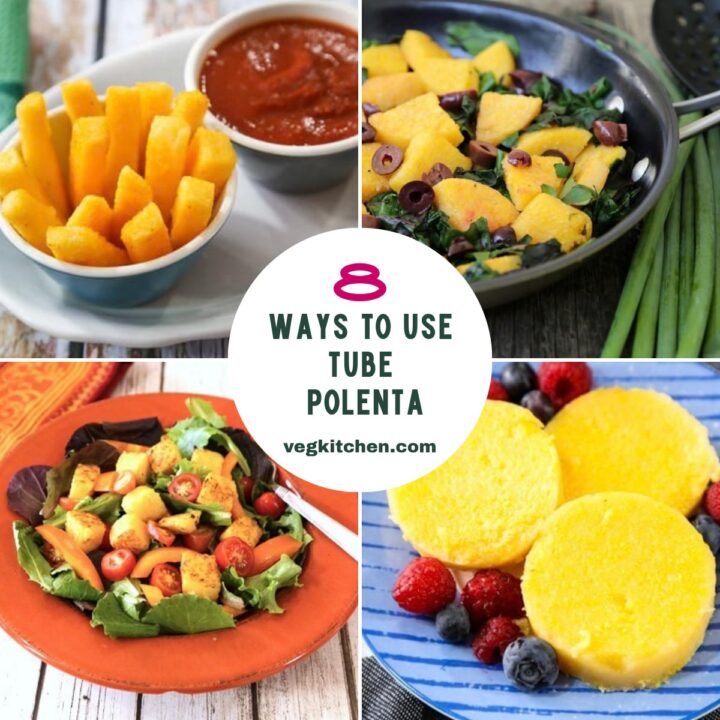
Tube polenta is a great natural product that lends a rustic charm to many types of dishes. Here are eight of our favorite ways to use it, from easy recipes to no-recipe-needed meal ideas, plus tips on buying it, cooking it, and storing what's left.

What Is Tube Polenta, and Where Do You Find It?
Are you looking for a great polenta recipe? The kind where that coarse cornmeal is cooked into a smooth porridge, then cooled and cut and baked and… If so, you've come to the wrong place. Here we're talking about polenta that comes in a tube: cornmeal that has already been cooked, seasoned lightly, and packed into a firm log. It's ready to slice straight out of the wrapper, and a few minutes in a hot pan or oven turns it golden and crisp outside and tender inside.

A number of brands make tube polenta. Look for it in the Italian foods or pasta aisle of well-stocked supermarkets, near the grains or gluten-free section of natural foods stores, and in Italian specialty markets. Most brands are shelf-stable, though a few are sold in the refrigerated case near the tofu. It comes plain ("traditional") or flavored with herbs, garlic, or sun-dried tomato. We particularly like San Gennaro Traditional Polenta, which you can also order online.
Polenta itself is gluten-free, but if you're very sensitive, check the package to make sure it wasn't made in a facility that also processes wheat. Nutrition-wise it isn't a powerhouse, but it isn't bad either: it's low in fat and calories and gives you a little protein and iron. Best of all, it's crazy easy to work with, and even on its own with little or no embellishment it can be surprisingly yummy.
The Best Pan for Crispy Tube Polenta
Most of the ideas below start the same way: slice the polenta about ½ inch thick (or cut it into wedges, sticks, or cubes) and brown it in a little oil over medium-high heat for 4 to 5 minutes per side, until golden. The pan makes a real difference, since polenta loves to stick. A heavy cast iron skillet gives you the crispiest crust once it's well preheated, while a good nonstick skillet lets you get away with less oil and makes flipping foolproof. Whichever you use, pat the slices dry first and don't move them until they release on their own.
1. Baked Polenta Fries

Cut the polenta into sticks, toss them gently with a little oil, and bake on a parchment-lined sheet at 425°F for 20 to 25 minutes, stirring every few minutes, until crisp outside. Using tube polenta for our Fuss-Free Baked Polenta Fries cuts 2 to 3 hours of prep and wait time down to 2 to 3 minutes. Serve them with ketchup or marinara for dipping.
2. Swiss Chard with Polenta

If you're trying to eat more greens, or get your family to, little wedges of tube polenta add immense charm to this simple Chard with Polenta Wedges. Brown the wedges first, set them aside, then sauté the chard with garlic and a handful of olives and fold the polenta back in just before serving. Kale or collards work well in place of the chard.
3. Sautéed Polenta and Green Veggies

Same idea, even simpler, and no recipe required: combine cubes or wedges of sautéed polenta with any steamed green vegetable, such as Brussels sprouts (shown above), broccoli, green beans, or zucchini. A drizzle of olive oil and a pinch of salt and pepper is all it needs, and the polenta makes the veggies more substantial and more appealing to picky eaters.
4. Polenta Croutons

Use tube polenta as gluten-free croutons that make almost any salad tastier and more substantial. Cut it into bite-sized cubes, pan-fry them in a bit of oil for 8 to 10 minutes, turning every few minutes until golden on all sides, then season with salt, pepper, and a pinch of dried herbs. Add them to the salad right before serving so they stay crisp.
5. Sweet Polenta with Fruit

When my son was young, he loved plain tube polenta sliced, sautéed in a little vegan butter on both sides, then served with maple syrup and fresh fruit. Brown the rounds for about 4 minutes per side, then top with berries or sliced bananas and a drizzle of syrup. No recipe needed, and maximum breakfast or brunch enjoyment.
6. Seitan and Polenta Skillet
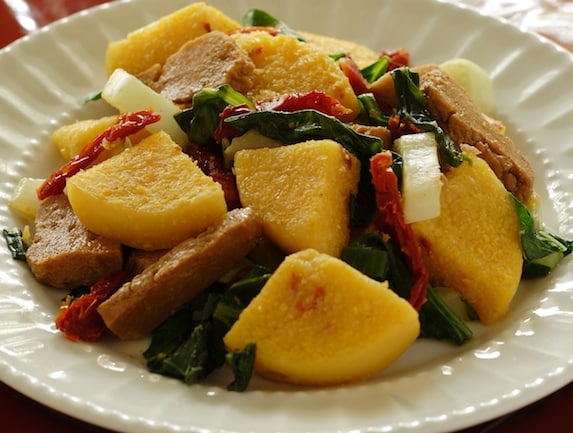
Tube polenta is a great way to bulk up easy vegan main dishes, and Seitan and Polenta Skillet with Fresh Greens is one of our all-time favorites. Brown diced polenta and strips of seitan in one skillet, then wilt in fresh greens (and sun-dried tomatoes, if you like) for a hearty, great-looking one-pan dinner. (Seitan is made from wheat, so swap in extra-firm tofu if you need this gluten-free.)
7. Beans and Polenta

Use golden, pan-crisped slices of polenta as a bed for bean dishes like this white bean and kale skillet or this veggie chili; their flavors are so compatible. For an instant meal, top the slices with heated canned chili such as Amy's Black Bean Chili, as shown in the photo, and serve over a handful of baby spinach.
8. Polenta and Mushroom Stuffing

This one is a little more involved, but it's a holiday recipe, and not at all difficult. In Polenta, Vegan Sausage, and Mushroom Stuffing, little wedges of polenta stand in for bread; they roast with sliced vegan sausage until crisp-edged, then get tossed with sautéed onion, celery, mushrooms, and herbs. It works spectacularly well, so try it for your next vegan holiday menu!
Storing Leftover Polenta
An unopened shelf-stable tube keeps in the pantry until the date on the package (refrigerated brands stay in the fridge). Once you've cut into it, wrap the cut end tightly in plastic wrap or slide the log into an airtight container and refrigerate it; use it within 4 to 5 days. Cooked slices, fries, and croutons keep in a covered container in the fridge for 3 to 4 days. Reheat them in a skillet or a 400°F oven rather than the microwave, which makes them soft and a bit rubbery.
You can freeze tube polenta, though the texture turns slightly softer and more crumbly after thawing. Slice it first, lay the slices on a parchment-lined tray until firm, then transfer them to a freezer bag and freeze for up to 2 months. Thaw overnight in the fridge and pat dry before using. Thawed polenta is best in recipes where it gets crisped or baked, like fries, croutons, or stuffing, rather than served in neat rounds.
More Polenta Recipes
I hope these ideas have given you a new reason to try this often overlooked ingredient. Here are more polenta recipes from VegKitchen to keep you cooking:
Fuss-Free Baked Polenta Fries
There are lots of posts on food blogs and sites for baked polenta fries, in which a rather lengthy process is detailed. First, the polenta is cooked from scratch (it's kind of like a coarse cornmeal mush for those of you not familiar with it); then it's spread into a dish in which it cools and firms up; then the fry shapes are cut from that. And because food blogs usually want to present recipes that involve more than one or two ingredients, seasonings are added to the mix, as well.
I, too, presented such a recipe. And much as I love polenta fries, I have to admit that I never made them that way again. It's not that it's difficult; it is tedious, and between the cooking of the polenta and letting it set, we're easily talking about 2 to 3 hours before they even go into the oven. [Read more...]
Polenta, Vegan Sausage, and Mushroom Stuffing
Using prepared polenta and vegan sausage makes for a nice change-of-pace stuffing for fall and winter meals, and it's great for the Thanksgiving table, too. Adapted from Vegan Holiday Kitchen by Nava Atlas. Photos by Evan Atlas. [Read more...]
Crispy Polenta Fries

Making these addictive fries using polenta (cooked cornmeal) is super easy. You need to plan ahead to allow the cooked polenta to completely solidify in the fridge - a few hours or overnight. Use as an appetizer or side dish. Polenta is completely gluten-free, and though it's a traditional Italian food, it goes with any kind of meal. Thanks to Colavita for the quick-cooking, super-smooth Instant Polenta used in this recipe, as well as the fruity olive oil and hot pepper spread we used to embellish the fries. Photos by Evan Atlas. [Read more...]
Polenta with a Variety of Toppings

Polenta is the Italian name for a basic cornmeal mush that can be served on its own or with a variety of toppings (see variations after recipe box). It's a comforting, naturally gluten-free grain dish that kids and picky eaters will love! When mine were growing up, they loved this with a side of steamed broccoli, and a platter of raw veggies with a dip. Thanks to Colavita for supplying the Instant Polenta used in this recipe, which not only cooks up super-fast, but is extra smooth. Photos by Evan Atlas. [Read more...]
Chard with Polenta Wedges

Little wedges of precooked polenta add immense charm to this simple preparation of chard. The flavor and texture of polenta is so compatible with leafy greens; you can use kale or collards in this in place of chard, if you'd like. Olives or sun-dried tomatoes give it a nice flavor twist. Photos by Evan Atlas. [Read more...]
Seitan and Polenta Skillet with Fresh Greens
There’s something enticing about the seitan/polenta synergy, and with the addition of greens, results in a great-looking, hearty dish. Serve with a simple potato dish and salad or slaw. Recipe adapted from Vegan Express. Photo by Susan Voisin.
Polenta with Black Beans and Spinach

Prepared polenta that comes in a tube provides an easy way to add variety to the dinner repertoire. In a simple combination, polenta topped with black beans and spinach can be a hearty warm appetizer or the main dish as part of a simple dinner. Look for this kind of polenta in natural foods stores or the Italian or gluten-free foods sections of supermarkets. Adapted from Vegan Express by Nava Atlas. See a complete simple dinner, with shopping list, featuring this recipe. [Read more...]
Healthy Vegan Whole Grain Recipes
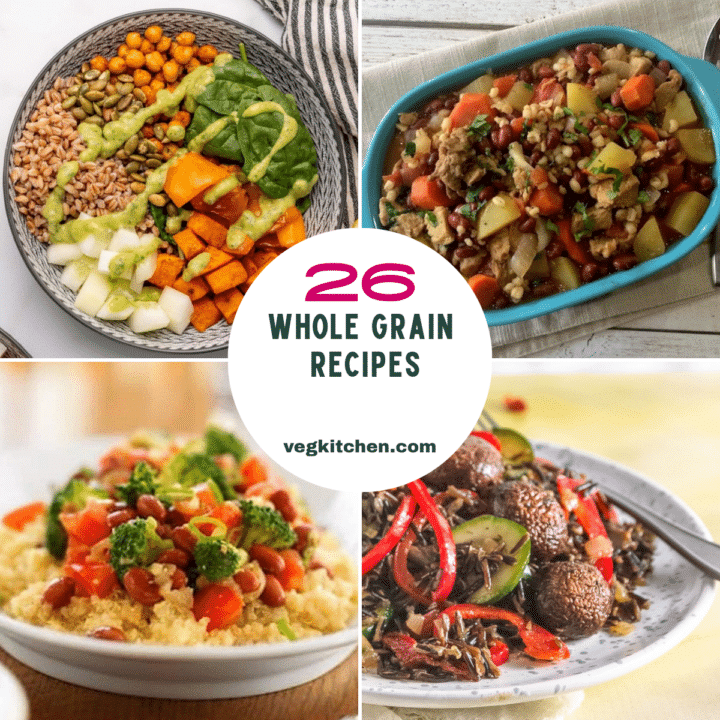
Whole grains are some of the most versatile ingredients in a vegan kitchen — hearty enough to anchor a dinner, light enough to start your morning, and endlessly adaptable to whatever vegetables or spices you have on hand.
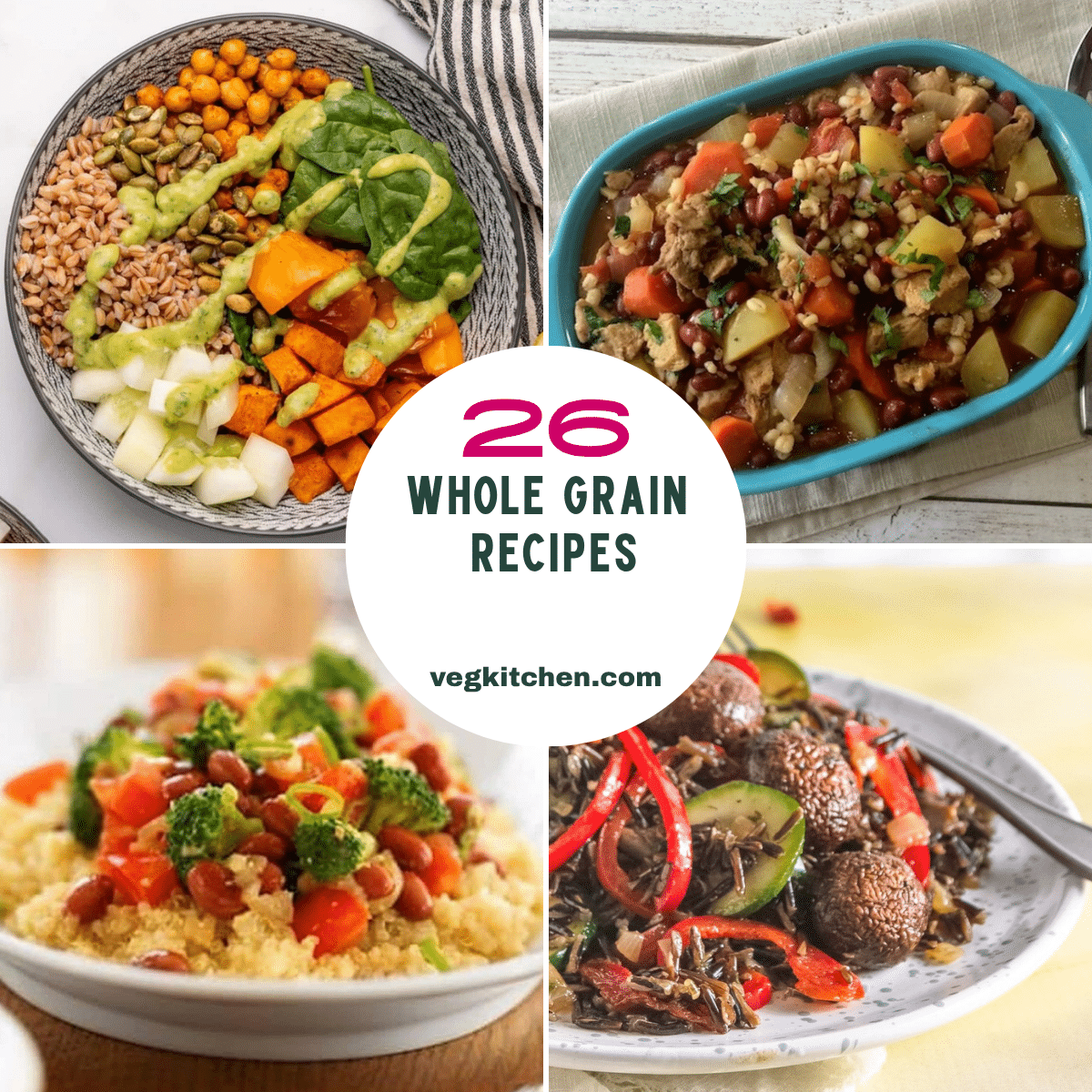
From cozy breakfast bowls to hearty salads, soups, and mains, we've rounded up more than two dozen healthy vegan whole grain recipes featuring quinoa, farro, barley, millet, bulgur, buckwheat, oats, and more. Already have a favorite grain in mind? We have dedicated round-ups for quinoa bowls, farro, tube polenta, and brown rice too — you'll find those linked below.
Healthy Vegan Whole Grain Recipes

A hearty grain bowl piled with farro, arugula, roasted sweet potatoes, chickpeas, and cucumbers, all finished with a bright homemade dressing. It's a filling, nutrient-rich lunch or dinner you'll want to put in regular rotation.

Earthy marinated mushrooms meet chewy wild rice for a satisfying, protein-packed dinner that's just as good reheated for meal-prep lunches. Simple pantry ingredients make it an easy weeknight staple.

All the cozy flavor of apple pie in a bowl of oats, made gluten-free, oil-free, and refined-sugar-free. It's a warming breakfast that tastes like dessert but keeps you fueled all morning.
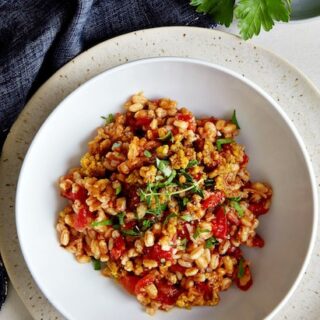
Rich and cheesy-tasting thanks to nutritional yeast (no dairy needed), this baked farro casserole is a cozy, tomato-and-herb-drenched alternative to pasta bake. The chewy whole-kernel wheat holds up beautifully to baking.
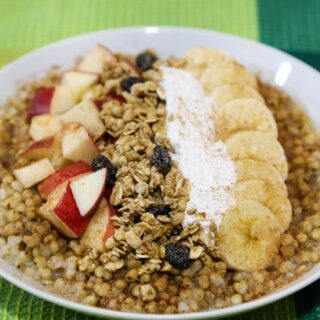
Sorghum's mild flavor and satisfying chew make it a great base for a warm breakfast cereal, especially once it's dressed up with fruit, nuts, and a touch of sweetness. A fun way to branch out from oatmeal.
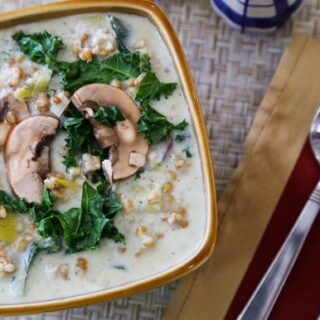
Made creamy with tofu or white beans and loaded with leeks and mushrooms, this soup welcomes whichever ancient grain you have on hand: farro, spelt, einkorn, or plain pearl barley. A true bowl of comfort on a chilly day.
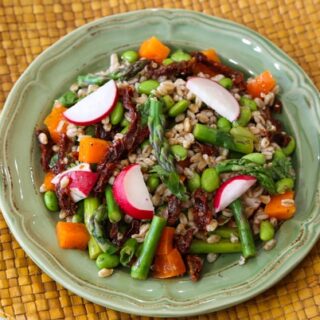
Nutty farro tossed with spring asparagus and other seasonal vegetables makes a substantial salad that holds up well as leftovers. Serve it alongside a warm or cold bean dish for a complete meal.
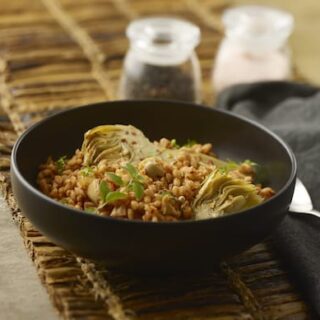
Farro and artichokes are a natural pairing rooted in Italian tradition, and this dish brings the two together in a simple, satisfying side or light main. A great introduction to cooking with farro.

A veganized take on the classic slow-cooked Jewish Sabbath stew, built on barley, beans, and root vegetables for a deeply comforting, low-and-slow dinner. Great for filling the house with warmth on a cold day.
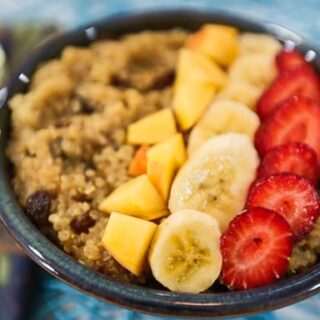
Protein-rich quinoa gets simmered into a warm, naturally sweet breakfast bowl with a boost of energizing maca powder and a colorful pile of fresh fruit on top. A nourishing way to start the day.
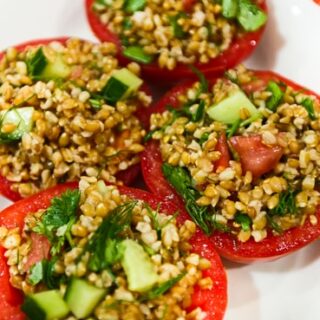
Chewy einkorn wheat berries stand in for bulgur in this tabbouli-inspired salad, offering a nuttier bite that's perfect for summer entertaining. Bright, herby, and great made ahead.
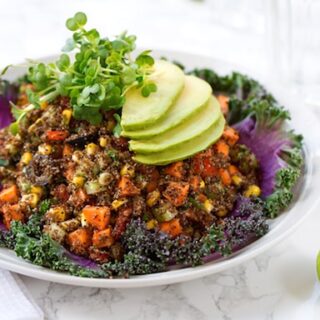
Kañiwa, a tiny, nutrient-dense relative of quinoa, cooks up quickly into a colorful, protein-packed salad here. A great way to try a lesser-known ancient grain without much extra effort.
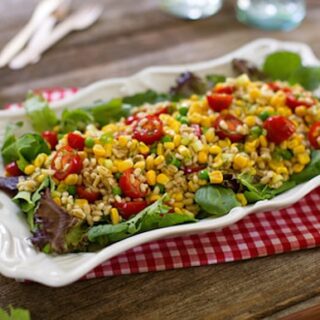
Pearl barley meets sweet fresh corn and peas in this simple, hearty cold salad that's a natural for potlucks and everyday meals alike. Easy to make ahead and even better the next day.
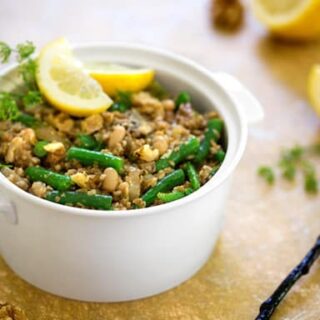
Bright lemon and crisp green beans lighten up this hearty bulgur dish, rounded out with crunchy walnuts. A fresh, fast side that pairs well with almost anything off the grill.
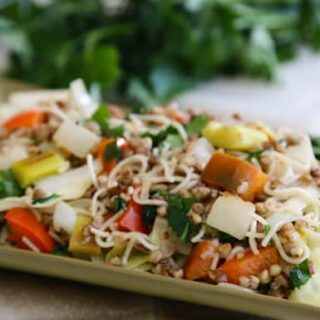
A more colorful, veggie-forward spin on classic kasha varnishkes, this dish pairs nutty buckwheat groats with thin noodles and crunchy vegetables. A great main for the Jewish New Year table or a hearty side any night.
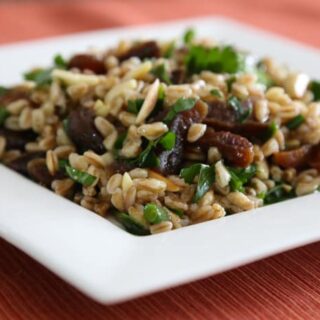
A touch of sweetness from dried apricots and crunch from toasted almonds make this Middle Eastern-inspired grain salad a perfect partner for hummus and other mezze. Works equally well with barley or farro.
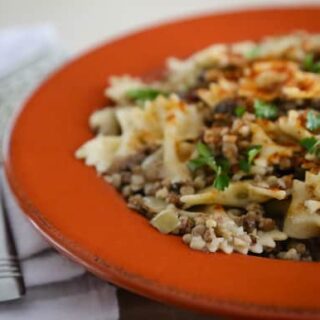
This classic Jewish comfort dish pairs buckwheat groats with bow-tie pasta for a simple, satisfying combination that's been a family-table staple for generations. Easy, cozy, and quick to put together.
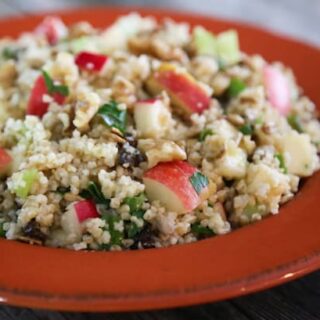
A lively mix of textures and flavors, this bulgur salad comes together with dried fruit, walnuts, and fresh vegetables for a dish that's as adaptable as it is delicious. Swap in whatever dried fruit or grain you have on hand.
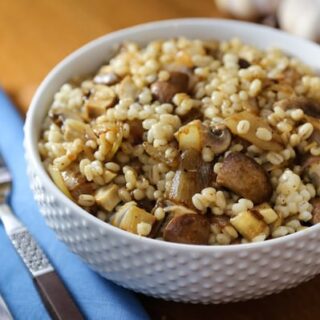
Mushrooms and barley are a natural match, and this hearty side dish leans into that pairing with plenty of browned onion and fresh dill. Simple ingredients, big comforting flavor.
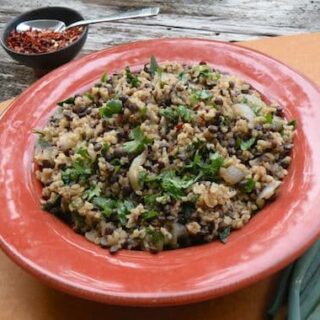
This traditional Middle Eastern pilaf combines bulgur with lentils and deeply caramelized onions for a dish that's humble, deeply flavorful, and endlessly satisfying. A great one-pot dinner on its own or alongside a simple salad.
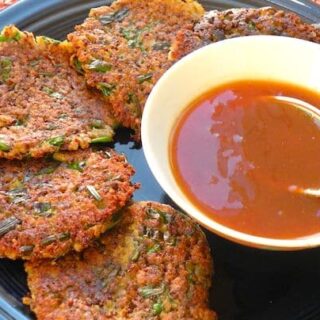
Crispy on the outside and packed with scallion and cilantro, these quinoa fritters are a great way to use up leftover cooked quinoa. Delicious dipped in a quick homemade "duck" sauce.
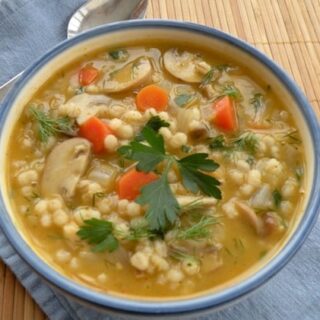
Nothing fancy here, just a classic, comforting bowl of mushroom-barley soup that never goes out of style. Mix up the mushroom varieties (cremini and shiitake are a great combo) to make it your own.

Cooked quinoa becomes a nourishing breakfast with a bit of sweetener, warm spice, fresh fruit, and a scattering of nuts or seeds. A great way to use up leftover plain quinoa from the week.
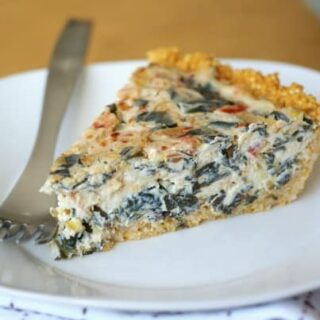
A gluten-free millet crust holds a savory, veggie-studded tofu filling in this versatile quiche that welcomes whatever vegetables you have on hand. A creative, grain-based twist on a brunch classic.
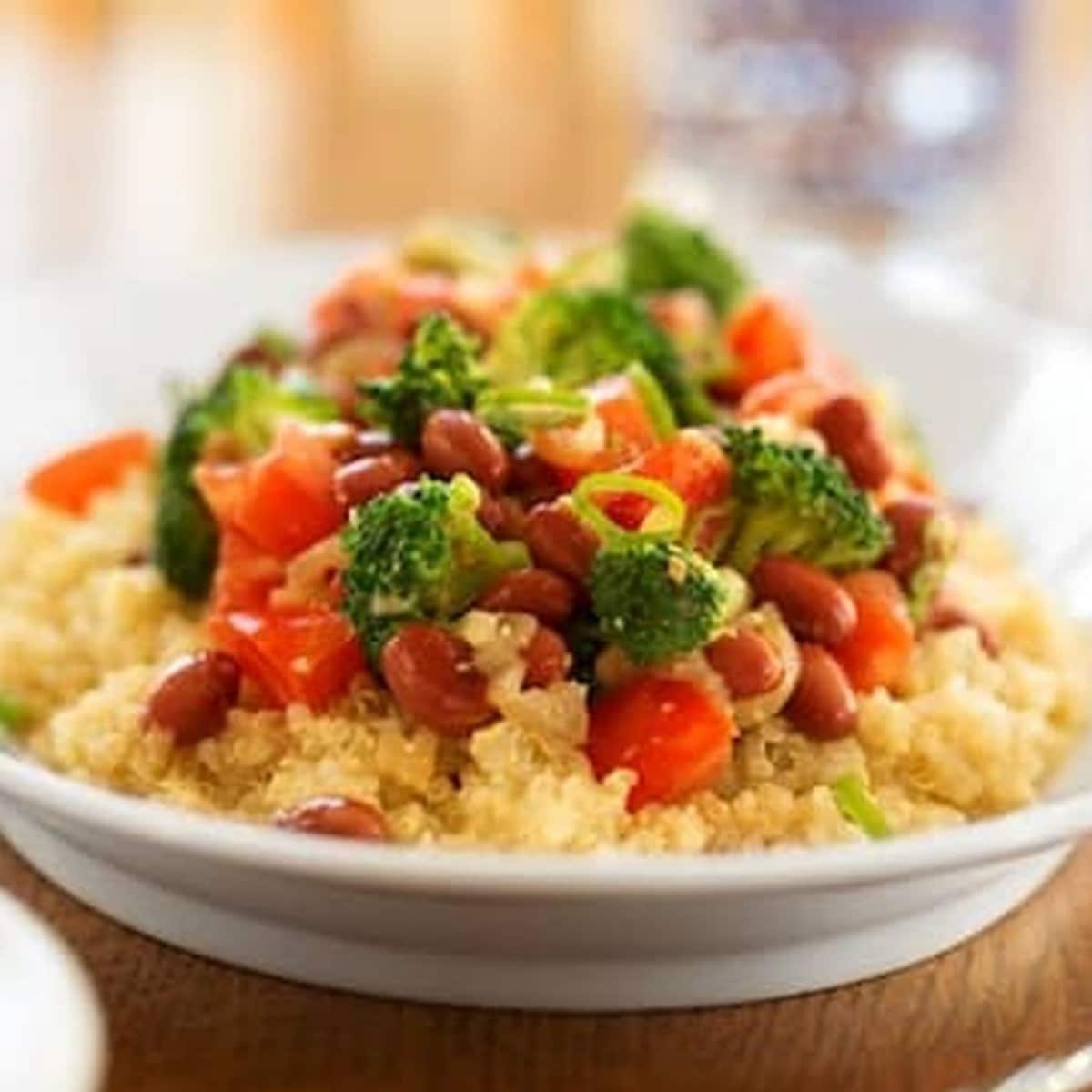
Red beans, broccoli, and tomatoes get an unexpected Asian twist in a gingery miso sauce, served over a bed of fluffy quinoa. An unusual but genuinely delicious way to bring whole grains into a weeknight dinner.
Craving more ways to cook with a favorite grain? Check out these other whole grain round-ups:
Italian-Style Vegan Sausage and Peppers
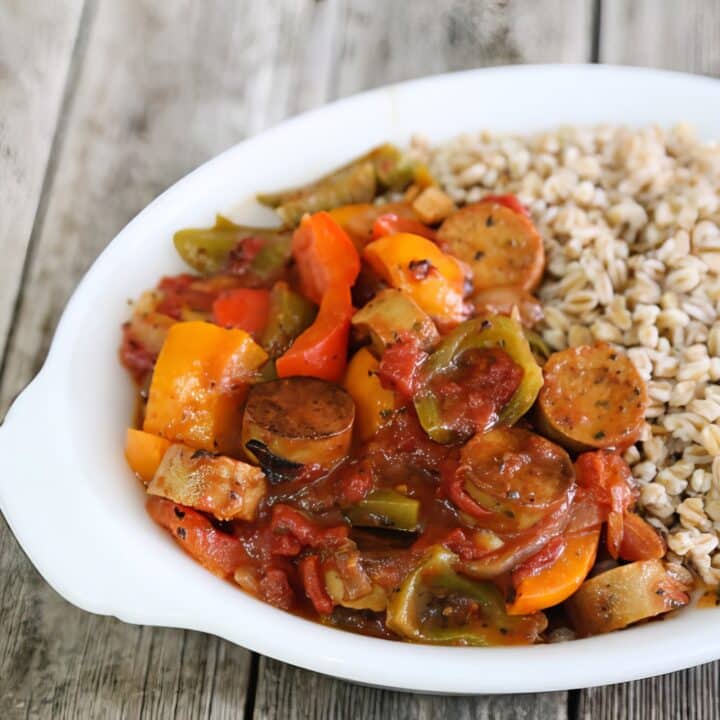
Savory vegan sausage, sweet bell peppers, and tender onions simmered in a garlicky tomato sauce - this Italian classic goes plant-based without losing an ounce of flavor. It's hearty, colorful, and perfect spooned over pasta, grains, or tucked into a crusty roll.
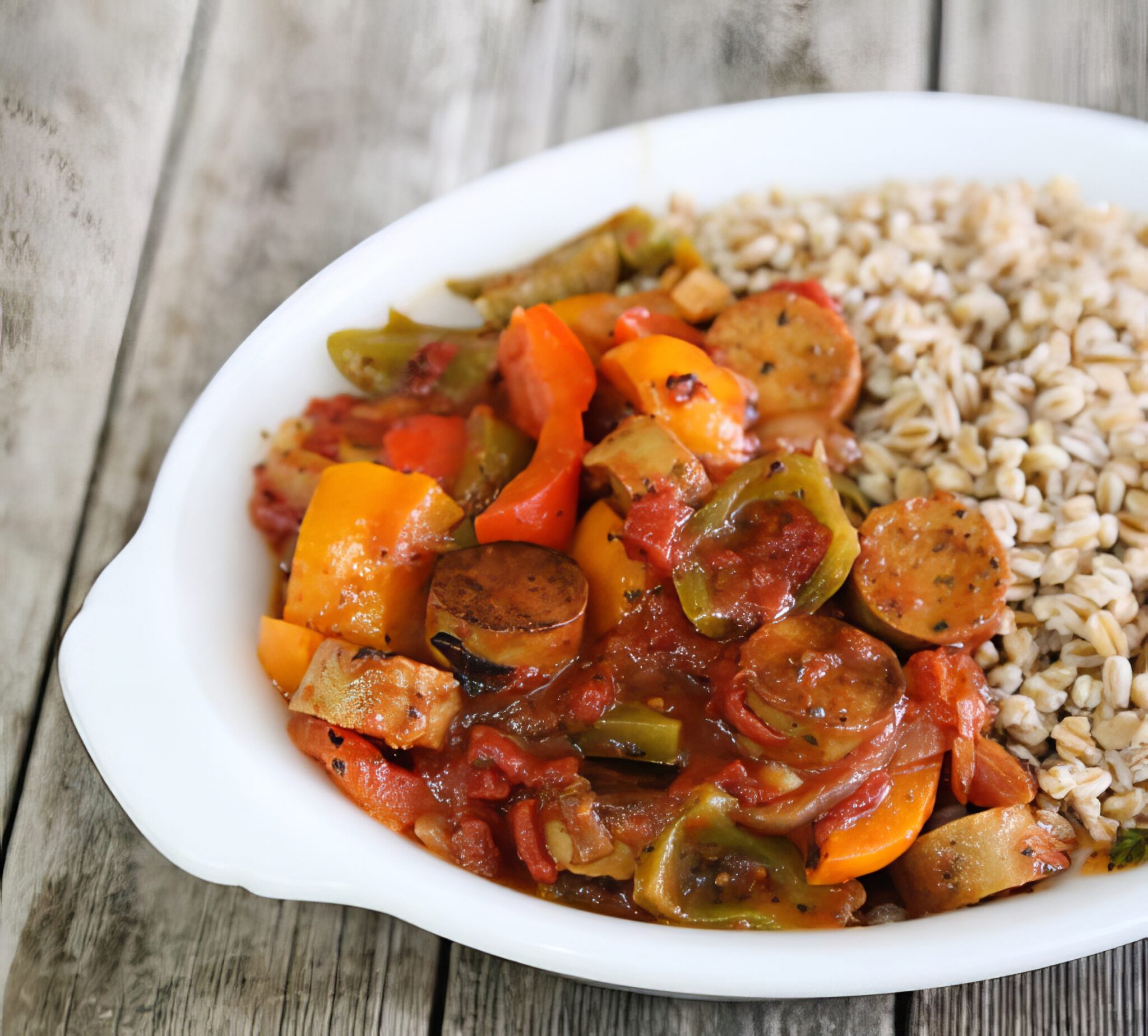
This recipe updates the Italian classic, sausage and peppers, with vegan sausage. What I love most about this recipe is that it delivers big, familiar flavor with very little fuss. It's rustic in the best way. Nothing complicated. Just solid ingredients, cooked well, and layered together until everything tastes like it belongs in the same bowl.
And it's flexible. Serve it over pasta. Serve it with your favorite grains (I like farro!) Spoon it onto creamy polenta. Stuff it into a hoagie roll. Or honestly? Eat it straight from the skillet. I won't judge.
These Italian Vegan Sausage and Peppers are…
- Hearty and satisfying without being heavy
- Weeknight-friendly, ready in about 30 minutes
- Naturally dairy-free and plant-based
- Easy to customize depending on what peppers or sausage you have
- Perfect for meal prep, since the flavors deepen as it sits
Key Ingredients & Substitutions
Vegan Italian Sausage - Choose your favorite plant-based Italian-style links. Slice them into coins or half-moons so they brown nicely. Browning is key here - it builds flavor before the sauce even begins.
Substitution tip: If you can't find Italian-style sausage, use plain vegan sausage and boost the seasoning with extra oregano, fennel seed, and a pinch of red pepper flakes.
Bell Peppers - A mix of red, yellow, and green adds sweetness and color. If you can find Italian frying peppers, even better - but standard bell peppers work beautifully.
Onion and Garlic - These are the aromatic backbone of the dish. Let the onions soften and lightly caramelize before adding garlic!
Crushed or Puréed Tomatoes - This creates the base for the sauce. If you prefer a chunkier texture, use crushed tomatoes. For a smoother finish, go with purée.
Dried Italian Herbs - Oregano is essential. Basil and thyme add balance. A pinch of red pepper flakes gives subtle heat.
Optional White Wine - A splash deglazes the pan and adds brightness. If you skip it, a squeeze of lemon juice at the end can add a similar lift.
Helpful Tips
- Brown the vegan sausage well. Don't rush this step. A little caramelization goes a long way in boosting flavor.
- Slice peppers evenly. Uniform strips cook at the same rate and give the dish that classic look.
- Simmer gently. Once the tomatoes go in, let everything bubble softly so the flavors meld without over-reducing.
- Taste before serving. A pinch of salt or splash of acidity at the end can make all the difference.
Storing & Freezing
One of the best things about this dish? It might taste even better the next day!
Refrigerator:
Let the vegan sausage and peppers cool completely before transferring to an airtight container. It will keep well in the fridge for up to 4 days. The flavors continue to deepen as it sits, making leftovers ideal for quick lunches or easy dinners.
Reheating:
Warm gently in a skillet over medium-low heat until heated through. If the sauce has thickened in the fridge, add a splash of water or vegetable broth to loosen it. You can also reheat it in the microwave in 30-second intervals, stirring between each.
Freezing:
This recipe freezes beautifully. Store in a freezer-safe container for up to 2 months. For best texture, freeze it without pasta or polenta - just the sausage and pepper mixture.
To reheat from frozen, thaw overnight in the refrigerator, then warm on the stovetop until hot throughout. If reheating straight from frozen, use a covered skillet over low heat and stir occasionally as it thaws and warms.
Also worth trying: our vegan creamy mushroom pasta.
Variations
- Make It Spicy: Use hot Italian-style vegan sausage or increase the red pepper flakes.
- Add Greens: Stir in a handful of baby spinach or chopped kale during the last few minutes of cooking.
- Turn It Into a Sandwich: Pile the mixture into toasted rolls and top with vegan mozzarella for a classic sausage-and-peppers vibe.
- Bulk It Up: Add sautéed mushrooms for extra umami and texture.
- Serve Italian-Style: Round out an Italian dinner night by pairing this with our vegan zucchini lasagna or a simple side of zucchini with mint - a hearty, veggie-forward baked dish that complements these bold flavors perfectly. This mixture also makes a fantastic pizza topping on homemade vegan pizza dough.
Recipe
Italian Style Vegan Sausage & Peppers
Hearty Italian-style vegan sausage and peppers simmered in a rich tomato sauce with sweet bell peppers and onions. An easy, flavorful plant-based dinner perfect for pasta, polenta, or sandwiches.
Print
Pin
Save
Servings: servings
Ingredients
- 2 tablespoon extra-virgin olive oil
- 12 oz Vegan Italian-style Sausage cut into ½-inch slices, see notes
- 1 yellow onion peeled, quartered and thinly sliced
- 3 cloves garlic peeled and minced
- 4 bell peppers seeded and cut into strips
- ¼ cup dry white wine such as Chardonnay, optional
- 28 oz canned crushed tomatoes or tomato puree
- 1 teaspoon dried oregano or fresh oregano to taste
- 1 teaspoon dried basil or fresh basil to taste
- ½ teaspoon dried thyme
- red pepper flakes to taste
- salt and freshly ground pepper to taste
For Serving
- cooked pasta, grains, or polenta optional for serving
Instructions
- Heat just enough of the oil to lightly coat the bottom of a large skillet, reserving the rest. Add the sausage and cook over medium-high heat, stirring frequently until all sides are golden brown. Remove from the skillet and set aside.
- Heat the remaining oil in the same pan. Add the onion and sauté over medium-low heat until translucent. Add the garlic and peppers and sauté until all are soft and golden.
- Stir in the optional wine, pureed tomatoes, and seasonings. Bring to a simmer, then cover and cook over low heat for 10 minutes.
- Stir the reserved vegan sausage into the mixture. Season with salt and pepper. Serve at once, spooning some of the sausage and peppers mixture over individual servings of pasta, grains, or polenta, or on its own if you prefer.
Notes
You can use any brand of vegan sausage you prefer here. I have made this recipe with Field Roast, Tofurkey, and Beyond sausages. All work well.
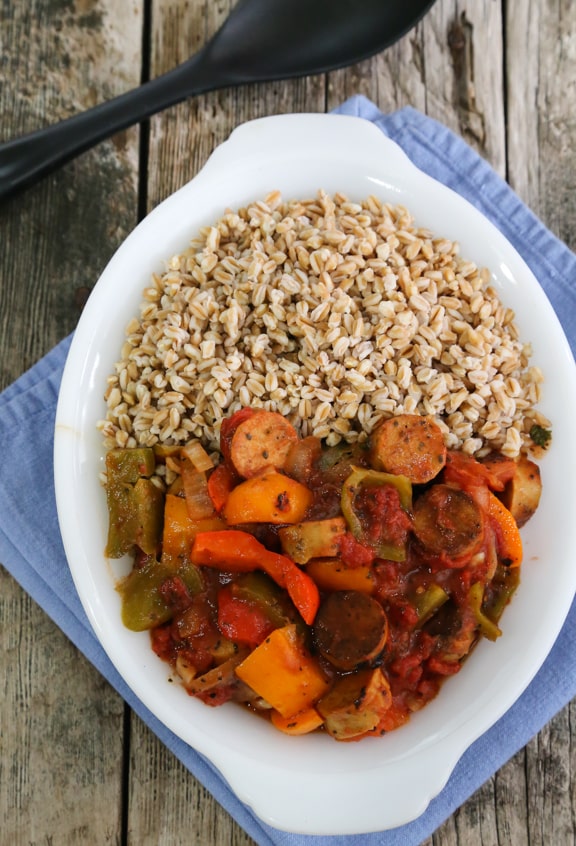
I served this vegan sausage over top of cooked farro. You may also choose to serve it over rice, pasta, or polenta.
Nutrition (Estimate per Serving)
Calories: 672kcalCarbohydrates: 76gProtein: 37gFat: 27gSaturated Fat: 5gPolyunsaturated Fat: 6gMonounsaturated Fat: 13gCholesterol: 9mgSodium: 1507mgPotassium: 2379mgFiber: 23gSugar: 32gVitamin A: 8364IUVitamin C: 354mgCalcium: 438mgIron: 12mg
Vegan-ize any recipe!Grab our free vegan cheat sheet, packed with my favorite easy substitutions to make any recipe vegan.
No-Bake Vegan Strawberry Shortcakes

These no-bake shortcut vegan strawberry shortcakes are simple to make using rounds of prepared polenta in place of baked biscuits. These sweet treats make a lovely dessert that's easy enough to make for an everyday treat and pretty enough for special occasions.

Nothing says summertime like a strawberry shortcake - bursting with flavor from fresh strawberries and cream. Yum!
So of course I had to try my hand at making a vegan version of this delightful dessert.
These vegan strawberry shortcakes are:
- Easy to make in just 15 minutes!
- Loaded with fresh strawberries
- And topped with creamy dairy-free whipped cream
- 100% dairy-free and egg-free
- A kid-friendly vegan dessert!
So let's get cooking!

Tips & Tricks
Polenta
You might be thinking polenta is a weird ingredient for a dessert recipes, but you'll have to trust me on this one. It's actually an incredibly versatile ingredient - here are some more ways to use polenta!
You'll want to get the kind that comes in a tube - like this. You'll usually find it in the refrigerated section at your grocery store, although some brands can be stored at room temperature.
Vegan Whipped Cream
For these, we used So Delicious Coco Whip, which is surprisingly low in fat and sugar, too. You can also try your hand at making your own vegan whipped cream from coconut milk.
Variations
This vegan shortcake recipe works well with other kinds of fruit as well. Try replacing the strawberries with any of these fruits for a totally new dessert:
- Blueberries
- Blackberries
- Raspberries
- Pomegranate Arils (yes, really!)
And for another fun twist, try adding a layer of this homemade vegan Nutella!
More Recipes
If you love this vegan strawberry shortcake, be sure to check out these amazing strawberry recipes, or these delicious vegan desserts:
- No-Bake Vegan Lemon Bars
- Homemade Chocolates with Apricots
- Cinnamon Apple Chickpea Cake
- Boozy Chocolate Pudding
Recipe

Vegan Strawberry Shortcake
These no-bake vegan strawberry shortcakes are simple to make using rounds of prepared polenta in place of baked biscuits. It makes a lovely dessert that's easy enough for an everyday treat and pretty enough for the holidays.
Print
Pin
Save
Servings:
Ingredients
- 1 pint strawberries
- ¼ cup strawberry preserves all-fruit
- 18 ounce polenta tube
- vegan butter such as Earth Balance
- dairy-free whipped cream see note
- mint leaves optional for garnish
Instructions
- Remove hulls from the strawberries and slice very thinly. Cut up any large slices into smaller pieces. Reserve 6 small halves for topping, if desired.
- Combine the strawberries and ¼ cup preserves, more or less to coat, in a small bowl and set aside.
- Remove the polenta from the plastic wrapping. Cut a little of the puckered ends off from the polenta tube, then cut the rest into 12 equal slices. These will be about ½ inch thick.
- Heat enough buttery spread on a wide skillet or griddle. Cook the polenta slices in a single layer, about 5 to 7 minutes on each side, or until golden and starting to get crusty.
- Remove from the skillet to a platter and allow to cool to room temperature, or until ready to serve. If you're impatient and apply the whipped cream to warm polenta, you'll get a runny mess!
- When ready to serve, layer as follows: A slice of polenta, a small dollop of whipped cream, a few slices of strawberry, another slice of polenta, more whipped cream, a half strawberry (or a few more slices if you didn't reserve halves).
- Garnish with mint if desired; pass around any unused strawberries and more whipped cream to spoon onto individual shortcakes.
Notes
Some brands of vegan whipped cream will need to thaw in the fridge prior to using, so be sure to check the package instructions.
Nutrition (Estimate per Serving)
Calories: 380kcalCarbohydrates: 84gProtein: 8gFat: 1gSaturated Fat: 1gSodium: 6mgPotassium: 248mgFiber: 3gSugar: 11gVitamin A: 191IUVitamin C: 48mgCalcium: 17mgIron: 1mg
Vegan-ize any recipe!Grab our free vegan cheat sheet, packed with my favorite easy substitutions to make any recipe vegan.
Photos by Hannah Kaminsky.
This recipe was originally published in 2017. It has since been updated.
Black Bean Salad with Tomatoes, Olives, and Croutons
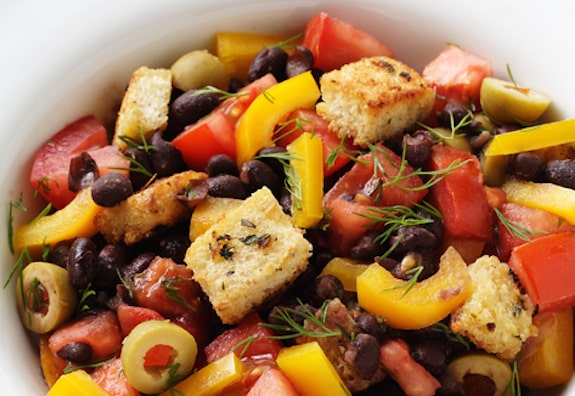
This easy and appetizing black bean and tomato salad adds color and crunch to the plate. Use gluten-free croutons if need be, or replace with sautéed cubes of prepared polenta. Serve this delicious recipe with grain dishes and pastas, or simple quesadillas or soft tacos. Add some sautéed greens or steamed broccoli and you've got a great weekday meal! Adapted from Vegan Express. Photo by Susan Voisin, FatFree Vegan Kitchen. [Read more...]
Vegan Substitutions Guide
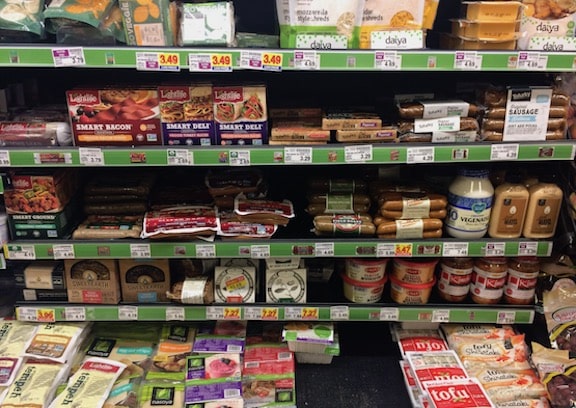
If you're new to plant-based cooking, you may be looking for a guide to vegan substitutions to swap into favorite non-vegan recipes. Thankfully, there are plenty of products vegans can use in place of animal ingredients that will make vegan cooking a breeze. Let's cover how to replace animal ingredients with vegan ingredients.

Milk. It's so easy to substitute for dairy milk in a recipe. You can use soymilk, rice milk, oat milk, hemp milk, or nut milk measure for measure. Most supermarkets carry at least a couple of varieties. It's that easy! If you're a bit more ambitious you can make your own nondairy milk; there are lots of recipes online, or see ours for homemade almond milk or hemp milk. For a store bought option, I really like this almond milk from Silk.

Cheese. It's so easy to find all kinds of vegan cheeses these days. And wow, have these come a long way. You can get slices, blocks, shreds, slices, and more.
In place of cottage or ricotta cheese, you can use crumbled tofu, soaked raw nuts, or a combo. And though it won't be quite as creamy or meltable as the real thing, it will be very good indeed. See the formula in Italian Eggplant Casserole with Cashew-Tofu Ricotta, or use it in our vegan zucchini lasagna where tofu ricotta is the star. Or try this 5 Minute Tofu Ricotta recipe. You may need to spice it up with herbs and add some salt to make it work in your particular recipe. Vegan "Parmesan" is also super easy to make and better than what's on the market.
Craving some tangy feta cheese? No issue there - try this simple vegan feta recipe. It's briny and crumbly, just like real feta.
Pizza? No problem. Daiya mozzarella shreds work incredibly well. In my experience, Daiya and Follow your Heart brand cheeses have the best melting power.
Cream cheese on your bagel? Daiya has you covered there, too. There are other brands but these are VegKitchen's favorites. (No affiliation - we just like them.)
Be sure to read the label as some vegetarian cheeses contain casein, which is not vegan. If you can find a great vegan cheese that you like, use it in your recipes in the same manner that you would use dairy cheese.
Now, whether you're vegan or lactose-intolerant, you no longer have to give up your favorite cheese-y foods. Or cheese itself! You'll find these links useful if you're a cheese lover who wants to reform:
- Make your own yummy treats with these 8 Amazing Cheese Recipes
- Or these 9 Amazing Vegan Mac and Cheese Recipes
- See our Vegan Cheese-y Delights category for all kinds of ideas

Eggs. A great substitute for scrambled eggs is a tofu scramble. You simply use crumbled tofu and heat in a frying pan. Kids generally like tofu scramble, especially kids who have been vegan their entire lives. You can spice it up with tomatoes, peppers, onions, or even potatoes and vegan bacon bits.
You can also make a great vegan scrambled from chickpea flour - check out these vegan scrambled eggs for inspiration.
In baked goods, good substitutions for eggs include applesauce, pureed soft tofu, Ener-G egg replacer, a flax egg (1 tablespoon ground flax seeds plus 3 tablespoons water or other liquid, blended), or mashed bananas. You'll have to experiment with your recipe to see what works best for you.
In dishes where eggs are usually used for binding (such as meatloaf) you can use oat or soy flour, rolled oats, cooked oatmeal, bread crumbs, instant potato flakes, nut butters, tomato paste, or cornstarch.
Chickpea flour makes amazing omelets, and aquafaba is useful for making recipes that originally call for egg whites, like mousse and meringue. See useful links for these and more:
- Chickpea Flour Omelets
- Aquafaba Recipes from Macarons to Mayo
- Classic Eggless Vegan "Egg" Recipes
- 5 Egg Replacers That Are Already in Your Kitchen
Beef or chicken stock. Replace beef or chicken stock with vegetable broth. Or use vegetable bouillon cubes.
Butter. There are vegan butters on the market that work well in substituting for butter. Be sure to read the labels because not all margarines are vegan. And sometimes mainstream margarines have questionable ingredients and hydrogenated fats.
You may also want to consider using oils like sunflower or olive instead of vegan butter. If you'd like to go with the major brands, make sure that the palm oil used is Fair Trade, otherwise it's an environmental hazard. And remember that the jury is still out on coconut oil!
Yogurt. Several companies make vegan yogurts that will substitute well in your recipes - soy, coconut, almond - more varieties are coming on the market each year. You can find them in fruit flavors and also plain for cooking and baking.
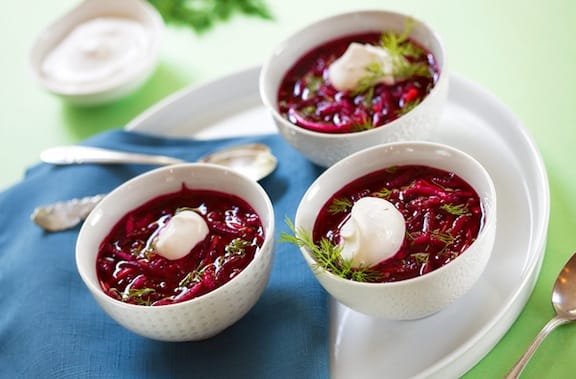
Sour Cream. Try plain nondairy yogurt, especially if used in making dips. There are also a few commercially available vegan sour creams on the market. Or, you can make your own Vegan Sour Cream using silken tofu. Delicious on all kinds of tortilla specialties and on cold soups like the Borscht shown above.

Mayonnaise. There are a few vegan mayonnaise products on the market. You can use vegan mayonnaise exactly the way you'd use non-vegan mayonnaise. Aquafaba can be used to make a great homemade vegan mayo (shown above from Serious Eats) as well.
Gelatin. If you need to substitute for gelatin in a recipe, use agar flakes or powder. It will thicken as it's heated. Also, there are a couple of companies that make a vegan fruit gelatin product that you should be able to find at your local health food market.
Honey. There are many liquid sweeteners on the market that you can use in your recipes instead of honey. However, they all vary in consistency and sweetness, making substitution a guessing game, at least initially. You may have to experiment with ratios until you figure out what works best in your recipes.
In general, however, maple syrup and agave nectar can be substituted measure for measure in recipes. Other sweeteners that are less sweet than honey include agave syrup, corn syrup, malt syrup, light and dark molasses, and brown rice syrup. Frozen fruit-juice concentrates, sorghum syrup, and concentrated fruit syrups range from being half as sweet to just as sweet as honey.
Sugar. Many vegans do not eat sugar since some brands are refined using bone char from animals. Others object to using sugar simply because it's often full of pesticides, and sugar plantation workers aren't always treated very well.
If you want to replace crystalline sugar in a recipe, here are some alternatives: beet sugar, fructose, natural organic sugar, unbleached cane sugar, turbinado sugar, date sugar, maple crystals, and granulated FruitSource. Some of these sugars dissolve better than others, so again, you'll have to experiment. As in other cases, using organic and fair trade products is the optimal choice.
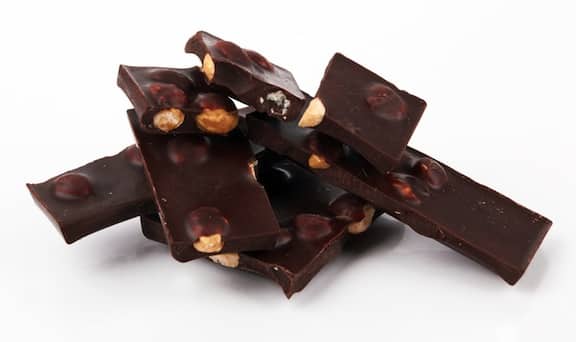
Chocolate. Many people say they couldn't be vegan if it would mean giving up chocolate, but luckily they don't have to! There are many non-dairy vegan chocolate chips, cocoa powders, and chocolate bars. These are most easily found in the natural foods aisle of your supermarket, and of course, in natural foods stores. Once again, fair trade and organic are best.

Meat. If you want your foods to have a similar taste and texture to meat, you're in luck, because never before have so many companies been making vegan meat substitutes.
Among the products on the market now that will substitute for meat are: veggie deli slices (bologna, ham, turkey, and other flavors), veggie burgers, veggie meatballs, veggie sausage links and patties, veggie bacon, veggie ground "beef," soy chicken patties and nuggets, veggie meatloaf and Salisbury steak, veggie jerky, and whole "turkeys" for Thanksgiving or other holidays.
Check your vegan cookbooks for recipes for foods like "neatloaf," nut roasts, lentil-walnut patés, and other old favorites that traditionally contained animal flesh.

Ice Cream. Along with the proliferation of meat analogues, it's so easy to find vegan ice cream. This industry has grown tremendously. There are vegan ice creams based on soy, rice, nut, and coconut milks, and they're all delicious. Some are high in fat and some are fat-free.
Some are fruity like sorbet, while others are sinfully decadent like butter pecan, peanut butter zig-zag, or peanut caramel. You can also buy vegan ice cream sandwiches, mud pies, and ice cream bars. I've made some great shakes, floats, and malts using vegan ice cream products. Your kids will love them too!
Orignal aritcle ontributed by Erin Pavlina; updated by VegKitchen
Also try: our Favorite Basic Pizza Dough.
- For lots more features on healthy lifestyle, please explore VegKitchen's Healthy Vegan Kitchen page.
Tempeh Bacon, Lettuce, and Tomato Wraps

If you'd like to make your own tempeh "bacon" to use in TLT wraps or as a side for tofu scrambles and such, here's an easy and tasty way to do it. Prepared products like Fakin' Bacon) are good, but this DIY version of tempeh bacon allows you to control the flavor and tweak it to your liking. You'll need just a few ingredients to make tempeh - and lots of other things - taste like bacon. Tempeh bacon, lettuce, and tomato wraps are perfect for a portable lunch or a light dinner.
You'll find liquid smoke and barbecue seasoning in the spice section of well-stocked supermarket. There's often a section of barbecue seasonings. Check labels carefully; they're not all vegan! [Read more...]
10 Easy Vegan Wraps to Make in 10 Minutes or Less
Wrapping leafy greens and all kinds of veggies in a wrap lets the ingredients shine in a way that bread-y sandwiches can't always do. Not to mention, making an easy vegan wrap can spice up your typical lunch fare of salads. That simple step of wrapping things up makes this kind of fare instantly appealing.
We've rounded up 10 easy vegan wraps you can make in 10 minutes or less, because who doesn't love a great wrap? It's perfect fare for lunchtime, and can be the centerpiece of a light dinner, too.
10+ Minute Wraps
If you have a bit more time, check out these tasty wraps, too!
- Lettuce Wraps with Coconut Curry Spread
- Tossed Salad Wraps
- Sweet Potato and Kale Wraps
- Jerk Chickpea Wraps with Habanero Aioli
- Tempeh Reuben Wraps

Tempeh Bacon, Lettuce, and Tomato Wraps are perfect for a portable lunch or a light dinner. Though this recipe gives you instructions to make DIY tempeh "bacon," you can use store-bought vegan bacon to make these in a flash.

Sometimes, two shortcuts are better than one, and that's definitely true for tasty Baked Tofu & Peanut Satay Wraps. Using precut coleslaw and prepared peanut satay sauce means that these can be ready to eat in 10 minutes or less.

Portobello Mushroom Wraps with Creamy Coleslaw are so packed with flavor that adding anything else would be gilding the lily. And they can be yours to enjoy in minutes.

You don't need a recipe at all for Hummus, Avocado, and Tomato Wraps. Just layer your favorite kind of hummus onto a wrap with slices of lettuce and tomato, then bolster the whole thing with a handful of leafy greens.

The combination of flavors makes Baked Tofu, Arugula, and Olive Wraps one of my favorites-they're so tasty and make a great portable or at-home lunch.
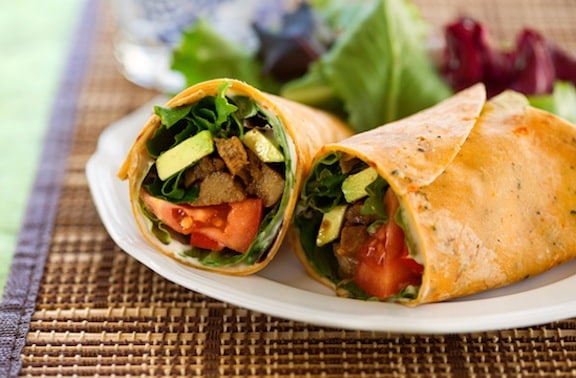
In BBQ-Flavored Seitan and Avocado Wraps, the seitan contrasts deliciously with cool avocado and leafy greens. Like many of our wraps, it's a salad disguised as a hearty sandwich.

Delectable Asian-Flavored Quinoa Wraps come with a small caveat-you need to have cooked quinoa on hand for these to come together in 10 minutes. But once you do, it will be well worth it!

Cool Refried Bean Wraps are great for lunch with with stone-ground natural tortilla chips and some fruit. For dinner, serve with baked potatoes or sweet potatoes. (Tortilla chips and salsa are welcome, too!)

There's something about everyday healthy ingredients enclosed in a soft wrapper that makes them yummier and more appealing. Case in point: these simple and tasty Avocado Black Bean Wraps.

This yummy, warm Mushroom, Spinach, and Cheddar Wrap recipe (vegan, of course) makes 4 wraps. If you half the recipe and make two wraps, you might just get your wraps together in under 10 minutes. And even if you don't, these wraps are well worth making!
Roasted Ratatouille
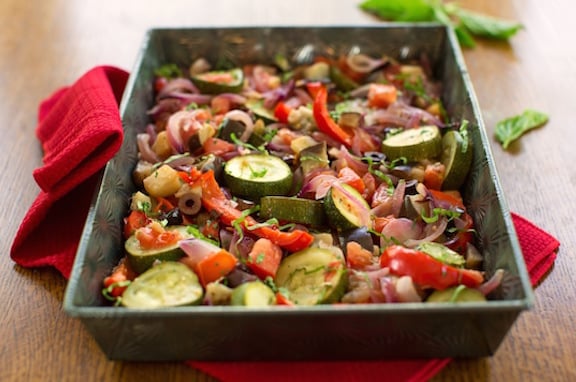
Enjoy the flavors of summer, even during cold weather. The vegetables that make the classic French stew so delicious - eggplant, zucchini, bell pepper, and tomatoes are roasted in a hot oven for similarly delectable results. This can be enjoyed in a number flexible ways, as described below the recipe box. Adapted from Plant Power: Transform Your Kitchen, Plate, and Life with More Than 150 Fresh and Flavorful Vegan Recipes by Nava Atlas. ©2014, published by HarperOne, reprinted by permission. Photos by Hannah Kaminsky. [Read more...]
Classic Ratatouille

This classic French vegetable stew is a perfect way to enjoy several abundant summer garden vegetables — eggplant, zucchini, peppers, and tomatoes —in a single, savory dish. Fresh basil, and oregano or thyme provide extra pleasure for both the palate and the eye. Serve on its own with crusty bread, or over pasta or polenta. [Read more...]
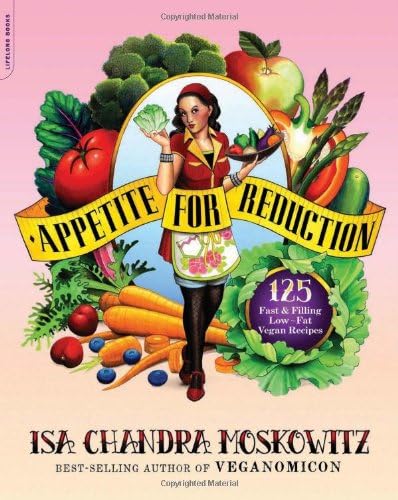
Appetite for Reduction by Isa Chandra Moskowitz
I adore the cover artwork, don't you? It's so beautiful, I'm inspired to write another book just so I can ask Lisa Diercks to design the cover. Did I mention that Isa wrote this book just for me? Well, not really. It only feels like she wrote it for me. Actually, she wrote it for her own personal reasons. But let's be honest: Who among us hasn't eaten more than our fair share of vegan cupcakes and cookies? (Thanks in no small part to Isa.)
Pueblo Corn Pie
Here's a recipe I've made many times over the years as a Thanksgiving main dish, and one of my family's favorites. This layered casserole of cooked cornmeal topping a hearty bean chili has been a Thanksgiving staple in my house for years, adapted from a Native American recipe. It's substantial enough to serve as the plant-based main dish at a holiday table, but easy enough for a weeknight too.
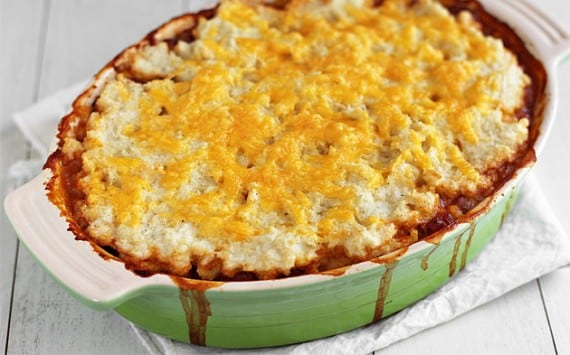
Photo by Rebecca Crump.
Key Ingredients & Substitutions
- Cornmeal. Cooked into a soft polenta-like layer that forms the "pie crust" on top. See the shortcut below if you'd rather skip cooking it from scratch.
- Pinto or kidney beans. The base of the chili layer — either works, or a mix of both for more textural variety.
- Corn kernels. Fresh, frozen, or canned all work; corn ties the chili layer back to the cornmeal topping.
- Chili powder and cumin. Give the bean layer its warm, smoky depth — adjust to taste depending on how spicy you like it.
- Vegan cheese (optional). A layer on top adds richness and helps the cornmeal topping brown nicely.
Variations
- Use the polenta shortcut. If you don't want to take the time to cook cornmeal from scratch, use two 16-ounce tubes of prepared polenta (you may not need all of both, depending on the size of your casserole dish). Cut into ¼-inch rounds; line the bottom of the casserole with enough to cover it, pour the bean and corn stew evenly over them, and arrange more polenta rounds over the top of the stew. Top with the optional vegan cheese.
- Add more vegetables. Diced bell pepper or zucchini stirred into the bean layer add extra color and nutrition.
- Make it spicier. A diced jalapeño or a pinch of cayenne in the bean layer gives it more heat.
- Add corn to the topping too. A handful of kernels stirred into the cooked cornmeal before it sets adds texture to the top layer as well.
Tips for the Best Pueblo Corn Pie
- Let the cornmeal layer set before topping. Giving the cooked cornmeal a few minutes to firm up makes it easier to spread evenly over the bean layer.
- Season the bean layer well. Since the cornmeal topping is mild, the chili layer underneath should be well-seasoned to carry the whole dish.
- Let it rest before slicing. A few minutes out of the oven helps the layers hold together when served.
- Make it ahead. This casserole reheats well, which makes it a good make-ahead option for a busy holiday table.
- Use a deep casserole dish. This gives the layers room to hold together and makes for neater servings.
Make Ahead & Storage
This casserole keeps well in the refrigerator for up to 4 days, and reheats nicely in the oven — it also freezes well for up to 2 months, which makes it a convenient dish to make ahead of a busy holiday when oven space is at a premium.
How to Serve
Serve as a hearty holiday main dish, or as a satisfying weeknight dinner any time of year. Looking for more holiday mains? Check out my Vegan Thanksgiving Cookbook.
Recipe

Pueblo Corn Pie
This layered casserole of cooked cornmeal topping a tasty bean chili is adapted from a Native American recipe.
Print
Pin
Save
Servings: to 8
Ingredients
- 1 to 2 tablespoons extra-virgin olive oil
- 1 large onion chopped
- 2 cloves garlic minced
- 1 medium green or red bell pepper diced
- 2 cups cooked fresh or thawed frozen corn kernels
- 2 ½ cups canned or cooked pinto beans
- 2 cups chopped ripe tomatoes or 15- to 16-ounce can diced tomatoes (try fire-roasted), lightly drained
- 2 teaspoons good-quality chili powder or more, to taste
- 1 teaspoon dried oregano
- 1 teaspoon ground cumin or more, to taste
- Salt to taste
Cornmeal topping (or see shortcut):
- 1 ¼ cups cornmeal
- 1 teaspoon salt
- 1 cup grated vegan cheese optional (great with Daiya)
Instructions
- Heat the oil in a large skillet. Add the onion and sauté until translucent.
- Add the garlic and bell pepper and continue to sauté until the onion is golden brown.
- Add the corn kernels, pinto beans, tomatoes, and seasonings. Stir well and simmer for 10 to 15 minutes. Season to taste with salt. Remove from the heat.
- Bring 5 cups of water to a rolling boil in a heavy saucepan or double boiler. Slowly pour the cornmeal into the water in a thin, steady stream, stirring continuously to avoid lumping. Add the salt and cook over very low heat, covered, for 20 minutes, stirring occasionally.
- Preheat the oven to 375 degrees F.
- Lightly oil a shallow 1 ½-quart baking dish and line the bottom with half of the cooked cornmeal. Pour the skillet mixture over it and sprinkle with the optional grated cheese.
- Top with the remaining cornmeal, patting it in smoothly. Bake for 45 to 50 minutes, or until the cornmeal is golden brown and crusty. Let stand for 10 minutes, then scoop out to serve, making sure that each serving includes plenty of the cornmeal topping.
Nutrition (Estimate per Serving)
Calories: 337kcalCarbohydrates: 55gProtein: 10gFat: 10gSaturated Fat: 2gPolyunsaturated Fat: 2gMonounsaturated Fat: 3gSodium: 884mgPotassium: 592mgFiber: 10gSugar: 6gVitamin A: 1267IUVitamin C: 35mgCalcium: 74mgIron: 3mg
Vegan-ize any recipe!Grab our free vegan cheat sheet, packed with my favorite easy substitutions to make any recipe vegan.

- Here are more recipes to help you enjoy a Vegetarian and Vegan Friendly Thanksgiving.
- Find more ways to make Special Occasions and Entertaining easier and healthier.