

This easy vegan mac and cheese is rich and comforting. Using pureed silken tofu as a base makes it super creamy. Boost the nutrition of this comfort food meal by serving with plenty of fresh veggies - this goes well with simply prepared broccoli or kale - and a colorful salad or platter of fresh cut vegetables with dip. For an even healthier sauce, try our Almost-Raw Cheez Sauce, based on baby carrots, raw cashews, nutritional yeast, and other nutrient-dense ingredient [Read more...]
Search Results for: cashew cream
Peanut Satay Zucchini Noodle Bowl
These zucchini noodles are packed with flavor from a flavorful peanut satay sauce and loaded with nutritious veggies and tofu. And the best part - it's ready in 15 minutes!

Who doesn't love zucchini noodles? They make a perfect base for ever-popular vegan bowls, too. We love them not because there's anything wrong with regular pasta noodles. But in the same way as cauliflower "rice" has gotten to be such a big thing, it's just another very cool way to eat more veggies.
But what if you don't have a machine - how do you make zucchini noodles without a spiralizer? You buy them already spiralized, that's how. And then this peanut satay noodle bowl will be ready in a flash.
I love zucchini noodles, and I even have a spiralizer. But I'm so lazy that I hardly ever use it. I mean, I have to climb onto a step stool, get it down from a cabinet, then after using it, almost the whole thing needs to be washed and takes up the entire dish drainer. Then, of course, I have to climb onto the step stool to put it back. No wonder it sits there mostly unused.

So, imagine my delight when I discovered spiralized zucchini (and a bunch of other spiralized veggies in my supermarket's produce section. Granted, buying these prepared veggie noodles is a bit more expensive than buying a couple of zucchini and spiralizing it yourself. But for me, it means saving two trips on the godforsaken step stool, and cleaning up afterwards!
Zucchini noodles are so tasty with peanut sauce. And you guessed it - we'll be using prepared peanut satay sauce, too. I figure the little extra I'm spending on the prepped zucchini noodles, I'm saving on getting all the ingredients needed to make satay sauce from scratch.
The nice things about one bowl meals is that you don't need to obsessively measure ingredients. You can also substitute other vegetables for the ones we use here. Just arrange them artfully (or sloppily, we won't tell) on the base on the zucchini noodles bathed in satay sauce, serve, and enjoy.

What you need
- 10 to 12 ounce package fresh zucchini noodles (or a combo of zucchini and yellow squash)
- 12 to 16-ounce bottle peanut satay sauce
- 1 bunch regular bok choy or 1 baby boy choy
- 5.5- to 8-ounce package baked tofu
- 1 bunch scallions
- Bag of grated carrots
- Roasted peanuts or cashews, small quantity (optional)
You may already have on hand
- Sriracha or other hot stuff
What to do
1 Remove the zucchini noodles from the packaging and combine in a mixing bowl with enough satay sauce to coat generously. Divide between two wide shallow bowls.
2 If you're using regular bok choy you'll only need a couple of stalks. Either way, rinse the bok choy or baby bok choy, pat dry, and slice thinly.
3 Cut about half of the tofu into dice. Slice one or two scallions thinly.
4 Arrange the bok choy, tofu, and grated carrots over the zucchini noodles. Sprinkle with chopped nuts, if using, and pass around hot sauce if you'd like.
Note: You'll have quite a bit of bok choy (if using a regular bunch), scallion, and carrot from this meal; plus a small amount of tofu and some satay sauce. Use them to make a tasty raw salad or a quick stir-fry. Add whatever you'd like to the mix - leafy greens and/or tomatoes to a salad; a grain to the stir-fry.

If you love this recipe, check out these other delicious creations:
- Zucchini Noodles with Vegan Bolognese
- Creamy Pesto Zucchini Noodles
- Sesame Zucchini Noodles
- Easy Zucchini Noodles with Peanut Sauce
Photos by Evan Atlas
Recipe

Peanut Satay Zucchini Noodles
These zucchini noodles are packed with flavor from a flavorful peanut satay sauce and loaded with nutritious veggies and tofu. And the best part - it's ready in 15 minutes!
Print
Pin
Save
Servings:
Ingredients
- 10 to 12 ounce package fresh zucchini noodles or a combo of zucchini and yellow squash
- 12 to 16- ounce bottle peanut satay sauce
- 1 bunch regular bok choy or 1 baby boy choy
- 5.5- to 8- ounce package baked tofu
- 1 bunch scallions
- Bag of grated carrots
- Roasted peanuts or cashews small quantity (optional)
- You may already have on hand
- Sriracha or other hot stuff
Instructions
- Remove the zucchini noodles from the packaging and combine in a mixing bowl with enough satay sauce to coat generously. Divide between two wide shallow bowls.
- If you're using regular bok choy you'll only need a couple of stalks. Either way, rinse the bok choy or baby bok choy, pat dry, and slice thinly.
- Cut about half of the tofu into dice. Slice one or two scallions thinly.
- Arrange the bok choy, tofu, and grated carrots over the zucchini noodles. Sprinkle with chopped nuts, if using, and pass around hot sauce if you'd like.
Notes
You'll have quite a bit of bok choy (if using a regular bunch), scallion, and carrot from this meal; plus a small amount of tofu and some satay sauce. Use them to make a tasty raw salad or a quick stir-fry. Add whatever you'd like to the mix - leafy greens and/or tomatoes to a salad; a grain to the stir-fry.
Nutrition (Estimate per Serving)
Calories: 594kcalCarbohydrates: 55gProtein: 25gFat: 29gSaturated Fat: 1gSodium: 2689mgPotassium: 1428mgFiber: 6gSugar: 39gVitamin A: 19049IUVitamin C: 214mgCalcium: 561mgIron: 5mg
Vegan-ize any recipe!Grab our free vegan cheat sheet, packed with my favorite easy substitutions to make any recipe vegan.
Vegan Substitutions Guide
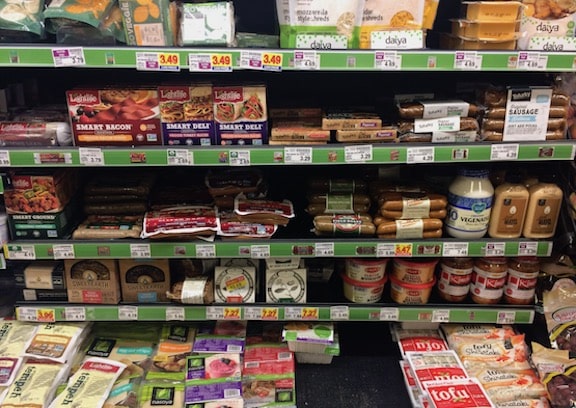
If you're new to plant-based cooking, you may be looking for a guide to vegan substitutions to swap into favorite non-vegan recipes. Thankfully, there are plenty of products vegans can use in place of animal ingredients that will make vegan cooking a breeze. Let's cover how to replace animal ingredients with vegan ingredients.

Milk. It's so easy to substitute for dairy milk in a recipe. You can use soymilk, rice milk, oat milk, hemp milk, or nut milk measure for measure. Most supermarkets carry at least a couple of varieties. It's that easy! If you're a bit more ambitious you can make your own nondairy milk; there are lots of recipes online, or see ours for homemade almond milk or hemp milk. For a store bought option, I really like this almond milk from Silk.

Cheese. It's so easy to find all kinds of vegan cheeses these days. And wow, have these come a long way. You can get slices, blocks, shreds, slices, and more.
In place of cottage or ricotta cheese, you can use crumbled tofu, soaked raw nuts, or a combo. And though it won't be quite as creamy or meltable as the real thing, it will be very good indeed. See the formula in Italian Eggplant Casserole with Cashew-Tofu Ricotta, or use it in our vegan zucchini lasagna where tofu ricotta is the star. Or try this 5 Minute Tofu Ricotta recipe. You may need to spice it up with herbs and add some salt to make it work in your particular recipe. Vegan "Parmesan" is also super easy to make and better than what's on the market.
Craving some tangy feta cheese? No issue there - try this simple vegan feta recipe. It's briny and crumbly, just like real feta.
Pizza? No problem. Daiya mozzarella shreds work incredibly well. In my experience, Daiya and Follow your Heart brand cheeses have the best melting power.
Cream cheese on your bagel? Daiya has you covered there, too. There are other brands but these are VegKitchen's favorites. (No affiliation - we just like them.)
Be sure to read the label as some vegetarian cheeses contain casein, which is not vegan. If you can find a great vegan cheese that you like, use it in your recipes in the same manner that you would use dairy cheese.
Now, whether you're vegan or lactose-intolerant, you no longer have to give up your favorite cheese-y foods. Or cheese itself! You'll find these links useful if you're a cheese lover who wants to reform:
- Make your own yummy treats with these 8 Amazing Cheese Recipes
- Or these 9 Amazing Vegan Mac and Cheese Recipes
- See our Vegan Cheese-y Delights category for all kinds of ideas

Eggs. A great substitute for scrambled eggs is a tofu scramble. You simply use crumbled tofu and heat in a frying pan. Kids generally like tofu scramble, especially kids who have been vegan their entire lives. You can spice it up with tomatoes, peppers, onions, or even potatoes and vegan bacon bits.
You can also make a great vegan scrambled from chickpea flour - check out these vegan scrambled eggs for inspiration.
In baked goods, good substitutions for eggs include applesauce, pureed soft tofu, Ener-G egg replacer, a flax egg (1 tablespoon ground flax seeds plus 3 tablespoons water or other liquid, blended), or mashed bananas. You'll have to experiment with your recipe to see what works best for you.
In dishes where eggs are usually used for binding (such as meatloaf) you can use oat or soy flour, rolled oats, cooked oatmeal, bread crumbs, instant potato flakes, nut butters, tomato paste, or cornstarch.
Chickpea flour makes amazing omelets, and aquafaba is useful for making recipes that originally call for egg whites, like mousse and meringue. See useful links for these and more:
- Chickpea Flour Omelets
- Aquafaba Recipes from Macarons to Mayo
- Classic Eggless Vegan "Egg" Recipes
- 5 Egg Replacers That Are Already in Your Kitchen
Beef or chicken stock. Replace beef or chicken stock with vegetable broth. Or use vegetable bouillon cubes.
Butter. There are vegan butters on the market that work well in substituting for butter. Be sure to read the labels because not all margarines are vegan. And sometimes mainstream margarines have questionable ingredients and hydrogenated fats.
You may also want to consider using oils like sunflower or olive instead of vegan butter. If you'd like to go with the major brands, make sure that the palm oil used is Fair Trade, otherwise it's an environmental hazard. And remember that the jury is still out on coconut oil!
Yogurt. Several companies make vegan yogurts that will substitute well in your recipes - soy, coconut, almond - more varieties are coming on the market each year. You can find them in fruit flavors and also plain for cooking and baking.
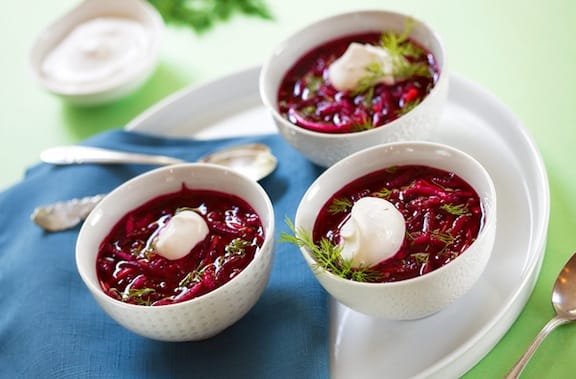
Sour Cream. Try plain nondairy yogurt, especially if used in making dips. There are also a few commercially available vegan sour creams on the market. Or, you can make your own Vegan Sour Cream using silken tofu. Delicious on all kinds of tortilla specialties and on cold soups like the Borscht shown above.

Mayonnaise. There are a few vegan mayonnaise products on the market. You can use vegan mayonnaise exactly the way you'd use non-vegan mayonnaise. Aquafaba can be used to make a great homemade vegan mayo (shown above from Serious Eats) as well.
Gelatin. If you need to substitute for gelatin in a recipe, use agar flakes or powder. It will thicken as it's heated. Also, there are a couple of companies that make a vegan fruit gelatin product that you should be able to find at your local health food market.

Honey. There are many liquid sweeteners on the market that you can use in your recipes instead of honey. However, they all vary in consistency and sweetness, making substitution a guessing game, at least initially. You may have to experiment with ratios until you figure out what works best in your recipes.
In general, however, maple syrup and agave nectar can be substituted measure for measure in recipes. Other sweeteners that are less sweet than honey include agave syrup, corn syrup, malt syrup, light and dark molasses, and brown rice syrup. Frozen fruit-juice concentrates, sorghum syrup, and concentrated fruit syrups range from being half as sweet to just as sweet as honey.
Sugar. Many vegans do not eat sugar since some brands are refined using bone char from animals. Others object to using sugar simply because it's often full of pesticides, and sugar plantation workers aren't always treated very well.
If you want to replace crystalline sugar in a recipe, here are some alternatives: beet sugar, fructose, natural organic sugar, unbleached cane sugar, turbinado sugar, date sugar, maple crystals, and granulated FruitSource. Some of these sugars dissolve better than others, so again, you'll have to experiment. As in other cases, using organic and fair trade products is the optimal choice.
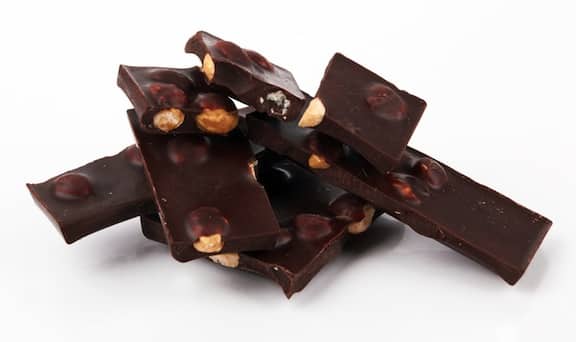
Chocolate. Many people say they couldn't be vegan if it would mean giving up chocolate, but luckily they don't have to! There are many non-dairy vegan chocolate chips, cocoa powders, and chocolate bars. These are most easily found in the natural foods aisle of your supermarket, and of course, in natural foods stores. Once again, fair trade and organic are best.

Meat. If you want your foods to have a similar taste and texture to meat, you're in luck, because never before have so many companies been making vegan meat substitutes.
Among the products on the market now that will substitute for meat are: veggie deli slices (bologna, ham, turkey, and other flavors), veggie burgers, veggie meatballs, veggie sausage links and patties, veggie bacon, veggie ground "beef," soy chicken patties and nuggets, veggie meatloaf and Salisbury steak, veggie jerky, and whole "turkeys" for Thanksgiving or other holidays.
Check your vegan cookbooks for recipes for foods like "neatloaf," nut roasts, lentil-walnut patés, and other old favorites that traditionally contained animal flesh.

Ice Cream. Along with the proliferation of meat analogues, it's so easy to find vegan ice cream. This industry has grown tremendously. There are vegan ice creams based on soy, rice, nut, and coconut milks, and they're all delicious. Some are high in fat and some are fat-free.
Some are fruity like sorbet, while others are sinfully decadent like butter pecan, peanut butter zig-zag, or peanut caramel. You can also buy vegan ice cream sandwiches, mud pies, and ice cream bars. I've made some great shakes, floats, and malts using vegan ice cream products. Your kids will love them too!
Orignal aritcle ontributed by Erin Pavlina; updated by VegKitchen
Also try: our Favorite Basic Pizza Dough.
- For lots more features on healthy lifestyle, please explore VegKitchen's Healthy Vegan Kitchen page.
Vegan Avocado Chocolate Maca Mousse
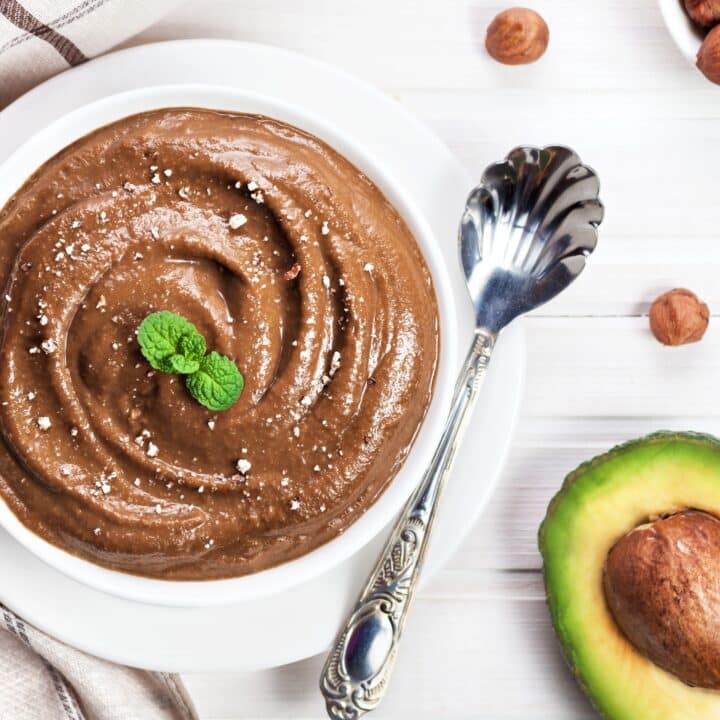
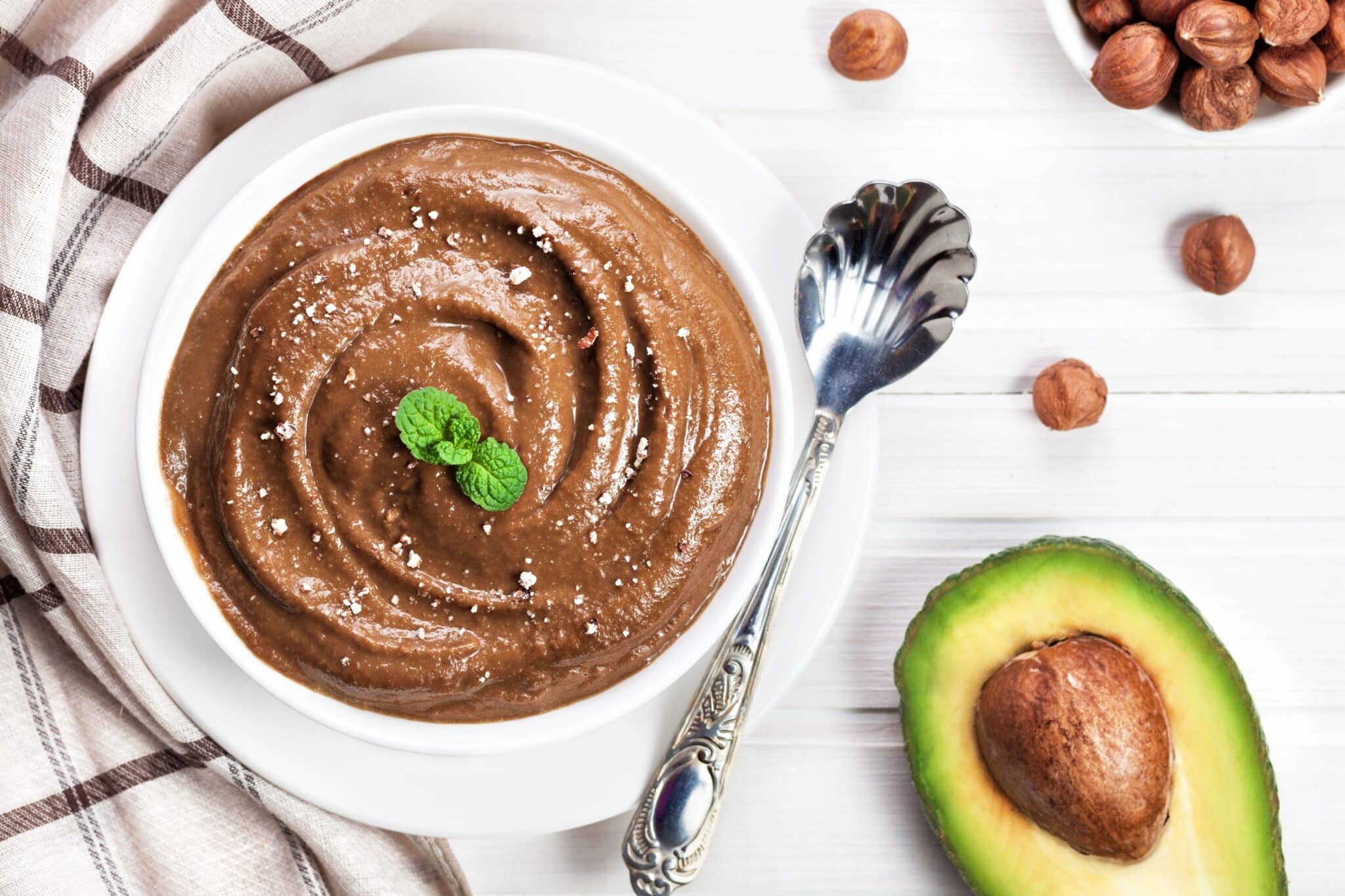
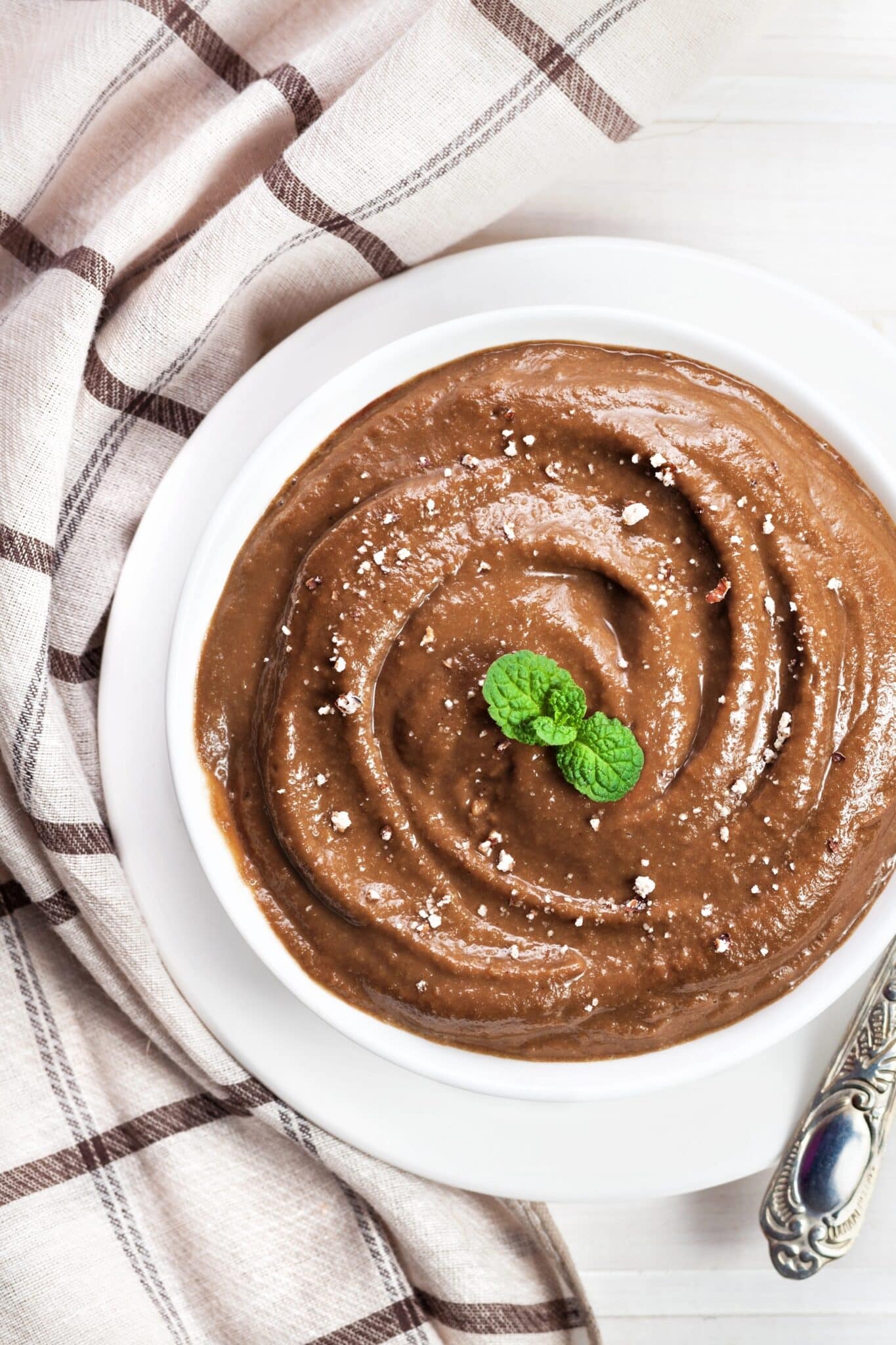
This vegan avocado chocolate maca mousse is silky, rich, and secretly good for you - ripe avocado blends into a dairy-free chocolate mousse with a boost of energizing maca powder, ready in minutes with no baking required.
Key Ingredients & Substitutions
- Ripe avocados. Give the mousse its silky, creamy texture without any dairy. Make sure they're fully ripe (they should yield to gentle pressure) for the smoothest blend.
- Cocoa or cacao powder. Brings the chocolate flavor. Cacao powder is less processed and a bit more intense; cocoa powder is milder.
- Maca root powder. Adds a malty, earthy flavor and an energy boost. Start with the lesser amount if you're new to it.
- Nondairy milk. Thins the mousse to the right consistency. Almond or cashew milk both work well.
- Nut butter. Adds richness and helps the mousse set up thick. Almond or cashew butter keeps the flavor neutral.
- Maple syrup. Sweetens the mousse naturally. Adjust up or down depending on how ripe (and naturally sweet) your avocados are.
- Vanilla extract. Rounds out the chocolate flavor.
Variations
- Nut-free. Swap the nut butter for sunflower seed butter and use oat milk instead of almond or cashew milk.
- Mint chocolate. Add a few drops of peppermint extract in place of some of the vanilla.
- Orange chocolate. Add a bit of orange zest for a chocolate-orange flavor.
- Extra decadent. Fold in a few tablespoons of melted dairy-free dark chocolate along with the cocoa powder.
- Spiced mousse. Add a pinch of cinnamon or cayenne for a Mexican hot chocolate twist.
- Protein boost. Blend in a scoop of chocolate vegan protein powder, thinning with a little extra nondairy milk as needed.
Tips for the Best Avocado Chocolate Maca Mousse
- Use very ripe avocados. This is the biggest factor in how smooth and sweet the mousse turns out - underripe avocado tastes grassy and won't blend as silky.
- Scrape down the sides often. Avocado is thick and can cling to the bowl of the food processor, so stop and scrape a few times for a fully smooth mousse.
- Taste before serving. Cocoa and maca can vary in bitterness, so adjust the maple syrup at the end to get the sweetness just right.
- Chill before serving. A short 15 to 20 minutes in the refrigerator firms the mousse up and lets the flavors meld.
- Make it close to serving time. Because avocado browns and turns grainy as it sits, this mousse is best made shortly before you plan to eat it.
How to Serve
Spoon this mousse into small bowls or glasses and top with shaved dark chocolate, fresh berries, or a dollop of coconut whipped cream for an extra-special dessert. It also makes a rich, satisfying snack on its own, or a fun make-ahead treat for a dinner party when you divide it into individual jars ahead of time.
Looking for more ways to use maca? Check out our 5 Vegan Maca Recipes roundup for more energizing ideas.
Recipe
Avocado Chocolate Maca Mousse
This vegan avocado chocolate maca mousse is silky and rich, blending ripe avocado, cocoa, and energizing maca powder into a dairy-free dessert ready in minutes.
Print
Pin
Save
Servings:
Ingredients
- 2 medium ripe avocados pitted, peeled, and chopped
- ¼ cup almond or cashew nondairy milk or your favorite kind
- 1 tablespoon nut butter peanut, almond, cashew, or hazelnut
- 1 teaspoon vanilla extract
- 2 to 4 teaspoons maca root powder
- 3 tablespoons cocoa or cacao powder
- 3 to 4 tablespoons maple syrup or to taste
- Shaved dark chocolate cacao nibs, or Himalayan salt for topping, optional
Instructions
- Combine all the ingredients except the shaved chocolate in a food processor. Process until completely smooth, stopping the machine to scrape down the sides as needed.
- Serve in small bowls, topped with shaved dark chocolate or any of the suggested toppings.
- Store any leftovers in a tightly lidded container in the refrigerator. Because avocado is perishable, it's best enjoyed within one day.
Nutrition (Estimate per Serving)
Calories: 329kcalCarbohydrates: 31gProtein: 6gFat: 24gSaturated Fat: 3gPolyunsaturated Fat: 3gMonounsaturated Fat: 15gSodium: 40mgPotassium: 866mgFiber: 12gSugar: 14gVitamin A: 196IUVitamin C: 14mgCalcium: 101mgIron: 2mg
Vegan-ize any recipe!Grab our free vegan cheat sheet, packed with my favorite easy substitutions to make any recipe vegan.
Vegan Pumpkin Mousse
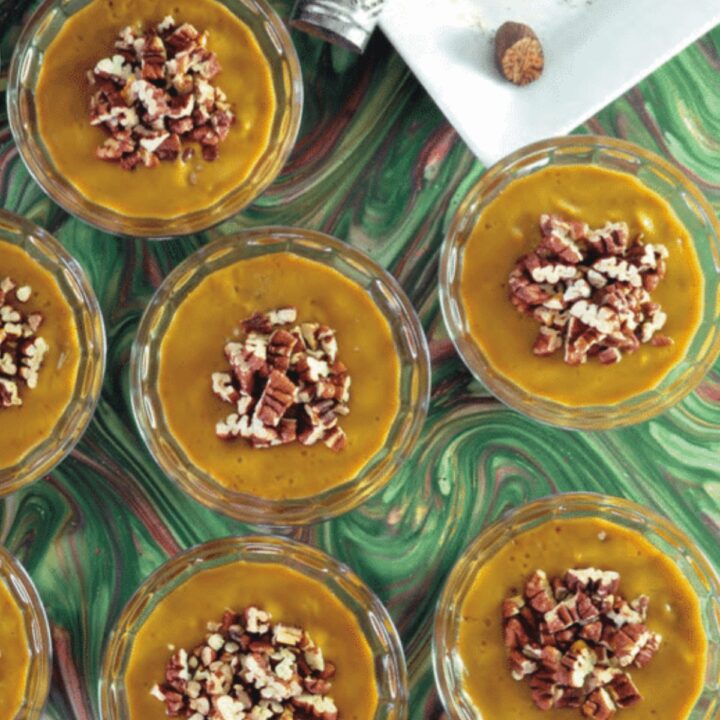
This vegan pumpkin mousse is light and silky, yet totally indulgent. It's the perfect plant based dessert for Thanksgiving!

Recipe from Low-FODMAP and Vegan: What to Eat When You Can't Eat Anything by Jo Stepaniak, © 2016. Published by The Book Publishing Company. Reprinted by arrangement.
If you're looking for the perfect vegan-friendly Fall dessert, you've come to the right place! This pumpkin mousse is so good, it's a no-brainer. In fact, the only question is exactly when to eat it.
Personally, I'm a firm believer in dessert for breakfast. 😉 But of course, this pumpkin mousse also makes a delicious snack or after-dinner dessert. It comes together in one blender in about 10 minutes, with no baking, no gelatin, and no dairy.
This particular recipe comes to us from Jo Stepaniak's cookbook, Low FODMAP and Vegan, which I had a chance to test out. The whole cookbook is geared toward those with IBS that wish to enjoy a plant-based diet. How great is that?
Key Ingredients & Substitutions
- Ripe banana. The banana is what turns this into a mousse: blended, it becomes thick and creamy and adds natural sweetness, so you don't need tofu, cashews, or coconut cream. Use one that's yellow with a few brown freckles. A green banana won't blend as smoothly or taste as sweet.
- Pumpkin puree. Plain canned pumpkin puree gives the mousse its color and earthy fall flavor. Sweet potato puree works just as well and makes it a little sweeter.
- Creamy peanut butter. A couple of tablespoons add richness and body, which helps the mousse hold its shape. No-salt-added natural peanut butter lets the spices shine. Almond butter or sunflower seed butter are good swaps.
- Almond milk. Just enough to get the blender moving. Light coconut milk makes it a bit richer, and any unsweetened plant milk will do.
- Maple syrup. Pure maple syrup rounds out the sweetness and pairs beautifully with pumpkin. Agave nectar works too.
- Warm spices. Ground cinnamon, ginger, nutmeg, and a pinch of cloves give it that pumpkin pie flavor. You can use about 1 teaspoon of pumpkin pie spice instead of the separate spices. Allspice can stand in for the cloves.
Helpful Tips
Use canned pumpkin puree, not pumpkin pie filling. They look similar, but pie filling comes pre-sweetened and loaded with spices. You want to start with just plain pumpkin here.
Blend until completely smooth. The silky texture comes from blending the banana, pumpkin, and peanut butter until there are no lumps left. Stop and scrape down the sides once or twice. A high-speed blender gives the smoothest result, but a food processor works fine.
Sweetness is subjective. How sweet the mousse turns out depends on how ripe your banana is. Start with the recipe amount of maple syrup, taste, and add more if you're feelin' it.
Chill it briefly for a firmer mousse. Straight from the blender it's soft and spoonable, like a pudding. An hour in the fridge thickens it a little and makes it more refreshing. Cover the cups tightly so the surface doesn't darken.
Toast the pecans. Toasting the nuts in a dry skillet over medium heat for 3 to 4 minutes, stirring often, brings out their flavor and adds crunch against the smooth mousse. Add them right before serving so they stay crisp.
Variations
- Chocolate Pumpkin Mousse. Add 2-3 tablespoons of cocoa powder or melted dairy-free dark chocolate to the blender for a rich, chocolatey twist.
- Low-Sugar Version. Cut back on the maple syrup and add a few drops of liquid stevia or monk fruit sweetener. You still get that sweet, spiced flavor without the sugar high.
- Sweet Potato Mousse. Swap the pumpkin for the same amount of mashed cooked sweet potato for a sweeter, even creamier mousse.
- Nut-Free Mousse. Use sunflower seed butter instead of peanut butter, oat milk instead of almond milk, and top with toasted pumpkin seeds instead of pecans.
- Garnish game! Add a dollop of whipped coconut cream, a sprinkle of cinnamon, crushed graham crackers, or chopped toasted pecans to take your mousse to the next level.
Serving Ideas
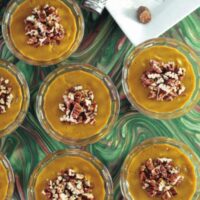
Serve the mousse in small glasses or custard cups topped with chopped toasted pecans and a dusting of cinnamon. For a Thanksgiving dessert table, spoon it into shot glasses for bite-size portions. It's a lighter choice next to a classic vegan pumpkin pie, and a nice option for guests who want something no-bake.
For a parfait, layer the mousse with crushed vegan graham crackers or granola and a spoonful of whipped coconut cream. It also makes a quick breakfast or snack alongside a mug of homemade vegan pumpkin spice latte.
Storing & Freezing
This mousse is best the day it's made. The recipe calls for serving it right away or chilling it, tightly covered, for up to 3 hours. Because it's made with banana, the top can darken and the flavor changes the longer it sits. If you do have leftovers, press plastic wrap directly onto the surface and refrigerate for up to 1 day. Stir before serving, and add the pecans just before eating so they stay crunchy.
We don't recommend freezing the mousse: once thawed, the banana turns watery and the texture isn't as silky. Instead, pour extra mousse into ice pop molds and freeze for pumpkin pie pops, or freeze it in a shallow container and eat it like soft-serve after letting it sit at room temperature for 10 minutes.

More Vegan Desserts
If you love this vegan pumpkin mousse, be sure to check out my complete Vegan Thanksgiving eCookbook, and these other tasty ideas:
- Vegan Pumpkin Pie
- Vegan Thanksgiving Desserts
- Vegan Avocado Chocolate Maca Mousse
- Vegan Banana Pudding
- Tasty Vegan Pumpkin Recipes
Recipe
Vegan Pumpkin Mousse
This silky vegan pumpkin mousse blends ripe banana, pumpkin puree, peanut butter, and warm pumpkin pie spices into a light, no-bake dessert in about 10 minutes. Serve it right away or chill it briefly and top with toasted pecans.
Print
Pin
Save
Servings: servings
Equipment
Ingredients
- 1 banana ripe, broken into pieces
- ½ cup pumpkin puree canned, or sweet potato purée
- ¼ cup almond milk or light coconut milk
- 2 tablespoons creamy peanut butter no-salt-added
- 2 tablespoons maple syrup
- ½ teaspoon ground cinnamon
- ¼ teaspoon ground ginger
- ⅛ teaspoon ground nutmeg
- Pinch ground cloves or allspice
- chopped toasted pecans optional, for garnish
Instructions
- Put the banana, pumpkin puree, almond milk, peanut butter, maple syrup, cinnamon, ginger, nutmeg, and cloves in a blender or food processor. Process until completely smooth, stopping to scrape down the sides once or twice. Taste and add a little more maple syrup if you'd like it sweeter.
- Spoon the mousse evenly into two small custard cups or dessert glasses.
- Serve immediately, or cover tightly and chill for up to 3 hours. Garnish with the chopped toasted pecans just before serving, if desired.
Notes
Use plain canned pumpkin puree, not pumpkin pie filling. Sweet potato puree works in place of the pumpkin.
About 1 teaspoon pumpkin pie spice can replace the cinnamon, ginger, nutmeg, and cloves.
For a nut-free version, use sunflower seed butter and oat milk, and top with toasted pumpkin seeds.
The mousse is best the day it's made. Leftovers keep, with plastic wrap pressed onto the surface, for up to 1 day in the fridge; the top may darken because of the banana. Not recommended for freezing.
Nutrition (Estimate per Serving)
Calories: 230kcalCarbohydrates: 36gProtein: 5gFat: 9gSaturated Fat: 2gPolyunsaturated Fat: 2gMonounsaturated Fat: 4gSodium: 115mgPotassium: 479mgFiber: 5gSugar: 23gVitamin A: 9572IUVitamin C: 8mgCalcium: 92mgIron: 1mg
Vegan-ize any recipe!Grab our free vegan cheat sheet, packed with my favorite easy substitutions to make any recipe vegan.
Well-Crafted Vegan Macaroni and Cheese Mix

Unless you were raised by macrobiotic hippies, you've had it. I've had it. And there's no shame in saying it- we've all had macaroni and cheese out of the box.
My kid would plead with me to buy it, and I was thrilled when the vegan stuff came on the market. Maybe you don't crave it anymore, but it sure is convenient to have some on hand for the kids or the babysitter.
But there's no need to buy it, because you can make the instant cheese sauce mix yourself in just a few minutes! It makes enough to coat the equivalent of 5 store-bought boxes of instant macaroni and cheese.
This recipe was reprinted by permission from The Homemade Vegan Pantry* by Miyoko Schinner, © 2015. Photographs by Eva Kolenko, © 2015 Published by Ten Speed Press, an imprint of Penguin Random House LLC. [Read more...]
Vegan Pumpkin Chocolate Chip Cookies

These vegan pumpkin chocolate chip cookies are perfect for fall! Soft, cakey, and warmly spiced, they're loaded with rich pumpkin flavor and decadent chocolate chips, and they're a crowd-pleaser every time.

Recipe from But I Could Never Go Vegan!: 125 Recipes That Prove You Can Live Without Cheese, It’s Not All Rabbit Food, and Your Friends Will Still Come Over for Dinner, Copyright © Kristy Turner, 2014. Reprinted by permission of the publisher, The Experiment.
You may think that pumpkin is reserved for that short time from October through November. That is true, except when that pumpkin is going into chocolate chip cookies. Then it is perfectly acceptable to eat it year-round. It's just too good not to!
So of course I jumped at the chance to test out this recipe from Kristy Turner's cookbook But I Could Never Go Vegan! And they did not disappoint. The pumpkin acts as an egg replacer but also adds a lot of depth to the flavor. These cookies are a total crowd-pleaser, so if you serve them to your omnivore friends, be prepared for the question we all love to hear: “These are vegan?”
Key Ingredients & Substitutions
- Pumpkin puree. This is the heart of the cookie, and it does double duty as flavor and binder. Use plain canned pumpkin puree, not pumpkin pie filling, which is already sweetened and spiced and will throw off the balance. Homemade puree works too, as long as it's thick; strain a watery batch for 20 minutes first.
- Flaxseed meal. Just one tablespoon of ground flaxseed adds a little extra binding and structure alongside the pumpkin. Ground chia seeds are an easy swap. If you're curious about why these seeds work so well in baking, see our guide to the health benefits of chia, flax, and hemp seeds.
- Unbleached all-purpose flour. Plain all-purpose flour gives these their soft, cakey texture. White whole wheat flour works for a heartier cookie, and a good 1:1 gluten-free baking blend is the best bet for a gluten-free batch.
- Vegan butter. Melted vegan butter adds richness and helps the edges brown. Refined coconut oil, melted, can stand in, though the cookies will be a little firmer once cooled.
- Maple syrup and coconut sugar. Pure maple syrup brings moisture and a mellow sweetness, while coconut sugar adds a caramel note that pairs beautifully with pumpkin. Vegan brown sugar is a one-to-one swap for the coconut sugar.
- Almond butter. A spoonful of smooth nut butter makes the cookies extra tender. Cashew or peanut butter work fine, and sunflower seed butter keeps them nut-free.
- Warm spices. Cinnamon, ginger, nutmeg, and ground cardamom give these their cozy, bakery-style flavor. In a pinch, replace all four with 2 teaspoons of pumpkin pie spice.
- Vegan chocolate chips. Check the label, since many semisweet chips contain milk. Dark chocolate chunks or mini chips are both great here.
Helpful Tips
Spoon and level the flour. This is the single most important step for these cookies. Spoon the flour into your measuring cup until it's full, then level it off. Scooping straight from the bag packs in extra flour, and the cookies will turn out dry and dense instead of soft.
Blot the pumpkin if it looks wet. Canned pumpkin varies from brand to brand. If yours looks loose or watery, press it between a few layers of paper towel for a minute before measuring, so the dough doesn't turn out too soft.
Flatten the dough before baking. Pumpkin cookie dough doesn't spread much in the oven, so the shape you put on the tray is roughly the shape you'll get. Press each mound down gently with the bottom of a damp measuring cup, or shape them into rounds with wet fingers.
Don't overbake. Pull the cookies when they feel set on top and the edges are just turning golden, usually 8 to 10 minutes. They'll firm up as they cool on the tray, and overbaking dries out that soft, cakey middle.
Line your baking sheets. Parchment paper or a silicone baking mat keeps the bottoms from sticking or over-browning, and makes it easy to slide a whole batch onto a cooling rack.
Variations
- Nutty. Swap half the chocolate chips for chopped toasted pecans or walnuts for a little crunch.
- Double chocolate. Replace 3 tablespoons of the flour with cocoa powder for a rich chocolate-pumpkin cookie.
- Oatmeal pumpkin. Replace ½ cup of the flour with rolled oats for a chewier, heartier cookie.
- White chocolate and cranberry. Use vegan white chocolate chips and dried cranberries instead of semisweet chips for a festive holiday version.
- Glazed. Drizzle the cooled cookies with a simple maple glaze made from powdered sugar, a splash of plant milk, and a little maple syrup.
- Muffins instead. If you love this flavor combination, try our pumpkin chocolate chip muffins for an easy breakfast treat.
Serving Ideas
These cookies are made for sweater weather. Serve them warm with a mug of coffee, chai, or a homemade vegan pumpkin spice latte, or with a tall glass of your favorite non-dairy milk for dunking.
They also travel well, so pack them into lunchboxes, bring a tin to a fall potluck, or add them to a Thanksgiving dessert table alongside pie. For a holiday cookie tray, pair them with our classic vegan chocolate chip cookies and a batch of snickerdoodles, or browse all of our vegan cookies and bars for more ideas.
Storing & Freezing
Once they're completely cool, store the cookies in an airtight container at room temperature for up to 2 days, or in the refrigerator for up to 5 days. Because pumpkin keeps them so moist, place a sheet of parchment between layers so they don't stick together. They're lovely cold, or warm one for 10 seconds in the microwave.
These cookies freeze well. Freeze the baked cookies in a single layer until firm, then transfer them to a freezer bag for up to 3 months, and thaw at room temperature for about 30 minutes. You can also freeze scooped, flattened balls of dough and bake them straight from frozen, adding 1 to 2 minutes to the baking time.

More Pumpkin Recipes
If you love these pumpkin chocolate chip cookies, here are a few more pumpkin treats you might enjoy:
- Vegan Pumpkin Pie
- Vegan Pumpkin Bread
- Pumpkin Protein Balls
- Vegan Chocolate Pumpkin Pancakes
- Tasty Vegan Pumpkin Recipes
Recipe

Vegan Pumpkin Chocolate Chip Cookies
Soft, cakey vegan pumpkin chocolate chip cookies made with pumpkin puree, warm fall spices, and plenty of dairy-free chocolate chips. No eggs needed, since the pumpkin does the binding!
Print
Pin
Save
Servings: cookies
Equipment
- parchment paper or silicone baking mats
- Handheld mixer optional
Ingredients
- 1¾ cups unbleached all-purpose flour
- 1 tablespoon flaxseed meal
- 1 teaspoon baking soda
- 1 teaspoon ground cinnamon
- ½ teaspoon ground ginger
- ½ teaspoon salt
- ¼ teaspoon ground nutmeg
- ¼ teaspoon ground cardamom
- 1 cup pumpkin puree not pumpkin pie filling
- ½ cup vegan butter melted
- ¼ cup maple syrup
- ⅓ cup coconut sugar or vegan brown sugar
- 1 tablespoon almond butter unsalted, smooth, or whatever nut butter you have
- 1 cup vegan chocolate chips
Instructions
- Preheat the oven to 350°F. Line two baking sheets with parchment paper or silicone baking mats.
- Whisk together the flour, flaxseed meal, baking soda, cinnamon, ginger, salt, nutmeg, and cardamom in a large bowl. Set aside.
- Use a hand mixer (or whisk very quickly) to mix the pumpkin puree, vegan butter, maple syrup, coconut sugar, and almond butter. Add the wet ingredients to the dry and mix until just combined. Fold in the chocolate chips.
- Use a tablespoon or ice cream scoop to scoop roughly 2 tablespoons of dough and place on the prepared baking sheets about 2 inches apart. Wet or lightly grease the bottom of a measuring cup and gently press down on each cookie to flatten. If you want them more evenly shaped, wet your fingers and gently form them into circles.
- Bake for 8 to 10 minutes, until firm with lightly browned edges. Cool on the baking sheet for 2 to 3 minutes before transferring to a cooling rack. Let cool completely before serving (or not-it would be a shame not to try at least one while they're hot!).
Notes
Tip: It is especially important with this recipe to measure the flour by shaking spoonfuls of flour into the measuring cup until full. If you scoop with the measuring cup, the flour will be too packed and will affect the texture of the cookies.
Storage: Keep cooled cookies in an airtight container for up to 2 days at room temperature or 5 days in the fridge, or freeze for up to 3 months.
Nutrition (Estimate per Serving)
Calories: 124kcalCarbohydrates: 17gProtein: 2gFat: 6gSaturated Fat: 2gPolyunsaturated Fat: 1gMonounsaturated Fat: 1gTrans Fat: 0.02gSodium: 130mgPotassium: 48mgFiber: 1gSugar: 7gVitamin A: 1769IUVitamin C: 0.4mgCalcium: 22mgIron: 1mg
Vegan-ize any recipe!Grab our free vegan cheat sheet, packed with my favorite easy substitutions to make any recipe vegan.
8 Amazing Vegan Cheese Recipes
There’s no dairy in these vegan cheese recipes, but even your dairy-eating friends will be amazed by them! A good vegan cheese seems impossible, but certain ingredients lend a cheesy flavor. One of my favorites is nutritional yeast. It tastes good, and it’s good for you. Cashews, which are delicious just plain by the handful, create a magical texture that is reminiscent of goat cheese. Make sure to scroll to the end to see each one of these 8 vegan cheeses, all of which will knock your socks off!
Smoky Vegan Cheddar Cheez

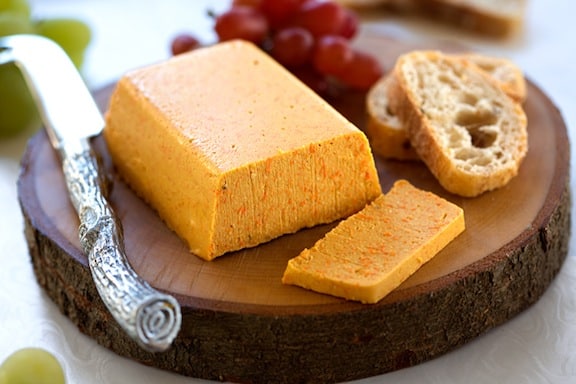
You can make this vegan cheese-y appetizer as a spread in no time, or let it set up into slices. I like it both ways and hope that you will, too. This is good with sliced fresh baguette, or serve it with whole-grain or gluten-free crackers or crispbreads. It’s also quite nice served with chunks of red bell pepper and peeled celery cut into short sections. Grapes served in small bunches on the side add a nice flavor balance. Recipe adapted from Vegan Holiday Kitchen by Nava Atlas. Photos by Hannah Kaminsky. [Read more...]
Vegan Butternut Squash Smoothie
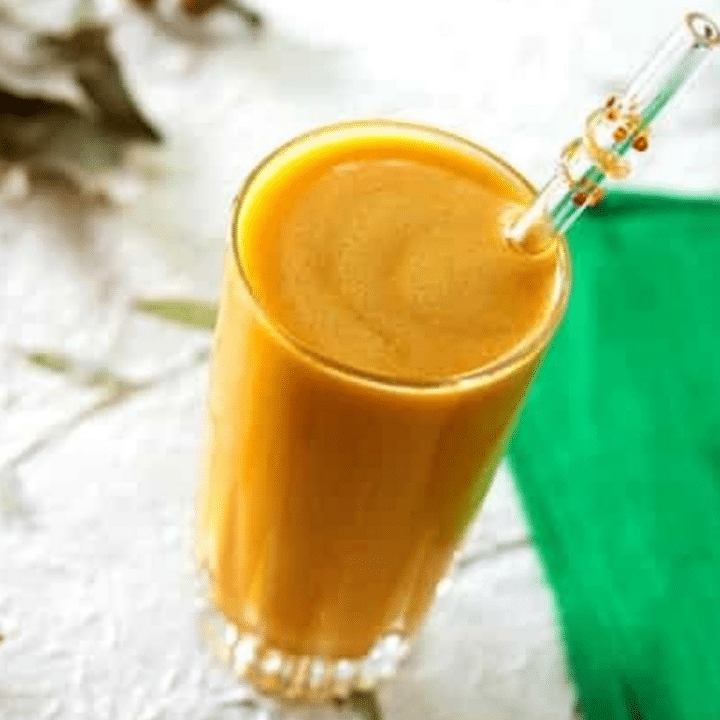
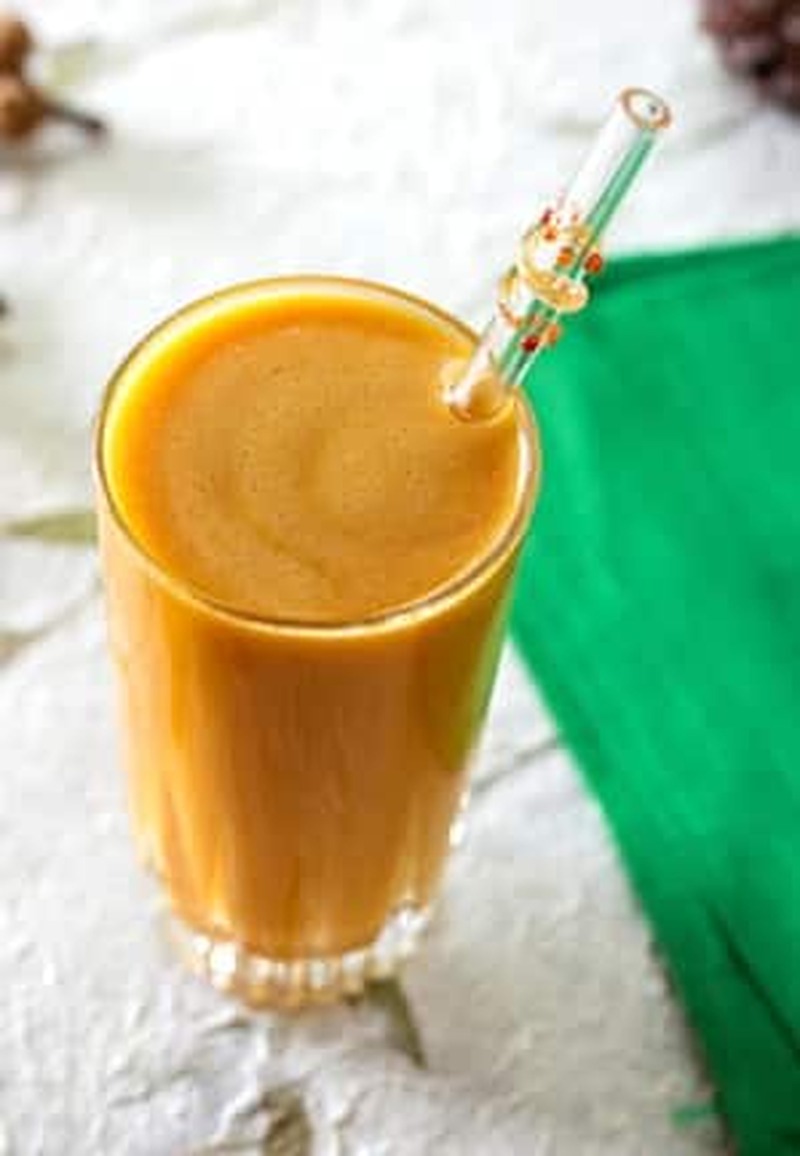
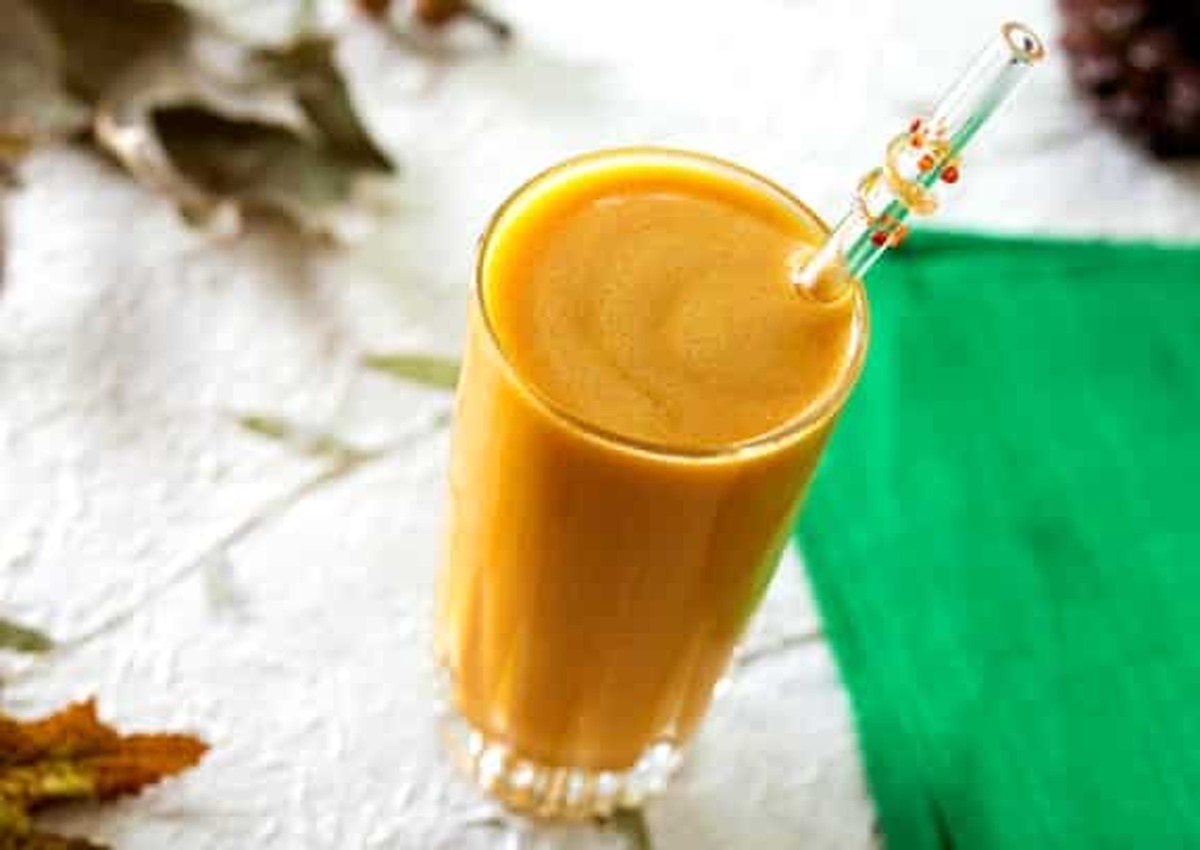
This velvety vegan smoothie tastes like a liquid slice of pumpkin pie — no oven required. Warmly spiced with cinnamon and ginger and packed with vitamins A and C, this butternut squash smoothie is the one you'll want on repeat all fall and winter.
Photos by Hannah Kaminsky of Bittersweet Blog.
Key Ingredients & Substitutions
- Butternut squash. Well-baked and mashed squash gives this smoothie its silky texture and naturally sweet, almost pie-like flavor. Sugar pumpkin or golden acorn squash both work well as substitutes — just use a good, sweet squash.
- Vanilla nondairy milk. Sweetened or unsweetened both work, and any nut milk is fine here. Sweetened milk means you likely won't need to add extra sweetener at all.
- Orange juice. Fresh-squeezed is best for brightness, but any good-quality OJ will do.
- Cinnamon and ground ginger. This classic warm-spice combo is what makes the smoothie taste like pumpkin pie in a glass. Swap in ½ teaspoon grated fresh ginger if you want a more distinct, peppery kick.
- Cashew or almond butter. Adds richness and a dose of healthy fat and protein so the smoothie feels like a real breakfast, not just juice.
- Vanilla extract. Rounds out the spices and enhances the natural sweetness of the squash.
- Liquid sweetener (optional). Stevia, agave, or maple syrup — but taste the smoothie first. You may not need any, especially if you're using sweetened nondairy milk.
Helpful Tips
Bake the squash ahead of time. This smoothie relies on well-baked, mashed butternut squash for its smooth texture and mellow sweetness, so bake a squash (or two) whenever you have the oven on for something else and freeze the extra puree in single-cup portions for whenever a craving hits.
Cutting a raw squash is the hardest part — prebaking makes it easy. See VegKitchen's video on how to prebake a whole butternut squash so it becomes simple to cut in half and scoop. Bake it a little longer than the video instructs; you want to be able to pierce the narrow neck very easily with a knife.
Using a high-speed blender? You can skip baking altogether and start with about 1 ¼ cups raw butternut squash chunks instead. A powerful high-speed blender like a Vitamix will break the raw squash down completely; if the mixture gets a little warm from the blending friction, just add a few ice cubes to cool it back down to smoothie temperature.
Taste before you sweeten. Between the squash, orange juice, and vanilla nondairy milk, this smoothie already has a lot of natural sweetness built in. Blend first, taste, and only add liquid sweetener if it actually needs it.
Chill your ingredients for a frostier texture. Using cold nondairy milk and orange juice straight from the fridge (or squash puree that's been chilled after baking) gives you a thicker, more milkshake-like smoothie without watering it down with ice.
Variations
- Swap the squash. Sugar pumpkin or golden acorn squash both make excellent substitutes for butternut, as long as the squash is good and sweet.
- Add a frozen banana. Blend in half a frozen banana for extra creaminess and natural sweetness (you may not need any liquid sweetener at all).
- Boost the protein. Stir in a scoop of your favorite vanilla or unflavored plant-based protein powder to turn this into a more filling meal.
- Make it a smoothie bowl. Use less liquid and pour the thicker result into a bowl, then top with granola, pepitas, and a drizzle of maple syrup.
- Deepen the spice. Add a pinch of ground nutmeg or clove along with the cinnamon and ginger for a more complex, pie-spice flavor.
- Make it extra green. Blend in a handful of baby spinach; the color mellows into a warm gold-green but the flavor barely changes.
Serving Ideas
This smoothie is filling enough to be breakfast on its own, especially with the almond butter and squash providing some staying power. For a heartier morning, pair a glass with a slice of whole-grain toast spread with more nut butter, or a handful of granola on the side.
It also makes a nice not-too-sweet dessert or afternoon pick-me-up during pumpkin season — serve it in a small glass alongside a slice of vegan pumpkin pie for a fun flavor echo, or set out a pitcher of it next to other fall favorites like butternut squash soup for a cozy, all-squash brunch spread.
Storing & Freezing
This smoothie is best enjoyed right after blending, but leftovers will keep in an airtight container or sealed jar in the refrigerator for up to 1 day. The squash and juice will naturally separate as it sits, so give it a good shake or a quick re-blend before drinking.
To freeze, pour the finished smoothie into an airtight container or ice cube tray and freeze for up to 1 month. Thaw partially in the refrigerator overnight, then re-blend to bring back the smooth texture before serving — it won't be quite as fresh-tasting as a newly blended batch, but it's a handy way to have a portion ready to go.
More Vegan Drinks
If you loved this vegan smoothie, here are a few more you might enjoy:
- Vegan Chocolate Raspberry Banana Smoothie
- Vegan Pina Colada
- Dragonfruit Lemonade (3 Ingredients!)
- 5 Vegan Maca Recipes
Recipe
Vegan Butternut Squash Smoothie
This creamy vegan butternut squash smoothie tastes like a liquid slice of pumpkin pie, gently spiced with cinnamon and ginger and naturally sweetened. It's a cozy, vitamin-packed way to start a fall or winter morning.
Print
Pin
Save
Servings: large (12-ounce) smoothies, or 3 smaller (8-ounce) servings
Ingredients
- 1 cup butternut squash well-baked and mashed; see notes (about 245g)
- ¾ cup vanilla nondairy milk sweetened or unsweetened; any nut milk works well (about 177ml)
- ¾ cup orange juice preferably fresh-squeezed (about 177ml)
- ½ teaspoon cinnamon ground (about 1.3g)
- ¼ teaspoon ginger ground; or ½ teaspoon grated fresh ginger for a more distinct flavor (about 0.5g)
- 1 tablespoon cashew or almond butter heaping (about 16g)
- ½ teaspoon vanilla extract (about 2.5ml)
- liquid sweetener to taste, optional; stevia, agave, or maple syrup; taste first, you may not need it, especially if using sweetened nondairy milk
Instructions
- Combine the mashed butternut squash, nondairy milk, orange juice, cinnamon, ginger, cashew or almond butter, and vanilla extract in a blender.
- Blend on high until completely smooth and creamy, about 30 to 60 seconds. Taste, then blend in liquid sweetener if you'd like it sweeter.
- Pour into glasses and serve at once at room temperature.
Notes
If using a high-speed blender and you have the means to cut up a raw butternut squash, you can start with 1 ¼ cups raw chunks instead of baked squash. You can also use sugar pumpkin or golden acorn squash in place of the butternut — this works best with a good, sweet squash.
Nutrition (Estimate per Serving)
Calories: 170kcalCarbohydrates: 31gProtein: 3gFat: 6gSaturated Fat: 0.6gSodium: 40mgPotassium: 480mgFiber: 3gSugar: 20gVitamin A: 8500IUVitamin C: 45mgCalcium: 60mgIron: 1mg
Vegan-ize any recipe!Grab our free vegan cheat sheet, packed with my favorite easy substitutions to make any recipe vegan.
Sweet Vegan Ricotta

Here’s something a little creamy, a little sweet, and easy to pair with nearly anything. Behold, shockingly simple, pretty, sumptuous sweet vegan ricotta. This spread pairs beautifully when slathered on crackers or toast, crowns fruit in a gorgeous way, adds oomph to baking recipes, and is a creamy, dreamy topping for oatmeal and granola. I like mine nestled between french toast and marmalade. [Read more...]
Artisan Vegan Cheese by Miyoko Schinner

Reviewed by Dianne Wenz. One of the first cookbooks I bought after going vegan in 2001 was Miyoko Schinner’s The New Now and Zen Epicure. I didn’t know much about cooking back then and The New Now and Zen Epicure really helped to get me get started on the culinary path I’m now on. When I heard about Artisan Vegan Cheese I could hardly contain my excitement! A new cookbook from Miyoko and it’s how to make cheese? How awesome is that? [Read more...]
Vegan Boursin®-Style Spread
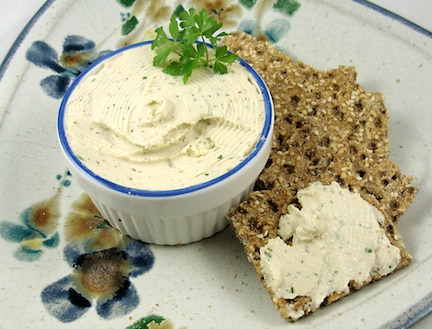
This creamy vegan cheese spread is absolutely addictive and delicious on your favorite crackers, rye crisp, or crusty bread. Recipe from World Vegan Feast* (©2011, Vegan Heritage Press) by Bryanna Clark Grogan.
Vegan a la Mode by Hannah Kaminsky
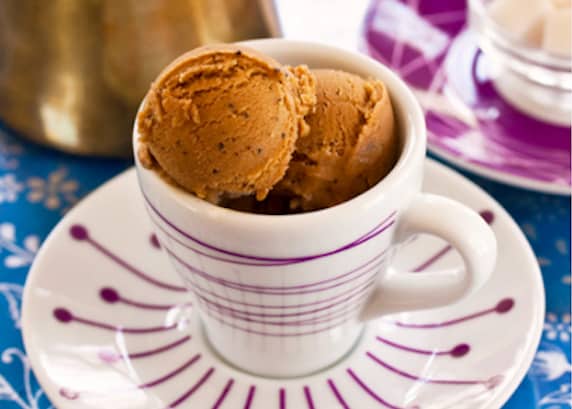
Sweltering temps have blanketed the Northeast again just as Hannah Kaminsky’s third book, Vegan a la Mode,* has hit the shelves. Icy cold treats are the perfect solution and Kaminsky’s sumptuous photos and highly creative recipes will have you ordering an ice cream maker before you can click out of this post. [Read more...]
The Sexy Vegan Cookbook

Reviewed by Rachael Braun. Looking for easy, down-to-earth vegan recipes that are delicious and fun to make? Look no further then The Sexy Vegan Cookbook: Extraordinary Food from an Ordinary Dude* (New World Library, 2012) by Brian L. Patton. It is filled with 100 recipes that will please anyone’s palate, vegan or not. Photo above courtesy of VegNews.
This cookbook is entertaining and useful, with original names for all the recipes and tips, definitions and facts scattered throughout. And if you ever think you need a little extra help with a recipe, Patton has provided QR codes that you can scan with your phone to see a video of The Sexy Vegan himself demonstrating the recipe for you. [Read more...]
Vegan Cranberry Coleslaw
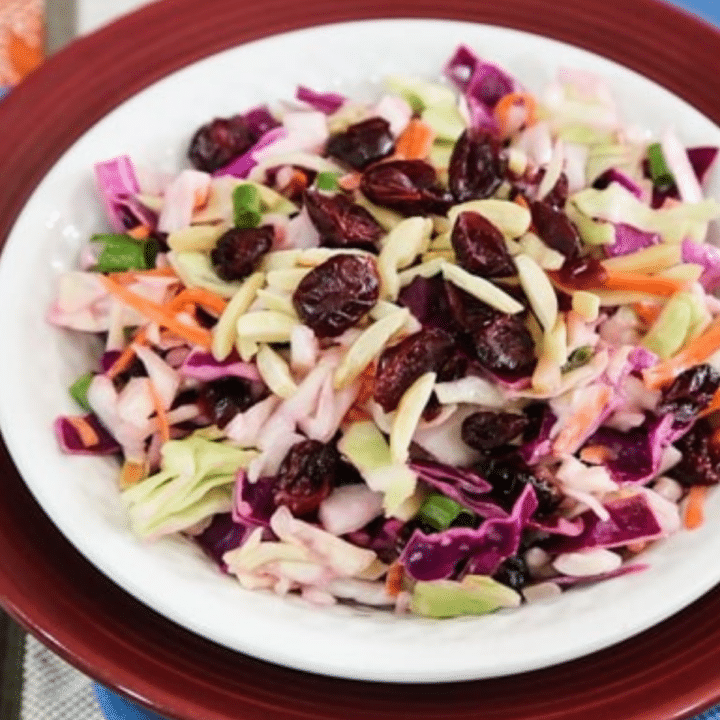
This delicious coleslaw is easy to make with pre-shredded cabbage (make sure to get the kind with added carrots), though you're welcome to use a combination of fresh green and red cabbage, as suggested in the variation below. It's welcome as an everyday salad, yet festive enough to serve with holiday meals thanks to the cranberries and toasted nuts, and it comes together in well under 15 minutes of actual hands-on time.

Photos by Evan Atlas.
Key Ingredients & Substitutions
- Cabbage. Pre-shredded coleslaw mix (with carrots) makes this quick to put together, or shred your own combination of green and red cabbage for a fresher texture and flavor.
- Dried cranberries. Add sweet-tart bursts of flavor and a festive pop of color that make this feel dressed up for a holiday table — look for unsweetened or naturally sweetened dried cranberries if you want to cut back on added sugar.
- Toasted almonds or cashews. Add crunch — toast them first for the best flavor, since raw nuts taste comparatively flat and don't have the same aroma.
- Vegan mayonnaise. Any brand you like works well as the creamy base of the dressing; a slightly tangier brand balances the sweetness of the cranberries nicely.
- Fresh lemon juice. Balances the richness of the mayonnaise and the sweetness of the cranberries, keeping the whole dish from tasting flat or one-note.
Variations
- Make it more colorful. Use 4 cups green cabbage and 2 cups red cabbage for a more dressed-up look — just note the red cabbage will tint the mayo a pinkish hue over time.
- Add crunch. Sunflower seeds or chopped walnuts work well in place of almonds or cashews.
- Brighten it up. A little orange zest along with the lemon juice adds extra festive flavor and pairs especially well with the cranberries.
- Add fresh herbs. A little chopped parsley or mint stirred in adds a fresh, unexpected note.
- Make it a main. Toss in some chickpeas or shredded baked tofu to turn this side salad into a light lunch.
Tips for the Best Cranberry Coleslaw
- Toast the nuts. A few minutes in a dry skillet or the oven brings out their flavor and adds a warm aroma to the finished slaw.
- Add lemon juice to taste. Start with less and add more gradually until the balance feels right — the acidity needed varies depending on how sweet your cranberries and mayo are.
- Let it chill. Refrigerating the slaw for at least 30 minutes before serving lets the flavors meld together and the cabbage soften just slightly.
- Add parsley just before serving. This keeps its color and flavor bright rather than wilting into the dressing.
- Don't dress it too far ahead if using fresh-shredded cabbage. It can release liquid as it sits, making the slaw watery — pre-shredded mixes hold up a bit better.
Make Ahead & Storage
This slaw keeps for up to 4 days in a sealed container in the refrigerator, making it a good make-ahead side for a holiday spread. Add nuts just before serving if making it more than a day in advance, so they stay crunchy rather than softening in the dressing.
How to Serve
Serve as an everyday side salad, or bring it to the table for Thanksgiving or other holiday meals — see more ideas in A Colorful Vegan Christmas for a full listing of holiday dinner recipes, menus, and desserts.
Recipe

Cranberry Slaw
This delicious coleslaw is welcome as an everyday salad, yet is festive enough to serve with holiday meals.
Print
Pin
Save
Servings: to 8
Ingredients
- 6 cups thinly shredded white cabbage use pre-shredded coleslaw if you'd like
- ⅔ cup dried cranberries
- ⅓ to ½ cup toasted slivered almonds or chopped cashews
- ½ cup vegan mayonnaise
- 1 to 2 tablespoons lemon juice to taste
- 2 tablespoons minced fresh parsley optional
Instructions
- Combine all the ingredients in a serving bowl and mix until well combined.
- Let stand for 10 minutes or so before serving, or cover and refrigerate until needed.
Nutrition (Estimate per Serving)
Calories: 215kcalCarbohydrates: 18gProtein: 2gFat: 15gSaturated Fat: 2gPolyunsaturated Fat: 1gMonounsaturated Fat: 2gTrans Fat: 1gSodium: 120mgPotassium: 177mgFiber: 3gSugar: 11gVitamin A: 181IUVitamin C: 28mgCalcium: 47mgIron: 1mg
Vegan-ize any recipe!Grab our free vegan cheat sheet, packed with my favorite easy substitutions to make any recipe vegan.

Here are lots more creative and colorful slaw-style salads.
Homemade Almond Milk
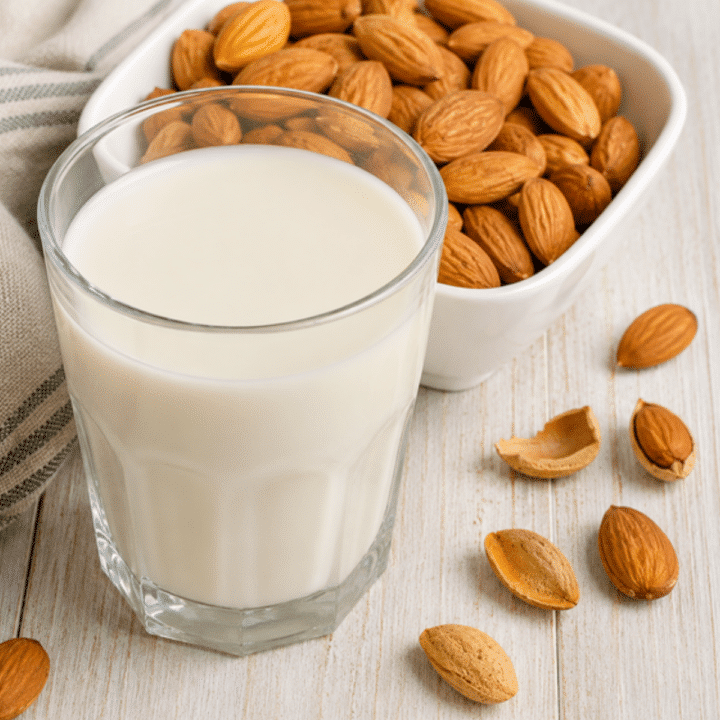
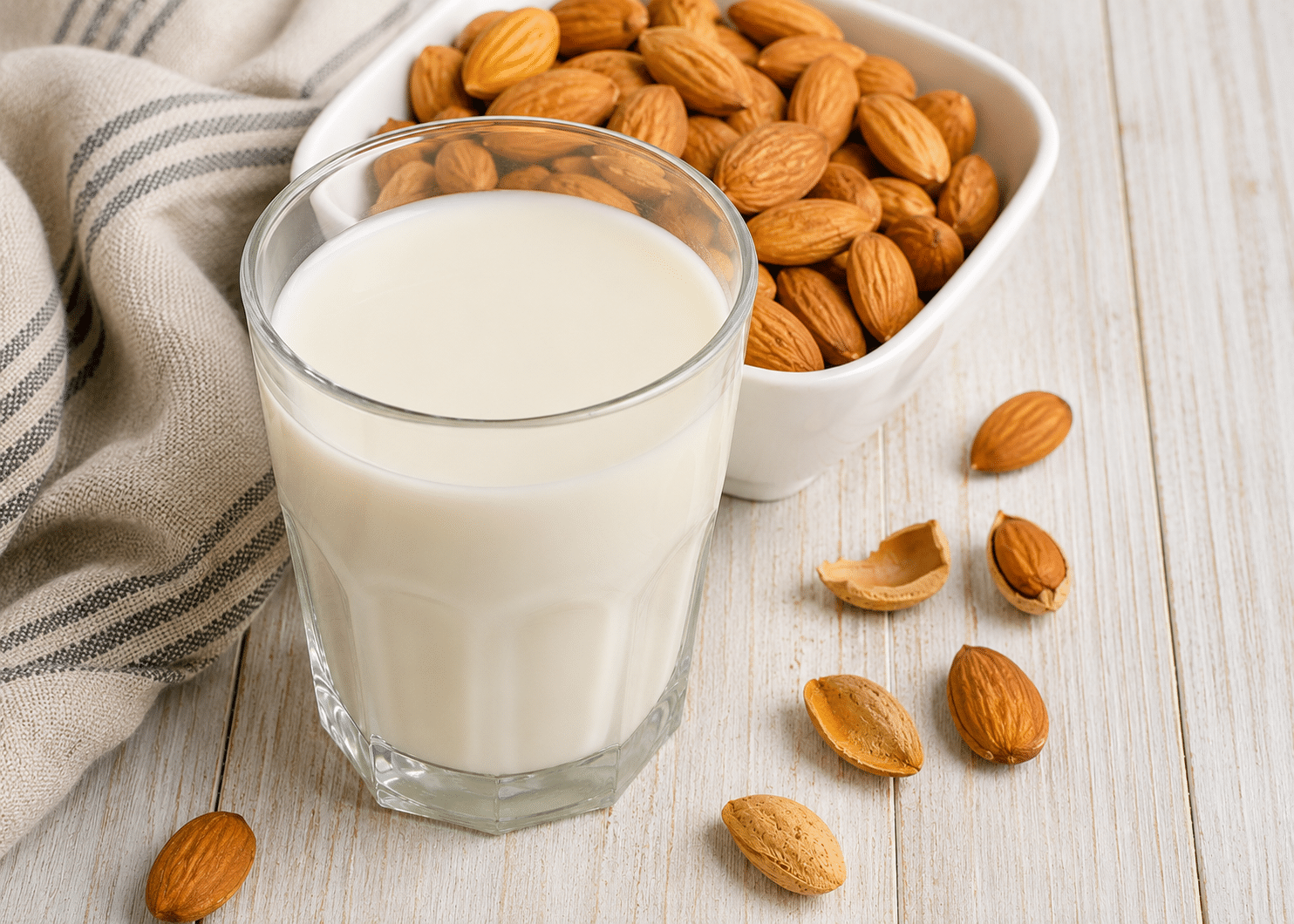
This homemade almond milk is richer and more nutritious than boxed nondairy milk, and it comes together in just minutes with a blender and a strainer. Once you taste the difference, it's hard to go back to the boxed stuff, and you control exactly what goes into it — no gums, stabilizers, or added oils, just almonds, water, and whatever sweetness you choose to add.
Recipe adapted from Raw Food Made Easy for 1 or 2 People by Jennifer Cornbleet, reprinted by permission of The Book Publishing Company.
Key Ingredients & Substitutions
- Raw almonds. Look for raw, unsalted almonds — roasted or salted almonds will throw off both the flavor and the soaking process, and can leave the milk tasting oddly savory.
- Soaked almonds. Soaking softens the almonds so they blend into a smooth, creamy milk instead of a gritty one — don't skip this step, even though it adds time upfront.
- Medjool dates. These add natural sweetness and body. Regular dates work too, just soak them a little longer since they're firmer and won't blend as smoothly straight from the package.
- Vanilla extract. Optional, but it rounds out the flavor nicely. Leave it out for a neutral milk to use in savory recipes like soups or sauces.
- Filtered water. The ratio of water to almonds determines how rich or light the milk turns out — adjust to taste, using less water for a creamier, more concentrated milk.
Variations
- Make it chocolate. Blend in a tablespoon of cocoa powder for chocolate almond milk, sweetened to taste.
- Add spice. A pinch of cinnamon or a dash of salt brightens the flavor and makes it taste more finished.
- Skip the dates. For an unsweetened version, simply omit the dates — useful for coffee or savory cooking.
- Try other nuts. This same method works well with cashews or a mix of almonds and cashews, which blend even more smoothly since cashews don't need straining.
- Add a banana. Half a ripe banana blended in makes the milk noticeably creamier without tasting overtly like banana.
- Make it a smoothie base. Skip straining and blend the whole mixture with fruit for a fiber-rich smoothie instead of a strained milk.
Tips for the Best Almond Milk
- Soak the almonds fully. A full 8 to 12 hours softens them enough for a smooth blend — don't rush this step, and plan ahead by soaking them the night before.
- Remove the skins for extra creaminess. It takes a few extra minutes, but skinned almonds make a noticeably smoother milk with less grit — the skins slip off easily after soaking.
- Strain thoroughly. Press the pulp well with a spatula, or use a nut milk bag, to extract as much milk as possible — a nut milk bag gives the cleanest, smoothest result.
- Shake before using. Homemade almond milk separates in the fridge since it has no stabilizers — just give it a good shake before pouring.
- Use the leftover pulp. Save it for baking, smoothies, or homemade granola instead of tossing it — it's still full of fiber and nutrients and can be dried in a low oven for almond flour.
Make Ahead & Storage
This almond milk keeps in the refrigerator for about 5 days in a sealed container. It will separate as it sits since it has no stabilizers or emulsifiers, so a good shake before each use brings it back together. It doesn't freeze particularly well, since the texture changes once thawed, so plan to make only what you'll use within the week.
How to Serve
Enjoy this almond milk cold over cereal, stirred into coffee or tea, or blended into smoothies.
Recipe
Homemade Almond Milk
Rich, naturally sweet almond milk made from just soaked almonds, dates, and water - more nutritious than boxed nondairy milk and ready in minutes.
Print
Pin
Save
Servings:
Ingredients
- 1 ½ cups soaked almonds see note
- 2 ½ cups water divided
- 3 pitted medjool dates soaked
- ½ teaspoon vanilla extract optional
Instructions
- Place 1 ½ cups of the water and the almonds, dates, and optional vanilla in a blender. Blend on high speed until very smooth. Add the remaining 1 cup of water and blend until smooth.
- Place a fine-mesh strainer over a medium bowl and pour the almond mixture through it. Using a rubber spatula, stir and press the pulp caught in the strainer to extract as much milk as possible. Alternatively, use a nut milk bag to strain.
- Discard the pulp left in the strainer, or save it for another purpose.
- Transfer the almond milk to a sealed container and refrigerate. It will keep for about 5 days and will separate as it sits, so shake well before using.
Notes
To arrive at 1 ½ cups soaked almonds: put 1 cup raw almonds in a jar, cover with cool water, and let soak for 8 to 12 hours at room temperature. Drain well before using.
Vegan-ize any recipe!Grab our free vegan cheat sheet, packed with my favorite easy substitutions to make any recipe vegan.
Hearty Recipes for Hungry Teens (Vegan and Vegetarian)
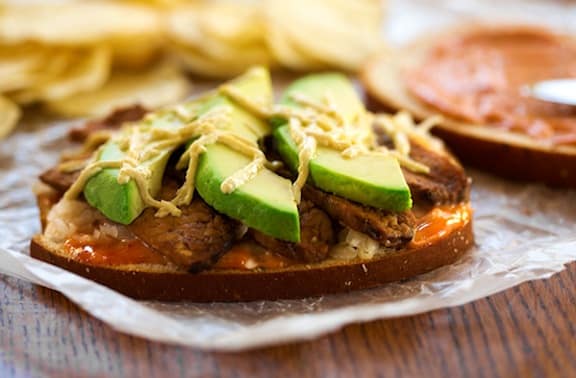
If you’re feeding teenagers, especially the male variety, you know that they go through mountains of food, and your grocery bill mounts alarmingly. Here are a handful of hearty, filling dishes that won’t break the bank. Now I'm not saying that young women won't like these hearty dishes, but in my experience, at least, they don't eat in nearly the quantity of their male counterparts. [Read more...]
Vegan Southwestern Rice and Beans
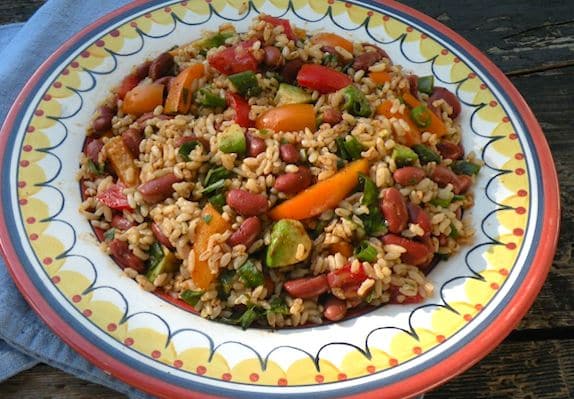
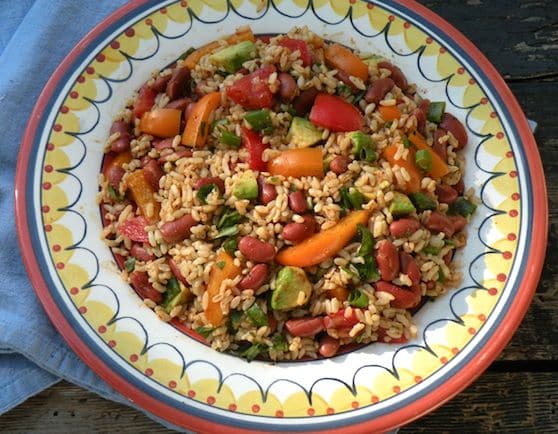
This no-cook main-dish salad turns leftover brown rice into something special with beans, avocado, lime, and warm southwestern spices. It's the kind of recipe that makes leftover grains feel like they were planned all along, and it comes together in the time it takes to chop a few vegetables — no stove required, which makes it a lifesaver on a hot day.
Key Ingredients & Substitutions
- Cold cooked brown rice. This is the perfect use for leftovers — cold, day-old rice holds its texture better than freshly cooked. Quinoa or farro work well too, and both bring their own pleasant chew.
- Beans. Pinto, black, red, or kidney beans all work equally well — use whichever you have on hand, or a mix of two kinds for variety.
- Avocado. Adds creaminess; dice it just before serving so it doesn't brown and turn the salad an unappetizing color.
- Fresh chili pepper. Jalapeño brings real heat, poblano is milder — or skip it and add a pinch of cayenne instead for background warmth without the fresh pepper flavor.
- Lime juice. Fresh-squeezed makes a real difference here — it's the main brightness in the dressing, since there's no cooking to develop flavor otherwise.
- Cumin and chili powder. The backbone of the southwestern flavor profile — toast them briefly in a dry pan first if you want an even deeper flavor.
Variations
- Add corn. A cup of fresh or thawed frozen corn kernels adds sweetness and crunch.
- Make it a wrap filling. Spoon into a tortilla with extra greens for a quick lunch wrap.
- Add a creamy dressing. A drizzle of vegan chipotle crema or cashew crema takes this over the top.
- Swap the grain. Quinoa, farro, or even cauliflower rice all work in place of brown rice.
- Add crunch. Crushed tortilla chips or pepitas sprinkled on top add texture right before serving.
- Make it a bowl meal. Serve over a bed of greens with extra salsa for a fuller Southwestern grain bowl.
Tips for the Best Southwestern Rice and Beans
- Use cold, leftover rice. Freshly cooked warm rice turns mushy when tossed with the dressing, and won't hold its shape nearly as well.
- Dice the avocado last. Add and toss it in right before serving to keep it from browning or getting mushy.
- Taste and adjust the lime. Limes vary a lot in juiciness and tartness — taste as you go rather than following the measurement blindly.
- Let it rest a few minutes. A short rest after tossing lets the flavors meld before serving.
- Rinse canned beans well. This removes excess sodium and the canning liquid that can make the salad watery.
Make Ahead & Storage
This salad keeps for about 2 days in the refrigerator, though it's best without the avocado added until closer to serving time, since it browns quickly once cut. If prepping ahead, store the avocado separately and fold it in just before eating, and give everything a good toss since the dressing settles.
How to Serve
This salad is a meal on its own, but it's even better paired with vegan quesadillas or nachos and a simple green vegetable. It also makes a great potluck dish since it holds up well at room temperature.
Recipe
Vegan Southwestern Rice and Beans
A quick, no-cook main-dish salad that turns leftover brown rice into something special with beans, avocado, lime, and southwestern spices.
Print
Pin
Save
Servings:
Ingredients
- 2 to 2 ½ cups cold cooked brown rice
- 1 medium red or orange bell pepper cut into narrow 1 to 1 ½-inch strips
- 1 medium firm ripe avocado diced
- 15 to 16-ounce can pinto, black, red, or kidney beans drained and rinsed
- ½ cup fresh cilantro chopped, more or less to taste
- 2 scallions thinly sliced
- 1 fresh chili pepper jalapeno for heat, or poblano for mild, minced
- 1 teaspoon chili powder good-quality
- 1 teaspoon ground cumin
- 2 to 4 tablespoons fresh lime juice to taste (about ½ to 1 lime)
- 1 to 2 tablespoons extra-virgin olive oil as desired
- salt and freshly ground pepper to taste
Instructions
- Combine the rice, bell pepper, avocado, beans, cilantro, scallions, and chili pepper in a serving bowl.
- Sprinkle in the chili powder and cumin, then add the lime juice and olive oil.
- Toss until thoroughly mixed, then season with salt and pepper to taste.
- Let stand for a few minutes so the flavors can mingle, then serve.
Notes
This is a great way to use up leftover brown rice. Pair with vegan quesadillas or nachos and a green vegetable for a complete meal.
Vegan-ize any recipe!Grab our free vegan cheat sheet, packed with my favorite easy substitutions to make any recipe vegan.