

Broccoli, cauliflower, green beans, and peppers mingle in a rich coconut-peanut base, making a stew that's great all year round. Adapted from Vegan Soups and Hearty Stews for All Seasons. Photos by Theresa Raffetto.
Search Results for: fresh veg
Bean-Thread Noodles with Crisp Vegetables in Peanut Sauce
Brimming with barely-cooked vegetables, this noodle dish makes a good light dinner. Leftovers packed in a container and eaten cold also make a terrific change-of-pace offering in a brown-bag lunch. [Read more...]
Vegan Pasta Salad Niçoise

The ingredients of Salade Nicoise-green beans, white beans, ripe tomatoes, and cured olives- join forces with pasta to make a delectable cold dish. Baked marinated tofu stands in for tuna, another standard Nicoise ingredient. This makes a heaping helping even with only 8 ounces pasta, making it a nice summer potluck dish. [Read more...]
Udon Noodle Soup with Crisp Vegetables

In this Japanese-style soup, udon noodles in a hot broth are topped with crisp raw vegetables, making for an offbeat and pleasing presentation. It can be made minutes before you wish to serve it. The traditional way to eat this is to "slurp" the noodles with the help of chopsticks, then finish off the remaining soup with a spoon. Photos by Hannah Kaminsky. [Read more...]
Vegan Cinco de Mayo Recipes
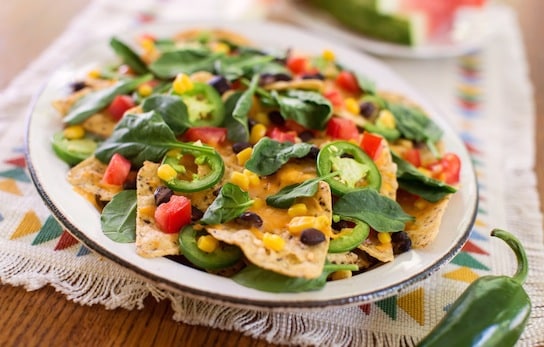
Cinco de Mayo has become a day to celebrate Mexican heritage and pride (contrary to popular belief, it isn't Mexico's independence day) -and a delicious way to celebrate is with easy vegan south-of-border and Southwestern-style dishes. VegKitchen has plenty of festive appetizers and main dishes to choose from! Shown above, Fully Loaded Vegan Nachos. [Read more...]
Vegan White Pizza with Asparagus and Spinach

Here's a light, lively vegan white pizza recipe that's perfect for a springtime meal. It features favorite spring veggies - asparagus and spinach on a creamy backdrop. Serve with a big green salad; toss in some chickpeas, whose flavor is highly compatible with the pizza. This pizza goes down easy, so double the recipe if you're serving a hungry group. Recipe adapted from Vegan Express. Photos by Evan Atlas. [Read more...]
Roasted Vegetables: An Asparagus to Zucchini Guide
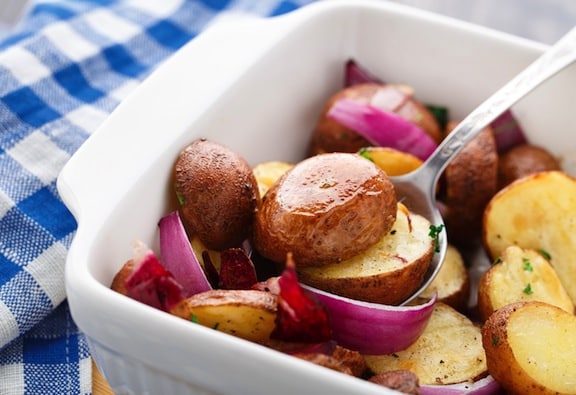
Roasting vegetables in a hot oven brings their natural sugars to the surface while maintaining nutrients. For those who aren't keen on steamed or raw veggies in the winter, you may find that roasting might spark some interest. I've found 425 degrees F. to be the ideal temperature for my oven, but 400 degrees F. works as well. If I have anything else in the oven at either of those temperatures, I try to toss in some vegetables to roast at the same time. Once vegetables are roasted, they're good warm or at room temperature. Leftover roasted vegetables can be used to make wraps or to top pizza. [Read more...]
The Sexy Vegan Cookbook

Reviewed by Rachael Braun. Looking for easy, down-to-earth vegan recipes that are delicious and fun to make? Look no further then The Sexy Vegan Cookbook: Extraordinary Food from an Ordinary Dude* (New World Library, 2012) by Brian L. Patton. It is filled with 100 recipes that will please anyone's palate, vegan or not. Photo above courtesy of VegNews.
This cookbook is entertaining and useful, with original names for all the recipes and tips, definitions and facts scattered throughout. And if you ever think you need a little extra help with a recipe, Patton has provided QR codes that you can scan with your phone to see a video of The Sexy Vegan himself demonstrating the recipe for you. [Read more...]
Sephardic-Style Vegan Matzo Ball Soup

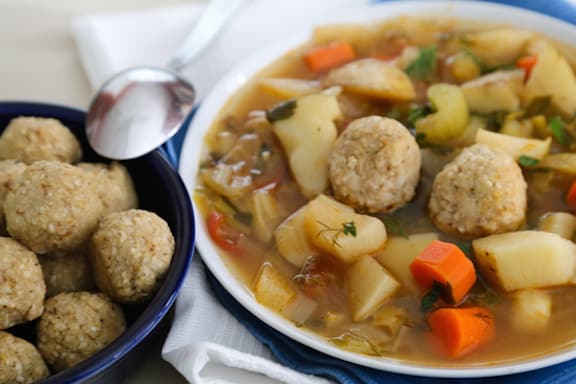
Matzo balls aren't always a part of the Sephardic tradition, but a Turkish friend remembers them from his childhood Seders. No matter where you're from, the Passover Seder doesn't seem complete without matzo ball soup. Here's a Sephardic-inspired matzo ball soup that's completely vegan. Photos by Evan Atlas.
Recipe

Sephardic-Style Vegan Matzo Ball Soup
No matter how you celebrate, the Passover Seder doesn't seem complete without matzo ball soup. Here's a Sephardic-inspired matzo ball soup that's completely vegan.
Print
Pin
Save
Servings:
Ingredients
- 2 tablespoons olive oil
- 1 medium onion minced
- 2 large or 3 medium leeks white and palest green parts only, halved lengthwise and cut into ¼-inch thick slices
- 2 medium potatoes peeled and diced
- 3 medium carrots sliced
- 3 medium stalks celery diced
- 8 ounces white or brown mushrooms cleaned, stemmed, and sliced
- 8 cups vegetable stock or water or a combination (see note)
- 2 medium white turnips peeled and diced
- 1 to 1 ½ cups diced ripe tomatoes about 2 medium
- 1 teaspoon sweet paprika
- 1 teaspoon ground cumin
- Salt and freshly ground pepper
- Vegan Matzo Balls
Instructions
- Heat the oil in a large soup pot. Add the onion and leeks; sauté over medium-low heat until the leeks are limp, about 8 minutes.
- Add the potatoes, carrots, celery, mushrooms, stock, paprika, and cumin; stir together. Bring to a boil, lower heat and simmer gently, cover, until vegetables are tender, about 25 minutes.
- Add the turnips and tomatoes. Season with salt and pepper, and simmer 10 minutes longer.
- Let stand off the heat for several hours or overnight in refrigerator to develop flavor. Reheat before serving. Serve with 3 to 4 matzo balls each bowl.
Nutrition (Estimate per Serving)
Calories: 136kcalCarbohydrates: 24gProtein: 3gFat: 4gSaturated Fat: 1gPolyunsaturated Fat: 1gMonounsaturated Fat: 3gSodium: 1000mgPotassium: 621mgFiber: 4gSugar: 8gVitamin A: 5121IUVitamin C: 27mgCalcium: 52mgIron: 2mg
Vegan-ize any recipe!Grab our free vegan cheat sheet, packed with my favorite easy substitutions to make any recipe vegan.
Note: You can use 8 cups homemade vegetable broth, two 32-ounce containers low-sodium vegetable broth, or one 32-ounce container low-sodium vegetable broth plus 4 cups water plus 1 or 2 vegetable bouillon cubes.

- Get more holiday recipes on VegKitchen's Passover: Sephardic-Style Seder page.
- Find more ways to make Special Occasions and Entertaining easier and healthier.
Miso Soup with Winter Vegetables

This soup is very warming, and surprisingly filling compared to the more usual, brothy miso soups. It features potatoes, cabbage, and root vegetables, to make a satisfying bowlful. Adapted from Vegan Soups and Hearty Stews for all Seasons by Nava Atlas. Photos by Evan Atlas. [Read more...]
Vegan Scalloped Corn Casserole
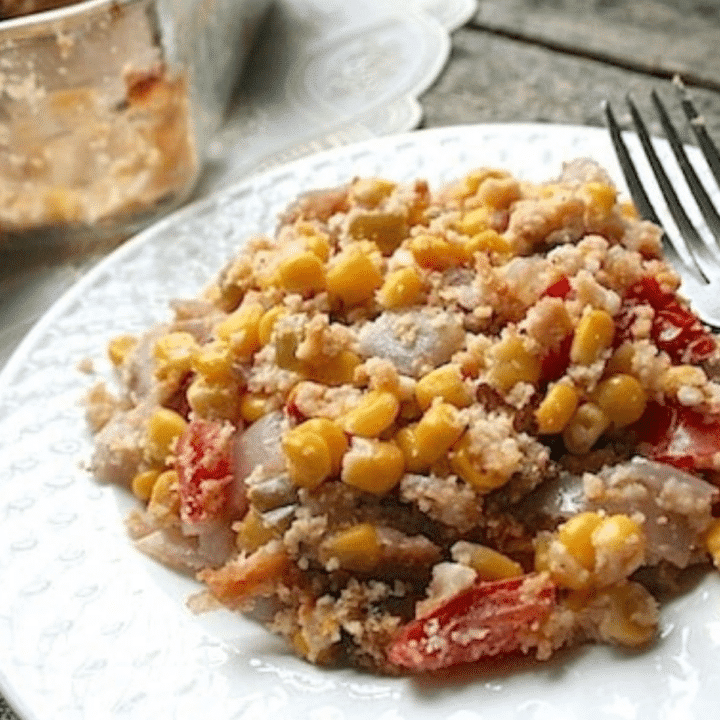
Scalloped corn is a comforting casserole that features this all-American veggie topped with tasty bread crumbs. It's good in cool-weather months using frozen corn, though it's absolutely fantastic in late summer using fresh corn. Though a simple, humble dish, it's also welcome at the Thanksgiving table alongside the more elaborate mains, and it disappears quickly whenever it shows up at a potluck.
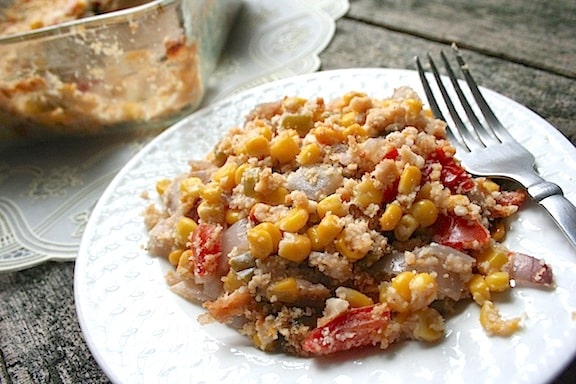
Photos by Rachael Braun.
Key Ingredients & Substitutions
- Fresh or frozen corn. Fresh corn kernels shine in late summer, cut straight from the cob; thawed frozen organic corn works well the rest of the year and saves prep time.
- Unsweetened nondairy milk. Forms the base of the creamy sauce — any neutral-flavored variety works well, though avoid vanilla-flavored plant milks here.
- Flour. Thickens the sauce into something that actually coats the corn rather than staying thin and watery.
- Smoked or sweet paprika. Adds warmth and a touch of color to the sauce — smoked paprika gives a subtle depth that's worth trying if you haven't before.
- Whole grain bread crumbs. Give the casserole its signature crisp topping — panko works too for an even crunchier finish.
Variations
- Add cheese. A sprinkle of nondairy cheddar over the bread crumbs adds extra richness and helps the topping brown nicely.
- Make it spicier. Increase the cayenne pepper for more heat, or add a few dashes of hot sauce to the corn mixture.
- Add fresh herbs. A little chopped thyme or parsley stirred into the corn mixture adds freshness that balances the richness of the sauce.
- Add diced bell pepper. Red or green bell pepper stirred in with the corn adds color and a little extra sweetness.
- Make it a main. Add a can of drained white beans for protein and turn this side dish into a light entree.
Tips for the Best Scalloped Corn
- Use fresh corn when you can. It makes a noticeable difference in flavor during late summer, though frozen is a perfectly good substitute the rest of the year.
- Whisk the flour in well. This helps the sauce thicken smoothly without lumps forming as it cooks.
- Don't skip the bread crumb topping. It's what gives the casserole its comforting, crisp finish and textural contrast against the creamy corn underneath.
- Let it rest briefly after baking. A few minutes lets the casserole set before serving, so it holds together on the plate instead of running.
- Butter or oil the baking dish well. This keeps the edges from sticking and makes serving cleaner.
Make Ahead & Storage
This casserole can be assembled up to a day ahead and refrigerated unbaked — add the bread crumb topping just before it goes into the oven so it stays crisp. Leftovers keep for about 3 days in the fridge and reheat well in the oven, though the topping will soften somewhat in the microwave.
How to Serve
Serve warm as a comforting side dish any time of year, or bring it to the Thanksgiving table alongside other holiday favorites.
Recipe

Scalloped Corn
Scalloped corn is a comforting casserole that features this all-American veggie topped with tasty bread crumbs.
Print
Pin
Save
Servings:
Ingredients
- 1 tablespoon olive oil
- 1 large onion chopped
- 1 large green or red bell pepper finely diced
- 2 medium firm ripe tomatoes chopped
- 2 tablespoons unbleached white flour
- ½ teaspoon sweet or smoked paprika
- A few grains cayenne pepper
- 1 cup unsweetened nondairy milk
- 4 cups cooked fresh corn kernels from 4 ears, or thawed frozen organic corn kernels
- Salt and freshly ground black pepper
- 1 tablespoon olive oil
- 1 cup soft whole grain bread crumbs
Instructions
- Preheat the oven to 350 degrees F.
- Heat the oil in a large skillet. Add the onion and sauté over medium-low heat until golden. Add the bell pepper and tomatoes and continue to sauté just until they soften.
- Sprinkle in the flour, paprika, and cayenne, stirring them in until well blended. Pour the nondairy milk in slowly, stirring continuously. Bring to a simmer, then stir in the corn and simmer for another minute or so. Season to taste with salt and pepper.
- Pour the mixture into a lightly oiled shallow oblong baking pan. Quickly toss the oil with the bread crumbs until evenly coated and distribute the crumbs over the corn mixture.
- Bake for 25 to 30 minutes, or until the crumbs begin to turn crusty. Serve at once.
Nutrition (Estimate per Serving)
Calories: 164kcalCarbohydrates: 30gProtein: 4gFat: 5gSaturated Fat: 1gPolyunsaturated Fat: 1gMonounsaturated Fat: 3gSodium: 268mgPotassium: 242mgFiber: 4gSugar: 5gVitamin A: 821IUVitamin C: 28mgCalcium: 49mgIron: 2mg
Vegan-ize any recipe!Grab our free vegan cheat sheet, packed with my favorite easy substitutions to make any recipe vegan.

VegKitchen has lots more recipes for using fresh corn. Browse more of VegKitchen's vegan casserole recipes, and find more ways to make Special Occasions and Entertaining easier and healthier.
Vegan Cranberry Coleslaw
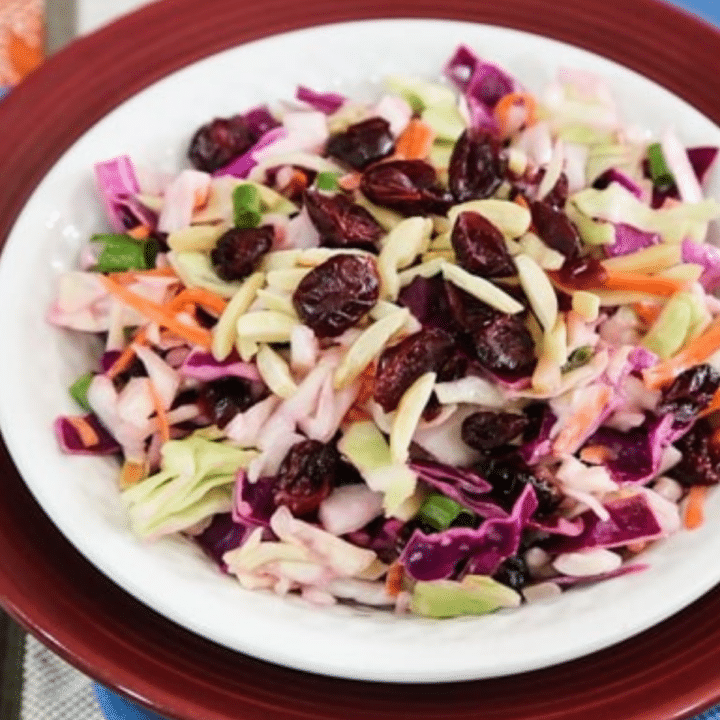
This delicious coleslaw is easy to make with pre-shredded cabbage (make sure to get the kind with added carrots), though you're welcome to use a combination of fresh green and red cabbage, as suggested in the variation below. It's welcome as an everyday salad, yet festive enough to serve with holiday meals thanks to the cranberries and toasted nuts, and it comes together in well under 15 minutes of actual hands-on time.

Photos by Evan Atlas.
Key Ingredients & Substitutions
- Cabbage. Pre-shredded coleslaw mix (with carrots) makes this quick to put together, or shred your own combination of green and red cabbage for a fresher texture and flavor.
- Dried cranberries. Add sweet-tart bursts of flavor and a festive pop of color that make this feel dressed up for a holiday table — look for unsweetened or naturally sweetened dried cranberries if you want to cut back on added sugar.
- Toasted almonds or cashews. Add crunch — toast them first for the best flavor, since raw nuts taste comparatively flat and don't have the same aroma.
- Vegan mayonnaise. Any brand you like works well as the creamy base of the dressing; a slightly tangier brand balances the sweetness of the cranberries nicely.
- Fresh lemon juice. Balances the richness of the mayonnaise and the sweetness of the cranberries, keeping the whole dish from tasting flat or one-note.
Variations
- Make it more colorful. Use 4 cups green cabbage and 2 cups red cabbage for a more dressed-up look — just note the red cabbage will tint the mayo a pinkish hue over time.
- Add crunch. Sunflower seeds or chopped walnuts work well in place of almonds or cashews.
- Brighten it up. A little orange zest along with the lemon juice adds extra festive flavor and pairs especially well with the cranberries.
- Add fresh herbs. A little chopped parsley or mint stirred in adds a fresh, unexpected note.
- Make it a main. Toss in some chickpeas or shredded baked tofu to turn this side salad into a light lunch.
Tips for the Best Cranberry Coleslaw
- Toast the nuts. A few minutes in a dry skillet or the oven brings out their flavor and adds a warm aroma to the finished slaw.
- Add lemon juice to taste. Start with less and add more gradually until the balance feels right — the acidity needed varies depending on how sweet your cranberries and mayo are.
- Let it chill. Refrigerating the slaw for at least 30 minutes before serving lets the flavors meld together and the cabbage soften just slightly.
- Add parsley just before serving. This keeps its color and flavor bright rather than wilting into the dressing.
- Don't dress it too far ahead if using fresh-shredded cabbage. It can release liquid as it sits, making the slaw watery — pre-shredded mixes hold up a bit better.
Make Ahead & Storage
This slaw keeps for up to 4 days in a sealed container in the refrigerator, making it a good make-ahead side for a holiday spread. Add nuts just before serving if making it more than a day in advance, so they stay crunchy rather than softening in the dressing.
How to Serve
Serve as an everyday side salad, or bring it to the table for Thanksgiving or other holiday meals — see more ideas in A Colorful Vegan Christmas for a full listing of holiday dinner recipes, menus, and desserts.
Recipe

Cranberry Slaw
This delicious coleslaw is welcome as an everyday salad, yet is festive enough to serve with holiday meals.
Print
Pin
Save
Servings: to 8
Ingredients
- 6 cups thinly shredded white cabbage use pre-shredded coleslaw if you'd like
- ⅔ cup dried cranberries
- ⅓ to ½ cup toasted slivered almonds or chopped cashews
- ½ cup vegan mayonnaise
- 1 to 2 tablespoons lemon juice to taste
- 2 tablespoons minced fresh parsley optional
Instructions
- Combine all the ingredients in a serving bowl and mix until well combined.
- Let stand for 10 minutes or so before serving, or cover and refrigerate until needed.
Nutrition (Estimate per Serving)
Calories: 215kcalCarbohydrates: 18gProtein: 2gFat: 15gSaturated Fat: 2gPolyunsaturated Fat: 1gMonounsaturated Fat: 2gTrans Fat: 1gSodium: 120mgPotassium: 177mgFiber: 3gSugar: 11gVitamin A: 181IUVitamin C: 28mgCalcium: 47mgIron: 1mg
Vegan-ize any recipe!Grab our free vegan cheat sheet, packed with my favorite easy substitutions to make any recipe vegan.

Here are lots more creative and colorful slaw-style salads.
Vegan Quinoa Salad with Fennel and Cranberries
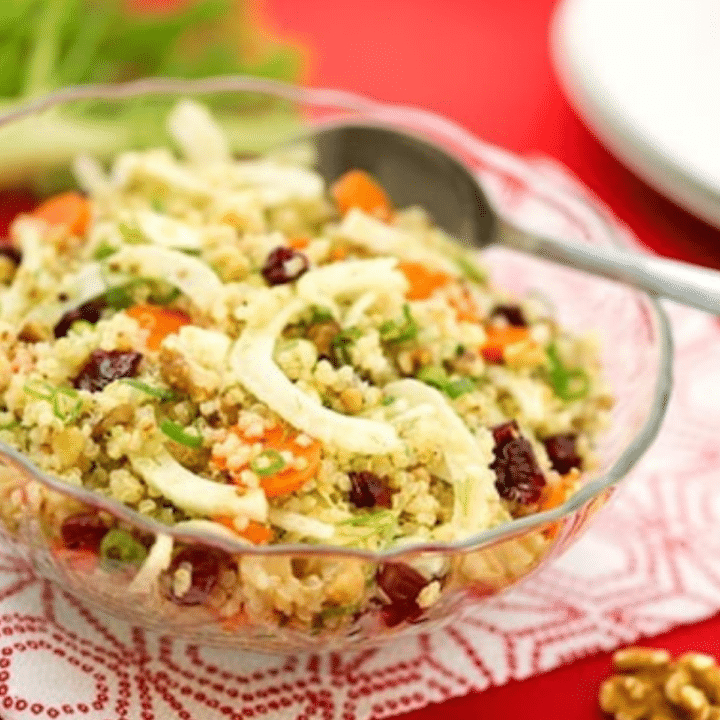
This quinoa salad is crunchy and festive, brimming with anise-flavored fennel and toasted walnuts. Dried cranberries and orange juice add a touch of sweetness. Do add the orange zest if you can — it heightens the citrus flavor. Great for everyday, or for enhancing your Thanksgiving or Christmas holiday menu, and it's naturally gluten-free since quinoa is the base rather than a grain like couscous.

Photos by Hannah Kaminsky.
Key Ingredients & Substitutions
- Quinoa. Use regular or red quinoa, or a combination of both — red quinoa holds its shape a bit better and adds visual contrast against the pale fennel and dark cranberries.
- Fennel bulb. Brings a light anise flavor and satisfying crunch — thinly slice it for the best texture, cutting against the grain, and save any fronds for garnish.
- Dried cranberries. Add pops of sweet-tart flavor that balance the savory fennel and herbs; dried cherries make an interesting swap if you want a different tart note.
- Orange juice and zest. The zest is optional but heightens the citrus flavor considerably — add it if you can, since the juice alone gives a milder citrus note that can get lost among the other flavors.
- Walnuts. Toasting them first brings out a deeper, more buttery flavor than raw walnuts would give, and complements the anise notes of the fennel nicely.
Variations
- Add extra flavor. Toss an all-natural vegetable bouillon cube in with the water when cooking the quinoa — entirely optional, but adds a nice savory note to what's otherwise a fairly sweet dish.
- Swap the nuts. Pecans or toasted almonds work well in place of walnuts.
- Make it heartier. Add a can of drained chickpeas for extra protein, turning this side dish into a light meal.
- Add fresh herbs. A little chopped mint or parsley adds a fresh note that plays well with the citrus and fennel.
- Swap the dried fruit. Chopped dried apricots or golden raisins work in place of cranberries for a different but equally festive flavor.
Tips for the Best Quinoa Salad
- Rinse the quinoa well. This removes its natural bitter coating (saponin) before cooking, which can otherwise make the finished salad taste slightly soapy.
- Let the quinoa cool before mixing. Warm quinoa can wilt the fresh herbs and make the salad soggy instead of crisp and distinct.
- Toast the walnuts. A few minutes in a dry skillet or the oven makes a noticeable difference in flavor compared to raw walnuts.
- Taste and adjust the dressing. Add the lemon or lime juice gradually until the balance of sweet, tart, and savory is right — this salad benefits from a confident hand with acid.
- Slice the fennel paper-thin. A mandoline makes quick work of this and gives a more delicate texture than a knife alone.
Make Ahead & Storage
This salad keeps for up to 4 days in the refrigerator and is a great make-ahead option for a holiday table, since quinoa salads tend to hold up better than leafy green ones. Add any fresh herbs close to serving time for the brightest flavor, and taste again before serving since the quinoa can absorb some of the dressing as it sits.
How to Serve
Serve at room temperature or slightly chilled, any time of year. It's especially welcome on a Thanksgiving or Christmas holiday table alongside other festive sides.
Recipe

Quinoa Salad with Fennel and Cranberries
This quinoa salad is crunchy and festive, brimming with anise-flavored fennel and toasted walnuts. Dried cranberries and orange juice add a touch of sweetness.
Print
Pin
Save
Servings:
Ingredients
- 1 cup uncooked quinoa see note
- ½ cup walnuts chopped
- 1 medium fennel bulb
- 2 medium carrots peeled and sliced,or ½ cup chopped baby carrots
- ½ cup dried cranberries
- 2 scallions green parts only, sliced
- 2 tablespoons minced fresh dill
- ¼ cup orange juice preferably fresh
- 1 to 2 teaspoons grated orange zest optional
- 3 tablespoons lemon or lime juice more or less to taste
- 2 tablespoons extra-virgin olive oil
- Salt and freshly ground pepper to taste
Instructions
- Combine the quinoa with 2 ¼ cups water in a saucepan. Bring to a slow boil, then cover and simmer gently for 15 minutes, or until the water is absorbed. Let the quinoa cool to room temperature.
- Toast the walnuts over medium heat in a small skillet until they are fragrant, about 5 minutes, shaking the pan often. Set aside.
- Cut the stalks away from the fennel bulb. Save them for another use if you’d like, such as making soup stock. Reserve the delicate leaves. Cut away the stem of the fennel bulb and cut it into narrow strips, 1 to 2 inches long.
- Combine the fennel and its leaves with the cooked and cooled quinoa in a serving container. Add the remaining ingredients and stir together.
- Serve at once, or let stand at room temperature for a bit before serving. This is a salad that can be made ahead and refrigerated overnight.
Nutrition (Estimate per Serving)
Calories: 269kcalCarbohydrates: 35gProtein: 6gFat: 13gSaturated Fat: 1gPolyunsaturated Fat: 6gMonounsaturated Fat: 5gSodium: 37mgPotassium: 474mgFiber: 5gSugar: 9gVitamin A: 3528IUVitamin C: 15mgCalcium: 55mgIron: 2mg
Vegan-ize any recipe!Grab our free vegan cheat sheet, packed with my favorite easy substitutions to make any recipe vegan.

See more of VegKitchen's quinoa recipes, or explore more of our super savory salads.
Vegan Matzo Ball Soup with Spring Vegetables
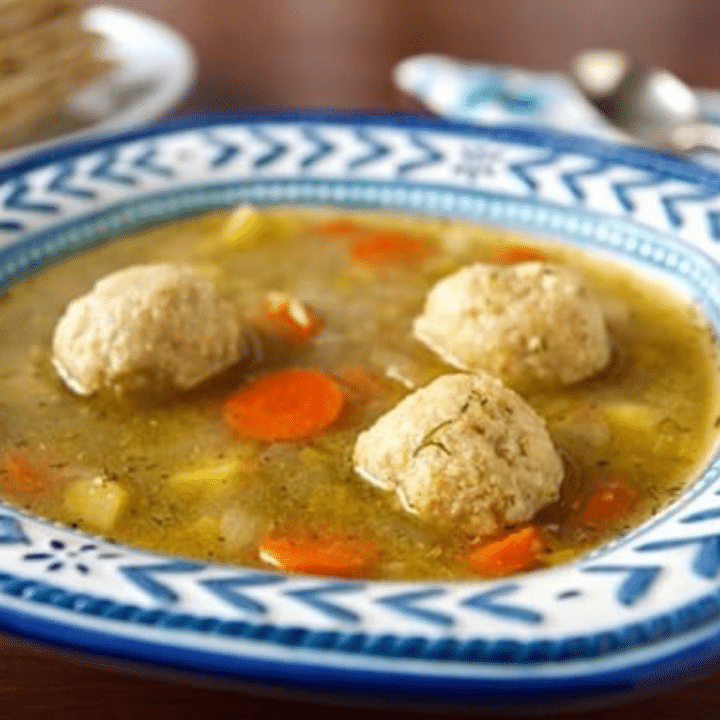
This vegan matzo ball soup is chock-full of spring vegetables, and the perfect prelude to the Passover Seder dinner. But more importantly, it's a vehicle for delicious Vegan Matzo Balls, which do all the comforting work you'd expect from the classic version.

Photo by Susan Voisin.
Key Ingredients & Substitutions
- Vegan matzo balls. Made separately using our Vegan Matzo Balls recipe, which includes a gluten-free variation as well.
- Spring vegetables. Carrots, celery, and leeks form the classic aromatic base — asparagus or fresh peas stirred in near the end add a true spring feel.
- Fresh dill. A defining flavor in a good matzo ball soup broth — add it toward the end so it stays bright rather than dulled by long simmering.
- Vegetable broth. Use a good-quality broth as the base, since it carries most of the soup's flavor.
Variations
- Try the Sephardic-style version. As an alternative to this Ashkenazic-style soup, try Sephardic-Style Vegan Matzo Ball Soup for a different flavor profile.
- Add noodles. A handful of egg-free noodles alongside the matzo balls makes the soup even heartier.
- Make it lemony. A squeeze of fresh lemon juice just before serving brightens the whole bowl.
- Add more greens. Baby spinach stirred in at the very end wilts quickly and adds extra nutrition.
Tips for the Best Matzo Ball Soup
- Make the matzo balls first. They need time to chill before cooking, so get them started before you build the soup.
- Don't overcrowd the matzo balls while they cook. Give them room to expand in the simmering water or broth.
- Simmer the vegetables gently. A rolling boil can break the carrots and celery down too much; a gentle simmer keeps them tender but intact.
- Add fresh herbs at the end. Dill and any other fresh herbs go in during the last few minutes so their flavor stays vibrant.
Make Ahead & Storage
The broth and vegetables can be made a day or two ahead and reheated, but matzo balls are best made fresh and added to the hot soup shortly before serving, since they can break down if reheated too many times.
How to Serve
Ladle into bowls with two or three matzo balls per serving, and pass extra dill at the table.
Recipe

Vegan Matzo Ball Soup with Spring Vegetables
This vegan matzo ball soup recipe is chock-full of vegetables, and the perfect prelude to the Passover Seder dinner.
Print
Pin
Save
Servings:
Ingredients
- 1 ½ tablespoons olive oil or other neutral vegetable oil
- 1 medium onion finely chopped
- 1 medium potato peeled and finely diced
- 2 medium carrots finely diced
- 2 medium celery stalks finely diced
- Handful of celery leaves
- 2 cups finely chopped cauliflower optional
- 32- ounce carton vegetable broth preferably low-sodium
- Salt and freshly ground pepper to taste
- 2 to 3 tablespoon minced fresh dill or to taste
- Vegan Matzo Balls
Instructions
- Heat the oil in a large soup pot. Add the onion and and sauté over medium heat until golden.
- Add the potato, carrots, celery, and celery leaves, optional cauliflower, vegetable broth, and 2 cups water. Bring to a slow boil, then lower the heat and simmer gently, covered, for 15 minutes, or until the vegetables tender but not overcooked.
- Season with salt and pepper and remove from the heat. Allow the soup to stand off the heat for two hours or longer to develop flavor.
- Just before serving, add the dill and heat the soup through. Add more water if the vegetables seem crowded, then adjust the seasonings. Serve with 3 or 4 matzo balls in each bowl of soup.
Nutrition (Estimate per Serving)
Calories: 67kcalCarbohydrates: 10gProtein: 1gFat: 3gSaturated Fat: 2gPolyunsaturated Fat: 1gMonounsaturated Fat: 1gSodium: 475mgPotassium: 259mgFiber: 2gSugar: 3gVitamin A: 2802IUVitamin C: 19mgCalcium: 17mgIron: 1mg
Vegan-ize any recipe!Grab our free vegan cheat sheet, packed with my favorite easy substitutions to make any recipe vegan.
- Find more holiday recipes at VegKitchen's Passover: Ashkenazic-Style Seder page.
- Find more ways to make Special Occasions and Entertaining easier and healthier.
Vegan Jicama Coleslaw
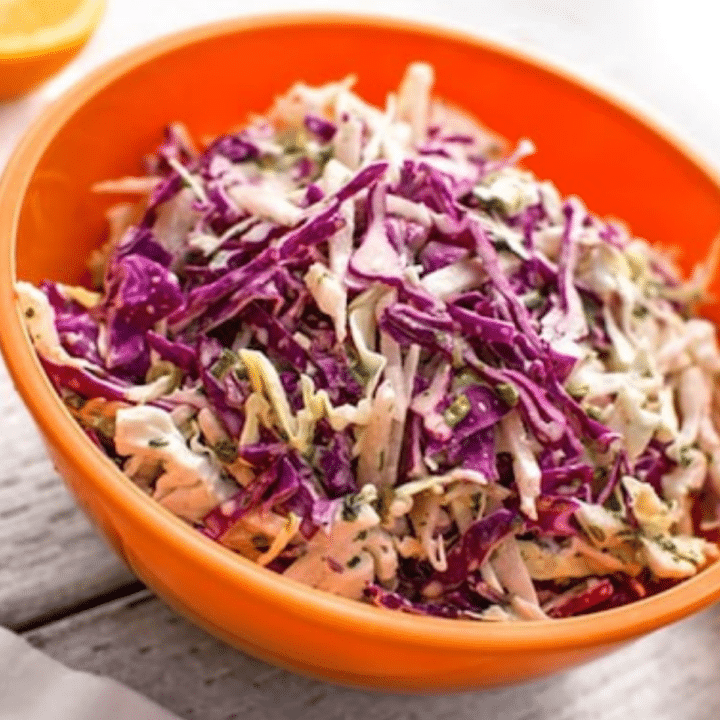
Jicama slaw is made with the slightly sweet, crunchy root vegetable best known in the cuisines of the Southwestern U.S. Combined with red and white cabbage, it's a lovely addition to everyday meals as well as fall and winter holiday meals. If your local stores don't carry jicama, ask them to — and if you still can't find it, substitute crisp white turnip; either way, the goal is that same watery, refreshing crunch.
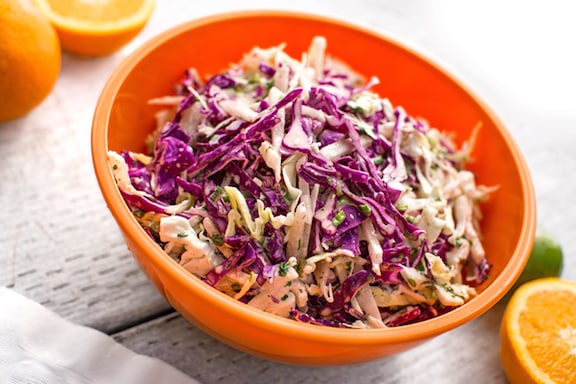
Photos by Hannah Kaminsky.
Key Ingredients & Substitutions
- Jicama. Adds a sweet, crisp crunch somewhere between an apple and a water chestnut — if you can't find it, substitute crisp white turnip or daikon radish, both of which have a similar watery bite.
- Red and white cabbage. The combination adds nice color contrast to the slaw; using only one color works fine too if that's what's available.
- Orange and lime juice. Bring bright citrus flavor that balances the mayonnaise-based dressing and keeps the slaw from feeling heavy.
- Vegan mayonnaise. Forms the creamy base of the dressing — any neutral-flavored brand works well here, since the citrus does most of the flavor work.
- Cilantro. Adds a distinctly Southwestern flavor that pairs naturally with the jicama and citrus — use parsley if you're in the cilantro-tastes-like-soap camp.
Variations
- Add crunch. A handful of toasted pepitas or sunflower seeds adds texture on top of the already-crunchy jicama.
- Add heat. A pinch of cayenne or a finely diced jalapeño gives the slaw a kick that plays well against the sweet citrus.
- Swap the herbs. Cilantro adds a Southwestern flair; parsley keeps it milder for those who find cilantro too assertive.
- Add fruit. A handful of diced mango or orange segments leans into the slaw's sweeter side.
- Make it a taco topping. This slaw is excellent piled onto tacos or alongside grilled tofu for a full Southwestern-style meal.
Tips for the Best Jicama Coleslaw
- Shred everything thinly. This helps the slaw absorb the dressing evenly and makes each bite easier to eat.
- Balance the citrus. Add the orange and lime juice gradually and taste as you go, since jicama's sweetness varies from one root to the next.
- Let it chill. An hour in the refrigerator lets the flavors meld together before serving.
- Stir before serving. The slaw can release liquid as it sits, so give it a good stir and drain off any excess if needed.
- Cut the jicama into matchsticks, not shreds, if you want more crunch. A julienne gives a sturdier bite than a fine shred and holds up better against the dressing.
Make Ahead & Storage
This slaw keeps well in the refrigerator for up to 3 days, and the flavor deepens as it sits, though the cabbage will soften somewhat over time. Give it a good stir before serving leftovers, since the dressing tends to settle at the bottom of the container.
How to Serve
Serve chilled as a bright, crunchy side for everyday meals, or bring it to the table for Thanksgiving and other fall or winter holiday meals.
Recipe
Jicama Coleslaw
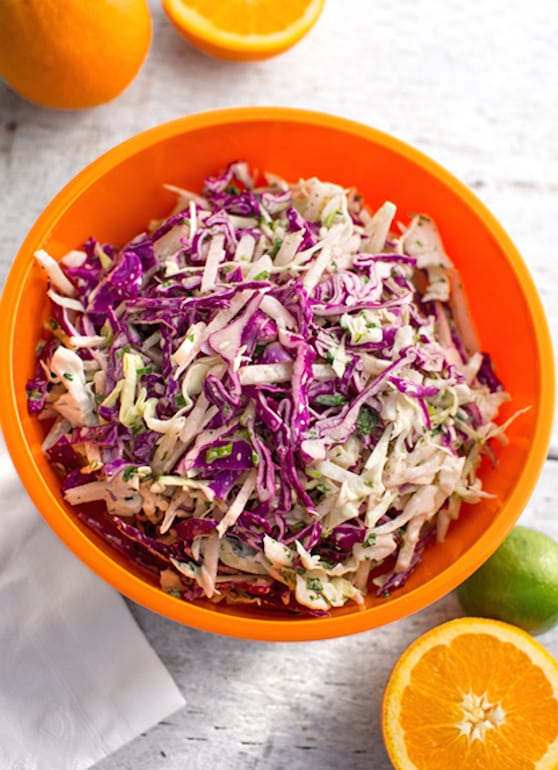
Jicama is a slightly sweet crunchy root vegetable and adds a great flavor to autumn coleslaws. It's a lovely addition to the vegan Thanksgiving table.
Print
Pin
Save
Servings: to 8
Ingredients
- 3 cups red cabbage thinly shredded
- 3 cups white cabbage thinly shredded
- 1 cup peeled thinly shredded jicama
- 2 scallions sliced
- ¼ cup chopped fresh parsley or cilantro
Dressing[/i]
- ½ cup vegan mayonnaise
- 2 teaspoons prepared mustard
- 1 tablespoon agave nectar or maple syrup
- Juice of ½ orange
- Juice of ½ lime
- Salt and freshly ground pepper to taste
Instructions
- Combine the cabbages, jicama, scallions, and parsley in a serving bowl and toss together.
- Combine the dressing ingredients in a small bowl and whisk until well blended. Pour over the cabbage mixture and toss well.
- Cover and let stand for 30 minutes or so before serving, or refrigerate until needed.
Nutrition (Estimate per Serving)
Calories: 164kcalCarbohydrates: 11gProtein: 2gFat: 12gSaturated Fat: 1gPolyunsaturated Fat: 1gMonounsaturated Fat: 1gSodium: 203mgPotassium: 270mgFiber: 2gSugar: 6gVitamin A: 829IUVitamin C: 46mgCalcium: 54mgIron: 1mg
Vegan-ize any recipe!Grab our free vegan cheat sheet, packed with my favorite easy substitutions to make any recipe vegan.
Here are lots more creative and colorful slaw-style salads. Find more ways to make Special Occasions and Entertaining easier and healthier.
Vegan Tofu Feta
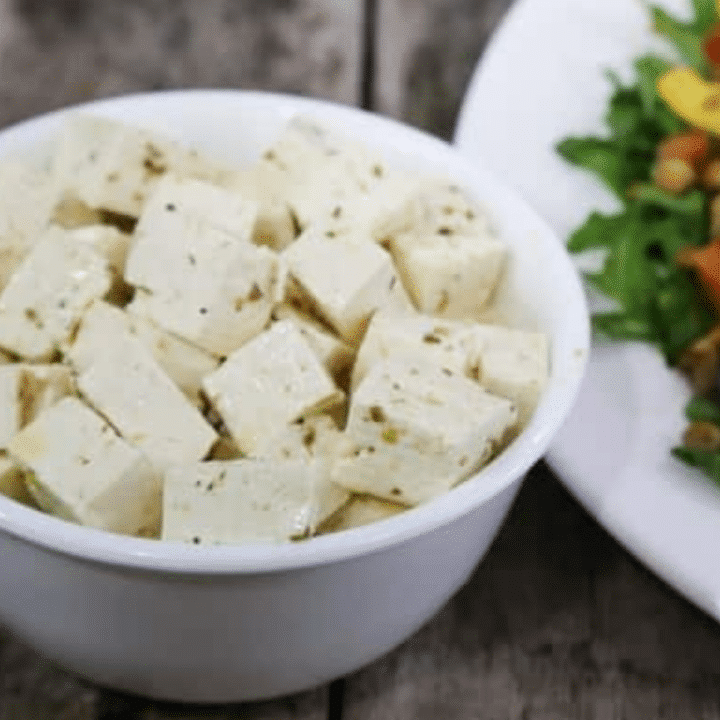
These tangy tofu dice are delicious added to salads — now you can make a vegan Greek salad using this faux "feta"! It's a simple marinade of lemon juice, olive oil, salt, and oregano, and the tofu does the rest of the work while it sits. With just five ingredients and no cooking involved, it's one of the easiest ways to add a briny, tangy element to a plant-based meal.

Photos by Evan Atlas.
Key Ingredients & Substitutions
- Extra-firm tofu. Blot it well before dicing — the drier the tofu, the more marinade it absorbs.
- Lemon juice. Provides the sharp tang that stands in for feta's characteristic sourness — use fresh for the brightest flavor.
- Extra-virgin olive oil. Carries the flavor of the marinade and gives the tofu a glossy finish.
- Dried oregano. The classic Greek herb note — a little goes a long way.
Variations
- Add garlic. A small minced clove stirred into the marinade adds extra punch.
- Add fresh herbs. A little chopped fresh dill or parsley alongside the oregano brightens the flavor further.
- Make it saltier. If you like a more assertively salty, feta-like flavor, add an extra pinch of salt or a small splash of brine from a jar of olives.
- Dice it smaller. For a more traditional crumbled-feta look, cut the tofu into smaller pieces before marinating.
- Add red pepper flakes. A small pinch adds a subtle warmth that plays well with the lemon and oregano.
Tips for the Best Tofu Feta
- Blot the tofu thoroughly. Removing as much moisture as possible before dicing helps it soak up the marinade instead of diluting it.
- Don't skip the standing time. The full 30 minutes lets the tofu really absorb the lemon and oil rather than just sitting in it.
- Toss gently. This keeps the tofu dice intact rather than breaking them into crumbles before you want them to.
- Make it a little ahead. The flavor actually improves after an hour or two in the fridge, so this is a good component to prep before assembling a salad.
- Use a shallow dish. Marinating the diced tofu in a single layer rather than a deep bowl helps the marinade coat every piece evenly.
Make Ahead & Storage
This keeps well in a sealed container in the refrigerator for up to 4 days, and the flavor deepens the longer it marinates, making it an easy make-ahead component for salads and appetizers throughout the week. Give it a gentle stir before serving, since the marinade tends to settle at the bottom of the container.
How to Serve
Mix gently with olives and sliced roasted peppers for a delicious appetizer, toss into a Greek salad, or add to other cold dishes like Greek-Flavored Lentil Salad with Tofu Feta. It also makes a nice topping for grain bowls, or a simple addition to a plate of hummus and pita for a light meal.
Recipe
Vegan Tofu Feta
Tangy, marinated tofu dice that make a convincing stand-in for feta cheese in salads, appetizers, and cold dishes.
Print
Pin
Save
Servings:
Ingredients
- 8 ounces extra-firm tofu
- 3 tablespoons lemon juice
- 2 tablespoons extra-virgin olive oil
- ¼ teaspoon salt
- ¼ teaspoon dried oregano
Instructions
- Slice the tofu into 4 slabs, crosswise. Blot between layers of paper towel or clean tea towels until you get out as much moisture as you can.
- Cut the slabs into ½-inch dice. Place in the serving container in which you plan to serve this, in a single layer.
- Toss with the lemon juice and oil; sprinkle with the salt and oregano. Let stand for 30 minutes, then use as you wish.
Notes
Delicious added to salads for a vegan Greek salad, mixed gently with olives and sliced roasted peppers as an appetizer, or tossed into other cold dishes.
Vegan-ize any recipe!Grab our free vegan cheat sheet, packed with my favorite easy substitutions to make any recipe vegan.

- Here are more easy tofu recipes.
Vegan Pumpkin Ice Cream
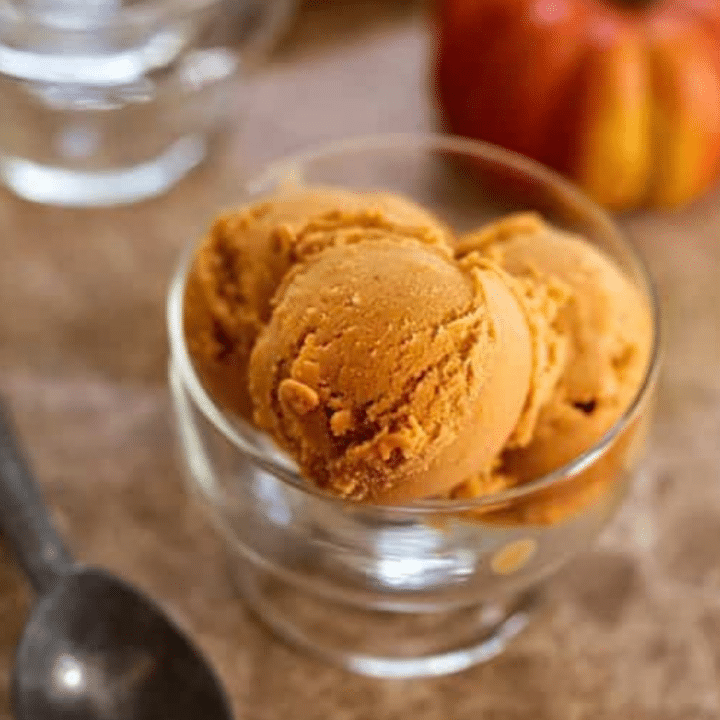
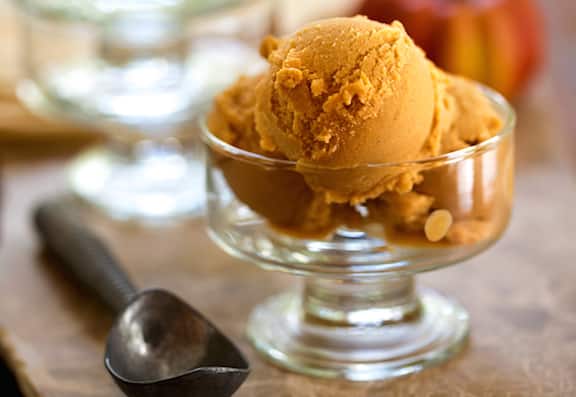
This vegan pumpkin ice cream tastes like pumpkin pie filling turned cool and creamy: canned coconut milk, pumpkin puree, and maple syrup blended with cinnamon, nutmeg, and ginger. It takes about 10 minutes of hands-on work, and you can make it with an ice cream maker or without one.
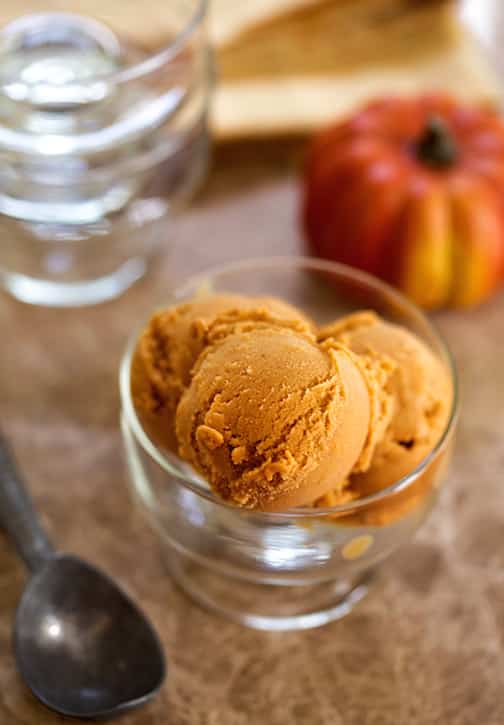
Recipe by Cathe Olson from Lick It! Creamy Dreamy Vegan Ice Creams Your Mouth Will Love* (Book Publishing Company; reprinted by permission). You can check out Cathe's blog here. Photos by Hannah Kaminsky.
*This post contains affiliate links. If the product is purchased by linking through this review, VegKitchen receives a modest commission, which helps maintain our site and helps it to continue growing!
Key Ingredients & Substitutions
- Full-fat coconut milk. Use canned coconut milk, not the thin carton kind sold for drinking. Its fat is what keeps the ice cream smooth and creamy instead of icy, so light coconut milk isn't a good swap here. The cream separates in the can, so shake it well or stir it smooth before measuring. For an even richer scoop, replace some of it with canned coconut cream.
- Pumpkin puree. Plain canned pumpkin is the easiest choice. Make sure it's pure pumpkin, not pumpkin pie filling, which is already sweetened and spiced. Homemade roasted pumpkin puree works too; if it looks watery, let it drain in a fine-mesh strainer for 20 minutes first. Pureed sweet potato or butternut squash can stand in for the pumpkin.
- Maple syrup. Pure maple syrup sweetens the base and adds a warm, autumnal note that suits the pumpkin and spices. The sugar also helps keep the ice cream scoopable, so cutting it back too far will make it freeze harder. Agave or date syrup can be used instead.
- Cinnamon, nutmeg, and ginger. This trio gives the ice cream its classic pumpkin-pie character. If you'd rather use one jar, about 2 ¼ teaspoons of pumpkin pie spice can replace all three.
- Vanilla extract. A teaspoon rounds out the spices and makes the ice cream taste more like dessert and less like plain pumpkin.
- Unsweetened nondairy milk. Almond, soy, or oat milk all work to thin the base to the right consistency for churning. If you only have a vanilla or sweetened variety, it's fine to use; just taste the base and ease back on the maple syrup a little.
Helpful Tips
Blend until completely smooth. Run the blender for a full 30 to 60 seconds so the pumpkin, coconut milk, and spices come together into one silky base. Any streaks or specks of spice left now will stay in the finished ice cream.
Chill the base thoroughly. Give it at least 2 hours in the refrigerator, or overnight if you can. A cold base freezes faster, and faster freezing means smaller ice crystals and a creamier texture, whichever method you use.
If you're using an ice cream maker. For a bowl-style machine like the Cuisinart 1.5-quart ice cream maker, freeze the bowl for at least 24 hours; if you hear liquid sloshing when you shake it, it isn't ready. Pour in the chilled base with the machine running and churn for about 20 to 25 minutes, until it's thick and holds soft peaks like soft-serve. This recipe makes a generous quart, which fits a 1.5-quart machine without overflowing. Add any mix-ins during the last minute or two of churning.
If you don't have an ice cream maker. You can still make this no-churn. Pour the chilled base into a metal loaf pan or shallow freezer-safe container and freeze it, stirring hard with a fork or whisk every 30 to 45 minutes for 3 to 4 hours to break up the ice crystals as they form. For a quicker route, freeze the base in ice cube trays until solid, then blend the cubes in a food processor or high-speed blender until smooth and serve it as soft-serve, or firm it up in the freezer for an hour. The no-churn version is a little denser than churned ice cream, but the coconut fat keeps it creamy.
Let it firm up, then soften before scooping. Freshly churned ice cream is soft; 2 to 3 hours in the freezer gives it a firmer, more scoopable texture. Because it's dairy-free, it freezes harder than store-bought ice cream after a day or two, so let it sit on the counter for 5 to 10 minutes before you scoop.
Variations
- Add a swirl. Drizzle in a ribbon of dairy-free caramel or extra maple syrup as you transfer the ice cream to its container for pockets of extra sweetness.
- Add crunch. Fold in chopped toasted pecans or walnuts after churning for texture that plays well against the creamy base.
- Make it cookie crumble. Stir in crushed vegan gingersnaps or graham crackers for a pumpkin-pie-with-crust effect. Check labels, since many brands contain honey.
- Add chocolate. Mini dairy-free chocolate chips folded in at the end make it taste like a frozen pumpkin chocolate chip cookie.
- Adjust the spice blend. A pinch of ground cloves, allspice, or cardamom alongside the cinnamon, nutmeg, and ginger deepens the flavor even further.
- Try a sweet potato version. Swap the pumpkin for an equal amount of smooth sweet potato puree for a slightly sweeter, earthier scoop.
Serving Ideas
The classic move is pie à la mode. Set a scoop on a warm slice of vegan pumpkin pie for a double dose of pumpkin, or on a bowl of skillet berry-apple crumble, where the spices echo the fruit. Let the pie or crumble cool for about 10 minutes first, so the ice cream melts slowly into a sauce instead of disappearing on contact.
For ice cream sandwiches, let the ice cream soften for a few minutes, then press a scoop between two vegan pumpkin chocolate chip cookies. Wrap each sandwich and freeze for 30 minutes so it holds together when you bite in.
It's also a fun addition to a fall brunch or holiday table. Spoon it over warm vegan pumpkin waffles, float a scoop in a mug of homemade vegan pumpkin spice latte, or scoop it into small glasses ahead of time for an easy make-ahead Thanksgiving dessert.
Storing & Freezing
The unchurned base keeps in a covered container in the refrigerator for up to 3 days, so you can blend it well ahead and churn or freeze it when you're ready. Stir or shake it well before using, since the coconut fat can firm up and separate as it chills. Once the ice cream is churned, it belongs in the freezer, not the fridge.
Store the finished ice cream in an airtight, freezer-safe container with a piece of parchment or plastic wrap pressed right onto the surface to prevent ice crystals. It has the best texture within 2 weeks and keeps for up to a month. If it becomes icy or rock-hard after a longer stay, let it soften, then blend it briefly or re-churn it and refreeze for an hour to bring back the creamy texture.
More Vegan Ice Cream & Pumpkin Treats
If you love this vegan pumpkin ice cream, browse our full collection of delicious vegan ice cream recipes, or try one of these:
- Vegan Mango Ice Cream
- Vegan Vanilla Banana Ice Cream
- Pumpkin Protein Balls
- Best Vegan Thanksgiving Desserts
Recipe
Vegan Pumpkin Ice Cream
Creamy vegan pumpkin ice cream made with coconut milk, pumpkin puree, maple syrup, and warm pumpkin pie spices. Churn it in an ice cream maker or use the no-churn method in the notes.
Print
Pin
Save
Servings: servings
Equipment
Ingredients
- 14 ounces coconut milk canned, full-fat (about one 13.5-ounce can), shaken well
- 1 cup pumpkin puree canned or homemade, not pumpkin pie filling
- ½ cup unsweetened nondairy milk such as almond, soy, or oat milk
- ½ cup maple syrup pure maple syrup
- 1 ½ teaspoons ground cinnamon
- 1 teaspoon vanilla extract
- ½ teaspoon ground nutmeg
- ¼ teaspoon ground ginger
Instructions
- Add the coconut milk, pumpkin puree, nondairy milk, maple syrup, cinnamon, vanilla, nutmeg, and ginger to a blender. Blend on high for 30 to 60 seconds, until completely smooth.
- Transfer the mixture to a covered container and refrigerate for at least 2 hours, or overnight, until thoroughly chilled.
- Pour the chilled base into an ice cream maker and churn according to the manufacturer's directions, usually 20 to 25 minutes, until it's thick and looks like soft-serve. (No ice cream maker? See the no-churn method in the notes.)
- Serve right away for soft-serve texture, or transfer to a freezer-safe container and freeze for 2 to 3 hours for firmer scoops. If it has been frozen longer, let it sit at room temperature for 5 to 10 minutes before scooping.
Notes
Makes 1 generous quart.
No-churn method: Pour the chilled base into a metal loaf pan or shallow freezer-safe container and freeze, stirring vigorously with a fork or whisk every 30 to 45 minutes for 3 to 4 hours, until firm and creamy. Or freeze the base in ice cube trays until solid, then blend the cubes in a food processor or high-speed blender until smooth.
Spice shortcut: Replace the cinnamon, nutmeg, and ginger with about 2 ¼ teaspoons pumpkin pie spice.
Storage: Keep in an airtight container in the freezer with parchment pressed onto the surface. Best within 2 weeks; let it soften 5 to 10 minutes before scooping.
Nutrition (Estimate per Serving)
Calories: 172kcalCarbohydrates: 18gProtein: 2gFat: 11gSaturated Fat: 9gPolyunsaturated Fat: 1gMonounsaturated Fat: 1gSodium: 17mgPotassium: 242mgFiber: 1gSugar: 14gVitamin A: 4825IUVitamin C: 3mgCalcium: 64mgIron: 2mg
Vegan-ize any recipe!Grab our free vegan cheat sheet, packed with my favorite easy substitutions to make any recipe vegan.
Vegan Fig and Walnut Bread
This quick bread comes together fast and easy, studded with chopped dried figs and toasted walnuts and brightened with fresh orange juice and zest. It's awesome on its own or with a schmear of nut butter for extra protein, fiber, and fun — no yeast, no rising time, just mix and bake, making it one of the easiest homemade breads to pull off on a weekday morning.
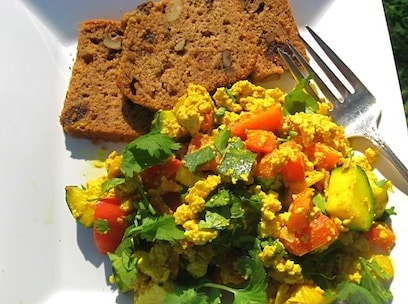
Recipe and photo by Ellen Kanner of Soulful Vegan.
Key Ingredients & Substitutions
- Dried figs. Feel free to substitute other dried fruit like raisins, apricots, or dates for the chopped figs — just chop larger pieces down to a similar size so they distribute evenly through the batter.
- Whole wheat pastry flour. Combined with regular whole wheat flour, this keeps the loaf tender rather than dense; pastry flour has a lower protein content that produces less gluten and a lighter crumb.
- Fresh orange juice and zest. Adds bright citrus flavor throughout the crumb — freshly squeezed and zested makes a noticeable difference over bottled juice, which tends to taste flatter.
- Walnuts. Toasting them first brings out a deeper, buttery flavor that plain raw walnuts don't have, and keeps them from tasting bland once baked into the loaf.
- Cinnamon and nutmeg. Warm background spices that round out the sweetness of the figs and orange without overpowering them.
Variations
- Swap the nuts. Pecans or almonds work well in place of walnuts.
- Add warm spices. A pinch of ground cloves or ginger pairs nicely with the cinnamon and nutmeg for a more assertively spiced loaf.
- Make it nut-free. Simply omit the walnuts, or replace with sunflower seeds for crunch without the allergen concern.
- Add a glaze. A simple orange juice and powdered sugar glaze drizzled over the cooled loaf dresses it up for company or a holiday brunch.
- Make it muffins. Divide the batter into a muffin tin and reduce the baking time to about 20 minutes for individual portions.
Tips for the Best Fig and Walnut Bread
- Don't overmix the batter. Stir just until the dry and wet ingredients are combined for a tender crumb — a few lumps are fine and will bake out.
- Toast the walnuts first. A few minutes in the oven makes a big difference in flavor compared to adding them raw, and only takes a few extra minutes.
- Test for doneness. The bread is done when the top is golden and puffed and a tester inserted in the center comes out clean, usually 45 to 55 minutes depending on your oven.
- Let it cool before slicing. This helps the loaf hold together and slice cleanly instead of crumbling — it's worth the wait, even though it smells amazing straight out of the oven.
Make Ahead & Storage
This bread keeps well wrapped at room temperature for about 3 days, or in the refrigerator for up to a week. It also freezes well, sliced or whole, for up to 3 months — a great make-ahead option for busy mornings, since a slice thaws quickly at room temperature or in the toaster.
How to Serve
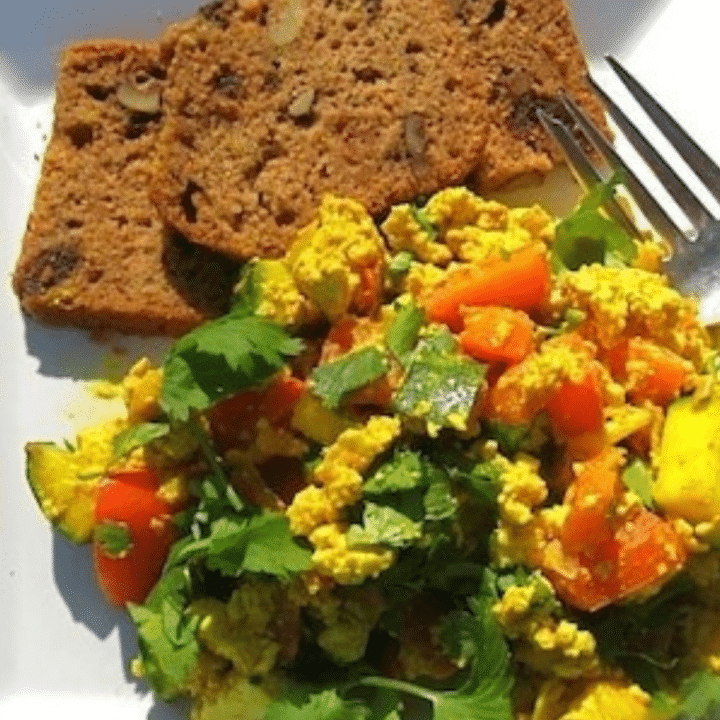
Enjoy a slice on its own or with a schmear of nut butter. It's also delicious alongside Tofu Scramble with Jalapeño and Cilantro for a hearty vegan brunch.
Recipe

Vegan Fig and Walnut Bread
A fast, easy quick bread studded with chopped dried figs and toasted walnuts, brightened with fresh orange juice and zest.
Print
Pin
Save
Servings: loaf
Ingredients
- 1 cup water or tea black, green, herbal, whatever you like
- ½ cup dried figs chopped, tough stems discarded
- 1 cup whole wheat flour
- 1 cup whole wheat pastry flour
- 1 teaspoon baking soda
- 2 teaspoons ground cinnamon
- ¼ teaspoon nutmeg
- ⅓ cup canola oil
- ¼ cup brown sugar or Sucanat, or other natural cane sugar
- ⅔ cup fresh orange juice from 2 to 3 oranges
- 1 orange zest grated
- ½ cup unsweetened applesauce
- ½ cup walnuts chopped
Instructions
- Preheat oven to 350ºF. Lightly oil a 9 x 5 inch loaf pan.
- In a small saucepan, heat the water or tea over medium-high heat. When it just starts to bubble, turn off the heat and, leaving the pot on the burner, add the chopped dried figs. Leave them to soften while you continue with the recipe.
- Pour the chopped walnuts into a shallow baking pan and toast in the oven for 8 to 10 minutes, or until brown and buttery-smelling. Remove from the oven and set aside.
- Meanwhile, in a large bowl, sift together the whole wheat flour, whole wheat pastry flour, baking soda, orange zest, cinnamon, and nutmeg.
- In a separate bowl, combine the orange juice, oil, and brown sugar. Whisk together until the sugar dissolves.
- Add the wet ingredients to the dry ones. Stir in the applesauce.
- Drain the figs and add to the batter. Gently fold in the walnuts and stir just until combined. Pour into the prepared loaf pan.
- Bake for 50 minutes to 1 hour, or until the top is golden and puffed and an inserted tester comes out clean.
Notes
Wrapped well, the bread freezes well or keeps in the refrigerator for several days.
Vegan-ize any recipe!Grab our free vegan cheat sheet, packed with my favorite easy substitutions to make any recipe vegan.
Here are more Vegan Quick Breads and Scones, or if your sweet tooth is still craving more, browse all our Vegan Baking and Sweets.
Vegan Grits with Corn & Tomatoes
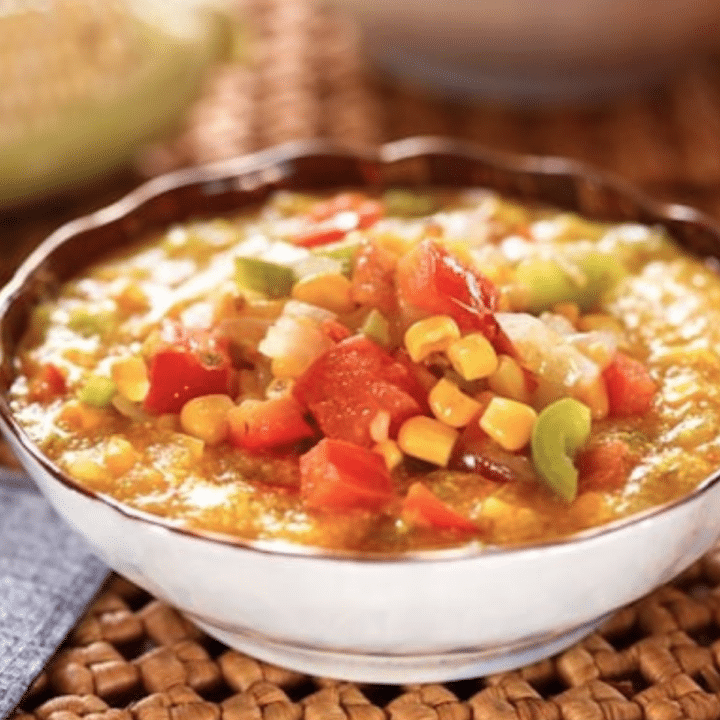
This combination of grits with fresh corn, tomatoes, and chili peppers is an inviting summer dish — good for a weekend brunch or for dinner. Creamy stoneground grits are the perfect canvas for whatever's ripe at the farmers' market, and this recipe comes together in about 20 minutes once the grits are simmering.
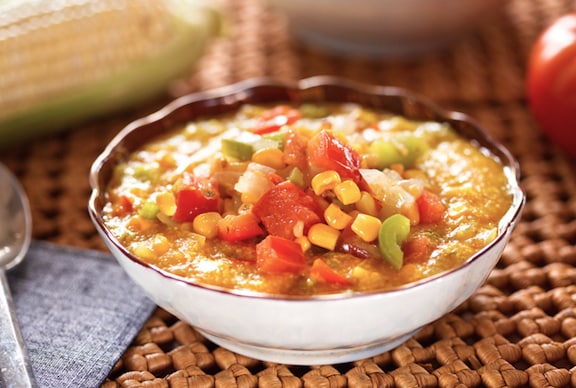
Photos by Hannah Kaminsky.
Key Ingredients & Substitutions
- Stoneground grits. More flavorful and coarser-textured than standard supermarket grits — look for them in natural food stores or well-stocked supermarkets with a natural foods section. Regular grits work in a pinch, just cook according to the package timing.
- Fresh corn. Cut straight from the cob for the best sweetness and crunch; frozen corn works well out of season.
- Ripe tomatoes. Diced and stirred in near the end so they stay juicy rather than breaking down completely into the grits.
- Fresh hot chili peppers. Optional, but they add a nice kick — leave them out entirely, or seed them first, for a milder dish.
- Nondairy cheddar cheese. Optional, but melts in nicely for extra richness and helps the dish feel more like a full meal.
Variations
- Add greens. Stir in a handful of chopped spinach or kale near the end of cooking for extra nutrition and color.
- Make it smoky. A pinch of smoked paprika or a few drops of liquid smoke adds depth.
- Adjust the heat. Use more or fewer chili peppers depending on your spice preference, or swap in a milder pepper like poblano.
- Top it like shakshuka. A dollop of vegan sour cream and a sprinkle of scallions dress the dish up for brunch.
- Add black beans. A can, drained and rinsed, stirred in turns this into a heartier main course.
Tips for the Best Grits with Corn and Tomatoes
- Stir constantly at first. Sprinkling the grits in slowly while whisking prevents lumps from forming as the liquid comes together.
- Cook the grits low and slow. A gentle simmer, stirred occasionally, gives them a creamy, thick texture rather than a gluey one.
- Use ripe, in-season tomatoes. They make a big difference in flavor during summer months — out of season, cherry tomatoes tend to be more reliably flavorful than large slicing tomatoes.
- Have your mix-ins ready before the grits are done. Corn, tomatoes, and cheese should go in while the grits are still hot so everything melts and warms through together.
- Serve immediately. Grits are best enjoyed hot, right after the cheese melts in — they thicken quickly as they cool and lose some of their creamy texture.
Make Ahead & Storage
Grits are best made fresh and served immediately, since they thicken and lose their creamy texture as they cool. Leftovers keep in the fridge for a couple of days — reheat gently with a splash of plant milk or water stirred in to loosen them back up.
How to Serve
Serve hot as a satisfying weekend brunch dish, or as a comforting dinner alongside a simple green salad or some sauteed greens.
Recipe

Vegan Grits with Corn & Tomatoes
A combination of grits with fresh corn, tomatoes, and chili peppers — an inviting summer dish good for a weekend brunch or for dinner.
Print
Pin
Save
Servings:
Ingredients
- ¾ cup uncooked yellow (hominy) grits preferably stoneground
- 1 ½ tablespoons olive oil
- 1 medium onion chopped
- 1 small green bell pepper diced
- 1 pound ripe tomatoes chopped
- 1 to 2 small fresh hot green chili peppers chopped, optional
- 2 cups cooked fresh corn kernels from 3 medium ears
- ½ teaspoon dried oregano
- ½ teaspoon ground cumin
- salt and freshly ground pepper to taste
- 1 cup grated nondairy cheddar cheese optional
Instructions
- Bring 3 cups of water to a simmer in a deep, nonstick saucepan. Sprinkle in the grits slowly, stirring constantly to avoid lumping. Cook over low heat until thick, about 20 to 25 minutes.
- While the grits are cooking, heat the oil in a large skillet. Add the onion and sauté until translucent. Add the green pepper and continue to sauté until the onion is golden.
- Add the tomatoes and optional chilies, and sauté until the tomatoes have softened, about 5 to 7 minutes.
- Stir in the corn kernels and seasonings. When the grits are done, stir them into the skillet. Sprinkle in the optional cheese and cook until it melts. Serve at once.
Notes
Stoneground grits are more flavorful than those found in most supermarkets — look for them in natural food stores or well-stocked supermarkets with a natural foods section.
Vegan-ize any recipe!Grab our free vegan cheat sheet, packed with my favorite easy substitutions to make any recipe vegan.
VegKitchen has lots more recipes for using fresh corn.
Vegan Southern Lima Beans
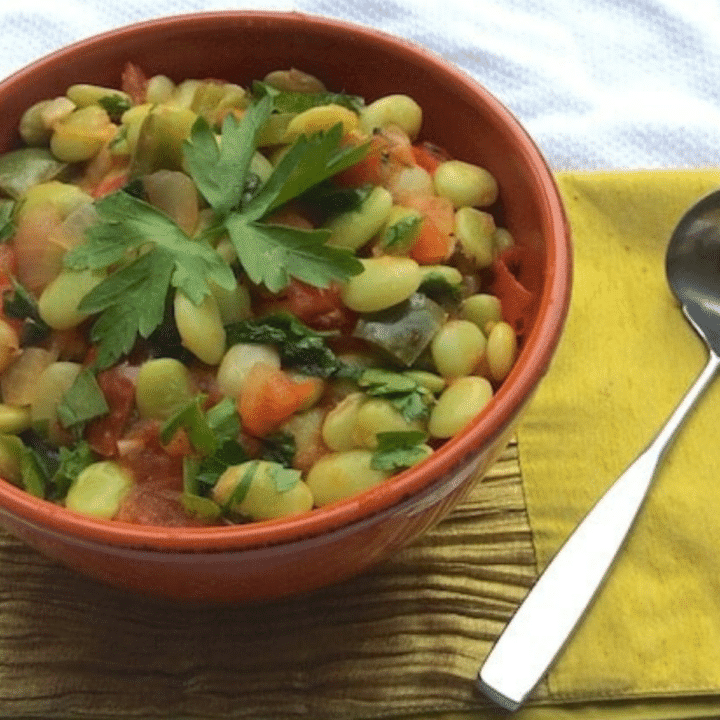
Lima beans (often called "butter beans") have long been — and still are — more widely used in the South than elsewhere. Combining them with tomatoes, as in this Creole-influenced recipe, is a common way of preparing them. Lots of fresh herbs enliven this simple dish, which comes together quickly enough for a weeknight but has plenty of down-home flavor to feel like a proper Sunday supper.

Key Ingredients & Substitutions
- Baby lima beans. Frozen baby limas work perfectly here — just be sure they're completely thawed before cooking so they cook evenly and don't cool down the pot too much.
- Ripe, juicy tomatoes. These form the base of the sauce — the riper the better for maximum flavor; canned diced tomatoes work well out of season and actually simplify the recipe.
- Onion and garlic. The aromatic base that gives the dish its savory backbone before the tomatoes go in — don't skip sauteing them until they're truly softened.
- Fresh parsley and basil. Stirred in at the end, these bring brightness to the dish — don't skimp on the basil, since it's a defining flavor here and dried basil is a poor substitute.
- Cayenne or red pepper flakes. Just a pinch adds a gentle warmth without overpowering the dish, true to the Creole influence.
Variations
- Swap the beans. Edamame (fresh green soybeans) makes a fun, non-traditional twist in place of lima beans.
- Serve it as a main. Spoon over hot cooked rice for a heartier, main-dish meal instead of a side.
- Add smokiness. A little smoked paprika stirred in with the thyme adds depth reminiscent of a traditional smoked-meat seasoning.
- Add bell pepper and celery. Along with the onion, this rounds out the dish into a proper Creole "holy trinity" base.
- Make it spicier. A diced jalapeño sauteed with the onion adds real heat rather than just background warmth.
Tips for the Best Southern Lima Beans
- Fully thaw the lima beans first. This helps them cook evenly and absorb the sauce rather than staying icy in the center and diluting the sauce as they thaw mid-cook.
- Cook the onion until golden. This builds a flavorful base before the tomatoes go in — don't rush this step, since a pale, undercooked onion tastes raw and sharp.
- Add fresh herbs at the end. Stirring in the parsley and basil last keeps their flavor bright rather than dulled by prolonged cooking.
- Adjust the heat to taste. Start with just a pinch of cayenne and add more if you like it spicier, tasting as you go.
- Simmer, don't boil. A gentle simmer lets the tomatoes break down into a proper sauce without scorching or overcooking the beans.
Make Ahead & Storage
This dish keeps well in the refrigerator for up to 4 days, and the flavor deepens as it sits, much like a good stew. It also freezes well for up to 2 months — thaw overnight in the fridge and reheat gently on the stovetop, adding a splash of water if it's thickened up.
How to Serve
Serve on its own as a side dish, or spoon over hot cooked rice for a satisfying main dish.
Recipe
Vegan Southern Lima Beans
A Creole-influenced dish of lima beans simmered with tomatoes and lots of fresh herbs — a simple, comforting Southern classic.
Print
Pin
Save
Servings:
Ingredients
- 1 ½ tablespoons olive or other neutral vegetable oil
- 1 medium onion finely chopped
- 2 cloves garlic minced
- 1 medium green bell pepper finely chopped
- 2 cups diced ripe juicy tomatoes
- 1 16-ounce package frozen baby lima beans completely thawed
- ½ teaspoon dried thyme
- ¼ cup chopped fresh parsley
- thinly sliced fresh basil as desired, the more the better
- cayenne pepper or dried hot red pepper flakes a pinch
- salt and freshly ground black pepper to taste
- hot cooked rice optional
Instructions
- Heat the oil in a large skillet. Add the onion and sauté over medium-low heat until translucent. Add the garlic and bell pepper and continue to sauté until the onion is golden.
- Add the tomatoes, lima beans, dried thyme, and ¼ cup water. Cook over medium heat, covered, until the tomatoes have softened and the limas are cooked through, about 8 minutes.
- Stir in the fresh herbs and season with cayenne or red pepper flakes, and salt and pepper. Cook over low heat for 5 minutes longer. Serve on its own as a side dish or over rice as a main dish.
Notes
A non-traditional twist on this dish would be to use edamame (fresh green soybeans) in place of the baby lima beans.
Vegan-ize any recipe!Grab our free vegan cheat sheet, packed with my favorite easy substitutions to make any recipe vegan.
Here are more easy bean main dishes.
Melted (Vegan) Cheese, Please
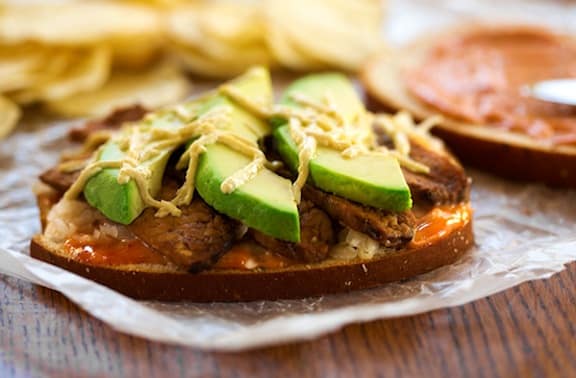
There's just something comforting and kid-friendly about melted cheese. If the kids in question are vegan or lactose-intolerant, or if you're just trying to cut back on dairy, there are many wonderful options these days. Here are just a few:
Follow Your Heart's Vegan Gourmet is soy-based and comes in cheddar, mozzarella, Monterey Jack, and nacho-style blocks; for recipes that call for grated cheese, the grating is do-it-yourself, in a food processor or by hand. [Read more...]
Vegan Black Bean & Corn Quesadillas
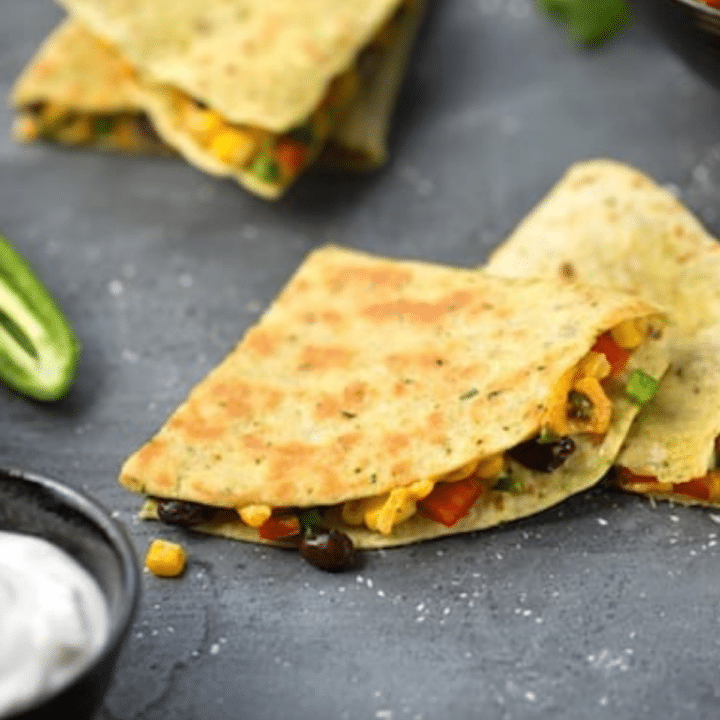
Quesadillas made with vegan cheese are a great choice for an easy dinner. Black beans and corn make a hearty, satisfying filling, and you can make these on the stovetop or in the oven depending on how many you're feeding and how much time you have.
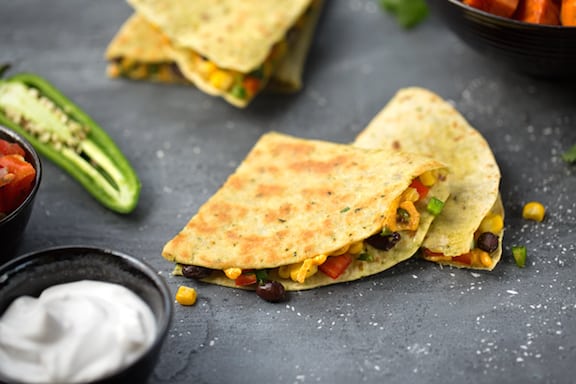
Photos by Hannah Kaminsky.
Key Ingredients & Substitutions
- Black beans and corn. A hearty, classic filling combination — fresh or thawed frozen corn both work well, and canned black beans (drained and rinsed) save time over cooking from dry.
- Jalapeño or green chiles. Adjust the amount to control the heat — canned chiles work well if fresh jalapeños aren't available, and are milder overall.
- Nondairy cheddar-style cheese. Helps hold the filling together and melts nicely — shred it yourself from a block for the best melt, since pre-shredded often has anti-caking additives that melt less smoothly.
- Flour tortillas. Choose a size that suits your pan; large tortillas make bigger quesadillas but can be trickier to flip.
- Salsa and vegan sour cream. Homemade or store-bought both work well as toppings that add moisture and freshness to balance the rich filling.
Variations
- Add greens. A handful of chopped spinach or kale stirred into the filling adds extra nutrition without changing the flavor much.
- Swap the beans. Pinto beans work well in place of black beans, or use a mix of both.
- Make it extra cheesy. Add a little more cheese for a gooier quesadilla, especially if you're cooking on the stovetop where the cheese needs to hold everything together.
- Add sauteed onions and peppers. A quick sauté of bell pepper and onion bulks up the filling into more of a fajita-style quesadilla.
- Add a squeeze of lime. Stirred into the filling or squeezed over the finished quesadilla, it brightens everything considerably.
Tips for the Best Quesadillas
- Don't overfill. Leaving a border around the edge makes folding and flipping much easier, and keeps filling from spilling out into the pan.
- Cook until golden. Whether on the griddle or in the oven, look for a light golden brown color on both sides before removing.
- Flip carefully. If cooking on a griddle, use a wide spatula to flip without spilling the filling, and don't rush it — a properly set tortilla flips much more cleanly.
- Cut into wedges with a pizza cutter. This makes them easier to serve and eat than trying to cut through with a knife.
- Keep finished quesadillas warm in a low oven. This is especially helpful if you're cooking a big batch on the stovetop in sequence.
Make Ahead & Storage
The bean and corn filling can be made up to 2 days ahead and refrigerated, which makes assembly quick on a busy weeknight. Once cooked, leftover quesadillas keep for a couple of days in the fridge and reheat well in a dry skillet or the oven — a microwave will work in a pinch, but the tortilla won't stay as crisp.
How to Serve
Top with salsa and a dollop of vegan sour cream, and serve with a big salad and a simple grain or potatoes — better yet, sweet potatoes.
Recipe

Vegan Black Bean & Corn Quesadillas
Quesadillas made with vegan cheese, black beans, and corn — a great choice for an easy dinner, made on the stovetop or in the oven.
Print
Pin
Save
Servings: quesadillas
Ingredients
Filling
- 1 15- to 16-ounce can black beans drained and rinsed
- 1 cup cooked fresh or thawed frozen corn kernels
- 1 medium red bell pepper very thinly sliced
- 2 to 3 tablespoons minced fresh cilantro
- 2 scallions thinly sliced
- 1 teaspoon ground cumin
- 1 or 2 fresh jalapeño peppers seeded and minced, or 4-ounce can mild or hot chopped green chiles
To Finish
- 8 soft taco-size (8-inch) flour tortillas
- 1 cup grated cheddar-style nondairy cheese or as desired
- salsa homemade or prepared, as desired
- vegan sour cream or cashew cream optional
Instructions
- Heat a large non-stick griddle, or preheat the oven to 400°F.
- Combine the filling ingredients in a mixing bowl and stir together. Arrange the filling on one half of each tortilla, leaving about a ½-inch border near the edges. Sprinkle each with a little of the cheese. Fold each tortilla over to make a half-circle.
- If heating on a griddle, cook the quesadillas on both sides until nicely golden brown (flip them carefully!). If using the oven, bake for 15 minutes at 400°F, or until the quesadillas are hot and beginning to turn light golden brown.
- Arrange one quesadilla on each serving plate and cut in half with a sharp knife to make two wedges. Top each with a bit of the salsa and, if desired, a small dollop of sour cream.
Notes
Serve with a big salad and a simple grain or potatoes (better yet, sweet potatoes).
Vegan-ize any recipe!Grab our free vegan cheat sheet, packed with my favorite easy substitutions to make any recipe vegan.

Find more of VegKitchen's Vegan Dinner Recipes and more Burritos, Enchiladas, and Tortilla Dishes. Find lots more tortilla recipes in A Southwestern Supper.
Classic Veggie Shepherd’s Pie
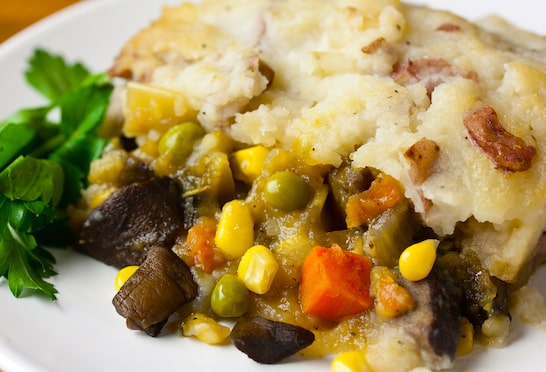
This delicious classic casserole, a vegetable-filled shepherd's pie, requires 30 to 40 minutes of hands-on time, plus about an equal amount of baking. So, while it may not qualify as a quick dish to make when you come home from work, it’s a comforting weekend meal. It’s substantial and filling.
Vegan Spring Greens Salad with Endives and Oranges
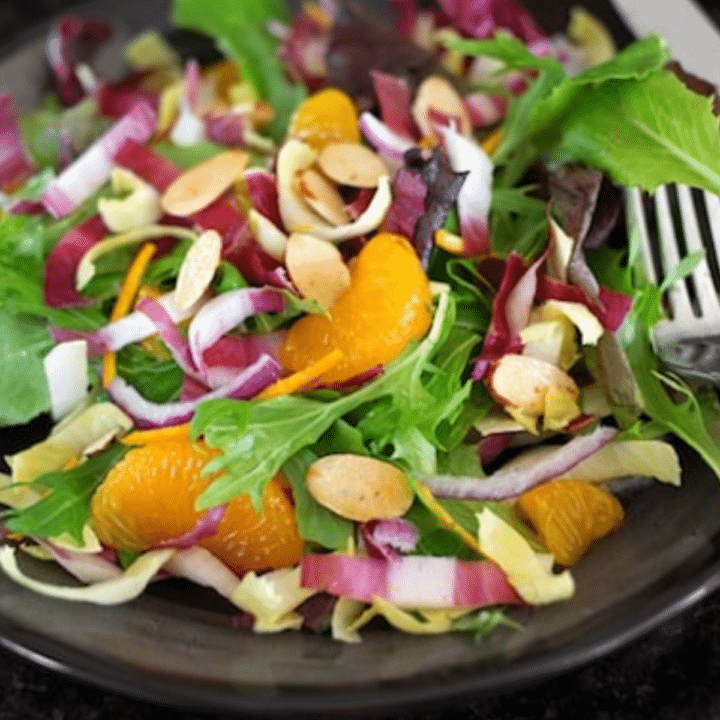
Here's a lovely and refreshing salad with tender greens, Belgian endives, and tiny oranges. A hint of citrus and toasted almonds add to the fresh flavor, making this a nice change of pace from an everyday tossed salad without much extra effort — the kind of salad that looks like it took real work but comes together in about 15 minutes.
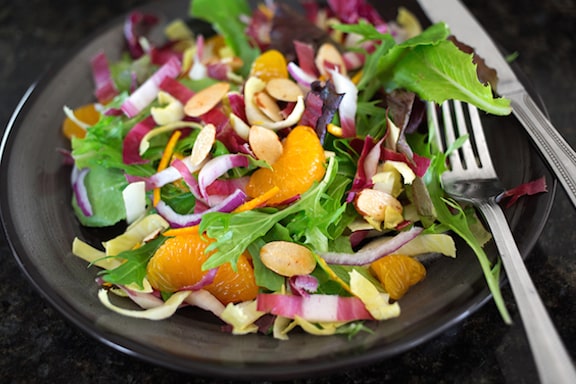
Photos by Hannah Kaminsky.
Key Ingredients & Substitutions
- Mixed greens. Use a mild lettuce such as Boston or butter mixed with any combination of sorrel, arugula, dandelion greens, watercress, and a small amount of tender Asian greens such as mizuna — or simply use a good store-bought mixed baby greens blend.
- Belgian endives. Add a pleasant, slightly bitter crunch that balances the sweet oranges — look for firm, tightly closed heads with pale, almost white leaves for the mildest flavor.
- Seedless oranges. Bring bright citrus sweetness — small varieties like clementines or mandarins work especially well since they section easily.
- Toasted almonds. Add crunch and nutty flavor — toast them first for the best taste, since raw almonds taste flat by comparison.
- Orange zest. A small addition that heightens the citrus flavor throughout the whole salad, not just where the orange segments happen to land.
Variations
- Swap the nuts. Toasted pecans or walnuts work well in place of almonds, or use toasted pepitas for a nut-free option.
- Add cheese. A sprinkle of vegan feta or goat-style cheese adds richness and a nice salty contrast to the sweet oranges.
- Skip the endive. If you can't find it, thinly sliced radicchio makes a good substitute with a similar pleasant bitterness.
- Make it a main. Add some cooked quinoa or chickpeas to turn this side salad into a light lunch.
- Add pomegranate seeds. Their jewel-toned pop adds color and a tart burst that plays well with the sweet orange.
Tips for the Best Spring Greens Salad
- Don't skip the orange zest. It's optional but highly recommended — it heightens the citrus flavor throughout the salad in a way the segments alone can't.
- Toast the almonds. A few minutes in a dry skillet, stirring often, brings out their flavor and adds a warm aroma to the finished salad.
- Slice the endive thinly. This keeps its texture pleasant rather than tough or overly bitter in any one bite.
- Section the oranges over the bowl. This catches any juice that escapes and lets it become part of the dressing instead of going to waste.
- Toss just before serving. This keeps the greens crisp and fresh rather than wilting under the dressing.
Make Ahead & Storage
The greens and endive can be washed and stored in the fridge a day ahead, and the almonds can be toasted in advance and kept in a sealed container at room temperature. Hold off on sectioning the oranges and tossing everything together until just before serving, since the citrus juice will wilt the greens if it sits too long.
How to Serve
Serve at once as a bright, refreshing salad alongside any spring meal, or as a starter course before a heartier main dish.
Recipe
Vegan Spring Greens Salad with Endives and Oranges
A lovely and refreshing salad with tender greens, Belgian endives, and tiny oranges, brightened with a hint of citrus and toasted almonds.
Print
Pin
Save
Servings:
Ingredients
- 6 cups washed and torn mixed greens see note
- 2 Belgian endives thinly sliced
- ¼ cup thinly sliced red onion
- 2 to 3 small seedless oranges peeled and sectioned
- ¼ cup toasted sliced or slivered almonds
- 1 tablespoon extra-virgin olive oil or fragrant nut oil
- 2 tablespoons white balsamic or white wine vinegar
- 2 tablespoons orange juice
- zest of ½ orange optional, but highly recommended
Instructions
- Combine all of the ingredients in a salad bowl and toss together. Serve at once.
Notes
Use a mild lettuce such as Boston or butter mixed with any combination of sorrel, arugula, dandelion greens, watercress, and tender Asian greens such as mizuna in small quantities. Or, just keep it simple and use mixed baby greens.
Vegan-ize any recipe!Grab our free vegan cheat sheet, packed with my favorite easy substitutions to make any recipe vegan.
Here are more recipes for colorful green salads and leafy spring greens.
Vegan Olive & Rice Salad
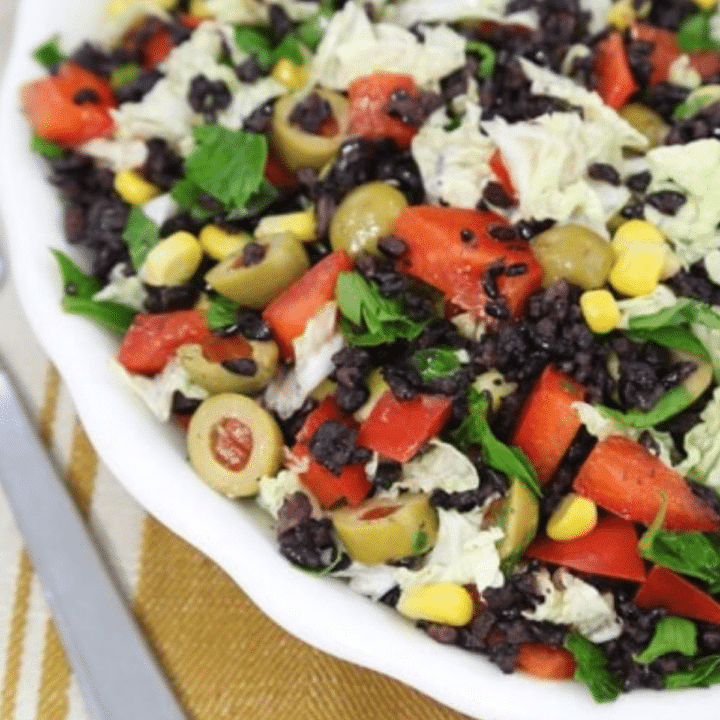
When the season for cold meals arrives, this easy rice salad studded with olives, corn, and bell pepper is most welcome. Try using black rice (sometimes marketed as forbidden rice, so named because it was once reserved for Chinese emperors) for added eye appeal - it turns an everyday side into something that looks like it took real effort, and it holds its texture beautifully once dressed. Photos by Evan Atlas.
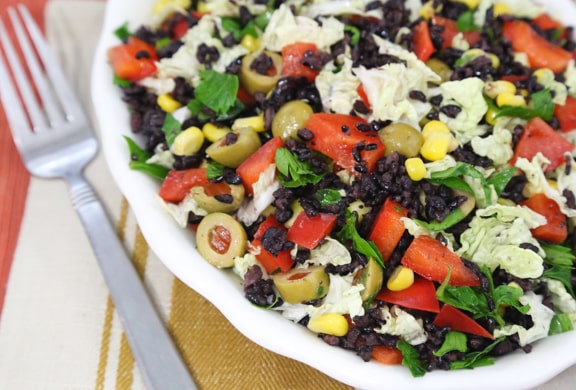
Key Ingredients & Substitutions
- Brown rice. Black rice (also sold as forbidden rice) makes a striking substitute and adds extra visual appeal.
- Black and green olives. Using both adds nice color contrast and a range of briny flavor.
- Fresh lemon juice. Adds brightness that balances the richness of the olives — use fresh, not bottled, for the best flavor.
- White cabbage. Adds crunch. Shred it finely so it blends well with the rice.
- Bell pepper and corn. Add sweetness and color - use whatever bell pepper color you like, and fresh or thawed frozen corn both work.
Variations
- Add protein. Chickpeas or cubed baked tofu turn this into a heartier main-dish salad.
- Add cheese. Crumbled vegan feta adds a nice tang.
- Swap the grain. Quinoa or farro both work well in place of brown rice.
- Make it spicier. A pinch of red pepper flakes or a diced jalapeño adds heat.
- Add fresh herbs. Chopped parsley or dill adds a fresh, bright note to the finished salad.
- Add avocado. Diced avocado stirred in right before serving adds creaminess that plays well against the briny olives.
Tips for the Best Olive & Rice Salad
- Let the rice cool completely. Warm rice will wilt the fresh vegetables and make the salad soggy.
- Try black rice for a dramatic look. It holds its shape well and makes a beautiful contrast against the other ingredients.
- Taste before serving. Adjust the lemon juice, salt, and pepper right before you serve, since flavors mellow as the salad sits.
- Make it ahead. This salad keeps well in the fridge and actually improves after a few hours as the flavors meld.
- Rinse canned olives if very salty. A quick rinse mellows overly briny olives without losing their flavor entirely.
Make Ahead & Storage
This salad keeps well in a sealed container in the refrigerator for up to 4 days, making it an excellent make-ahead option for a picnic, potluck, or a week of easy lunches.
How to Serve
Serve at room temperature, paired with chickpeas or black beans and tomatoes drizzled with olive oil and balsamic vinegar, plus a side of steamed broccoli or green beans for a complete meal. It also makes an easy addition to a summer buffet or potluck spread, since it doesn't need reheating and actually tastes better once it has had a little time to sit. It holds up well enough to pack for lunch the next day without turning soggy, making it a handy make-ahead option for the workweek.
Recipe
Olive Rice Salad
When the season for cold meals arrives, this easy rice salad is most welcome. Try using black rice (sometimes marketed as forbidden rice) for added eye appeal.
Print
Pin
Save
Servings: to 6
Ingredients
- ¾ cup raw medium-grain brown rice see variations below recipe box
- 1 cup cooked corn kernels
- ⅓ cup chopped black olives
- ⅓ cup chopped green olives
- 1 medium red bell pepper finely diced
- 1 ½ cups finely shredded white cabbage
- ½ cup chopped fresh parsley
- 2 scallions minced
- 1 to 2 tablespoons extra-virgin olive oil
- Juice of ½ lemon or more to taste
- Salt and freshly ground pepper to taste
Instructions
- Combine the rice with 2 cups of water in a small saucepan and bring to a slow boil. Lower the heat, cover, and cook until the water is absorbed, about 30 minutes.
- Fluff the rice with a fork then let it cool completely.
- Combine the rice with the remaining ingredients in a mixing bowl and toss together thoroughly. Serve at room temperature.
Nutrition (Estimate per Serving)
Calories: 245kcalCarbohydrates: 40gProtein: 5gFat: 9gSaturated Fat: 1gPolyunsaturated Fat: 1gMonounsaturated Fat: 6gSodium: 439mgPotassium: 327mgFiber: 4gSugar: 4gVitamin A: 1756IUVitamin C: 59mgCalcium: 52mgIron: 2mg
Vegan-ize any recipe!Grab our free vegan cheat sheet, packed with my favorite easy substitutions to make any recipe vegan.
Vegan Matzo Brei
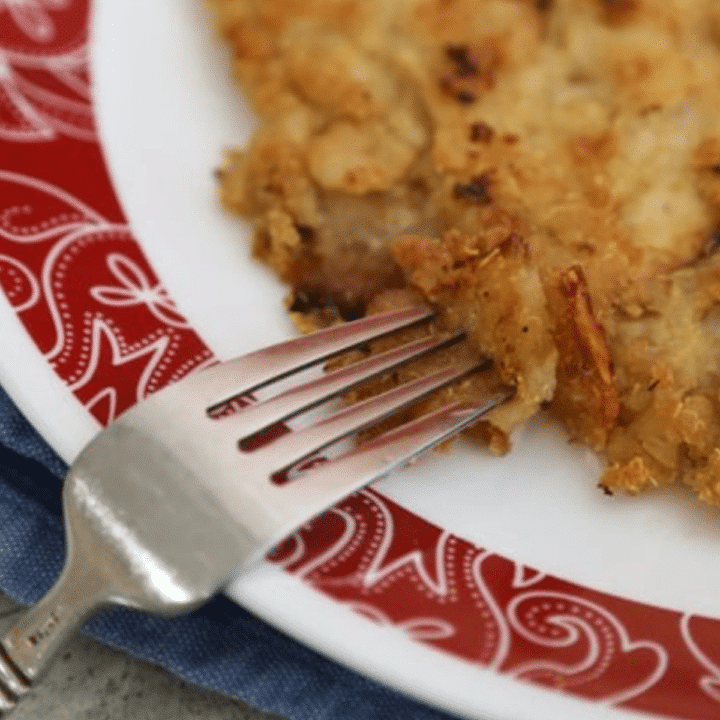
Matzo brei — a kind of flat omelet made from crushed matzo — is a beloved Passover-week breakfast. Quinoa flakes stand in for the traditional egg, acting as the "glue" that holds it together while adding a surprising amount of flavor to this comforting classic. It comes together in one skillet, one serving at a time, in well under 15 minutes.
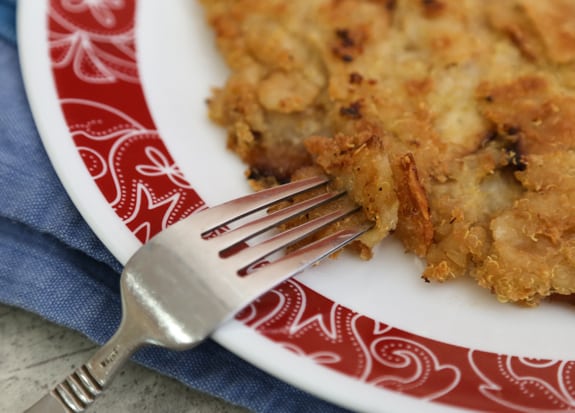
Photos by Evan Atlas.
Key Ingredients & Substitutions
- Matzo. The star of the dish — crumble it into small, irregular pieces so it soaks up the water evenly and gives the finished dish its characteristic texture.
- Quinoa flakes. These give the matzo brei its structure in place of egg. Look for them near the hot cereals or in the gluten-free aisle — they're worth seeking out for this recipe specifically, since few other pantry staples do the same binding job.
- Vegan buttery spread. Use a Kosher for Passover margarine if you're keeping strictly kosher for the holiday.
- Maple syrup. Optional, but a classic sweet topping if you like your matzo brei on the sweeter side.
- Salt. Essential even in the sweet version — it balances the maple syrup and keeps the dish from tasting flat.
Variations
- Make it savory. Skip the maple syrup and top with extra salt, or a spoonful of applesauce on the side.
- Add cinnamon. A pinch stirred into the matzo mixture adds warmth, especially if serving it sweet.
- Double the batch. This recipe is easiest to make one serving at a time in a small skillet — simply repeat for more servings rather than trying to cook a large batch in one pan.
- Add fried onions. A classic savory variation — sauté some onion in the skillet before adding the matzo mixture.
Tips for the Best Vegan Matzo Brei
- Get the skillet very hot first. This is what gives the matzo brei its crisp, golden crust rather than a soft, steamed texture.
- Let the matzo mixture stand. A few minutes of soaking is what lets the quinoa flakes do their binding work — don't rush straight into the pan.
- Flip confidently. Use a plate the same size as your skillet, and flip in one quick, decisive motion rather than hesitating halfway through.
- Serve immediately. Matzo brei is best hot and crisp, right out of the pan — it loses its crunch quickly as it cools.
- Don't over-soak the matzo. A few minutes is plenty; too long and it turns mushy instead of holding some texture.
Make Ahead & Storage
Matzo brei is really at its best made fresh and eaten immediately, since it loses its crisp texture as it sits. If you do have leftovers, reheat in a hot dry skillet rather than the microwave to bring back some crispness.
How to Serve
Serve hot with maple syrup for a sweet breakfast, or simply sprinkle with extra salt for a savory take.
Recipe
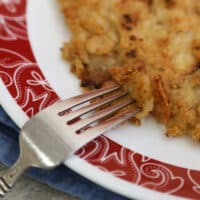
Vegan Matzo Brei
As in our recipe for Vegan Matzo Balls, quinoa flakes provide the Passover-appropriate “glue” that holds the matzo brei together. They also add a surprising amount of flavor to this bland yet comforting classic.
Print
Pin
Save
Servings:
Ingredients
- 1 ½ matzos crumbled
- ¼ cup quinoa flakes
- 1 tablespoon vegan buttery spread like Earth Balance, or use a Kosher for Passover margarine if you adhere strictly
- Pinch of salt plus more for serving, to taste
- Maple syrup optional
Instructions
- Start heating a 7- or 8-inch nonstick skillet before starting, as it’s best for it to be very hot when the pouring in the matzo brei batter.
- Combine the crumbled matzos and quinoa flakes in a heatproof bowl. Pour 1 cup boiling water over them and stir together. Let stand for 2 to 3 minutes as the skillet heats up.
- Melt the buttery spread or margarine in the skillet. Once it’s sizzling, pour in the matzo mixture and pat in evenly. Cover and cook over medium-high until the bottom is golden brown and crisp.
- Slide the matzo brei out onto a plate about the same size as the skillet. Holding the bottom of the plate with one hand, invert the skillet over the plate with the other and then flip right side up quickly. Cook the other side of the matzo brei until golden brown.
- Slide onto a a serving plate. Serve with the optional maple syrup, or sprinkle additional salt over the top.
Nutrition (Estimate per Serving)
Calories: 346kcalCarbohydrates: 52gProtein: 7gFat: 11gSaturated Fat: 2gPolyunsaturated Fat: 3gMonounsaturated Fat: 4gTrans Fat: 1gSodium: 92mgPotassium: 51mgFiber: 3gSugar: 2gVitamin A: 535IUCalcium: 5mgIron: 2mg
Vegan-ize any recipe!Grab our free vegan cheat sheet, packed with my favorite easy substitutions to make any recipe vegan.
Vegan Parsnip Chowder
Parsnips are hardy winter roots whose mild flavor is perfect for this soothing cool-weather soup. This vegan chowder is brimming with mild seasonal vegetables. Though it's homey and hearty, perfect for any cold-weather meal, it's a surprisingly elegant choice with which to start a holiday meal like Christmas dinner, served in moderate portions.

Photos by Evan Atlas.
Key Ingredients & Substitutions
- Parsnips. The star of the chowder, with a mild, slightly sweet, earthy flavor that mellows further as it simmers.
- Potatoes. Any variety works, though red-skinned potatoes hold their shape nicely — some get mashed back into the soup to thicken it naturally.
- Carrots and celery. Round out the chowder with classic aromatic sweetness alongside the parsnips.
- Unsweetened nondairy milk. Stirred in near the end, it gives the chowder its creamy body without any dairy.
- Fresh parsley and dill. Add a bright, herbal finish that keeps the chowder from tasting too heavy.
Variations
- Add leeks. A sliced leek sauteed along with the onion adds another layer of mild, savory flavor.
- Make it heartier. Stir in a can of drained, rinsed white beans for extra protein and substance.
- Add a smoky note. A pinch of smoked paprika stirred in with the seasoning blend adds subtle depth.
- Top it off. A sprinkle of chopped fresh chives or a drizzle of good olive oil just before serving adds a nice finishing touch.
- Add a splash of white wine. Deglazing the pot with a splash of white wine after sauteing the onion adds a subtle depth to the broth.
Tips for the Best Parsnip Chowder
- Mash some of the vegetables back into the soup. This is what gives the chowder its thick, hearty texture without needing any flour or cream.
- Dice the vegetables evenly. This helps everything cook through at the same rate for a consistent texture.
- Let it rest before serving if you have time. The flavors deepen as the soup sits, so a short rest off the heat (then reheating gently) actually improves it.
- Thin as needed with nondairy milk. This soup thickens considerably as it stands, so add a splash more milk to loosen it back up, though it's best kept nice and thick.
Make Ahead & Storage
This chowder keeps well in the refrigerator for up to 4 days, and the flavor only improves overnight. This soup thickens considerably as it stands — add nondairy milk to thin as needed (though let it stay nice and thick), then adjust seasonings before serving.
How to Serve
Serve hot as a cozy cold-weather meal, or in smaller portions as an elegant starter for a holiday dinner. Explore other recipes for hearty winter soups, and see A Colorful Vegan Christmas (Vegetarians Welcome!) for a complete listing of holiday dinner recipes, menus, and desserts.
Recipe

Vegan Parsnip Chowder
This vegan parsnip chowder is brimming with mild seasonal vegetables. Though it's homey and hearty, perfect for any cold-weather meal, it's surprisingly elegant choice with which to start a holiday meal.
Print
Pin
Save
Servings: to 8
Ingredients
- 1 ½ tablespoons olive oil
- 1 large onion chopped
- 4 medium or 6 smallish potatoes any variety; red-skinned are good, scrubbed and diced
- 1 pound parsnips peeled and diced
- 3 medium carrots peeled and sliced
- 2 large celery stalks diced
- 32- ounce carton vegetable stock or 4 cups water with 2 vegetable bouillon cubes
- 1 tablespoon all-purpose seasoning blend such as Frontier or Mrs. Dash
- 2 cups unsweetened nondairy milk
- ¼ cup finely chopped fresh parsley or more, to taste
- 2 tablespoons finely chopped fresh dill or more, to taste
- Salt and freshly ground pepper to taste
Instructions
- Heat the oil in a large soup pot. Add the onion and sauté over medium-low heat until golden.
- Add the potatoes, parsnips, carrots, celery, broth, and seasoning blend. Bring to a rapid simmer, then lower the heat. Cover and simmer gently until the vegetables are tender, about 20 minutes.
- With a slotted spoon, transfer two cups full of the vegetables (mainly the potatoes and parsnips, if you can) to a shallow bowl. Mash well and stir them back into the soup.
- Add the nondairy milk, parsley, and dill. Season with salt and pepper.
- Simmer over very low heat for 5 to 10 minutes longer, or just until thoroughly heated through. Serve at once, or let the soup stand for an hour or so off the heat, then heat through before serving.
Nutrition (Estimate per Serving)
Calories: 246kcalCarbohydrates: 48gProtein: 5gFat: 5gSaturated Fat: 1gPolyunsaturated Fat: 1gMonounsaturated Fat: 3gSodium: 764mgPotassium: 1086mgFiber: 10gSugar: 9gVitamin A: 5743IUVitamin C: 48mgCalcium: 207mgIron: 3mg
Vegan-ize any recipe!Grab our free vegan cheat sheet, packed with my favorite easy substitutions to make any recipe vegan.


Vegan Matzo Balls (with a Gluten-Free Variation)
These vegan matzo balls aren't like the Jewish grandmothers' classic recipe for the big, fluffy variety, but they're delicious, easy to make, and soy-free. Many vegan matzo ball recipes on the web use tofu as a binder, which, for many Jews, is not an allowable Passover food; these use quinoa flakes instead. They're baked at a low temperature rather than boiled — without egg as a binder, vegan matzo balls of any kind are more likely than not to fall apart in simmering water.
Vegan Passover Seder Recipes
These vegan Passover Seder recipes and menus (great for vegetarians too) focus on the fresh produce of early spring — very fitting, as the holiday has connotations of renewal and rebirth. Though there's flexibility in what may be served for the meal itself, there are also many restrictions. Ashkenazic Jews avoid, aside from bread-related products, many other grains and legumes. Sephardic Jews avoid leavened wheat products, but can use rice and other grains, as well as legumes.
The biggest challenge for vegans is how to create eggless versions of egg-y classics like matzo balls — no worries, the recipes below include vegan matzo balls (with a gluten-free variation) that are awesome. Both traditions have lately embraced the use of quinoa during Passover week, and since Passover once had a strong seasonal festival aspect, spring's bountiful produce is most welcome.
Vegan Passover Seder Recipes
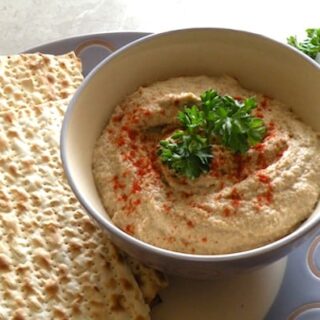
A rich, savory mock chopped liver made from mushrooms, cashews, and onions — a classic Seder appetizer with no eggs required.
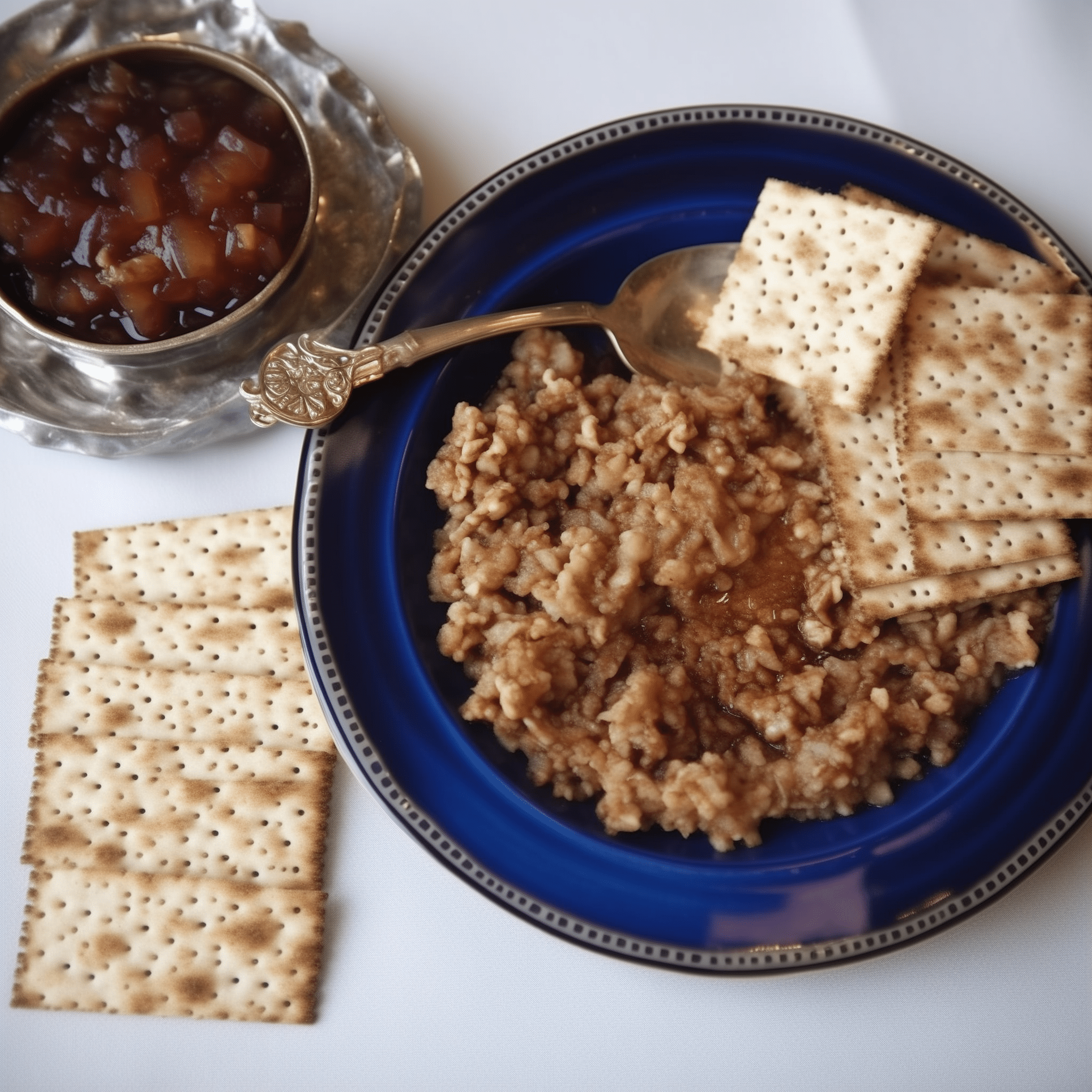
The traditional Ashkenazic haroset, a sweet mixture of apples, nuts, and wine that symbolizes the mortar used by enslaved Jews in Egypt.
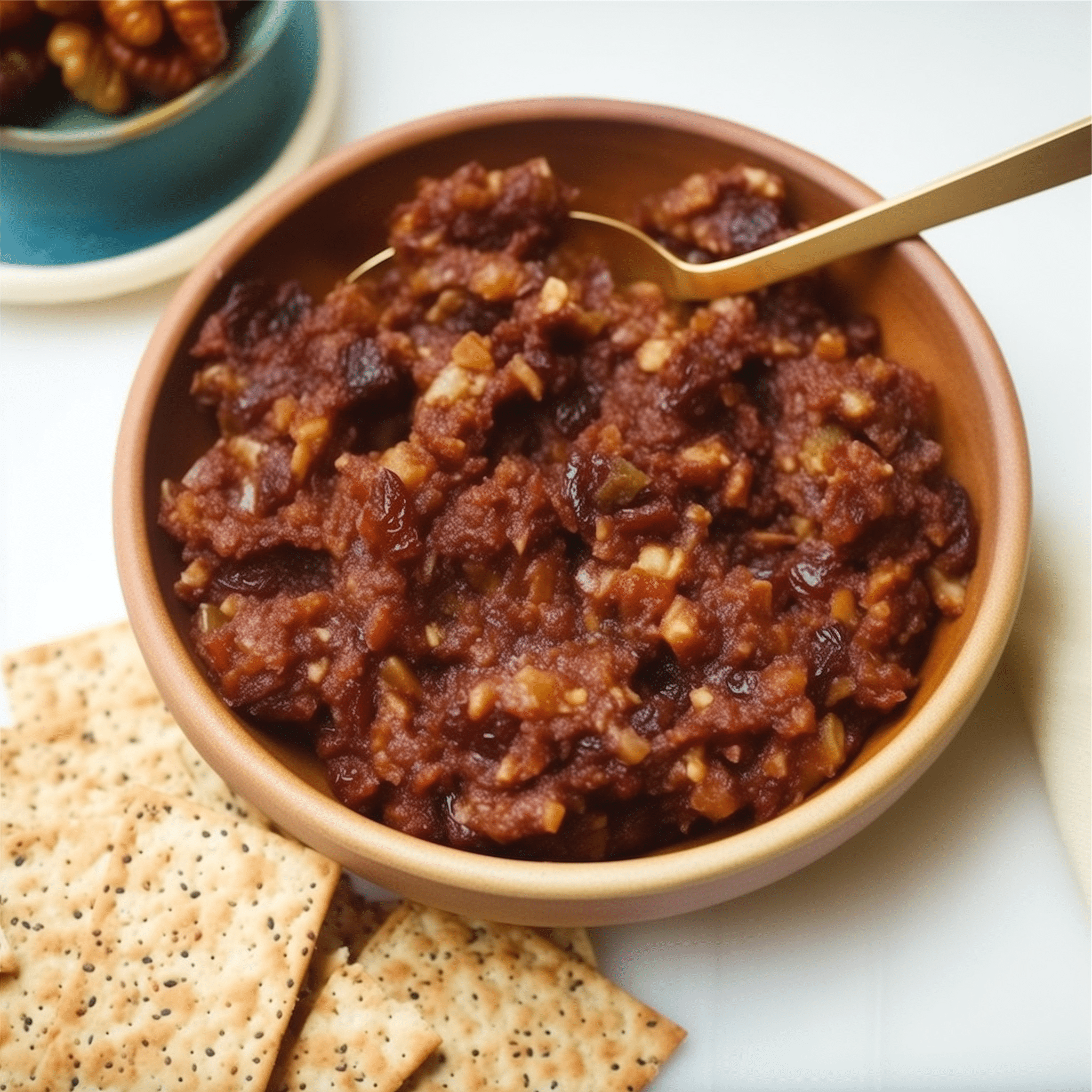
A Sephardic take on haroset, made with dates and dried fruits for a deeply sweet, brick-colored spread.

A comforting spring vegetable soup with fluffy, eggless matzo balls — the vegan answer to a Seder classic.

A Sephardic-style vegan matzo ball soup with warm, fragrant spices.
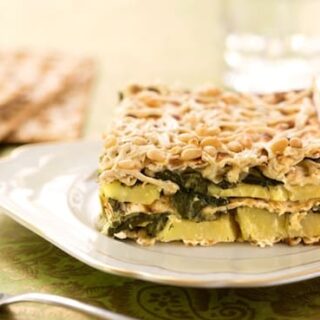
Layers of spinach, leek, and potato baked with matzo for a comforting Passover gratin.

A Sephardic-style matzo mina layered with eggplant, a hearty Passover main.
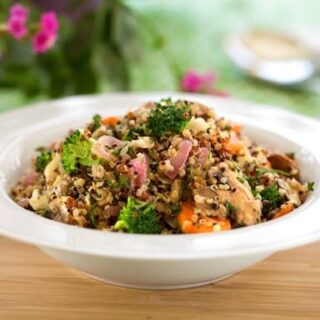
A light, fluffy quinoa pilaf that's Passover-friendly and full of spring flavor.
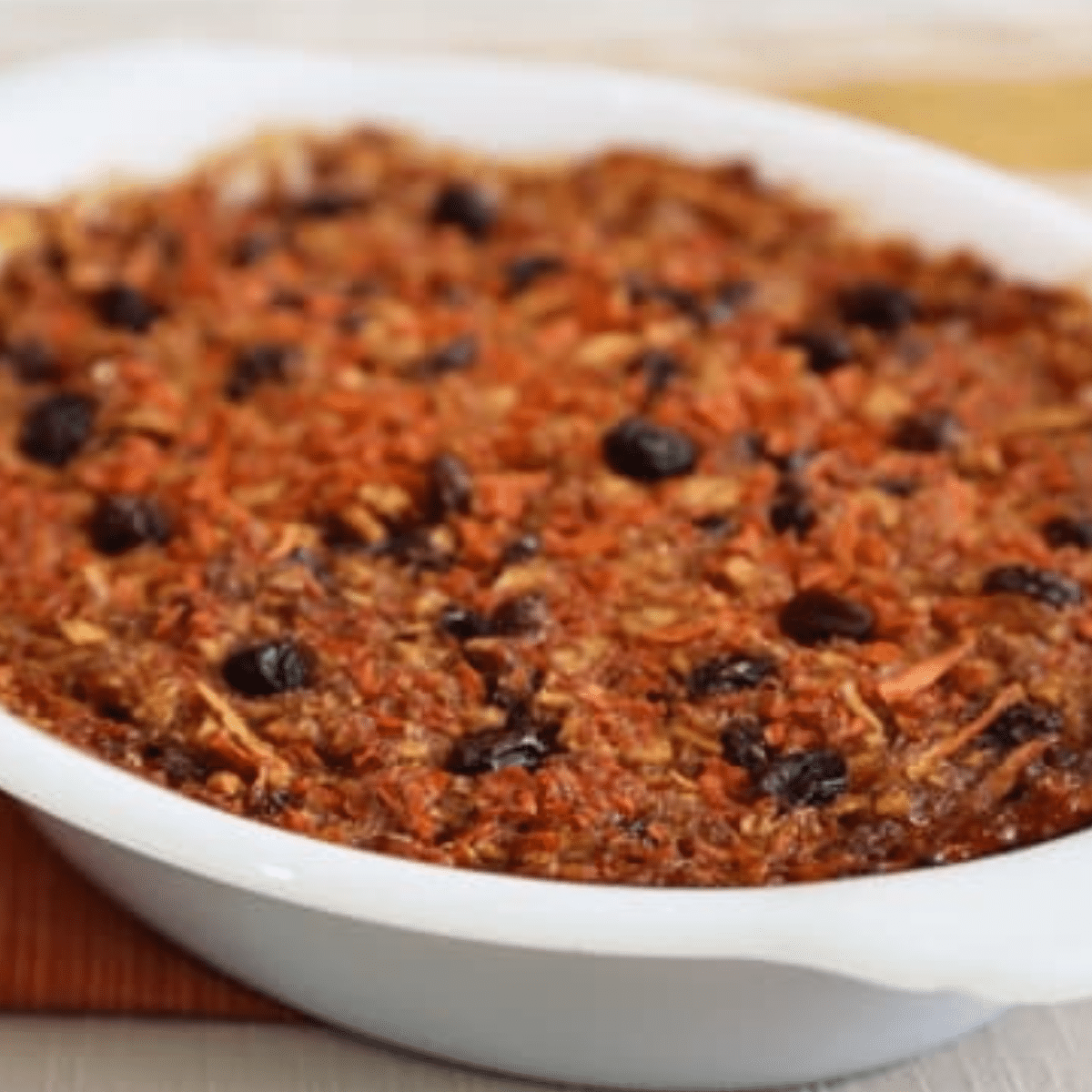
A naturally sweet carrot and apple pudding, a Passover-friendly side or dessert.
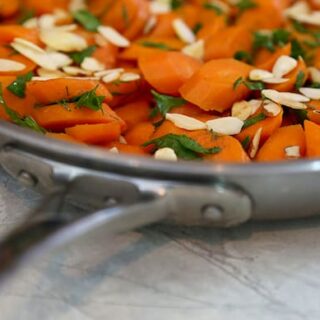
Simple sautéed carrots with toasted almonds, a quick and colorful Seder side.
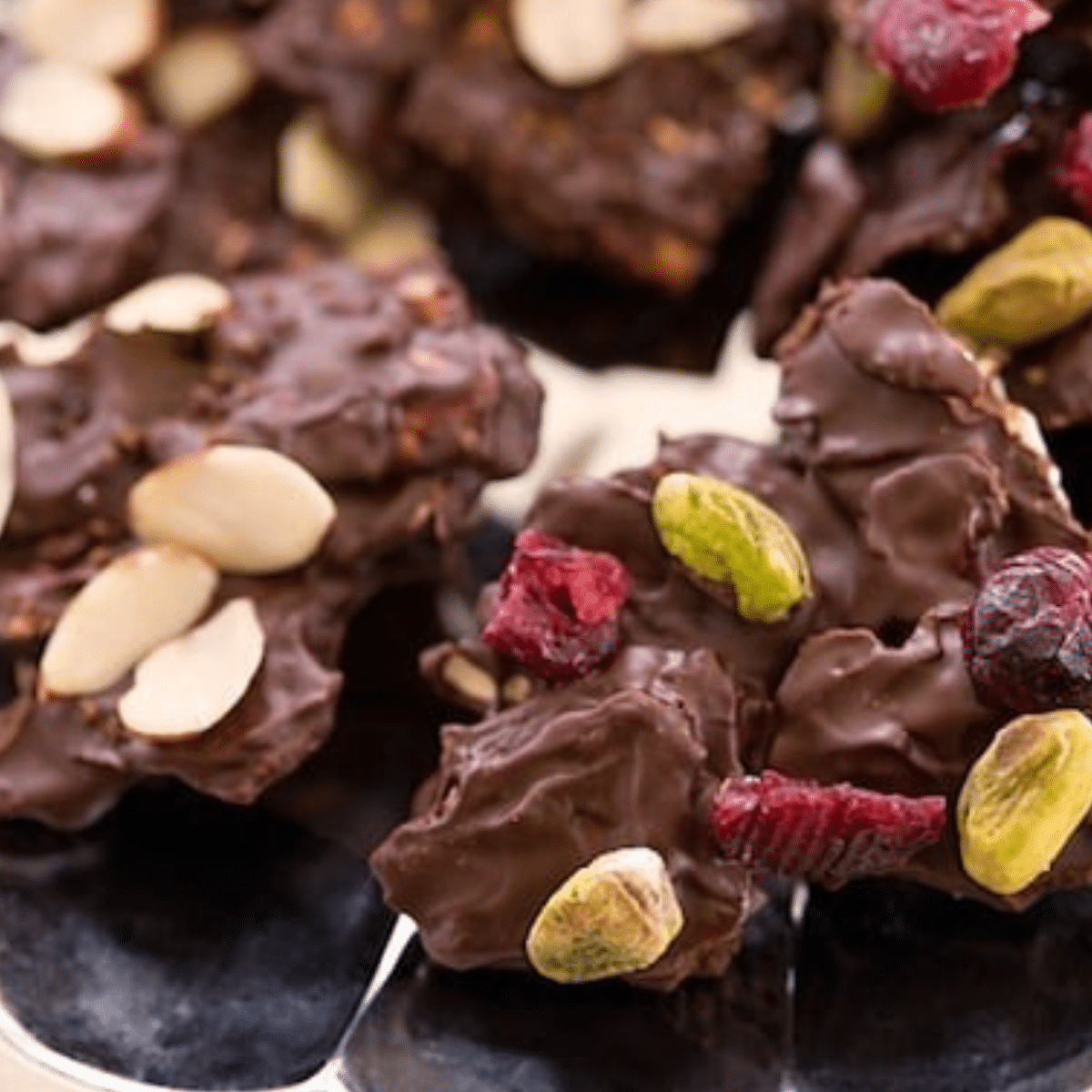
A rich, crunchy chocolate matzo brittle studded with toasted nuts and dried fruit — a great way to use leftover matzo.
A juicy pineapple crumble made Passover-friendly, with a crisp, nutty topping.
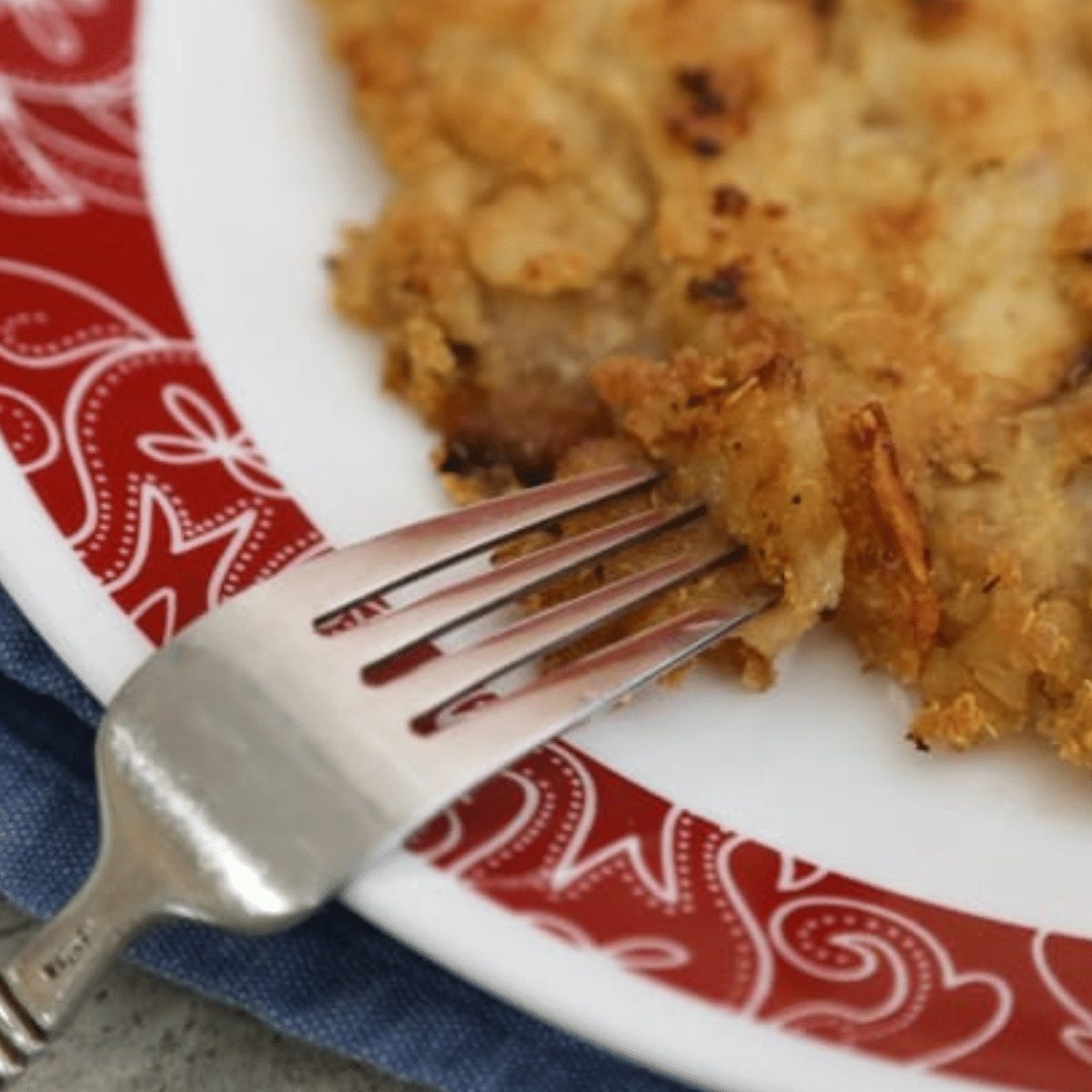
The classic Passover breakfast of fried matzo and vegan egg, made dairy- and egg-free.
Rounding out the menu: Serve plenty of matzo throughout the meal. Though this is an abundant menu, you may also wish to add a seasonal green salad and a simply prepared green vegetable such as asparagus or broccoli.
The Seder Plate, Vegan Version
During the course of the Seder and the meal that follows the reading of the Haggadah, a plate of matzos is served, as is plenty of Passover wine. Central to the table is the Seder plate, a round dish with designated spots for placement of the symbolic foods to be sampled during the reading of the Haggadah. The foods are not eaten from this plate, but everyone gets a sampling of the foods to be tasted from separate platters.
Karpas: A mild green vegetable or herb, such as celery or parsley. This symbolizes the new growth of spring. A small leaf of romaine lettuce or other mild green might be used. It's sometimes dipped into salt water or vinegar as a reminder of the tears shed by enslaved Jews.
Maror: A bitter herb, usually horseradish for Ashkenazic Jews or a bitter green such as escarole or endive for Sephardic Jews. This represents the bitterness of slavery suffered by the Jews in Egypt.
Haroset: This mixture of nuts, wine, and apples, as Ashkenazic Jews make it, or nuts, wine, and dried fruits, as Sephardic Jews make it, has a brick-like color to symbolize the bricks used by the Jewish slaves to build Pharaoh's cities.
Hazeret: Another bitter herb or green, such as watercress or chicory. Some believe that two bitter herbs should be tasted, though this component of the Seder plate is optional. Two components of the Seder plate that vegans obviously skip or replace: zoreah, the shank bone, and beytzah, a hard-boiled egg. To fill all the spots in the vegan Passover plate, the former is sometimes replaced with a roasted beet, and the latter, a boiled potato (more for its shape than any symbolic similarity).
Here are more tips for keeping the Holidays and Special Occasions healthy! For lots more features on healthy lifestyle, please explore VegKitchen's Healthy Vegan Kitchen page.
Vegan Soba Noodles with Snow Peas
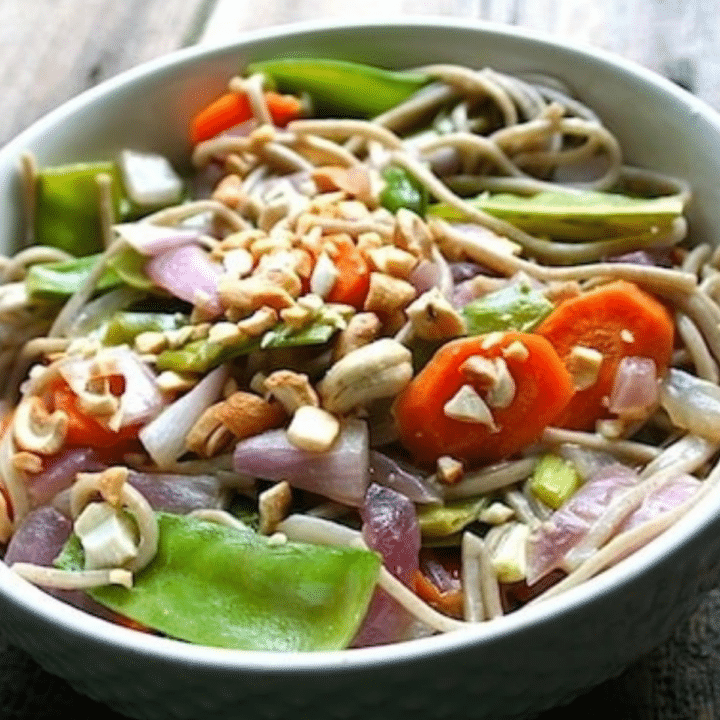
Here's a quick soba (buckwheat) noodle dish that will have you eating in no time. This is especially nice when snow peas come up in the home garden; snap peas can be substituted. Bonus: soba noodles are gluten-free, if that's a concern for you — just double-check the label, since not every brand is made purely from buckwheat, and some blend in wheat flour for texture.
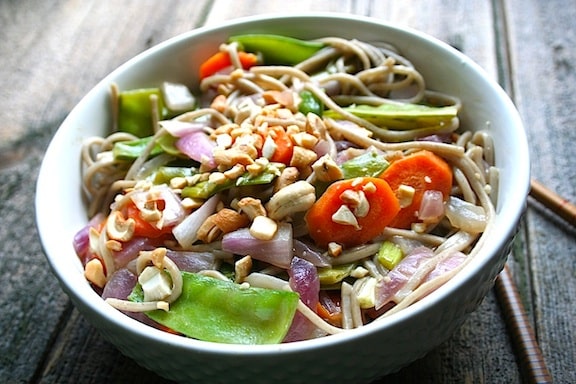
Photos by Rachael Braun.
Key Ingredients & Substitutions
- Soba noodles. Japanese buckwheat noodles that cook quickly and are naturally gluten-free (check the label, since some blends add wheat flour).
- Snow peas. Cooked just until crisp-tender so they stay bright green and snappy. Snap peas work well in their place, and won't need much adjustment to the cooking time.
- Ginger. Adds a fresh, warming kick to the sauce — fresh grated ginger has noticeably more punch than the jarred variety, which tends to taste muted.
- Arrowroot or cornstarch. Thickens the sauce so it clings to the noodles instead of pooling in the bowl.
- Soy sauce or tamari. Use tamari for a gluten-free version, since regular soy sauce typically contains wheat.
- Dark sesame oil. A small amount whisked into the sauce adds a toasty, nutty aroma that ties the whole dish together.
Variations
- Swap the vegetables. Sliced bell pepper, snap peas, or thinly sliced cabbage can stand in for or join the carrot and snow peas.
- Add protein. Cubed baked tofu or edamame turn this into a heartier main dish.
- Top with cashews. Chopped roasted cashews add a nice crunch to finish the dish.
- Make it spicier. A drizzle of chili oil or a pinch of red pepper flakes adds some heat to balance the sweet-savory sauce.
- Add mushrooms. Sliced shiitake, sauteed until golden, add a savory, meaty note that pairs well with the ginger sauce.
Tips for the Best Soba Noodles with Snow Peas
- Don't overcook the noodles. Soba noodles go from al dente to mushy quickly; follow the package timing closely and taste-test a strand before draining.
- Keep the snow peas crisp. A very brief stir-fry, just long enough to lose their raw edge, keeps them snappy rather than limp.
- Stir the sauce before adding it. The arrowroot or cornstarch settles, so give it a quick stir right before it goes into the pan.
- Rinse the noodles after cooking. A quick rinse under cool water removes excess starch and keeps them from clumping together before they hit the sauce.
- Have everything prepped before you start cooking. This dish moves fast once the noodles are boiling, so slice the vegetables and mix the sauce ahead of time.
Make Ahead & Storage
This dish is best enjoyed fresh, since the noodles can absorb the sauce and become sticky as they sit. Leftovers keep for about 2 days in the fridge — loosen them up with a splash of water or a little extra soy sauce when reheating, either in a skillet or the microwave.
How to Serve
Serve warm as a light main dish or a side alongside other Asian-inspired dishes, topped with sliced scallion and chopped cashews if desired.
Recipe

Vegan Soba Noodles with Snow Peas
A quick soba (buckwheat) noodle dish with onion, carrot, and snow peas in a savory ginger sauce — gluten-free and ready in no time.
Print
Pin
Save
Servings:
Ingredients
- 8 ounces soba (buckwheat) noodles
- 1 ½ tablespoons dark sesame oil
- 1 large onion cut in half and sliced
- 1 large carrot thinly sliced on the diagonal
- 1 ½ to 2 cups snow peas ends trimmed, large ones cut in half crosswise
Sauce
- 1 cup prepared vegetable broth or water
- 3 to 4 tablespoons reduced-sodium soy sauce to taste
- 3 tablespoons dry white wine or just use more broth or water
- 2 teaspoons grated fresh or jarred ginger or to taste
- 2 tablespoons arrowroot or organic cornstarch dissolved in ¼ cup cold water
- thinly sliced scallion for garnish, as desired
- chopped cashews for topping, optional
Instructions
- Cook the noodles until al dente according to package directions.
- Meanwhile, heat the sesame oil in a stir-fry pan. Sauté the onion and carrot over medium heat until tender-crisp. Add the snow peas and stir-fry just until they have lost their raw quality but are still quite crisp and green, not more than a minute or so.
- Combine all the ingredients for the sauce in a small mixing bowl and stir well to combine.
- When the noodles are done, drain them and add them to the stir-fry pan along with the sauce. Toss together. Cook just until everything is thoroughly heated through and the sauce has thickened.
- Serve at once, topping each serving with scallions, as well as chopped cashews, if desired.
Notes
This is especially nice when snow peas come up in the home garden; snap peas can be substituted. Soba noodles are gluten-free, if that's a concern for you.
Vegan-ize any recipe!Grab our free vegan cheat sheet, packed with my favorite easy substitutions to make any recipe vegan.
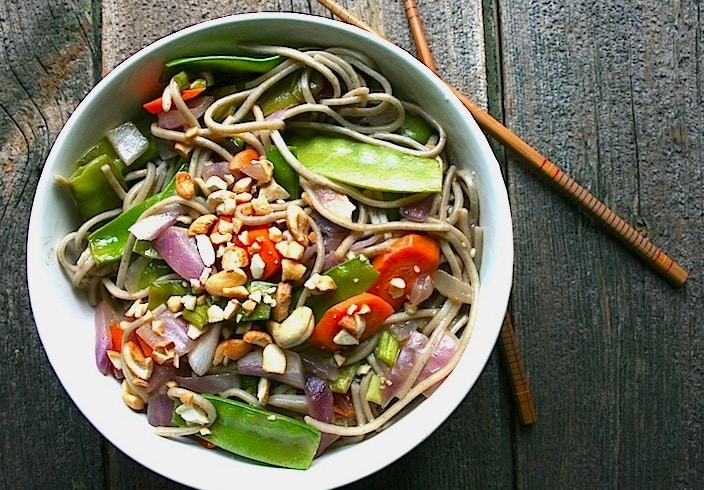
Here are more recipes using Asian noodles.
Hearty Recipes for Hungry Teens (Vegan and Vegetarian)
If you’re feeding teenagers, especially the male variety, you know that they go through mountains of food, and your grocery bill mounts alarmingly. Here are a handful of hearty, filling dishes that won’t break the bank. Now I'm not saying that young women won't like these hearty dishes, but in my experience, at least, they don't eat in nearly the quantity of their male counterparts. [Read more...]
Vegan Orzo Minestrone Soup
This hearty vegan orzo minestrone combines classic minestrone staples (carrots, celery, green beans, tomatoes, and chickpeas) with tender, rice-shaped orzo in a rich, herby tomato broth. It's filling enough to serve as a meal on its own, and like any good minestrone, it only gets better as it sits.
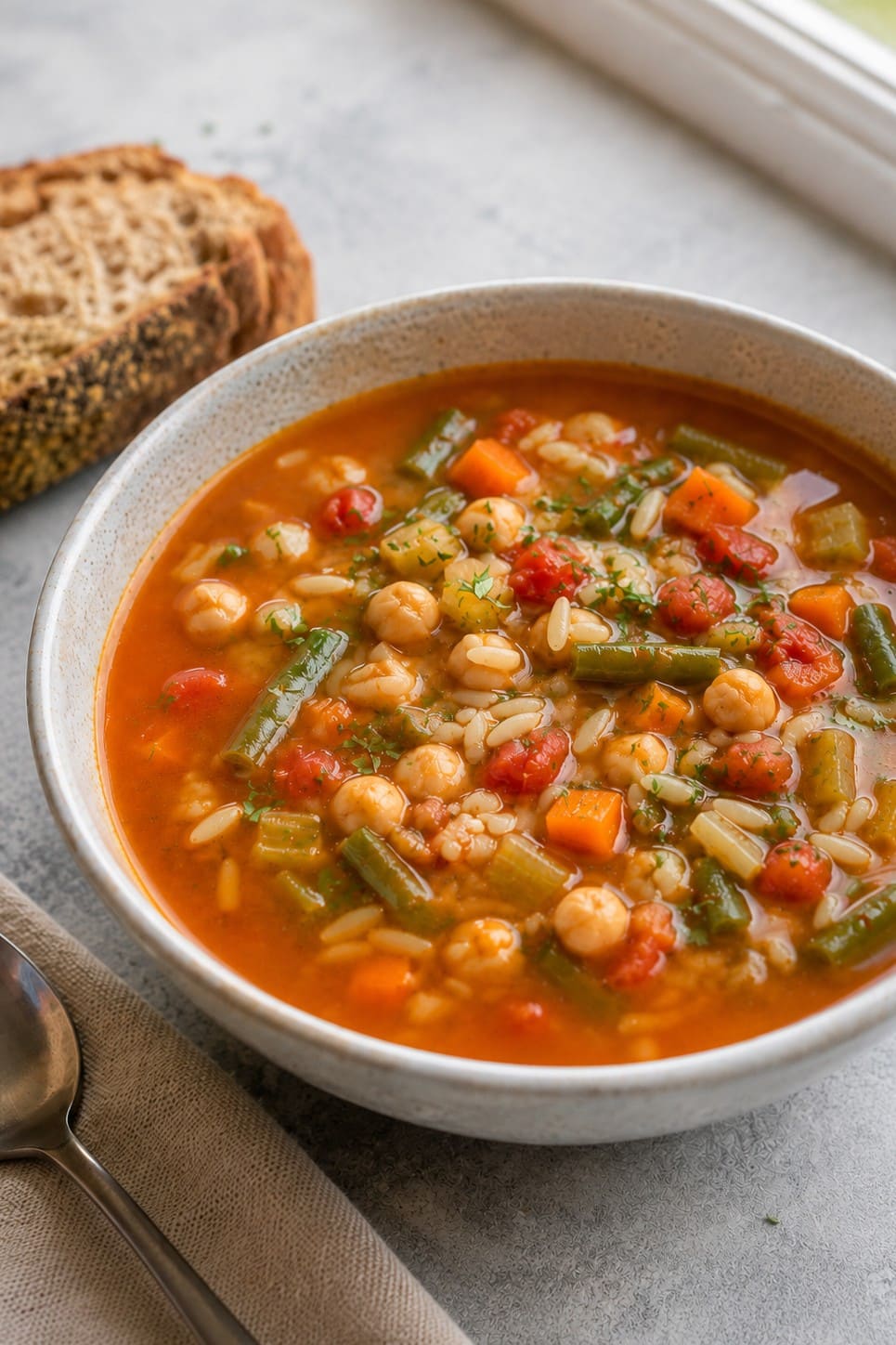
Key Ingredients & Substitutions
- Orzo. This rice-shaped pasta cooks quickly and gives the soup a lovely texture. Look for it near the other dried pasta (Barilla orzo is easy to find), or substitute rosa marina if that's what your store carries.
- Chickpeas. They add substance and protein, turning this into a filling one-bowl meal. White beans or cannellini beans work well too.
- Green beans. Trimmed fresh green beans add color and a little bite; frozen ones work just as well when good fresh ones aren't available.
- Diced tomatoes and tomato sauce. Together they build the rich, savory broth that minestrone is known for. Fire-roasted diced tomatoes add a subtle smoky note if you have them.
- Dry red wine. Optional, but it adds real depth to the broth. Simply skip it or use a little extra water or vegetable broth if you'd rather not use wine.
- Dried basil, oregano, and bay leaves. Dried herbs hold up to the long, gentle simmer better than fresh ones do. Fresh parsley stirred in at the end brightens everything back up.
Helpful Tips
Cook the orzo separately. Cooking the orzo in its own pot rather than in the soup keeps it from turning mushy or soaking up too much of the broth before you serve it. Drain it while it's still al dente, since it will soften a little more once it hits the hot soup.
Don't rush the aromatics. Sautéing the onion and garlic over medium-low heat until they're truly golden builds a much deeper base flavor for the whole pot. It takes a few extra minutes, but it's the difference between a flat broth and one that tastes like it simmered all day.
Use a heavy-bottomed pot. A Dutch oven or other heavy soup pot, like this 6-quart enameled cast iron Dutch oven, holds a steady, gentle heat, so the aromatics brown evenly and nothing scorches on the bottom during the long simmer.
Simmer gently. Keep the heat low once the tomatoes go in. A slow simmer lets the vegetables become tender without falling apart, and it gives the herbs and wine time to mellow into the broth.
Adjust the consistency as you go. Minestrone can be brothy or thick, so add water a little at a time until it's the way you like it. Keep in mind that the orzo continues to soak up liquid as the soup sits, so you'll likely want to thin leftovers with a splash of water or broth when reheating.
Variations
- Add leafy greens. A few handfuls of spinach or chopped kale stirred in near the end wilt down quickly and add extra nutrition.
- Swap the pasta. Small shapes like ditalini, tiny shells, or elbow macaroni work in place of orzo if that's what you have on hand.
- Make it gluten-free. Use a gluten-free orzo or small pasta, or stir in cooked rice instead.
- Make it heartier. Add diced zucchini or potatoes along with the carrots and celery for a more substantial soup.
- Change up the beans. Kidney beans, borlotti, or a mix of white beans and chickpeas all feel right at home in minestrone.
- Top it off. A sprinkle of homemade vegan Parmesan and a drizzle of good olive oil right before serving rounds out the flavor.
Serving Ideas
Serve this soup hot with a robust whole-grain loaf like Quick Three-Grain Brown Bread or a pan of homemade focaccia for dunking. Add a simple green salad or a Vegan Kale Caesar Salad and you have a complete, cozy meal.
For a dinner party or holiday meal, ladle it into smaller bowls as a starter before an Italian-inspired main course. It also packs well in a thermos for a warming work or school lunch.
Storing & Freezing
This soup keeps well in an airtight container in the refrigerator for up to 5 days, and the flavor only improves as it sits. If you're making it ahead, store the cooked orzo separately and stir it in at serving time, since it will keep absorbing broth the longer it sits in the pot.
Minestrone also freezes well for up to 3 months. For the best texture, freeze the soup without the orzo and cook a fresh batch when you reheat it; if the orzo is already in, just expect it to be a bit softer after thawing. Thaw overnight in the fridge, then reheat gently on the stovetop, adding a splash of water or broth to loosen it up.
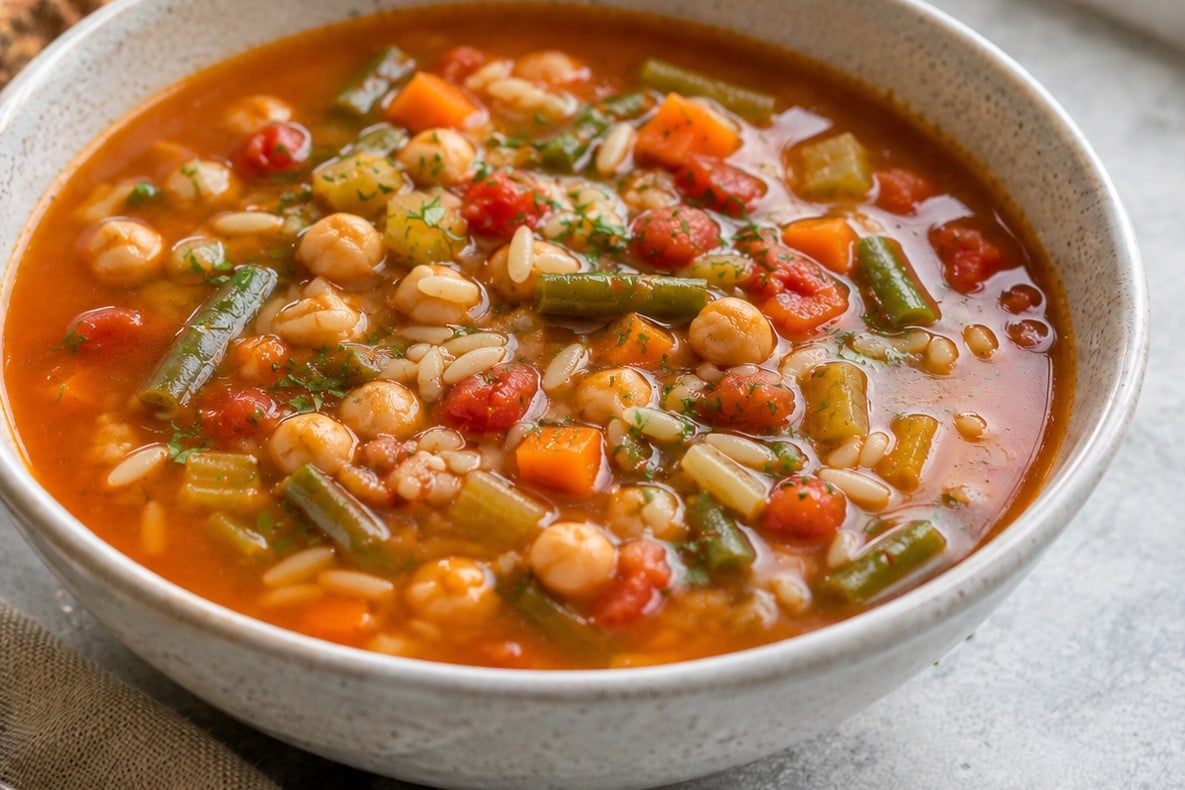
More Minestrone & Italian Soups
If you loved this recipe, here are a few more you might enjoy:
- Vegan Minestrone Soup
- Classic Italian Minestrone Soup
- Italian-Style Potato and Escarole Soup
- Tomato-Barley Vegetable Soup
- Cozy Vegan Soups for Fall and Winter
Recipe

Vegan Orzo Minestrone Soup
A hearty Italian vegetable soup with orzo pasta, chickpeas, and a rich tomato broth, ready to warm up any weeknight.
Print
Pin
Save
Servings:
Ingredients
- 2 tablespoon extra-virgin olive oil
- 1 large onion finely chopped
- 2 cloves garlic minced
- 2 medium carrots peeled and diced
- 2 medium celery stalks diced
- 1 cup green beans trimmed and cut into ½-inch lengths; use frozen if good fresh green beans are unavailable
- 14–16 oz tomatoes diced
- 1 cup tomato sauce
- ¼ cup dry red wine optional
- 2 bay leaves
- 1 teaspoon dried basil
- 1 teaspoon oregano
- ⅔ cup orzo or rosa marina—rice-shaped pasta
- 15–16 oz chickpeas drained and rinsed
- ¼ cup fresh parsley minced
- salt and freshly ground black pepper
Instructions
- Heat the oil in a large soup pot.
- Add the onions and garlic, and sauté over medium-low heat until golden.
- Add the carrots, celery, and just enough water to cover. Bring to a gentle boil.
- Add the green beans, tomatoes, tomato sauce, optional wine, bay leaves, basil, and oregano.
- Bring to a simmer, then cover and simmer very gently until the vegetables are tender but not overdone, about 40 to 45 minutes.
- Meanwhile, cook the orzo in a separate saucepan according to package directions until al dente, then drain.
- Stir the cooked orzo, chickpeas, and parsley into the soup. Adjust the consistency with more water if necessary, then season to taste with salt and pepper.
- Simmer over very low heat for 5 minutes longer, then serve.
Nutrition (Estimate per Serving)
Calories: 213kcalCarbohydrates: 33gProtein: 8gFat: 5gSaturated Fat: 1gPolyunsaturated Fat: 1gMonounsaturated Fat: 3gSodium: 182mgPotassium: 549mgFiber: 7gSugar: 8gVitamin A: 3432IUVitamin C: 17mgCalcium: 65mgIron: 3mg
Vegan-ize any recipe!Grab our free vegan cheat sheet, packed with my favorite easy substitutions to make any recipe vegan.
Vegan Orange Bundt Cake
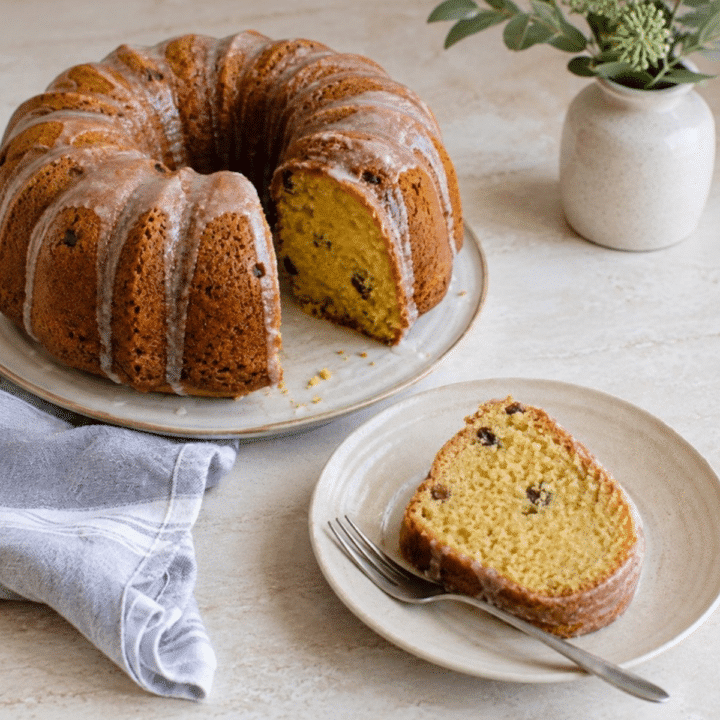
What's big, orange, and full of delicious citrus flavor? This Vegan Orange Bundt Cake, studded with raisins and finished with a sweet Orange Cream Glaze! This colossal cake elicits oohs and ahs when set out for serving, but the proof is in the tasting — and this cake goes to the head of its class. It tastes fabulous on its own, but you can also serve it with dairy-free ice cream or a fresh fruit salad.
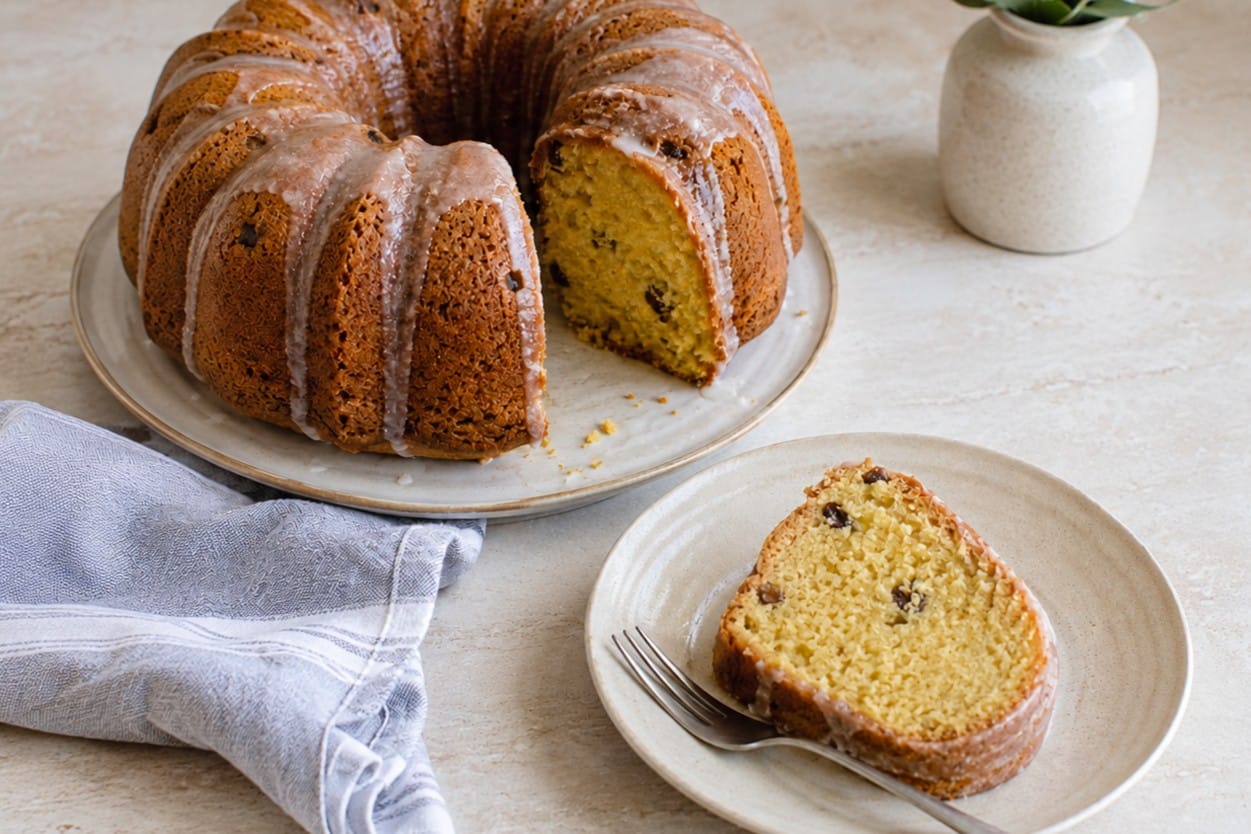
Key Ingredients & Substitutions
- Orange zest and juice. Both go into the batter for maximum citrus flavor — seek out organic, unwaxed oranges since you're using the peel, and be sure to zest only the bright orange layer, not the bitter white pith underneath.
- Raisins. Folded into the batter right before it goes into the pan, they add little pockets of sweetness throughout the cake and a bit of chew against the tender crumb.
- Whole wheat pastry flour and unbleached white flour. The combination keeps the cake tender while adding a little more substance than an all-white-flour cake.
- Dark whole cane sugar. Sucanat or Rapadura both work well here, and add a subtle molasses note alongside the organic sugar.
- Silken tofu. The base of the Orange Cream Glaze — it blends completely smooth and gives the glaze a rich, creamy texture without any dairy.
Variations
- Extra orange. To make your cake extra orange, both in color and flavor, simply eliminate the soymilk and use 2 cups of orange juice instead. This is also a great option for those with nut or soy allergies, or who prefer not to use plant-based milks.
- Extra sweet. If you want to make your cake extra sweet, or you just prefer organic, swap the dark whole cane sugar for organic sugar. This will give you a total of 1 ¼ cups organic sugar in your cake, making it slightly sweeter.
- Extra sauce. After pouring the Orange Cream Glaze over your cake, make a yummy sauce with the leftovers. Stir some dried cranberries into the remaining glaze and serve alongside the cake.
- Extra chocolate. Instead of the Orange Cream Glaze, use a chocolate ganache. Simply pour the ganache over the cooled cake in place of the glaze. The flavor combination of orange and chocolate is one of our favorites, and you can really emphasize it by using orange-flavored chocolate.
- Swap the mix-ins. Dried cranberries or chopped dried apricots both work well in place of raisins. Toasted chopped walnuts or pecans folded in alongside the raisins add a nice crunch.
- Add spice. A pinch of cinnamon or cardamom in the dry ingredients adds a warm background note that pairs nicely with the orange.
Tips for the Best Orange Bundt Cake
- Don't overfill the pan. To ensure the finest crumb and texture, vegan cake batter shouldn't fill the baking pan more than a scant half full. Measure carefully using the proper measuring tools for dry and liquid ingredients, and use an oven thermometer if you have one.
- Toss the raisins in a little flour first. A light coating of flour before folding them into the batter helps keep the raisins suspended throughout the cake instead of all sinking to the bottom.
- Let the cake cool completely before glazing. You'll need to allow at least 40 minutes for this big cake to cool — glazing it too early will just melt the glaze right off.
- Having trouble de-panning your cake? If the cake sticks to the pan even when inverted, wet a kitchen towel in hot water, wring it out, and place it over the inverted pan for a few minutes. Then shake the pan gently to release the cake.
Make Ahead & Storage
This cake keeps well at room temperature, covered, for up to 3 days, or in the refrigerator for up to a week once glazed. It also freezes beautifully unglazed — wrap it tightly and freeze for up to 2 months, then thaw and glaze just before serving. The Orange Cream Glaze itself keeps in a sealed container in the refrigerator for up to 2 days.
How to Serve
Serve on its own with a cup of tea or coffee, or dress it up with dairy-free ice cream or a fresh fruit salad for dessert. Leftover glaze is delicious spooned over fruit salads, other cakes, or baked desserts like cobblers and pies.
Recipe

Vegan Orange Bundt Cake
A big, beautifully glazed orange bundt cake studded with raisins — bright with citrus and finished with a sweet Orange Cream Glaze.
Print
Pin
Save
Servings:
Ingredients
- 1 ½ cups whole wheat pastry flour
- 1 ½ cups unbleached white flour
- 2 teaspoon baking soda
- 1 teaspoon fine sea salt
- ½ teaspoon aluminum-free baking powder
- 1 cup organic sugar
- ¼ cup organic dark whole cane sugar such as Sucanat or Rapadura, finely ground
- ⅔ cup organic canola oil or a mild extra virgin olive oil such as arbequina
- 1 cup orange juice
- 1 cup soymilk or another non dairy milk
- 2 tablespoon apple cider vinegar
- 2 teaspoon pure vanilla extract
- 2 organic oranges zested and finely grated
- ¾ cup raisins
Orange Cream Glaze
- 1 box firm organic silken tofu 12.3 oz, drained
- 5 tablespoon organic cane sugar or to taste
- 5 tablespoon organic orange juice concentrate thawed
- 1 tablespoon organic canola oil or another neutral oil
- 2 teaspoon pure vanilla extract
- ¼ teaspoon orange extract or ⅛ teaspoon pure orange oil
- 1 tablespoon Grand Marnier or another orange flavored liquor; optional
Instructions
- Position a rack in the middle of the oven and preheat to 350°F. Oil a 10- to 12-cup bundt pan thoroughly.
- Place a wire mesh strainer over a medium bowl.
- Add the pastry flour, white flour, baking soda, salt, baking powder, and both of the sugars to the strainer and sift the ingredients into the bowl.
- Stir with a wire whisk to distribute and aerate the ingredients.
- In a separate bowl, combine oil, orange juice, soymilk, vinegar, vanilla extract, and orange zest. Whisk until thoroughly emulsified.
- Pour wet mixture into the dry mixture and whisk until the batter is smooth.
- Gently fold the raisins into the batter.
- Pour the batter into the prepared bundt pan. Rotate the pan to level the batter, and tap it lightly on the counter to eliminate some of the air bubbles.
- Bake for 45 to 55 minutes or until the cake is golden and firm at the center when very lightly touched. A toothpick inserted in a few spots near the center of the cake should come out clean or with only a few moist crumbs.
- Remove the bundt from the oven and cool on a rack for 10 minutes.
- Place another wire rack on top of the cake and turn the pan upside down. Tap the pan gently and the cake should release. Make sure cake is completely cool before glazing or serving. You’ll need to allow at least 40 minutes for this big cake to cool.
Orange Cream Glaze
- Combine all the ingredients for the cream in a blender or food processor, and process 2 to 3 minutes or until thoroughly mixed and creamy.
- Taste the cream and add more sugar if you want a sweeter whip.
- Pour orange cream over your cake. The cream will soak into the cake a bit, so only pour enough cream to flavor, not drench, your cake.
- Spoon the leftover cream into a container. Refrigerate for up to two days.
Nutrition (Estimate per Serving)
Calories: 370kcalCarbohydrates: 57gProtein: 5gFat: 15gSaturated Fat: 1gPolyunsaturated Fat: 4gMonounsaturated Fat: 9gTrans Fat: 1gSodium: 401mgPotassium: 229mgFiber: 3gSugar: 33gVitamin A: 192IUVitamin C: 32mgCalcium: 61mgIron: 1mg
Vegan-ize any recipe!Grab our free vegan cheat sheet, packed with my favorite easy substitutions to make any recipe vegan.
Vegan Orange Bundt Cake FAQs
Can I make this as a layer or sheet cake instead?
You can easily make this orange cake into a layer or sheet cake instead of a bundt cake. For a layer cake, you'll need two 9x3-inch round pans, and for a sheet cake, one 9x13-inch pan. Reduce the baking time to 25–35 minutes, checking regularly for doneness.
How can I use my leftover Orange Cream Glaze?
Use your leftover glaze to transform simple fruit salads into special treats, dress up plain cakes, or complement other baked desserts like cobblers and pies. Simply serve your favorite treats with a dollop of glaze.
Sweet tooth still craving? Here are more Vegan Baking and Sweets. Also worth trying: our vegan chocolate orange cake.
From More Great Good Dairy Free Desserts Naturally* by Fran Costigan. For more about Fran's amazing pastries, visit FranCostigan.com.
*This post contains affiliate links. If the product is purchased by linking through this review, VegKitchen receives a modest commission, which helps maintain our site and helps it to continue growing!
Vegan Corn and Snow Pea Salad
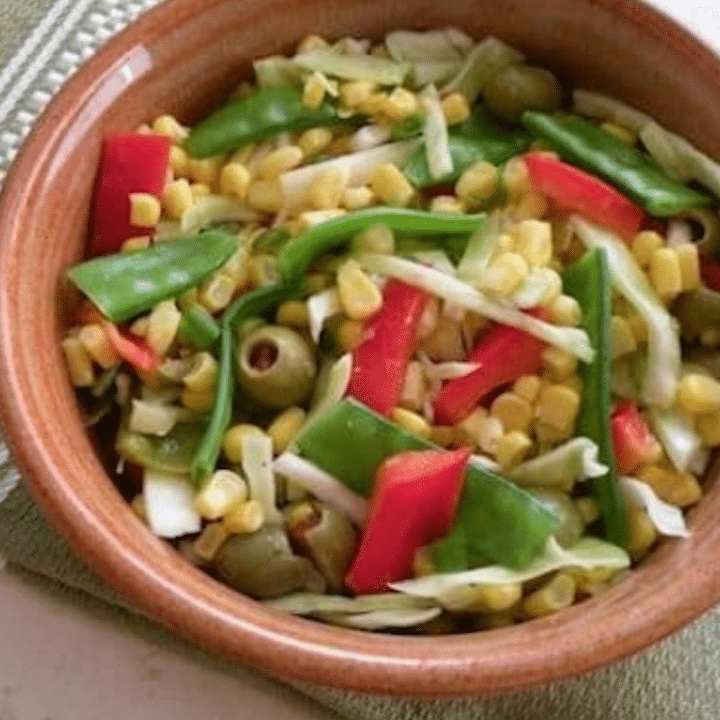
This corn and snow pea salad is the kind of dish that makes peak summer produce feel effortless. Sweet corn cut straight from the cob, crisp-tender snow peas, and crunchy cabbage and bell pepper come together with briny olives and a simple vinaigrette - no cooking beyond a quick steam, and it only gets better as it sits.
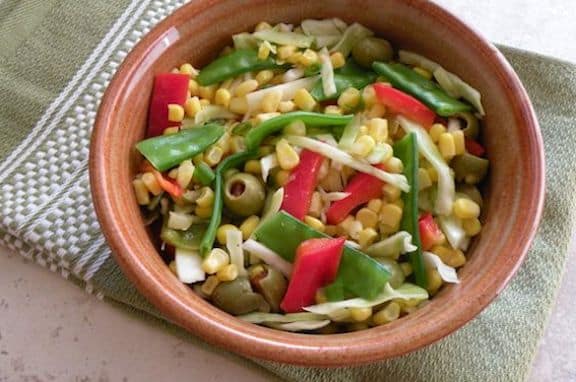
Key Ingredients & Substitutions
- Fresh corn. Raw corn cut straight from the cob has a milky sweetness and crunch that cooked corn loses - cut kernels close to the cob with a sharp knife, then scrape the cob with the back of the blade to catch the sweet "milk" left behind. In a pinch, frozen corn (thawed and patted dry) or drained canned corn both work, though the texture is softer.
- Snow peas. A 30-to-60-second steam is enough - you want them to lose their raw, squeaky bite while staying bright green and snappy. Sugar snap peas, halved lengthwise, are a fine substitute if that's what's on hand.
- Green pimiento olives. Their brine and salt do a lot of work in this salad, balancing the sweetness of the corn - don't skip them or the salad can taste flat. Sliced kalamata olives or capers are reasonable substitutes if pimiento olives aren't available.
- Red bell pepper. Adds crunch, sweetness, and color; a diced fresh tomato or handful of halved cherry tomatoes works too, though the salad will hold up a day or two less well once tomatoes are added.
- Vinaigrette. A light, acidic dressing is what this salad wants - our Basic Vinaigrette is a good default, or use a favorite bottled one. Start with a few tablespoons and add more to taste rather than dumping it all in at once.
Variations
- Add heat. A finely diced jalapeño or a pinch of crushed red pepper flakes gives the sweetness of the corn something to push against.
- Swap the cabbage. Shredded red cabbage adds color; thinly sliced napa cabbage or even shredded Brussels sprouts work if that's what you have.
- Make it a main. A can of drained and rinsed black beans or chickpeas turns this into a full meal, especially served over greens or alongside grilled tofu.
- Add fresh herbs. Chopped cilantro, basil, or mint all pair well with sweet corn - add just before serving so they stay bright.
- Go grilled. Grilling the corn on the cob before cutting the kernels off adds a smoky char that plays nicely against the raw vegetables.
Tips for the Best Corn and Snow Pea Salad
- Use the freshest corn you can find. Corn's sugars start converting to starch the moment it's picked, so this salad is best made with corn bought within a day or two - farmers' market corn if you can get it.
- Shock the snow peas. Rinsing them under cold water (or plunging into an ice bath) right after steaming stops the cooking instantly and locks in their crisp texture and bright color.
- Let it chill before serving. An hour or two in the refrigerator gives the vinaigrette time to mellow the raw corn and cabbage and lets the flavors meld - this salad is noticeably better the second time you taste it than right after mixing.
- Taste and re-season before serving. Raw corn and cabbage can absorb a surprising amount of dressing and salt as they sit; taste right before serving and add a splash more vinaigrette or a pinch of salt if it's turned bland.
- Drain before serving if needed. If the salad has released extra liquid in the fridge, tip off any pooled excess dressing so it doesn't taste watery.
Make Ahead & Storage
This salad keeps well for 2 to 3 days in a sealed container in the refrigerator, which makes it a good option for meal prep or make-ahead potluck dishes. For the best texture, add any fresh herbs just before serving rather than mixing them in ahead of time.
How to Serve
Serve chilled as a bright, crunchy side for grilled tofu, veggie burgers, or anything off the summer grill. It also makes a great addition to a picnic or potluck spread alongside other cold salads like Bok Choy Salad with Snow Peas and Red Cabbage or a pasta salad.
Recipe
Vegan Corn and Snow Pea Salad
A great way to highlight fresh corn in a summer salad. Crisp snow peas, cabbage, and bell peppers meld nicely with the sweetness of corn kernels.
Print
Pin
Save
Servings:
Ingredients
- 4 ounces snow peas
- 3 cups cooked fresh corn kernels about 4 medium ears
- 1 cup shredded white cabbage
- 1 medium red bell pepper cut into narrow 1-inch strips
- ⅓ cup green pimiento olives
- 2 scallions green parts only, thinly sliced
- ¼ cup vinaigrette homemade or store-bought, or as needed to moisten
- salt and freshly ground pepper to taste
Instructions
- Trim the snow peas and cut in half crosswise. Steam briefly, just until bright green, then rinse immediately under cool running water until cold and drain well.
- Combine the snow peas with all the remaining ingredients in a serving container and toss thoroughly.
- Cover and refrigerate for an hour or two before serving. Stir once or twice during that time to distribute the vinaigrette. Drain off any excess vinaigrette before serving.
Vegan-ize any recipe!Grab our free vegan cheat sheet, packed with my favorite easy substitutions to make any recipe vegan.
Explore more of VegKitchen's Super Savory Salads, or find more recipes for using fresh corn.
Quick Vegan Barbecue Sauce
This easy, no-cook vegan barbecue sauce takes almost no time to make and tastes better than most store-bought options — especially good with grilled tofu, tempeh, or seitan. Since it's no-cook, you can taste and adjust as you go until it's exactly the balance of sweet, smoky, and tangy you want, and it's ready before the grill even heats up.
Key Ingredients & Substitutions
- Tomato sauce. Forms the base of the sauce — use a plain, unsweetened variety for the best control over flavor, since many canned tomato sauces already have added sugar and salt.
- Agave nectar or maple syrup. Either works well for sweetness; use whichever you have on hand — maple syrup adds a slightly more distinct flavor.
- Molasses. Adds depth and a hint of smokiness. Skip it and add an extra tablespoon of agave or maple syrup if you don't have any, though the flavor will be a touch less complex.
- Smoked paprika. Swap in for the sweet paprika if you want a smokier flavor from the start — it's one of the easiest ways to add depth to a no-cook sauce.
- Apple cider vinegar. Provides the tang that balances all the sweetness — don't skip it, or the sauce will taste flat and one-dimensional.
Variations
- Make it spicier. Add a few drops of hot sauce or Sriracha, or a pinch of cayenne for dry heat.
- Make it smoky. Stir in a teaspoon of liquid smoke or 1 to 2 teaspoons mesquite seasoning for a more pronounced barbecue flavor.
- Make it tangier. Add an extra splash of apple cider vinegar to taste, especially if using it as a dipping sauce rather than a glaze.
- Make it bourbon-style. A splash of bourbon whisked in gives the sauce a warm, boozy depth for grown-up gatherings.
- Add fresh garlic. A small clove, minced or grated, deepens the savory side of the sauce.
Tips for the Best Vegan Barbecue Sauce
- Let it rest if you can. An hour of resting time lets the flavors meld and deepen — though it's still good used right away if you're in a hurry.
- Taste and adjust. Soy sauce brands vary in saltiness, so taste before adding the full amount, and adjust the sweetener and vinegar to your preference.
- Store it well. Keeps in a sealed container in the fridge for up to two weeks, making it worth batching up.
- Double the batch. This sauce keeps well, so it's worth making extra for future grilling — it also makes a great gift in a mason jar.
- Whisk, don't blend. A simple whisk gives the right texture — a blender can make the sauce too smooth and lose the slight body that makes it feel homemade.
Make Ahead & Storage
Since this sauce is no-cook, it comes together in minutes and is meant to be made ahead — in fact, it tastes better after an hour or more in the fridge, once the flavors have had a chance to meld. It keeps for up to two weeks refrigerated in a sealed jar.
How to Serve
Brush generously over grilled tofu, tempeh, or seitan, or use as a dipping sauce on the side. It's also delicious swirled into baked beans or brushed onto veggie burgers.
Recipe
Quick Vegan Barbecue Sauce
This easy, no-cook vegan barbecue sauce takes almost no time to make and tastes better than most store-bought options - especially good with grilled tofu, tempeh, or seitan.
Print
Pin
Save
Servings: (makes about 2 ½ cups)
Ingredients
- 15 to 16-ounce can tomato sauce
- 3 tablespoons agave nectar or maple syrup
- 1 tablespoon molasses or substitute an extra tablespoon of agave or maple syrup
- 2 tablespoons apple cider vinegar
- 2 to 3 tablespoons reduced-sodium soy sauce or tamari or to taste
- 1 teaspoon sweet or smoked paprika
- 1 teaspoon chili powder
- 1 teaspoon dried oregano or basil
Instructions
- Combine all the ingredients in a mixing bowl and whisk together.
- If time allows, cover and let stand for an hour or so to let the flavors combine more fully. If you need to use it right away, it will still be quite good.
Notes
For a spicier sauce, add a few drops of hot sauce or Sriracha. For a smoky flavor, add a teaspoon of liquid smoke or 1 to 2 teaspoons mesquite seasoning.
Vegan-ize any recipe!Grab our free vegan cheat sheet, packed with my favorite easy substitutions to make any recipe vegan.
Vegan Teriyaki Marinade
A well-flavored marinade, this adds an Asian spin to grilled, stir-fried, or sautéed tofu, tempeh, and seitan. It also enhances vegetables, including eggplant, broccoli, green beans, scallions, carrots, and mushrooms — use it to pan-sauté or grill vegetables and plant proteins alike. A single batch keeps in the fridge for weeks, so it's worth making ahead of a busy week of quick weeknight dinners.
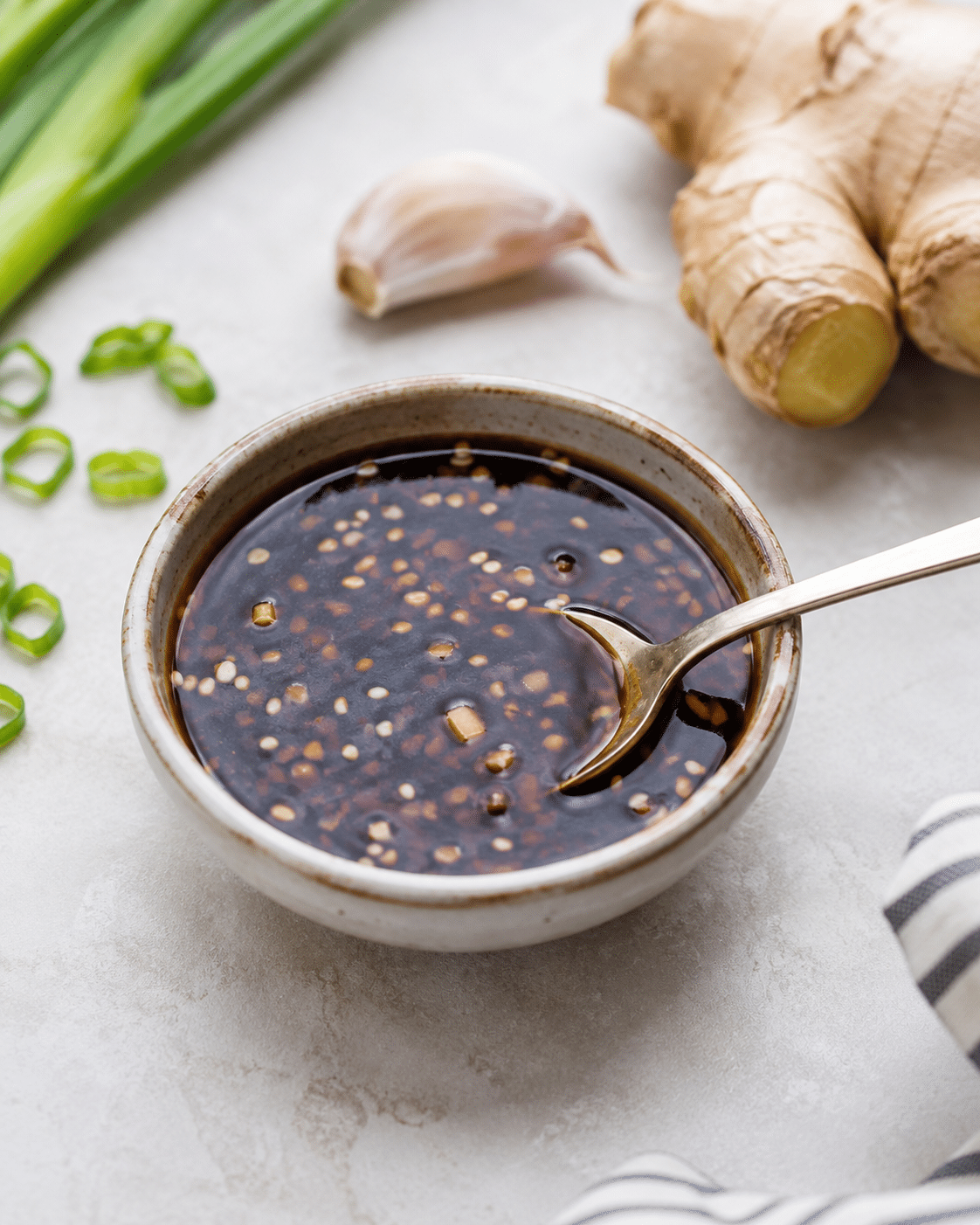
Key Ingredients & Substitutions
- Tamari or soy sauce. The savory backbone of the marinade — use tamari for a gluten-free version.
- Sake or white wine. Adds depth and a subtle sweetness — substitute more rice vinegar and a splash of water for an alcohol-free version.
- Dark sesame oil. Toasted sesame oil gives the marinade its signature nutty aroma — a little goes a long way.
- Fresh ginger and garlic. Together they give the marinade real depth — freshly grated ginger has noticeably more punch than the jarred kind.
- Rice vinegar. Adds brightness that balances the salty soy sauce and sweet sugar.
Variations
- Add heat. A pinch of red pepper flakes or a small drizzle of chili oil gives the marinade some kick.
- Add citrus. A splash of orange juice or a little orange zest brightens the flavor and adds a slightly different character.
- Make it thicker. Simmer the marinade briefly with a cornstarch slurry to turn it into a glaze for basting.
- Add sesame seeds. Stirred in or sprinkled on the finished dish, they echo the sesame oil and add texture.
- Add scallions. A little sliced scallion whisked in adds a fresh, sharp note.
Tips for the Best Teriyaki Marinade
- Let the sugar dissolve fully. If using granulated sugar rather than agave, give it a few minutes to dissolve before using, or it can taste gritty.
- Marinate tofu longer than vegetables. Firm tofu benefits from at least 30 minutes to really absorb the flavor, while vegetables pick it up much faster.
- Reserve some marinade for basting. Set aside a portion before adding raw tofu or vegetables so you have clean marinade left for brushing on during cooking.
- Whisk before each use. The ingredients can separate slightly as it sits, so give it a quick whisk before marinating or basting.
- Don't reuse marinade that touched raw tofu for basting cooked food. Set some aside first, or bring the used portion to a boil before reusing it as a sauce.
Make Ahead & Storage
This marinade keeps in a sealed jar in the refrigerator for up to 2 weeks, making it well worth batching up ahead of a week of grilling or stir-frying. Give it a good shake or whisk before each use, since the sesame oil can separate slightly during storage.
How to Serve
Use to marinate tofu, tempeh, or seitan before grilling or pan-frying, or toss with vegetables before roasting. See our Teriyaki Eggplant recipe for one delicious way to put it to use.
Recipe
Vegan Teriyaki Marinade
A well-flavored marinade that adds an Asian spin to grilled, stir-fried, or sautéed tofu, tempeh, and seitan, as well as vegetables like eggplant, broccoli, and mushrooms.
Print
Pin
Save
Servings:
Ingredients
- ¼ cup reduced-sodium tamari or soy sauce
- ¼ cup sake or white wine
- 1 tablespoon dark sesame oil
- 2 tablespoons natural granulated sugar or agave nectar
- 2 tablespoons rice vinegar or other mild vinegar
- 1 to 2 cloves crushed or minced garlic optional
- 2 teaspoons grated fresh or jarred ginger or to taste
- freshly ground pepper to taste
Instructions
- Combine all the ingredients in a small container. If using sugar, let stand until it's dissolved. Otherwise, whisk together and use as directed in recipes.
- Transfer any unused portion to a small jar or container and refrigerate.
Notes
Makes about 1 cup, enough to marinate roughly 2 pounds of tofu, tempeh, seitan, or vegetables.
Vegan-ize any recipe!Grab our free vegan cheat sheet, packed with my favorite easy substitutions to make any recipe vegan.
- Find more recipes for grilling in VegKitchen's The Vegan Barbecue.
- Find more ways to make Special Occasions and Entertaining easier and healthier.
- Here are lots more recipes for simple sauces and such.
Vegan Southwestern Rice and Beans
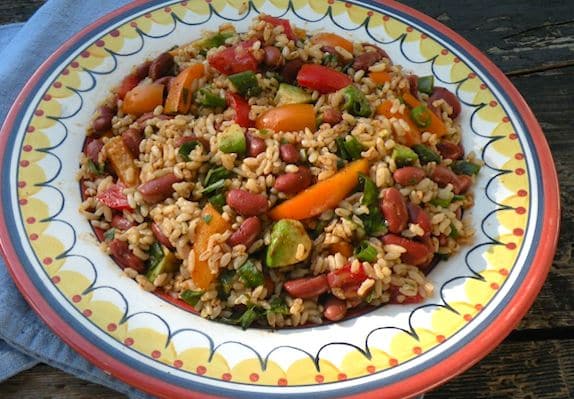
This no-cook main-dish salad turns leftover brown rice into something special with beans, avocado, lime, and warm southwestern spices. It's the kind of recipe that makes leftover grains feel like they were planned all along, and it comes together in the time it takes to chop a few vegetables — no stove required, which makes it a lifesaver on a hot day.
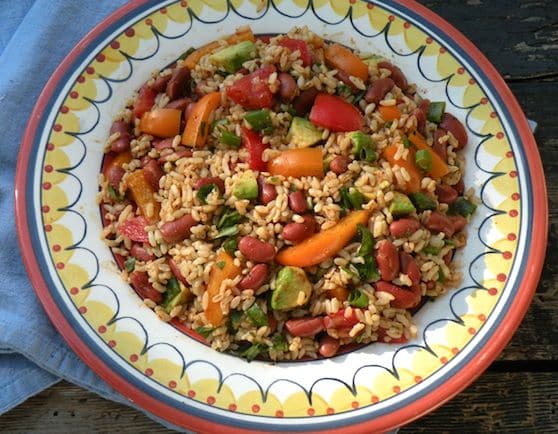
Key Ingredients & Substitutions
- Cold cooked brown rice. This is the perfect use for leftovers — cold, day-old rice holds its texture better than freshly cooked. Quinoa or farro work well too, and both bring their own pleasant chew.
- Beans. Pinto, black, red, or kidney beans all work equally well — use whichever you have on hand, or a mix of two kinds for variety.
- Avocado. Adds creaminess; dice it just before serving so it doesn't brown and turn the salad an unappetizing color.
- Fresh chili pepper. Jalapeño brings real heat, poblano is milder — or skip it and add a pinch of cayenne instead for background warmth without the fresh pepper flavor.
- Lime juice. Fresh-squeezed makes a real difference here — it's the main brightness in the dressing, since there's no cooking to develop flavor otherwise.
- Cumin and chili powder. The backbone of the southwestern flavor profile — toast them briefly in a dry pan first if you want an even deeper flavor.
Variations
- Add corn. A cup of fresh or thawed frozen corn kernels adds sweetness and crunch.
- Make it a wrap filling. Spoon into a tortilla with extra greens for a quick lunch wrap.
- Add a creamy dressing. A drizzle of vegan chipotle crema or cashew crema takes this over the top.
- Swap the grain. Quinoa, farro, or even cauliflower rice all work in place of brown rice.
- Add crunch. Crushed tortilla chips or pepitas sprinkled on top add texture right before serving.
- Make it a bowl meal. Serve over a bed of greens with extra salsa for a fuller Southwestern grain bowl.
Tips for the Best Southwestern Rice and Beans
- Use cold, leftover rice. Freshly cooked warm rice turns mushy when tossed with the dressing, and won't hold its shape nearly as well.
- Dice the avocado last. Add and toss it in right before serving to keep it from browning or getting mushy.
- Taste and adjust the lime. Limes vary a lot in juiciness and tartness — taste as you go rather than following the measurement blindly.
- Let it rest a few minutes. A short rest after tossing lets the flavors meld before serving.
- Rinse canned beans well. This removes excess sodium and the canning liquid that can make the salad watery.
Make Ahead & Storage
This salad keeps for about 2 days in the refrigerator, though it's best without the avocado added until closer to serving time, since it browns quickly once cut. If prepping ahead, store the avocado separately and fold it in just before eating, and give everything a good toss since the dressing settles.
How to Serve
This salad is a meal on its own, but it's even better paired with vegan quesadillas or nachos and a simple green vegetable. It also makes a great potluck dish since it holds up well at room temperature.
Recipe
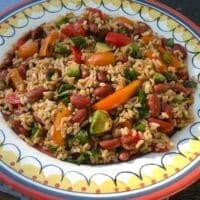
Vegan Southwestern Rice and Beans
A quick, no-cook main-dish salad that turns leftover brown rice into something special with beans, avocado, lime, and southwestern spices.
Print
Pin
Save
Servings:
Ingredients
- 2 to 2 ½ cups cold cooked brown rice
- 1 medium red or orange bell pepper cut into narrow 1 to 1 ½-inch strips
- 1 medium firm ripe avocado diced
- 15 to 16-ounce can pinto, black, red, or kidney beans drained and rinsed
- ½ cup fresh cilantro chopped, more or less to taste
- 2 scallions thinly sliced
- 1 fresh chili pepper jalapeno for heat, or poblano for mild, minced
- 1 teaspoon chili powder good-quality
- 1 teaspoon ground cumin
- 2 to 4 tablespoons fresh lime juice to taste (about ½ to 1 lime)
- 1 to 2 tablespoons extra-virgin olive oil as desired
- salt and freshly ground pepper to taste
Instructions
- Combine the rice, bell pepper, avocado, beans, cilantro, scallions, and chili pepper in a serving bowl.
- Sprinkle in the chili powder and cumin, then add the lime juice and olive oil.
- Toss until thoroughly mixed, then season with salt and pepper to taste.
- Let stand for a few minutes so the flavors can mingle, then serve.
Notes
This is a great way to use up leftover brown rice. Pair with vegan quesadillas or nachos and a green vegetable for a complete meal.
Vegan-ize any recipe!Grab our free vegan cheat sheet, packed with my favorite easy substitutions to make any recipe vegan.
Vegan Mushroom & Bok Choy Soup

This aromatic, mushroom-filled soup gets its light Asian flavor from sesame oil, ginger, and soy sauce — and comes together in about 30 minutes. It's the kind of soup that feels restaurant-worthy but only needs a cutting board, a pot, and a handful of pantry staples, making it an easy weeknight dinner that doesn't taste like a shortcut.

Key Ingredients & Substitutions
- Mixed mushrooms. Use 2 or 3 kinds — baby bella, oyster, shiitake, and enoki all work well together for layered flavor and texture. Add delicate mushrooms like enoki near the end so they don't overcook.
- Bok choy. Regular or baby bok choy both work; the greens wilt quickly, so add them last. Napa cabbage is a reasonable substitute if bok choy isn't available.
- Dark sesame oil. Toasted sesame oil is what gives this broth its signature nutty aroma — don't swap in regular sesame oil if you can help it, since the flavor is quite different.
- Fresh ginger. Optional, but it adds a nice warmth. Grate it fresh for the best flavor rather than using dried ground ginger.
- Soy sauce or tamari. Provides the savory backbone of the broth — use tamari for a gluten-free version.
Variations
- Add protein. Cubed firm tofu or a handful of edamame turns this into a heartier meal.
- Add noodles. A tangle of rice noodles or soba turns the soup into a full noodle bowl.
- Make it spicy. A drizzle of chili oil or a pinch of red pepper flakes adds heat.
- Swap the greens. Napa cabbage, spinach, or tatsoi all work in place of bok choy.
- Add umami. A small piece of kombu simmered in the broth (removed before serving) deepens the flavor.
- Add scallions. Sliced and stirred in at the very end, or scattered on top, for a fresh, sharp finish.
Tips for the Best Mushroom & Bok Choy Soup
- Slice mushrooms evenly. This helps them cook at the same rate and gives the soup a nicer texture.
- Save delicate mushrooms for last. Enoki and bunapi mushrooms cook in seconds — stir them in at the very end along with the bok choy.
- Don't overcook the bok choy. It only needs a minute or two in the hot broth to wilt while staying bright green and slightly crisp.
- Taste before serving. Soy sauce brands vary in saltiness, so taste and adjust right before you serve.
- Serve immediately. This soup is best the moment it's ready — the bok choy keeps cooking and softening the longer it sits.
Make Ahead & Storage
The broth base can be made a day or two ahead and refrigerated, but hold off on adding the bok choy and delicate mushrooms until you're ready to serve, since they lose their texture quickly once cooked and reheated.
How to Serve
Ladle into bowls and serve piping hot, on its own or alongside a simple vegetable stir-fry or a dish of pan-seared tofu. A side of steamed rice makes it more filling.

Recipe

Vegan Mushroom & Bok Choy Soup
A light, aromatic broth loaded with mixed mushrooms and tender bok choy, with a gentle Asian-inspired flavor from sesame oil, ginger, and soy sauce.
Print
Pin
Save
Servings:
Ingredients
- 1 tablespoon dark sesame oil
- 5 to 6 scallions thinly sliced, white and green parts kept separate
- 2 cloves garlic minced
- 32 ounces low-sodium vegetable broth
- ¼ cup dry white wine optional
- 1 to 2 teaspoons fresh ginger grated, optional
- 1 to 2 tablespoons reduced-sodium soy sauce or to taste
- 3 to 4 cups mixed mushrooms sliced; use 2-3 kinds such as baby bella, oyster, shiitake, or enoki
- 5 to 6 stalks bok choy greens included, thinly sliced (or 2-3 baby bok choy)
- freshly ground pepper to taste
Instructions
- Heat the sesame oil in a soup pot. Add the white parts of the scallions and the garlic, and saute over low heat until the garlic turns golden.
- Add the broth, mushrooms (hold back any delicate mushrooms like enoki for later), soy sauce, and the optional wine and ginger. Bring to a slow boil.
- Lower the heat, cover, and simmer gently for 10 to 12 minutes, until the mushrooms reach the texture you like.
- Stir in any reserved delicate mushrooms along with the green scallion parts and the bok choy. Return to a simmer, then remove from the heat right away.
- Season with plenty of pepper and taste for more soy sauce. Serve immediately.
Notes
This soup is best served the moment it comes off the heat, while the bok choy is still bright and just barely wilted.
Vegan-ize any recipe!Grab our free vegan cheat sheet, packed with my favorite easy substitutions to make any recipe vegan.
Vegan Tahini Yogurt Sauce
Whip up a batch of this Tahini-Yogurt Sauce whenever you want! In just a few minutes, this sauce is ready for whatever sandwich or snack you have in mind!

Life is too short for boring sauces. Enter this Tahini Yogurt Sauce - a creamy, tangy, and slightly nutty condiment that�s about to become your new kitchen staple. With its bold flavors and velvety texture, this sauce works magic on everything from salads to roasted veggies to grain bowls.
The best part? It�s completely plant-based, made with simple ingredients, and comes together in minutes. Let�s dive in and whip up some flavor-packed goodness!
Why You�ll Love This Tahini Yogurt Sauce
- Quick & Easy: A one-bowl wonder that�s ready in under 5 minutes.
- Plant-Based Perfection: Dairy-free but just as creamy and satisfying as the original.
- Incredibly Versatile: Use it as a dressing, dip, or drizzle�it�s a multitasker.
- Bold, Balanced Flavors: The nutty tahini, zesty lemon, and hint of mustard come together beautifully.
Key Ingredients & Substitutions
Plant-Based Yogurt (� cup): Almond or coconut yogurt keeps this sauce creamy and dairy-free. Feel free to use any plain dairy-free yogurt you like.
Tahini (� cup): The star ingredient adds nuttiness and a luscious texture. Use a smooth, high-quality tahini for the best results.
Grainy Mustard (1 tsp): Adds depth and a touch of tang. Dijon mustard works well as a substitute.
Lemon Juice (1 tbsp): Provides brightness and acidity. Adjust to taste based on your preference.
Fresh Chives or Scallions (1 tbsp, minced): For a hint of freshness. Parsley or dill can be used for a different flavor profile.
Horseradish (1 tsp, optional): Adds a spicy kick for those who like a bit of heat.
Variations
- Make it herby. Swap the chives for a handful of chopped fresh dill or parsley for a different flavor profile.
- Add garlic. A small minced or grated clove of garlic adds a savory kick.
- Make it spicier. Increase the horseradish, or stir in a pinch of cayenne or a dash of hot sauce.
- Go nut-free. Swap the tahini for sunflower seed butter for a similar texture without sesame.
- Make it thinner for dressing. Whisk in a little extra lemon juice or water until it's pourable enough to dress a salad.
How to Make Tahini Yogurt Sauce
1. Combine Ingredients: In a small bowl, whisk together the yogurt, tahini, mustard, lemon juice, chives or scallions, and horseradish (if using) until smooth and well blended.
2. Taste and Adjust: Taste the sauce and adjust the seasoning. Add more lemon juice for tang, or a pinch of salt if needed.
3. Serve or Store: Use immediately, or transfer to a tightly lidded container and refrigerate. The sauce will keep for up to a week.
Tips for the Best Tahini Yogurt Sauce
Consistency Control: If the sauce is too thick, thin it out with a splash of water or more lemon juice until it reaches your desired consistency.
Fresh Herbs Are Key: Minced chives or scallions add a burst of flavor, so use fresh ones for the best results.
Double the Recipe: This sauce is so versatile, you�ll want extra on hand for the week.
Ways to Use Tahini Yogurt Sauce
This sauce is a true multitasker. Here are some delicious ideas:
- Drizzle: Over roasted vegetables, grain bowls, tempeh or falafel.
- Dip: Serve alongside fresh veggies, pita bread, or crispy chickpeas.
- Dressing: Toss with greens or use as a creamy dressing for slaws.
- Spread: Use it as a spread for sandwiches (like these BBQ pitas!), wraps, or burgers.
- Topper: Dollop on baked potatoes or tofu for a flavor boost.
More Vegan Recipes
If you love this vegan tahini-yogurt sauce, be sure to check out my other vegan sauces and these delicious ideas:
Recipe
Vegan Tahini Yogurt Sauce
Whip up a batch of this vegan Tahini-Yogurt Sauce whenever you want! In just a few minutes, this sauce is ready to go.
Print
Pin
Save
Servings:
Ingredients
- ½ cup plain plant-based yogurt such as almond or coconut
- ¼ cup tahini
- 1 teaspoon grainy mustard
- 1 tablespoon lemon juice to taste
- 1 tablespoon fresh chives or scallions, minced
- 1 teaspoon horseradish optional
Instructions
- Combine all the ingredients in a small bowl and whisk together until smooth.
- Transfer any unused portion to a tightly lidded container where it will keep in the refrigerator for up to a week.
Nutrition (Estimate per Serving)
Calories: 28kcalCarbohydrates: 2gProtein: 1gFat: 2gSaturated Fat: 1gPolyunsaturated Fat: 1gMonounsaturated Fat: 1gSodium: 7mgPotassium: 20mgFiber: 1gSugar: 1gVitamin A: 11IUVitamin C: 2mgCalcium: 15mgIron: 1mg
Vegan-ize any recipe!Grab our free vegan cheat sheet, packed with my favorite easy substitutions to make any recipe vegan.
Yellow Squash Soup
This Yellow Squash Soup turns an often overlooked veggie into a light, healthy, and delicious meal! With just a few simple ingredients and a quick cook time, it's perfect for busy weeknight dinners.
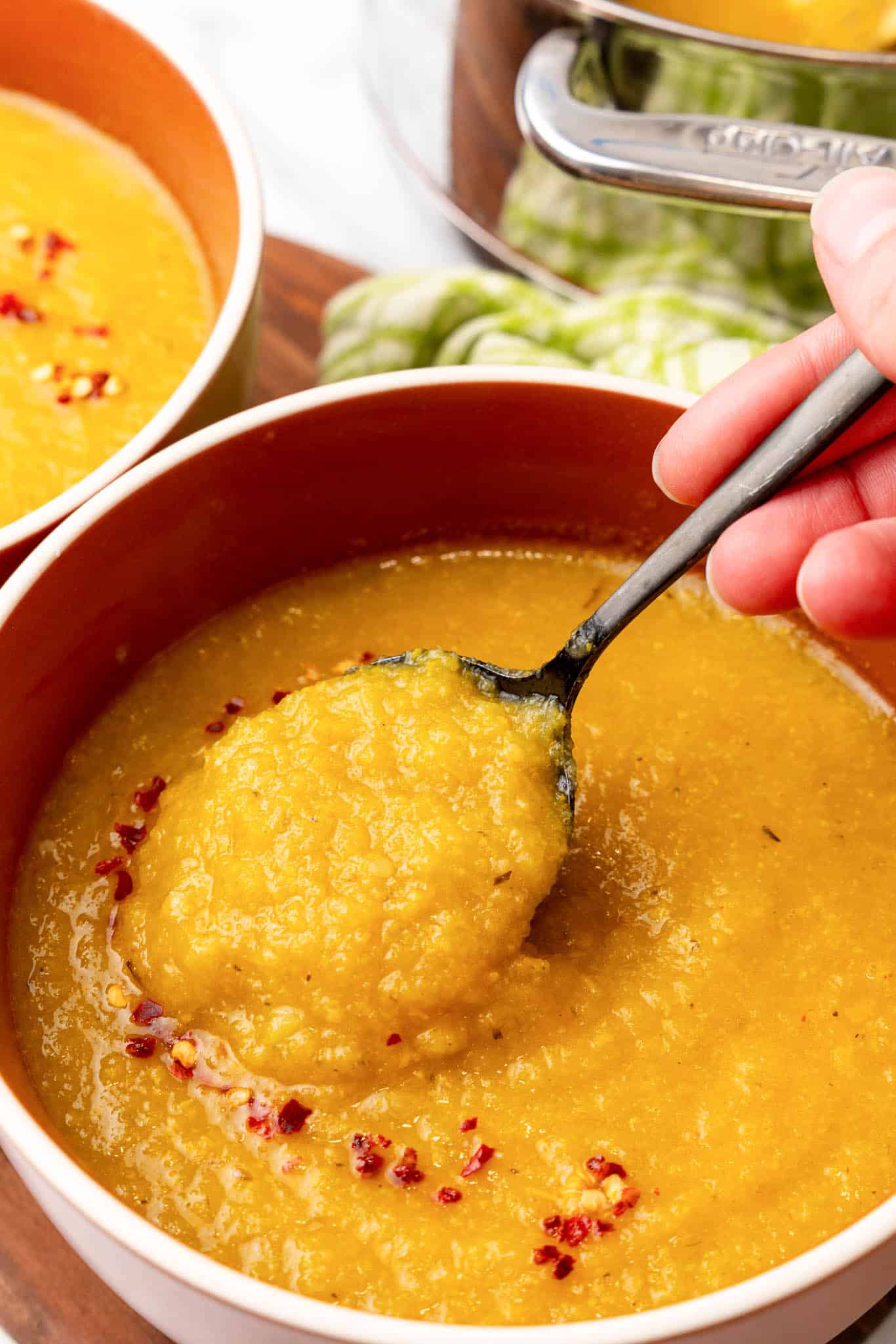
Yellow squash is an underrated vegetable, that really deserves a lot more attention in the kitchen! As a summer squash, it's lighter in texture and has a mild flavor that works with many types of dishes. I especially love it in summery tacos or in a simple summer squash sauté.
But one thing I hadn't done with yellow squash before is soup! So this recipe was a bit of an experiment, but I sure am glad I tried it. This yellow squash soup turned out so tasty and it couldn't be any simpler to make.
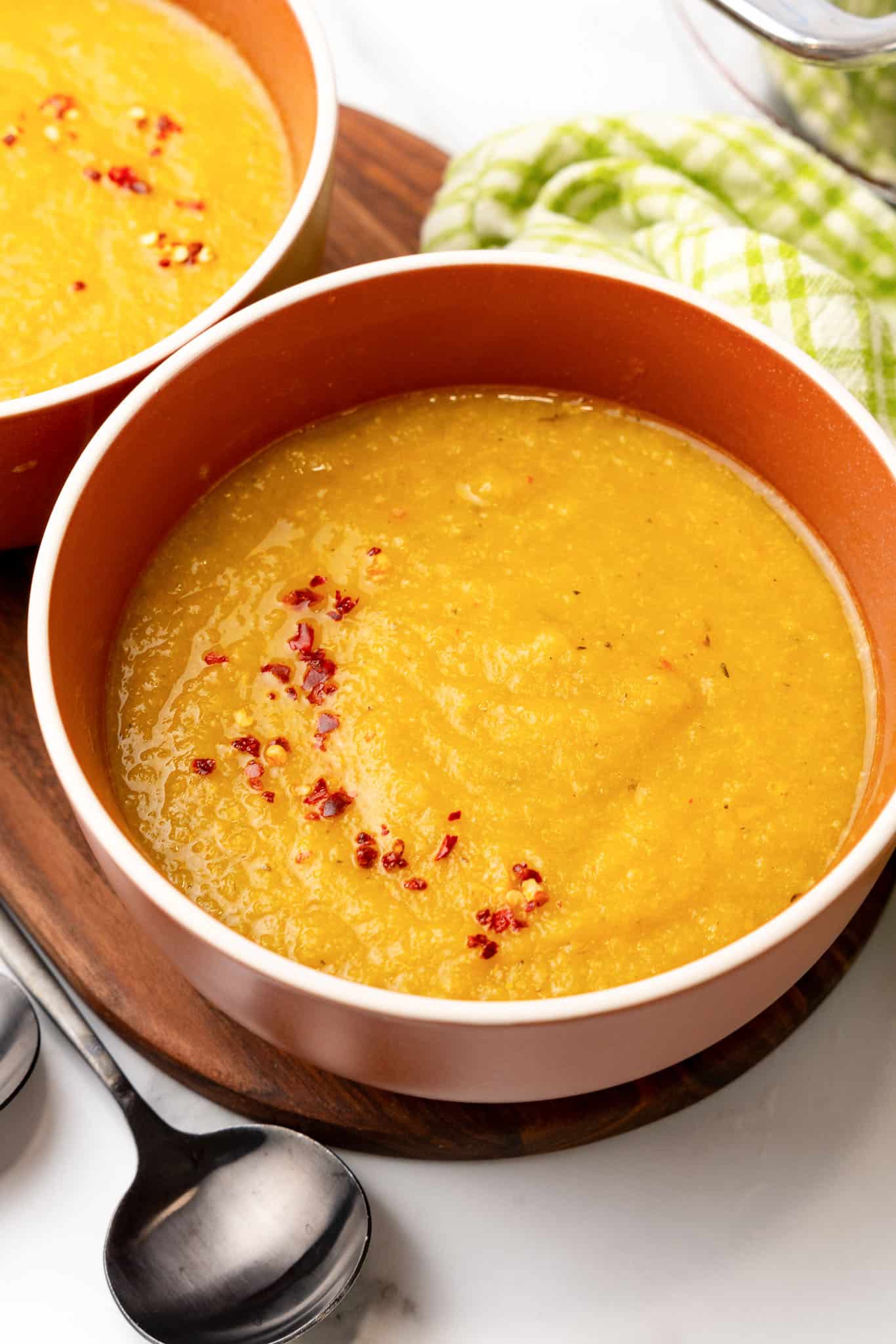
This Yellow Squash Soup is:
- Easy to Make: With just 10 minutes of prep and a handful of simple ingredients, you'll have a delicious homemade soup on the table in no time.
- Healthy and Light: Packed with fresh veggies and a flavorful broth, this soup is low in calories yet incredibly satisfying.
- Customizable: You can easily adjust the thickness and spice level of this soup to suit your taste. Want it thicker? Use less broth. Prefer a kick of heat? Add extra red pepper flakes!
- Perfect for Meal Prep: This soup stores well and is great for making ahead of time. It's just as delicious (if not better) the next day.
- 100% vegan!
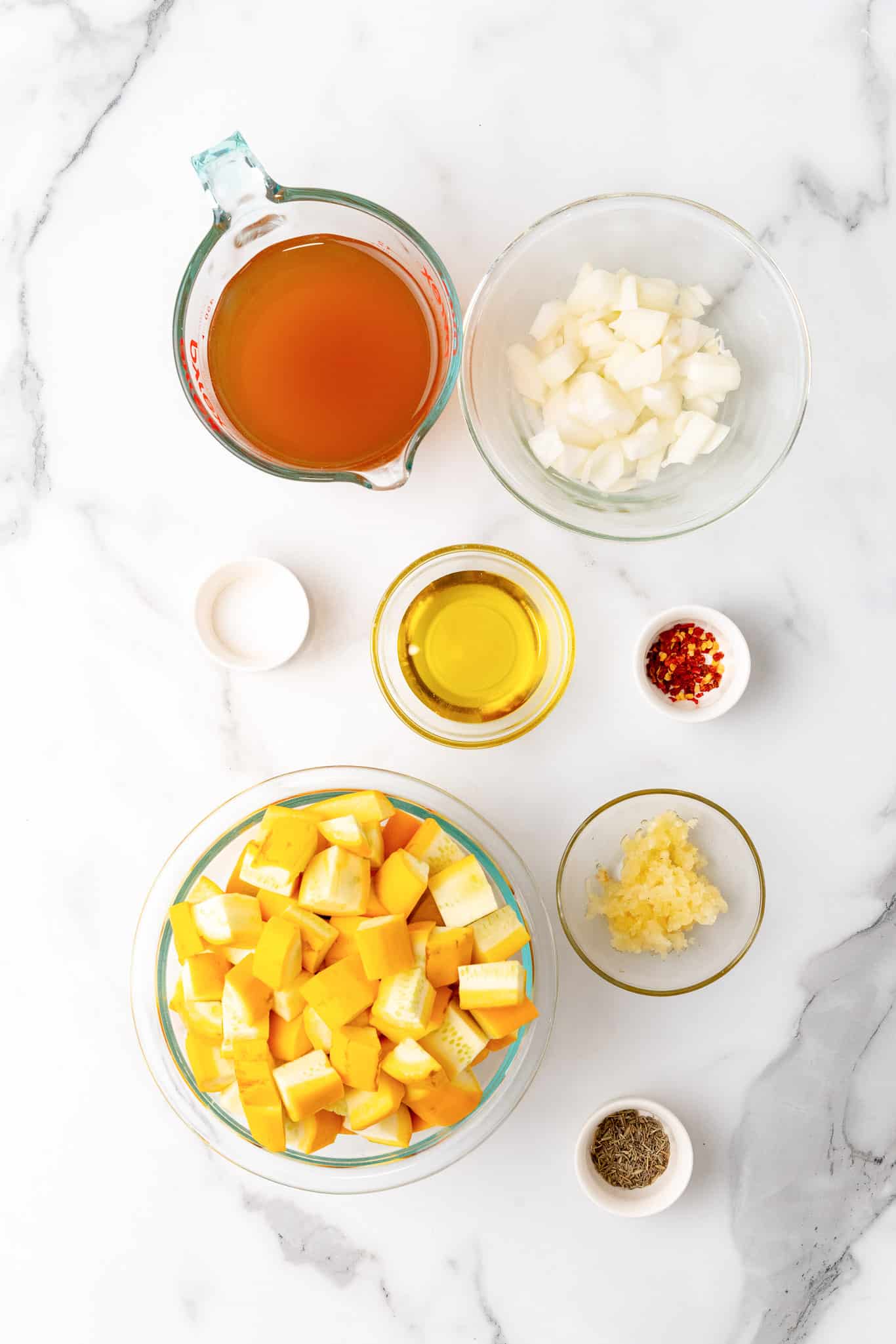
Key Ingredients & Substitutions
Yellow Squash: The star ingredient! Yellow squash has a mild, slightly sweet flavor and becomes wonderfully creamy when pureed. You could also try this recipe with zucchini or a combination of the two if you like.
Onion & Garlic: These aromatics form the flavorful base of the soup, adding depth and richness. Feel free to adjust the amount of garlic to your taste.
Thyme: This herb adds a subtle earthy note that complements the sweetness of the squash. Dried thyme is called for here, but fresh thyme would work beautifully as well - just double the amount if you're using fresh.
Red Pepper Flakes: Just a touch adds a hint of heat, but you can dial it up or down depending on your spice preference. If you're not into spicy food, you can omit this altogether.
Vegetable Broth: This forms the base of the soup and helps bring everything together. For a fresher flavor, you can use a homemade veggie broth.
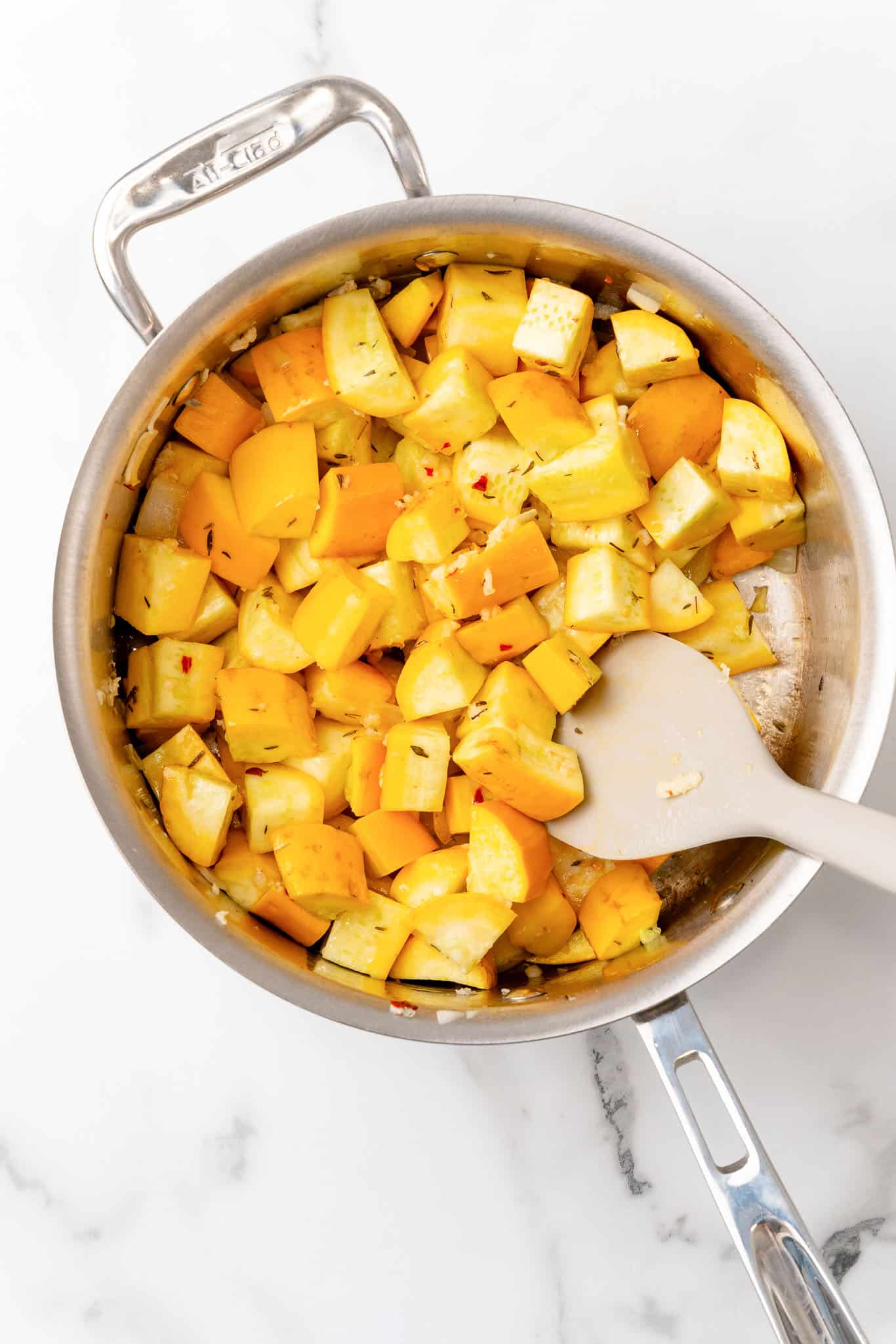
Helpful Tips for Making the Best Yellow Squash Soup
Don't Rush the Onion and Garlic: Take your time cooking the onion and garlic. Let them soften and become fragrant before adding the squash. This step adds depth and flavor to the soup.
Adjust the Broth to Your Preference: Start with 2 cups of broth and add more as needed after pureeing to reach your desired consistency. If you like a thicker, heartier soup, you might want to stick with the smaller amount of broth.
Blending the Soup: An immersion blender is perfect for pureeing the soup right in the pot, but if you don't have one, you can use a regular blender. Just be sure to blend in batches and let the soup cool slightly before transferring it to the blender.
Garnish Options: Want to jazz up your bowl? Add a dollop of sour cream, a sprinkle of fresh herbs, or some crunchy croutons. A drizzle of olive oil or a few extra red pepper flakes can also elevate the presentation and flavor.
Variations to Try
Creamy Yellow Squash Soup
For an extra creamy texture, stir in a splash of coconut milk at the end of cooking. This will add richness while keeping the soup silky smooth.
Zucchini and Yellow Squash Soup
Mix things up by adding zucchini along with the yellow squash. It's a great way to use up summer veggies and adds a little variety to the flavor.
Spicy Squash Soup
Increase the amount of red pepper flakes or add a pinch of cayenne for a spicier version of this soup. You can also top it with a drizzle of hot sauce for an extra kick.
Serving Suggestions
This soup is versatile and can be served as a starter for a bigger meal, or as a main dish on its own. Try pairing it with a green salad or a slice of crusty bread for a light, satisfying meal. It's also great as a side dish for a vegan grilled sandwich or alongside roasted veggies for a wholesome, plant-based meal.
Also worth trying: our creamy asparagus and pea pasta.
Also worth trying: our miso butternut squash soup.
Also worth trying: our vegan pumpkin mac and cheese.
Also worth trying: our zucchini with mint.
Storage & Reheating
Got leftovers? Lucky you! This soup stores well, making it a great choice for meal prep.
Fridge: Store in an airtight container in the fridge for up to 4 days. The flavors will deepen as it sits, making it even more delicious the next day.
Freezer: If you want to save it for later, freeze the soup in individual portions for up to 3 months. Just thaw in the fridge overnight before reheating.
Reheating: Reheat the soup on the stovetop over medium heat, adding a splash of broth or water if it has thickened too much.
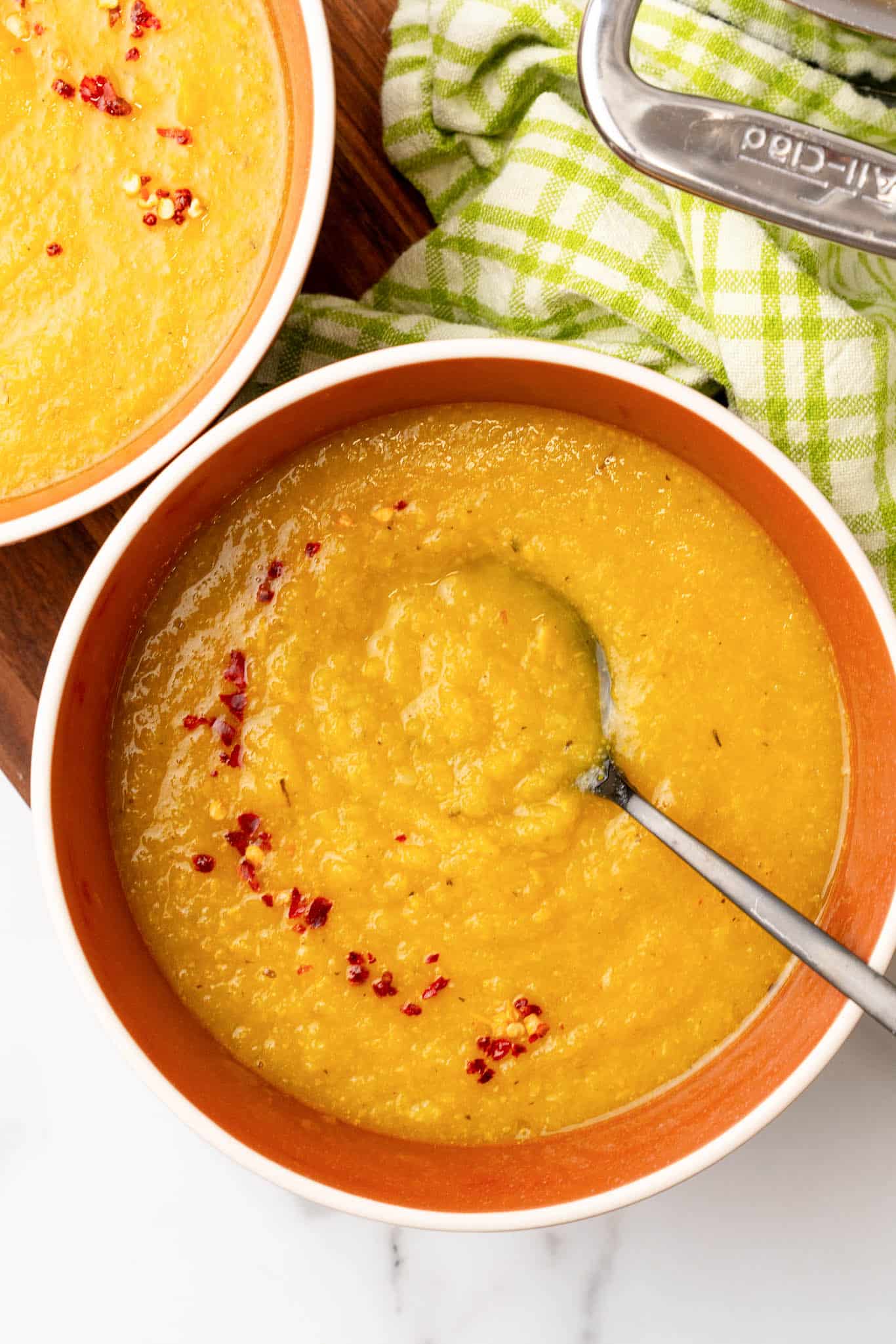
More Vegan Recipes
If you love this yellow squash soup, be sure to check out these other delicious vegan recipes:
Also try: our Glazed Baked Onions.
- Vegan Italian Minestrone Soup
- Vegan Apple and Butternut Squash Soup
- Old Fashioned Vegan Stew
- For a light spring option, also try our cream of asparagus soup.
Recipe
Yellow Squash Soup
This Yellow Squash Soup is light, healthy, and delicious! With just 10 minutes of prep and a handful of simple ingredients, it's perfect for busy weeknight dinners.
Print
Pin
Save
Servings: servings
Ingredients
- 2 tablespoons olive oil
- 1 medium onion diced
- 3 cloves garlic minced
- ½ teaspoon thyme
- ½ teaspoon salt
- ¼ teaspoon red pepper flakes
- 4 medium yellow squash diced
- 2 - 2 ½ cups vegetable broth
Instructions
- In a large pot over medium heat, add the onion, garlic, thyme, salt and red pepper flakes. Cook, stirring frequently, until the onion starts to soften.
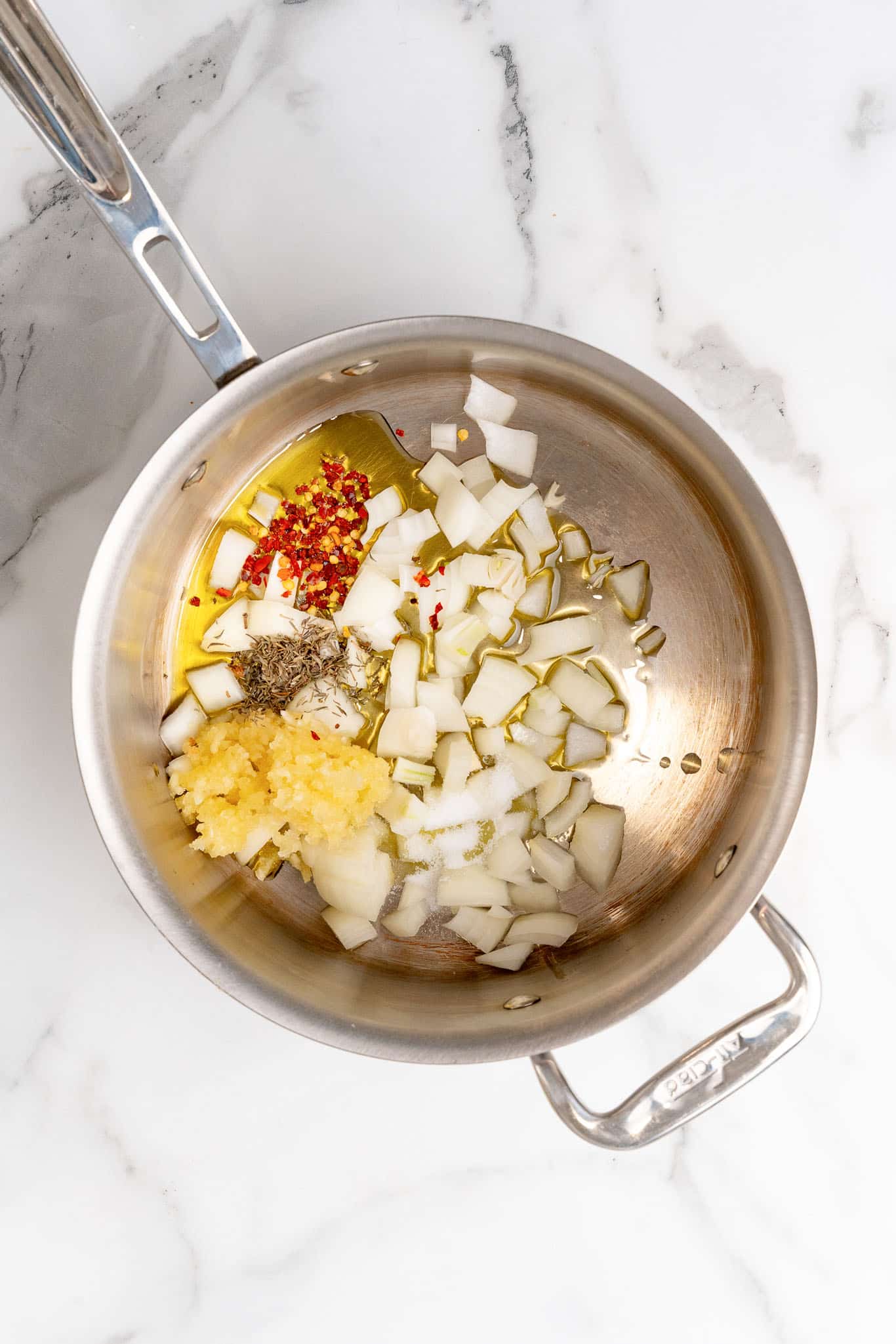
- Add the yellow squash and cook until it begins to soften. Add 2 cups of broth and bring to a boil. Reduce heat and simmer for 20 minutes, or until the veggies are very tender.
- Use an immersion blender to puree the soup.
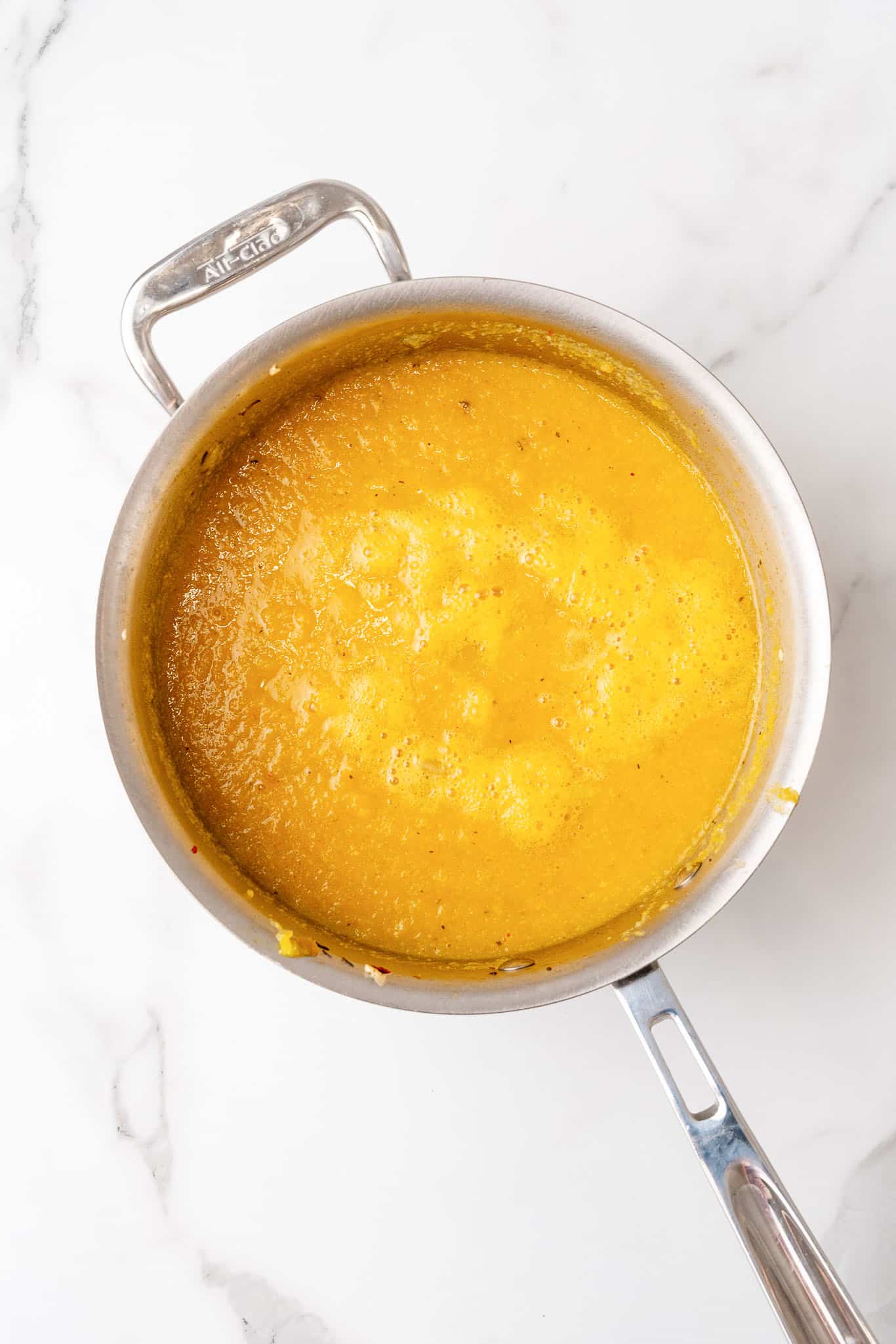
- Add additional broth until desired consistency is achieved.
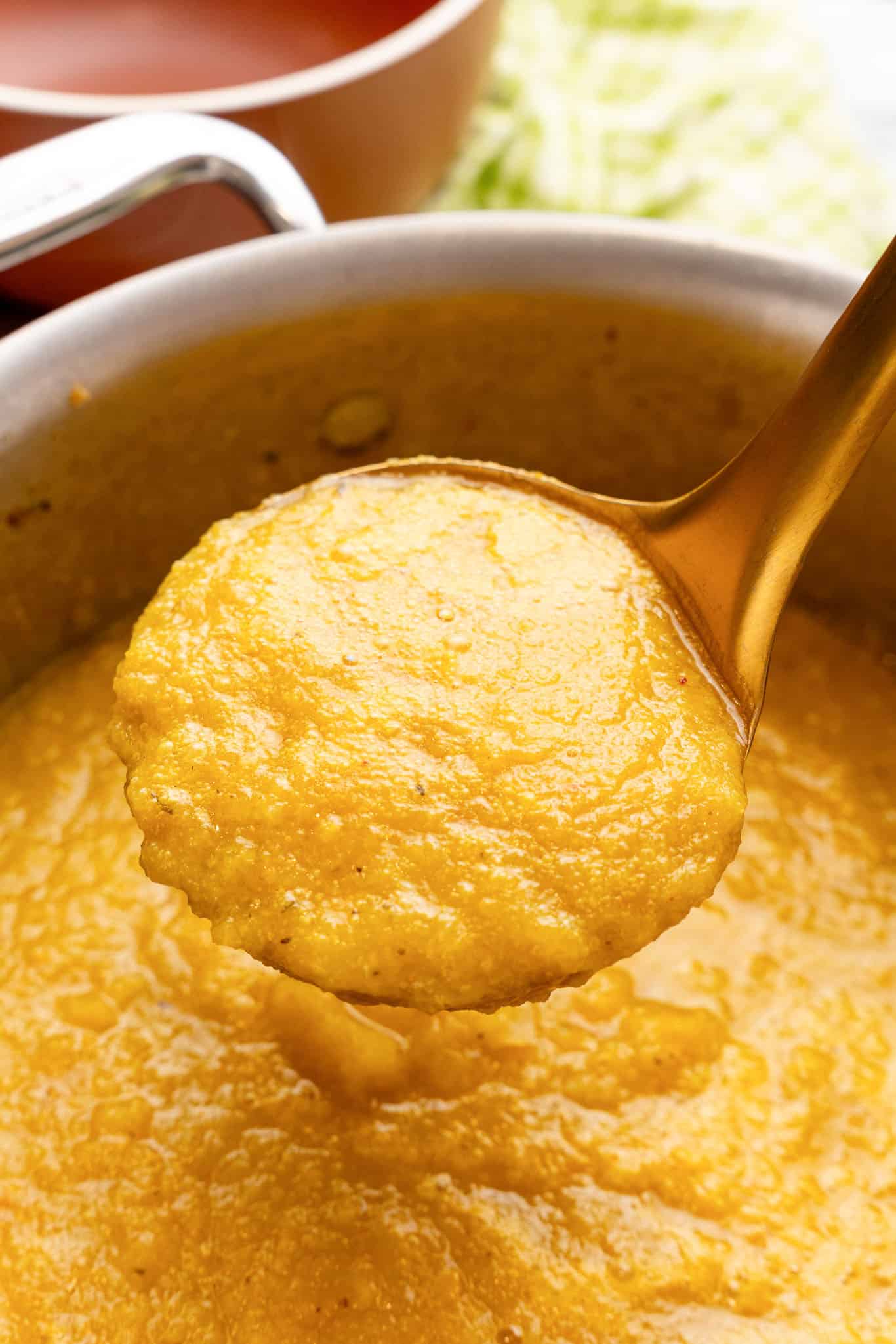
- Serve garnished with additional red pepper flakes if desired.
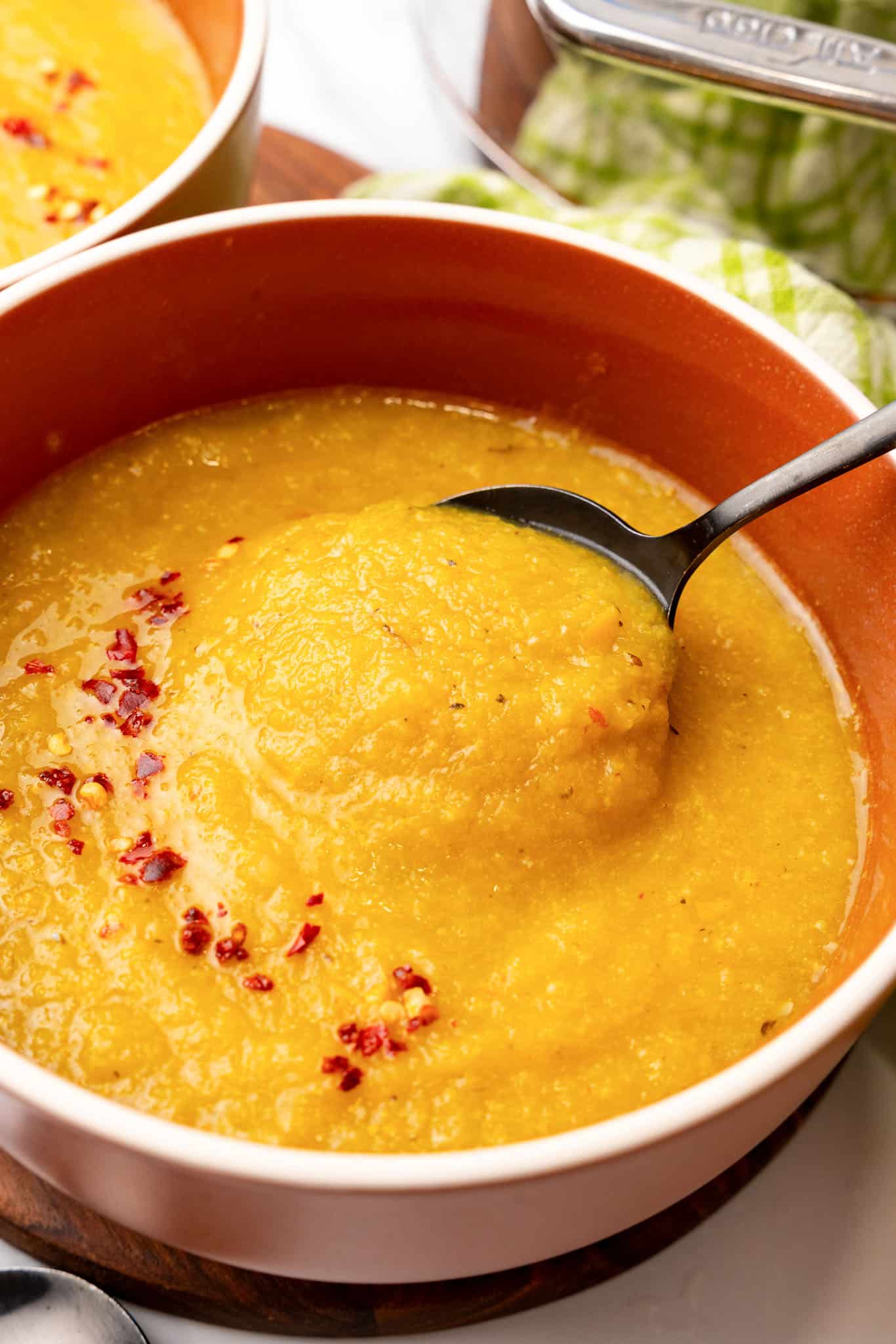
Nutrition (Estimate per Serving)
Calories: 116kcalCarbohydrates: 12gProtein: 3gFat: 7gSaturated Fat: 1gPolyunsaturated Fat: 1gMonounsaturated Fat: 5gSodium: 886mgPotassium: 567mgFiber: 3gSugar: 7gVitamin A: 755IUVitamin C: 36mgCalcium: 41mgIron: 1mg
Vegan-ize any recipe!Grab our free vegan cheat sheet, packed with my favorite easy substitutions to make any recipe vegan.
Farro Bowl

My farro bowl is one recipe you will love to make over and over again. This is loaded with farro, arugula, sweet potatoes, chickpeas, cucumbers and more all drizzled with a homemade dressing.

Hearty, filling, and nutrient rich is what you will get with this quick and easy farro bowl. Also make sure to try out these other 12 Farro bowls, learn how to cook farro perfect every time, and my chickpea buddah bowl.
This Farro Bowl Recipe Is...
- Vegan
- Vegetarian
- Nutrient Rich
- Great for Meal Prep Friendly
- Homemade Dressing
How to Make A Farro Bowl

Full steps on how to make a farro bowl are in the printable recipe card at the bottom of the post. This is a quick walk through.
- Cook your farro as directed on the package.
- Preheat the oven and add your sweet potatoes, chickpeas and bell peppers on pan. Drizzle with oil and season.
- Bake as directed, flipping halfway through.
- While vegetables are cooking you will mix up your dressing.
- Add the farro, and veggies into the bowl along with cucumbers and then drizzle over the dressing. Top with pepitas and enjoy.
Helpful Tips For Success

Sheet Pan
I like to use a rimmed sheet pan when I roast vegetables in the oven. I find that it is going to offer the best space so you can cook in a single layer. Otherwise you will find you need a larger pan so things don't overlap.
Flipping Halfway Through Roasting
Make sure that you flip the vegetables half way through roasting. That way both sides of the vegetables will brown evenly.
Variations to Farro Bowl

Dressing
I made this homemade dressing but you are more than welcome to swap it out with something else if you want. I find the dressing compliments the farro and vegetables nicely.
Vegetables Used
So this dish can be made with almost any vegetable. Broccoli, kale, spinach, zucchini and the list goes on. Feel free to pick and choose what vegetables you are wanting.
Artificial Sweetener
If you do not want to use maple syrup you can use an agave or artificial sweetener of choice or leave the syrup out altogether if you don't want added sugar into the bowl.
Farro Bowl FAQs

What does farro go with?
Farro is very versatile, and is generally used in making bowls or salads. I love making bowls as you can pile on all the veggies you want and enjoy the rich flavors.
Is farro a carb or protein?
You will find that farro is a high protein grain. You will find it is a great way to get some added protein in to your daily diet. It does contain carbohydrates as well.
Which is healthier quinoa or farro?
Farro has more carbs but also is more nutrient rich compared to quinoa. So it is up to you if you want to reduce your carb intake or not. But both of these items are healthy compared to, say, rice.
Recipe

Farro Bowl
This easy farro bowl makes for a quick, easy, and healthy meal. Hearty farro, fresh veggies, and a creamy avocado dressing. And it's vegan friendly too!
Print
Pin
Save
Servings: servings
Ingredients
For the bowl:
- 1 cup farro cooked according to package directions
- 1 can chickpeas rinsed and drained
- 1 medium sweet potato peeled and cut into small pieces
- 1 bell pepper diced
- 2 tablespoons olive oil
- 1 tablespoon smoked paprika
- 1 teaspoon garlic powder
- ½ teaspoon salt
- 2 cups arugula
- 1 cup chopped cucumber peeling optional
- ½ cup roasted Pepita
For the dressing:
- 3 tablespoons olive oil
- 2 tablespoons parsley chopped
- 1 tablespoon basil chopped
- 1 tablespoon maple syrup
- ½ teaspoon salt
- 1 lemon juiced
- 1 large avocado diced
- 1 clove garlic
Instructions
- Prepare farro according to the package directions, set aside
- Preheat oven to 425 F, line baking sheet with parchment paper
- Place chickpeas, sweet potato, bell pepper on prepared baking sheet, then drizzle with olive oil and sprinkle with smoked paprika, garlic powder and salt and toss to evenly coat

- Bake in preheated oven 20 minutes, stirring once halfway through

- Meanwhile, prepare dressing by adding olive oil, parsley, basil, maple syrup, salt, lemon juice, avocado, and garlic to a large food processor and pulse until smooth.

- Add a small amount of water if desired to thin the dressing.

- Divide the the farro, roasted chickpeas, sweet potatoes, peppers, spinach, cucumber and Pepitas into 4 bowls, top with dressing and serve immediately

Nutrition (Estimate per Serving)
Calories: 590kcalCarbohydrates: 67gProtein: 13gFat: 33gSaturated Fat: 5gPolyunsaturated Fat: 6gMonounsaturated Fat: 20gTrans Fat: 0.01gSodium: 632mgPotassium: 949mgFiber: 16gSugar: 9gVitamin A: 10357IUVitamin C: 65mgCalcium: 91mgIron: 4mg
Vegan-ize any recipe!Grab our free vegan cheat sheet, packed with my favorite easy substitutions to make any recipe vegan.
Massaged Kale Salad with Orange-Miso Dressing
This massaged kale salad is packed with healthy greens, protein rich black beans, hearty rice, and fresh veggies. All topped with a savory and sweet orange-miso dressing. It makes for a healthy lunch, side, or a deliciously light weeknight meal.
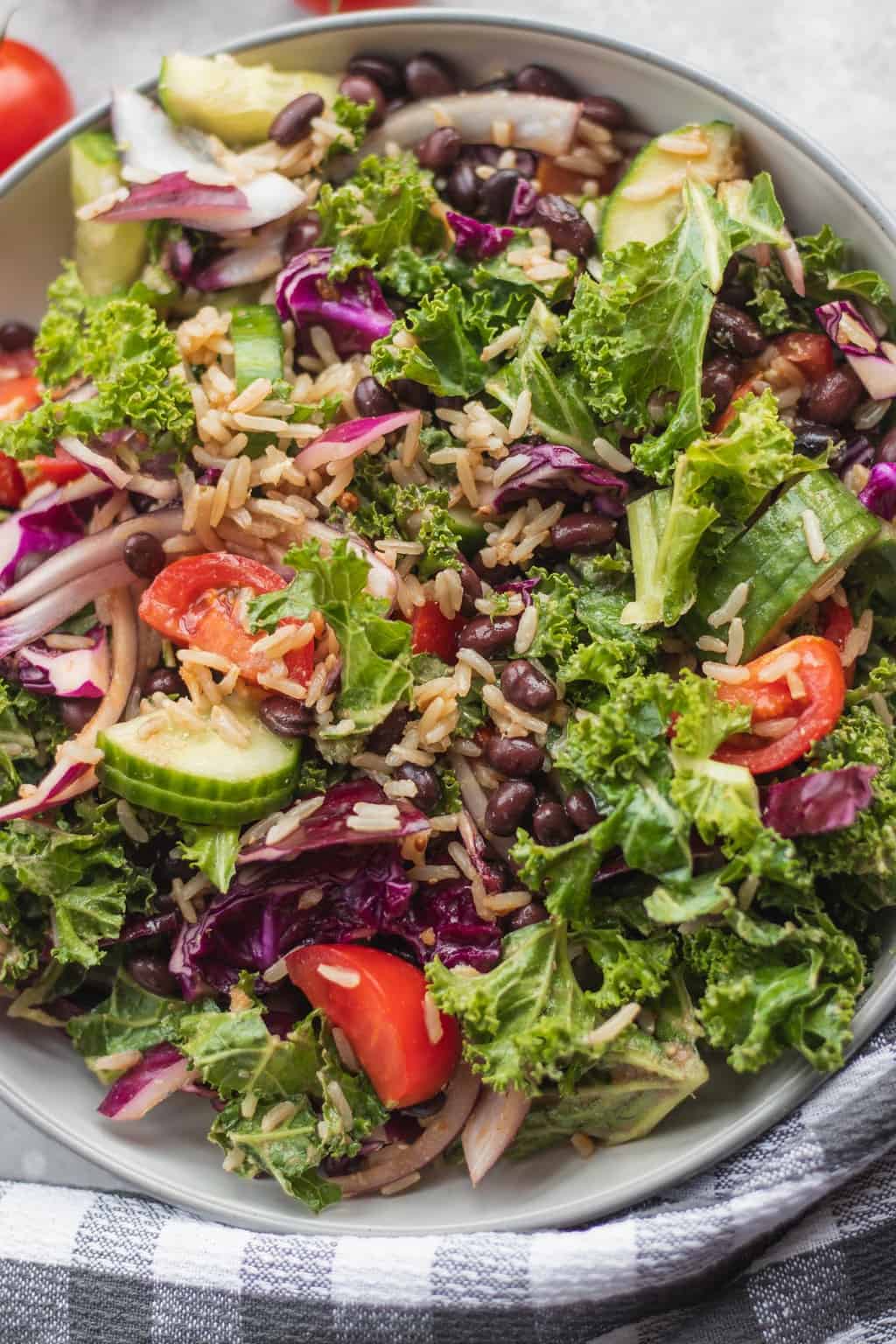
I love taking salads to the next level. Because no one likes a boring salad, right? So I do my best to keep my salads filling, flavorful and also high in protein.
That's why I think autumn and winter are actually my favorite times of year for salads. With a kale salad like this one, you can enjoy an abundance of vegetables while using a carb-y base to make the overall dish super cozy and comforting.
Just add a simple yet delicious dressing, and that's lunch or dinner sorted!
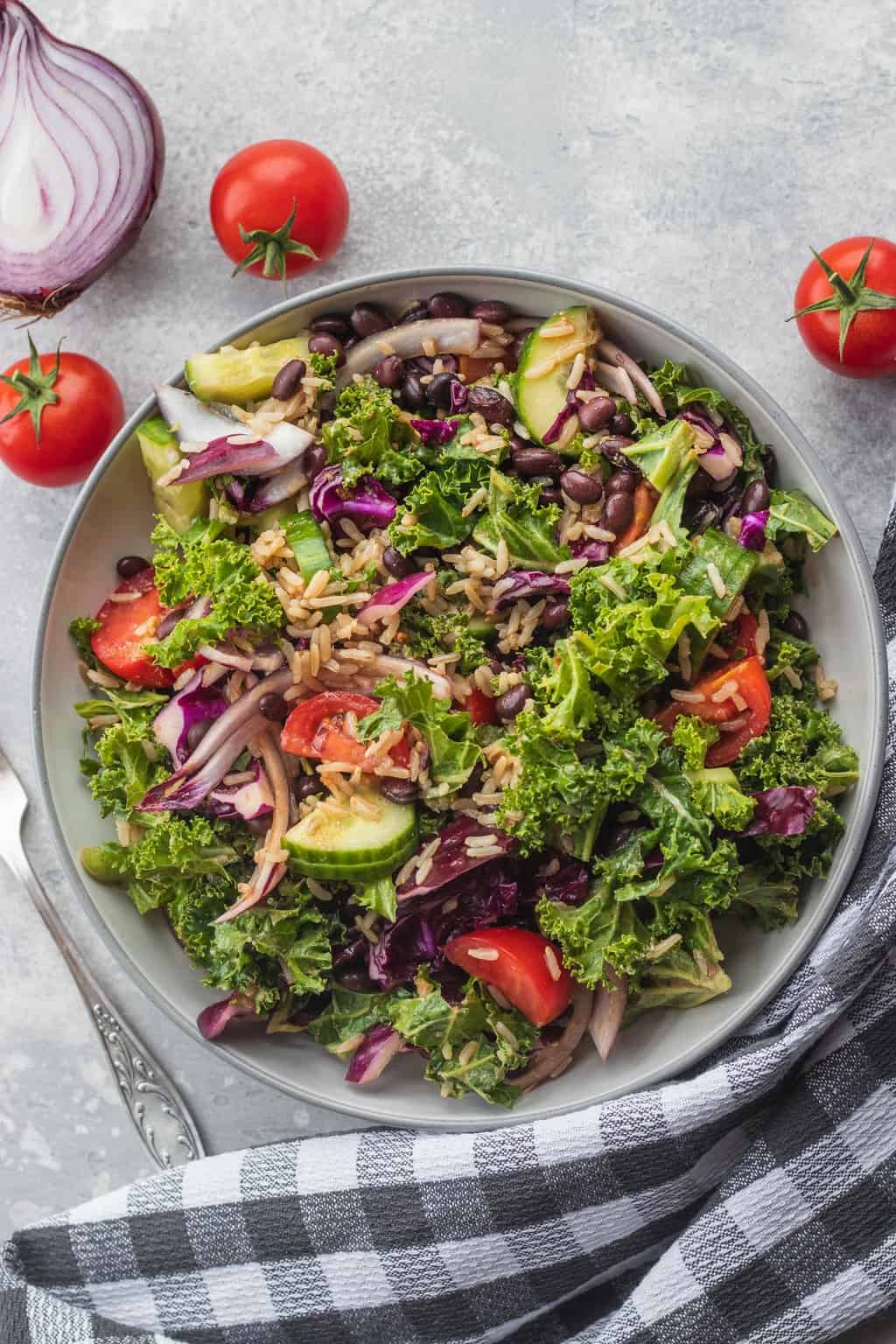
What I love about this particular kale salad is just how simple it is to throw together in just about 25-30 minutes (or even less if you have pre-cooked rice on hand).
I actually first came up with this dish when I had a bunch of leftover veggies in the fridge. Falling in love with the outcome, I tested it once more with a delicious orange-miso dressing - and it was perfect!
This massaged kale salad is:
- Delicious and packed full of flavor
- Vegan friendly!
- Easy to make, with simple ingredients and dressing
- Gluten-free
- Oil-free
- Comforting and cozy
- Ideal for a weeknight dinner.
- Made from whole, minimally processed ingredients
- Versatile - add whatever other veggies you fancy!
This kale salad works really well as a side dish for Christmas and Thanksgiving, or other family get togethers.
It's also a great make ahead or vegan meal prep recipe. And I personally love eating this as a post-workout meal!
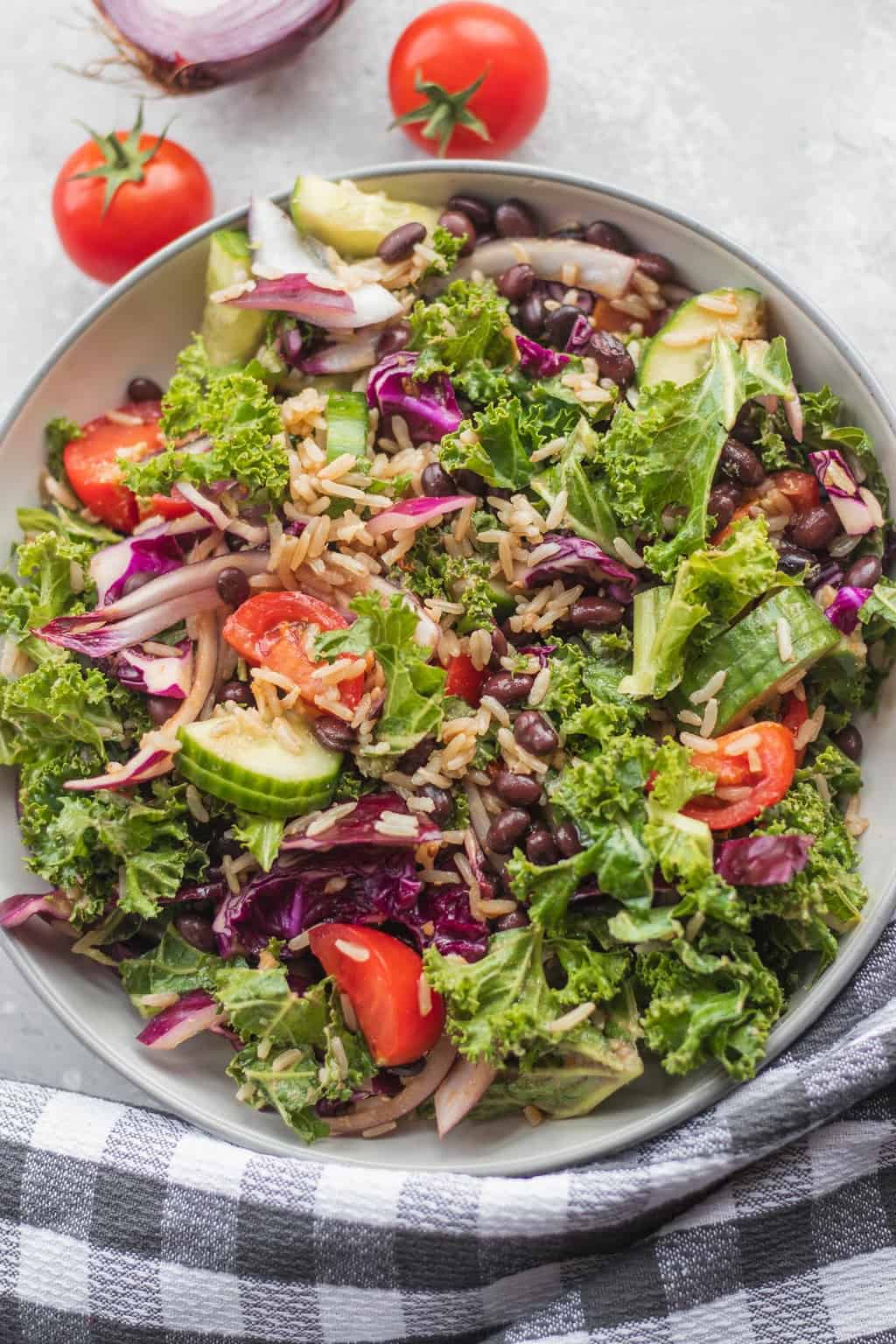
How to Make the Salad
Start by cooking your rice according to the instructions on the packaging. This usually takes around 25-30 minutes.
Meanwhile, massage the kale for 2-3 minutes to shrink it down and soften it up. (This is where the recipe gets its name!) Then stir in the tahini and a pinch of salt.
Next, prepare the dressing by stirring together fresh orange juice, miso paste and apple cider vinegar. Add a pinch of salt, to taste.
Once the rice is ready, add it to a large mixing bowl with the black beans, kale, tomatoes, purple cabbage, cucumber and red onion.
When you're just about ready to serve the black bean salad, stir in the dressing, transfer to serving plates and enjoy!
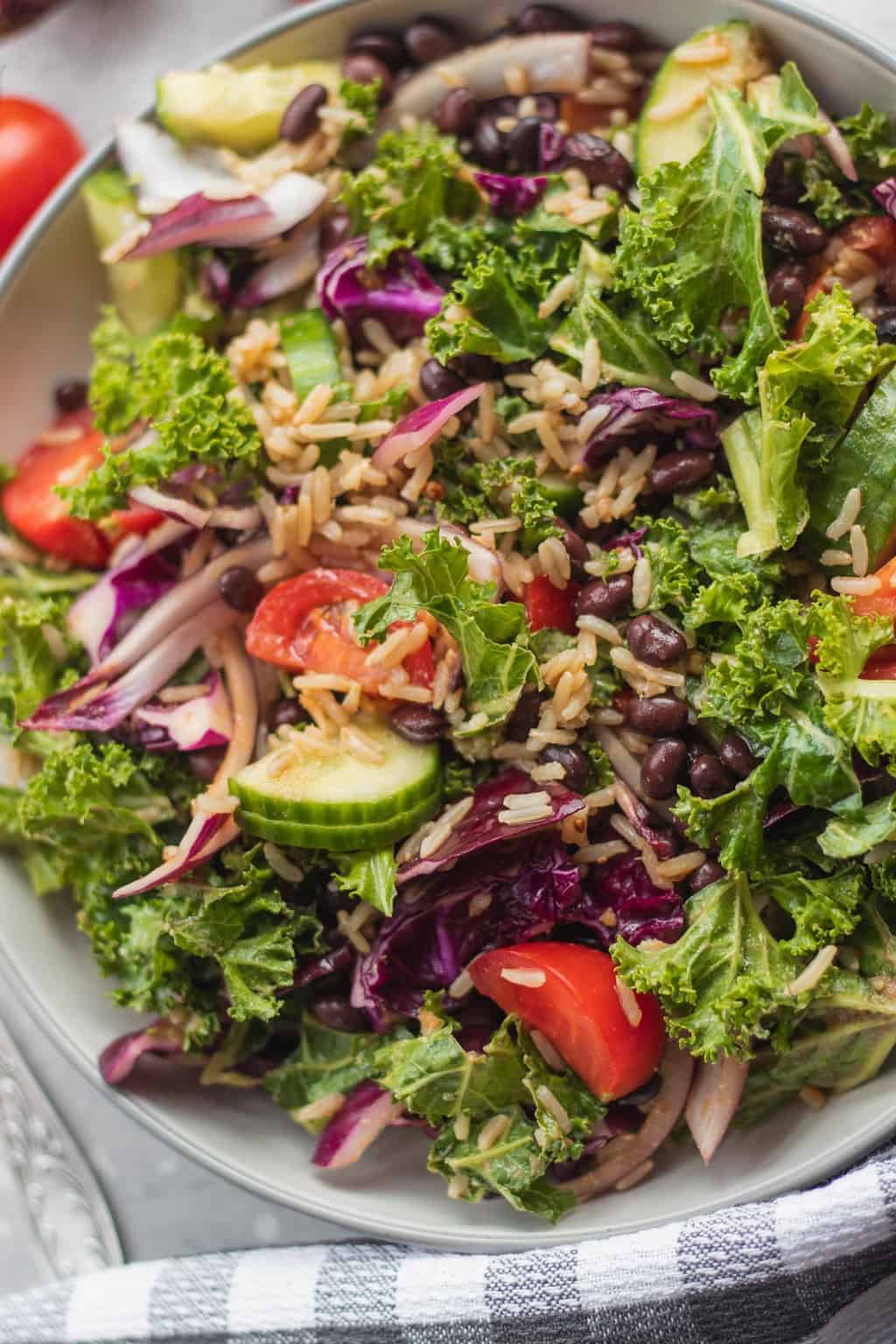
Tips & Tricks
Experiment by adding any other vegetables you have in the fridge. Think zucchini, bell pepper, other types of lettuce or greens. They all work!
If you want the salad less sweet and more tangy, replace the orange juice with the equivalent amount of lemon or lime juice.
You can keep this black bean salad in the fridge in an airtight container for 2-3 days. Although, it's best to store the dressing separate from the salad, so it doesn't get soggy.
More Recipes to Try
If you love this massaged kale salad, be sure to check out these other vegan recipes:
- Massaged Kale Salad with Cranberries and Cashews
- White Bean and Kale Skillet
- Kale Caesar Salad
- Chickpea and Kale Sandwich Spread
Recipe
Massaged Kale Salad with Orange-Miso Dressing
This massaged kale salad is packed with healthy greens, protein rich black beans, hearty rice, and fresh veggies. All topped with a savory and sweet orange-miso dressing. It makes for a healthy lunch, side, or a deliciously light weeknight meal.
Print
Pin
Save
Servings: servings
Ingredients
- 1 cup white rice uncooked
- 2 cups kale chopped
- 1 tablespoon tahini
- salt to taste
- 1 can black beans 15oz, drained and rinsed
- 8-9 vine ripened tomatoes medium, chopped
- ½ cup red cabbage chopped
- ½ large cucumber chopped
- ½ red onion medium
For the dressing
- 1 tablespoon apple cider vinegar
- 1 teaspoon brown rice miso paste
- juice of 1 small orange
- salt to taste
Instructions
- Cook the rice according to instructions on packaging. This usually takes 25-30 minutes.
- Meanwhile, massage the kale for 2-3 minutes, then stir in the tahini.
- To make the dressing, stir together the apple cider vinegar, brown rice miso paste, orange juice and salt in a small mixing bowl.
- Once the rice is cooked, stir it together with the kale, black beans, tomatoes, red cabbage, cucumber and red onion. Add the dressing immediately before serving.
Nutrition (Estimate per Serving)
Calories: 538kcalCarbohydrates: 107gProtein: 17gFat: 7gSaturated Fat: 1gSodium: 180mgPotassium: 1845mgFiber: 9gSugar: 16gVitamin A: 11102IUVitamin C: 165mgCalcium: 215mgIron: 4mg
Vegan-ize any recipe!Grab our free vegan cheat sheet, packed with my favorite easy substitutions to make any recipe vegan.
- « Previous Page
- 1
- …
- 6
- 7
- 8
- 9
- 10
- …
- 22
- Next Page »