See all vegan recipes →
Explore Vegan Recipes

See all vegan recipes →

See all vegan recipes →

Hi! I'm Nicole - the creator behind Veg Kitchen. I've been cooking vegetarian and vegan recipes for over 25 years, and recently published the popular cookbook, Weeknight One Pot Vegan Cooking!
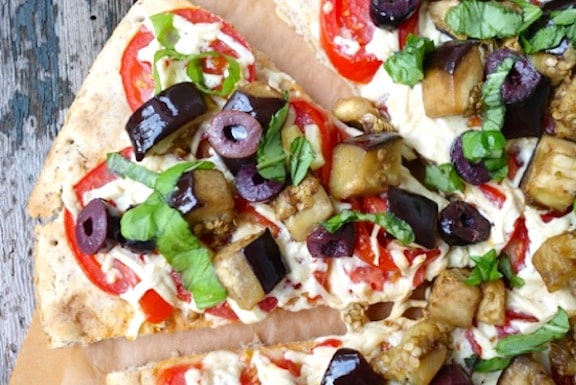
Make a simple vegan eggplant pizza recipe special by adding fresh tomatoes and olives to the top. It's a perfect pizza to make on cool summer evenings, though you can enjoy it year round as long as you can find decent tomatoes. Use tomatoes that are ripe yet firm, and dense and fleshy rather than seedy. Roma (plum) tomatoes are ideal for this.
This pizza goes down easy, so double the recipe to serve a hungry crowd; this recipe makes 6 slices, serving 2 to 3. Serve with a big colorful salad containing chickpeas for a simple and tasty meal. [Read more...]

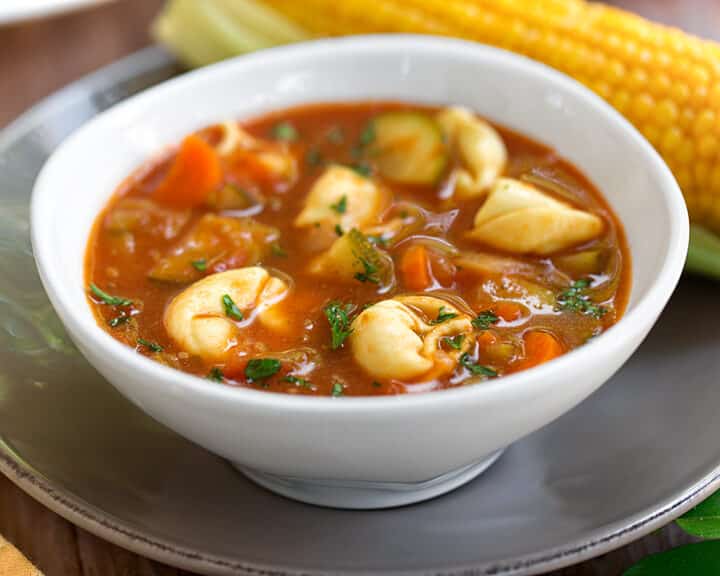
This hearty vegan fresh tomato soup with tortellini or ravioli is filling far served with a fresh corn on the side. It's a wonderful choice for late summer that are starting to get cool, and is a good way to use up tomatoes that are a bit past the season's peak. Look for vegan tortellini or ravioli in the freezer section of your natural foods store. Serve with fresh corn on the side. Photos by Hannah Kaminsky. [Read more...]
3 ingredients. Big fruit flavor. These mango and blueberry ice pops are summer on a stick.

These Mango and Blueberry Ice Pops are:
Mango: Choose very ripe mangoes for the best flavor. One large or two medium should suffice. This recipe also works well with nectarines- four to five medium fruits are ideal. Peel, pit, and dice the fruit before blending.
Mango Nectar: Adds a smooth, sweet base to the puree. If unavailable, substitute with orange juice or another fruit nectar of your choice.
Blueberries: Fresh blueberries provide a juicy burst in every bite. Frozen blueberries can be used if thawed and drained beforehand.
Agave Nectar or Maple Syrup: Optional, depending on the sweetness of your fruit. Add to taste after blending.
Blending: Blend the diced fruit with mango nectar until completely smooth. Taste the puree and add the sweetener at that point, if needed.
Incorporating the Blueberries: After blending, stir in the whole blueberries gently to maintain their shape and provide texture. If you're too rough, you will smush the berries!
Freezing: Pour the mixture into ice pop molds, leaving a small gap at the top for expansion. Insert sticks and freeze for at least 5 hours, preferably overnight.
Unmolding: To release the pops, run a bit of warm water over the outside of the molds for a few seconds. This will help them release more easily. (These were made with this set of popsicle molds!)
If you love these vegan popsicles, be sure to check out these other treats:


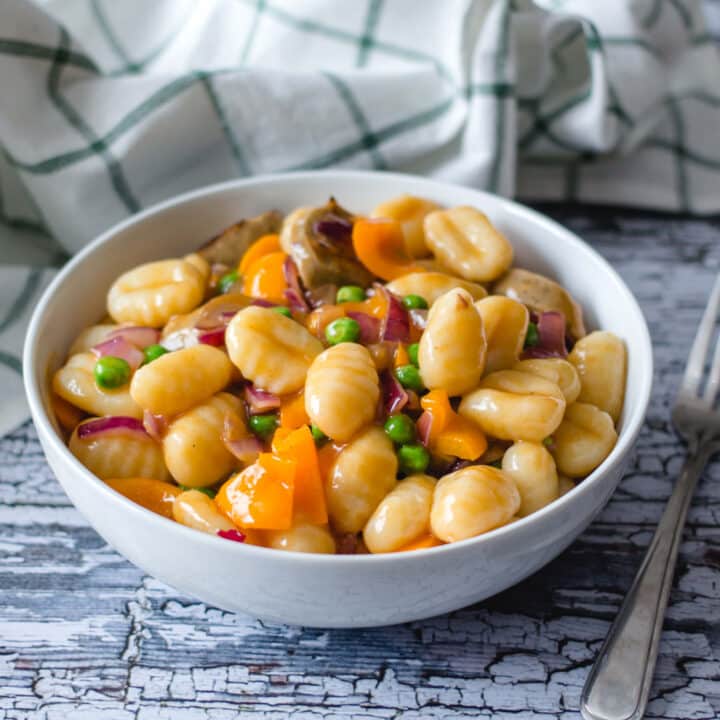
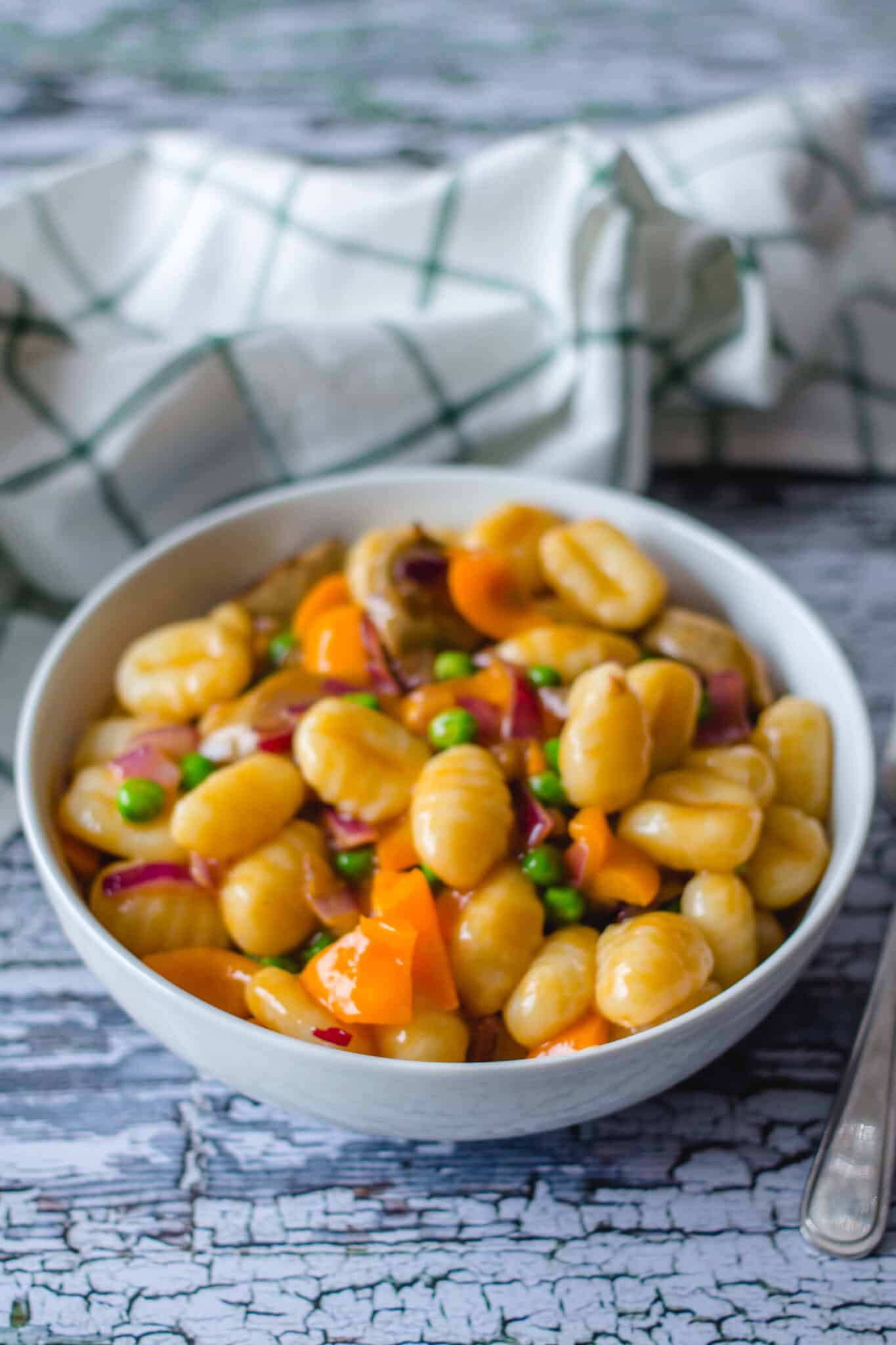
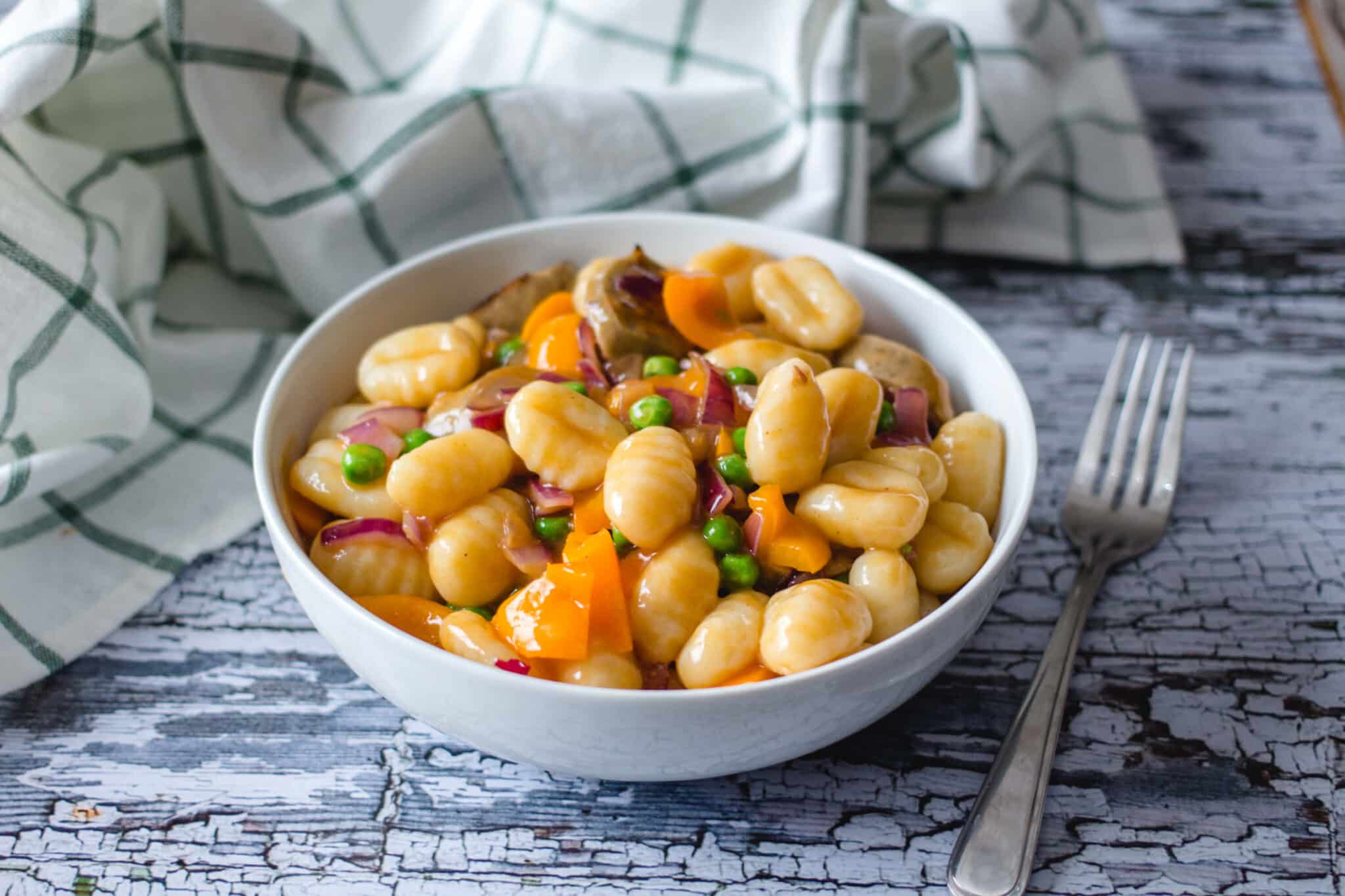
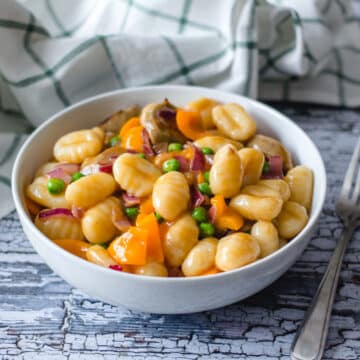
Pillowy gnocchi, savory vegan sausage, and a rich, peppery gravy come together in one skillet for a hearty dinner that feels like pure comfort food.

Make the gravy first. The gravy comes together quickly and can sit on low heat while you cook the gnocchi and sausage. Having it ready means everything comes together at once at the end, so nothing sits and gets cold.
Whisk constantly once you add the broth. When making the roux-based gravy, add the vegetable broth in a slow, steady stream while whisking continuously. This prevents lumps and gives you a smooth, silky sauce. Pre-measuring your broth before you start makes this step much easier.
Don't overcook the gnocchi. Gnocchi cook fast - they're done as soon as they float to the surface, usually within 2-3 minutes of the water returning to a boil. Drain them promptly to prevent them from becoming mushy or waterlogged.
Brown the sausage well. Slicing the sausages into coins and letting them sear undisturbed in the pan for a couple of minutes per side creates a slightly caramelized crust that adds great texture and flavor. Resist the urge to stir constantly.
Adjust the gravy to your taste. The recipe makes a generous amount of gravy. Start by adding 1 cup to the finished dish and add more from there - some people like it saucy, others prefer just a light coating. Leftover gravy keeps beautifully and pairs well with vegan mashed potatoes or vegan biscuits.
This dish is hearty enough to serve as a complete meal on its own - the gnocchi, sausage, vegetables, and gravy cover all your bases. Serve it in deep bowls with a slice of crusty bread to mop up the extra gravy.
If you'd like to round out the meal, a simple green salad dressed with lemon vinaigrette cuts through the richness nicely. Roasted broccoli or asparagus also make a great side if you want more vegetables on the table. For an Italian-inspired dinner spread, pair it with a bowl of Italian-style vegan sausage and peppers and some garlic bread.
Store leftovers in an airtight container in the refrigerator for up to 4 days. The gravy thickens as it sits - when reheating on the stovetop over medium-low heat, add a splash of vegetable broth or water and stir to loosen it back up. You can also microwave individual portions in 90-second intervals, stirring between each one.
This dish doesn't freeze particularly well, as gnocchi tend to become mushy once thawed. That said, you can freeze the gravy separately for up to 2 months - just thaw it in the refrigerator overnight and reheat on the stovetop, then cook fresh gnocchi and sausage to serve with it.

If you loved this recipe, here are a few more cozy vegan dinners you might enjoy:


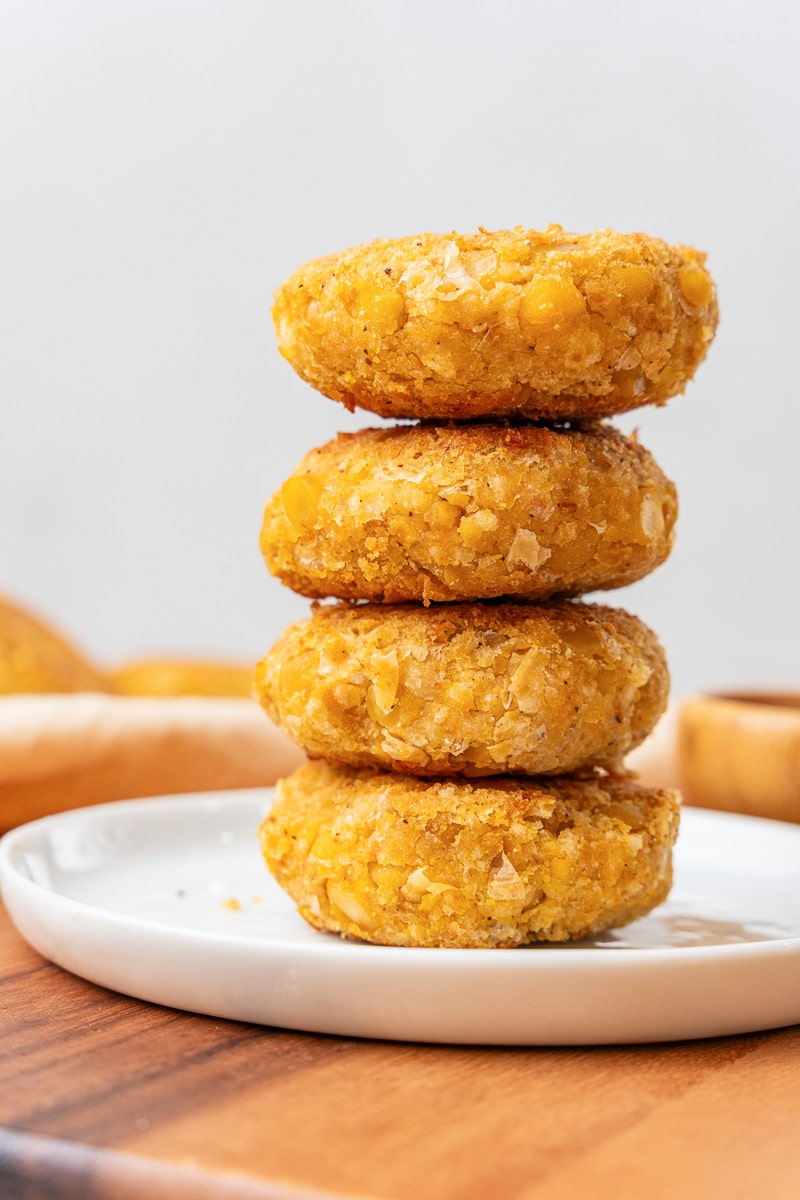
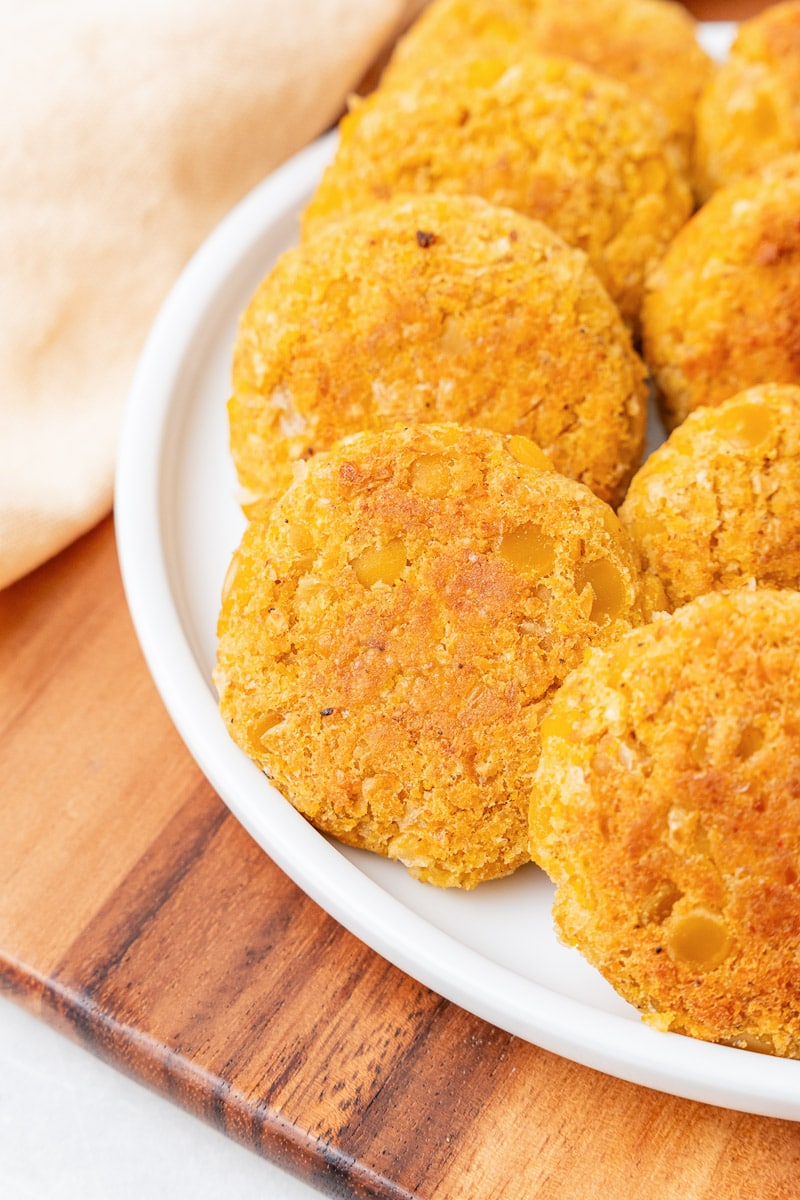
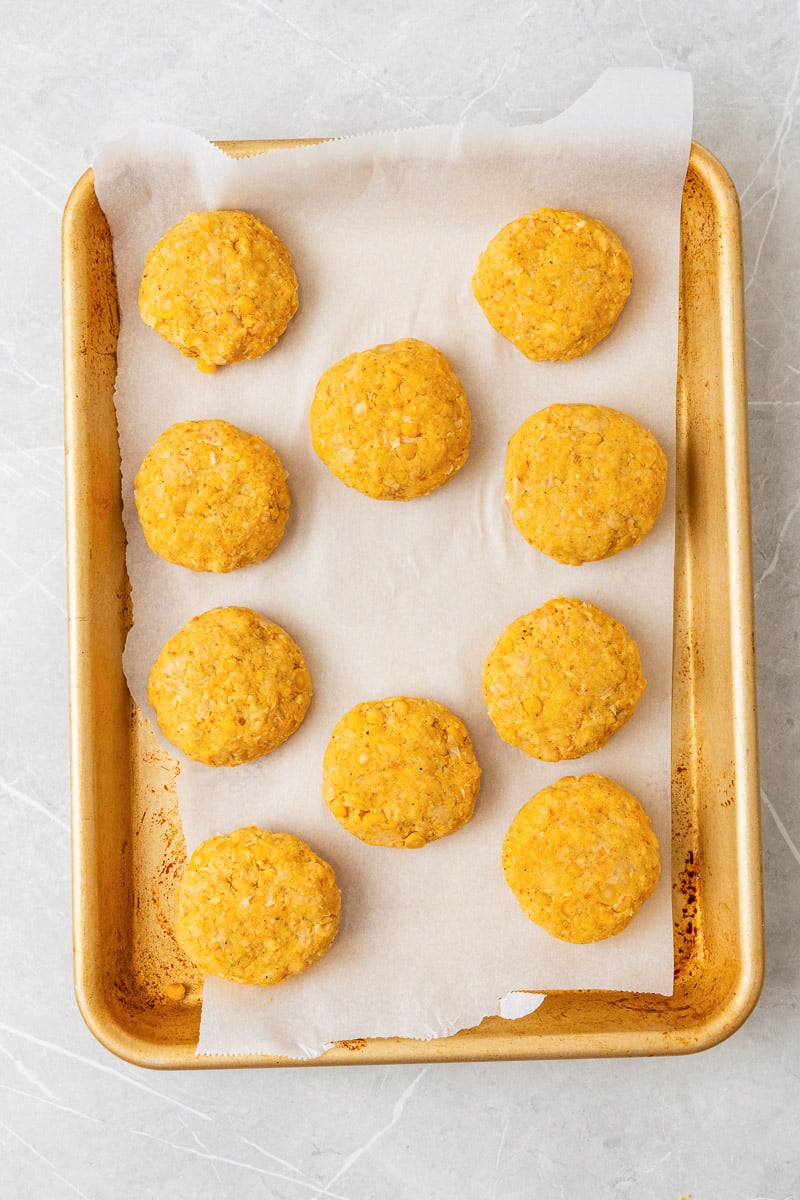
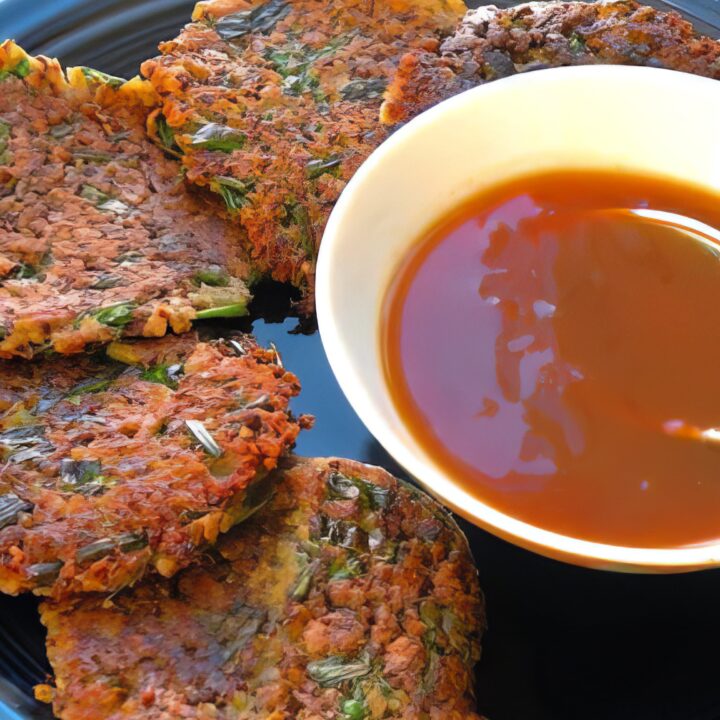
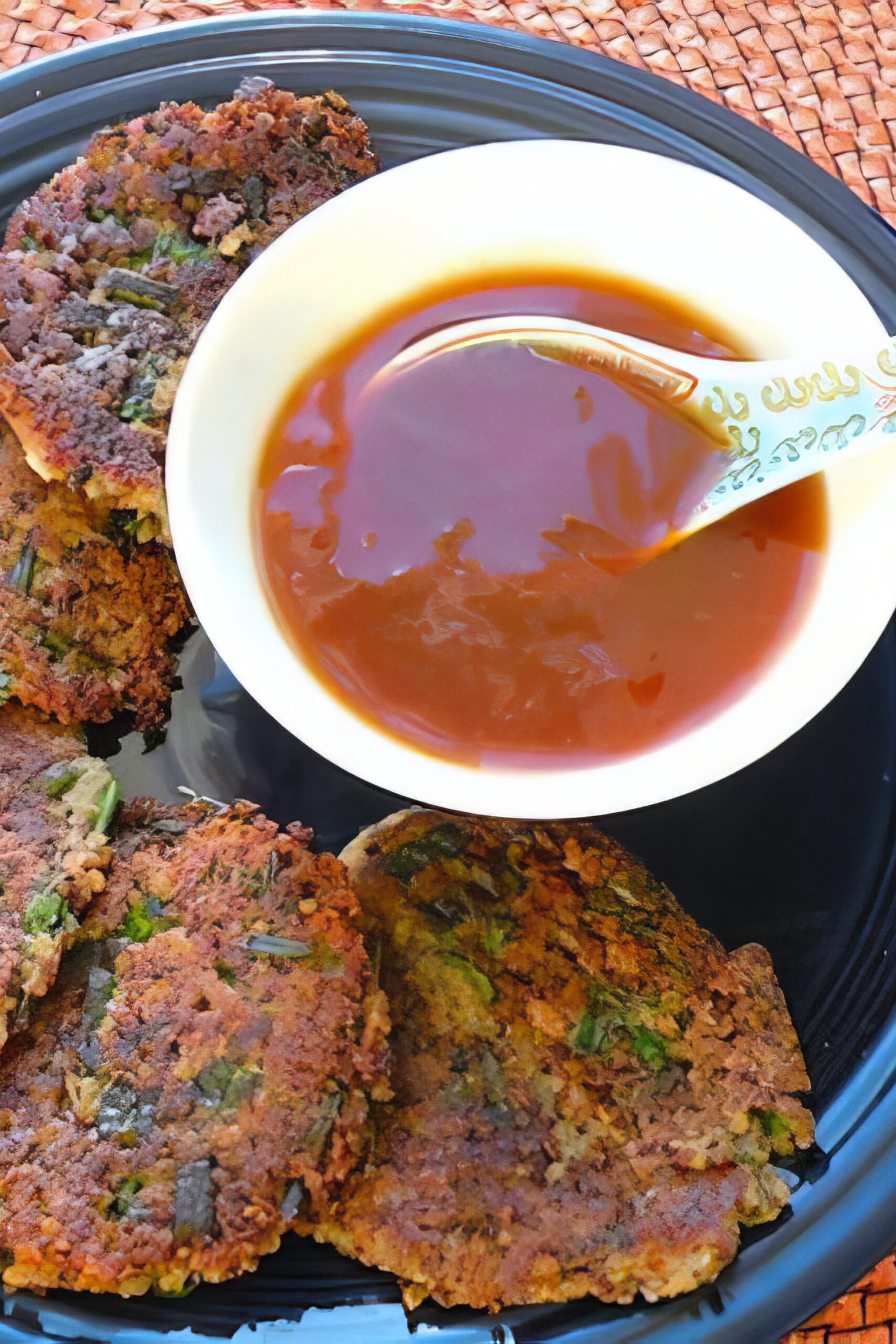
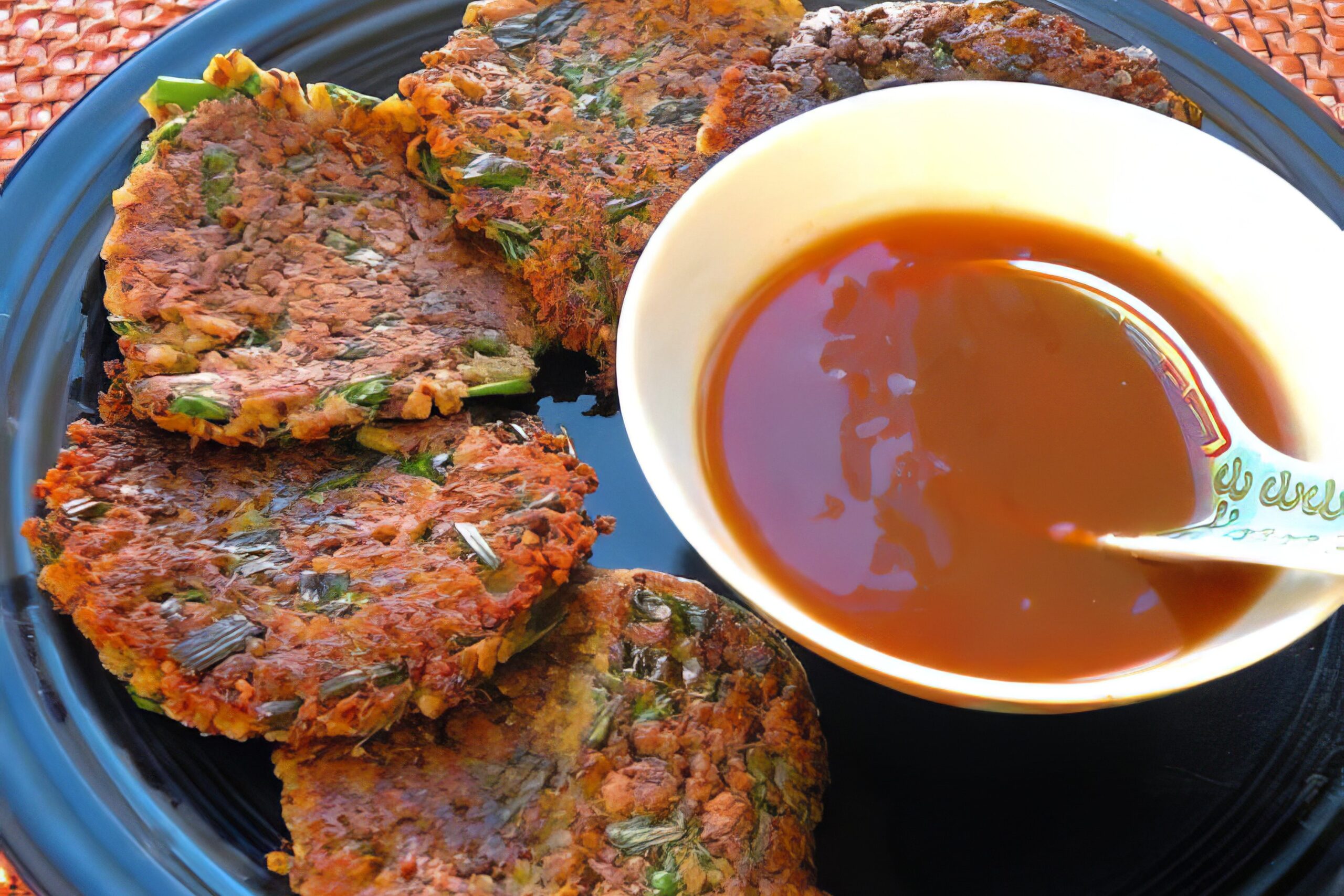
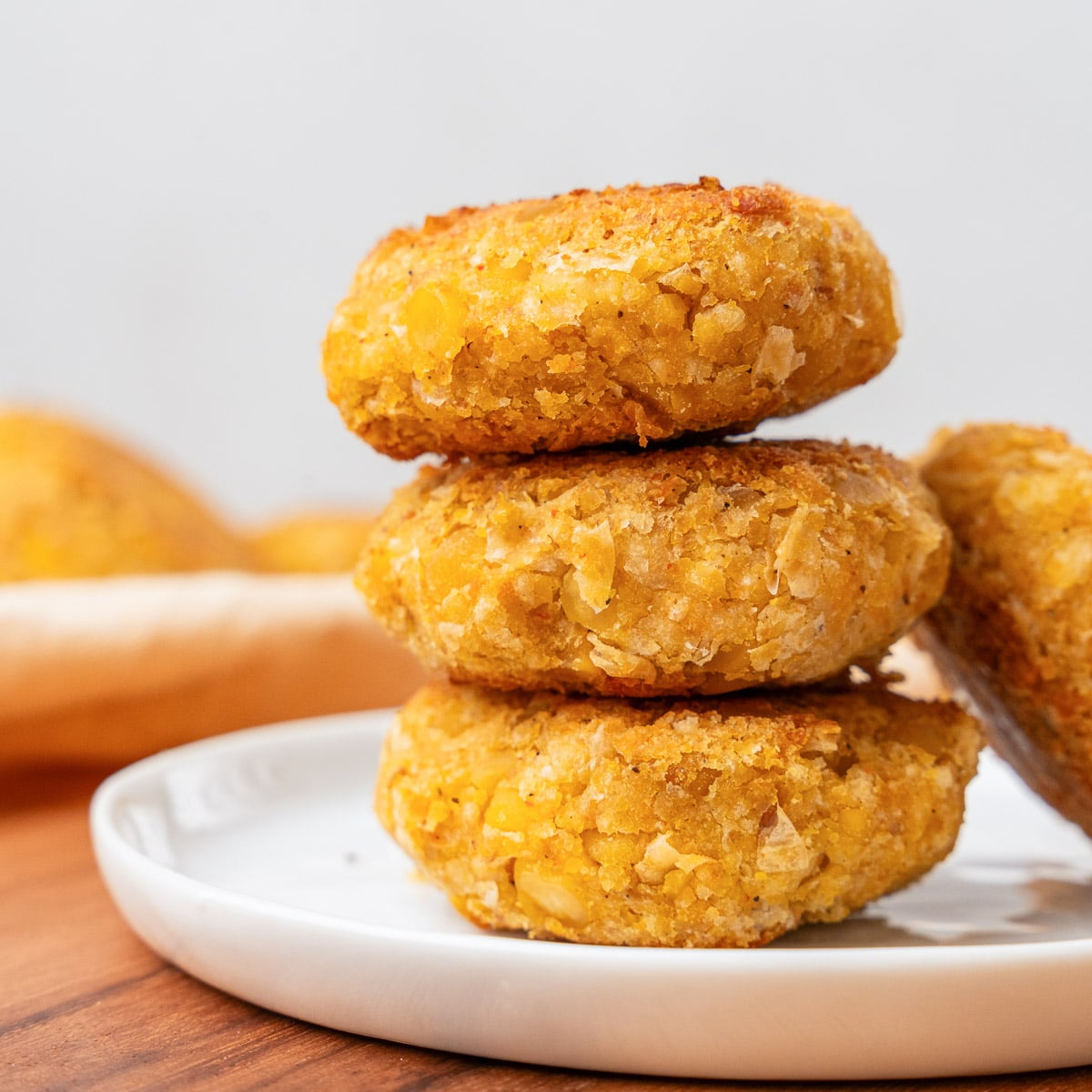
Crispy, golden, and packed with plant-based protein, these Vegan Chickpea Patties are exactly what weeknight dinners were made for.


Don't skip the chilling step. After forming your patties, refrigerate them for at least 30 minutes. This helps the flax egg bind fully and firms up the mixture so the patties hold their shape in the pan. You can even chill them overnight - they'll only be better for it.
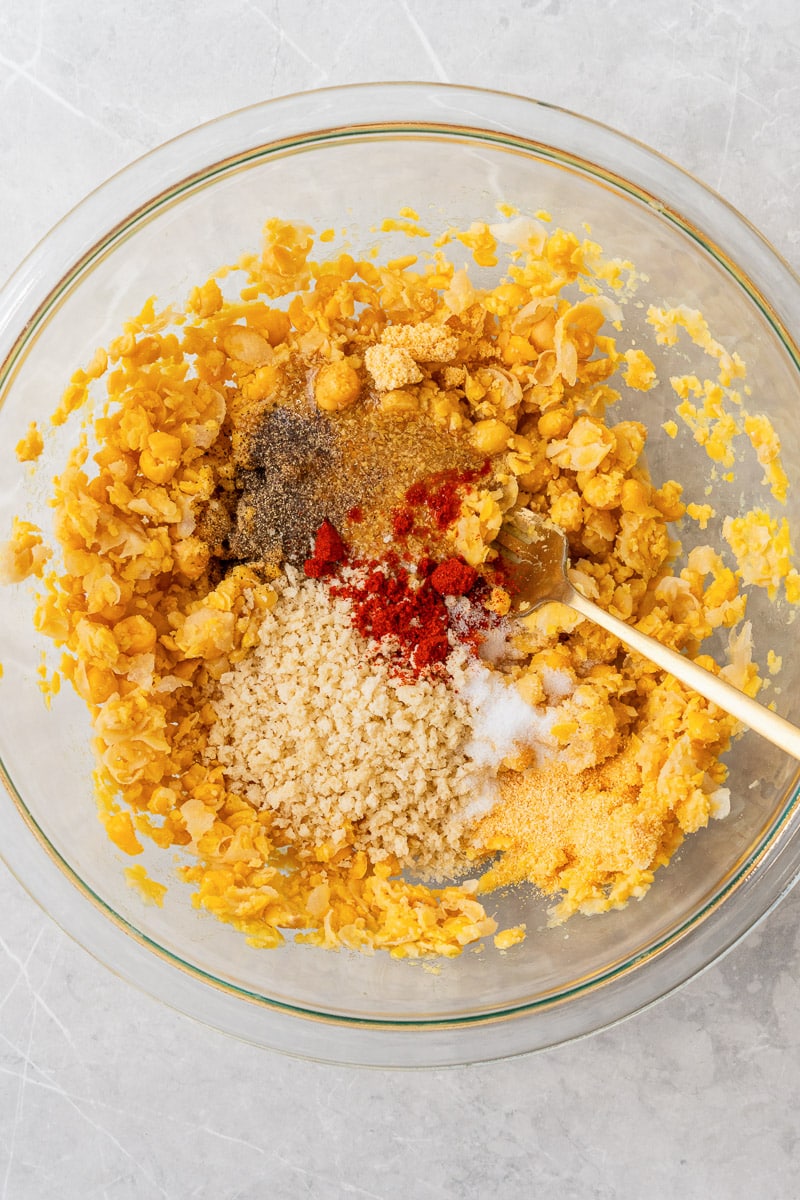
Mash, don't puree. Whether you use a fork or a food processor, you want the chickpeas roughly mashed with some texture remaining - not a smooth paste. A little chunkiness is what gives these patties their hearty bite. If you're using a food processor, a few quick pulses is all it takes.
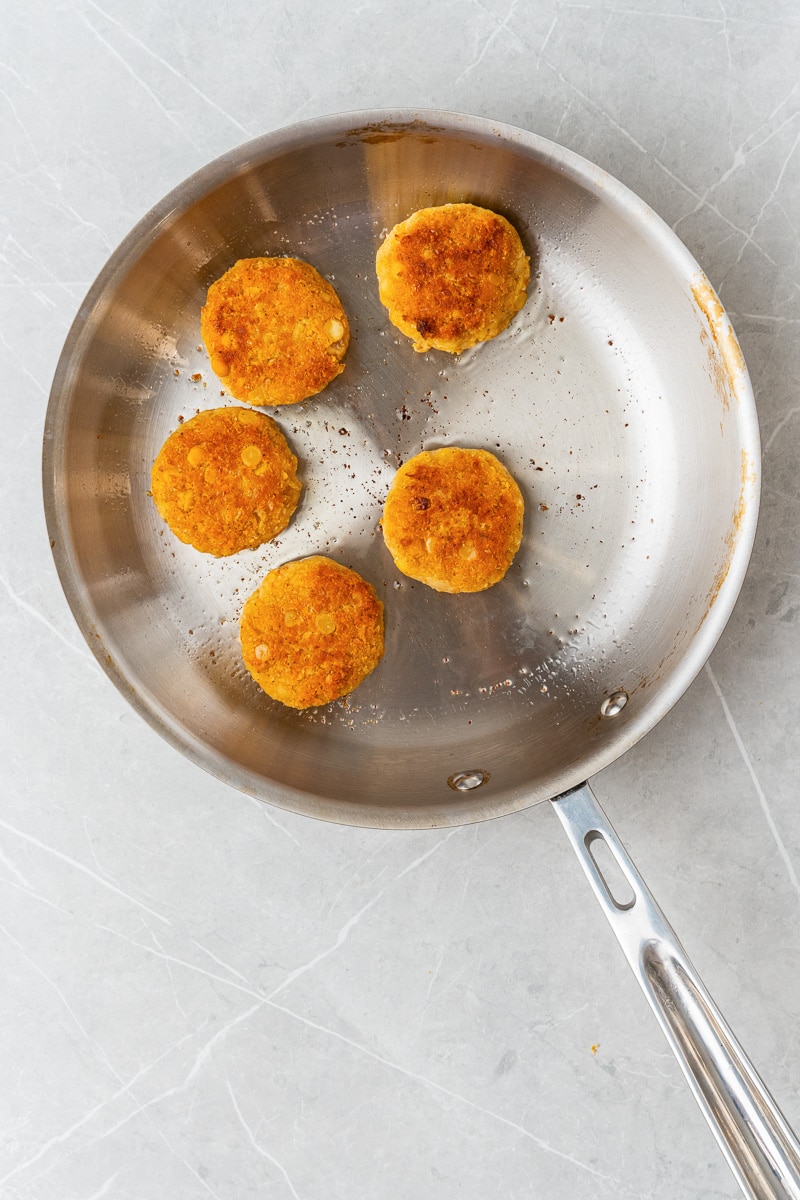
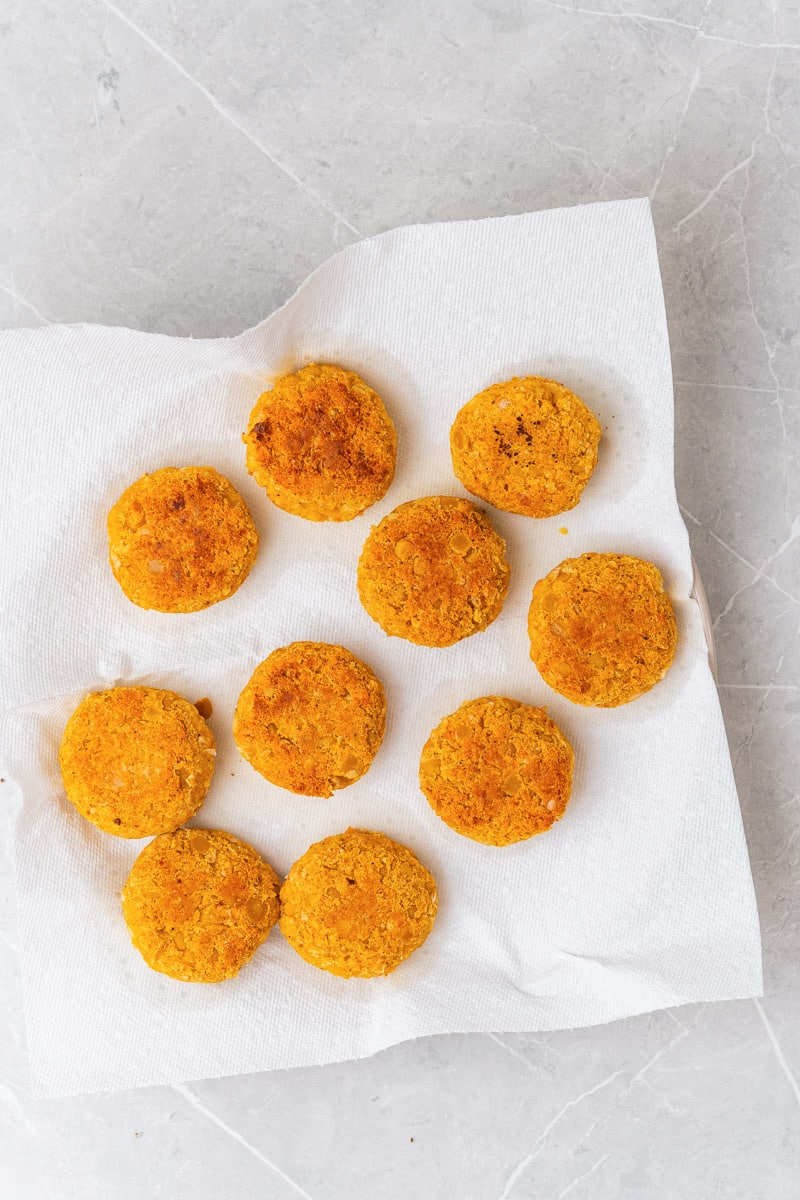
Give them space in the pan. Cook the patties in batches rather than crowding the skillet. Crowding drops the pan temperature and leads to steamed, soggy patties instead of the golden crust you're after. Medium heat with a good coat of oil is the sweet spot - 3 to 4 minutes per side.
Bake or grill if you prefer. Pan-frying gives the crispiest result, but these patties are also great baked at 375°F for 20-25 minutes (flip halfway through), or grilled over medium heat for 4-6 minutes per side.
Make them ahead. The uncooked patties keep well in a covered container in the fridge for up to 2 days before cooking. This makes them ideal for meal prepping - pull them out and cook when you're ready to eat.


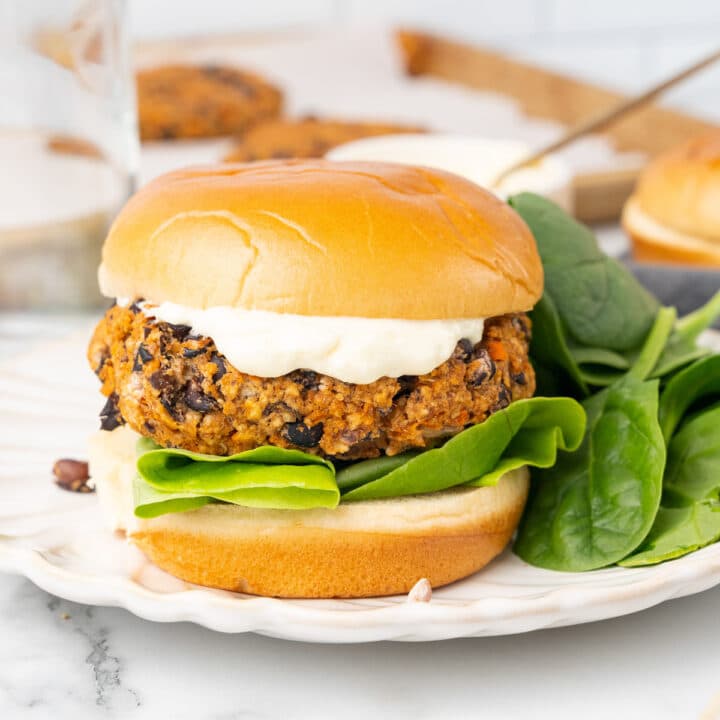
The most obvious move is to serve these as veggie burgers - stack them on toasted buns with lettuce, tomato, red onion, and your favorite condiments. They pair especially well with a tangy vegan aioli or this Easy Vegan Duck Sauce for dipping.
They're also wonderful crumbled over a big green salad for a protein-packed lunch, or served alongside Easy Vegan Coleslaw for a satisfying plate that works for weeknights and cookouts alike. If you're a chickpea fan, you'll also love this Vegan Chickpea Salad for an easy no-cook option. If you love chickpeas in a more saucy, warming dish, our vegan chana masala or these masala lentils are both must-tries. For more patty inspiration, also check out our best vegan burger recipes. And for a quick homemade dressing to serve alongside any salad, our garlic mustard vinaigrette is a pantry staple. For a lighter, grain-free option, also try our cauliflower fried rice.
For something more casual, skip the bun and serve the patties as an appetizer with a variety of dipping sauces on the side. They disappear fast at parties.
Leftover cooked patties can be stored in an airtight container in the refrigerator for up to 4 days. To reheat, pop them in a skillet over medium heat for a couple of minutes per side to get that crispy exterior back - avoid the microwave, which tends to make them soft and soggy.
These patties freeze well. Let them cool completely, then layer between pieces of parchment paper in a freezer-safe container. They'll keep for up to 3 months. Reheat straight from frozen in a 375°F oven for about 15 minutes, or in a skillet over medium-low heat until warmed through.


If you loved these chickpea patties, here are a few more vegan burgers worth trying:


Also try: our Tomato Relish Salad With Oregano And Thyme.
Also try: our Quinoa And Wild Rice Burgers.
Also try: our Olive And Sun Dried Tomato Tapenade.

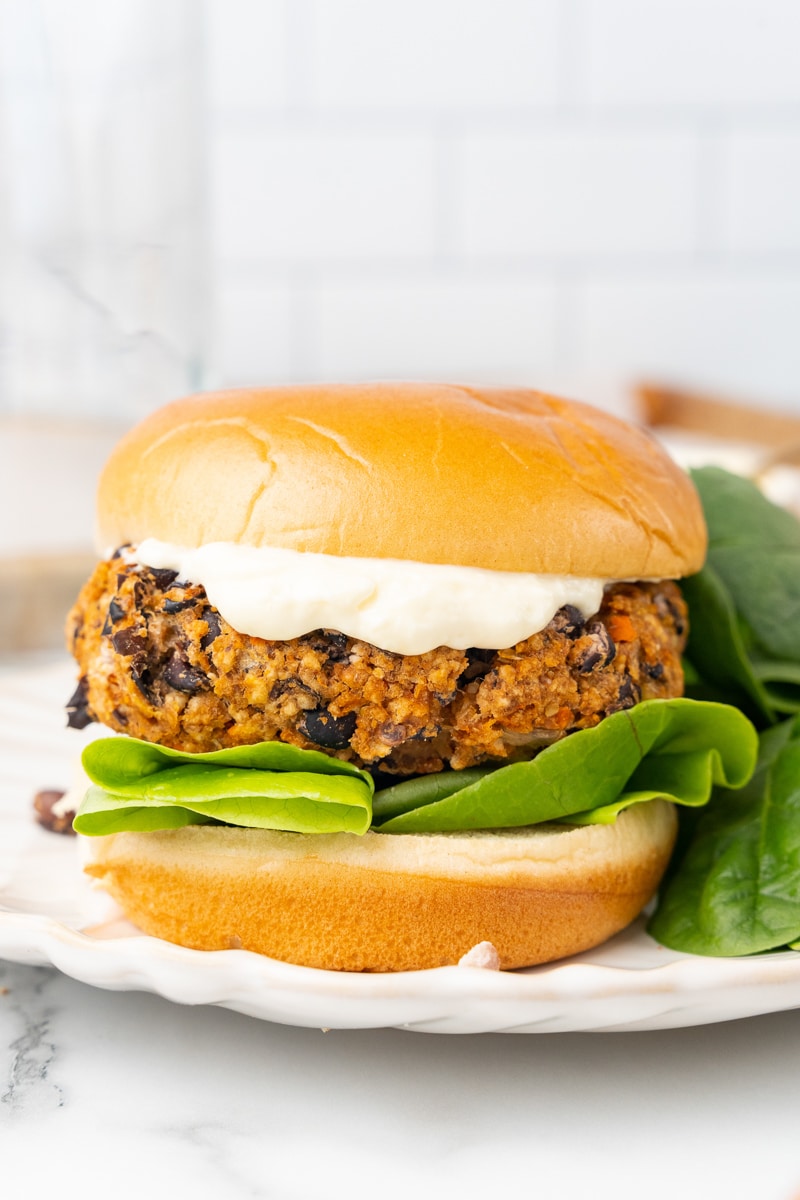
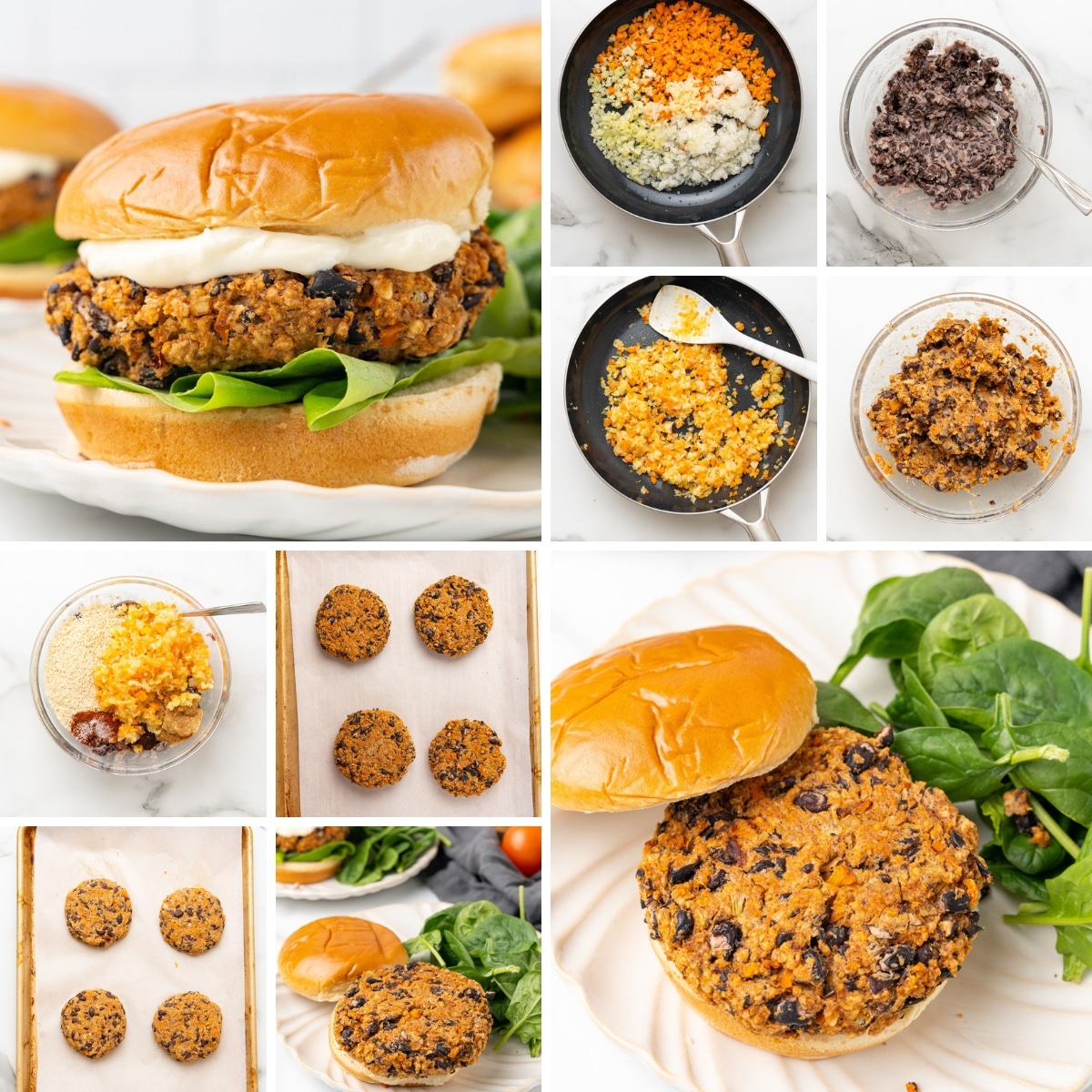
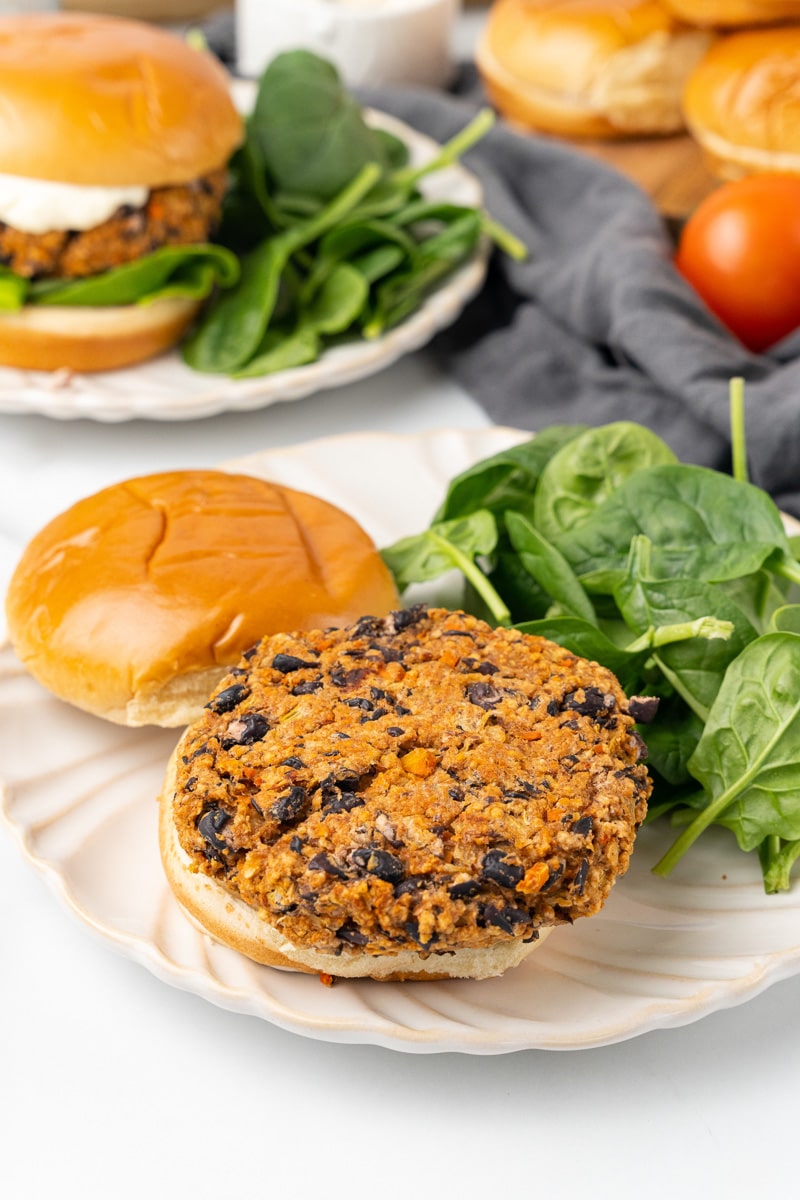
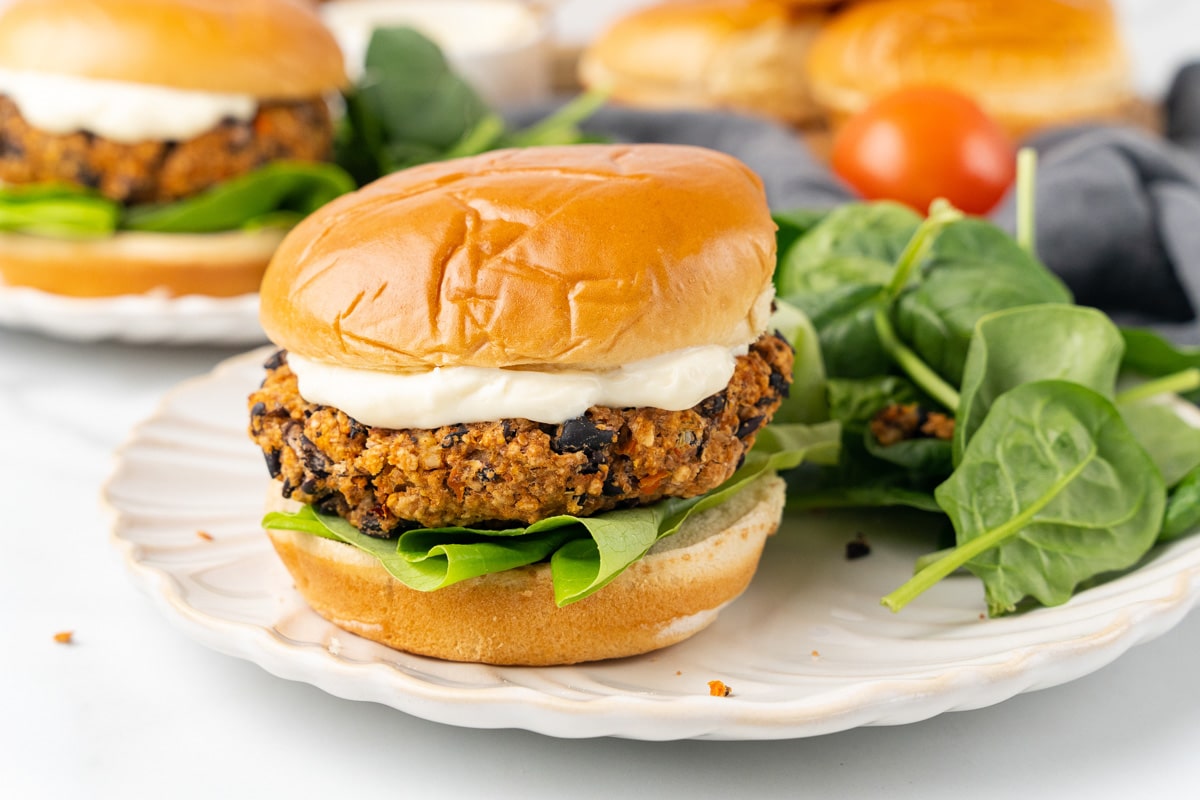
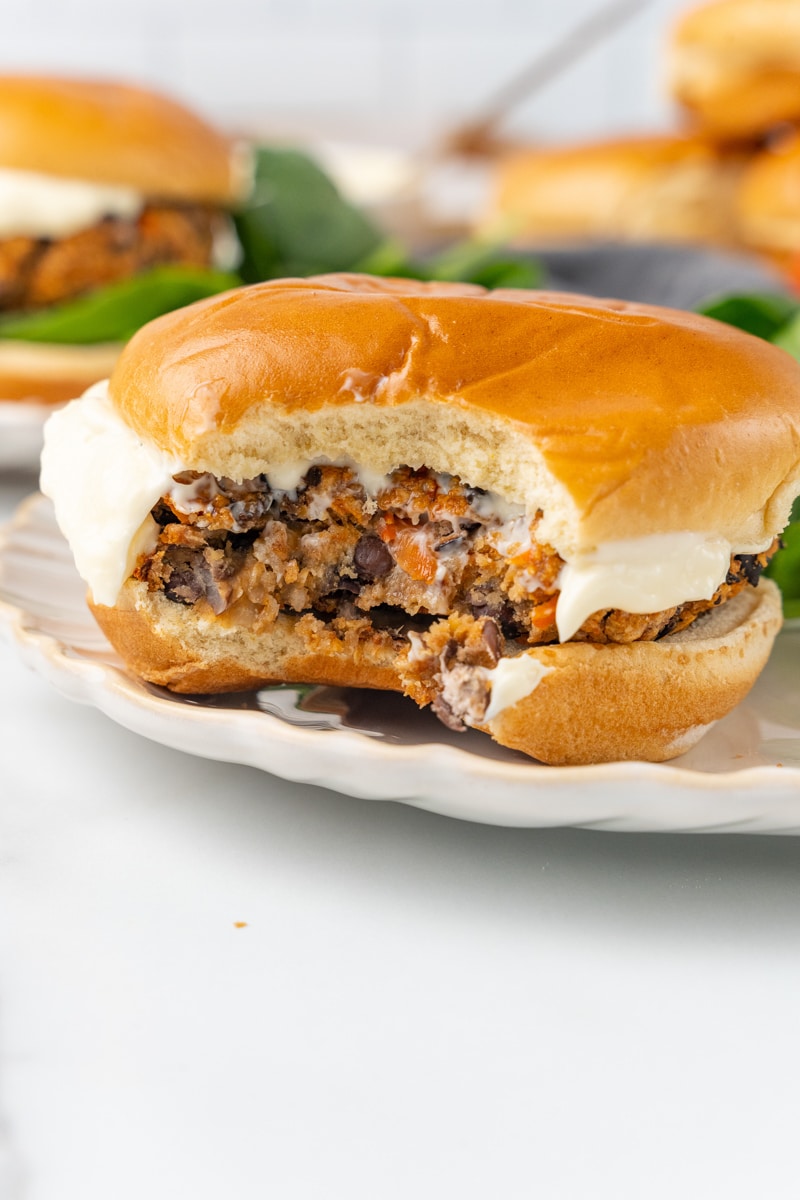
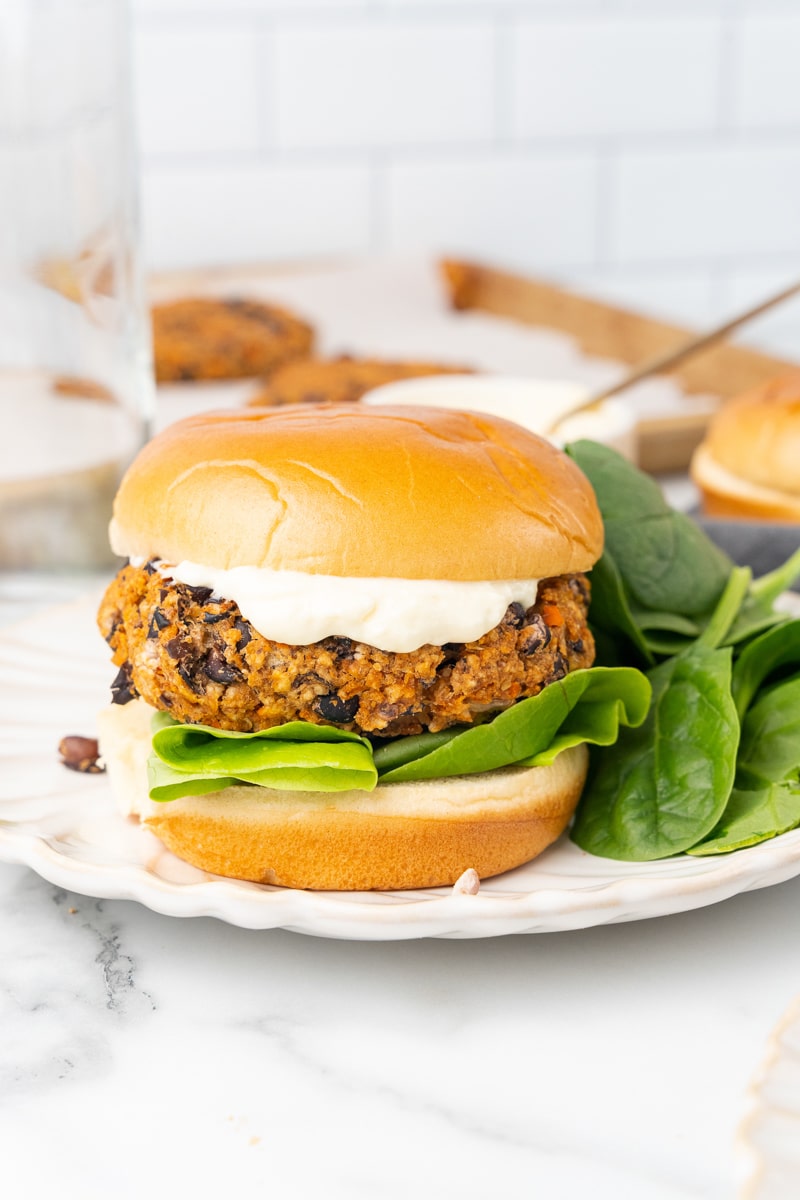
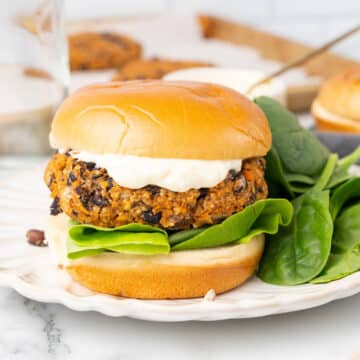
These vegan chipotle black bean burgers are smoky, spicy, and loaded with bold Mexican-inspired flavor - ready in 30 minutes and freezer-friendly too.


Let the flax egg rest. Mix the flaxseed and water before you do anything else - it needs about 5 minutes to gel into an egg-like consistency. Don't skip this step; it's what keeps the patties from falling apart.
Don't over-mash the beans. You want about half the beans mashed to a paste and half left somewhat intact. This gives the patties a great texture - creamy enough to hold, chunky enough to have character. A fork or potato masher works better than a food processor here.
Make evenly sized patties. Divide the mixture into equal portions so all the burgers bake evenly. A ½-cup measure or kitchen scale is helpful. Unevenly shaped patties can end up dry on the edges while underdone in the center.
Chill before baking if possible. If you have 15-20 minutes, refrigerate the shaped patties before baking. This helps them hold their shape better in the oven.
Finish in a skillet for crispier results. After baking, sear each patty in a hot dry skillet for 1-2 minutes per side. It gives them a crispier exterior that holds up beautifully under all your toppings.
Also worth trying: our Italian-style vegan sausage and peppers.
Also worth trying: our vegan sloppy joes.
Also worth trying: our gently curried tofu burgers.


Pile these on toasted buns with Copycat Vegan Big Mac Sauce, sliced avocado, pickled jalapeños, and shredded lettuce for a full loaded burger experience. A dollop of vegan sour cream or guacamole on top takes it even further. The smoky chipotle flavor pairs especially well with Easy Vegan Coleslaw served on the side or right on top of the patty.
These also work brilliantly in lettuce wraps for a lower-carb option, crumbled over a taco salad, or sliced and tucked into a pita with salsa and greens. Don't overlook serving them plain alongside roasted sweet potato wedges and a simple salad - they're substantial enough to shine without any bun at all.

Store cooked patties in an airtight container in the refrigerator for up to 4 days. Reheat in a skillet over medium heat for 2-3 minutes per side, in the oven at 350°F for about 10 minutes, or in the microwave. They stay moist and flavorful reheated any way.
These freeze exceptionally well. Cool completely, then wrap each patty individually in plastic wrap and place in a freezer bag, squeezing out excess air. They'll keep for up to 3 months. Thaw overnight in the fridge, or bake from frozen at 375°F for 12-15 minutes.

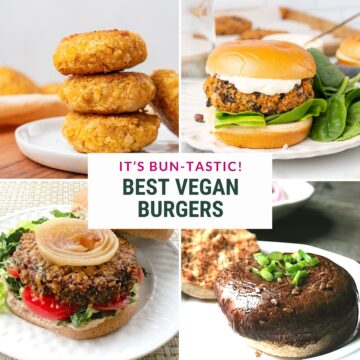
If you loved this recipe, check out our full collection of the best vegan burger recipes, including our quinoa and wild rice burgers and our vegan beet burgers - or here are a few more individual favorites:


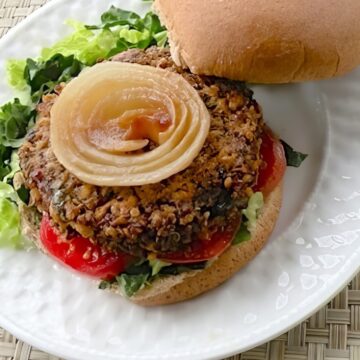
These vegan curried tofu burgers come together in minutes, pack a warm, gentle spice, and cook up golden-crisp in a skillet - no oven required.

Drain the tofu really well. This is the most important step. Press the tofu between paper towels or a clean kitchen towel and press firmly for a minute or two before crumbling. The drier the tofu, the better the patties hold together. If the mixture feels too wet after mixing, stir in a tablespoon of extra oats.
Let the oats absorb fully before mixing. Give the oats their full 5 minutes in the boiling water before adding anything else. Rushing this step means the oats won't hydrate completely, and the patties won't bind as well. The mixture should look thick and slightly porridge-like before you add the tofu.
Don't make the patties too thick. Ladle the mixture in ¼-cup portions and flatten each one to about ½-inch thickness. Thicker patties don't cook through evenly - the outside browns before the inside sets, and you end up with a soft, crumbly center.
Use a nonstick pan and medium heat. These patties are delicate compared to bean-based burgers. A nonstick surface means you can use less oil and the patty is less likely to stick and break when you flip it. Medium heat is the sweet spot - high heat browns the outside too fast before the patty sets.
These are kid-friendly. The curry level here is gentle enough that children tend to love these at room temperature, almost like a soft finger food. You can reduce the curry powder to 1 teaspoon for even milder flavor, and the sesame seeds can be left off for littler ones.
These are delicious the classic burger way - on a whole-grain bun with lettuce, sliced tomato, and vegan mayo or a drizzle of copycat vegan burger sauce. They're equally at home tucked into a pita with shredded cabbage, pickled red onion, and tahini for a Middle Eastern-inspired wrap. A simple yogurt-cucumber sauce made from coconut yogurt works beautifully with the curry spices.
Because the flavor is mild and warming rather than boldly spiced, these also make a great side dish alongside a quick vegetable curry, a pot of lentil dal, our aloo gobi, or our vegan chana masala - the warm spices echo beautifully. They pair especially well with a simple grain salad or a pile of roasted cauliflower. Children tend to love them at room temperature, plain or with a little ketchup on the side - they're soft enough to eat out of hand.
Store cooked patties in an airtight container in the refrigerator for up to 3 days. To reheat, warm in a lightly oiled skillet over medium-low heat for 2-3 minutes per side. Avoid the microwave - it makes the exterior soft and steams out the texture that makes these so good.
These freeze well after cooking. Let them cool completely, then freeze in a single layer on a lined baking sheet before transferring to a freezer bag. They'll keep for up to 3 months. Reheat from frozen in a 375°F oven for about 15 minutes, flipping once, or thaw overnight in the fridge and reheat in a skillet.

If you loved this recipe, check out our full collection of the best vegan burger recipes, including our easy portobello burgers and our quinoa lentil mushroom burgers - or here are a few more individual favorites:

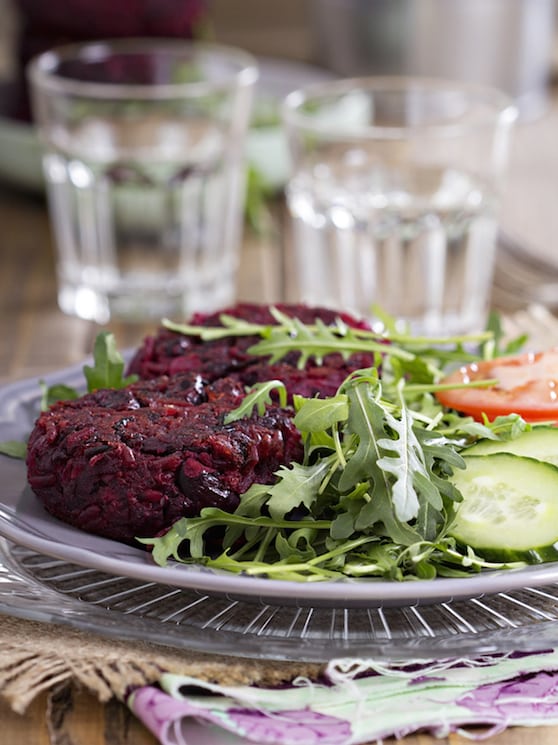
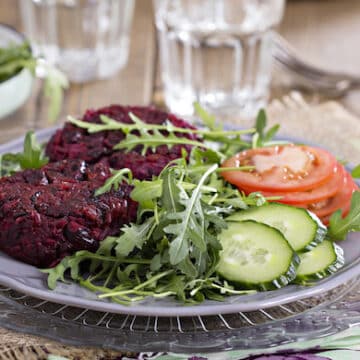
These vegan beet burgers are impossibly vibrant, packed with cumin and smoked paprika, and hearty enough to satisfy even the most skeptical dinner guest at the table.

Don't over-process in the food processor. Pulse the mixture until finely chopped and combined - you want it cohesive but still with some texture. If you run the machine too long, you'll end up with a smooth paste that makes the patties dense and gummy rather than holding a pleasant, slightly chunky texture.
Pack the measuring cup tightly. The key to a patty that holds its shape is packing the beet mixture firmly into the measuring cup before inverting it onto the baking sheet. Loose packing leads to crumbling. A firm tap to release it, then a gentle press to flatten to about half an inch, and you're set.
Let them get a real crust before flipping. At the 15-minute mark, look for the edges to be visibly browning before you flip. A fully formed bottom crust is what keeps the burger intact through the second side of baking. If it looks pale, give it another 2-3 minutes.
Adjust seasonings before shaping. After mixing everything together, taste the unbaked mixture and bump up the cumin, paprika, or salt as needed. The flavors mellow a bit during baking, so it should taste slightly bold raw.
Pan-fry for an even crispier exterior. These bake beautifully, but for an extra-crisp crust, cook them in a thin layer of olive oil in a skillet over medium-high heat for about 4-5 minutes per side instead. The contact with the hot pan gives a darker, crunchier exterior.
Also worth trying: our garlic mustard vinaigrette.
These are stunning on a whole-grain bun - the deep red against white vegan mayo and green lettuce looks almost too good to eat. Load them up with classic burger toppings like sliced red onion, pickles, and mustard, or keep it simple with just avocado and a drizzle of copycat vegan burger sauce. A tangy vegan tartar sauce is also a classic pairing that Nicole has always recommended for these.
They work just as well without a bun. Serve them on a bed of mixed greens with beets and walnuts and a light lemon vinaigrette for a complete, restaurant-worthy plate. Or go the grain bowl route - break one patty up over cooked farro or quinoa with roasted vegetables and tahini dressing. The earthy beet flavor ties everything together beautifully.
Store cooled patties in an airtight container in the refrigerator for up to 4 days. Reheat in a dry skillet over medium heat for 2-3 minutes per side, or in a 350°F oven for about 10 minutes. The skillet method gives the best results for reviving the exterior crust.
These freeze very well. Bake them fully and let them cool completely, then freeze on a lined baking sheet until solid before transferring to a zip-close bag. They'll keep for up to 3 months. Reheat from frozen in a 375°F oven for about 18 minutes, flipping once halfway through. No need to thaw first.
If you loved this recipe, check out our full collection of the best vegan burger recipes or our vegan chickpea patties for a different style of vegan patty - or here are a few more individual favorites:
Also try: our Quinoa And Wild Rice Burgers.


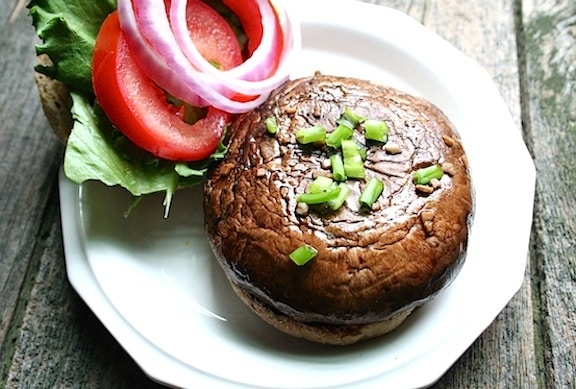
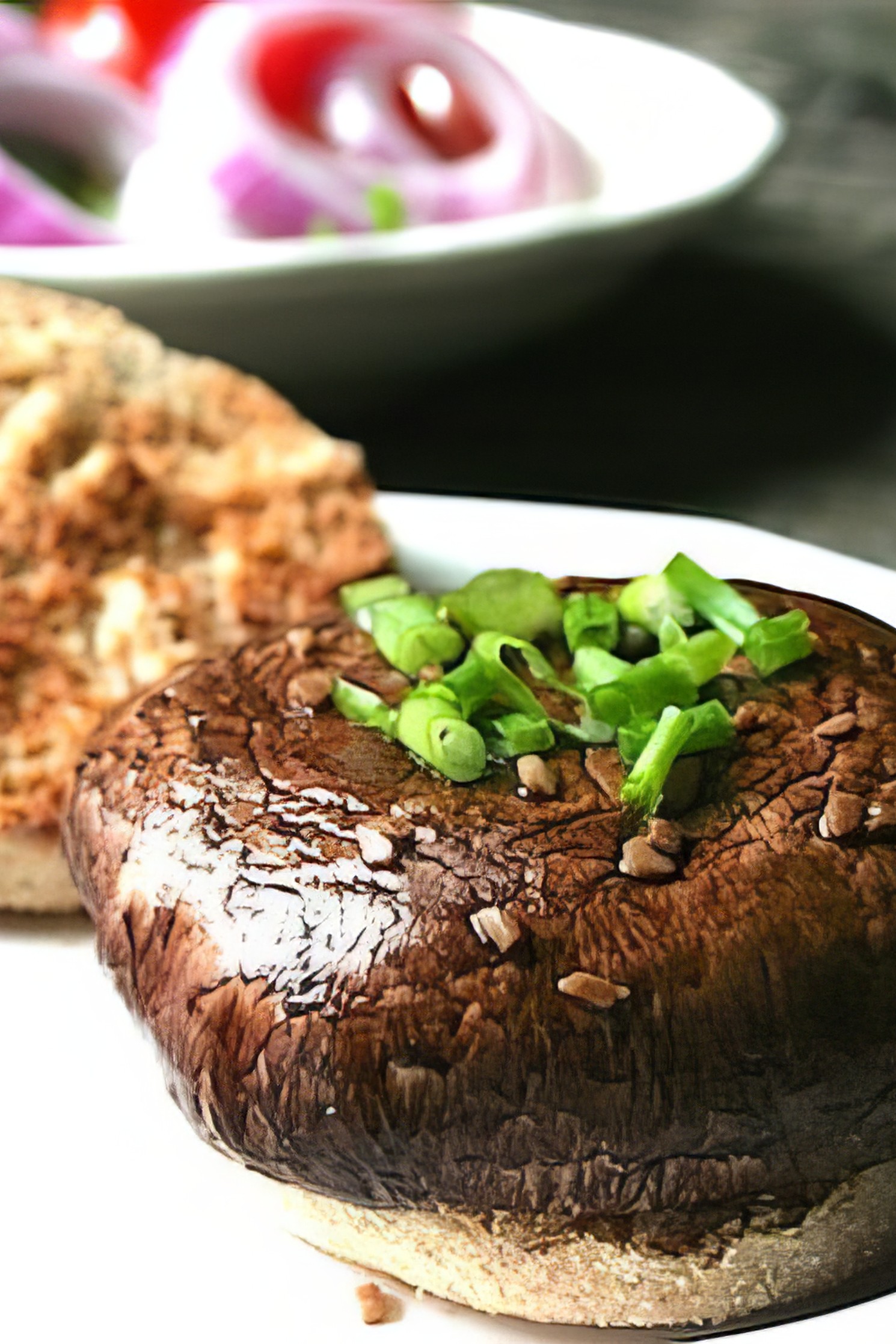
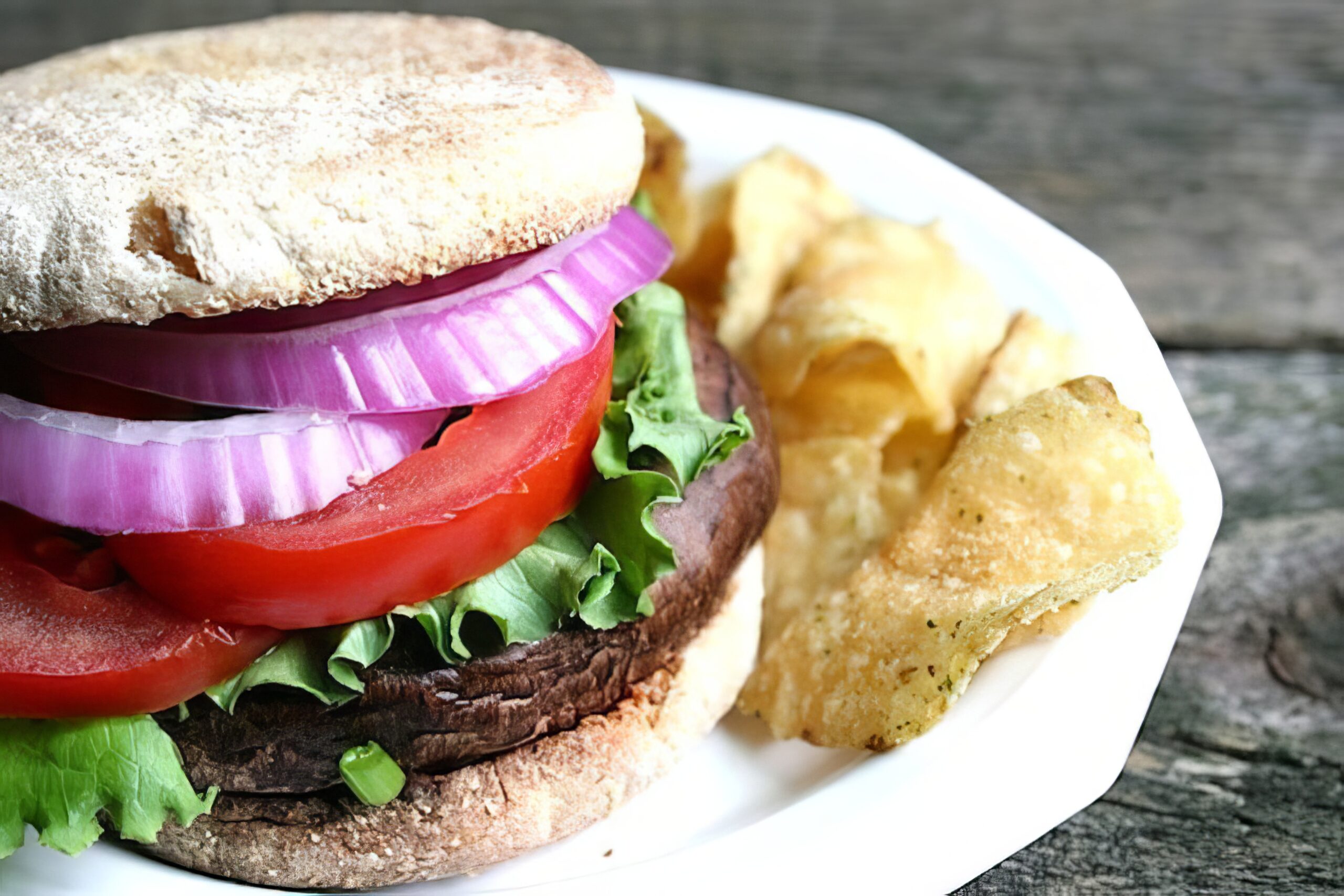
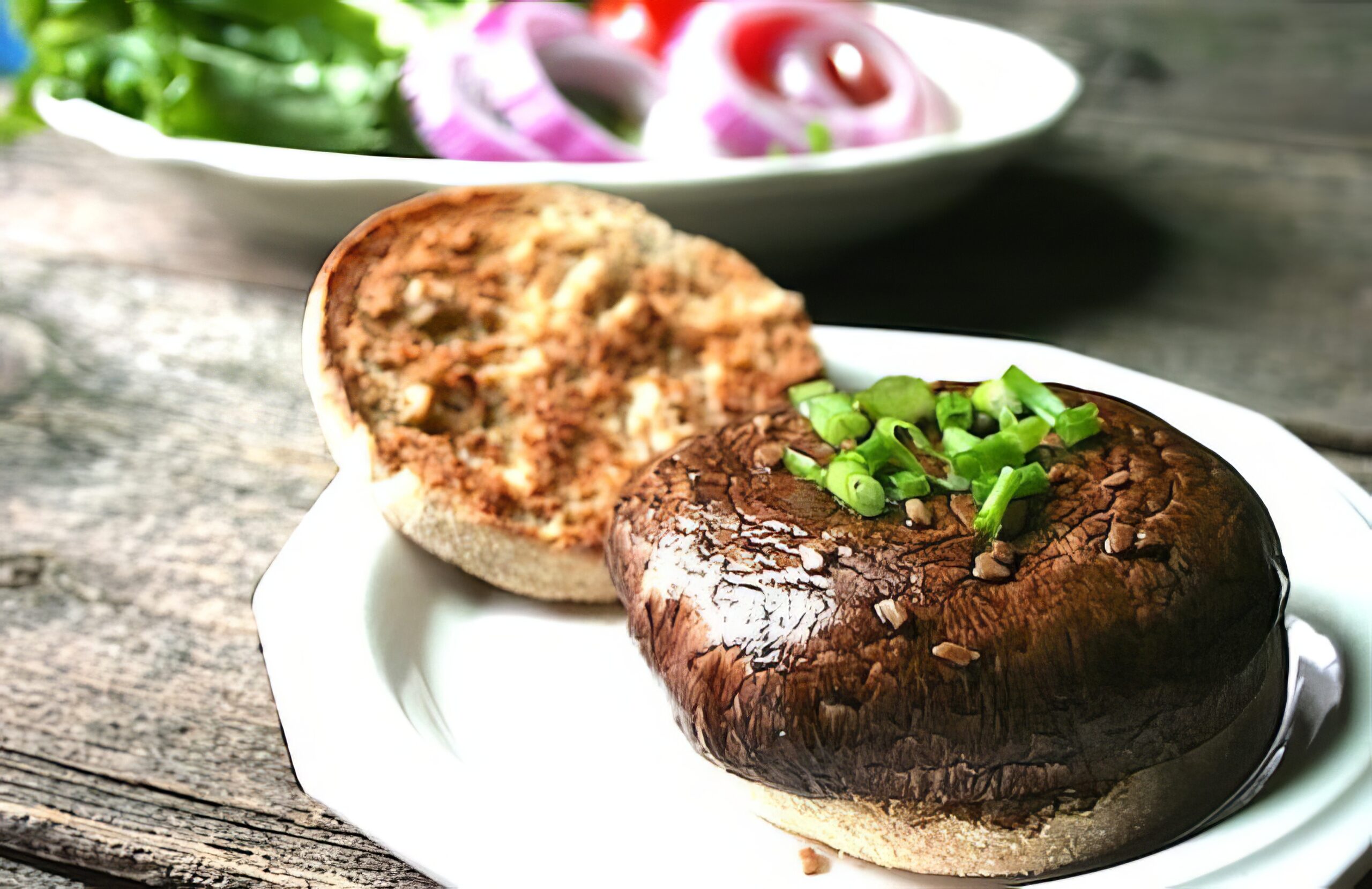
These easy vegan portobella burgers are the simplest path to a seriously satisfying grilled burger - just marinate the caps, hit them with heat, and pile on the toppings.


Marinate gill-side down first. Place the portobello caps with the gill side facing down in the marinade for the first portion of the marinating time, then flip. This ensures the undersides - which cook first on the grill - are well coated. At least 15 minutes is good; up to an hour is even better.
Don't discard the remaining marinade. Pour any unused marinade back into the bottle and set it aside. You'll want to brush the caps with additional marinade as they cook, which keeps them moist and adds a lacquered, slightly charred glaze that's absolutely delicious.
High heat for grill marks, medium for pan cooking. On a grill, you want high heat to get those gorgeous char marks. In a skillet, medium is better - high heat causes the marinade to burn before the mushroom is cooked through. Either way, don't rush it. The caps need a full 4-5 minutes per side.
Toast your buns. A dry, untoasted bun is the fastest way to make a great portobello burger feel disappointing. Throw the buns on the grill or cut-side-down in a dry skillet for 1-2 minutes. It makes the whole burger better.
Let them rest for a minute before serving. Portobello caps release a lot of moisture as they cool slightly. Give them 60 seconds on a rack or plate before loading onto the bun - this keeps the bottom bun from going soggy immediately.
The classic approach is on a toasted whole-grain bun with caramelized or raw onion, baby greens, sliced tomato, and a generous schmear of vegan mayo. The portobello is substantial enough to hold its own against bold toppings - sautéed garlic, a drizzle of teriyaki, pickles, and mustard all work beautifully. If you're serving a crowd, set out a spread of condiments and toppings and let everyone build their own. For more inspiration, check out the best portobello mushroom recipes on VegKitchen.
Without a bun, these are just as satisfying. Serve a portobello cap over cooked grains with roasted vegetables and a drizzle of the pan sauce. They're also excellent alongside grilled corn and a bright fresh tomato relish - simple, summery, and effortless.
Cooked portobello caps keep well in an airtight container in the refrigerator for up to 3 days. Reheat in a skillet over medium heat with a splash of marinade or water to prevent sticking, or warm in a 350°F oven for about 8 minutes. They're also surprisingly good cold, sliced thin over a salad.
Portobello burgers don't freeze especially well - the texture becomes quite soft and watery after thawing. They're best made fresh or made a day ahead and refrigerated. If you do freeze them, wrap individually and reheat in the oven rather than the microwave for the best texture.

If you loved this recipe, check out our full collection of the best vegan burger recipes, including our chipotle black bean burgers and our vegan beet burgers - or here are a few more individual favorites:


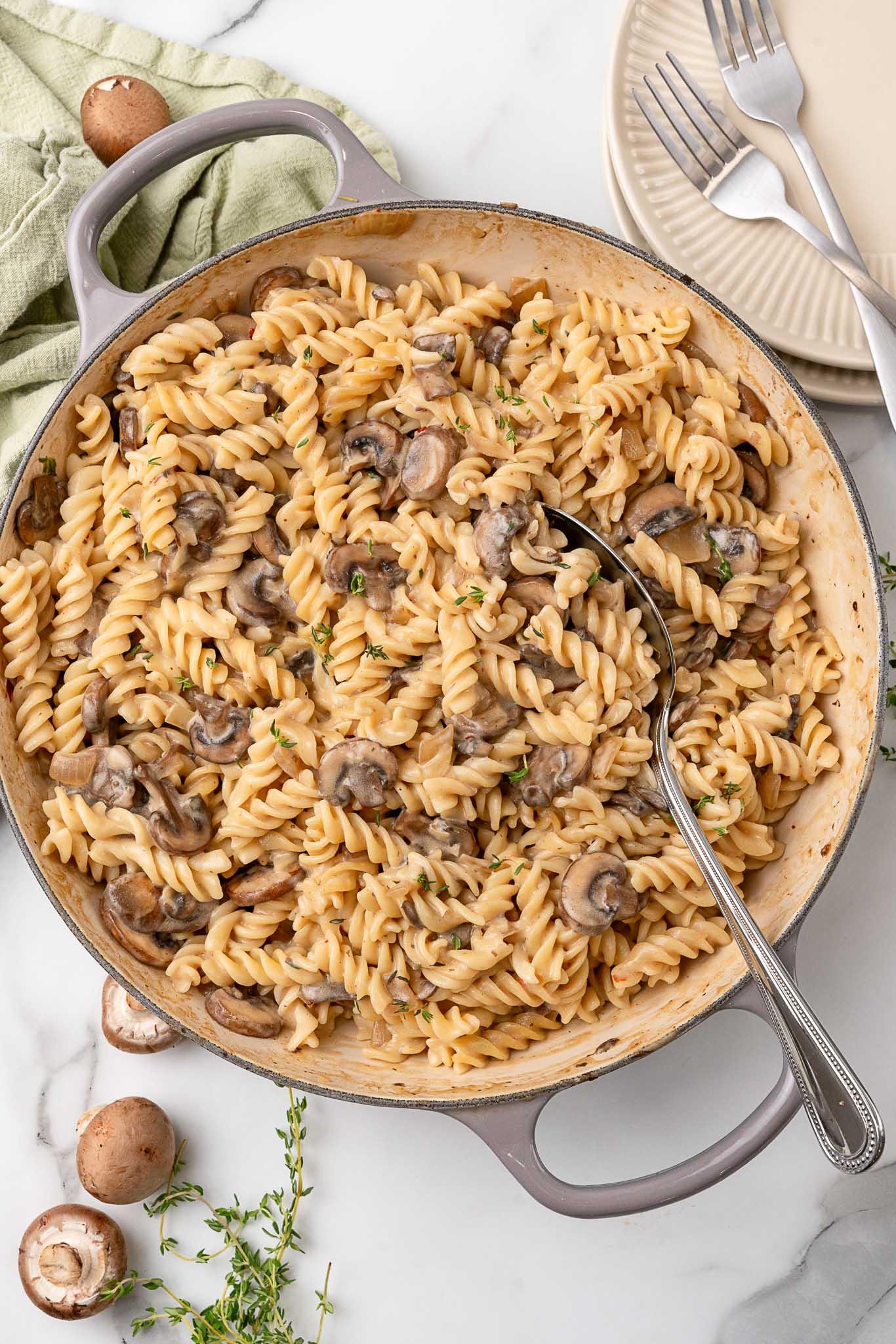
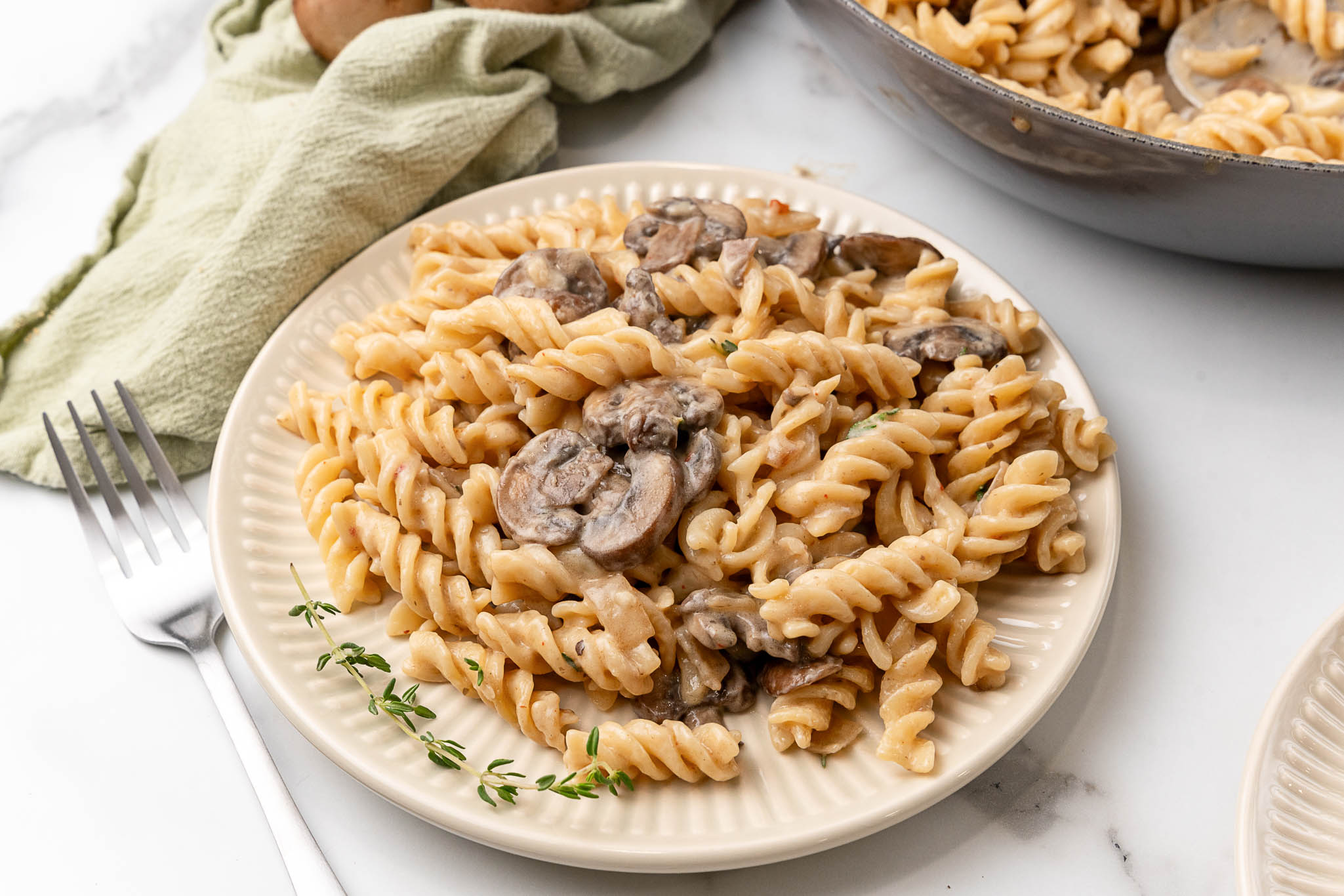
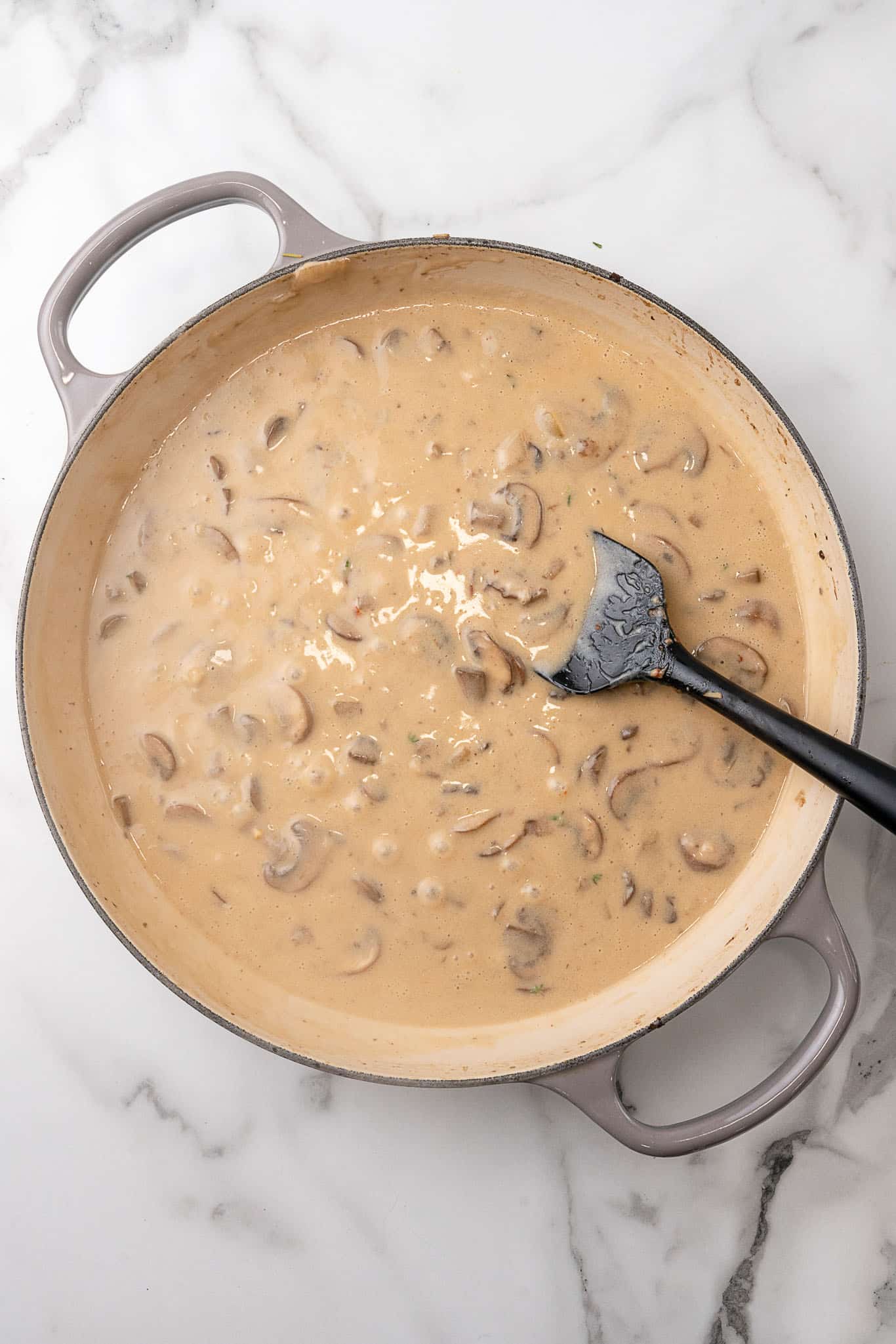
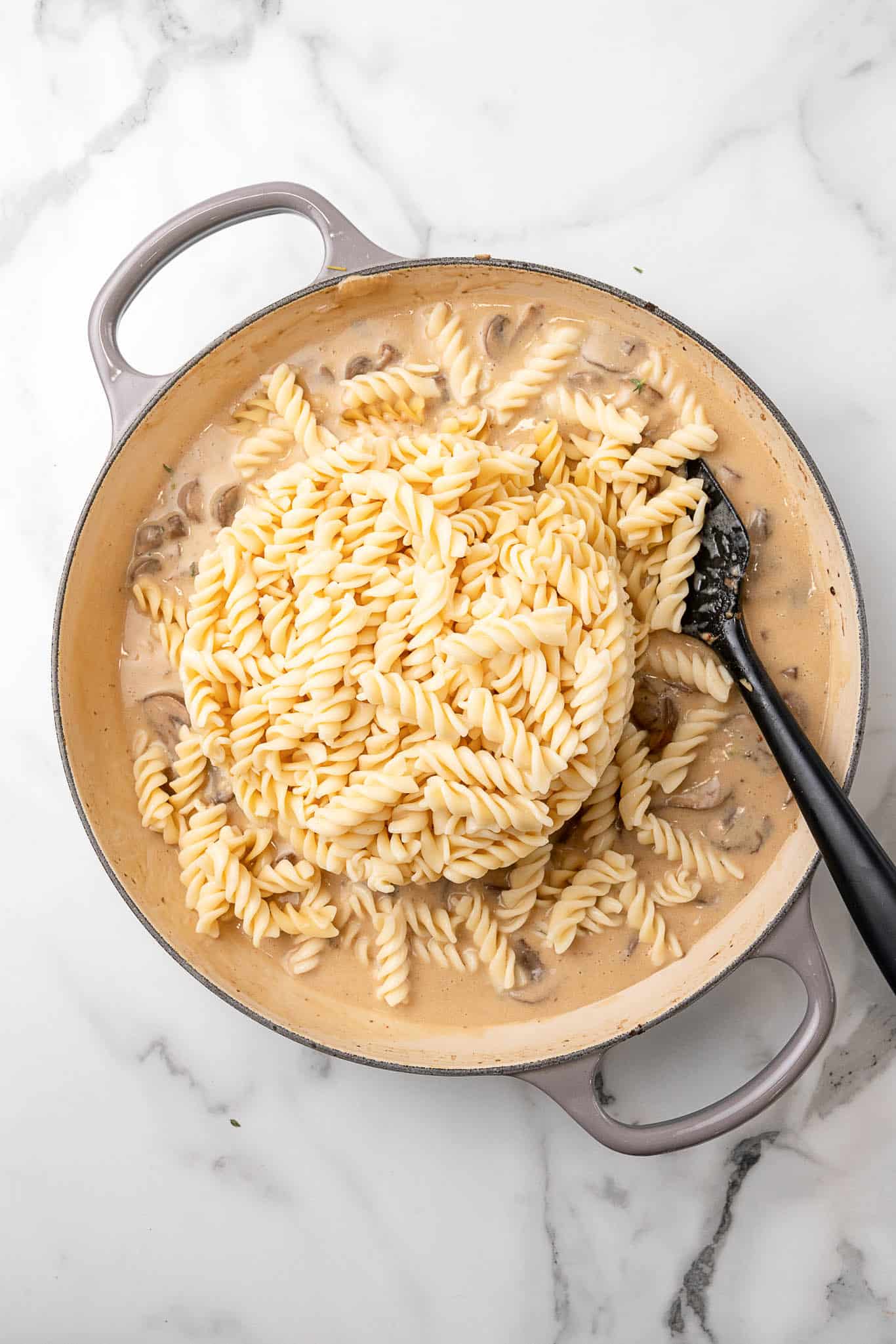
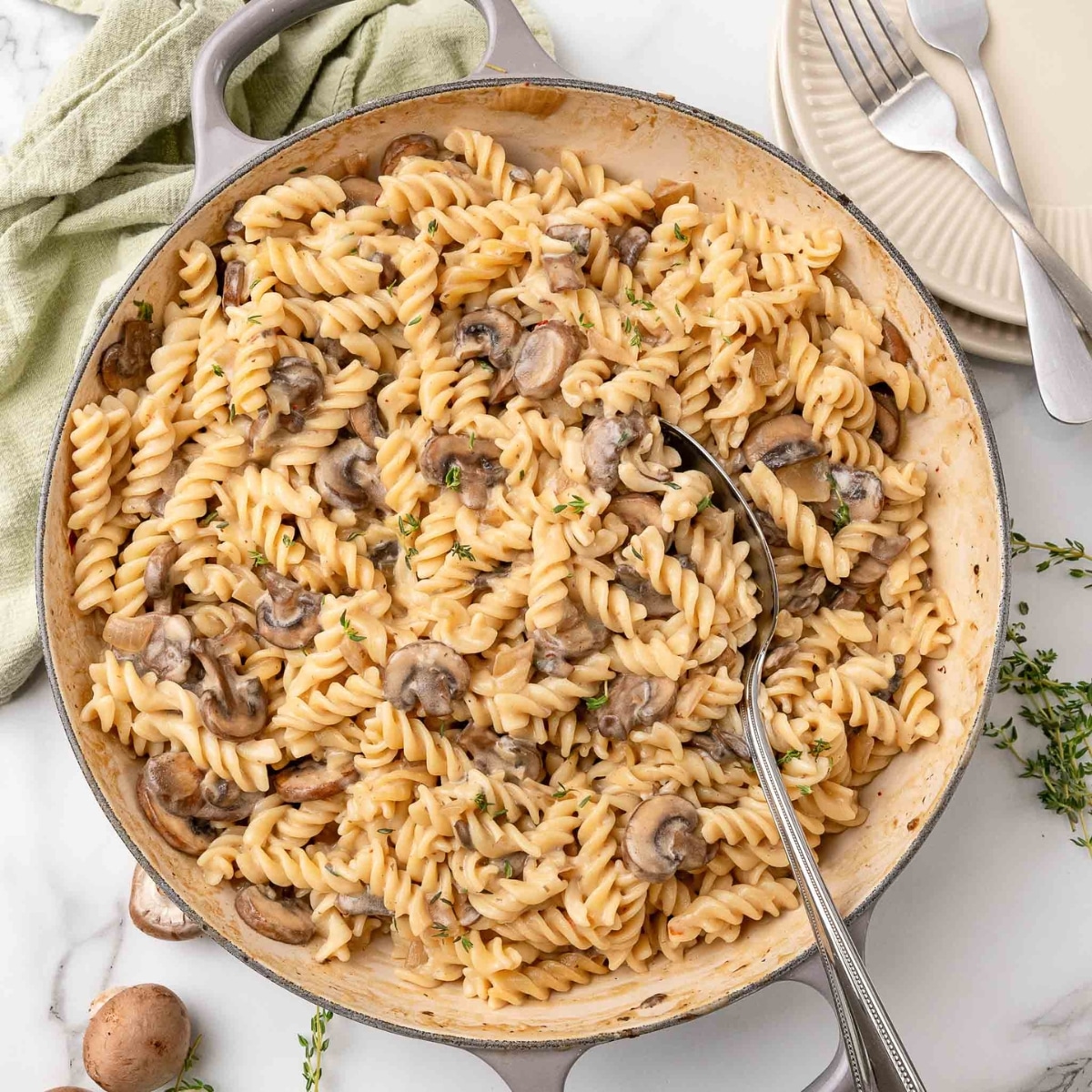
This vegan creamy mushroom pasta delivers everything you want in a comfort food dinner - a velvety, herb-flecked sauce, tender baby bella mushrooms, and hearty pasta, all ready in under 30 minutes.

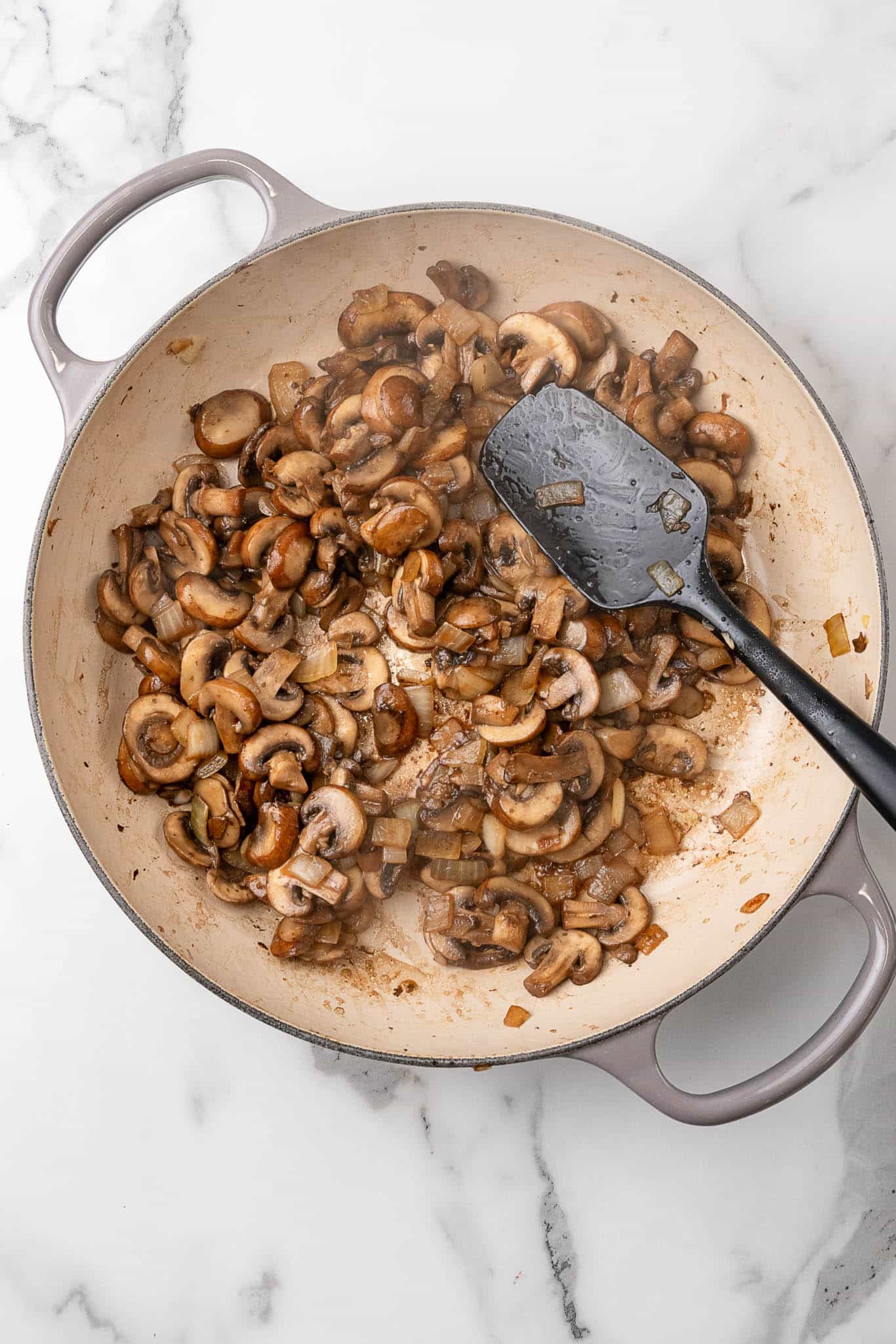
Don't rush the mushrooms. Give them space in the pan and let them cook undisturbed for a couple of minutes before stirring. They need time to release their liquid and then let that liquid fully evaporate - this is where the deep, savory flavor comes from. If you rush this step by stirring constantly, you'll end up with steamed, waterlogged mushrooms instead of golden, concentrated ones.
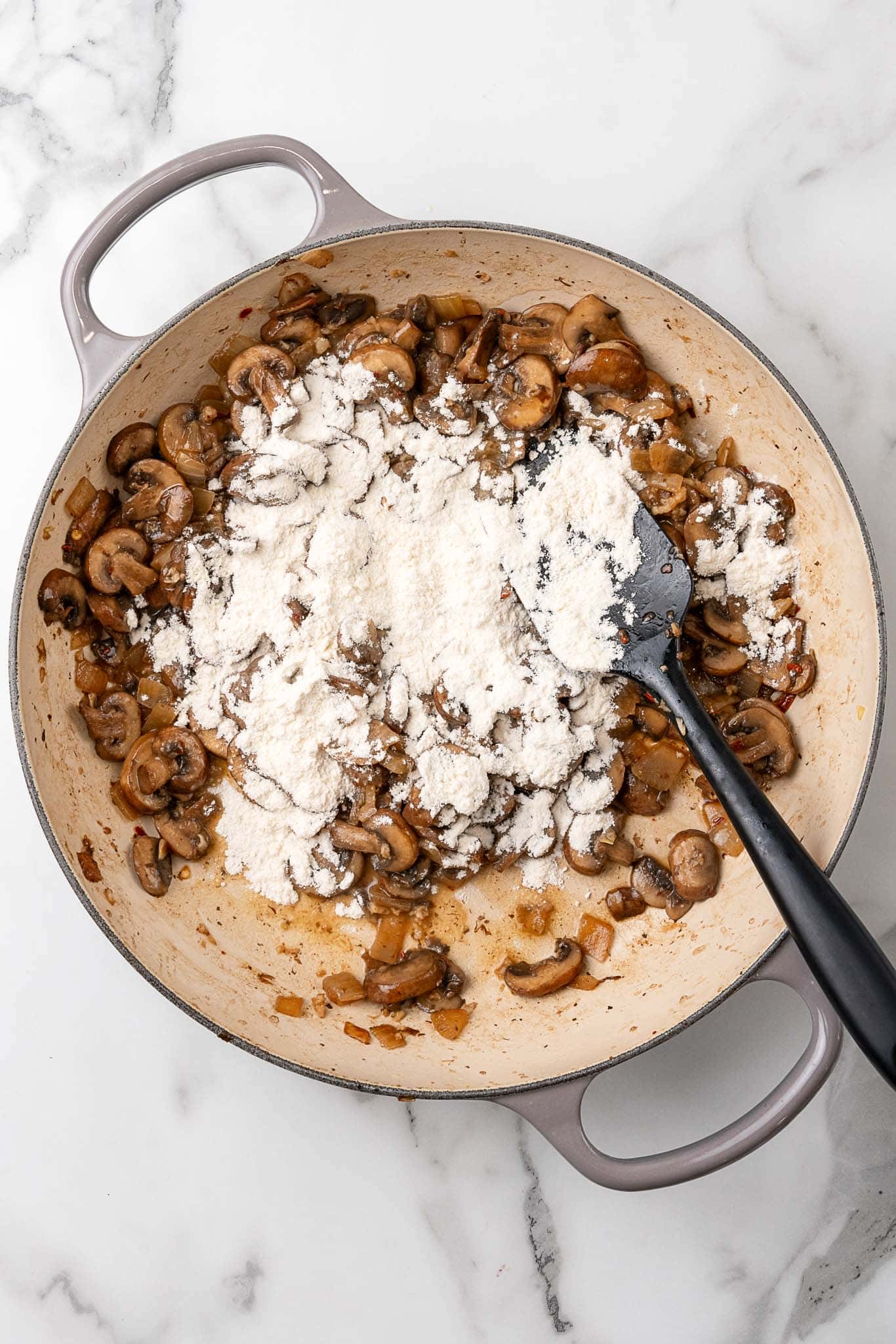
Make a proper roux. After adding the vegan butter to the cooked mushrooms, let it melt fully before sprinkling in the flour. Stir the flour into the butter and vegetables and cook for about a minute - this cooks out the raw flour taste and ensures your sauce won't be starchy. It should look like a pale, sandy paste clinging to the vegetables.
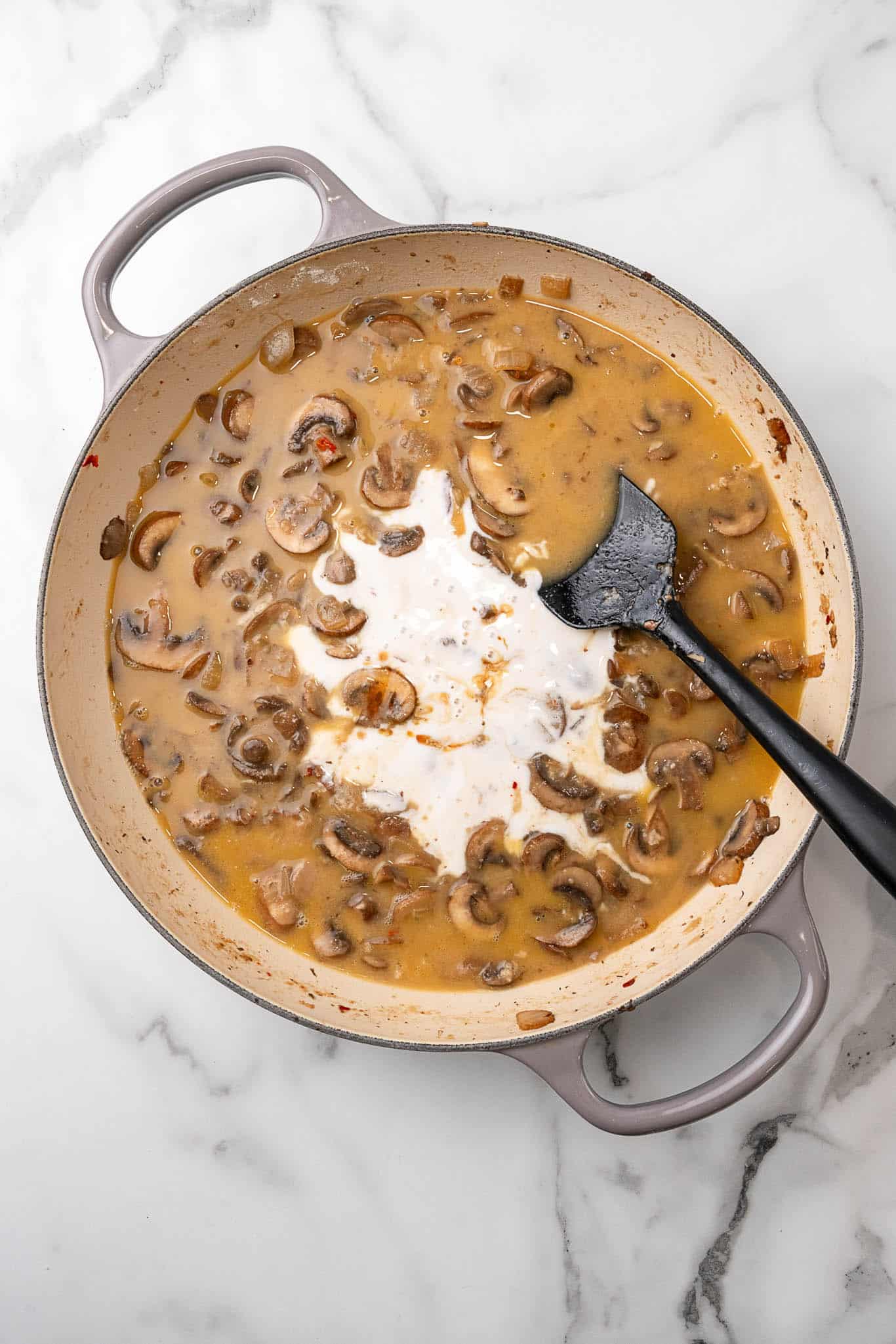
Add the broth slowly. Pour in a splash of vegetable broth, stir vigorously until smooth, then add more. This gradual approach prevents lumps from forming in the sauce. If you do end up with a few lumps, a quick whisk usually smooths everything out.
Use the pasta cooking water. Before you drain the pasta, scoop out a cup of the starchy cooking water. If your sauce turns out thicker than you'd like after adding the pasta, a splash of pasta water loosens it perfectly and helps everything cling together.
Taste before serving. The soy sauce adds salt, and different broths vary in saltiness - so always taste the finished sauce before plating. A pinch of salt, an extra crack of black pepper, or a squeeze of lemon can make a big difference.
Also worth trying: our Italian-style vegan sausage and peppers.
This pasta is a full meal on its own, but a simple side rounds it out nicely. Warm, crusty bread or garlic bread is the obvious choice - you'll want something to swipe up every last bit of sauce from the bowl. A lightly dressed arugula salad with lemon and olive oil cuts through the richness beautifully.
For a bigger spread, roasted broccoli or asparagus alongside this dish is a great pairing - the slight char on the vegetables plays well against the creamy sauce. If you're serving this for guests, pair it with a side of glazed baked onions and pasta dishes like vegan zucchini lasagna or a hearty vegan pot pie casserole or Vegan Pasta Alfredo with Peas & Asparagus for variety.
Leftovers keep well in an airtight container in the refrigerator for up to 4 days. The pasta will absorb some of the sauce as it sits, so when reheating add a splash of vegetable broth or plant milk and stir over medium-low heat until the sauce loosens and everything is warmed through. It reheats beautifully on the stovetop; the microwave works too, just stir halfway through.
This dish doesn't freeze well - the coconut milk sauce tends to separate and become grainy after thawing, and the pasta turns mushy. It's best made fresh or enjoyed within a few days from the fridge. If you want to meal prep ahead, you can make the sauce (without the pasta) and freeze that separately for up to 2 months, then cook fresh pasta to toss with it when ready.

If you loved this creamy mushroom pasta, here are a few more vegan pasta dinners to try:


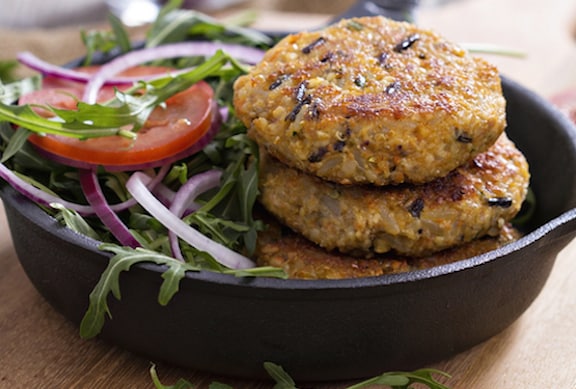
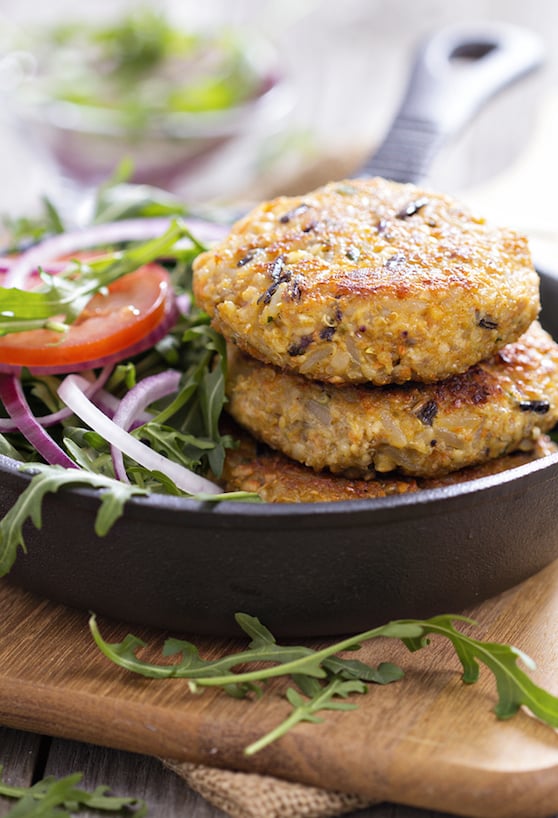
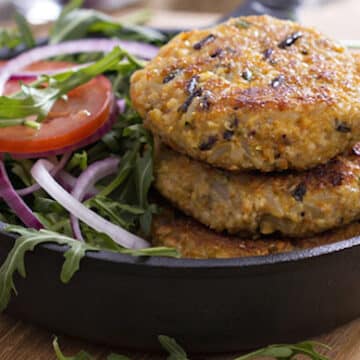
These vegan quinoa and wild rice burgers are hearty, wholesome, and satisfying enough to win over anyone at the table - no meat required.

Cook the wild rice low and slow. Wild rice takes about 35 minutes at a gentle simmer, and rushing it makes it tough. The grains should just start to split and curl before you pull them off the heat. Undercooked wild rice won't blend into the patty mixture well.
Let the oat mixture absorb fully. When you cover the oats with boiling water, give them a full 5 minutes before mixing. If you rush this step, the oats won't fully hydrate and your patties will be crumbly rather than cohesive.
Pack the measuring cup firmly. Scooping loosely will give you fragile patties. Fill the ½-cup measuring cup with the burger mixture and press it down firmly before inverting onto the baking sheet. The more compact the patty going in, the better it holds together coming out.
Don't skip the flip. At the 15-minute mark, turn each patty gently using a thin spatula. This is what gives both sides that golden, slightly crisp exterior. If a patty sticks or starts to crumble, let it bake another 2 minutes before attempting the flip.
Make ahead and freeze. These patties freeze beautifully. Bake them fully, let them cool completely, then freeze in a single layer on a baking sheet before transferring to a bag. Reheat from frozen in a 375°F oven for about 15 minutes, flipping once.
Also worth trying: our gently curried tofu burgers.
These burgers are sturdy enough to hold up in a bun with all the classic toppings - lettuce, tomato, onion, pickles, and a generous smear of vegan mayo or copycat vegan Big Mac sauce. A toasted brioche-style bun is especially good here since the slight sweetness contrasts nicely with the earthy grains. You can also tuck them into a pita pocket with shredded cabbage and tahini sauce for a more Mediterranean feel.
Serve them alongside a simple green salad, roasted sweet potato wedges, or fresh tomato relish for a complete meal. They also work beautifully on top of a grain bowl - break one apart over quinoa or farro, add a handful of greens and a drizzle of lemon tahini dressing, and you have a satisfying lunch that holds you for hours.
Let leftover patties cool completely, then store them in an airtight container in the refrigerator for up to 4 days. To reheat, warm them in a 350°F oven for 8-10 minutes or in a dry skillet over medium-low heat for a couple minutes per side. Avoid microwaving if you can - it softens the exterior and makes the patties a bit mushy.
These burgers freeze very well. Once fully baked and cooled, freeze in a single layer on a lined baking sheet until solid, then transfer to a zip-close freezer bag. They'll keep for up to 3 months. Reheat straight from frozen in a 375°F oven for 15 minutes, flipping halfway through. The texture holds up remarkably well after freezing.
If you loved this recipe, check out our full collection of the best vegan burger recipes, including our chipotle black bean burgers for a smoky kick - or here are a few more individual favorites:


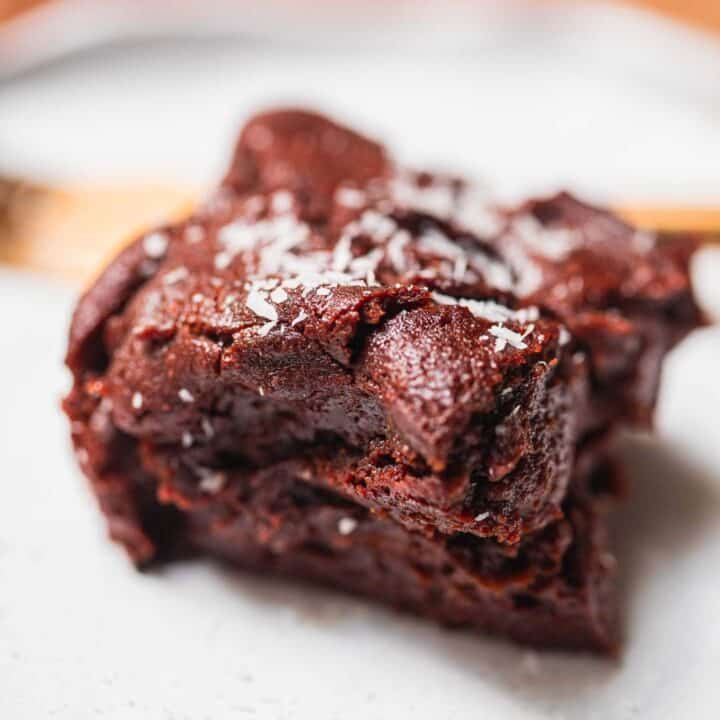
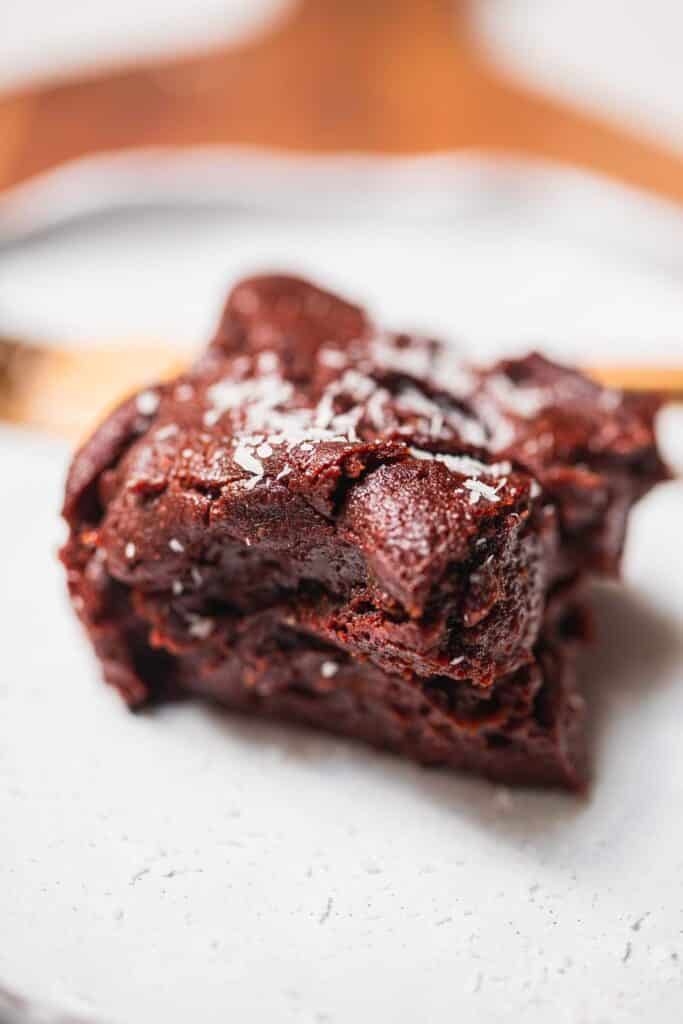
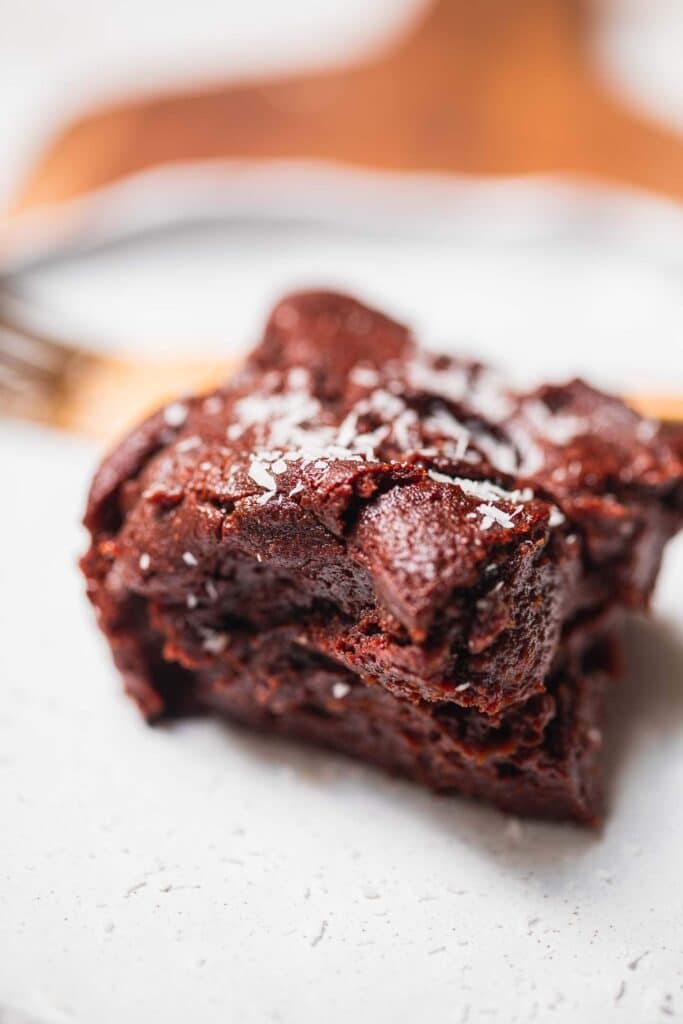
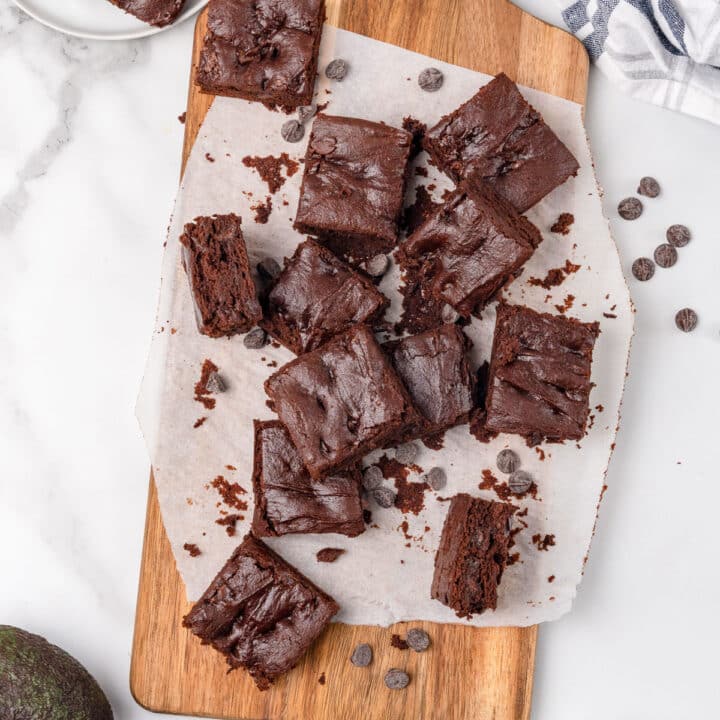
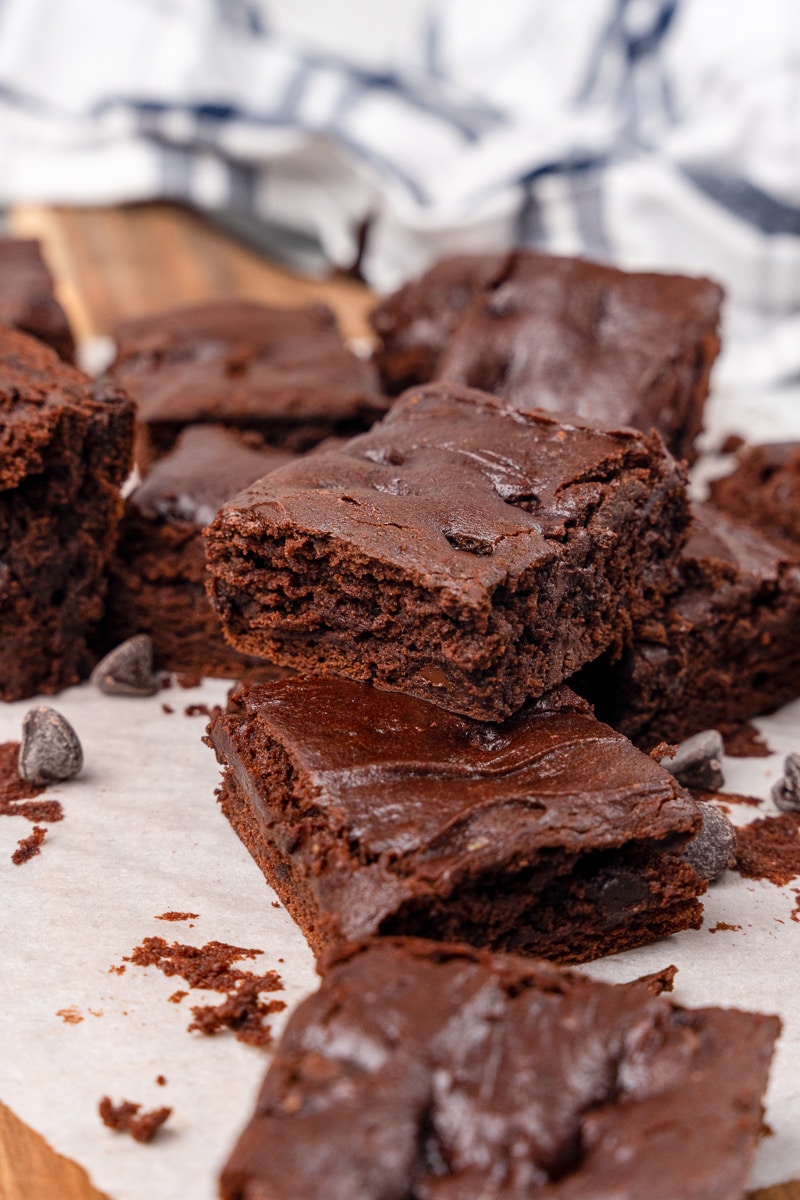
These vegan sweet potato brownies are fudgy, deeply chocolatey, and made with just six simple ingredients - no eggs, no dairy, and absolutely no one will guess there's a vegetable hiding in there.

These brownies are wonderful on their own at room temperature, but they really shine served slightly warm with a scoop of vegan vanilla ice cream melting over the top. For a dessert spread, pair them alongside vegan chocolate avocado cookies and a bowl of fresh raspberries - the tartness cuts through the richness beautifully. For Halloween, our vegan halloween cupcakes are a festive alternative, and our vegan Halloween candy guide has all the best store-bought options. For Valentine's Day, they'd fit right in on our full list of vegan Valentine's Day desserts. A dusting of cocoa powder or a drizzle of melted dark chocolate takes them from casual snack to dinner-party dessert in seconds.
Store leftover brownies in an airtight container in the refrigerator for up to 5 days. They taste even better on day two once the flavors have settled - warm individual squares in the microwave for 20-30 seconds before serving. These brownies also freeze exceptionally well. Wrap each square in plastic wrap and store in a freezer-safe bag or container for up to 2 months. Thaw at room temperature for an hour or microwave straight from frozen for about 45 seconds.
Also worth trying: our pumpkin seed butter.

If you loved these brownies, here are a few more chocolatey recipes to try:


This homemade vegan duck sauce comes together in five minutes flat - sweet, tangy, and way better than the packets at the bottom of your takeout bag.

Stir, don't heat. This sauce comes together without any cooking at all - just whisk everything in a bowl until the preserves are fully incorporated. If your preserves are very stiff or chunky, microwave the jar for 15-20 seconds to loosen them up before measuring.
Blend for a silkier texture. If you prefer a completely smooth sauce without any fruit chunks, transfer everything to a small blender or use an immersion blender. A quick 10-second blitz is all it takes.
Taste as you go. Duck sauce is very easy to adjust. Want it sweeter? Add a tiny bit more preserves. Too sweet? A splash more rice vinegar will balance it right out. Prefer more savory depth? Another half teaspoon of soy sauce does the trick.
Make it spicy. A pinch of red pepper flakes, a dash of sriracha, or a small amount of chili garlic sauce stirred in at the end turns this into a sweet-heat dipping sauce that's hard to stop eating.
Double or triple the batch. This recipe makes about ½ cup, which is plenty for two to four people as a dipping sauce. Going to a party or feeding a crowd? It scales up perfectly - just multiply each ingredient and store the extra in a jar in the fridge.
Duck sauce is the classic companion for anything crispy or doughy coming out of a hot pan or oven. Serve it alongside tofu spring rolls, steamed dumplings, or scallion pancakes - it's a natural fit for all of them. Even plain rice crackers or wonton chips benefit hugely from a little bowl of this on the side.
It also works beautifully as a glaze or drizzle. Brush it over baked tofu or tempeh in the last five minutes of cooking for a sweet, lacquered finish, or spoon it over a bowl of cauliflower fried rice in place of soy sauce. A thin drizzle over a veggie wrap adds a sweet-tangy layer that makes everything taste more pulled-together.
Transfer any leftover duck sauce to a small airtight jar or container and refrigerate it. It keeps well for up to two weeks. Give it a quick stir before serving since the ingredients can settle slightly. If it thickens too much in the fridge, a tiny splash of orange juice stirred in will bring it right back.
Duck sauce freezes reasonably well - spoon it into an ice cube tray, freeze until solid, then transfer the cubes to a zip-close bag. They'll keep for up to three months. Thaw overnight in the fridge or for a few minutes at room temperature. The texture may be very slightly looser after freezing, but the flavor holds up well.

If you loved this recipe, here are a few more you might enjoy:


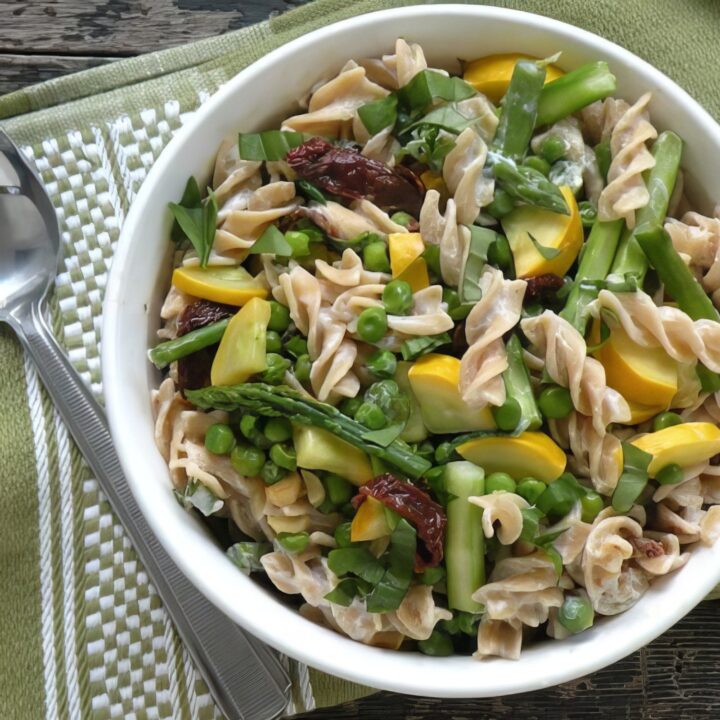
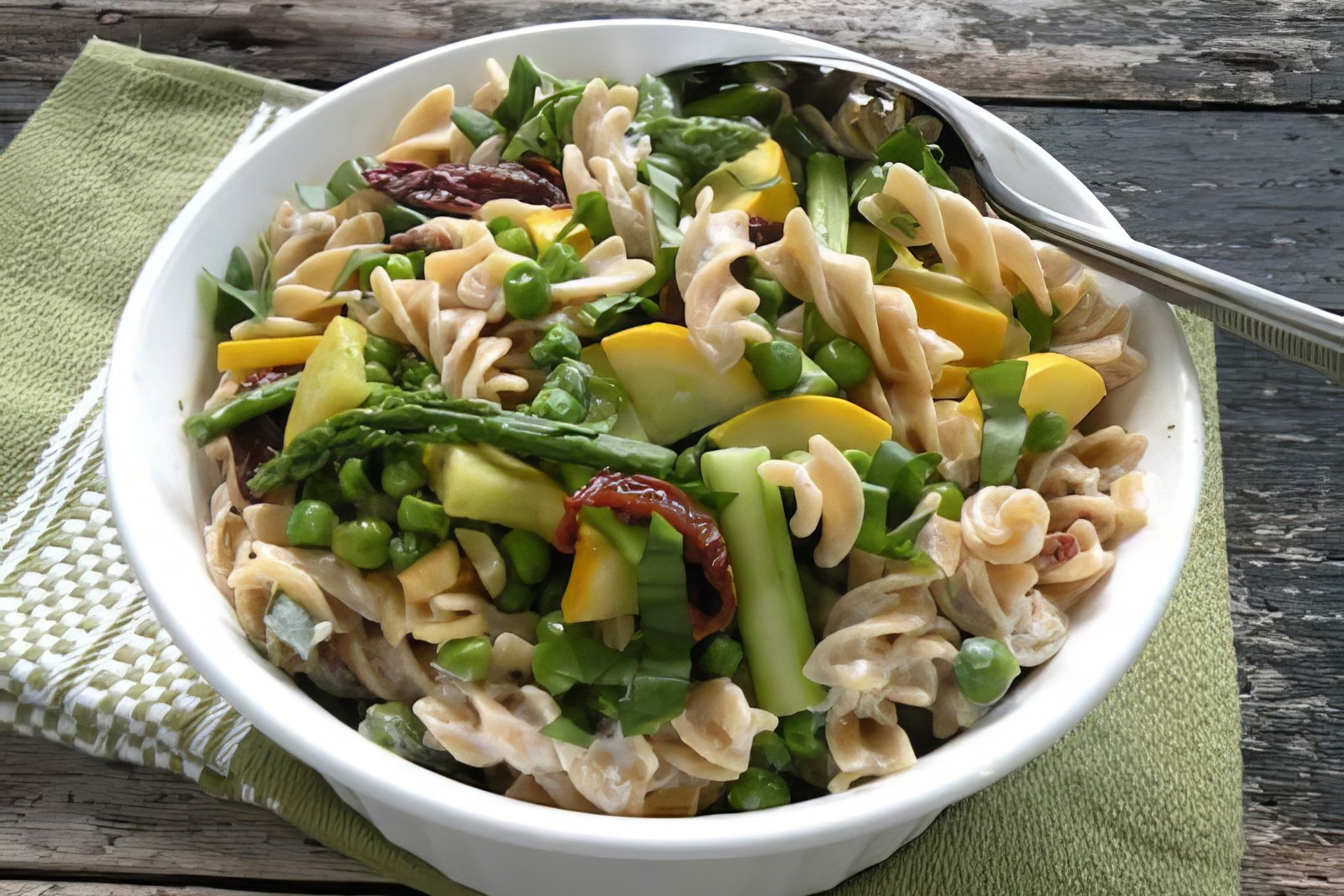
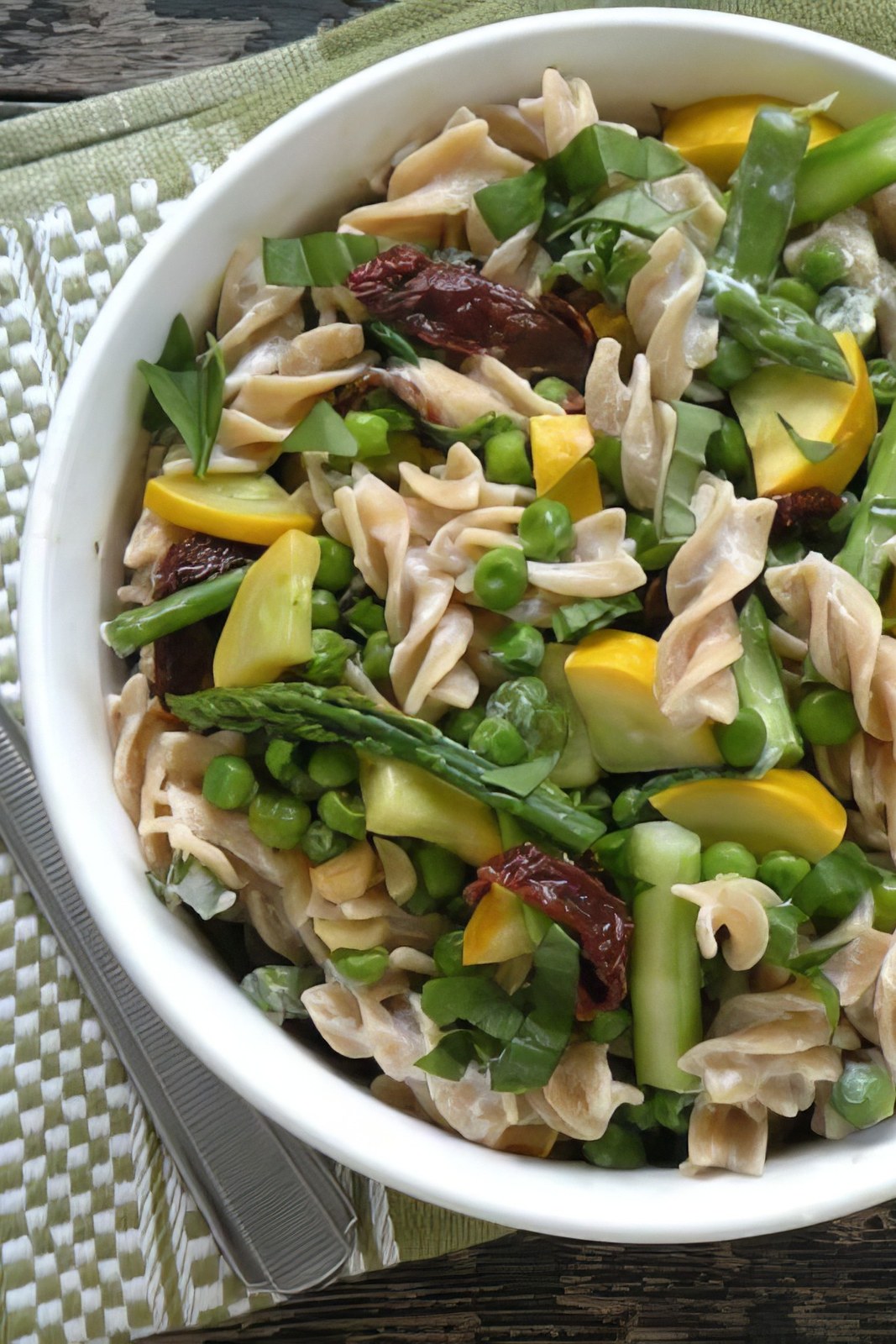
This vegan pasta alfredo with peas and asparagus is spring comfort food at its best - a silky, creamy sauce made entirely from blended silken tofu, tossed with tender spring vegetables and your favorite pasta shape. No dairy, no compromise.

Serve straight from the pan into wide pasta bowls, topped with extra fresh basil or parsley and a crack of black pepper. This is a complete meal on its own, but it pairs well with a simple green salad, garlic bread, or a wedge of crusty sourdough. For a more elaborate spread, serve alongside a bowl of marinated olives or a light tomato bruschetta. This also pairs beautifully alongside our vegan zucchini lasagna for an Italian dinner spread. Leftovers keep in the fridge for up to 3 days - reheat gently with a splash of water to revive the sauce.


Also try: our vegan creamy mushroom pasta.

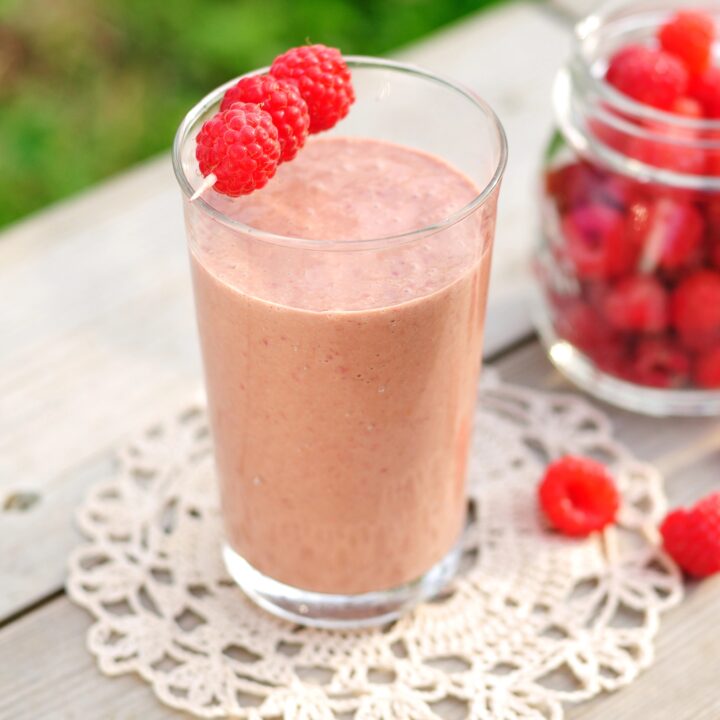
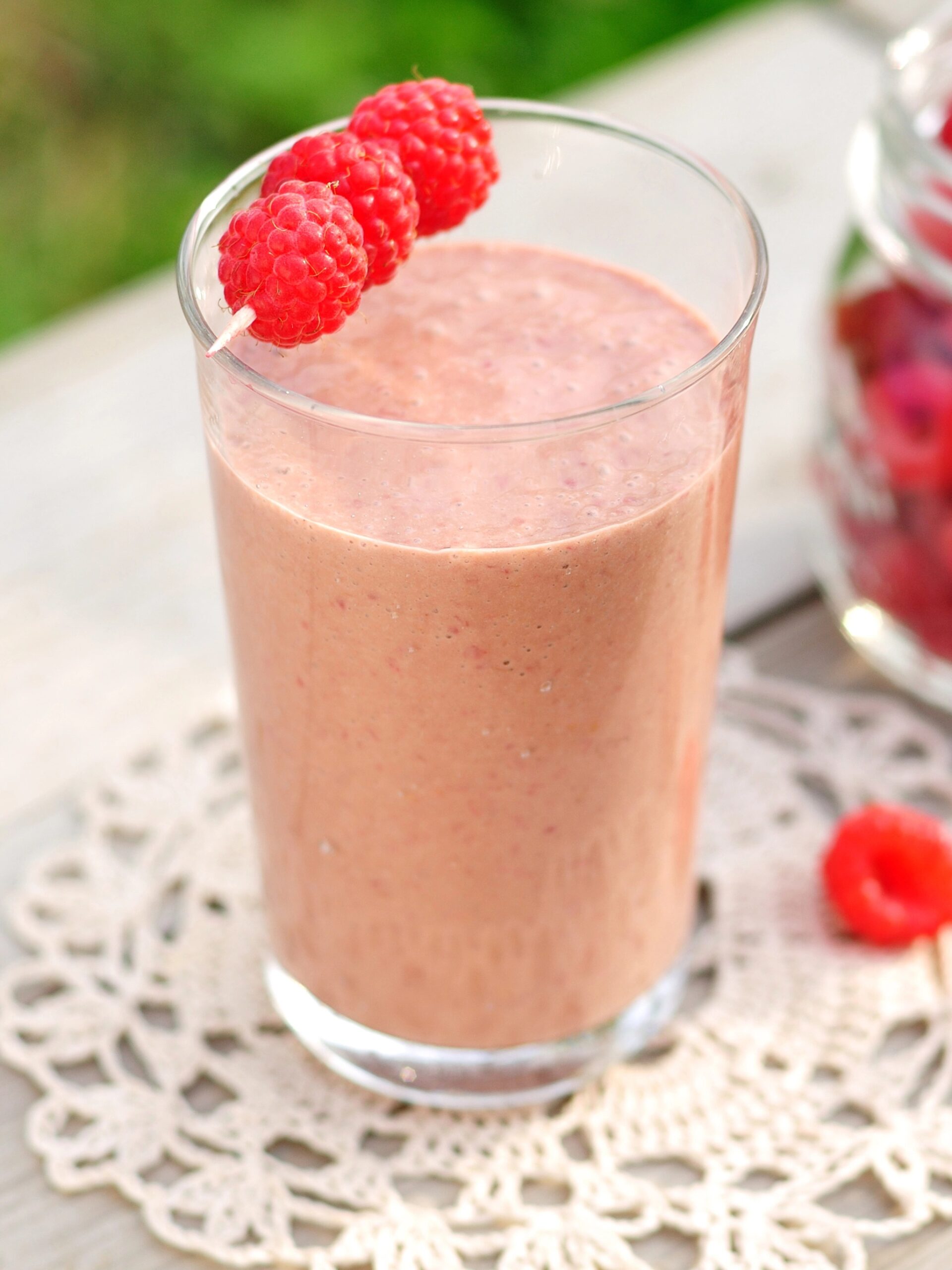
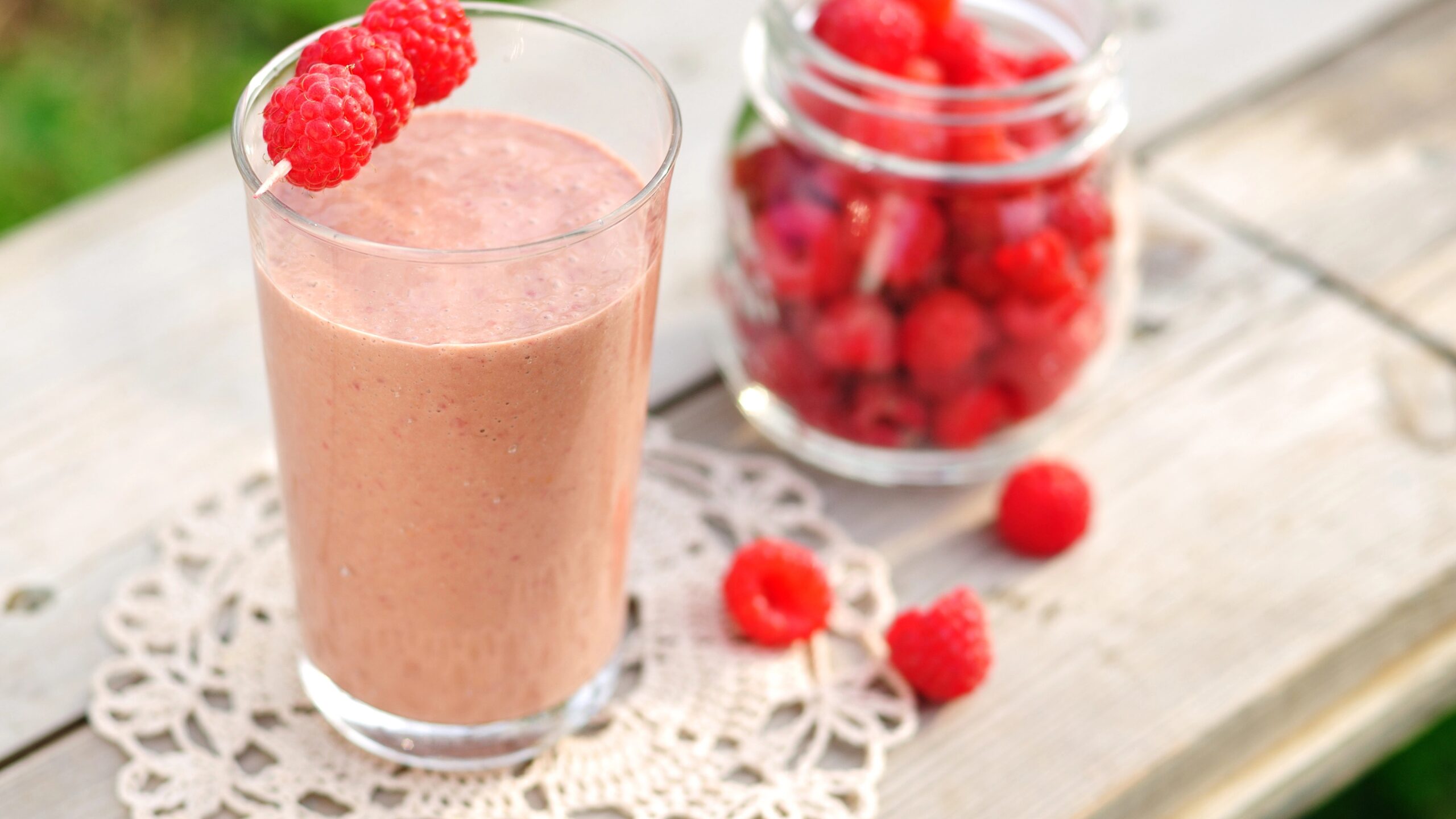
Rich chocolate, bright raspberries, and creamy banana — all blended into one stunning plant-based smoothie. This is the one you'll want to make on repeat.

If you've been stuck in a strawberry-banana smoothie rut (no judgment — it's a classic for a reason), this chocolate raspberry banana smoothie is here to shake things up. It's frosty, filling, and tastes a little bit like dessert, even though it's actually good for you. The chocolate almond milk does a lot of the heavy lifting flavor-wise, and the raspberries bring this gorgeous tartness that cuts right through the richness. Balanced, beautiful, and ready in five minutes.
I created this one on a whim when I had a bag of frozen raspberries taking up space in my freezer and a very ripe banana that needed to be used now. I threw in some chocolate almond milk thinking it might be weird — and it was anything but. My family immediately asked me to make it again the next morning. That's how you know.
This Smoothie Is…
Banana — The base of this smoothie. A ripe banana gives the most natural sweetness. Freeze it ahead of time for an extra thick, frosty texture — just peel and freeze it in a zip-lock bag the night before.
Raspberries — Fresh raspberries are wonderful when they're in season, but frozen raspberries work beautifully any time of year and actually make the smoothie colder and creamier. I keep a bag in the freezer year-round just for this.
Chocolate almond milk — This is the secret weapon. It gives the smoothie that deep chocolate flavor without adding any cocoa powder or sweetener. You can swap in any plant-based chocolate milk — oat, soy, or coconut all work great.
Hemp seeds — Optional but highly recommended. They add a protein boost and a little healthy fat without changing the flavor. Great for keeping you full through the morning.
Vanilla extract — Just a small splash rounds out the chocolate flavor and adds a little warmth. Easy to skip if you're in a rush.

Freeze your banana ahead of time. A frozen banana makes this smoothie so much thicker and creamier — almost milkshake-like. Just keep a stash of peeled, frozen bananas in your freezer and you'll always be ready.
Use frozen raspberries for a frostier result. If you're using fresh raspberries, add a few ice cubes to get that chilled, blended texture. Frozen raspberries can go straight from the freezer into the blender.
Start with less liquid. It's always easier to add more almond milk to thin it out than to fix a smoothie that's too runny. Start with ¾ cup and add more as needed.
Blend in stages. If your blender struggles with frozen fruit, pulse a few times first before blending on high. This helps everything break down evenly.
Triple berry: Swap half the raspberries for frozen blueberries or blackberries for an even more antioxidant-rich blend.
Chocolate peanut butter: Add a tablespoon of peanut butter or almond butter for a thicker, nuttier smoothie that's seriously satisfying.
Mocha smoothie: Add a shot of cooled espresso or a teaspoon of instant coffee for a grown-up, caffeinated twist.
Green smoothie: Toss in a big handful of spinach — you won't taste it at all, and you'll get a nice nutrient boost hidden under all that chocolate-raspberry flavor.
Protein smoothie: Stir in a scoop of your favorite vegan chocolate protein powder for a post-workout version.
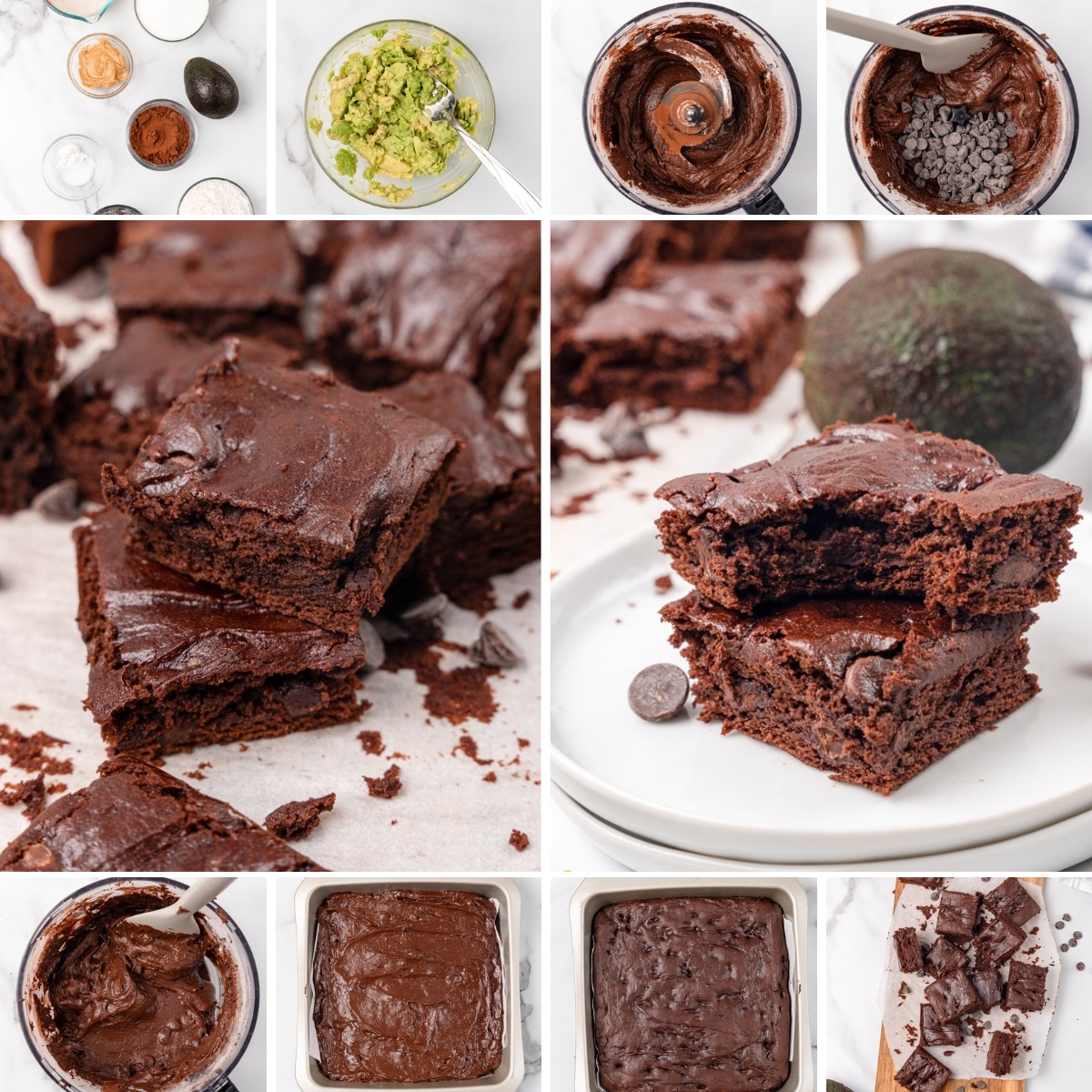
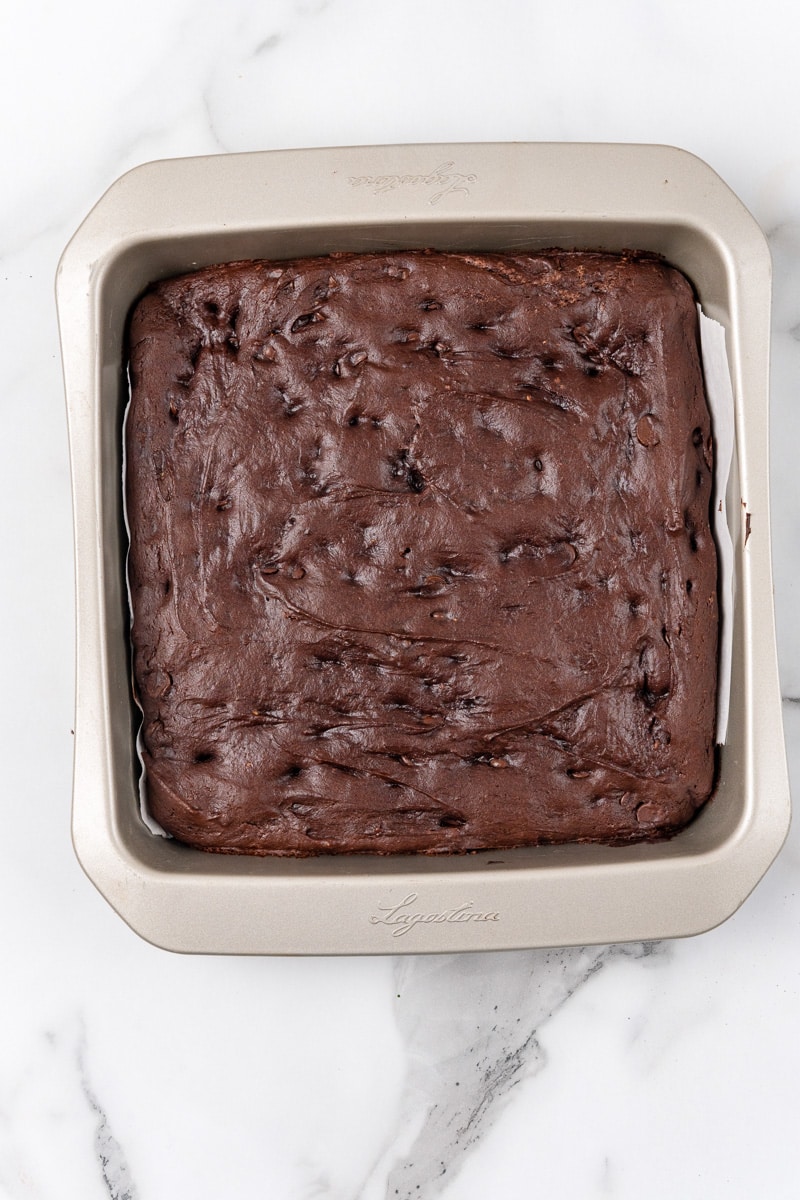
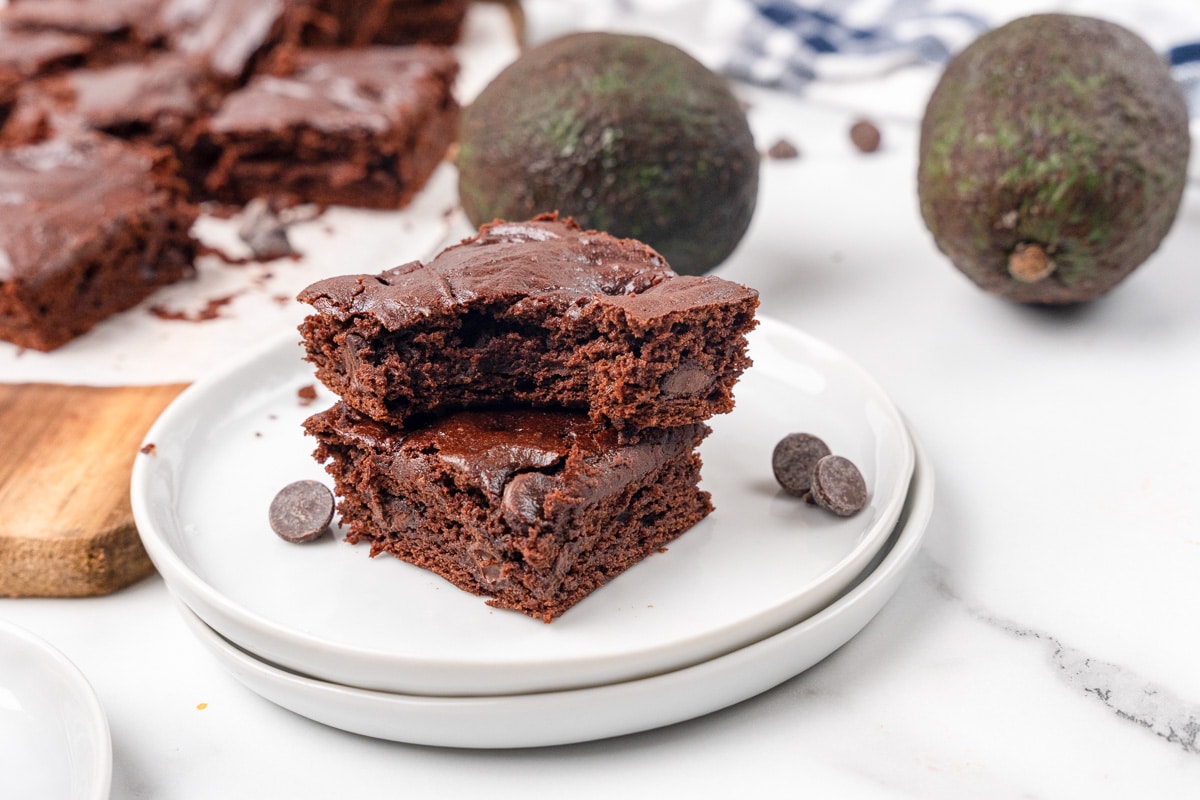
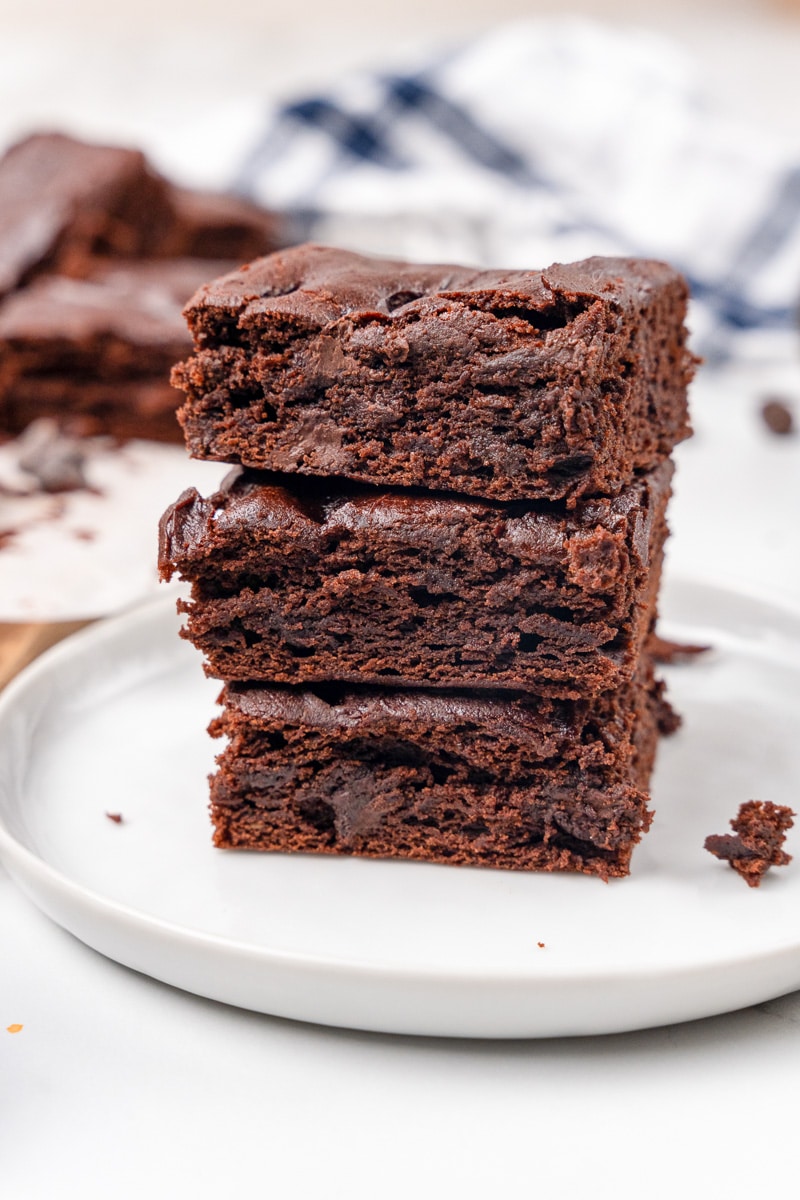
This smoothie is perfect as a quick breakfast or afternoon pick-me-up. Pour it into a tall glass with a reusable straw for an everyday treat, or serve it in a bowl topped with granola, fresh raspberries, and a drizzle of nut butter for a smoothie bowl. You can also make a double batch and freeze half in popsicle molds for a vegan fudgesicles situation your kids will love. For a rich chocolatey baked treat, these fudgy avocado brownies are just as crowd-pleasing.

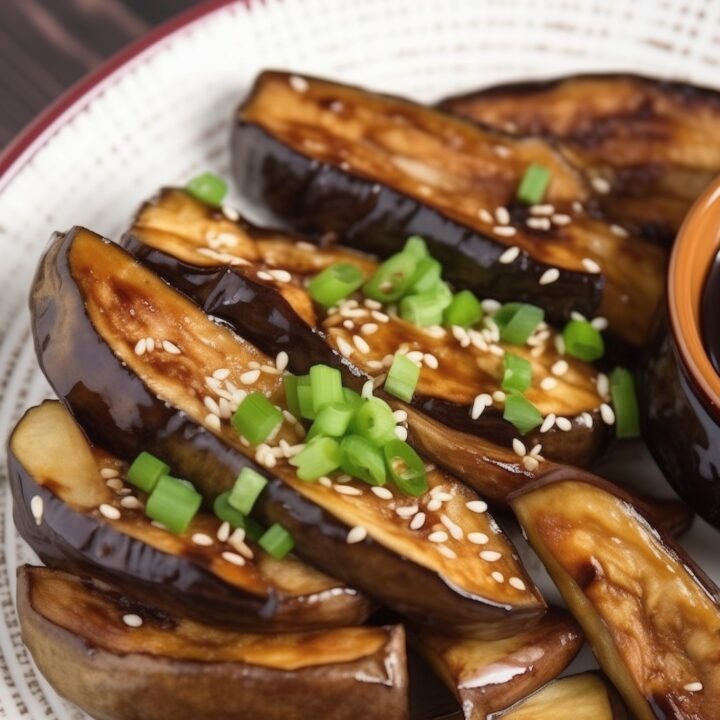
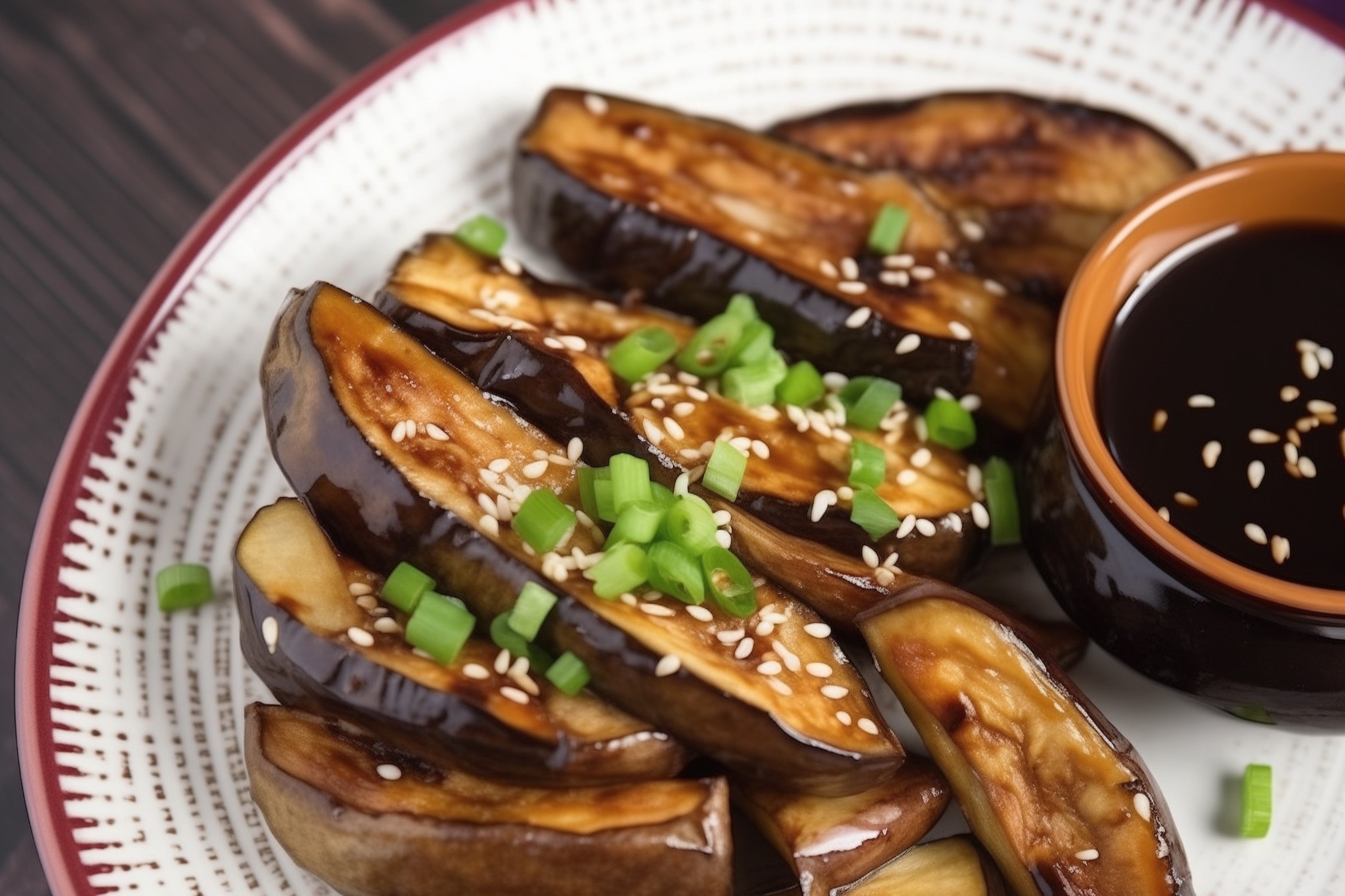
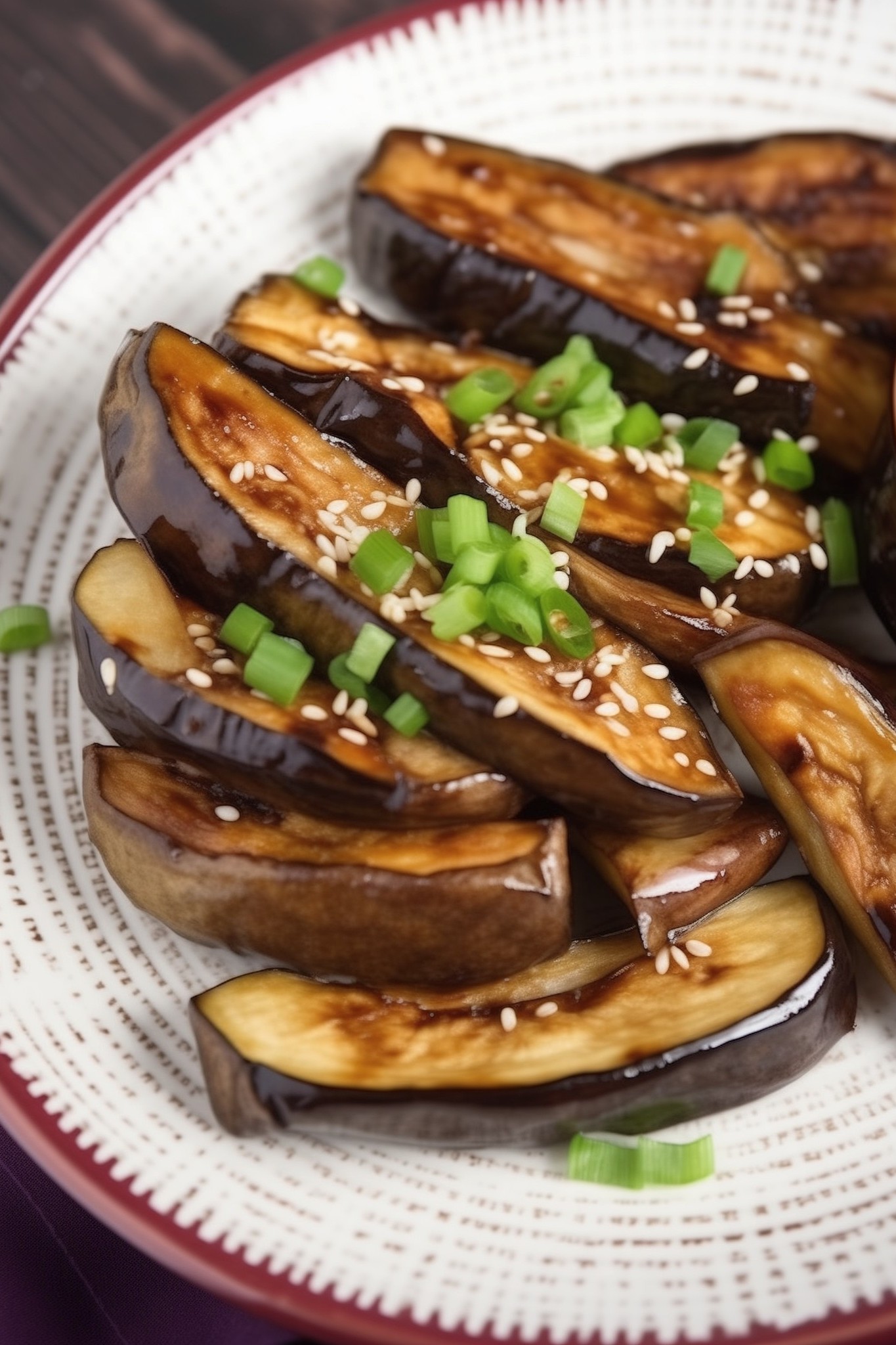
Pan-sautéed in a quick homemade marinade until glossy, caramelized, and deeply savory, this vegan teriyaki eggplant comes together in under 30 minutes and works as an appetizer, side dish, or a light main over steamed rice.

Serve hot straight from the skillet or at room temperature -- it is delicious both ways. Try it as a starter with toothpicks alongside drinks, as a side with steamed rice and miso soup, over soba noodles with extra scallions, or as part of a spread with edamame and gyoza. Any leftover marinade can be passed at the table or refrigerated for up to a week.


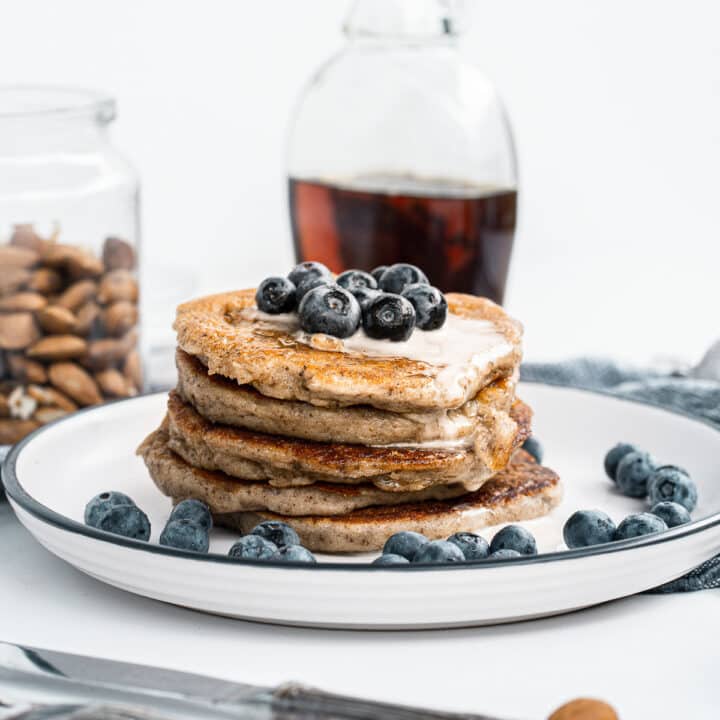
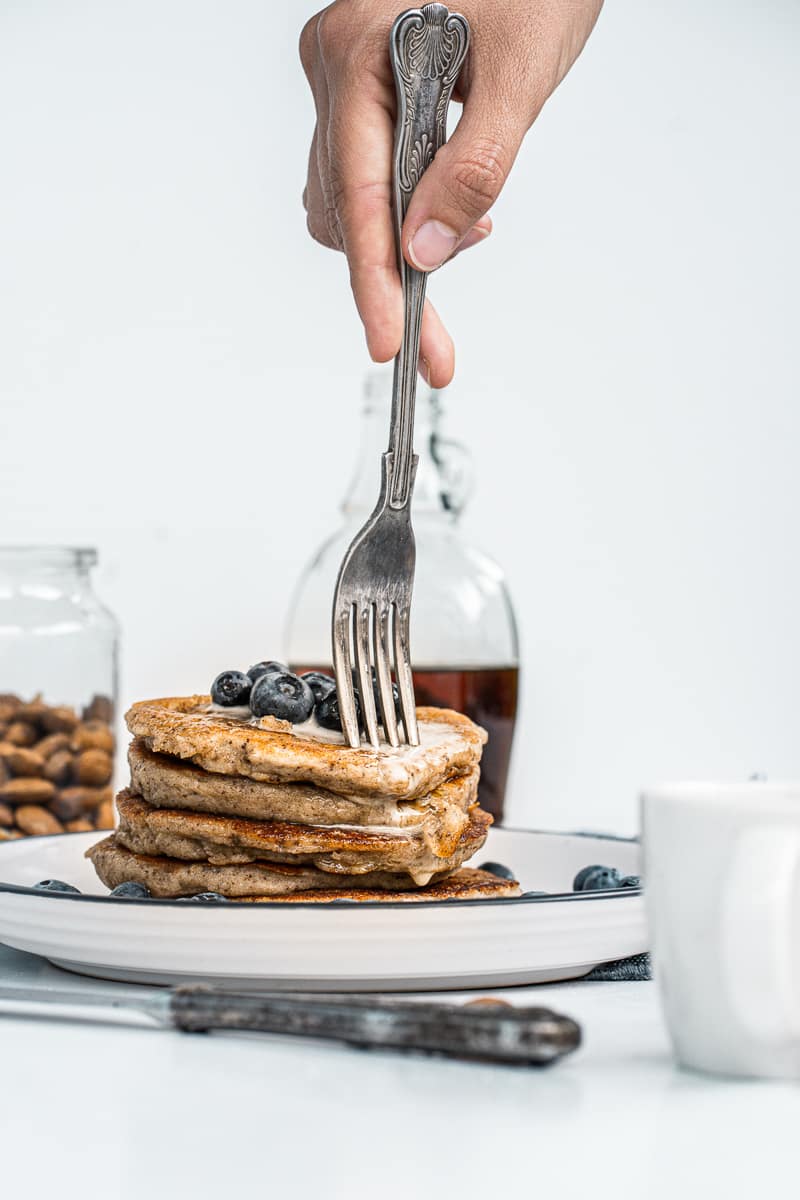
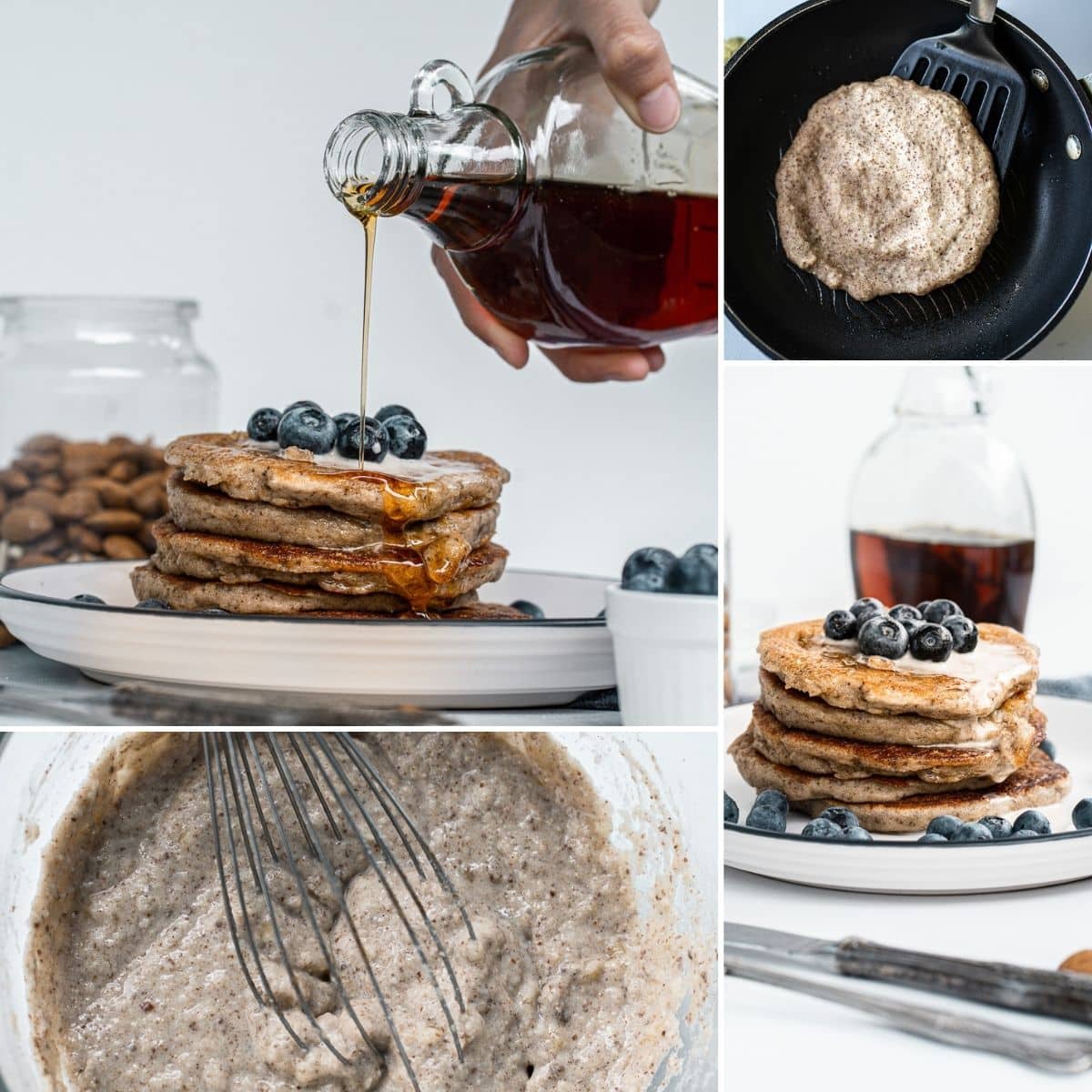
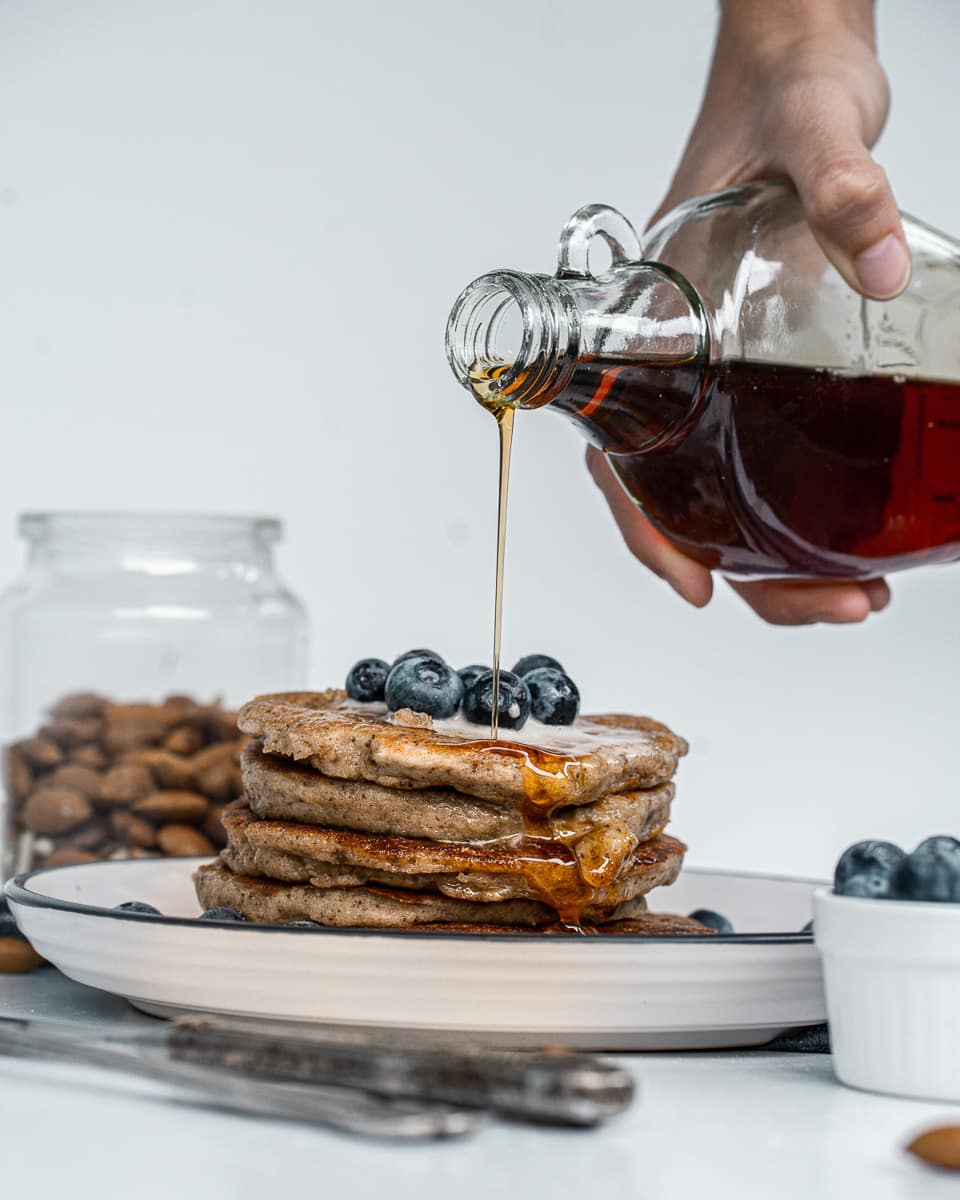
These almond flour pancakes are light, fluffy, and naturally vegan and gluten-free, with a deliciously nutty flavor. An easy vegan breakfast that's perfect with maple syrup, fresh fruit, or your favorite pancake toppings.

If you're looking for pancakes that feel a little wholesome but still taste like a treat, these almond flour pancakes deliver in the best way. They're fluffy, lightly nutty, and naturally gluten-free, with a soft texture that's perfect for soaking up maple syrup.
I'll admit, I was skeptical the first time I made pancakes with almond flour. I've had my share of dense, crumbly "healthy" pancakes that were more disappointing than satisfying. But these? Total game changer.
These pancakes cook up tender with slightly crisp edges, and the flavor pairs beautifully with classic pancake toppings like berries, yogurt, or a generous drizzle of maple syrup.
This Almond Flour Pancake Recipe Is…
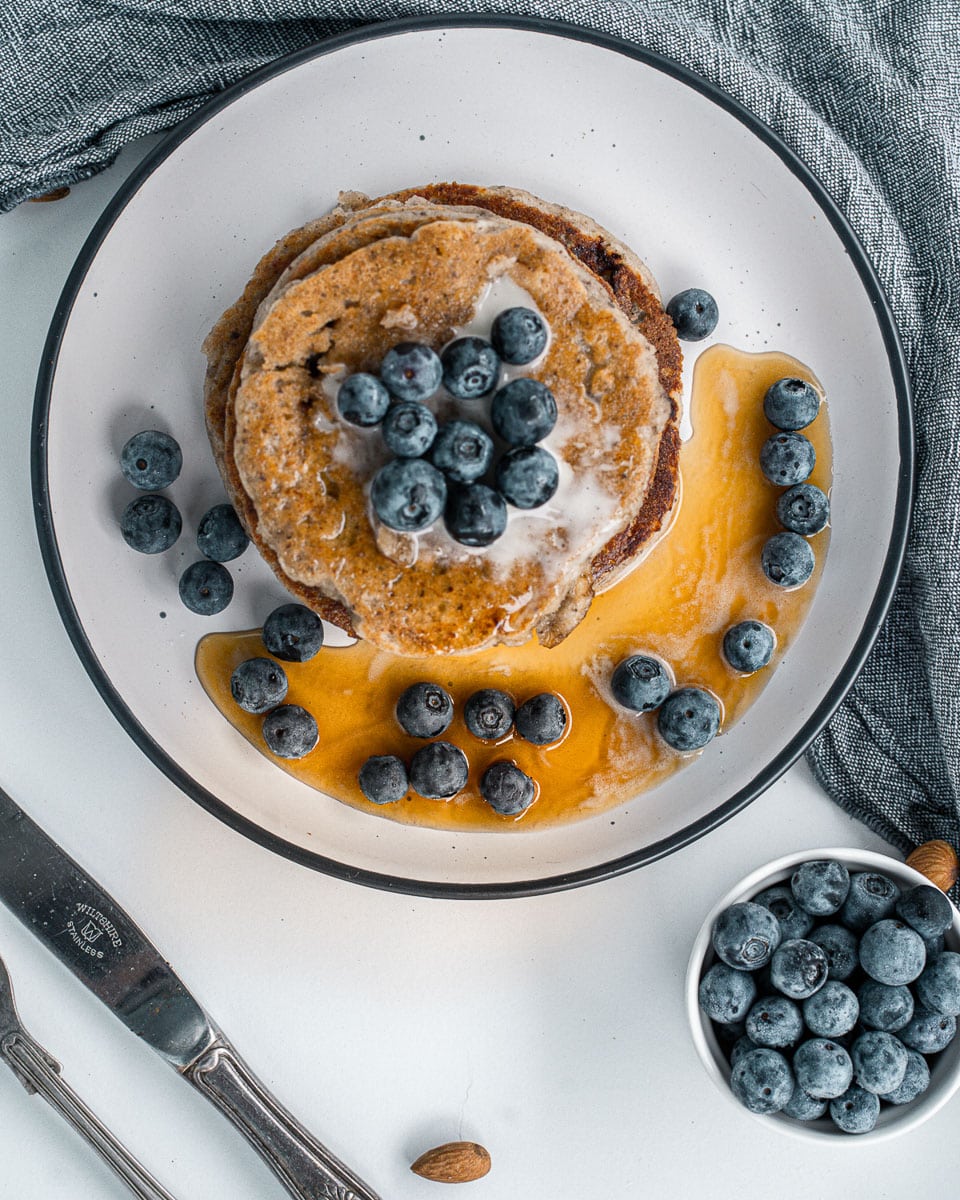
Drizzle on some syrup, dust with powdered sugar, or add on some fresh berries. No matter how you serve up these homemade vegan pancakes, they are a hit.
And while you're here, don't forget to grab a copy of my free vegan cheat sheet. It's packed with all my favorite substitutions to vegan-ize any recipe!

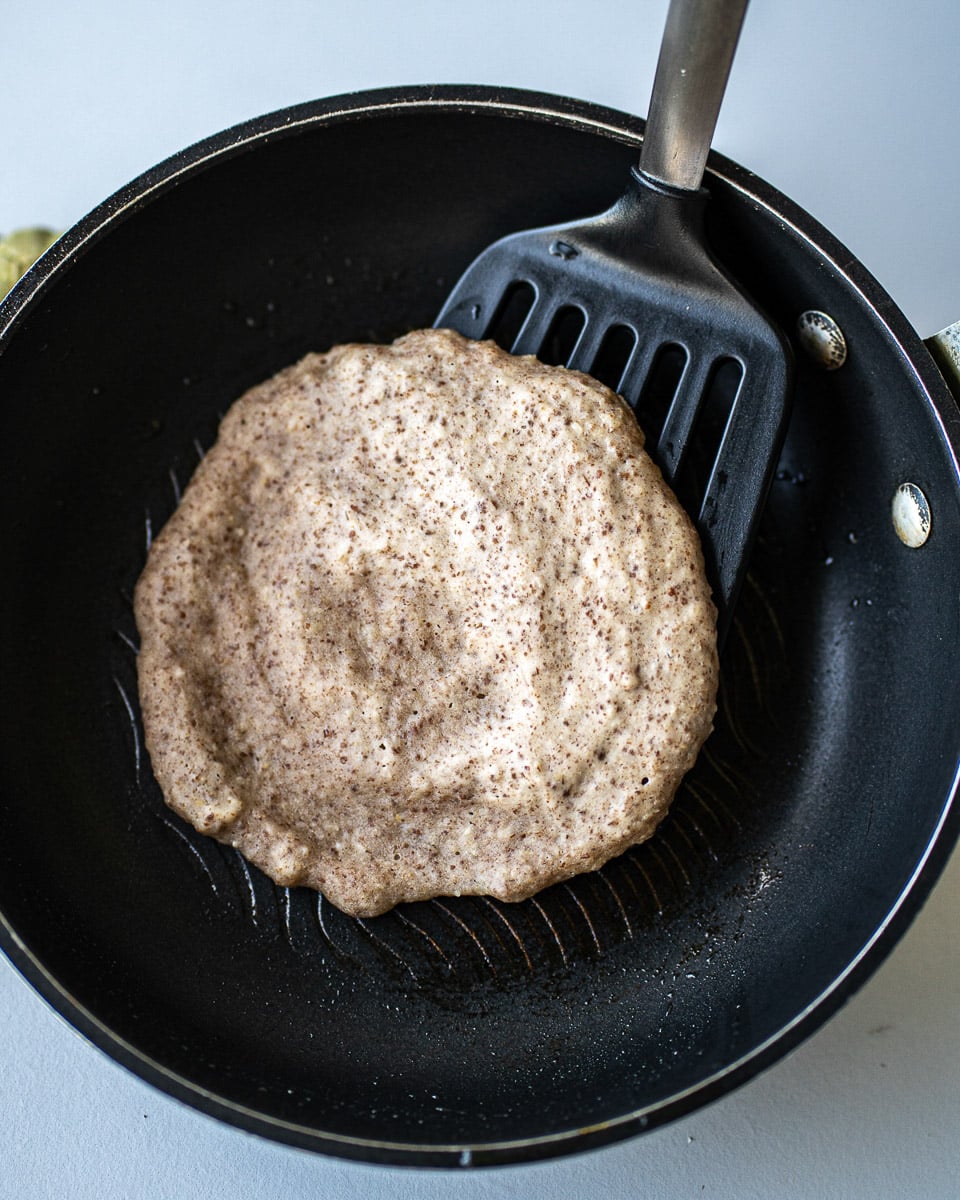
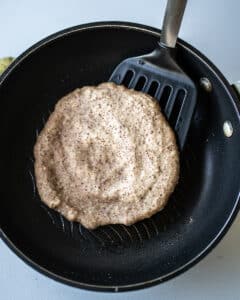
Use medium heat: The pancakes can brown very quickly, so cooking them over medium heat helps them cook evenly without scorching the outside.
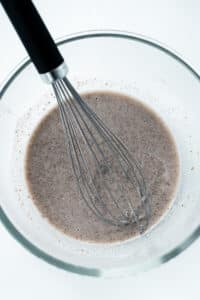
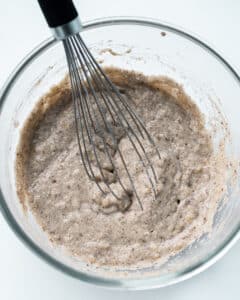
Let the batter rest: Giving the batter a few minutes to sit before starting to scoop your pancakes helps it thicken slightly.
Grab a pancake flipper! Basically a really large spatula. For just a few bucks, I have found this to be a handy tool to keep in my kitchen.


These almond flour pancakes are delicious straight off the skillet, but the toppings are where the fun really begins.
If you love quick, single-serve vegan treats, you might also enjoy our vegan cinnamon roll in a mug - a warm, gooey cinnamon bun ready in minutes.

The ground flaxseed is used to create what we call "flax eggs". Adding water to the flaxseed creates a egg-like liquid that makes a great egg replacement in a traditional pancake recipe. (For more easy vegan substitutions, grab my free vegan cheat sheet!)
If you do not eat all the pancakes, go ahead and refrigerate them. They will last 2-3 days in the fridge. You can eat these refrigerated pancakes cold or warm them up in the microwave or toaster oven.
Pro Tip: If you choose to reheat using the microwave, place a small cup of water in the microwave along with the pancakes. This will help keep the pancakes moist!
Go right ahead and freeze any vegan pancakes you don't want to eat right away. Just lay out the pancakes in a single layer and flash freeze them. Once the pancakes are frozen, transfer them to an airtight container or freezer bag. Then freeze the for up to 3 months.
If you love a big breakfast spread, be sure to check out my new Vegan Brunch Book. It's loaded with all my favorite brunch-worthy vegan recipes!
And for more creative vegan breakfast ideas, check out these recipes:


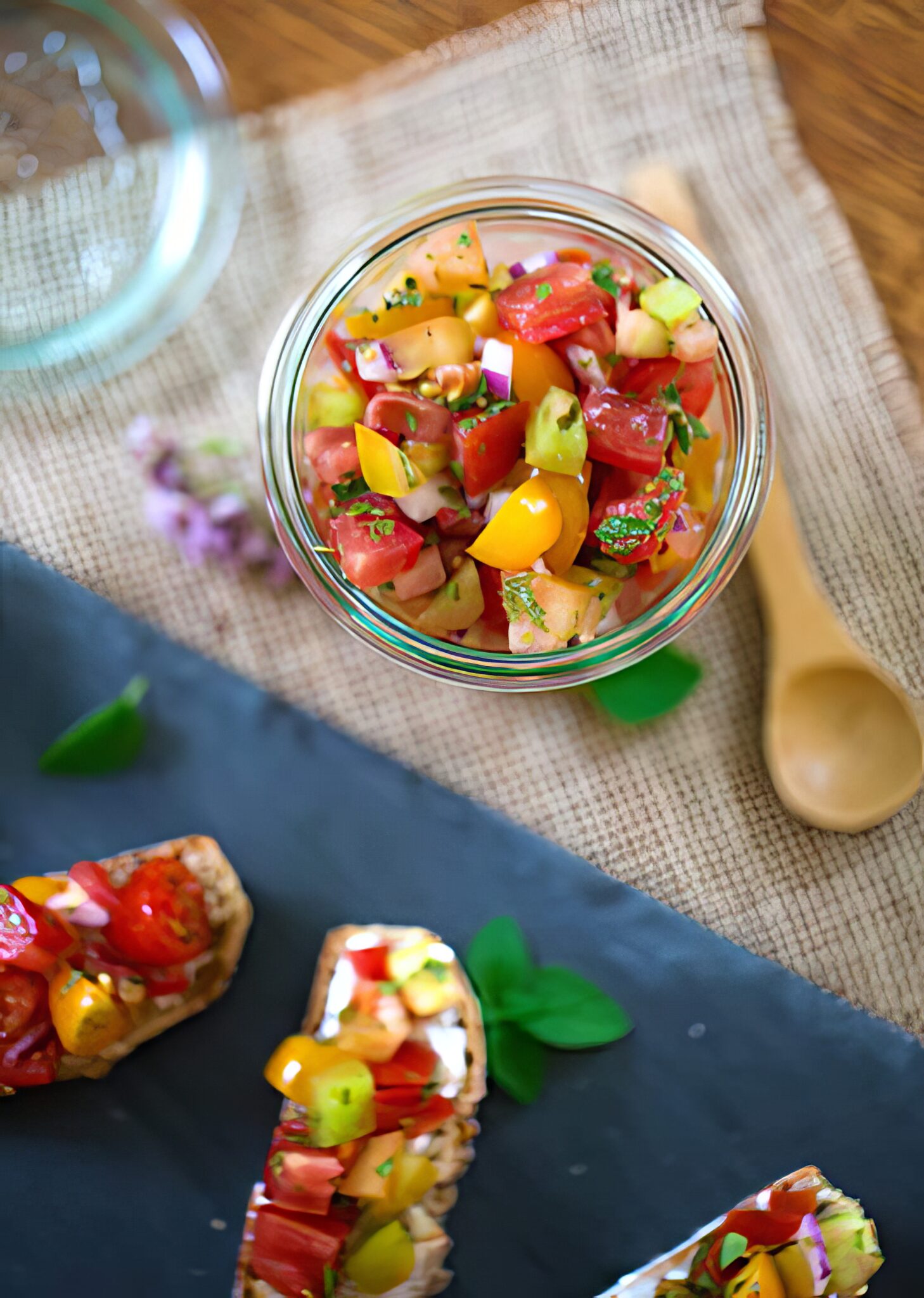
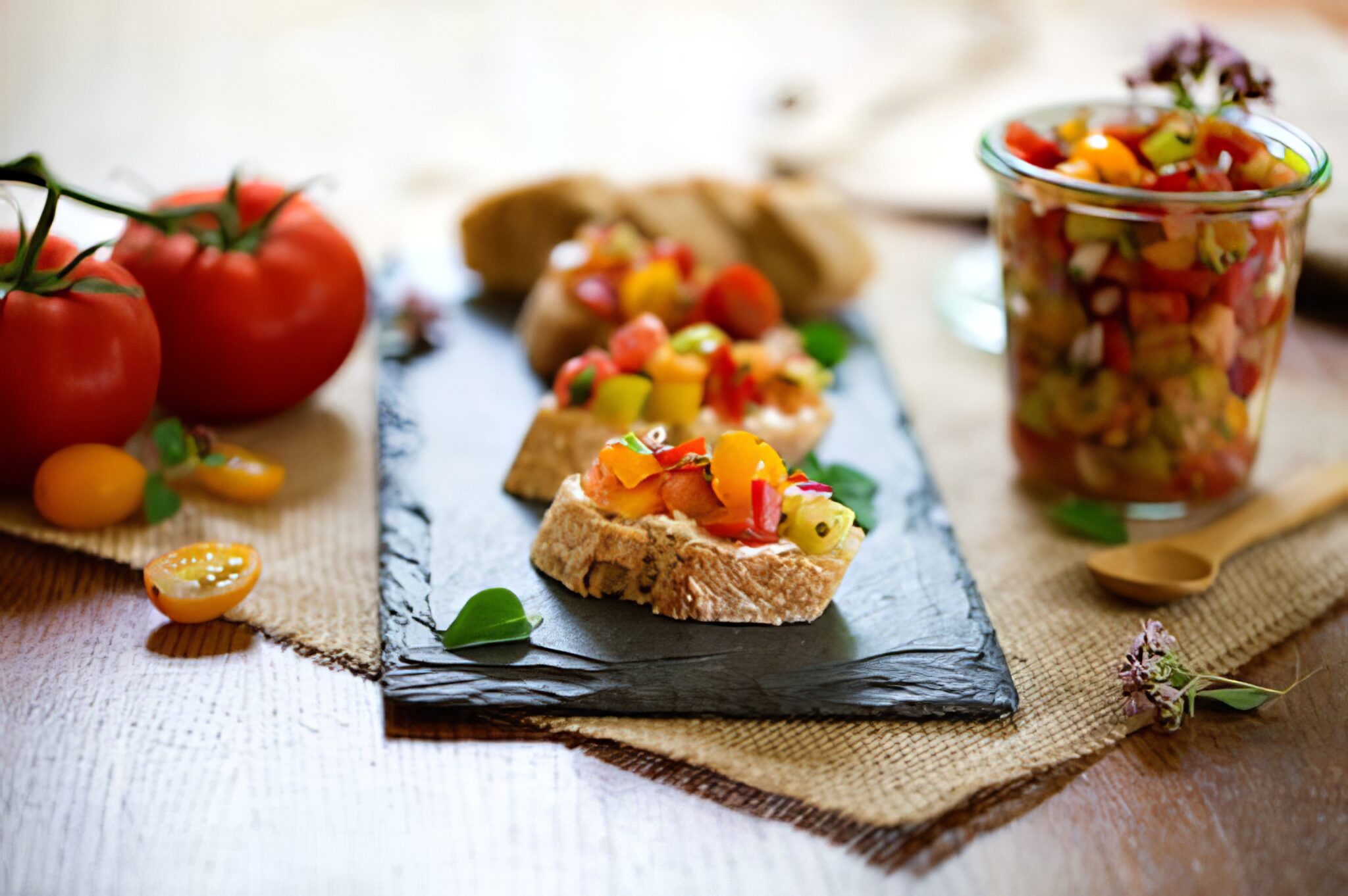
Fresh, juicy tomatoes tossed with oregano, thyme, and a simple dressing create a bright, herby salad that's bursting with flavor. It's quick, refreshing, and the perfect way to showcase ripe summer tomatoes.

If you love simple recipes that let fresh ingredients shine, this tomato relish salad is about to become a favorite. Juicy tomatoes are tossed with fragrant oregano and thyme, creating a bright, herb-packed dish that tastes like summer in every bite. It's light, refreshing, and perfect alongside grilled dishes or served with crusty bread.
I'm a huge believer that the best recipes are often the simplest ones. When tomatoes are ripe and full of flavor, they really don't need much help. A handful of fresh herbs, a drizzle of olive oil, and a little seasoning can transform them into something that feels both effortless and special.
It's the kind of dish I like to make when tomatoes are overflowing at the farmer's market or when I want a quick vegan appetizer or light lunch that doesn't require turning on the stove. Just chop, toss, and enjoy.

This tomato relish salad is incredibly versatile and can brighten up all kinds of meals. I love serving it slightly chilled or at room temperature so the tomatoes stay juicy and the herbs really shine.
If you love this simple tomato relish, be sure to check out these other tasty ideas or browse the rest of our vegan salad recipes:
Also worth trying: our olive and sun-dried tomato tapenade.

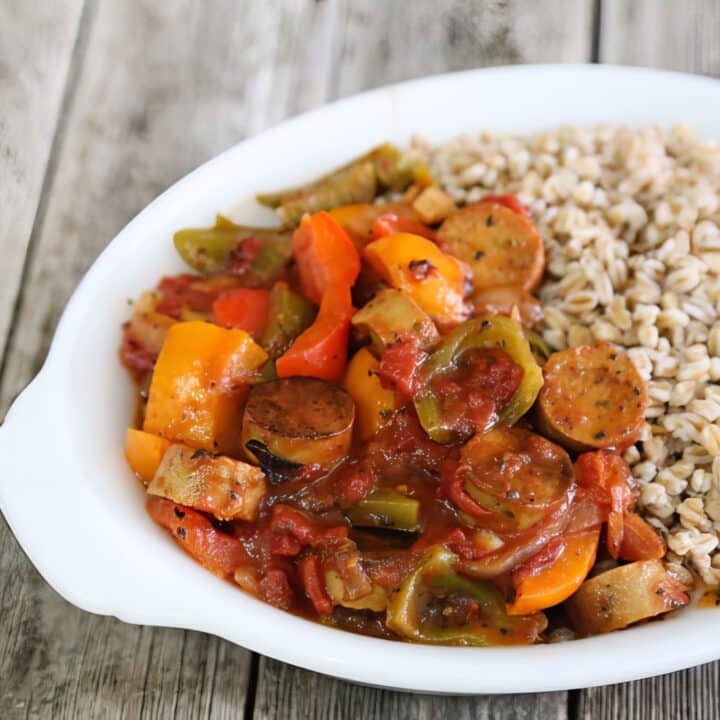
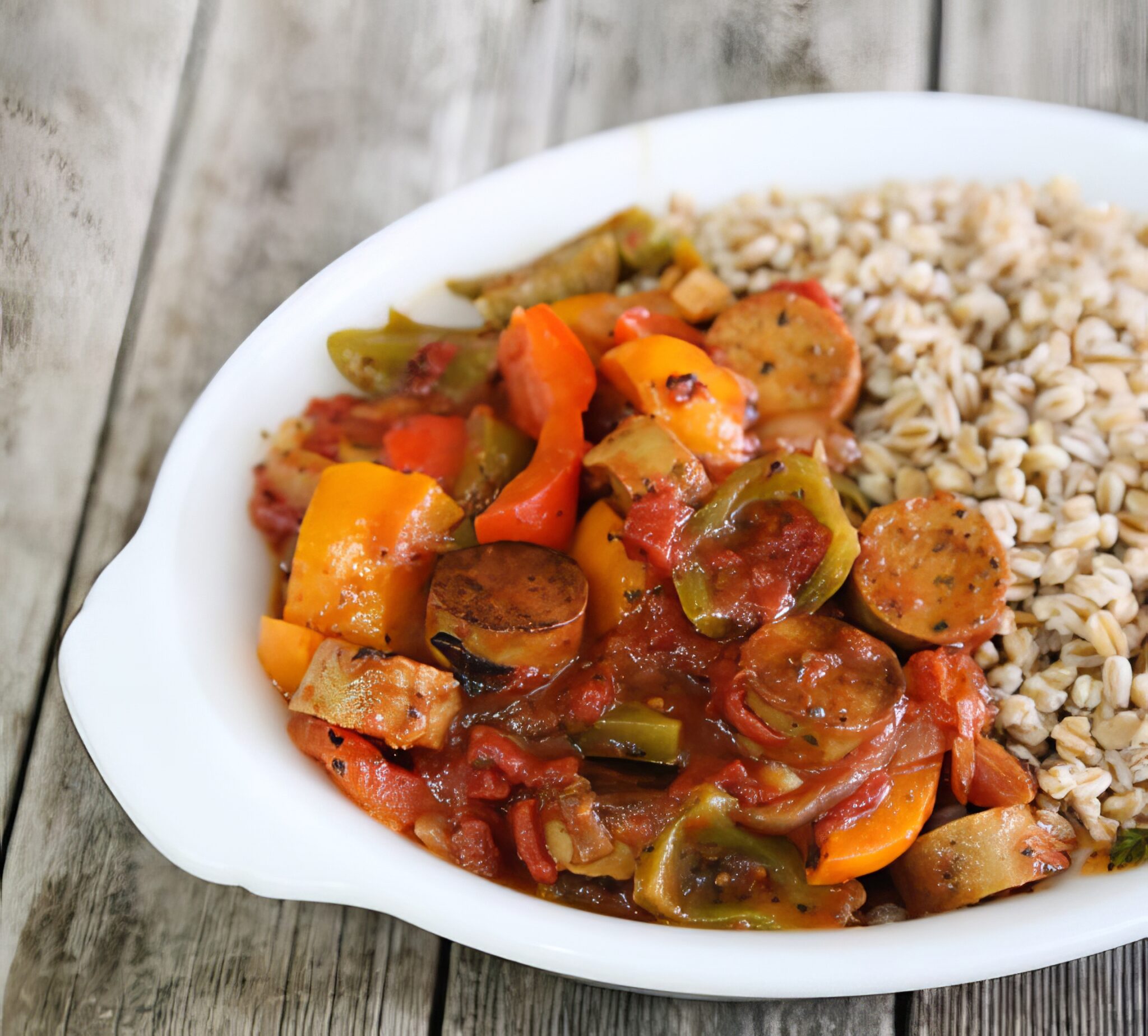
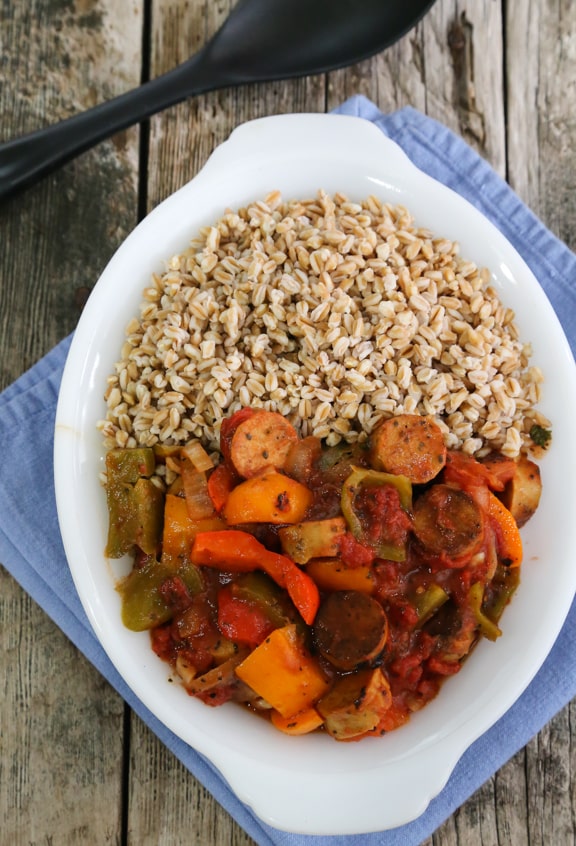
Savory vegan sausage, sweet bell peppers, and tender onions simmered in a garlicky tomato sauce - this Italian classic goes plant-based without losing an ounce of flavor. It's hearty, colorful, and perfect spooned over pasta, grains, or tucked into a crusty roll.

This recipe updates the Italian classic, sausage and peppers, with vegan sausage. What I love most about this recipe is that it delivers big, familiar flavor with very little fuss. It's rustic in the best way. Nothing complicated. Just solid ingredients, cooked well, and layered together until everything tastes like it belongs in the same bowl.
And it's flexible. Serve it over pasta. Serve it with your favorite grains (I like farro!) Spoon it onto creamy polenta. Stuff it into a hoagie roll. Or honestly? Eat it straight from the skillet. I won't judge.
These Italian Vegan Sausage and Peppers are…
Vegan Italian Sausage - Choose your favorite plant-based Italian-style links. Slice them into coins or half-moons so they brown nicely. Browning is key here - it builds flavor before the sauce even begins.
Substitution tip: If you can't find Italian-style sausage, use plain vegan sausage and boost the seasoning with extra oregano, fennel seed, and a pinch of red pepper flakes.
Bell Peppers - A mix of red, yellow, and green adds sweetness and color. If you can find Italian frying peppers, even better - but standard bell peppers work beautifully.
Onion and Garlic - These are the aromatic backbone of the dish. Let the onions soften and lightly caramelize before adding garlic!
Crushed or Puréed Tomatoes - This creates the base for the sauce. If you prefer a chunkier texture, use crushed tomatoes. For a smoother finish, go with purée.
Dried Italian Herbs - Oregano is essential. Basil and thyme add balance. A pinch of red pepper flakes gives subtle heat.
Optional White Wine - A splash deglazes the pan and adds brightness. If you skip it, a squeeze of lemon juice at the end can add a similar lift.

One of the best things about this dish? It might taste even better the next day!
Refrigerator:
Let the vegan sausage and peppers cool completely before transferring to an airtight container. It will keep well in the fridge for up to 4 days. The flavors continue to deepen as it sits, making leftovers ideal for quick lunches or easy dinners.
Reheating:
Warm gently in a skillet over medium-low heat until heated through. If the sauce has thickened in the fridge, add a splash of water or vegetable broth to loosen it. You can also reheat it in the microwave in 30-second intervals, stirring between each.
Freezing:
This recipe freezes beautifully. Store in a freezer-safe container for up to 2 months. For best texture, freeze it without pasta or polenta - just the sausage and pepper mixture.
To reheat from frozen, thaw overnight in the refrigerator, then warm on the stovetop until hot throughout. If reheating straight from frozen, use a covered skillet over low heat and stir occasionally as it thaws and warms.
Also worth trying: our vegan creamy mushroom pasta.

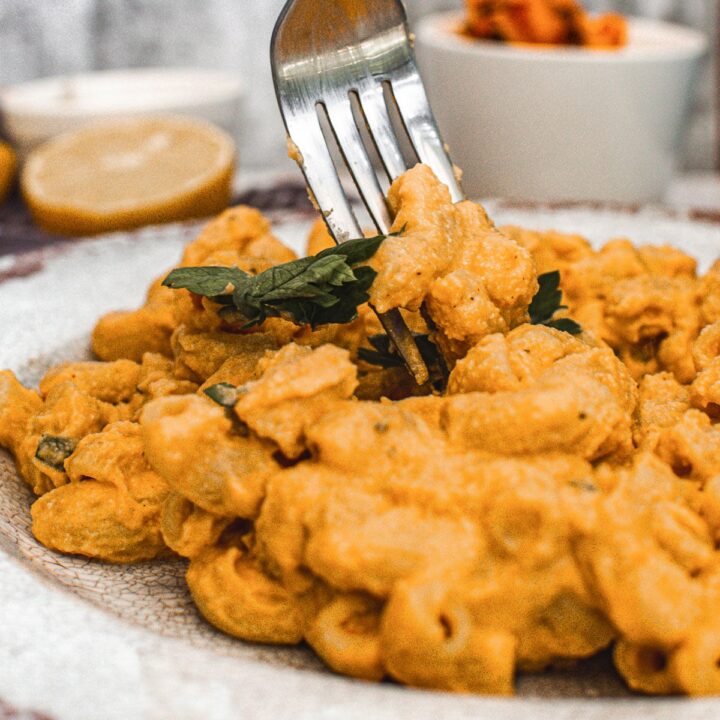
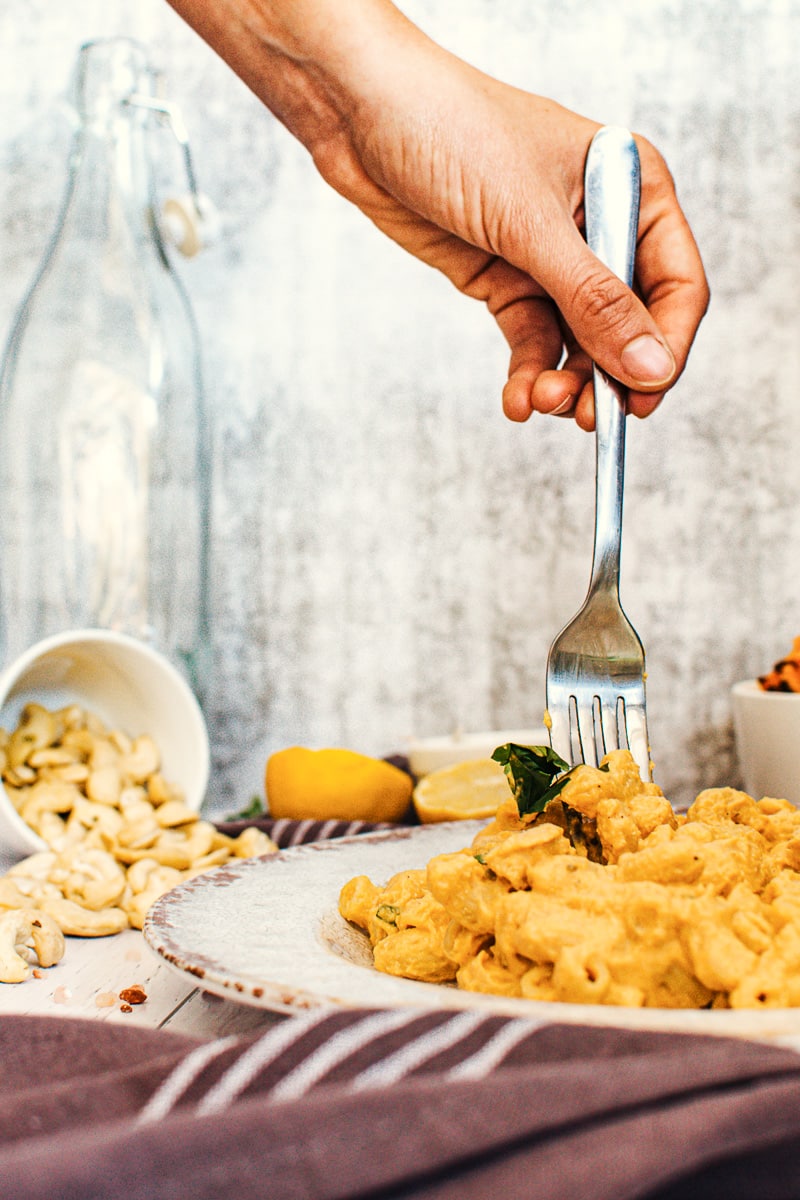
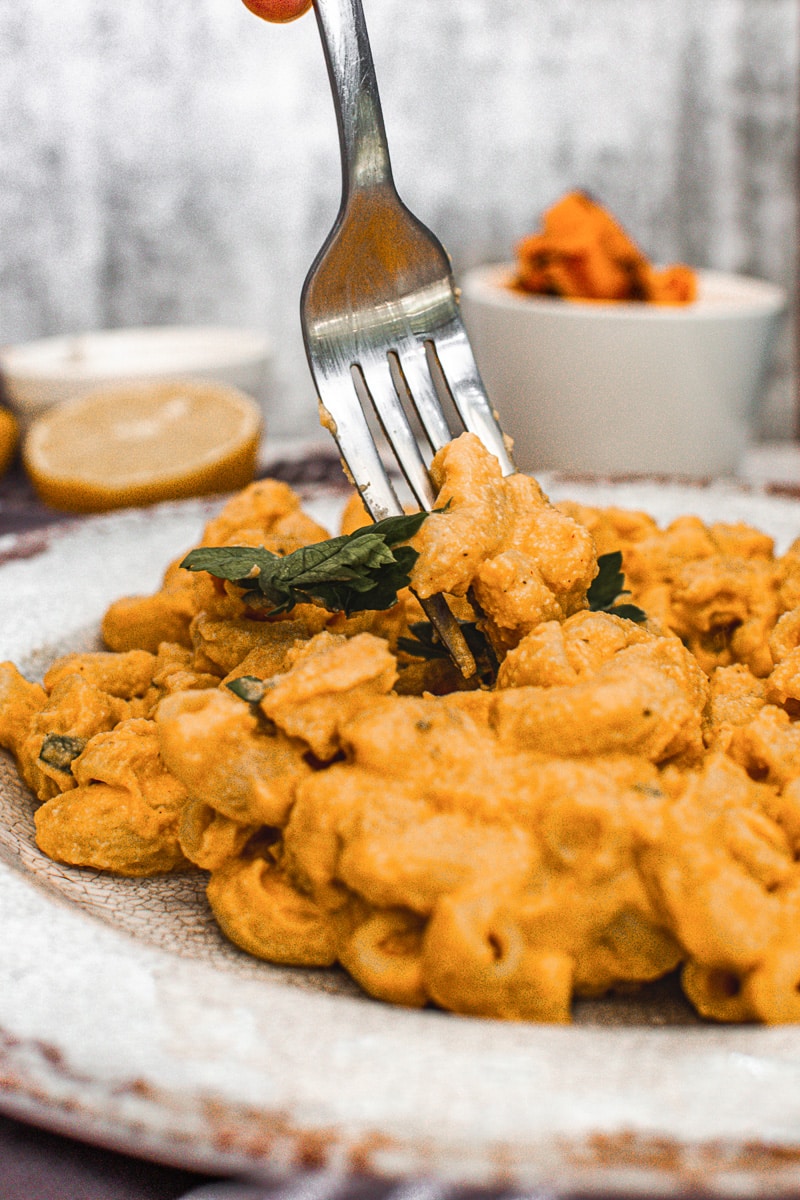
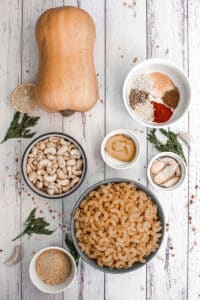
This Vegan Pumpkin Mac and Cheese is creamy, delicious, and super simple to throw together. It's the ultimate Fall comfort food!

This vegan mac and cheese is loaded with creamy, cheesy, pumpkin flavor. It's an epic adult version of your favorite childhood meal!
This has quickly become one of my all time favorite vegan comfort foods and a family favorite for the fall and winter seasons.
This pumpkin mac and cheese pasta is:
If you're a fan of this, be sure to check out my traditional vegan mac and cheese recipe and all my favorite vegan pasta dishes too!

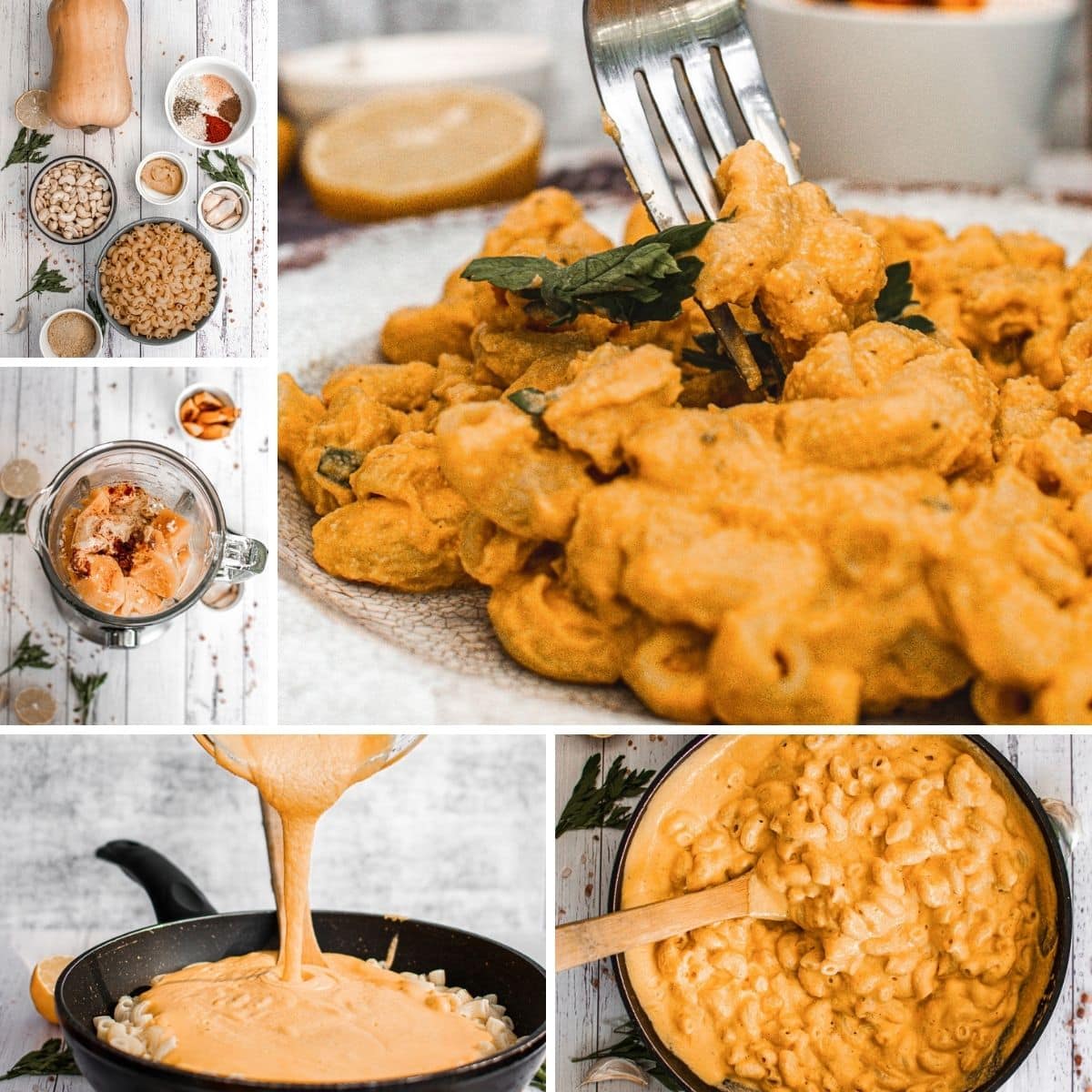
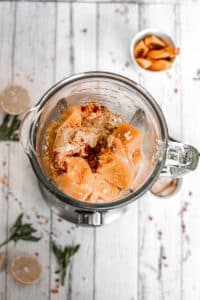
Blend Until Silky Smooth: Don't rush the blending step - give it a full minute or two so the sauce turns out creamy and lump-free. No one wants grainy mac & cheese (vegan or not).
Cook Pasta Just to Al Dente: Slightly undercook your pasta since it'll soften a bit more once you mix it with the warm vegan cheese sauce. Mushy mac is a tragedy we can all avoid.
Salt Matters: Taste the sauce before mixing it into the pasta and adjust the salt. Pumpkin can be a little sweet, so don't be shy about seasoning it properly.
Add Pasta Water If Needed: If your sauce feels too thick once mixed with the pasta, a splash or two of reserved pasta water to loosen things up without diluting the flavor.
Also worth trying: our pumpkin seed butter.

Add Some Green: Toss in a handful of baby spinach, kale, or even frozen peas at the end for a little color and extra nutrition. Your body will thank you.
Smoky Vibes: Stir in a teaspoon of smoked paprika or chipotle powder for a smoky twist. It turns the cozy factor up to 11.
Get Cheesy (Again): Want it extra cheesy? Mix in a little vegan cream cheese, a scoop of nutritional yeast, or your favorite melty dairy-free cheese.
Roasted Veg Boost: Roasted cauliflower, broccoli, or butternut squash make great mix-in. And they're a great way to sneak in some veggies for the family.
Crunchy Toppings: Pour the mac and cheese into a baking dish, top with breadcrumbs, and broil for a few minutes. Yum!
Spice It Up: A pinch of cayenne, a few dashes of hot sauce, or some red pepper flakes = yes, yes, and yes.
Pumpkin Swap: No pumpkin? No problem. Use canned butternut squash, sweet potato puree, or even carrot purée if you're feeling really wild.
Protein Power: Stir in some sautéed tempeh, lentils, or chickpeas to bulk things up and keep you fueled up longer.

The nutritional yeast (I use this brand) gives a pleasant nutty flavor and texture that resembles traditional parmesan cheese. When paired up with the creamy cashews it really helps give that cheesy consistency we all love! So personally, I wouldn't leave it out.
If you forget to soak your cashews or don't have the time, here's a trick. Boil water in a large pot. Then remove it from the heat and allow the cashews to sit in the hot water for 30-60 minutes. This will be enough to still give that ultra-creamy texture you want!
Yes, totally! This recipe will work exactly the same with pureed butternut squash in place of the pureed pumpkin. Or try out this Butternut Squash Mac and Cheese.
Totally. You can make the sauce a day or two in advance and just cook the pasta fresh when you're ready to eat. It makes weeknights feel way less chaotic.
Pop any leftovers into an airtight container and store them in the fridge for up to 4 days. This dish thickens a lot as it sits. When reheating leftovers, stir in a little non-dairy milk or water to revive that creamy texture.
I wouldn't. Pasta tends to get weird and mushy after freezing, and the creamy texture of the sauce doesn't always bounce back. If you must freeze it, freeze just the sauce and make fresh pasta when you're ready to eat.
It can be! Just swap in your favorite gluten-free pasta. Chickpea pasta, rice pasta, quinoa spirals - whatever works for you. Just adjust the cook time accordingly.
If you love this vegan pumpkin mac and cheese, be sure to check out these other delicious recipes:


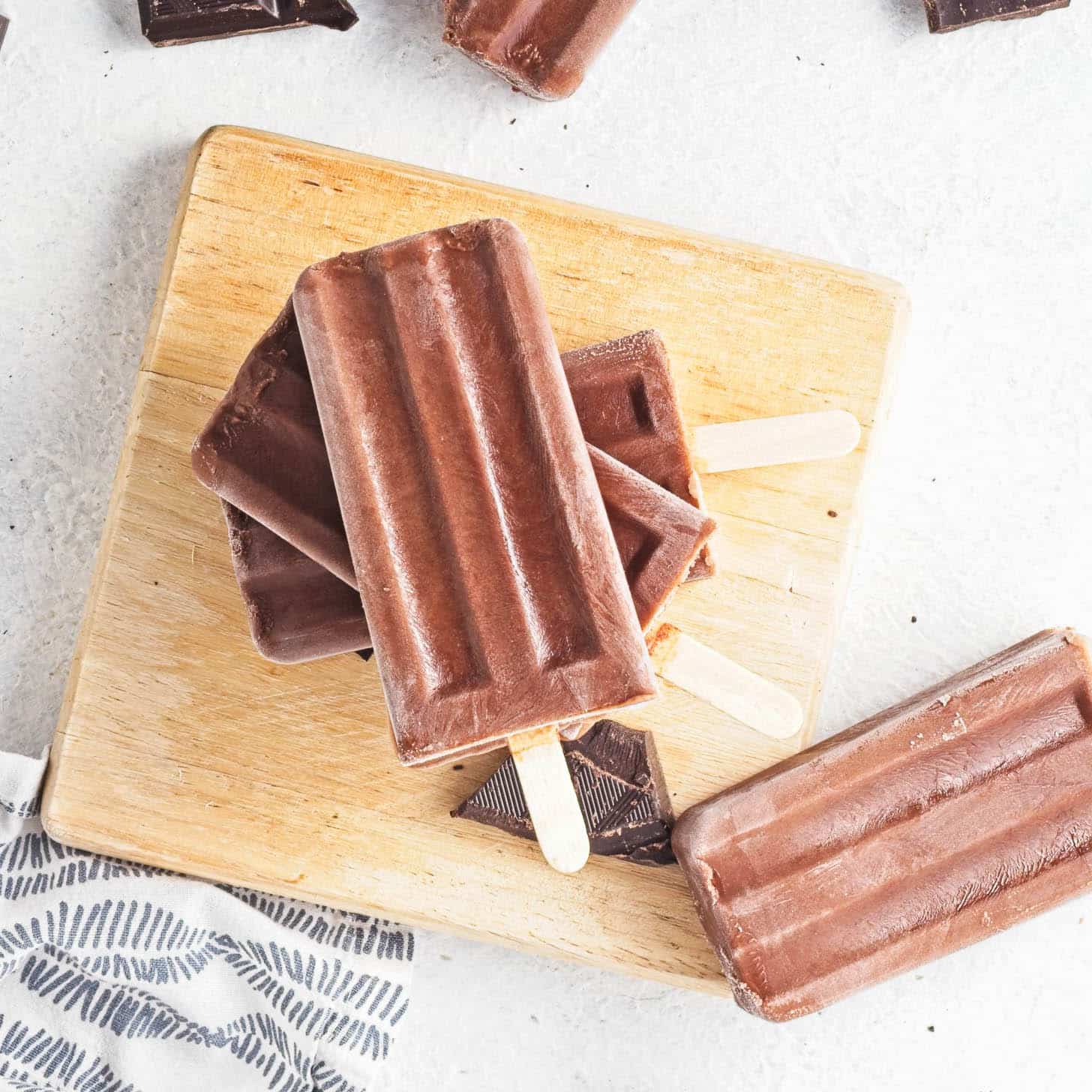
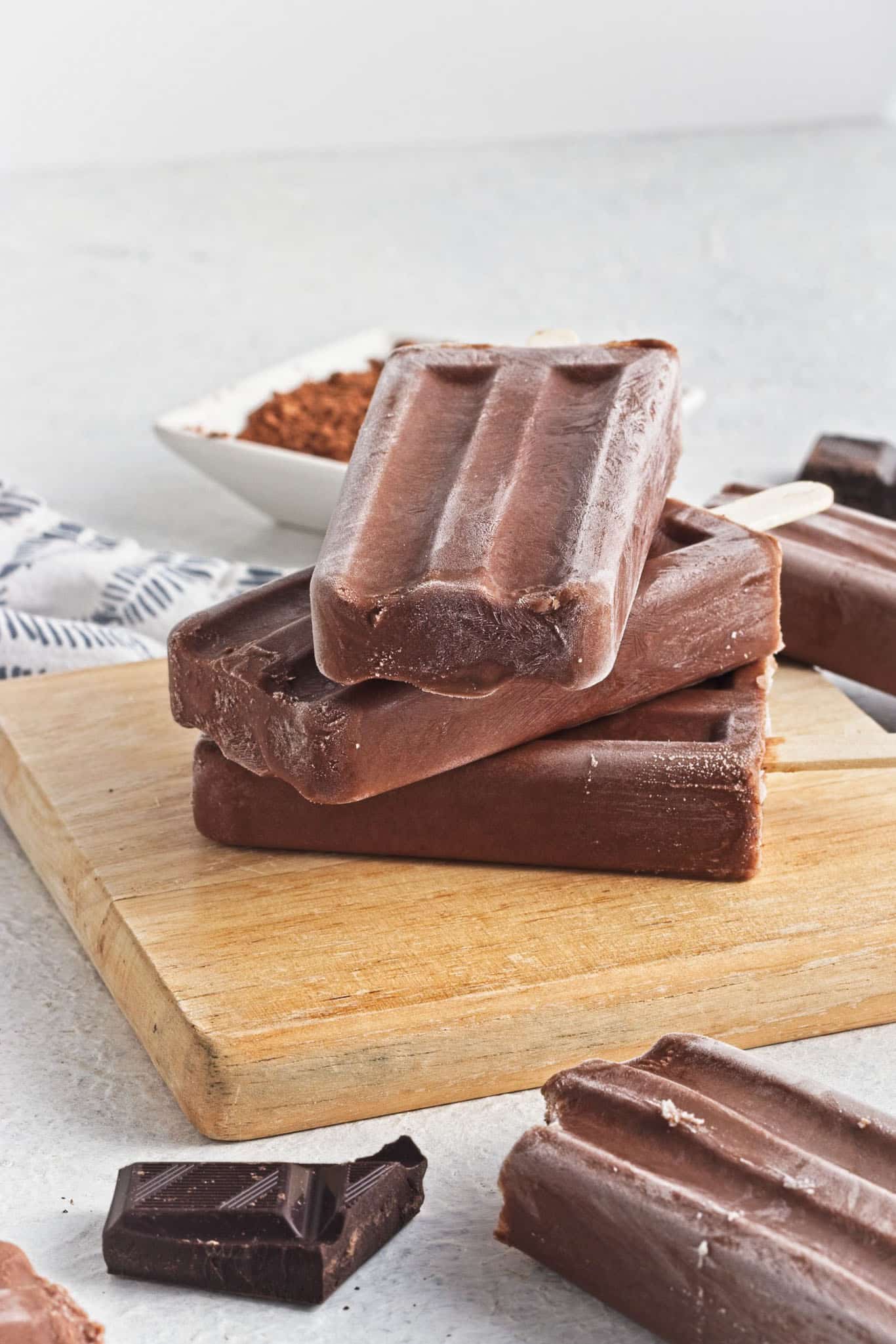
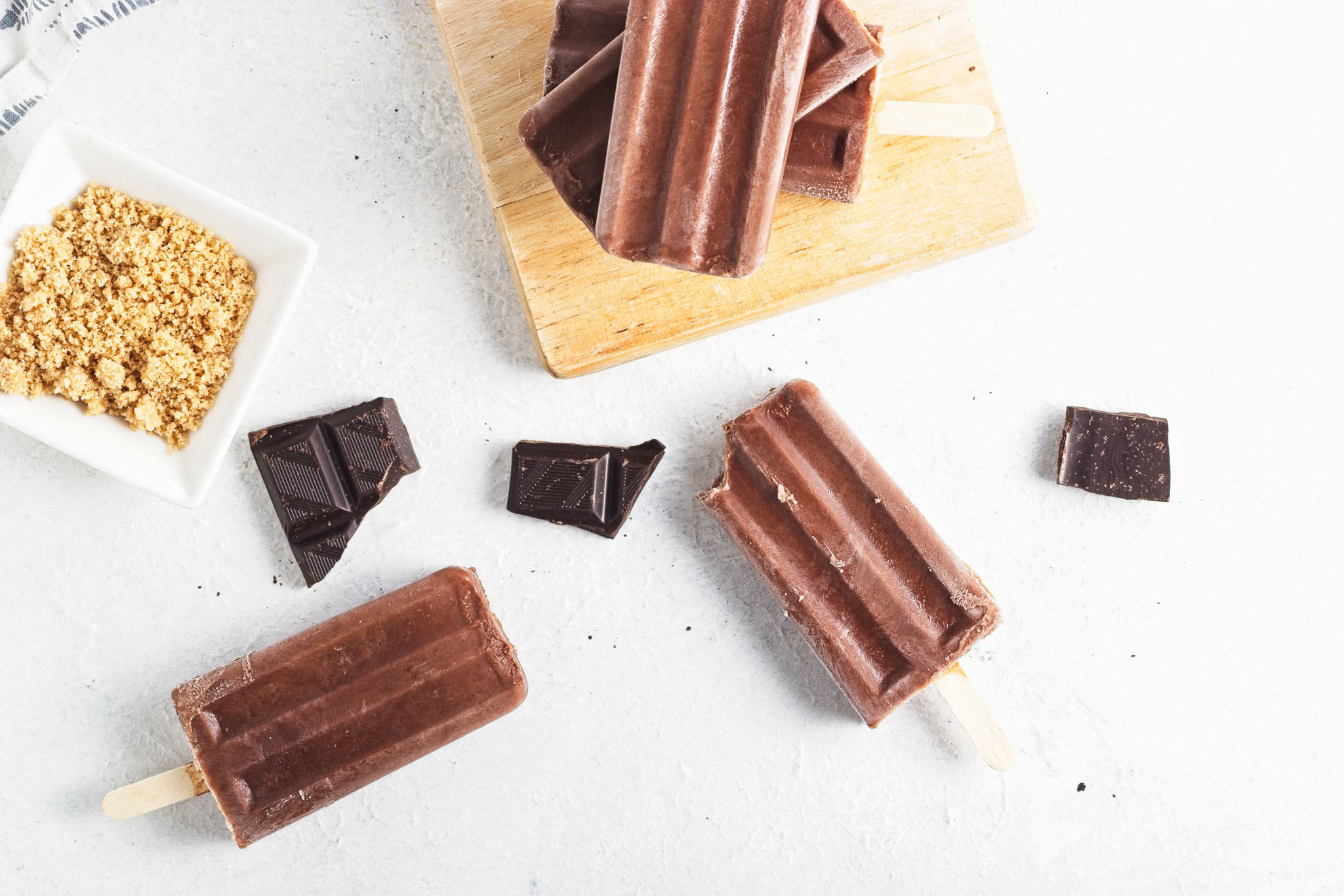
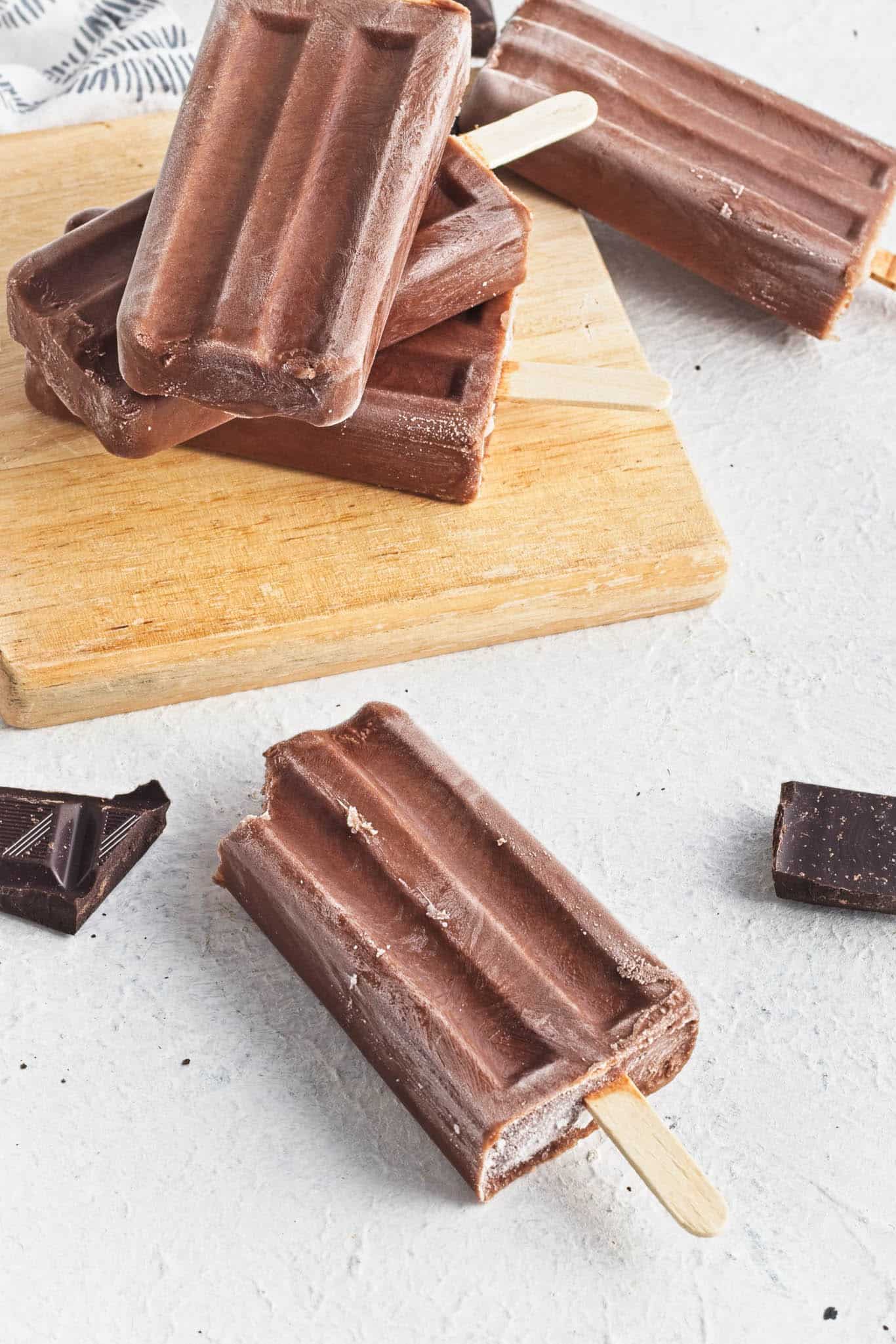
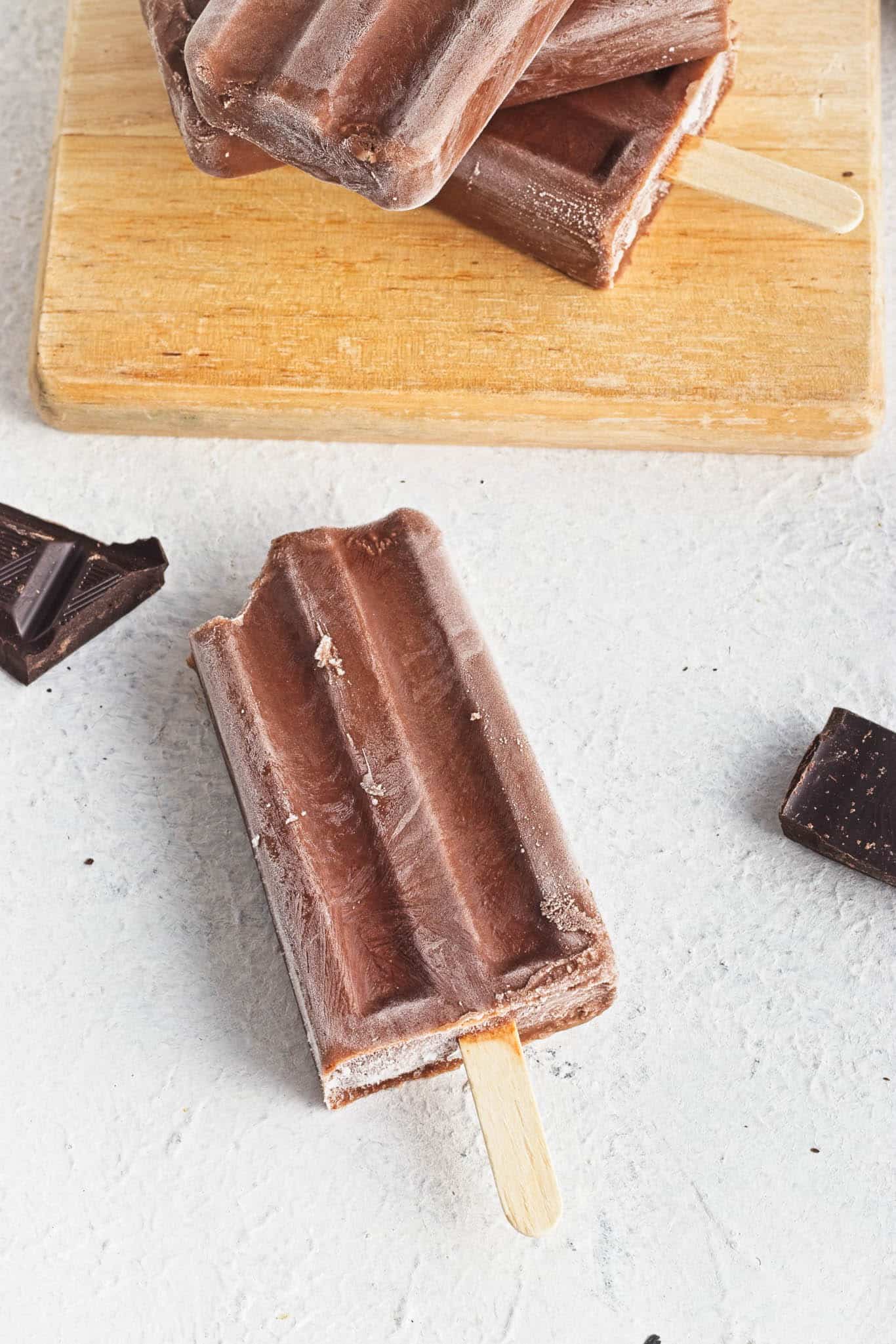
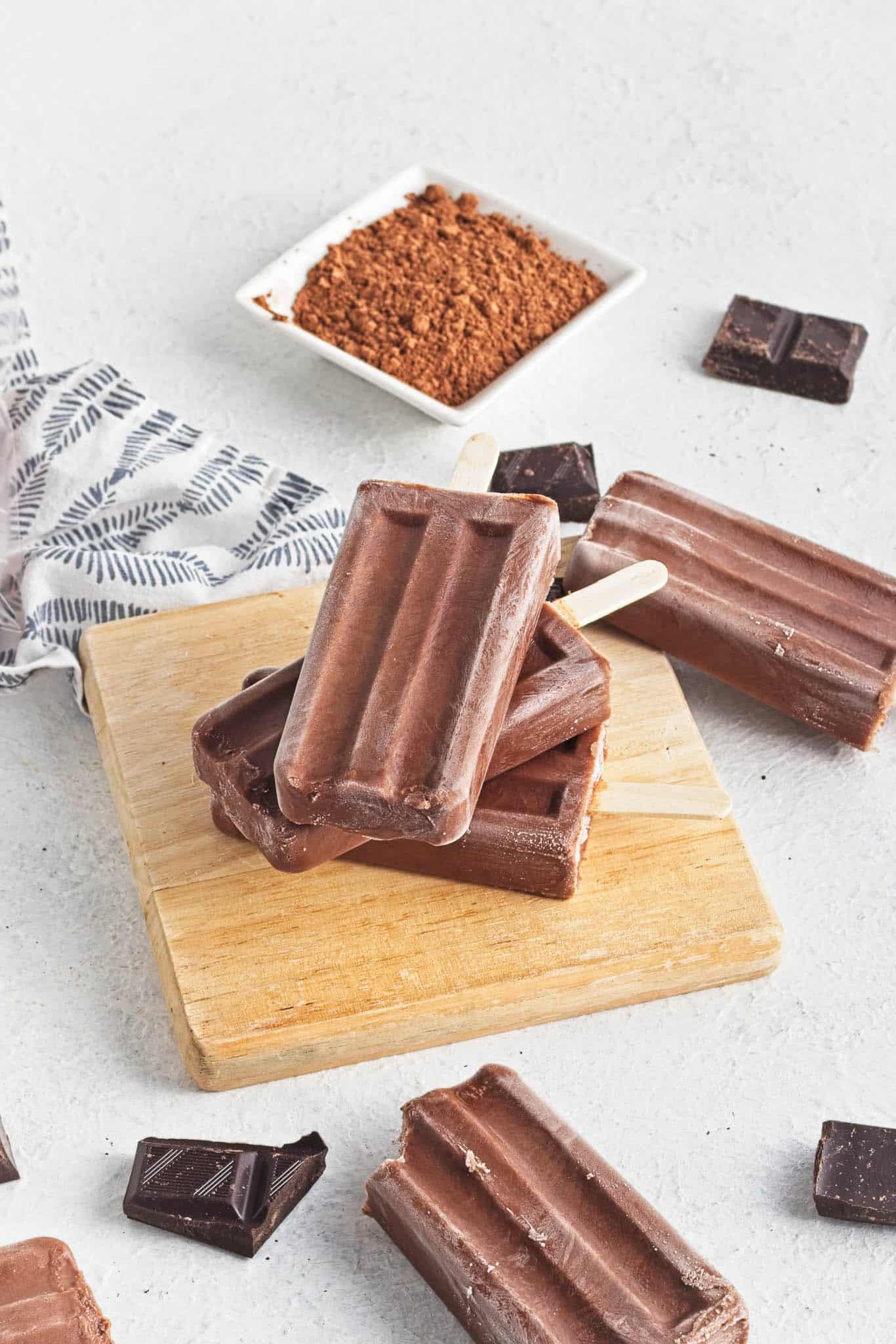
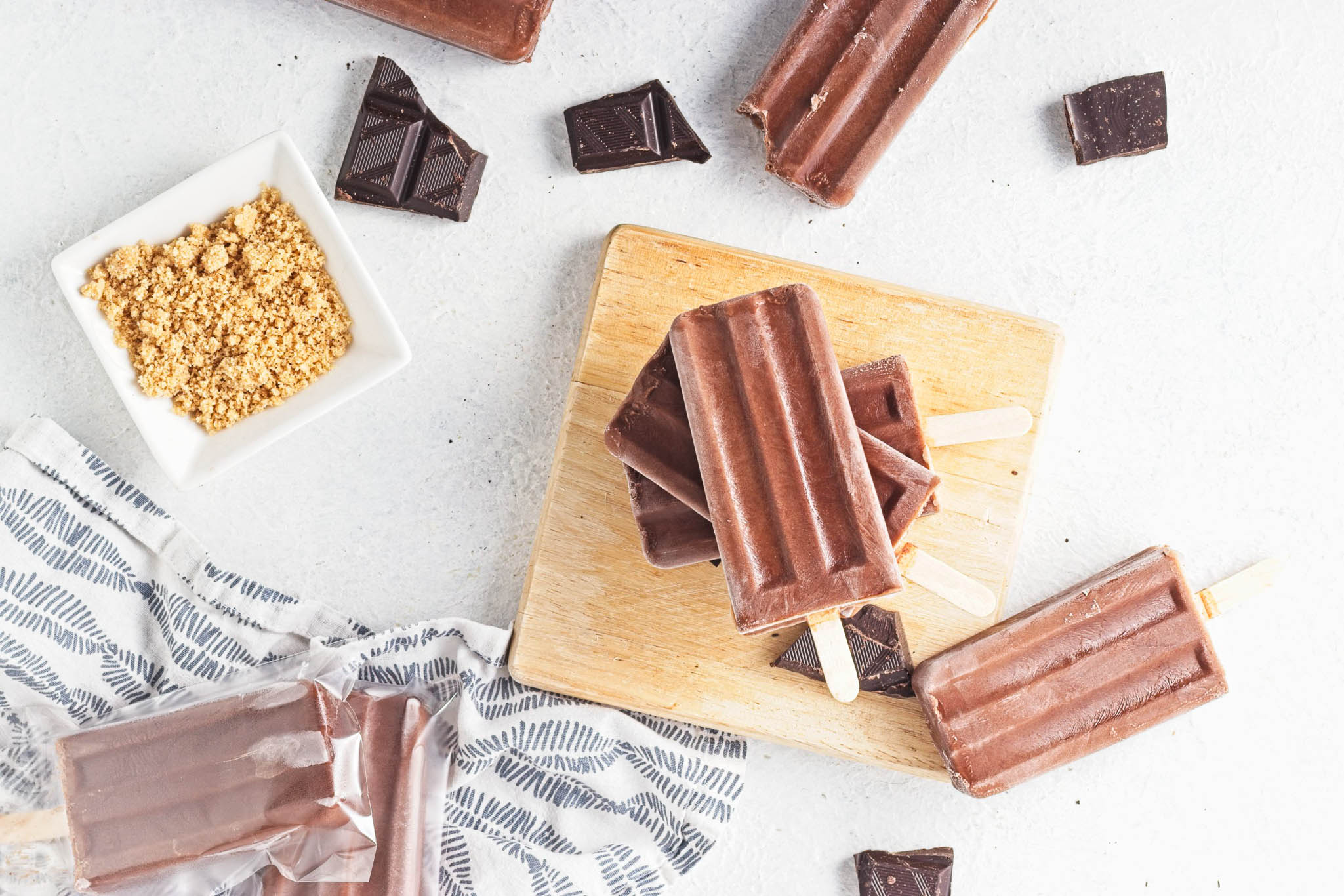
When it comes to frozen treats, few things beat a classic fudgesicle. These Vegan Fudgesicles are rich, creamy, and loaded with chocolate flavor-everything you love about the original, but completely vegan.

These fudgesicles aren't just good - they're ridiculously good. With simple ingredients like coconut milk, cocoa powder, and dark chocolate, they're easy to make and even easier to enjoy.
Whether you're a chocolate fanatic or just looking for a refreshing treat, these fudgesicles deliver in every way.

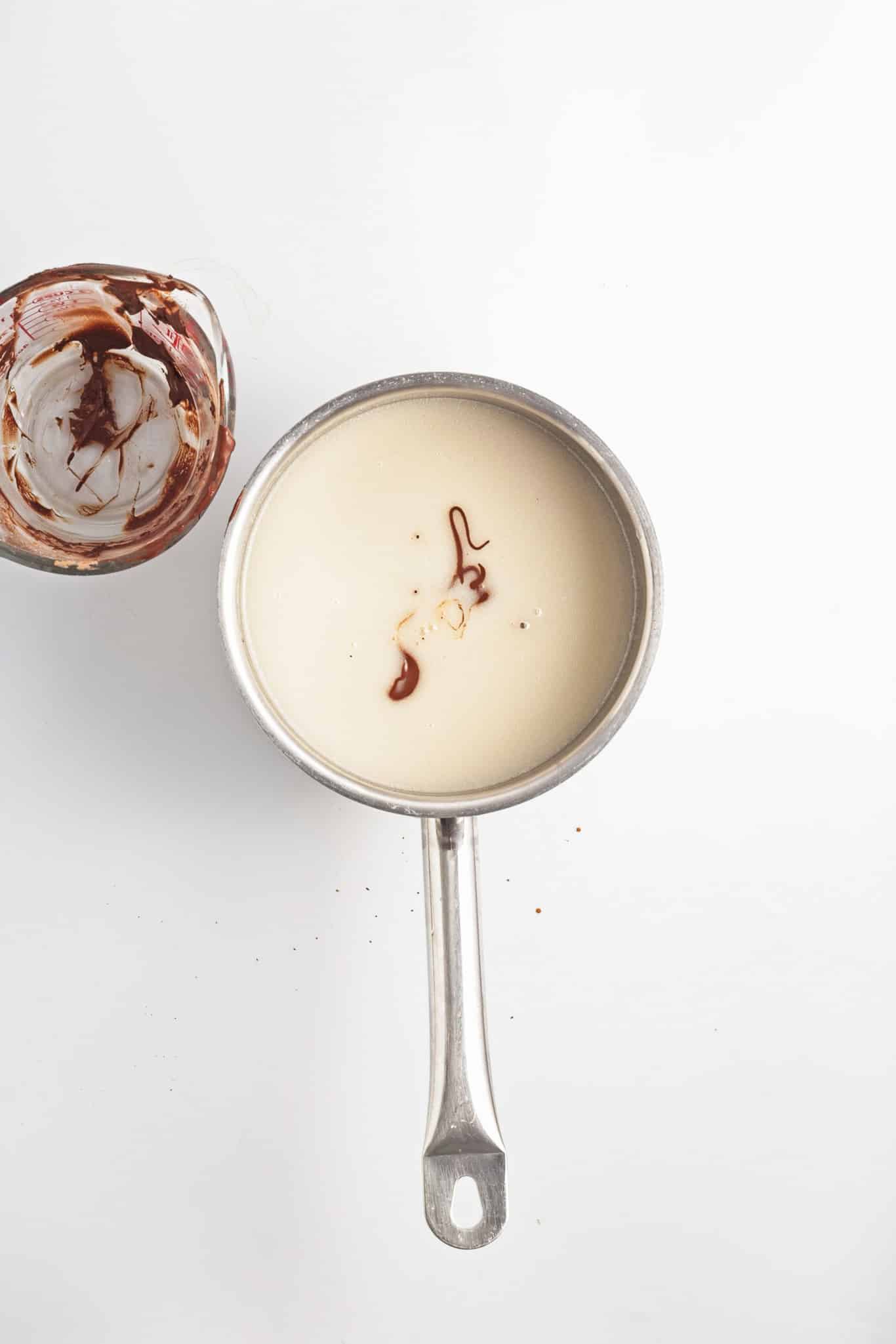
Ultra-Creamy Texture: Thanks to full-fat coconut milk and a touch of cornstarch, these fudgesicles are smooth and luscious.
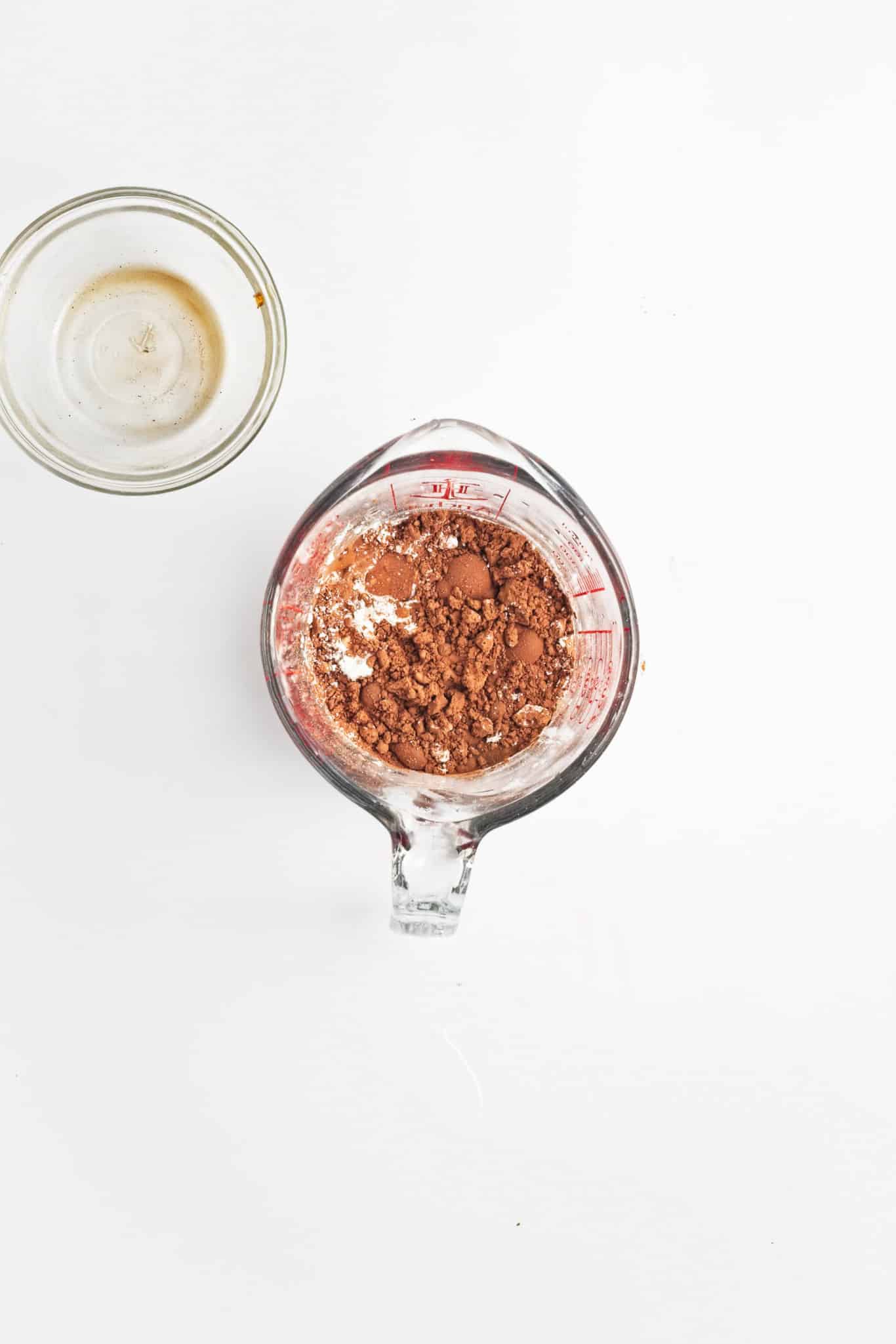
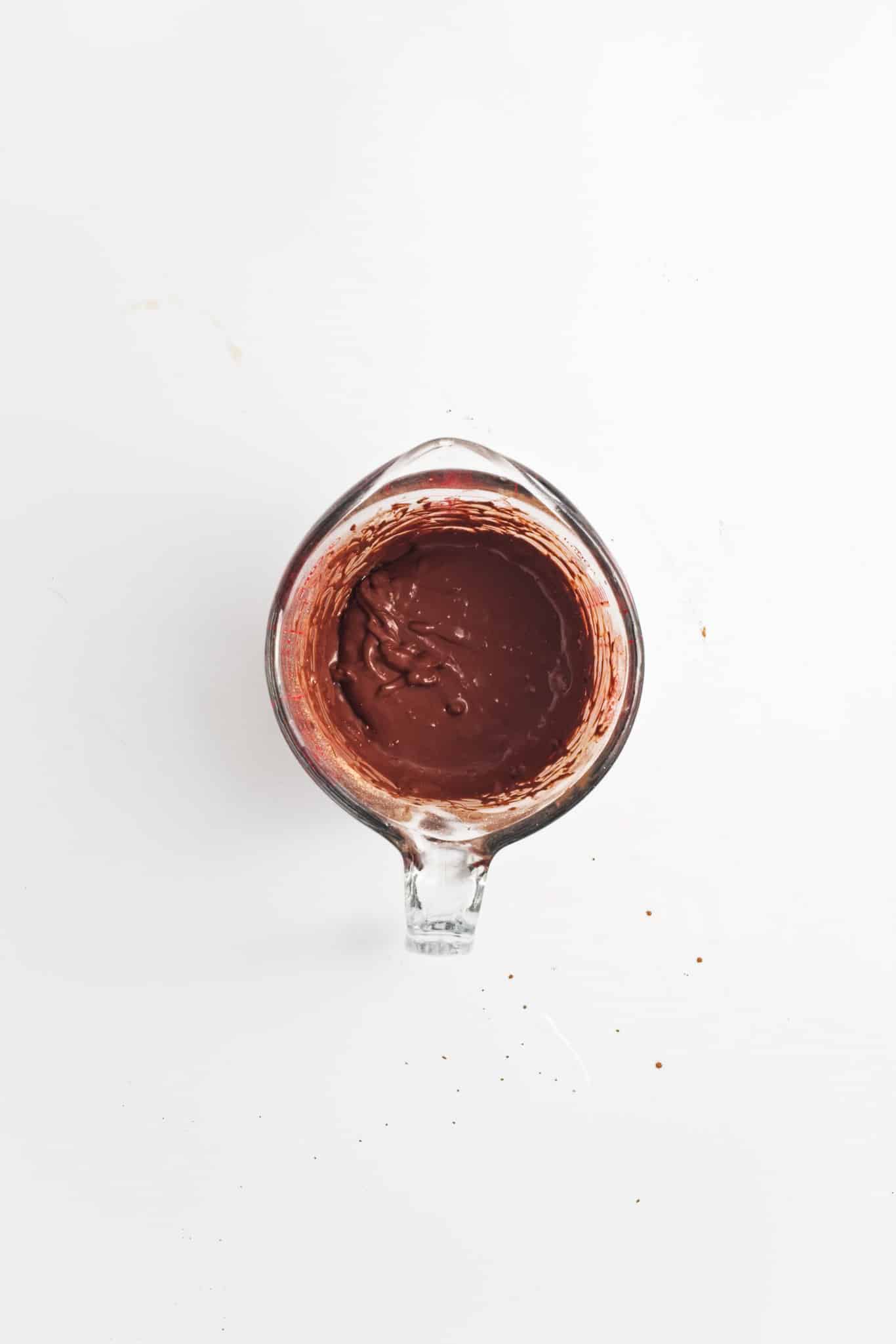
Deep Chocolate Flavor: Both cocoa powder and melted dark chocolate create an intense, rich chocolate taste.
Vegan and Allergy-Friendly: These are dairy-free, gluten-free, and soy-free, making them a great option for everyone.
Customizable: Add coffee liqueur for a boozy version or tweak the sweetness to suit your taste.
Perfect for Summer: These popsicles are an easy, no-bake treat that's perfect for warm weather.

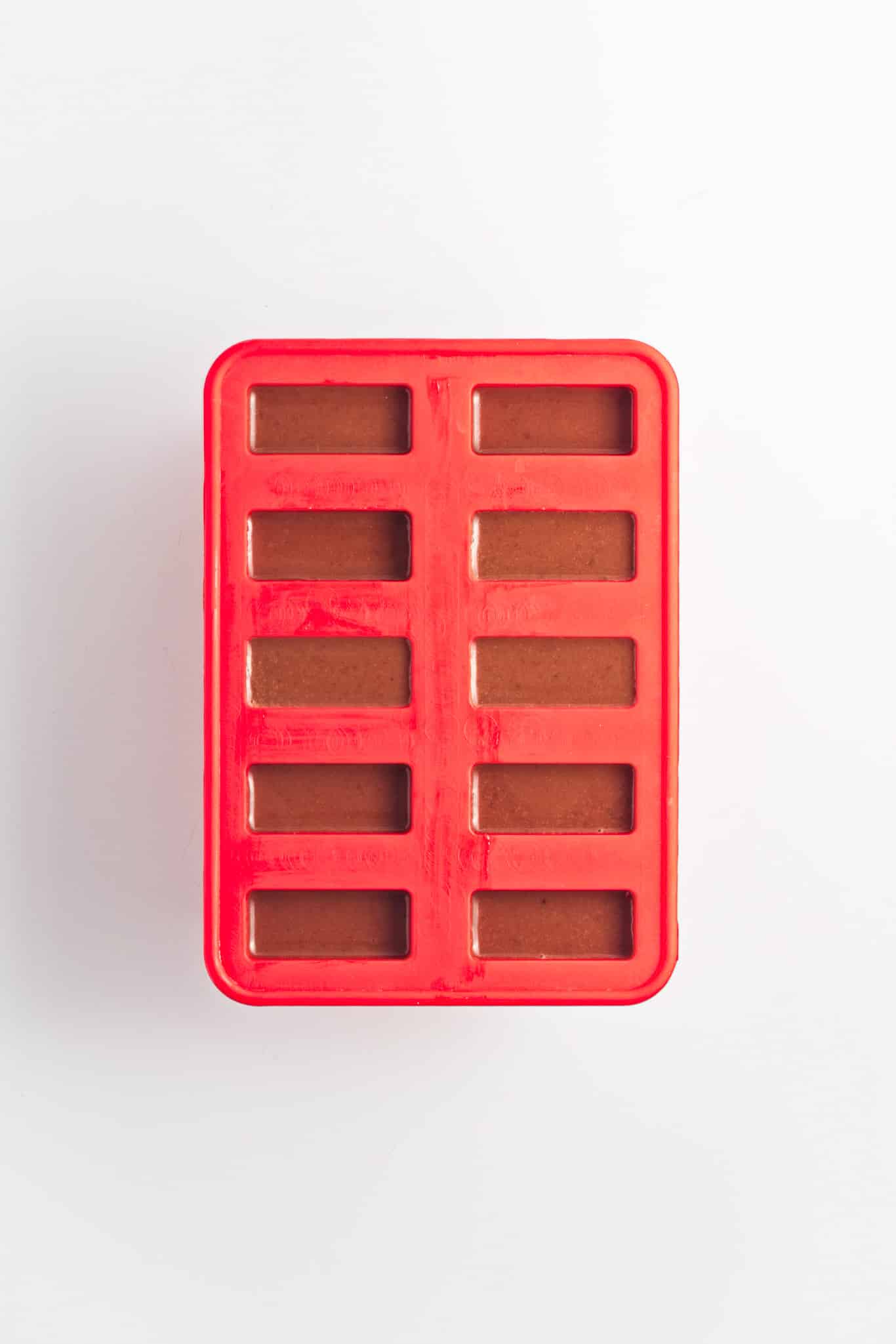
Popsicle Molds: I have used every type of popsicle mold imaginable, and I am convinced that these cheap molds are all you need.
Use Full-Fat Coconut Milk: For the creamiest fudgesicles, stick with full-fat coconut milk. Lower-fat options or other non-dairy milks will result in a more icy texture.
Don't Skip the Cornstarch: A small amount of cornstarch ensures the mixture stays smooth and doesn't separate during freezing. Arrowroot powder works as a great alternative.
Enhance the Chocolate Flavor: Coffee, vanilla, and a pinch of salt are added to deepen the chocolate taste. You won't taste the coffee - it simply makes the chocolate shine.
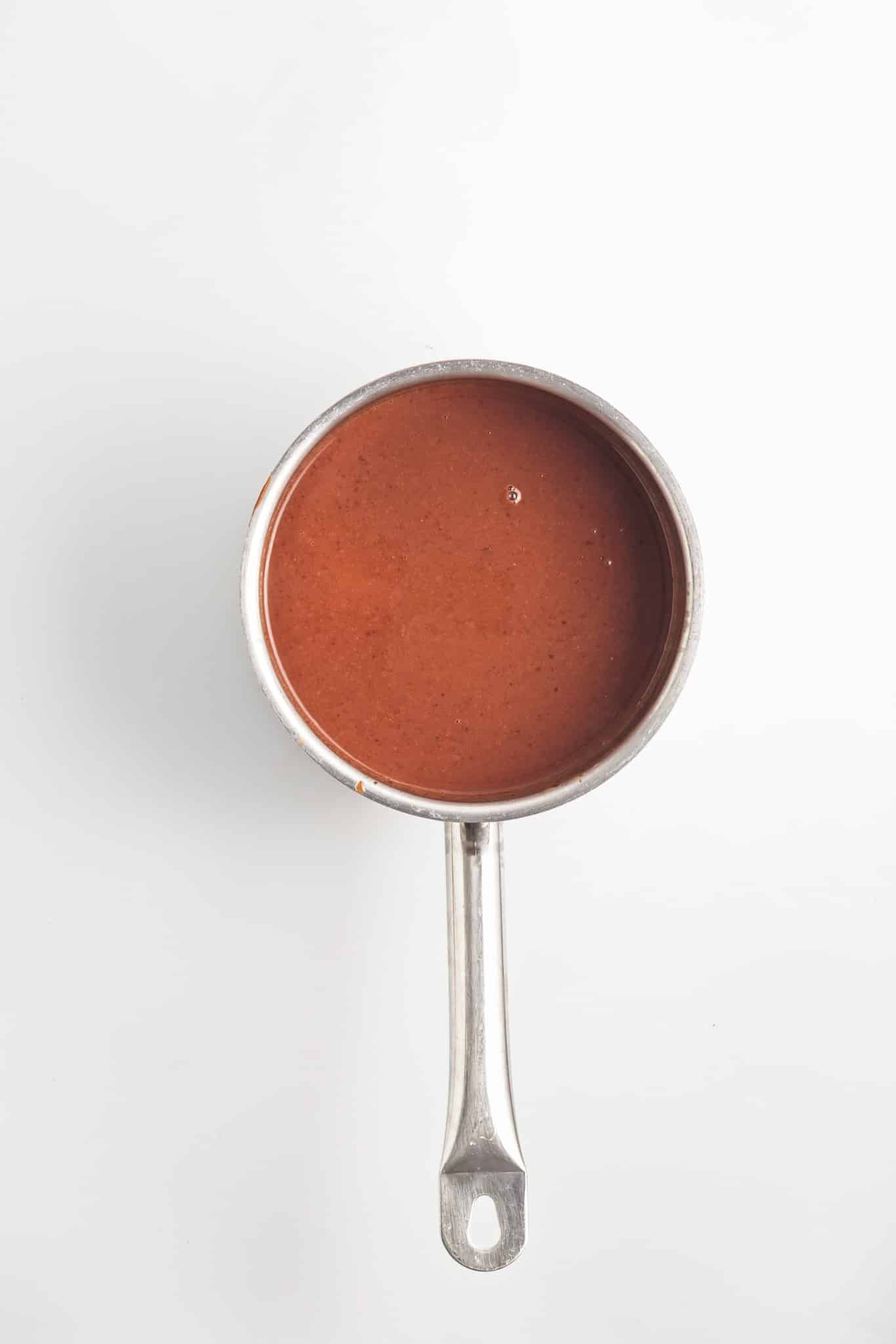
Strain the Mixture: For the smoothest popsicles, strain the liquid before pouring it into molds to remove any lumps or bits of chocolate.
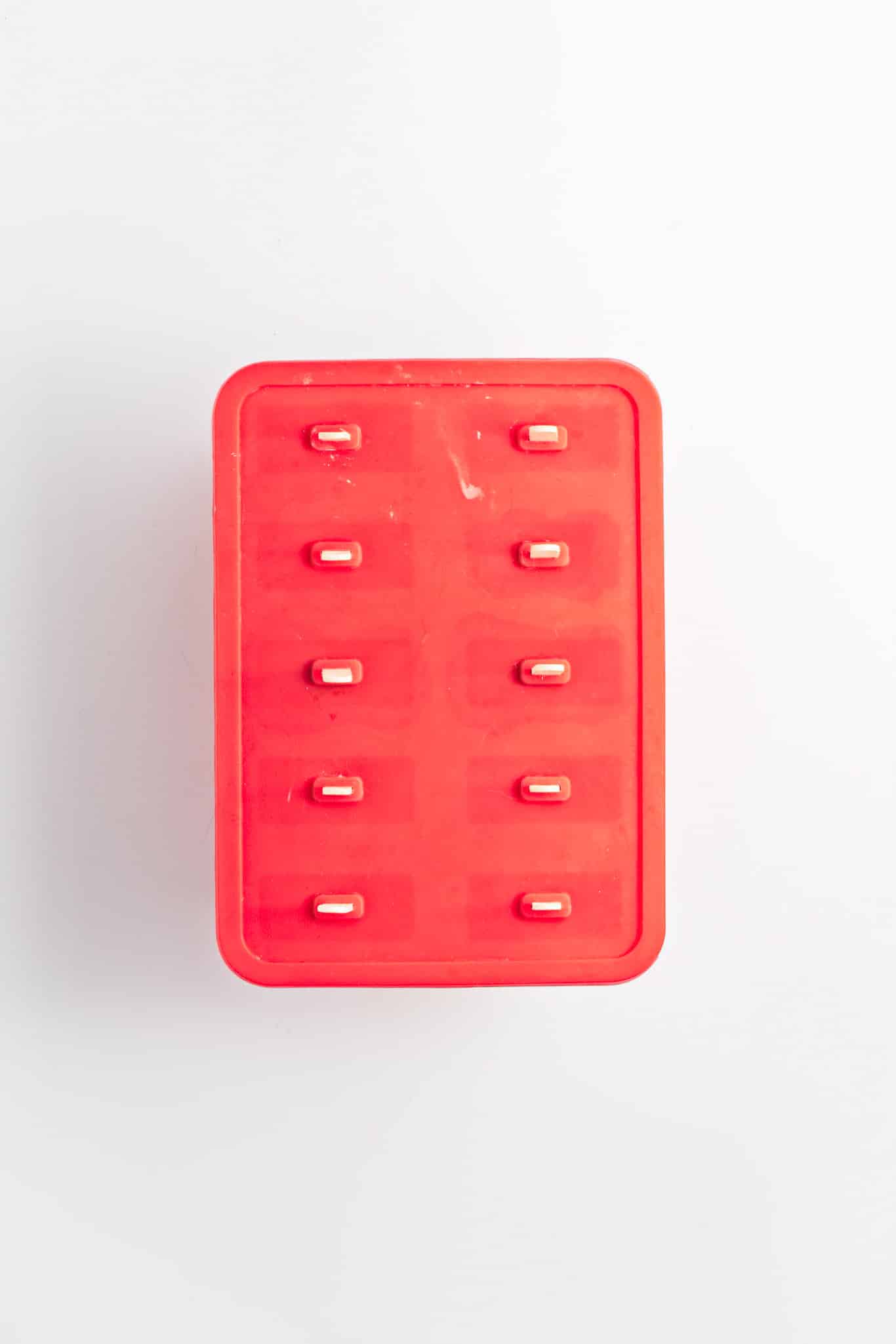
Freeze Completely: Let the fudgesicles freeze for at least 6 hours (or overnight) to ensure they're firm enough to enjoy.
Also worth trying: our guide to vegan Halloween candy.

Once frozen, these fudgesicles can be stored in their molds or individually wrapped in plastic for up to one month, in the freezer. To easily remove them from the molds, run the bottoms under warm water for a few seconds.
Serve them as-is, or dress them up with a drizzle of melted chocolate or a sprinkle of chopped nuts!

Boozy Fudgesicles: Replace the coffee with coffee liqueur for a grown-up twist.
Add Some Crunch: Stir in chopped nuts, coconut flakes, or even chocolate chips before pouring the mixture into molds.
Extra Sweetness: If you prefer sweeter treats, increase the brown sugar slightly.
Mint Chocolate: Add a few drops of peppermint extract for a refreshing minty flavor.
Espresso Kick: Use espresso instead of brewed coffee for an even richer flavor.
If you love rich, fudgy chocolate treats, our fudgy avocado brownies are another must-try - avocado replaces butter for a surprisingly decadent result.

If you love these vegan fudgesicles, be sure to check out these other plant based recipes:
Also try: our Vegan Sweet Potato Brownies.


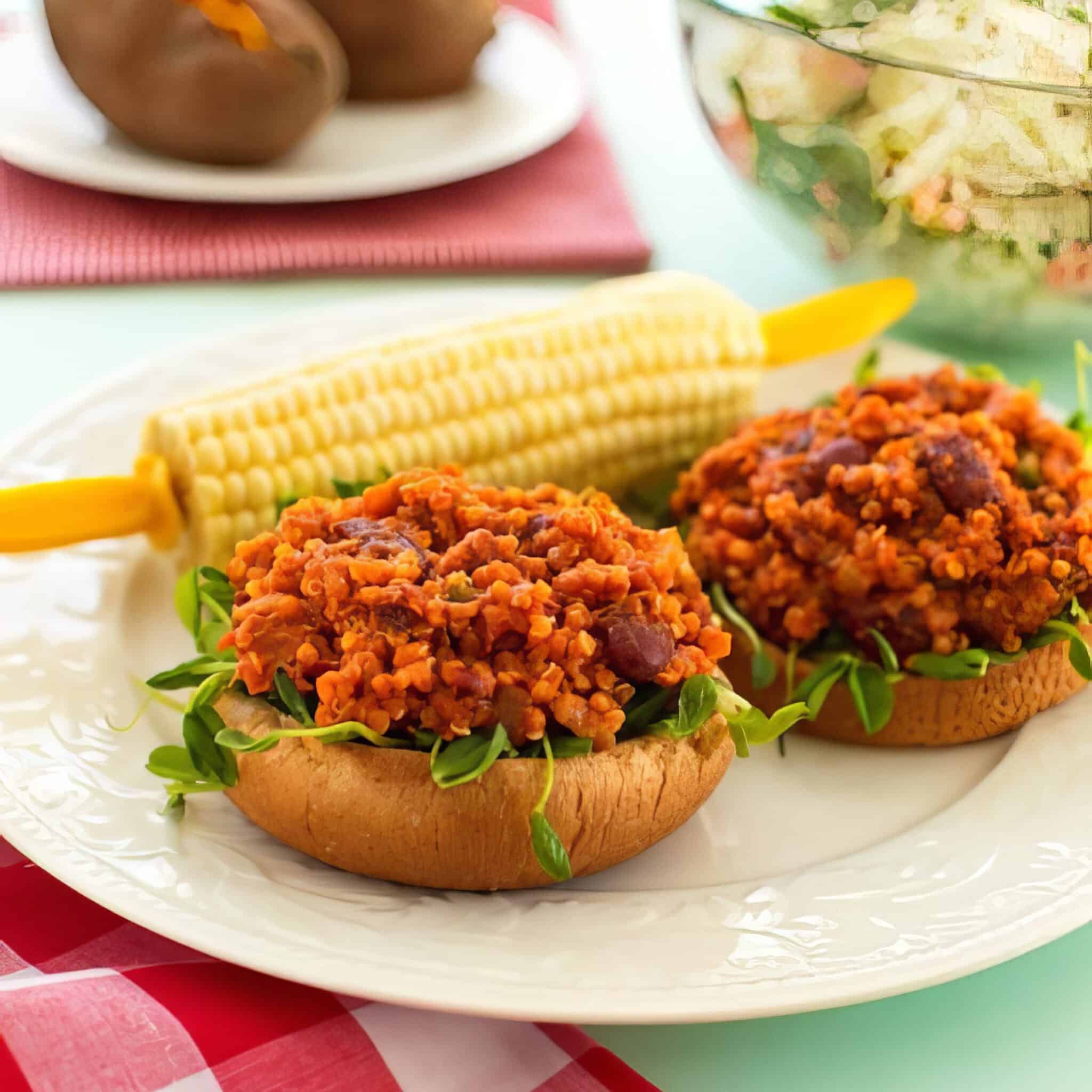
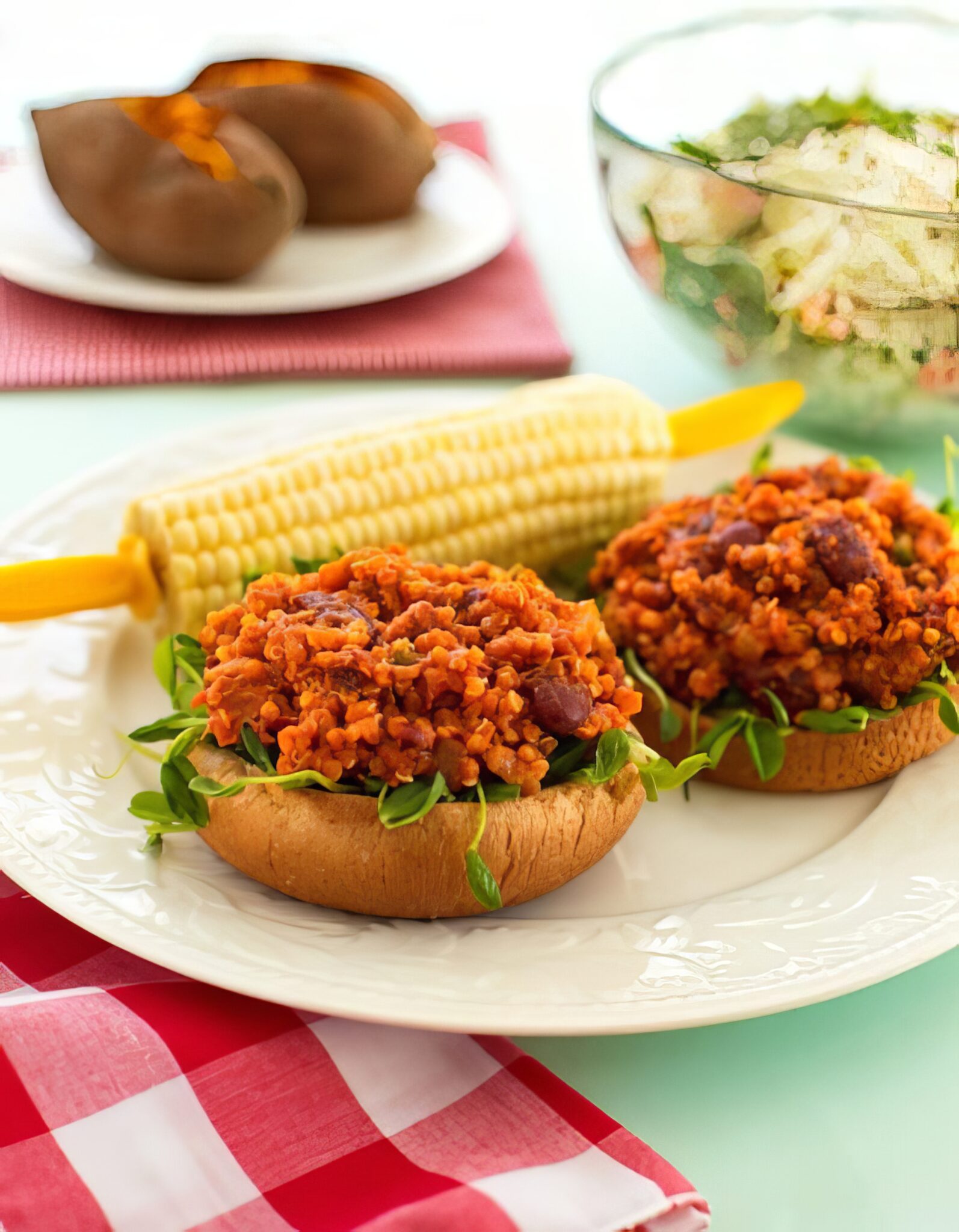
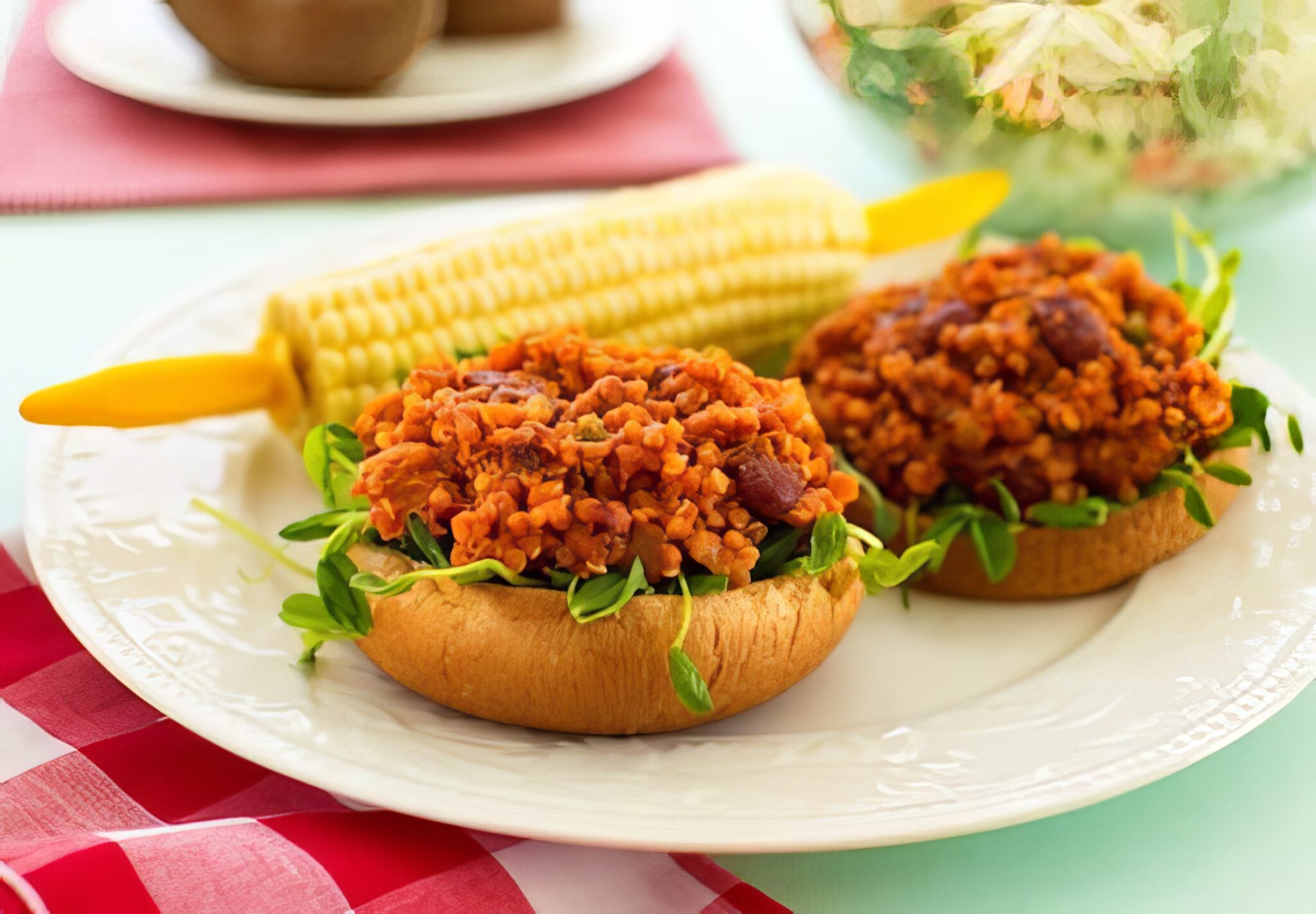
These Vegan Sloppy Joes bring big flavor to everyone's favorite messy sandwich. Packed with quinoa, pinto beans, and loads of flavor. Yum!

Let's be real: sometimes you just want a messy, saucy sandwich that you can barely fit in your mouth. Enter these Vegan Sloppy Joes, a plant-based spin on the nostalgic classic we all grew up loving.
Packed with hearty quinoa, creamy pinto beans, and a tangy tomato-based sauce, they're every bit as satisfying as the original-just without the meat.
Whether you're feeding a hungry crowd or just need a quick weeknight dinner, this recipe is a guaranteed hit. Grab some napkins; it's about to get deliciously sloppy.
This recipe is a sneak preview from the excellent cookbook: Plant Power: Transform Your Kitchen, Plate, and Life with More Than 150 Fresh and Flavorful Vegan Recipes by Nava Atlas.
I originally published this article years ago when the cookbook was first released, but I recently gave it a refresh because this recipe is simply too good to miss. I highly recommend giving it a try-and consider adding the cookbook to your vegan cookbook collection!
The recipe has been shared here with permission from the cookbook publisher, HarperOne. Photos were taken by Hannah Kaminsky.

Rinse the Quinoa: To remove its natural bitterness, always rinse quinoa under cold water before cooking.
Toast the Buns: Lightly toasting the rolls adds a pleasant crunch and prevents them from becoming soggy from the filling.
Customize the Spice Level: Adjust the chili powder and add hot sauce if you prefer a spicier kick.
Substitute the Pinto Beans: I like pinto beans, but black beans or kidney beans can be used as alternatives.
Classic Style: Spoon the mixture onto toasted whole-grain buns and serve with a side of vegan coleslaw or pickles.
Lettuce Wraps: For a lighter option, serve the sloppy joe mixture in large lettuce leaves.
Over Grains: Serve atop brown rice or quinoa for a hearty, bun-free meal.
With Sweet Potatoes: Pair with baked sweet potatoes for a balanced and nutritious dinner.
Taco Night: Love a savory plant-based filling in a tortilla? Try our vegan walnut taco meat - made with walnuts and mushrooms for a hearty, Tex-Mex twist. Or fire up the grill and browse our best vegan burger recipes for the best plant-based patties. For a simple but impressive side dish, our glazed baked onions pair beautifully.
If you love these Vegan Sloppy Joes, be sure to check out these other delicious recipes:
Also try: our Quinoa And Wild Rice Burgers.
Also try: our Easy Portobello Burgers.

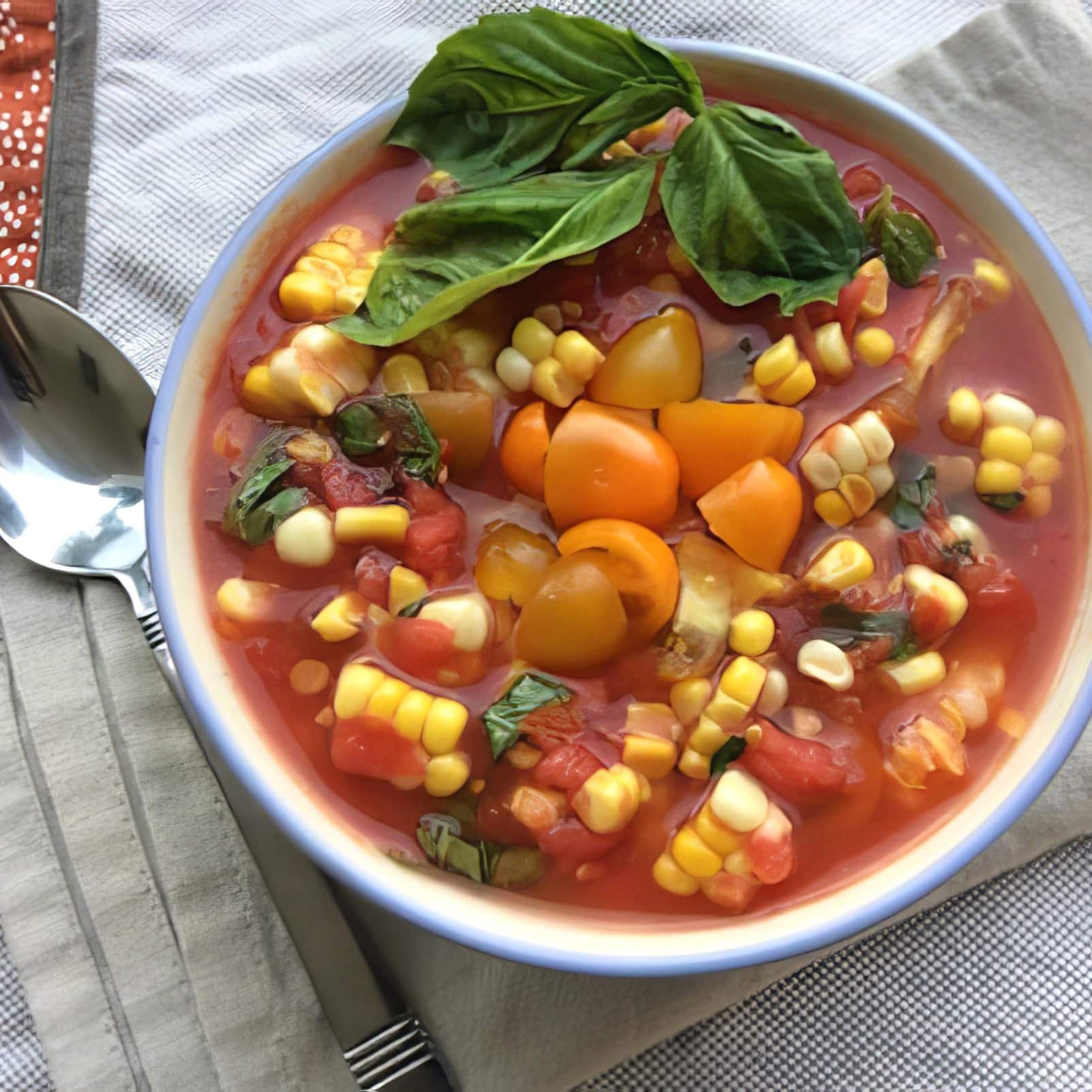
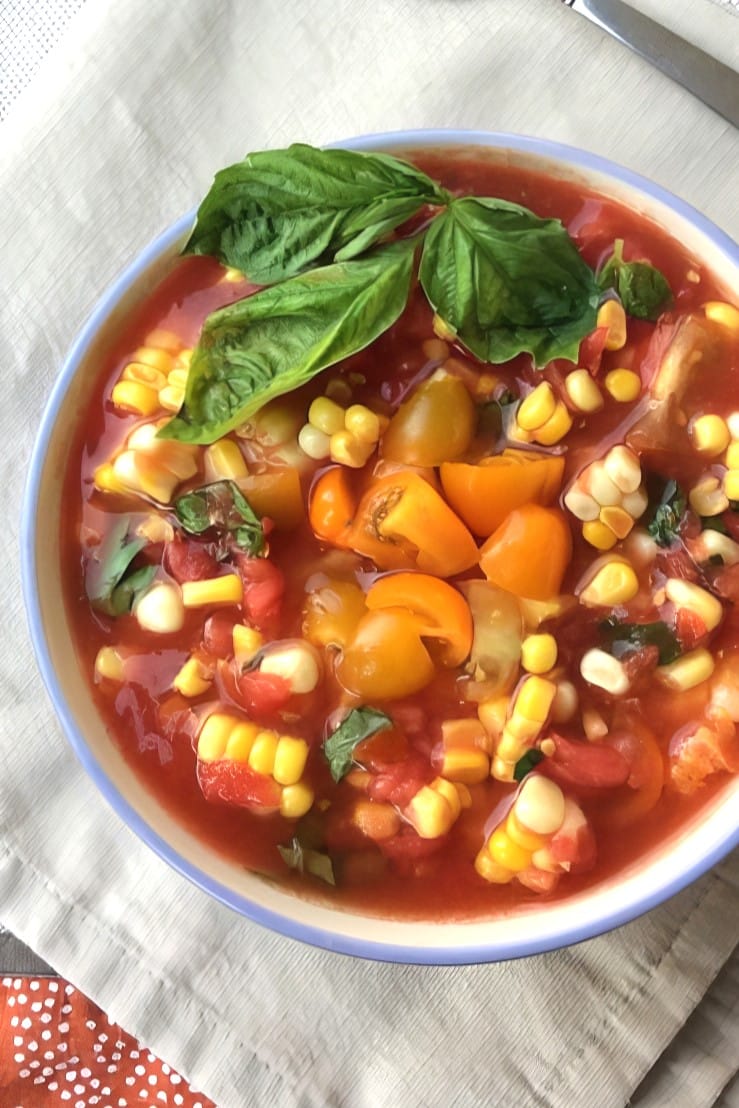
This Vegan Tomato Corn Gazpacho is like summer in a bowl. A vibrant, chilled soup that combines the sweetness of fresh corn with the tanginess of ripe tomatoes. It's a refreshing dish, perfect for hot days!

When the sun is blazing and turning on the stove feels like a chore, this Tomato Corn Gazpacho comes to the rescue. It's a no-cook, flavor-packed soup that brings together two of summer's superstars: juicy tomatoes and sweet corn.
The addition of fresh herbs and a hint of spice elevates this dish, making it a standout at any gathering or a simple weeknight meal.
This Tomato Corn Gazpacho Is...
Use Peak-Season Produce: The quality of the tomatoes and corn directly impacts the flavor. Opt for the freshest available.
Use Fresh Corn: The fresh corn give the soup a natural sweetness and crunch. If fresh corn isn't available, you can use frozen corn that has been thawed. But the texture may not be as pleasing.
Chill Thoroughly: Allowing the gazpacho to chill for at least an hour enhances the flavors and provides a refreshing experience.
Add a Spicy Kick: Add a diced jalapeño or a dash of hot sauce for heat.
Creamy Version: Stir in a dollop of vegan yogurt or cashew cream for a richer texture.
Tropical Twist: Incorporate diced mango or pineapple for a sweet contrast.
Herb Infusion: Experiment with different herbs like cilantro or mint for a unique flavor profile.
Crunchy Toppings: Top with toasted pumpkin seeds or croutons for added texture.
If you love this vegan gazpacho, be sure to check out these other delicious recipes:
Also worth trying: our miso butternut squash soup.
Also worth trying: our yellow squash soup.

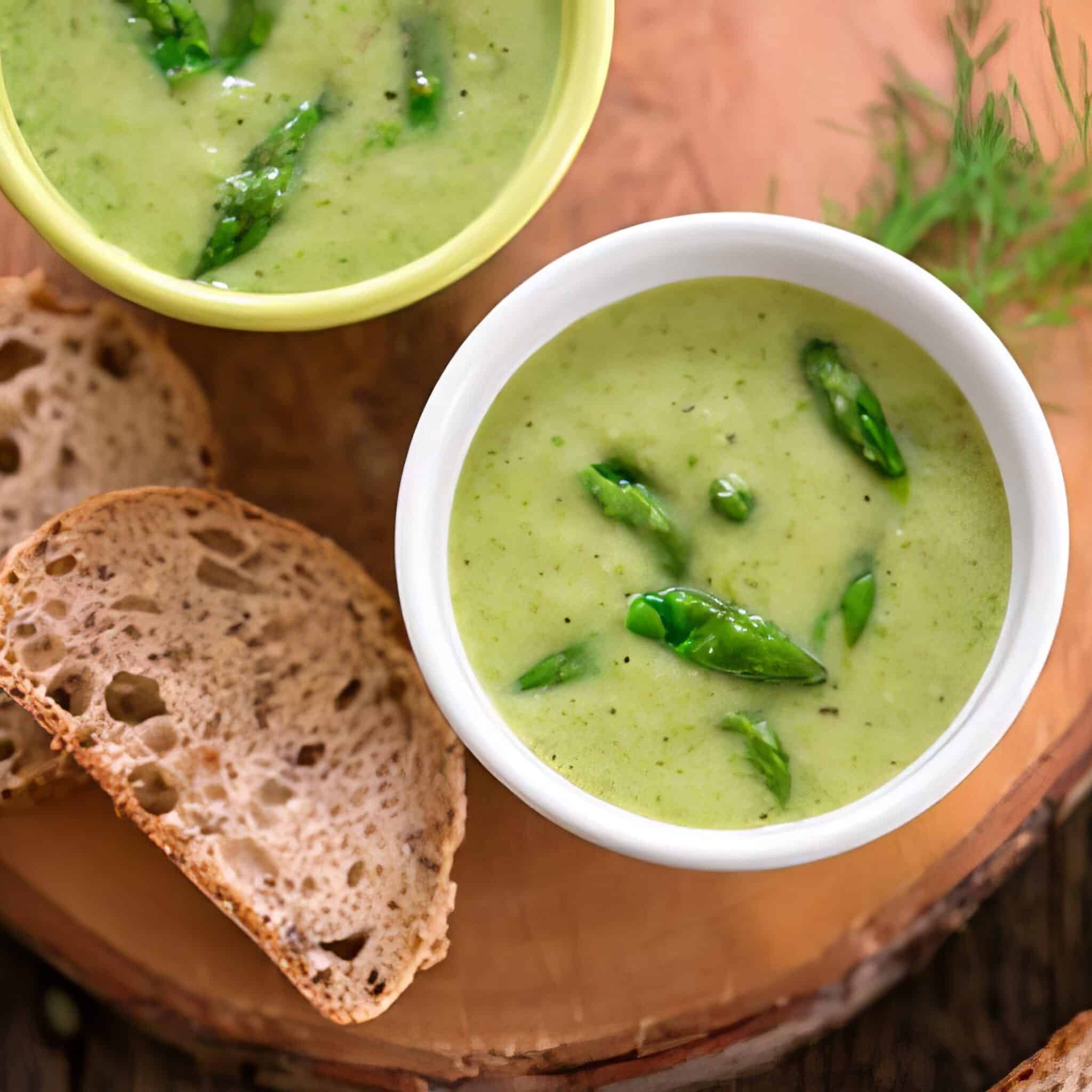
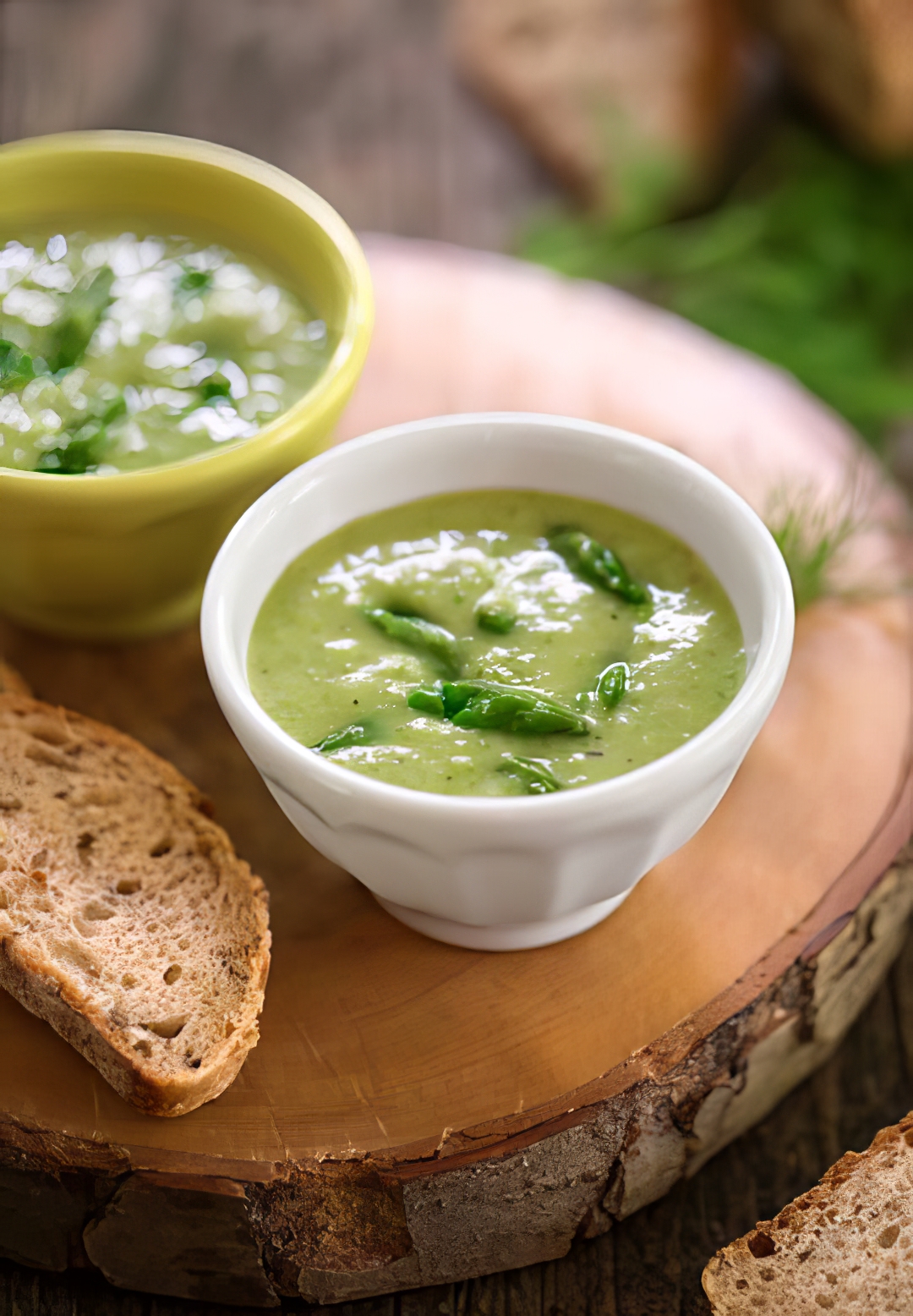
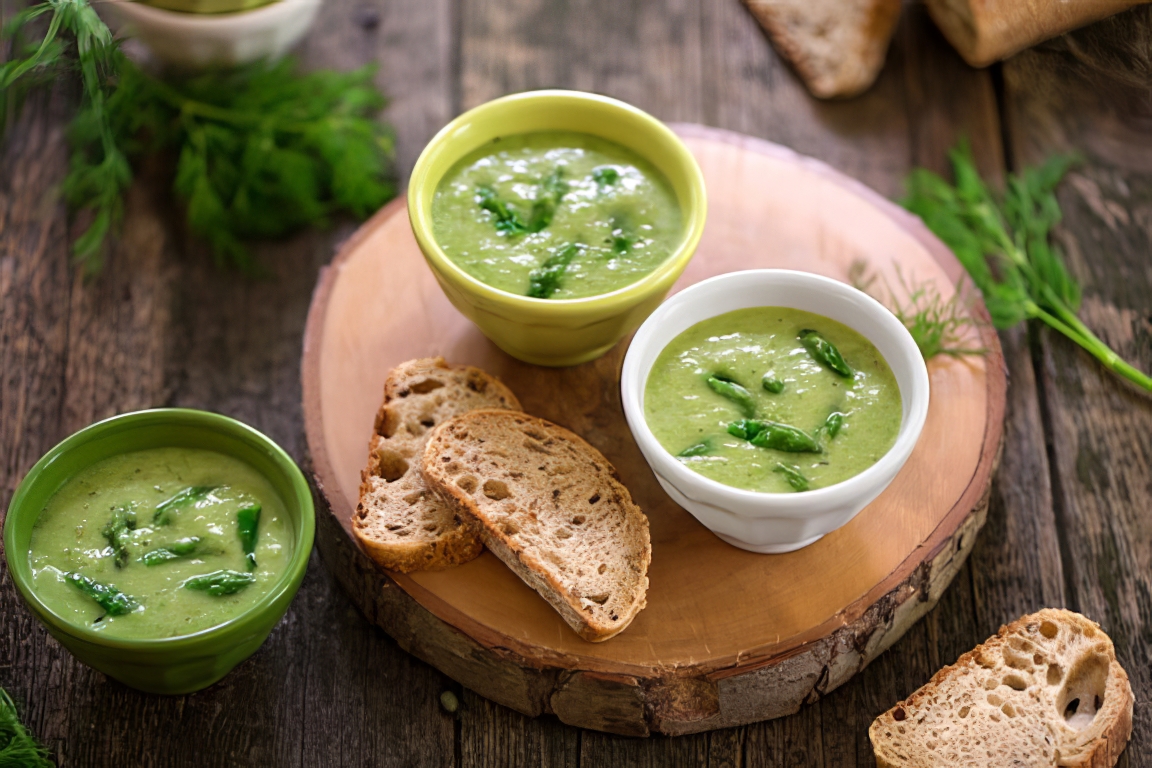
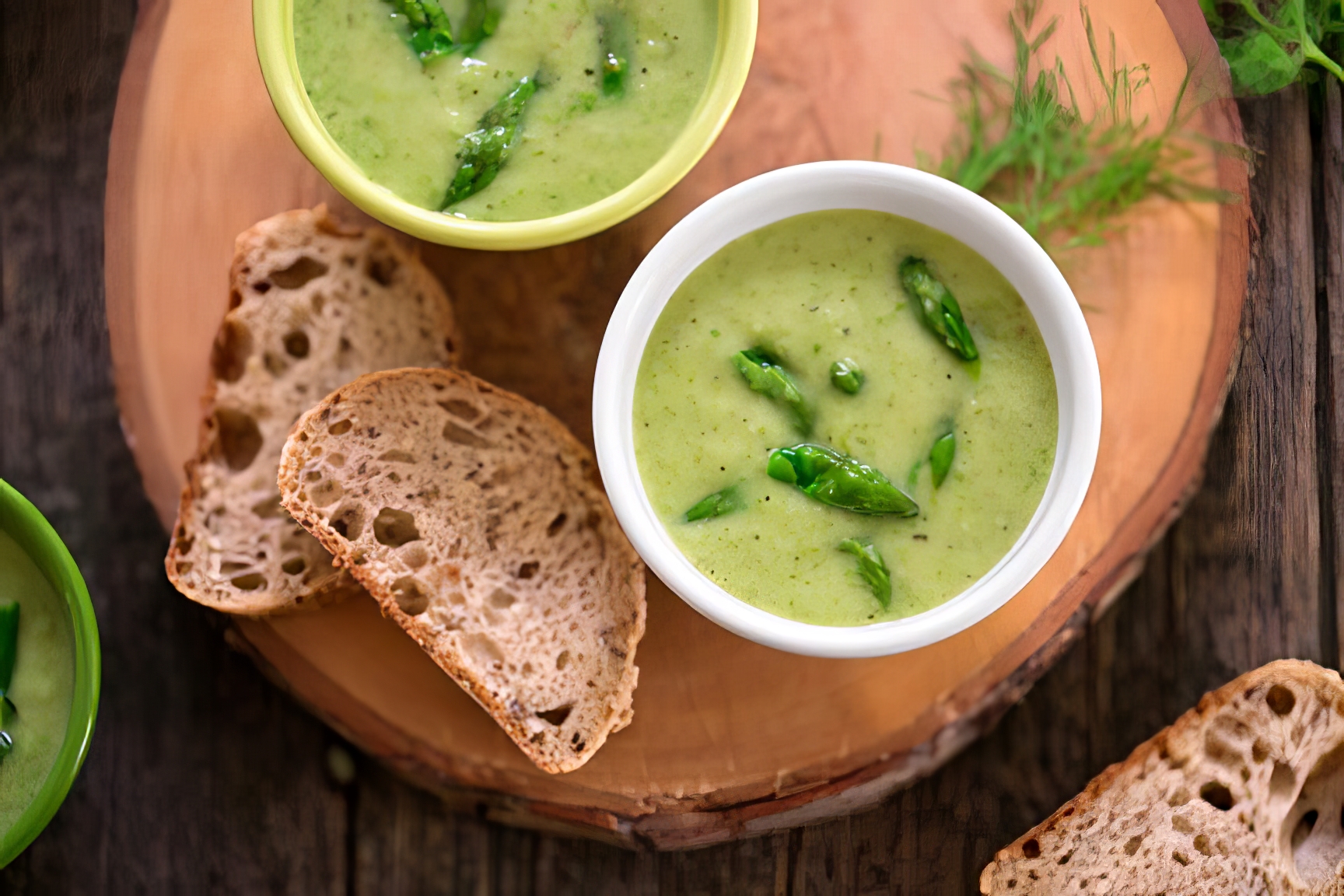
This Vegan Cream of Asparagus Soup is the ultimate ode to spring's most vibrant vegetable. Silky, flavorful, and deceptively simple, it's a dish that's both comforting and sophisticated. Perfect for a light lunch, an elegant dinner starter, or even a make-ahead meal for busy weekdays.

Let's face it: asparagus doesn't always get the attention it deserves. It's the veggie equivalent of the shy kid at the back of the class-quietly amazing, but often overlooked. This soup changes the game. By pairing tender asparagus with the creamy goodness of nondairy milk and the savory depth of fresh herbs, you get a dish that feels indulgent but is secretly packed with nutrients.
Oh, and did I mention the little garnish of asparagus tips and fresh dill? Fancy enough to impress your dinner guests, easy enough to whip up on a Tuesday. That's what I call winning.
This Vegan Cream of Asparagus Soup Is...

Trim asparagus properly: Snapping off the woody ends ensures a tender and smooth soup.
Cook just until tender: Overcooking asparagus can dull its bright flavor. Keep an eye on your pot!
Nondairy milk: This adds creaminess without overpowering the asparagus flavor. Almond, oat, or cashew milk are excellent choices. You could also use coconut milk for a bit of a twist.

Chilled Asparagus Soup: Let the soup cool completely, then chill in the fridge for a refreshing summer option.
Spicy Kick: Add a pinch of cayenne or a swirl of chili oil for heat lovers.
Lemon-Tarragon Twist: Replace dill with fresh tarragon and add a squeeze of lemon juice for a citrusy upgrade.
Crunchy Garnish: Top with toasted almonds or croutons for added texture.
Protein Boost: Stir in silken tofu or white beans for a heartier version.
If you love this Vegan Cream of Asparagus soup, be sure to check out these other delicious ideas:
Also worth trying: our miso butternut squash soup.
Also worth trying: our yellow squash soup.

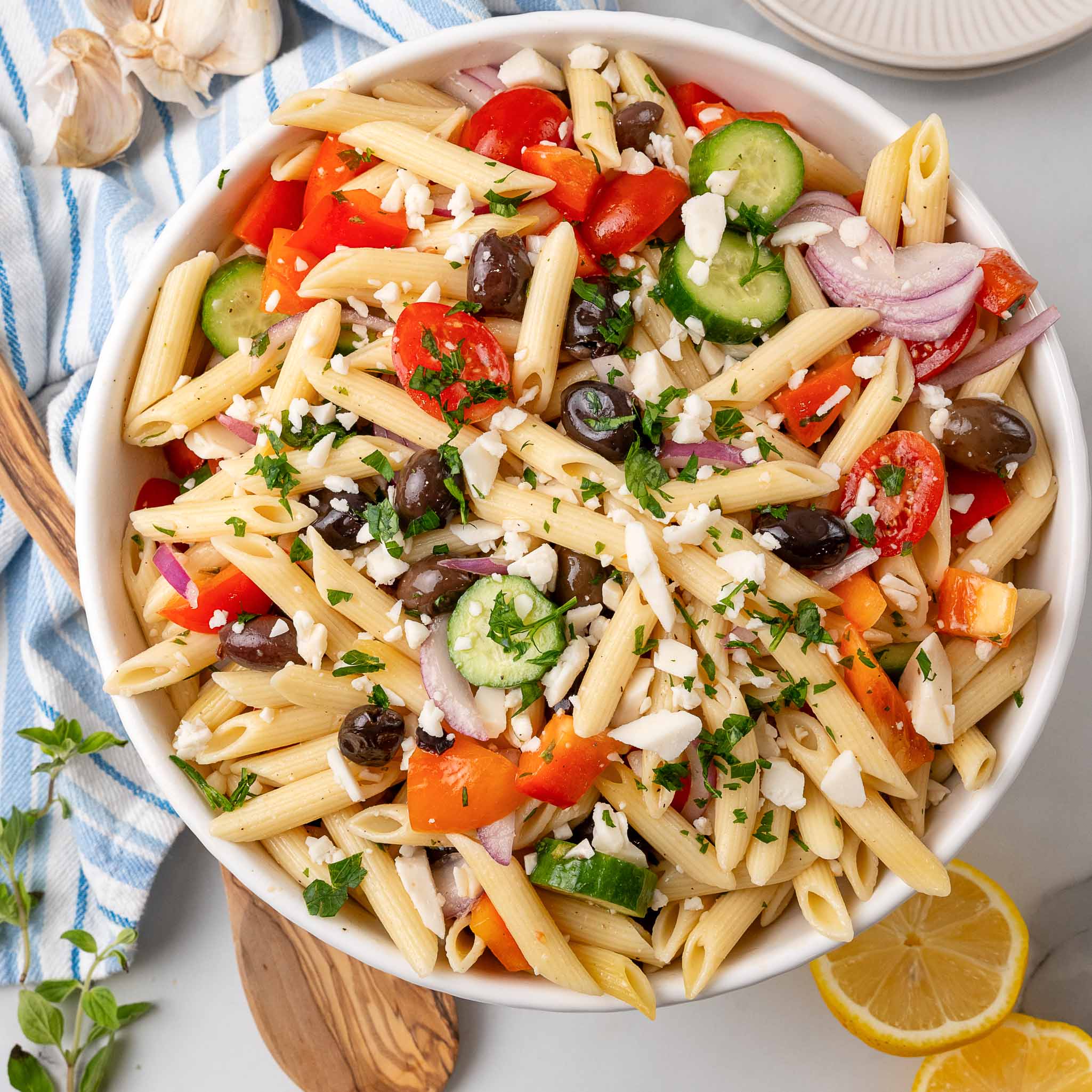
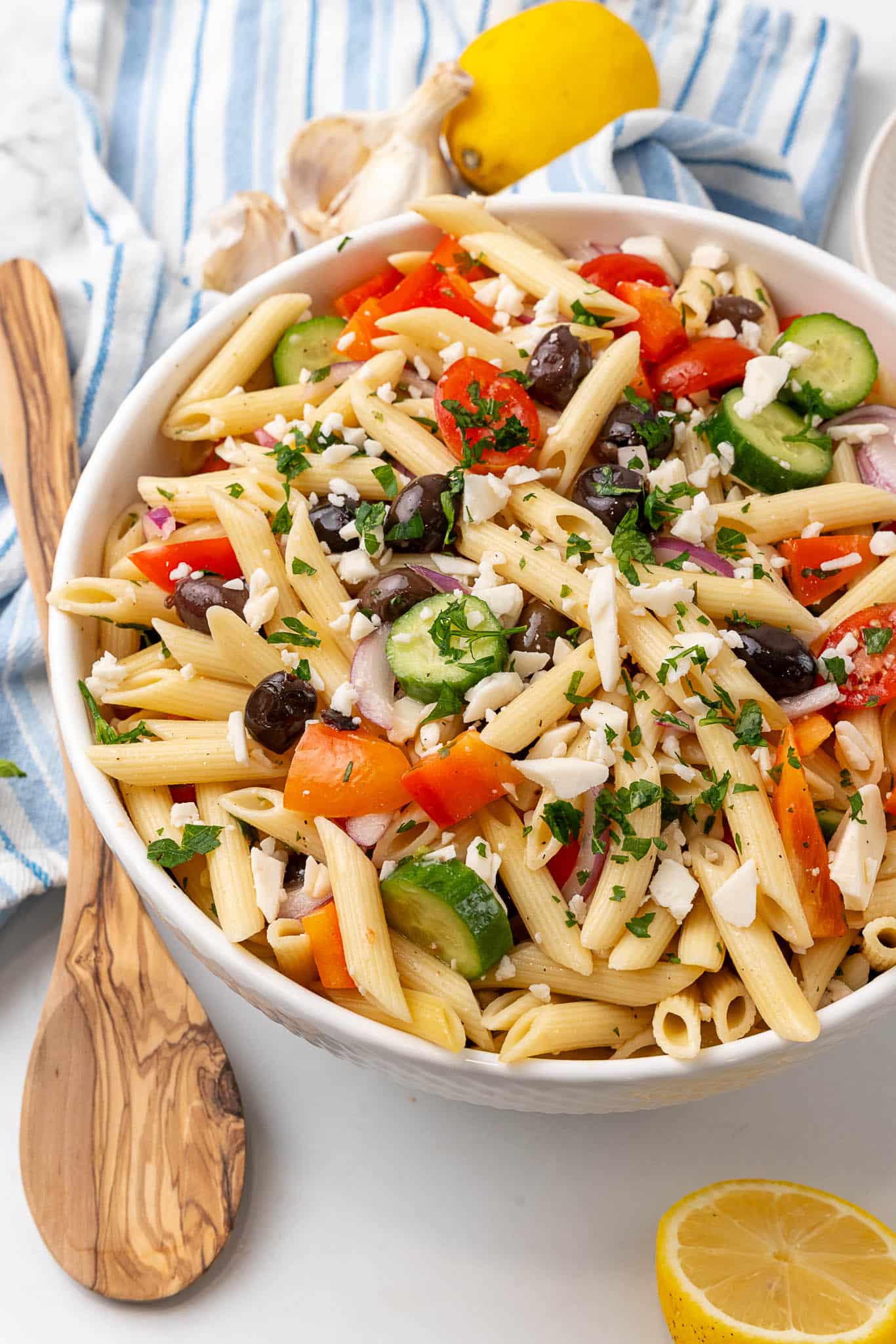
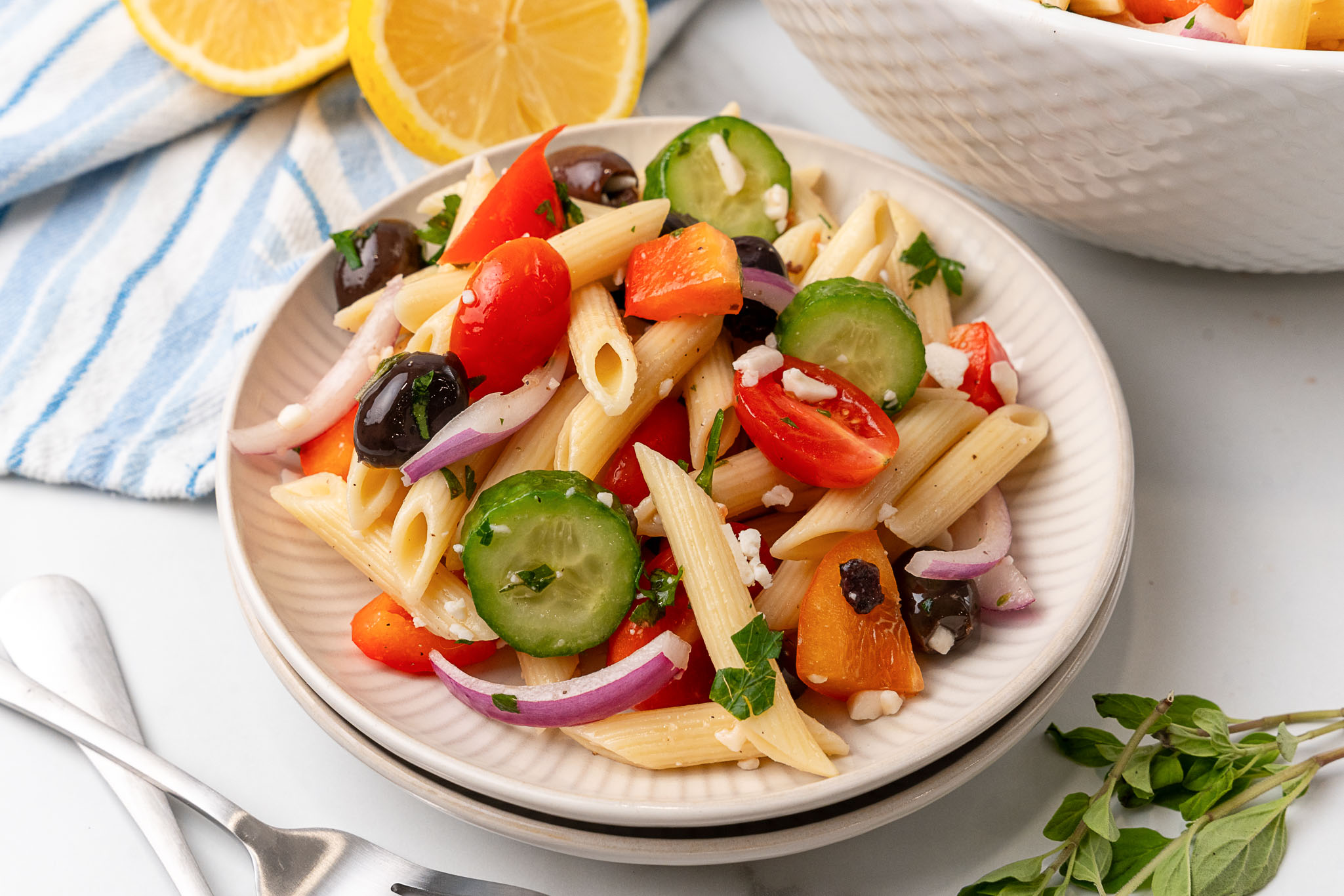
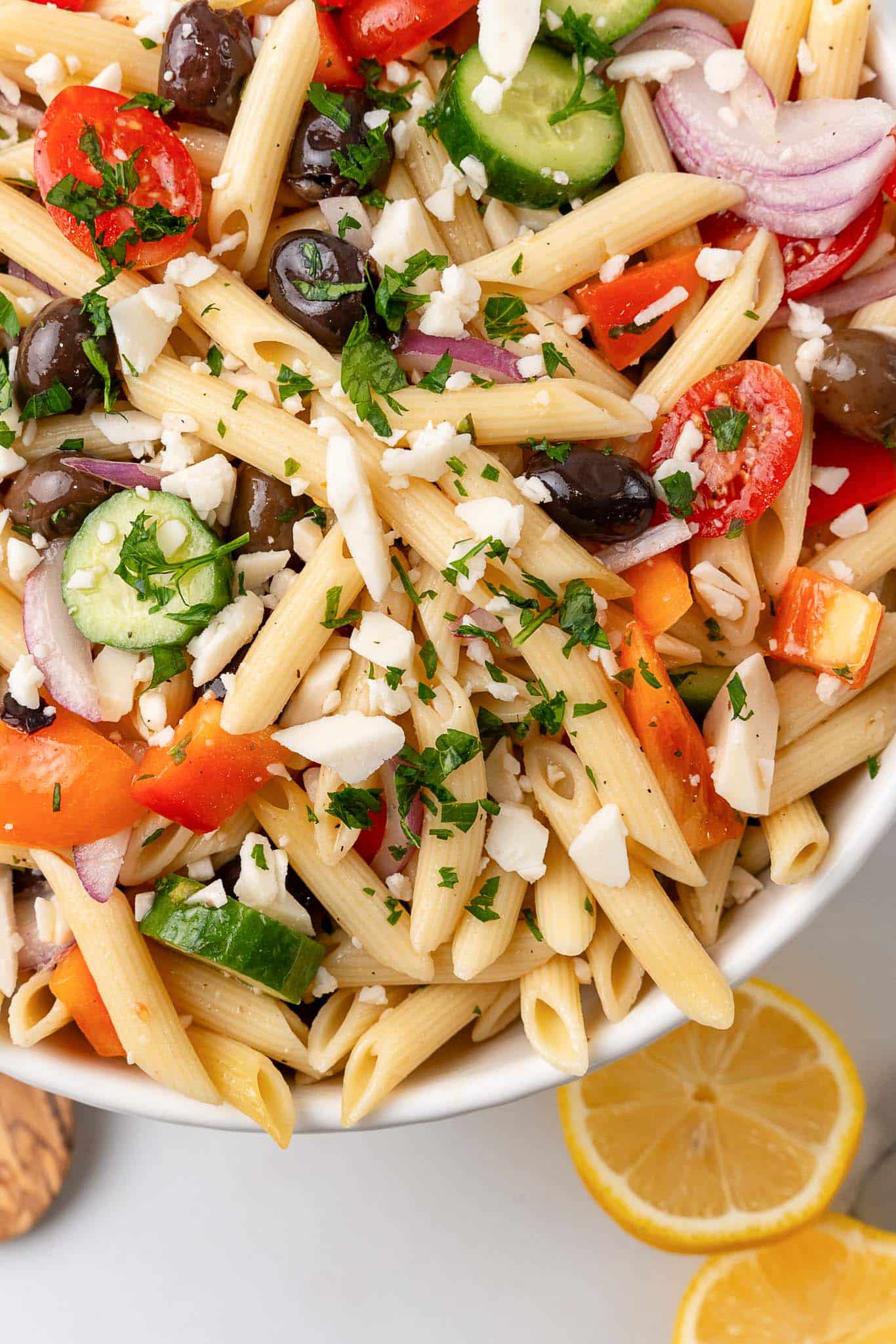
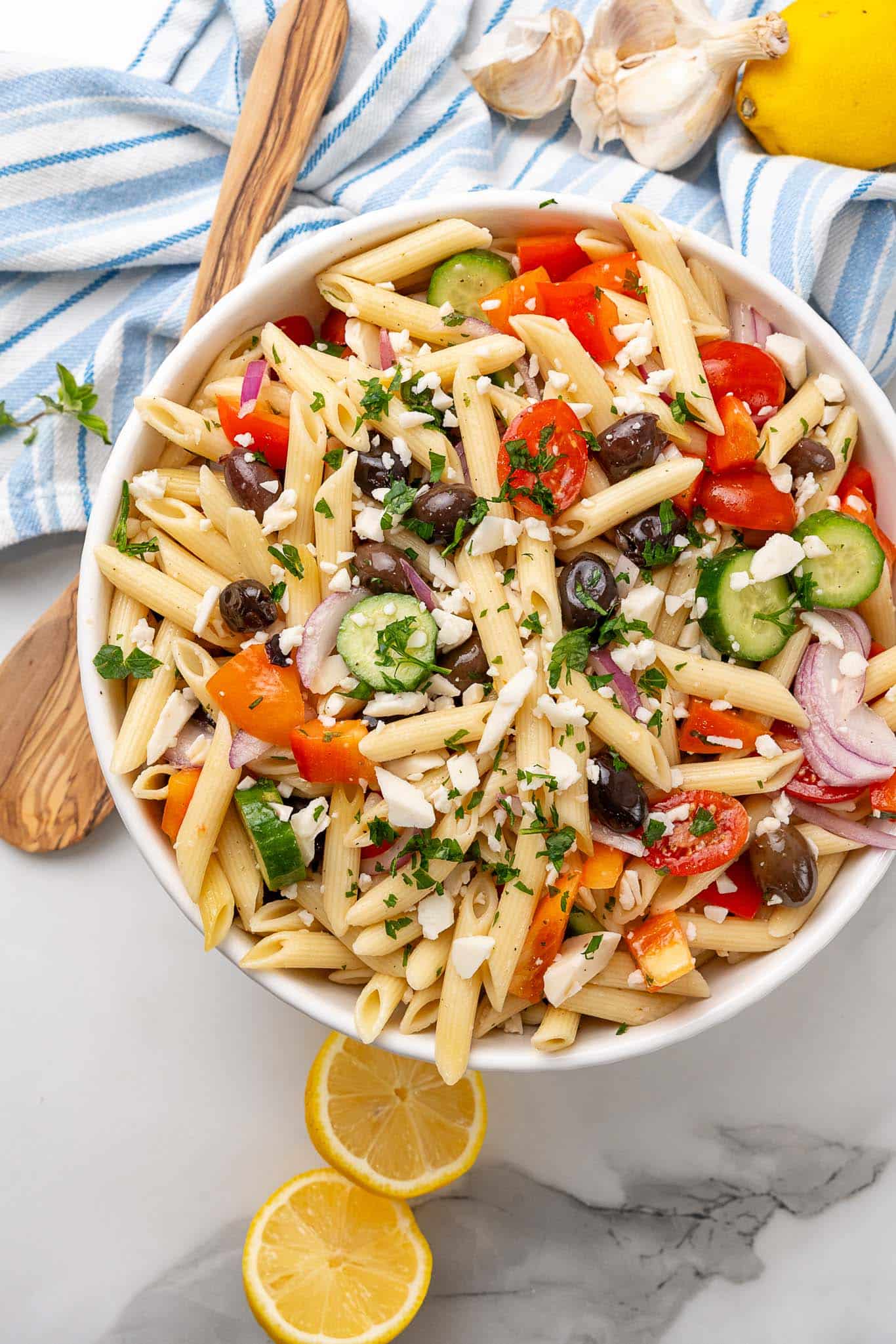
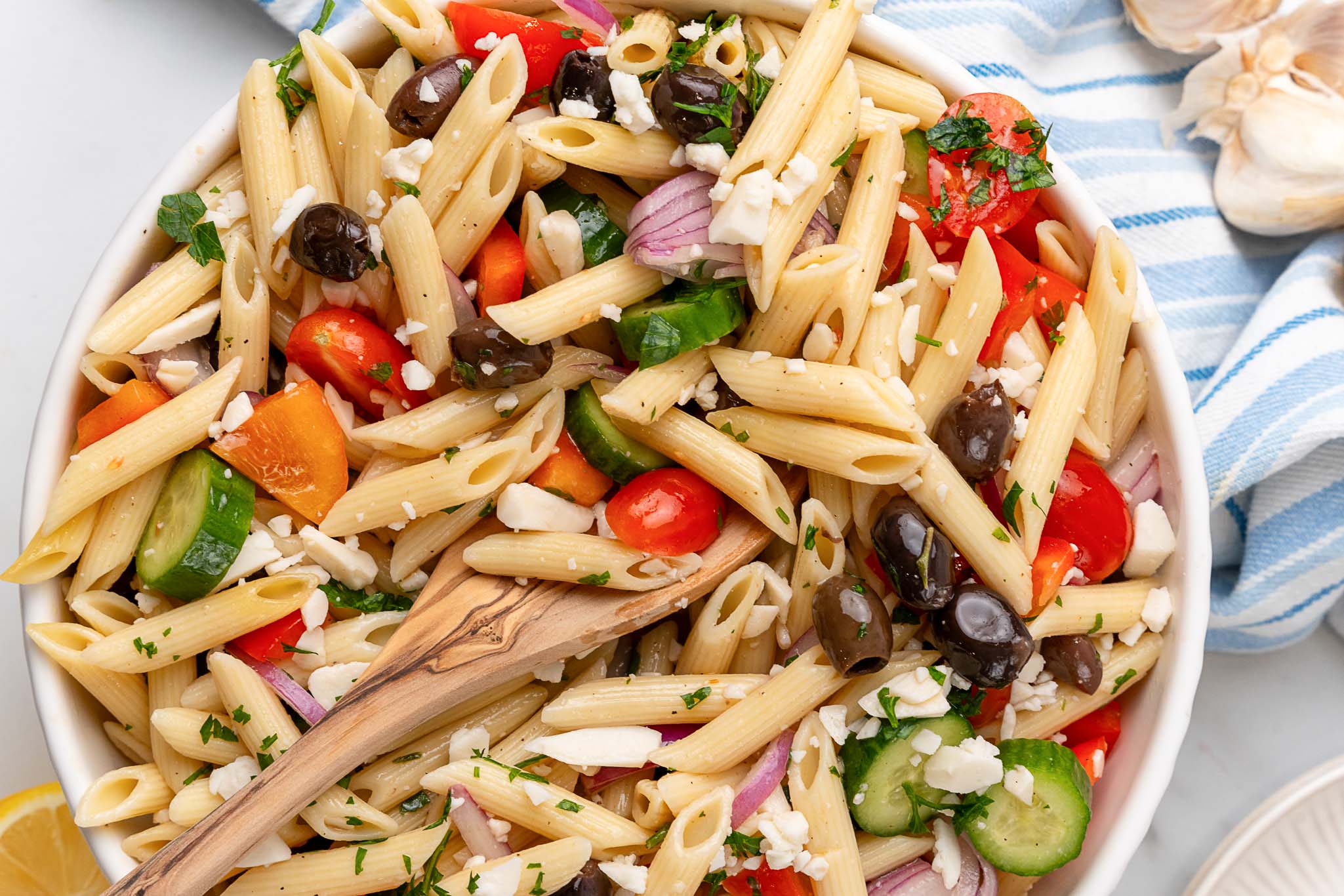
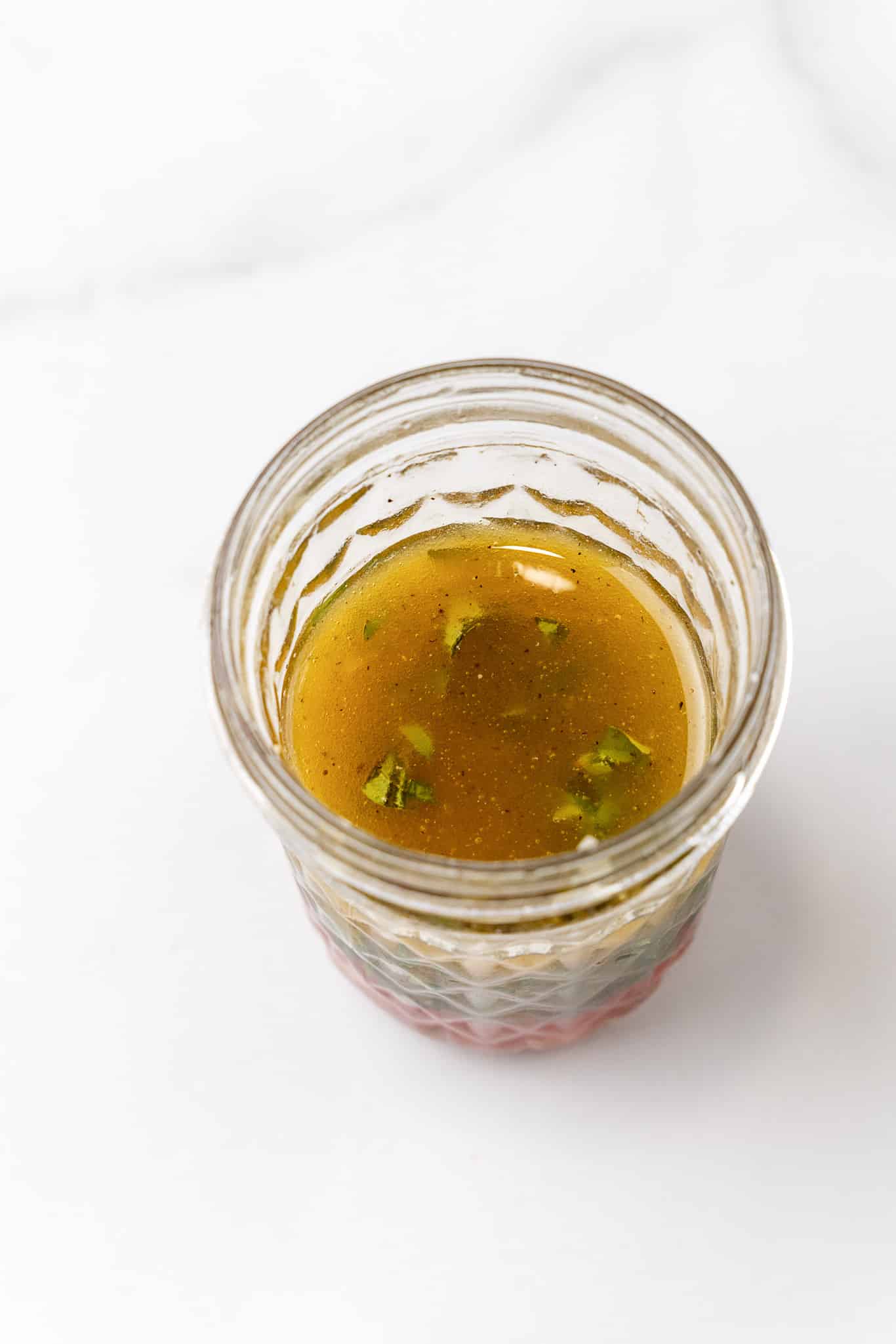
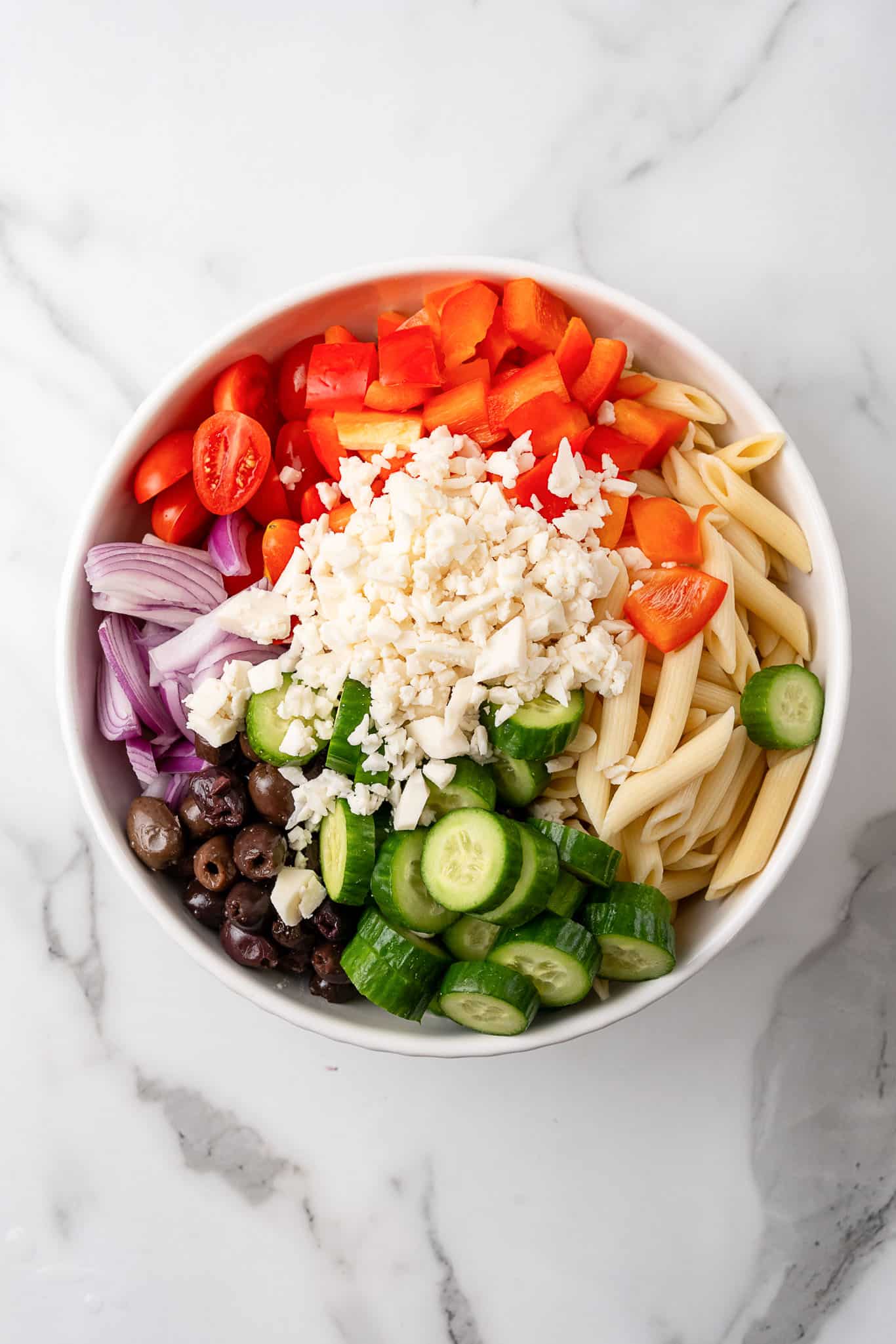
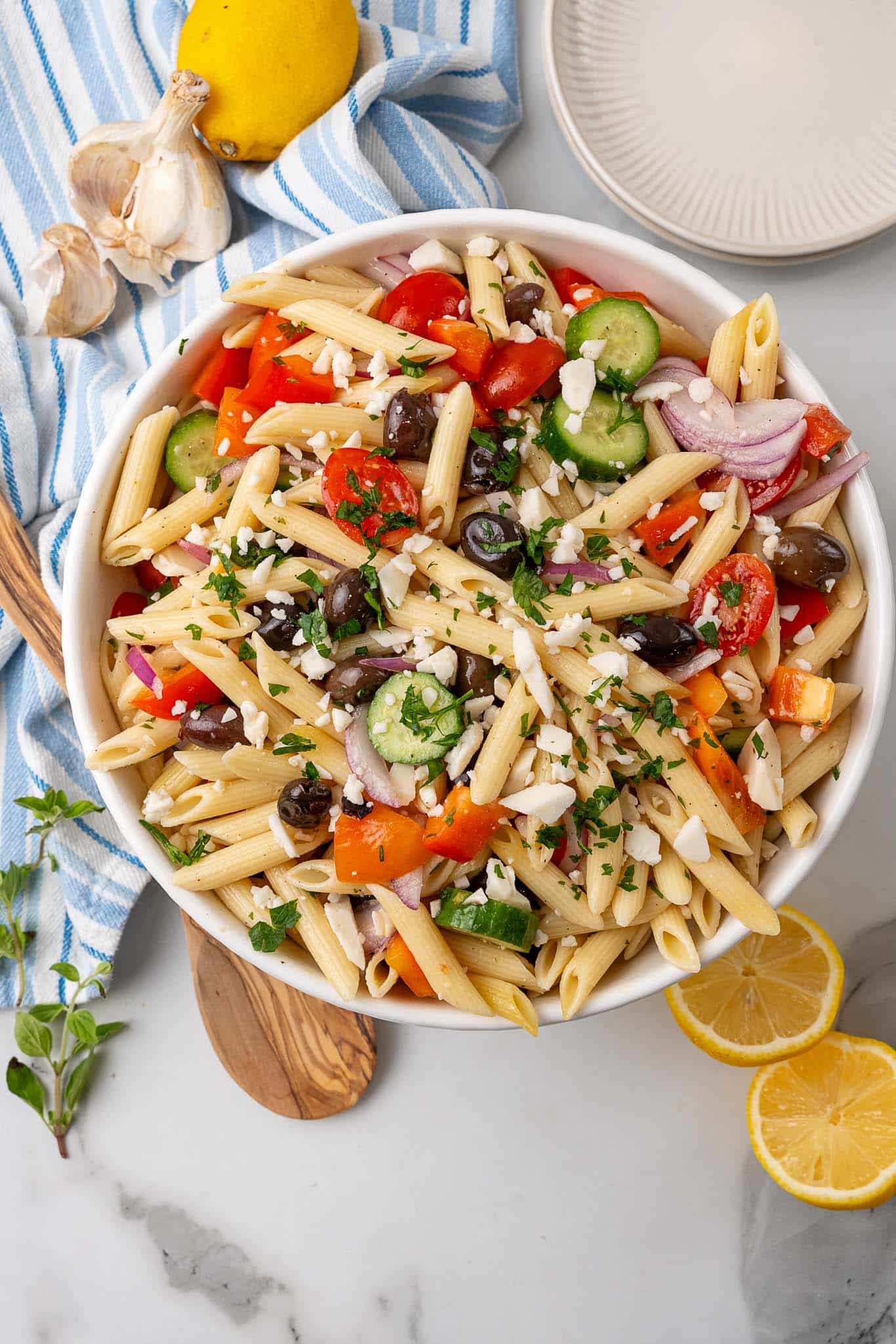
Looking for a simple dish that's light, refreshing, and packed with flavor? This Vegan Greek Pasta Salad ticks all the boxes. Loaded with crisp veggies, tangy olives, and an herby homemade dressing, it's the perfect go-to recipe for potlucks, meal prep, or quick lunches.

Bonus? It's super easy to make and totally customizable, so you can tweak it to suit your taste or what you have in your fridge.
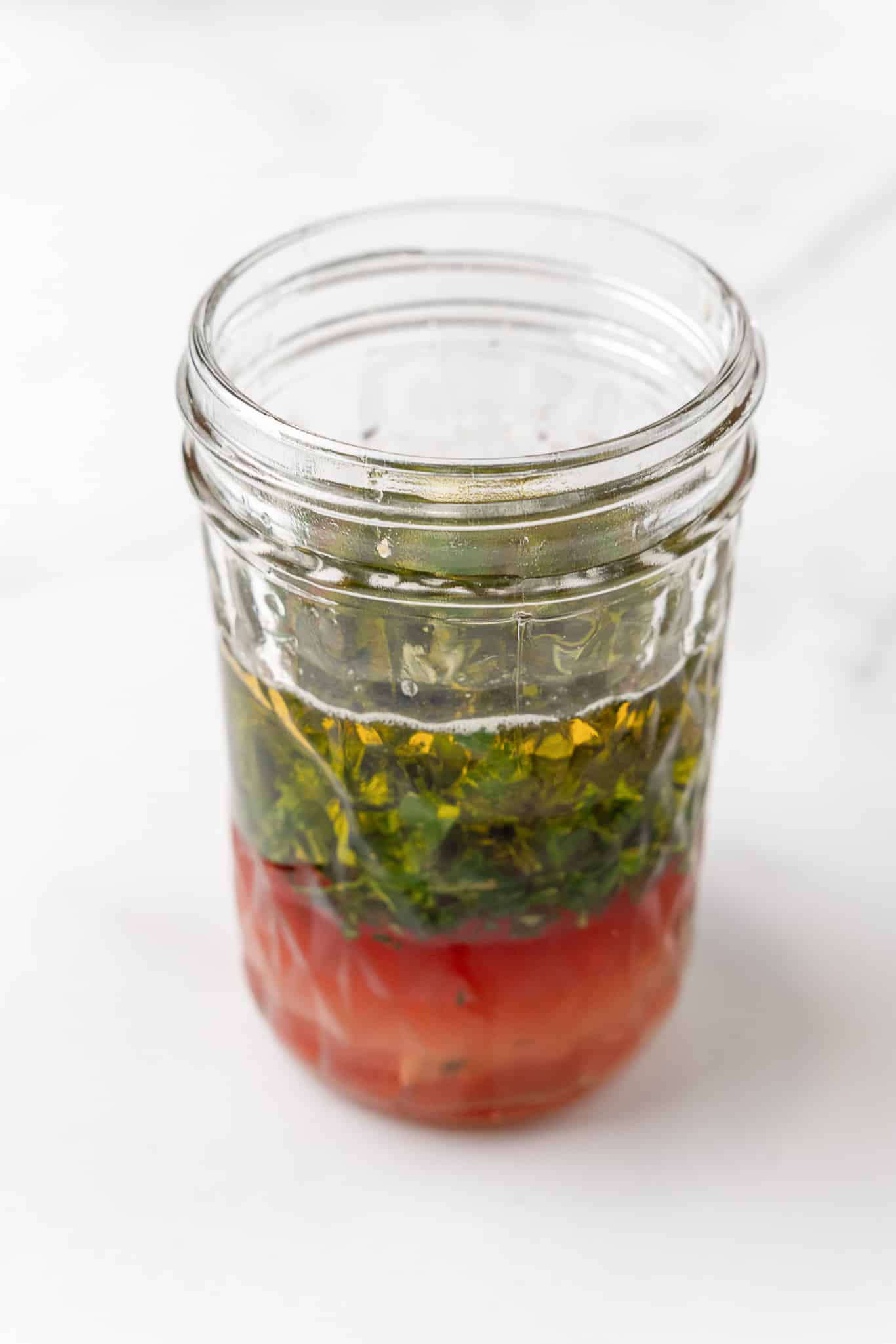
The lemony dressing is zippy and bright, the olives and vegan feta (if you're using it) bring the perfect amount of saltiness, and the fresh veggies add crunch and color. Toss all that with tender pasta, and you've got yourself a dish that's satisfying without being heavy.
It's perfect for warm weather gatherings, but honestly, I'd eat this year-round. Plus, it gets better as it sits, which means leftovers are absolutely something to look forward to.


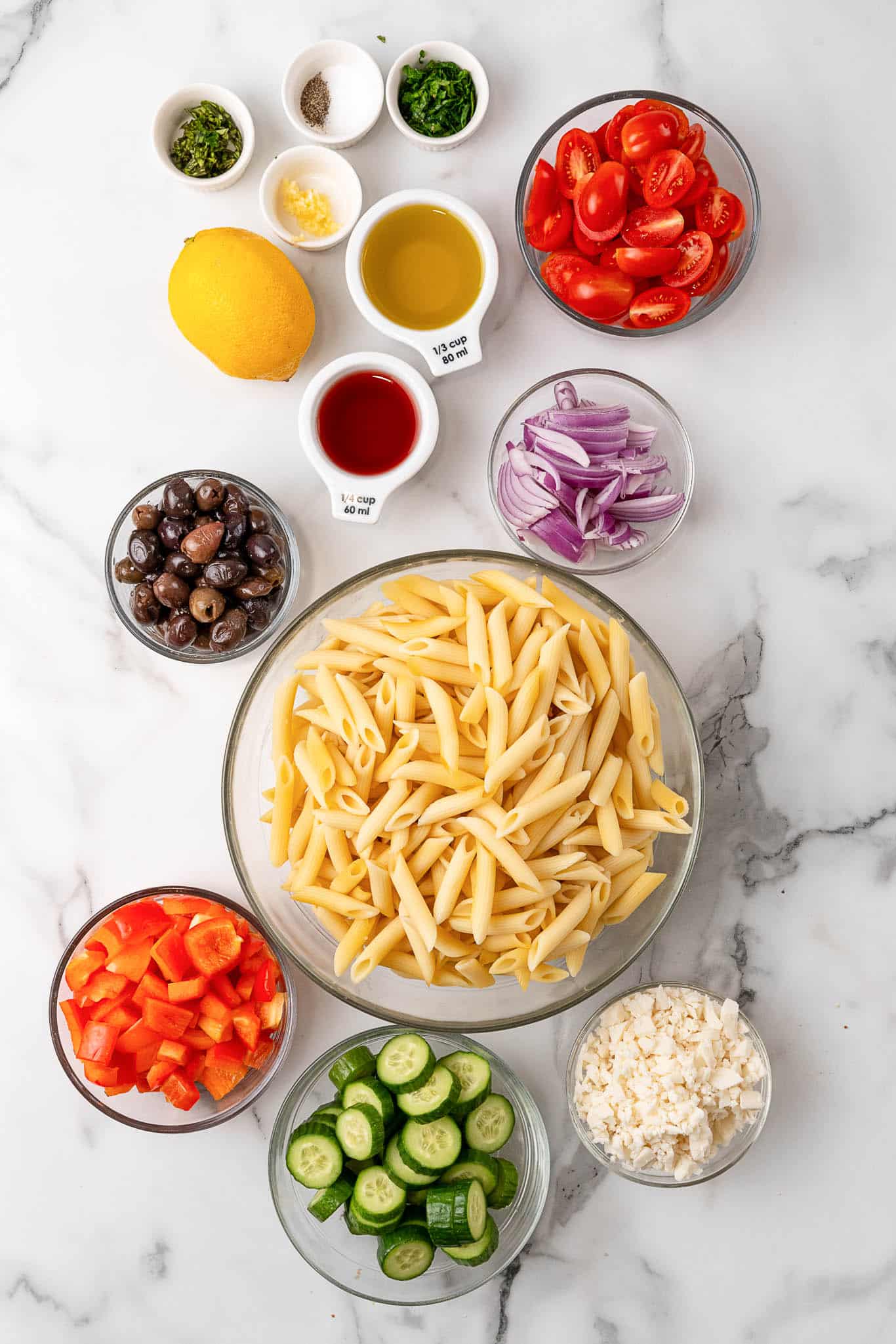
Make it gluten free. Just use your favorite gluten free pasta brand - the rest of the ingredients are naturally gluten free.
Kalamata Olives are essential for that briny flavor. But if olives aren't your thing, try substituting capers.
Vegan Feta: Totally optional, but if you can find it, it's worth it for that tangy creaminess. Or make your own vegan feta with tofu!
Red Wine Vinegar: Brings the perfect amount of tang to the dressing. Apple cider vinegar can pinch-hit if needed.

Let it sit before serving: If you have time, let the salad chill in the fridge for at least 30 minutes before serving. The flavors meld together beautifully.
Customize the dressing: Taste and adjust-need more tang? Add a splash of vinegar or lemon. Want it a little sweeter? A tiny drizzle of maple syrup does the trick.
Keep it fresh: If making ahead, reserve some dressing and add it just before serving to keep everything tasting fresh.

Add protein: Toss in some chickpeas or roasted tofu for a heartier salad.
Go extra green: Add spinach, arugula, or kale for more veggies.
Make it spicy: Throw in a pinch of chili flakes or a drizzle of hot sauce.
Change the pasta: Try orzo or bowtie pasta for a fun twist.
Herb swap: Basil or dill can replace or complement the oregano and parsley.

If you love this vegan pasta salad, be sure to check out these other vegan ideas:
Also try: our Tomato Relish Salad With Oregano And Thyme.


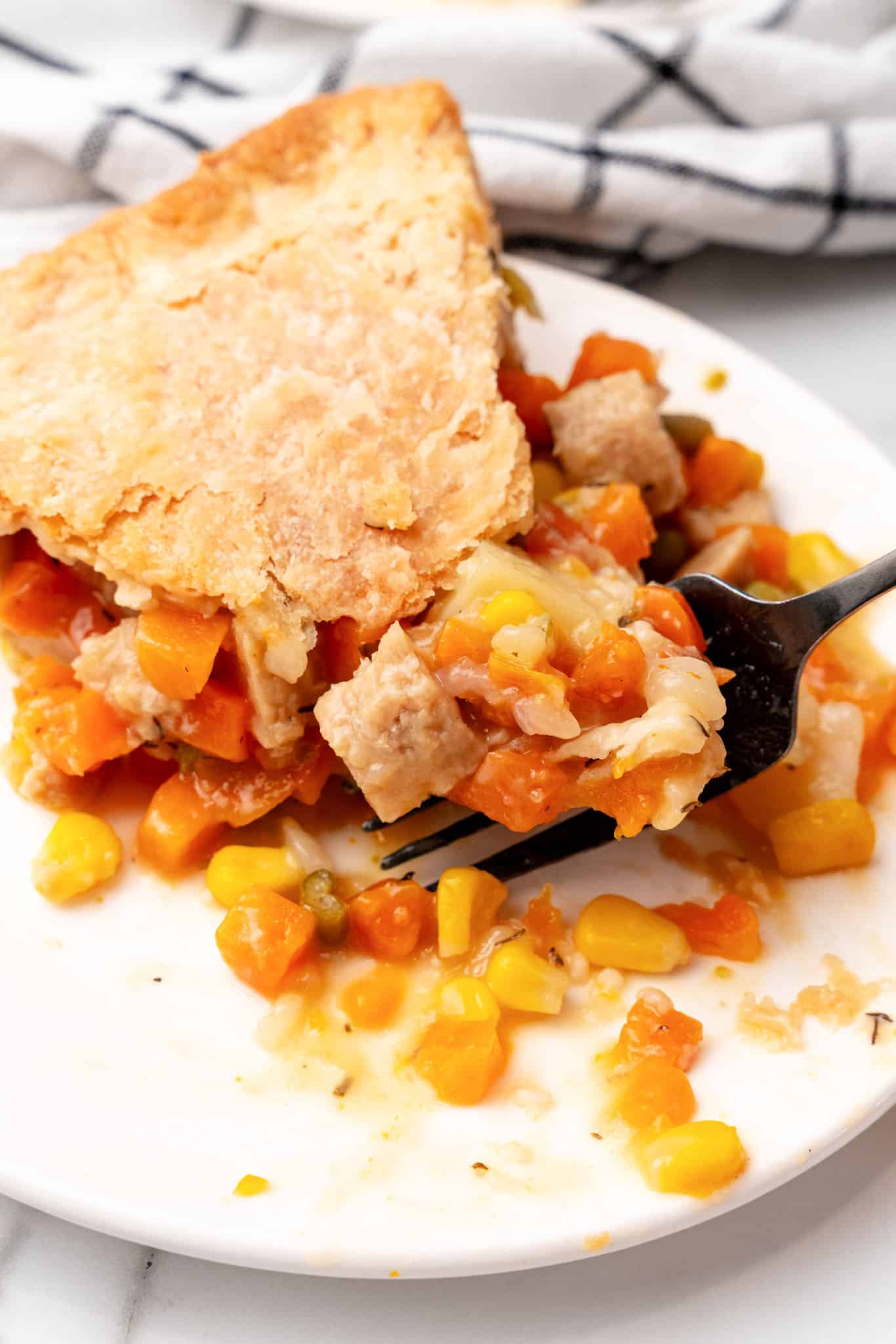
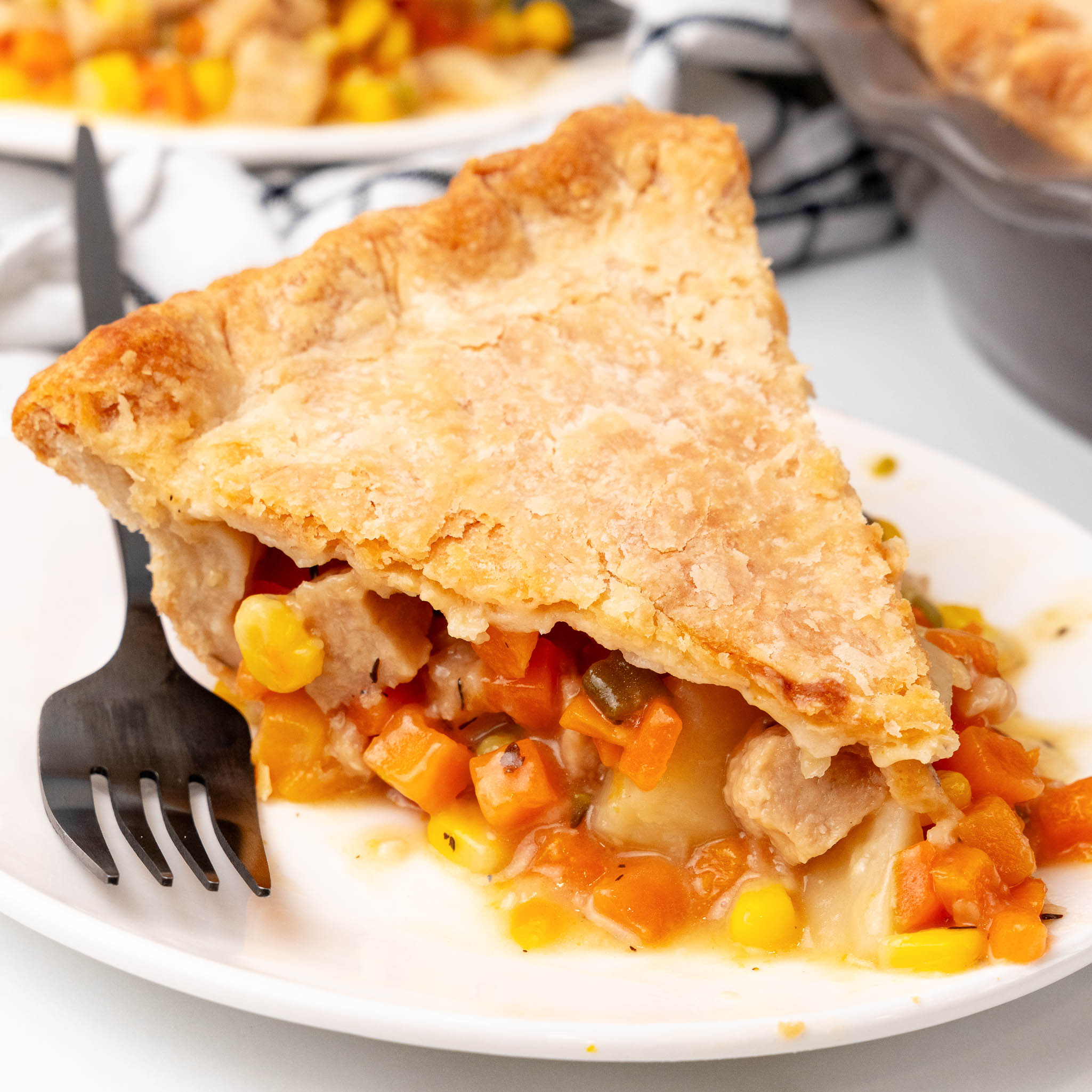
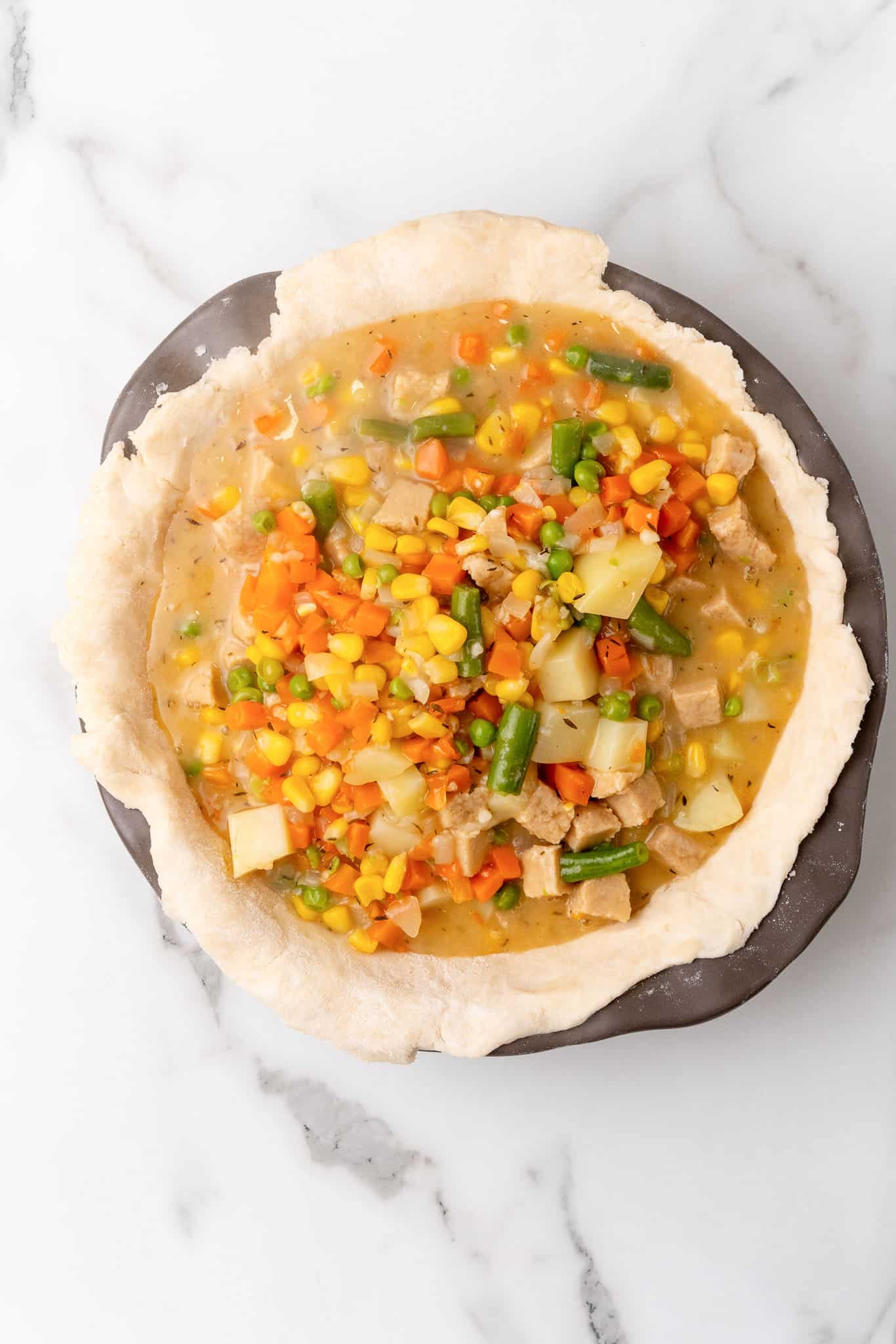
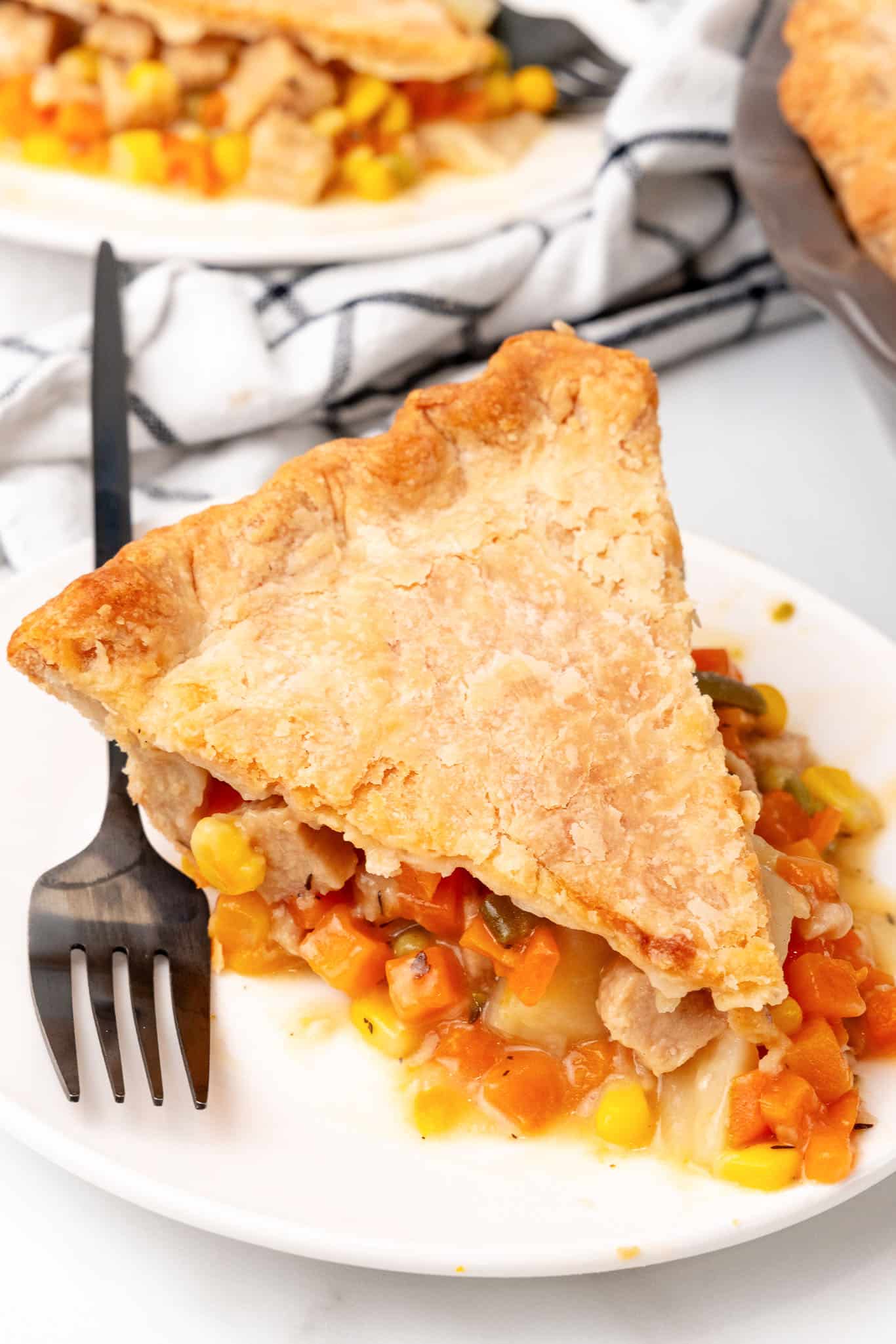
Is there anything better than a homemade pot pie? A vegan one, of course! There's something about that flaky crust, savory filling, and rich aroma that makes everything feel right in the world.

If you thought pot pie couldn't get any better, let me introduce you to this Vegan Pot Pie Casserole - a plant-based version of the classic dish that's every bit as satisfying, hearty, and delicious. It's perfect for cozy family dinners, meal prepping, or just indulging in a comforting, home-cooked meal. It's also one of my family's favorite holiday main dishes!
Plus, this comfort food is entirely plant-based, making it a feel-good dish in more ways than one. Whether you're a committed vegan or just looking to try something new, this pot pie will have you digging in for seconds.


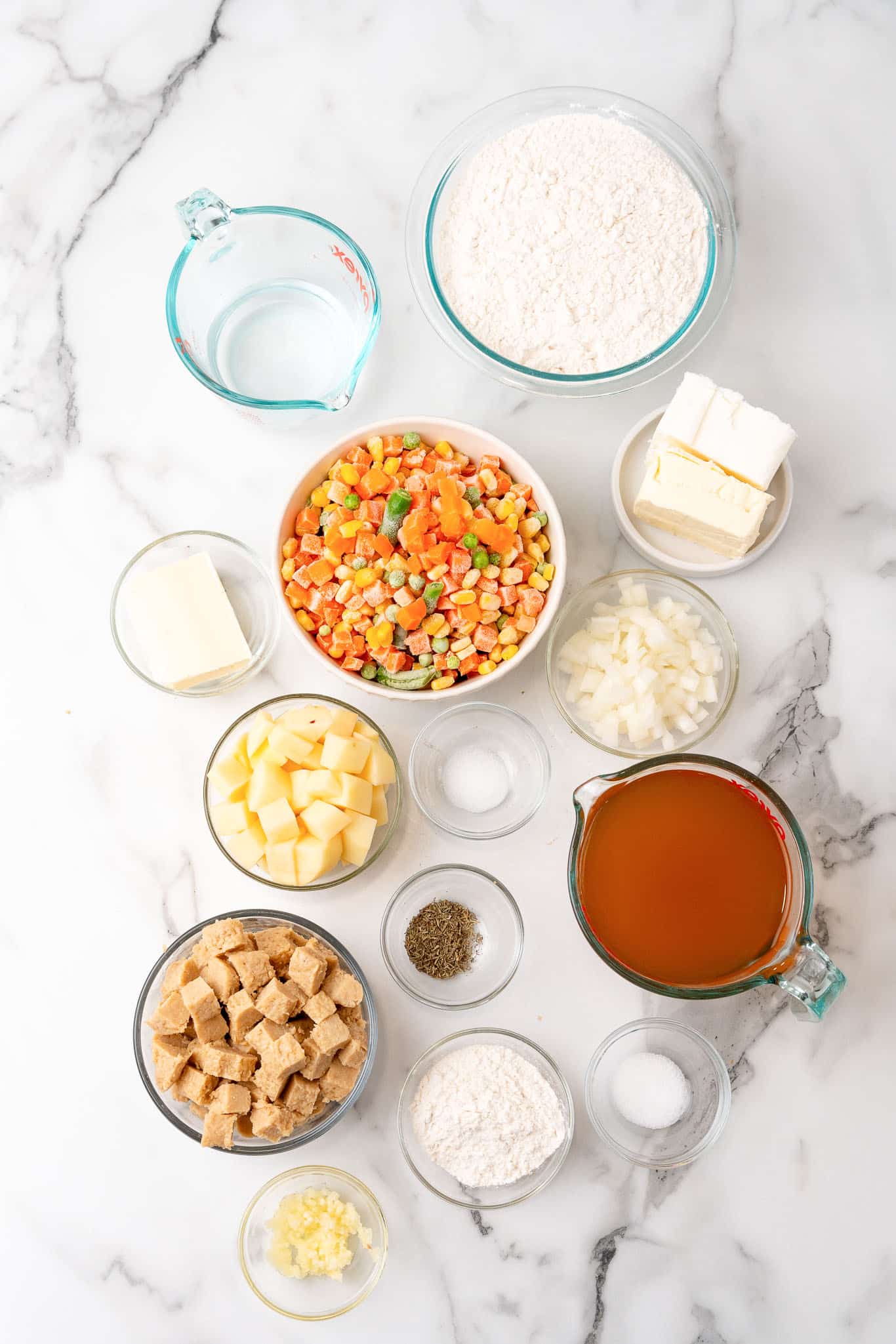
Flour: All-purpose flour is used for both the crust and thickening the filling. If you're looking for a gluten-free option, try using a 1:1 gluten-free flour blend.
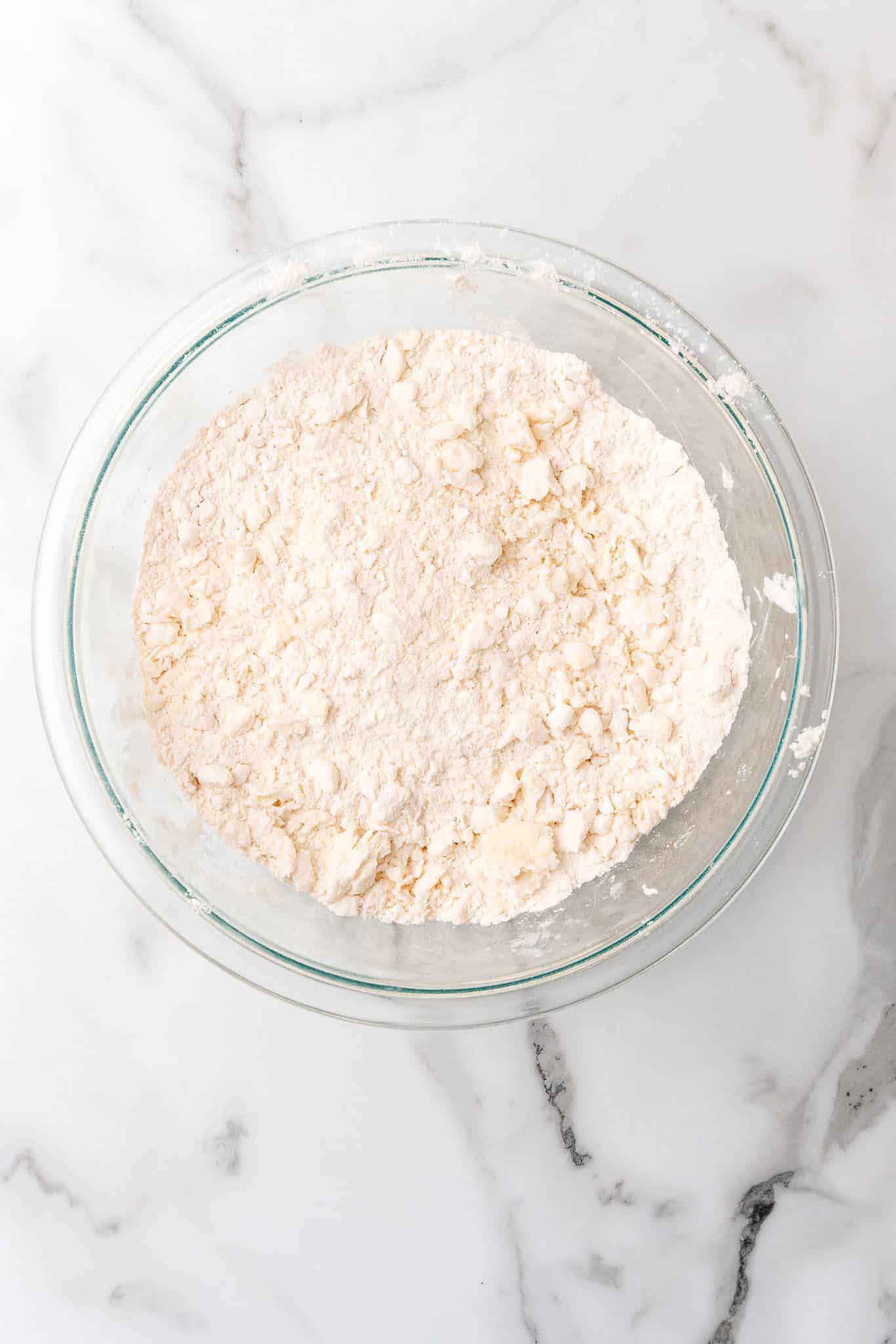
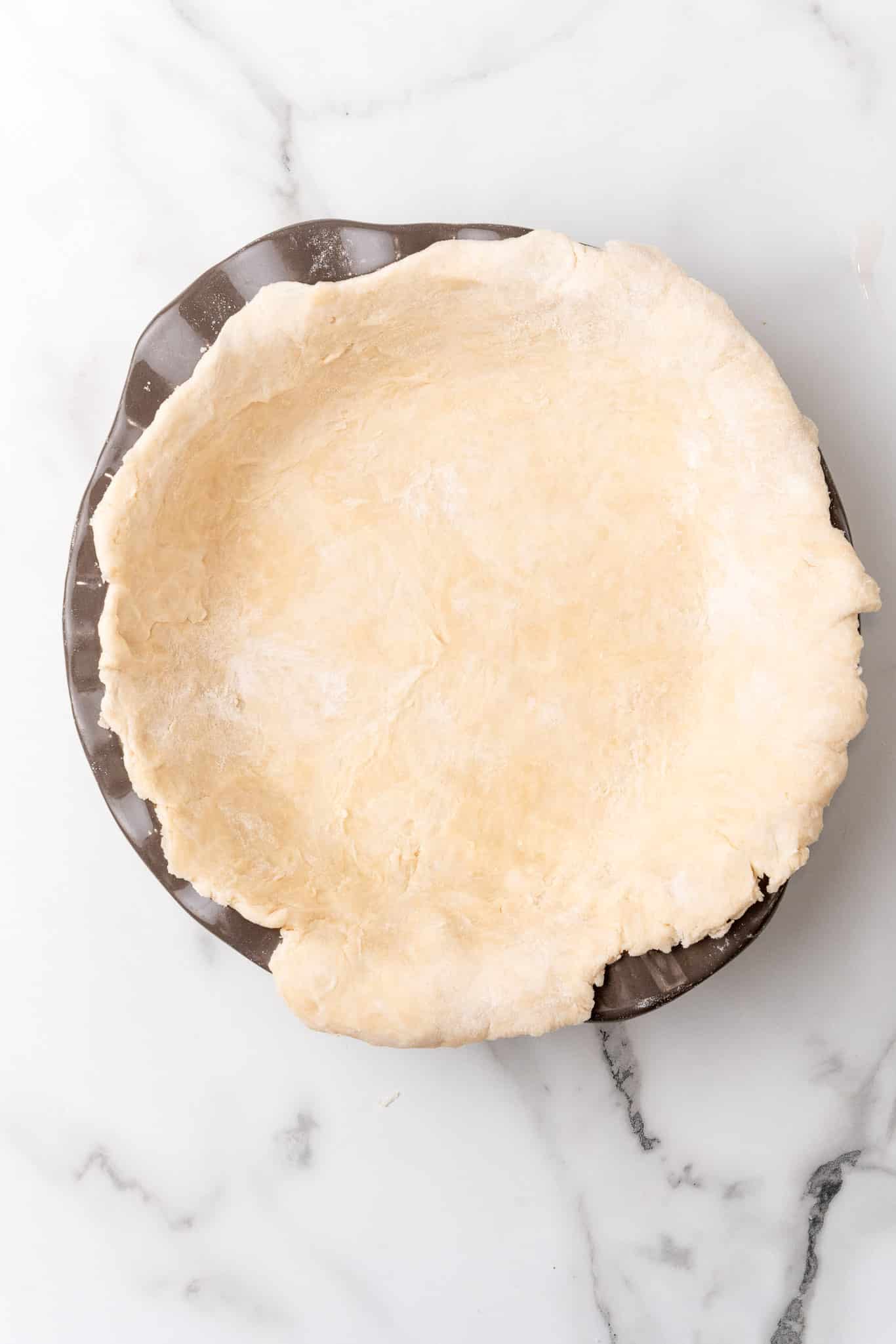
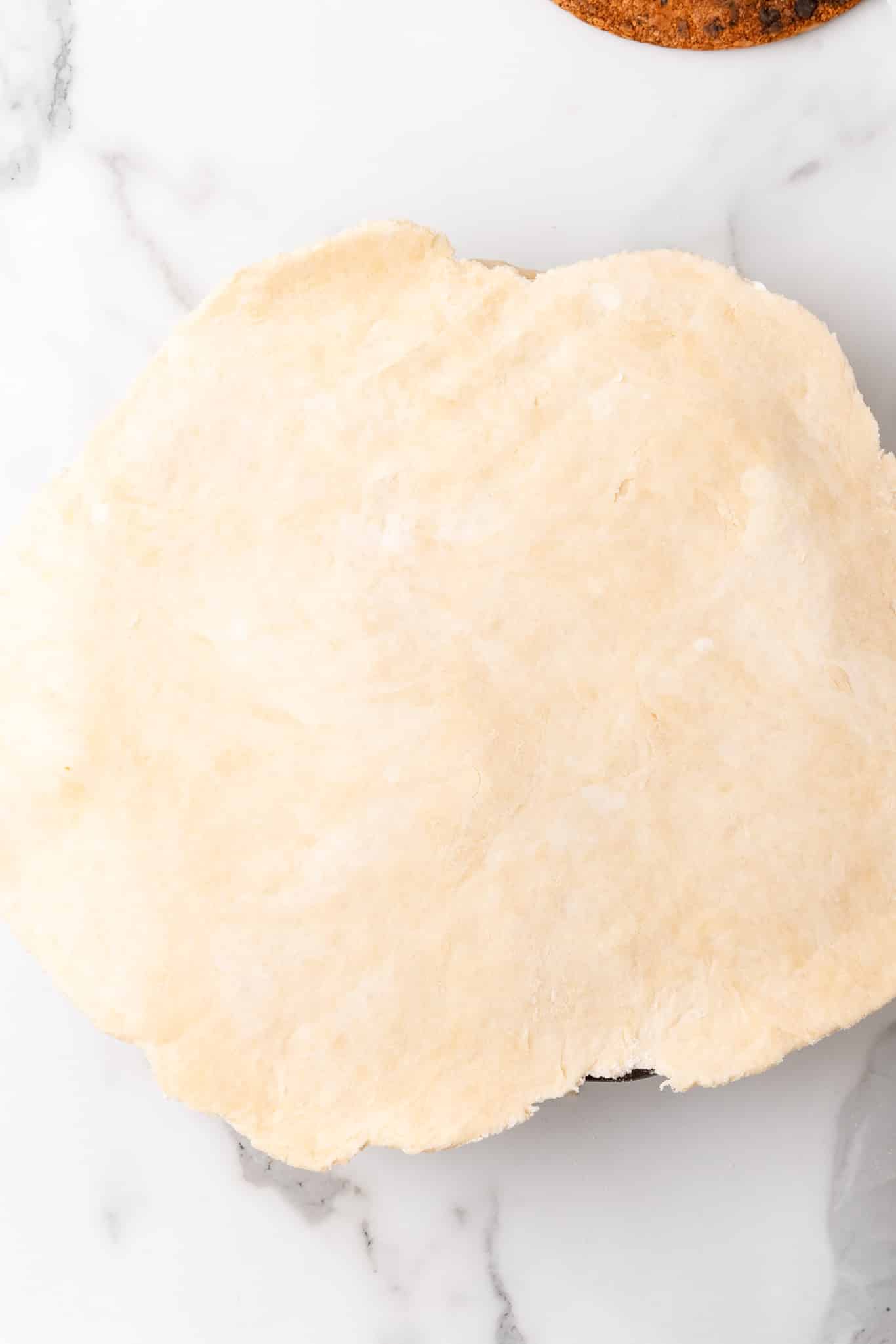
Vegan Butter and Vegetable Shortening: These ingredients are the secret to a flaky, tender crust. Even though vegan butter and shortening are made with largely the same ingredients, the butter has more moisture, making them a bit different to work with. I'm a big fan of the Earth's Balance Buttery Sticks for a vegan butter. If you don't have shortening, you can use all vegan butter, but the combination of both gives the best texture.
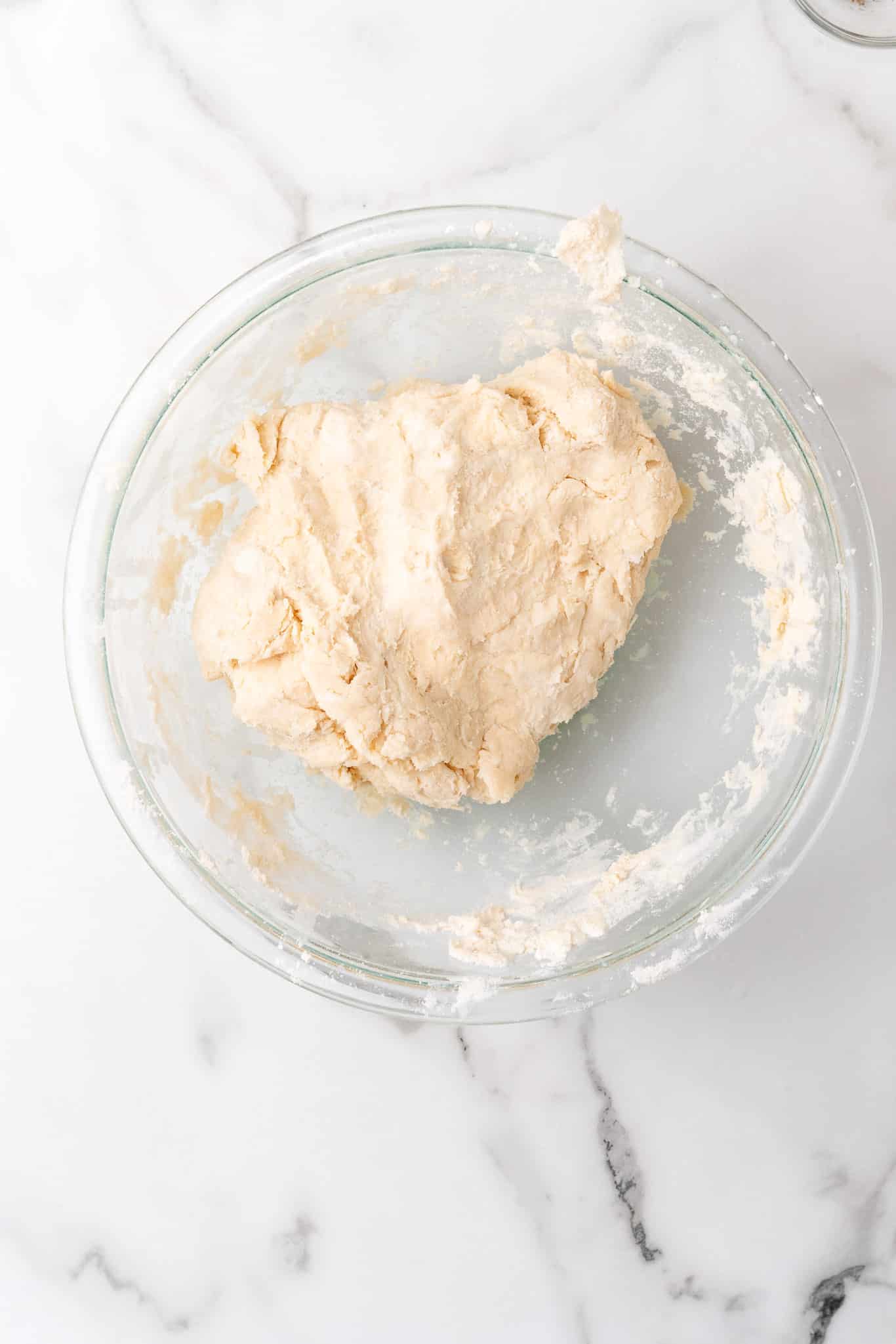
Ice Water: Helps bring the dough together without making it too sticky. Make sure it's really cold to keep the fat from melting before the crust bakes.
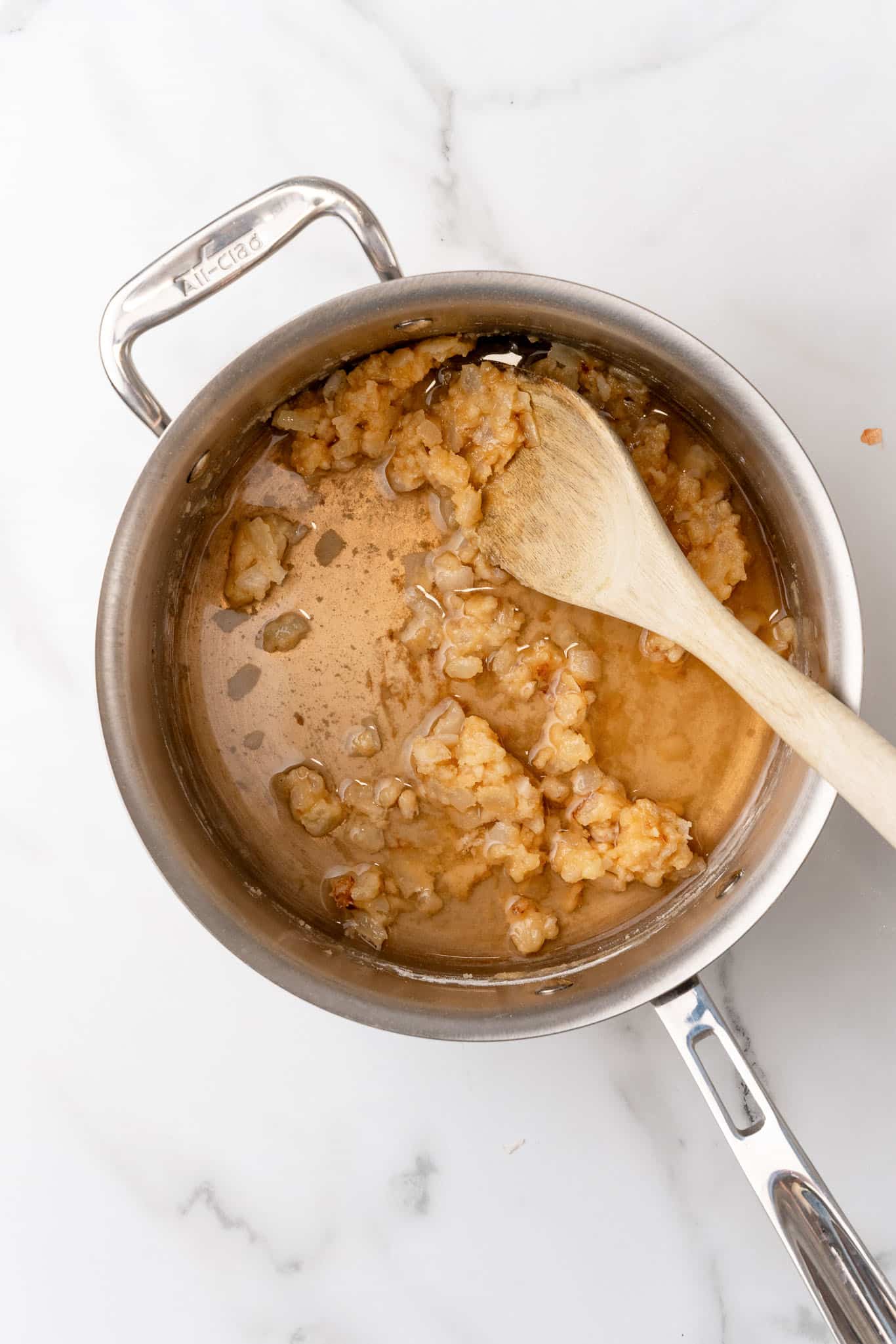
Onion and Garlic: These aromatics add depth and flavor to the veggie filling. You can substitute shallots for a slightly sweeter taste.
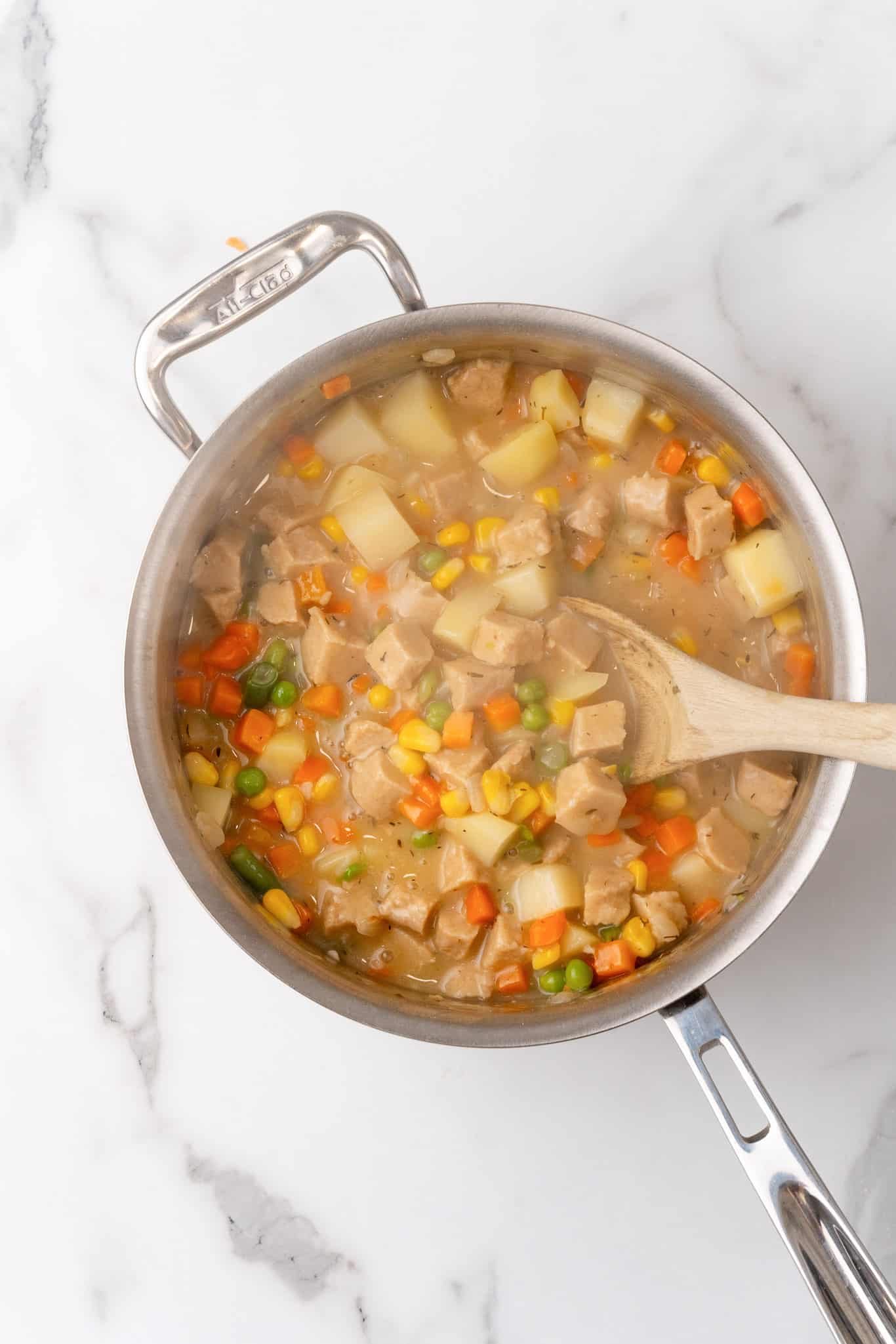
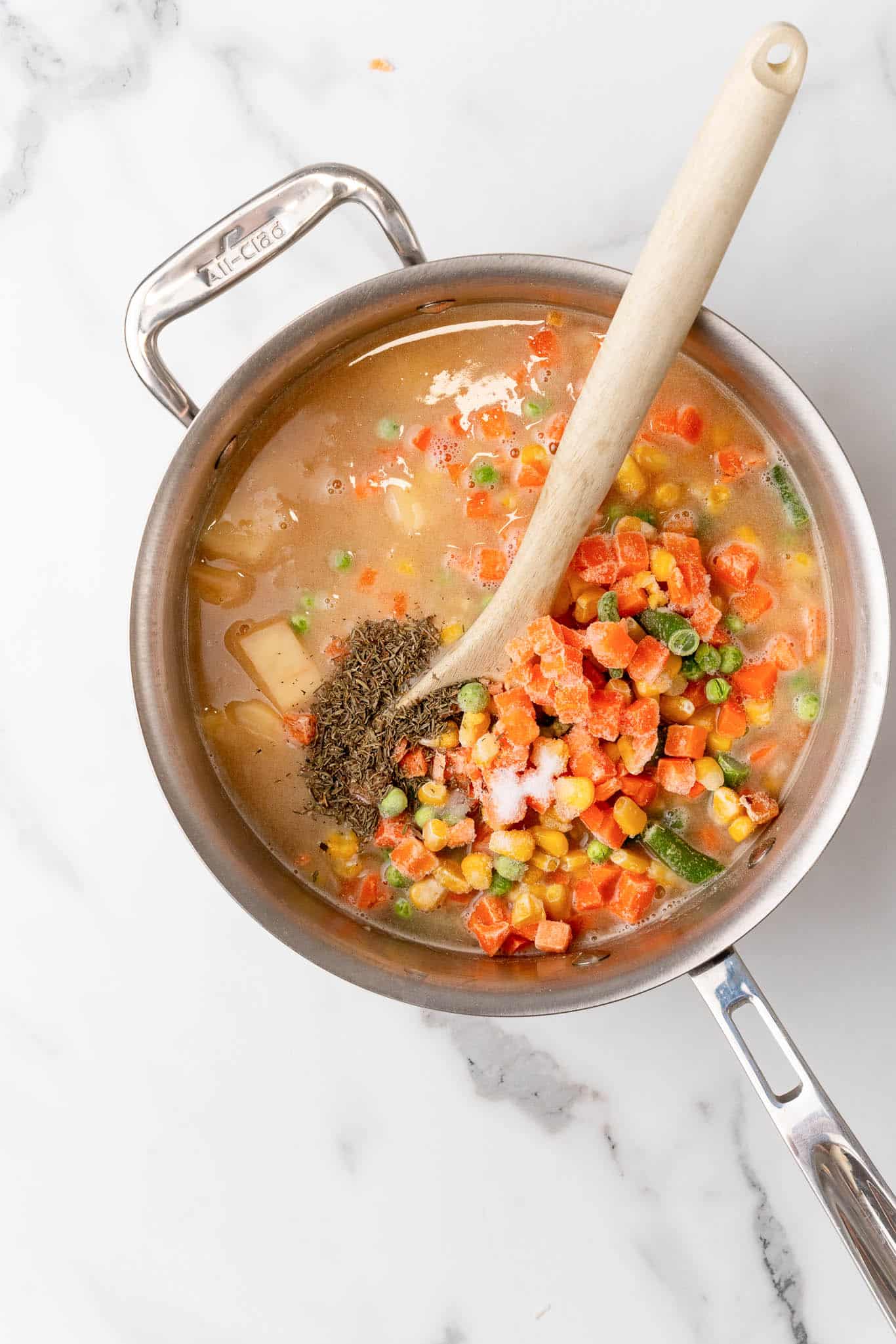
Frozen Mixed Veggies: A convenient and colorful mix of peas, carrots, green beans, and corn. The downside of frozen veggies tends to the texture, but it works just fine in a gravy-esque filling like this one. Feel free to use fresh veggies if you prefer or add your own favorites like mushrooms or zucchini.
Potato: Adds heartiness and texture to the filling. A medium white or Yukon gold potato works especially well, but you can use sweet potatoes for a bit of a spin on the traditional recipe.
Vegetable Broth: The base of the sauce, giving it a rich and savory flavor. Use a low-sodium broth to control the salt level, or make your own broth for even more flavor.
Dried Thyme: A classic herb for pot pies, adding a warm, earthy note. You can also use fresh thyme or experiment with other herbs like rosemary or sage.
Vegan "Chicken": I don't used processed ingredients like this too often, and it is totally optional. But in this case, some vegan "chicken" adds a great texture and makes the pot pie even more filling. You can find options in most grocery stores these days, or substitute with chickpeas or tofu for a protein boost.

Keep the Dough Cold: Cold ingredients are key to a flaky crust. If your kitchen is very warm, chill the flour and the mixing bowl in the fridge before you start cooking.
Don't Overwork the Dough: Mix just until the dough comes together to keep it tender. Overmixing can make it tough and chewy.
Season to Taste (and taste often!): Don't be afraid to taste the filling before it goes into the pie. Adjust the salt, pepper, and herbs to your liking.
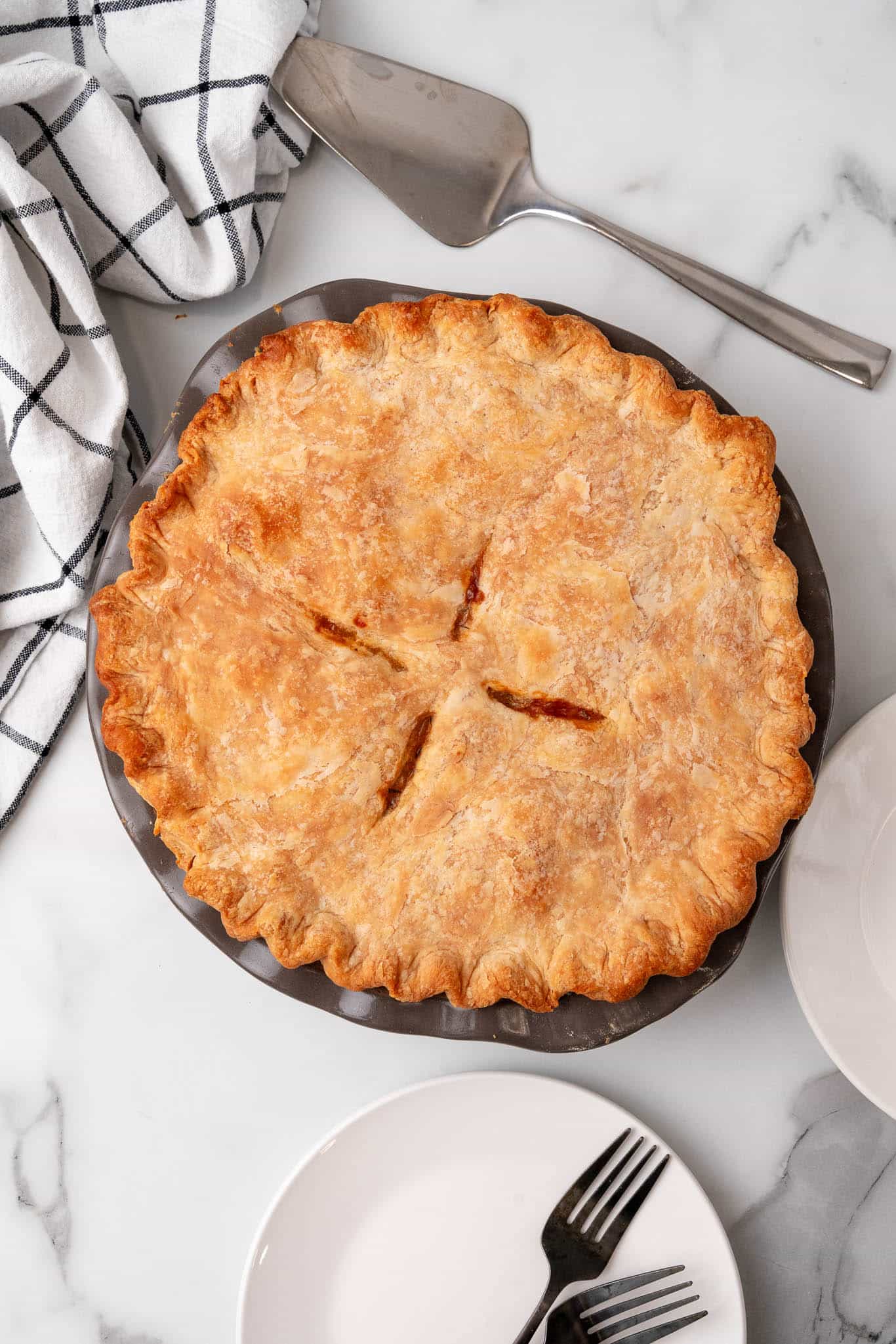
Cover the Edges: If you notice the edges of the crust browning too quickly, cover them with foil to prevent burning.
Let It Rest: Allow the pie to cool for at least 20 minutes before slicing. This helps the filling set and makes it easier to cut clean slices.
Also worth trying: our vegan creamy mushroom pasta.

Store leftover pot pie in an airtight container in the refrigerator for 3-5 days. You can also freeze leftovers for up to two months. I recommend slicing into portions and freezing in individual containers for easy reheating. To reheat, simply defrost, transfer to an oven safe dish, and warm in the oven.

Add a mix of your favorite mushrooms to the filling for a rich, umami flavor that pairs perfectly with the creamy sauce. Sliced portobellos work well, or shiitakes for a fun twist.
Spice things up by adding a can of green chilies, a teaspoon of cumin, and a handful of chopped cilantro. Top with sliced avocado before serving.
Swap out the frozen veggies for a mix of roasted root vegetables like parsnips, turnips, and sweet potatoes for a wintery twist.
Add fresh herbs like parsley, thyme, or rosemary right into the crust dough for an extra layer of flavor.
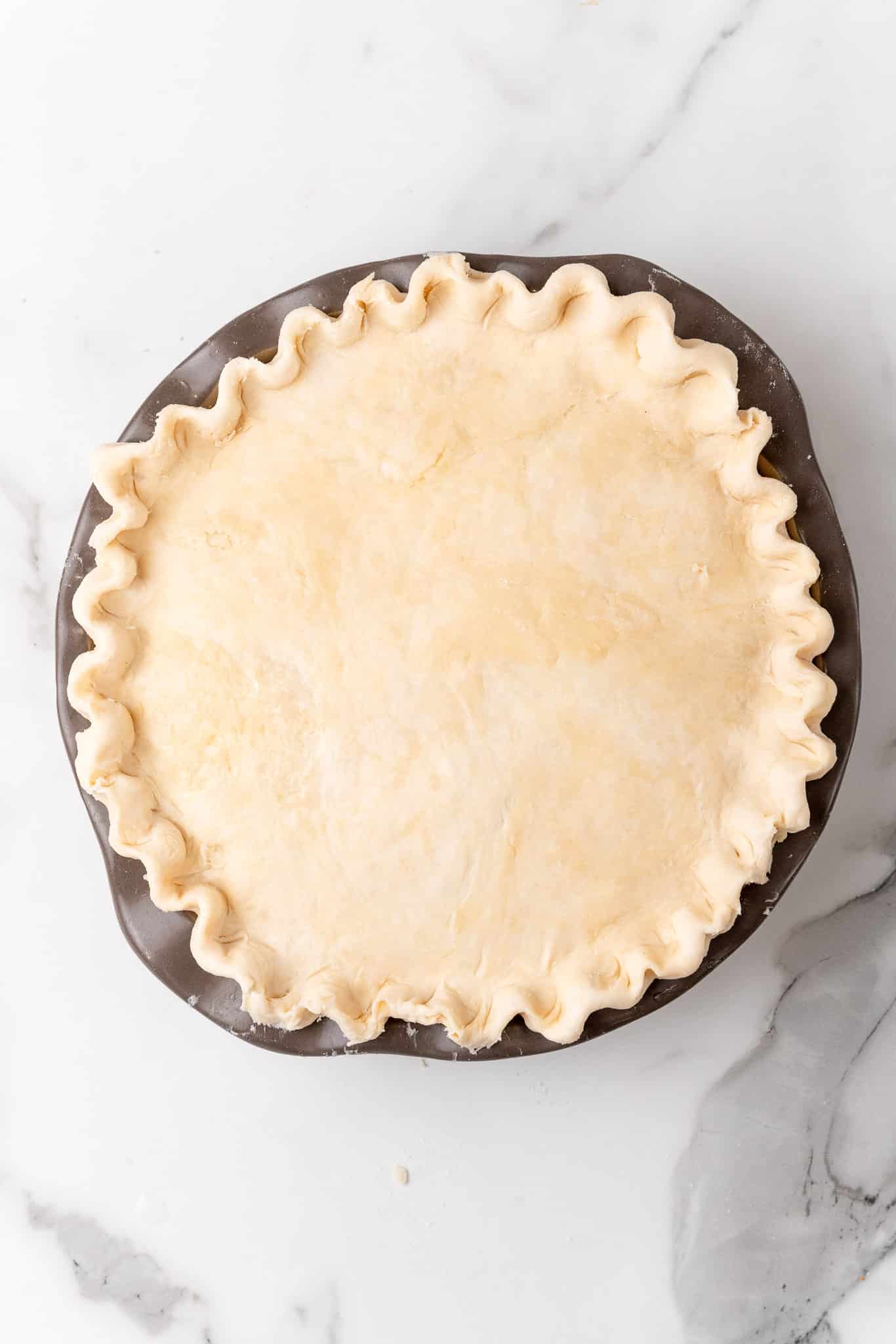
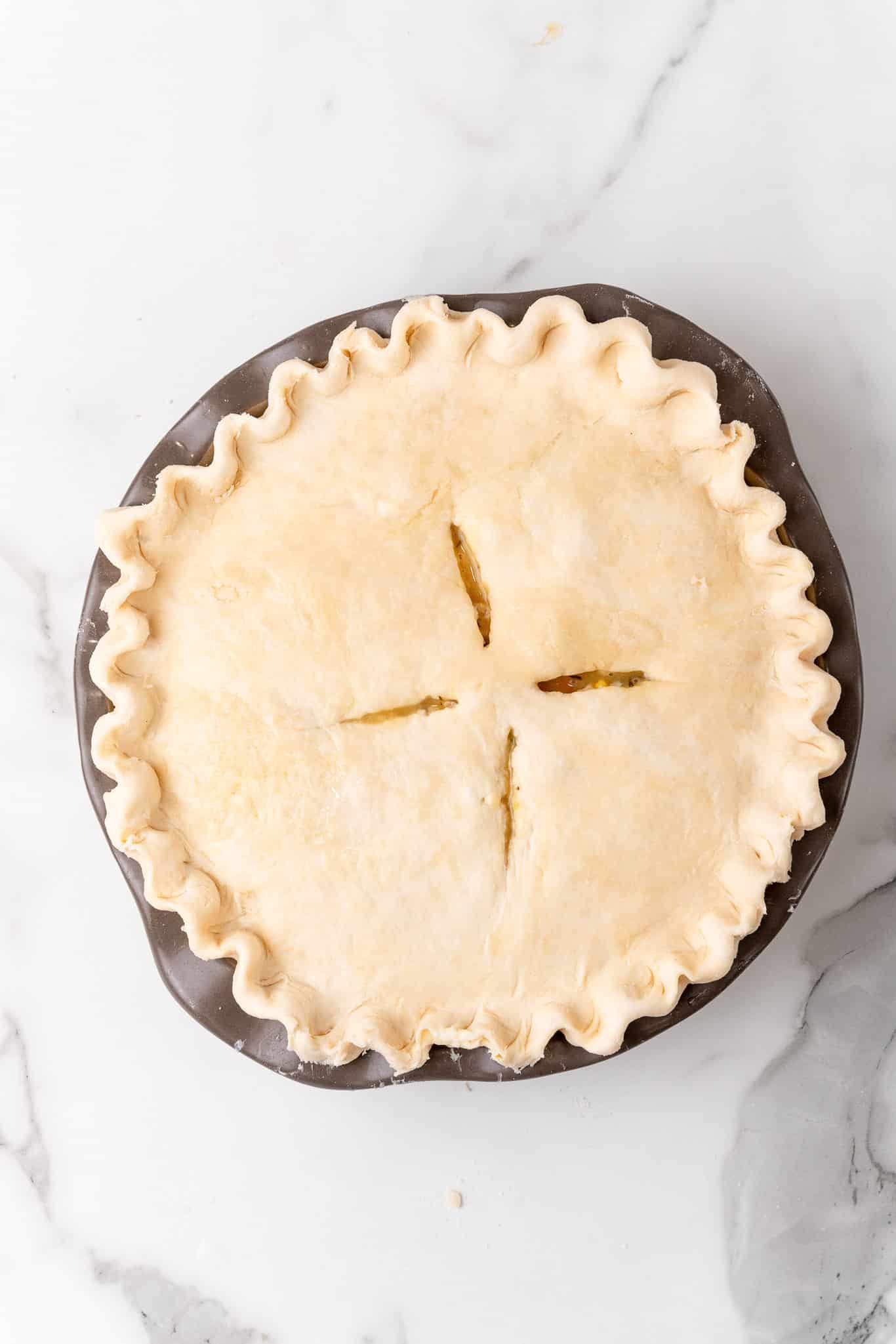
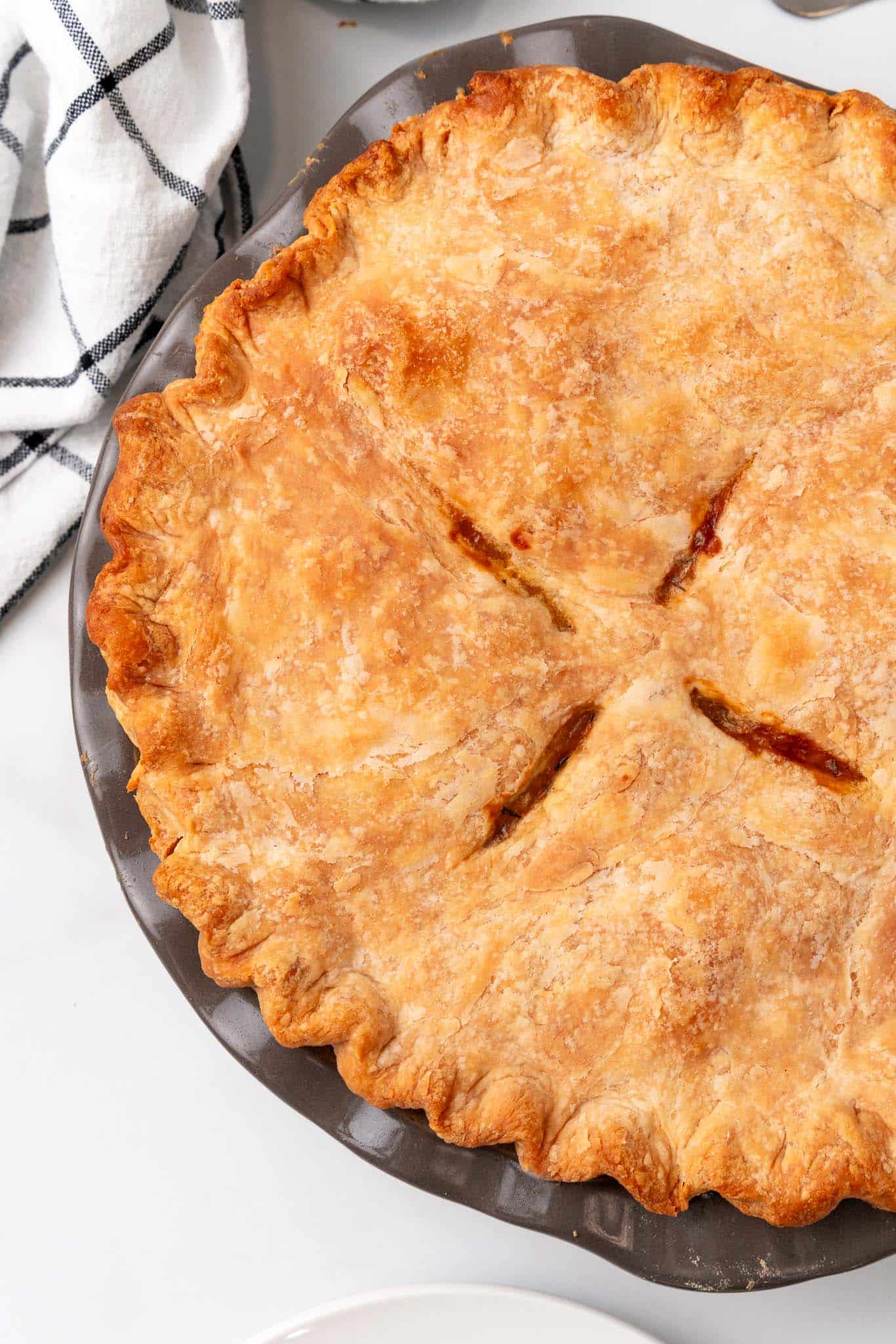
Instead of one large pot pie, try making several personal sized ones instead. Just divide the filling amongst four mini pie dishes (like these), and top each with its own crust. Bake time will be less, more like 20-25 minutes, depending on the size of your baking dishes.

If you love this vegan pot pie, be sure to check out these other delicious ideas:


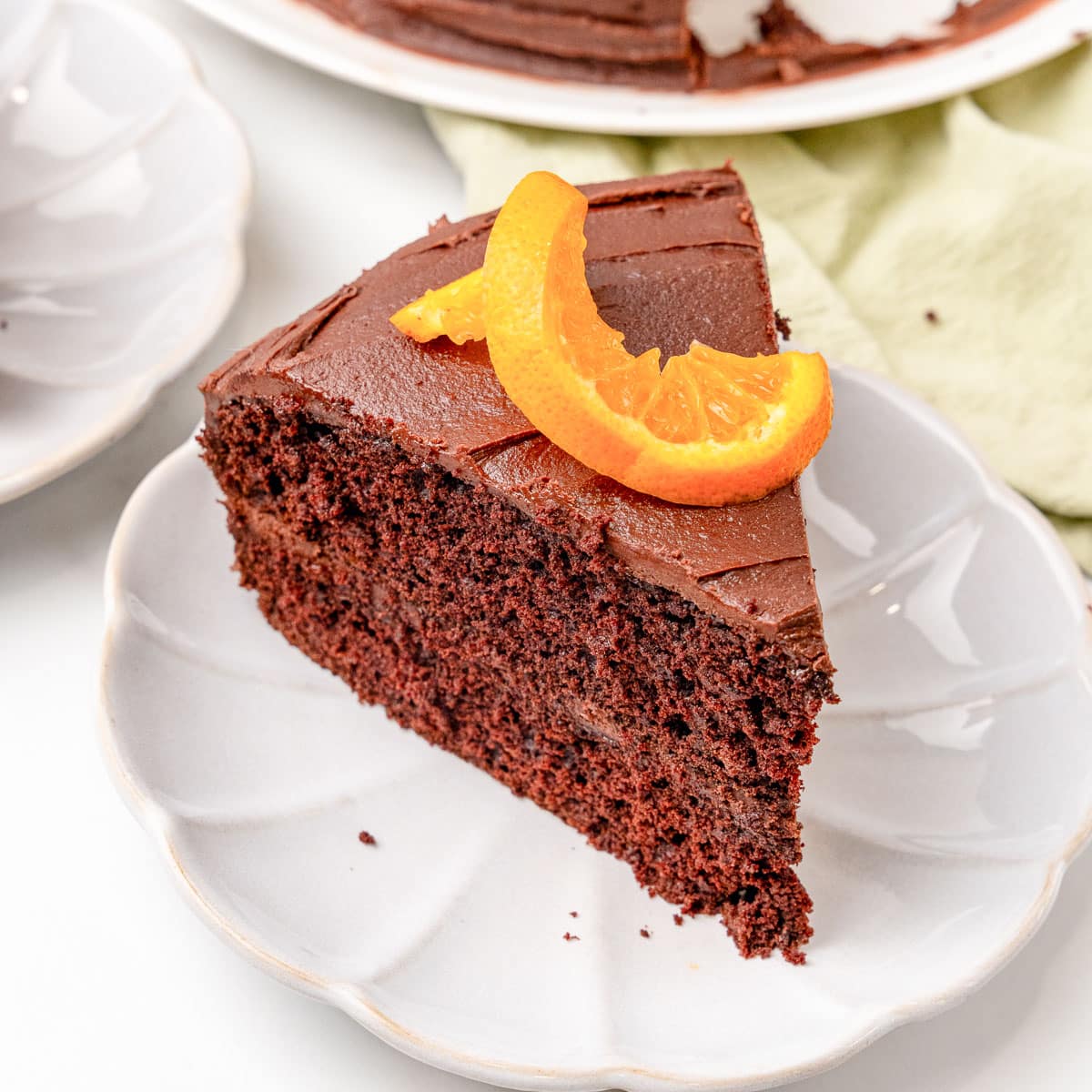
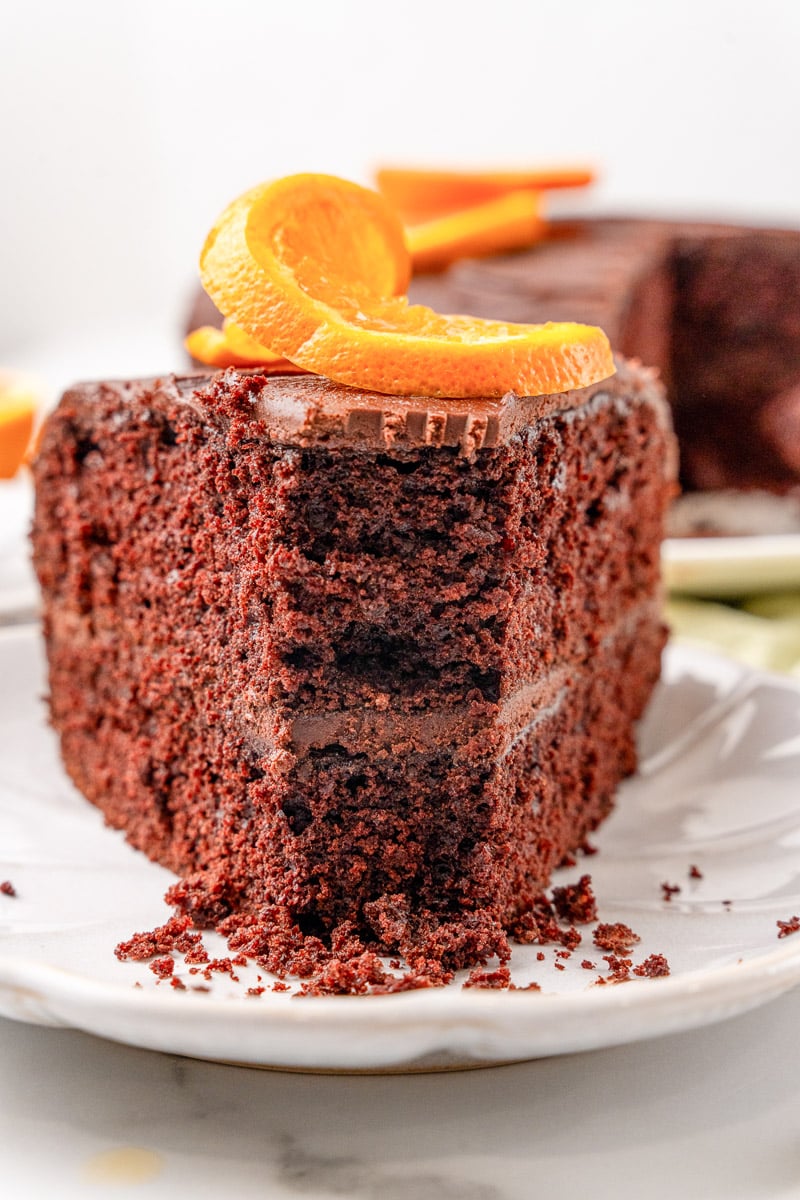
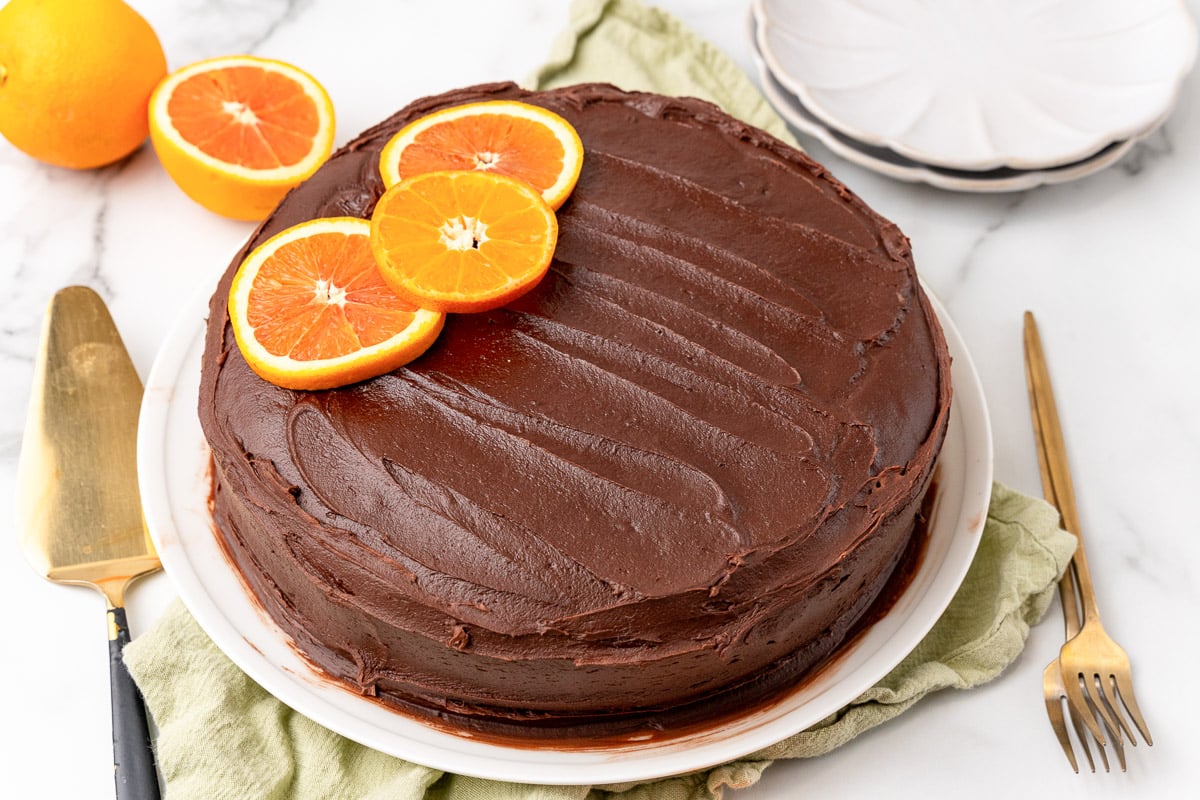
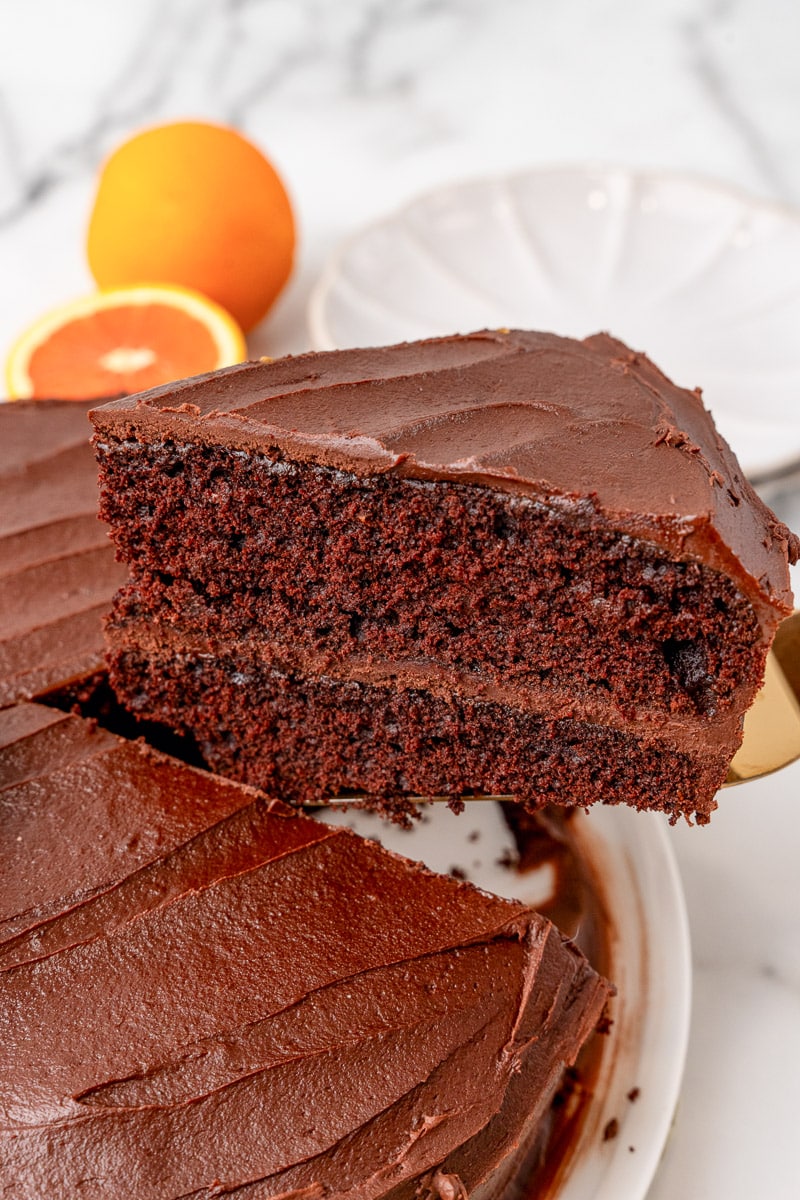
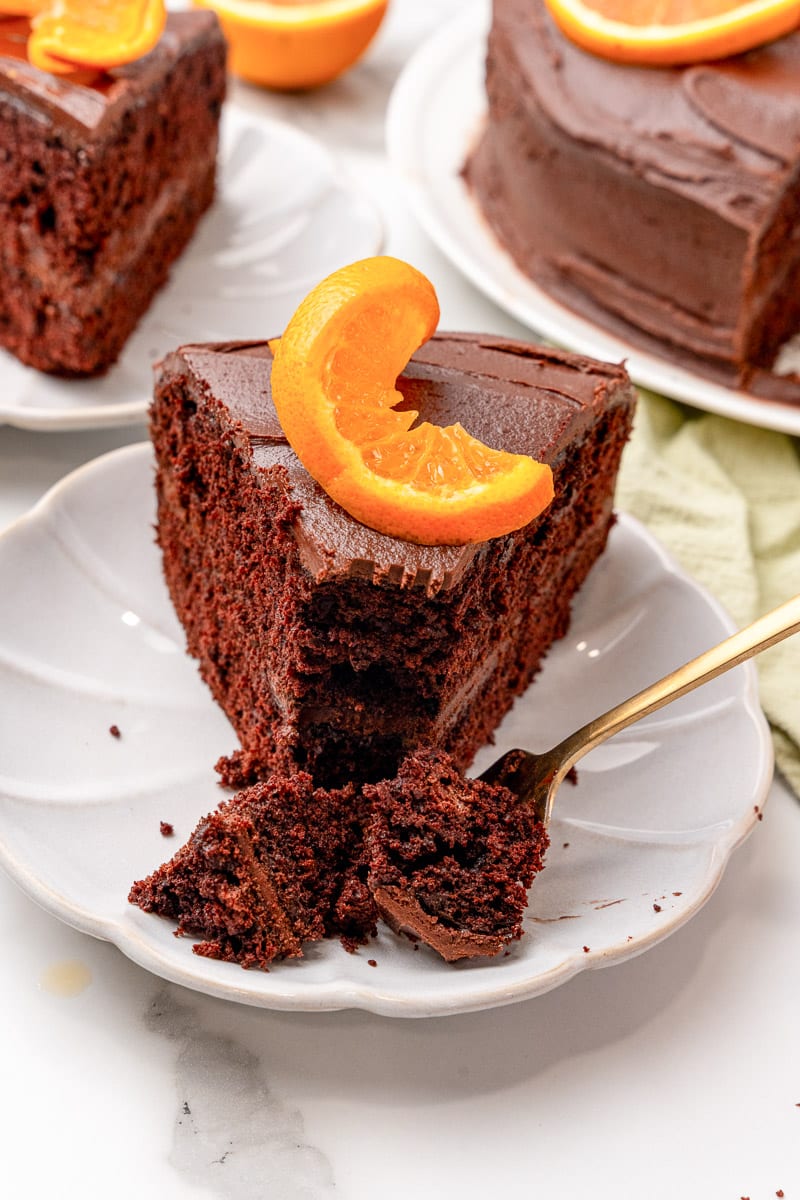
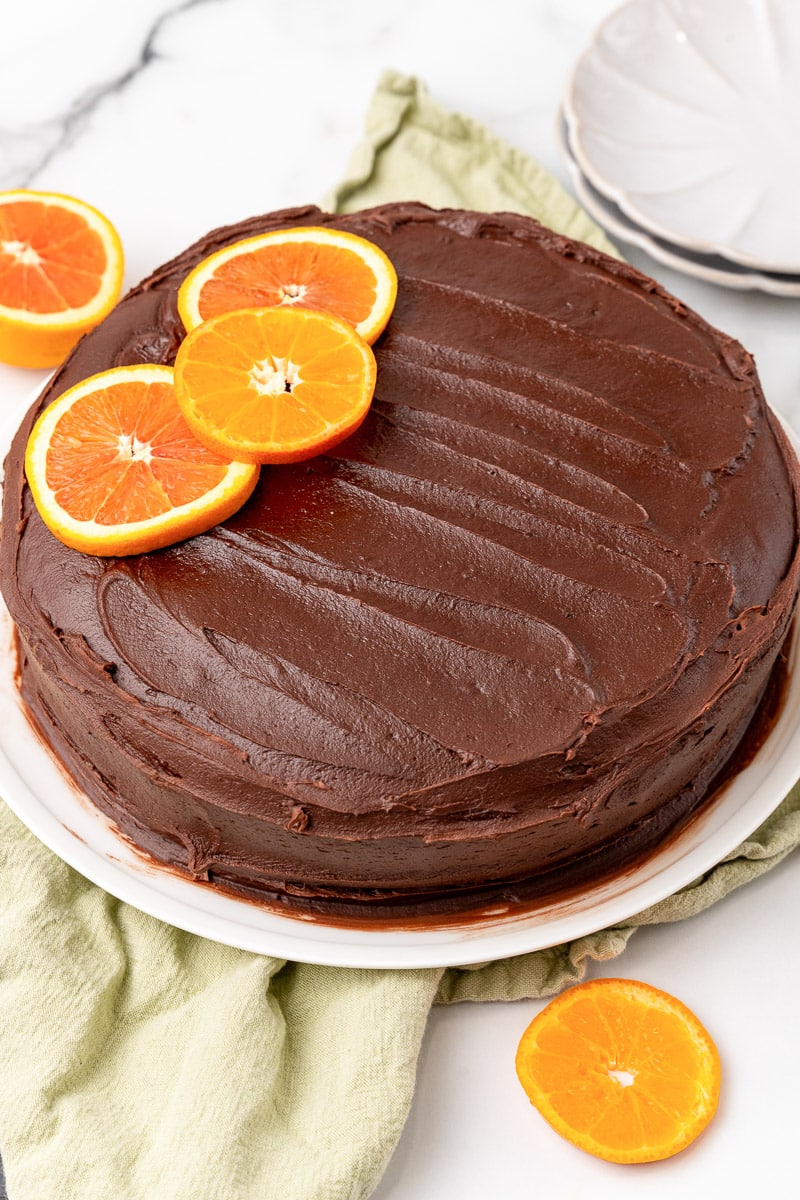
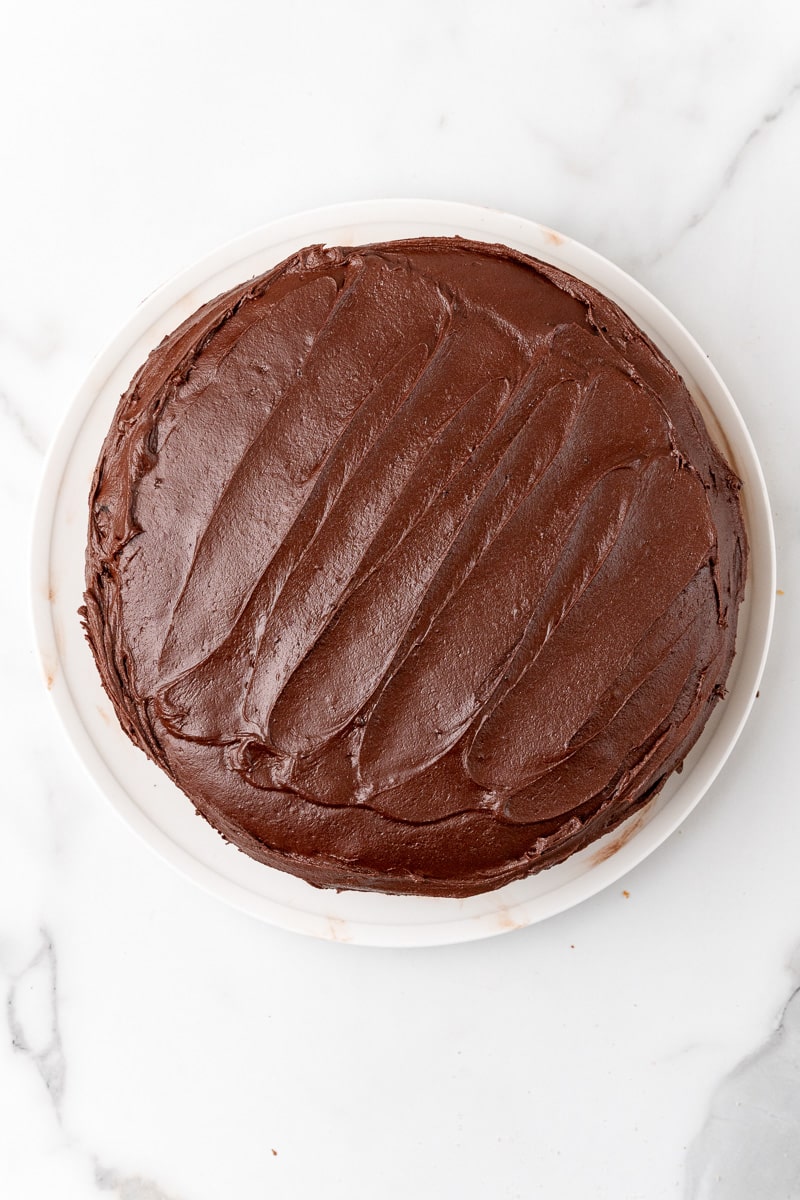
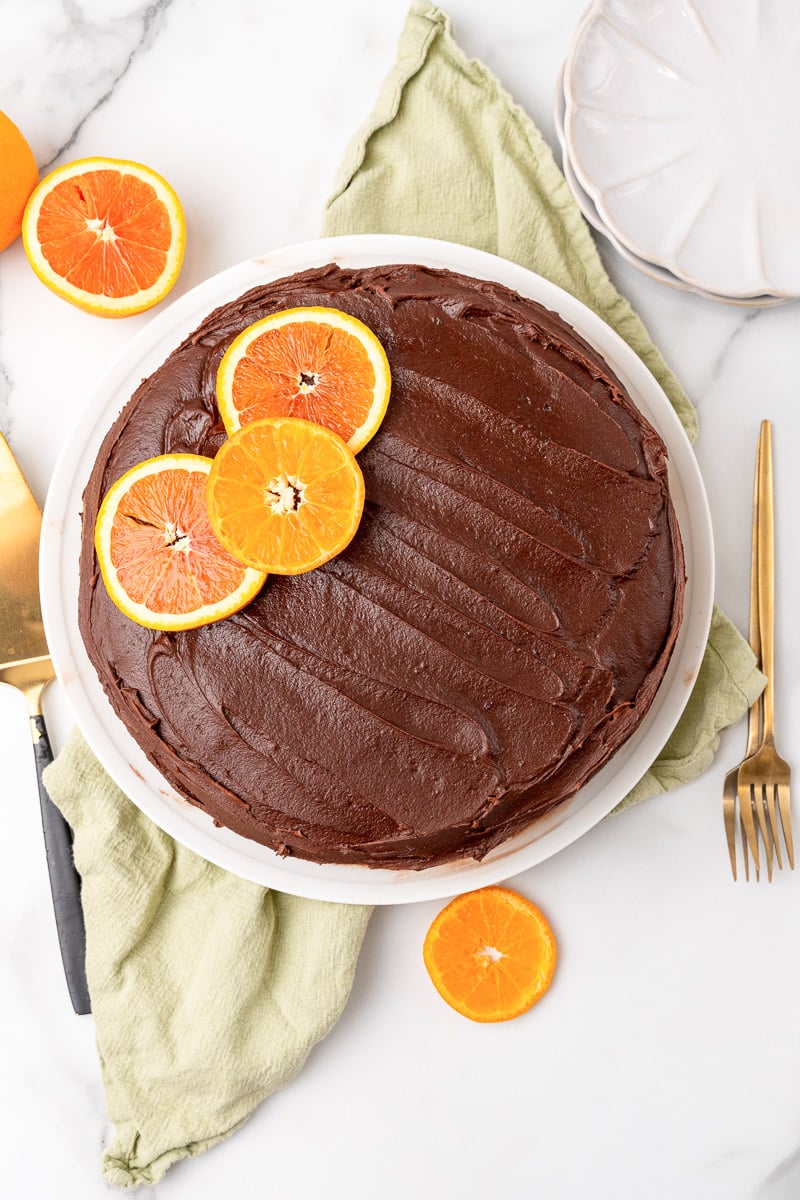
This vegan chocolate orange cake is packed with zesty flavor. A moist fudgy chocolate orange cake is layered with homemade chocolate orange frosting. Yum!

I've always had a weakness for chocolate cake, and this vegan chocolate orange cake might just be my new favorite. The base is a moist, fudgy chocolate cake infused with fresh orange zest, then layered with a lusciously creamy chocolate orange frosting.
It's a perfect blend of citrusy brightness and indulgent chocolate, making it perfect for a Spring dessert! But I know I'll be serving it up year round.


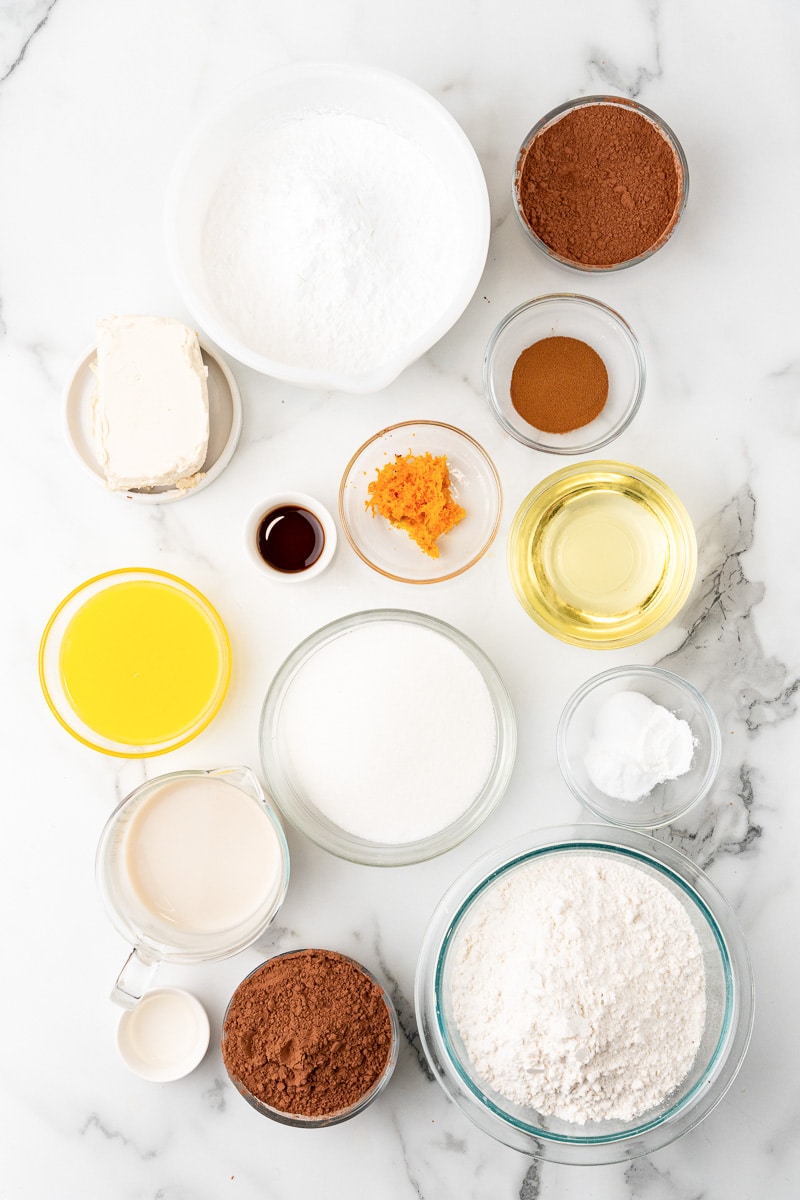
This duo creates a vegan "buttermilk" that keeps the cake nice and moist. Soy or oat milk could work equally well as an alternative for the almond milk.
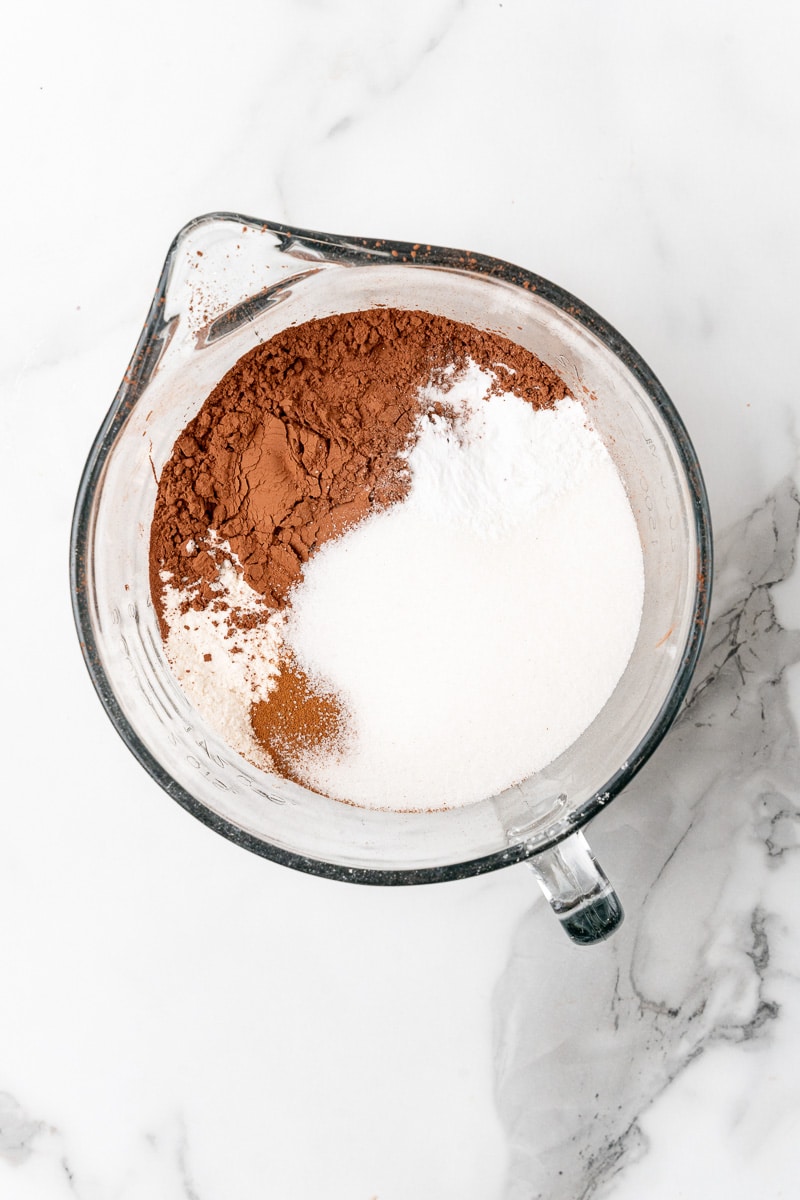
These two ingredients give the cake that deep chocolate flavor. No coffee? No problem - you can skip it, and the cake will still be divine.
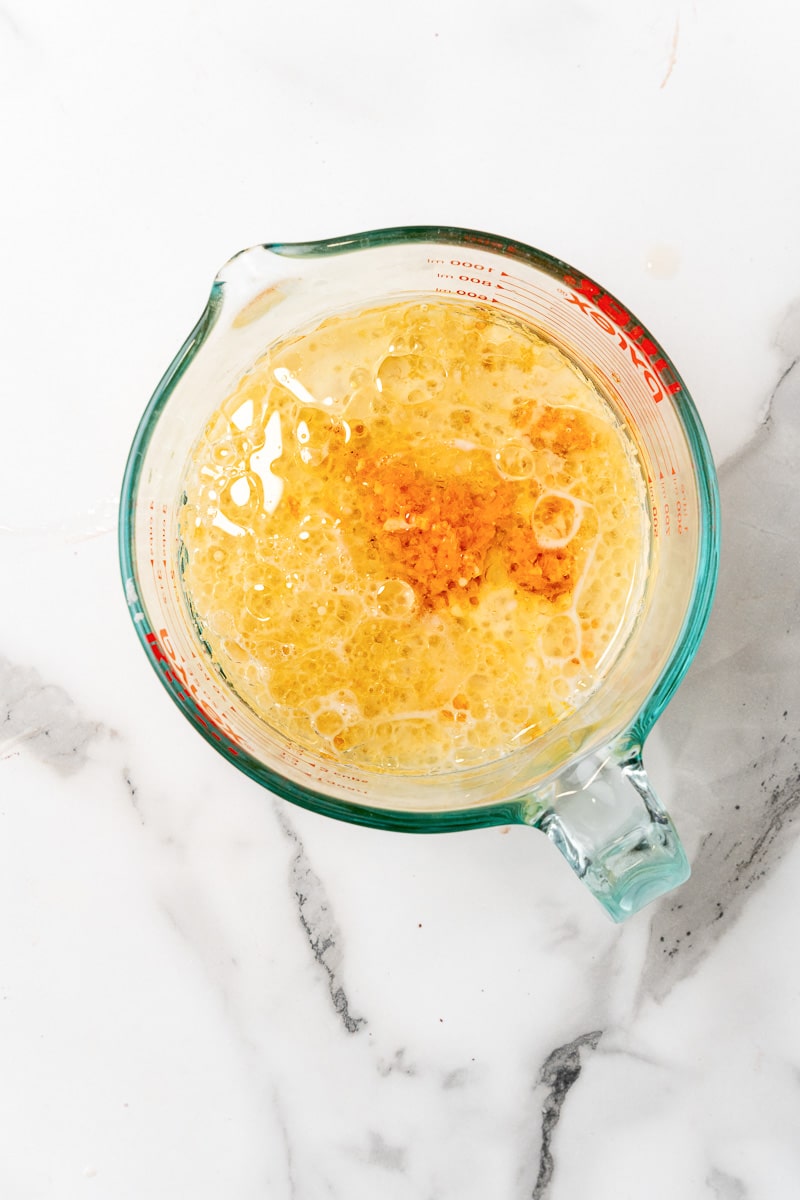
These are crucial for that bright citrus note. In a pinch, lemon zest can also pair nicely with chocolate.

Use only the orange part of the peel for zest to avoid bitterness from the white pith.
Mix the batter until just combined to keep the cake light and fluffy.
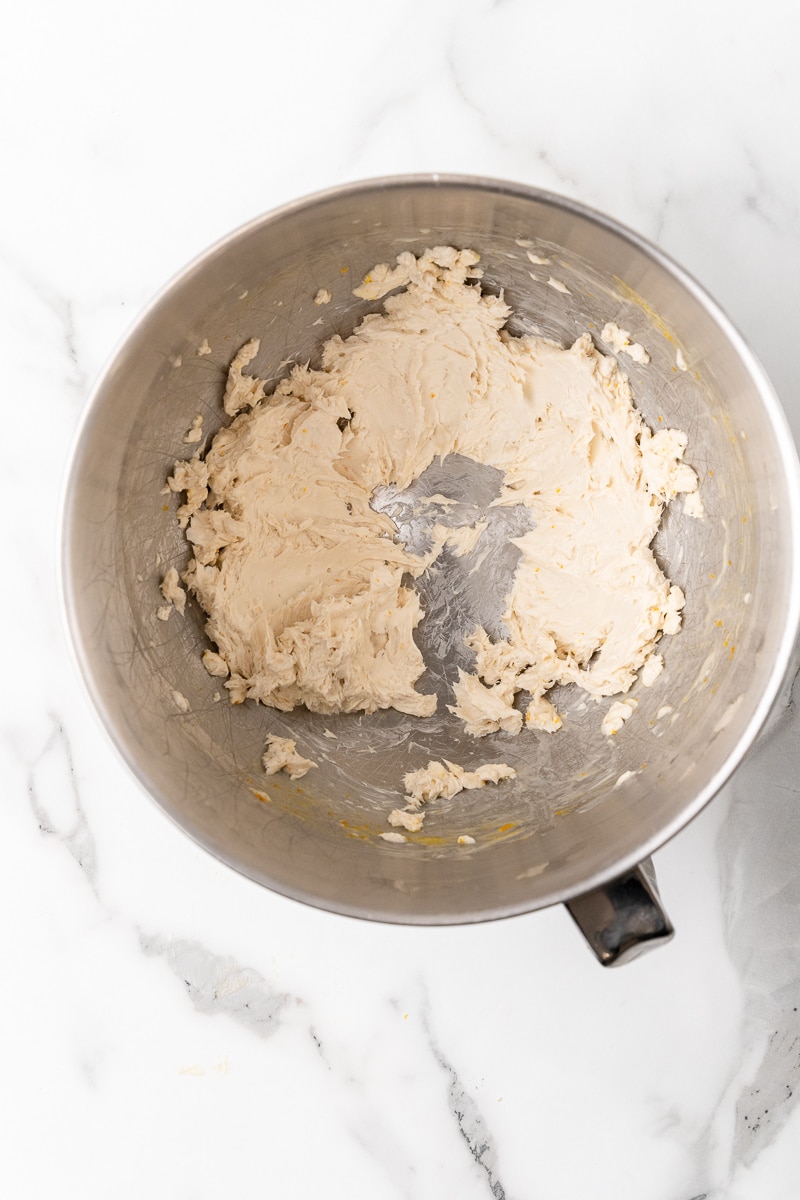
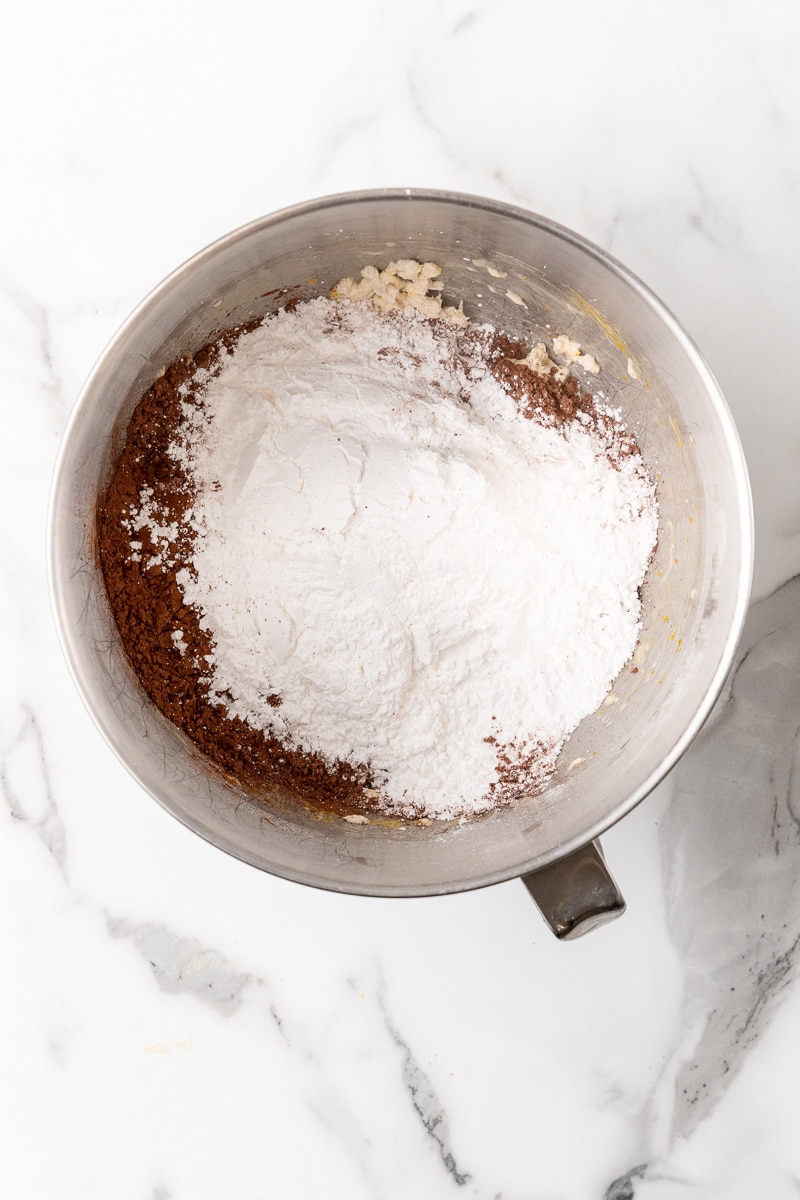
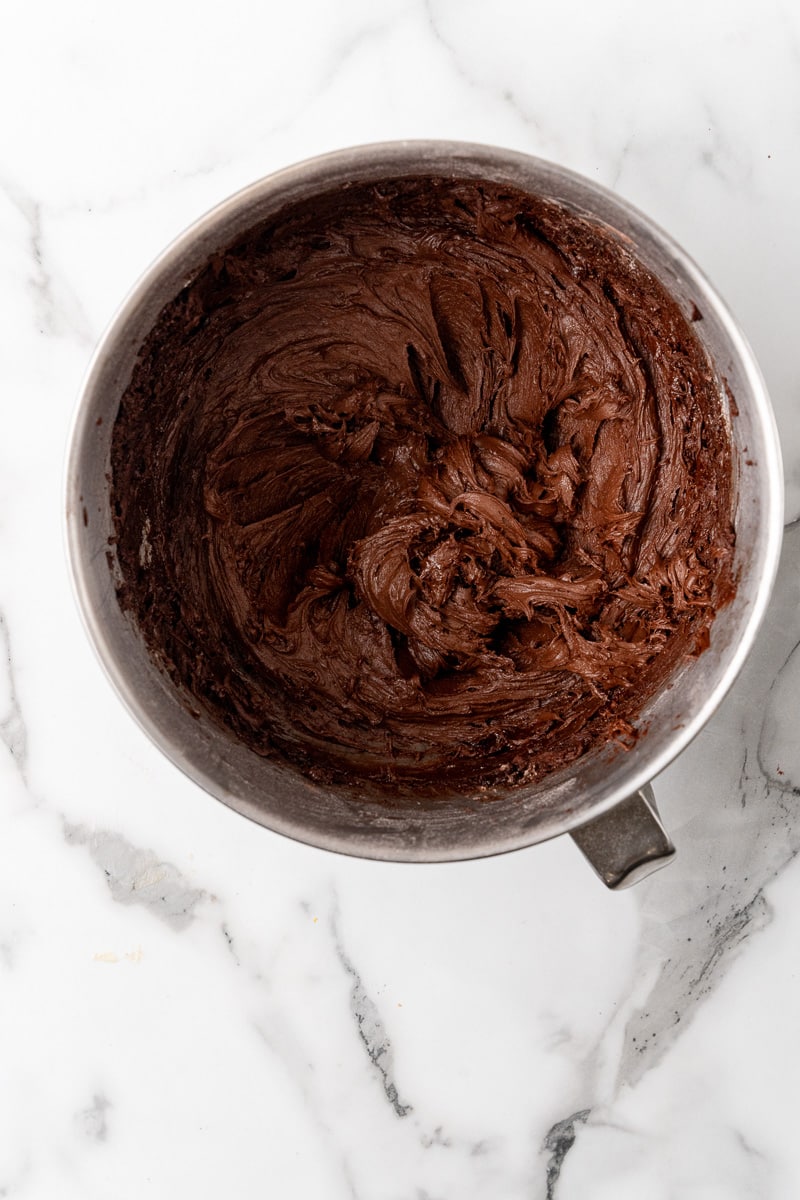
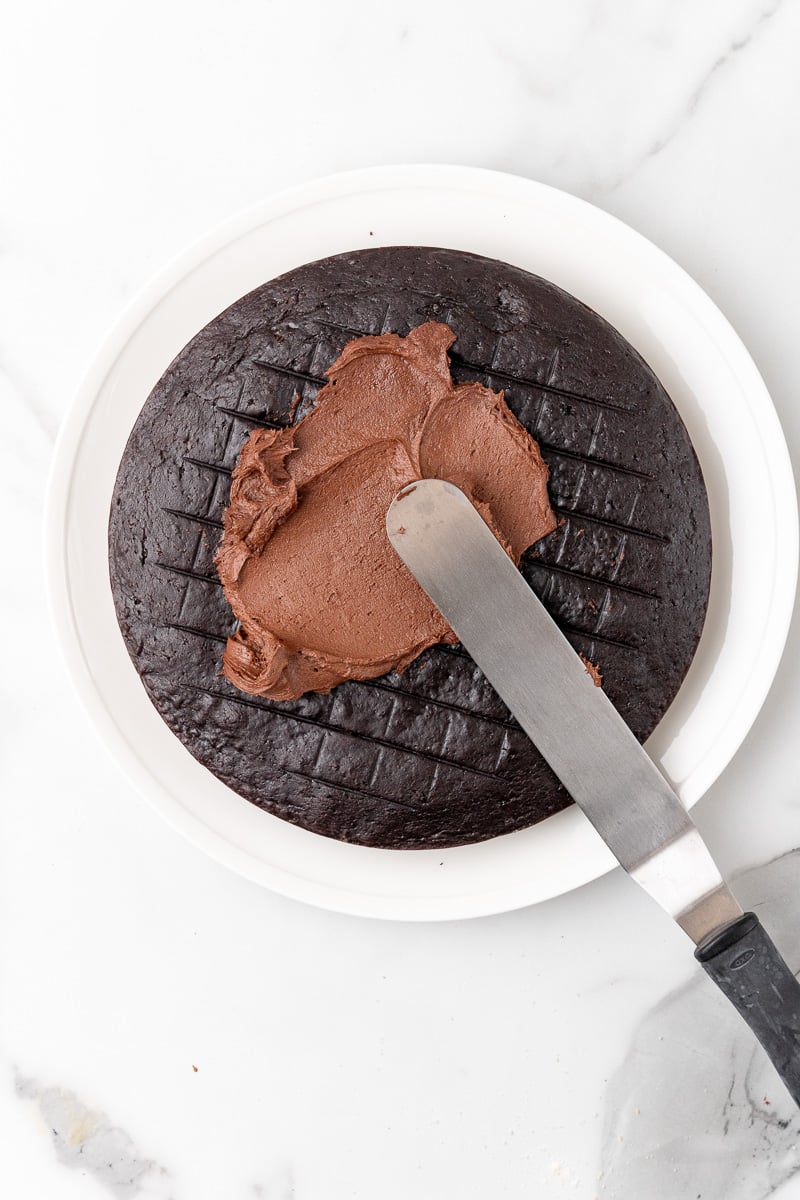
Allow the cake layers to cool to room temperature before frosting to prevent the icing from melting. Trust me on this one. If you love easy vegan chocolate bakes, also try these fudgy avocado brownies - ready in just 30 minutes.
Store the cake in a covered container in the fridge for 3-5 days. You can also freeze the cake for 2-3 months. I recommend freezing in slices so you can thaw only the amount you want to eat!
Craving something sweet but short on time? Our vegan no-bake chocolate cookies are rich and fudgy and ready in 20 minutes, or our vegan cinnamon roll in a mug is a quick single-serve treat.

Fold some chopped almonds or hazelnuts into the batter for a delightful crunchy texture.
A pinch of cinnamon or cardamom in the frosting can add a nice spice note.
Between the layers, add a thin spread of orange marmalade for an extra burst of citrus.
This cake also makes a stunning centerpiece for a Valentine's Day dessert spread - see our full collection of vegan Valentine's Day desserts for more inspiration.

If you love this Vegan Chocolate Orange Cake, be sure to check out these other delicious recipes:
Also worth trying: our chocolate avocado cookies.


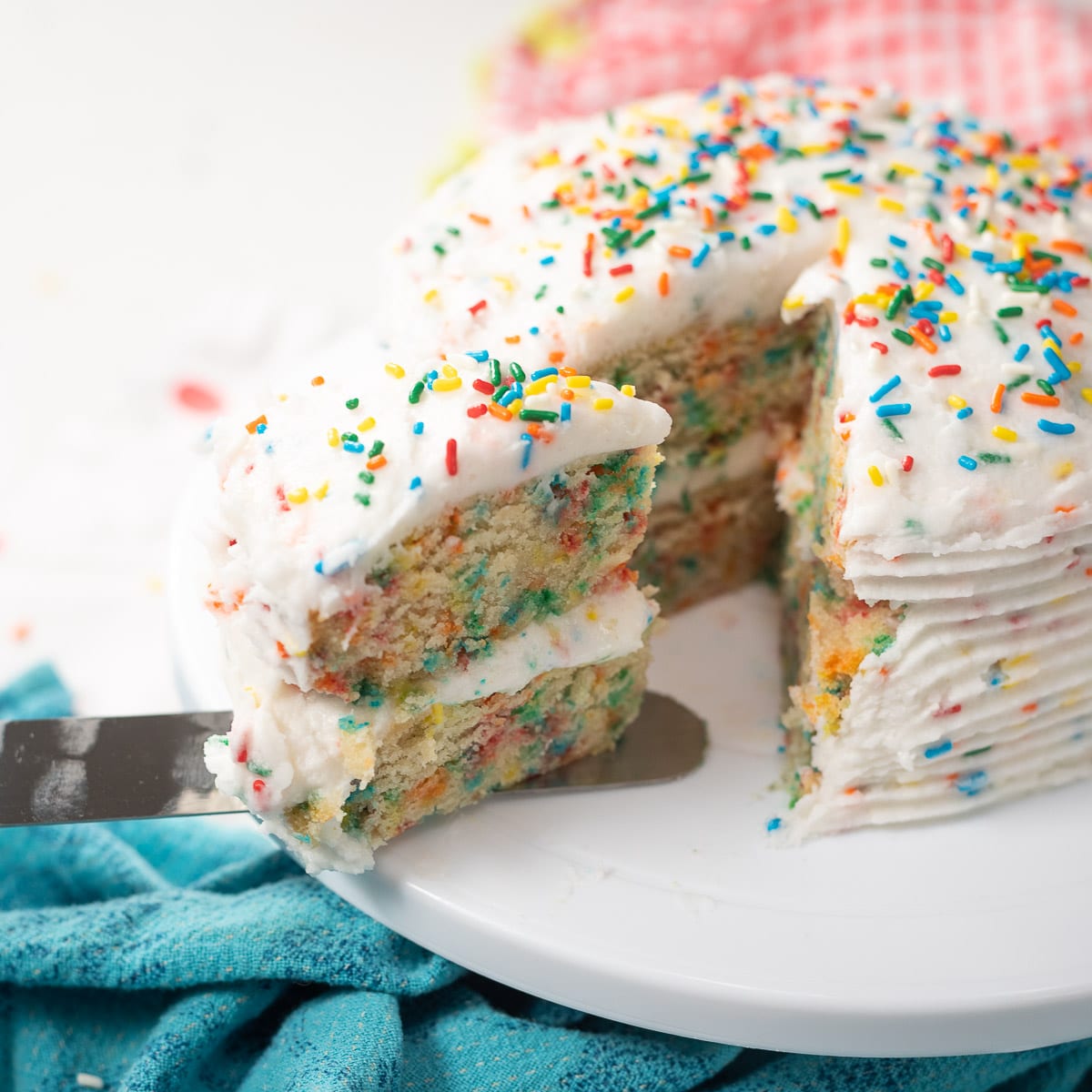
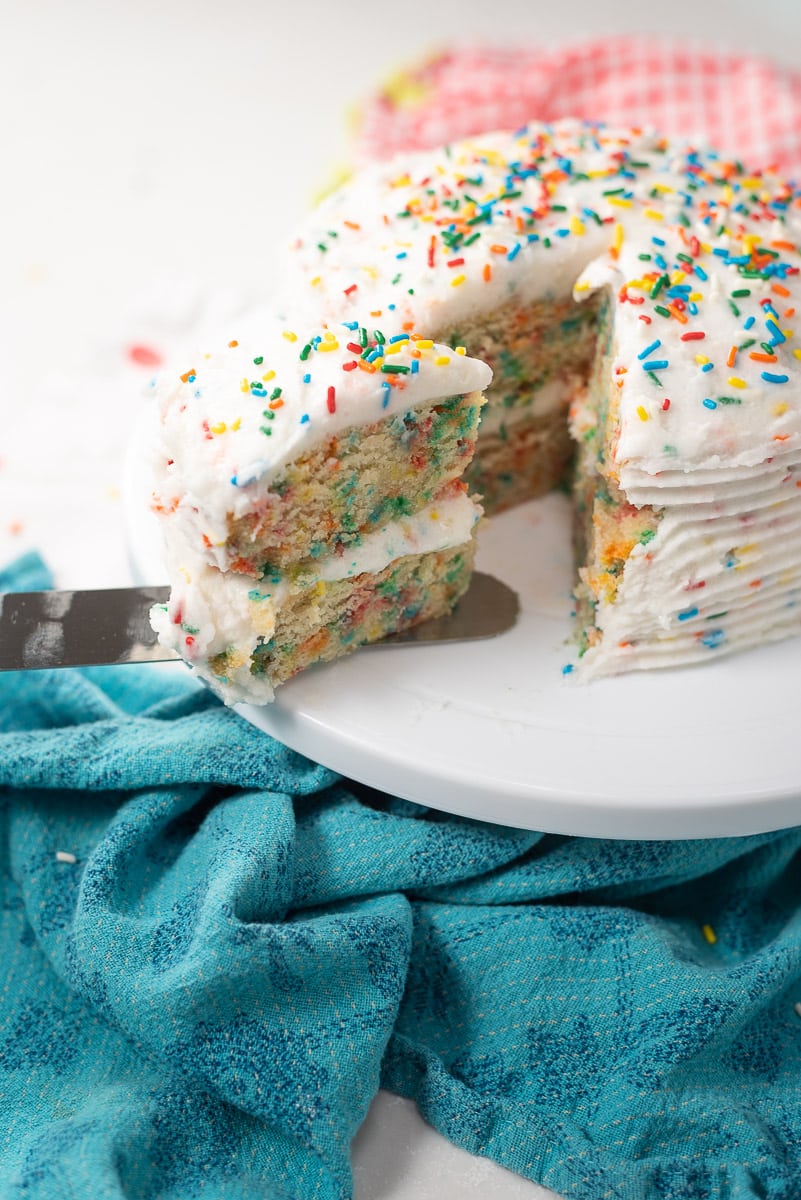
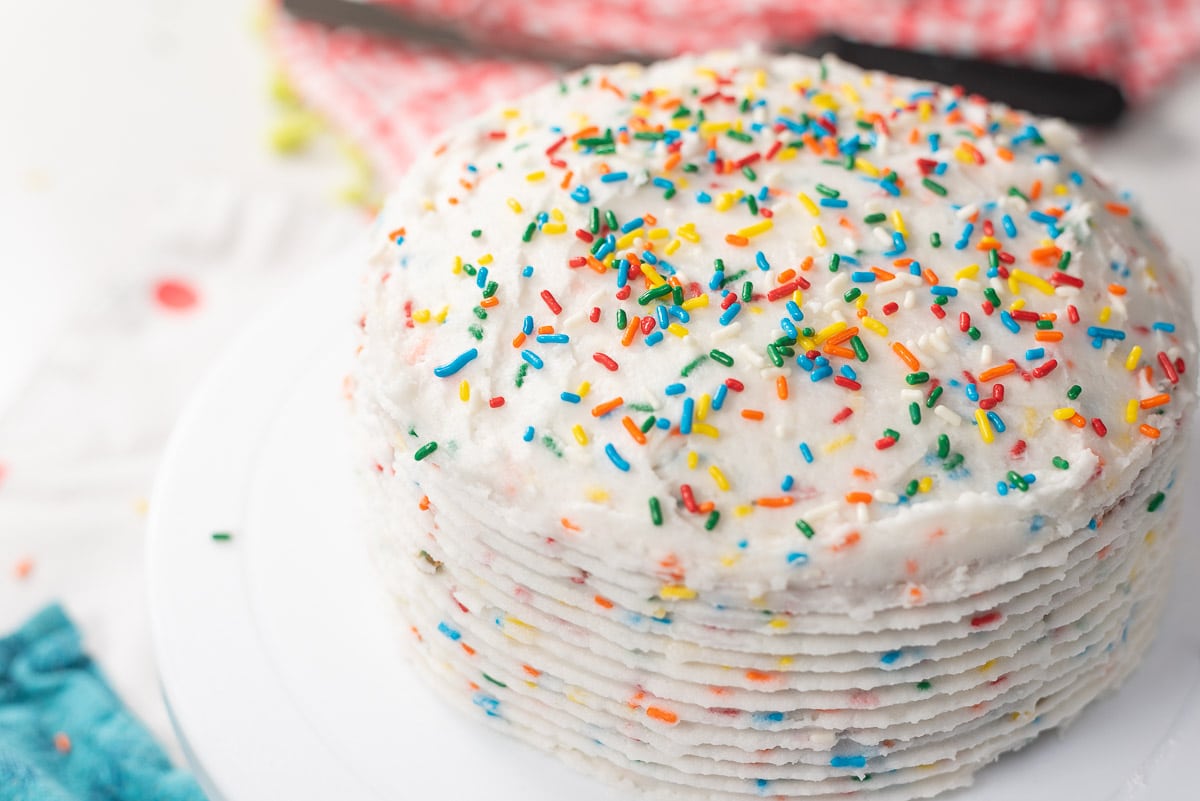
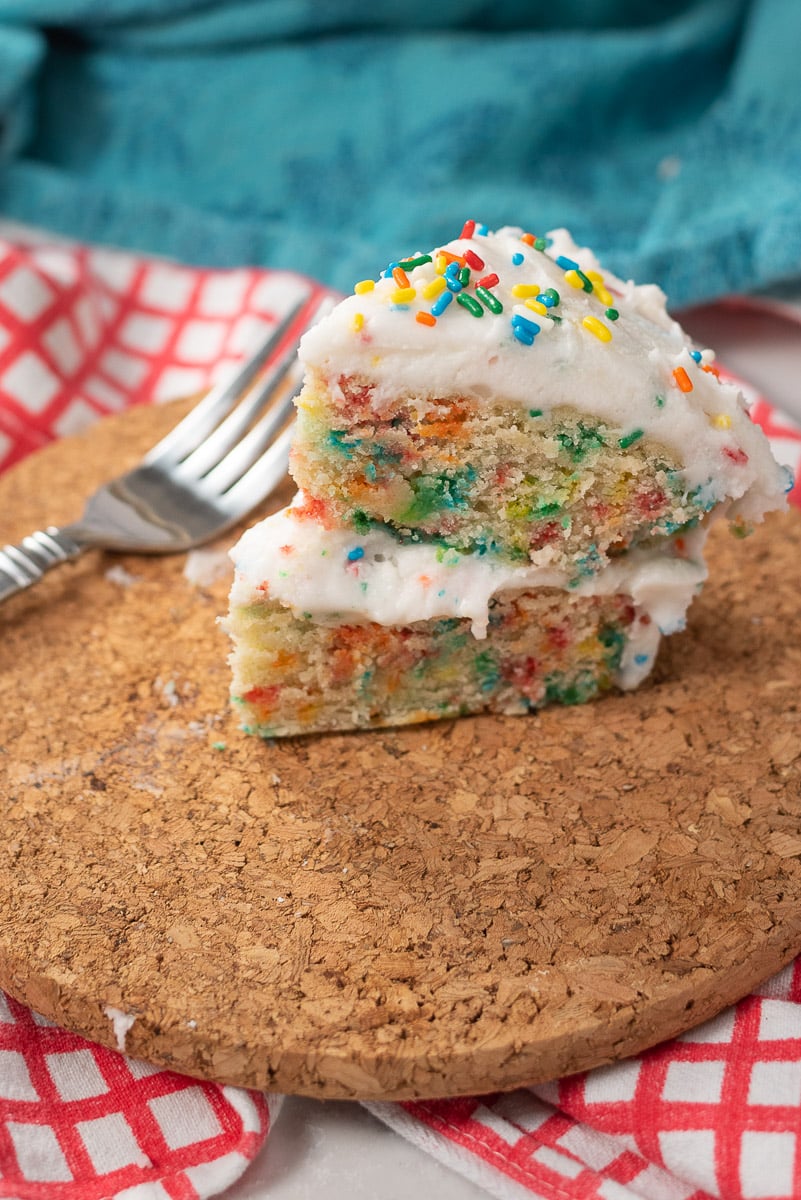
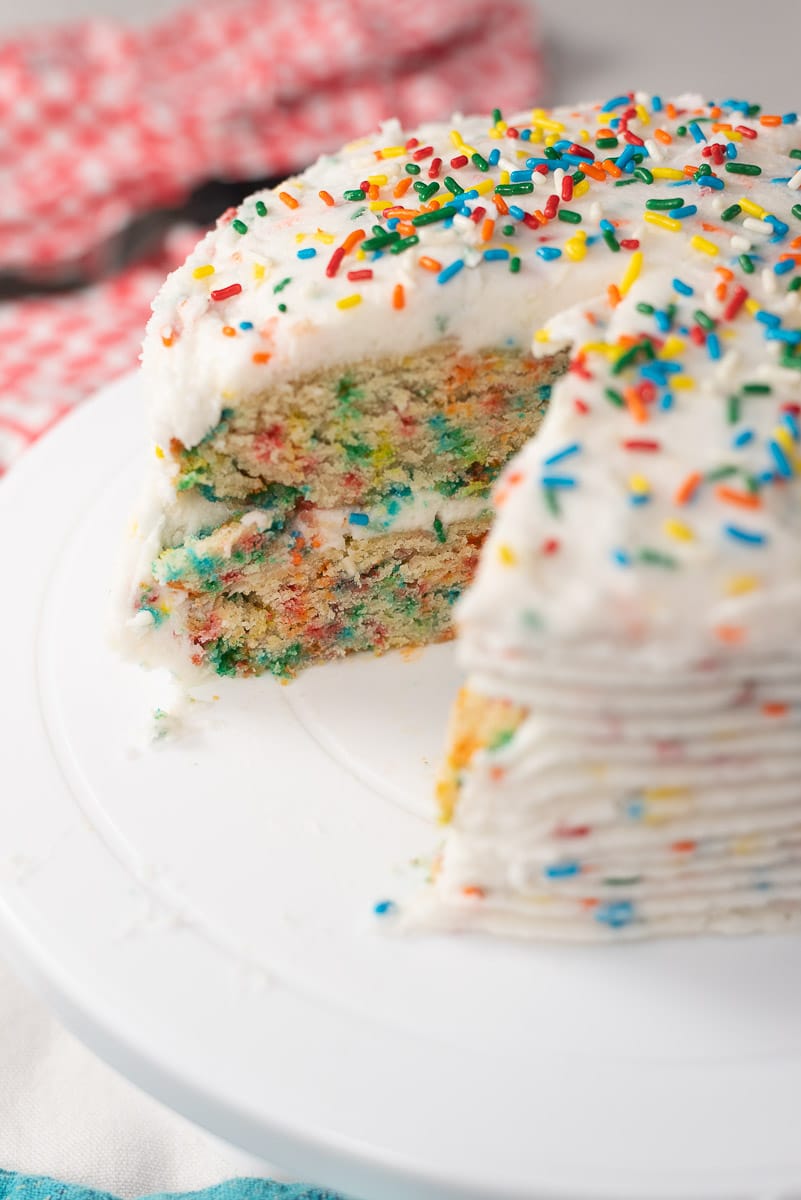
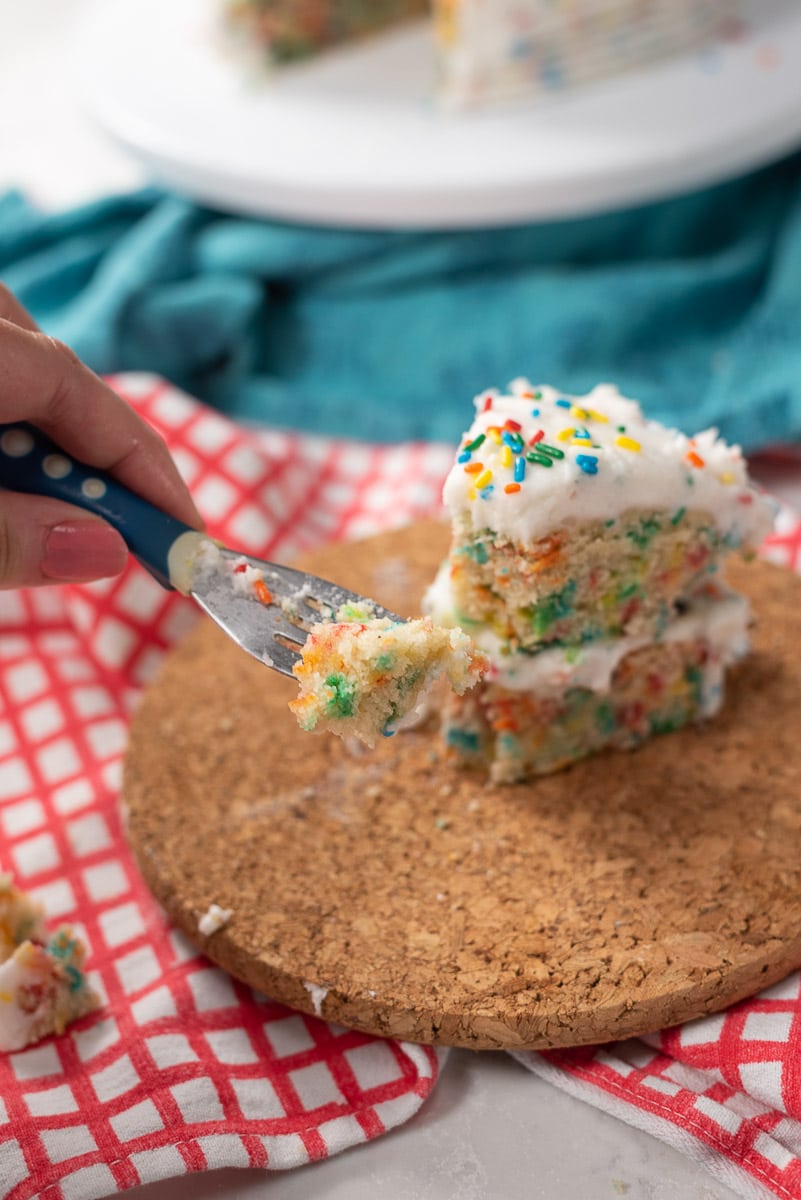
This homemade vegan funfetti cake is fluffy, moist, and bursting with colorful sprinkles! And topped with a delicious funfetti frosting too. Perfect for a birthday party or just to satisfy your everyday sweet tooth.

There's something undeniably magical about funfetti - it transforms a simple cake into a totally party-worthy treat. This particular funfetti cake is a family favorite in our house, even among the non-vegans in the crew. In fact, my son swears it's the best funfetti cake he's ever had!
This vegan funfetti cake is:

All of the ingredients for this cake (and the funfetti frosting) are simple and easy to find. No weird vegan ingredients here. 😉 But here are just a few notes to help you get the best results.
The heart of any funfetti cake is the sprinkles! But be sure to check the ingredients for any sneaky non-vegan ingredients. I like to buy these big jugs of vegan friendly sprinkles for all my baking.
You can use any dairy free milk of your choice in this vegan cake. Almond, cashew and soy milk all work very well for baking.
This might seem like an odd cake ingredient, but it reacts with the baking powder to give the cake a perfect rise. I suggest using a high quality apple cider vinegar like Bragg's for the best results.
This recipe calls for granulated sugar. Depending on the region you live in, your regular old white sugar may or may not be vegan. In the US, you will want to choose a brand clearly marked organic or vegan. This one from Whole Foods is cheap and vegan friendly.

To ensure your cake layers come out of the pans cleanly, don't skip lining your pans with parchment paper.
Patience is key. Frosting a warm cake can lead to a melting disaster! So make sure to let the cake cool all the way down to room temperature before frosting it. You can speed up the process by putting it in the fridge for a bit.
Cover the cake and store in the fridge for 4-5 days. You can also freeze the cake for up to two months. If freezing, you will want to remove from the freezer to thaw the day before you plan to serve it.
If you're after a rich chocolatey cake, try our vegan chocolate orange cake, or for Halloween gatherings our vegan halloween cupcakes are perfect. For a refreshing chocolate treat, our chocolate raspberry banana smoothie doubles as a breakfast or dessert. If you want a quick single-serve vegan treat, our vegan cinnamon roll in a mug is ready in just minutes.

Replace the all-purpose flour with your favorite gluten-free flour blend for a gluten free version. Be sure to choose a gluten free brand of sprinkles too.
While rainbow sprinkles are classic, feel free to use any vegan-friendly sprinkle variety you like. You can theme this cake to just about any occasion by just changing out the sprinkles. Halloween? Grab some orange and black sprinkles. Christmas? Go with red and green. Valentine's Day? Pink and red. You get the idea.
Not a fan of buttercream? Try a vegan cream cheese frosting for a tangy twist.
Looking for more festive vegan dessert ideas? Our vegan Valentine's Day desserts roundup has 25 chocolatey, fruity, and romantic treats to choose from. Or for a breakfast-friendly alternative, our vegan pumpkin waffles are a festive fall option.

If you love this Vegan Funfetti Cake, be sure to check out these other delicious recipes:
Also worth trying: our guide to vegan Halloween candy.

This Aloo Gobi tastes just as delicious as the restaurant version - and you won't believe how easy it is to make this popular Indian potato and cauliflower curry at home!

I've always been a big fan of Indian food, but my interest certainly increased when I married into my husband's Indian family. I really enjoy experimenting with all of the rich flavors of this vegan-friendly cuisine.
And while I will never claim to be an expert on Indian cooking - I think I've come up with some real keepers. 😉 This Aloo Gobi is one of my faves for its simplicity. It's relatively quick, only takes 30 minutes to throw together, and my whole family loves it.
This aloo gobi is:
Aloo Gobi is a classic Indian curry consisting of "aloo" - meaning potato in Hindi - and "gobi" - meaning cauliflower. It's a no-frills kind of meal that's a staple in North India, especially in Punjab. The dish is pretty much what you'd get if potatoes and cauliflower had a party and invited some spices like turmeric, cumin, and coriander to jazz things up.

I use plain old Russet potatoes most often, but waxy potatoes like Yujon Gold also work really well.
You'll use a medium size head of cauliflower in this recipe, which you will cut into florets. But you can also use the pre-cut florets for convenience.
I prefer to use fresh tomatoes in aloo gobi, but you can also used canned diced tomatoes. The fire roasted varieties give a great flavor!

Even Cooking. Cut your potatoes and cauliflower into uniform pieces to ensure they cook at the same pace.
Adjust the Spice Level. You can add more or less chili powder to this recipe, to suit your own spice preference. Or for another spicy option, add some slivered red chili peppers to the masala.
Serving Suggestions. Serve the Aloo Gobi with warm vegan naan bread, fluffy basmati rice, or even couscous or quinoa for a twist. It also pairs well with a dollop of vegan raita or a drizzle of lemon juice for an extra zing. For an even heartier meal, serve it as a side along with this vegan chana masala.
Storing Leftovers. You can serve any leftover aloo gobi in the refrigerator in an airtight container for 4-5 days. You can also freeze for up to 2 months. Reheat on the stovetop over medium heat or in the microwave.

Chickpeas or tofu can bulk this aloo gobi up, for an even heartier meal.
A dollop of coconut milk added in the last few minutes of cooking can be a nice addition for a creamier finish.
Apart from cilantro, try fresh mint or dill for a different herby note.
Roast the cauliflower in the oven until slightly charred before adding it to the dish.
Replace the white potatoes with sweet potatoes for a totally new dish with a sweeter flavor.
As an alternative, you can prepare the masala on the stovetop and then add it to oven roasted potatoes and cauliflower!
If you love this Aloo Gobi, be sure to check out these other delicious vegan recipes:
Also try: our 30 Minute Madras Lentils Vegan.

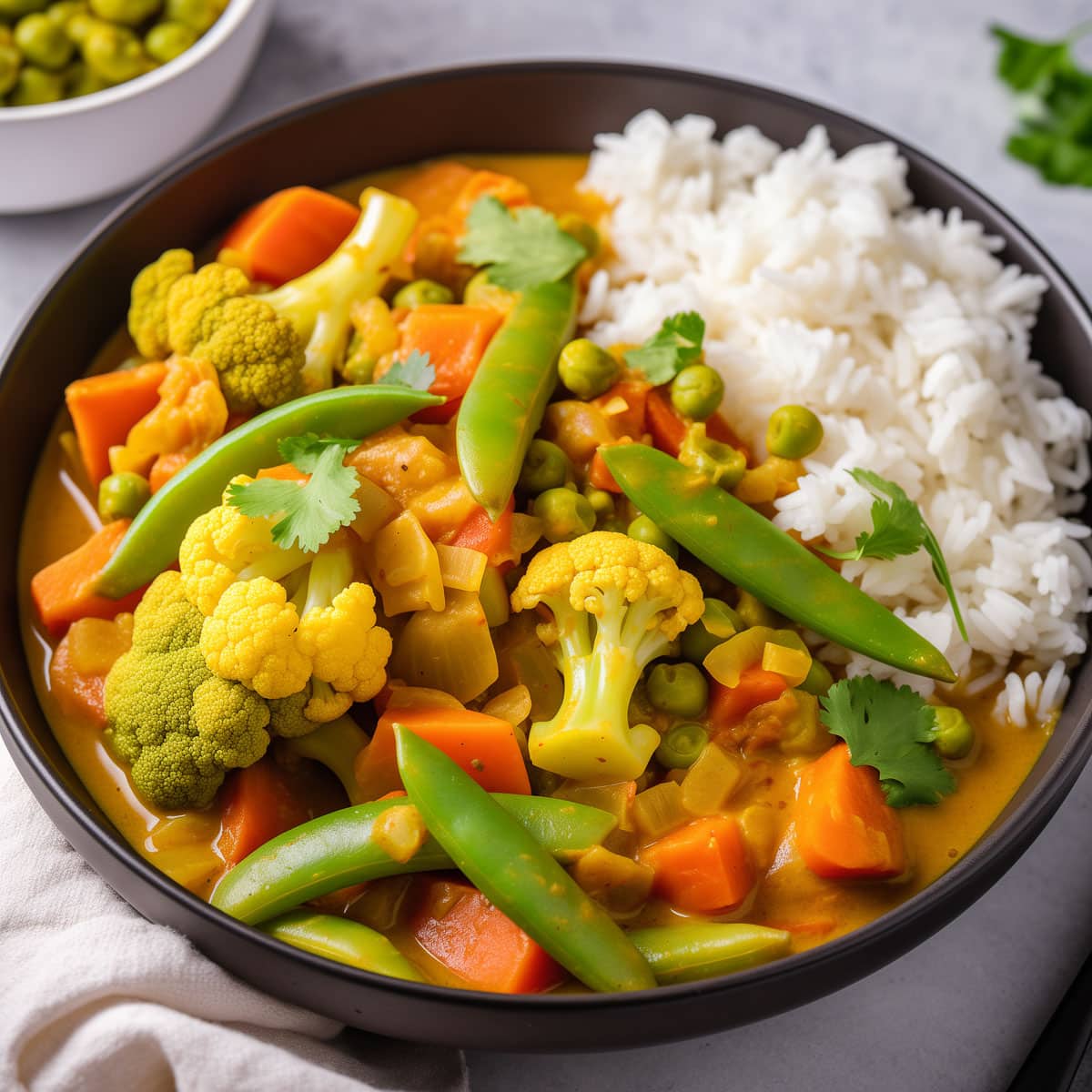
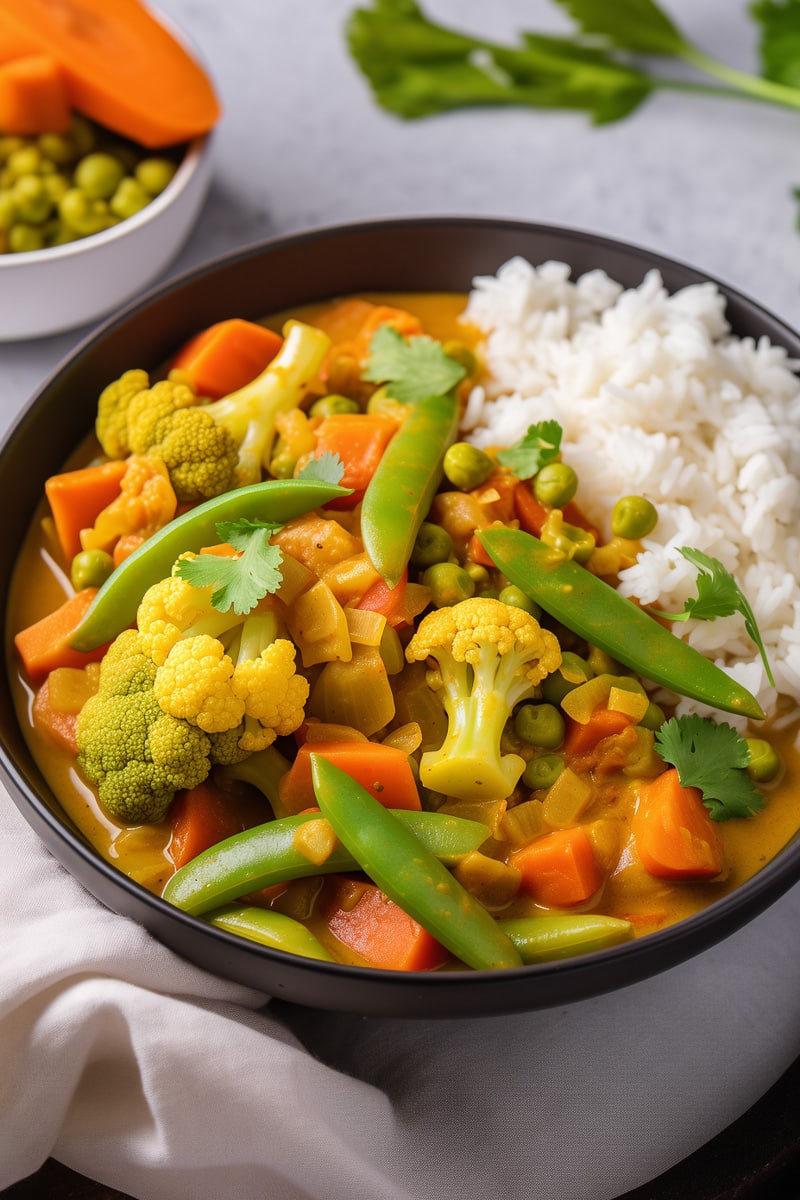
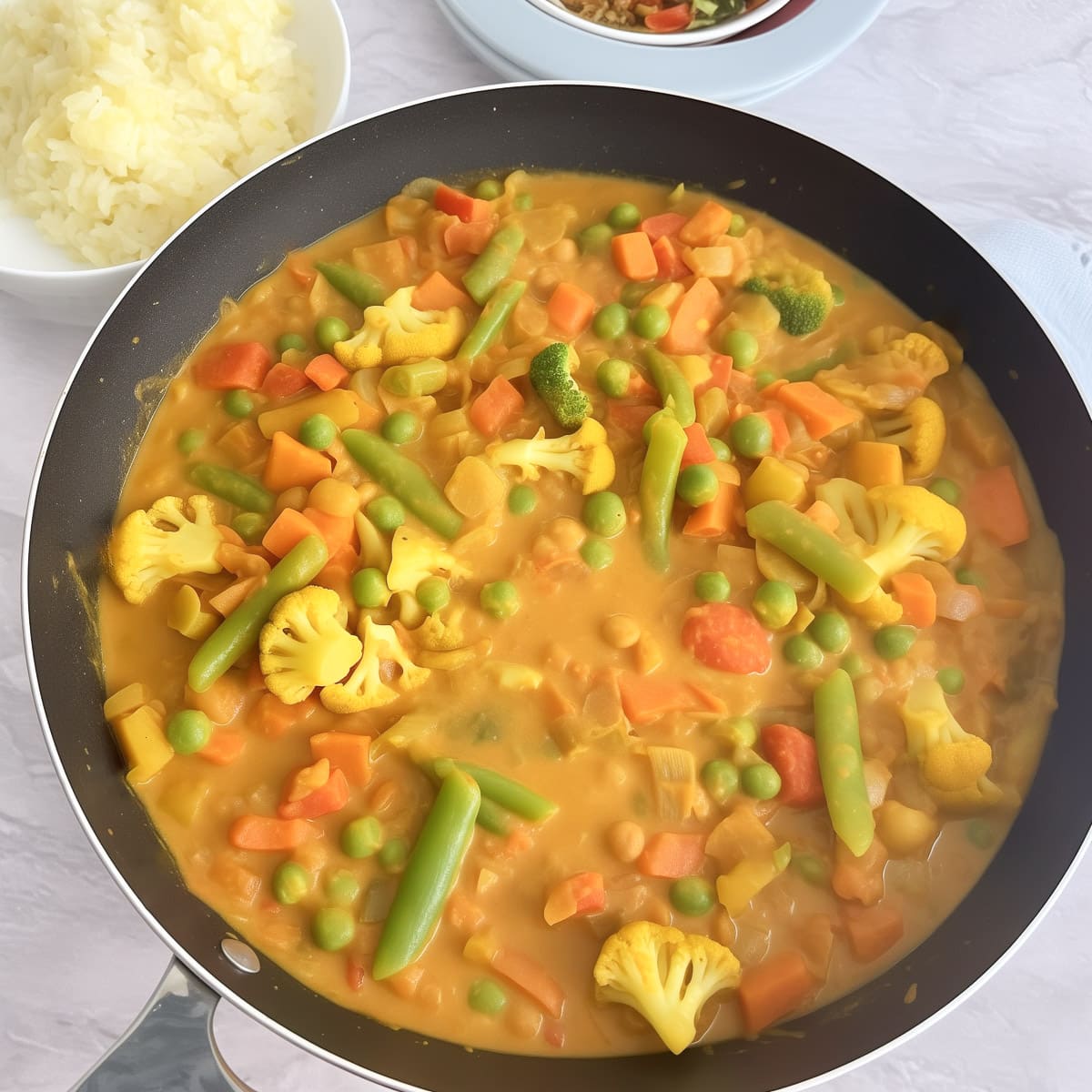
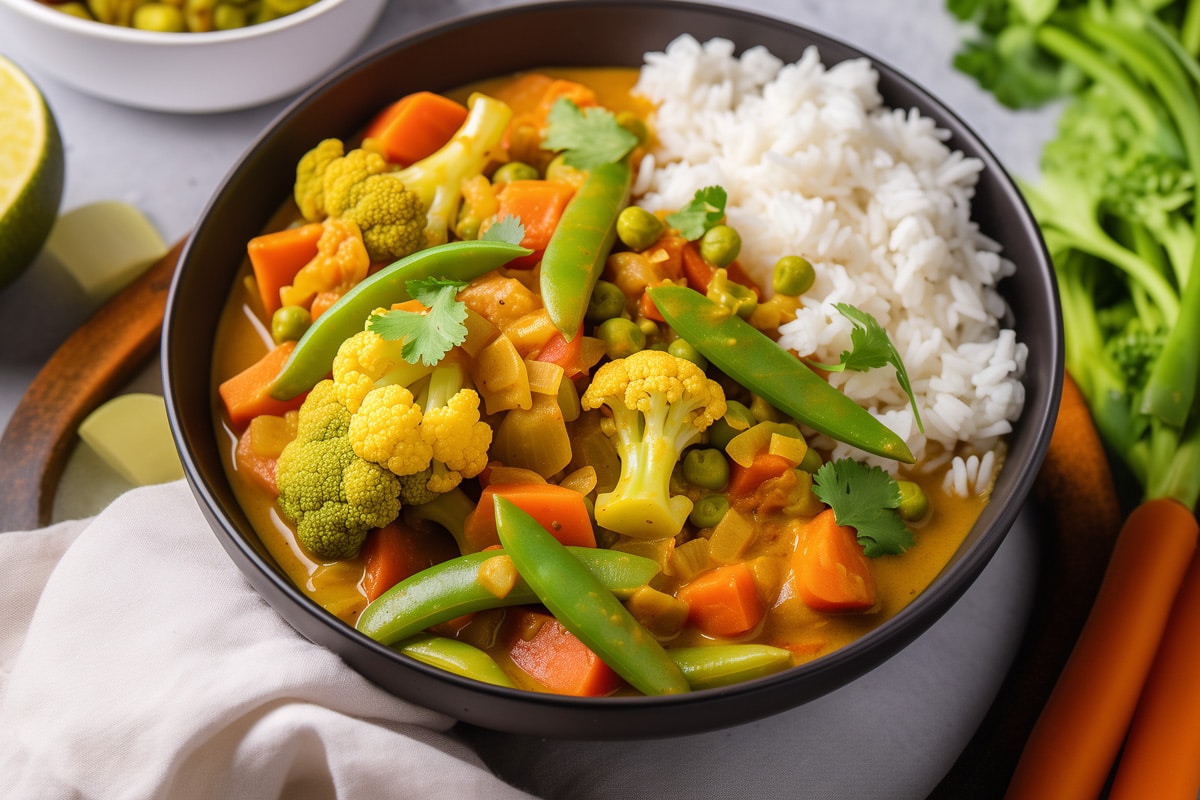
Whoever said that a hearty, flavorsome curry needs hours of simmering and a pantry full of exotic spices clearly hasn't tried my Quick & Easy Vegetable Curry!

This curry is the dish you turn to on those frantic weeknights when the fridge is half-empty, the family is hungry, and time is of the essence. Ready in just 15 minutes, thanks to the help of some frozen veggies, it's like a little weeknight magic trick. Now you see an empty kitchen, now you don't!
This Quick & Easy Vegetable Curry is...

I love the classic mix of carrots, peas, corn, and green beans. But literally any frozen veggie blend will do. So pick your own favorite mix of veggies! Of course, you can also make the curry with fresh veggies, but then it will take longer than the promised 15 minutes.
This is the most important of the spices in this recipe, so I recommend choosing a high quality curry powder for the best flavor.
This brings creaminess and lots of flavor. But if you need a substitute, heavy cream is your best bet.
Note that vegetable broth brands can vary pretty wildly in terms of saltiness. So be sure to taste your curry at the end, and adjust the salt accordingly. You may find that no extra salt is needed at all, or you may want to add quite a bit!

Don't be shy with the curry powder. If your curry powder is on the mild side, don't be shy to add a bit more than called for. You measure that stuff with your heart.
Add more spice. If this recipe isn't spicy enough for your heat-loving taste buds, try adding a dash of chili powder or some slivered red chili peppers.
Make it sweeter. For a sweeter curry, try adding a dash of maple syrup or agave syrup.
Protein Power-Up. Toss in some pan-fried tofu or tempeh for an extra protein punch.
Add Fresh Greens. Add some baby spinach or shredded kale for extra nutrients. And it looks gorgeous too!

Serve this curry hot with a side of fluffy basmati rice. Or try serving over quinoa or couscous for a tasty twist. You can also use cauliflower rice for a lower carb option. It's also delicious with fresh flatbreads like roti or vegan naan bread. Round out your Indian spread with our masala lentils or our Madras lentils.
I like to garnish my curry with some chopped fresh cilantro and some lime wedges - a classic combo. But this would also be great topped with chopped peanuts or cashews, slice red onions, or lemons instead of limes.
Store this vegetable curry in the refrigerator for 3-4 days, in an airtight container. To serve again, simply reheat over medium heat on the stovetop. In my opinion, curry does not freeze well.
If you love this quick and easy vegetable curry, be sure to check out these other delicious vegan recipes:
Also worth trying: our vegan sloppy joes.

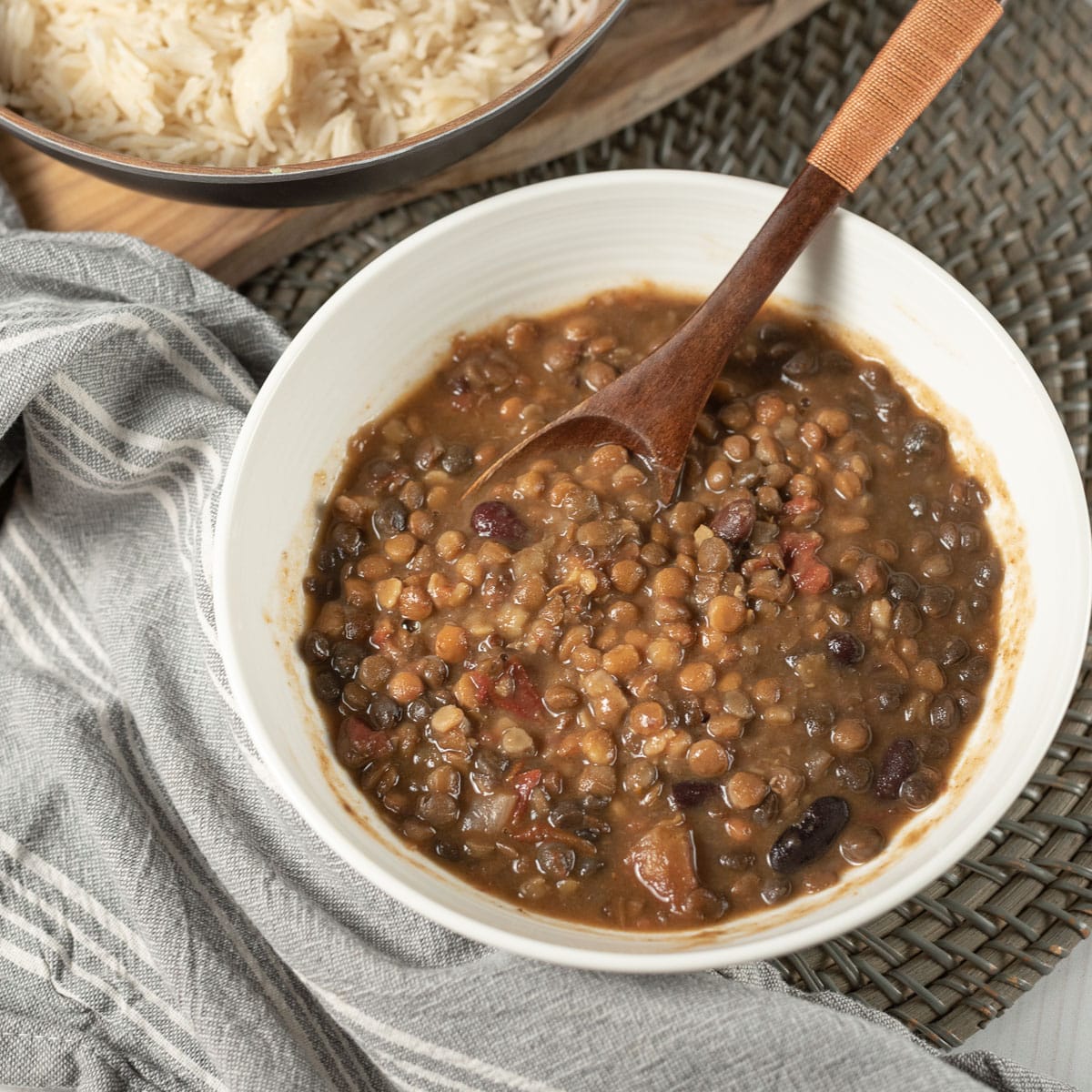
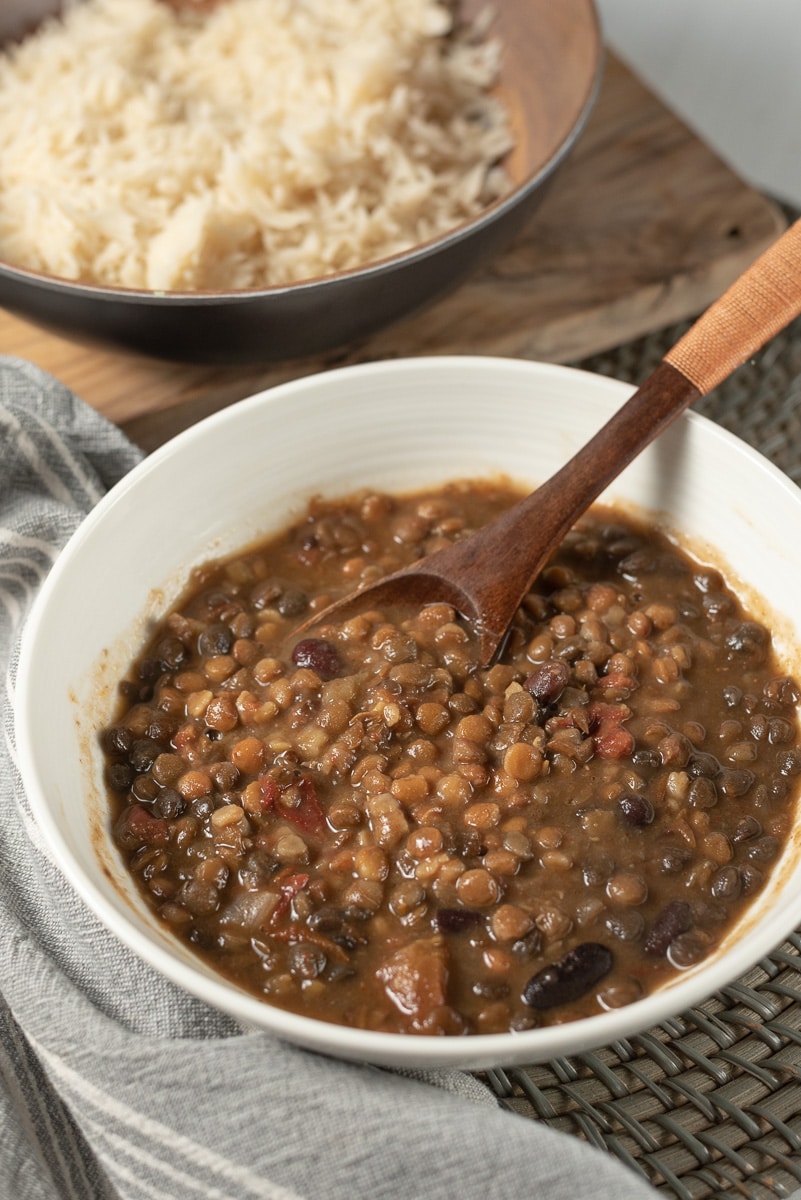
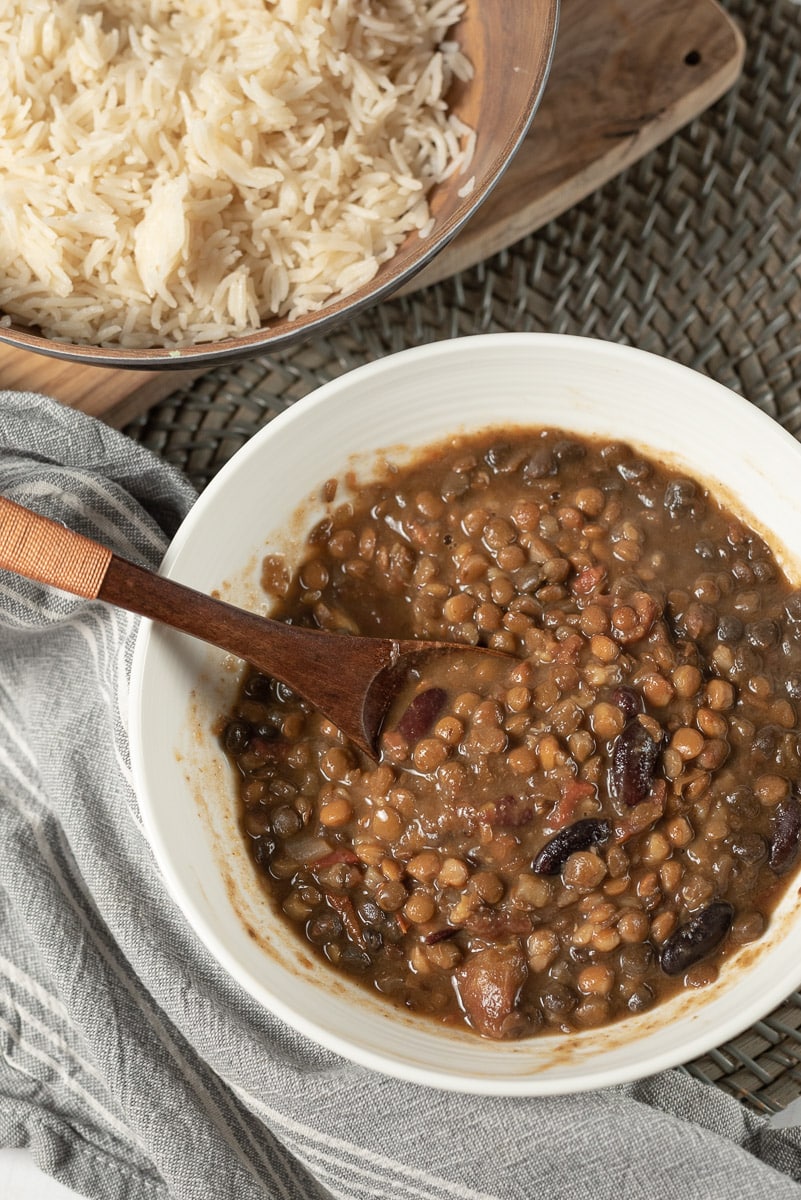
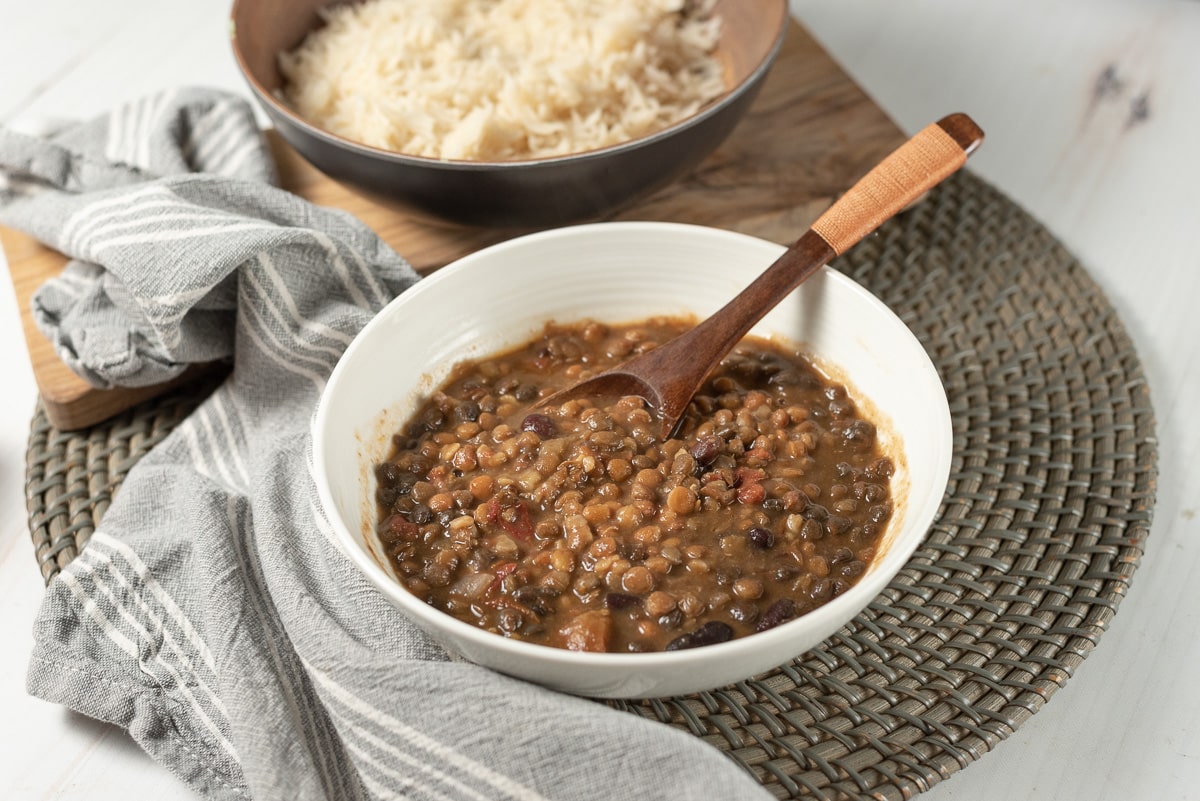
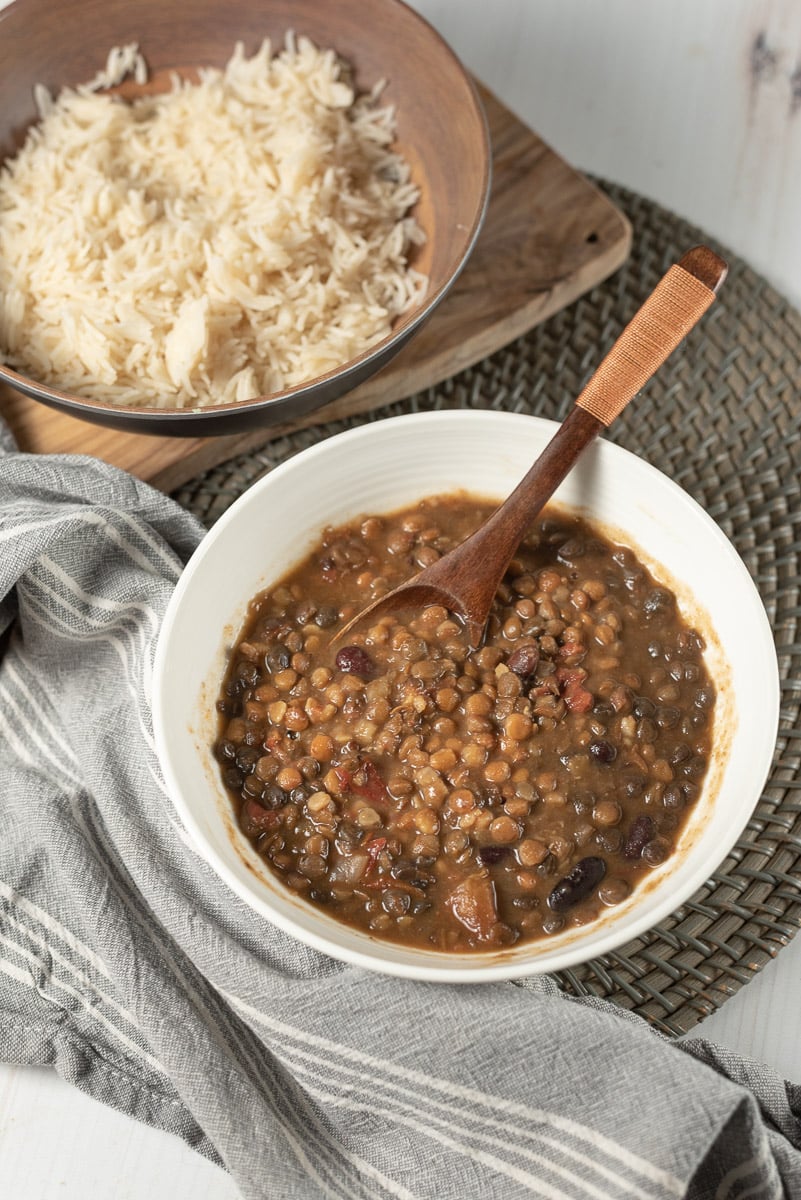
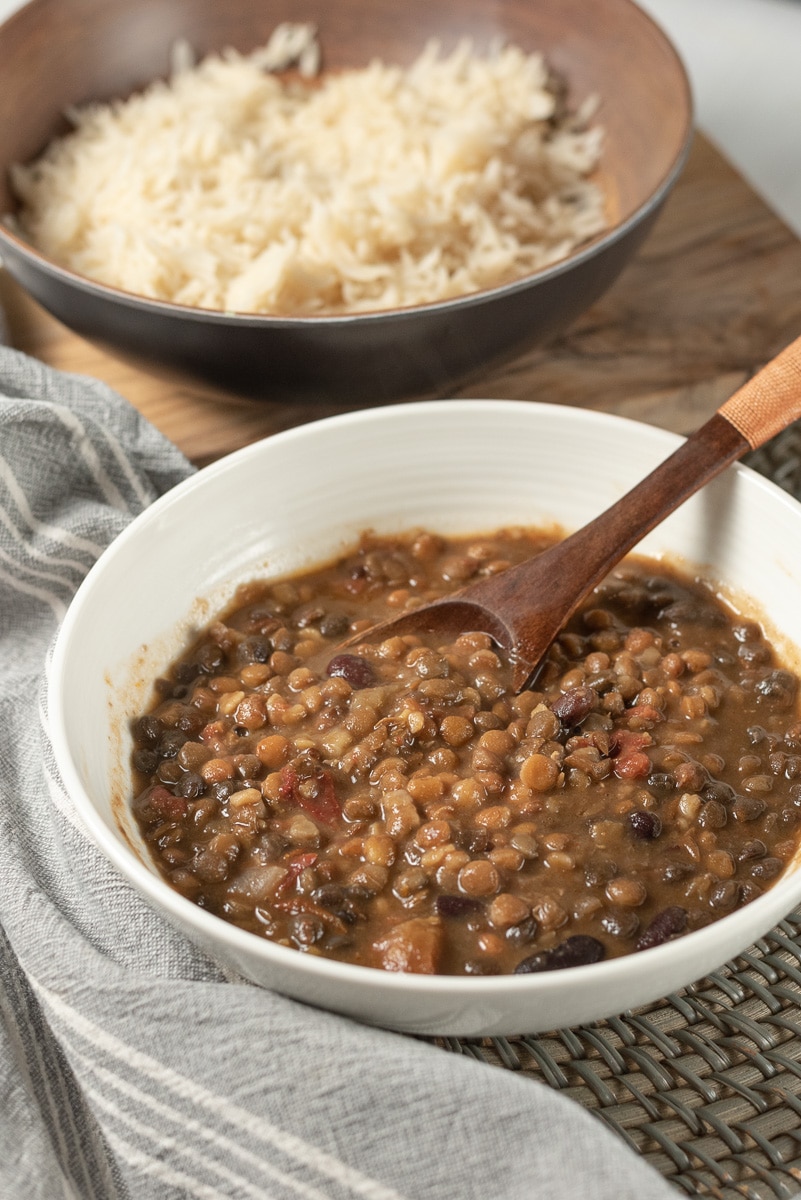
This quick and easy version of Indian Madras Lentils is ideal for a fast and flavorful weeknight meal. Serve it with a side of basmati rice or warm flatbread for a healthy and hearty vegan dinner. Enjoy!

As the days grow shorter and the nights cooler, there's nothing quite like a bowl of warm, spiced lentils to wrap up your day. Enter these vegan Madras Lentils: a dish that's as comforting as it is quick. It's a modern twist on a classic Indian dish - that you can make with easy ingredients and no special equipment.
So, next time you're in need of a quick culinary escape, let these Madras Lentils transport you to the bustling streets of Chennai, where flavors are always rich and life is full of zest.
Despite the fact that you can find the term "Madras Lentils" on both Indian menus and store bought offerings, it's not truly an authentic Indian dish. It's more of a Western creation. 😉
The name 'Madras' comes from the former title of the city now known as Chennai. The dish referred to as 'Madras lentils' is a westernized version of several classic Indian lentil dishes, inspired by the flavors and cuisine of Madras.
Madras lentils draw inspiration from dishes like 'Dal Makhani' or 'Maa ki Dal' which are made with whole black lentils and kidney beans, slow-cooked to perfection with aromatic spices and often finished with butter and cream for richness. The 'Madras' version keeps the essential elements of this comfort food intact - lentils, beans and spices - while omitting the dairy. Perfect for a vegan diet!
While 'Madras lentils' may not be all that authentic - it sure is popular. And it's also one of the simplest Indian recipes that you can make at home in your own kitchen!

Who says comfort food can't be nutritious and delicious? These Madras lentils are:

These pantry staples are the stars of the dish! The traditional version of Madras Lentils uses dried beans and lentils that need to be soaked and simmered for a long time. Using the canned versions delivers great results in way less time!
Cumin, turmeric, garam masala, and coriander all play their part in creating the quintessential Indian flavor profile we all love.
No crushed tomatoes? No problem. Feel free to use fresh diced tomatoes or even tomato puree in a pinch.
If garam masala isn't on hand, try a blend of cinnamon, cloves, and nutmeg to mimic its warm, sweet notes.
While olive oil is a great choice, coconut oil can add a subtle sweetness and vegan butter will give a richer flavor.

Rinse the Lentils and Beans. Canned legumes can be very high in sodium. Use a strainer to give both the beans and lentils a good rinse under cold water to remove all that extra salt before cooking.
Cook it Low and Slow. Even though this is a quick recipe, giving the dish some time to simmer at the end will deepen the flavors. So don't get impatient!
Serving Suggestions. Pair these Madras Lentils with fluffy basmati rice, a warm piece of vegan naan bread, or even serve atop a baked potato for a fun twist! For a complete Indian dinner spread, serve alongside our bhindi masala, our quick vegetable curry, or our aloo gobi.
Get Garnishes! Fresh cilantro adds a pop of color and a burst of freshness to the dish. You may also want to serve your madras lentils with a handful of chopped onions, slivered chili peppers, or a dollop of vegan raita.
Storing Leftovers. Store leftover Madras Lentils in a covered container in the fridge for 3-4 days, or freeze for up to 2 months. To serve the lentils again, allow them to defrost (if frozen) and warm on the stovetop over medium heat.

Add more plant based protein. Amp up the protein by adding cubes of firm tofu or tempeh to the curry!
Add more veggies. Feel free to add more fresh veggies to the dish as well. Bell peppers, zucchini, mushrooms, or kale are all great additions.
If you love these Madras Lentils, be sure to check out these other tasty vegan ideas:
Also try: our Easy Vegan Dal Tadka.

Turn up the flavor with this vegan-friendly Dal Tadka! It's packed with flavorful spices, hearty lentils, and it couldn't be easier to make. This is Indian comfort food at its best.

Dal Tadka, pronounced [dahl tad-ka], is a classic Indian comfort food dish. The name itself describes the dish very accurately. 'Dal' is the Hindi word for lentils, which are a staple ingredient in South Asian cooking. 'Tadka' means tempering - a cooking technique where spices are roasted in hot oil or ghee, releasing their essential oils and enhancing their flavor.
The lentils are typically cooked until tender and then mixed with a base of onions, tomatoes, and ginger, along with turmeric and salt. The Tadka, prepared separately, can include a range of spices like cumin, mustard seeds, garlic, and chili, depending on regional and personal preferences. The sizzling Tadka is then drizzled over the creamy dal, creating a dish that's comforting, nutritious, and packed with flavor.
Variations of the classic Dal Tadka can be found across the different regions of India, each with their own local touch!

This recipe is my spin on the traditional dal tadka - simplified so it can easily be made by a home cook with easy-to-find ingredients and no special equipment. This dal tadka is:

I used yellow lentils (toor dal) for this recipe, but it works well with many types of lentils. Other good choices are moong dal (split yellow moong lentils), masoor dal (red lentils), chana dal (split chickpeas), and urad dal (split black gram). Some folk even use a mix of two or three different types of lentils.
I simply used olive oil for my tadka, because it's the simplest vegan substitution for the traditional ghee used in this dish. But there are several brands that make a vegan ghee, so feel free to give that a try if you prefer. This one from Livlo is the brand I see recommended most often!
This recipe uses a variety of traditional Indian spices, but the key here is a high quality garam masala. It's worth splurging on a high quality garam masala, like this one, for the best flavor.

Soak the lentils. If possible, rinse and soak your dry lentils for 30 minutes before cooking. It helps to reduce cook time and enhance texture.
Make it creamier. Lightly mashing some of the lentils after cooking helps achieve a rich, velvety consistency. For even more creaminess, you can use an immersion or regular blender to puree a portion of the cooked dal. I do not recommend pureeing all of it - the texture will be too mushy.
Serving suggestions: Serve dal tadka over steamed basmati rice or Indian flatbread like naan or roti for a complete vegan meal. You may also wish to serve with a dollop of vegan raita (yogurt sauce).
Storing leftovers. Store leftover dal tadka in a covered container in the fridge for 3-4 days. You can also freeze for up to two months. To serve again, let it defrost (if frozen) and reheat on the stovetop over medium heat.

Add more spice. This recipe is just mildly spicy to start with. For more heat, add additional chili powder or add a minced red chili pepper to the tadka mixture.
Add more plant based protein. Stir in diced firm tofu or tempeh cubes for extra protein.
With simple ingredients and flavors, this vegan dal tadka recipe is sure to become a new weeknight staple. Enjoy! Serve it alongside our bhindi masala, our aloo gobi, or our quick vegetable curry for a full Indian spread.
Also worth trying: our yellow squash soup.
Also worth trying: our cauliflower fried rice.

If you love this Vegan Dal Tadka, be sure to check out these other delicious recipes:
Also try: our 30 Minute Madras Lentils Vegan.


This one-pot vegan chana masala is packed with delicious Indian flavor and ready in just 30 minutes. Perfect for a weeknight meal!

It's been a minute since I've added a new curry recipe to the blog, so I wanted to share this quick and easy Chana Masala recipe with you today. This curry is absolutely packed with flavor, and yet it's simple enough to make on a busy weeknight. What's not to love?
Chana Masala, also known colloquially as "Chole" in many parts of India, is a popular dish that originates from the Indian subcontinent, particularly in the northern regions.
The name itself is quite descriptive of its ingredients and preparation: "Chana" refers to chickpeas, and "Masala" refers to a particular mixture of spices. This dish reflects the rich culinary heritage of India, where legumes like chickpeas have been a staple for centuries and are celebrated for their versatility and nutritional value.
Chana Masala is traditionally made with chickpeas that are simmered in a spicy, tangy tomato-based sauce infused with an array of aromatic spices like cumin, coriander, garam masala, and turmeric.
The dish has become a beloved part of vegetarian cuisine worldwide. Each region in India has its own version of Chana Masala, with variations in spice blends and cooking techniques, reflecting the diversity of Indian cuisine.

Vegan Chana Masala is a dish that's as nutritious as it is delicious! Packed with protein-rich chickpeas and a symphony of spices, it's a vegan dish that will delight even the most picky palates. It's:
These are obviously the star of the show here. I like to use canned chickpeas for convenience, but you can also prepare dried chickpeas for use in this recipe if you prefer. You would need about two cups of cooked chickpeas. Note that chickpeas are also commonly called garbanzo beans!
I use a handful of common Indian spices in this recipe, but the most important one is the garam masala, which gives the dish it's classic flavor. I recommend using a high quality garam masala powder for the best results! (I like this one.)
I use fresh tomatoes in my chana masala, and I do think it gives the best flavor and texture. But you can substitute a 15 oz can of chopped or crushed tomatoes if you prefer.

The recipe is mildly spicy as it's written (at least from my perspective!). You can add more chili powder or an additional green chili pepper to amp up the heat. Or cut out both for a milder dish.
Pair this Vegan Chana Masala with fluffy basmati rice, warm vegan naan, or even over a bed of fresh greens for a lighter option. It's versatile and pairs well with various sides.
Store leftover chana masala in the fridge for 3-4 days, or freeze for up to 2 months. To serve again, defrost (if frozen) and reheat over medium heat on the stovetop.

Make a Creamier Version: Add a splash of coconut milk for a richer, creamier texture.
Tangy Twist: An additional squeeze of lemon juice before serving adds a fresh zing.
Garnish Galore: Top your chana masala with fresh cilantro, diced onions, or a dollop of vegan raita for added flavor and texture.
If you love this Vegan Chana Masala, be sure to check out these other Indian inspired vegan recipes:
Also try: our Easy Vegan Dal Tadka.
Also try: our Masala Lentils Sabut Masoor.

Add a tangy twist to tea time with these simple Lemon & Ginger Scones. Bursting with flavor from ginger, lemon zest, and vanilla - and they're 100% vegan too!

When my husband and I were still dating we spent a weekend and the cutest little bed and breakfast in wine country. And while they served up many delicious morsels at breakfast, the one thing that I couldn't get off my mind was the ginger scones!
So I thought I would do my best to finally re-create them here - but as a totally vegan recipe this time.
These Vegan Lemon & Ginger Scones are incredibly easy to whip up. With one bowl and just a few simple steps, you'll have a batch of warm scones ready to enjoy in no time.
These vegan scones are:

Grate the lemon zest with a microplane for a finer consistency and to ensure the lemon's natural oils are released into the dough.
Make sure you use cold vegan butter or coconut oil for maximum flakiness in the scones.
Any non-dairy milk that you prefer will work fine in this recipe. Try almond, soy, oat, or even coconut milk.
These scones are perfect all on their own. But for a more indulgent treat, serve them up with a dollop of vegan butter, some raspberry jam, or a drizzle of vegan apple honey. Add some fresh fruit and a cup of lemon ginger tea for a full breakfast!
This recipe is easy to make gluten free by substituting a gluten free baking flour.
The scones will stay fresh for 3-5 days in a covered container in the refrigerator. I recommend warming them in the oven or toaster oven before serving again. You can also freeze the scones for 2-3 months.

Extra ginger! For extra ginger-y scones, sprinkle some crystalized ginger on top before baking.
Add mix-ins. Try folding some chopped macadamia nuts or walnuts into the batter for a nutty crunch. Or add dried cranberries or blueberries for a pop of sweetness.
Make a glaze. Try finishing off the scones with a drizzle of lemon glaze. Mix together powdered sugar and lemon juice until you get the desired consistency, then drizzle over the warm scones.
Orange Ginger Scones: Replace the lemon juice and lemon zest with orange juice and orange zest for an equally zesty and flavorful scone with a slightly different flavor.
Chocolate Ginger Scones: Mix ¼ cup of cocoa powder with the dry ingredients for an indulgent chocolate-ginger scone.
Chocolate Chip Scones: Add some vegan dark chocolate chips to the dough for a sweet and indulgent treat.

If you love these Vegan Lemon Ginger Scones, be sure to check out these other delicious recipes:
Also try: our Vegan Chocolate Orange Cake.

These simple Vegan Pumpkin Waffles are packed with delicious pumpkin flavor and made with healthy plant-based ingredients. Serve them up with your favorite toppings for a delicious breakfast treat!

Mmmm.. pumpkin spice season! I know, I know. You either love it or hate it. And personally... I love it. (As evidenced by all of these vegan-friendly pumpkin recipes!)
I've been meaning to try out my new waffle maker, and figured this would be the perfect opportunity. These pumpkin waffles are perfectly crispy on the outside, soft and pillowy on the inside, and loaded with classic Fall flavors. What's not to love?
Let's get cooking!
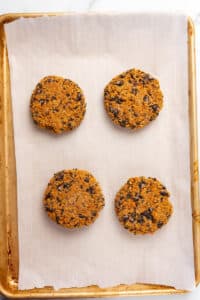
You can substitute coconut oil with melted vegan butter if you prefer. I like Earth's Balance Buttery Spread.
Try adding a tablespoon of ground flaxseed for an extra dose of protein.
For sweeter waffles, add a tablespoon of organic brown sugar or coconut sugar to the batter.
To keep the cooked waffles warm while you cook the rest of the batter, place them on a baking sheet lined with parchment paper in an oven set to low heat (around 200 degrees).
If you have any leftover pumpkin puree after making this recipe, store it in an airtight container in the refrigerator and use it to make pancakes or muffins.

Get creative with a variety of sweet and savory waffle toppings. Here are some fun ideas:

Coconut Waffles - Replace the oat milk with coconut milk and add ¼ cup of shredded coconut to the batter.
Chocolate Pumpkin Waffles - Add 3 tablespoons of cocoa powder to the batter.
Cinnamon Sugar Waffles - Add a teaspoon of cinnamon to the batter and sprinkle each waffle with a bit of organic pure cane sugar before you flip it in the waffle iron.
Apple Filled Waffles - Core and dice 1 apple and fold it into the batter before adding to the waffle iron.
Sweet Potato Waffles - Replace the pumpkin with mashed sweet potatoes. Add a teaspoon of cinnamon to the batter.

If you love these vegan pumpkin waffles, be sure to check out these other delicious recipes:
Also try: our Pumpkin Chocolate Chip Muffins.
Also try: our Almond Flour Pancakes.


Are you looking for a delicious and healthy vegan dinner idea? Look no further than this vegan zucchini lasagna. It's light, healthy, and bursting with flavor from fresh veggies, tangy marinara, and creamy vegan ricotta. Yum!

As an Italian, I've eaten more than my share of lasagna in my life. In fact, traditional lasagna is my son's all time favorite food and the dish we make for most holidays in our home. It's comfort food at its finest!
But it's also a heavy dish. And on these hot summer days, I need something a bit lighter. So I came up with this veggie-centric vegan friendly version of my fave pasta dish!

This Vegan Zucchini Lasagna is:
With its fresh vegetables, rich tomato sauce, and hearty vegan cheese, this zucchini lasagna is sure to satisfy your taste buds. Plus, it's the perfect way to sneak more veggies into your meal. Enjoy!
And don't forget to check out my other vegan pasta recipes for more delicious vegan dinner ideas.

Here's what you'll need to make this delicious zucchini lasagna:
In addition to these ingredients, you will need a 9"x 13" baking dish and either a vegetable peeler or a mandoline slicer for slicing the zucchini.

The first step is to slice your zucchinis lengthwise into thin strips. Lay them out on a paper towel and sprinkle them all over with salt. Allow them to sit for at least 15 minutes to draw out all of the excess moisture - this will keep your lasagna from becoming a soggy mess!
Next, you'll prepare a vegan tofu "ricotta" by blending the tofu, nutritional yeast, Italian seasoning, salt, and lemon juice in a food processor until smooth.

In a large skillet, sauté the bell peppers and onions until they are translucent. Add the garlic and mushrooms and cook until the mushrooms are browned and the excess liquid has evaporated. Finally, add the spinach and allow it to wilt.

Now, it's time to assemble your lasagna. Add a layer of tomato sauce to the bottom of a 9x13 baking dish, then a layer of zucchini slices. Follow that with another layer of sauce, followed by half of the cooked vegetables and half of the vegan ricotta. Then, add another layer of zucchini noodles, sauce, remaining vegetables, and remaining vegan ricotta. Finally, top with a final layer of zucchini slices and remaining sauce.

Cover the baking dish and bake in the oven at 400 degrees Fahrenheit for 45 minutes or until it is bubbly. Once done, remove the lasagna from the oven and add fresh minced basil. Allow it to sit for 10 minutes before serving.
(As always, see the recipe card below for more detailed instructions, measurements, and step-by-step images.)

Here are some helpful tips and tricks for making a delicious vegan lasagna!
Use a vegetable peeler or a mandoline slicer to create very thin, uniform slices of zucchini. This will ensure that your lasagna layers cook evenly and don't become mushy. You are unlikely to get thin enough slices by simply using a kitchen knife.
After slicing your zucchini, lay the pieces out on paper towels and sprinkle with salt. This will help draw out excess moisture, making for a firmer lasagna. Don't skip this step or you will get soggy lasagna!
If you have leftovers, store them in an airtight container in the fridge for up to 3-4 days. For best results, reheat in the oven or microwave before enjoying.

I used a simple plain tomato sauce for this recipe, to let the veggies shine. You can use any tomato or pasta sauce of your choice, or try your hand at making homemade tomato sauce.
This recipe uses a simple homemade tofu ricotta. For an alternative, this cashew ricotta is also a great choice. If you're short on time, consider using store bought vegan ricotta. There are many delicious options available at most grocery stores. I'm a fan of the Kite Hill brand.
I wanted to limit the processed ingredients in this healthy lasagna recipe, but you could also add some dairy free mozzarella shreds to the top if you're craving more cheesiness.
For more flavor, consider adding fresh herbs such as basil or oregano to your marinara sauce. Or for a little spice, add some crushed red pepper flakes. Yum!
If you want a protein boost, add in some meatless soy crumbles or crumble up some Beyond Sausages - they are perfect for this! You could also add lentils, chickpeas, or beans for a fun variation.
Consider using roasted vegetables such as eggplant, bell peppers, or mushrooms to add different textures and flavors to the dish.

The origins of lasagna are a highly debated topic. While most people assume the dish came from Italy, this popular recipe has made quite the journey around the world!
Some believe it began with laganon, a Greek word describing flat sheets of pasta that were cut into strips. Still others suggest that lasagna first appeared as far back as the 14th century in England and Italy, where cookbooks detailed various recipes for layers of cheese and pasta baked together. It wasn't until the 16th century when tomato-based versions of the dish were recorded that it bore closer resemblance to today's version.
But wherever it came from and whoever created it - our taste buds thank you!

If you love this vegan zucchini lasagna, be sure to check out these other delicious plant based ideas:
Also worth trying: our Italian-style vegan sausage and peppers.
Also worth trying: our vegan creamy mushroom pasta.
Also worth trying: our vegan pot pie casserole.
Also worth trying: our homemade vegan pizza dough.
Also try: our Vegan Greek Pasta Salad.
Also try: our Zucchini With Mint.


Get ready to experience the magic of vegan apple honey! It's a vegan friendly alternative to traditional honey that's simple, delicious, and easy to make with just a few ingredients.

As a vegan, it can be a challenge to find substitutes for some of our favorite non-vegan ingredients. And for me, one of those ingredients is honey. So I tried my hand at making my own vegan honey - and I have to say that it is pretty fantastic!
This apple honey is an easy alternative to traditional honey. This vegan version is not only cruelty-free, but it's also super delicious.
First things first, let's talk about the ingredients. You'll need apple juice, sugar, one chamomile tea bag, and lemon juice. That's it! It's a simple recipe. But the end result is a thick, syrupy concoction that tastes just like honey (or at least close enough for me).

To make the vegan apple honey, you simply toss all four ingredients into a large saucepan. Bring the mixture to a boil, then reduce the heat and let it simmer for about 40 minutes.
You can remove the tea bag after the first ten minutes. You'll want to stir frequently to make sure everything is well combined and doesn't scald on the bottom.

The longer you let it simmer, the thicker it will become. Just be sure to keep an eye on it so it doesn't burn.
And that's it! You now have your very own vegan apple honey. It's perfect for drizzling over vegan pancakes or adding to your morning oatmeal or granola. It's also great for baking or as a sweetener in your tea or coffee.

Add more flavor. For a little extra flavor, try adding a teaspoon of ground cinnamon, nutmeg, or ginger to the mixture before simmering. This honey is also wonderful drizzled over vegan lemon ginger scones!
Make it sweeter. If the vegan honey isn't sweet enough for you, you can add a bit more sugar to the mixture.

Storing the apple honey: Store in an airtight container in the fridge for up to a month. I have heard of people storing it as long as 6 months, but I have not tested it for that long because we always finish it up!
I hope you enjoy making and using this vegan apple honey as much as I do. It's a great alternative to traditional honey and is sure to satisfy your sweet tooth. Happy cooking!
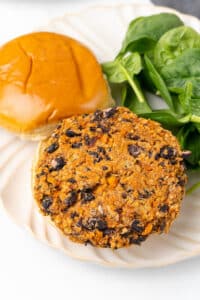
If you love this vegan apple honey, be sure to check out these other delicious ideas:


These fudgy avocado brownies are loaded with rich and creamy chocolate flavor. Easy to make in 30 minutes - and 100% vegan too!
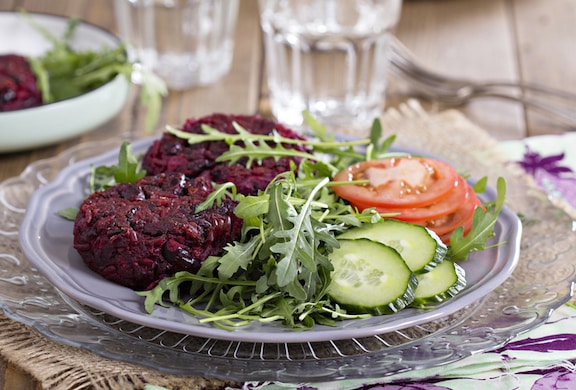
If you're on the hunt for a healthy, vegan friendly brownie recipe - look no further than these avocado brownies.
These Fudgy Avocado Brownies are...
For more healthy options, check out my raw vegan brownies or whip up these sweet potato brownies or vegan brownie bites!
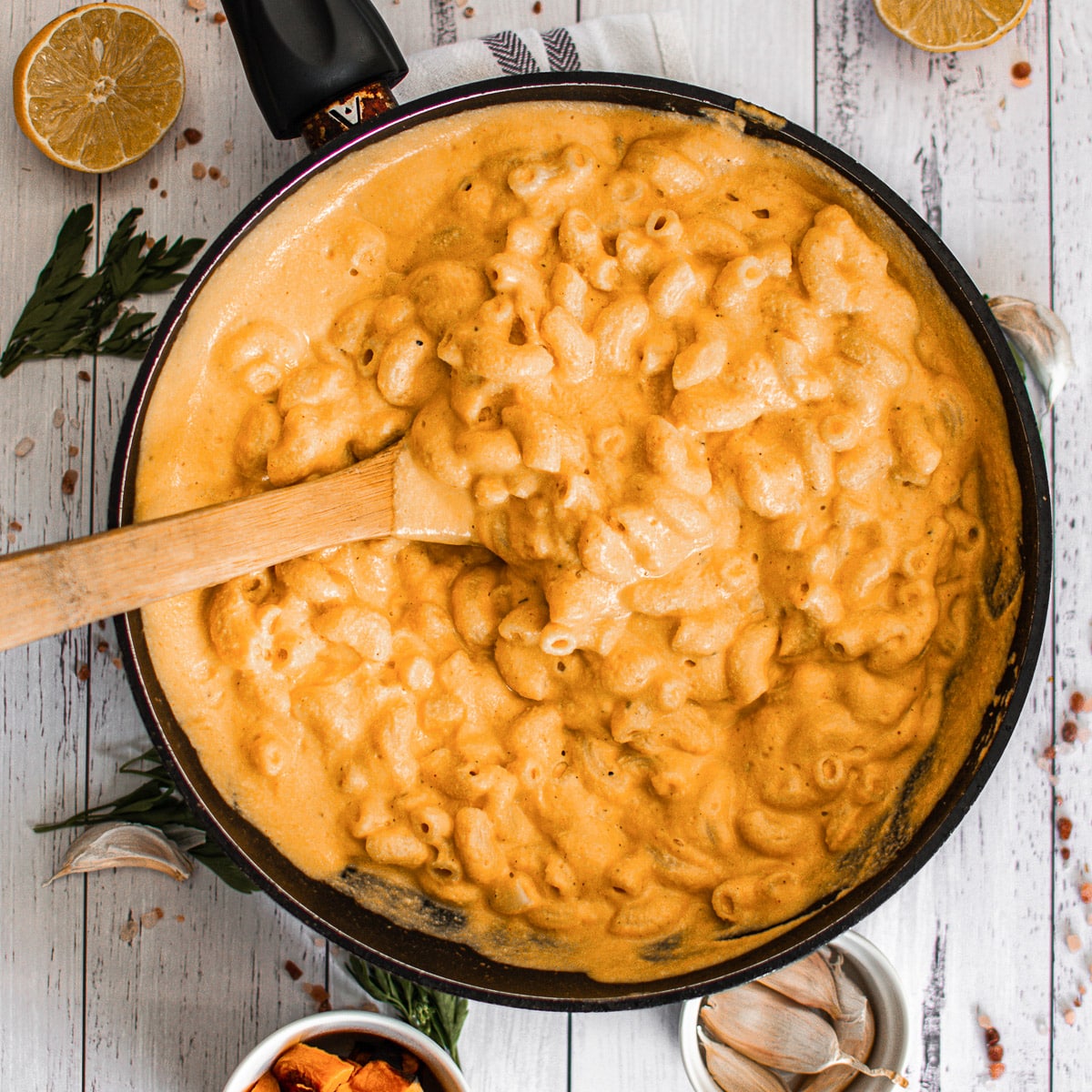
Full directions for these avocado brownies are in the printable recipe card below. This is a quick walk through of the key steps!
Scroll down for the full instructions in the printable recipe card!

Use a nonstick 8"x8" or 9"x9" baking pan for these brownies. Lining the baking pan with parchment paper will also help to ensure your brownies don't get stuck!
I recommend using a food processor or high speed blender for mixing this brownie batter, rather than a traditional mixer. It is needed to get the right consistency of the brownie batter!

Make sure your avocados are very ripe, soft and easy to mash. This will ensure that the texture of your brownies is smooth and creamy.
Let the brownies cool in the pan for at least 30 minutes before slicing. This will allow them to set and make for cleaner cuts.
Make sure to use a high quality cocoa powder for that rich and delicious chocolate flavor. Brownies are one of those recipes where the quality of ingredients really show. I'm a big fan of this Ghirardelli cocoa powder!

Consider sprinkling some sea salt on top of the brownies for a savory finish! The salt will enhance the flavor of the rich chocolate.
Want to add some crunch to your avocado brownies? Consider adding in some chopped walnuts or pecans. I would recommend ¼ cup to ⅓ cup of nuts.
If you love easy, fuss-free vegan treats, also check out our vegan sweet potato brownies or our vegan no-bake chocolate cookies or our vegan cinnamon roll in a mug - a warm, gooey treat ready in minutes.
Serve your brownies up with some fresh fruit like strawberries or blueberries, and a big scoop of dairy free ice cream!

Fudgy brownies are rich and dense with a moist, almost gooey texture. They have a high fat-to-flour ratio, which gives them their signature fudgy texture.
Chewy brownies, on the other hand, have a more cake-like texture with a slightly springy and chewy crumb. They have a lower fat-to-flour ratio and rely more on eggs and sugar to give them their structure.
Store the brownies at room temperature for 2-3 days, or in the refrigerator for 5-7 days.
If you want to store your brownies for longer, you can freeze them for 2-3 months. To freeze avocado brownies, wrap them tightly in plastic wrap or aluminum foil, or place them in an airtight container. When you're ready to eat them, thaw the brownies at room temperature for a few hours before serving.
If you love these fudgy avocado brownies, be sure to check out these other delicious vegan treats:
Also try: our Vegan Chocolate Avocado Cookies With Double Chocolate Chunks.


These easy vegan jalapeno poppers are the ultimate party appetizer. Packed with a cheesy dairy-free filling and topped with crunchy panko breadcrumbs.

We are currently right in the thick of the holiday season. And that means I've been hosting and attending lots of parties. Yay for being able to socialize again!
But that also means I've found myself in need of some easy vegan appetizers that I can throw together quickly and that please a crowd of both vegans and non-vegans alike.
Enter these tasty (and super easy) vegan jalapeno poppers! They're made with just a handful of ingredients in under 30 minutes. What's not to love?
And if you need a few more appetizers for your party, serve them up alongside these vegan mozzarella sticks and this vegan charcuterie board. Now that's a party spread!
While I typically cook with as many fresh ingredients as possible, these vegan jalapeno poppers use a few handy store bought vegan items to make them as quick and easy as possible! Here's what you'll need.

See the recipe card below for detailed measurements and instructions.
These tasty little morsels are so delicious and so pretty - no one will know you made them in under 30 minutes!

Mix up the creamy filling - made with shredded vegan cheddar cheese, vegan cream cheese, garlic, oregano, salt, and panko breadcrumbs. Yum!

Slice the jalapeno peppers in half, and carefully remove the seeds. Be careful when touching the peppers - they are spicy!

Fill each jalapeno pepper with the creamy filling. Then top with additional vegan cheese and breadcrumbs.

Bake at 400 degrees Fahrenheit for 20 minutes, and enjoy!
And there you have it - totally delicious vegan jalapeno poppers. Ready to go in under 30 minutes!

I keep a pack of these disposable kitchen gloves in my pantry for tasks like de-seeding jalapeno peppers. They are very spicy! If the oils get on your hands, and you then touch your face, it burns like crazy.
Make buffalo jalapeno poppers. Simply add a couple tablespoons of your favorite buffalo sauce to the vegan cream cheese mixture for a completely new flavor!
Mix up the cheese. Instead of a vegan cheddar cheese, try this recipe with other varieties. It also works well with Monterey Jack style or mozzarella style vegan cheese shreds.
Add some vegan bacon. Try crumbling in some vegan bacon or plant-based sausage. I like the Morningstar Farms bacon and the Beyond Sausages!
Make homemade vegan cream cheese. I used a store bought vegan cream cheese for convenience, but you can also make your own!
Store leftover jalapeno poppers in the refrigerator for 2-3 days, in an airtight container. I don't recommend freezing this recipe.
Reheat in the oven at 350 degrees Fahrenheit until warmed through. This will help get the topping crispy again.

If you love these vegan jalapeno poppers, be sure to check out these other delicious recipes that are perfect for entertaining:

This vegan vodka pasta is my all time favorite pasta dish. Perfectly cooked rigatoni tossed in a savory and creamy vegan vodka sauce. Yum!

Growing up in an Italian family meant eating my fair share of pasta dishes. Ok, probably way more than my share. And I've traditional vodka pasta was always one of my favorites.
So I finally spent the time to figure out how to vegan-ize this traditional Italian recipe. And here it is - vegan vodka pasta!
The vegan vodka sauce is super rich and creamy thanks to some key ingredients like coconut milk and nutritional yeast. And I have to say - this is one darn good vegan pasta dish.
And while you're here, don't forget to grab a copy of my free vegan cheat sheet. It's packed with all my favorite substitutions to vegan-ize any recipe!
The vegan vodka pasta is easy to make with simple ingredients that you probably already have in your pantry. Then just toss with your favorite pasta and mangia!

See the recipe card below for detailed measurements and instructions.
While this vegan vodka pasta tastes like it took all day to make, it's actually easy to throw together in about 20 minutes. Perfect for an easy weeknight meal!

On the stovetop, sauté the onion, garlic, crushed red pepper, salt, and black pepper. Add the tomato paste.

Add the vodka! Then stir in the coconut milk and nutritional yeast.

Stir until the vodka sauce is nice and creamy, and bring to a simmer.

Toss the vegan vodka sauce with your favorite pasta and enjoy!
And there you have it! A deliciously simple vegan vodka pasta that's ready in under 30 minutes. What's not to love?

Hint: While you can use any pasta of your choice, penne or rigatoni pasta is the most traditional choice. And it works well because the vodka sauce clings to all those little ridges!
Make it without vodka. You can omit the vodka from your vodka sauce, and you'll still end up with a delicious spicy, garlicky tomato sauce.
Make it gluten free. This vegan vodka pasta is gluten free when made with a gluten free pasta, like this chickpea pasta.
Add veggies. While a traditional vodka pasta doesn't contain any extras, you can make this dish a bit heartier by adding sauteed veggies like bell peppers, onions, or zucchini. You could even add chickpeas for a protein boost!

Store any leftover vodka pasta in the refrigerator for 3-5 days, in an airtight container. You can also freeze the vodka sauce for 2-3 months.
If freezing, freeze the sauce on its own in an airtight container. Then defrost, warm on the stovetop, and toss with cooked pasta.
Any unflavored vodka will work just fine. It does not need to be fancy or expensive. But as with wine, I don't recommend cooking with anything you wouldn't be willing to drink!

If you love this vegan vodka pasta, be sure to check out these other tasty recipes:

This vegan banana cake is a layered homemade banana cake that is then topped with a vegan cream cheese. If you have some overripe bananas on your hand this is a must make cake.

I used chopped pecans and walnuts so you have tons of flavor bursting from this vegan cake recipe. Also, make sure to check out these other banana recipes, or dig in to this banana pudding. Or start your morning with these banana oat pancakes.
This Vegan Banana Cake Is...

Full steps and measurements on how to make vegan banana cake are in the printable recipe card. This is a quick walk through.

It is important to use ripe bananas for this cake. You want brown speckled bananas for this. If they are not ripe you can place the banana in the peel at 225 degrees for 15 minutes or so. You want the peel to turn black. Once it does, remove and allow the bananas to cool. Then mix in the batter as normal. It will give you a ripe banana flavor.
Make sure that your vegan cream cheese is softened an room temperature. That way you can get that ultra creamy texture from the frosting.
I love using a mixer for making the cake batter and the frosting. I find especially when making frosting it helps to give you that ultra creamy texture.

Leave out the nuts if you don't want to have a crunch in your cake or the frosting.
Stir in ⅓ cup of coconut flakes in the frosting to add a nice twist of coconut flavor to the cake.
Grab either some regular or golden raisins an add ¼ cup into the cake recipe. It will add a bit more sweetness to the cake.
Skip the cream cheese vegan frosting if you don't want it. Spread on any of your favorite vegan frostings you would like. From peanut butter to vanilla and all things in between.

Yes, you will want to refrigerate the cake. You will find since the vegan cream cheese frosting needs refrigerated then don't leave the cake out for longer than two hours.
Yes you can freeze this cake. Just place in a freezer friendly container. Then freeze for 3-4 months. Then thaw in the fridge or on the counter for an hour. If you love easy vegan chocolate bakes, also try these fudgy avocado brownies - ready in 30 minutes and irresistibly fudgy.