

The same classic American cheese taste you grew up with: mild, firm, and satisfying. These creamy golden-hued vegan American cheese slices are perfect sliced on sandwiches and crackers. Recipe and photo from Vegan Cheese: Simple, Delicious Plant-Based Recipes by Jules Aron, ©2017 by Countryman Press, reprinted by permission. [Read more...]
Search Results for: fresh veg
Fully Loaded Vegan Nachos
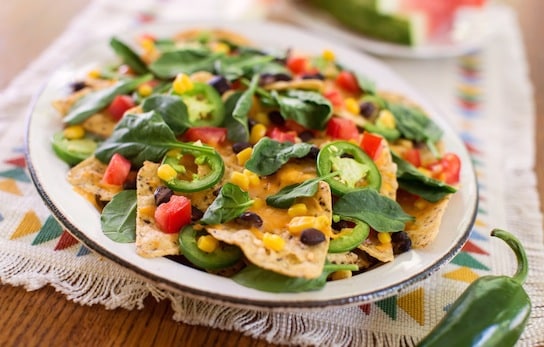
Looking for the perfect vegan dish for that next tailgate party? These super-tasty vegan nachos can be made with simple pantry and refrigerator staples in a matter of minutes.
Nachos are fun fare for any occasion, whether as a snack for a small party, or even as an easy weeknight dinner.
I especially love these vegan nachos because they are so incredibly simple! It uses staple ingredients that you probably already have in your kitchen right now.
How to Make Vegan Nachos
- Arrange tortilla chips on an oven safe dish or baking sheet.
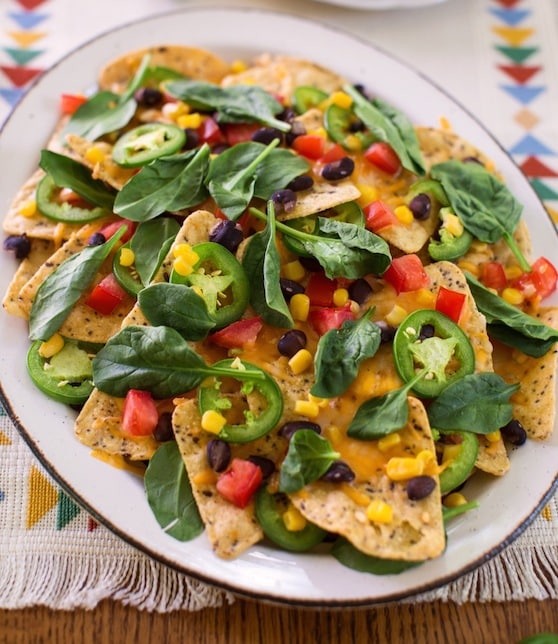
- Top with vegan cheddar cheese shreds and toppings such as black beans, corn, chili peppers, and tomatoes.
- Bake until cheese is melted.
- Top with fresh spinach leaves, if desired.
Variations
There are so many ways to make nachos, the combinations are virtually infinite. Some of my other favorite vegan nacho toppings are:
- Any kind of beans. Try kidney beans or refried beans, in addition to black beans!
- Vegan queso - try this vegan cheese sauce!
- Spice it up with chilis in adobo sauce or sliced red chili peppers.
- Black olives.
- Fresh herbs such as parsley or cilantro
- A dollop of dairy free sour cream or plain dairy free yogurt.
- And of course - guacamole!
Have fun experimenting with your own favorite toppings! For another great cheesy party snack, try these vegan mozzarella sticks.
Recipe from the cookbook Plant Power by Nava Atlas. © 2014, published by HarperOne, reprinted by permission. Photos by Hannah Kaminsky.
Recipe

Fully Loaded Vegan Nachos
Here are some super-tasty nachos that can be made with pantry and refrigerator staples in a matter of minutes.
Print
Pin
Save
Servings: servings
Ingredients
- 4 to 5 ounces tortilla chips
- 1 cup vegan cheddar cheese grated
- 1 jalapeño peppers or more to taste, seeded and thinly sliced, or one 4-ounce can chopped mild green chiles
- ½ cup corn kernels fresh or thawed from frozen
- ½ cup black beans canned. drained and rinsed. Or substitute red or pinto beans
- 1 tomato finely chopped, ripe
- baby spinach 2 big handfuls
- Salsa your favorite brand, as desired
Optional garnishes
- Super-Easy Guacamole
- Thinly shredded romaine lettuce
Instructions
- Arrange the tortilla chips on a large platter or a shallow, round casserole dish, about 14 inches in diameter. Sprinkle evenly with the cheese, followed by the chili peppers, corn, beans, and tomato.
- Bake for 8 minutes, more or less, until the cheese is well melted. Or microwave for 3 minutes.
- Scatter the spinach over the top and return to the oven for 2 minutes or so, or to the microwave for another minute, just until it wilts.
- Serve at once. Pass around salsa to top individual portions, as well as any of the optional garnishes.
Nutrition (Estimate per Serving)
Calories: 282kcalCarbohydrates: 36gProtein: 6gFat: 13gSaturated Fat: 3gTrans Fat: 1gSodium: 401mgPotassium: 261mgFiber: 5gSugar: 2gVitamin A: 347IUVitamin C: 9mgCalcium: 79mgIron: 2mg
Vegan-ize any recipe!Grab our free vegan cheat sheet, packed with my favorite easy substitutions to make any recipe vegan.
Hummus and Veggie Lavash Wraps

Rectangular soft lavash wrappers are even easier to make sandwiches with than round wrapper breads - everything lines up so neatly, and they roll up so easily. Look for them in near your supermarket's deli section - they're often shelved near pita breads. Hummus holds everything together, and plenty of romaine lettuce plus fresh tomatoes, cucumbers, and roasted red peppers means that your yummy sandwich is also a salad! Make this with black olive hummus for extra flavor. Photos by Evan Atlas. [Read more...]
Vegan Butternut Squash & Swiss Chard "Lasagna"
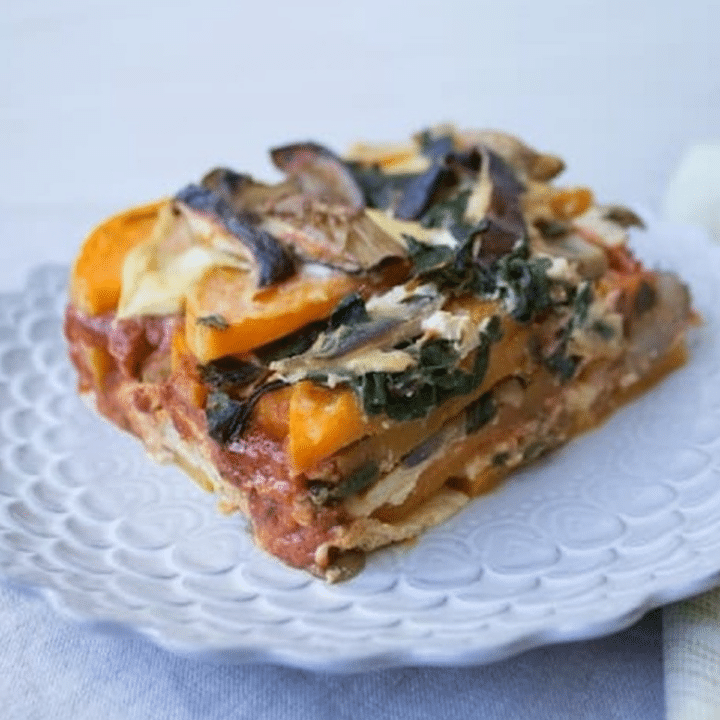
In this hearty vegan and gluten-free lasagna I used a mixture of shiitake and white button mushrooms, fresh rosemary and tarragon, swiss chard, homemade sauce (so easy!!!), tofu "cheese", and squash. The flavor and texture are excellent, everything you'd want from a meal on a cold winter day.

This recipe was contributed by Jenné Claiborne, a vegan personal chef in Atlanta She also creates recipes, videos, and share my passion for healthy vegan eating on her blog. Photos by Sydney Bensimon.
This lasagna, like most, is done in parts. You've got your roasted squash, sauce, veggies, and tofu "cheese". If you like to cook, this meal with bring you lots of joy in the kitchen. If you don't think of yourself as a cook, give it a try anyway. Each step is easy as pie, and the result is well worth the minimal effort and time.
Can't get your hands on swiss chard-or any other chard? Use spinach, kale, or collards. If you're not a fan of butternut squash, use zucchini instead - our vegan zucchini lasagna takes that idea all the way.
Serves: 4 generous portions
- Olive oil
- Sea salt
- 1 large butternut squash, peeled, halved and thinly sliced in half-moon shapes (about ¼ inch thick); or two small butternuts (note, if your knives aren't sharp enough to cut raw squash, see tips for a workaround in this post)
- 14-oz can plain tomato sauce
- 4 garlic cloves, minced
- ¼ cup nutritional yeast
- 2 teaspoon Italian herb dried spice
- 1 teaspoon fresh black pepper
- 4 cups of your favorite mushrooms (I used shiitake and white button), sliced
- 4 cups swiss chard, ribs removed, washed, & chopped
- 1 tablespoon fresh tarragon, minced
- 1 tablespoon fresh rosemary, minced
- 1 teaspoon red chili flakes (if you like heat)
- 1 block firm organic tofu
- ½ cup nutritional yeast
- 1 teaspoon apple cider vinegar
- 1 ½ teaspoon sea salt
Preheat oven to 350° F, and line a baking sheet with parchment paper.
Toss ysliced butternut squash with a couple tablespoons of olive oil, and spread the squash onto the baking sheet. If it doesn't all fit use a second baking sheet, or layer it. Roast for 30 minutes, until tender, but not too mushy.
Sauce:
Heat a tablespoon of olive oil in a sauce pan over medium-high heat. Add the minced garlic, and cook until golden (be careful not to burn it).
Reduce the heat, and carefully pour the tomato sauce into the pan. It might start to pop, so keep the lid nearby. Stir the garlic and sauce, then add the nutritional yeast, herbs and black pepper. Cover, and allow the sauce to cook while you work on the next part.
Swiss Chard & Mushrooms:
Heat a tablespoon, or two, of olive oil in a skillet on medium-high heat. Add the mushrooms and a generous pinch of sea salt, and stir. The cooking will draw the moisture out of the mushrooms, so don't worry if the pan seems too dry. Once they've begun to sweat (moisten), add the swiss chard, tarragon, and rosemary. Stir well, and remove from heat.
Tofu "Cheese":
Break the tofu up and place it in a food processor. Process until smooth, then add the nutritional yeast, vinegar and salt. Process again to incorporate it all, and taste to see if you need to add any more salt.

Assemble the Lasagna:
Now that you've got all the parts complete you can assemble the lasagna.
To do this you will place a layer of squash on the bottom of the baking dish. Follow that with some of the "cheese", follow that with some of the mushroom mix (squeeze excess liquid from the mushrooms and greens before layering), then the sauce, then the squash again.
Continue to layer the ingredients until you've used them all. Use about ½ cup of "cheese", sauce and mushrooms on each layer. I like my top layer to have all the ingredients visible.
Place the lasagna back in the oven and bake for 40 minutes (or 30 if you just can't wait).
- Here are more of VegKitchen's Hearty Pasta Dishes.
- Find more of VegKitchen's Vegan Dinner Recipes and more Casseroles And Other Comfort Foods.
Recipe
Vegan Butternut Squash & Swiss Chard "Lasagna"
This hearty, gluten-free vegan lasagna layers roasted butternut squash, a garlicky tomato sauce, herbed mushrooms and Swiss chard, and a simple tofu “cheese” instead of noodles and dairy — comforting, from-scratch, and perfect for a cold winter night.
Print
Pin
Save
Servings: servings
Ingredients
Roasted Squash
Sauce
- 1 tablespoon olive oil
- 4 cloves garlic minced
- 14 oz can plain tomato sauce
- ¼ cup nutritional yeast
- 2 teaspoons dried Italian herb seasoning
- 1 teaspoon black pepper freshly ground
Swiss Chard & Mushrooms
Tofu "Cheese"
- 1 block firm tofu organic
- ½ cup nutritional yeast
- 1 teaspoon apple cider vinegar
- 1 ½ teaspoons sea salt
Instructions
Roast the Squash
- Preheat the oven to 350°F and line a baking sheet with parchment paper.
- Toss the sliced squash with a couple tablespoons of olive oil and a pinch of salt. Spread on the baking sheet (use two sheets or layer if needed) and roast for 30 minutes, until tender but not mushy.
Make the Sauce
- Heat 1 tablespoon olive oil in a saucepan over medium-high heat. Add the garlic and cook until golden, being careful not to burn it.
- Reduce the heat and carefully stir in the tomato sauce. Add the nutritional yeast, Italian herbs, and black pepper. Cover and simmer while you prepare the rest of the components.
Make the Chard & Mushrooms
- Heat 1-2 tablespoons olive oil in a skillet over medium-high heat. Add the mushrooms and a pinch of salt, and cook until they release their moisture.
- Add the Swiss chard, tarragon, and rosemary. Stir well and remove from heat.
Make the Tofu "Cheese"
- Break up the tofu and process in a food processor until smooth.
- Add the nutritional yeast, vinegar, and salt. Process again to combine, and taste for seasoning.
Assemble & Bake
- In a baking dish, layer squash, tofu "cheese," the mushroom-chard mixture (squeeze out excess liquid first), then sauce. Repeat the layers, using about ½ cup each of cheese, sauce, and mushrooms per layer, ending with a top layer that shows off all the ingredients.
- Bake for 30-40 minutes, until hot and bubbling.
Nutrition (Estimate per Serving)
Calories: 410kcalCarbohydrates: 38gProtein: 19gFat: 22gSodium: 950mgPotassium: 900mgFiber: 8g
Vegan-ize any recipe!Grab our free vegan cheat sheet, packed with my favorite easy substitutions to make any recipe vegan.
20-Minute Asian Vegetable Noodle Soup

When it's cold and damp outside, or when you're sick with cold or flu, there's nothing like a piping hot bowl of Asian vegetable noodle soup. Perhaps you're tempted to send your significant other to pick up some soup from the local Chinese eatery, as we used to do on such occasions. It was usually something called Bean Curd Vegetable Soup. The veggies were never very vivid or interesting, but still, it provided instant comfort.
This fresh homemade version is ready literally in the time it takes to heat up. Not only do the ingredients take almost no time to cook, they're best if not overcooked. [Read more...]
11 Best Vegan Scone Recipes
Scones are such a delicious treat. Soft, crumbly, and packed with flavor, they make a wonderful breakfast or delicious dessert. Scones are always warm, sweet, and satisfying, but unfortunately they are not always vegan. That's why I've rounded up all my favorite vegan scone recipes right here. Now you can indulge in this sweet treat guilt-free!
Vegan Scone Recipes
Simple Vegan Scones

This recipe is a great place to start our list. This classic Simple Vegan Scone recipe makes a great base for experimenting. Add any kind of fruit or nuts to customize this recipe to your tastes. You can also top these with all sorts of delicious condiments. This recipe serves the scones with strawberry jam and coconut whipped cream.
Cranberry Orange Scones

This is a vegan version of the classic Cranberry Orange Scone. These scones are a delicious breakfast pastry that you can enjoy on a cold fall morning. The orange icing glaze makes them extra decadent. Serve them at a holiday brunch party to wow your guests.
Lemon Poppy Seed Scones

These are another classic scone variety made with no animal products. These Lemon Poppy Seed Scones are sweet and bursting with lemon flavor. They're great for a breakfast or as a dessert!
Cheddar Chive Scones

These savory Cheddar Chive Scones would be great with a warm bowl of leek and mushroom soup. These would also make a great vegan alternative to the croissants and rolls that are usually served for the holidays.
Cherry Coconut Scones

This recipe uses fresh cherries! These vegan Cherry Coconut Scones are perfect for that early summer brunch, or you can freeze the fresh cherries to make these scones any time of year. The coconut creates a nice flavor combination with the fresh cherries. This recipe uses bread flour, so be careful not to knead it too much, or they will get tough.
Maple, Pumpkin, Pecan, & Oat Scones

The name is a mouthful, but a mouth full of these fall favorites will be happy. These Maple, Pumpkin, Pecan, & Oat Scones have everything good about fall in one little bite. These scones are a perfect addition to a holiday party or brunch. Enjoy!
Peach Scones

These Peach Scones are perfect little vehicles for some delicious, fresh peaches. The recipe says that you can use canned, frozen, or fresh peaches, so you can enjoy these beautiful scones any time of the year.
Double Chocolate Scones

These vegan Double Chocolate Scones are decadent and rich-great for breakfast or dessert. They have a chocolate batter, chocolate chips, AND chocolate sauce drizzled over the top! This is the perfect scone recipe for those chocoholics out there.
Banana Nut Vegan Scones

These Banana Nut Vegan Scones are like individual banana-nut breads covered in a maple glaze. Don't they sound like little triangles of heaven? This is another scone recipe that works great for breakfast, brunch, or dessert. You can even have one of these scones in the afternoon with a cup of coffee. Banana nut scones are a classic for a reason!
Gluten-Free Blueberry Scones

There is no shortage of blueberry scone recipes on the internet. What sets this recipe apart is that it is gluten-free. These Gluten-Free Blueberry Scones are a great choice for anyone with celiac's disease or a gluten intolerance. They are also a great choice for a brunch party, because you never know who is gluten-free these days.
Savory Lemon Fennel Scone

This last scone recipe is savory instead of sweet. The recipe calls for lemon juice, lemon zest, fennel seeds, and garlic to create an Italian flavor profile. These Savory Lemon Fennel Scones would be great with pasta, or as a savory biscuit with a tofu scramble. you could leave out the garlic and add sugar to make these into a sweet version, too!
We hope that you have found some great vegan scone recipes to add to your recipe box! Be sure to also try these vegan lemon ginger scones - bursting with lemon zest and ginger, they make a wonderful addition to any tea time spread. Do you have any vegan scones recipes that you would like to share? Leave a comment below!
Vegan Noodle Kugel
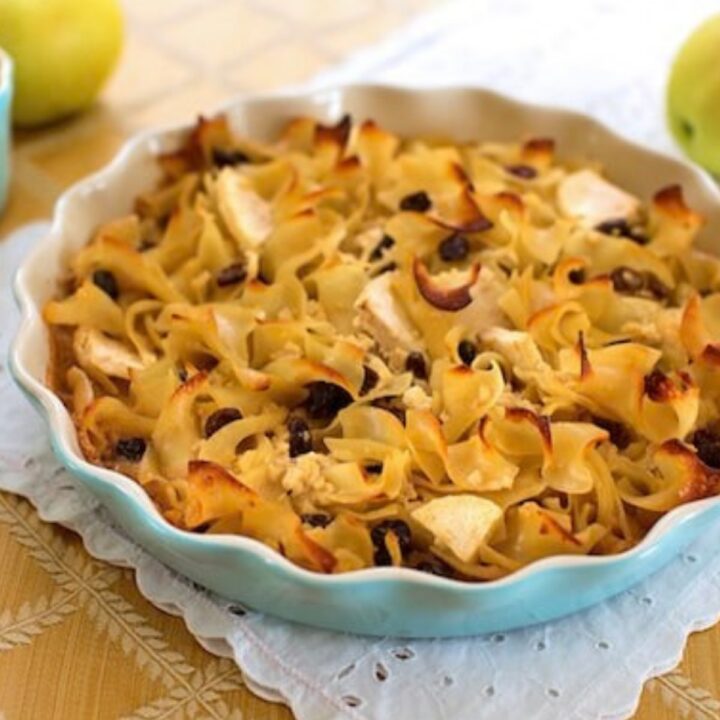
This mildly sweet vegan noodle kugel, made dairy-free, is a classic Jewish comfort food: tender ribbon noodles baked in a creamy, cinnamon-scented custard with apples and raisins until the top turns golden and crisp. It's always welcome at celebrations such as the Jewish New Year (Rosh Hashanah) and Hanukkah!
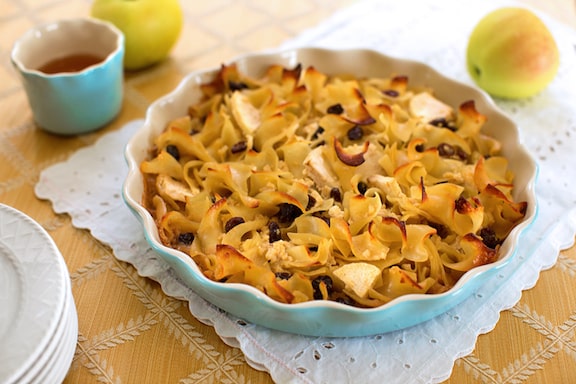
This vegan noodle kugel has long been one of the favorite holiday dishes in our home. It's traditionally served for Jewish holidays such as Hanukkah or Jewish New Year. But I think it's a fantastic dish for just about any special occasion, as it's always a big crowd pleaser.
A traditional sweet kugel leans on egg noodles, eggs, butter, and plenty of dairy (usually cottage cheese and sour cream). This version swaps in soft tofu and vegan sour cream or cream cheese for that rich, custardy middle, and it holds together beautifully once it rests.
Key Ingredients & Substitutions
- Ribbon-style noodles. Noodle kugel is traditionally made with egg noodles, but for this vegan version you can use other soft ribbon noodles like spelt ribbons, or flat, soft rombi pasta. Egg-free fettuccine broken into shorter lengths works well too. Read labels carefully: most "wide egg noodles," and even some "yolk-free" noodles, still contain egg whites.
- Soft tofu. Mashed soft tofu stands in for the cottage cheese and eggs of a classic kugel. It adds protein and gives the filling that familiar curd-like texture. Blotting it well keeps the kugel from turning watery; silken tofu is too loose here, so stick with soft or medium-soft.
- Vegan sour cream or cream cheese. This is what makes the kugel rich and slightly tangy, the way the dairy version is. You can use store-bought brands, or you can make your own homemade vegan sour cream, sour cashew cream, or vegan cream cheese. Cream cheese makes a denser, richer kugel; sour cream makes a lighter, tangier one.
- Agave and sugar. Agave nectar blends smoothly into the tofu mixture, while the sugar helps the top caramelize. Maple syrup works in place of agave, or try a drizzle of homemade vegan apple honey for a nod to the honey-and-apple traditions of Rosh Hashanah.
- Vegan butter. For the vegan butter, I always recommend the Earth Balance brand for the best texture. Melted coconut oil works in a pinch, though you'll lose a little of that buttery flavor.
- Apple or pear, raisins, cinnamon, and vanilla. Thin slices of apple or pear soften into the noodles as they bake, and dark or golden raisins add little pockets of sweetness. A teaspoon of cinnamon and a generous splash of vanilla round everything out.
Helpful Tips
Undercook the noodles slightly. Boil them a minute or two short of the package time. They'll keep softening in the oven as they soak up the creamy mixture, and starting al dente keeps the finished kugel from going mushy.
Blot the tofu well. Pressing out the excess water between towels is what lets the tofu mixture cling to the noodles instead of pooling at the bottom of the dish.
Leave some noodles sticking up. When you spread the mixture in the dish, don't smooth the top flat. The ribbons that poke up are the ones that turn crisp and golden, and those crunchy edges are everyone's favorite part.
Let it rest before cutting. Give the kugel a full 15 minutes out of the oven. It firms up as it cools slightly, so the squares hold their shape. It's also good served at room temperature, which makes it an easy dish to bring along to a holiday gathering.

Variations
- Raisins or not. Raisins are a love-them-or-leave-them ingredient in kugel. Skip them entirely, swap in dried cranberries or chopped dried apricots, or plump them first in a little warm apple juice for extra-juicy bites.
- Extra apple. Use two apples instead of one, or fold in a half cup of unsweetened applesauce for a softer, more fruit-forward kugel. Tart apples like Granny Smith balance the sweetness nicely.
- Cinnamon-crumb topping. Toss crushed cornflakes or graham crackers with a tablespoon of melted vegan butter and a little cinnamon sugar, and scatter it over the top before baking.
- Less sweet. Cut the sugar to ¼ cup and let the fruit do more of the work. This makes the kugel work better as a side dish alongside a savory main.
- Savory kugel. Leave out the agave, sugar, raisins, fruit, cinnamon, and vanilla. Instead, add a sautéed onion, a clove or two of garlic, salt, pepper, and some fresh dill, and use plain vegan sour cream for a savory noodle side.
Serving Ideas
On the holiday table, noodle kugel sits happily between the mains and the desserts. For Rosh Hashanah, serve it alongside a round loaf of egg-free vegan challah, sweet potato tzimmes, and Sephardic stewed white beans, with apple slices for dipping on the side. It's equally at home on a Hanukkah spread next to latkes and applesauce.
Sweet kugel also makes a lovely brunch dish. Cut it into squares and serve it warm or at room temperature with fresh fruit and coffee, or bring it to a potluck, since it travels well and doesn't need to be piping hot to taste good.
Storing & Freezing
Let the kugel cool completely, then cover the dish tightly or transfer the squares to an airtight container. It keeps in the refrigerator for 4 to 5 days. Enjoy it cold, at room temperature, or rewarmed in a 350°F oven for 10 to 15 minutes (cover it with foil so the top doesn't get too dark). You can also make the whole kugel a day ahead of a holiday meal and reheat it just before serving.
Noodle kugel freezes well. Wrap individual squares or the whole cooled kugel in plastic wrap and then foil, and freeze for up to 2 months. Thaw overnight in the refrigerator, then reheat, covered, at 350°F until warmed through, about 20 minutes for a full dish. Uncover for the last few minutes to re-crisp the top.

More Vegan Jewish Holiday Recipes
If you love this vegan noodle kugel, check out these other holiday-worthy ideas:
- Vegan Purim Cookies
- Egg-Free Vegan Challah
- Just-as-Sweet-as-Honey Cake
- Vegan Jewish New Year Recipes
Recipe photos by Hannah Kaminsky.
Recipe

Vegan Noodle Kugel
This mildly sweet vegan noodle kugel bakes tender ribbon noodles in a creamy tofu and vegan sour cream custard with apples, raisins, and cinnamon until golden on top. A classic, dairy-free Jewish comfort food for Rosh Hashanah, Hanukkah, or brunch.
Print
Pin
Save
Servings: servings
Ingredients
- 8 ounces ribbon-style noodles egg-free, such as spelt ribbons or fettuccine broken into shorter lengths
- 8 ounces soft tofu
- 8 ounces vegan sour cream or vegan cream cheese (or use homemade Vegan Sour Cream or Cashew Cream) about 1 cup
- ¼ cup agave nectar or maple syrup
- ⅔ cup dark or golden raisins optional
- 1 medium apple or pear peeled, cored, and cut into small, thin slices
- ¼ cup vegan butter melted, such as Earth Balance
- ½ cup sugar organic, vegan
- 2 teaspoons vanilla extract
- 1 teaspoon cinnamon
Instructions
- Preheat the oven to 350°F. Lightly oil a shallow 2-quart round or rectangular baking dish.
- Cook the noodles in a large pot of boiling water until just al dente, a minute or two short of the package time, then drain well.
- Meanwhile, cut the tofu into 3 or 4 slices, then blot well between layers of paper towel or a clean tea towel. Transfer to a large mixing bowl and mash until finely crumbled. Stir in the vegan sour cream or cream cheese and the agave nectar until well combined.
- Add the cooked noodles and all the remaining ingredients (raisins, apple or pear, melted vegan butter, sugar, vanilla, and cinnamon) and stir gently until the noodles are evenly coated. Transfer the mixture to the prepared baking dish, leaving some noodles poking up on top so they crisp.
- Bake, uncovered, for 35 to 40 minutes, or until the top begins to turn golden and crisp at the edges. Let stand 15 minutes before cutting into squares. This is also good served at room temperature.
Notes
Noodles: check labels, since most wide egg noodles (and some "yolk-free" noodles) contain egg. Spelt ribbons or egg-free fettuccine work well.
Make ahead: bake a day ahead, refrigerate, and reheat covered at 350°F for 15 to 20 minutes.
Storage: keeps 4 to 5 days in the refrigerator, or freeze well-wrapped for up to 2 months. Thaw overnight in the fridge before reheating.
You'll also need a little oil or vegan butter to grease the baking dish.
Nutrition (Estimate per Serving)
Calories: 372kcalCarbohydrates: 61gProtein: 8gFat: 11gSaturated Fat: 3gPolyunsaturated Fat: 5gMonounsaturated Fat: 2gTrans Fat: 1gSodium: 192mgPotassium: 183mgFiber: 2gSugar: 30gVitamin A: 283IUVitamin C: 1mgCalcium: 52mgIron: 1mg
Vegan-ize any recipe!Grab our free vegan cheat sheet, packed with my favorite easy substitutions to make any recipe vegan.
Vegan Dinner Ideas: Mid-September

Fall is trying to sneak its way into the air; is your palate is ready? At the first hint of autumn I’m ready to turn on the oven to bake sweet and savory fare, and make soups. Potatoes, Corn, and Green Chile Soup is a perfect transitional soup, making use of fresh corn and tomatoes while at the same time serving as warming and comforting fare. Make a big pot of it and enjoy it for a couple of nights’ worth of dinners with a salad or salad-y wraps. [Read more...]
Egg-Free (Vegan) Challah

It took a while for a virtual non-baker like me to get the hang of baking without eggs, but I did. One of my first projects was to learn how to bake vegan challah because I wanted my son to continue to enjoy his favorite Friday night ritual, safely. I found that it was easier, safer, and tastier to make it myself, rather, than to relentlessly ask questions at the bakery which only yielded nonchalant responses that could result in a potentially life threatening episode.
Often, my guests ask me for this recipe and as part of my mission, I now pass it on to you. Another benefit of this challah (aside from the fact that it is ridiculously simple) is that it is cholesterol-free for those family members or guests who are on restricted diets. Enjoy! Recipe by Rachel Orenstein Packer. Photos by Hannah Kaminsky. [Read more...]
Vegan Sweet Potato Pie

Vegan sweet potato pie, made with silken tofu, sets up beautifully when baked. The cheering color makes it perfect for fall or winter occasions. Pie crust sizes vary, so if excess filling remains after pouring into the crust, fill a ramekin or two, and bake at the same time as the pie to make mini-puddings. Photos: Hannah Kaminsky. [Read more...]
5 Best Vegetables for Acid Reflux and Heartburn — and a Smoothie
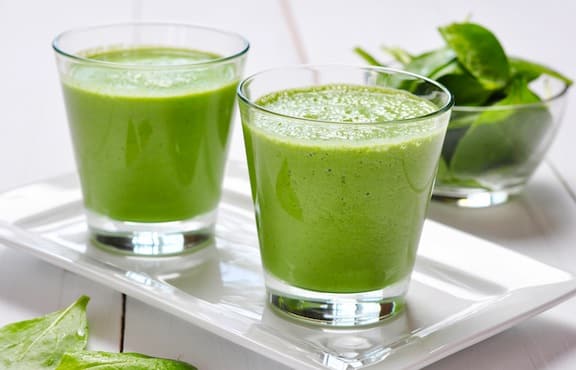
It is a well-known fact that diet plays a decisive role in the annoying symptom known as heartburn or acid reflux - often as a trigger, or root cause.
Changing your diet can help resolve heartburn symptoms for the long run. Some foods have substantial alkaline effects that help alleviate acid reflux quickly and effectively.
Here, we'll discuss the 5 best vegetables for acid reflux and heartburn - remedies you'll find in any produce section or farm market.
Studies are now showing us that certain unexpected vegetables are in fact great home remedies for acid reflux symptoms. The same studies are also showing that other groceries have so far been overrated as heartburn remedies.
At the end of the article we'll show you an easy and tasty anti-heartburn smoothie recipe, which combines the power of all these natural ingredients.
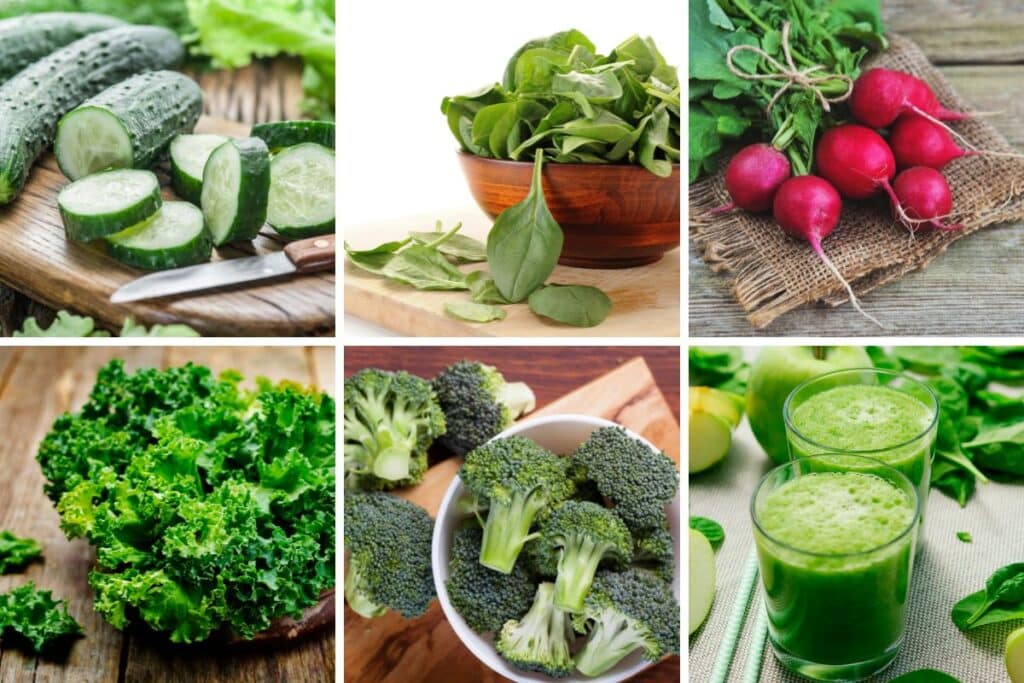
Home Remedies or drugs?
There are many potential causes for heartburn, and you should always talk to your doctor about the possible root cause. But what can be done if you have acute heartburn right now?
One option is medication, like antacids or PPIs. I assume, as you found your way to this site, that this isn't your goal. And that is very good! Many of the available drugs will indeed help against heartburn, but will often cause more severe or risky side effects.
And here I want to emphasize the "home" in remedy. Ideally you want an effective remedy that you already have at home for other reasons (like food for example).
The goal of this article is to present you with 5 vegetables, which almost everyone already has at home and which are excellent remedies for heartburn, as recent studies show. They act as natural antacids to neutralize stomach acid.
Vegetables for neutralizing stomach acid
Out of pure interest, I always keep one eye on the study situation around acid reflux and heartburn. Because of that I have recently encountered two very interesting, fairly recent studies of that topic.
Both studies research how effectively certain foodstuffs can be used as antacids (for neutralizing stomach acid).
These foods support restoring the natural gastrointestinal balance and the function of this tract. They help buffer the acid reflux, support the digestion process, reduce the burning sensation and soothe the inflamed stomach lining.
The study investigates the antacid effect of several foodstuffs and compares their effects to water and to the active controls: sodium bicarbonate and a marketed antacid (ENO). The foods used during this study were broccoli, cucumber, kale, radish, lemon juice, cold milk and curd.
While lemon juice unsurprisingly fails to deliver antacid effects, all the other foods - broccoli, cucumber, kale, radish, and spinach - proved to be strong antacids.
However, I would like to expressly point out the risks of milk and curd as home remedies for heartburn.
Although these have a positive effect on many people in the short term, as the studies have shown, they are unsuitable for safely fighting heartburn. Cow's milk is both difficult to digest and relatively greasy, and therefore remains in the stomach for a long time, thus stimulating gastric acid production. Hence, I would not recommend the milk products (milk or curd), nor lemon juice at all.
Both studies conclude that the tested foods have significant antacid effects, and can therefore be recommended as anti-heartburn additives for your own diet. All 5 vegetables are highly alkaline, but also extremely healthy in many other regards.
The 5 winners and the benefits for your health
Here is an overview of the 5 tested vegetables and a summary of their benefits to your health.
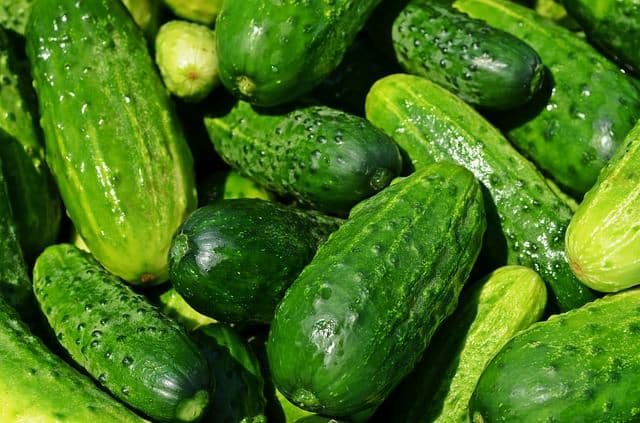
Cucumber
The cucumber includes so-called proteases (enzymes with a protein cleaving function). Thus, cucumber helps to more easily digest protein rich nutrients. The enzymes also clean the intestine by killing bacteria.
Additionally, there are antioxidant substances in a cucumber, which reduce for example the risk of heart diseases.
The cucumber is also one of the most calorie-free foods: one hundred grams contain only about 12 calories. This is mainly due to the high water content (about 95%). So a cucumber can also be a pretty good thirst quencher.
Furthermore, it contains not only water, but also many vitamins such as B (stress control), C (antioxidant - good for the heart), E and minerals like iron, calcium, phosphorus, zinc, magnesium, potassium (sustain healthy blood pressure).
Please note that most of the vitamins actually are in the cucumber peel. So it's best to buy untreated cucumbers or to wash them very well, and eat the skin. And if you use the cucumber as a smoothie or shake ingredient, it is best to blend it with its skin still on.
With regard to heartburn, cucumbers are an alkaline food and thus neutralize acid in the body by increasing the pH value.
Who knew cucumbers were so healthy?! They're also tasty - try them in this hummus and cucumber wrap or this watermelon cucumber cooler.
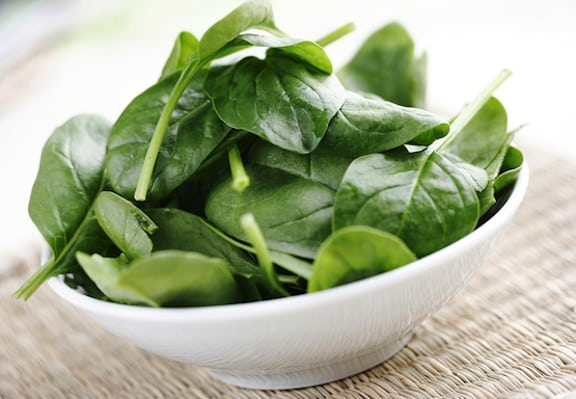
Spinach
Spinach helps against heartburn, as we have shown in the studies above. But this is only one of many benefits of this amazing vegetable.
The alkaline characteristics of the spinach are crucial with regard to heartburn and make it an excellent antacid. But this characteristic is just one of many health benefits.
In short, according to a study by the University of Manchester, spinach is extremely healthy and first and foremost protects the eyes in two ways:
- By a very high percentage of beta carotene, spinach protects against night blindness.
- Through the contained lutein, spinach also protects against AMD, an age-related eye disease.
With one serving of spinach, you cover your daily requirement of beta carotene, vitamin K, fiber and manganese, as well as about half of the magnesium requirement.
Spinach also contains various antioxidants. These have been proven to possess anticancer properties (skin cancer, stomach cancer, breast cancer and prostate cancer).
Furthermore, the magnesium contained in the spinach helps the cardiovascular system by regulating the blood pressure. Even one portion raw spinach salad is sufficient to lower high blood pressure within a few hours.
And if you're looking for some new ways to eat all that spinach - check out this vegan spinach artichoke dip or this Mediterranean Spinach.

Kale
Kale is also a vegetable with highly alkaline properties and therefore suitable as a natural remedy for heartburn.
But just like the other vegetables listed here, this is just the tip of the iceberg. Kale is generally extremely healthy. It contains lots of vitamin K and C, iron, calcium and many antioxidants.
Due to the high quality of the contained protein, it is often recommended as a healthy alternative to animal proteins. As studies prove, kale is a true superfood and possesses various healing effects.
I love kale - this massaged kale salad and this white bean and kale skillet are two of my favorite ways to enjoy it.
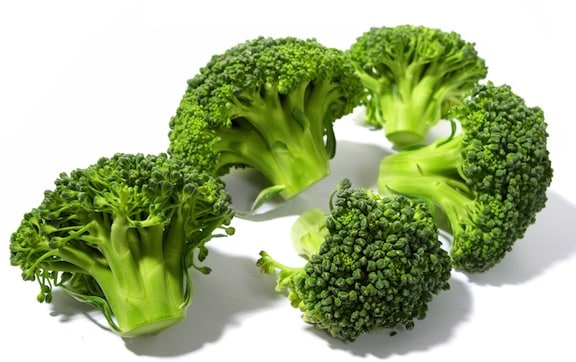
Broccoli
Broccoli is highly alkaline as well and therefore a strong antacid - an excellent food for heartburn. But this is just its side job, so to speak.
Broccoli is also extremely healthy and is one of the great vegetables that have been shown to have a preventive and combative effect on a wide variety of cancers (Study 1 - Ohio State University, Study 2 - University Hospital of Heidelberg/Germany).
However, this topic is beyond the scope of this article. If you are interested in all the details of the anti-carcinogenic properties of the broccoli, I can recommend this summary page from Greenmedinfo to launch for your further reading.
But apart from this sensational property, broccoli can do so much else for your health:
- It strengthens the immune system by possessing a high proportion of beta-carotene, zinc and selenium.
- Broccoli supports the fight against diabetes. The low sugar and high fiber content can be used to minimize insulin requirements.
- The risk of heart disease and stroke is minimized due to lutein, B6 and folate.
- Broccoli contains a lot of vitamin K and the calcium content is even higher than many dairy products. This helps build and maintain a healthy bone structure.
- The amount of potassium, calcium and magnesium supports the regulation of blood pressure.
- It's even known to be a cold remedy, thanks to the vitamin C, antioxidants and inflammation inhibitors.
For tasty broccoli ideas, check out these peanut noodles with broccoli slaw or this Thai Red Curry.
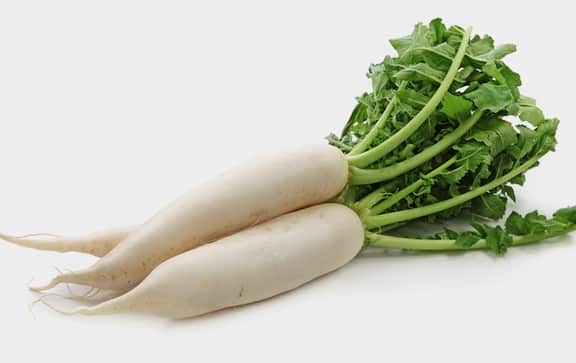
Radish
Radish is a great remedy for heartburn, as already noted above, and it's also very healthy for other reasons. Not everyone likes this root vegetable because of its spiciness.
This characteristic flavor stems from the radish containing a high amount of mustard oils, which are an additional help against your heartburn.
Varieties of radish include horseradish, daikon, red radishes, and many others. Mustard oils soothe the stomach and also lower the production of stomach acid.
Furthermore, the mustard oils have a healing effect on bile and the liver.
Other benefits of radishes are a low calorie and fat content, as well as being rich in vitamin C. Approximately half the daily requirement is covered by just 200 g of radish.
Need a radish recipe? This green pea and radish salad is a winner.
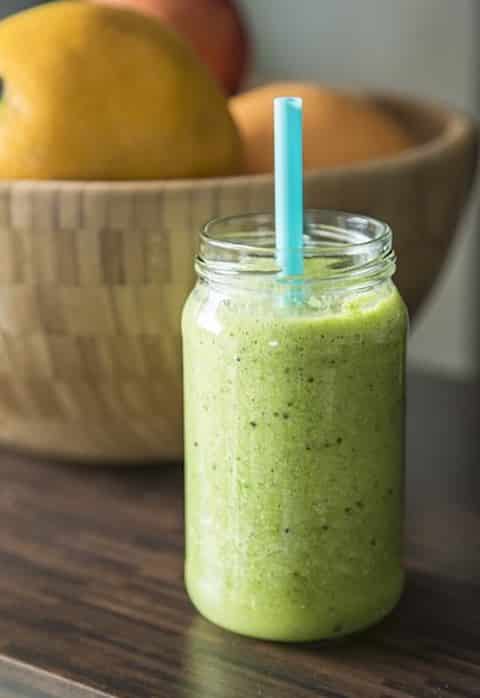
Anti-Heartburn Smoothie
How about a wonderful, extra-healthy anti-heartburn smoothie made from all of the above ingredients? For me this has worked wonderfully against heartburn, whenever I've had some in the past weeks. And it tastes a lot better than you'd think!:
Makes: 1 green smoothie
- A handful of raw spinach (regular or baby spinach
- 3 to 4 broccoli florets (uncooked),
- 1 leaf of kale - fresh and without stems (because of the tough fibers it's best to chop it a little, unless you have a very powerful blender).
- ½ cucumber
- 3- or 4-inch piece horseradish or a handful of regular radishes, chopped (depending on your taste and spiciness of the radish, you can vary the quantity).
- Water as needed
- ½ peeled orange to sweeten, optional
Combine everything in a blender. Blend until completely smooth, and enjoy!
Say good bye to your heartburn and enjoy the many other benefits of the vegetables in this green smoothie.
Let us know what you think, and the results if you use the recommendations here to combat acid reflux. What will you try? Broccoli, cucumber, spinach, radish, kale or maybe our smoothie with all the ingredients?
Learn more about vegan nutrition and healthy eating here.
Shortcut Vegan Shepherd's Pie

A vegan shepherd's pie is a wonderful choice as a holiday centerpiece - especially Thanksgiving and Christmas - or as a dish to take to a potluck. To prove the point, our Lentil and Mushroom Shepherd's Pie is one of our most popular recipes. And though it isn't at all difficult, judging by how many people have made it and served it, it's admittedly a bit of a project. For holidays and special occasions, that's fine - we like to pull out all the stops and put our best foot forward.
But these days, we'd like to cater to the extremely time-crunched (and okay, the very lazy) who'd like to make and share such satisfying dishes, so here's a brilliant shortcut vegan shepherd's pie, which cuts out the most time-consuming step - peeling, dicing, cooking, and mashing the traditional potato topping. Instead, we'll use frozen cauliflower and just whip it up in a food processor or blender. Using lentil soup instead of plain canned lentils adds more flavor. [Read more...]
Hearty Vegetable Pot Pie

Everyone loves the nostalgic classic, vegetable pot pie. Many VegKitchen readers have let us know that this mild dish of hearty veggies enclosed in pie crust is on their regular cool-weather meal rotation; it's also a crowd-pleasing vegan option for a Thanksgiving or Christmas menu.
Using prepared whole-grain pie crusts makes pot pies a snap to prepare. We like to take them out of the tins they come in, and place them in a similar-sized pie pan. Adapted from The Vegetarian Family Cookbook by Nava Atlas. This recipe makes two pies, for at least 12 servings. For a smaller crowd, to make one pie, halve the recipe. Photos by Hannah Kaminsky
Vegan Dinner Ideas: Early August

When August rolls around, it's all about the holy trinity of produce - tomatoes, corn, and summer squash (zucchini, yellow squash, and others). This week's vegan dinner ideas focus on these three great late summer veggies for delicious fresh meals. First up, the companionable summer duo-tomatoes and basil-becomes quite a delicacy when teamed with pasta. Serve Cold Pasta with Tomatoes and Basil (above) with corn on the cob for a simple meal. [Read more...]
Vegan Poutine (Gravy-Covered Cheese Fries)

Poutine is a Canadian fast-food specialty with roots in Quebec. Basically it's French fries smothered in gravy and covered with cheese, or rather, cheese curds - whatever those are. This vegan poutine recipe swaps out a beefy gravy for a veg version, and nondairy cheddar shreds for the curds.
Admittedly, poutine (vegan or not) is kind of like enjoying movies that are so bad they're good - liking something a bit weird as a guilty pleasure. If we could have gone full-on vegan hack with this recipe, we would have liked to use a readymade vegan gravy. We're not sure one even exists, but no worries, vegan gravy is super-easy to make - and really, the only from-scratch item in this simple rendition. [Read more...]
Fresh Peach Chutney

Peach season is frustratingly short - that is, that brief period when fresh peaches from your local area are available, not the perfect-looking fruit that's shipped across the country hard as rocks. These ripen into mush, often not very flavorful mush as well. Look for peaches at your local farm markets that already have some give when pressed lightly. They're just right for making fresh peach chutney.
Lots of chutneys are cooked down, but why go there? This combination of fresh fruit (nectarines are just as good here as peaches) and chile peppers strikes just the right balance of sweet and spicy, making a fantastic relish to serve alongside grilled vegetables, curries, and samosas (we used frozen samosas for this delicacy - no way we could have made better ones from scratch!). [Read more...]
Vegan Broccoli Quinoa Casserole

This easy vegan broccoli quinoa casserole of made out of quinoa, broccoli, and vegan cheese makes for a dish that's both nourishing and comforting. Serve with baked sweet potatoes (start the sweet potatoes in the oven about 45 minutes before starting to bake the casserole) and a salad of dark greens and ripe tomatoes. Photos by Hannah Kaminsky. [Read more...]
BBQ Tempeh Salad with Vegan Ranch Dressing

This tasty tempeh salad makes a delicious weeknight vegan dinner! It's loaded with BBQ marinated tempeh, fresh veggies, creamy avocado, and topped with a homemade vegan ranch dressing. So good!

I just can't get enough of this flavor packed salad! The contrast of the hearty BBQ tempeh croutons and crisp veggies with the creamy vegan ranch dressing is totally addictive!
The barbecue-flavored tempeh would make any salad hearty and satisfying- and it really takes this from a side dish to something that's completely dinner worthy.
I think it made be my new favorite vegan salad!

Tips & Tricks
If you're new to cooking with tempeh, be sure to check out my tempeh guide too. This staple vegan ingredient is made from fermented soy, and is absolutely loaded with healthy protein.
If you're up to the task, it's simple to make your own homemade vegan ranch dressing. But if you prefer a store bought option, I am a fan of the Daiya, Follow Your Heart, or Yo Mama Brands.
Feel free to swap the salad greens to any that you prefer. Spicy arugula would work well in this recipe also!
More Vegan Recipes
And if you love this tempeh salad, be sure to check out these other tasty vegan ideas:
- Best Vegan Tofu and Tempeh Recipes
- 20 High Protein Vegan Meals
- Soba Noodles with Tempeh Croutons
- Skillet Potato and Tempeh Hash
Photos by Hannah Kaminsky
Recipe

BBQ Tempeh Salad with Vegan Ranch Dressing
This tasty tempeh salad makes a delicious weeknight vegan dinner! It's loaded with BBQ marinated tempeh, fresh veggies, creamy avocado, and topped with a homemade vegan ranch dressing. So good!
Print
Pin
Save
Servings:
Ingredients
- 8 ounces tempeh any variety
- 1 tablespoon olive oil
- ¾ cup barbecue sauce
- 1 avocado ripe, peeled and diced
- 1 head romaine lettuce small, torn or thinly sliced
- 1 ½ cups baby spinach
- 1 cup cherry tomatoes halve, or grape tomatoes
- 1 cup carrots pre-grated or thinly sliced
- Vegan Ranch Dressing homemade or bottled (see linked recipe for homemade)
Instructions
- Cut the tempeh into ¾-inch cubes.
- Heat the olive oil in a medium skillet and sauté over medium heat, stirring often, until beginning to get golden brown.
- Add ½ cup of the barbecue sauce and sauté, covered (otherwise it might splatter) until the sauce is reduced and starting to brown here and there to coat the tempeh, about 8 minutes. Stir in the remaining sauce and continue to cook for another minute or two. Remove from the heat.
- In a serving bowl avocado, romaine, baby spinach, tomatoes, and carrots.
- Dress the salad with vegan ranch or other dressing as desired. Pass around the BBQ tempeh croutons to top individual portions of the salad.
Notes
Vegan Ranch Dressing: Use the linked recipe to make your own homemade vegan ranch dressing. If you prefer a store bought option, I am a fan of the Daiya, Follow Your Heart, or Yo Mama Brands.
Nutrition (Estimate per Serving)
Calories: 362kcalCarbohydrates: 42gProtein: 15gFat: 18gSaturated Fat: 3gPolyunsaturated Fat: 4gMonounsaturated Fat: 9gSodium: 609mgPotassium: 1235mgFiber: 9gSugar: 22gVitamin A: 20408IUVitamin C: 25mgCalcium: 164mgIron: 4mg
Vegan-ize any recipe!Grab our free vegan cheat sheet, packed with my favorite easy substitutions to make any recipe vegan.
Vegan Chocolate Banana Nice Cream

When summer delivers ice cream weather, we turn to this brilliant three-ingredient recipe: chocolate banana nice cream - naturally vegan and low-fat. Just cut up the bananas, freeze and swirl with your favorite flavors.

We have some real chocoholics under our roof, but you could use anything-frozen strawberries, blueberries or a little vanilla extract. Bonus - this nice cream is nut-free, soy-free, and gluten-free too!
For more delicious treats, check out our other vegan ice cream recipes or all of our tasty vegan desserts.
Recipe from Frugal Vegan: Affordable, Easy & Delicious Vegan Cooking by Katie Koteen & Kate Kosbee, Page Street Publishing Co. © 2017, reprinted by permission. Photos by Allie Lehman.
Also worth trying: our vegan fudgesicles.
Recipe

Vegan Chocolate Banana Nice Cream
When summer delivers ice cream weather, we turn to this brilliant three-ingredient recipe: chocolate banana nice cream - naturally vegan and low-fat. Just cut up the bananas, freeze and swirl with your favorite flavors.
Print
Pin
Save
Servings:
Ingredients
- 4 bananas peeled, cut into 1-inch pieces and frozen
- 2 tablespoons unsweetened cocoa powder
- Nondairy milk just a splash to get things moving in your blender
Optional mix-ins:
- Hemp seeds
- Vegan protein powder
- Almond butter or other nut butter
Optional toppings:
- Blueberries
- Strawberries
- Vanilla
- Vegan chocolate chips
- Chopped nuts
- Fresh fruit
- Roasted coconut chips
Instructions
- Drop the bananas, cocoa powder, and nondairy milk into a blender or food processor. Add a small amount of one or two of the optional mix-ins. Blend until creamy.
- Serve immediately (or refreeze briefly, see note below) with toppings, if desired.
Notes
Note: The natural consistency of this chocolate banana ice cream is like soft-serve. If you want something more scoop-able, put it in the freezer for up to an hour. Careful, though. If you leave it in any longer than an hour you'll have a giant popsicle, and not in a good way.
Nutrition (Estimate per Serving)
Calories: 111kcalCarbohydrates: 28gProtein: 2gFat: 1gSaturated Fat: 1gSodium: 2mgPotassium: 461mgFiber: 4gSugar: 14gVitamin A: 76IUVitamin C: 10mgCalcium: 9mgIron: 1mg
Vegan-ize any recipe!Grab our free vegan cheat sheet, packed with my favorite easy substitutions to make any recipe vegan.
Vegan Antipasto Platter & Pasta Dinner

If it's summer, chances are that company will be coming at some point, and that you'll have to gather your resources and brain cells to make a last minute-meal. Whether it's the in-laws or friends you haven't seen in forever, you'll want that meal to be a crowd-pleaser, designed to impressed.
The dilemma is that it is summer, after all, and you don't want to spend hours in the kitchen. A vegan antipasto platter can be the answer to your warm-weather entertaining quandaries. Served with fresh bread and pesto, it can make an almost instant lunch for four to six. Add a big pot of spaghetti or linguini with good store-bought sauce, and it becomes a fantastic dinner. [Read more...]
Vegan Cream of Tomato Soup

Here's a healthy homemade vegan cream of tomato soup that will remind you of the kind that you might have had from a can when you were a kid - but this one is so much better! This easy and comforting soup is ready for you to enjoy within a half hour, and it's delicious served with vegan grilled cheese sandwiches. Recipe and photos from The China Study Family Cookbook: 100 Recipes to Bring Your Family to the Plant-Based Table by Del Sroufe © 2017, BenBella Books, Reprinted by permission. [Read more...]
Vegan Mac and Cheese

This easy vegan mac and cheese is rich and comforting. Using pureed silken tofu as a base makes it super creamy. Boost the nutrition of this comfort food meal by serving with plenty of fresh veggies — this goes well with simply prepared broccoli or kale — and a colorful salad or platter of fresh cut vegetables with dip. For an even healthier sauce, try our Almost-Raw Cheez Sauce, based on baby carrots, raw cashews, nutritional yeast, and other nutrient-dense ingredient [Read more...]
Vegan 7-Layer Bean Dip

7-layer bean dip (aka 7-layer Mexican dip) is one of those delicious concoctions that probably has little to do with Mexican cuisine, in the same way that many "Chinese food" dishes are nowhere to be found in China. But it's a heck of a party dip, so we'll take it. This all-vegan 7-layer bean dip is super easy to make and you need not measure precise amounts, just build the layers, make it look nice, and serve with plenty of chips.
This is a fun snack to serve for Cinco de Mayo, Super Bowl and other sports gatherings, or any time you need an accompaniment to margaritas, mojitos, and sangria. [Read more...]
Creative Ways to Use Veggie Burgers (Besides on a Bun!)
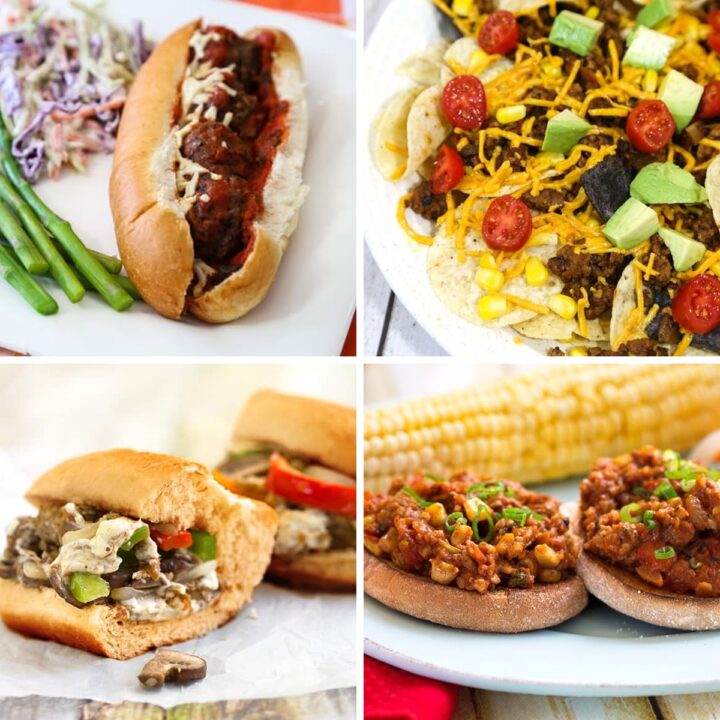
A box of frozen veggie burgers is one of the most useful things you can keep in your freezer. Crumble them, slice them, or roll them into balls, and you have a head start on dinner that's hearty, budget-friendly, and ready in minutes. Here are our favorite ways to use veggie burgers besides on a bun, from meatballs and nachos to sloppy joes and cheesesteaks.

Why Veggie Burgers Make a Great Meal Starter
Many veggie burgers are made from grains, beans, and vegetables, which gives you a satisfying, "meaty" texture without relying on the soy protein isolates found in a lot of ready-made meat substitutes. They're already seasoned and already cooked through, so a little browning is all it takes to turn them into the base of a meal. If you're not sure which brand to buy, this list of the best vegan store-bought veggie burgers is a good place to start.
One important note: not every veggie burger is vegan. Some contain egg or dairy, so read the label before you buy.
Quick Guide to the Ideas
| Idea | How to Prep the Burgers | Ready In |
|---|---|---|
| Meatballs and meatball subs | Cut into quarters and roll into balls | About 15 minutes |
| Tacos, burritos, and nachos | Crumble and season | About 10 minutes |
| Philly-style cheesesteaks | Slice into thin strips | About 15 minutes |
| Sloppy joes, pasta sauce, and chili | Crumble and simmer in sauce | 15 to 20 minutes |
| Casseroles and stuffed peppers | Crumble and mix into the filling | 30 to 40 minutes |
| Pizza, breakfast scrambles, and salads | Crumble, slice, or cube | 10 to 15 minutes |
Vegan Meatballs
This is the one that started it all for us. Thaw a four-pack of your favorite veggie burgers, cut each patty into four equal pieces, and roll the pieces into balls with damp hands. Brown them in a lightly oiled skillet, or bake them, and you have 16 meatballs in about 15 minutes. Our Laughably Easy Vegan Meatballs walk you through every step, and they cost far less than buying vegan meatballs ready-made.

Toss them with spaghetti and marinara, or serve them as a protein-rich side with warm marinara or an easy vegan gravy for dipping.
Meatball Subs
For something familiar, hearty, and comforting at the end of a long day, tuck those meatballs into a hero roll with marinara and a sprinkle of vegan mozzarella. Our Vegan Italian Meatball Sub Dinner is on the table in about 20 minutes and pairs the subs with quick steamed asparagus and a broccoli slaw.

Tacos, Burritos, and Quesadillas
Crumbling veggie burgers into taco filling is about as easy as it gets. Thaw a few patties, crumble them into a skillet with a spoonful of olive oil, and stir in taco seasoning (or a little chili powder, cumin, and garlic powder) and a splash of water. Cook for five to eight minutes, until the edges are browned, and you have a taco filling so tasty you may find yourself sneaking bites straight from the pan.

Spoon the filling into taco shells, roll it into burritos, or fold it into a tortilla with vegan cheese for quick quesadillas. Making your own wraps? Try our Homemade Vegan Tortillas. And if you'd like a from-scratch taco filling on another night, our Vegan Walnut Taco Meat is a great option.
"Beefy" Nachos
Nachos make a fantastic party snack, appetizer, or emergency dinner, and crumbled veggie burgers make them convincingly "beefy" with almost no effort. They might even win over a skeptical friend or two. Spread tortilla chips on a rimmed baking sheet, scatter on the seasoned crumbles, top with vegan cheddar shreds, and bake at 375°F for five to eight minutes, until the cheese melts. Finish with diced tomatoes, corn, avocado, and salsa.

Want more topping ideas? Our Fully Loaded Vegan Nachos are a great template, and our nut-free Vegan Cheese Sauce is wonderful drizzled over the top.
Philly-Style Cheesesteak Sandwiches
Veggie burgers are just the thing for a vegan Philly cheesesteak: meaty but not too meat-imitation-y, and hearty without being gluten-heavy like seitan. Slice the patties into thin strips (they slice most cleanly when still a little frozen) and sauté them in a hot skillet with sliced onions and green bell pepper for about 10 minutes, until browned and tender. Pile the mixture into toasted hoagie rolls, top with vegan provolone or mozzarella shreds, and slip the sandwiches under the broiler for a minute to melt the cheese.

Sloppy Joes
Veggie burgers and a jar of salsa give you plenty of flavor for very little effort. Crumble four patties into a saucepan, stir in a 16-ounce jar of your favorite salsa, and simmer for 10 to 15 minutes, adding a splash of water if it gets too thick. Spoon it over toasted whole-grain buns or English muffins, and serve with fresh corn on the cob or baked sweet potatoes for an emergency meal that tastes like anything but. If you'd rather cook from scratch, try our Vegan Sloppy Joes with Pinto Beans and Quinoa.

Pasta Sauce
Turn a jar of marinara into a hearty, bolognese-style sauce by crumbling two or three veggie burgers into it and simmering for 10 minutes. It's a five-minute shortcut to a rich, chunky sauce for spaghetti, penne, or baked ziti. When you have more time, our Vegan Bolognese Sauce is a wonderful from-scratch version.
Chili
Stir two or three crumbled veggie burgers into a pot of chili during the last 10 minutes of simmering. They soak up the spices and add extra body, which is a nice trick when you want a chili that eats like a full meal. Try this with our Vegetarian Chili with Corn and Soy Beans, and serve it with a pan of Easy Vegan Cornbread.
Casseroles and Stuffed Peppers
Crumbled veggie burgers make a great layer in a casserole. Stir them into the beans and tomatoes of our Super-Easy Vegan Tortilla Casserole for an even heartier dinner. For stuffed peppers, mix crumbled patties with cooked rice, tomato sauce, and a pinch of Italian seasoning, spoon the filling into halved bell peppers, cover, and bake at 375°F for about 35 minutes.
Pizza Topping
Crumbled veggie burger works like vegan sausage on pizza. Scatter the crumbles over the sauce before you add the cheese, and the edges crisp up as the pizza bakes. Start with our Basic Vegan Pizza Dough, or browse our Best Vegan Pizzas for more topping ideas.
Breakfast Scrambles and Burritos
Brown a crumbled patty with diced onion and bell pepper, then stir it into a tofu scramble for a savory, sausage-style breakfast. Roll the mixture up in a warm tortilla and you have a make-ahead breakfast burrito. Our Scrambled Tofu Burritos are the perfect base for this, and the crumbles fit right in.
Salads, Bowls, and Wraps
Heat a patty until crisp on both sides, then slice it into strips or cube it and toss it over a big green salad or a grain bowl for an instant protein boost. The cubes make surprisingly good "croutons," too. Drizzle everything with our creamy Vegan Green Goddess Dressing or Vegan Ranch Dressing, or tuck the slices into a wrap with hummus, greens, and tomato, much like our Hummus and Quinoa Wrap.
Helpful Tips
Match the burger to the job. Sturdy bean-and-grain patties hold their shape best, so they're ideal for meatballs and sliced cheesesteak strips. Softer, vegetable-heavy patties crumble easily and melt into sauces, chili, and casseroles.
Thaw before crumbling. Thawed patties crumble and roll far more easily than frozen ones. Thaw them overnight in the refrigerator, or microwave them for 30 to 45 seconds. For slicing, a patty that's still slightly frozen gives the cleanest strips.
Brown them well. The best texture comes from letting the crumbles sit in a hot, lightly oiled skillet for a minute or two before stirring, so the edges get crisp and browned instead of steaming into mush.
Taste before you salt. Veggie burgers are already seasoned, and some brands are quite salty. Add spices, salsa, or sauce first, then adjust the salt at the end.
Add a little moisture. Crumbled patties can dry out, so a splash of water, broth, or sauce keeps fillings juicy. And always check the label if you need a vegan or gluten-free product, since ingredients vary widely from brand to brand.
Storing & Freezing
Cooked veggie burger crumbles, meatballs, and sliced strips keep well in an airtight container in the refrigerator for up to four days, so it's easy to cook a big batch and use it in a couple of different meals. Once a package of patties has been thawed, cook them within a couple of days.
Cooked crumbles and meatballs freeze beautifully for up to three months. Spread them on a baking sheet to freeze, then transfer to a freezer bag so they don't clump. Reheat from frozen in a skillet over medium heat with a splash of water or sauce, or warm them in the microwave.
More Veggie Burger Recipes
If you'd rather make your own patties from scratch, here are a few of our favorites:
- Bun-Believable: My Favorite Vegan Burger Recipes
- Vegan Chipotle Black Bean Burgers
- Vegan Chickpea Patties
- Vegan Quinoa and Wild Rice Burgers
- Vegan Beet Burgers
Photo credits: Evan Atlas (meatballs, meatball subs, taco filling, and nachos); Hannah Kaminsky (Philly cheesesteak and sloppy joes).
Vegan "Honey" Glazed Carrots

These vegan "honey" glazed carrots use agave nectar in place of traditional honey - with delicious results!

These vegan honey glazed carrots are one my most favorite carrot recipes, and one of my all time favorite vegan side dishes. Of course, we won't actually use honey since it's not a vegan ingredient.
We will use agave syrup instead of honey, but you won't be able to tell the difference! I make these vegan carrots frequently for my non-vegan family and they are always a huge hit. Even the kids like these!
These vegan honey-glazed carrots are super simple to make. I can get them from fridge to the oven in about five minutes, so I can cook the rest of the meal while these roast.
Preparing Vegan Honey Glazed Carrots
Start off with a big bunch of carrots. I love the multi-colored ones from the farmers market - they just feel extra fancy. Chop off the tops and slice the carrots lengthwise.
If they are super chunky carrots, you can give them an extra slice. Rinse them, pat dry, and spread on a baking sheet.

Now, you might be realizing at this point that I didn't peel the carrots. That's right! I almost never peel my carrots. The skins contain a ton of healthy nutrients, and they get a tasty little crunch when they're cooked. I enjoy the taste and their healthier this way.
Plus, peeling carrots is a royal pain in the behind. Why put ourselves through that hassle when it's not necessary?
Then, you just toss the carrots in some olive oil, agave syrup, and balsamic vinegar. The agave syrup is our secret vegan substitute for the honey in these honey-glazed carrots! Sprinkle with salt and pepper, and roast the carrots for 30-45 minutes. So easy and so delicious.

More Vegan Recipes
If you love these carrots, be sure to check out these other delicious vegan recipe ideas:
Also worth trying: our glazed baked onions.
Recipe

Vegan Honey Glazed Carrots
These vegan "honey" glazed carrots use agave nectar in place of traditional honey - with delicious results!
Print
Pin
Save
Servings:
Ingredients
- 1 lb carrots fresh
- ½ cup agave nectar
- 2 tablespoon balsamic vinegar
- olive oil
- salt
- black pepper
Instructions
- Preheat oven to 400°F. Chop the tops off carrots, and slice lengthwise. Rinse and pat dry. Spread carrots on a large baking sheet, in a single layer.
- Drizzle carrots with olive oil and toss until lightly coated.
- Drizzle with the agave syrup and balsamic finger. Toss again until all the carrots are coated in the mixture. Sprinkle with salt and pepper.
- Bake at 400°F for 30-45 minutes, until carrots are tender and browned.
Nutrition (Estimate per Serving)
Calories: 139kcalCarbohydrates: 33gProtein: 1gFat: 1gSaturated Fat: 1gPolyunsaturated Fat: 1gMonounsaturated Fat: 1gSodium: 81mgPotassium: 373mgFiber: 3gSugar: 25gVitamin A: 18944IUVitamin C: 11mgCalcium: 40mgIron: 1mg
Vegan-ize any recipe!Grab our free vegan cheat sheet, packed with my favorite easy substitutions to make any recipe vegan.
10 Easy Vegan Pizza Recipes
Pizza is such a fun and easy main dish to make at home, now that great crusts and sauces are available to get you started. Just add veggies and you have a family friendly vegan dinner!
Here are our favorite easy vegan pizza recipes from all around the web.
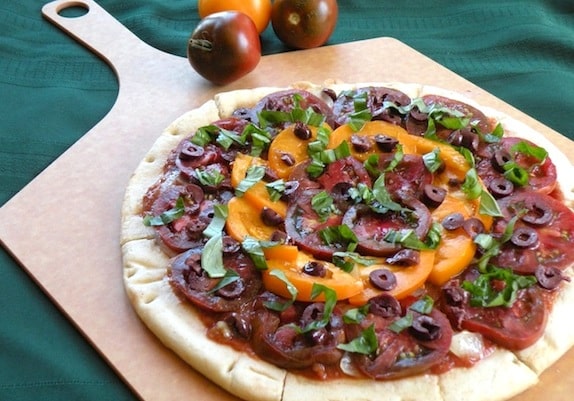
Garlicky Fresh Tomato and Basil Pizza is a fresh take on the classic fresh tomato and basil pizza known as Margherita. This variation is packed with extra flavor from garlic and black olives.

Broccoli, Mushroom, and Sun-Dried Tomato Pizza uses plenty of broccoli, making this easy pizza a nourishing meal. Serve a big salad with mixed greens and plenty of raw veggies, embellished with olives and chickpeas. Use as many of the shortcuts as you'd like, making this a super-quick preparation.

Layer on the Southwestern flavors in this playful Mexican Pizza. Serve with a colorful green salad and garlic-sautéed greens. This recipe doubles easily.

Verdant Veggie Pesto Pizza is piled generously with broccoli, bell pepper, and zucchini. And in place of the usual tomato sauce, this one features a delectable spinach-miso pesto as the base.

Arugula Salad Pizza is a fresh green salad and whole grain pizza all in one meal that you can whip up in 45 minutes. Now that's quick and delicious eating for even the busiest night of your week!

Mixed Olives and Spinach or Arugula Pizza is healthy and has great flavor. Do try finding the pepperjack or other spicy vegan cheese, which gives this a bit of a kick.

White Pizza with Sweet Potato, Onions, and Olives is a delectably different kind of pizza. Combined with most any kind of salad, this pizza makes a delicious cool-weather dinner.

Vegan Onion and Olive Pizza features mellow caramelized onions, with briny olives for a contrasting flavor.

Hearty Vegan Roasted Veggie Pizza is a good one for hearty appetites. Feeding a larger crowd? The recipe is easily doubled to make two pizzas.

White Pizza with Asparagus and Spinach is the perfect choice for a springtime meal, with favorite spring veggies on a creamy backdrop.
Raw Vegan Orange Creamsicle Ice Cream Cake
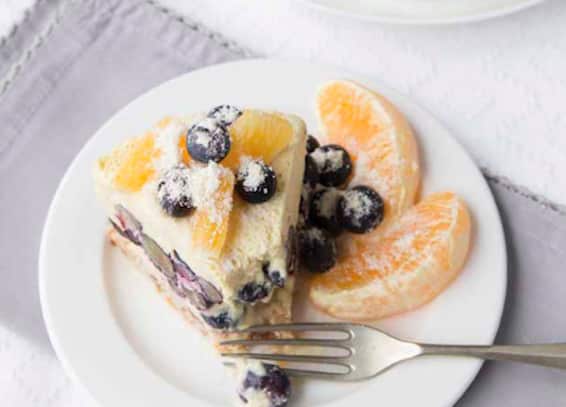
This summery dessert has everything you love about Creamsicles, but in cake form! While the presentation makes it look like you've been working on this dessert for days, it actually requires very little effort. Best of all, this orange creamsicle ice cream cake is vegan and raw.
This frozen cake is designed to be made in a springform pan so that the sides can be removed. Much like any ice cream cake, this recipe will melt when removed from the freezer. [Read more...]
Vegan Italian Meatball Sub Dinner
If you're looking for something familiar, hearty, and comforting for the evening meal, our vegan Italian meatball sub dinner might be just the thing. It's made with our healthy (and sneaky) vegan meatball hack - a clever way to make these tasty bites almost instantly and without questionable processed soy.
Since the vegan meatball sub skews toward bread-y comfort food, let's make sure to add plenty of vegetables to the plate. Fresh asparagus and broccoli slaw add very little work to the mix and go so nicely with the sub. [Read more...]
Vegan Egg Foo Yong

This vegan "egg" foo yong recipe is an excellent replica of the popular Chinese dish. This version, is made with chickpea flour, sometimes packaged as garbanzo bean flour and various other names you'll see in the note following the recipe. It's very easy to make, and excellent served with stir-fries and rice dishes. This makes 4 pancakes; 2 larger or 4 smaller servings. All photos by Hannah Kaminsky. [Read more...]
Vegan Carne Asada Fries

Carne asada fries exemplify how an offbeat local food trend takes off and goes national. An odd combination of french fries, avocado, sour cream, and in its original form, strip steak, this dish originated in San Diego in the 1990s and soon became a standard in casual Mexican restaurants in the American Southwest. Now it's on the menu in such eateries nationwide. I first had vegan carne asada fries at Mexican Radio in Hudson, NY, and understood why this hearty dish took off. How great that it can be made with seitan instead of meat! You can also use another meat substitute like jackfruit. [Read more...]
Vegan Cholent

Cholent is a Jewish classic that can be considered an early predecessor to slow-cooker recipes. In its original form, it's put in the oven before the Sabbath and cooked at a very low temperature for about 12 hours so that it can be eaten for the Sabbath midday or late afternoon meal. It's one of the rare Eastern European Jewish specialties that highlights beans. There is a Sephardic cousin to this recipe called hamin. [Read more...]
Vegan Avocado Chocolate Maca Mousse
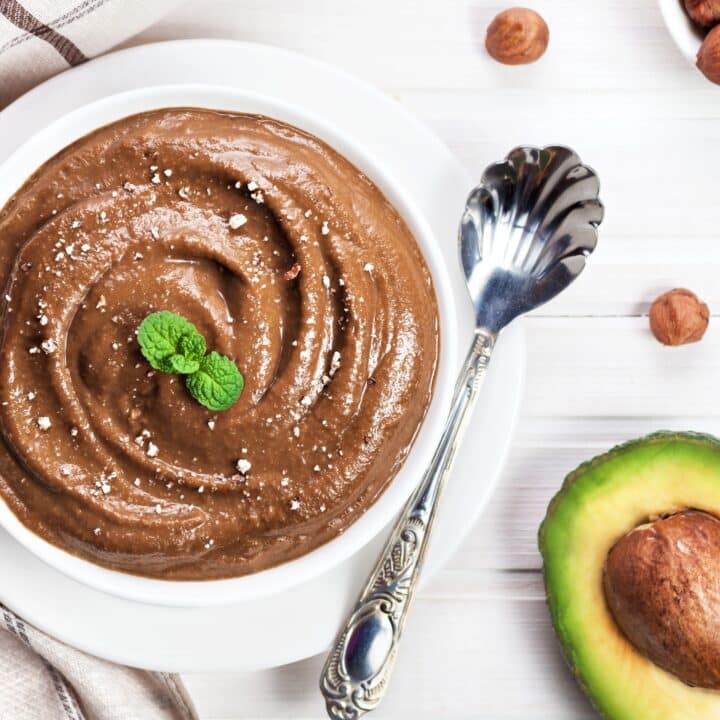
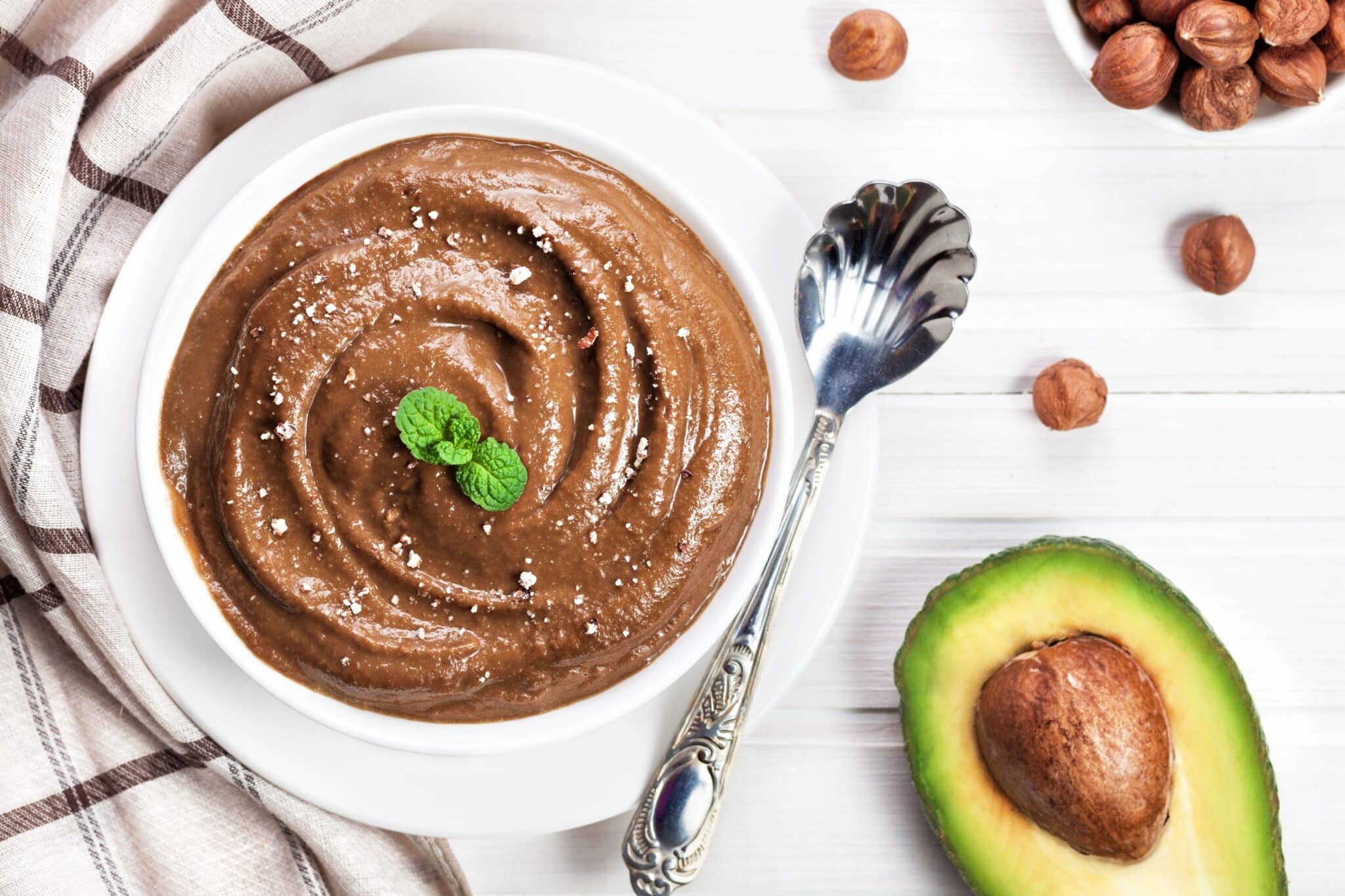
This vegan avocado chocolate maca mousse is silky, rich, and secretly good for you - ripe avocado blends into a dairy-free chocolate mousse with a boost of energizing maca powder, ready in minutes with no baking required.
Key Ingredients & Substitutions
- Ripe avocados. Give the mousse its silky, creamy texture without any dairy. Make sure they're fully ripe (they should yield to gentle pressure) for the smoothest blend.
- Cocoa or cacao powder. Brings the chocolate flavor. Cacao powder is less processed and a bit more intense; cocoa powder is milder.
- Maca root powder. Adds a malty, earthy flavor and an energy boost. Start with the lesser amount if you're new to it.
- Nondairy milk. Thins the mousse to the right consistency. Almond or cashew milk both work well.
- Nut butter. Adds richness and helps the mousse set up thick. Almond or cashew butter keeps the flavor neutral.
- Maple syrup. Sweetens the mousse naturally. Adjust up or down depending on how ripe (and naturally sweet) your avocados are.
- Vanilla extract. Rounds out the chocolate flavor.
Variations
- Nut-free. Swap the nut butter for sunflower seed butter and use oat milk instead of almond or cashew milk.
- Mint chocolate. Add a few drops of peppermint extract in place of some of the vanilla.
- Orange chocolate. Add a bit of orange zest for a chocolate-orange flavor.
- Extra decadent. Fold in a few tablespoons of melted dairy-free dark chocolate along with the cocoa powder.
- Spiced mousse. Add a pinch of cinnamon or cayenne for a Mexican hot chocolate twist.
- Protein boost. Blend in a scoop of chocolate vegan protein powder, thinning with a little extra nondairy milk as needed.
Tips for the Best Avocado Chocolate Maca Mousse
- Use very ripe avocados. This is the biggest factor in how smooth and sweet the mousse turns out - underripe avocado tastes grassy and won't blend as silky.
- Scrape down the sides often. Avocado is thick and can cling to the bowl of the food processor, so stop and scrape a few times for a fully smooth mousse.
- Taste before serving. Cocoa and maca can vary in bitterness, so adjust the maple syrup at the end to get the sweetness just right.
- Chill before serving. A short 15 to 20 minutes in the refrigerator firms the mousse up and lets the flavors meld.
- Make it close to serving time. Because avocado browns and turns grainy as it sits, this mousse is best made shortly before you plan to eat it.
How to Serve
Spoon this mousse into small bowls or glasses and top with shaved dark chocolate, fresh berries, or a dollop of coconut whipped cream for an extra-special dessert. It also makes a rich, satisfying snack on its own, or a fun make-ahead treat for a dinner party when you divide it into individual jars ahead of time.
Looking for more ways to use maca? Check out our 5 Vegan Maca Recipes roundup for more energizing ideas.
Recipe
Avocado Chocolate Maca Mousse
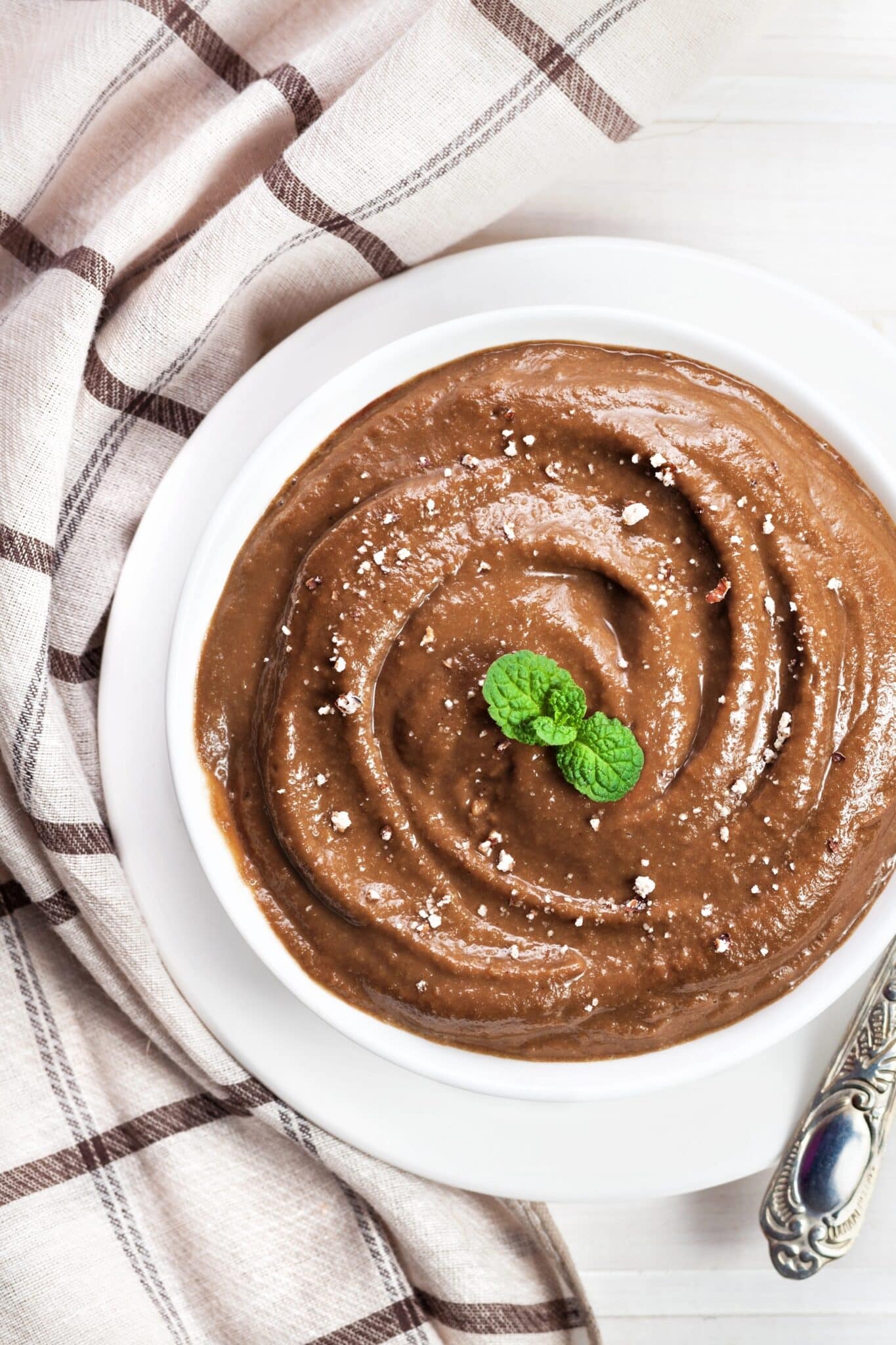
This vegan avocado chocolate maca mousse is silky and rich, blending ripe avocado, cocoa, and energizing maca powder into a dairy-free dessert ready in minutes.
Print
Pin
Save
Servings:
Ingredients
- 2 medium ripe avocados pitted, peeled, and chopped
- ¼ cup almond or cashew nondairy milk or your favorite kind
- 1 tablespoon nut butter peanut, almond, cashew, or hazelnut
- 1 teaspoon vanilla extract
- 2 to 4 teaspoons maca root powder
- 3 tablespoons cocoa or cacao powder
- 3 to 4 tablespoons maple syrup or to taste
- Shaved dark chocolate cacao nibs, or Himalayan salt for topping, optional
Instructions
- Combine all the ingredients except the shaved chocolate in a food processor. Process until completely smooth, stopping the machine to scrape down the sides as needed.
- Serve in small bowls, topped with shaved dark chocolate or any of the suggested toppings.
- Store any leftovers in a tightly lidded container in the refrigerator. Because avocado is perishable, it's best enjoyed within one day.
Nutrition (Estimate per Serving)
Calories: 329kcalCarbohydrates: 31gProtein: 6gFat: 24gSaturated Fat: 3gPolyunsaturated Fat: 3gMonounsaturated Fat: 15gSodium: 40mgPotassium: 866mgFiber: 12gSugar: 14gVitamin A: 196IUVitamin C: 14mgCalcium: 101mgIron: 2mg
Vegan-ize any recipe!Grab our free vegan cheat sheet, packed with my favorite easy substitutions to make any recipe vegan.
Polenta, Vegan Sausage, and Mushroom Stuffing

Using prepared polenta and vegan sausage makes for a nice change-of-pace stuffing for fall and winter meals, and it's great for the Thanksgiving table, too. Adapted from Vegan Holiday Kitchen by Nava Atlas. Photos by Evan Atlas. [Read more...]
Vegan Pumpkin Mousse
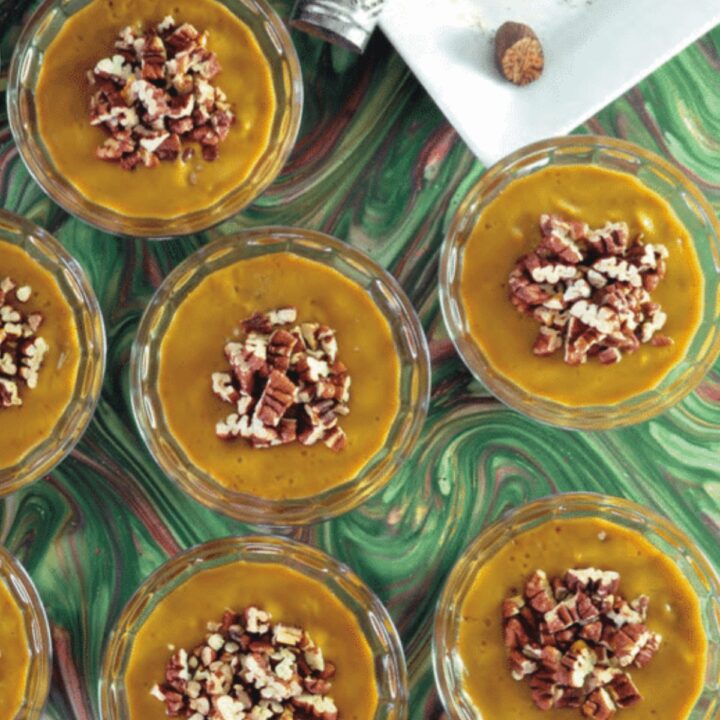
This vegan pumpkin mousse is light and silky, yet totally indulgent. It's the perfect plant based dessert for Thanksgiving!

Recipe from Low-FODMAP and Vegan: What to Eat When You Can't Eat Anything by Jo Stepaniak, © 2016. Published by The Book Publishing Company. Reprinted by arrangement.
If you're looking for the perfect vegan-friendly Fall dessert, you've come to the right place! This pumpkin mousse is so good, it's a no-brainer. In fact, the only question is exactly when to eat it.
Personally, I'm a firm believer in dessert for breakfast. 😉 But of course, this pumpkin mousse also makes a delicious snack or after-dinner dessert. It comes together in one blender in about 10 minutes, with no baking, no gelatin, and no dairy.
This particular recipe comes to us from Jo Stepaniak's cookbook, Low FODMAP and Vegan, which I had a chance to test out. The whole cookbook is geared toward those with IBS that wish to enjoy a plant-based diet. How great is that?
Key Ingredients & Substitutions
- Ripe banana. The banana is what turns this into a mousse: blended, it becomes thick and creamy and adds natural sweetness, so you don't need tofu, cashews, or coconut cream. Use one that's yellow with a few brown freckles. A green banana won't blend as smoothly or taste as sweet.
- Pumpkin puree. Plain canned pumpkin puree gives the mousse its color and earthy fall flavor. Sweet potato puree works just as well and makes it a little sweeter.
- Creamy peanut butter. A couple of tablespoons add richness and body, which helps the mousse hold its shape. No-salt-added natural peanut butter lets the spices shine. Almond butter or sunflower seed butter are good swaps.
- Almond milk. Just enough to get the blender moving. Light coconut milk makes it a bit richer, and any unsweetened plant milk will do.
- Maple syrup. Pure maple syrup rounds out the sweetness and pairs beautifully with pumpkin. Agave nectar works too.
- Warm spices. Ground cinnamon, ginger, nutmeg, and a pinch of cloves give it that pumpkin pie flavor. You can use about 1 teaspoon of pumpkin pie spice instead of the separate spices. Allspice can stand in for the cloves.
Helpful Tips
Use canned pumpkin puree, not pumpkin pie filling. They look similar, but pie filling comes pre-sweetened and loaded with spices. You want to start with just plain pumpkin here.
Blend until completely smooth. The silky texture comes from blending the banana, pumpkin, and peanut butter until there are no lumps left. Stop and scrape down the sides once or twice. A high-speed blender gives the smoothest result, but a food processor works fine.
Sweetness is subjective. How sweet the mousse turns out depends on how ripe your banana is. Start with the recipe amount of maple syrup, taste, and add more if you're feelin' it.
Chill it briefly for a firmer mousse. Straight from the blender it's soft and spoonable, like a pudding. An hour in the fridge thickens it a little and makes it more refreshing. Cover the cups tightly so the surface doesn't darken.
Toast the pecans. Toasting the nuts in a dry skillet over medium heat for 3 to 4 minutes, stirring often, brings out their flavor and adds crunch against the smooth mousse. Add them right before serving so they stay crisp.
Variations
- Chocolate Pumpkin Mousse. Add 2-3 tablespoons of cocoa powder or melted dairy-free dark chocolate to the blender for a rich, chocolatey twist.
- Low-Sugar Version. Cut back on the maple syrup and add a few drops of liquid stevia or monk fruit sweetener. You still get that sweet, spiced flavor without the sugar high.
- Sweet Potato Mousse. Swap the pumpkin for the same amount of mashed cooked sweet potato for a sweeter, even creamier mousse.
- Nut-Free Mousse. Use sunflower seed butter instead of peanut butter, oat milk instead of almond milk, and top with toasted pumpkin seeds instead of pecans.
- Garnish game! Add a dollop of whipped coconut cream, a sprinkle of cinnamon, crushed graham crackers, or chopped toasted pecans to take your mousse to the next level.
Serving Ideas
Serve the mousse in small glasses or custard cups topped with chopped toasted pecans and a dusting of cinnamon. For a Thanksgiving dessert table, spoon it into shot glasses for bite-size portions. It's a lighter choice next to a classic vegan pumpkin pie, and a nice option for guests who want something no-bake.
For a parfait, layer the mousse with crushed vegan graham crackers or granola and a spoonful of whipped coconut cream. It also makes a quick breakfast or snack alongside a mug of homemade vegan pumpkin spice latte.
Storing & Freezing
This mousse is best the day it's made. The recipe calls for serving it right away or chilling it, tightly covered, for up to 3 hours. Because it's made with banana, the top can darken and the flavor changes the longer it sits. If you do have leftovers, press plastic wrap directly onto the surface and refrigerate for up to 1 day. Stir before serving, and add the pecans just before eating so they stay crunchy.
We don't recommend freezing the mousse: once thawed, the banana turns watery and the texture isn't as silky. Instead, pour extra mousse into ice pop molds and freeze for pumpkin pie pops, or freeze it in a shallow container and eat it like soft-serve after letting it sit at room temperature for 10 minutes.

More Vegan Desserts
If you love this vegan pumpkin mousse, be sure to check out my complete Vegan Thanksgiving eCookbook, and these other tasty ideas:
- Vegan Pumpkin Pie
- Vegan Thanksgiving Desserts
- Vegan Avocado Chocolate Maca Mousse
- Vegan Banana Pudding
- Tasty Vegan Pumpkin Recipes
Recipe
Vegan Pumpkin Mousse
This silky vegan pumpkin mousse blends ripe banana, pumpkin puree, peanut butter, and warm pumpkin pie spices into a light, no-bake dessert in about 10 minutes. Serve it right away or chill it briefly and top with toasted pecans.
Print
Pin
Save
Servings: servings
Equipment
Ingredients
- 1 banana ripe, broken into pieces
- ½ cup pumpkin puree canned, or sweet potato purée
- ¼ cup almond milk or light coconut milk
- 2 tablespoons creamy peanut butter no-salt-added
- 2 tablespoons maple syrup
- ½ teaspoon ground cinnamon
- ¼ teaspoon ground ginger
- ⅛ teaspoon ground nutmeg
- Pinch ground cloves or allspice
- chopped toasted pecans optional, for garnish
Instructions
- Put the banana, pumpkin puree, almond milk, peanut butter, maple syrup, cinnamon, ginger, nutmeg, and cloves in a blender or food processor. Process until completely smooth, stopping to scrape down the sides once or twice. Taste and add a little more maple syrup if you'd like it sweeter.
- Spoon the mousse evenly into two small custard cups or dessert glasses.
- Serve immediately, or cover tightly and chill for up to 3 hours. Garnish with the chopped toasted pecans just before serving, if desired.
Notes
Use plain canned pumpkin puree, not pumpkin pie filling. Sweet potato puree works in place of the pumpkin.
About 1 teaspoon pumpkin pie spice can replace the cinnamon, ginger, nutmeg, and cloves.
For a nut-free version, use sunflower seed butter and oat milk, and top with toasted pumpkin seeds.
The mousse is best the day it's made. Leftovers keep, with plastic wrap pressed onto the surface, for up to 1 day in the fridge; the top may darken because of the banana. Not recommended for freezing.
Nutrition (Estimate per Serving)
Calories: 230kcalCarbohydrates: 36gProtein: 5gFat: 9gSaturated Fat: 2gPolyunsaturated Fat: 2gMonounsaturated Fat: 4gSodium: 115mgPotassium: 479mgFiber: 5gSugar: 23gVitamin A: 9572IUVitamin C: 8mgCalcium: 92mgIron: 1mg
Vegan-ize any recipe!Grab our free vegan cheat sheet, packed with my favorite easy substitutions to make any recipe vegan.
Vegan Maca Breakfast Bowls
These vegan maca breakfast bowls turn protein-packed quinoa into a warm, naturally sweet breakfast with a boost of energizing maca powder and a colorful pile of fresh fruit on top.

Key Ingredients & Substitutions
- Quinoa. A protein-rich base that cooks up fluffy and slightly nutty. Rinse it well before cooking to remove any bitterness.
- Nondairy milk. Makes the quinoa creamy as it simmers. Use any variety you like - oat milk makes an especially rich bowl.
- Maca root powder. Stirred in at the end for an energizing, malty flavor. Start with the lesser amount if you're new to maca.
- Maple syrup. Sweetens the bowl naturally. Agave nectar or another liquid sweetener works just as well.
- Cinnamon. Warms up the whole bowl. Add a pinch of nutmeg or cardamom alongside it for extra depth.
- Raisins or dried cranberries. Add little pops of sweetness as the quinoa simmers. Swap in chopped dried apricots or dates if you prefer.
- Fresh fruit. Banana, strawberries, and peach make a colorful topping. Use whatever's in season.
Variations
- Swap the grain. Kañiwa, steel-cut oats, or another cooked grain works in place of quinoa.
- Nut butter swirl. Stir in a spoonful of almond or peanut butter for richness and staying power.
- Nutty crunch. Top with toasted almonds, walnuts, or pumpkin seeds for texture.
- Spiced version. Add a pinch of ground ginger or cardamom along with the cinnamon.
- Chocolate maca. Stir in a teaspoon of cocoa powder for a chocolate-maca combination.
- Meal-prep it. Cook a double batch and portion into containers for easy breakfasts all week.
Tips for the Best Vegan Maca Breakfast Bowls
- Rinse the quinoa first. This removes quinoa's natural coating (saponin), which can taste bitter or soapy if skipped.
- Keep the heat low once it's simmering. A gentle simmer lets the quinoa absorb the liquid evenly without scorching on the bottom of the pan.
- Add the maca off the heat. Stirring it in after cooking keeps its earthy flavor and nutrients from getting muted or overheated.
- Cut the fruit just before serving. This keeps banana and peach from browning and strawberries from turning soft.
- Reheat gently. Warm leftovers on the stove with a splash of extra nondairy milk to loosen them back up.
How to Serve
Spoon these breakfast bowls out while still warm and arrange the fresh fruit over the top just before serving so the colors stay bright. They're filling enough to eat on their own, but also pair well with a dollop of vegan yogurt, a drizzle of extra maple syrup, or a sprinkle of granola for crunch. Leftovers reheat well, making this an easy make-ahead breakfast for busy mornings.
Looking for more ways to use maca? Check out our 5 Vegan Maca Recipes roundup for more energizing ideas.
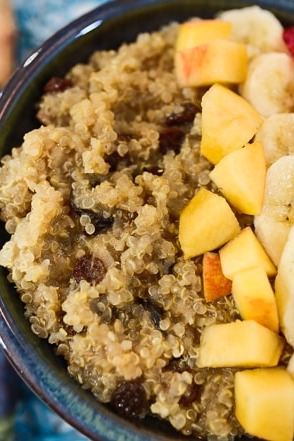
Recipe
Quinoa-Maca Breakfast Bowls
These vegan maca breakfast bowls turn protein-rich quinoa into a warm, naturally sweet breakfast topped with fresh fruit and a boost of energizing maca powder.
Print
Pin
Save
Servings: to 4
Ingredients
- 1 cup uncooked quinoa
- 1 cup vanilla nondairy milk
- 1 cup water
- ½ teaspoon vanilla extract
- 2 to 3 tablespoons maca root powder
- 2 tablespoons maple syrup or to taste
- ½ teaspoon cinnamon
- ¼ cup raisins or dried cranberries optional
- Fresh fruit as desired bananas, strawberries, kiwi, mango, blueberries
Instructions
- Combine the quinoa with the nondairy milk and water in a small saucepan. Bring to a slow boil, then turn down the heat and simmer gently until the liquid is absorbed, about 15 minutes.
- Remove from the heat, then stir in the maca, maple syrup, cinnamon, and the optional dried fruit.
- Divide between 3 to 4 serving bowls and top with sliced fresh fruit as desired. Serve warm.
- Transfer any leftovers to a covered container and refrigerate, or reheat directly in the saucepan the next day.
Nutrition (Estimate per Serving)
Calories: 315kcalCarbohydrates: 60gProtein: 10gFat: 5gSaturated Fat: 1gPolyunsaturated Fat: 2gMonounsaturated Fat: 1gSodium: 120mgPotassium: 558mgFiber: 7gSugar: 9gVitamin A: 9IUVitamin C: 2mgCalcium: 177mgIron: 3mg
Vegan-ize any recipe!Grab our free vegan cheat sheet, packed with my favorite easy substitutions to make any recipe vegan.
8 Vegan Frozen Treats You Can Make Without an Ice Cream Machine
Whether you're in the dog days of summer or in the midst of a heat wave lingering into September, a frozen treat is always welcome.
You don't need any kind of special machine to make these all-natural, delicious vegan ice creams and ice pops, most made with fresh fruit and all made with other wholesome ingredients.
Some of these do require popsicle molds, which are inexpensive. I have this cheap set from Amazon.
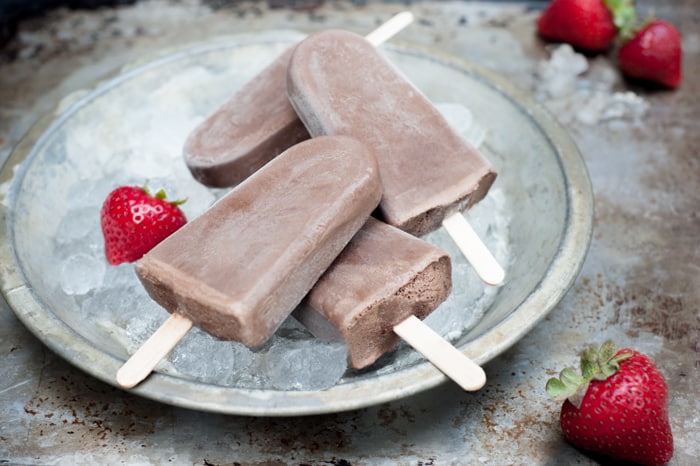
Let's start with Leslie Cerier's Cocoa Cashew Coconut Ice Pops. The perfect summer popsicle for kids of all ages, these feature cashews, coconut milk, and cocoa.
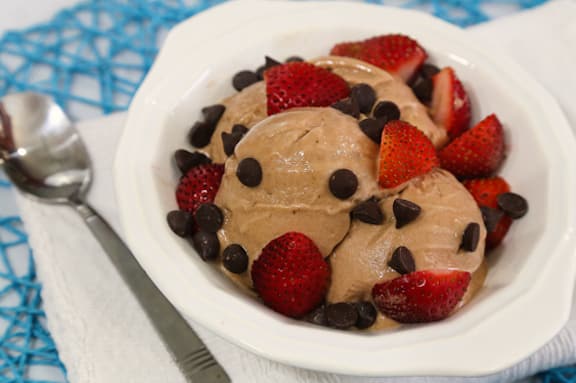
Chocolate Banana Frozen Soft Serve is another chocolate-y treat. Your taste buds won't believe that this frozen treat is made almost purely of banana. The velvety texture and mild chocolate flavor will have you hooked. Freezing bananas that are getting almost too ripe is perfect for making treats like this, or for using in smoothies.
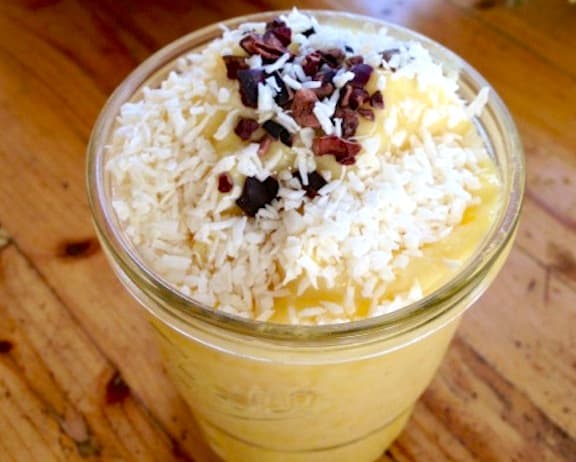
Creamy Pineapple Crush with a dusting of shredded coconut and cacao nibs satisfies any sweet tooth … without the fat and processed sugar. Three basic ingredients, all pure foods, whipped up into a creamy frozen dessert that couldn't be easier to make.
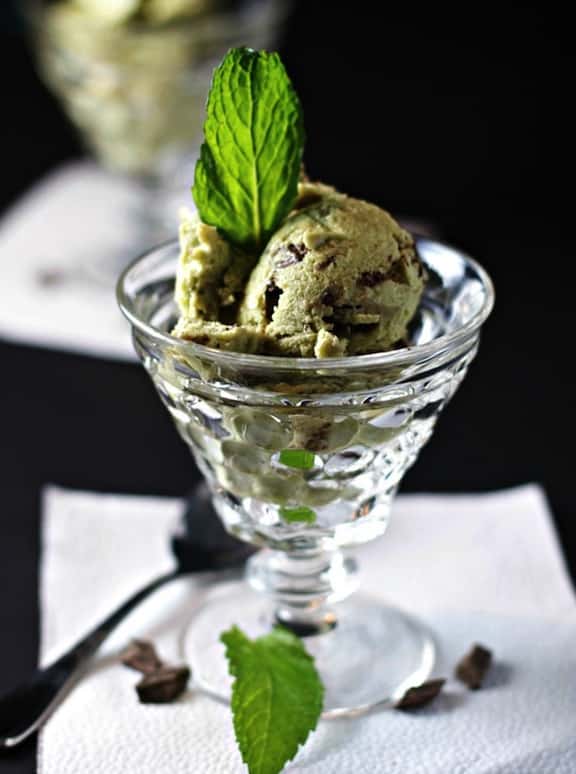
Mint Chocolate-Chip Ice Cream is so delicious, it's hard to believe that it's made from bananas and avocados. Avocados power up the nutrition in this dessert and gives it that beautiful green hue. Add a few drops of mint extract, chocolate chips and enjoy!

Fresh Mango or Nectarine and Blueberry Ice Pops prove that all you need are ice pop molds and fresh summer fruits to create easy, refreshing, and healthy frozen treats. Make sure your fruit is lush and ripe or these won't have optimal flavor.
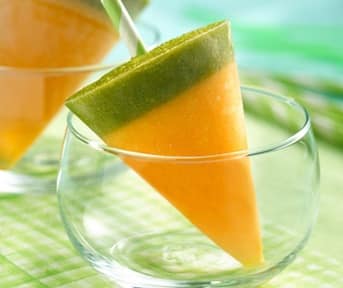
Crazy Carrot Pops are ice pops made from real fruits and veggies - lots of fun for kids to eat, and reassuring for parents to know they're giving their children a wholesome treat.
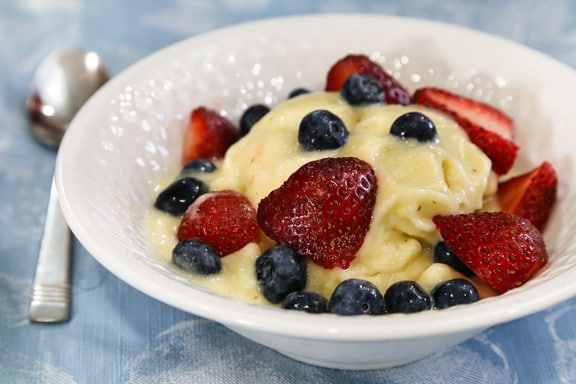
To make Vegan Banana Ice Cream, frozen bananas blend up and become just like soft-serve ice cream. Use a food processor, not a blender for this. Depending on the size of the food processor, you may have to make this in two batches.
Also try: our vegan fudgesicles.
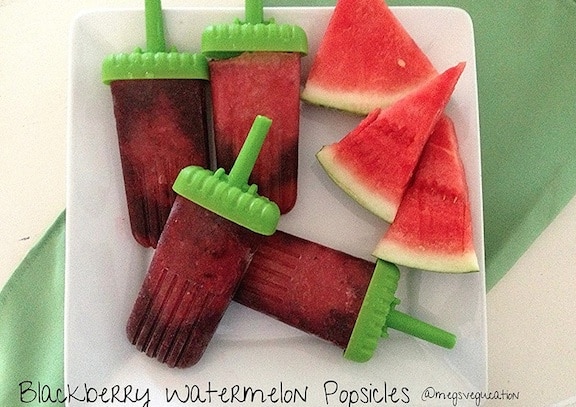
You'll be surprised at how quick Blackberry Watermelon Popsicles are to make, and how delicious the outcome is. You can can also vary these these with any kind of fruit you can blend!
Hope you found something to make your summer a little bit sweeter. For more ideas, check out all of our vegan ice cream recipes or other delicious vegan desserts.
Spring Vegetarian Crockpot Recipes

Running out of cooking time while trying to finish up school, prep for summer vacation plans, or get all the spring cleaning done? This list of spring vegetarian crockpot recipes is sure to open up your time and tastebuds this season!

Spring has sprung! The weather is finally warming up, and people are starting to mow their lawns again. We love spring because it brings a feeling of new life! However, it can feel a little disheartening if you keep cooking the same old winter food. Even though those hearty, heavy meals can be delicious, they have no place on your spring menu.
Of course, many of us get busier in the spring. As our schedules pick up and we finish out our projects and work before summer hits, we have less and less time to cook. Thankfully, the crockpot exists! Don't worry about how you'll cook this week-get out your slow cooker and stop wasting precious time! OhMyVeggies has a bunch of crock pot vegetarian recipes, but here's a list of some recipes just for spring.
Slow Cooker Vegan White Bean Cassoulet

Although cassoulet is traditionally a meat dish, this Slow Cooker Vegan White Bean Cassoulet is totally vegan! It uses white beans, and it's a delicious dish to make in the spring.
Crockpot Vegan Yogurt

If you've been missing yogurt since becoming a vegan (or maybe you've never had yogurt because you've always been vegan!), here's a great opportunity. You can make your own Crockpot Vegan Yogurt in-you guessed it-your crock pot!
Crockpot Tomato Basil Soup

Tomato basil soup is a classic, so it's a perfect recipe to try out with your crock pot! This Crockpot Tomato Basil Soup will give you all of that classic comfort without all of the traditional time expense.
Slow Cooker Rice Pudding

Spring isn't just a time for eating fresh vegetables. It's also a great time to make some interesting treats! Here's a great recipe for some deliciously sweet Slow Cooker Rice Pudding.
Slow Cooker Corn Red Pepper Chowder

Everyone needs a good chowder recipe, and this Slow Cooker Corn Red Pepper Chowder uses corn and red peppers to keep it light and delicious for spring!
Vegetarian Collard Greens

In case you wanted collard greens as a vegan, here is a great recipe for you! These Vegetarian Collard Greens are a perfect addition to your spring meals.
Also try: our Fresh Tomato And Corn Soup.
Slow Cooker Strawberry Rhubarb Jam

Did you know that you can also use your slow cooker to make jam?! This special recipe makes some tasty Slow Cooker Strawberry Rhubarb Jam-totally unique and a great option for your transition from spring to summer.
Vegan Black Bean Nachos Grandes

Black Bean Nachos Grandes are great as an appetizer, a light meal, or a simple accompaniment to salads and grain dishes. Use natural stone-ground organic tortilla chips for best results. Delicious served with your favorite salsa and, if you'd like, some guacamole. Photos by Evan Atlas. [Read more...]
Vegan Beet & Brown Rice Burgers
These vegan beet and brown rice burgers get their gorgeous deep-red color from fresh beets and their staying power from hearty brown rice and beans - with red wine vinegar as the secret ingredient that ties it all together.

Recipe from Veggie Burgers Every Which Way: Fresh, Flavorful and Healthy Vegan and Vegetarian Burgers-Plus Toppings, Sides, Buns and More, copyright © Lukas Volger, 2010. Photo by Christina Heaston. Reprinted by permission of the publisher, The Experiment, LLC.
Key Ingredients & Substitutions
- Fresh beets. Grated raw beets are the star here - they cook down into the patty and give it that deep, earthy sweetness and vibrant red color. No need to peel them first, just scrub well. You can substitute roasted and cooled beets if you have them on hand, though the texture will be slightly softer.
- Cooked brown rice. Adds structure and a gentle nuttiness. Any cooked whole grain works as a substitute - farro, millet, or even quinoa and wild rice would all be delicious here.
- Black or red beans. Mashed beans are the binding element that holds the patty together. Black beans give a slightly bolder flavor; red kidney beans are milder and blend into the beet color seamlessly.
- Red wine vinegar. This is the secret ingredient - it brightens the earthy beet flavor and adds a slightly floral acidity that makes these burgers taste much more complex than their short ingredient list suggests. Don't skip it or substitute white vinegar if you can help it; the flavor profile is noticeably different.
- Red onion. Sautéed until soft and translucent, it adds sweetness and depth. Yellow onion works fine as a substitute.
- Fresh parsley. Just a couple of tablespoons adds a fresh, herby note. Cilantro can be used instead if you prefer.
Helpful Tips
Don't skip the high-heat sear. The original recipe specifically calls for searing the patties in hot oil before reducing the heat - this is what creates the crust that holds the burger together. Starting on high heat sets the exterior quickly; without it, these delicate patties are more prone to crumbling when flipped.
Cool the beet mixture before mixing. After cooking the beets and onion, let them cool slightly before folding in the beans and rice. Adding the beans to a very hot mixture can make them mushy rather than holding their shape when mashed, which affects the final texture.
Mash beans coarsely, not smoothly. You want a rough mash with some texture remaining - not a puree. Some whole or half beans left in the mixture give the patty better structure than a completely smooth paste.
Handle gently when flipping. These are more delicate than a black bean burger. Use a wide, thin spatula and flip with confidence - a hesitant half-flip is more likely to break a patty than a decisive, quick turn.
Serve immediately. Like most veggie burgers, these are best straight out of the pan while the exterior is still crisp. If making ahead, reheat in a dry skillet over medium heat rather than the microwave to revive the crust.
Variations
- Add cumin and coriander. Stir ½ teaspoon of ground cumin and ¼ teaspoon of ground coriander into the beet mixture. It gives these burgers a subtle warmth that pairs beautifully with the earthy beets.
- Try with lentils. Swap half the beans for cooked green or brown lentils for a slightly firmer texture and more protein.
- Use quinoa instead of brown rice. For a slightly lighter texture and a protein boost, substitute an equal amount of cooked quinoa. The patties hold together just as well.
- Make them spicy. Add ¼ teaspoon of cayenne and a pinch of red pepper flakes to the mixture. Serve with a creamy avocado spread to balance the heat.
- Boost the umami. Add 1 tablespoon of soy sauce or tamari to the beet mixture. It deepens the savory notes considerably, especially if you're serving the burgers without a sauce.
- Herb swap. Fresh cilantro in place of parsley gives a brighter, more vibrant flavor - especially good if serving in a pita with tahini sauce.
Serving Ideas
These burgers are striking on a bun - that deep magenta color looks incredible against green lettuce and white vegan mayo or copycat vegan burger sauce. Their earthy, slightly tangy flavor pairs especially well with creamy toppings like avocado, hummus, or a smear of tahini. A handful of peppery arugula is a better choice here than standard iceberg - it stands up to the bold flavor of the beet.
They're also wonderful served without a bun, over a simple mixed greens salad with beets and walnuts and a drizzle of lemon vinaigrette. Or slice them up and fold into a grain bowl with roasted vegetables and tahini dressing - the beet patty crumbles beautifully into the bowl and adds gorgeous color throughout.
Storing & Freezing
Store leftover patties in an airtight container in the refrigerator for up to 3 days. Reheat in a dry skillet over medium heat for a couple of minutes per side to revive the crust, or warm in a 350°F oven for about 10 minutes. Avoid the microwave if possible - it softens the exterior and makes the patties slightly mushy.
These burgers freeze well. Let them cool completely after cooking, then freeze in a single layer before transferring to a zip-close freezer bag. They'll keep for up to 3 months. Reheat from frozen in a 375°F oven for 15-18 minutes, flipping once halfway through. The texture and flavor hold up nicely.
More Vegan Burger Recipes
If you loved this recipe, here are a few more you might enjoy:
- Vegan Chipotle Black Bean Burgers
- Vegan Quinoa Mushroom Burger
- Vegan Quinoa and Wild Rice Burgers
- Vegan Chickpea Patties
Recipe

Vegan Beet & Brown Rice Burgers
These vegan beet and brown rice burgers are earthy, hearty, and full of flavor - with a secret splash of red wine vinegar that makes them taste like so much more than the sum of their parts.
Print
Pin
Save
Servings:
Ingredients
- 3 beets scrubbed clean, ends trimmed
- 4 tablespoons olive oil
- 1 red onion diced
- ½ teaspoon salt
- 1 tablespoon red wine vinegar
- 1 ½ cups cooked black beans or red kidney beans, can also use canned
- 1 cup cooked brown rice
- 2 tablespoons fresh parsley chopped
- black pepper to taste
Instructions
- Using the large holes of a box grater or the grater blade of your food processor, grate the beets.
- (It's not necessary to peel them first.)
- In a large, lidded sauté́ pan, heat 2 tablespoons of the oil over medium heat. Add the onion and cook until it softens and begins to look translucent, 6 to 8 minutes. Add the beets and salt and toss to combine. Cover and cook for 10 to 12 minutes, until the beets are completely softened. Add the vinegar, toss to combine, and scrape up the browned bits from the pan with a wooden spoon. Set aside to cool slightly.
- In a mixing bowl, coarsely mash the beans with a potato masher or fork. Fold in the beet mixture, the rice, parsley, and black pepper to taste. Adjust seasonings. Shape into six patties, flattening to a ½-inch thickness.
- In a sauté́ pan, heat the remaining 2 tablespoons oil over high heat. Add the patties, in batches if necessary to avoid crowding. They should sizzle-this creates a nice crust. Cook for 1 minute. Reduce the heat to medium and cook for 2 or 3 minutes. Carefully flip the burgers and cook until browned and firm, 4 to 5 minutes longer.
Nutrition (Estimate per Serving)
Calories: 302kcalCarbohydrates: 35gProtein: 8gFat: 15gSaturated Fat: 2gPolyunsaturated Fat: 2gMonounsaturated Fat: 10gSodium: 343mgPotassium: 520mgFiber: 9gSugar: 5gVitamin A: 193IUVitamin C: 8mgCalcium: 42mgIron: 2mg
Vegan-ize any recipe!Grab our free vegan cheat sheet, packed with my favorite easy substitutions to make any recipe vegan.
The Homemade Vegan Pantry by Miyoko Schinner

The Homemade Vegan Pantry: The Art of Making Your Own Staples
by Miyoko Schinner
A guide to creating vegan versions of staple ingredients to stock the fridge and pantry--from dairy and meat substitutes such as vegan yogurt, butter, mayo, bacon, and cheese, to mustards, dressings, pancake mix, crackers, pasta sauces, cookies, and more.
Kitchen crafters know the pleasure of making their own staples and specialty foods, whether it's cultured sour cream or a stellar soup stock. It's a fresher, healthier, more natural approach to eating and living. Now vegans who are sick of buying over-processed, over-packaged products can finally join the homemade revolution. [Read more...]
White Root Vegetables: A Guide to 14 Types (with Photos)
Spotted a pale, knobby or long white root at the market and can't put a name to it? You're in the right place. This guide covers 14 white root vegetables, from daikon and parsnips to jicama, taro and lotus root, with photos, the quickest ways to tell look-alikes apart, what each one tastes like, and the best ways to cook it.
Start with the comparison table if you just need a fast ID, then jump to the vegetable that matches what you saw. Near the end there are quick sections for the three things people search for most: long white root vegetables, big white root vegetables, and vegetables that look like radishes.
White Root Vegetables at a Glance
| Vegetable | What it looks like | Taste | How to cook it |
|---|---|---|---|
| Daikon | Long, smooth, white, carrot-shaped but much thicker; often green near the top | Crisp, juicy, mildly peppery raw; sweet and mellow cooked | Raw in salads, pickled, simmered in soups, stir-fried |
| Parsnip | Carrot-shaped, cream to tan, wide shoulders, ringed skin | Sweet, nutty, a little spicy | Roasted, in soups and stews, mashed |
| Turnip | Round, white with a purple top, 2 to 4 inches across | Peppery raw; mild and sweet cooked | Roasted, mashed, sautéed, pickled |
| Rutabaga | Larger than a turnip, purple top, yellowish bottom, often waxed | Sweet, buttery, earthy | Mashed, roasted, in stews |
| Celeriac (celery root) | Round, gnarly, beige-brown, hairy rootlets at the base | Celery and parsley with a nutty edge | Soups, mash, roasted, grated raw |
| Jicama | Round, flat-topped, thin tan-brown skin | Crisp, juicy, lightly sweet, like apple meets water chestnut | Raw sticks, slaws, salads, quick stir-fries |
| Kohlrabi | Pale green or purple bulb with stems sticking out | Like a sweet broccoli stem | Raw slaw, roasted, sautéed, soups |
| White sweet potato | Sweet potato shape, tan or purple-red skin, white flesh | Mildly sweet, chestnut-like, fluffy | Baked, roasted, mashed, fries |
| Taro | Round to barrel-shaped, shaggy brown skin with rings | Nutty, starchy, creamy when cooked | Always cooked: boiled, braised, fried, in curries |
| Cassava (yuca) | Long club shape, thick bark-like brown skin, often waxed | Mild, starchy, slightly sweet | Always cooked: boiled, fried, mashed |
| Horseradish | Long, thick, rough and gnarled, tan-brown | Fiercely hot and pungent when grated | Grated raw into sauces and condiments |
| Salsify | Long, thin, stick-like; tan and hairy or black | Delicate, nutty, like artichoke hearts | Sautéed, braised, in soups and gratins |
| Lotus root | Linked tan sections like sausages; lacy holes inside | Crisp, mild, lightly sweet | Stir-fried, braised, in soups, as chips |
| White carrot | Exactly like a carrot, but ivory white | Mild, sweet, less carrot-y | Raw, roasted, glazed, in soups |
The 14 White Root Vegetables, One by One
1. Daikon
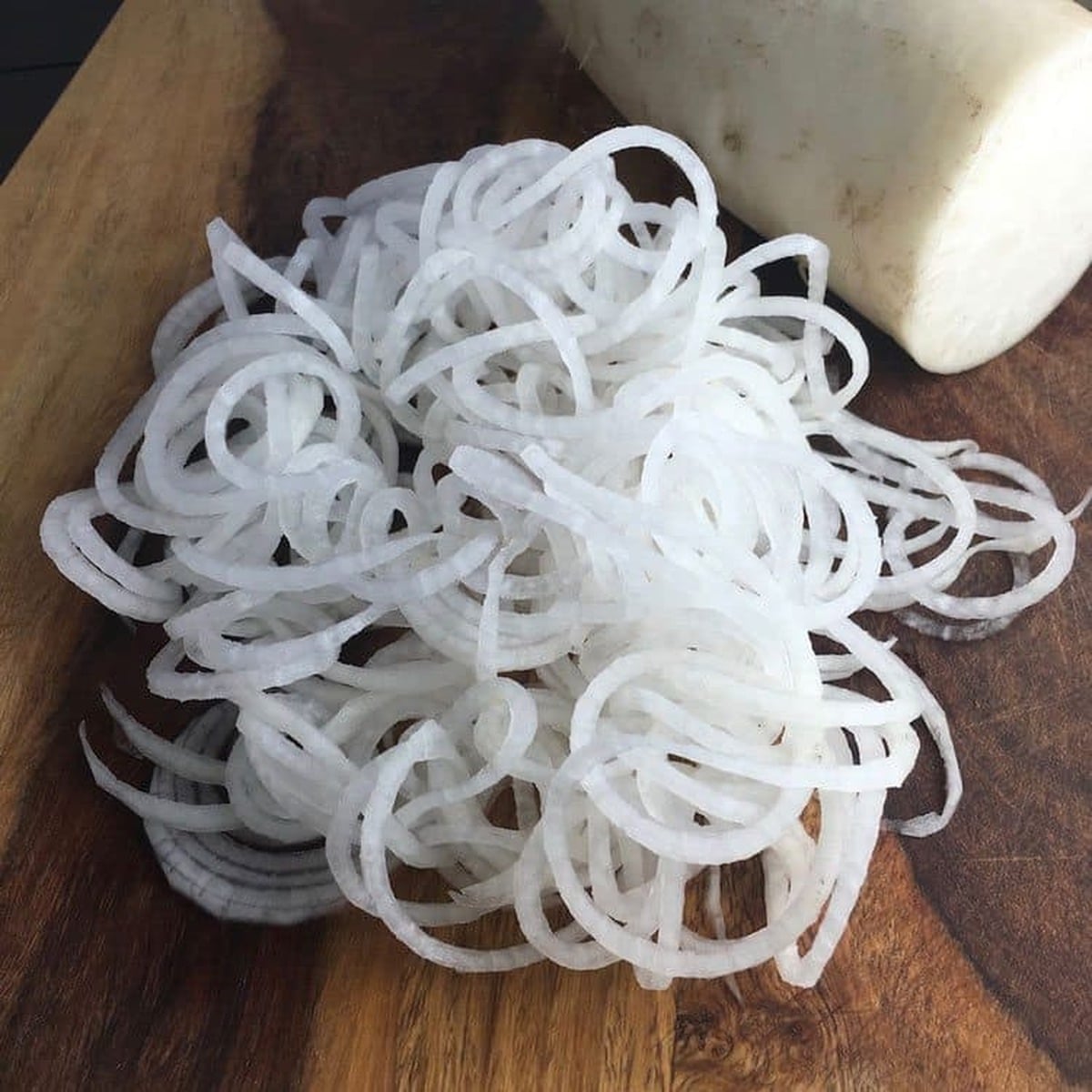
How to spot it: Daikon is the vegetable most people mean when they search for a "long white root vegetable." It's smooth, bright white and cylindrical, usually 8 to 20 inches long and 2 to 4 inches thick, and often pale green near the top where it pushed out of the soil. Korean radish (mu) is the same family but shorter and stouter, with more green on the shoulders. Its name means "big root" in Japanese, and it's sold in Chinese markets as white radish or lo bok.
How to tell it from look-alikes: A parsnip is cream to tan, tapers to a point and has a wide, flat crown with ringed skin; daikon is whiter, thicker and nearly the same width from top to bottom. Horseradish is also long, but its skin is rough, brown and gnarled.
Taste: Raw daikon is crisp, juicy and mildly peppery, gentler than a red radish. Cooked, it turns tender, sweet and mellow and soaks up whatever broth it's simmered in.
How to cook it: Grate or julienne it raw into salads and noodle bowls, like these Cold Japanese Noodles with Daikon and Carrots or Veggie Sushi Rice Bowls or even this Daikon Noodle Soup. Or cut it into half-moons and simmer it in a brothy soup such as Miso Soup with Winter Vegetables. It also makes excellent quick pickles!
2. Parsnip
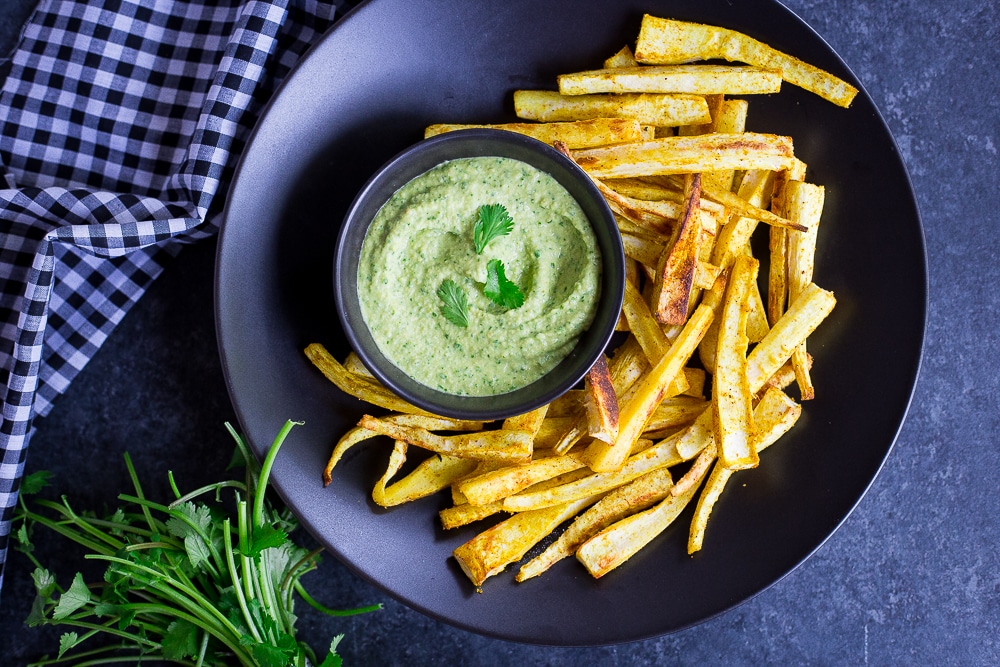
How to spot it: Parsnips look like cream-colored carrots with broad shoulders. The top is wide and slightly sunken where the leaves were trimmed, the skin has faint rings, and the root tapers to a thin tail. Most are 6 to 10 inches long.
How to tell it from look-alikes: White carrots are smoother and slimmer at the top, without a parsnip's wide, dished crown. Parsley root is similar but smaller and usually sold with its leaves attached. Snap a small piece of parsnip and you'll notice a sweet, almost spicy aroma that carrots don't have.
Taste: Sweet, nutty and earthy, with a hint of spice. Parsnips get even sweeter after a frost, and large ones can have a woody core that's best cut out.
How to cook it: Roasting is the classic: toss chunks with olive oil and roast until the edges caramelize, as in Garlicky Roasted Root Vegetables. Parsnips also give soups a gentle sweetness. Try this cozy Vegan Parsnip Chowder or Creole Creamy Carrot Soup.

3. Turnip
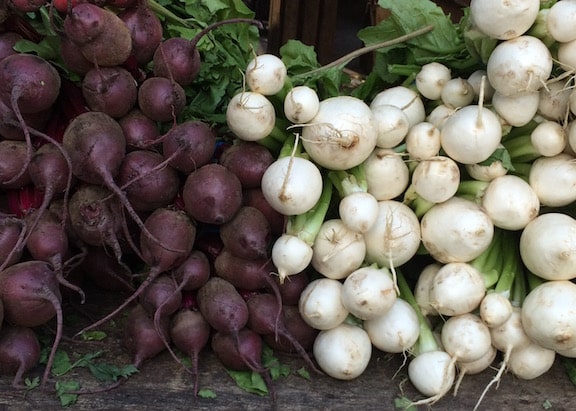
How to spot it: Turnips are round or slightly flattened globes, usually 2 to 4 inches across, white on the bottom with a purple or pinkish blush on top where the sun reached them. Baby Japanese turnips (Hakurei or Tokyo turnips) are smaller, all white and often sold in bunches with their greens.
How to tell it from look-alikes: A rutabaga is bigger, yellowish below the purple and usually waxed. A white radish is smaller and smoother, with a sharper bite. Kohlrabi looks similar from a distance, but its bulb sprouts stems from its sides, not just the top.
Taste: Raw turnips are crisp and a little peppery, somewhere between a radish and a cabbage. Cooking makes them mild and sweet. Small, young turnips are the most tender and least bitter.
How to cook it: Roast or mash them alongside potatoes, sauté them in a quick side like Sautéed Turnips and Peppers, or simmer them in a North African stew such as Vegetables Tajine. Thin raw slices of baby turnips are lovely in salads.
4. Rutabaga
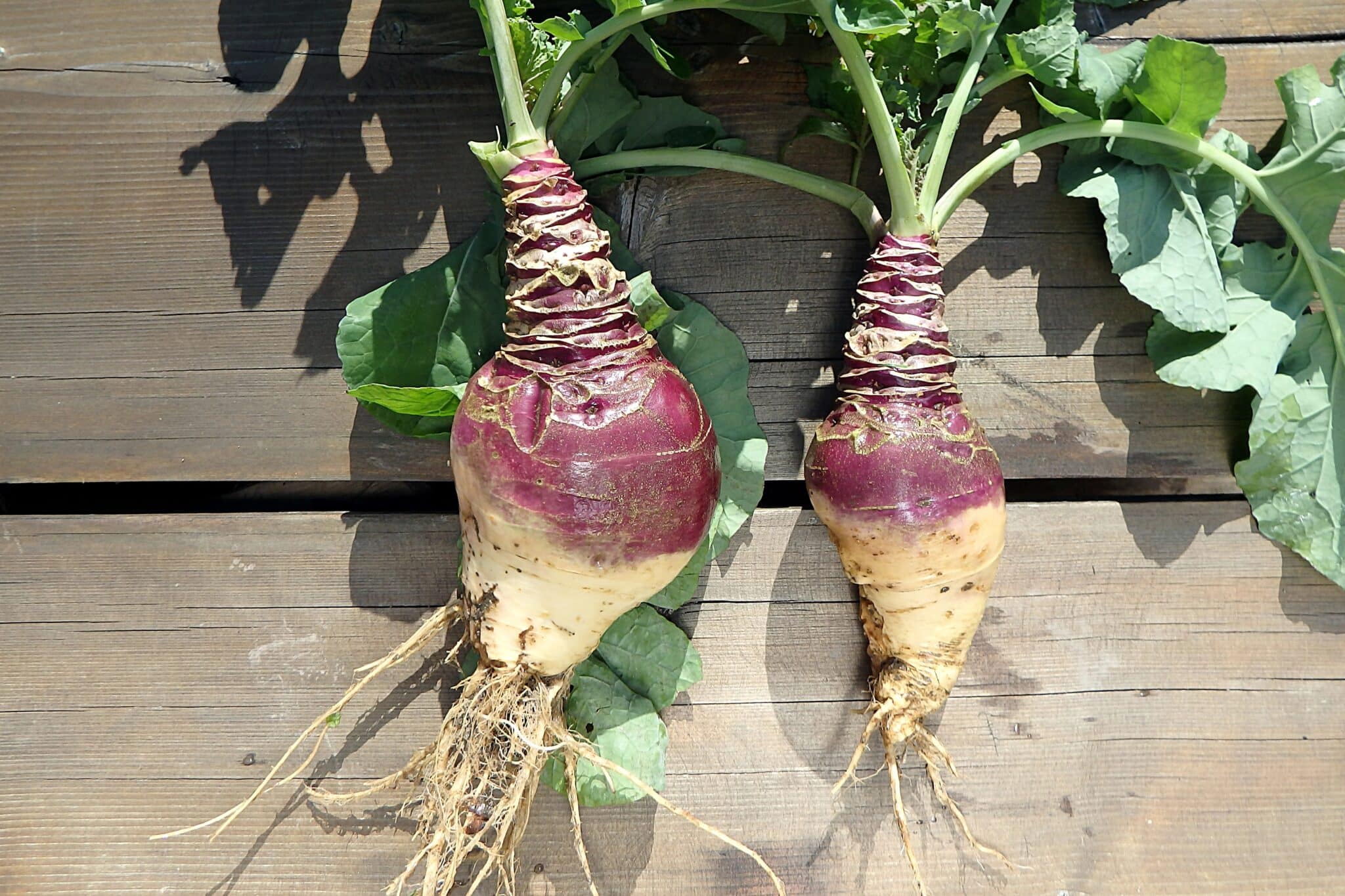
How to spot it: Rutabagas (called swedes in the UK) are a cross between a turnip and a cabbage. They're larger than turnips, often the size of a softball or bigger, with a purple top, a creamy yellow bottom and a thick neck with ridged leaf scars. Supermarket rutabagas are usually coated in wax to keep them fresh.
How to tell it from look-alikes: Cut it open: turnip flesh is white, while rutabaga flesh is pale yellow to golden. Rutabagas are also denser and heavier for their size.
Taste: Sweeter and more buttery than turnips, with a gentle earthy, cabbage-like note.
How to cook it: Peel away the wax and skin with a sharp knife, then mash it with potatoes, roast it in cubes, or add it to hearty stews like Winter One-Pot Lentils and Rice. Our roasted vegetables guide has timing tips for rutabaga and other roots.
5. Celeriac (Celery Root)
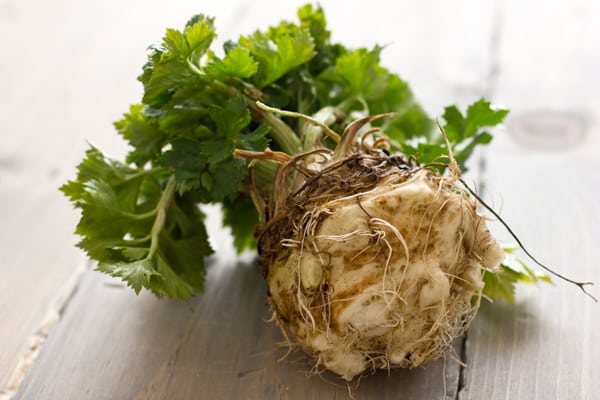
How to spot it: Celeriac is the knobbly, rough-skinned, beige-brown ball that looks a bit alarming the first time you see it. It's roughly 3 to 5 inches across, with a tangle of hairy rootlets at the bottom and sometimes celery-like stalks on top. Inside, the flesh is creamy white.
How to tell it from look-alikes: Its gnarly, tangled base is unlike anything else here. Taro is also brown and rough, but it has neat rings and shaggy fibers instead of a mass of rootlets.
Taste: Like celery and parsley combined, with a nutty, slightly sweet finish. It's milder once cooked.
How to cook it: Cut off the skin with a knife (a peeler won't get through the crevices). Grate it raw for a crunchy slaw with a mustardy vegan mayo, simmer it into silky soups, mash it with potatoes, or roast it in wedges. Drop cut pieces into lemony water so they don't brown.
6. Jicama
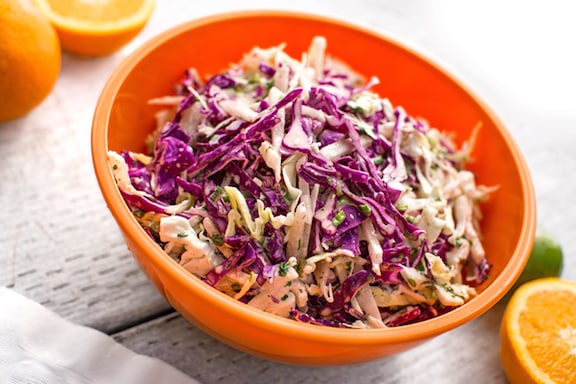
How to spot it: Jicama (HEE-kah-mah) is round with a flattened top and bottom, a bit like a big turnip, with thin, matte, tan-brown skin. They range from the size of a fist to several pounds. The flesh is bright white, crisp and very juicy.
How to tell it from look-alikes: It can be mistaken for a turnip or a potato, but jicama's skin is papery and dull brown all over, with no purple, and it feels heavy and hard. Cut it, and the watery crunch is unmistakable.
Taste: Mildly sweet and nutty, like a cross between an apple, a pear and a water chestnut.
How to cook it: Jicama is usually eaten raw. Peel it well (the skin isn't edible), then cut it into sticks with lime and chili, or shred it into a Vegan Jicama Coleslaw. It's also great in Jicama Salad with Oranges and Watercress and stays crunchy in quick stir-fries. For more ideas, see 10 Easy Jícama Recipes You'll Love.
7. Kohlrabi

How to spot it: Kohlrabi is technically a swollen stem, not a root. It grows just above the ground, so it looks like a pale green (or purple) ball with long leaf stems sprouting from its sides and top, a bit like a small alien spaceship. Inside, it's crisp and white.
How to tell it from look-alikes: Those stems coming out of the sides are the giveaway; turnips and radishes only have leaves on top. Once the stems are trimmed, look for the little scars they leave around the bulb.
Taste: Mild, sweet and juicy, like a broccoli stem or the heart of a cabbage, with a slight peppery note.
How to cook it: Peel off the fibrous outer layer, then cut it into sticks for dipping, shred it into slaw, or cut it into matchsticks for salads. It also roasts beautifully and can be sautéed or added to soups in place of potatoes.
8. White Sweet Potato
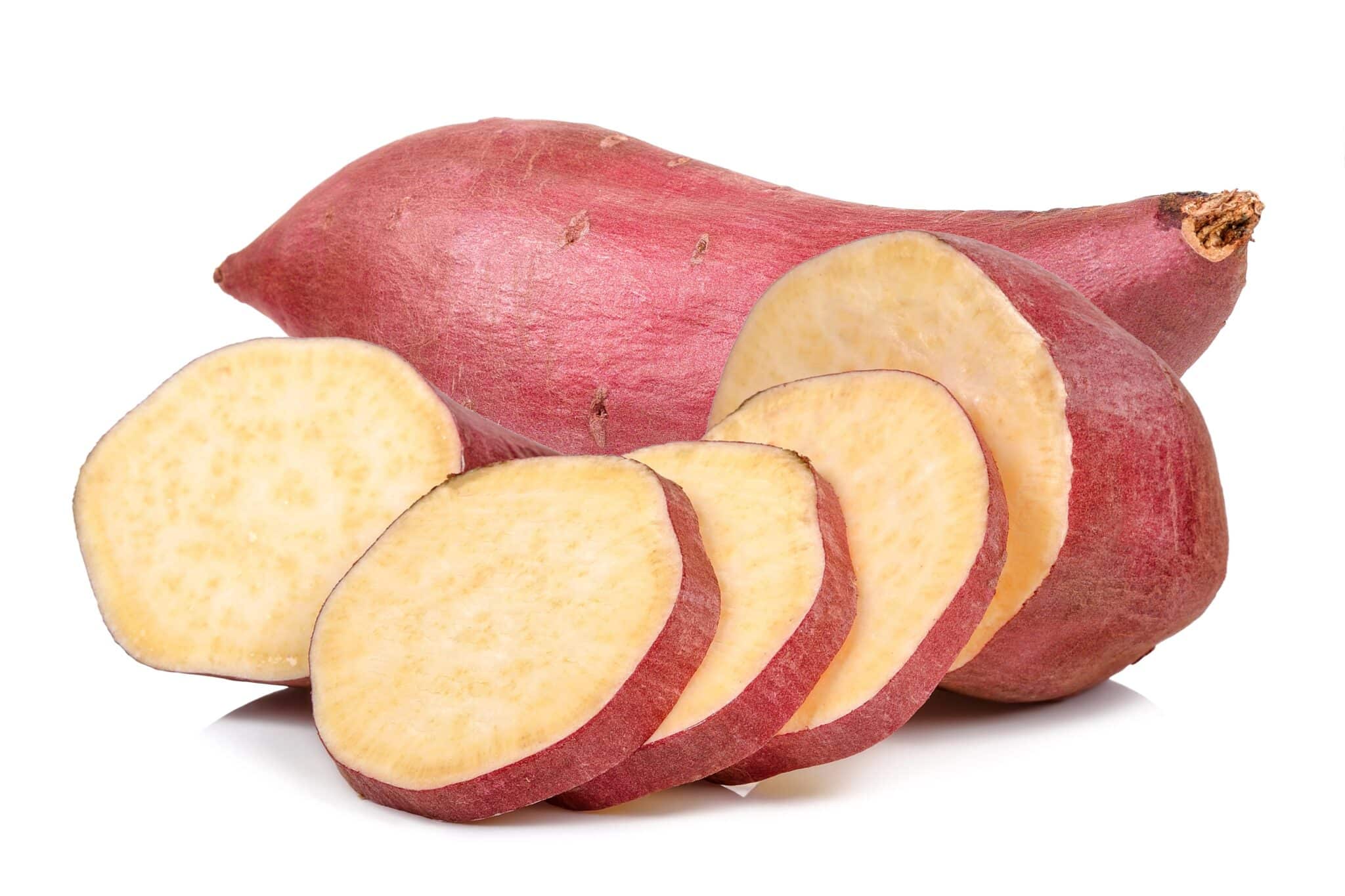
How to spot it: White sweet potatoes have the familiar tapered sweet-potato shape but pale flesh. Some, like Hannah and O'Henry, have tan or cream skin; Japanese sweet potatoes (satsuma-imo) have purple-red skin and creamy white flesh. The Caribbean boniato has pinkish, patchy skin and white flesh.
How to tell it from look-alikes: Regular potatoes are rounder and have "eyes" rather than tapered ends. True yams have rough, bark-like skin and are rarely sold in ordinary supermarkets. Cut a white sweet potato and the flesh turns faintly yellow once cooked.
Taste: Less sugary than orange sweet potatoes, with a drier, fluffier texture. Japanese sweet potatoes are especially sweet and chestnut-like.
How to cook it: Use them in any sweet potato recipe: bake them whole, roast wedges as in Simple Garlic-Roasted Sweet Potatoes, or swap them into a holiday Sweet Potato Tzimmes. Browse more ideas in our vegan sweet potato recipes.
9. Taro
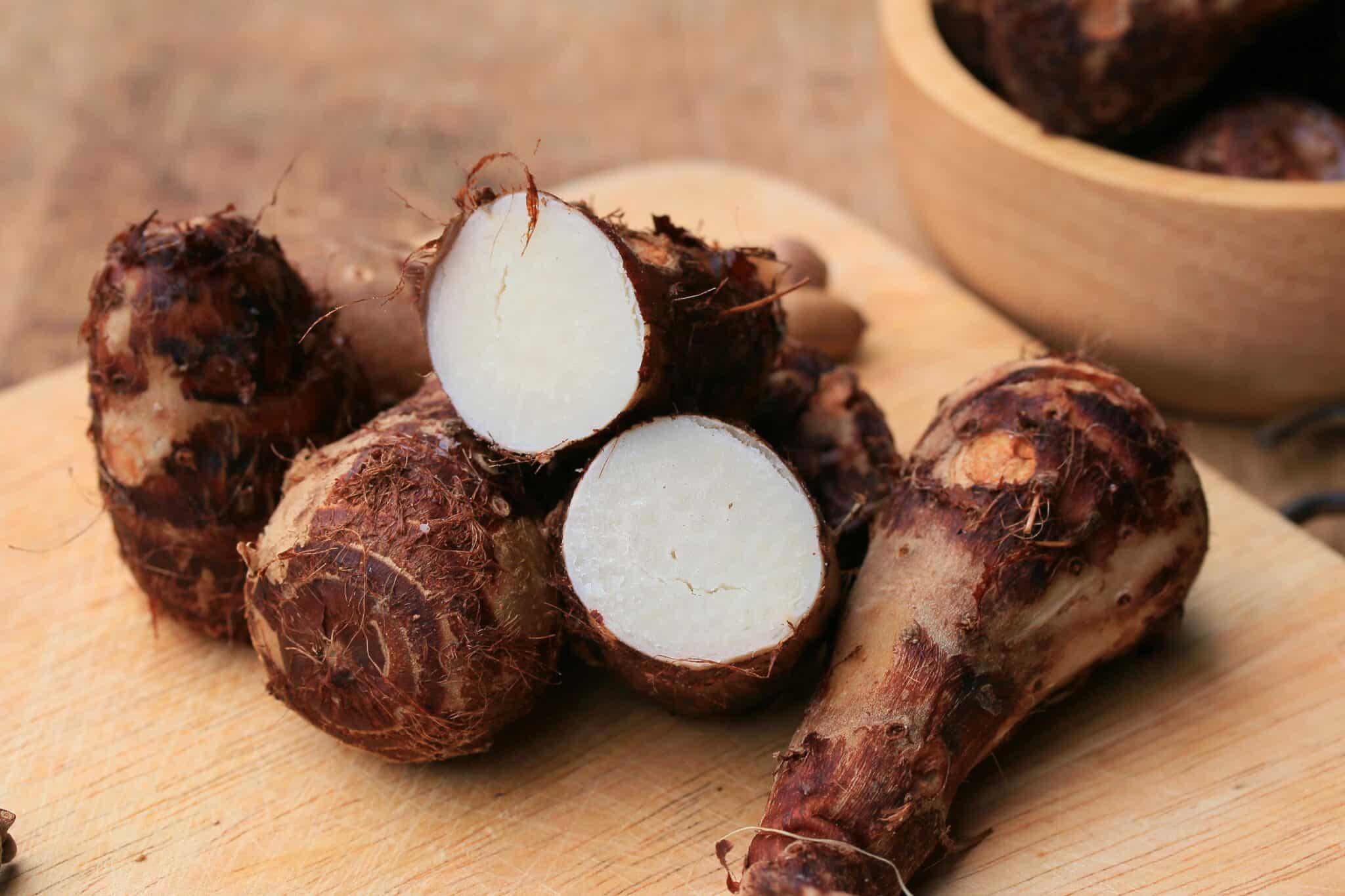
How to spot it: Taro is a brown, hairy, bark-like root with concentric rings around it. Small ones (eddoes) are about the size of an egg; larger ones (dasheen) can be the size of a small coconut. Cut it open and the flesh is white or cream, often speckled with purple-gray flecks.
How to tell it from look-alikes: Its rings and shaggy fibers set it apart from celeriac and jicama. Cassava is much longer and has smoother, bark-like skin with no rings.
Taste: Nutty, starchy and slightly sweet, like a potato crossed with a chestnut, with a creamy, sometimes slightly sticky texture when cooked.
How to cook it: Never eat taro raw; it contains compounds that irritate the mouth and throat until they're cooked. Wear gloves when peeling, then boil, steam or braise it, add it to coconut curries and stews, or slice and bake it into chips.
10. Cassava (Yuca)
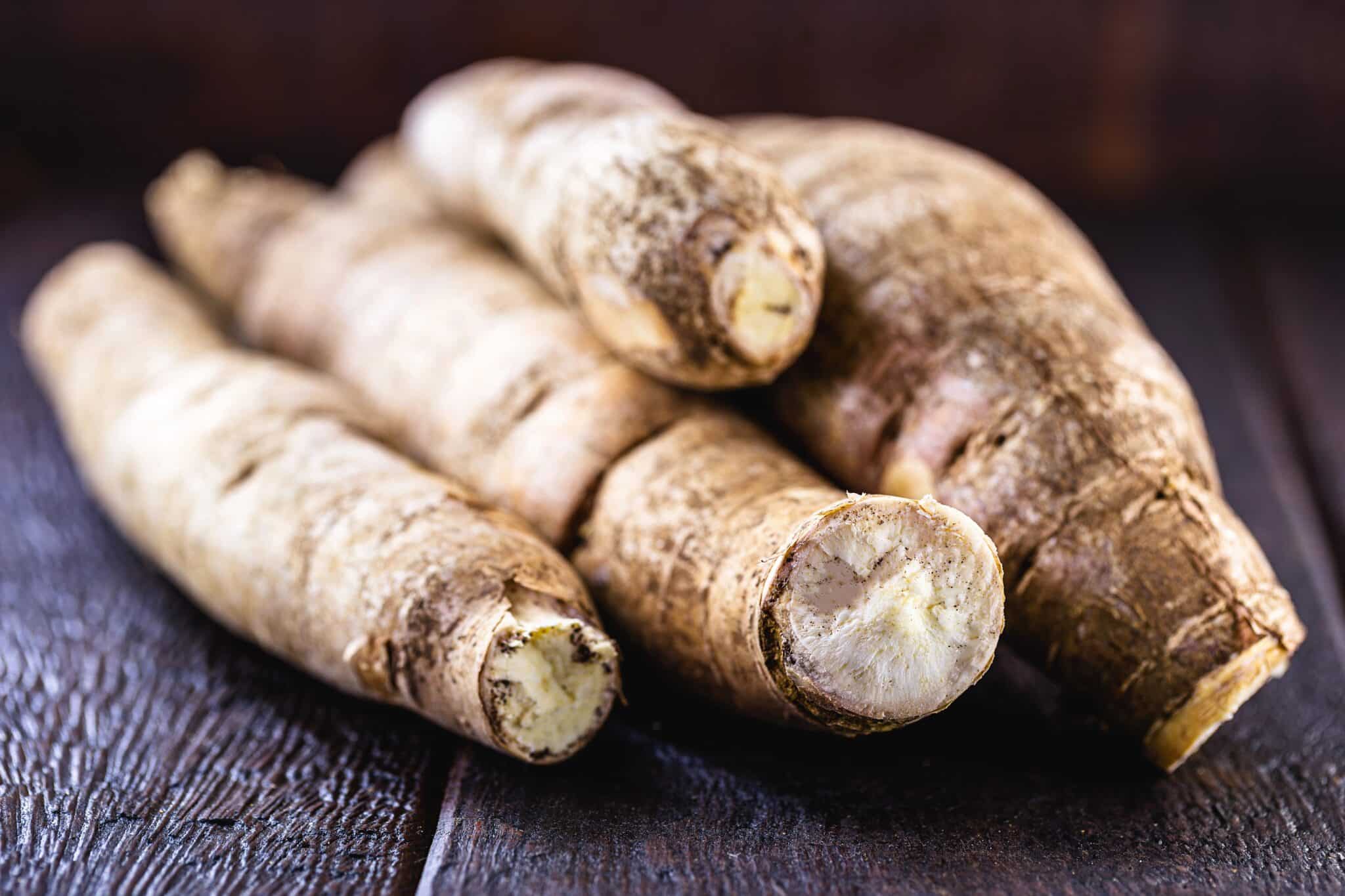
How to spot it: Cassava, also called yuca or manioc, is a long, club-shaped root, usually 8 to 16 inches long and 2 to 3 inches thick, with thick, dark brown, bark-like skin. It's usually sold coated in wax. The flesh is bright white with a fibrous string running down the center. (Yuca isn't the same as yucca, the spiky ornamental plant.)
How to tell it from look-alikes: It's thicker and woodier-looking than a parsnip or daikon, and its skin looks like tree bark. Snap off the end, and you'll see very white, dense flesh.
Taste: Mild, starchy and slightly sweet, denser and more satisfying than potato.
How to cook it: Cassava must always be peeled and cooked, since raw cassava contains natural compounds that cooking removes. Peel it with a knife, cut out the woody center, then boil until tender and toss with garlic, lime and olive oil, or boil and then fry it into crispy yuca fries. Cassava is also the source of tapioca and cassava flour.
11. Horseradish
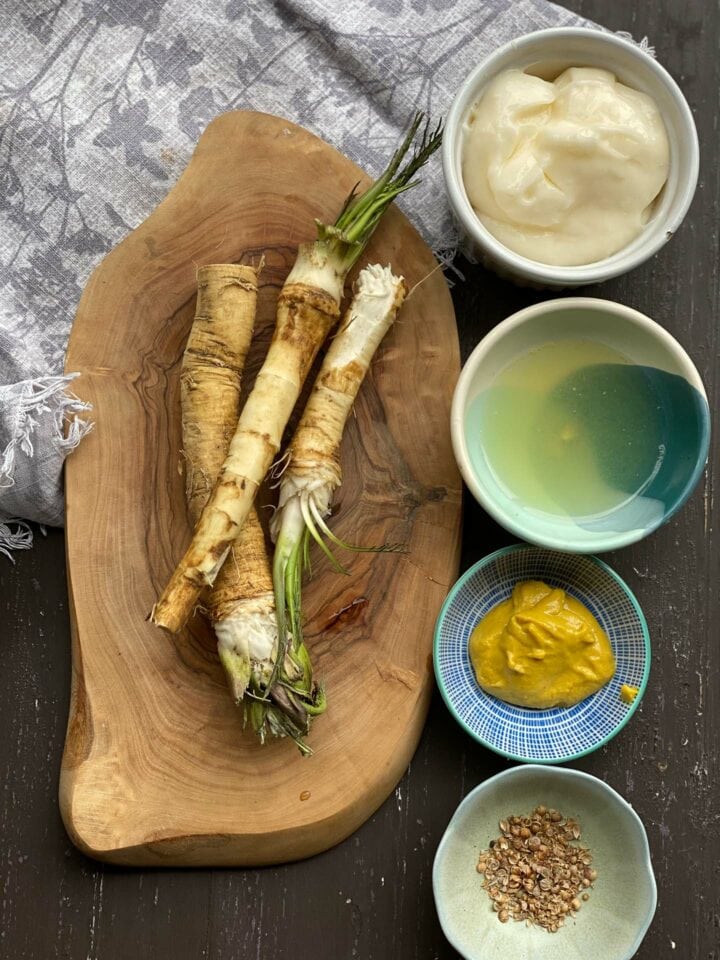
How to spot it: Fresh horseradish is a long, thick, gnarly root, usually 8 to 12 inches long, with rough tan-brown skin and a knobby top. Inside, it's white and hard.
How to tell it from look-alikes: It's the same general shape as a parsnip or daikon, but the skin is rougher and darker. The surest test: grate a little. Horseradish releases an eye-watering, sinus-clearing aroma within seconds.
Taste: Intensely hot and pungent when freshly grated, with a clean bite similar to wasabi. The heat fades quickly after grating unless you add vinegar.
How to cook it: Horseradish is almost always used raw as a condiment- and you can make your own homemade vegan horseradish sauce! Peel a small section and grate it on a fine rasp such as a Microplane grater, then stir in vinegar and a pinch of salt. Use it in dips, dressings and sauces, like the Horseradish-Dill Mayonnaise for tempeh fries, or on the Seder plate (see our vegan Passover Seder recipes).
12. Salsify
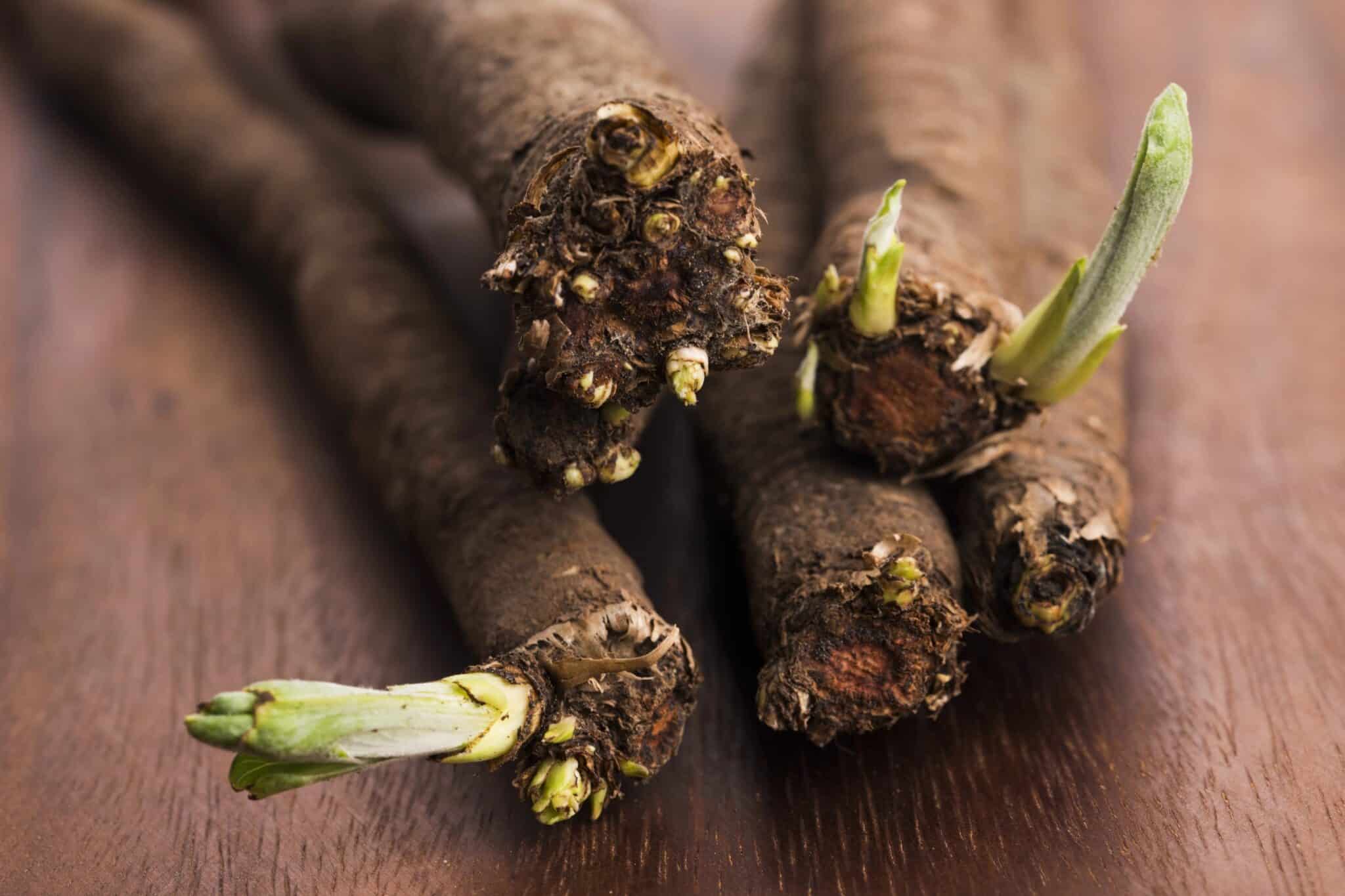
How to spot it: Salsify is a long, thin taproot about the size of a skinny carrot. White salsify has tan, slightly hairy skin; black salsify (scorzonera) has dark brown-black skin. Both have white flesh and a milky sap when cut.
How to tell it from look-alikes: It's much thinner and more stick-like than a parsnip or daikon, and the sticky white sap is a telltale sign.
Taste: Delicate, nutty and a little like artichoke hearts. It's nicknamed the "oyster plant" because some people taste a faint oyster-like note.
How to cook it: Scrub it, peel it and drop the pieces straight into lemony water, as it browns fast. Simmer until tender and then sauté in olive oil with garlic and herbs, braise it, or add it to soups and gratins.
13. Lotus Root
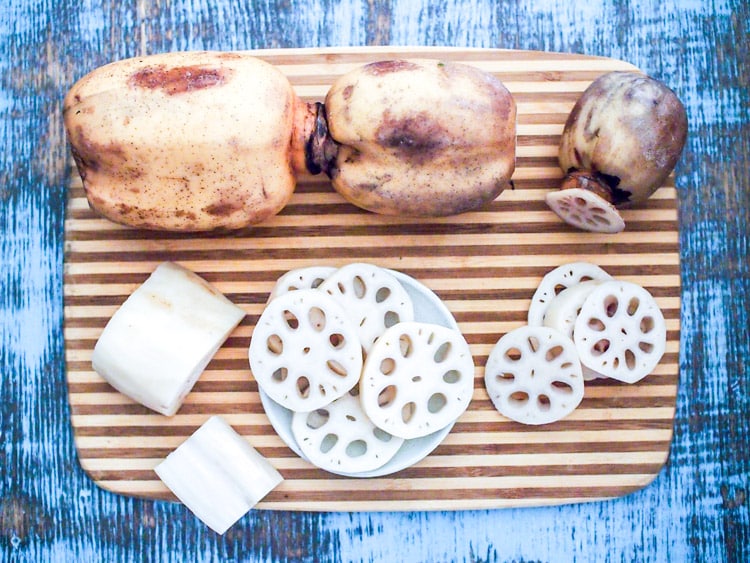
How to spot it: Lotus root is the underwater stem of the lotus plant. It grows in linked sections that look like fat, tan sausages, each 4 to 8 inches long. Slice it crosswise and you'll see its famous lacy pattern of holes.
How to tell it from look-alikes: Nothing else on this list has those holes. Whole, the linked, smooth, light brown segments are a giveaway.
Taste: Crisp, mild and lightly sweet, with a starchy crunch that holds up even after cooking.
How to cook it: Peel it, slice it thin and soak the slices in water with a splash of vinegar to keep them white. Stir-fry it with garlic and chili, braise it in soy and sugar, add it to soups, or fry thin slices into chips. It's generally cooked rather than eaten raw. You can check out some more creative lotus root ideas here.
14. White Carrots
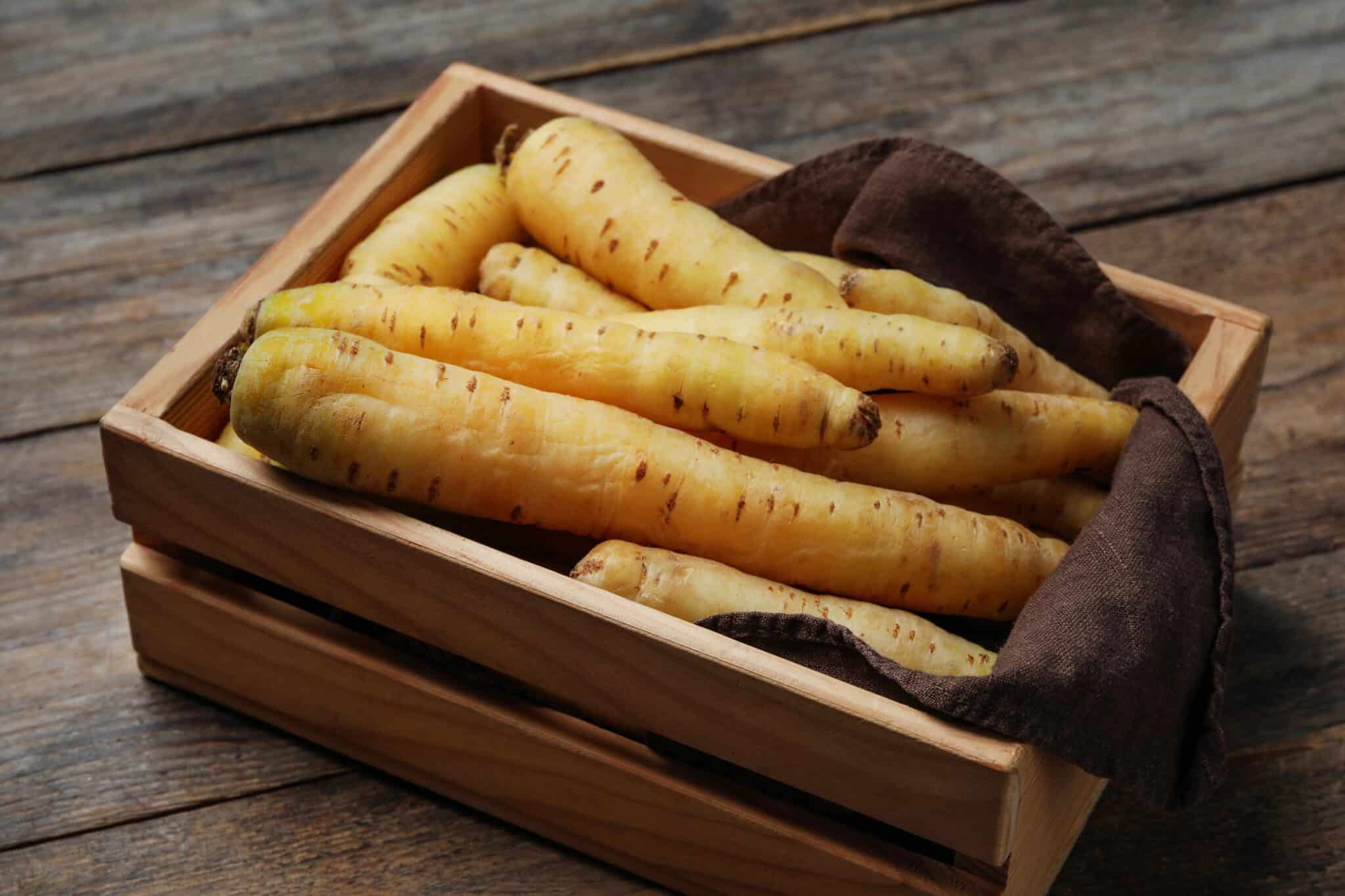
How to spot it: White carrots look exactly like orange carrots, just ivory or cream colored. Varieties such as White Satin and Lunar White are showing up at farmers' markets and in rainbow carrot bunches.
How to tell it from look-alikes: This is the one most often confused with parsnips. White carrots are smoother, slimmer at the top, without a parsnip's wide sunken crown, and they smell like carrots rather than the spicier parsnip scent. They're also crisp and snappy raw, while parsnips are firmer and more fibrous.
Taste: Mild and sweet, less earthy and "carroty" than orange carrots.
How to cook it: Use them anywhere you'd use regular carrots: raw in salads and slaws, roasted, glazed or simmered in soups. Mixed with orange and purple carrots, they make a gorgeous tray of roasted vegetables. I especially love these Vegan Honey Glazed Carrots.
Long White Root Vegetables
If the vegetable you saw was long and white, it's most likely one of these:
- Daikon. The most common answer. Smooth, bright white, thick and even from end to end, often with a green top.
- Parsnip. Cream to tan, with wide shoulders tapering to a point and ringed skin.
- White carrot. Carrot-shaped and smooth, but ivory instead of orange.
- Horseradish. Long, thick and rough, with gnarled tan-brown skin.
- Cassava (yuca). Long and club-shaped with bark-like brown skin; white only on the inside.
- Salsify. Long, very thin and stick-like, with tan or black skin.
- Burdock root (gobo). Not in our main list, but worth knowing: a very long, skinny, brown-skinned root with white flesh, popular in Japanese cooking.
Big White Root Vegetables
Some white roots get surprisingly large. If yours was big and heavy, consider these:
- Daikon. Regular daikon can reach 2 feet long and several pounds, and the round Sakurajima variety grows to the size of a basketball.
- Jicama. Large ones can weigh 4 or 5 pounds, round with flat tops and tan skin.
- Rutabaga. Often the size of a softball or bigger, purple on top and yellowish below.
- Celeriac. A big, gnarly, beige-brown ball with a hairy base.
- Taro. Large dasheen taro can be as big as a coconut, with ringed, shaggy skin.
- Kohlrabi. Most are tennis-ball sized, but giant varieties can grow as big as a cantaloupe.
By the way, if you've heard of a "big white vegetable" in Chinese cooking, that's the literal name of napa cabbage (da bai cai), not a root at all. Daikon is known as white radish (bai luo bo).
Vegetables That Look Like Radishes
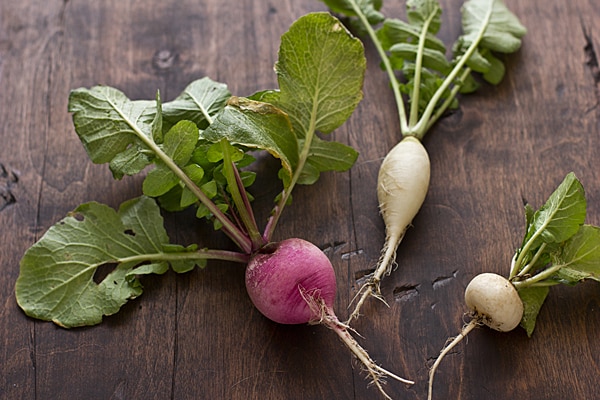
Many roots in the same plant family share a radish's round shape and smooth skin. If it looked like a radish but not quite, it may be one of these:
- Turnips. The closest look-alike: round, white and purple-topped, but larger than most radishes and milder once cooked. Baby Hakurei turnips look almost exactly like white radishes.
- White radishes. Icicle radishes are long and white, and white globe radishes look like small turnips. Both have a radish's peppery bite.
- Daikon and Korean radish. Radishes too, just much bigger.
- Kohlrabi. Round and green or purple, with stems sticking out of the sides.
- Rutabaga. Like a large, yellow-bottomed turnip.
- Beets. A red or golden root with a radish-like shape, but earthy and sweet, not peppery.
Need a radish substitute in a salad? Thinly sliced young turnips, jicama or kohlrabi give you the same crunch, and daikon brings a similar peppery kick.
Helpful Tools for Prepping Root Vegetables
Firm white roots can be tough to cut, and a few simple tools make prep much faster:
- Julienne peeler. Turns daikon, jicama, kohlrabi and white carrots into thin matchsticks for slaws, salads and spring rolls.
- Mandoline slicer. Makes paper-thin, even slices of turnip, lotus root or celeriac for salads, gratins and chips. Always use the hand guard.
- Microplane grater. The best way to grate fresh horseradish and finely grated daikon.
- Spiralizer. Turns daikon, kohlrabi and jicama into noodle-like spirals.
How to Store White Root Vegetables
Most firm white roots, including daikon, turnips, parsnips, rutabaga, celeriac, kohlrabi and white carrots, keep for one to three weeks in a bag in the refrigerator crisper drawer. Trim off any leafy greens first, since they draw moisture out of the root (turnip and radish greens are edible, so cook them separately). Once cut, wrap the pieces tightly and use them within a few days.
Jicama, taro, cassava, sweet potatoes and lotus root are the exceptions. Keep whole jicama, taro, cassava and sweet potatoes in a cool, dry, dark spot rather than the fridge, and use cassava within a few days, since it spoils quickly. Refrigerate lotus root and peeled or cut pieces of any of them, covered in water if they're prone to browning.
White Root Vegetable FAQ
What's the long white vegetable that looks like a carrot?
It's most likely a parsnip: cream colored, carrot-shaped, with wide shoulders and ringed skin. If it was perfectly smooth and shaped just like a carrot, it may be a white carrot. If it was much thicker and bright white, it's probably daikon.
What's the difference between daikon and parsnip?
Daikon is a radish: bright white, smooth, thick and fairly even in width, with a crisp, juicy, peppery bite that's great raw. A parsnip is a relative of the carrot: tan to cream, tapering, with sweet, nutty flesh that's best cooked.
Is it a turnip or a radish?
Size and flavor are the best clues. Radishes are usually smaller, with smooth, thin skin and a sharp, peppery bite. Turnips are larger, often purple on top, and milder and sweeter once cooked. Both are related, so they can often be swapped in recipes.
Which white root vegetables can you eat raw?
Daikon, jicama, kohlrabi, turnips, white carrots, celeriac and parsnips can all be eaten raw, usually grated or thinly sliced. Horseradish is used raw as a condiment. Taro and cassava must always be cooked, and lotus root and salsify are generally cooked too.
What white root vegetable looks like a potato?
Jicama is the most common one; it's round, tan-skinned and potato-like on the outside, but crisp and juicy inside. White sweet potatoes, taro and Jerusalem artichokes (knobby, ginger-shaped tubers) are also often mistaken for potatoes. See our Jerusalem Artichoke Salad for a way to use those.
Are white root vegetables healthy?
Yes. Even without the bright colors of carrots and beets, white roots are good sources of fiber, vitamin C and potassium, and they're low in fat. Daikon, kohlrabi, turnips and jicama are especially low in calories and high in vitamin C, while cassava, taro and sweet potatoes are more filling, starchy energy sources.
More Root Vegetable Recipes
Ready to cook with your white root vegetables? Here are a few favorites to start with:
Vegan Mushroom-Seitan Stroganoff

Here's a hearty pasta dish featuring a healthier, nondairy version of cream-filled Alfredo sauce. This dish also has some serious plant-based "beefiness" courtesy of seitan. Serve with plenty of green vegetables (like broccoli, greens, or green beans) and a simple salad for an any-night-of-the-week meal, or even as a company dish. Recipe adapted from Plant Power: Transform Your Kitchen, Plate, and Life with More Than 150 Fresh and Flavorful Vegan Recipes by Nava Atlas (©2014, published by HarperOne, reprinted by permission). Photos by Hannah Kaminsky.
- « Previous Page
- 1
- …
- 3
- 4
- 5
- 6
- 7
- …
- 22
- Next Page »